
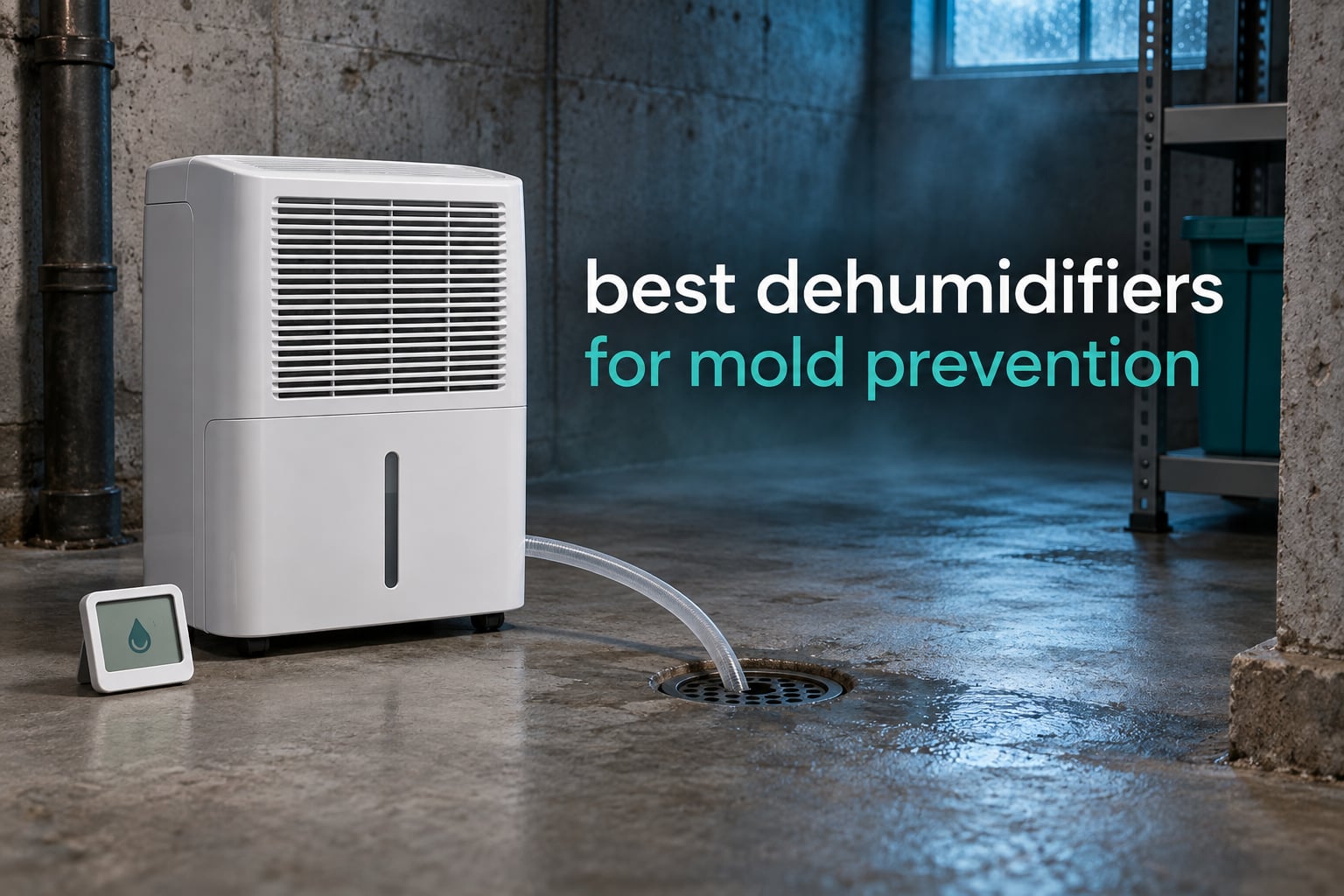
Mold needs food, oxygen, and water, and moisture is the only one of the three you can control from inside the house. That is the entire argument for a dehumidifier, and it is also where most buying guides go soft. We spent weeks reading the specs, the owner complaints, and the failure patterns across nine compressor units to work out which ones actually hold a mold-prone room below the threshold where mold regrows, and which ones just advertise a big number.
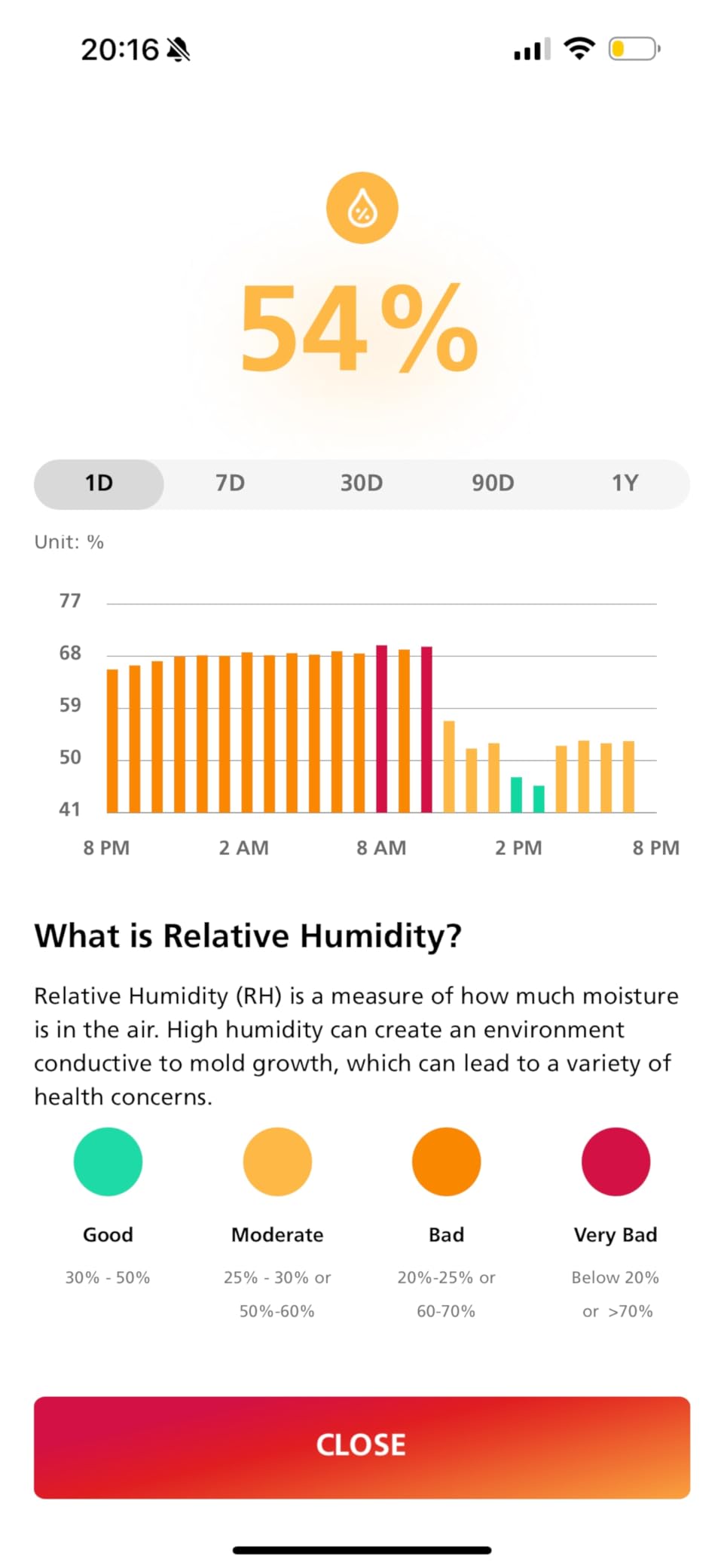
Here is the direct answer first, because you should not have to scroll for it. Mold cannot establish new growth below 60% relative humidity. The EPA recommends keeping indoor relative humidity between 30% and 50%, and the practical operating target for most homes sits at 45% to 50% during the season when mold is active. Set the humidistat to 50% in a basement, 45% in a crawl space, and check the reading with an independent hygrometer rather than trusting the display on the machine.
One thing to clear up before any of the picks: a dehumidifier does not remove mold you already have. It starves mold of the moisture it needs, which sends existing colonies into a dormant state where they cannot regrow, and it prevents new colonies from starting. Removing visible growth is remediation work, and filtering airborne spores is a HEPA air purifier’s job. Buy the dehumidifier to control the environment, and remediate before you set up the machine rather than after.
For this roundup, we compared nine units on the things that decide whether mold gets a foothold: rated extraction capacity, whether they can drain continuously without a human emptying a bucket, how they behave in cool unheated spaces, how much power they pull when left running, and how owners report the real-world noise and reliability after months of use. All nine are compressor-based, which is the only technology worth considering for a mold-prone room. Thermo-electric units lack the capacity and desiccant units are rotation-based and impractical at household scale.
If your problem area is a basement, a crawl space, or a garage, we have dedicated guides for those too: our basement picks, our crawl space picks, and our garage picks. This page is the mold-specific view across all of them.
Table of Contents
Top 3 Best Dehumidifiers for Mold Prevention in 2026

hOmeLabs 50 Pint with Pump
- 50 PPD with 120 pint max
- Built-in pump plus Wi-Fi
- 3 modes and 218 CFM turbo
AEOCKY 80 Pint Energy Star
- ENERGY STAR Most Efficient 2025
- Operates down to 65°F
- 44 dB on lowest fan speed

Yaufey 150 Pint with Pump
- 150 PPD at 95°F
- Basement mode set to 45% RH
- Three drainage options
Best Dehumidifiers for Mold Prevention in October
| Product | Specs | Action |
|---|---|---|
| hOmeLabs 50 Pint with Pump |
|
Check Latest Price |
| AEOCKY 80 Pint Energy Star |
|
Check Latest Price |
| Yaufey 150 Pint with Pump |
|
Check Latest Price |
 Waykar 80 Pint Waykar 80 Pint |
|
Check Latest Price |
 VEAGASO 34 Pint VEAGASO 34 Pint |
|
Check Latest Price |
 Gasbye 115 Pint Energy Star Gasbye 115 Pint Energy Star |
|
Check Latest Price |
 avylo 90 Pint with Pump avylo 90 Pint with Pump |
|
Check Latest Price |
 Midea Cube 20 Pint Midea Cube 20 Pint |
|
Check Latest Price |
 HUMILABS 30 Pint HUMILABS 30 Pint |
|
Check Latest Price |
1. hOmeLabs 50 Pint with Pump (HME1004) – the most balanced mold machine
hOmeLabs Dehumidifier 7,500 Sq Ft 50 Pint with Pump 120 Pint 95°F, 90% RH
50 PPD at 80°F/60% RH
120 pints max at 95°F
1.6 gal tank
Built-in pump and Wi-Fi
Pros
- Built-in pump for unattended continuous drainage
- 50 PPD clears the mold capacity floor
- Wi-Fi app for remote humidity checks
- 218 CFM turbo airflow
- 4.6 stars across more than 15000 reviews
Cons
- Highest price point in this roundup
- 1.6 gallon tank is small for a 120 pint maximum
- Several size variants share near-identical listings
This is the unit we would put in a finished basement with a family living above it. It rates 50 pints per day at the DOE test condition of 80°F and 60% relative humidity, which is the single most useful number for mold work, and it peaks at 120 pints at 95°F and 90% RH for genuinely wet conditions. That rated 50-pint floor matters more than any other spec on the list, because below it the compressor cycles on and off constantly in a damp room and never gets ahead of the moisture load.
What separates it from the other 50-to-80-pint machines here is drainage. The integrated pump pushes water up and out through the included line, so you can put the unit in a finished room with no floor drain and no visible bucket. For mold prevention specifically, this is the feature that decides whether the machine actually runs continuously, and reviewers in r/basement describe the moment a continuous line goes in as the end of the bucket-emptying problem entirely.
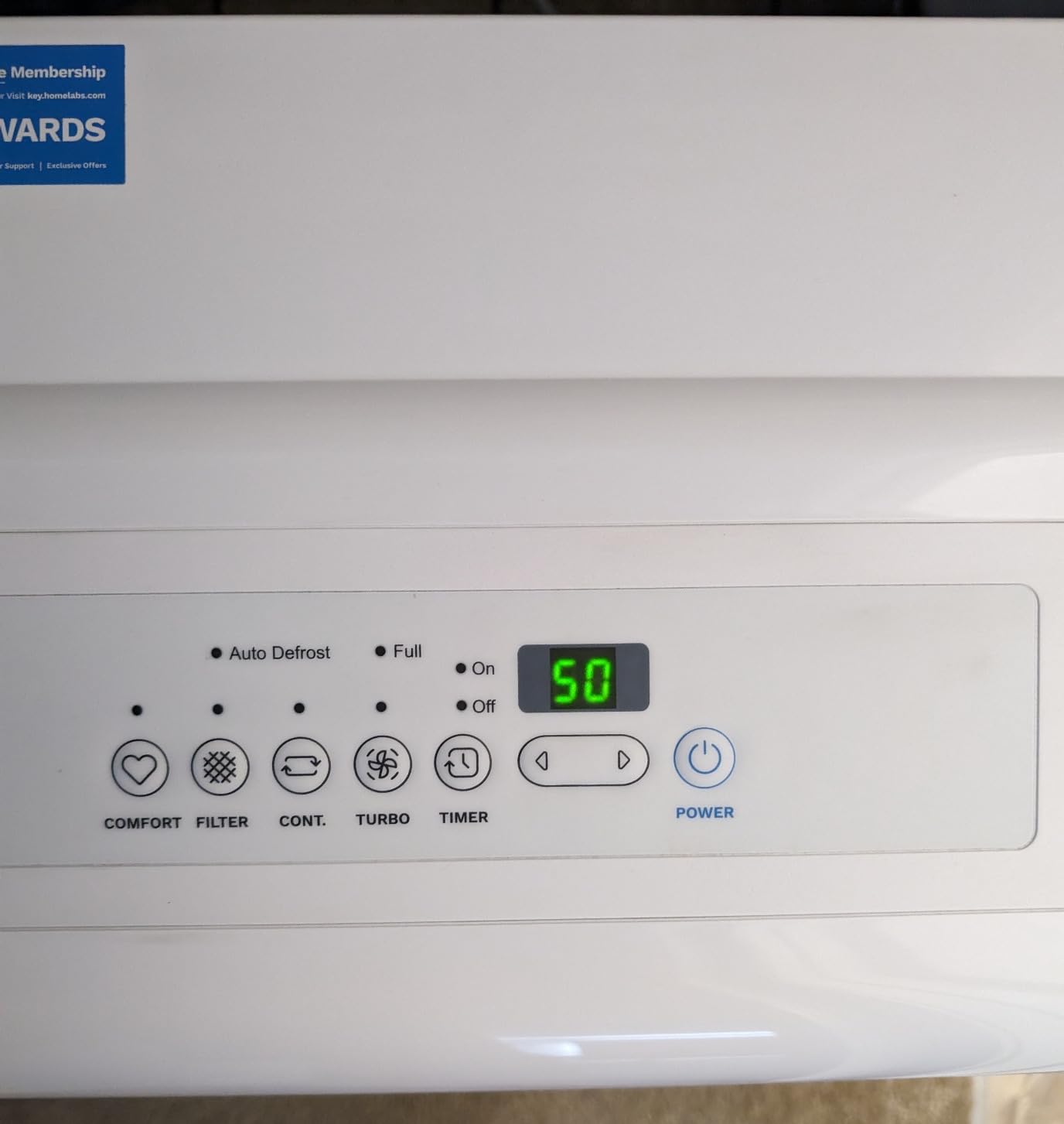
The Wi-Fi app matters more here than it looks on paper. You can check the basement humidity from upstairs instead of walking down to read a display in the dark, which is the difference between checking twice a day and checking once a week. There are three operating modes: Comfort, Turbo, and Continuous, and Turbo moves 218 CFM against 188 CFM in Standard, which is what you want on the first two days of a pull-down after rain.
Owners also like that it holds its humidity reading accurately. A machine that thinks the room is at 50% when the room is actually at 58% will happily shut off and leave you with mold conditions, so the digital readout and the on-board humidistat are doing more work in a mold scenario than the compressor is. A check-filter indicator and a washable filter keep the intake from fouling and dragging the rating down over a season.
How it handles a post-remediation basement
This is the exact scenario the machine is built for. Set Continuous mode, run the pump line to a drain or a sink, set the target to 50%, and walk away. A dehumidifier in this mode holds a large finished basement in the low-to-mid 40s indefinitely, which is the range where mold cannot regrow and where a remediation contractor will tell you to keep it.
Because the pump is doing the work, tank size stops being a factor. The 1.6 gallon tank is genuinely small next to a 120-pint maximum, and without the pump you would be emptying it several times a day in humid weather. With the pump running, the tank is just a reservoir during setup and a backup if the line blocks.
Where it falls short
It carries the highest price in this roundup, and that matters if you only need a single small closet or bathroom handled. The 1.6 gallon tank is also worth understanding before you buy: if the pump fails or the line kinks, you are back to manual emptying on a machine rated to pull water fast.
There is a listing-navigation trap here. Several size variants share near-identical pages, so check that the capacity and the pump are both listed before you order. The 50-pint figure is the rated capacity at 80°F, and the 120-pint figure is a maximum at extreme conditions, not a daily real-world number.
2. AEOCKY 80 Pint (RHEA-001) – the one that keeps working when the basement gets cold
AEOCKY 5500 Sq.Ft Energy Star Most Efficient 2025 Dehumidifier Max 80Pint/D
80 PPD at 95°F/95% RH
56 PPD at 86°F/80% RH
1.45 gal tank
ENERGY STAR Most Efficient 2025
Pros
- Rated to keep extracting at 65°F
- ENERGY STAR Most Efficient 2025 certification
- 44 dB on the lowest fan speed
- Five operating modes including sleep
- Pure copper tubing and 3+2 coil structure
Cons
- 1.45 gallon tank is small for 80 PPD extraction
- Marketing claims take careful reading
- 500-watt-class draw at similar capacity
Most compressor dehumidifiers start to struggle below about 65°F, where ice builds on the evaporator coils and the machine either frosts up or shuts down to protect itself. That cutoff is exactly the problem in a north-facing basement in February, and it is why so many basement dehumidifiers quietly stop doing anything in the coldest weeks. This one is rated to keep working at 65°F with top-tier defrost sensors, and owners specifically call out low-temperature reliability as the thing that sets it apart.
It is also one of a small number of units carrying genuine ENERGY STAR Most Efficient 2025 certification, which places it in the top 2.6% of certified models. For a machine meant to run around the clock through a mold season, that certification is a direct line item on your electricity bill rather than an abstract efficiency claim. Rated output is 80 pints per day at 95°F and 95% RH, and 56 pints per day at 86°F and 80% RH, which is a more honest set of numbers than a single headline figure.
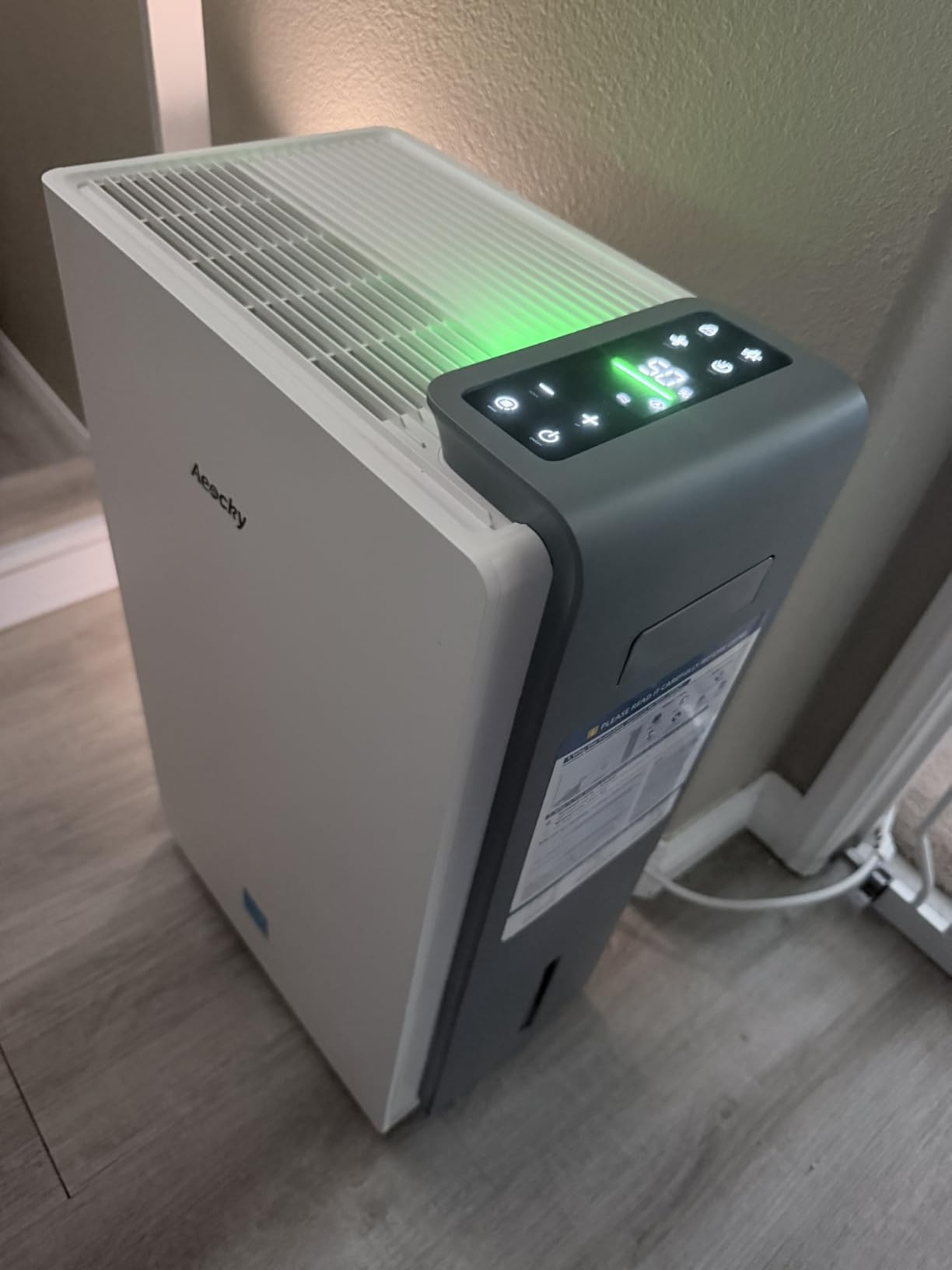
The build detail that gets underreported is the coil and tubing. This unit uses 7mm high-tooth pure copper tubing with blue hydrophilic aluminum foil and a 3-plus-2 row evaporator and condenser structure, rather than the thinner aluminum used in cheaper machines. Corrosion and coil fouling are what kill dehumidifiers after a few seasons in a wet room, so the material choice is a longevity signal rather than a spec-sheet flourish.
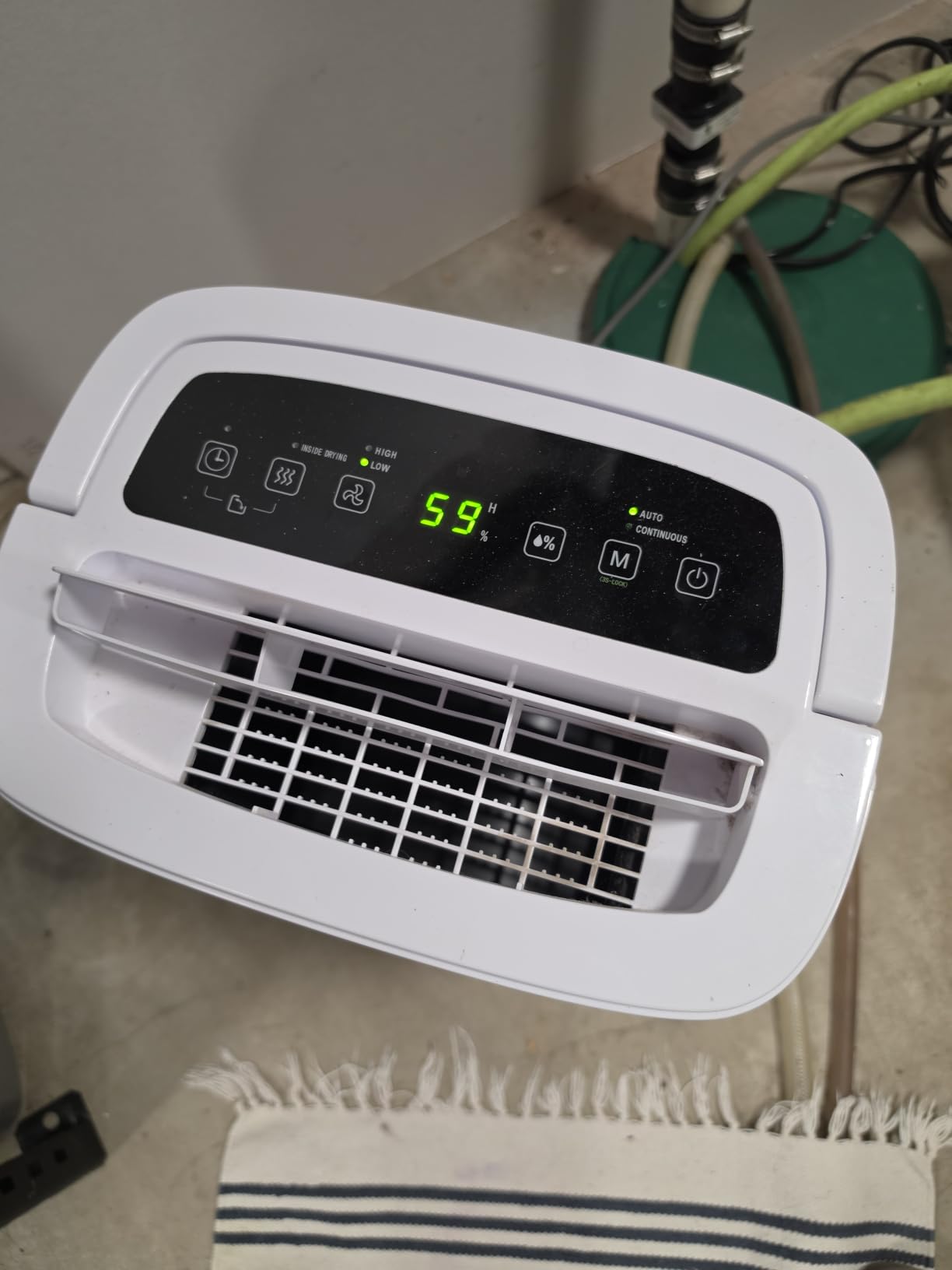
Five operating modes cover the mold workflow well: Auto, Constant Humidity, Continuous, Smart Drying, and Sleep. The power-off memory function is a small but useful detail if you use a smart socket or an RV, since the unit returns to its previous settings instead of starting from factory defaults.
What to check before you order this one
The listing is dense with efficiency language, and the claims are true but buried. Read the extraction figures against the temperature and humidity conditions they were measured at. An 80-pint headline number measured at 95°F and 95% RH tells you very little about what happens in a 68°F basement at 60% RH, which is where this machine actually earns its keep through the defrost cycle.
At 280 watts, it sits in a higher draw class than some competitors at similar capacity. Over a full mold season of continuous operation, that difference shows up, and it is the main reason to pair a unit like this with a properly sized drain line rather than running it harder than the room needs.
How it fits a small mold-prone room
Rated coverage of 5,500 square feet is generous, and coverage claims across this whole category are optimistic. Read it as headroom, not as a promise: the machine is built to have capacity to spare in a moderately damp space so it can hold the setpoint on the first pass instead of running continuously and still failing to get below 50%.
The 44 dB figure at the lowest fan speed makes this a reasonable pick for a finished room or a bedroom, provided you run it on a lower setting once the initial pull-down is done. That lowest speed is where the rated noise level applies, so pair it with Sleep mode for overnight use.
3. Yaufey 150 Pint with Pump (JD026R-150PM) – when the water event was bigger than the room
Yaufey 150 Pint Dehumidifier with Pump for Basement 8500 Sq. Ft.
150 PPD at 95°F and 90% RH
1.85 gal tank
Built-in pump
Three drainage paths
Pros
- Highest rated extraction in this roundup
- Only unit offering tank
- gravity
- and pump drainage
- 1.85 gallon tank with full-tank alert
- Basement mode presets to 45% RH
- 30% to 80% adjustment in 5% steps
Cons
- 500-watt draw is the highest here
- 39.7 pounds is heavy to move
- 40° to 80° swing is narrower than most
- Only two fan speeds
Post-flood and post-remediation jobs are where a 50-pint machine runs for days without ever getting ahead of the water. This unit rates 150 pints per day at 95°F and 90% RH, the highest extraction figure in the group, and it is the pick for a basement that has just been dried out after a leak, a sump failure, or a flood. Once the water is gone, you would step down to a smaller machine for ongoing control.
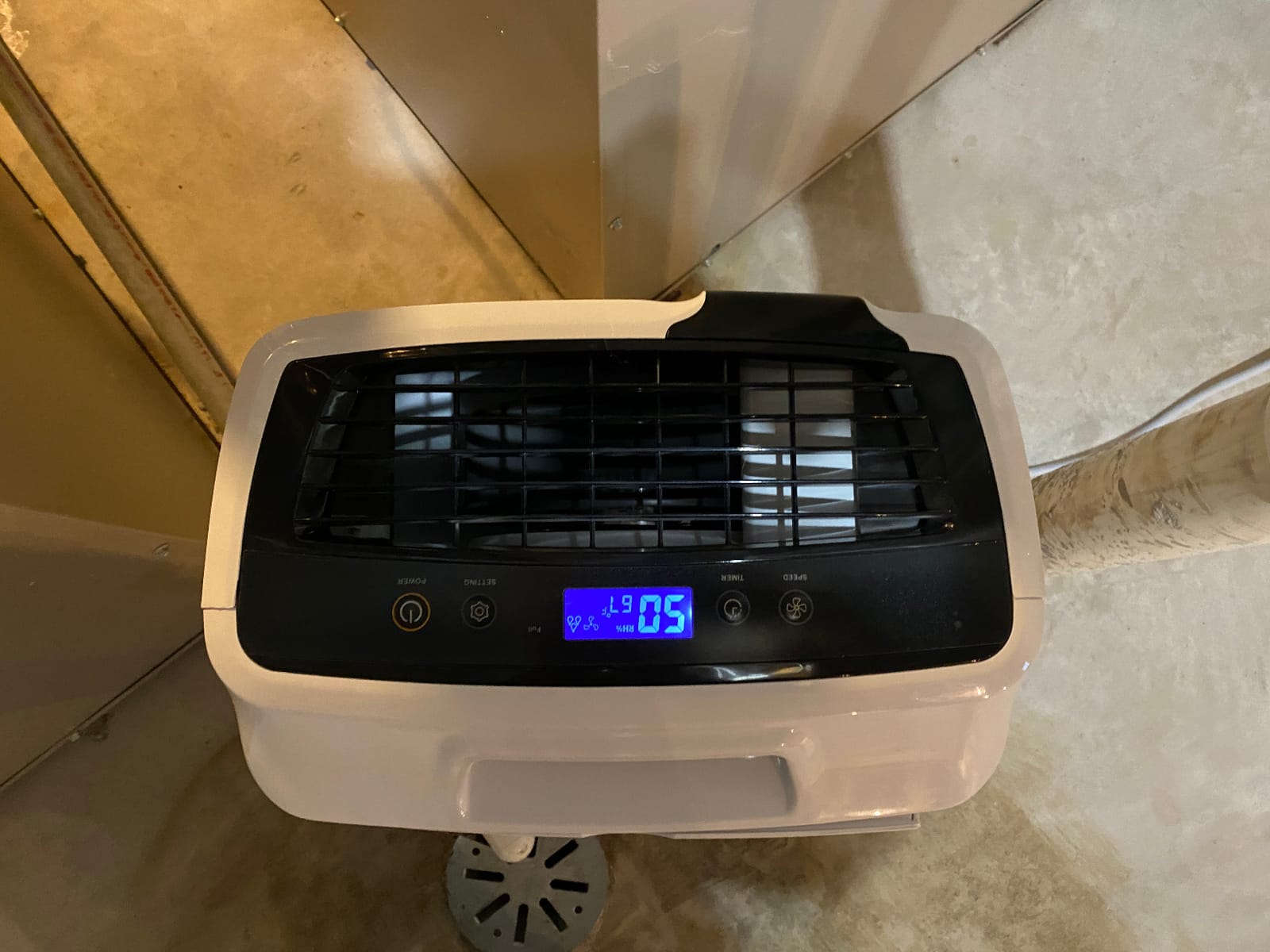
The drainage setup is the most complete here. It offers all three paths: an upward pump line with 15 feet of hose, gravity drainage, and the tank. That flexibility matters during remediation, because you can move water to a sink, to a floor drain, or up and over a finished threshold without changing equipment. The 1.85 gallon tank is the largest in the roundup and comes with a visible level and a full-tank alert.
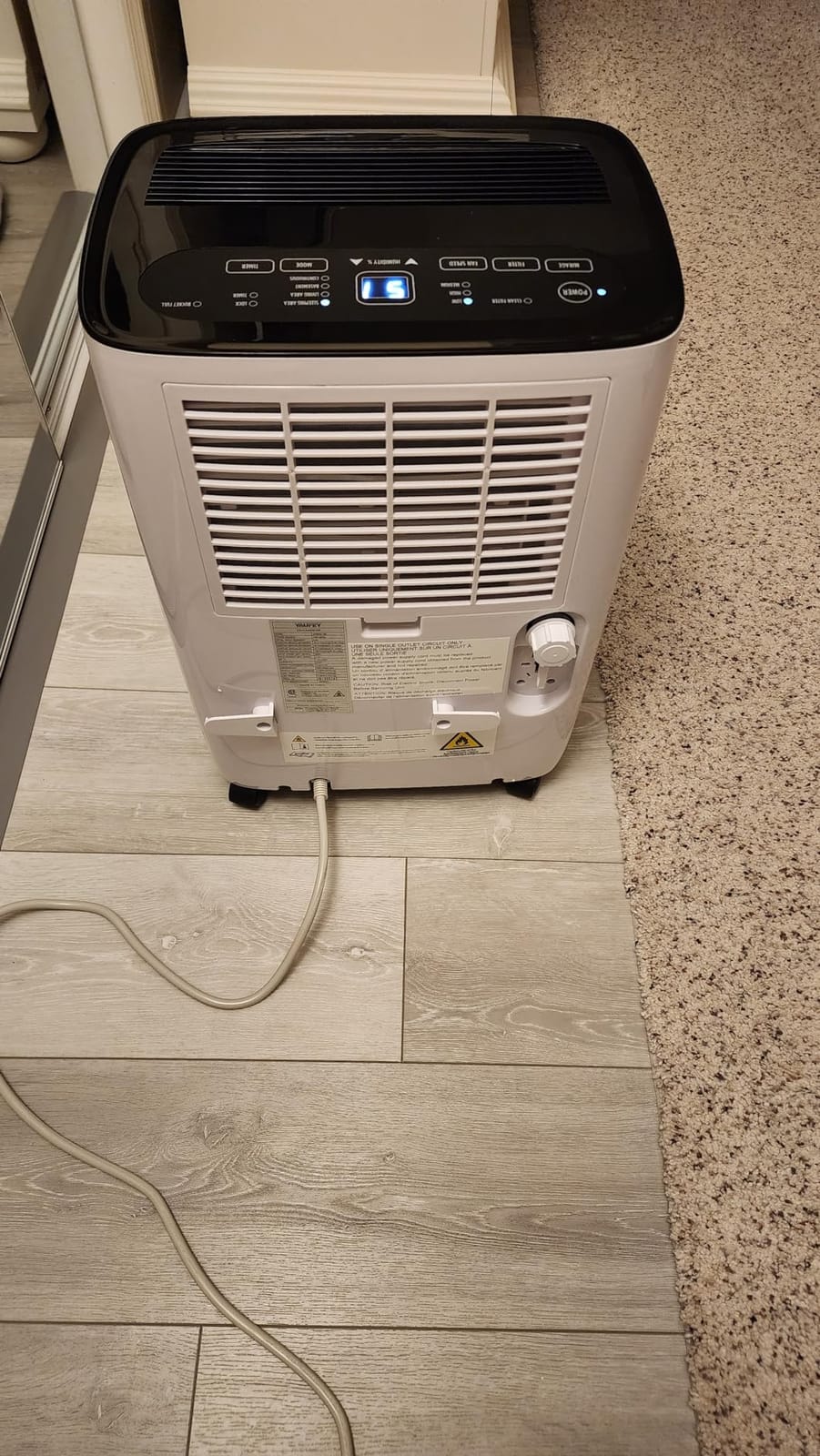
The mode presets are built around mold work specifically. Living Area runs a 50% RH target, Basement mode sets 45% RH, and Continuous runs flat out for the initial pull-down. The humidity range adjusts from 30% to 80% in 5% steps, and temperature plus humidity sensors with a compensation algorithm drive the on/off cycling. That wider setpoint range than most competitors give you is useful if you also want to run the machine in a garage or an unheated storage area.
Owners in damp-basement situations report strong, sustained extraction and specifically appreciate not having to supervise the tank, which is the same point that shows up again and again from basement owners. The 7mm high-tooth pure copper tubing and 3-plus-2 coil structure match the AEOCKY build approach, which is a reasonable signal for a machine that will see heavy runtime.
Whether you should size up this far
Only if the moisture load is genuinely high. At 500 watts, this is the highest draw in the roundup, and running a 150-pint machine in a normally damp basement for a full season wastes power without improving the humidity result. Think of the extra capacity as insurance for a wet period, not as a permanent setting.
At 39.7 pounds, plan the move before you order. Castors and ergonomic handles are included, but crossing thresholds and stairs with a full tank is a two-person job. If the machine will live upstairs or in a finished space, weight is a real recurring annoyance rather than a one-time delivery detail.
How the drainage options change the setup
During remediation, the upward pump line is the option that saves you. You can run it to a laundry sink or a floor drain on another level without losing gravity head pressure, which means you can place the machine where the air needs to move rather than where the plumbing happens to be.
For long-term control, switch to gravity drainage once you are out of the wet phase. Continuous mode on this unit is meant for the first days, and the Basement preset at 45% RH is the number you want running through the season.
4. Waykar 80 Pint (JD025CE-80) – the most owner-tested pick here
Waykar 80 Pints 5000 Sq. Ft 2025 Energy Star Dehumidifier for Basement
80 PPD at 95°F and 90% RH
1.14 gal tank
270 watts
ENERGY STAR certified
Pros
- Largest review base in the roundup at over 22500
- 30% to 80% humidity setpoint range
- ENERGY STAR certified
- 42 dB operation with a 24-hour timer
- Supports tank and continuous gravity drainage
Cons
- 1.14 gallon tank is small for the rated capacity
- Only two fan speeds
- Highest one-star share among the large-capacity units
- Some owners question the top of the coverage claim
With more than 22,500 reviews behind it, this is the pick with the deepest field history in the roundup, and that matters when you are trusting a machine to run unattended through a whole mold season. Buyers consistently credit raw extraction power in damp basements, the wide 30% to 80% setpoint range, and low noise. Sixty-eight percent of reviews are five-star and 16% are four-star, which is a solidly positive distribution for a category with this much variance.
The 30% lower bound on the setpoint is unusual for the category and genuinely useful. Most machines bottom out around 35%, which is fine for mold work, but the extra range lets you protect an over-dry space such as a bedroom with wood furniture or a server closet without giving up the moisture control you bought the machine for.
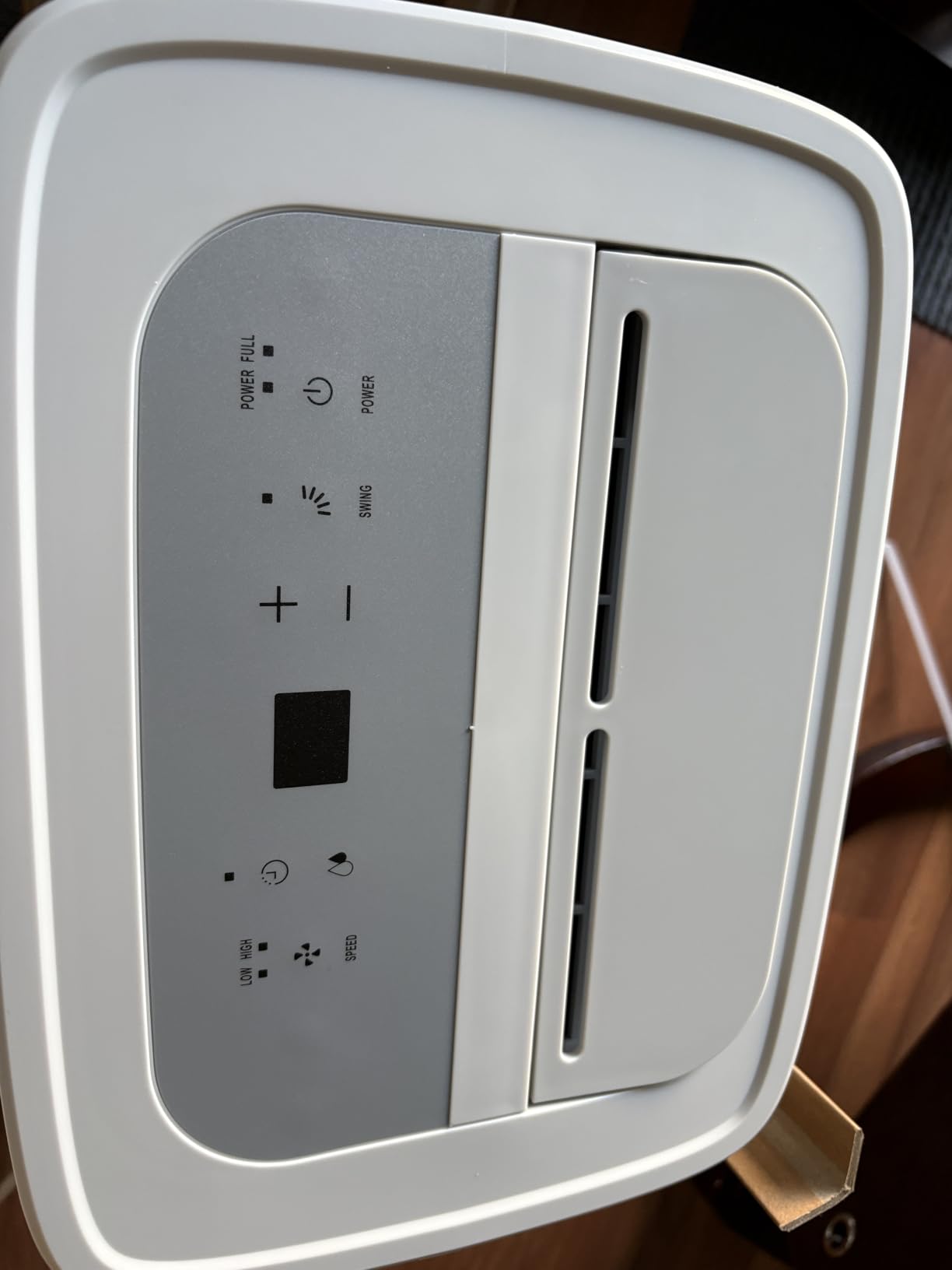
At 270 watts and 165 CFM, the electrical and airflow profile is sensible for an 80-pint compressor unit. The 90° auto swing is wider than most competitors here, and that wider oscillation matters in a rectangular basement where a narrow swing leaves a damp corner that never gets touched. The auto defrost and overload protection run automatically, and the washable filter means there are no replacement parts to keep buying.
The AI-sensing protection system is worth a sentence because it is the difference between a machine that protects itself overnight and one that does not. Auto shutoff on a full tank, auto defrost on cold coils, and overload protection are all the failure points that turn a nuisance into a flooded floor.
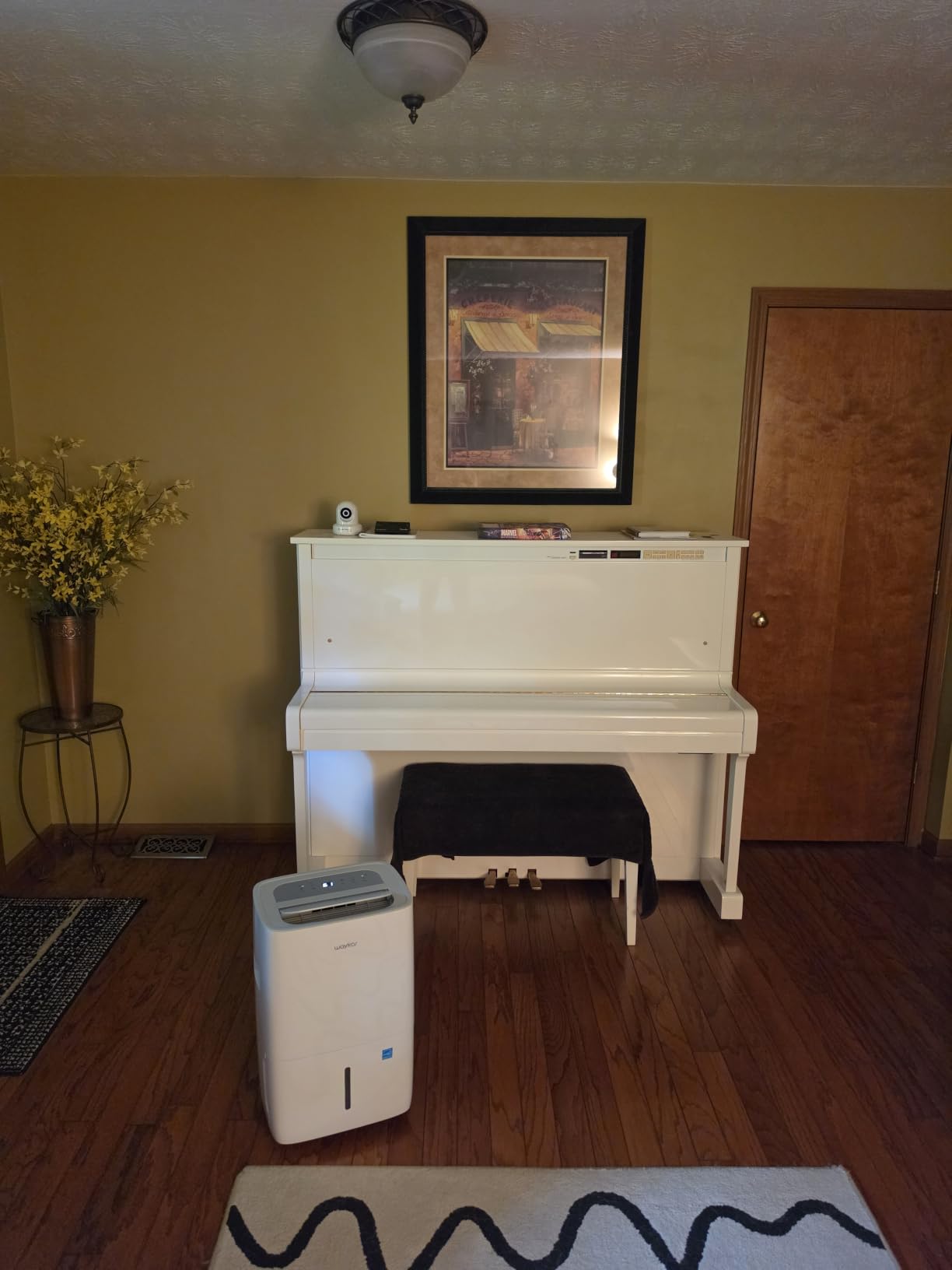
Setting it up for a whole mold season
Use it on continuous gravity drainage through a standard 3/4 inch garden hose connection, and the tank problem disappears entirely. The included hose is 6.56 feet, which covers a basement drain or a laundry sink in most layouts, and you can pick up a longer garden hose for anything further away. Several owners attach a garden hose rather than relying on the included length, which is a common fix for longer runs.
Set the target at 50% RH for a typical basement and confirm it with a separate hygrometer placed at floor level in a corner, not on the wall. Warm, humid air rises, and a reading taken at eye level in the middle of the room will look better than the conditions at the baseboards where mold actually starts.
What the 9% one-star share is telling you
Nine percent is the highest one-star share among the large-capacity units here, and the recurring themes behind it are worth taking seriously rather than dismissing. Early units fail, coverage claims at the top of the 5,000 square foot rating get questioned by owners in larger spaces, and two fan speeds is limiting if you want fine control between a hard pull-down and quiet overnight running.
The 1.14 gallon tank is the practical issue. In bucket mode at 80 pints of rated capacity, you would be emptying it many times a day, so treat the drain line as a required accessory rather than an option. Warranty coverage is one year plus a second year on registration.
5. VEAGASO 34 Pint (VG380) – best value for a normal damp basement
VEAGASO 34-36 Pint/D, 2500 Sq.Ft Dehumidifier for Basement with Drain Hose
34 to 36 PPD for 2500 sq ft
0.53 gal tank
230 watts
40 dB on low speed
Pros
- Strong measured reductions reported by owners
- Auto defrost for cool-space operation
- Power failure memory restores settings
- LED touchscreen with live humidity readout
- Backed by responsive customer service
Cons
- Tank is much smaller than the pint rating implies
- 60 to 65 dBA on the high fan setting
- Included drain tubing is thin plastic
- Power cord is short and castors do not lock
This is the value pick for someone with a modestly damp basement or a small apartment rather than a water event. At 230 watts for 34 to 36 pints per day of rated removal, the power-to-capacity ratio is efficient, and the 4.5-star average across roughly 3,060 reviews is stronger than most units in its size class. Seventy-five percent of reviews are five-star.
Owners report real numbers, not impressions. One buyer took a 500 square foot beach apartment from 78% to 55% relative humidity in a couple of hours. Another dropped a 1,660 square foot basement to 52% in a few weeks, and a third ran it for months of continuous 16-hour daily operation in the same basement without incident. That is the pattern of results you want from a mold machine.
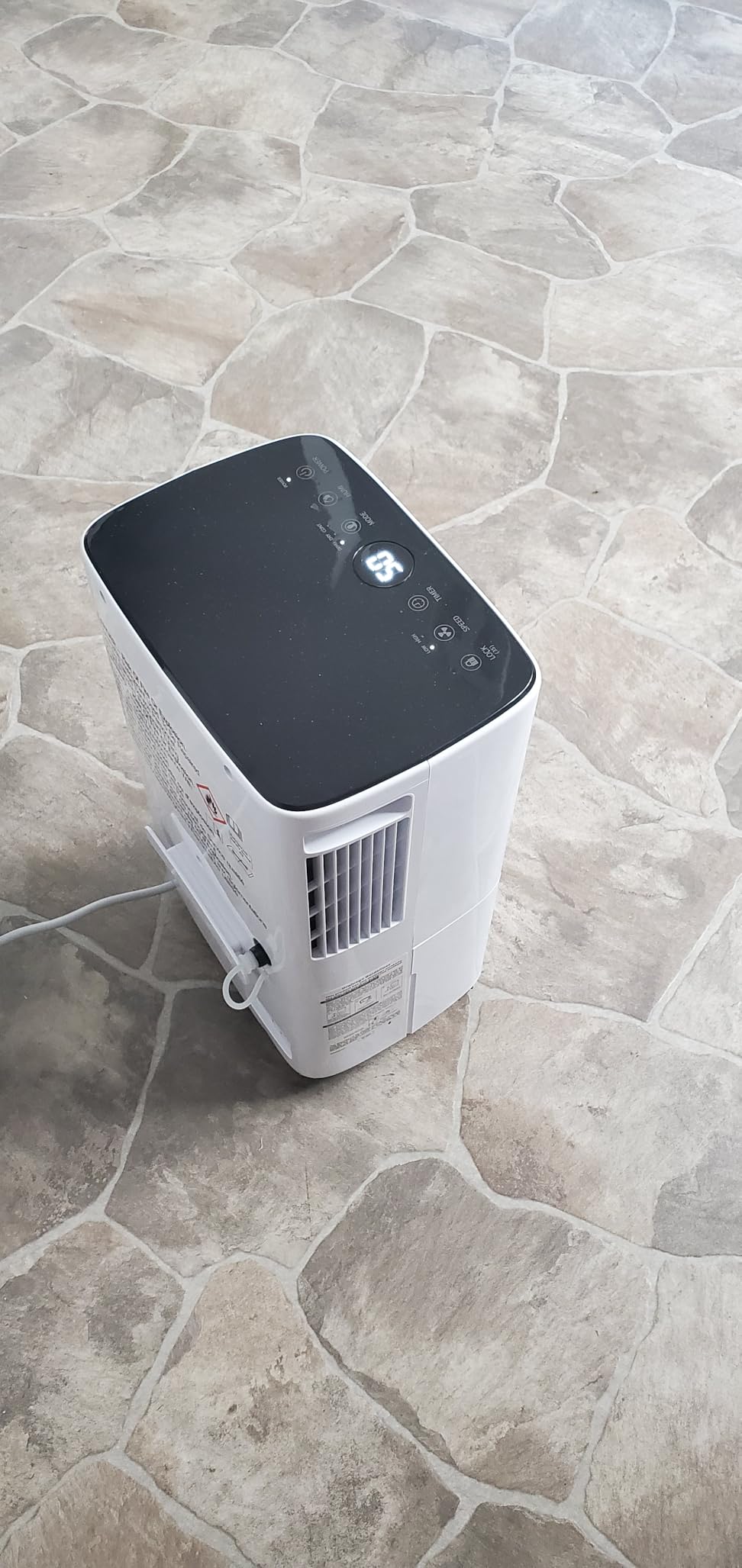
Three modes cover the mold workflow: DEHU for holding a target humidity, DRY for indoor clothes drying, and CONT for nonstop basement use. Auto defrost lets it run in cool spaces, which one buyer confirmed by using it in an unheated attached garage. Power failure memory restores the last settings, which matters more than it sounds in a room you are not standing in every day.
The LED touchscreen shows live humidity alongside the target, and the 1-to-24 hour timer covers a daily operating window if you do not want it running around the clock. Service has also been a strength: owners describe upgrades and replacements when units were not satisfied.
Why 34 pints is a workable mold capacity
The 50 PPD floor rule applies to genuinely mold-prone rooms, meaning basements and crawl spaces with a real moisture source. For a small apartment, an upper-floor bedroom with window condensation, or a bathroom that stays musty, 34 pints is enough to pull the room under 60% and hold it there. The gap between 34 and 50 pints only matters when the room is fighting an ongoing water load.
That said, size for the dampness tier rather than the square footage. Several buyers advise stepping up because the 2,500 square foot rating is optimistic, and a machine that runs continuously without reaching its target is not solving the problem. Measure the space, identify whether the moisture comes from air or from a source, and pick the capacity accordingly.
What to fix on day one
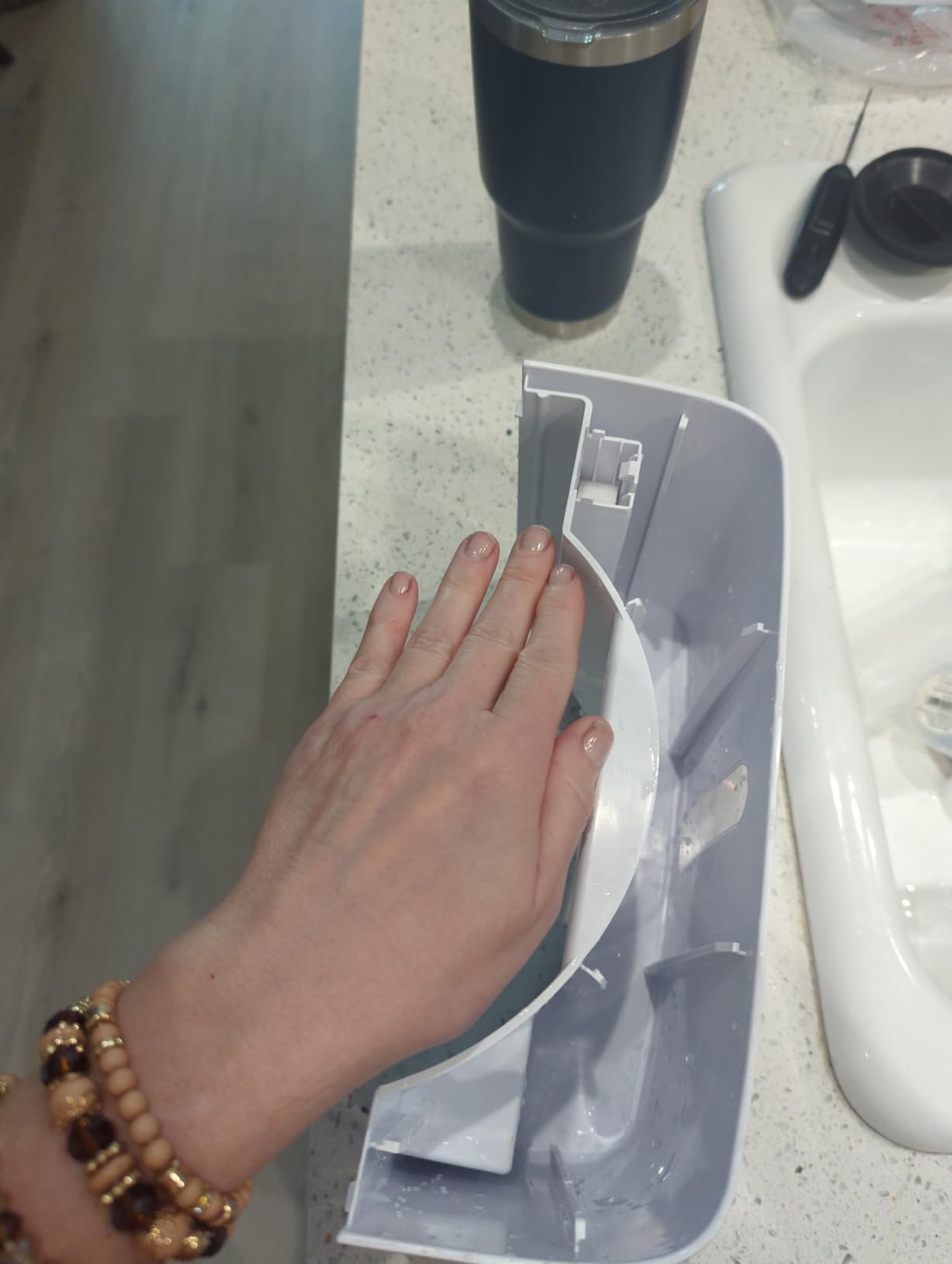
Attach the drain hose. The 0.53 gallon tank is far too small for a 34-pint rating, and owners report emptying it two or three times a day in humid conditions. The included tubing is thin plastic and one buyer reported it snapping at the outlet port, so the outer ring accepts a standard garden hose instead, which is the more durable choice.
Run it on the low fan speed, where the rated 40 dB applies. On high, one buyer measured 60 to 65 dBA, which is conversation-level noise and a poor fit for a bedroom. The power cord is under 6 feet, and the castors do not lock, so plan the outlet position before you place it.
6. Gasbye 115 Pint DryPrime-50-B – the most transparent efficiency data
Gasbye 6000 Sq.Ft 2026 Energy Star Dehumidifier for Basement Max 115Pints/D
115 PPD at 86°F/80% RH
1.7 gal tank
500 watts
ENERGY STAR 2026
Pros
- Publishes tested extraction at three temperature and humidity points
- ENERGY STAR 2026 certified
- Reinforced copper tubing and 5-tier copper coil
- 2-year US coverage with full new replacement units
- Three drainage options
Cons
- 43 pounds is the heaviest unit here
- 500-watt draw among the highest
- Black finish suits utility spaces better
- Small review pool of 919
This is the only unit in the roundup that publishes tested extraction at three separate temperature and humidity points instead of a single headline number. It rates 115 pints per day at 86°F and 80% RH, 73 pints per day at 80°F and 60% RH, and 50 pints per day at 65°F and 60% RH. That last figure is the one to read, because 65°F and 60% RH is the condition that matches a cool damp basement, and 50 pints at that condition clears the mold capacity floor without heroics.
It is ENERGY STAR 2026 certified with a stated 30% efficiency improvement over non-certified models, and the smart humidity control uses a 3% hysteresis band plus a post-shutoff fan cooldown that keeps residual moisture on the coils from becoming a mold site inside the machine. That cooldown detail is small and almost never advertised elsewhere, and it is exactly the kind of thing that matters in a mold context.
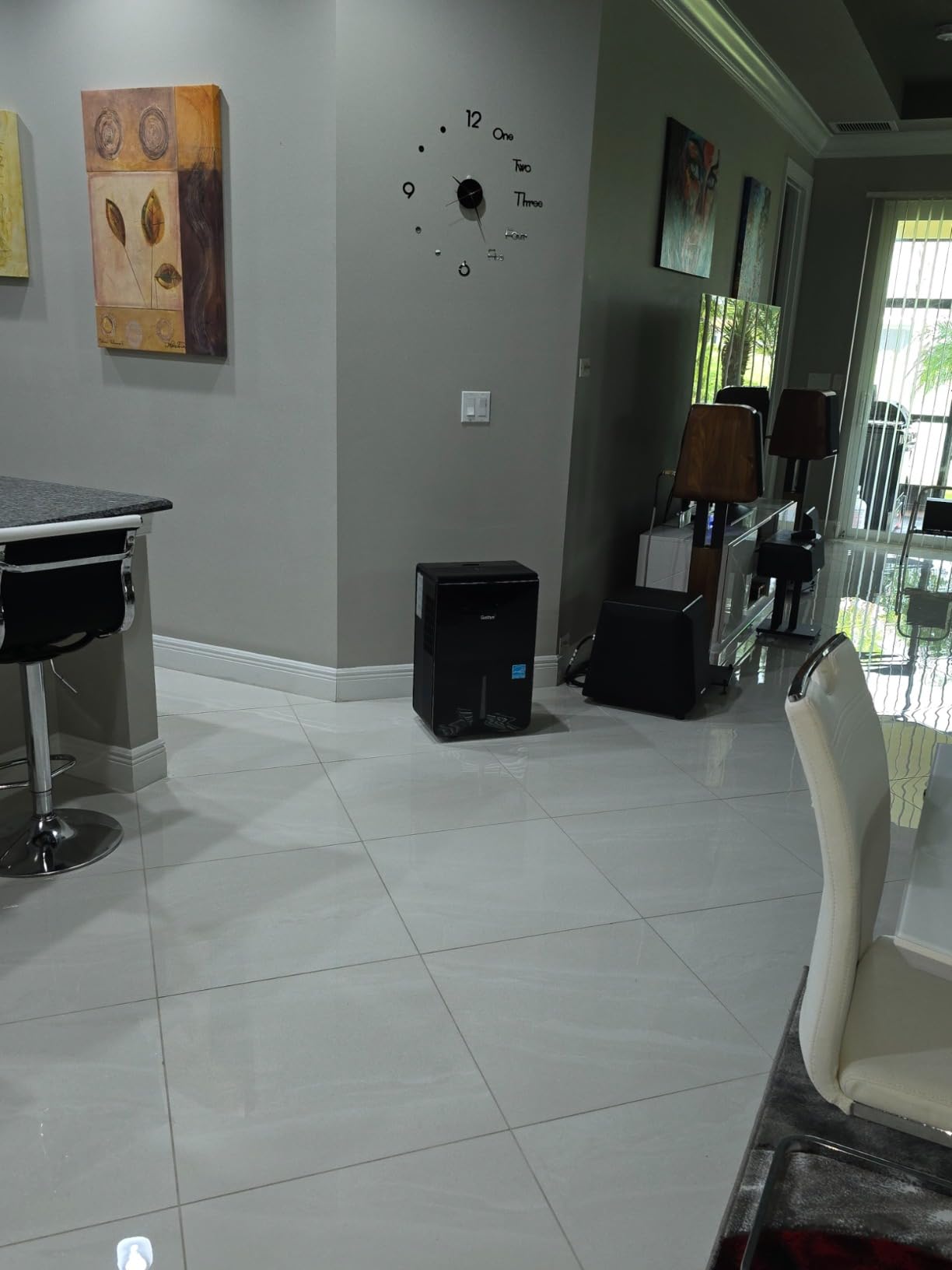
Four modes cover the range: Normal, Turbo, Comfort, and Continuous. At 45 dB it is not the quietest unit here, but it is quiet enough for a utility space and reasonable for a finished room with a door closed. The 1.7 gallon tank, a 5-foot drain hose, and a 3/4 inch garden hose connection to the threaded rear outlet give you all three drainage paths from a single machine.
The construction focus is explicit: reinforced thickened copper tubing and a 5-tier copper coil, built specifically around units that fail after one or two years in damp rooms. Coverage is backed by two years of US support with full new replacement units rather than refurbished ones, and a stated sub-two-hour response target.
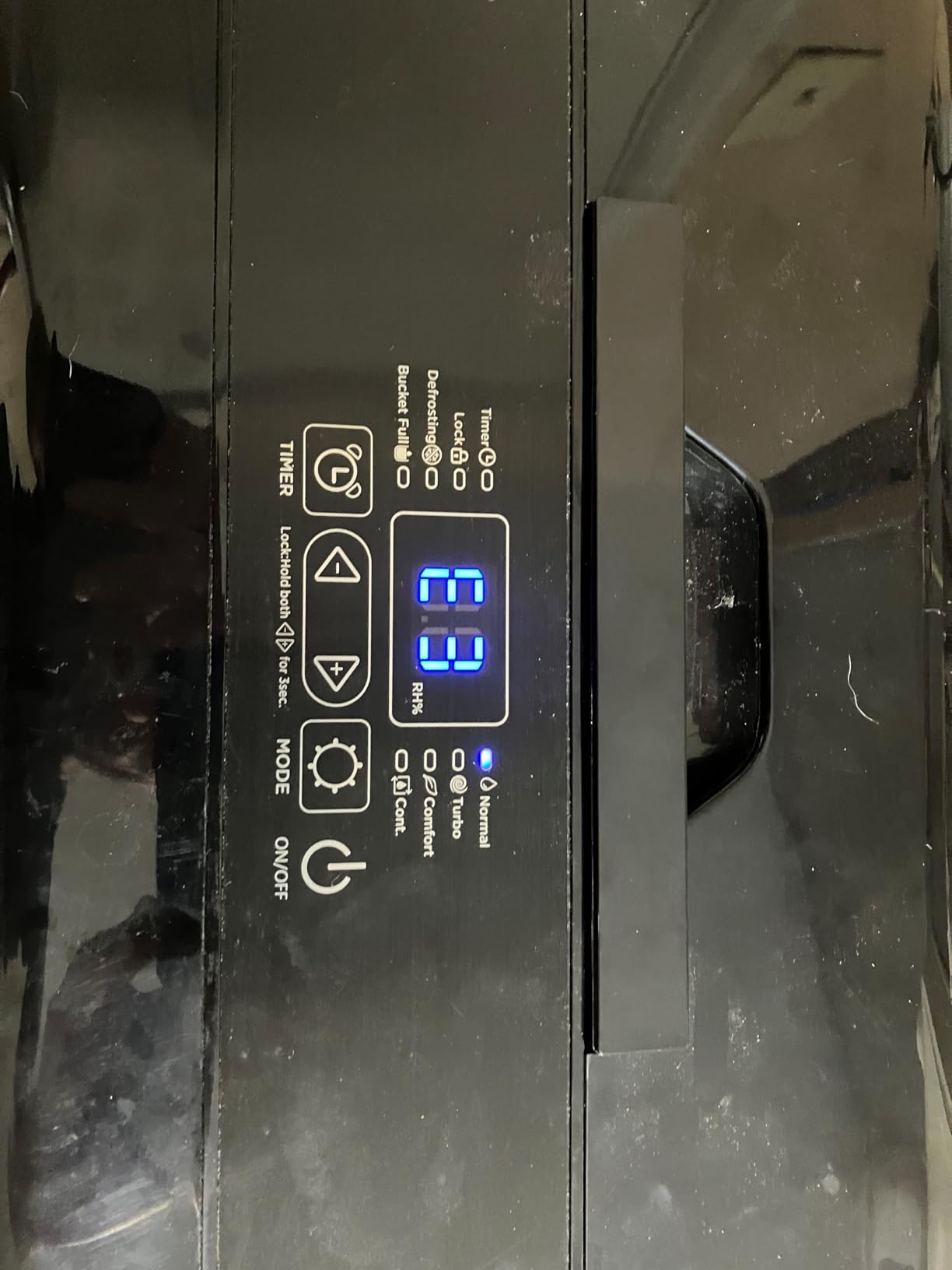
Reading the three-point rating chart
When a manufacturer publishes one number, that number is almost always measured at 95°F and 90% RH, conditions you will never see in a basement. The 73 pints at 80°F and 60% RH figure here is the honest middle condition, and the 50 pints at 65°F and 60% RH is the one that tells you whether the machine can hold a cool room under 50% without running nonstop.
Use the lowest of the three published numbers as your sizing number, not the highest. Sizing off the peak figure is the most common reason a dehumidifier never reaches its target and gets blamed for not working.
Where the thin review base bites
Nine hundred and nineteen reviews is the second smallest pool in the roundup, and long-term durability is less documented here than for the high-volume models. The 4.6-star average and 80% five-star share are excellent, but they describe a shorter observed period of use.
Two other details to weigh. The black finish is better suited to a utility room than a finished living space, and at 43 pounds this is the heaviest machine on the list. The spec sheet lists floor area as 4,500 square feet while the product title says 6,000, so treat the coverage figure loosely and rely on the extraction numbers instead.
7. avylo 90 Pint with Pump (ADC018) – the efficiency and warranty leader
avylo Dehumidifier for Basement with Pump and Hose, Max 90 Pints/D, White
90 PPD at 90°F and 90% RH
2.11 gal top-mounted tank
235 watts
41 dB
Pros
- ENERGY STAR Most Efficient 2025 with EER of 2.05 L/kWh
- 235 watts for 90 PPD rated capacity
- Built-in pump with 15 ft lift and 15 ft hose
- 2.11 gallon top-mounted tank
- 41 dB operation
- 5-year manufacturer warranty
Cons
- Only 339 reviews so long-term history is limited
- Water can bypass the tank on pump or gravity setups
- Floor drain pipe is not included
- 38.6 pounds is heavy to move
Two numbers make this one interesting. First, 235 watts for a 90-pint rated capacity is the lowest wattage-to-capacity ratio in the group, and it carries ENERGY STAR Most Efficient 2025 certification with a stated EER of 2.05 L/kWh. Second, the 5-year manufacturer warranty is the longest coverage in the roundup, which is the single best available proxy for how long the brand expects the machine to last.
For a unit meant to run continuously in a damp room, those two facts matter more than any feature list. Energy cost is the running expense of mold prevention, and a warranty that outlasts a typical appliance life changes how you think about the purchase. The rated daily operating cost is stated at 1 dollar or less for 24-hour use.
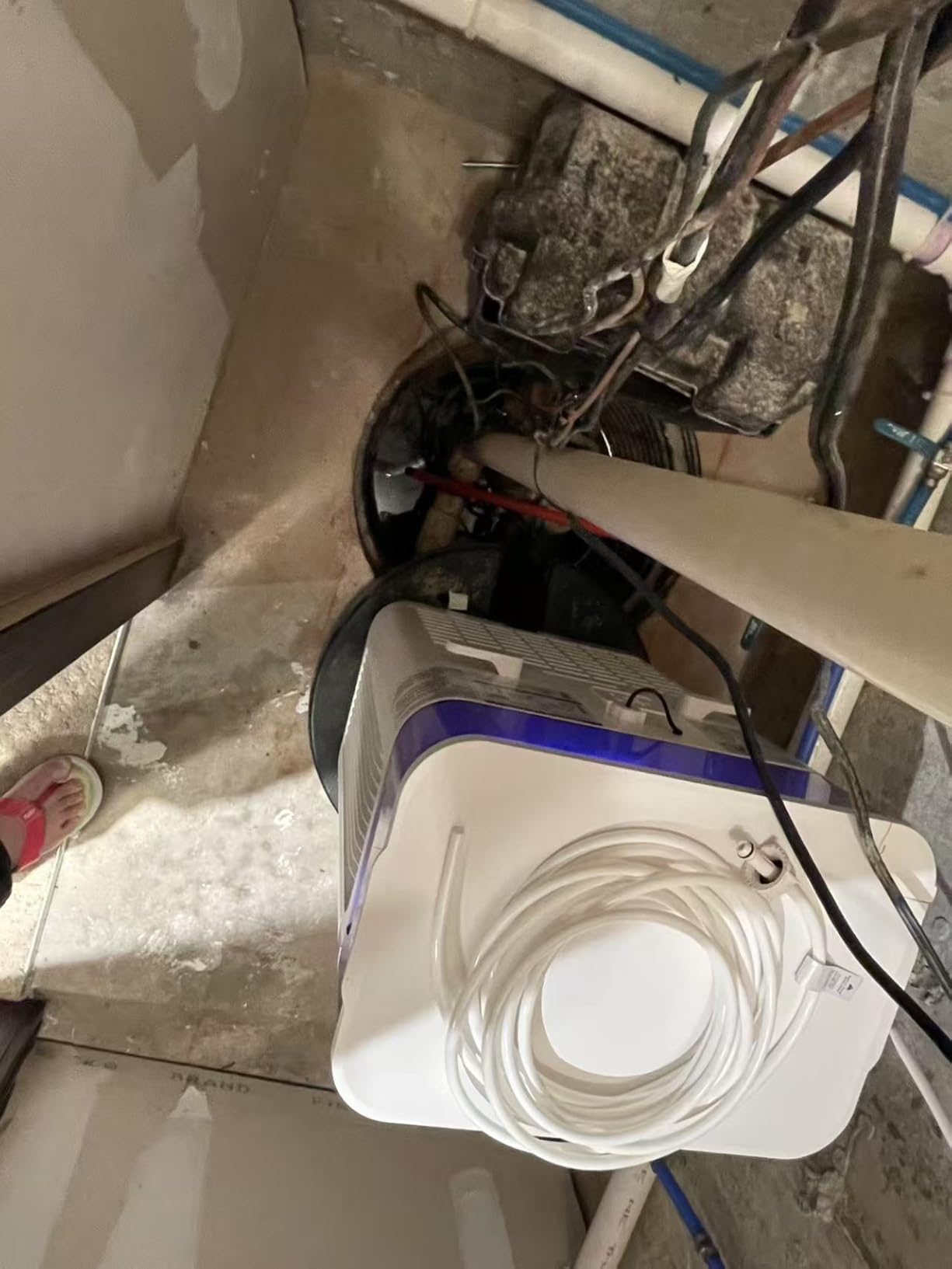
The built-in pump has a 15-foot lift and 15 feet of hose, which is more headroom than any other unit here and means the drain can go up and over a finished threshold or to a sump. The 2.11 gallon top-mounted tank is the second largest in the roundup, and mounting it on top keeps the pump accessible instead of burying it behind a panel. Three drainage paths are supported: tank, gravity, and pump.
At 41 dB, this is the quietest rated figure in the group, and the sound-and-light off mode plus a 24-hour timer make it manageable in a finished room. The LED display shows both humidity and temperature, with full-tank reminder and auto shutoff to prevent overflow.
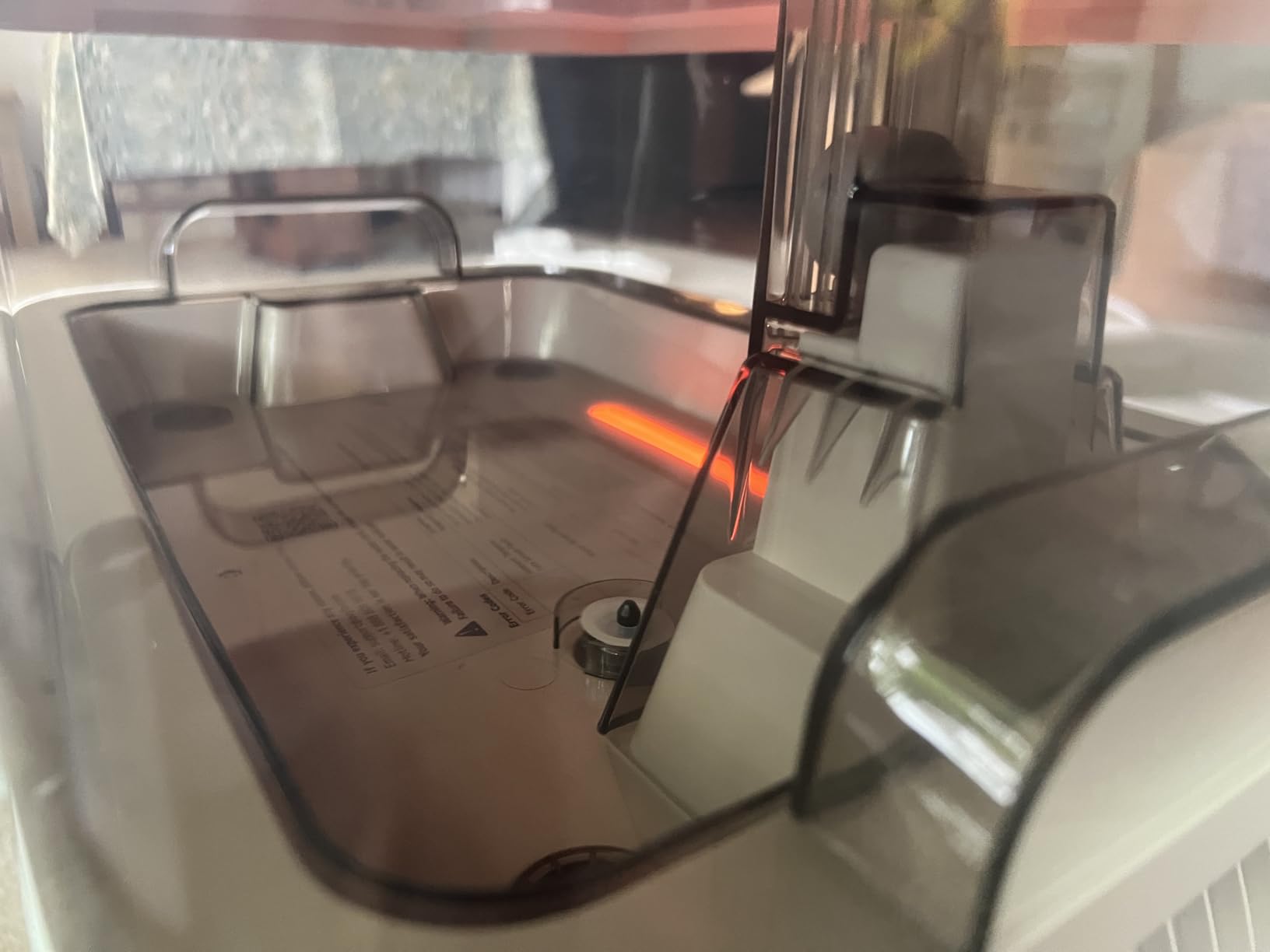
The setup step that catches people out
The manual advises emptying the tank first during setup, because water can bypass the tank on pump or gravity configurations before the lines are primed. Set up the drainage, run the unit briefly, then confirm the line is carrying water before you walk away from it. Skipping that step is how people end up with a wet floor on day one and a mistaken belief that the pump is faulty.
Also note that the floor drain pipe is not included. If your plan is a permanent gravity drain, you are buying that piping separately, and the warranty only helps if the drainage is built correctly from the start.
How much history you are buying with 339 reviews
This is the smallest review base in the roundup alongside the Gasbye, and the honesty is worth stating plainly. Sentiment is strongly positive with 80% five-star and 8% one-star, but a 5-year warranty on a machine with 339 reviews has not been proven by the review base, only promised by the manufacturer.
That is still a better bet than most, because the certification, the efficiency figure, and the warranty coverage are all independently checkable while the long-term durability record is not. Weight it accordingly and confirm the drainage and placement before you commit to unattended operation.
8. Midea Cube 20 Pint (MAD20S1QWT) – the pick for a small apartment or single room
Midea Cube 20 Pint Dehumidifier for Basement, 1,500 Sq. Ft, Energy star
20 PPD for 1500 sq ft
3.2 gal bucket
214 watts
Wi-Fi enabled
Pros
- 3.2 gallon bucket is the largest tank in the roundup
- Lift-and-twist extendable body stores compactly
- Wi-Fi with Alexa and Google Assistant
- Auto restart and auto defrost verified by owners
- Efficient at 214 watts
Cons
- Lowest rating here at 4.0 with 16% one-star reviews
- Underperforms on large-area claims
- Fill sensor can fail in bucket mode
- 33.3 pounds and a full bucket is a real lift
This is the small-space pick, and its most important feature for mold work has nothing to do with extraction rate. The 3.2 gallon removable bucket is the largest tank in the roundup, which means the unit can run for a long stretch between empties in a small bathroom, bedroom, or closet without anyone remembering to empty it. In a small space, the machine is not fighting a big moisture load, so 20 pints per day of rated removal is genuinely enough to hold the room under 60%.
Owners in r/AskSF and r/santacruz repeatedly single out Midea models as strong performers in mild-mold apartments, specifically noting how much water they pull at a 50% setting. That matches the design intent here: this is a machine for a specific room where you want steady, unattended control rather than a basement-wide moisture campaign.
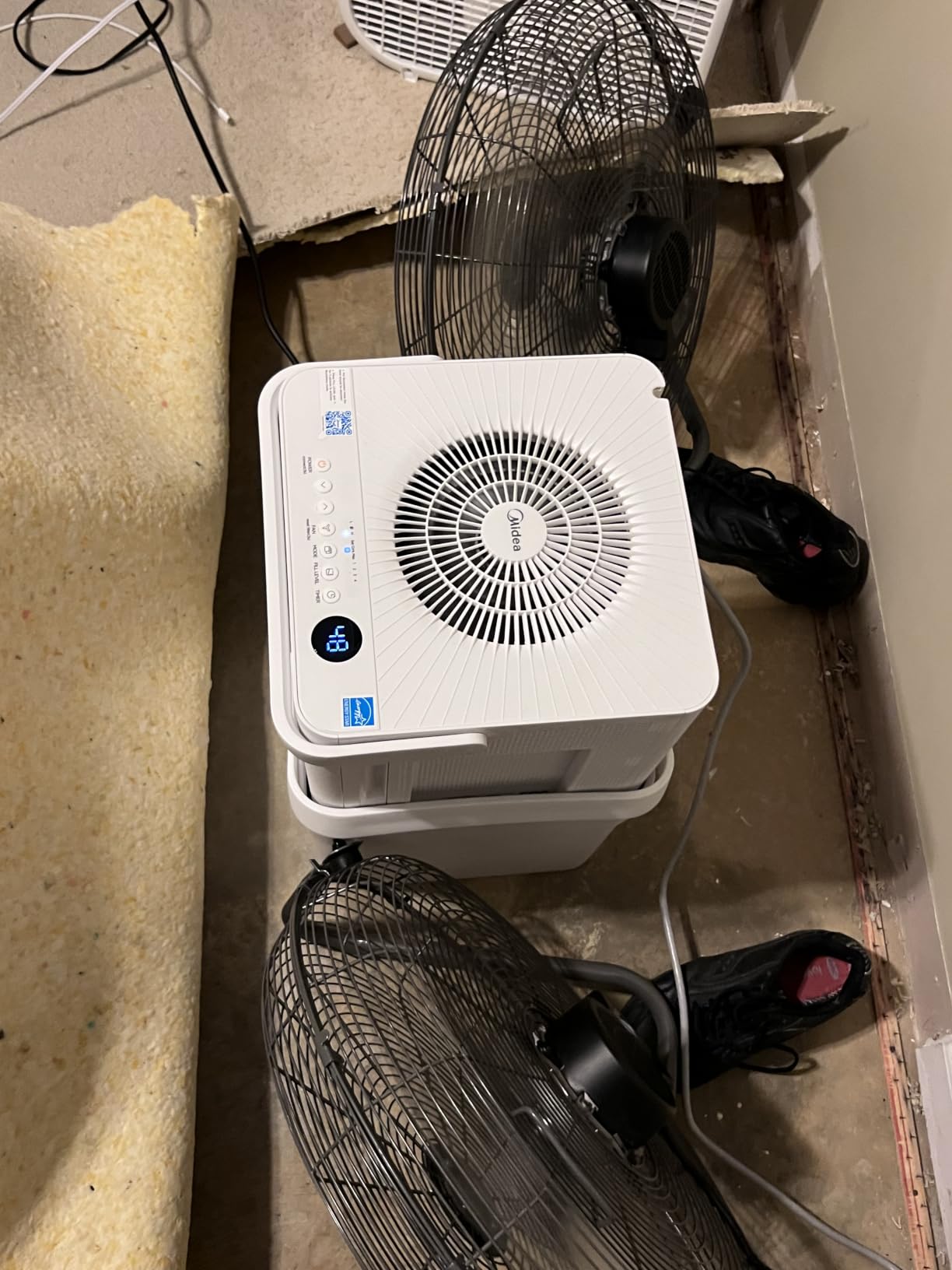
The lift-and-twist extendable body lets the unit nest down for storage and extend to full capacity for operation, which is a genuine advantage in a small apartment. Intakes on three sides allow wall-flush placement by rotating the unit 180 degrees, so you can push it close to a wall where a two-sided intake would starve it. Note that the spec still calls for 8 inches of clearance, so check the manual before you ignore that number.
Wi-Fi, app, and Alexa plus Google Assistant voice control let you check the reading from another room, and the auto restart after a power outage has been verified as reliable by long-term owners running it in unheated spaces. Auto defrost works as advertised. One owner logged 76 cups of water removed using 41.7 kWh over 19 days at a 55% target in a 144 square foot shed, which is a useful real-world efficiency data point.
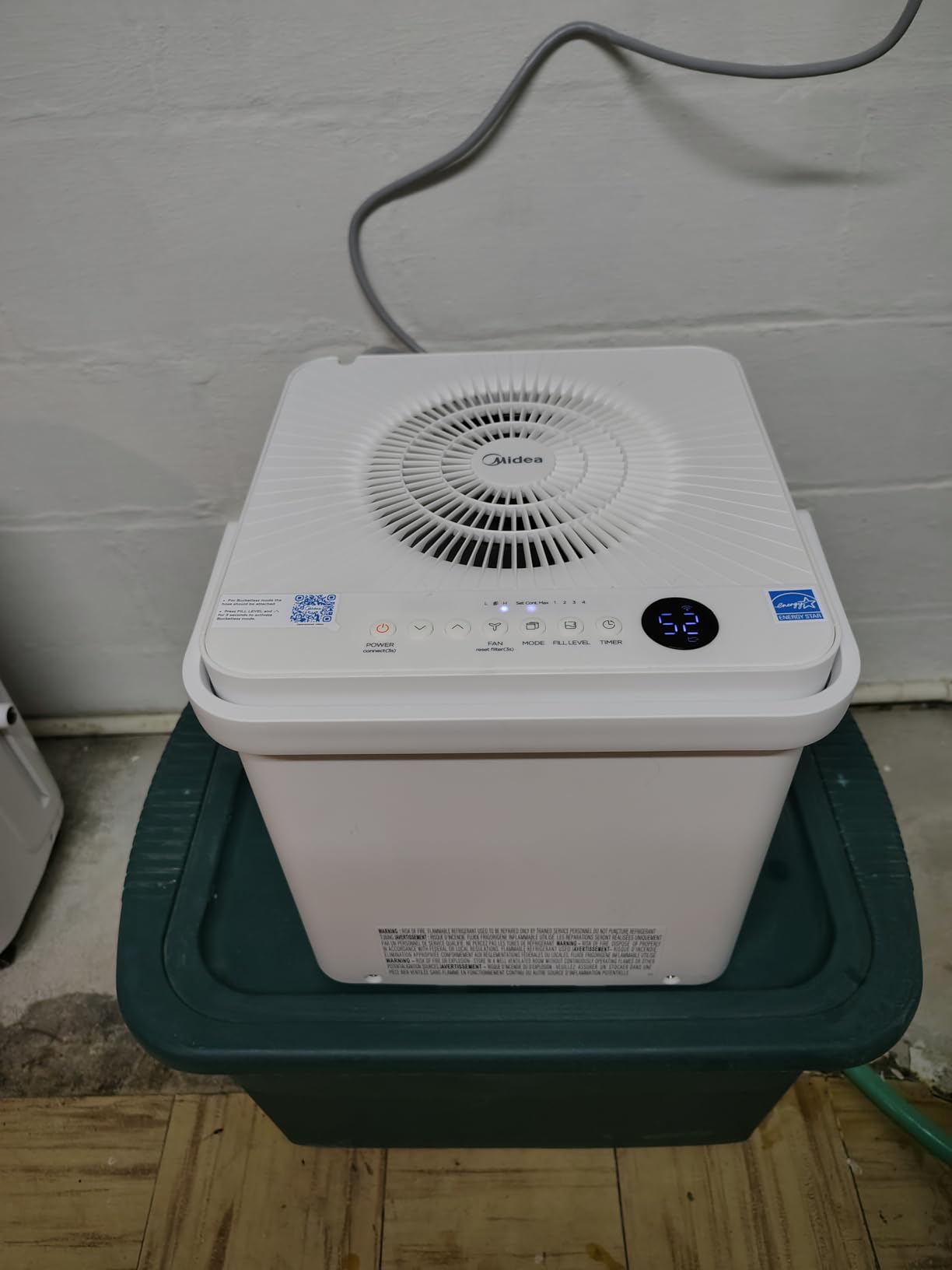
When 20 pints is enough and when it is not
It is enough for a bathroom where the exhaust fan handles shower humidity, a bedroom with recurring window condensation, a closet, or a small apartment where the mold problem is seasonal and modest. It is not enough for a damp basement, and owners report one who could not get an 800 square foot house below 47% relative humidity and watched the tank barely fill.
The failure mode to watch is coverage expectation rather than capacity. Treat the 1,500 square foot rating as a comfortable ceiling rather than a target, and judge the machine on whether it holds the setpoint in your actual room rather than on the number in the title.
The complaints you should expect
At 4.0 stars with 16% one-star reviews, this is the lowest-rated unit in the roundup and the one with the widest spread of opinion. Sixty-three percent are still five-star, so it is not a bad machine, but the critical mass of complaints is real. The bucket fill sensor can fail and overflow onto the floor, which in a mold context is the worst possible failure because the machine becomes the source.
Two other known issues: in bucketless mode the drain hose captures only about 95% of collected water and leaves drips, and you cannot set a humidity target while using the drain hose with the bucket attached. At 33.3 pounds, a full bucket is a real lifting challenge. The app is widely criticized, and one owner uninstalled it entirely.
9. HUMILABS 30 Pint (OL12-D023F) – the budget pick for a garage or single closet
2000 Sq.Ft Dehumidifier for Basement Home Bedroom Bathroom – 36 dB 30 Pint
30 PPD for 2000 sq ft
0.53 gal tank
36 dB
Two drainage options
Pros
- Lowest cost in the roundup
- Among the quietest units here
- Owners report measurable drops within 48 hours
- Reliable automatic tank-full shutoff
- Compact footprint with 360 degree castors
- Three modes including sleep
Cons
- 0.53 gallon tank means emptying four to six times a day
- Tank has no handle and spills when removed
- Controls on the top face are unreadable on a counter
- Lowest rating in the roundup at 4.2
This is the budget pick, and for a garage, a small closet, or a single damp corner it does the job at a fraction of the cost of the larger machines. Buyers measure genuine 25-to-30 pints per day of removal, and one used it specifically to address active mold growth in a 1,000 square foot suite. Another measured a garage dropping from 89% humidity into the 60s within about 48 hours, and a third saw a home move from 65% to 55%.
At 36 dB it is among the quietest units here, described by reviewers as near inaudible and sleepable, which makes it the one in this roundup most likely to be tolerated in an occupied bedroom. Three modes cover the basics: fast drying, automatic, and sleep. The compact footprint with 360 degree castors and a hidden handle means it moves between rooms easily.
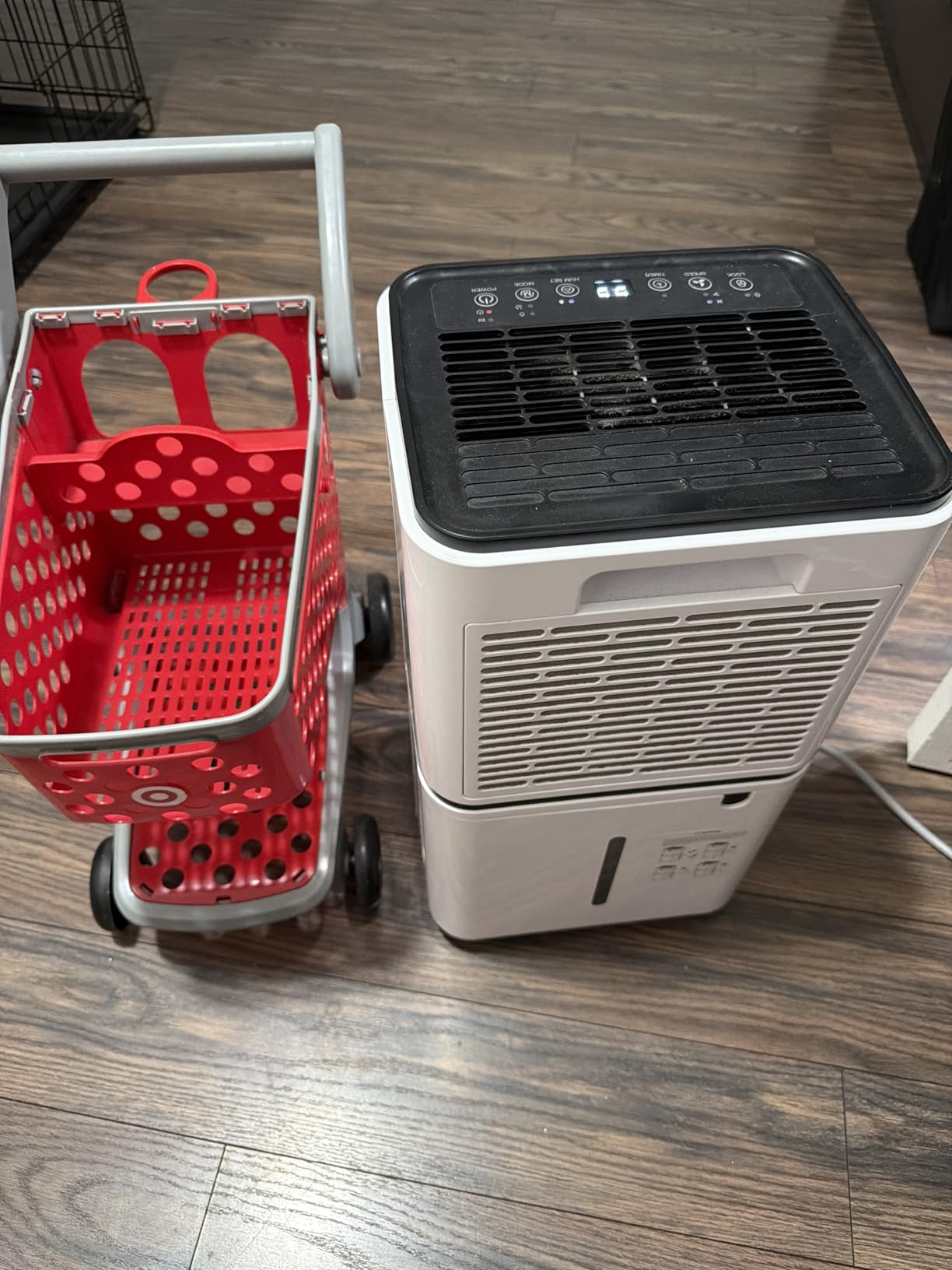
The automatic tank-full shutoff works reliably according to multiple reviews, which matters more than it sounds in a garage or closet where you are not monitoring the machine. A removable rear air inlet filter traps hair and dust, and the unit ships with a drain hose for continuous drainage, which is how most owners actually use it.
Buyers also report responsive service and note the punch-for-dollar in a small room is the whole point. If your moisture problem is confined and mild, spending more on extraction capacity you will never use is money with no return.
The tank is the whole story
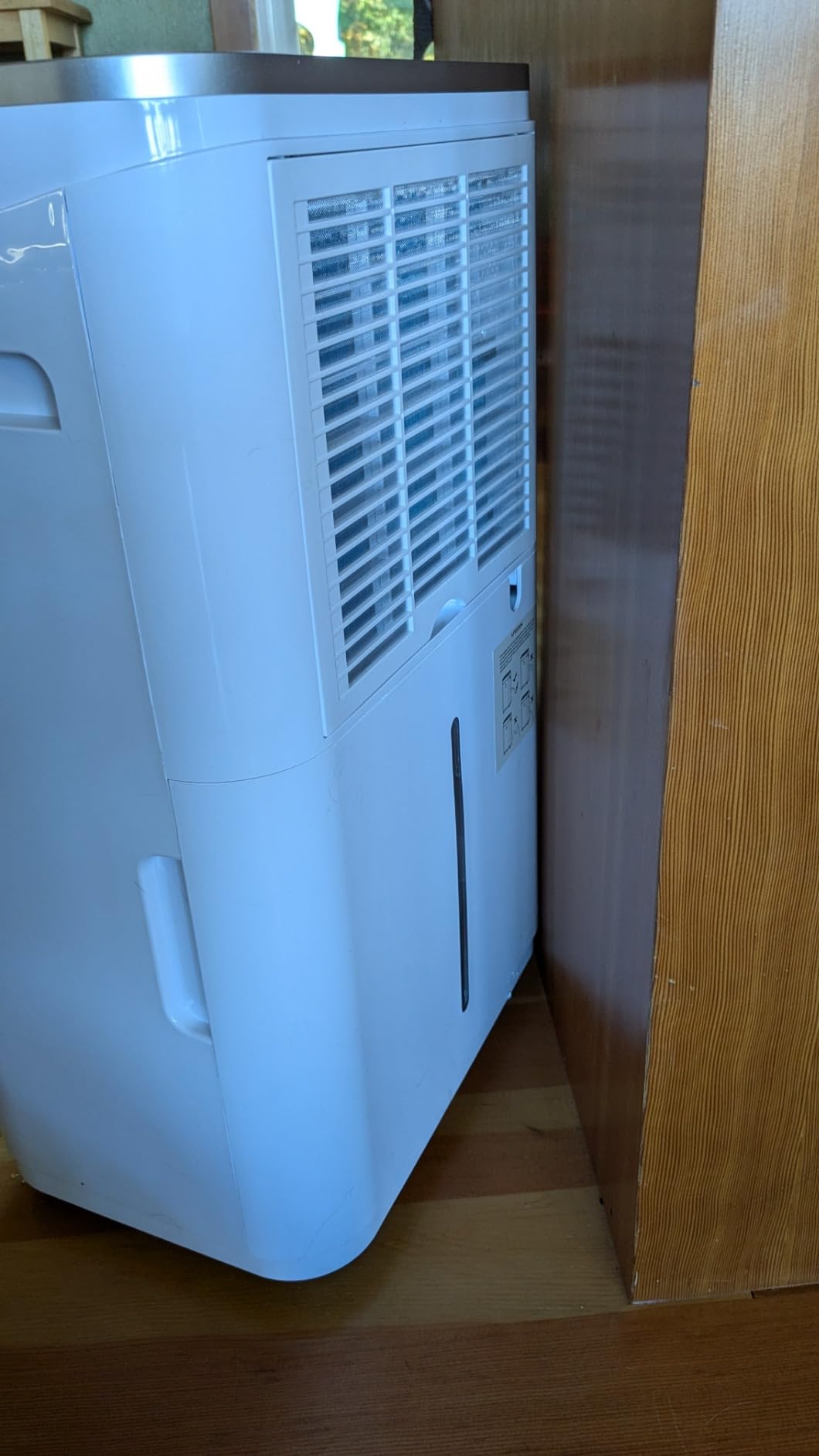
The 0.53 gallon tank is very small against a 30-pint daily rating, and reviewers report emptying it four to six times a day without a floor drain. The tank also has no handle, detente, or gripping surface, and owners report spilling while removing it. If you are not running a drain line, this is an unpleasant daily chore in a mold application.
Attach the included 3.3 foot hose to a drain and the machine becomes viable. Without one, it is a unit that will stop mid-cycle when you are not looking, and a stopped unit does nothing about mold. Several reviews also report the tank overflowing if the fill sensor is not respected.
What to check before buying
Controls and readouts sit on the top face, so they are unreadable if the unit is placed on a table or countertop. Put it on the floor. The design also uses a non-US plug and 115V, which causes returns for UK and international buyers.
One more practical note: a small unbranded unit may arrive flipped, and at least one review attributes early failures to units being plugged in immediately after being delivered upside down. Let it sit upright for a day before powering it on. With a 4.2-star average and 9% one-star reviews, this is the lowest-rated unit here, so give it the benefit of the doubt on setup and treat it as a single-room tool rather than a whole-house solution.
What Humidity Level Actually Prevents Mold
Mold needs sustained moisture to grow, and the widely used threshold is 60% relative humidity. Below that, existing colonies go dormant and cannot regrow, and new colonies cannot establish. It is not a hard cliff, because surface moisture, temperature, and substrate all shift the number, but 60% is the figure most mold authorities and remediation companies work to, and it is the one to design your setup around.
The EPA recommends keeping indoor relative humidity between 30% and 50%, and the practical operating target for most homes is 45% to 50%. Going below 40% is usually unnecessary for mold work and can create its own problems: wood shrinkage, static, and cracked paint. For a basement or crawl space, 45% is a reasonable target during the season when mold is active.
You cannot reliably judge humidity by touch or by the smell in the room. Buy a standalone hygrometer and place it where mold actually starts, which is at floor level, in a corner, near an exterior wall, or near a cold pipe run. The machine’s own humidistat is useful for control but is rarely accurate enough to be the only reference, and the discrepancy between the two is often what explains a unit that “never gets below 60%.”
For renters, that hygrometer also becomes documentation. A cheap standalone unit that logs or records peak readings over a week gives you an evidence trail when you are dealing with a landlord who disputes that there is a moisture problem at all.
Do You Need a Dehumidifier or a HEPA Air Purifier?
You need both, because mold is two problems. Moisture is half of it, and the dehumidifier handles that half. Spores already in the air are the other half, and only a HEPA air purifier handles those. A dehumidifier alone controls the environment but leaves airborne spores circulating, which is why musty smell and allergy symptoms can persist long after humidity is under control.
The order of operations matters more than the shopping list. First, find and stop the water source, because a dehumidifier running against an active leak is a losing battle and you will be replacing units faster than you expect. Second, remove existing mold, since equipment does not remediate. Third, run the dehumidifier to bring the space below 50% and hold it there. Fourth, run a HEPA purifier in the same space to capture what is airborne.
Skipping step one is the most expensive mistake, and it is the most common. A dehumidifier cannot outrun a leaking pipe, a failed sump pump, a wet foundation wall, or exhaust ventilation that dumps shower moisture into an unheated attic.
If you can only do one thing first, and the air is musty or you are reacting to it, get the humidity down. Below 60% relative humidity, the spores that are already floating around stop settling and the environment stops feeding new growth.
How to Size a Dehumidifier for Mold Prevention
Size on the moisture load, not the square footage. Manufacturer coverage ratings across this entire category are optimistic, and it is normal to see a 5,000 square foot claim on a unit that will struggle to hold a 1,200 square foot basement below 50%. The coverage number is a comfort figure, not a performance promise.
Use this order instead. Identify the dampness tier first: mildly humid, moderately damp, or wet. Then measure the area. Then apply a floor. For a mold-prone room of any size, do not go below 50 pints per day rated at the DOE test condition, which is 80°F and 60% relative humidity. That is the single most useful rule in this article, and it is the one most often skipped.
Here is how it plays out in practice. A small bathroom or closet with recurring condensation can be handled by a 20-to-30 pint unit, because the moisture load is low and the room is small. A moderately damp basement in the 1,000-to-2,000 square foot range needs at least 50 pints, and closer to 80 pints if the space stays above 65% RH for long stretches. A crawl space, a post-remediation basement, or a space that has taken on water wants 80 pints and up, and a genuine water event wants a remediation-grade machine in the 100-to-150 pint range until the space is dry, then a smaller unit for control.
Two diagnostic rules help. If the unit runs continuously and the reading never drops, it is undersized for the load, and no setting will fix that. If it hits the target within a day and then shuts off for most of the day, it is correctly sized and the problem is a water source, not capacity. An independent hygrometer makes that diagnosis possible in five minutes.
Tank, Gravity Drain, or Built-In Pump
For mold prevention, pick the arrangement that lets the machine run without a person. A dehumidifier that stops on a full tank in a basement nobody checks overnight is not controlling humidity, it is running intermittently, and intermittent humidity control is exactly the cycling that lets mold grow between cycles.
A tank works fine for a bedroom, a closet, or a small room where the removal rate is low enough that you can empty it once a day. Set a reminder, because the failure mode is forgetting. In a damp basement or crawl space, treat the tank as a backup rather than a plan.
Gravity drainage is the simplest dependable setup. Run a garden hose from the drain port to a floor drain, a sink, or a sump, and check the line stays downhill the whole way. A kink, a clog, or a section that runs uphill will eventually put water on the floor, so secure the hose along the wall and inspect it monthly.
A built-in pump is the right call when there is no gravity path, such as a finished basement with no floor drain or a crawl space under a deck. It removes the hose-length and slope constraint, which is why the hOmeLabs, Yaufey, and avylo units are all worth considering for those rooms. The tradeoff is that pumps fail, and pump failures are a recurring complaint from owners. If a built-in pump is essential, plan for a repair or a replacement unit, and check what the warranty covers on the pump specifically.
Some owners avoid built-in pumps entirely and run a separate external condensate pump instead, which can be swapped in minutes if it fails. That is a reasonable approach for a whole-home setup where downtime is unacceptable. For most single-room installs, a quality built-in pump is simpler and the failure risk is manageable with a warranty.
Setting Up and Maintaining a Mold Prevention Routine
Placement decides more than the model does. Leave the manufacturer’s clearance on all sides, and in a basement put the unit in a corner rather than the middle, because a corner promotes circulation through the whole space while a center unit can leave dead air against the walls where mold starts. Keep it away from exterior foundation walls that are cold to the touch, and do not tuck it into an unventilated closet.
Run it continuously through the season rather than on a timer. A 24-hour timer exists for spaces like a garage or a shed, but mold prevention depends on the machine holding the setpoint overnight while you sleep and while nobody is watching. Confirm the setup in the first week with an independent hygrometer, then check weekly.
Sanitize the tank every one to two weeks. Standing water in a tank left alone in a warm room grows biofilm, and the next thing that happens is air moving over that water and back into the room. Empty it, wipe it, rinse it, and dry it before it goes back in. The same applies to the drain line: flush it on the same cadence.
Clean or wash the intake filter on a similar schedule, since a clogged filter cuts airflow and quietly reduces extraction. If the machine is running continuously in a dusty space, weekly is reasonable.
On the running-cost side, do the arithmetic with the wattage rather than a guess. Multiply the unit’s wattage by the hours per day, divide by 1000 for kilowatts, and multiply by your utility rate. A 270-watt unit running 24 hours draws about 6.5 kWh a day. Multiply that by your local rate and by the number of days in your mold season to get the real number, then compare it against the cost of remediation you are trying to avoid.
Add the labor nobody counts. Emptying and sanitizing a tank every week or two, cleaning the filter, and flushing the drain line are real time costs across a six-month season, and they are the reason a continuous drain line is worth setting up properly rather than relying on the bucket.
Frequently Asked Questions
Do dehumidifiers work to prevent mold?
Yes. Mold cannot establish new growth below 60% relative humidity, so a dehumidifier holding a room at 45% to 50% removes the moisture mold needs. Set the target at 50% for a typical basement and 45% for a crawl space, and confirm the reading with a separate hygrometer placed at floor level.
Will a dehumidifier take away mold?
No. A dehumidifier starves mold of moisture, which sends existing colonies dormant and prevents new ones, but it does not remove visible growth. You need remediation to remove what is there, a HEPA air purifier to filter airborne spores, and the dehumidifier to keep the space from feeding new growth.
What humidity level stops mold growth?
Mold needs 60% relative humidity or higher to grow. The EPA recommends keeping indoor humidity between 30% and 50%, and the practical operating target for most homes is 45% to 50%. Going below 40% is rarely needed for mold work and can cause wood shrinkage and static.
Can mold grow in 20% humidity?
No. At 20% relative humidity the air is far too dry for mold to establish or regrow. That is well below the 60% threshold and below the 30% to 50% range the EPA recommends, and running a room that dry can cause problems with wood, paint, and static.
What size dehumidifier do I need to prevent mold?
Do not go below 50 pints per day rated at 80°F and 60% RH for any mold-prone room. Smaller units work for a bathroom, closet, or single room with modest dampness, and larger 80-to-150 pint units are for basements, crawl spaces, and post-remediation or post-flood work. Size on the moisture load rather than the coverage square footage.
How long does it take a dehumidifier to get rid of mold?
It will not get rid of mold, but humidity comes down fast. A small room can drop from 70% to under 60% within a day of running, and a damp basement typically reaches the 45% to 50% target within a few days to a few weeks depending on the moisture load. Removing visible growth is separate remediation work.
How do I clean mold out of a dehumidifier tank?
Empty the tank, then wipe the interior with a solution of one part bleach to nine parts water, paying attention to the corners and the water-level sensor. Rinse with clean water, dry the tank fully, and put it back. Sanitize every one to two weeks during a mold season, and flush the drain line at the same time.
How often should I empty the dehumidifier water tank?
If you run a continuous drain line, the tank becomes a backup and you check it weekly rather than emptying it daily. Without a drain, a 0.53 gallon tank on a 30-pint unit may need emptying four to six times a day, so set a routine and treat the drain line as the better setup for any damp room.
What should I put in a dehumidifier to prevent mold?
Nothing. Do not add bleach, tablets, or cleaning agents to the tank, because they can damage the unit and the vapor is pulled back into the room. The fix for mold inside the machine is continuous drainage plus weekly tank sanitizing, and washing the filter on the same schedule.
Bottom Line
The best dehumidifiers for mold prevention are the ones that can hold a room under 50% relative humidity without a person touching them, and on that basis the hOmeLabs 50 Pint with Pump is the pick: 50 pints per day rated at the DOE condition, a built-in pump for unattended drainage, Wi-Fi for remote checks, and a 4.6-star average across more than 15,000 reviews.
Match the machine to the room. A cool unheated basement or garage wants the AEOCKY 80 Pint, rated to keep working at 65°F. A post-flood or large remediation job wants the Yaufey 150 Pint until the space is dry, then a smaller unit. A single apartment, bathroom, or closet wants the Midea Cube 20 Pint with its large bucket. A genuinely wet crawl space under a deck wants the avylo 90 Pint with its 15-foot pump lift and 5-year warranty.
And do the unglamorous part first. Find the water source, remediate what is already there, run a HEPA purifier for airborne spores, set the humidistat to 45% to 50%, and set up a continuous drain line. That combination does more for mold prevention than any single machine in this roundup, and it costs less than a second remediation job.