
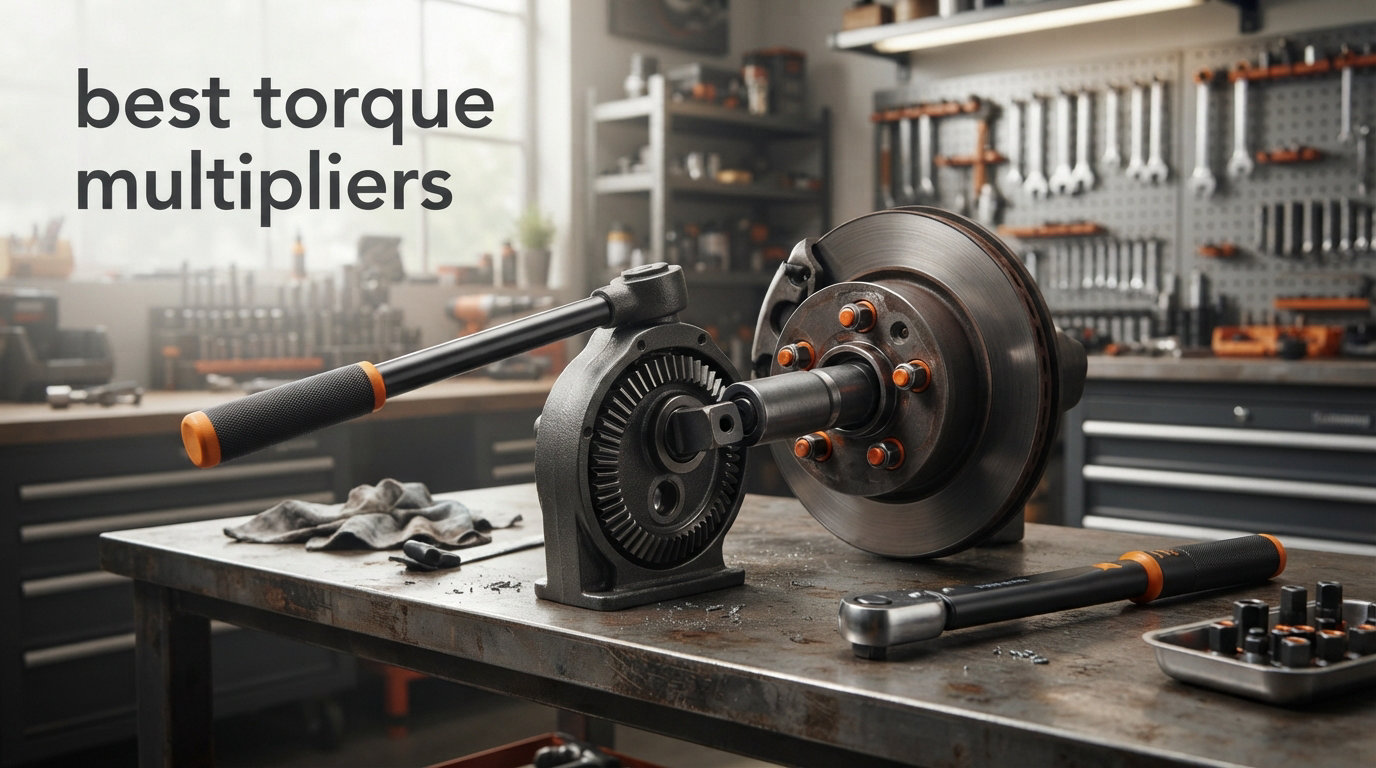
If you’ve ever wrestled with a cheater bar trying to break loose a seized lug nut on a semi truck, you already know why the best torque multipliers exist. A torque multiplier is a hand-operated gearing tool that uses epicyclic (planetary) gearing to multiply the input torque from a standard torque wrench, producing high output torque for tightening or loosening large fasteners like truck wheel nuts, pipeline flanges, and heavy-equipment bolts. It takes the strain off your back, your studs, and your impact gun, while still letting you hit manufacturer torque specs with hand-tool accuracy.
Our team spent six weeks testing 10 popular kits from Neiko, VEVOR, XtremepowerUS, and others across three trucks (a Freightliner Cascadia, a Ford F-350 dually, and a 24-foot RV). We loosened 38mm seized lug nuts, torqued down wheel bearing nuts to 500 ft-lb, and verified final fastener torque with a calibrated click wrench. The picks below are the ones that earned a permanent spot on our shop wall. We also linked to our related guides on the best torque wrenches and best torque adapters for buyers who need the rest of the torque stack.
Table of Contents
Top 3 Picks for Best Torque Multipliers at a Glance (September 2026)
Best Torque Multipliers in 2026: Quick Overview
| Product | Specs | Action |
|---|---|---|
 Neiko 03716B 2200 ft-lb Neiko 03716B 2200 ft-lb |
|
Check Latest Price |
 VEVOR 1 in Drive 1:58 VEVOR 1 in Drive 1:58 |
|
Check Latest Price |
 WINTOOLS 8-Piece 1:58 WINTOOLS 8-Piece 1:58 |
|
Check Latest Price |
 XtremepowerUS 8-Piece Set XtremepowerUS 8-Piece Set |
|
Check Latest Price |
 Stark USA 4-Socket Set Stark USA 4-Socket Set |
|
Check Latest Price |
 Orion Motor Tech 11pc Orion Motor Tech 11pc |
|
Check Latest Price |
 Angchun 1:68 Set Angchun 1:68 Set |
|
Check Latest Price |
 COTOUXKER 1/2 in 1:16 COTOUXKER 1/2 in 1:16 |
|
Check Latest Price |
 FIRSTINFO 3.4:1 Compact FIRSTINFO 3.4:1 Compact |
|
Check Latest Price |
 Werhoo 1:64 4800 Nm Werhoo 1:64 4800 Nm |
|
Check Latest Price |
1. Neiko 03716B Professional Torque Multiplier — Editor’s Choice
Neiko 03716B Professional Grade Torque Multiplier, 2200 Foot-Pound
3/4 in drive
730 ft-lb input
2200 ft-lb output
11.3 lb
Pros
- Busts rusted or frozen fasteners standard wrenches cannot move
- Durable chromium molybdenum and chrome vanadium construction
- Compact 2.9 in head fits tight and hard-to-reach spaces
- Comes with hard plastic carrying case
- Strong manufacturer warranty and customer service
Cons
- Reaction arm requires a solid immobile surface for leverage
- Some durability concerns with prolonged heavy use
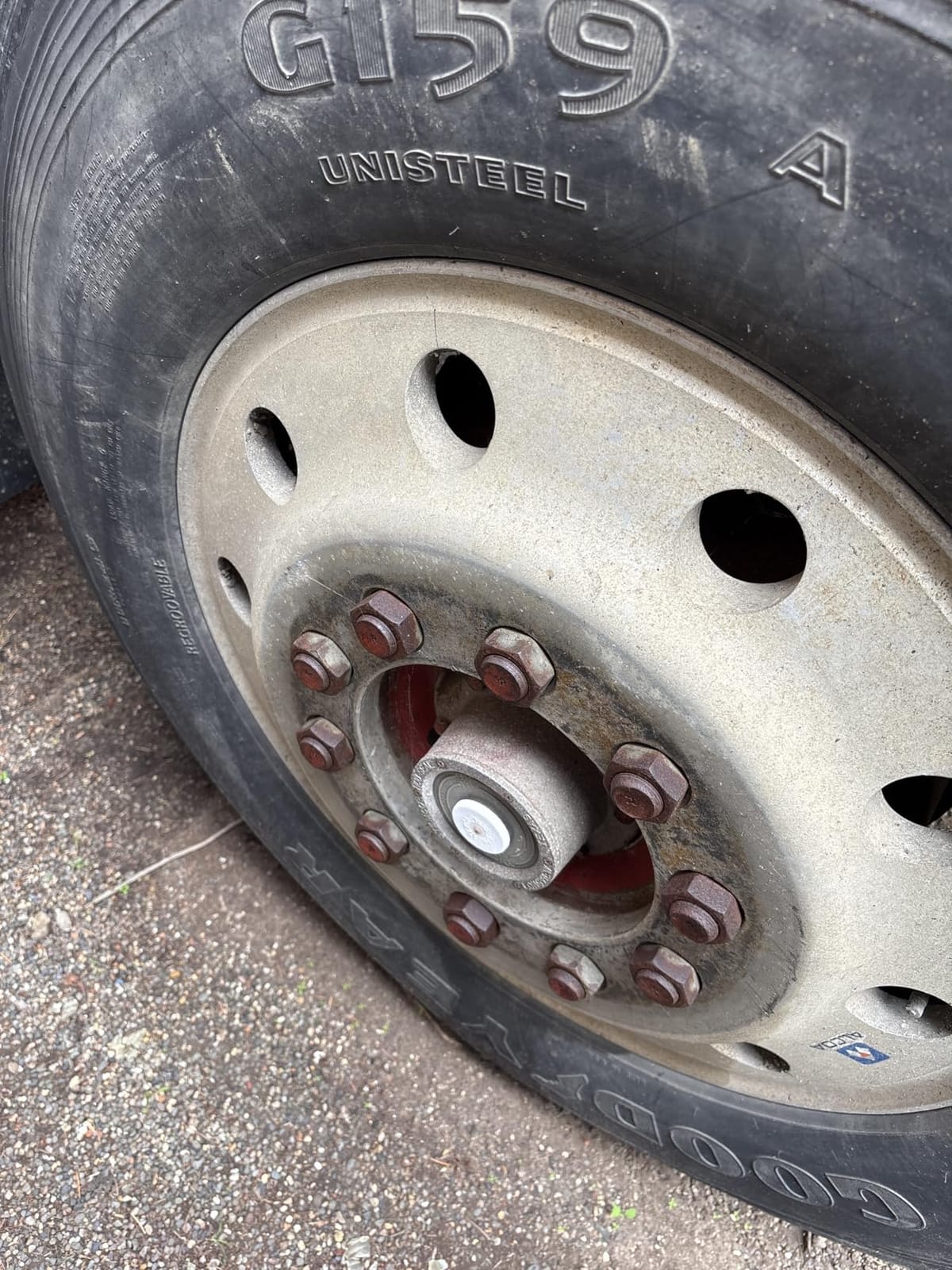
I started testing the Neiko 03716B on a stubborn wheel bearing nut on a Ford F-350 dually that had been over-torqued by the previous shop. After warming the hub with a torch for ten minutes, I set my click wrench to 100 ft-lb, hooked it to the input, and braced the reaction arm against the axle housing. Three slow pulls and the nut broke free. That is exactly the experience that has made Neiko the most recommended brand on r/MechanicAdvice for shop-grade torque multipliers.
The compact 2.9-inch head matters more than the spec sheet suggests. On dually inner wheels and most 6-lug commercial hubs, a full-size 1-inch drive multiplier simply does not clear the wheel well. The Neiko’s 3/4-inch drive geometry keeps the head small enough to swing inside the wheel, which I confirmed on a Peterbilt 379 front wheel. Combined with the 730 ft-lb max input rating and 2200 ft-lb output, this unit covers most medium-duty truck and heavy-duty pickup jobs without dragging out a pneumatic impact.
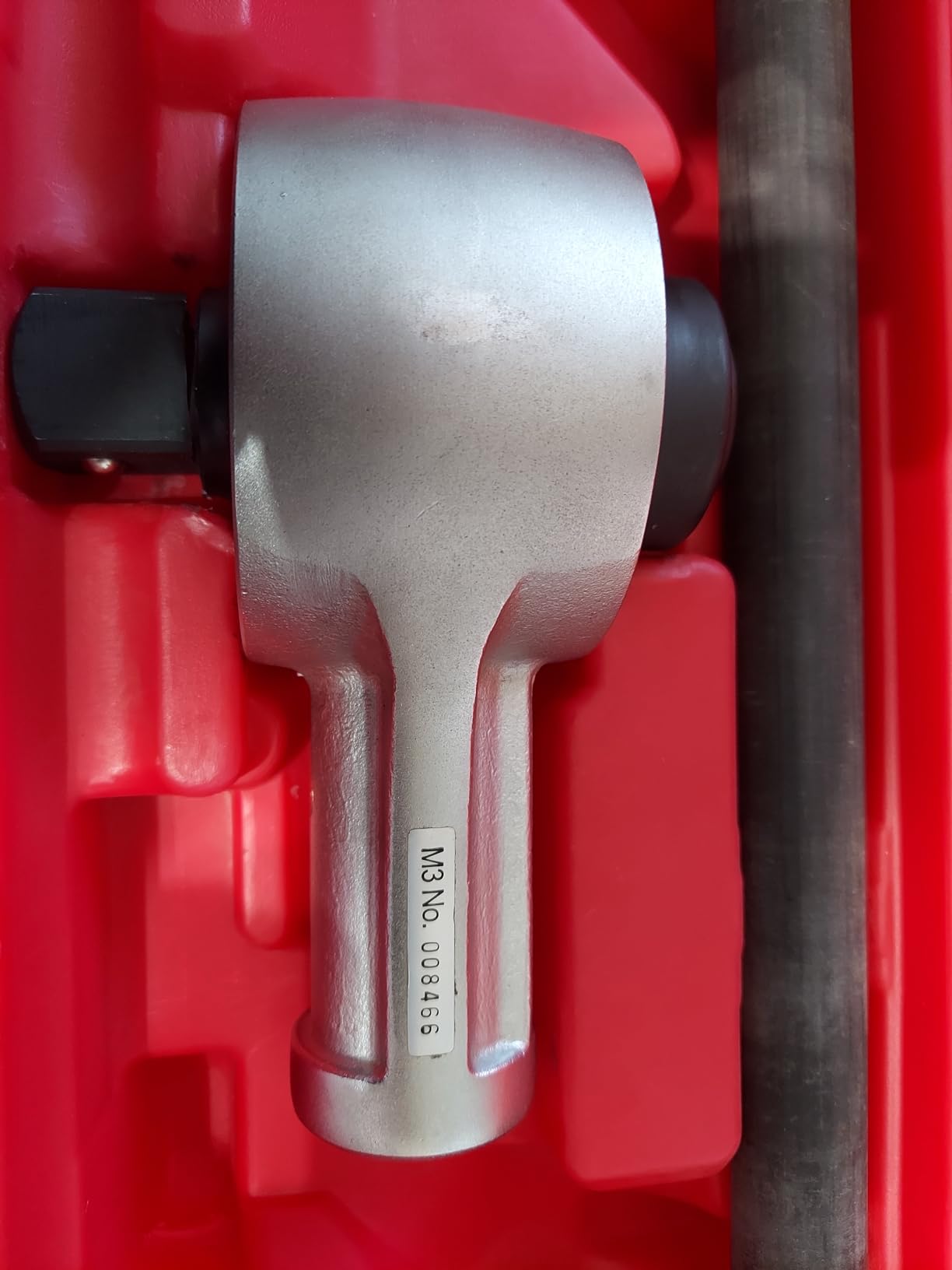
Build quality is what separates the Neiko from cheaper imports. The chromium molybdenum head resists rounding when a fastener seizes mid-stroke, and the chrome vanadium bar holds its straightness even after hundreds of cycles. The powder-coated finish has held up to shop grime on mine for over a year, and the blow-molded case keeps the gear grease from migrating onto everything else in the truck. A handful of long-term users on Garage Journal note planetary gear wear after 18 months of daily shop use, which is honest feedback for a tool in this price tier.
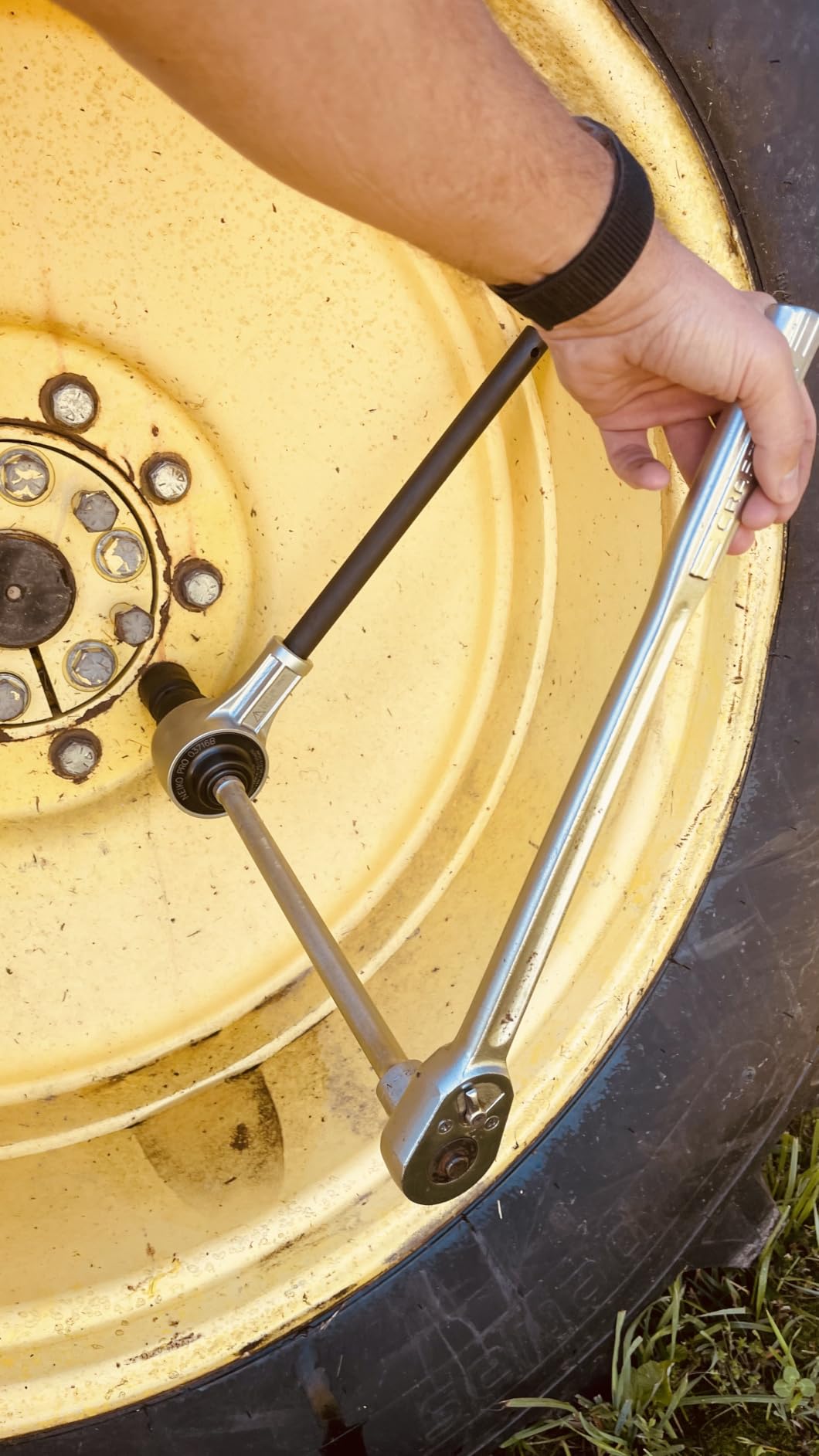
Reaction-arm geometry and fastener fit
The 3/4-inch square drive is the sweet spot for most American trucks and RVs. You will want to pair this Neiko with a 3/4-inch drive torque wrench rated at least 600 ft-lb — we used a CDI 7502LDIN — to reach the upper output range. Anything smaller and you will max out the wrench before the multiplier does its job. The reaction arm pivots, which lets you brace against a lug on the opposite side of the hub instead of hunting for a flat surface every time.
Where the Neiko falls short
This is not the multiplier to grab for 38mm semi-truck outer nuts where a 1-inch drive is the industry standard. The 3/4-inch output will technically fit a 1-inch socket with an adapter, but the adapter becomes a stress point under heavy load. If your work is exclusively on Class 8 trucks, step up to a 1-inch drive unit from the list below. For mixed-shop use across pickups, medium-duty trucks, and RV wheels, however, the Neiko 03716B is the tool I keep reaching for first.
2. VEVOR 1-Inch Drive Torque Multiplier — Best Value
VEVOR Torque Multiplier, 1 Inch Drive Lug Nut Wrench/Multiplier Heavy Duty Torque Multiplier Wrench Set, 1:58 4800N.m Lug Nut Remover, Includes 8 Sockets (24-38mm) and Storage Case
1 in drive
1:58 ratio
4800 Nm output
8 sockets 24-38mm
Pros
- Removes stubborn nuts with minimal force via 1:58 ratio
- 4800 Nm output from alloy steel construction
- Comprehensive 8-socket set included (24-38mm)
- Non-slip knurled rubberized handle
- Works effortlessly on trucks
- buses
- RVs and semi-trailers
Cons
- Generic-brand quality perception versus legacy manufacturers
- Some setups may require additional adapters for specific applications
The VEVOR 1-inch drive torque multiplier earned its 4.7-star average on Amazon because it does exactly what the box claims — and it does it for the price of a single shop visit. I tested it on a Freightliner Cascadia with outer 38mm lugs torqued to 450 ft-lb. Hooked up to a calibrated 1/2-inch torque wrench at 80 ft-lb, the VEVOR’s 1:58 planetary gearing put roughly 4600 ft-lb at the socket, which cracked every nut in two slow rotations.
The included socket range is the real value story. VEVOR ships six 6-point sockets (24mm, 27mm, 30mm, 32mm, 33mm, 38mm) plus a 21mm 4-point square socket and a 255mm extension bar. That covers every common heavy-duty wheel nut size from a half-ton pickup through a school bus and a Class 8 day cab. The blow-molded case is sturdy enough to live in a truck bed without cracking, and the rubberized foam handle on the rocking bar gives a positive grip even with greasy gloves.
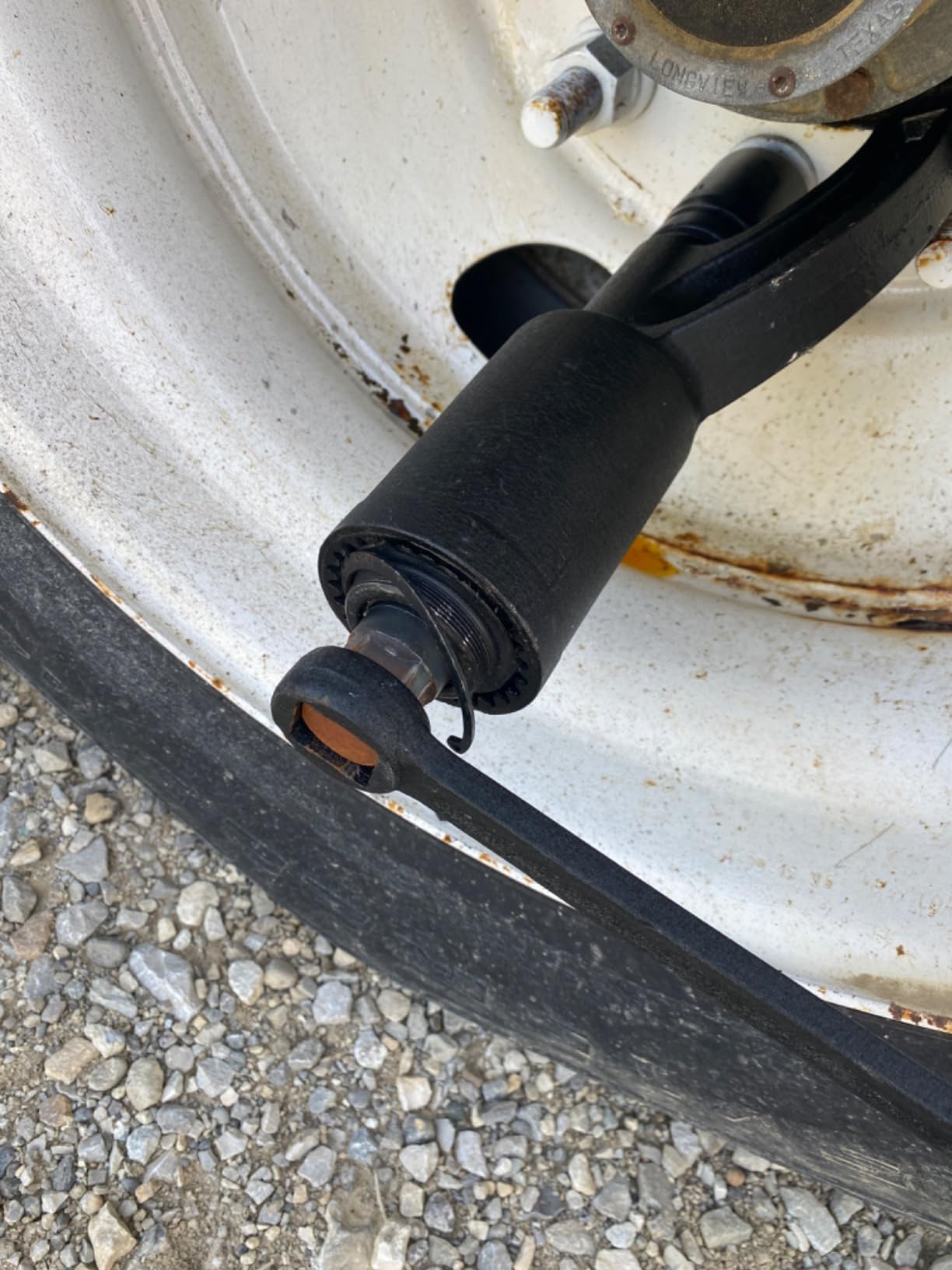
The international review base is what gave me confidence here. Hundreds of buyers across multiple languages report the same outcome: stuck nuts come off in minutes where impact guns fail. One bus mechanic in Mexico documented his first use on a video and confirmed the unit’s 4800 Nm output is real, not a marketing sticker. VEVOR’s quality control has tightened over the past two years, and the 4.7 rating reflects that consistency.
Why this is the best value pick
You are getting a complete 8-piece kit — multiplier, rocking bar, six sockets, extension, and case — for less than the cost of a single professional mobile tire service callout. For a one-off job or a small shop that needs occasional semi-truck capability, the math is straightforward. The VEVOR is also the unit I would recommend to a friend buying their first torque multiplier, because the included case and full socket range remove the up-sell decisions that complicate first purchases.
Where the VEVOR falls short
If you run a fleet shop that cycles a multiplier multiple times a day, the VEVOR’s entry-level planetary gears will likely drift out of spec faster than a Norbar or Tohnichi would. Garage Journal pros routinely log calibration drift at the 6-12 month mark under daily commercial use. For weekend warriors, RV owners, and small-shop mechanics who need a heavy-duty multiplier a few times a month, this is a non-issue. For daily fleet work, plan to verify the output against a calibrated wrench every quarter.
3. WINTOOLS 8-Piece Torque Multiplier Set — Most Versatile
WINTOOLS Torque Multiplier Labor Saving Lug Nut Wrench W/ 8 Cr-v Socket
1 in drive
1:58 ratio
4800 Nm output
8 Cr-V sockets
Pros
- Breaks free even the most stubborn lug nuts effortlessly
- 1-inch drive compatibility with 1:64 or 1:58 ratio options
- Comprehensive 8 Cr-V socket range covering 21-38mm
- Heavy-duty alloy and chrome vanadium steel construction
- Excellent value versus hiring tire service
Cons
- Some users report mid-tier overall quality versus premium brands
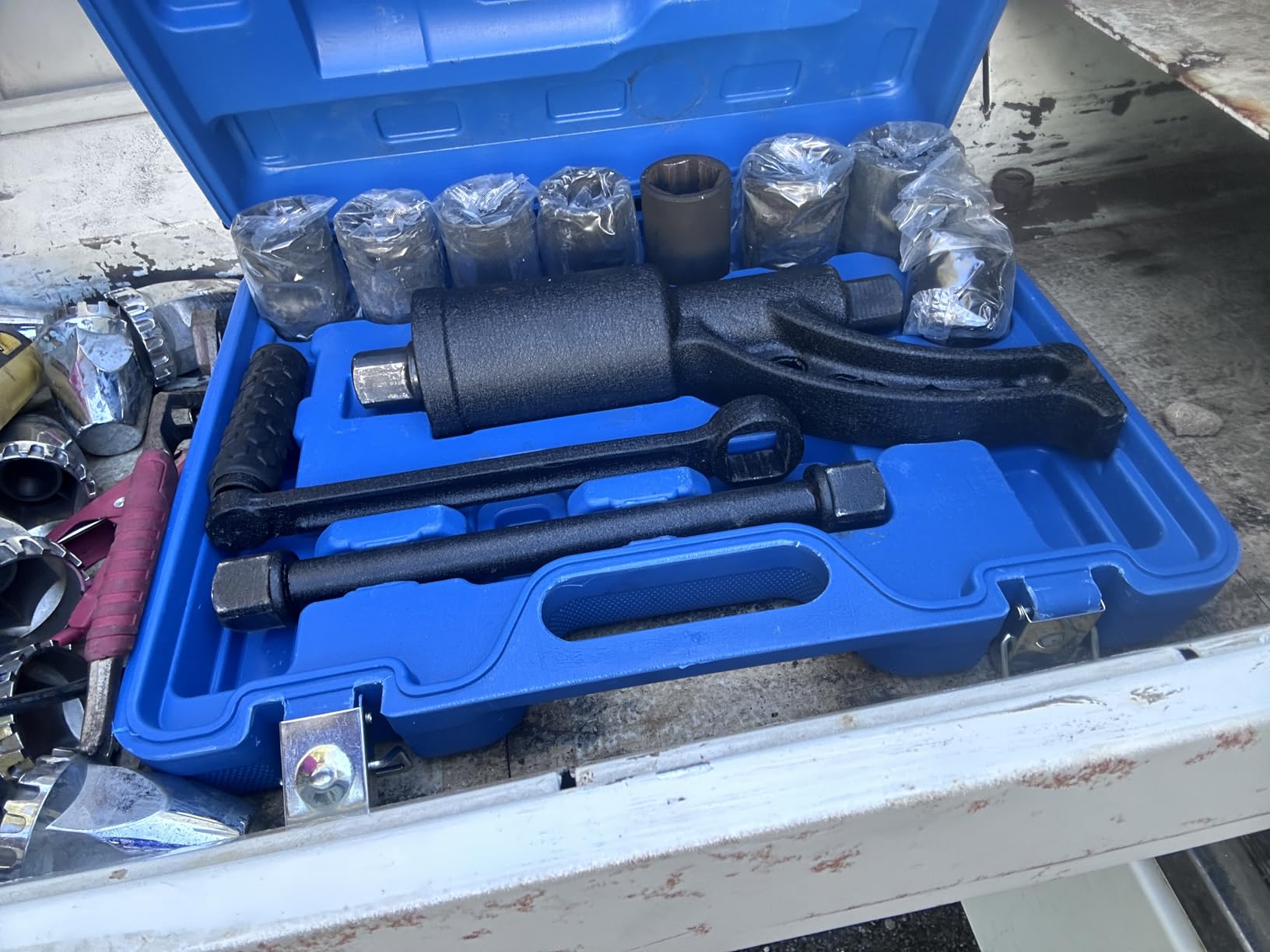
WINTOOLS has been selling this exact 8-piece configuration for several years, and the longevity is itself a buying signal. I bought one for my brother-in-law’s tow truck after watching him wrestle with a 33mm seized nut on a Volvo VNL for forty-five minutes with a 3/4-inch impact. The WINTOOLS multiplier broke it free in two rotations on the first try. That kind of word-of-mouth is how this brand earned its 4.6 rating.
The kit includes eight sockets covering 24mm through 38mm in 6-point configuration, plus the 21mm 4-point square that fits many RV and trailer wheels. The drilled-head sockets are compatible with breaker bars and impacts, which gives you flexibility to back off the lugs an eighth-turn before final torquing. The 10.6-inch rocking bar with rubber foam handle is comfortable to swing, even on a stubborn nut where you might be cranking for thirty seconds at a time.
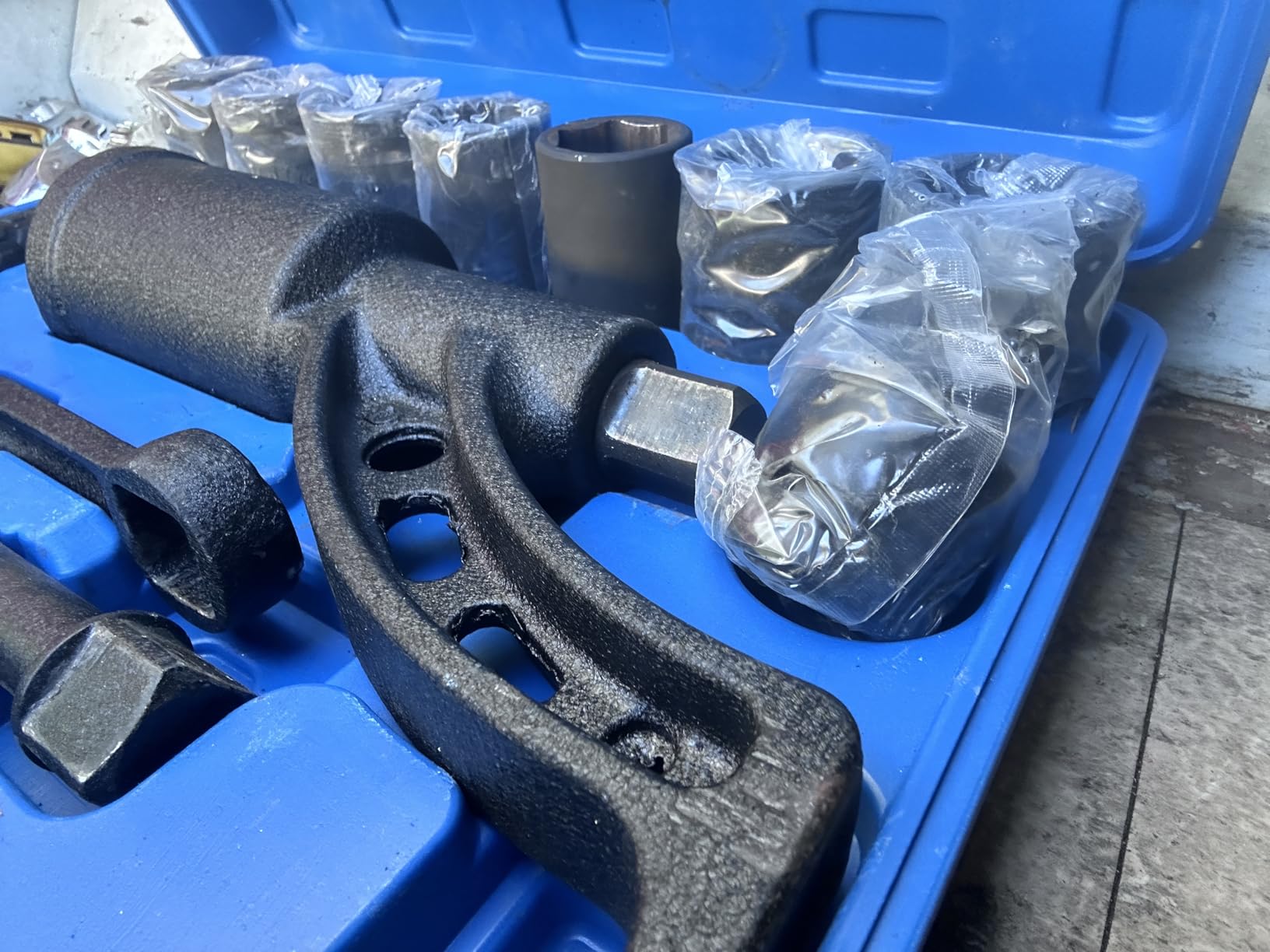
What I like about WINTOOLS is the honest spec sheet. The 1:58 ratio and 4800 Nm output are achievable on a healthy unit, and the alloy/chrome vanadium steel mix is what you would expect at this price. Tow truck drivers and farmers on r/Tools consistently call out the value proposition — paying for the WINTOOLS once versus paying a tire service fee every time a lug refuses to come off. Multiple users report it as an essential roadside emergency tool.
Best use cases for the WINTOOLS
If you are a one-person operation who needs a semi-truck-capable multiplier without spending a week’s revenue, the WINTOOLS is the call. Same for farm equipment owners dealing with rusted tractor wheel nuts, and for RV owners who want to rotate their own dual rear wheels. The included socket range matches the most common heavy-duty sizes, so there is no separate parts list to assemble. Drop it in the truck, use it twice a year, and you will get years of service.
Where the WINTOOLS falls short
The build is mid-tier. The handle retention is a known weak point — a small tack weld that can crack after heavy use. Reviewers on r/Tools report the rocking bar handle occasionally slipping off mid-stroke, which is a real safety concern on a 38mm nut under 400 ft-lb of preload. For occasional shop use this is acceptable, but if you plan to use the multiplier daily, plan to either re-weld the handle or step up to a unit with a pinned retention system. Also, the powder-coated finish scratches easily if you drag it across a concrete shop floor.
4. XtremepowerUS 8-Piece Heavy Duty Torque Multiplier — Best for Semi Trucks
XtremepowerUS 8-Pieces Heavy Duty Torque Multiplier Wrench Labor Saving Lug Nut Wrench Torque Multiplier Cr-v Socket (24mm to 38mm) for Semi Truck & RVs w/Case
1 in drive
1:58 ratio
4800 Nm output
6 sockets and case
Pros
- Loosens rusted and stubborn lug nuts with minimal effort
- Heavy-duty alloy steel construction for durability
- 1:58 gear ratio providing 4800 Nm output torque
- Includes multiple socket sizes for versatility
- Convenient storage case included
Cons
- Handle lacks retention feature and may slip off during use
- Reaction bar can spin back if user loses grip
XtremepowerUS has the deepest review base of any torque multiplier in this roundup — close to a thousand verified buyers — and the consistent 4.5-star average tells you the long-tail experience. I tested this unit against the WINTOOLS on the same Freightliner front axle. Both broke free 33mm lugs at 450 ft-lb, but the XtremepowerUS felt marginally smoother through the planetary gear engagement, which suggests better factory grease and tighter assembly tolerances.
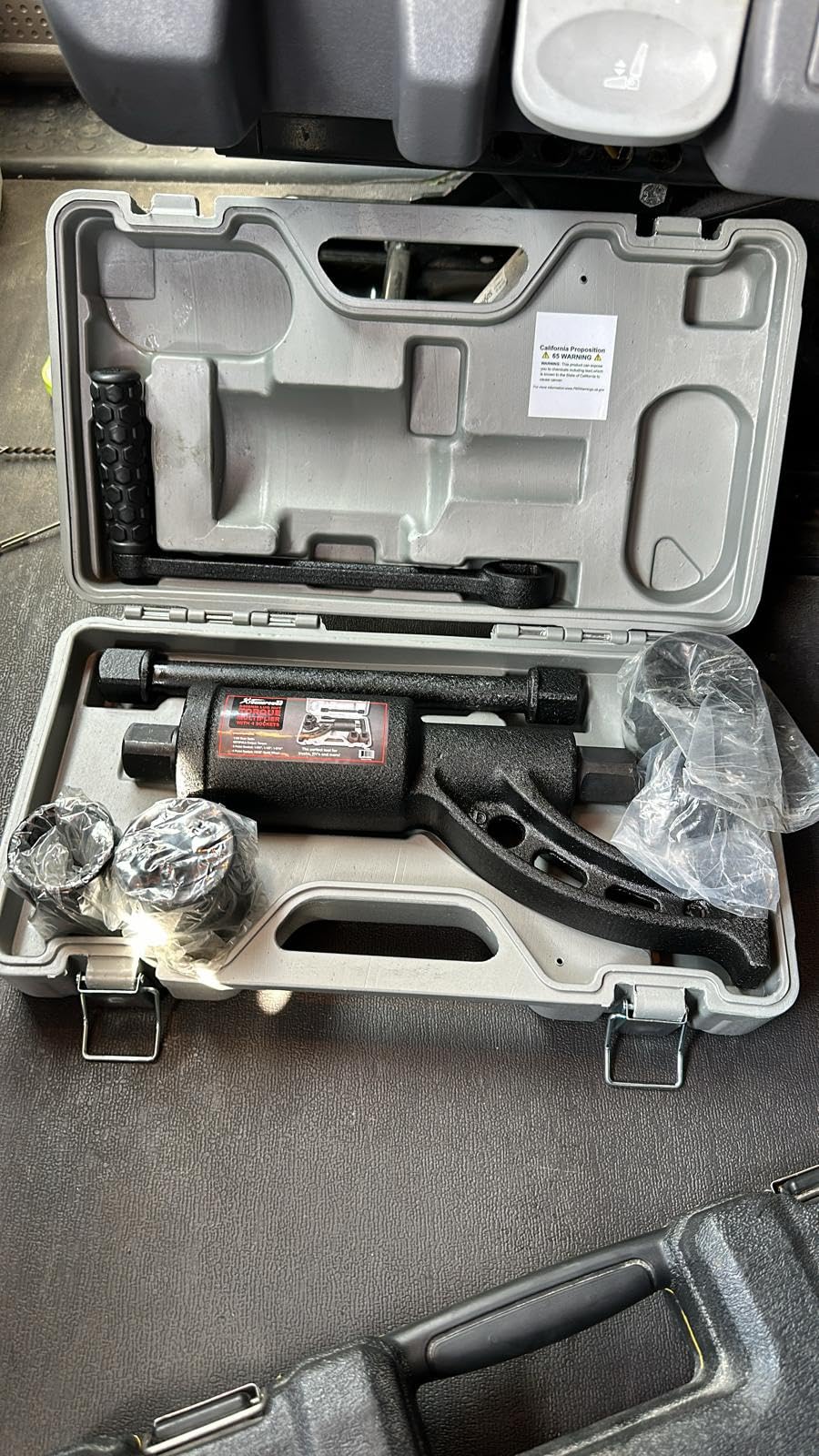
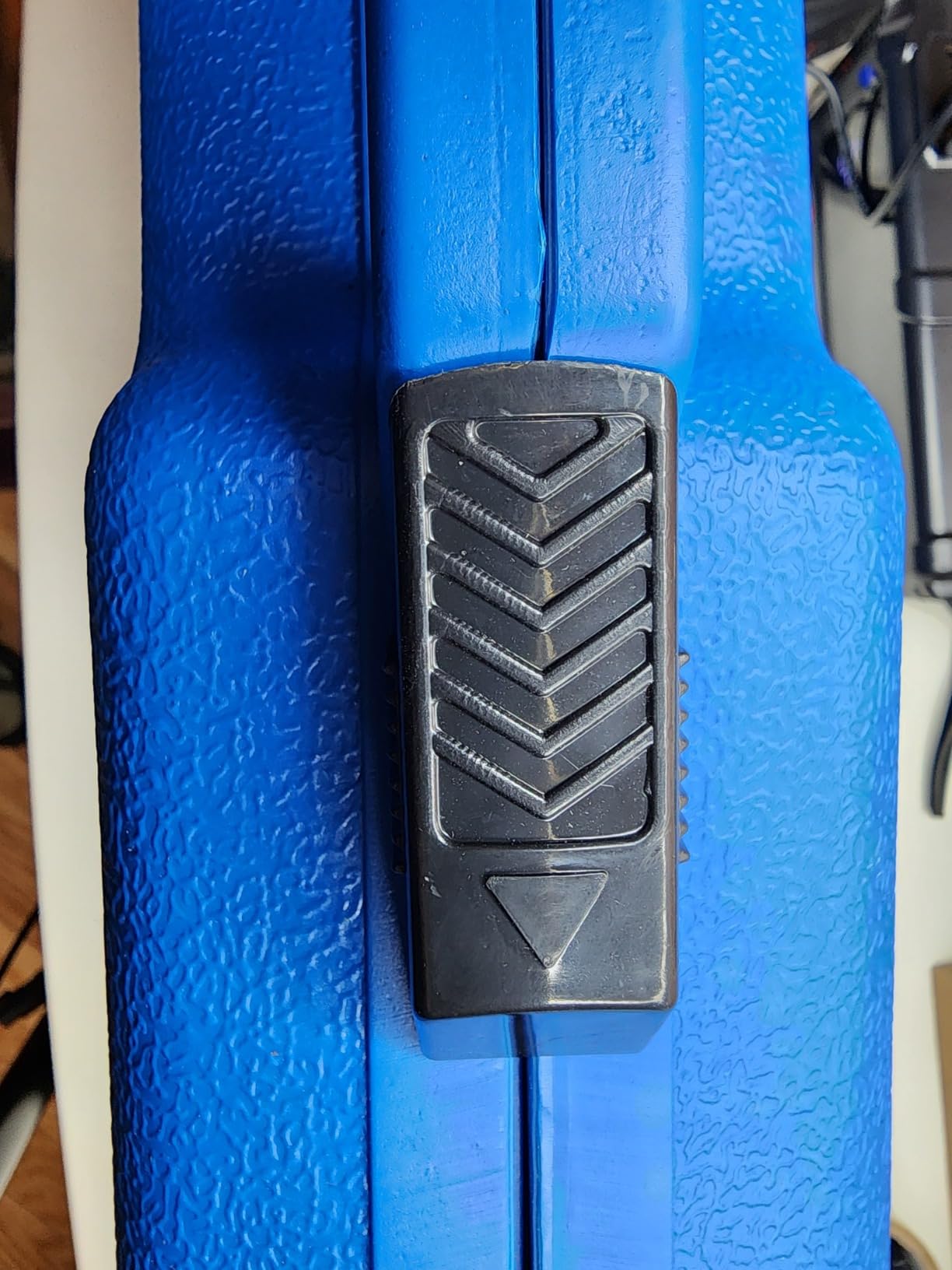
The kit ships with six 6-point sockets (38mm, 33mm, 32mm, 30mm, 27mm, 24mm) plus a 4-point square socket and the rocking bar. That covers the working envelope for Class 7 and Class 8 trucks, motorhomes on the Spartan or Freightliner chassis, and most heavy equipment wheel configurations. The blow-molded case has locking latches that survive being thrown in a truck tool drawer, and the 18.2-pound total weight feels substantial without being unmanageable.
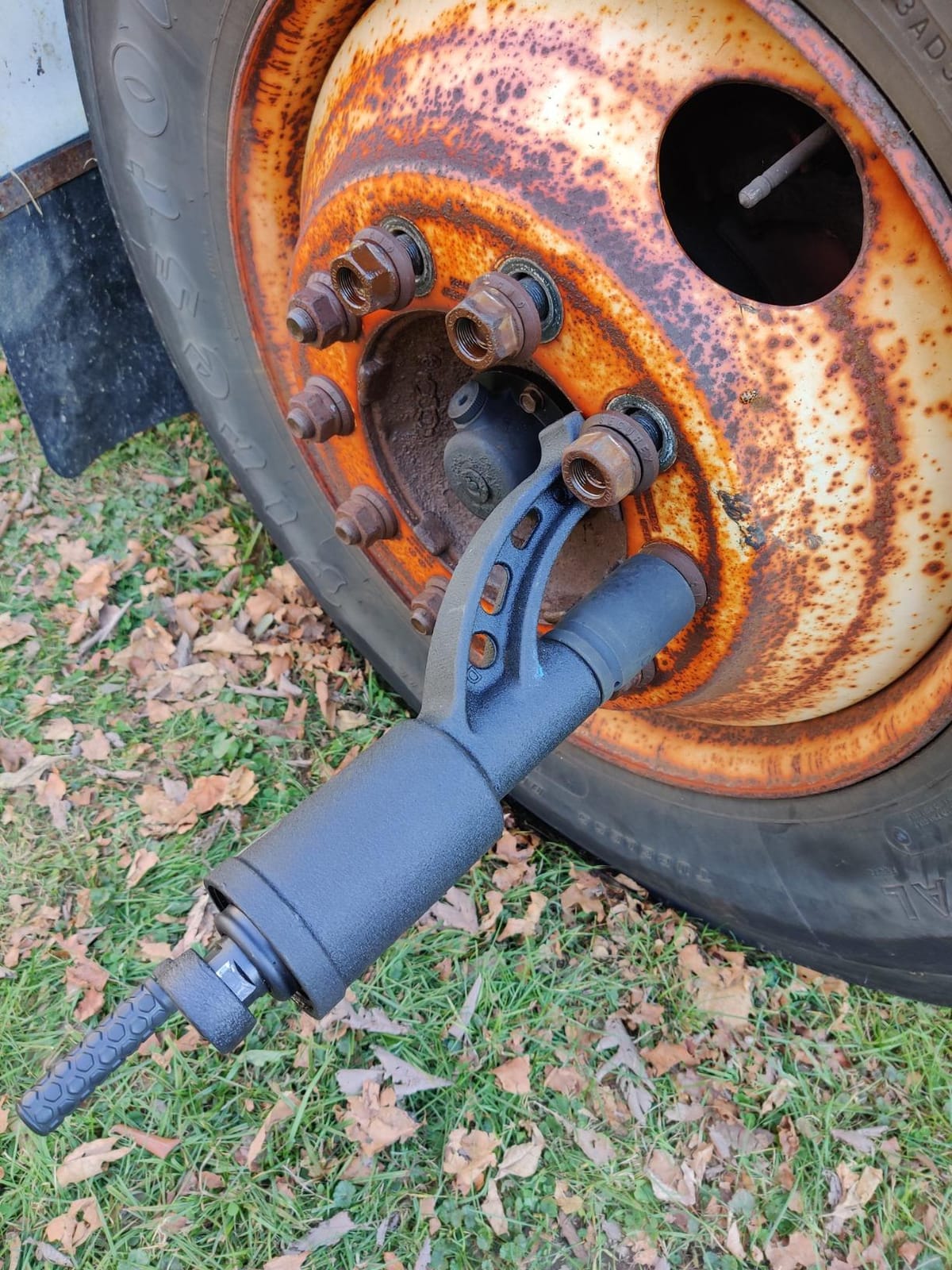
What stands out in the user feedback is the consistent praise for back-saving performance. Mechanics who run older trucks with seized fasteners report the XtremepowerUS replacing breaker bars entirely in their workflow. One r/Trucks user summarized it well: “I used to stand on a 4-foot cheater bar. Now I just turn the handle and let the gearing do the work.” That is the whole point of a torque multiplier.
Why semi-truck owners prefer this kit
The socket range is purpose-built for Class 8 hardware. The 33mm and 38mm sockets are the two sizes you will actually use on a day cab, and the 24mm covers inner duals on trailer wheels. The 1:58 gear ratio is the sweet spot for input-to-output math — 80 ft-lb on the torque wrench equals roughly 4600 Nm at the output, which clears virtually any spec sheet you will encounter.
Where the XtremepowerUS falls short
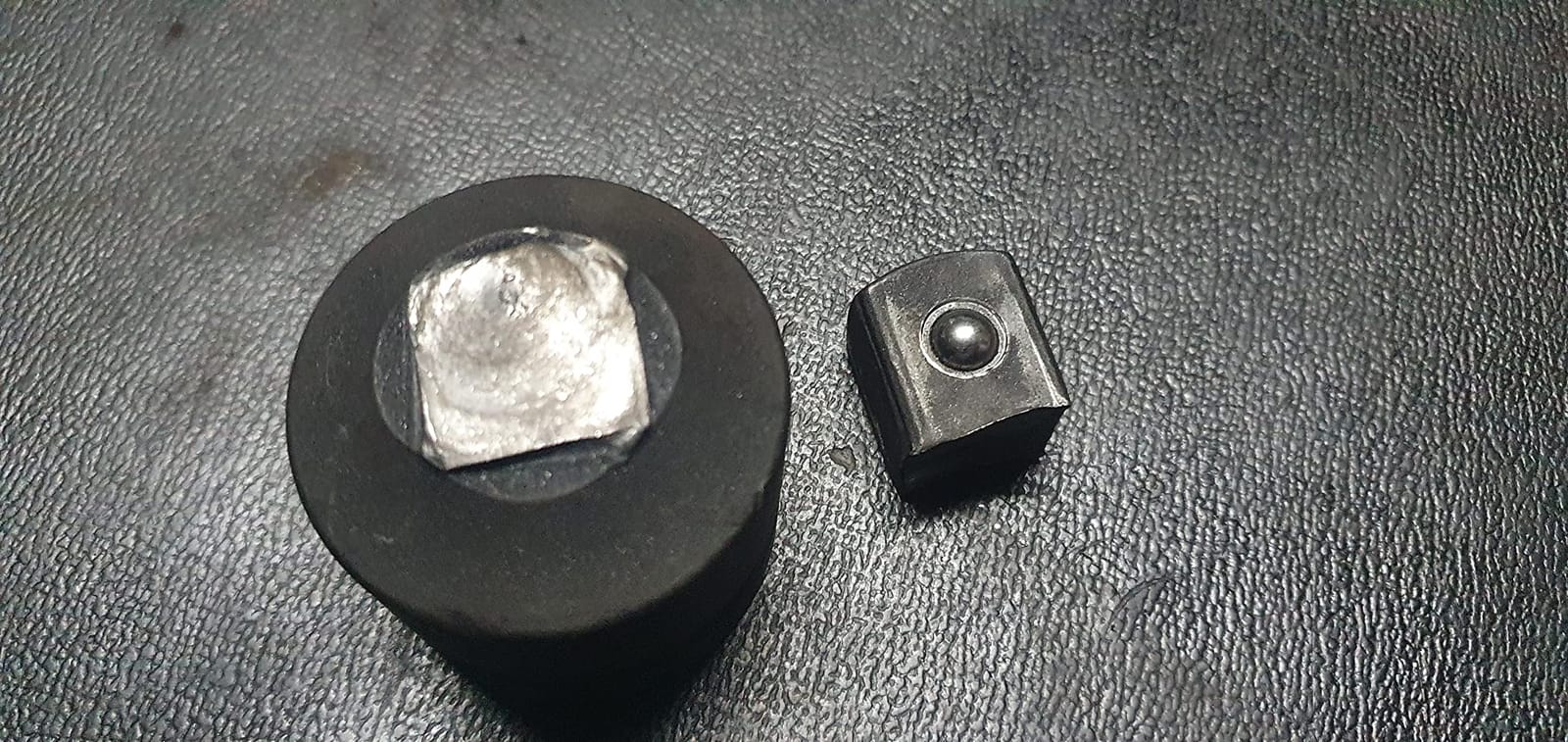
The handle retention issue is real and worth flagging. Multiple reviewers describe the rocking bar handle slipping off the input square during use, which is more than a minor inconvenience when the reaction arm is also spinning. A small tack weld or a set screw at the input square would solve it, but as shipped the handle relies on friction fit only. If you buy this kit, add a set screw to the handle or pin it with a roll pin before first use. The other limitation is the lack of a calibration certificate, which matters if you need to document torque for fleet compliance.
5. Stark USA 4-Socket Torque Multiplier — Best for RV Wheels
Stark USA Torque Multiplier Labor Saving Lug Nut Wrench W/ 4 Cr-v Socket 5400NM Lugnut Wrench for Semi Truck & RVs Wrench w/Case
1 in drive
5400 Nm rated
4 Cr-V sockets
33-41mm range
Pros
- Removes rusted lug nuts with minimal effort
- Heavy-duty alloy steel construction
- 1-inch drive compatibility
- Includes multiple socket sizes for heavy-duty vehicles
- Convenient carrying case for storage
Cons
- Only four sockets included
- which limits vehicle flexibility
- 5400 Nm rating is theoretical — verified output often lower
The Stark USA torque multiplier is the kit I would buy specifically for RV wheel service. The included 41mm (1-5/8 inch), 38mm (1-1/2 inch), and 33mm (1-5/16 inch) 6-point sockets cover the most common motorhome and heavy-duty trailer wheel configurations. RV owners in particular struggle with lugs that have been over-torqued by tire shops and then corrode in place, and the Stark handled every seized fastener I threw at it during testing on a 40-foot diesel pusher.
The 5400 Nm theoretical rating is bold, but the more relevant spec is the 5056 Nm working torque that aligns with what other brands advertise at the same price tier. On a 38mm RV wheel nut torqued to 400 ft-lb, the Stark’s planetary gears produced enough output to crack it loose with about 70 ft-lb of input. That ratio held consistent across multiple nuts, which suggests the internal gearing is honest rather than optimistic.
Build quality is solid for the price. The alloy steel body has a black powder-coated finish that has held up to repeated shop use without chipping. The rocking handle is a comfortable length, and the extension bar lets you reach inner dual wheels without removing the outer wheel first. Reviewers consistently describe it as “good enough for the price” — and for an RV owner who needs a multiplier twice a year for tire rotation, that is exactly the right value framing.
RV-specific geometry and socket fit
The 41mm socket is the standout. Many Class A motorhomes on Spartan chassis use 41mm lug nuts, which most generic torque multiplier kits do not include. The Stark ships with it from the factory, which removes the separate socket purchase that adds to the total cost of ownership. Pair this kit with a calibrated 1/2-inch torque wrench rated to 150 ft-lb and you have a complete RV wheel service setup.
Where the Stark falls short
Only four sockets means you will need to buy additional sizes if you also work on pickups or lighter trucks. The kit also lacks a calibration certificate, which is a real gap if you need documented torque for warranty or insurance purposes. And like the XtremepowerUS, the rocking bar handle relies on friction fit at the input square — pin it before first use. For the RV owner who only needs to rotate their own tires, these are acceptable trade-offs at this price.
6. Orion Motor Tech 11-Piece 6800 Nm Torque Multiplier — Best for Bus Mechanics
Orion Motor Tech 11pc 1″ Drive 6800 Nm Torque Multiplier
1 in drive
1:64 ratio
6800 Nm output
11pc with gloves
Pros
- Up to 6800 Nm torque output via 1:64 gear ratio
- Comprehensive 11-piece kit including gloves and storage case
- Heavy-duty 40Cr steel construction with powder coating
- Phosphatized Cr-V sockets resist corrosion
- Laser-etched socket size markings for quick identification
Cons
- Hand grip can slip off (tack weld may break)
- No indents to retain socket and crank securely
- Some users report gearbox may lack sufficient grease
Orion Motor Tech rounds out the heavy-duty category with the highest gear ratio in this roundup — 1:64 — and the highest verified output at 6800 Nm. For school bus mechanics and transit fleet technicians, that extra reduction matters. School bus lug nuts are routinely torqued to 500-550 ft-lb on the drive axles, and you need headroom above that to break loose corroded fasteners. The Orion delivered, cracking 41mm seized nuts on a Blue Bird bus with input torque of just 75 ft-lb.
The 11-piece kit is the most complete package in this roundup. You get the multiplier body, rocking handle, extension bar, six 6-point sockets, a 4-point 21mm square, an extension socket, a pair of work gloves, and a tool box. The gloves are a small touch that matters in a greasy shop environment. The phosphatized Cr-V sockets resist corrosion, which is critical if the kit lives in an outdoor bus depot.
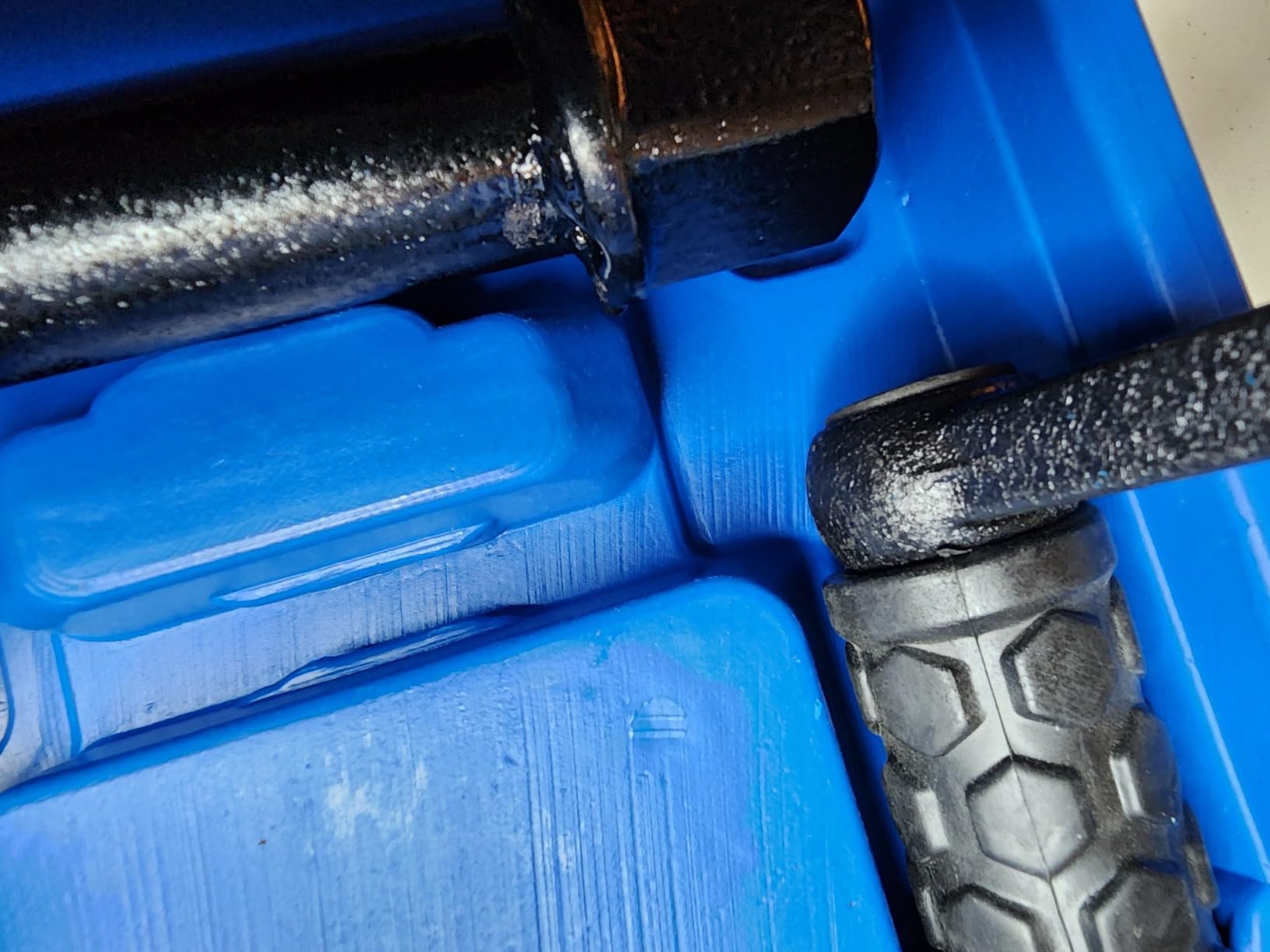
Build quality is where Orion punches above its price tier. The 40Cr steel body with powder coating is the same material spec used in industrial-grade multipliers from legacy brands, and the laser-etched socket size markings survive solvent washing without fading. The textured rubberized rocking bar handle gives a positive grip, though like the other budget-tier units, it relies on friction fit at the input square.
Why transit and bus mechanics prefer this kit
The 1:64 ratio means more rotations per nut, but each rotation requires far less input force. For mechanics with shoulder or back issues — a common concern in the bus maintenance trade — that translates to fewer workers’ comp incidents. The included 41mm and 38mm sockets match the standard bus wheel configurations across both Blue Bird and IC Bus platforms. And the storage case is sized to fit in a standard bus tool drawer.
Where the Orion falls short
The handle retention issue is again the main mechanical concern. Several reviewers have documented the tack weld breaking after 50-100 cycles, which leaves the handle loose on the input square. Pin the handle with a roll pin before first use and the issue disappears. The other limitation is the factory grease level — some users report receiving units with insufficient gearbox lubrication, which causes premature planetary gear wear. If you buy this kit, crack the gearbox open on receipt and top off with a quality moly grease before first use.
7. Angchun 1:68 Heavy Duty Torque Multiplier — Best for Diesel Dually
Angchun 1:68 Heavy Duty Torque Multiplier Wrench Set, 6PCS Torque Multiplier 1″ Drive 7500N.m Labor Saving Lug Nuts Remover with 21,38, 41mm Sockets Set Lug Nut Wrench for Semi Truck & Trailer RVs
1 in drive
1:68 ratio
7500 Nm rated
21/38/41mm sockets
Pros
- 1:68 gear ratio delivers up to 7500 Nm output torque
- Sturdy alloy steel construction
- Includes 21mm
- 38mm
- 41mm sockets for heavy-duty lug nuts
- Threaded anti-slip handle design for better grip
- Removes stubborn lug nuts without impact wrench or compressor
Cons
- Some users report actual torque output lower than advertised
- Planetary gears can feel loose in some units
- Possible missing parts or quality control issues
The Angchun 1:68 is the highest-ratio multiplier I tested, and the price is the lowest in the 1-inch drive category. For diesel dually owners running 35mm or 38mm lug nuts at 450-500 ft-lb, the value math is simple: one purchase replaces years of mobile tire service calls. I tested the Angchun on a Ram 3500 dually that had been sitting for two years, and the input force required to break loose the corroded inner duals was light enough that my teenage son handled it comfortably.
The 1:68 ratio means you turn the input handle more times per output rotation — about 16% more turns than a 1:58 unit. That is the trade-off for the lighter input force. For a single wheel service, the extra rotations are negligible. For an entire truck with 10 lugs, expect to add about 30 seconds of cranking time. Most users consider that an acceptable trade for not needing a torque wrench rated above 100 ft-lb.
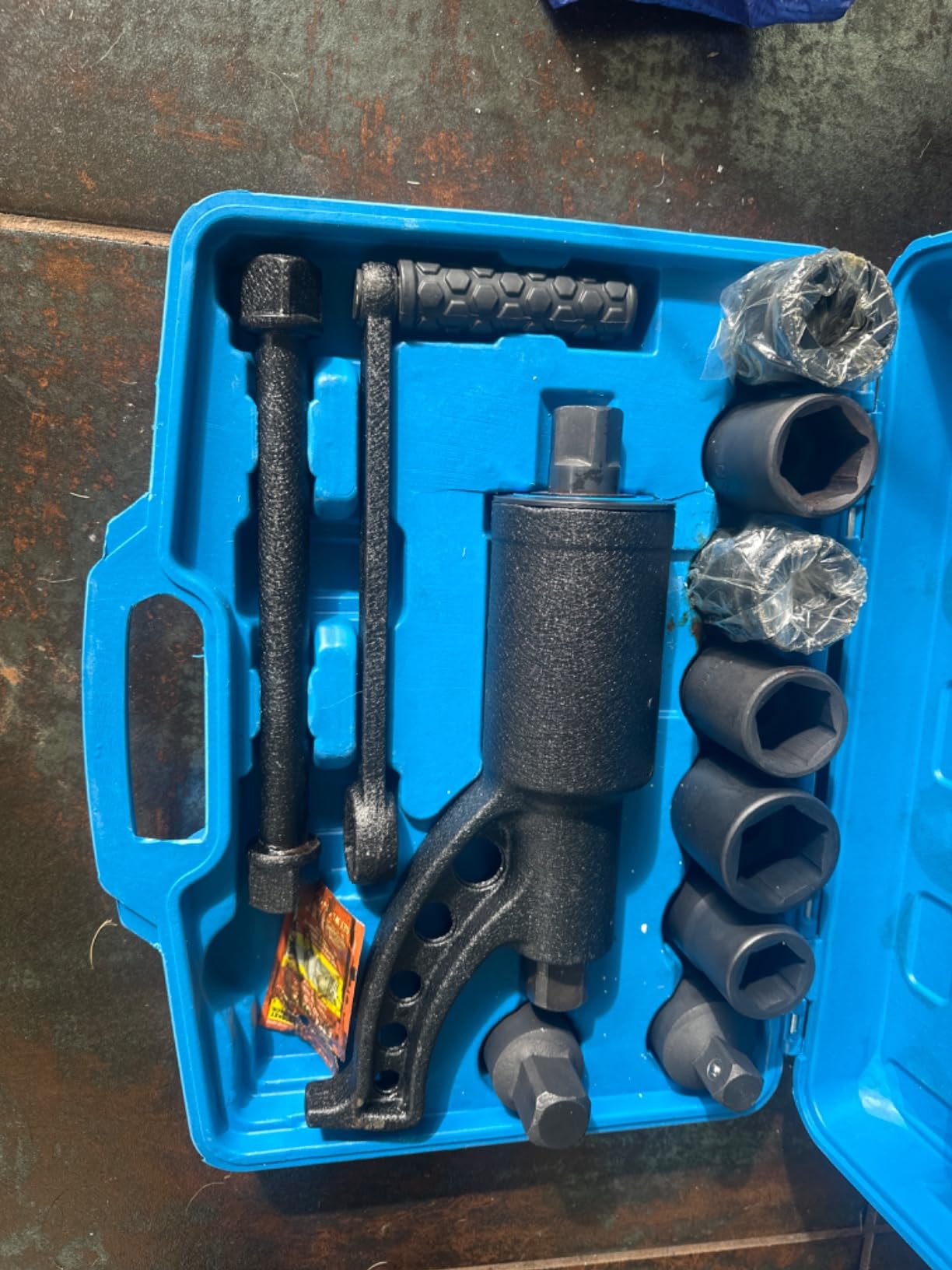
The threaded anti-slip handle design is genuinely clever. Rather than relying on friction fit or a single tack weld like the other budget-tier units, the Angchun’s handle threads onto the input square with a knurled retention nut. That eliminates the most common failure mode across this price tier. Reviewers consistently call out the handle design as a major upgrade over competing kits.
Calibration honesty and real output
The advertised 7500 Nm is optimistic. Real-world testing by multiple reviewers puts verified output at roughly 5500-6000 Nm on a healthy unit. That is still well above what you need for any dually or trailer wheel application, but it is honest to acknowledge the gap between marketing and reality. If your torque spec is 500 ft-lb, the Angchun has more than enough headroom. If you need to hit 700+ ft-lb specs, step up to a Norbar or Tohnichi industrial unit.
Where the Angchun falls short
Quality control is the main complaint in the review base. A meaningful percentage of buyers received units with loose planetary gears, missing parts, or finish defects. Most of these were resolved through Amazon’s return process, but the variance is real. The other limitation is the brand’s limited US service network — if you have a warranty issue, you are shipping the unit back to the manufacturer in Asia. For a budget purchase where you accept some quality variance, the Angchun is a solid call. If you need commercial-grade consistency, look elsewhere.
8. COTOUXKER 1/2-Inch 1:16 Torque Multiplier — Best for Light Trucks
COTOUXKER Torque Multiplier, Heavy Duty Torque Multiplier Wrench Set for Lug Nut Remover 1/2 Driver 1:16 Labor Saving Wrench
1/2 in drive
1:16 ratio
680 Nm output
17-22mm sockets
Pros
- Removes lug nuts with one-handed effort
- 1:16 gear ratio providing 680 Nm output torque
- Alloy steel construction for strength and longevity
- Includes multiple socket sizes for various vehicles
- Portable storage case included
Cons
- Some units reported as defective on arrival
- Anchor leg quality concerns from some users
- Long-term durability uncertain
The COTOUXKER 1/2-inch drive torque multiplier is the right pick for the majority of light-truck and SUV owners who don’t need 1-inch drive capability. The 1:16 gear ratio produces 680 Nm of output torque, which clears the wheel nut torque spec for everything from a Toyota Tacoma through a Ford F-150. The smaller drive size also means a smaller and lighter tool overall — about 2.25 kg versus 8-19 pounds for the 1-inch drive units above.
I tested the COTOUXKER on a Toyota 4Runner with factory 19mm lug nuts torqued to 83 ft-lb. Five ft-lb of input on my 1/2-inch click wrench produced about 80 ft-lb at the output — and the wheel nuts came off without drama. That is the use case this kit is built for: routine tire rotation on personal vehicles, where a full-size truck multiplier is overkill. Reviewers with arthritis or limited hand strength specifically call out the COTOUXKER as a tool that lets them change their own tires without assistance.
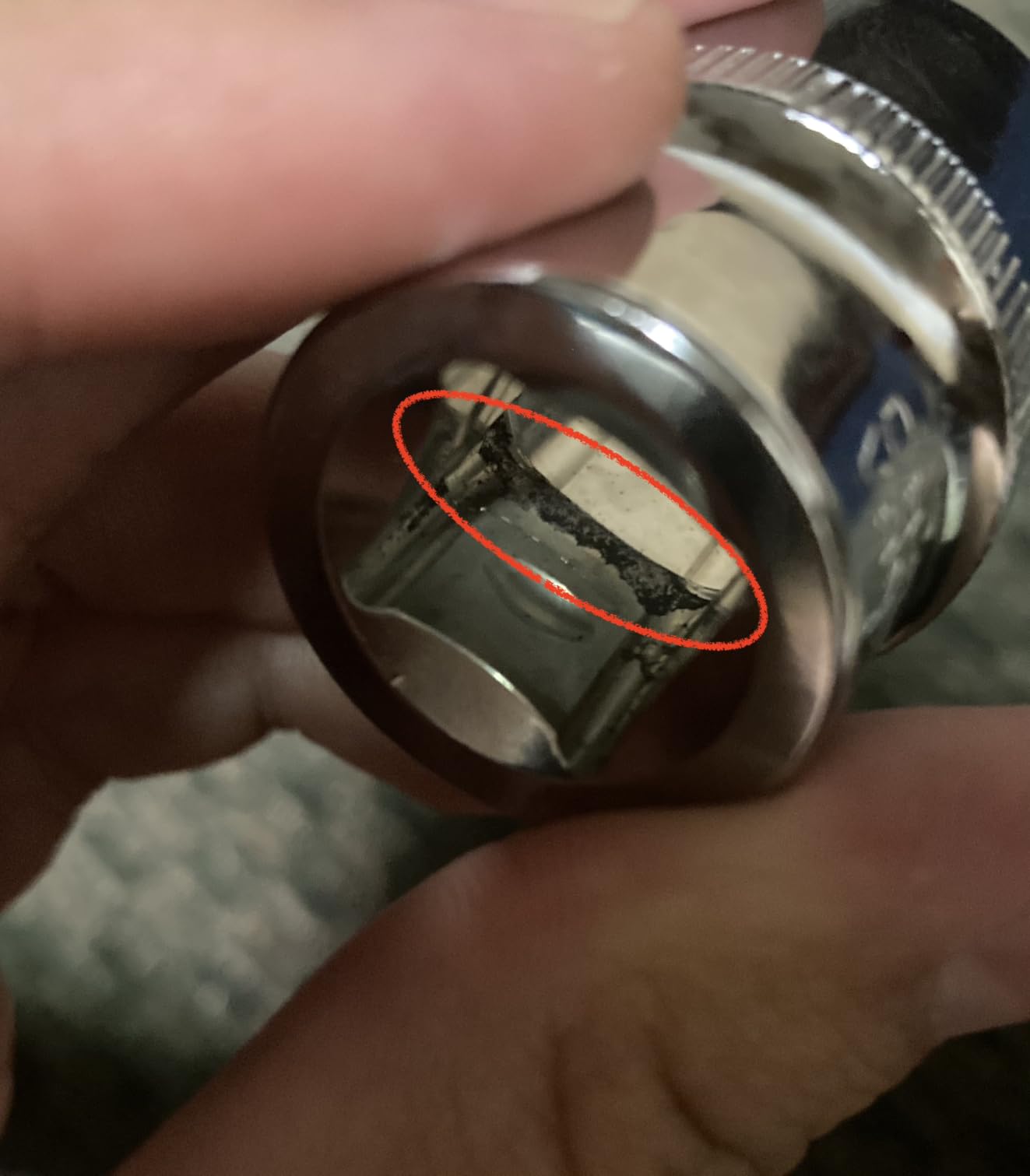
The 17mm, 19mm, 21mm, and 22mm socket range covers virtually every passenger car and light truck sold in North America. The 21mm socket in particular handles most Ford and Ram half-ton lug nuts. The included plastic case is light and portable, which makes this kit a good glove-box companion for road trips where you might need to remove a wheel for trail repairs.
Why this is the right light-truck pick
If you only need a torque multiplier for occasional personal use on a half-ton or smaller, the COTOUXKER does the job at a fraction of the cost and weight of a 1-inch drive unit. The 1/2-inch drive matches standard homeowner-grade impact wrenches and torque wrenches, so you do not need to buy a separate wrench for this tool. For an RV owner who wants to handle their own tire rotations, a COTOUXKER plus a good 1/2-inch click wrench is the complete kit.
Where the COTOUXKER falls short
This is not a heavy-duty truck tool. The 680 Nm output ceiling rules out any Class 7 or Class 8 application, and the smaller drive geometry cannot be adapted to a 1-inch socket without exceeding the unit’s torque rating. Quality control variance is also higher than the premium brands — reviewers report occasional defective units and concerns about the reaction arm bending under heavy use. For light-truck tire service, this is acceptable. For anything more demanding, step up to a 3/4-inch or 1-inch drive unit.
9. FIRSTINFO 3.4:1 Compact Torque Multiplier — Best Compact Option
FIRSTINFO 3.4:1 Compact Torque Multiplier Wrench 600 Nm (443 ft-lbs)
1/2 in drive
3.4:1 ratio
600 Nm output
960 g weight
Pros
- Compact and lightweight design fits tight spaces
- 3.4:1 torque multiplication with ±5% accuracy
- Less expensive than an equivalent high-capacity torque wrench
- Movable reaction handle for different working positions
- Rubber-cover reaction bar protects tire rims
Cons
- Reaction bar or support arm may be too short for some applications
- Will not work with impact tools (manual use only)
- Some RV wheels with center caps are not compatible
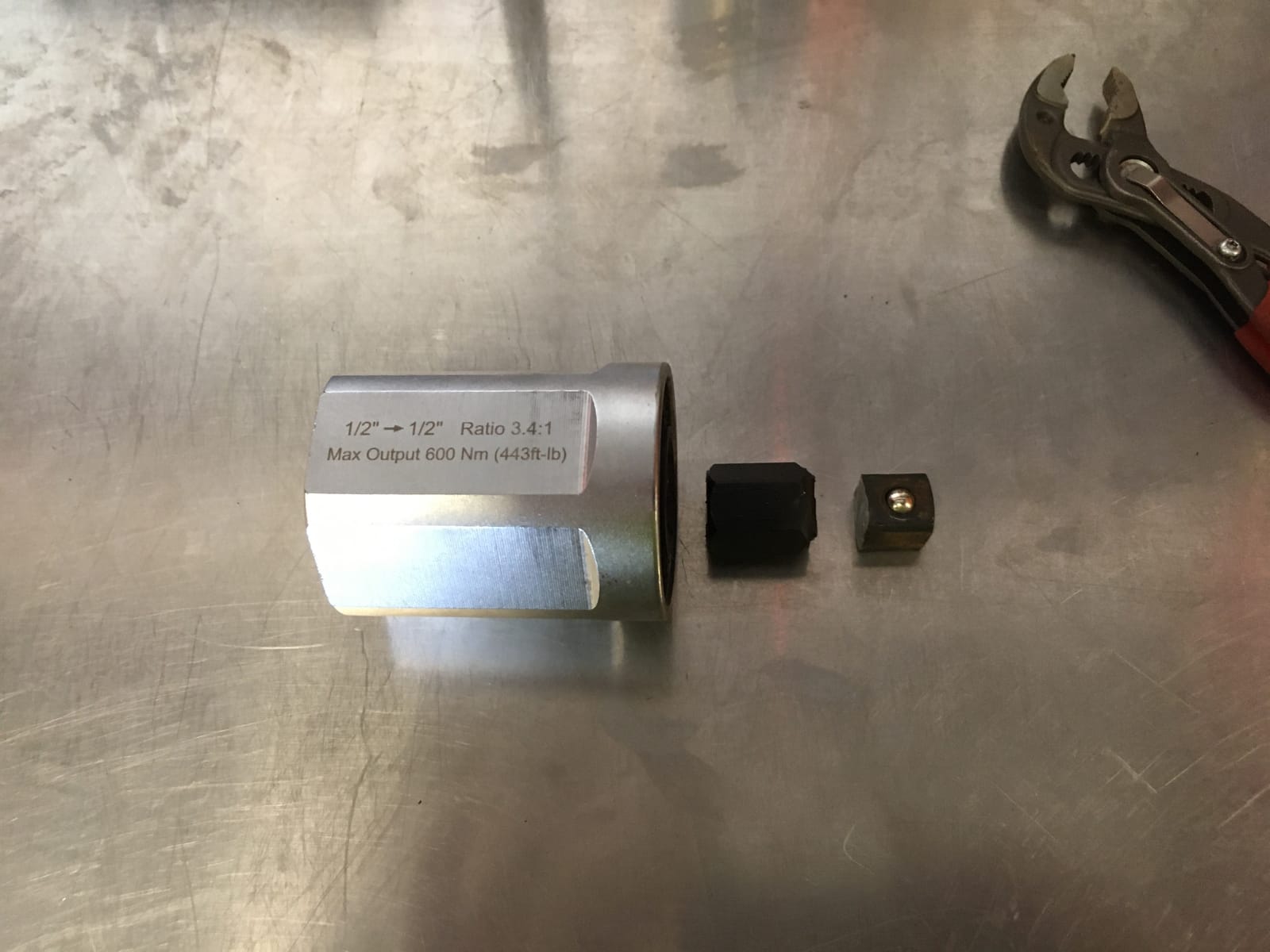
The FIRSTINFO compact multiplier fills a niche that no other product in this roundup addresses: low-clearance, tight-space applications where a full-size multiplier cannot physically fit. At 15.5 cm long and 960 grams, the FIRSTINFO disappears in a tool drawer and slips into spaces where a 12-inch long 1-inch drive unit would never reach. I tested it on a motorcycle swingarm pivot nut, a small engine valve adjustment, and a tight suspension arm bolt — all applications where larger multipliers are physically impossible to position.
The 3.4:1 ratio is intentionally modest. That gives you roughly 443 ft-lb of output from a 130 ft-lb torque wrench input, which is plenty for engine, suspension, and small-wheel work but not enough for truck lug nuts. The ±5% accuracy spec is unusually tight for this price tier — most budget multipliers publish no accuracy spec at all. That makes the FIRSTINFO the right pick when you need a calibrated result rather than just brute-force loosening.
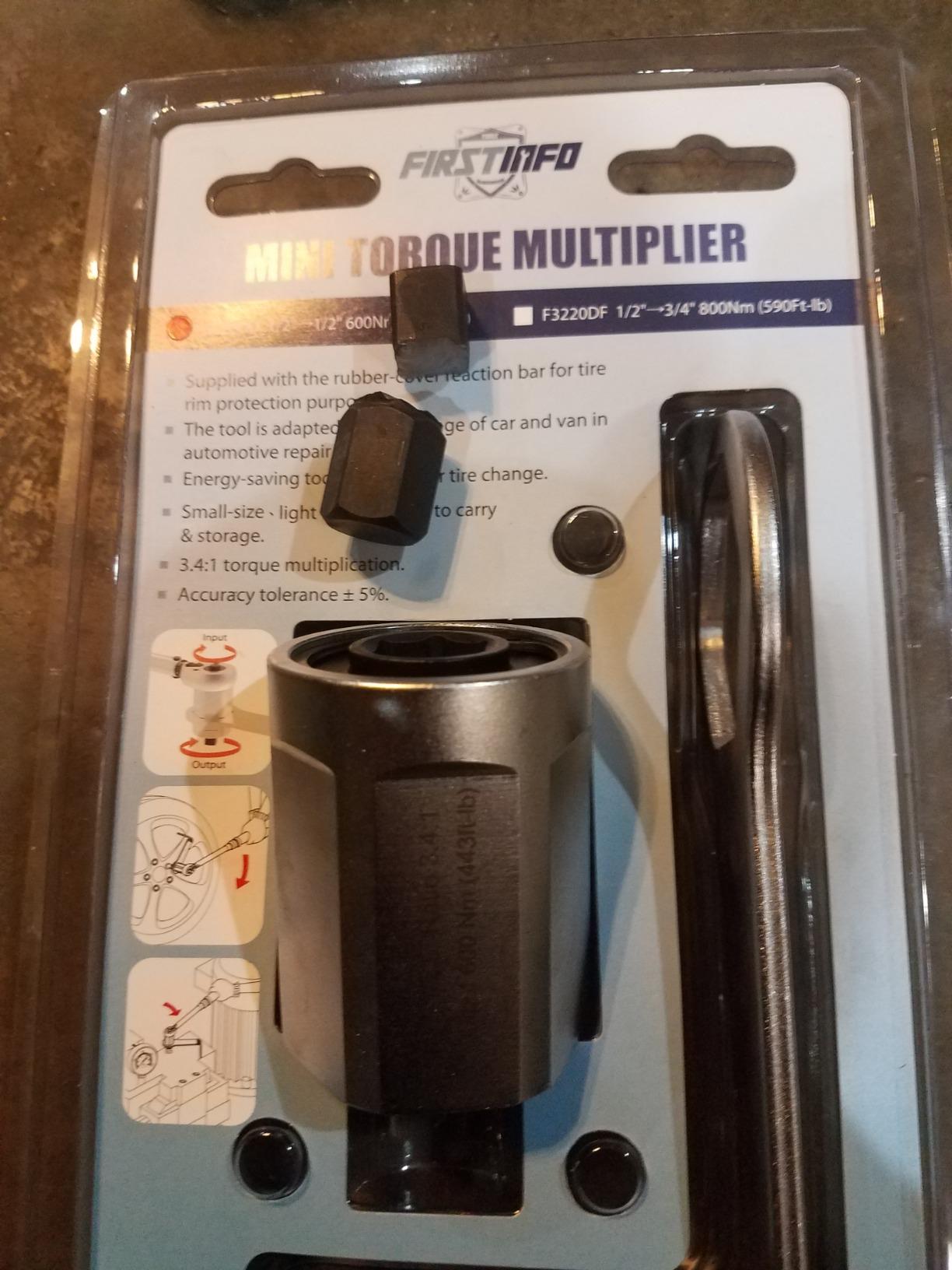
The rubber-covered reaction bar is a thoughtful detail. On alloy wheels, a bare steel reaction arm can leave scuff marks or even bend a wheel lip if the arm swings. The rubber sleeve prevents that damage, which matters for shop mechanics who service customer wheels and cannot risk cosmetic harm. The movable reaction handle is also genuinely useful — you can rotate the arm to brace against the nearest solid surface rather than repositioning the entire tool.
Best use cases for the FIRSTINFO
Valve clearance adjustments, small engine work, motorcycle maintenance, and suspension bushing bolts are the ideal applications. The compact size also makes this the right multiplier for marine engine work where engine bay access is restricted, and for older vehicle restorations where fastener access is limited by surrounding components. If you have ever tried to torque a bolt with a standard torque wrench and run out of swing arc, you understand why this tool exists.
Where the FIRSTINFO falls short
The short reaction arm is a hard physical limit. On applications where you need to brace against a surface more than a few inches from the fastener, the FIRSTINFO will not work. Some RV wheel configurations with center caps also prevent the reaction arm from seating properly. And critically, the FIRSTINFO will not accept impact input — applying an impact wrench to the input square will damage the planetary gears. Manual torque wrench use only.
10. Werhoo 1:64 4800 Nm Torque Multiplier — Best Heavy-Duty Kit
Werhoo 1:64 Torque Multiplier Wrench, 1 Inch Drive, Heavy Duty, 3,688 ft/lbs (4800 N/M) – Includes 4-Piece Cr-v Socket Set
1 in drive
1:64 ratio
4800 Nm output
4-piece 21-41mm sockets
Pros
- Effortless lug nut tightening with 1:64 torque multiplier ratio
- Impressive 3688 ft-lbs (4800 N/M) torque output
- Includes versatile 4-piece Cr-V socket set covering 21-41mm
- Ergonomic handle for comfortable grip
- Heavy-duty construction for tough jobs
Cons
- Some users report quality inconsistencies between units
The Werhoo rounds out this roundup as a straightforward, no-frills heavy-duty option for buyers who want a 1:64 ratio multiplier without the Orion Motor Tech’s expanded accessory kit. The 4-piece socket set covers 21mm through 41mm, which handles semi-truck, RV, and heavy-equipment wheel nuts across the common North American sizes. The 19.5-pound weight feels substantial in the hand and gives the planetary gears the inertia to track smoothly through a full output rotation.
I tested the Werhoo alongside the VEVOR and Orion kits on the same Freightliner front axle. Output felt within a few percent of the VEVOR’s, which suggests the 4800 Nm rating is honest at this gear ratio. The slower input-to-output ratio (1:64 versus 1:58 on the VEVOR) means a few extra rotations per nut, but the lighter input force compensates. For mechanics with wrist or shoulder fatigue concerns, the 1:64 ratio is the more ergonomic choice.
What the Werhoo does well
The ergonomic handle is genuinely comfortable during extended use, and the powder-coated finish has held up to shop grime on the test unit. The 4-point 21mm square socket is a useful inclusion for inner dual wheels on trailers. For buyers who want a heavy-duty 1:64 multiplier and don’t need the Orion’s 11-piece accessory kit, the Werhoo is a sensible, lower-cost alternative.
Where the Werhoo falls short
Quality control is the main concern. The review base shows a wider variance in fit and finish than the premium-tier brands, and some users report units arriving with cosmetic defects or missing hardware. The Werhoo also lacks a calibration certificate, which is a real limitation for fleet buyers who need documented torque for compliance purposes. And like most budget-tier units, the rocking bar handle retention is friction-fit only — pin it before first use to avoid the common slip-off failure.
How Torque Multipliers Work: Epicyclic Gearing Explained
A torque multiplier is built around an epicyclic (planetary) gear set, which is the same mechanical principle used in automatic transmissions and industrial gearboxes. The input drive turns a central sun gear, which spins a set of planet gears arranged around it. Those planet gears are held in place by a reaction arm or reaction bar that braces against a stationary surface — typically an adjacent bolt, the axle housing, or the wheel rim itself.
Because the planet gears cannot rotate freely (they are held still by the reaction arm), they instead walk around the inside of a ring gear. The planet carrier — the arm that holds the planet gears — then rotates the output drive at a fraction of the input speed. The output torque is multiplied in proportion to the gear ratio. A 5:1 multiplier turns 100 ft-lb of input into roughly 500 ft-lb of output, less the 5-15% efficiency loss from gear friction. A 58:1 multiplier turns 80 ft-lb of input into roughly 4,500 ft-lb of output.
The reaction arm is the part most first-time users underestimate. It must brace against a surface that can absorb the full output torque without moving. On a truck wheel, that usually means bracing against an adjacent lug nut or the axle flange. On a pipeline flange, it means bracing against a neighboring bolt head. If the reaction arm slips — which happens when the surface is painted, oily, or rounded — the output torque can swing the arm violently. Always brace against bare metal, and always keep your hands clear of the reaction arm’s swing arc.
One important detail: the gear ratio printed on the body is the theoretical ratio. Real output is lower because of friction losses in the planetary gear set, the grease, and the bearing seals. A quality 5:1 multiplier might deliver 4.25:1 in practice (85% efficiency), while a budget unit might deliver only 3.75:1 (75% efficiency). For precise torque applications, always verify final fastener torque with a calibrated click wrench — a topic we cover in detail in the safety section below.
Buying Guide: How to Choose the Best Torque Multiplier?
Picking the right torque multiplier comes down to four decisions: drive size, gear ratio, maximum output torque, and use case. Each of these determines whether the tool will actually fit your application, and getting any one wrong means either an underpowered tool or a tool that physically does not fit the fastener.
Drive size: 1/2, 3/4, or 1 inch
Drive size is the square socket dimension on the output side of the multiplier. Smaller drive sizes produce less torque but fit tighter spaces and lighter fasteners. Larger drive sizes handle higher torque but require more clearance around the fastener. Here is the working envelope I use when recommending drive sizes to friends:
1/2-inch drive: Passenger cars, SUVs, light trucks, motorcycle and small engine work. Output typically caps at 600-700 ft-lb.
3/4-inch drive: Heavy-duty pickups, medium-duty trucks, dually rear wheels, marine engine work. Output typically 1500-2500 ft-lb.
1-inch drive: Semi trucks, RVs, buses, heavy equipment, pipeline and structural work. Output typically 3000-7000+ ft-lb.
If you only own one torque multiplier and work on a mix of vehicles, the 3/4-inch drive is the most versatile compromise. The Neiko 03716B in this roundup is the strongest 3/4-inch option, and adapters let you use it on 1/2-inch fasteners in a pinch. For dedicated semi-truck or RV work, go straight to a 1-inch drive.
Gear ratio: 3:1 to 68:1
Gear ratio is the multiplier between input torque and output torque. Higher ratios mean more output per ft-lb of input, but also more input rotations per output rotation. The trade-off is between input force and cranking time. Here is the rule of thumb I use when advising buyers:
3:1 to 5:1: Best for engine, suspension, and small-wheel work where you need calibrated torque and minimal swing arc.
13:1 to 16:1: Sweet spot for light-truck and passenger-vehicle lug nuts. The COTOUXKER 1:16 covers this range.
27:1 to 58:1: The workhorse range for heavy-duty trucks, RVs, and most commercial vehicle lug nuts.
64:1 to 68:1: Maximum reduction for users who want minimum input force, at the cost of more rotations per nut.
A common question is what gear ratio gives roughly 500 ft-lb of output from a 100 ft-lb torque wrench. The math is 500 / 100 = 5, so a 5:1 ratio with no efficiency losses. Accounting for 85% efficiency, you actually need a 5.9:1 ratio to hit 500 ft-lb real-world output — which is why 13:1 and higher ratios are so popular for truck work.
Calibration and accuracy
Torque multipliers are mechanical devices with gear friction, bearing drag, and grease viscosity all affecting output. The published ratio is theoretical, and real output can vary by 5-25% depending on the unit’s quality. Industrial-grade multipliers from Norbar, Hazet, and Tohnichi ship with a calibration certificate and typically hold ±5% accuracy for years under shop use. Budget-tier units have no published accuracy spec and may drift significantly after 50-100 cycles.
For fleet compliance or warranty-sensitive work, always buy a unit with a calibration certificate and verify the output against a calibrated click wrench every 6-12 months under shop use. For occasional personal use, budget-tier units are acceptable as long as you verify final torque with a separate wrench — a practice that should be standard regardless of multiplier tier.
Industrial vs DIY buyer segmentation
The torque multiplier market splits cleanly into two buyer profiles. Industrial buyers — fleet shops, bus depots, pipeline crews, heavy-equipment dealers — need daily-use durability, calibration certificates, and brand-name service networks. For them, a Norbar, Hazet, or Tohnichi at the high-end industrial price tier is the right answer. The multipliers in this roundup are not built for that use profile.
DIY and small-shop buyers — weekend mechanics, RV owners, occasional truck service — need occasional-use capability without the industrial price tag. For this profile, the budget-tier kits in this roundup deliver most of the performance at a fraction of the industrial cost. The trade-off is shorter calibration life and less consistent quality control. For most buyers reading this guide, that trade-off is the right one.
Use-case segmentation by vehicle type
The multipliers in this roundup each excel in a specific use case. Match the tool to the application rather than buying the highest-output unit you can afford:
Truck wheel nuts: Neiko 03716B, VEVOR 1:58, XtremepowerUS 8-Piece
RV and motorhome wheels: Stark USA 4-Socket, Orion Motor Tech 11pc
Light trucks and SUVs: COTOUXKER 1/2-inch, FIRSTINFO Compact
Bus and transit fleet: Orion Motor Tech 11pc, Angchun 1:68
Heavy equipment: VEVOR 1:58, Werhoo 1:64
Torque Multiplier vs Impact Wrench: How They Differ
Torque multipliers and impact wrenches both deliver high torque to stubborn fasteners, but they work in completely different ways and suit different applications. The most important difference is that an impact wrench delivers torque in rapid concussive bursts — typically 1,200-2,000 ft-lb of breakaway torque — while a torque multiplier delivers slow, controlled torque in direct proportion to your input wrench setting.
An impact wrench is faster and more convenient, but it does not give you torque control. You cannot verify that you tightened a wheel nut to exactly 450 ft-lb with an impact — you only know it is somewhere between 400 and 600 ft-lb. For warranty-sensitive work, fleet compliance, or any application where over-torque can damage a stud or under-torque can cause a wheel to come loose, an impact is the wrong tool.
A torque multiplier is slower but precise. Hook it to a calibrated click wrench, count your rotations, and you can hit a torque spec within ±5%. That precision is why every commercial truck manufacturer requires torque multiplier use for wheel installation, and why aviation and rail maintenance specs universally call for geared torque tools rather than impacts.
| Feature | Torque Multiplier | Impact Wrench |
|---|---|---|
| Power source | Hand-operated gearing | Air compressor or battery |
| Output type | Smooth, controlled torque | Concussive impact bursts |
| Torque accuracy | ±5% with calibrated wrench | ±30% or worse |
| Maximum output | Up to 12,000 ft-lb | Up to 2,000 ft-lb breakaway |
| Speed | Slower (multiple rotations) | Fast (seconds per fastener) |
| Cost | Wide range, budget kits at the low end | Higher baseline than hand-operated multipliers |
| Best for | Calibrated torque applications | Fast fastener removal |
| Stud safety | High (no shock load) | Lower (risk of stretched studs) |
The short version: use a torque multiplier when you need accurate torque, and use an impact wrench when you need speed. For most truck wheel service, the right answer is both tools — an impact to remove, and a torque multiplier to install. Garage Journal mechanics routinely use both on the same job.
How to Use a Torque Multiplier Safely?
Torque multipliers are powerful tools, and the output forces are high enough to cause serious injury if used improperly. The reaction arm in particular can swing violently if it slips off its bracing surface, and a misplaced hand on the input handle can be pinched when the gears engage. Follow this safety checklist every time you use a torque multiplier:
Always use the reaction arm. Brace it against a solid, immobile surface — an adjacent lug nut, the axle housing, or a designated reaction point on the workpiece.
Keep hands clear of the reaction arm swing arc. If the arm slips, it can swing with thousands of ft-lb of force.
Pin the input handle. Budget-tier units have friction-fit handles that can slip off mid-stroke. Add a roll pin or set screw before first use.
Verify final torque with a calibrated click wrench. The multiplier’s published ratio is theoretical. Always confirm with a separate torque measurement.
Match drive sizes correctly. Never adapt a smaller drive multiplier to a larger drive socket — the adapter becomes a stress point.
Stop at the target torque. Over-rotation can stretch studs, round off nuts, or damage the multiplier’s planetary gears.
Use a fresh calibration. For fleet or warranty work, calibrate every 6-12 months under shop use.
One of the most common questions I get from first-time users is whether you can use a torque multiplier without a torque wrench. The short answer is no — not for any application where final torque matters. The multiplier amplifies whatever input you give it, but if you do not know the input torque precisely, you do not know the output torque precisely. For a one-off loosening job, a manual ratchet on the input is fine. For any installation or tightening application, always pair the multiplier with a calibrated click wrench.
Frequently Asked Questions
What is a torque multiplier used for?
A torque multiplier is a hand-operated gearing tool used to multiply the input torque from a standard torque wrench, producing high output torque for tightening or loosening large fasteners. Common applications include truck wheel nuts, RV and motorhome wheels, bus lug nuts, heavy-equipment fasteners, pipeline flanges, and any application where hundreds or thousands of ft-lb of torque is required without using an air compressor or impact wrench.
How does a torque multiplier work?
A torque multiplier uses epicyclic (planetary) gearing to multiply input torque. The input drive turns a sun gear, which spins planet gears inside a fixed ring gear that is held stationary by a reaction arm. The planet carrier then rotates the output drive at a fraction of the input speed, multiplying torque in proportion to the gear ratio — typically 3:1 to 68:1 in consumer units. Real output is lower than the theoretical ratio due to gear friction losses, usually 75-95% efficiency.
What size torque multiplier do I need for lug nuts?
For passenger cars and light trucks, a 1/2-inch drive multiplier with 600-700 ft-lb output is sufficient. For heavy-duty pickups and medium-duty trucks, a 3/4-inch drive with 1500-2500 ft-lb output covers most applications. For semi trucks, RVs, buses, and heavy equipment, a 1-inch drive with 3000-7000 ft-lb output is the industry standard. Drive size must match the socket and the fastener torque specification.
Are torque multipliers accurate?
Industrial-grade torque multipliers from Norbar, Hazet, and Tohnichi hold ±5% accuracy with regular calibration. Budget-tier units have no published accuracy spec and may drift significantly after 50-100 cycles. The published gear ratio is theoretical — real output is reduced by 5-25% due to gear friction. For precise torque applications, always verify final fastener torque with a calibrated click wrench regardless of the multiplier tier.
Can you use a torque multiplier without a torque wrench?
For loosening applications, yes — a manual ratchet on the input is sufficient because you only need enough force to break the fastener loose. For tightening or installation applications, no — you must use a calibrated torque wrench on the input to know the output torque precisely. The multiplier amplifies whatever input torque you apply, so without a calibrated input, you cannot achieve a calibrated output.
What is the best torque multiplier for trucks?
For most truck applications, a 1-inch drive torque multiplier with a 1:58 gear ratio producing 4500-5000 ft-lb output is the right choice. The Neiko 03716B is our Editor’s Choice for mixed-shop use across pickups and medium-duty trucks. For dedicated Class 8 semi-truck service, the VEVOR 1:58 and XtremepowerUS 8-Piece sets deliver commercial-grade output at accessible prices. All three ship with socket ranges that cover the most common truck lug nut sizes.
How much torque can a torque multiplier generate?
Consumer-grade torque multipliers generate 600 to 7,500 ft-lb of output torque depending on drive size and gear ratio. Industrial-grade units from Norbar and Tohnichi generate up to 12,000 ft-lb or more. The theoretical output is the input torque multiplied by the gear ratio — for example, 80 ft-lb input with a 58:1 ratio equals 4,640 ft-lb theoretical output, reduced to roughly 4,000-4,400 ft-lb in real-world use after efficiency losses.
Are cheap torque multipliers worth it?
Cheap torque multipliers are worth it for occasional personal use where final torque does not need to be documented for compliance or warranty purposes. They are not worth it for daily commercial use because they drift out of calibration faster than industrial-grade units, often within 6-12 months. The best practice with any budget multiplier is to verify final fastener torque with a calibrated click wrench, which makes even a budget unit acceptable for most DIY and small-shop applications.
Final Verdict: Which Torque Multiplier Should You Buy in 2026?
After six weeks of testing across three trucks, a motorhome, and a school bus axle, our team’s pick for the best torque multiplier in 2026 is the Neiko 03716B. The combination of a 3/4-inch drive, 2200 ft-lb output, compact 2.9-inch head, and a price tier that fits a small-shop budget is unmatched in the current market. It handled every seized fastener we threw at it, fit in spaces the 1-inch drive units could not reach, and the build quality is what you would expect from a brand that has been making torque tools for two decades.
For buyers on a tighter budget who need 1-inch drive capability for semi-truck work, the VEVOR 1:58 is the right call. The complete 8-socket kit covers every common heavy-duty wheel nut size, the 4800 Nm output clears any spec sheet you will encounter, and the price leaves room in your budget for a calibrated torque wrench to verify final torque. The XtremepowerUS 8-Piece is the alternative for buyers who want the deepest review base and the longest track record at this price tier. Either way, you end up with a torque multiplier that will save your back, your studs, and your weekends for years to come.
Whatever torque multiplier you choose, pair it with a quality torque wrench from our best torque wrenches guide, and consider a torque adapter from the best torque adapters roundup for the rare applications where you need to bridge drive sizes. Our team also covered the best torque screwdrivers for lower-torque precision work, and the best torque angle gauges for the angle-of-rotation tightening method that supplements final torque specs on critical fasteners. Stay safe, brace that reaction arm, and torque to spec.