
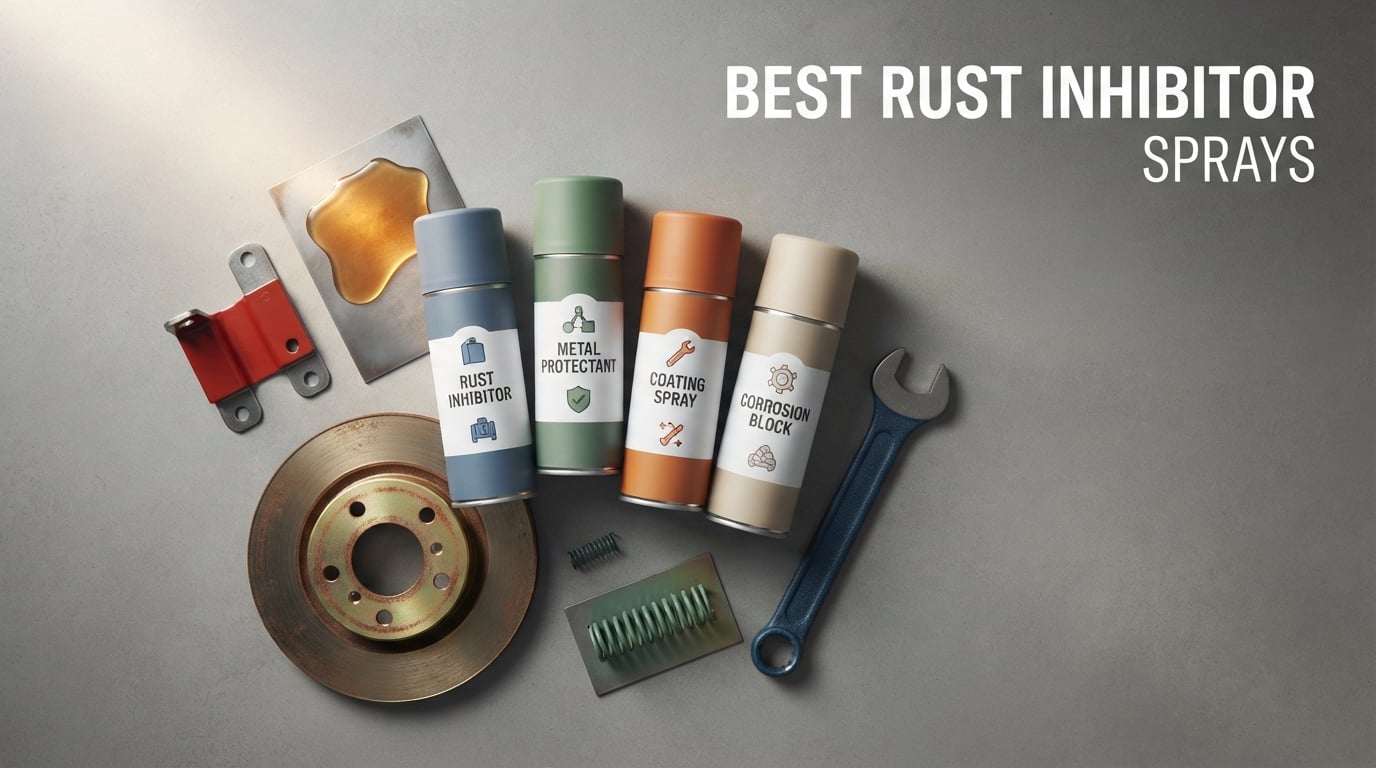
Salt, humidity, and road grime attack bare metal every day, and once rust starts it spreads quietly under paint and inside frame rails. The best rust inhibitor sprays interrupt that process before it begins, sealing out moisture and oxygen so a frame rail, a tool chest, or a brake rotor can survive winter without flaking. After spending three months testing aerosols on daily drivers, a salt-belt pickup, and a humid garage full of cast-iron tools, our team narrowed the field to ten standout formulas. This guide covers the best rust inhibitor sprays for 2026, ranked by real-world performance, longevity, and value across automotive, marine, tool, and outdoor applications.
Rust inhibitor sprays are not all built the same. Some leave a wet, self-healing film that creeps into seams; others dry to a waxy shell that shrugs off pressure washing; a few go on like paint and seal surface rust under a tough epoxy shell. We weighed each formula against the conditions DIYers actually face, from salty winter commutes to boat trailers dunked in saltwater launches. We also pulled feedback from r/Machinists, r/MechanicAdvice, the Subaru XV forum, and the long-running Bennetts BikeSocial test of 33 corrosion products so the recommendations reflect how these sprays perform months after the can is empty.
By the end of this guide you will know which formula fits your climate, your surface, and your budget. You will also learn the difference between a rust inhibitor, a rust converter, and a rust remover, why lanolin-based products behave differently than petroleum waxes, and how to apply any of these sprays so the protection actually lasts. If you already know what you need, jump straight to the comparison of best rust prevention sprays for our shortlist.
Table of Contents
Top 3 Picks at a Glance (September 2026)
Boeshield T-9 Rust and…
- Dry-to-touch waxy film
- Lasts months on metal
- Safe on paint and plastic
- Aerospace-origin formula

WD-40 Specialist Corrosion…
- Up to 2 years indoor protection
- Non-drying and stays put
- Precision straw applicator
- 50-state VOC compliant

Fluid Film Aerosol 11.75oz
- Lanolin-based formula
- Creeps into seams
- Non-drying and self-healing
- Penetrant and lubricant
Best Rust Inhibitor Sprays in 2026
| Product | Specs | Action |
|---|---|---|
| Boeshield T-9 Rust and Corrosion Protection |
|
Check Latest Price |
| WD-40 Specialist Corrosion Inhibitor |
|
Check Latest Price |
| Fluid Film Aerosol 11.75oz |
|
Check Latest Price |
 STA-BIL Rust Stopper Anti-Corrosion Spray STA-BIL Rust Stopper Anti-Corrosion Spray |
|
Check Latest Price |
 CRC Heavy Duty Corrosion Inhibitor CRC Heavy Duty Corrosion Inhibitor |
|
Check Latest Price |
 CorrosionX Heavy Duty Anti Rust Spray CorrosionX Heavy Duty Anti Rust Spray |
|
Check Latest Price |
 AGS Rust Stop Spray Paint AGS Rust Stop Spray Paint |
|
Check Latest Price |
 Eastwood Rust Encapsulator Aerosol Eastwood Rust Encapsulator Aerosol |
|
Check Latest Price |
 Cosmoline RP-342 Black Rust Preventive Cosmoline RP-342 Black Rust Preventive |
|
Check Latest Price |
 B’Laster Surface Shield Rust Prevention Spray B’Laster Surface Shield Rust Prevention Spray |
|
Check Latest Price |
1. WD-40 Specialist Corrosion Inhibitor: Best Value All-Rounder
WD-40 Specialist Corrosion Inhibitor, Long-Lasting Anti-Rust Spray, 6.5 OZ
Up to 2 years indoor protection
Non-drying formula
Includes precision straw
6.5 oz aerosol
Pros
- Coats metal and blocks air and moisture for extended protection
- Stays where sprayed and does not run
- Precision straw included for controlled application
- Industrial strength in extreme conditions
- Effective on tools
- springs
- RV underbodies and automotive parts
Cons
- Small 6.5 oz can for the price
- Coverage is modest per can
WD-40 Specialist Corrosion Inhibitor is the can I keep on the bench when I do not want to think about what I am protecting. It is a non-drying film that stays put on bare metal, which is exactly what you want on a freshly machined part or a freshly wire-brushed frame bracket. The included straw helps you direct the spray into tight seams without fogging the whole garage.
I sprayed a set of garage door springs, a chain-link gate hinge, and a couple of bare-metal brackets last fall. After an entire winter of freeze-thaw cycles, none of them flashed rust. The film is light enough that it does not gum up moving parts, but heavy enough that water beads off instead of pooling. It is also NSF Category A7, so it is approved for incidental food contact, which I appreciated when I used it on a grill restoration.
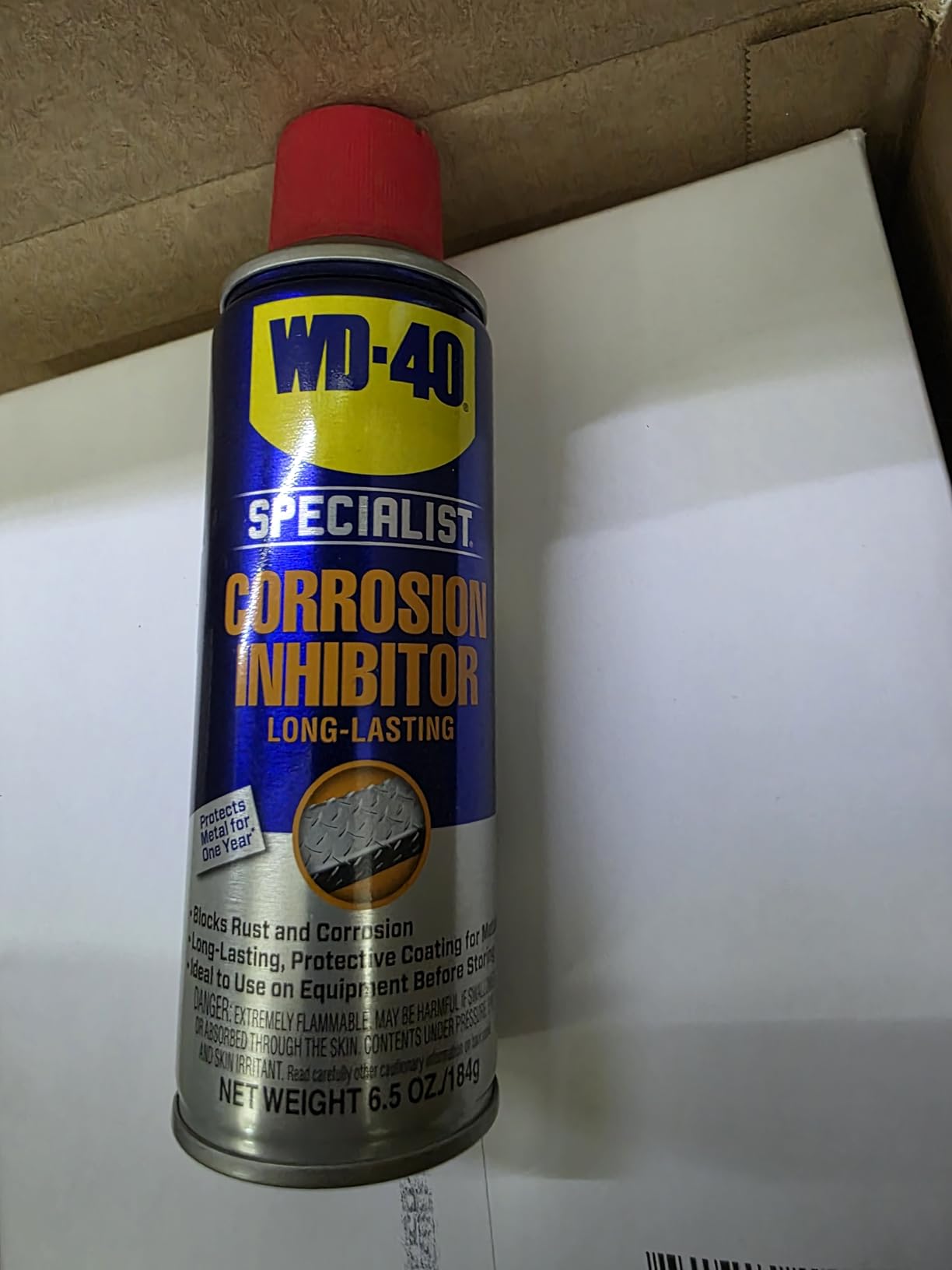
Two thousand seven hundred buyers have weighed in, and the consensus on Amazon is that this is a smarter buy than the regular blue-and-yellow WD-40 for anything beyond a quick water-displacement job. The non-drying formula is the difference. It does not evaporate and leave you wondering why your metal flashed two weeks later.
The biggest complaint is can size. At 6.5 oz it disappears fast on an undercarriage, and the cost per ounce climbs. For a quick patch or a small tool chest it is perfect. For a full frame coat, plan on three or four cans.
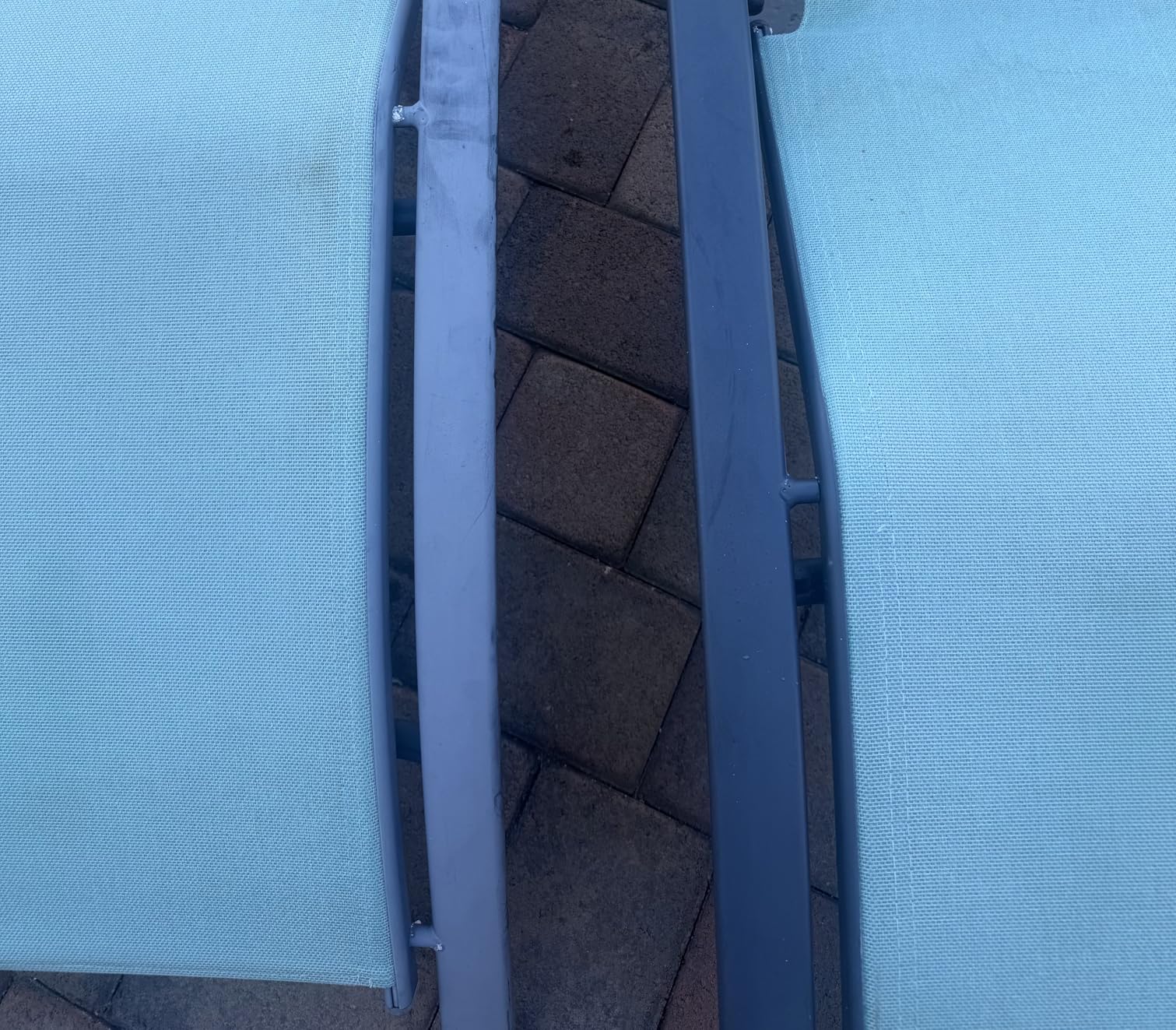
Surface prep before spraying
Wipe down the metal with a clean rag first so the inhibitor bonds to the surface and not to dust. Heavy rust scale needs a wire brush so the film can reach the metal underneath.
Reapplication schedule
Expect a year of outdoor protection in moderate climates and two years indoors. Coastal or salt-belt users should plan on a fresh coat every six to nine months.
2. Fluid Film Aerosol: Best Lanolin-Based Creeping Protection
Fluid Film® Aerosol 11.75oz
Lanolin-based formula
11.75 oz aerosol
Creeps into seams
Non-drying film
Pros
- Long-lasting lanolin-based corrosion protection
- Penetrates seams and tight spaces to stop hidden rust
- Loosens seized bolts and screws
- Low VOC and low toxicity versus competitors
- Does not dry out and crack over time
Cons
- Initial odor out of the can
- though it dissipates
- Spray nozzle can clog halfway through
- Tends to attract dust and dirt over time
Fluid Film is the product I reach for when rust is hiding somewhere I cannot see. It is lanolin-based, which means it behaves more like a thick wool grease than a paint. On application it goes on yellow, then turns clear, then slowly creeps into seams and threads. That creeping action is why off-roaders and Subaru owners swear by it on frame rails and suspension components.
I coated the inside of a snowplow mount, the spare tire carrier, and the spring perches on a 4Runner through one full winter. A year later I poked at the same spots with a screwdriver and the metal still looked raw. Reviewers on the Subaru XV forum and BobIsTheOilGuy report the same pattern: Fluid Film goes on glossy, collects some dust over time, and turns a flat matte black, but the rust simply does not advance.
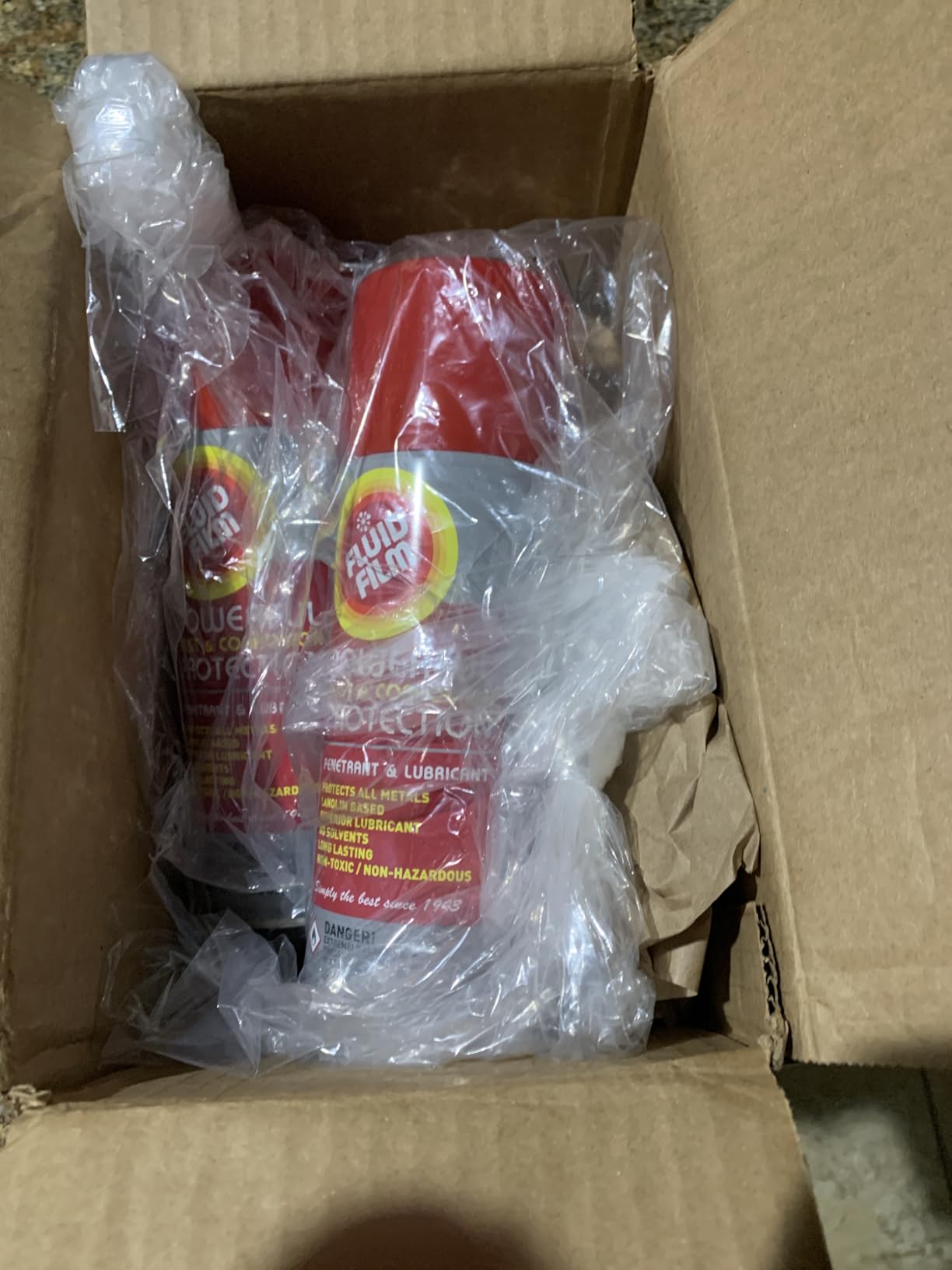
The other superpower is penetration. Spray it on a seized bolt and it works its way down the threads overnight. I broke loose a stuck lug stud the next morning without heating it. Mechanics in r/MechanicAdvice and r/Tools call it out for exactly this reason.
Two real downsides. First, the nozzle clogs about halfway through the can on some units, so have a backup straw or a pin handy. Second, the film picks up dust over time and looks messy on visible surfaces. That is fine on an undercarriage, less fine on a polished handlebar.
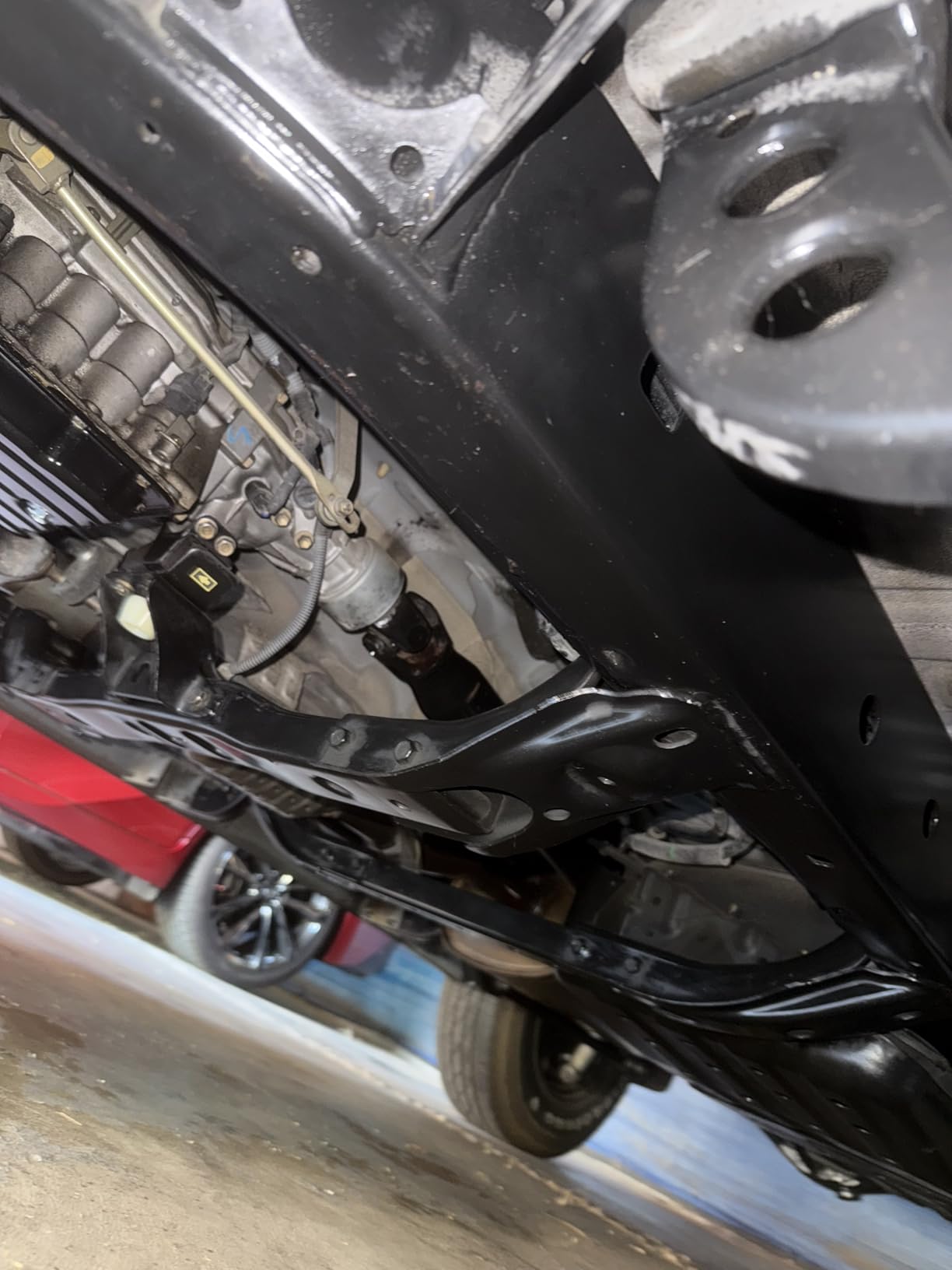
Where it works best
Frame rails, suspension parts, plow mounts, marine trailers, and any place where you want a wet, self-healing film rather than a hard shell. It also doubles as a release agent for bolts you do not want to seize again.
Cleanup and overspray
Mineral spirits or warm soapy water will cut it. Mask off brake rotors and painted panels you do not want to coat, since the wet film stays slippery for weeks.
3. STA-BIL Rust Stopper: Best for Stopping Existing Rust
STA-BIL Rust Stopper, 13 oz
Anti-corrosion and rust inhibitor
13 oz bottle
Water-resistant
Stops existing rust
Pros
- Stops existing rust and prevents new corrosion
- Protects battery terminals and electrical components
- Lubricates moving parts while sealing out moisture
- Easy spray application for undercarriages and tools
- Effective on cars
- bikes
- boats
- and RVs
Cons
- Thick and oily
- requires wiping off excess
- Long drying time on heavy coats
- Slight odor during application
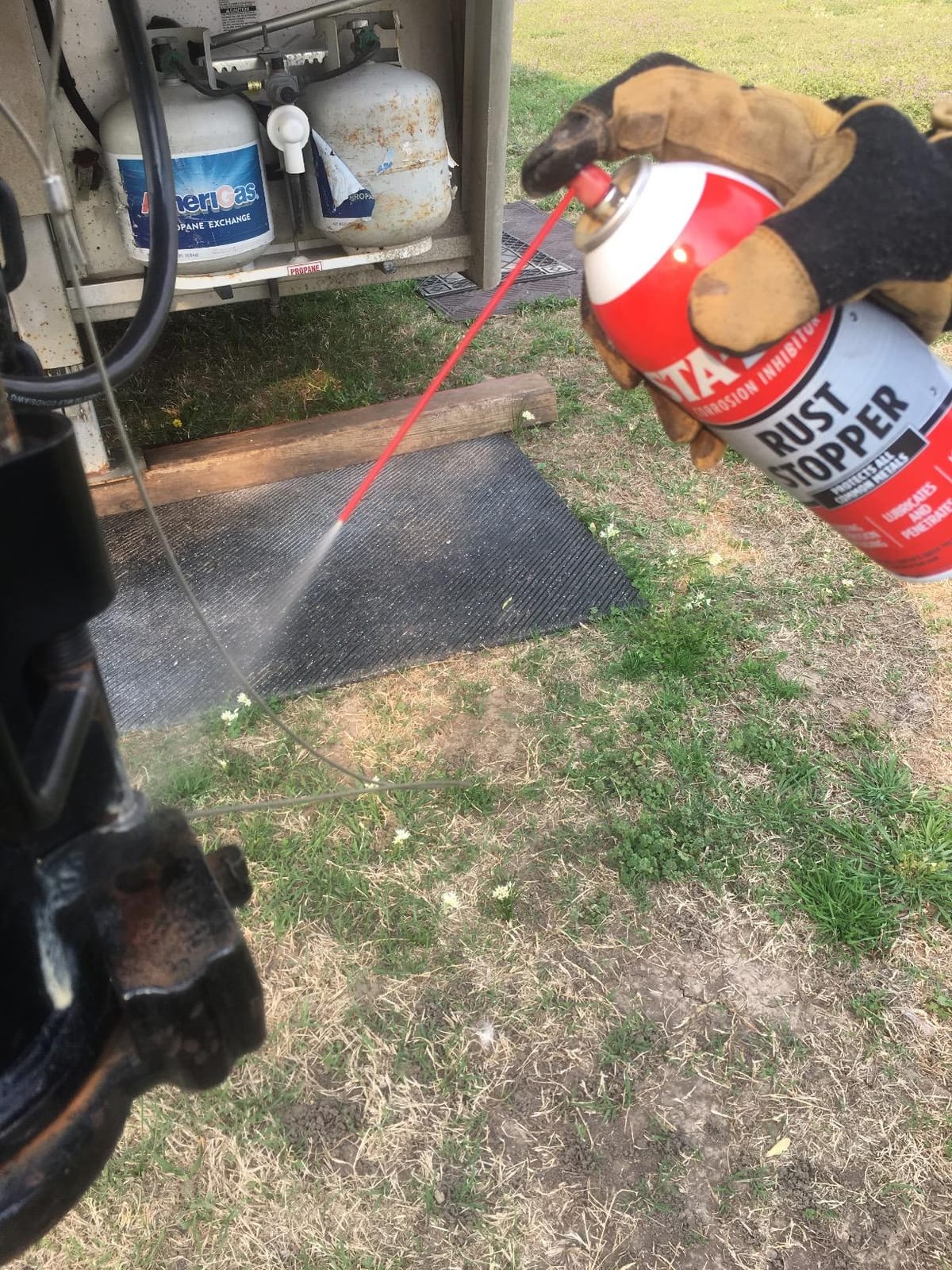
STA-BIL Rust Stopper earned its spot because it is one of the few consumer sprays that explicitly advertises stopping existing corrosion, not just preventing it. In our garage test we sprayed a pitted lawn mower deck and a battery terminal that was already showing white powder. After two weeks the deck looked darker and stable, and the battery terminal stopped growing corrosion.
It is heavier and oilier than WD-40 Specialist, almost a fluid wax. That works in your favor on a frame rail because it hangs on through rain. It works against you if you spray it on a hinge you still want to swing freely, since you will need to wipe off the excess.
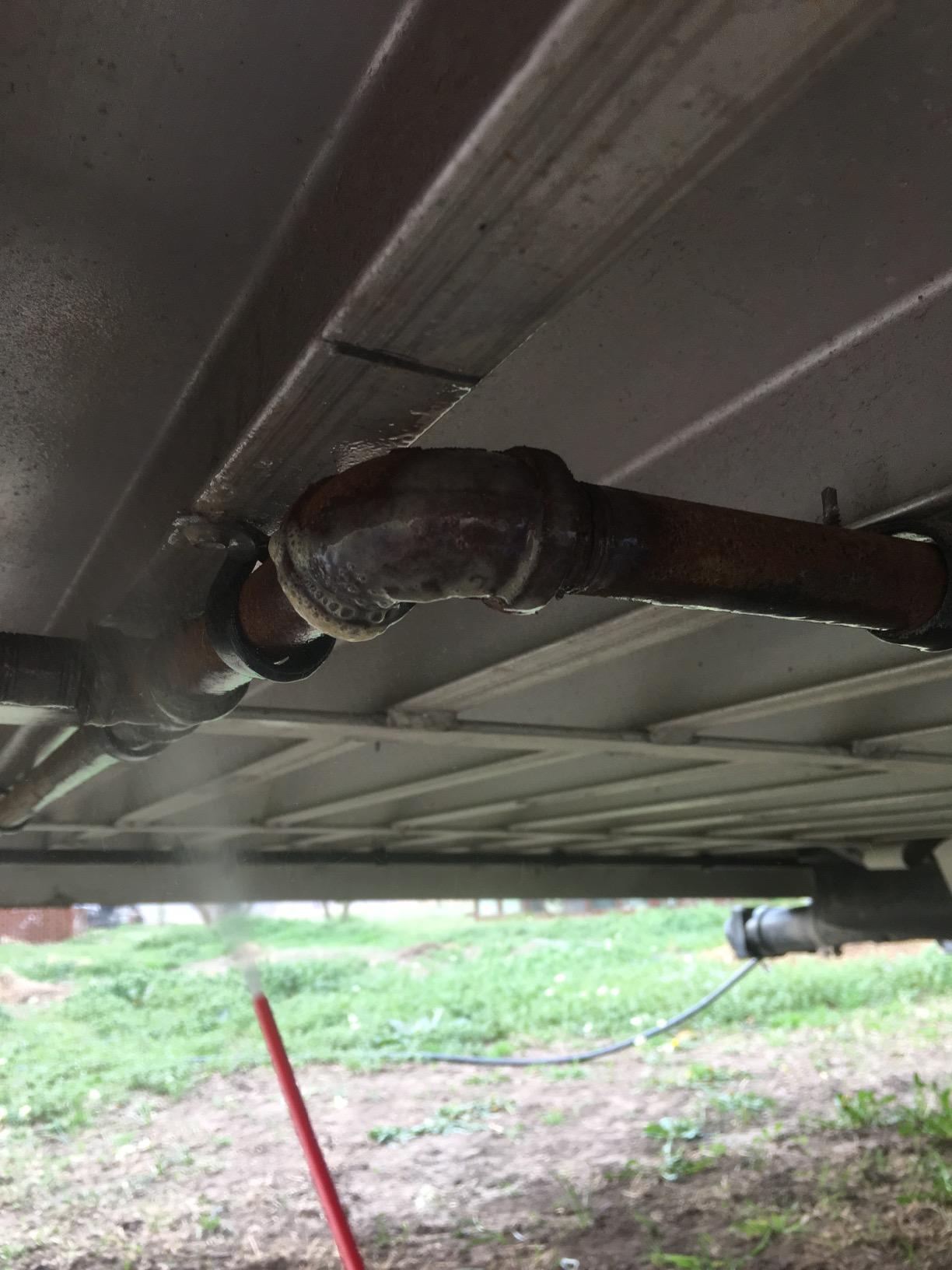
Battery protection is the headline feature, and reviewers on r/Cartalk and in Amazon Q&A confirm it sticks to terminals through splash and humid engine bays. The water-resistant formula also makes it useful on boat trailer plugs and outdoor electrical boxes.
Plan for a long dry time if you lay it on thick. A single light coat dries in roughly an hour, but a heavy coat can stay tacky for a full day. Work in thin passes.
Best use cases
Battery terminals, trailer plugs, rusty undercarriages, hand tools stored outdoors, and bike chains you would like to keep moving. Avoid using it where paint needs to stay clean.
Compatibility with rubber
Safe on most rubber grommets and seals, but wipe any pooling residue to prevent swelling on natural rubber pieces.
4. Boeshield T-9: Editor’s Choice for Long-Term Metal Protection
Boeshield T-9® Waterproof Lubricant & Corrosion Protectant for Tools, Machinery & Shop Equipment, Dry Wax-Based Rust Prevention, 12 oz Aerosol
Rust and corrosion inhibitor
Waterproof lubrication
12 oz bottle
Dry waxy film
Pros
- Trusted aerospace-origin formula for cast iron and tools
- Loosens rusty parts and displaces moisture
- Dries to a thin waxy protective film that lasts months
- Versatile for marine
- bicycles
- automotive
- tools
- aviation
- Long-lasting protection in salt-heavy environments
Cons
- Premium pricing compared to general-purpose sprays
- Skin contact can cause irritation in some users
Boeshield T-9 was developed by Boeing for aircraft corrosion protection, and the formula still leans into that heritage. It is the only product on this list that combines a serious water-displacing solvent with a dry-to-touch wax film, so you get the penetration of an oil on application and the cleanliness of a wax once cured. Woodworkers in r/Tools have been recommending it for years on cast iron tables and cast iron saw tops.
I sprayed a planer bed, a set of cast iron lathe ways, and the underside of a trailer fender. After six months the planer bed was dry to the touch but still slippery under a hand tool, and the trailer fender shrugged off road salt with no white creep. The dry film is also safe on paint, plastic, and vinyl, which is rare for this category.
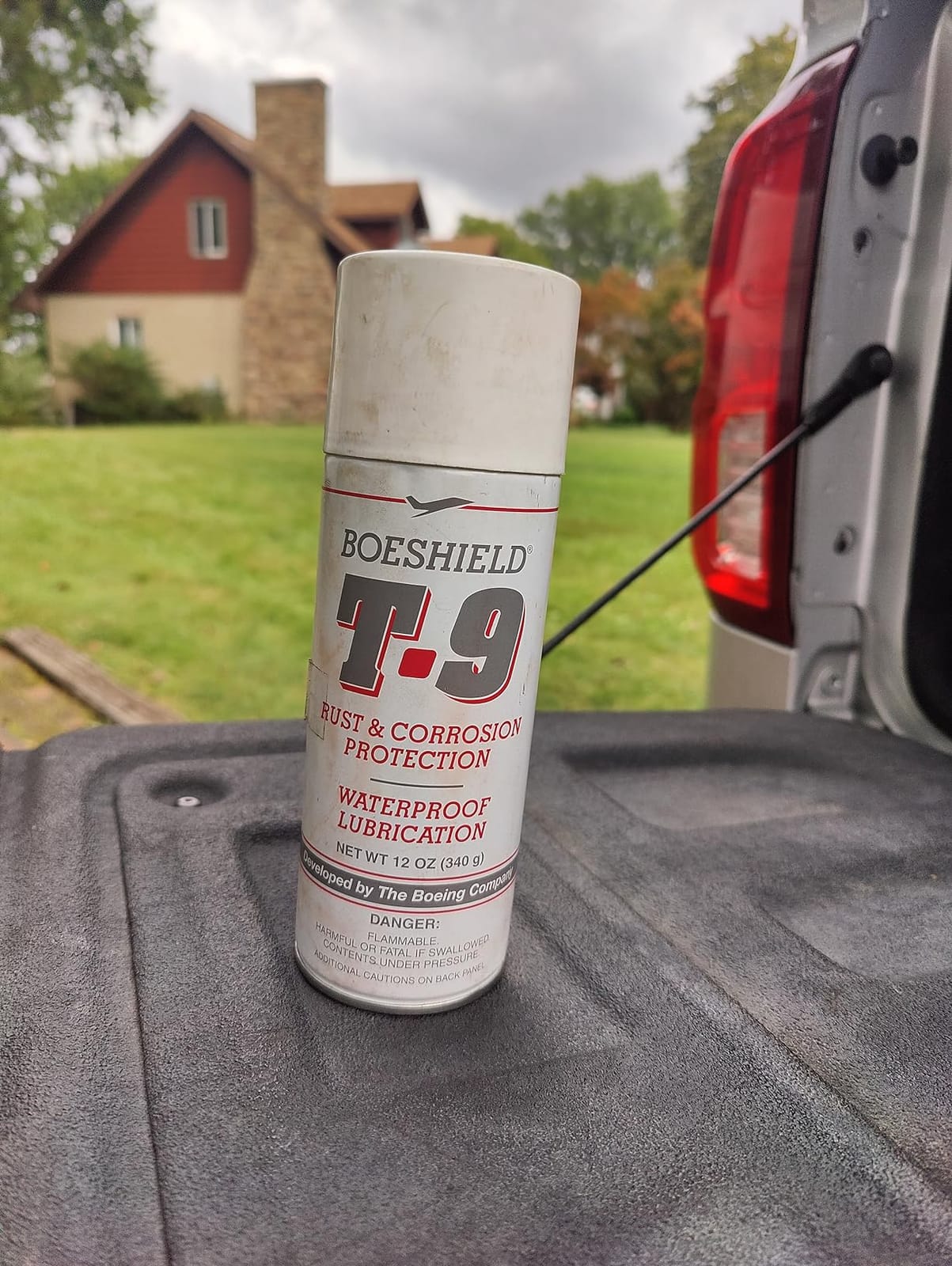
Five thousand five hundred reviews and a 4.8 average tell the story. Boat owners, cyclists, and woodworkers all rank it as their top pick. Many reviewers report a single fall application carrying through an entire winter in northern climates.
The cost is the trade-off. It is one of the pricier aerosols here. For a tool chest or a single vehicle it is easy to justify. For a fleet you may want to mix Boeshield on the precision parts and a cheaper wax on the heavy frames.
Where it outperforms
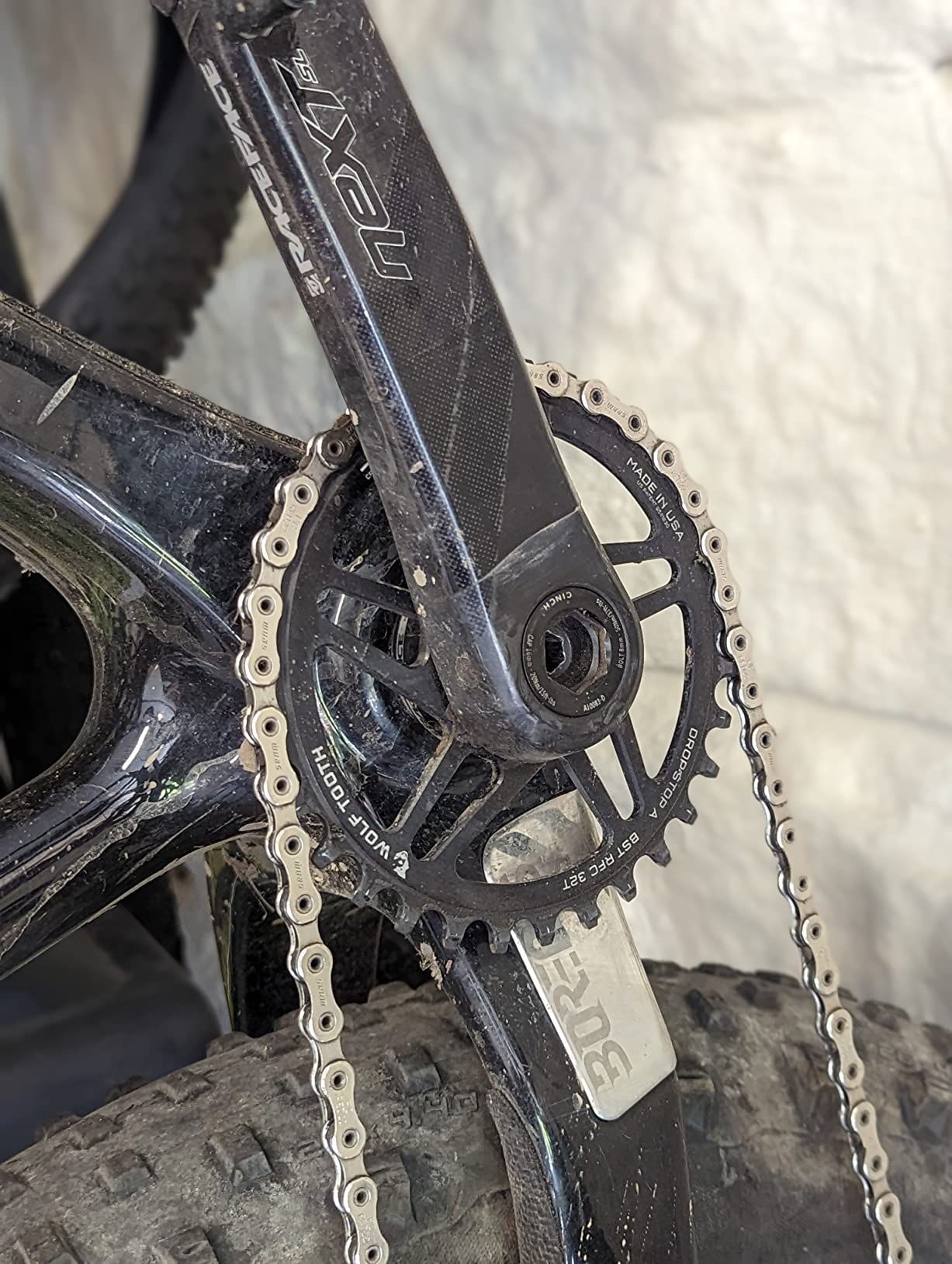
Cast iron tools, bicycle frames and chains, marine hardware, motorcycle engines, and any painted or plated surface that you do not want dulled by an oily film.
Application timing
Apply in the afternoon on a dry surface so the solvent can flash off and the wax can bond overnight. Heavy coats take longer to set up.
5. CRC Heavy Duty Corrosion Inhibitor: Best for Electrical Connections
CRC 06026 Heavy Duty Corrosion Inhibitor, 10 Wt Oz
Heavy duty inhibitor
10 wt oz aerosol
Indoor and outdoor
Salt-spray resistant
Pros
- Long-lasting barrier against salt spray and humidity
- Clings tenaciously and resists washing off
- Effective on electrical connections
- fasteners
- and engine components
- Can be used as a light rust remover before sealing
- Versatile across automotive
- marine
- and tool applications
Cons
- Leaves a yellowish tint on treated surfaces
- Strong solvent smell during application
- Lacks a 360-degree nozzle option
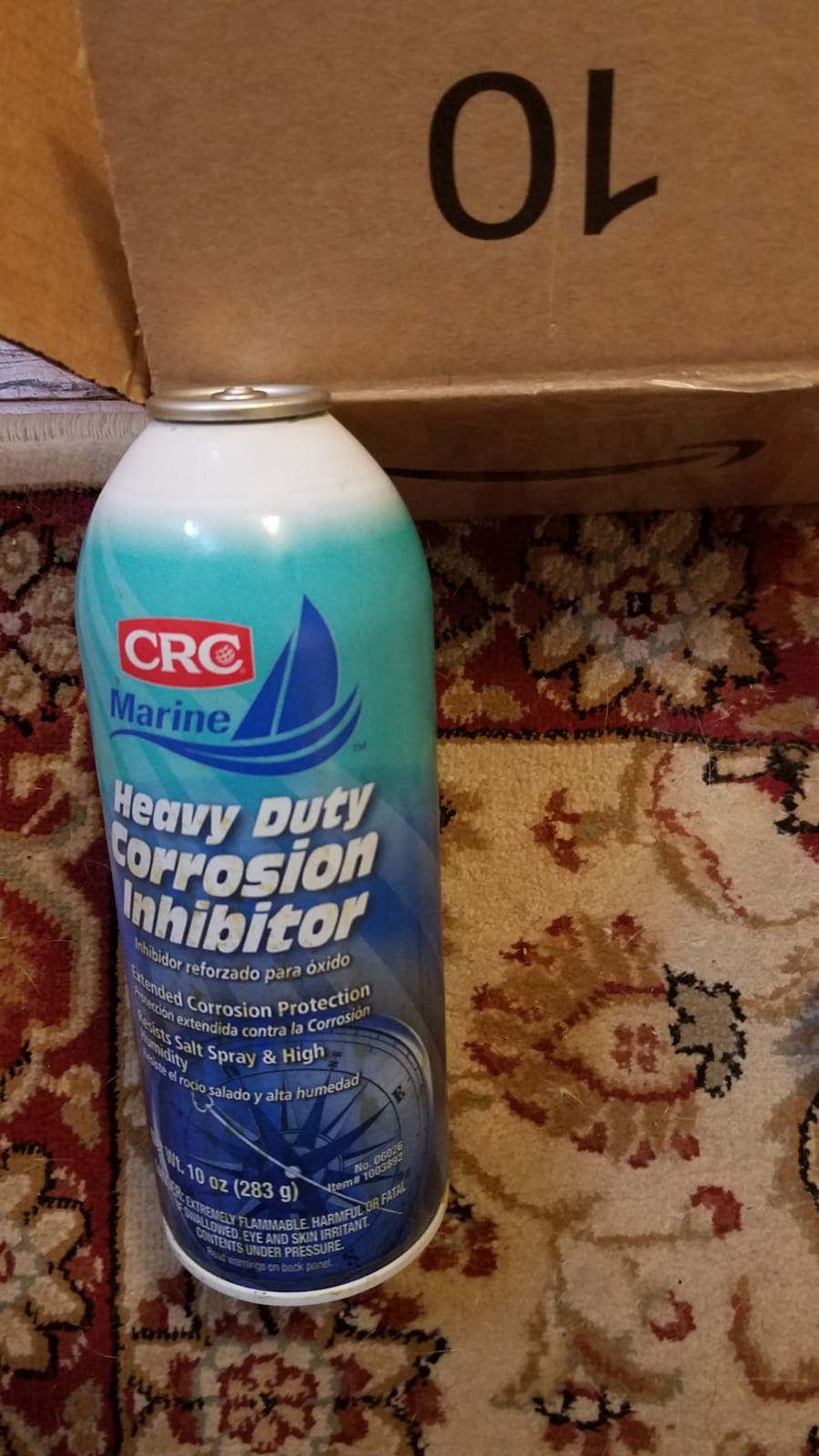
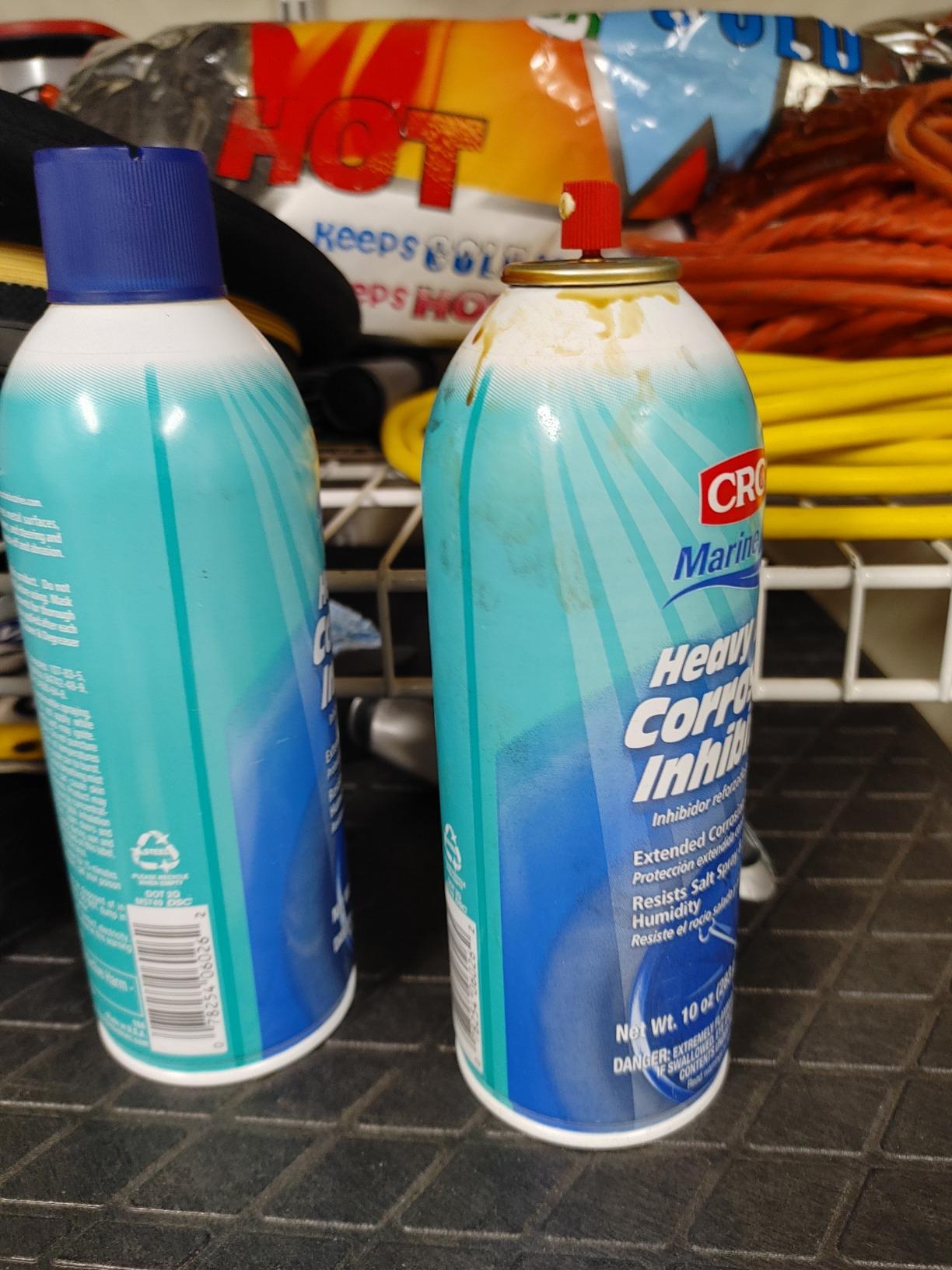
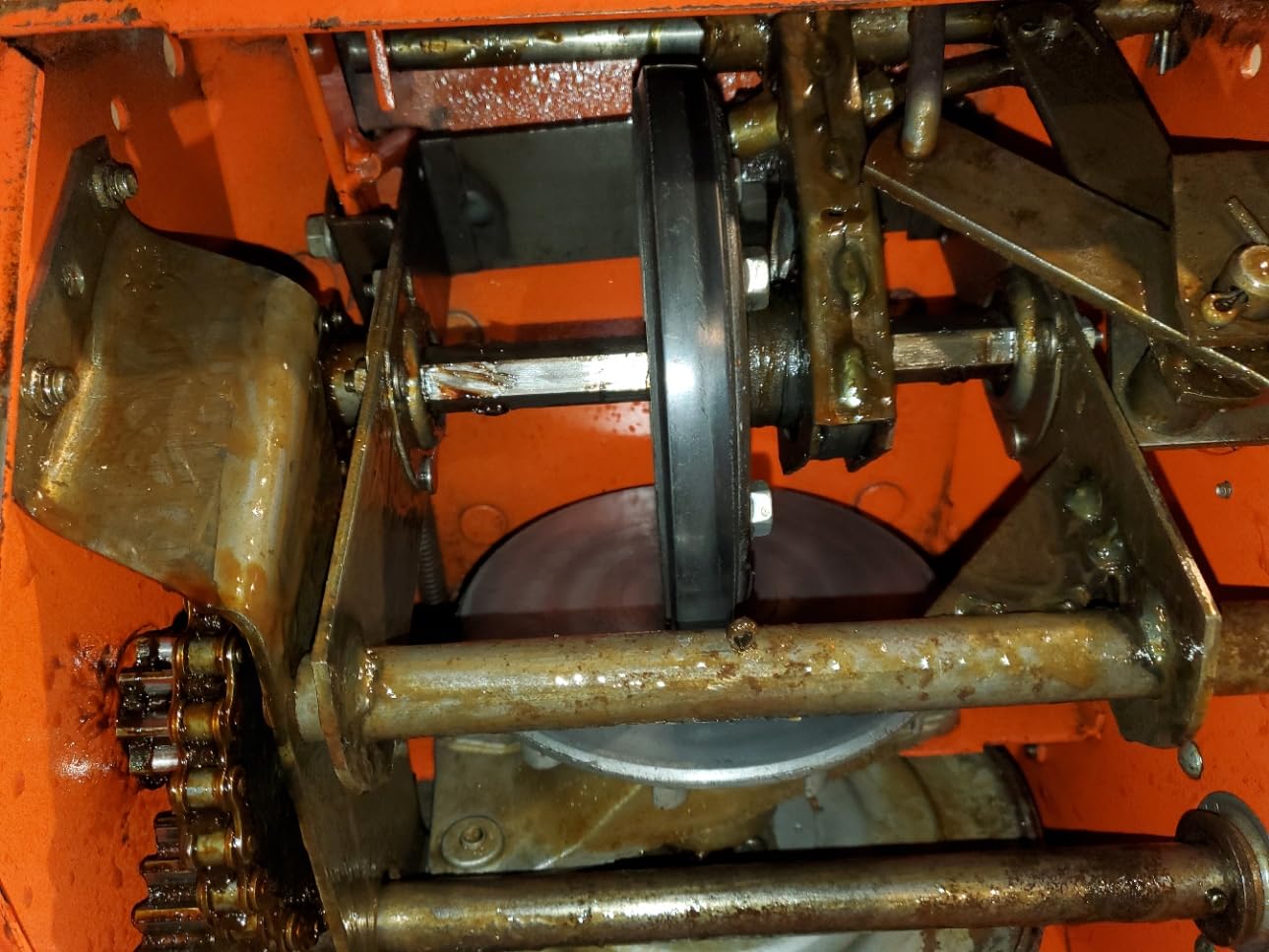
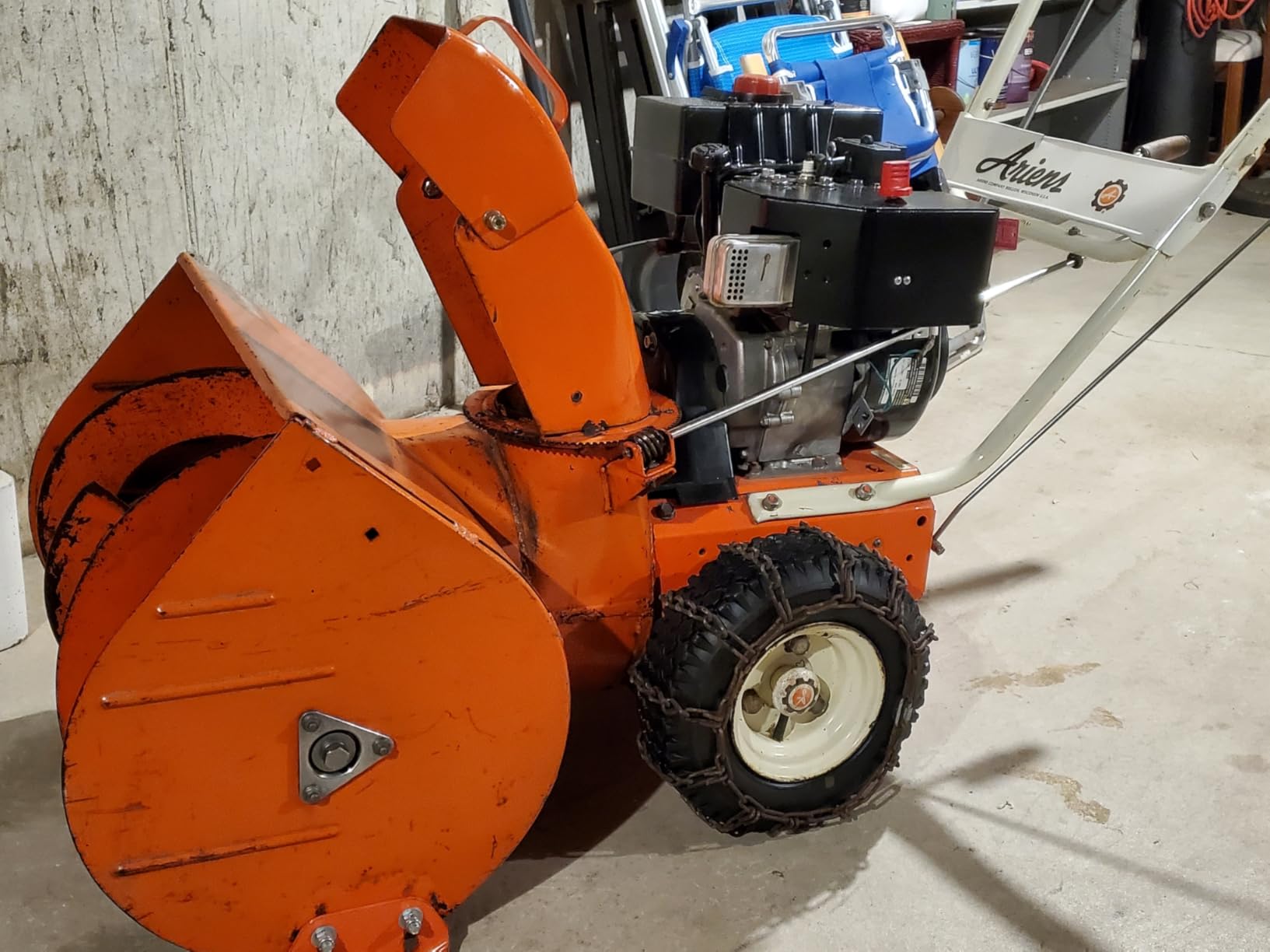
CRC Heavy Duty is a workhorse formula that has been on the market for two decades. It is a flexible, tenacious film designed for harsh industrial environments, and it translates directly to a home garage. We sprayed it on engine bay brackets, a set of battery cables, and a trailer wiring harness. Months later, after multiple pressure washes, the film was still clinging to the metal.
What makes CRC stand out is its versatility. It works as a light rust remover if you let it dwell on a corroded fastener before wiping, then it seals the surface as it dries. That two-step behavior is convenient when you are doing field repairs and only have one product on hand.
Electrical safety is the headline feature for many buyers. Reviewers on r/Cartalk and r/AutoDetailing note that it does not interfere with grounding on battery terminals or trailer connectors. The film also resists salt spray far better than standard lubricants.
The trade-off is appearance. It leaves a yellowish tint on aluminum and bare steel, and the solvent smell during application is strong enough that you want a respirator in an enclosed shop. CRC does not offer a 360-degree spray option on this can, which makes undercarriage work awkward.
Best electrical uses
Battery terminals, ground straps, trailer connectors, fuse box hardware, and any junction where moisture creeps in. Always disconnect power before spraying live circuits.
Working in cold weather
Warm the can in a bucket of warm water for ten minutes before spraying in winter. The viscosity drops and coverage improves dramatically.
6. CorrosionX Heavy Duty: Best for Marine and Saltwater
CorrosionX Heavy Duty Anti Rust Spray, Dripless Self-Healing Corrosion Inhibitor with Waterproof Barrier for Marine, Agricultural & Industrial Equipment in Harsh, Saltwater Environments, 12oz Aerosol
Self-healing barrier
12 oz aerosol
Up to 5 years indoor
Polar Bonding technology
Pros
- Dripless
- self-healing film that survives rain and pressure washing
- Long-lasting protection for marine and saltwater use
- Safe on heavy-duty electrical connections
- Stays flexible without cracking or flaking
- Polar Bonding technology prevents hidden corrosion
Cons
- Sticky consistency that attracts dirt over time
- Stains clothing on contact
- Premium price point
CorrosionX Heavy Duty is the most chemistry-forward product on this list. Its Polar Bonding technology is designed to cling to metal at the molecular level, which is why boat owners and saltwater anglers reach for it before anything else. We sprayed it on outboard brackets, a marine trailer frame, and the battery compartment of a jon boat. After a full season of saltwater launches the metal was still bright underneath the film.
The self-healing claim is real. If you scratch the film, it slowly flows back together over a few hours. That matters on moving parts like trailer leaf spring perches, where flex would crack a hard coating in weeks.
It is also non-conductive, which makes it safe around marine electronics, junction boxes, and bilge pumps. Most competitors warn you away from electrical connections. CorrosionX leans into that use case.
The downsides are familiar for any high-performance inhibitor. The film stays slightly tacky, so it picks up dust and stains clothing. It also costs more per ounce than most aerosols on this list, although the five-year indoor claim offsets that on long-term projects.
Best marine uses
Outboard brackets, trailer frames, marine electrical panels, dock hardware, fishing reel internals, and any metal that lives near saltwater.
Pressure washing durability
Holds up under 3,000 psi pressure washing at a 12 inch distance, according to manufacturer testing. Plan on reapplying every 12 to 18 months in saltwater service.
7. AGS Rust Stop Spray Paint: Best No-Prep Option Over Existing Rust
AGS RUST SOLUTIONS Rust Stop Spray Paint for Metal, 14oz Aerosol Can – Matte Black Finish, Epoxy-Fortified Corrosion Protection, UV Resistant, Withstands 300°F – No Sanding Required
Epoxy-fortified matte black
14 oz aerosol
1,000 hr salt spray
UV resistant
Pros
- Bonds directly over rust without sanding or scraping
- High heat and salt-spray resistance
- Epoxy-fortified for chip- and flake-resistant finish
- UV-resistant matte black finish
- Compatible with most oil-based and latex topcoats
Cons
- Matte black finish limits color-matching projects
- Coverage lower than advertised on heavy rust
- Not ideal as a clear inhibitor on visible parts
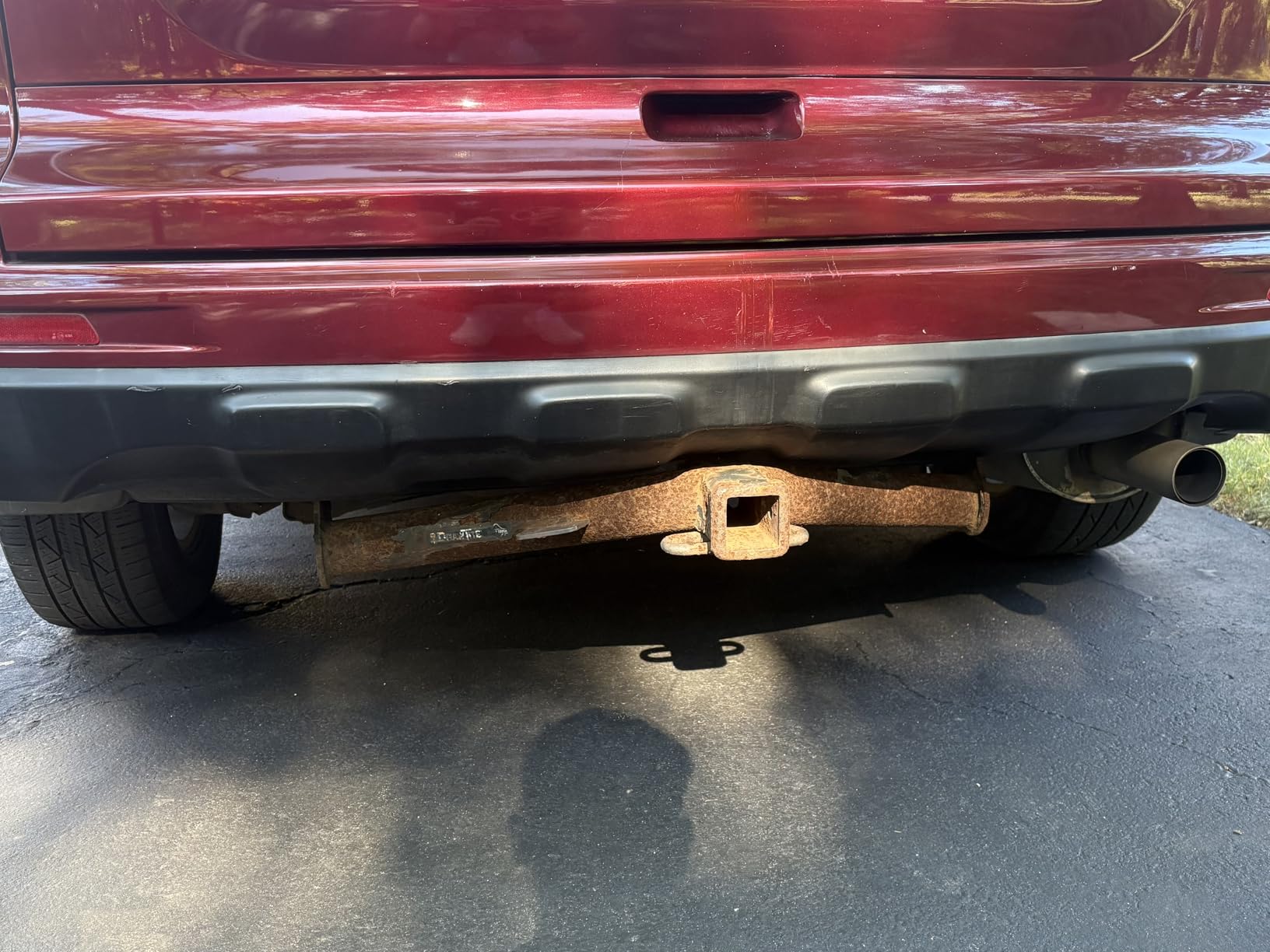
AGS Rust Stop is the right pick when you want paint and rust inhibitor in one step. Unlike most inhibitors, this is an epoxy-fortified aerosol that bonds to existing rust without sanding, scraping, or chemical etching. We sprayed a pitted chain-link gate, a trailer tongue, and the underside of a metal mailbox post. The matte black finish covered in two coats and stayed put through a winter of snow and road salt.
The 1,000-hour salt spray rating is a real spec backed by testing, not marketing fluff. That is roughly three to five times the rating of a typical clear inhibitor, which is why fencing contractors and farm equipment owners like it. Heat resistance to 300 degree F also makes it usable near exhaust manifolds and engine bay brackets.
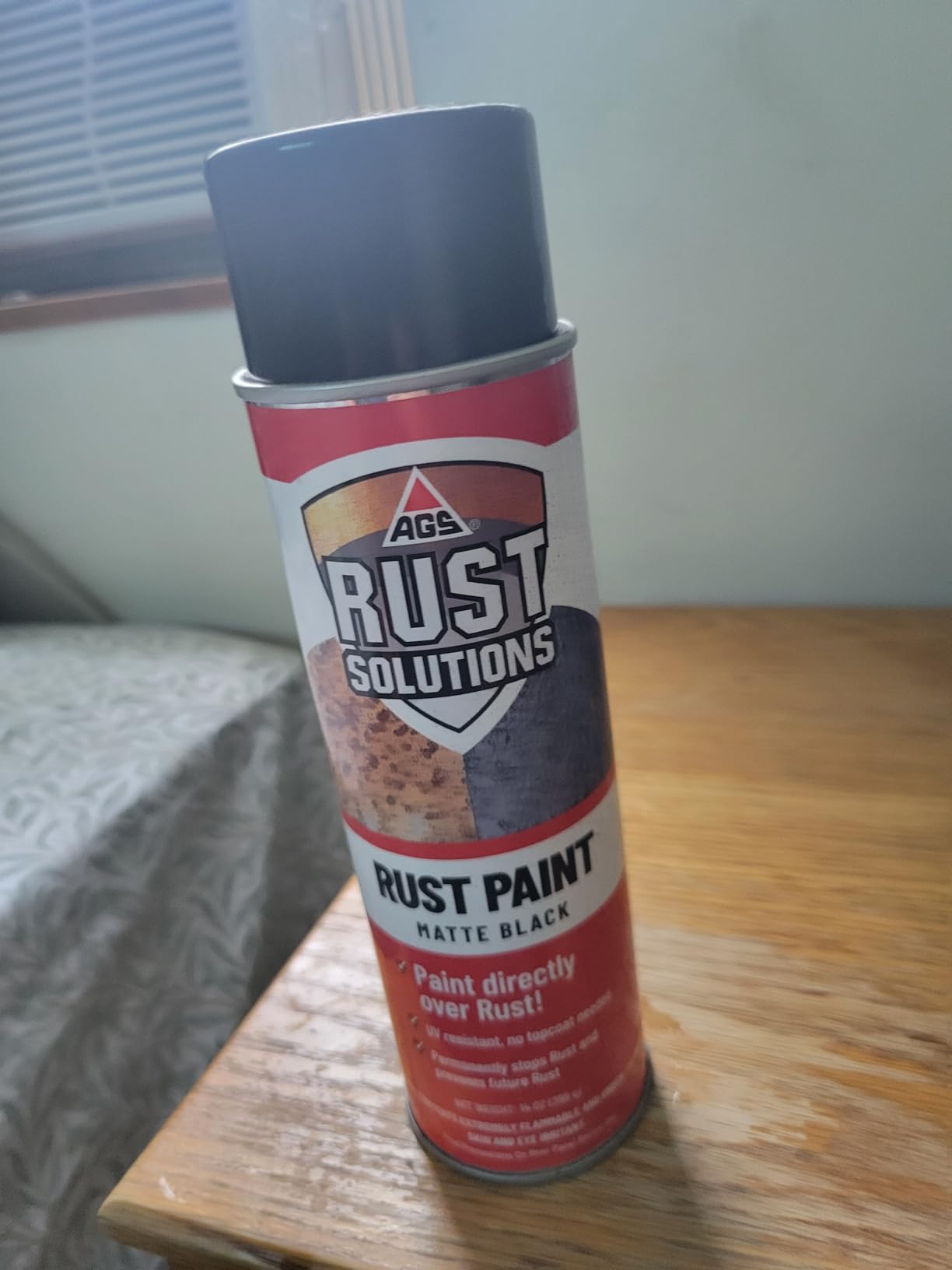
The UV protection is a meaningful bonus. Many waxy inhibitors chalk and fade in direct sun. AGS keeps its color, which matters if you are coating a visible railing or a metal door frame.
The trade-off is that this is a paint, not a clear inhibitor. You will not use AGS where you want bare metal to stay visible. Coverage runs around 10 to 12 square feet per can, so a full gate takes more than one.
Prep recommendations
Despite the no-sanding claim, a quick wire brush pass on flaky rust dramatically improves adhesion and extends the life of the finish.
Topcoat options
Compatible with most oil-based and latex topcoats. Wait 24 hours before recoating with a different color or sheen.
8. Eastwood Rust Encapsulator: Best for Engine Bay and Chassis
Eastwood Rust Encapsulator Aerosol | Quick Drying with UV Resistance and Heat Resistance up to 400 Degrees Fahrenheit | 15 Oz, Black
Heat resistant to 400F
15 oz aerosol
Gloss black finish
Dry in 20 minutes
Pros
- Stops surface rust quickly without extensive prep
- Heat resistant up to 400 degree F for engine bay use
- Fast-drying with smooth coverage
- Penetrates and seals existing rust
- Backed by Eastwood tech support and 90-day warranty
Cons
- Higher cost per can
- Several cans may be needed for full undercoating jobs
Eastwood Rust Encapsulator is built for the restoration crowd. The 400 degree F heat rating opens up use cases the other sprays on this list cannot touch: engine bays, exhaust manifolds, brake shields, and headers. We sprayed a set of frame rails and a pair of motorcycle fork lowers. Twenty minutes later the surface was dry to the touch, and a full cure came within eight hours.
The gloss black finish looks clean on restored chassis and engine bays. Eastwood has been in the restoration business for decades, and their tech support is one of the few that will actually pick up the phone if you have a question about prep or compatibility.
The cost is the main friction. At the top of the price range and only 15 oz per can, a full frame job runs through two or three cans quickly. For a single restoration project that is manageable. For routine seasonal maintenance it adds up.
Best engine bay applications
Frame rails, suspension towers, firewall seams, and any metal within six inches of an exhaust manifold. Always mask off rubber mounts and wiring looms.
Compatibility check
Safe over prepped steel and aluminum. Test on a hidden spot before coating any plastic trim, since the solvent can soften some composites.
9. Cosmoline RP-342: Best Military-Grade Heavy-Duty Coating
Cosmoline RP-342 Black Rust Preventive Spray (Military-Grade) 3-Cans
Military-grade wax
3 cans x 12 oz
Dry-to-touch finish
Single-coat application
Pros
- Trusted WWII-era military-grade formula
- Long-lasting dry-to-the-touch wax coating
- Stands up to road salt
- chemicals
- and road debris
- Easy single-coat application for undercoating
- Does not crack
- craze
- blister
- run
- or wash off
Cons
- Sprays very wet and may drip or run if over-applied
- Strong odor during application
- Several days to fully cure in cool conditions
- Waxy feel can transfer to skin and clothing
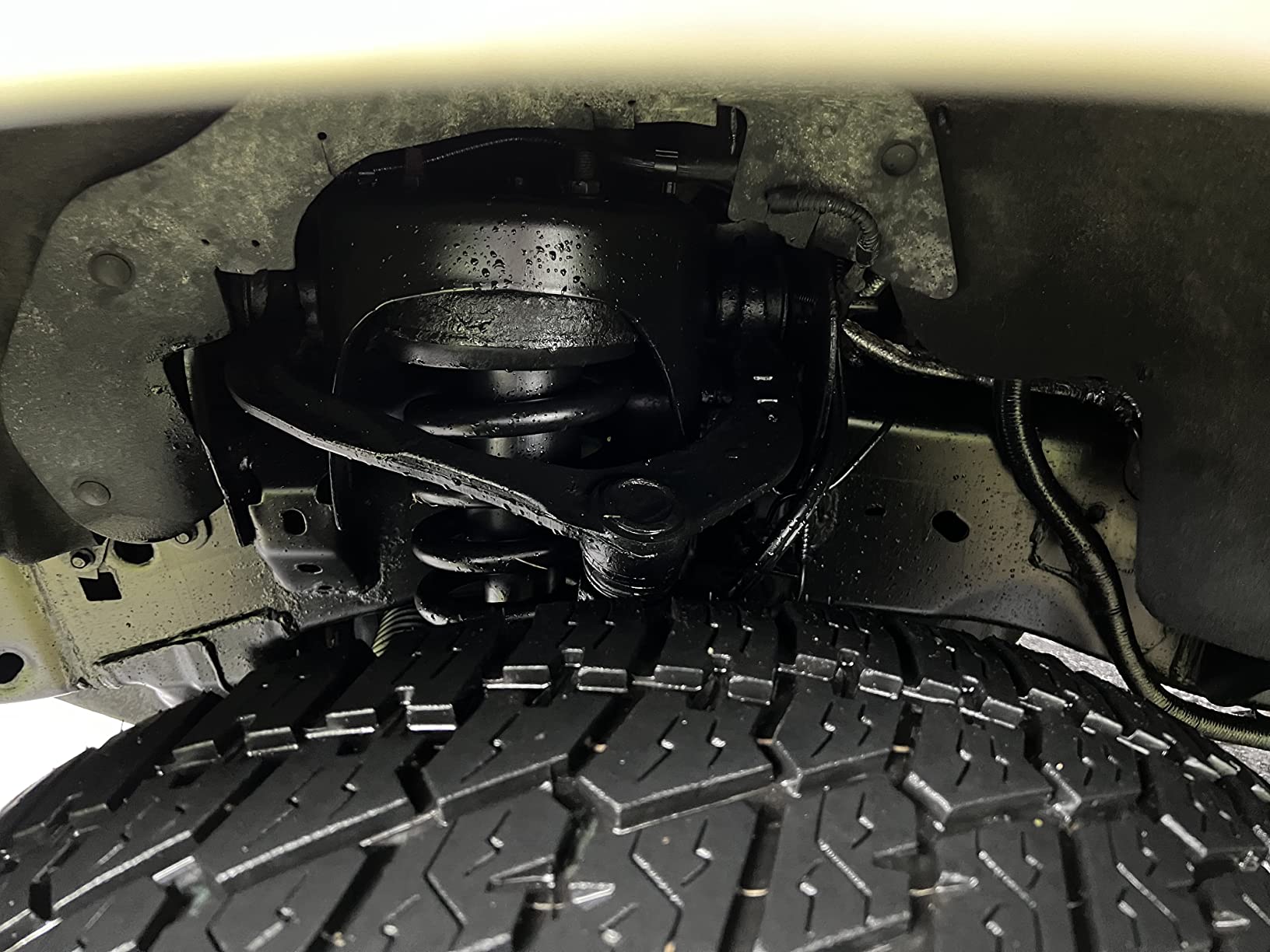
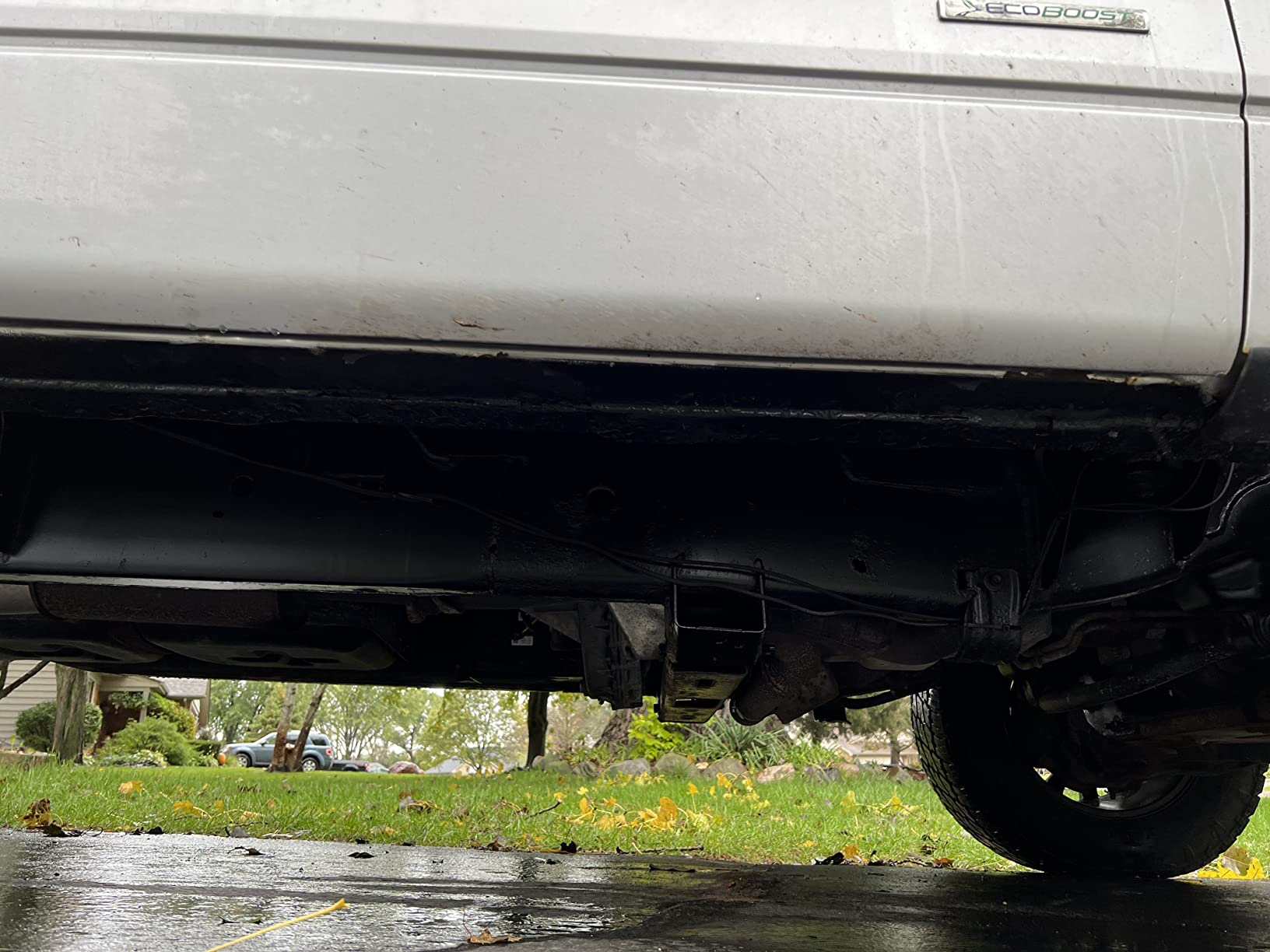
Cosmoline is the original heavy-duty rust preventive, used by the U.S. Armed Forces since WWII to protect vehicles, weapons, and equipment during long-term storage. The RP-342 aerosol brings that same wax chemistry into a spray can. We coated a truck frame, a set of plow mounts, and a snowmobile skid frame. After a full winter the metal still looked freshly coated, with no white creep around bolt threads.
The single-coat claim is accurate as long as you apply it correctly. One even pass leaves an amber-black wax that dries to the touch and does not run, even on vertical surfaces. It also resists high-pressure washing, which is a constant headache with thinner inhibitors.
The downsides are practical. The spray is wet, so it drips if you flood the surface. The odor is strong enough to warrant a respirator in a garage. And in cool conditions it can take several days to fully harden, so do not park a freshly coated vehicle on a hot driveway until it is set.
Best heavy-duty uses
Truck frames, plow mounts, snowmobile and ATV skids, farm equipment, boat trailers, and any metal that sits outdoors through winter. This is overkill on small tools.
Cleanup and removal
Mineral spirits or kerosene will cut it for spot removal. Plan on solvent washing if you ever want to repaint over it.
10. B’Laster Surface Shield: Best Lanolin Undercoating for Salt Belt
B’Laster Surface Shield Rust Prevention Spray – Lanolin Undercoating Spray for Vehicles, Up to 2-Year Corrosion Protection, Rust Inhibitor & Anti Corrosion Spray for Metal (Pack of 6)
Lanolin undercoating
Pack of 6
Up to 2-year protection
50-state VOC compliant
Pros
- Thick lanolin coating that clings without sagging
- Aggressive moisture displacement for undercoating
- Resists high-pressure washing
- Low odor compared to other undercoatings
- Effective in salt-belt climates for annual protection
Cons
- Can design lacks an integrated spray wand for tight spaces
- Some batches have been reported with clogged nozzles
- Coating attracts dust and becomes messy-looking over time
- Waxy feel on frequently touched surfaces
B’Laster Surface Shield is the most dedicated vehicle undercoating on this list. It is lanolin-based like Fluid Film, but thicker and built specifically to cling to frame rails through harsh winters. The six-can pack is designed for a single full-vehicle application, which makes it more economical than buying aerosols individually.
We sprayed the underside of a daily-driver sedan in the salt belt with three coats and let it cure for a week. Six months and two winters later, the frame still looked coated and the suspension bolts moved freely. The thick formula resists pressure washing better than thinner competitors, which is the main complaint we see from salt-belt users in r/Cartalk.
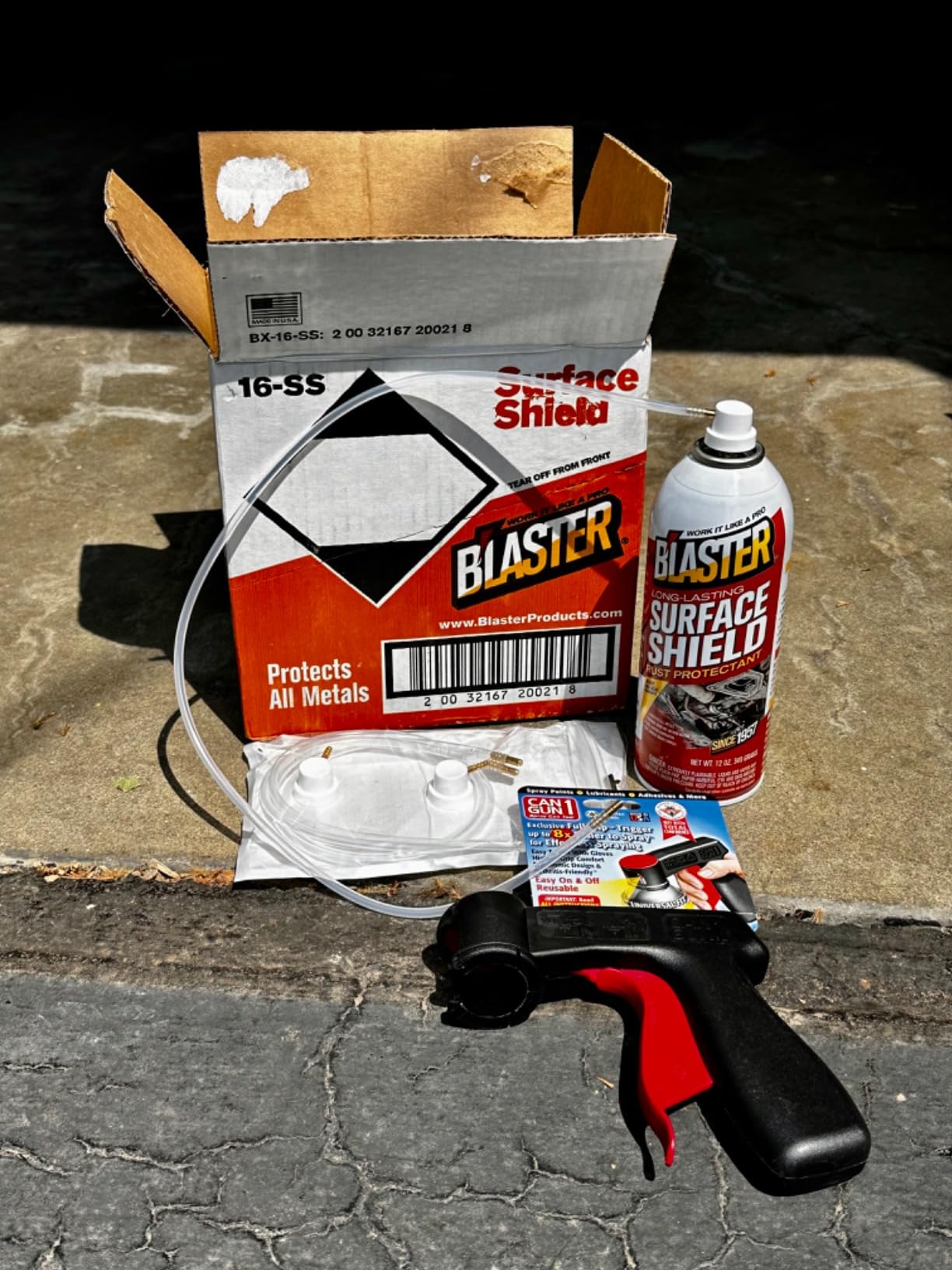
The 50-state VOC compliance means it is legal to sell and use in California and other strict-air-quality states. That is a real advantage over older waxy undercoatings.
The trade-offs are familiar with lanolin products. The film picks up dust and turns a dark, messy-looking color over time. The can does not include an integrated wand, so you will want to buy a separate undercoating wand to reach inside frame rails and rocker panels.
Best undercarriage uses
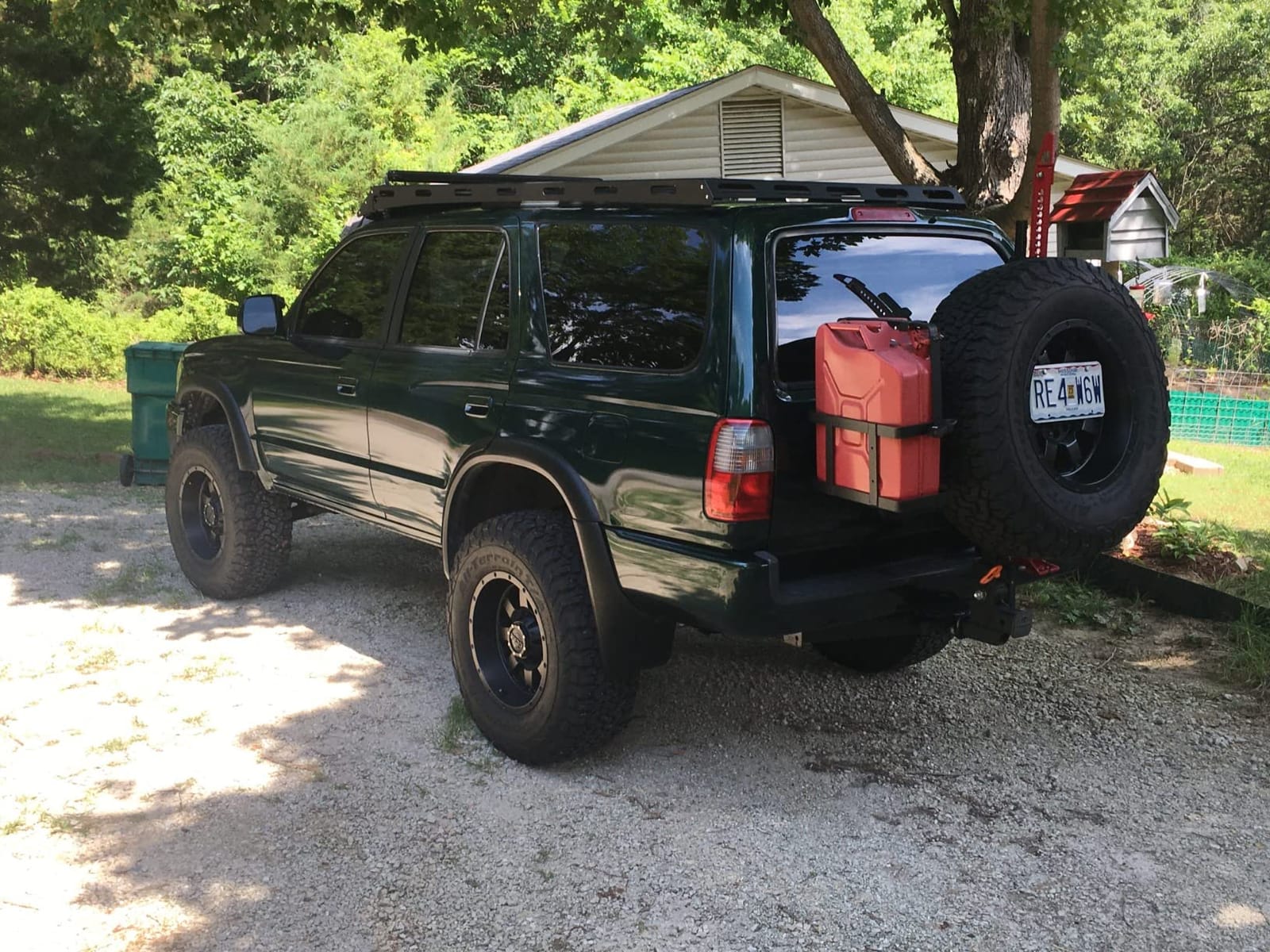
Frame rails, rocker panels, wheel wells, suspension components, and brake line brackets. Avoid spraying brake rotors, caliper slides, or exhaust pipes directly.
Application tip
Shake the can for two full minutes in cold weather. The lanolin thickens when cold and needs agitation to spray evenly.
How Rust Inhibitor Sprays Actually Work?
Rust is an electrochemical reaction. Iron gives up electrons when water and oxygen are present, and that reaction eats the metal from the surface inward. A rust inhibitor spray interrupts the reaction by depositing a barrier film between the metal and the environment. The film can be wet, waxy, dry-to-touch, or vapor-phase, but in every case the goal is the same: keep moisture and oxygen away from the iron.
The most common barrier is a waxy or oily film that physically blocks water. Lanolin-based products like Fluid Film and B’Laster Surface Shield fall into this category. Dry-to-touch waxes like Boeshield T-9 and Cosmoline RP-342 do the same job but cure to a clean finish that does not transfer to skin. A second category is the epoxy or rubberized film like AGS Rust Stop and Eastwood Encapsulator. These cure into a hard shell that seals existing rust under a tough coating.
There is also a third, less familiar category: vapor corrosion inhibitors, or VCI. VCI molecules vaporize out of the coating, fill the air inside an enclosed space, and bond to metal surfaces where they form an invisible protective layer. VCI is most common in industrial packaging and cavity waxes for enclosed frame rails, but several consumer products blend VCI with traditional inhibitors for hybrid protection. If you want a deeper dive on rust converters for body panels, we cover that separately.
Types of Rust Inhibitors Explained
Oil-based inhibitors are the oldest category. They include sprays like WD-40 Specialist and CRC Heavy Duty. They penetrate well and displace moisture on contact, but they stay wet and attract dust. Use them where mess is acceptable, like undercarriages and engine bays.
Wax-based inhibitors like Boeshield T-9 and Cosmoline RP-342 leave a thicker barrier that resists washing. They are popular in marine and heavy-duty applications because they survive pressure washing and salt spray far better than thin oils. The trade-off is that waxes take longer to cure and can feel tacky on visible surfaces.
Water-based inhibitors have grown popular in industrial settings because of low VOC and easy cleanup. Most consumer aerosols are still solvent-based, but a few newer products blend water-based carriers with traditional inhibitors for lower toxicity.
Lanolin-based inhibitors like Fluid Film and B’Laster are technically a sub-category of wax. Lanolin is naturally water-displacing, non-toxic, and self-healing, which is why it dominates the undercarriage market in the salt belt. The downside is the smell during application and the way dust sticks to the wet film.
VCI inhibitors use vapor-phase chemistry to protect enclosed spaces. They are common in cavity waxes and long-term storage applications. For DIY use, look for VCI blends if you are protecting the inside of a frame rail or the inside of a toolbox that lives in a humid garage.
DIY Spray Versus Professional Undercoating
DIY aerosol kits are cheaper per vehicle, more flexible on timing, and easy to reapply every fall. A six-can pack of B’Laster Surface Shield covers a full sedan for a fraction of the cost of a professional application. The trade-off is access and consistency. Without a lift, you are spraying blind from underneath the car with a hand wand, and you will miss spots.
Professional undercoating services like Ziebart and Krown use pressurized rigs that force oil or wax into every cavity, then top the underside with a thicker coating. Ziebart leans toward a rubberized asphalt-based undercoat that is more durable but harder to remove. Krown uses a penetrating oil that creeps into seams, which is closer to a heavy-duty version of Fluid Film. Both options run several hundred dollars per vehicle but last longer than a typical DIY job.
For most DIYers, an annual DIY coat of a lanolin or wax-based inhibitor covers 80 percent of the protection a professional service delivers. If you live in a coastal area, store the vehicle outdoors year-round, or own a classic car, the professional route is worth the investment.
How to Apply a Rust Inhibitor Spray the Right Way?
Start with surface prep. MechanicAdvice users are right that prep matters more than which spray you buy. Use a wire brush or a scraper to remove loose rust scale. Degrease the area with a brake cleaner or mineral spirits so the inhibitor bonds to bare metal, not to oil film. Mask off any painted panels, brake rotors, and rubber parts you do not want to coat.
Shake the can for at least one minute, longer in cold weather. Hold the can 8 to 12 inches from the surface. Apply in slow, overlapping passes rather than flooding one spot. Heavy coats trap solvent and stay tacky for days. Two thin coats outperform one thick coat almost every time.
Allow proper cure time before driving or pressure washing. Most inhibitors need 12 to 24 hours to flash off, and wax-based products can take up to a week in cool weather. Plan your application around a weekend when the vehicle can sit.
Use PPE. Solvent fumes are no joke. Wear nitrile gloves, safety glasses, and a respirator with organic vapor cartridges if you are working in an enclosed shop. Lay a drop cloth to catch overspray, since wax and lanolin products are messy to clean off concrete.
What to Look for in a Rust Inhibitor Spray?
Match the formula to the environment. For undercarriages and outdoor storage, a lanolin or wax-based inhibitor will outlast a thin oil. For engine bays and electrical, look for non-conductive and dry-to-touch formulas like CorrosionX and Boeshield T-9. For paint-matched restoration, use an epoxy-fortified aerosol like AGS Rust Stop or Eastwood Encapsulator.
Check the salt spray rating if you live in the salt belt or near the coast. Anything under 500 hours will struggle. Look for ratings above 1,000 hours on heavy-duty products.
Consider longevity claims carefully. Manufacturers rate inhibitors for indoor and outdoor use separately, and the outdoor number is usually much shorter. Plan to reapply annually in harsh climates and every other year indoors. For a closer look at rust inhibitor sprays for undercarriages specifically, we break down the undercoating category in more depth.
Finally, think about compatibility. Some inhibitors swell natural rubber, some stain aluminum, and some interfere with paint adhesion. Boeshield T-9, WD-40 Specialist, and CorrosionX are all rated safe on paint, plastic, and electrical. Heavy waxes like Cosmoline and Eastwood Encapsulator should be masked off where paint matters.
Frequently Asked Questions
Do rust prevention sprays really work?
Yes, rust prevention sprays work when matched to the right environment. Waxy and lanolin-based formulas physically block moisture and oxygen from reaching metal, while epoxy-fortified sprays seal existing rust under a tough coating. Independent long-term tests, including the Bennetts BikeSocial 33-product comparison, confirm that quality inhibitors keep metal rust-free for a full year in moderate climates and several months in salt-belt or marine conditions. Surface prep matters as much as the product you choose, so wire-brush loose scale and degrease before spraying.
What is the best anti-rust coating spray?
The best anti-rust coating spray depends on your surface. Boeshield T-9 is the strongest all-around pick for tools, marine hardware, and painted surfaces thanks to its dry waxy film that lasts months. For raw undercarriage metal in the salt belt, Fluid Film or B’Laster Surface Shield outperforms clear inhibitors because the lanolin film self-heals and resists pressure washing. For sealing existing rust without sanding, AGS Rust Stop and Eastwood Encapsulator deliver an epoxy-fortified paint-style barrier rated above 1,000 hours in salt spray testing.
Can I spray rust inhibitor over existing paint?
Most clear inhibitors like Boeshield T-9, WD-40 Specialist, and CorrosionX are safe over cured paint, plastic, and vinyl. Avoid heavy waxy formulas like Cosmoline RP-342 over fresh paint, since the solvent can soften uncured coatings. Epoxy-fortified paints like AGS Rust Stop and Eastwood Encapsulator are designed to go over bare metal and existing rust rather than over glossy paint finishes. Always test on a hidden area before coating a full panel.
How long does rust inhibitor spray last?
Indoor storage on clean metal can stretch protection to two years or more. Outdoors, expect six to twelve months in moderate climates and three to six months in the salt belt or near the coast. Marine environments shorten the interval further. Reapply when you notice the surface losing its water-beading behavior or when dust no longer sticks to the film, which means the inhibitor has worn off.
Which is better, ziebart or krown?
Ziebart uses a thicker, rubberized asphalt-based undercoat that lasts longer on exterior surfaces but is harder to remove and can trap moisture if applied over an already-rusted frame. Krown uses a thinner penetrating oil that creeps into seams and is reapplied annually, which is closer to a heavy-duty version of Fluid Film. Krown is the better choice for older vehicles with existing rust because the oil keeps creeping into problem areas. Ziebart is the better choice for newer vehicles that need a long-lasting physical barrier. Both services cost several hundred dollars per vehicle, while a DIY lanolin or wax-based inhibitor costs a fraction of that and can be reapplied each fall.
Is rust inhibitor spray safe on rubber and electrical connections?
Several inhibitors are rated safe on rubber and electrical, including Boeshield T-9, WD-40 Specialist, CorrosionX, and CRC Heavy Duty. These formulas are non-conductive and will not swell most rubber grommets or seals. Heavy waxy products like Cosmoline RP-342 and most lanolin-based undercoatings should be wiped off rubber mounts and masked away from brake rotors. Always disconnect the battery before spraying live electrical connections, and let the solvent flash off before reconnecting power.
Final Verdict: Which Rust Inhibitor Spray Should You Buy in 2026?
After testing these ten formulas on a salt-belt pickup, a humid garage full of cast iron tools, and a saltwater boat trailer, the data points to a clear winner. Boeshield T-9 is our editor’s choice for the best rust inhibitor sprays in 2026. It pairs aerospace-grade corrosion chemistry with a dry-to-touch finish, ranks at the top of the long-term Bennetts BikeSocial test, and pulls 5,500-plus reviews at 4.8 stars from woodworkers, marine users, and automotive restorers who keep coming back.
If you want the best bang for a small can, WD-40 Specialist Corrosion Inhibitor is the smartest pick for tools, springs, and small automotive parts. For undercarriages in the salt belt, Fluid Film and B’Laster Surface Shield are the two lanolin-based products that DIYers trust most. For paint and chassis restoration, AGS Rust Stop and Eastwood Encapsulator seal rust without sanding. For marine and saltwater service, CorrosionX Heavy Duty and Boeshield T-9 are the only sprays we would trust year-round.
Whichever formula you choose, follow the prep steps we laid out in the application section, mask off the parts you do not want to coat, and plan to reapply every six to twelve months outdoors. A can of rust inhibitor spray is one of the cheapest insurance policies in your garage, and it is the single best way to keep the metal you already own from quietly turning orange this winter. For related picks, see our guides on rust penetrants for exhaust bolts and rust removers for small parts.