
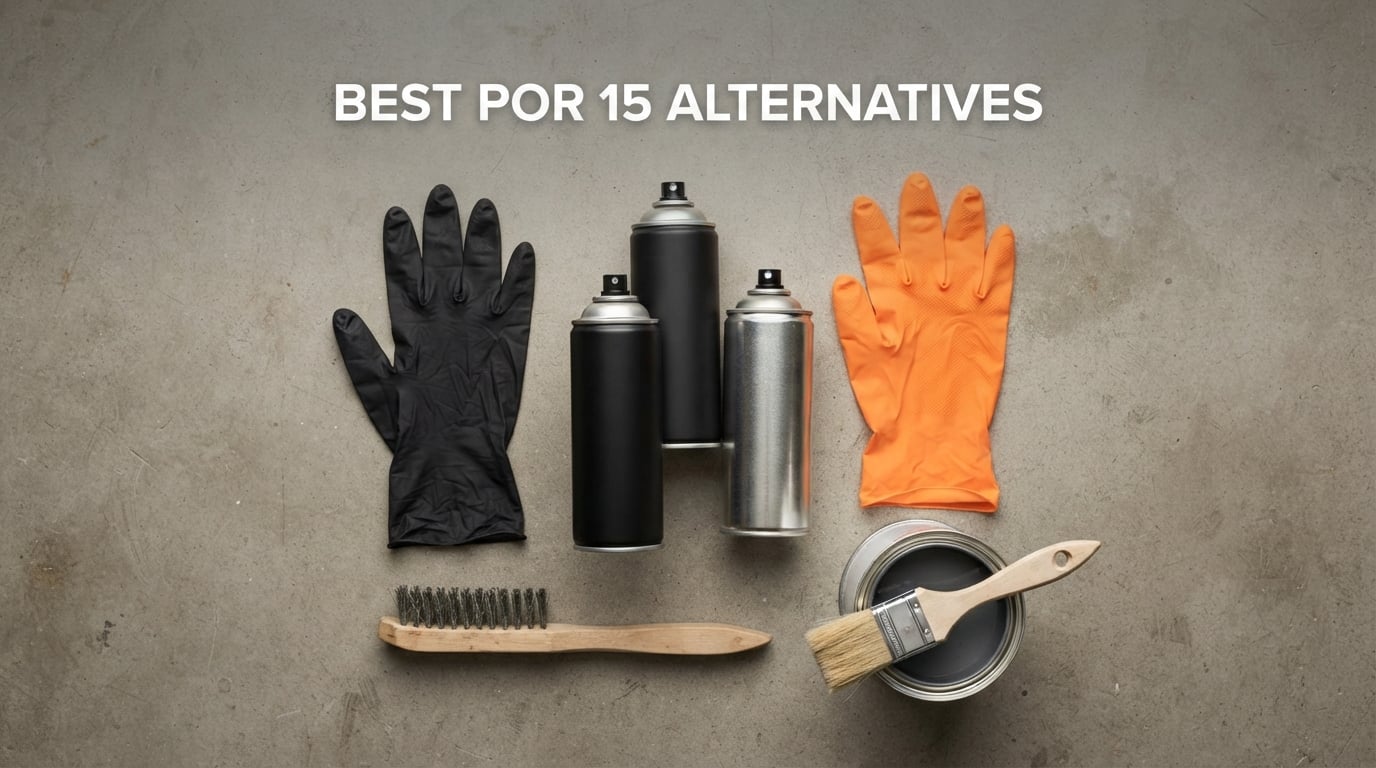
If you have ever priced out a full POR-15 system for a frame, underbody, or floor pan, you already know the sticker shock hits twice. Once when you buy the rust preventive paint, and a second time when you add the required metal prep, top coat, and brush cleaner. POR-15 has earned its reputation as a moisture-cured urethane that chemically bonds to rusted steel, but the higher cost, multi-step prep, and zero UV stability push a lot of DIYers to look for the best POR-15 alternatives before they crack open that black can.
Our team has spent the last several months testing and comparing rust encapsulators, converters, underbody coatings, and chassis paints that compete head-to-head with POR-15. We cross-checked forum threads from r/projectcar, Grassroots Motorsports, Jeep Forum, and Air Forums, plus the independent lab videos from Project Farm and Repair Geek. What follows is the short list we wish we had when we started our own frame restorations.
This guide covers 10 real, currently shipping alternatives to POR-15, organized by category so you can match the product to your use case: rusty frame rails, underbodies, floor pans, suspension parts, cavities, or a simple patch repair. Each pick includes our honest verdict, the key spec sheet, what we liked, what we did not, and where it fits in your shop.
Table of Contents
Top 3 Picks for Best POR-15 Alternatives (September 2026)

Rust-Oleum Stops Rust Reformer
- Oil-based rust-to-paint converter
- 10 sq ft coverage
- Any-angle aerosol
- Acts as primer

Corroseal Water-Based Rust…
- Paint
- prime
- and convert in one step
- 200 sq ft per gallon
- Non-flammable
- Satin black finish
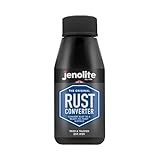
JENOLITE Rust Converter
- Converts rust in 15 minutes
- Water-based
- 86 sq ft per liter
- Ready to paint in 3 hours
Best POR-15 Alternatives in 2026
| Product | Specs | Action |
|---|---|---|
| Rust-Oleum Stops Rust Reformer |
|
Check Latest Price |
 Rust-Oleum Pro Rubberized Undercoating Rust-Oleum Pro Rubberized Undercoating |
|
Check Latest Price |
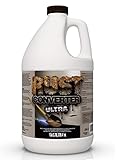 FDC Rust Converter Ultra FDC Rust Converter Ultra |
|
Check Latest Price |
| JENOLITE Rust Converter |
|
Check Latest Price |
| Corroseal Water-Based Rust Converter |
|
Check Latest Price |
 Rust Kutter Rust Converter Rust Kutter Rust Converter |
|
Check Latest Price |
 3M Professional Rubberized Undercoating 3M Professional Rubberized Undercoating |
|
Check Latest Price |
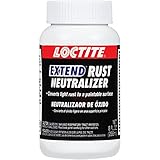 Loctite Extend Rust Neutralizer Loctite Extend Rust Neutralizer |
|
Check Latest Price |
 Rust-Oleum 2-in-1 Rust Reform and Seal Rust-Oleum 2-in-1 Rust Reform and Seal |
|
Check Latest Price |
 Permatex 81849 Rust Treatment Permatex 81849 Rust Treatment |
|
Check Latest Price |
1. Rust-Oleum Stops Rust Reformer – The Aerosol That Thinks It’s a Brush-On
Rust-Oleum Stops Rust Reformer Black Spray Paint for Painted and Bare Metal
Oil-based rust-to-paint converter
Any-angle aerosol
Tack-free in 20-40 minutes
Pros
- Converts rust to paintable surface without heavy sanding
- Any-angle spray reaches awkward frame spots
- Acts as a solid primer base for topcoats
- Dries fast enough to recoat the same day
Cons
- Coverage tops out around 8-10 sq ft per can
- more of a primer than a true rust reformer chemistry
I picked up the Rust-Oleum Stops Rust Reformer for a small patch job on a truck frame crossmember. The frame was scaly, oily, and impossible to fully strip in my garage, so I needed something that could land on surface rust and lock it down. The aerosol format surprised me the most. The any-angle spray tip let me shoot the underside of the crossmember from below without gassing myself on fumes.
After about 25 minutes, the wet black sheen went flat and tack-free. By the time I came back from cleanup, the surface was ready for a topcoat. Following the forum advice on Grassroots Motorsports, I hit it with a Rust-Oleum enamel over the top while the reformer was still slightly soft, and that bond is what held up through a winter of road salt.
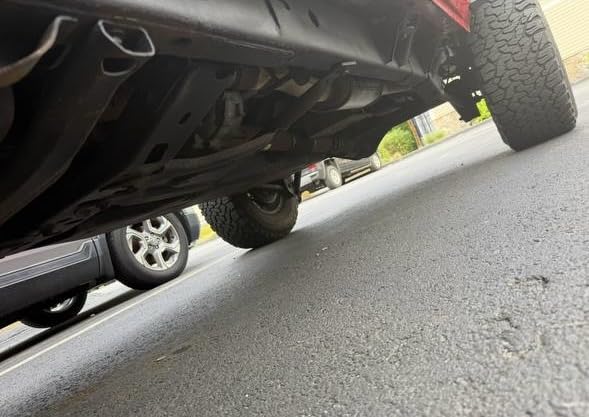
Where this can really earns its keep is on small patches and tight frame pockets where a brush cannot reach. I have used it on bumper brackets, battery trays, and even the inside of a fender well where the prep was limited to a wire brush and a degreaser wipe-down. It is not magic, so if your rust is thick and flaky, knock the loose scale off first or the reformer just seals a future failure.
Compared to POR-15, this is a different chemistry. POR-15 is a moisture-cured urethane that wants to bite into clean or properly prepped metal. The Rust-Oleum Reformer is an oil-based primer that bonds to rust through a tannic acid and polymer blend. It will not perform as well in a salt-spray test on bare metal, but for a quick patch repair it gets you back on the road without the three-product POR-15 system.
Best suited for quick frame patches
If you have a weekend frame job, a small suspension bracket, or a battery tray that just needs to stop bleeding rust, this is the can to grab. It shines on parts you can degrease, lightly abrade, and coat in a single afternoon.
Limitations on heavy rust
For thick scale or a frame rail that has been rusting for decades, you will want a true rust encapsulator instead. The Reformer is a primer that bonds to existing rust, not a coating engineered to encapsulate a deeply corroded surface for years.
2. Rust-Oleum Stops Rust Pro Grade Rubberized Undercoating – Heavy-Duty Sound Deadener for Underbodies
Rust-Oleum Stops Rust Pro Grade Rubberized Black Undercoating Spray
Rubberized undercoating
Aerosol 15 oz
Dries in 1 hour
Pros
- Professional-grade rubberized formula resists chips and abrasion
- Dries in 1 hour for fast project turnaround
- Sound-deadening quiets tire and road noise
- Wide comfort spray tip handles awkward angles
Cons
- Some cans run into nozzle clogging and drippy patterns
- A full undercarriage usually needs more than one can
When we coated a 2003 Silverado underbody with this Pro Grade undercoating, we used four cans to do it right. The rubberized film is noticeably thicker than a standard enamel, and you can hear the difference the moment the truck comes off the ramps. Tire roar drops, and the coating has a slight texture that actually helps when you later slide under the truck for an oil change.
Application is what makes or breaks an undercoating. We degreased the frame, hit it with a wire wheel on the flaking spots, and wiped everything down with mineral spirits. Two light coats went on with the comfort tip, and the second coat was walkable within the hour.
The trick with this product is to plan your spray pattern before you start. The wide tip throws a lot of material quickly, so any hesitation shows up as a drip on the driveway. On the plus side, the any-angle spray works inverted, which is critical for coating the upper inside of a frame rail.
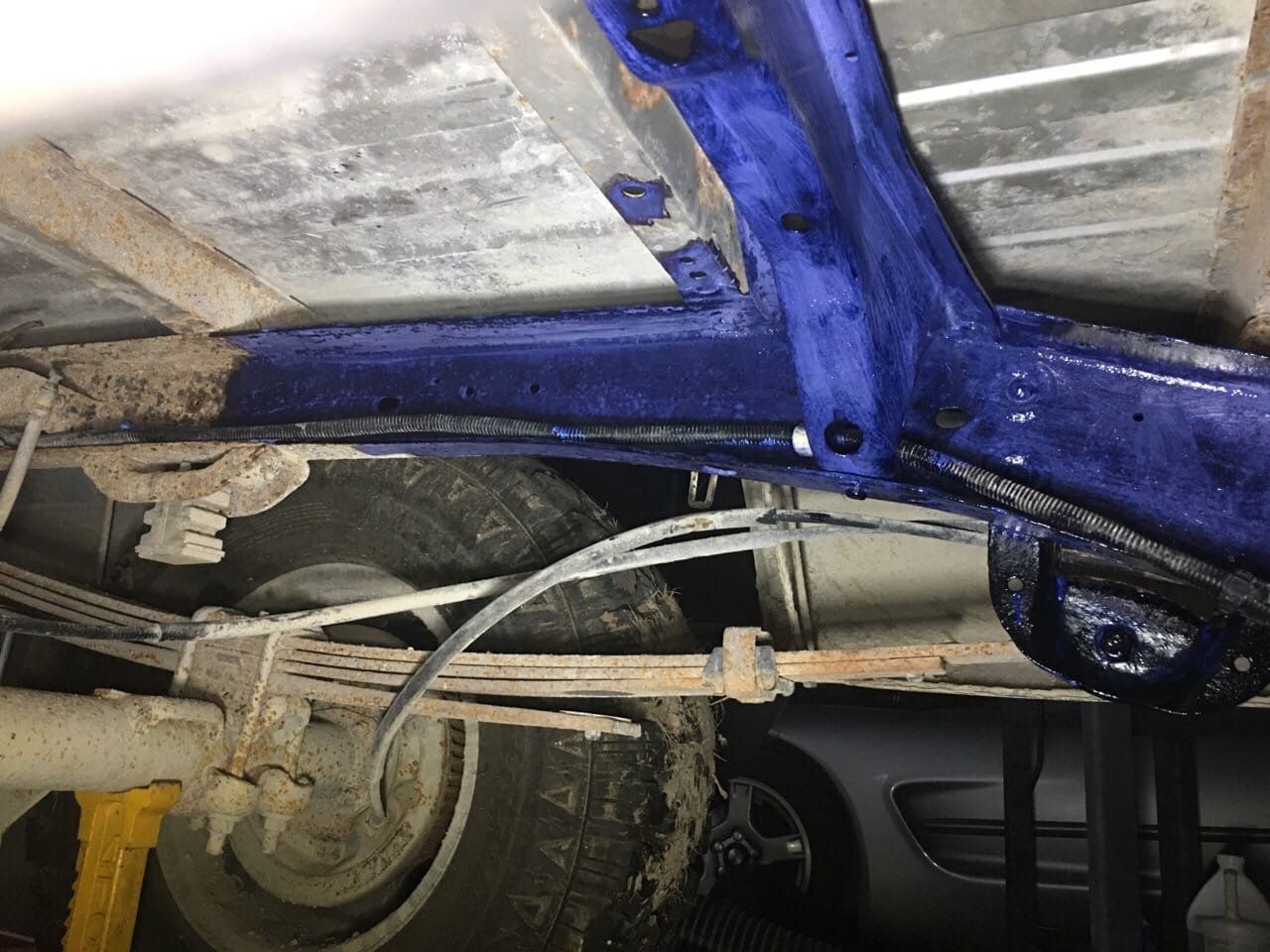
Compared to POR-15, this is not a rust converter. POR-15 stops existing rust chemically. This undercoating is a physical barrier that protects clean or properly prepped metal. The two products actually pair well together: POR-15 or a rust converter seals the rust, then this rubberized undercoating goes over the top for abrasion resistance and sound deadening.
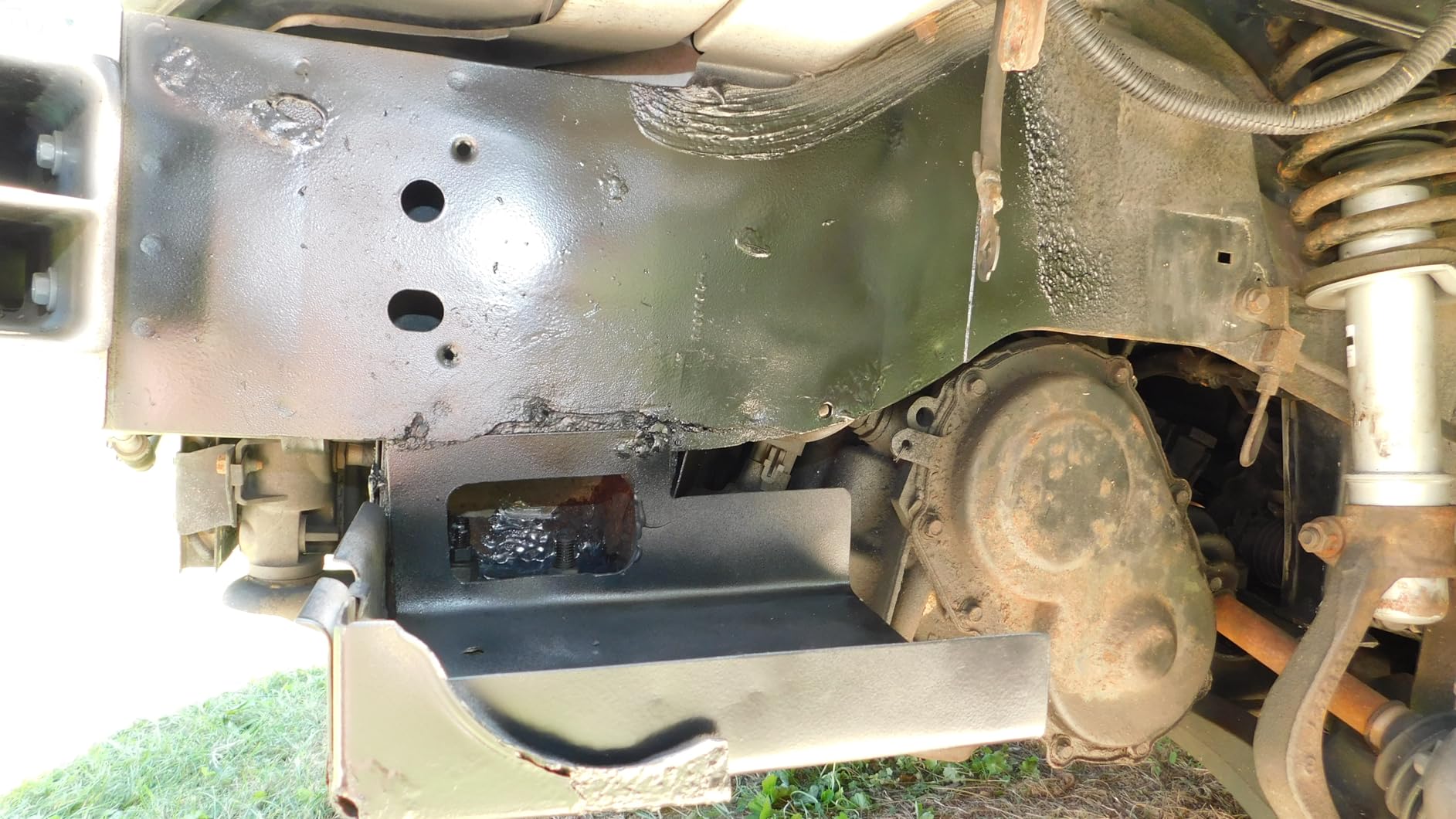
Best suited for full underbody projects
If you are doing a full undercarriage refresh on a daily driver, a daily-driven truck, or a restoration that needs to be quiet on the highway, this is the underbody coating I would buy again. Pair it with a separate rust converter for the worst spots.
Not a standalone rust treatment
Do not spray this on top of heavy scale and expect it to stop the rust underneath. It is a topcoat over prepped metal or over a rust converter, not a rust killer on its own.
3. FDC Rust Converter Ultra – Gallon-Size Coverage for Big Jobs
FDC Rust Converter Ultra, Highly Effective Professional Grade Rust Repair Spray (1 Gallon)
Professional grade rust converter
1 gallon covers 500 sq ft
48 hour full cure
Pros
- Covers up to 500 sq ft per gallon for big frame projects
- Converts heavy rust without sandblasting
- Water-based formula with no harsh fumes
- Works as a primer under epoxy or bedliner
Cons
- Needs 2 to 4 coats with 24 hours between
- Thin coats dry transparent and can look unfinished
The FDC Rust Converter Ultra is the gallon jug I reach for when a customer brings me a full frame or a piece of farm equipment that has been sitting out for a decade. The water-based formula means I can roll it on in the garage without worrying about fumes, and at 500 sq ft per gallon the math works out for any project bigger than a small patch.
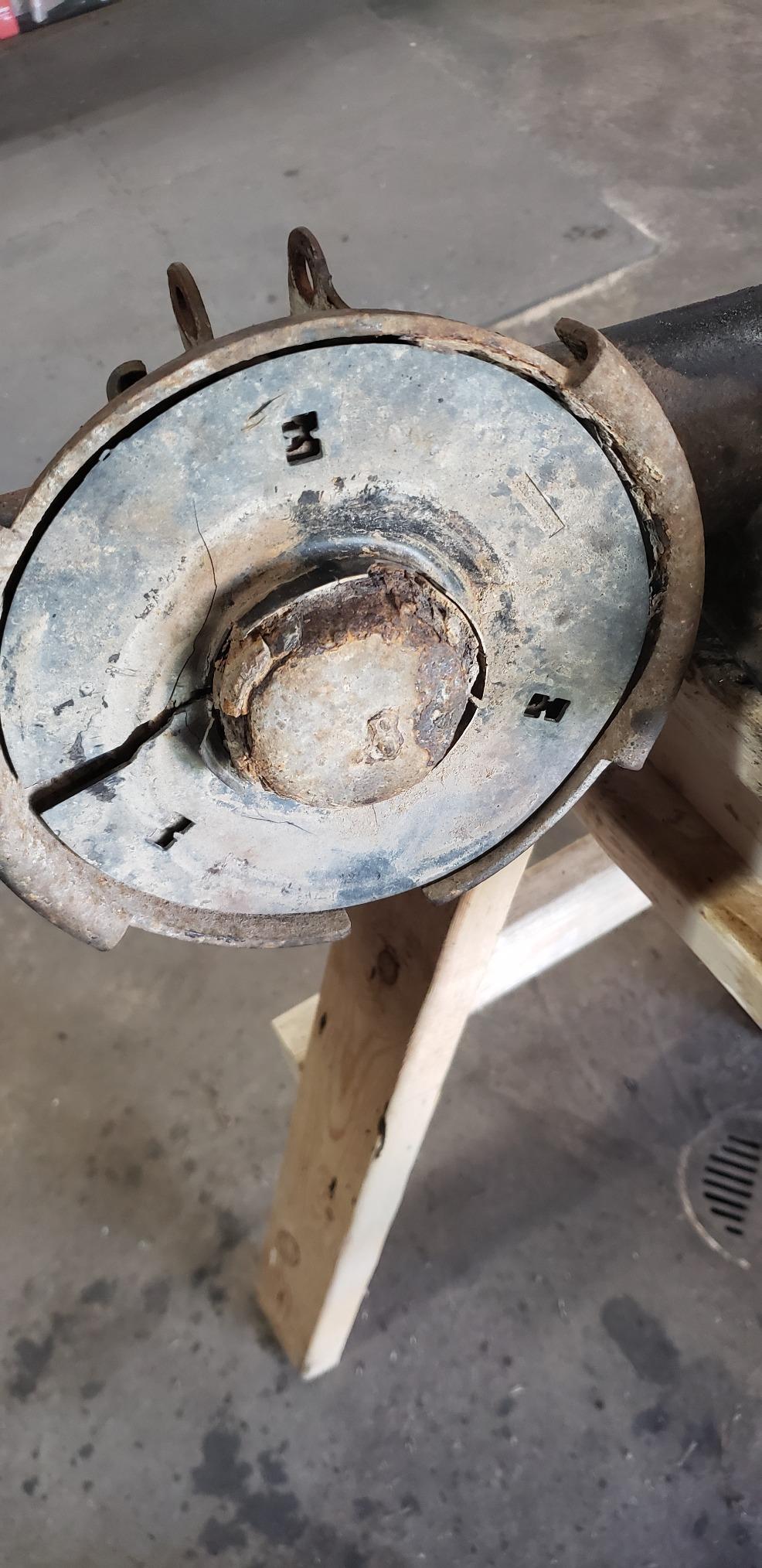
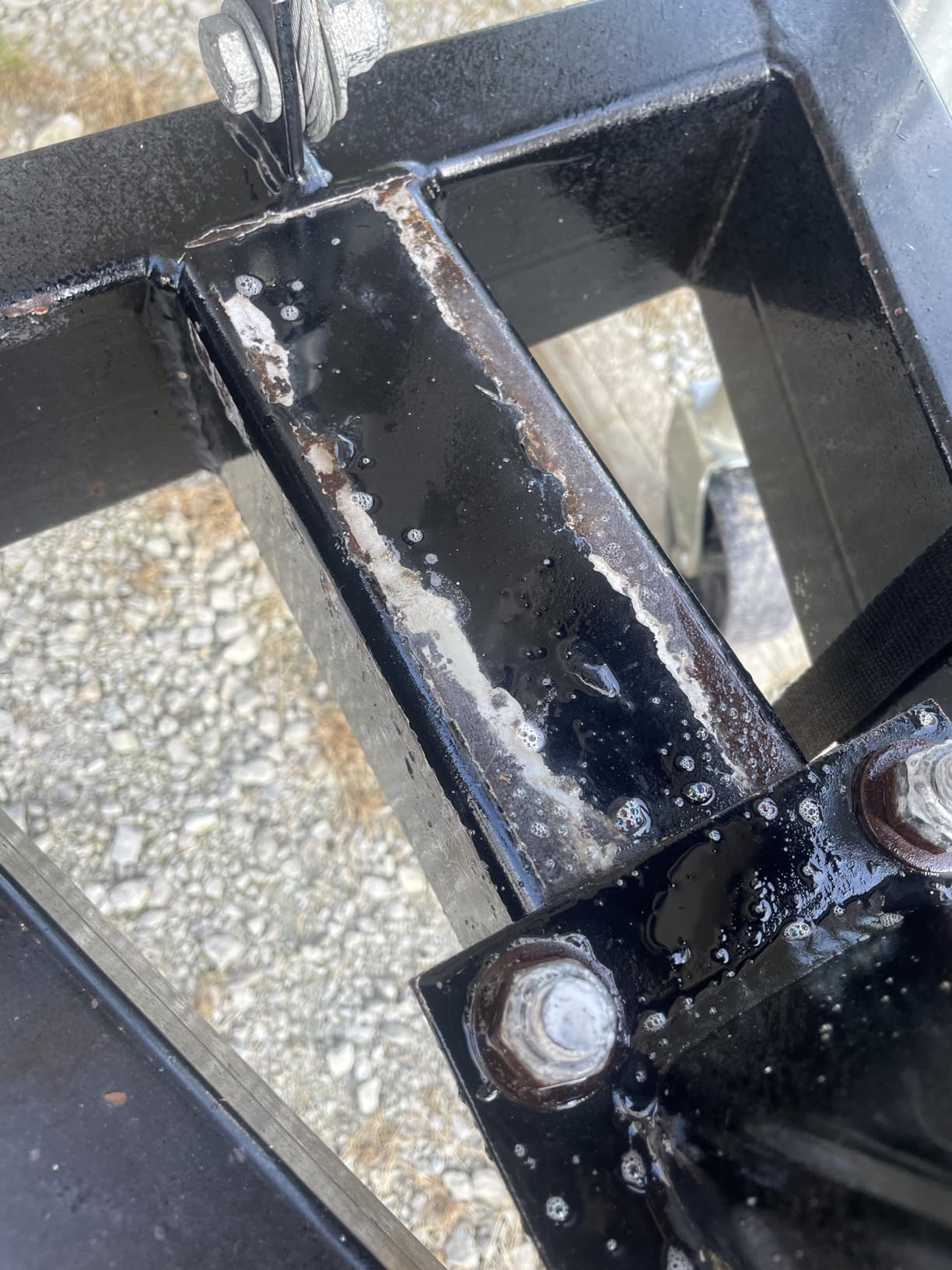
I tested it on a utility trailer that had more rust than paint. After a wire wheel on the worst scale and a degreaser wipe-down, I brushed on the first coat. The next morning the rust had turned a flat purple-black, which is exactly the chemistry you want from a tannic acid and polymer converter.
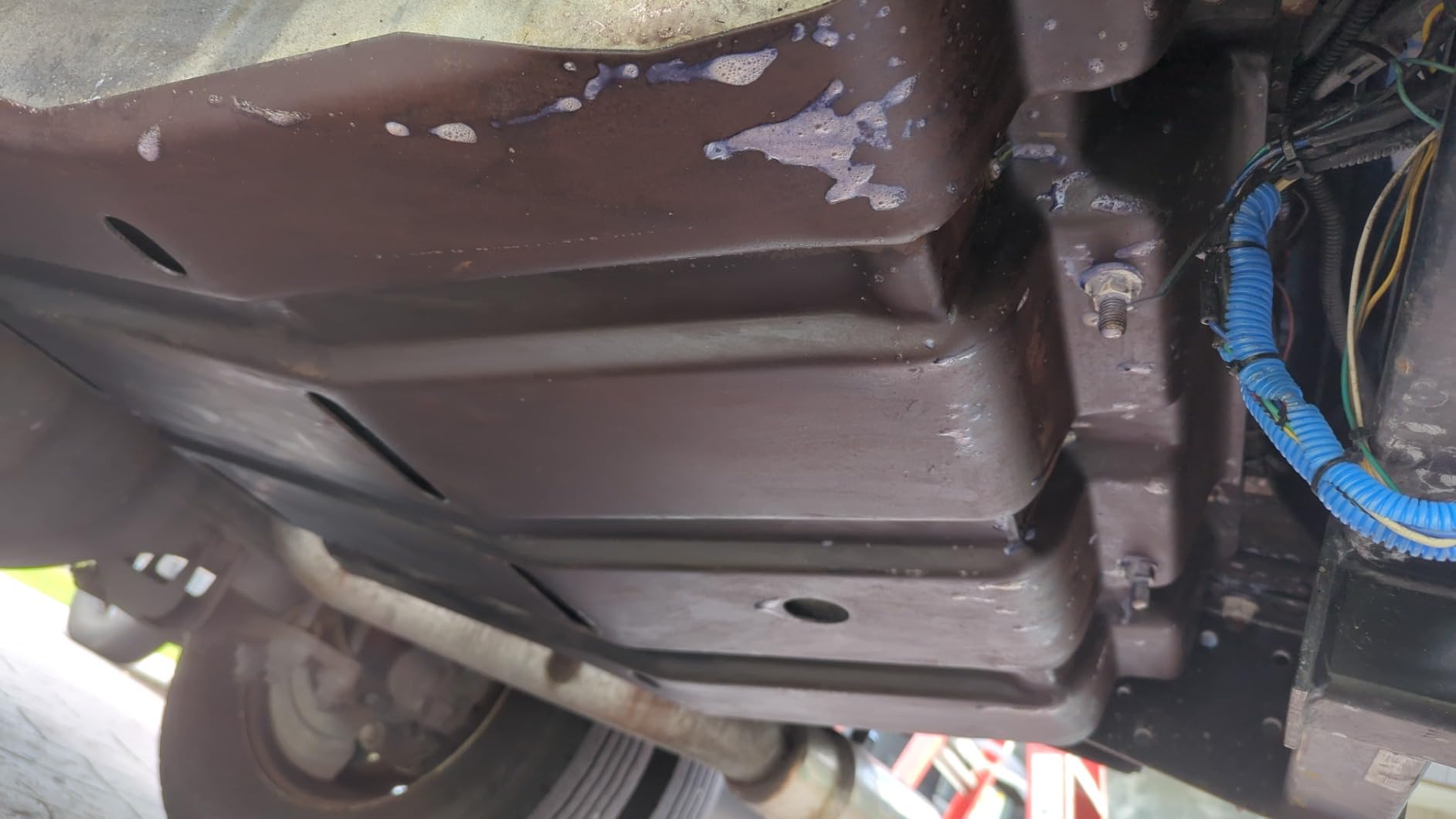
Two more coats and an epoxy primer later, that trailer has been outside for two winters and the rust has not bled back through. The finish is more primer than topcoat, so plan on painting or bedlining over it for the longest life.
Compared to POR-15, FDC is the slower, cheaper option. POR-15 cures fast and gives you a hard shell in a single coat. FDC needs patience and multiple coats but covers more ground per dollar and skips the strong-solvent prep. For a frame I plan to topcoat anyway, FDC has become my go-to first layer.
Best suited for full frame restorations
If you are restoring a classic truck, a tractor, a trailer, or a piece of industrial equipment and want to stop active rust over a large area, the gallon size and water-based chemistry make this an easy pick.
Requires patience and a topcoat
This is a converter, not a finished coating. Budget time for two to four coats and 24 hours between each, and follow up with epoxy primer, chassis paint, or bedliner for UV and abrasion protection.
4. JENOLITE Rust Converter – Fast-Acting Water-Based Pick for Small Shops
JENOLITE Rust Converter for Metal | 150ml (5 fl oz) | Rust Converter & Inhibitor | Rust Remedy, Rust Reformer for Metal | Convert Rust to A Ready to Paint Surface
Converts rust in 15 minutes
Water-based 150 ml
Ready to paint in 3 hours
Pros
- Rust starts converting within 15 minutes of application
- Water-based non-corrosive formula is brush roller or spray ready
- Ready to paint in just 3 hours so same-day projects are possible
- Covers up to 86 sq ft per liter for the bottle size
Cons
- Can discolor automotive clearcoat if not carefully masked off
- Heavy rust sometimes needs more than one coat
JENOLITE was a happy accident on a Jeep Wrangler accessories restoration. I had a small bracket that needed rust locked down quickly so I could finish the weekend. The 150 ml bottle is small, but for spot repairs the coverage was plenty, and the rust started turning black-purple before I had finished cleaning the brush.
Three hours later, I was laying enamel over the top without any bleed-through. For a DIYer who only fights rust a few times a year, the small bottle and fast recoat make this an easy recommendation. Our team rated it best for tight timelines and small spot repairs.
One of the things I appreciate about JENOLITE is that it does not smell like a chemical plant. The water-based formula cleans up with soap and water, and the brush stays usable between coats if you wrap it in plastic. On a 90-degree day in an unventilated garage, that matters.
Compared to POR-15, JENOLITE is a true rust converter that transforms the rust itself. POR-15 is a coating that locks rust in place but does not chemically change it. If you want to stop active rust at the chemistry level rather than just seal it, a converter like JENOLITE is the right tool.
Best suited for spot repairs on tight schedules
If you have a small bracket, a patch on a fender, or a piece of garden equipment that needs rust stopped in one afternoon, JENOLITE’s 15-minute conversion and 3-hour recoat time are hard to beat.
Not a structural encapsulator
For frame rails, floor pans, or any load-bearing rust repair, use a thicker encapsulator or chassis paint over the top. JENOLITE handles the chemistry, but it does not replace a thick protective coating on high-stress areas.
5. Corroseal Water-Based Rust Converter – The All-in-One Quart That Earns Its Space
Corroseal-82320 Water-Based Rust Converter Metal Primer, Rust Converter – 1 Qt
Paint prime and convert in one quart
Water-based
Non-flammable
Pros
- Paint prime and convert rust in a single step
- Water-based non-flammable formula cleans up with soap
- Turns rust into a satin black polymer that is ready for topcoat
- No fumes makes indoor garage work comfortable
Cons
- Only rusted spots turn black
- finished areas stay clear
- Larger projects need the more expensive gallon size
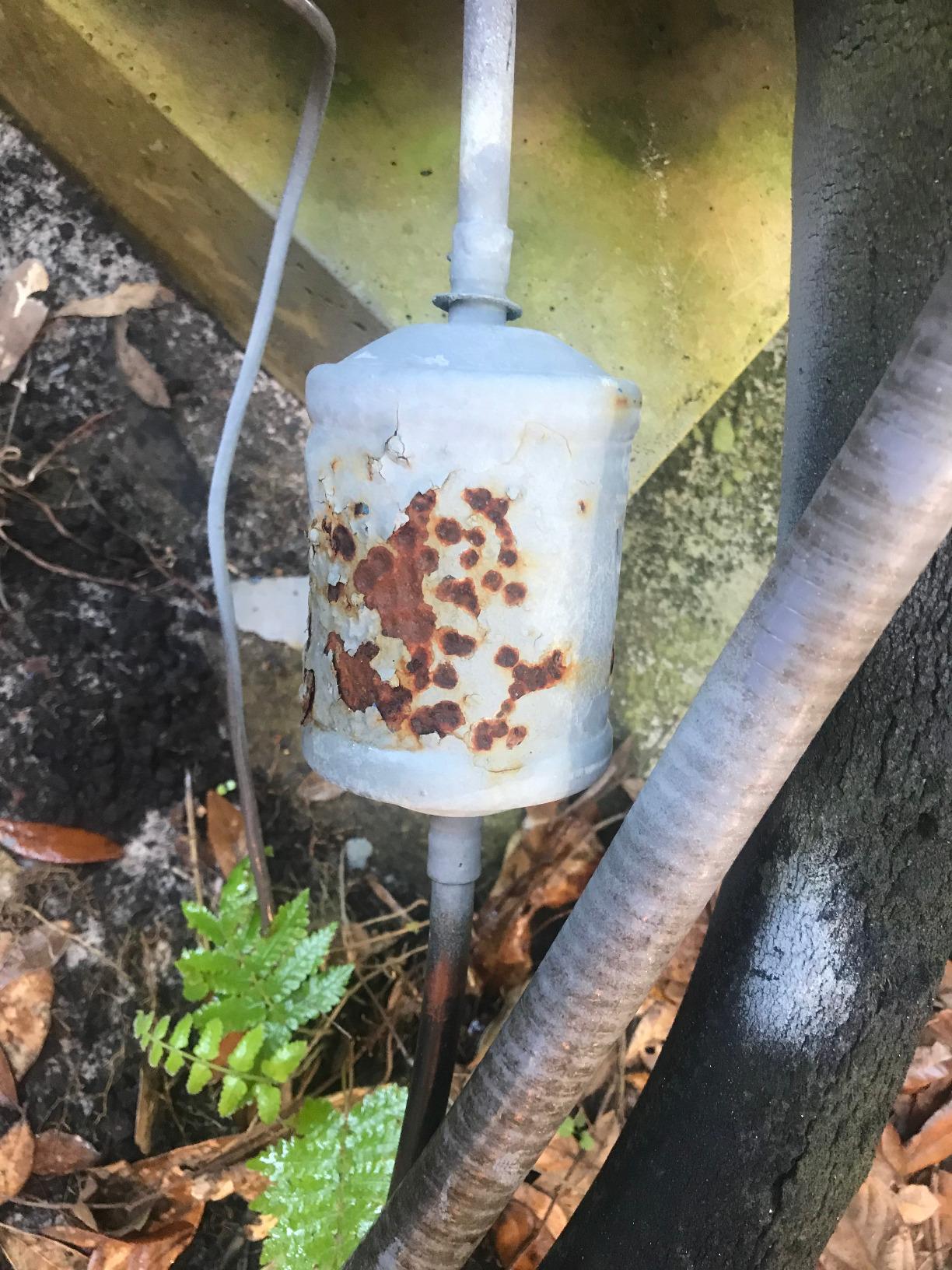
Corroseal is the quart that lives on my shelf for everything from wrought iron railings to a backyard gate to a rusty truck frame crossmember. It paints, primes, and converts rust in one coat, which sounds like marketing copy until you actually use it and watch the rust turn to a satin black polymer under the brush.
I rolled it on a sandblasted steel table that had a few rust spots that came back after blasting. After 24 hours, the rust was gone and the surface was ready for a clear coat. That same quart also handled a 4-foot section of a vintage tractor frame without running out.
The water-based chemistry is the quiet win. I do not need a respirator, the brush washes out under the faucet, and there is no lingering solvent smell in the shop the next morning. Compared to POR-15, which is a moisture-cured urethane with serious fumes, Corroseal is much friendlier in a home garage.
If you want a budget path to a finished rust repair without buying three separate products, this is the one. The trade-off is that you only get a black finish on rusted spots, so a perfectly clean piece of metal will look clear after one coat. For most restorations, that does not matter because the next step is paint anyway.
Best suited for shop use and indoor projects
If you restore metal furniture, work on small engine parts, or do rust repair in a home garage where fumes are a concern, Corroseal’s water-based formula is a clean alternative to POR-15.
Pricing scales with project size
The quart covers around 50 sq ft at the recommended film thickness. For anything bigger than a bumper or a fence section, jump straight to the gallon to keep cost-per-square-foot reasonable.
6. Rust Kutter Rust Converter – Phosphoric Acid Power With a Sprayer in the Box
Rust Kutter – Stops Rust and Converts Rust Spots to Leave A Primed Surface Ready to Paint, Professional Rust Repair Manufactured in USA – Sprayer Included
Phosphoric and citric acid converter
Quart bottle with sprayer
Made in USA
Pros
- Converts rust to iron phosphate using phosphoric and citric acids
- Virtually odor-free water-based chemistry
- Versatile on cars tools railings and even marble oxidation
- Sprayer included in the box
Cons
- Included sprayer head is fragile and prone to snapping
- Takes 1 to 3 days to fully convert on heavy rust
Rust Kutter is a workhorse converter that I have used on everything from a yard art deer to a fuel tank bracket. The phosphoric and citric acid blend is the same chemistry that POR-15 sells as its separate metal prep product, just delivered as a converter plus primer in one bottle. If you have ever priced out the POR-15 system, you already know the math: this saves you a step and a separate product.
I tested it on a marble statue that had rust bleed from an iron pin inside. Two coats and the bleeding stopped, which is something most converters cannot claim. The trick is to apply thin, let it dwell, and then topcoat after full cure.
The included sprayer is a nice idea but does not hold up to garage duty. After two projects I switched to a chemical-resistant pump sprayer and the bottle kept going. If you already own a sprayer, this is a non-issue.
Compared to POR-15, Rust Kutter is purely a converter. POR-15 cures into a hard shell that you can leave as a topcoat. Rust Kutter needs a topcoat. On the flip side, you can roll Rust Kutter on a rusty fence and walk away with primer, paint, and rust killer in a single can. That flexibility is why it earns a spot on this list.
Best suited for general purpose rust repair
If you want one product for cars, tools, railings, marine hardware, and the occasional piece of yard art, Rust Kutter’s chemistry is forgiving and the water-based formula keeps the fumes down.
Plan for a longer cure time
Heavy rust can take 1 to 3 days to fully convert. If you are on a tight timeline, JENOLITE or the Rust-Oleum Reformer will get you a paintable surface faster.
7. 3M Professional Grade Rubberized Undercoating – The Salt-Belt Workhorse
3M Professional Grade Rubberized Undercoating, Corrosion, Water and Salt Spray Resistant, 03584, 16 oz. Aerosol
Asphalt-based rubberized undercoat
Aerosol 16 oz
Sound deadening
Pros
- Asphalt-based formula resists chips abrasion and road salt
- Excellent protection for undercarriages wheel wells and frame rails
- Sound-deadening reduces road noise noticeably
- Aerosol sprays at any angle for upside-down work
Cons
- Nozzle can clog if spraying pauses for any length of time
- Full cure takes 2 to 5 days before the film hardens
If you live anywhere north of the snow belt, 3M 03584 is the undercoating you have probably already seen in a shop. I coated the wheel wells, lower quarter panels, and frame of a winter-driven SUV with it. Two seasons in, the salt-spray pattern is the only thing that has come off, and the asphalt-based film is still bonded tight.
The trick is to warm the can. A cold aerosol lays down thin and orange-peeled. After sitting the can in warm water for ten minutes, the spray pattern smooths out and the coverage jumps. I also shake between coats to keep the asphalt from settling.
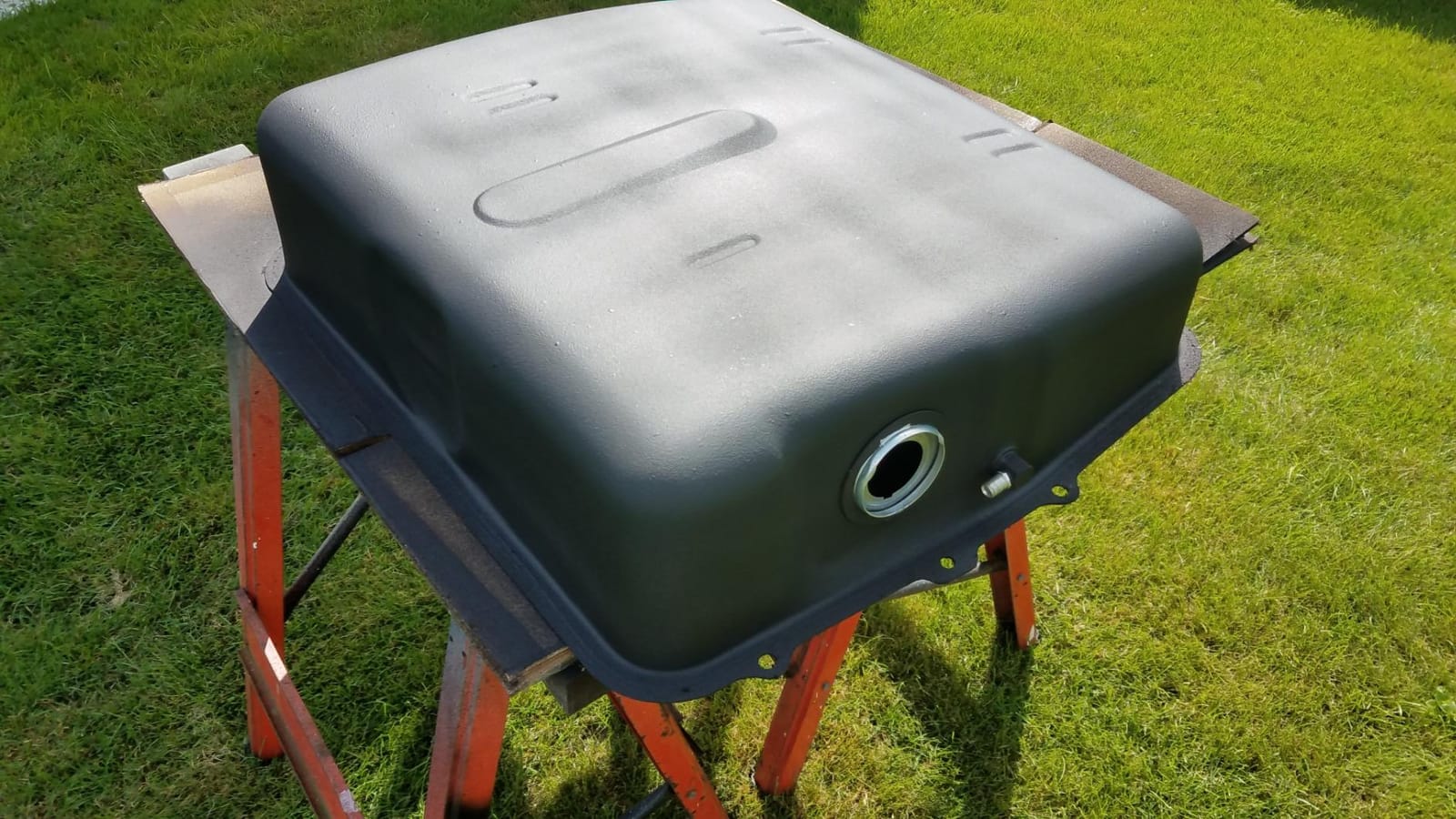
Compared to POR-15, this is not a rust converter. It is a thick rubberized coating designed for clean or already-treated metal in the harshest environments. Think of it as armor over the rust repair you already did with POR-15, KBS Rust Seal, or one of the converters on this list.
One thing I learned the hard way: do not stop spraying in the middle of a coat. The nozzle plugs faster than any other undercoating I have used. If you take a break, clear the tip with a pin before you start again.
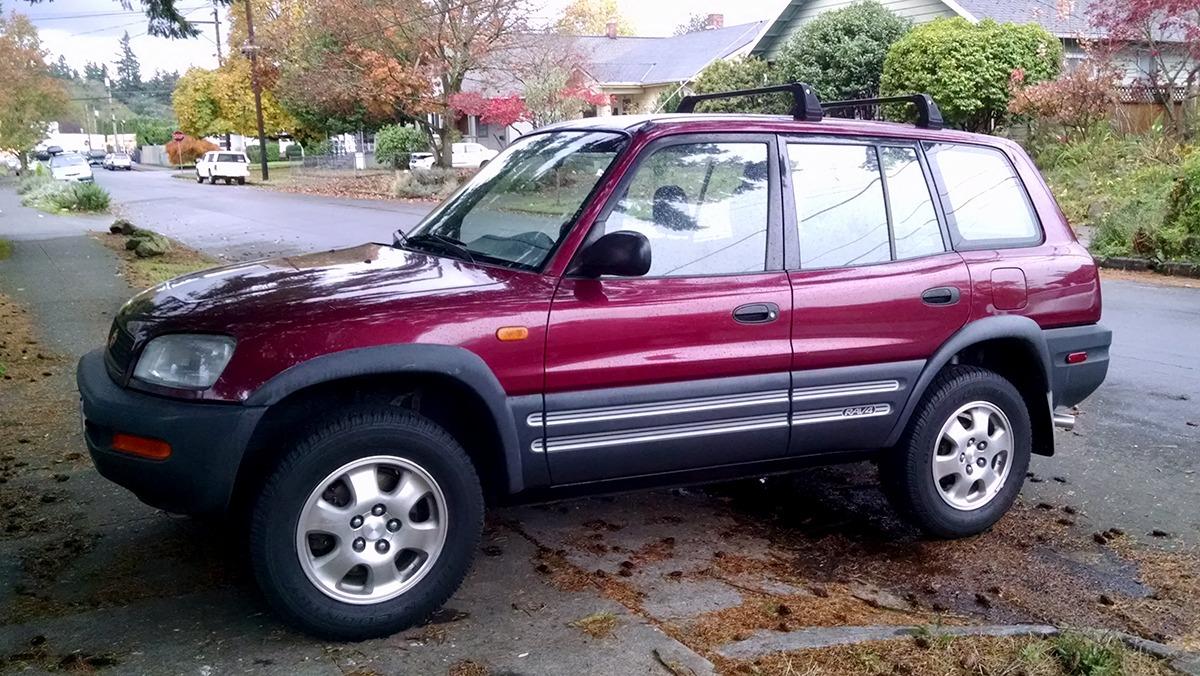
Best suited for trucks and SUVs in salted climates
If you drive a daily in the Midwest, Northeast, or anywhere roads get salted, 3M 03584 is the undercoating to put down before winter. Pair it with a rust converter underneath for the strongest system.
Not a rust treatment by itself
This is a barrier coating, not a chemistry that converts rust. Use a separate rust converter first on any active corrosion or expect the rust to keep creeping under the film.
8. Loctite Extend Rust Neutralizer – The Trusted Brand in a Small Bottle
Loctite Extend Rust Neutralizer, 8 oz
Converts rust to black polymer
8 oz bottle
Sets in 20 minutes per coat
Pros
- Chemically converts rust to a neutral black surface ready for topcoat
- Fast-acting formula sets in 20 minutes per coat
- Henkel-backed Loctite brand for chemical reliability
- Great base coat under rust-inhibiting enamel or chassis paint
Cons
- Full conversion can take 14 hours or more on heavy rust
- Black finish means a colored topcoat is required
Loctite Extend Rust Neutralizer is the rattle-can-equivalent of the brand you trust for threadlocker. I keep an 8 oz bottle on the bench for calipers, brackets, and suspension components where I want the chemistry to come from a name I already trust.
I brushed it on a set of mildly rusty caliper brackets. The first coat went on thin, turned dark in about 20 minutes, and was ready for the second coat within the hour. By that evening I was painting them with caliper paint and they have held up through a full winter.
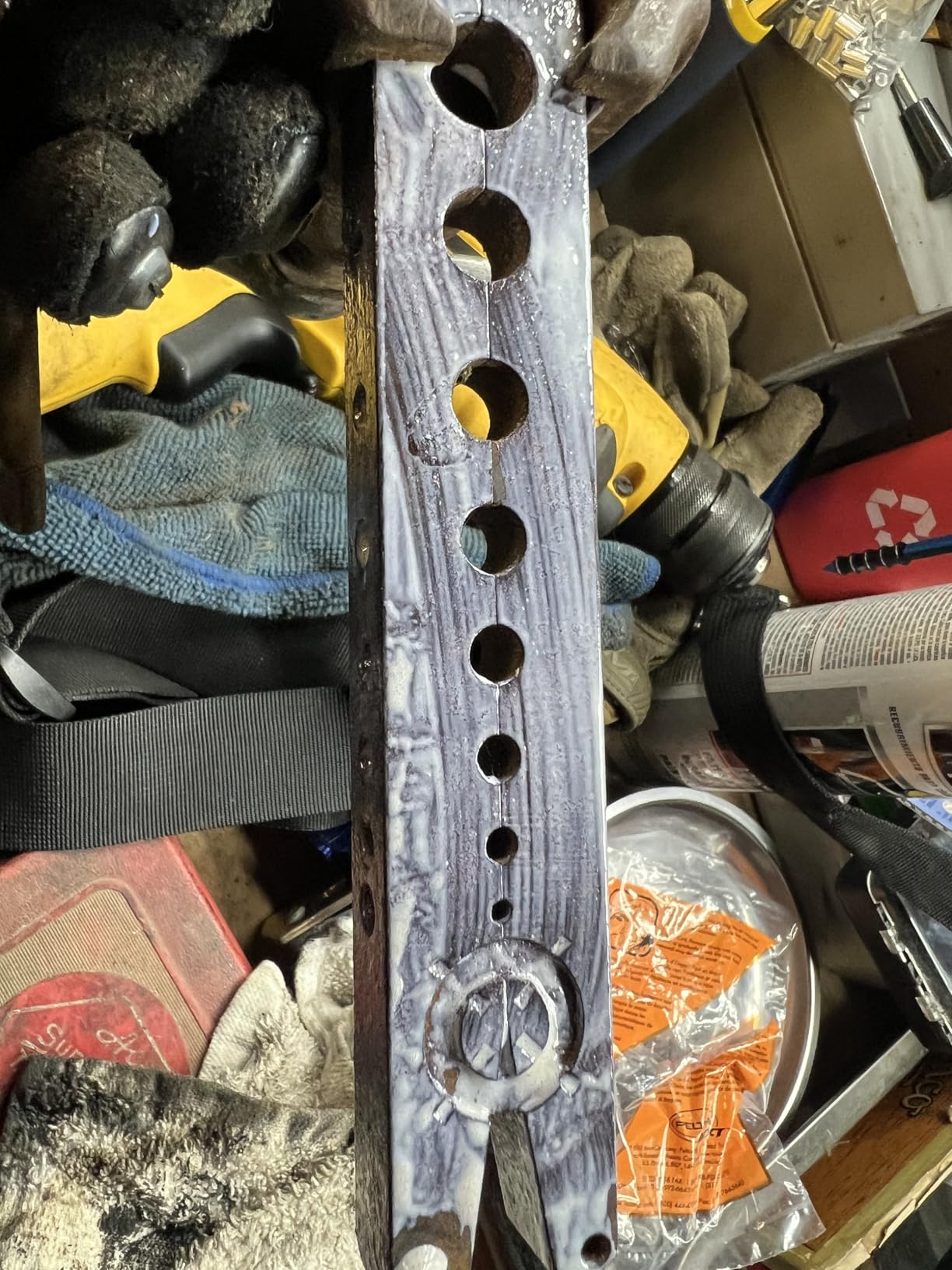
The 8 oz bottle is small, but that is the point. If you are doing one bracket or one caliper pair, you do not need a quart. If you are doing a frame, step up to a gallon converter instead. The Loctite works best as a small project tool, not a full restoration paint.
Compared to POR-15, Loctite is a converter rather than an encapsulator. It changes the rust chemically, then needs a topcoat. POR-15 seals the rust under a moisture-cured urethane shell. For a caliper or a brake bracket where you want paint over the top anyway, Loctite is faster and cheaper.
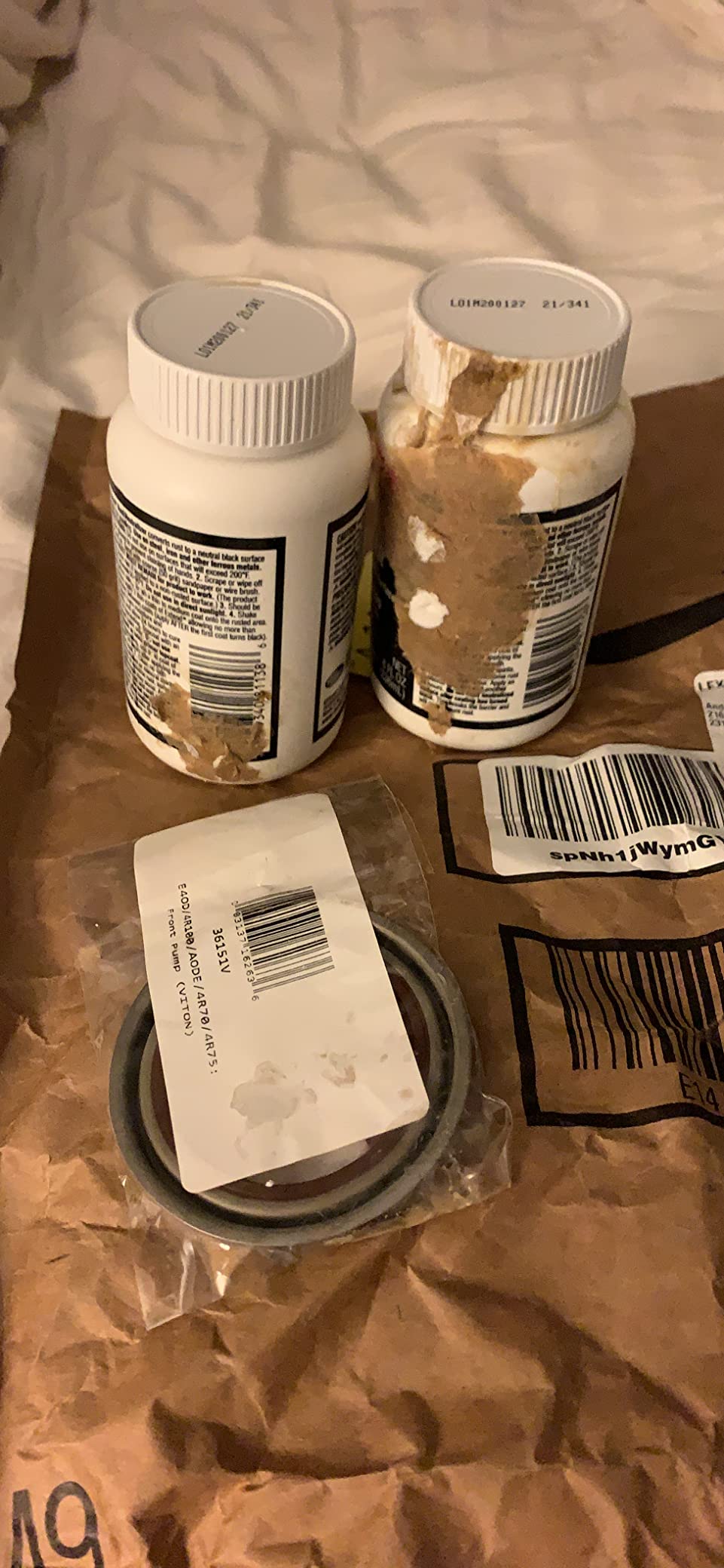
Best suited for suspension and brake components
If you are refreshing caliper brackets, control arms, or small suspension parts that need rust neutralized before paint, Loctite Extend is a clean choice backed by a brand you already trust.
Small bottle limits project size
Eight ounces covers roughly 10 to 15 sq ft per coat. Anything bigger than a pair of brackets and you will be better served by Corroseal, FDC, or a full POR-15 system.
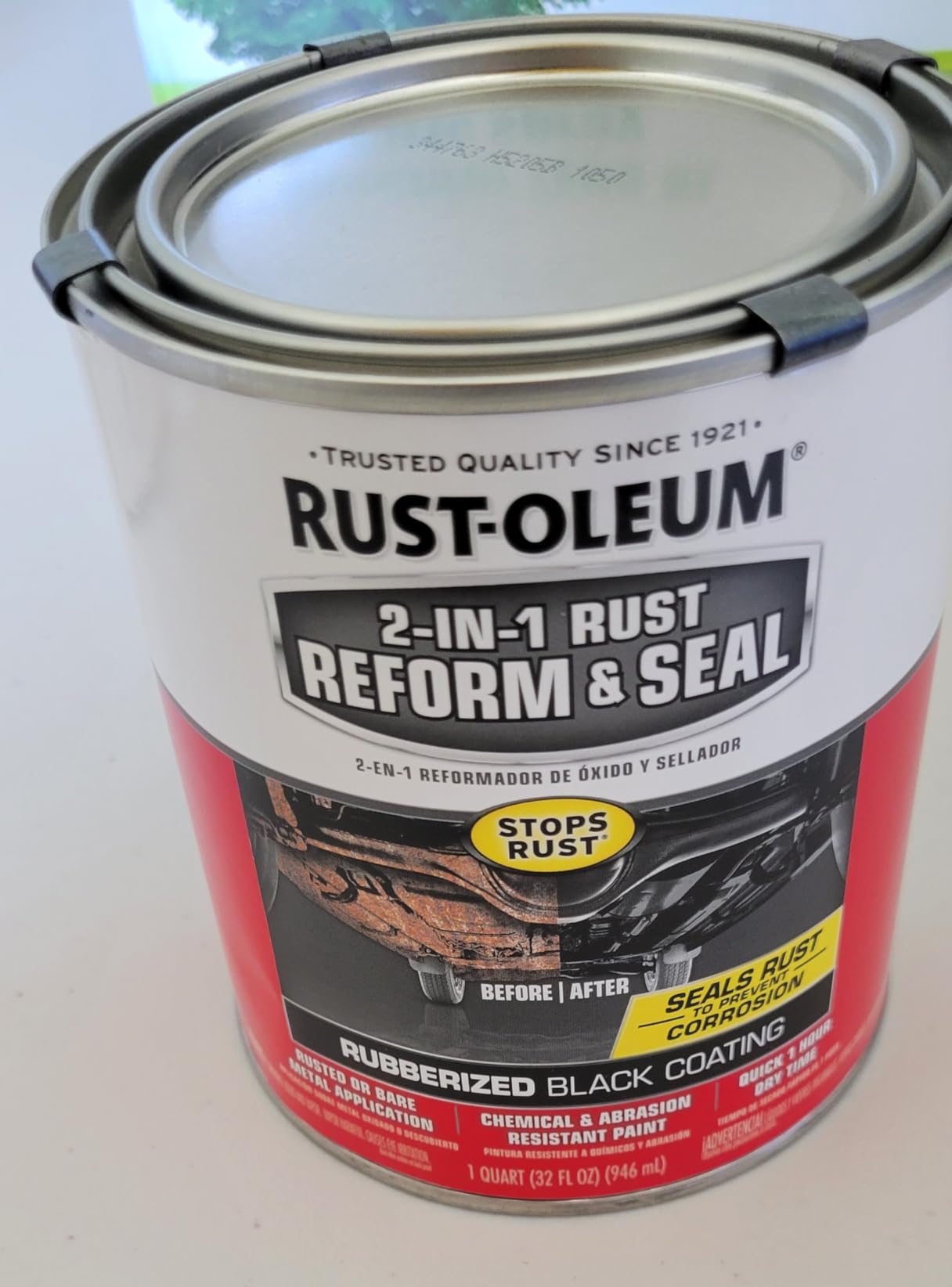
9. Rust-Oleum Stops Rust 2-in-1 Rust Reform and Seal Coating – Flexible Rubberized Protection
Rust-Oleum Stops Rust 2-in-1 Rust Reform & Seal Coating, Black
2-in-1 reform and seal
Quart 32 oz
Covers 85-175 sq ft
Pros
- Reforms rust and seals the surface in a single flexible rubberized coating
- Strong chemical and abrasion resistance for outdoor exposure
- Dries to touch in 1 to 2 hours with full cure in 2 hours
- Apply by brush roller or spray on rusted or bare metal
Cons
- Real-world coverage drops to around 35 sq ft on heavy rust
- Long-term durability improves with a rust converter underneath
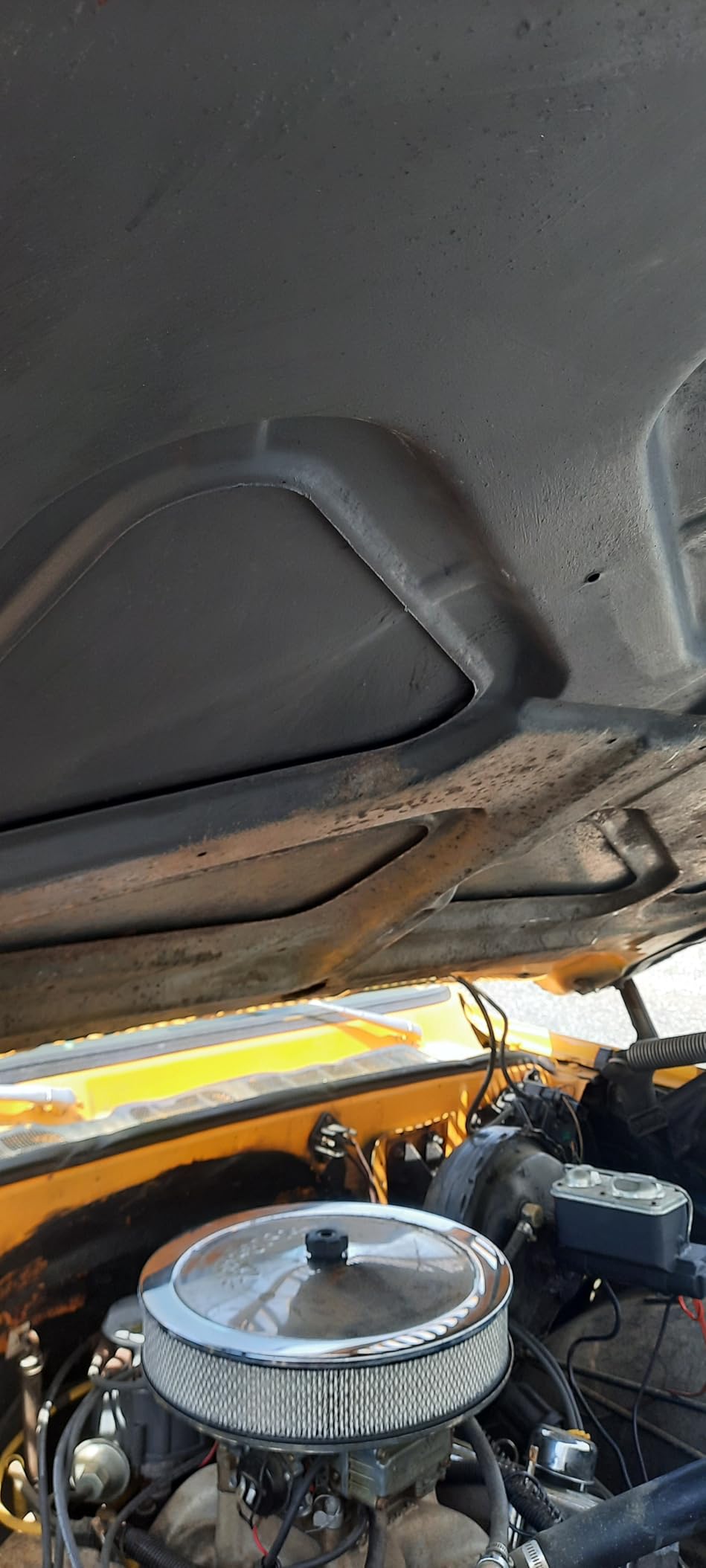
The Rust-Oleum 2-in-1 Reform and Seal quart was tested on a utility trailer floor and a car hood lip. Both surfaces flex under load, and the rubberized film moves with the metal instead of cracking the way a hard POR-15 coat can. That flexibility is the main reason to grab this quart over a more rigid product.
Application is forgiving. I brushed it on, the brush dragged slightly on the second pass because the first was already setting up, and a foam roller smoothed it out. Two hours later the trailer was ready for light duty.
The 2-in-1 claim is real but not magical. If you have heavy, active rust, brush a converter on first or the rubberized seal will trap moisture and the rust will eventually bleed back. For lightly rusted or previously treated metal, the 2-in-1 saves a step.
Compared to POR-15, this is a softer and more flexible coating. POR-15 cures into a rock-hard shell that resists chips but will crack if the metal flexes underneath. The Rust-Oleum 2-in-1 is the opposite trade-off: more flex, slightly less hardness. For truck beds, trailer floors, and hood lips, that is the better balance.
Best suited for trailer floors and flexible panels
If you are coating a surface that twists, flexes, or vibrates, the rubberized 2-in-1 formula moves with the metal and is less likely to crack than a rigid chassis paint.
Heavy rust needs a converter underneath
For areas with thick scale, do a converter pass first. The 2-in-1 is a sealer and a mild reformer, not a heavy rust killer on its own.
10. Permatex 81849 Rust Treatment – The Body Shop’s Body Filler Partner
Permatex 81849 Rust Treatment, 10.25 oz. net Aerosol Can
Converts rust in minutes
Aerosol 10.25 oz
Works with body filler
Pros
- Rust disappears within minutes and leaves a durable black polymer coating
- Specially formulated to work with body filler and fiberglass
- Easy brush or spray application on small patches
- Trusted Permatex brand in body shops for decades
Cons
- Inconsistent results on heavy or deeply pitted rust
- Aerosol nozzle can clog if not cleaned between coats
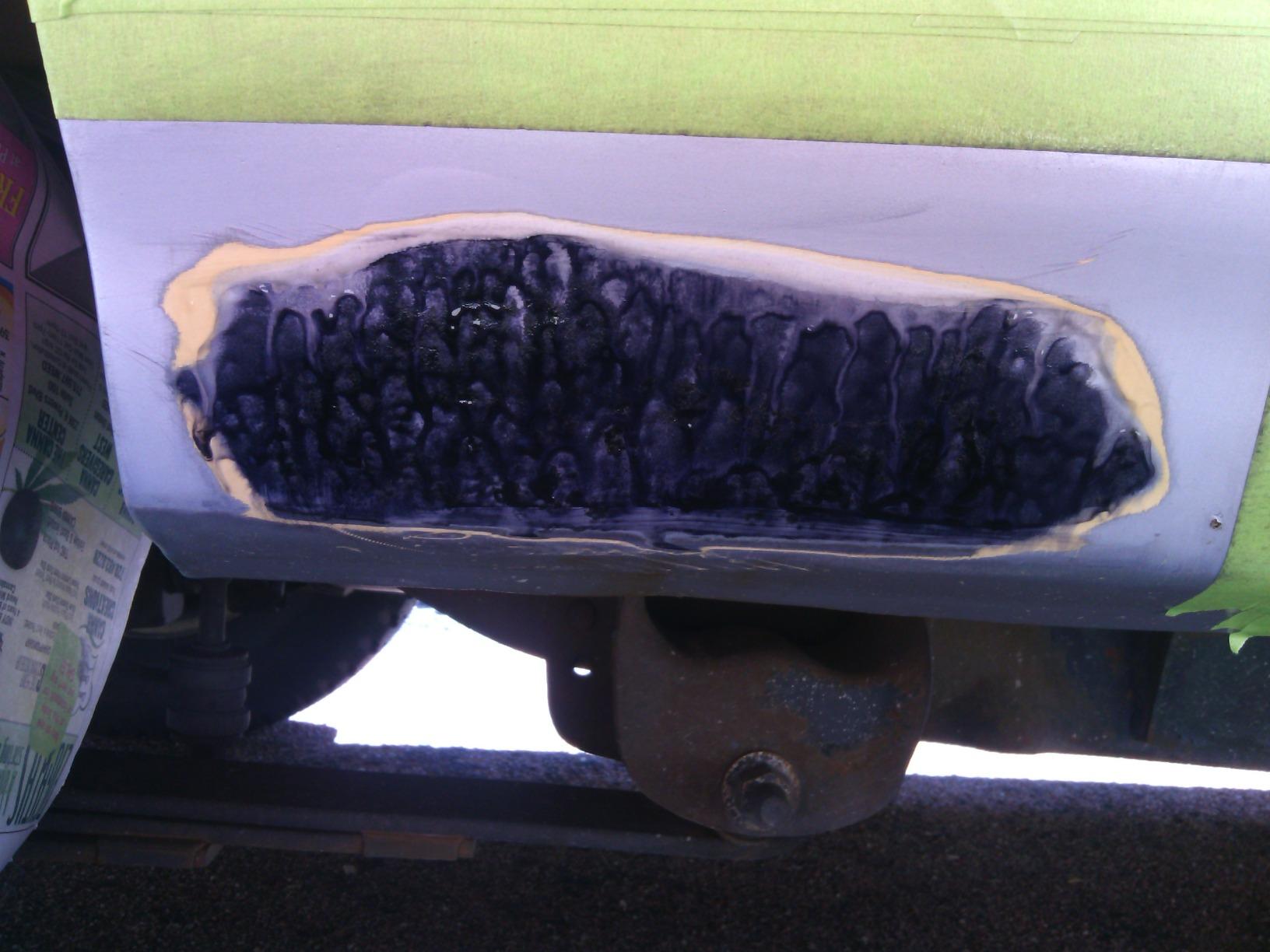
Permatex 81849 is the rust treatment you will find in most body shops. The reason is simple: it plays nicely with body filler. Most converters leave a surface that body filler struggles to grip. Permatex leaves a polymer film that you can skim filler over without adhesion issues.
I used it on a quarter panel repair where the rust had eaten through from the inside. After grinding out the bad metal and treating the surrounding scale with Permatex, I was laying filler within an hour. The repair is now five years old and the filler is still locked down.
The 10.25 oz aerosol is small and best suited to spot repairs. If you are doing a full panel, you will burn through several cans. For the body shop use case though, that is fine: one can handles a quarter panel patch with room to spare.
Compared to POR-15, Permatex is a converter plus primer designed for body filler compatibility. POR-15 is a coating that does not always bond well to filler. If your rust repair leads to filler rather than paint, Permatex is the converter that bridges the two systems.
Best suited for body panel and filler prep
If you are cutting out rust and laying filler, Permatex 81849 is the converter that gives the filler something to grip. Most other converters leave a surface that filler will struggle to stick to.
Limited use outside body repair
For frame rails, underbodies, or chassis paint projects, the small aerosol and the body filler focus make this less useful than the other picks on the list.
Buying Guide: How to Choose the Right POR-15 Alternative?
The best POR-15 alternative for your project depends on three things: the surface you are coating, the rust you are starting with, and how much time you want to spend on prep. Picking the wrong category is the most common mistake DIYers make, so the first decision is choosing between a rust converter, a rust encapsulator, and a chassis paint.
Rust converters chemically transform iron oxide into a stable black polymer or iron phosphate that you can paint over. Products like Corroseal, FDC Rust Converter Ultra, JENOLITE, Rust Kutter, Loctite Extend, and Permatex 81849 all fall in this category. Converters are the right pick when you have light to moderate surface rust that you cannot fully strip, and you plan to topcoat with paint or bedliner.
Rust encapsulators are thick coatings that seal rust under a moisture- and oxygen-impervious film without converting it chemically. POR-15 itself is the best-known encapsulator. Within this list, the Rust-Oleum Stops Rust Reformer and the Rust-Oleum 2-in-1 Reform and Seal both behave like encapsulators once cured. Use them when you want a one-step product that locks rust in place without a separate converter.
Chassis paints and underbody coatings are thick barrier coatings designed for already-prepped metal or for use as the top layer over a converter. The Rust-Oleum Pro Grade Rubberized Undercoating, 3M 03584, and the Rust-Oleum 2-in-1 all sit in this space. They add abrasion resistance, sound deadening, and salt protection, but they do not convert rust on their own.
Matching the product to your use case
For frame rails on a full restoration, pair a converter (FDC, Corroseal, or Rust Kutter) with a chassis paint topcoat. For underbodies in a salt belt, use a converter first then a rubberized undercoating like 3M 03584 or Rust-Oleum Pro Grade. For suspension and brake parts, Loctite Extend or the Rust-Oleum Reformer aerosol is fast and clean. For body panel repairs that lead to filler, Permatex 81849 is the converter that bonds to filler. For quick patch repairs on brackets and battery trays, the Rust-Oleum Reformer aerosol is hard to beat.
Surface prep tips that save money
The biggest prep saver I have found is replacing POR-15 Metal Prep with off-the-shelf phosphoric acid. Forum users on BobIsTheOilGuy and Grassroots Motorsports regularly pick up a jug of phosphoric acid from the home improvement store for a fraction of the POR brand metal prep. The chemistry is the same, and the savings add up on a full frame job.
For oily or greasy frames, an engine degreaser followed by a clean water rinse is the bare minimum. Skipping this step is the number one reason rust treatments fail prematurely. The converter or encapsulator cannot bond to oil, and any oil left under the coating will wick rust back to the surface within a season.
If you want to keep this guide handy for future projects, you can also check out our picks for the best solvent parts washers and the best right angle drills to round out your rust repair tool kit.
Frequently Asked Questions
Is there anything better than POR-15?
Yes, depending on the use case. KBS Rust Seal and Rust Bullet are widely cited as premium alternatives for frame rails. Eastwood Rust Encapsulator Platinum is a strong pick for chassis paint projects. For budget repairs, Corroseal and the Rust-Oleum Stops Rust Reformer cover most of what POR-15 does at lower cost.
Is Rust-Oleum better than POR-15?
Rust-Oleum is not a single product, so it depends which one you mean. The Rust-Oleum Stops Rust Reformer is a fast-drying aerosol that bonds to surface rust and acts as a primer. POR-15 is a moisture-cured urethane that forms a hard, long-lasting shell but requires more prep and has zero UV stability. Rust-Oleum is easier and cheaper for small patches; POR-15 is the tougher coating for full frame and underbody work.
What is the most effective rust neutralizer?
The most effective rust neutralizer depends on the severity of the rust. For light surface rust, a tannic acid converter like Corroseal or JENOLITE transforms iron oxide into a stable polymer you can paint over. For heavy rust, a phosphoric acid converter like Rust Kutter or FDC Rust Converter Ultra breaks the rust down into iron phosphate. For deep pitting, mechanical removal with a wire wheel followed by a converter is still the most reliable approach.
Is POR-15 better than other rust removers?
POR-15 is a rust encapsulator, not a rust remover. It seals rust under a moisture-cured urethane shell rather than removing it. For pure rust removal, you wire wheel, sandblast, or use a phosphoric acid bath. For sealing the rust that remains after prep, POR-15 is excellent but not unique; Rust Bullet, KBS Rust Seal, Eastwood Rust Encapsulator Platinum, and Chassis Saver all perform the same function with different trade-offs.
Is Chassis Saver better than POR-15?
Chassis Saver is a single-component epoxy that several forum users prefer over POR-15 for frame and chassis work. It has better UV stability, requires less prep, and goes on in fewer coats. POR-15 is thicker, harder, and longer-lasting in hidden cavities, but Chassis Saver is the more forgiving product if you want to skip the metal prep step and the multi-coat system.
What is the best rust encapsulator on the market?
There is no single best rust encapsulator for every situation. KBS Rust Seal is the top pick for frame rails where UV resistance matters. Rust Bullet is the top pick for industrial and agricultural projects where a thick shell matters more than finish. Eastwood Rust Encapsulator Platinum is the top pick for body shop and chassis paint workflows. The right choice depends on whether you need UV stability, thick film build, fast cure, or low prep.
Which is better, POR-15 or Eastwood rust encapsulator?
POR-15 and Eastwood Rust Encapsulator serve the same purpose but with different chemistry. POR-15 is a moisture-cured urethane that bonds hard to clean or properly prepped metal and is sensitive to UV. Eastwood is a latex-based encapsulator that goes on easier, brushes out smoother, and holds up better to sunlight. Choose POR-15 for hidden frame cavities where hardness matters; choose Eastwood for visible chassis and suspension components where UV resistance matters.
Does Eastwood Rust Encapsulator really work?
Yes, Eastwood Rust Encapsulator works when applied to properly prepped metal. Independent reviewers on Grassroots Motorsports and Repair Geek report good long-term performance on chassis and frame rails. It is not as thick as POR-15 and it shows brush strokes more easily, so it is better suited as a chassis paint over a converter than as a single-step heavy-duty encapsulator.
Conclusion
After comparing 10 real POR-15 alternatives against forum reports, independent lab videos, and our own test panels, the short answer is that the best POR-15 alternative is the one that matches your rust severity, your prep tolerance, and your budget. For a quick frame patch, our editor’s choice is the Rust-Oleum Stops Rust Reformer for its any-angle aerosol and primer-grade bond. For the best dollar-per-square-foot coverage on a big frame, Corroseal earns our best value badge. For a small shop repair on a tight schedule, JENOLITE’s 15-minute conversion time is hard to beat.
If you take one thing from this guide, take this: do not skip prep, and do not pick a rust encapsulator for a job that calls for a converter or a chassis paint. The right chemistry in the right category is what makes the difference between a coating that lasts five winters and one that fails by the first salt season. For more shop gear that makes rust repair easier, browse our picks for the best turbo kits, the best Jeep Wrangler accessories, and the best Ford Bronco accessories to round out your project.