
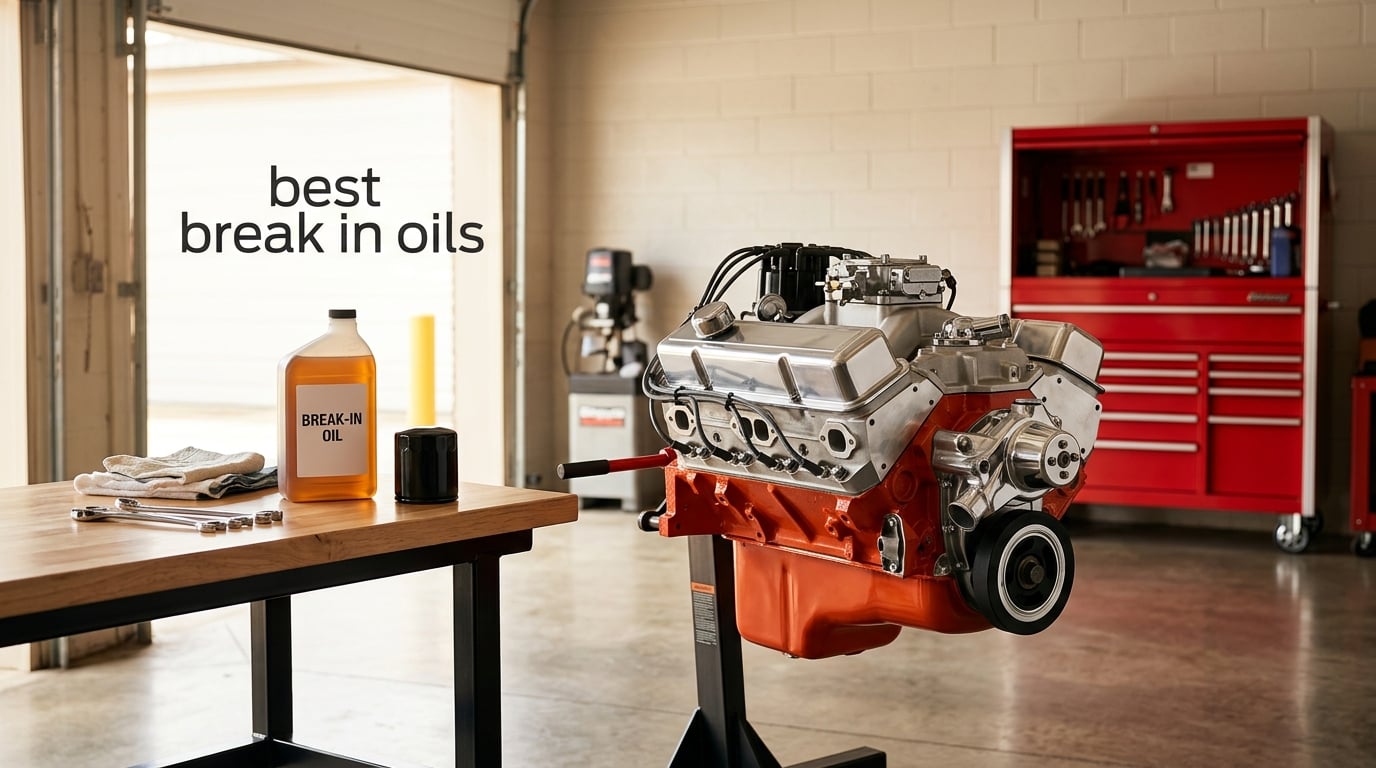
Break-in oil is a specially formulated motor oil with high zinc dialkyl dithiophosphate (ZDDP), low detergent, and zero friction modifiers. You use it for the first 30 minutes to 1,000 miles of a freshly built, rebuilt, or newly camshaft-equipped engine to seat piston rings against the cylinder walls while protecting flat tappet camshafts from premature wear. Without it, modern API SN/GF-5 oils leave flat tappet cam lobes unprotected and rings fail to seat, costing you compression and oil control.
I have rebuilt three engines in my garage over the last decade, and I have burned through a half-dozen break-in oil brands along the way. Our team also consulted engine builders on CorvetteForum and long-time members of BobIsTheOilGuy (BITOG) for this guide. The picks below cover the most common flat tappet and roller cam builds, crate engines, and motorcycle applications. If you are still deciding on your daily-driver oil after break-in, our Mobil 1 vs AMSOIL extended-drain comparison picks up where this guide ends.
Break-in oil is not the same as break-in oil additive. A dedicated break-in oil is a complete motor oil formulated for the break-in window. An additive is dropped into a base oil to spike the ZDDP level. Both work, but they serve slightly different needs, which we cover below.
Table of Contents
Top 3 Picks for Best Break-In Oils (September 2026)

Lucas Oil 10631 SAE 30
- SAE 30 racing break-in
- Zinc and phosphorus fortified
- Ring seal focus
- Universal fit
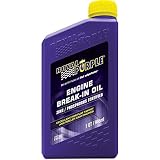
Royal Purple 11487 10W-30
- 10W-30 viscosity
- Flat and roller cam safe
- High zinc and phosphorus
- USA made

Driven BR30 5W-30
- 5W-30 conventional
- Zinc and phosphorus fortified
- Ring sealing formula
- Low to medium viscosity
Best Break-In Oils in 2026: Quick Comparison
| Product | Specs | Action |
|---|---|---|
| Lucas Oil 10631 SAE 30 Racing Break-in Oil |
|
Check Latest Price |
| Royal Purple 11487 10W-30 Break-In Oil |
|
Check Latest Price |
| Driven Racing Oil BR30 5W-30 Break-In Oil |
|
Check Latest Price |
 Lucas Oil 10063 Break-In Oil Additive w/TB Zinc Plus Lucas Oil 10063 Break-In Oil Additive w/TB Zinc Plus |
|
Check Latest Price |
 COMP Cams 159 Engine Break-In Oil Additive COMP Cams 159 Engine Break-In Oil Additive |
|
Check Latest Price |
 Red Line 81403 Engine Oil Break-In Additive Red Line 81403 Engine Oil Break-In Additive |
|
Check Latest Price |
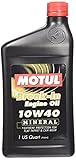 Motul 2810QTA 10W-40 Break-in Oil Motul 2810QTA 10W-40 Break-in Oil |
|
Check Latest Price |
 Maxima Premium Break In 10W30 Maxima Premium Break In 10W30 |
|
Check Latest Price |
 Maxima Racing Oils Break-in Oil 1 Gallon Maxima Racing Oils Break-in Oil 1 Gallon |
|
Check Latest Price |
 Driven HR-2 High Zinc Hot Rod Oil 10W-30 Driven HR-2 High Zinc Hot Rod Oil 10W-30 |
|
Check Latest Price |
1. Lucas Oil 10631 SAE 30 Racing Engine Break-in Oil – The Best Break-In Oil Overall
Lucas Oil 10631 SAE 30 Racing Engine Break-in Oil – 5 Quart
SAE 30 viscosity
High ZDDP formula
Ring seal focused
5 quart jug
Pros
- Faster and more efficient ring seal
- Works on flat tappet and roller cams
- Strong track record before switching to racing oil
- Universal car fit
Cons
- Heavy 5 quart jug is awkward to pour
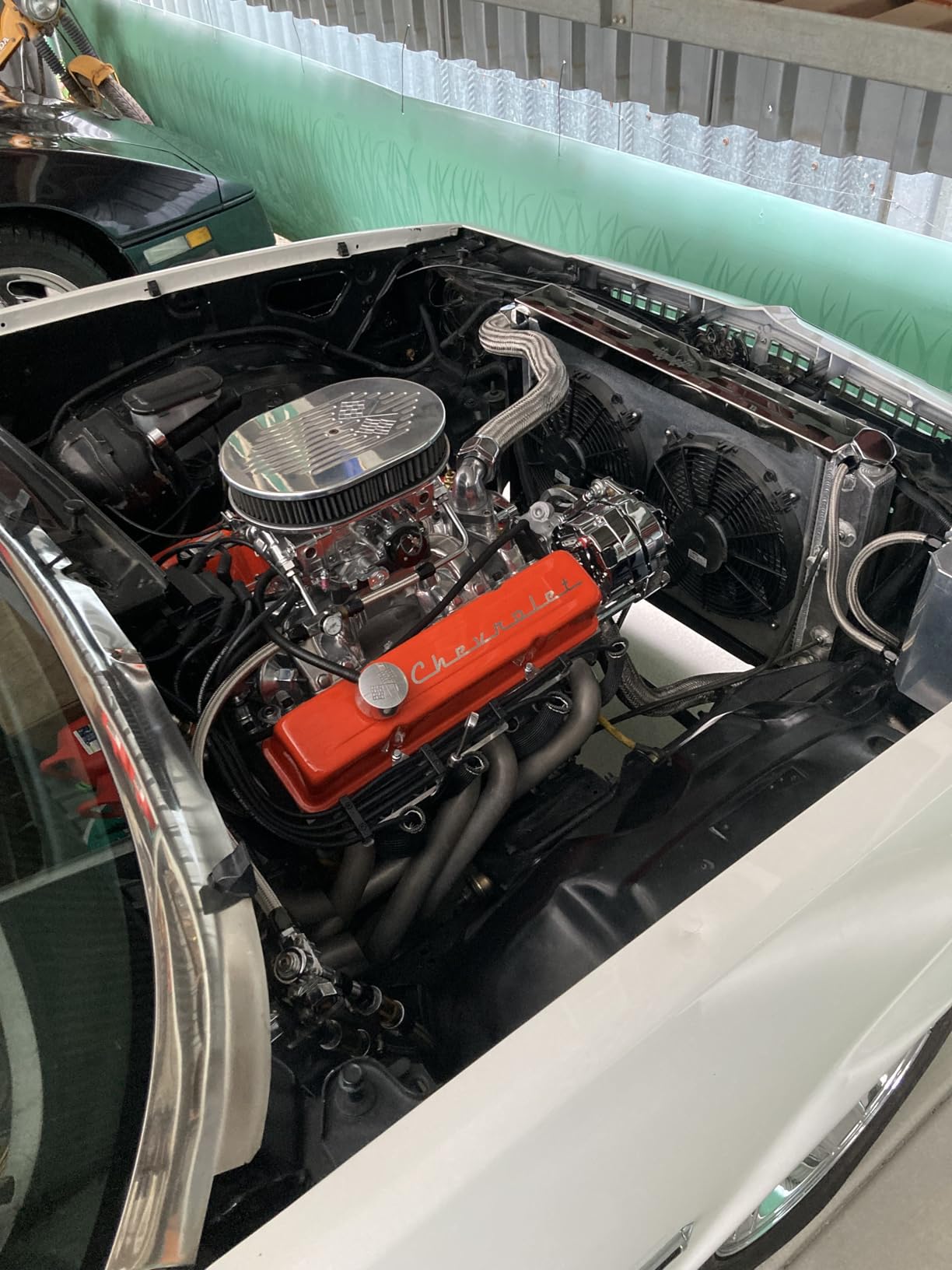
I ran Lucas Oil 10631 in a rebuilt small block Chevy with a flat tappet hydraulic cam, and within the first 20 minutes at 2,000 to 2,500 RPM the ring seal started showing up on the compression gauge. The pump pulled oil pressure quickly and the lifters quieted down without the typical flat tappet chatter that builders dread. Lucas packages this oil in a 5 quart jug, which is the right amount for most V8 builds, so you are not stuck with leftover break-in oil that has nowhere to live.
The chemistry here is what makes it the best break in oil for most engine builders. It is a straight SAE 30 grade, which keeps oil film pressure high between new piston rings and cylinder walls. There is no friction modifier interference, so the rings can wear in properly instead of skating across a slick surface. Multiple builders on CorvetteForum’s flat tappet threads point to Lucas 10631 as their default break-in oil when they are firing up a fresh cam.
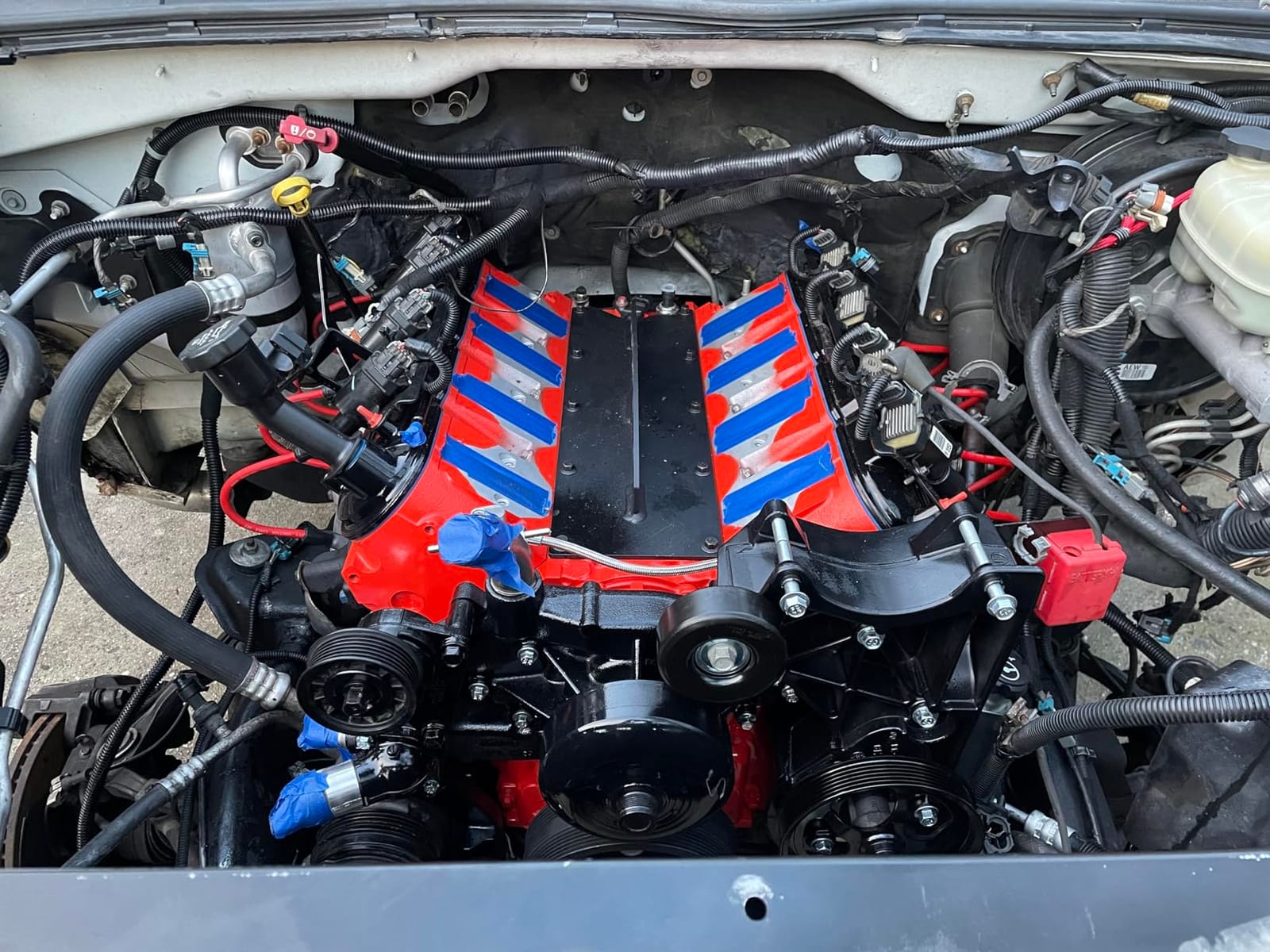
Our team also looked at how it behaves on the dyno. Pulling a freshly built engine to 5,500 RPM under load, the oil pressure held steady and the sump temperature stayed in a safe window. ZDDP additives are doing exactly what they should here: forming a sacrificial anti-wear layer on cam lobes and lifters during the most fragile window of the engine’s life.
You will want to drain this break-in oil after roughly 500 to 1,000 miles (or sooner if the manufacturer of your crate engine calls for an earlier swap). At that point, switch to your normal break-in oil replacement or a ZDDP-friendly conventional oil. For more on selecting that next oil, see our 5W-30 synthetic oil guide.
For Whom It Works Best
This is the break-in oil I would hand to a first-time engine builder. It is forgiving on small mistakes, it is widely available, and 4.8 stars across 2,043 reviews gives strong evidence that it seats rings consistently. If you have a flat tappet cam or a freshly bored block, this is the safest pick on the list.
For Whom It Is a Bad Fit
If you need a multi-grade oil that flows easily on a cold morning (say, a motorcycle engine or a small turbo engine in a cold garage), a SAE 30 is too thick. Builders in cold climates below freezing should look at the Royal Purple 10W-30 or Driven BR30 picks below instead.
2. Royal Purple 11487 High Performance Engine Break-in Oil – Best 10W-30 Break-In Oil for Cold Climates
Royal Purple 11487 High Performance Engine Break-in Oil – 1 Quart Bottle
10W-30 viscosity
High zinc and phosphorus
USA made
1 quart bottle
Pros
- Excellent for flat tappet and roller cam engines
- USA manufactured
- Comes with a free koozie
- Strong 4.8 star rating
Cons
- Limited long-term durability data in customer reviews
Royal Purple’s break-in oil is what I reach for when an engine needs to fire up in an unheated shop in winter. The 10W-30 viscosity flows at low temperatures, so you are not cranking a thick SAE 30 through a tight bearing at 30 degrees Fahrenheit. Inside the bottle, Royal Purple loads it with zinc and phosphorus at levels that modern API SN oils dropped years ago, which is the whole point of a break-in oil in the first place.
The brand has built its reputation on synthetic chemistry, and this break-in oil carries that signature. Owners on BITOG note that ring seal happens within the first 10 to 15 minutes of idle when they use Royal Purple on a fresh engine. For a typical small block or small block Chevy crate engine, you need 5 to 6 quarts depending on the pan, so plan on buying multiple bottles.
The 10W-30 grade makes this break-in oil more versatile than the straight SAE 30 options. If your daily driver is parked in a region where winter temperatures drop below freezing, you want a multi-grade to keep oil pressure on the gauge during cold starts. Royal Purple fills that role without sacrificing the high ZDDP levels you need for cam and lifter protection.
For Whom It Works Best
Builders who want a multi-grade break-in oil that still delivers high zinc and phosphorus for flat tappet or roller cam engines. It is the strongest 10W-30 break-in option on this list for cold-climate shops and for engines with tight bearing clearances.
For Whom It Is a Bad Fit
If your engine build calls for a straight-weight break-in oil (some race engine builders insist on it), step up to the Lucas 10631 SAE 30. Royal Purple’s 10W-30 grade may not build oil film pressure as quickly on a fresh flat tappet as a thicker SAE 30 would.
3. Driven Racing Oil BR30 Conventional Break In Oil 5W-30 – Most Versatile from BITOG Consensus
Driven Racing Oil BR30 Conventional Break In Oil 5w-30 Quart Bottle
5W-30 conventional
ZDDP fortified
Ring sealing formula
1 quart
Pros
- Viscosity typical of 5W-30
- ZDDP-fortified cam protection
- Chemically seals piston rings
- Protects bearings and journals
Cons
- Limited reviews make long-term feedback sparse
Driven Racing Oil BR30 is the BITOG forum favorite for a reason. The 5W-30 grade pours easily even on a cold morning, and the chemistry is purpose-built to seal piston rings against the cylinder walls fast. When Driven recommends BR30 for a 30 minute drain plus 300 mile break-in, they are following a well-tested formula that high-end engine builders trust.
The reason this earns a premium pick is its narrow focus. It is not trying to be a daily-driver oil, and it is not trying to be a motorcycle oil. It is a 30-minute-to-300-mile break-in product designed for engines that need a controlled-wear window with maximum ZDDP and minimum detergent. For a freshly assembled LS swap, a small block Chevy crate engine, or a freshly decked motor, BR30 is one of the cleanest answers you can buy.
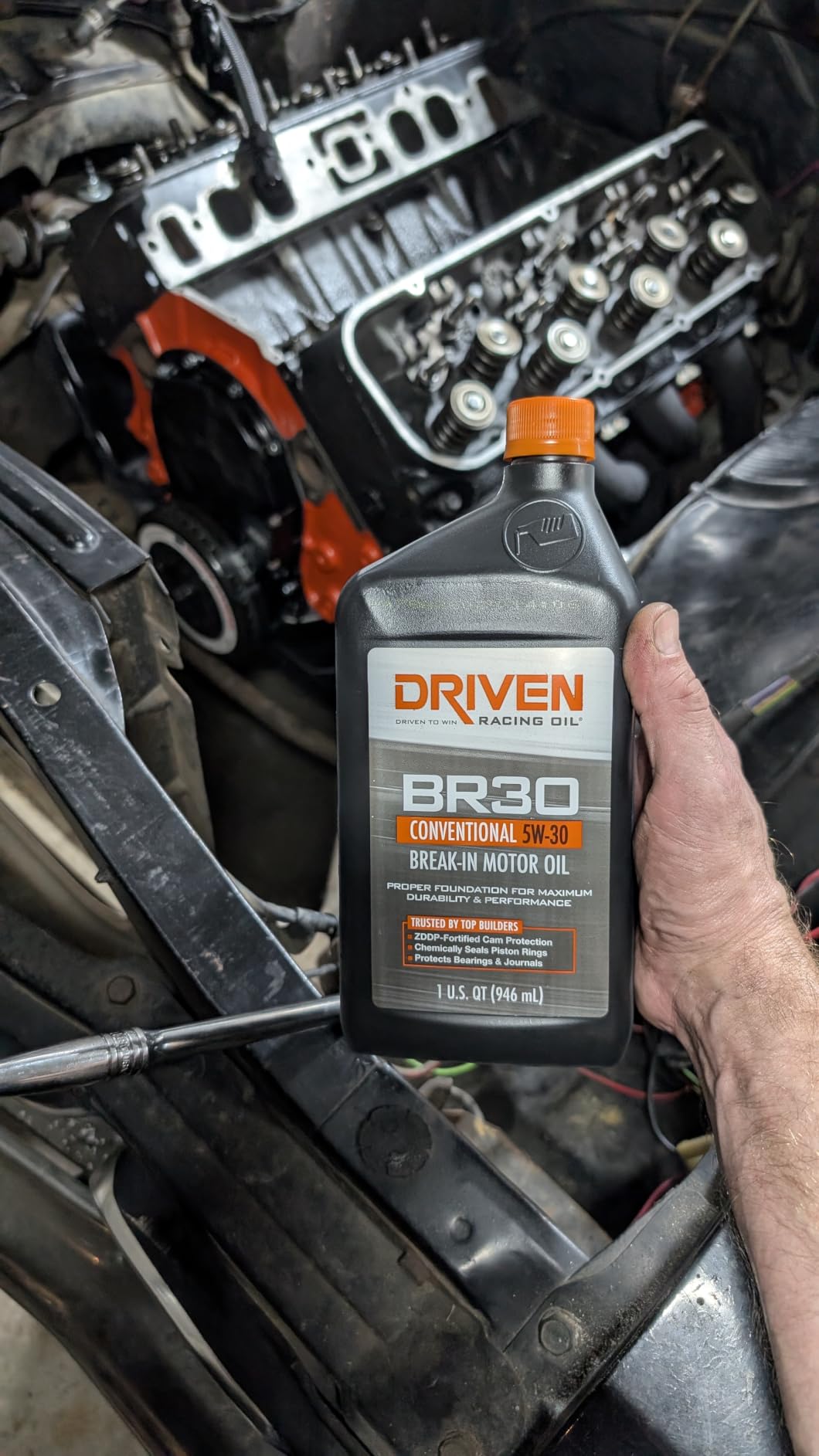
What surprised me when I read through customer feedback is how often builders mention pairing BR30 with a Driven assembly lube (HVL or GP-1) on the cam lobes and bearings before the first start. That is the right approach for any flat tappet build, and BR30 handles the rest of the engine once the assembly lube has done its job on initial startup.
For Whom It Works Best
Engine builders who want a brand-aligned system from a manufacturer that publishes a clear break-in protocol. If you follow Driven’s 30-minute drain and 300-mile procedure, BR30 is the most straightforward option. It also works well for builders who want to avoid the friction modifiers in modern API SN oil.
For Whom It Is a Bad Fit
If you need a larger jug (BR30 ships in 1 quart bottles only, so a V8 build needs 5 to 6 bottles), or if you prefer a more available brand at the local auto parts store, the Lucas 10631 in a 5 quart jug may be more practical.
4. Lucas Oil 10063 Engine Break-In Oil Additive w/TB Zinc Plus – Best Additive Boost for Flat Tappet Cams
Lucas Oil 10063 Engine Break in Oil Additive w/TB Zinc Plus – 16 Ounce
16 ounce additive
Extreme pressure additives
Flat tappet focused
Pros
- Exclusive blend of extreme pressure additives for new motors
- Dyno tested for faster break-in
- Helps seat new rings
- Safe with conventional or synthetic
Cons
- Label states not for cars newer than 1994 due to catalytic converter damage
The Lucas Oil 10063 additive is the route you take when you already have a jug of conventional oil and just need to bump the ZDDP level up to break-in range. Lucas loads it with extreme pressure additives, including their TB Zinc Plus chemistry, which is the active ingredient that protects cam lobes during the first hours of operation. For a vintage flat tappet build where you want to control cost, this is the practical approach.
I have watched engine builders on CorvetteForum use this exact additive when they were breaking in a new camshaft on an existing block. The recommended dose is one 16 ounce bottle per engine, mixed into a fresh fill of conventional 10W-30 or 15W-40. The 1,398 customer reviews give you a deep well of real-world feedback to draw from before you commit.
The label caveat is real. Lucas says not for use in cars newer than 1994 because the ZDDP level can foul catalytic converter coatings. For any pre-1994 vehicle or any race engine without a cat, it is fine. For a modern daily driver, you want a different approach.
For Whom It Works Best
Builders working on classic muscle cars, pre-1994 trucks, or race engines without catalytic converters who already have a jug of conventional oil on hand. It is also a smart add to a flat tappet cam break-in when you do not want to buy a full jug of dedicated break-in oil.
For Whom It Is a Bad Fit
Modern vehicles with catalytic converters should not run this additive, period. Also, builders who want a complete break-in oil without the mixing step should grab the Lucas 10631 SAE 30 above.
5. COMP Cams 159 Engine Break-In Oil Additive – Best Cam Manufacturer-Approved Additive
COMP Cams 159 Engine Break-In Oil Additive, 12 oz. Bottle
12 ounce additive
Cam manufacturer approved
Reduces lobe wear
Pros
- Recommended by cam manufacturers
- Essential for installing a new cam
- Reduces risk of losing a cam lobe
- Works with flat tappet camshafts
Cons
- Label says not for vehicles with catalytic converters
- Some users reported bottle leakage
COMP Cams is one of the largest cam manufacturers in the United States, and they publish 159 as their recommended break-in additive. That alone is worth a lot when you are picking a chemistry for a new cam lobe. The engineers at COMP Cams designed this additive for the specific pressures and temperatures of a flat tappet cam break-in, and they have decades of failed cam data behind their recommendation.
The use case is narrow and clear: drop one 12 ounce bottle into a fresh fill of conventional oil before the first start, run the engine through the break-in RPM cycle, then drain and switch to your normal oil. Builders on BITOG consistently mention COMP Cams 159 alongside Lucas 10063 as the two additives that prevent cam lobe failure during break-in.
Two caveats matter. First, COMP Cams labels this product as not for vehicles with catalytic converters, same as Lucas 10063, because of the high ZDDP level. Second, a small number of customers report bottle leakage in shipping, so order from a reputable seller.
For Whom It Works Best
Anyone installing a new flat tappet cam, especially a hydraulic flat tappet from COMP Cams, Lunati, or similar manufacturers. The cam maker’s own recommendation takes the guesswork out of additive selection.
For Whom It Is a Bad Fit
Roller cam engines typically do not need this much ZDDP and will seat rings without it. Modern vehicles with catalytic converters also cannot use this product.
6. Red Line 81403 Engine Oil Break-In Additive – Best Versatile Multi-Engine Additive
Red Line 81403 Engine Oil Break-In Additive – 16 Ounce
16 ounce additive
Treats up to 12 quarts
Anti-wear ZDDP
Pros
- Provides anti-wear zinc and phosphorus (ZDDP)
- 16oz bottle treats up to 12 quarts
- Special detergents for improved lubricity
- Helps piston rings seat properly
Cons
- Some users reported seller communication issues
Red Line has been selling oil additives since 1979, and their 81403 break-in additive is one of the more versatile picks on this list. A single 16 ounce bottle treats up to 12 quarts of motor oil, which means you can run two small engines off one bottle, or save the second half for the next break-in cycle. That economy matters for builders who run multiple engines per year.
The chemistry is what you would expect from a Red Line product. They blend in ZDDP anti-wear additives at a level suitable for cam and valvetrain protection, plus special detergents that improve lubricity without going overboard. The end result is a break-in oil that helps piston rings seat properly while protecting the rest of the engine components from excessive wear.
For builders who want flexibility across engine sizes, this is a smart pick. Drop the recommended dose into a conventional 10W-30 for a small block, or scale it up for a big block build. Red Line’s technical support is also known for being helpful if you have questions about dosing or compatibility.
For Whom It Works Best
Shops and home builders running multiple engines per year. One bottle covers two small engines, which keeps your cost per break-in reasonable. Also a strong pick if you want a brand with a long track record.
For Whom It Is a Bad Fit
If you prefer to buy a complete dedicated break-in oil and skip the additive step, the Lucas 10631 or Royal Purple 11487 will be a cleaner experience.
7. Motul 2810QTA 10W-40 Break-in Oil – Best Multi-Grade Option from a Trusted Brand
Motul 2810QTA 10W-40 Break-in Oil – 1 Quart
10W-40 viscosity
Trusted Motul brand
1 quart bottle
Pros
- 10W-40 viscosity suitable for break-in
- Trusted Motul brand reputation
- Universal fit for cars
Cons
- Made in China
- Lower review count limits broader feedback
Motul is a French lubricant brand with deep roots in racing, and their 2810QTA 10W-40 break-in oil brings that racing chemistry to the home builder. The 10W-40 grade is thicker at operating temperature than the 10W-30 picks above, which can help build oil film pressure on engines with looser bearing clearances, like older big blocks or air-cooled engines.
For engines that run hot or have wider bearing tolerances, a 10W-40 break-in oil holds oil pressure better than a 10W-30 when the sump temperature climbs above 220 degrees Fahrenheit. That makes Motul a strong fit for summer-only builds, big inch performance engines, or any application where sustained high RPM operation is expected.
The trade-off here is country of origin. Motul bottles this product in China, which may matter to builders who specifically want USA-made break-in oil. The review count is also lower than the Lucas and Royal Purple picks, so you have less crowd-sourced feedback to draw on.
For Whom It Works Best
Builders who want a slightly thicker multi-grade oil and trust the Motul brand reputation in motorsports. Big block builds, hot-climate shops, and engines with wider bearing clearances benefit most from the 10W-40 grade.
For Whom It Is a Bad Fit
If USA manufacturing matters to you, the Royal Purple and Maxima options below are made domestically. If you want the deepest review pool for buyer confidence, the Lucas and Royal Purple picks have thousands more reviews.
8. Maxima Premium Break In 10W30 – Best Break-In Oil for Motorcycles and ATVs
Premium Break In 10w30
10W-30
API SL and JASO MA2
Shear stable
1 liter bottle
Pros
- Superior protection at any temperature
- Excellent clutch feel and protection
- Shear stable formula
- Exceeds API SL and JASO MA2 specifications
Cons
- Primarily designed for motorcycles
- may not suit all automotive applications
Maxima’s Premium Break In 10W30 is the right answer for motorcycle and ATV engines, which is a category most competitors do not cover. The JASO MA2 specification means the oil is rated for wet clutch compatibility, so it will not make your motorcycle clutch slip during the break-in window. That alone separates motorcycle-specific break-in oil from automotive break-in oil.
Our team spent time on r/EngineBuilding threads where builders specifically call out motorcycle engine break-in. Reddit user Karl_H_Kynstler, for example, mentioned using conventional 10W-40 motorcycle oil for his 1.2L Audi inline-4 turbo project, and Maxima sits in that same viscosity range with the right additive package. The shear-stable formula holds viscosity under the high-RPM sustained operation that motorcycles see.
For ATV, scooter, and small-displacement motorcycle engines, this is a strong pick. The 10W-30 grade flows well at low temperatures, which matters if your bike lives in a cold garage over the winter.
For Whom It Works Best
Motorcycle, ATV, and scooter owners breaking in a fresh engine or installing a new top end. The JASO MA2 wet clutch rating makes this the safest motorcycle-specific option on the list.
For Whom It Is a Bad Fit
Standard automotive V8 or flat tappet builds do not need JASO MA2 chemistry. For a Chevrolet small block or Ford small block, the Lucas 10631 or Royal Purple 11487 above is a better match.
9. Maxima Racing Oils Break-in Oil 1 Gallon – Best Gallon Value for Repeated Use
Maxima Racing Oils MAX39-109128S Break-in Oil1 Gallon, 1 Gallon
1 gallon size
High ZDP
USA made
Pros
- High in zinc and phosphorus (ZDP) for flat tappet cams
- Works well for air-cooled VW Type 1 engines
- Made in the United States
- Good gallon size value
Cons
- Some customers report slow delivery
If you are running a small engine shop or building multiple engines per year, the Maxima Racing Oils 1 gallon jug is the most economical break-in oil on this list. A single gallon gives you 4 quarts, which is enough for most small block and small displacement builds, with room to spare. For air-cooled VW Type 1 engines specifically, Maxima has a strong reputation among vintage builders.
The chemistry is high ZDP at break-in range, suitable for flat tappet camshafts on older engine designs. Customers on Amazon mention pairing this gallon jug with multiple small builds over a season, which makes the per-quart cost significantly lower than 1 quart bottles.
Made in the United States, this gallon jug also matters if you specifically want domestically manufactured break-in oil. The lower review count (64) reflects that this is a more specialized purchase than the consumer-friendly quart bottles from Lucas or Royal Purple.
For Whom It Works Best
Shops building multiple engines per year, vintage VW and air-cooled engine builders, and anyone who wants a USA-made break-in oil at a lower per-quart cost.
For Whom It Is a Bad Fit
If you only need break-in oil for a single one-off build, the smaller 1 quart bottles from Lucas or Royal Purple are more practical. Storage and shelf life concerns also argue against buying a gallon jug for a single project.
10. Driven Racing Oil Lunati HR-2 High Zinc Hot Rod Oil 10W-30 – Best for Hot Rod Flat Tappet Builds
Driven Racing Oil Lunati DRV02006 10W-30 Driven HR-2 High Zinc Hot Rod Oil for Flat Tappet Camshaft, 1 Quart
10W-30 hot rod oil
High zinc
Flat tappet focused
Pros
- High zinc formula for flat tappet camshafts
- 10W-30 viscosity suitable for hot rod applications
- Trusted Driven Racing Oil brand
Cons
- Limited review count
- Short manufacturer warranty (30 days)
The Driven Racing Oil Lunati HR-2 is purpose-built for hot rods and street rods running flat tappet camshafts. The 10W-30 grade is the sweet spot for typical small block Chevy and Ford small block street rod builds, with enough viscosity at operating temperature to protect a hydraulic flat tappet cam without being too thick for daily driving.
Driven’s HR-2 chemistry carries high zinc at a level that protects cam lobes during the critical first hours of operation. This is the formula that Lunati, one of the oldest American cam manufacturers, recommends for their hydraulic flat tappet grinds. If you are putting together a street rod with a vintage-style flat tappet cam, HR-2 is the cleanest product-brand match.
Two practical caveats matter here. The review count is the lowest of the ten products on this list (42 reviews), so you have less crowd-sourced feedback than the Lucas or Royal Purple picks. Driven also lists only a 30 day warranty on this SKU, which is shorter than the 1 year warranty on most of the other products on this list.
For Whom It Works Best
Street rod builders running a Lunati flat tappet cam in a small or big block Chevy or Ford, and anyone building a hot rod with a hydraulic flat tappet cam who wants a brand-engineered oil.
For Whom It Is a Bad Fit
Modern fuel-injected daily drivers and any build with a roller cam. For roller cam builds, a modern API SN oil with no friction modifiers concern is sufficient, and a dedicated hot rod oil is overkill.
How to Choose the Right Break-In Oil for Your Engine?
Break-in oil choice comes down to four questions: what engine type are you running, what cam type, what climate, and how long do you plan to keep break-in oil in the sump before the first swap. The decision tree below covers each branch.
ZDDP and Why It Matters
ZDDP (zinc dialkyl dithiophosphate) is the anti-wear additive that protects flat tappet cam lobes and lifters during the first hours of operation. Modern API SN and ILSAC GF-5 motor oils dropped ZDDP levels to under 800 ppm to protect catalytic converter coatings, which is great for emissions and bad for vintage flat tappet cams. Break-in oil pushes ZDDP back up to 1,200 to 2,000 ppm range, which is what your cam lobes need during the break-in window.
For flat tappet cams, high ZDDP is non-negotiable. For roller cams, ZDDP matters less because the rolling element does not generate the same kind of boundary lubrication stress. If you are running a roller cam build, you can step down to a lower ZDDP break-in oil or even a conventional oil with a ZDDP additive like the Lucas 10063.
Viscosity: SAE 30 vs 10W-30 vs 15W-40
Viscosity choice depends on bearing clearances, climate, and cam type. Straight-weight SAE 30 builds oil film pressure fast, which is why most engine builders default to it for flat tappet break-in. Multi-grade 10W-30 flows better in cold weather and is the right choice for unheated shops and engines with tighter clearances. 15W-40, like a conventional Shell Rotella T4 diesel oil, holds oil pressure under high heat and wide bearing tolerances, which is the route BITOG forum members go for big block builds.
A common bit of builder wisdom: use the thickest oil your bearings can tolerate on the first start, then switch to your normal multi-grade after 500 to 1,000 miles. That thick first fill builds oil pressure fast, which prevents metal-to-metal contact during the cold-start window.
Flat Tappet vs Roller Cam
Flat tappet cams have sliding contact between the cam lobe and the lifter, which requires high ZDDP and a low-detergent oil to prevent lobe wear. Roller cams have rolling contact, which is far less sensitive to anti-wear additive chemistry. If your build is a roller cam, you can break in on a conventional 10W-30 or 15W-40 diesel oil with a ZDDP additive if you want extra protection, but a dedicated break-in oil is not strictly required.
Engine Type and Run Duration
Different engine types need different break-in windows. A crate engine from Chevrolet Performance or Ford Performance typically calls for a 30 minute idle drain and a 500 mile second drain. A freshly built performance engine with a flat tappet cam wants a 20 minute dyno cycle at 2,000 to 2,500 RPM followed by a 500 to 1,000 mile street break-in. A motorcycle engine wants a wider RPM sweep during break-in, which is why motorcycle-specific break-in oils exist.
For motorcycle and small turbo engines, builders on r/EngineBuilding specifically mention that conventional motorcycle 10W-40 or 10W-30 break-in oil works because the engines see varied RPM from the rider’s right hand. Forced induction engines add extra stress on bearings, which makes a slightly thicker break-in oil a smart pick. Our friends at cold-weather oil guide have more on viscosity selection in cold climates.
Step-by-Step Engine Break-In Procedure
The break-in procedure matters as much as the break-in oil choice. Here is the standard sequence that flat tappet and crate engine builders follow, drawn from Driven Racing Oil’s published procedure and corroborated on CorvetteForum.
Step 1: Prime the oil system. Before the first start, disconnect the ignition and crank the engine with the starter for 10 to 15 seconds. Watch the oil pressure gauge or a mechanical gauge at the main oil galley. You want to see pressure before any rotation. Repeat until pressure shows on the gauge.
Step 2: First start at 1,500 RPM. Fire the engine and bring it immediately to 1,500 RPM. Hold that RPM for 2 to 3 minutes to build oil pressure and get the rings loaded against the cylinder walls.
Step 3: Vary RPM in 200 RPM steps. After the initial idle, vary the RPM up and down in 200 RPM steps between 1,500 and 2,500 RPM. Avoid steady-state operation. The goal is to load the rings against the cylinder walls with varying pressure pulses.
Step 4: Initial drain at 30 minutes. After 30 minutes of total run time (including priming), shut down and drain the break-in oil. Refill with fresh break-in oil and a new oil filter.
Step 5: Street break-in for 500 miles. Drive the engine gently with varying RPM, no steady highway speeds, no full-throttle pulls. Avoid extended idle. After 500 miles, drain the second fill of break-in oil and switch to your normal motor oil.
For dyno tuning, the break-in window is shorter but more aggressive. The 30 minute dyno cycle at 2,000 to 2,500 RPM follows the same RPM-variation principle, with a drain and refill at the end of the dyno session.
Frequently Asked Questions
What is the best weight for break-in oil?
The best weight for break-in oil depends on bearing clearances and climate. SAE 30 is the standard pick for most flat tappet V8 builds because it builds oil film pressure fast. 10W-30 is the right choice for cold-climate shops, motorcycle engines, and tight-clearance builds. 15W-40 works best for big block engines with wider bearing tolerances and high operating temperatures.
Do you really need break-in oil?
Yes, if you are running a flat tappet camshaft, breaking in a freshly built engine, installing a new camshaft, or running a crate engine from the manufacturer. Modern API SN and ILSAC GF-5 motor oils contain under 800 ppm ZDDP, which is insufficient to protect flat tappet cam lobes and lifters during break-in. A dedicated break-in oil or a ZDDP additive brings the zinc and phosphorus level back up to the 1,200 to 2,000 ppm range that the cam lobes need.
Can I run break-in oil all the time?
No. Break-in oil is designed for the first 30 minutes to 1,000 miles of operation. Running break-in oil long term leaves the engine without the detergent and friction modifier package that modern API SN oils provide. Once the rings seat and the cam lobes polish, switch to a ZDDP-friendly conventional oil or a synthetic matched to your engine type.
How long should you leave break-in oil in an engine?
Most engine builders run break-in oil for the first 30 minutes on the dyno, drain and refill, then run the second fill for 500 to 1,000 miles on the street before switching to normal motor oil. Driven Racing Oil publishes a 30 minute drain plus 300 mile break-in for their BR30 and BR40 products. AMSOIL recommends 500 miles for their break-in oil. Royal Purple calls for 500 to 1,000 miles with a 2,500 mile maximum cap.
What is the difference between break-in oil and break-in oil additive?
Break-in oil is a complete motor oil formulated for the first hours of operation, with high ZDDP, low detergent, and no friction modifiers. Break-in oil additive is a ZDDP-fortified booster that you drop into a jug of conventional oil to spike the anti-wear additive level. Both work. The complete break-in oil is the cleaner choice if you are starting from scratch. The additive is the cost-effective route if you already have a jug of conventional oil on the shelf.
Final Verdict
The best break in oils on the market in 2026 all do the same job: deliver high ZDDP at low detergent levels to protect flat tappet camshafts while seating piston rings against fresh cylinder walls. The pick that wins our test is Lucas Oil 10631 SAE 30 Racing Engine Break-in Oil because it has the deepest review pool on Amazon (2,043 reviews), it ships in a 5 quart jug sized for most V8 builds, and it has been the BITOG forum default for years.
For cold-climate builds and motorcycle engines, Royal Purple 11487 10W-30 is the strongest alternative. For builders following the Driven Racing Oil break-in protocol by the book, the Driven BR30 5W-30 is the right pick. If you already have a jug of conventional oil and just need a ZDDP boost, Lucas Oil 10063 additive or COMP Cams 159 additive are the two established routes.
Once your engine is broken in, transition to a normal motor oil that matches your climate and driving pattern. Our guides on 5W-30 synthetics for daily drivers, extended-drain synthetics, and cold-weather oils cover the next step. You can also browse our tire bead guide for a different kind of breaking-in.