
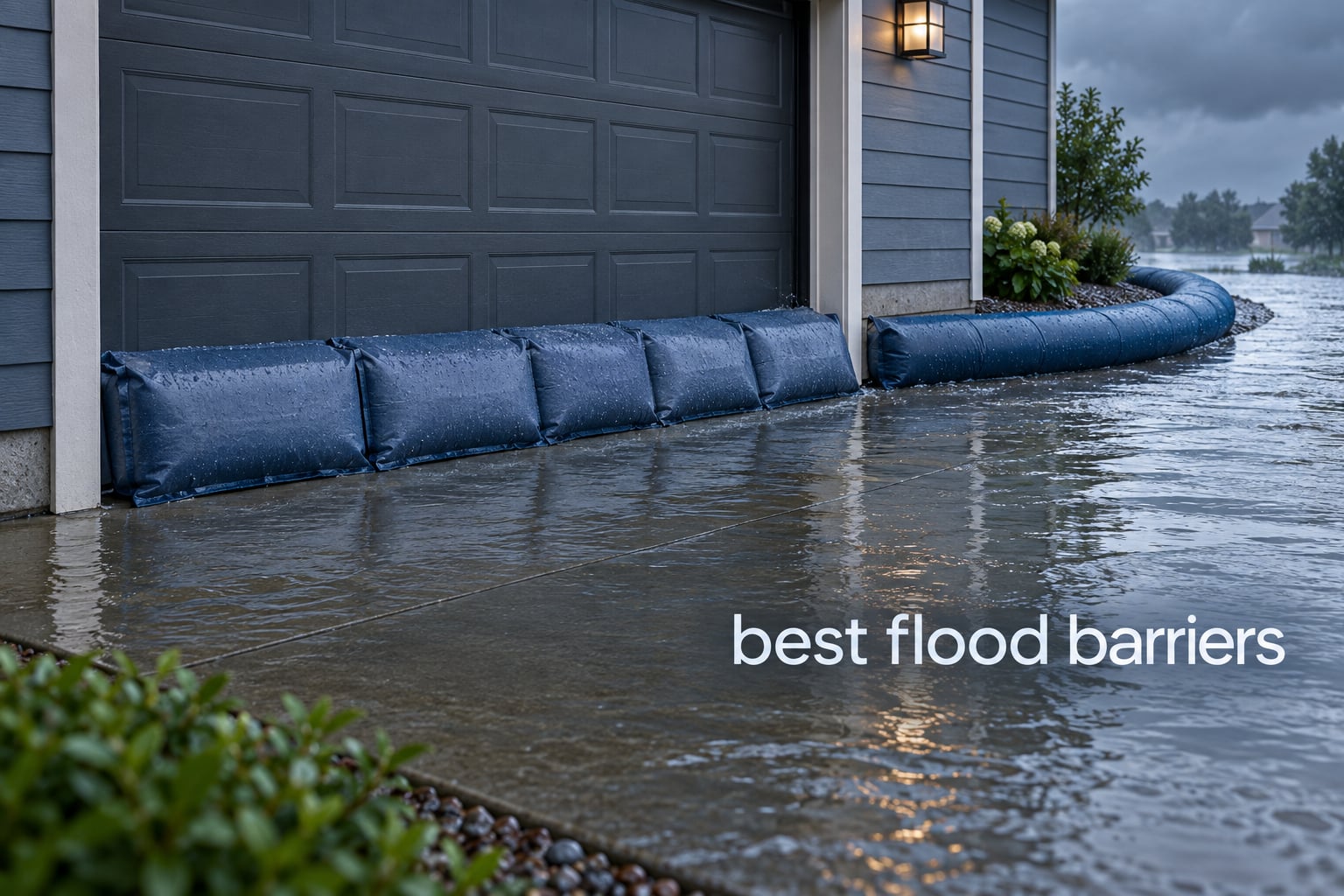
Every flood barrier on this list is a real product you can buy today, and every one of them has a documented weakness. That is the point. The pages ranking for best flood barriers right now are almost entirely manufacturers listing their own catalogs, every one of them 100% positive, none of them telling you what fails.
I spent weeks reading the spec sheets, certification listings and owner reviews behind these 10 picks, and I grouped them the way homeowners actually search: doorway, garage, basement, and whole-opening protection. If you only have a few hours of warning, that grouping matters more than any brand loyalty. A barrier you cannot get up in time is worth exactly nothing. Everything below was re-checked for 2026.
Two things before we start. First, every specification below comes from manufacturer documentation and published review data, not from our own field trials, and we say so plainly wherever a rating is editorial judgement rather than a lab result. Second, there is a limit to what any barrier can do, and I want to set that expectation early: a flood barrier holds back standing water up to its rated height. It does not stop rushing water, groundwater coming up through a slab, or a backed-up sewer line. Get that straight first and the rest of this guide makes a lot more sense.
If you are also trying to keep the envelope of your home tight against heat and moisture, our radiant barrier insulation picks cover the other half of that problem.
Table of Contents
What Is a Flood Barrier?
A flood barrier is a temporary or permanent dam placed in front of a building opening or around a property to hold floodwater out. Unlike a pump, it does not remove water, it blocks it, and most designs use the weight and pressure of the water itself to stay in place.
That self-anchoring behaviour is the whole engineering idea. A water-filled tube or a rigid panel gets heavier and more stable as the water level rises against it, so the barrier becomes stronger at exactly the moment it is being tested. Water-activated bags work differently: they swell and set on contact with water, forming a low dam you can lay across a doorway in minutes.
The Five Types of Flood Barriers and How to Choose
Most buying confusion happens because people compare a 5-foot water-activated bag against a 6-foot water-filled tube as if they were the same object. They are not. There are five broad types, and each has a different failure mode.
Water-activated bags. Flat fabric tubes filled with absorbent polymer and cellulose. They store in a closet, swell to 3 or 4 inches within minutes of contact, need no sand, and are the cheapest way to protect a doorway. Their limit is depth: 3 to 4 inches of head is all you get, and most cannot be used in salt water or chlorine.
Water-filled tubes. Vinyl or rubber diversion tubes you fill with a hose. They are reusable indefinitely, weigh 60 pounds or more when working, and are the best tool for redirecting sheet flow across a driveway or patio. They divert rather than seal, and they roll on sloped ground unless anchored.
Threshold and door seals. Low PVC or rubber strips bonded to a garage door track or doorway sill. They stop road water, wind-driven rain and debris without any deployment time at all, but they only ever protect the bottom inch or two of an opening.
Doorway flood guards. Adjustable frames, typically steel with a neoprene sleeve, that clamp or screw into a doorway to make it watertight while leaving step-over access. These are the only consumer product that genuinely seals an opening, and the price jump reflects it.
Modular panel and plank systems. Interlocking aluminium or composite panels stacked in permanently installed posts. They offer the greatest protection height of any portable option and need no water, but they cost the most, take the most labour, and are usually specified for commercial openings.
Choose by water behaviour first, then by opening width, then by how much warning you realistically get. Everything else is preference.
Top 3 Flood Barrier Picks
These three cover the most common situations and have the deepest review histories behind them, which is why we trust their specifications most.

Quick Dam 5ft Water Activat…
- Swells to 3.5 inches in minutes
- Dual chamber design resists rolling
- 10 feet of coverage per pack

Quick Dam 12 x 24 inch…
- Reaches 3.5 inches high
- Works in shaped layouts
- Lightweight off-season storage

HydraBarrier Standard 6ft Tube
- Fills with a garden hose
- Reusable and drains flat
- Connects for longer runs
All 10 Best Flood Barriers at a Glance (September 2026)
Every barrier listed here, with the numbers that actually determine whether it fits your opening.
| Product | Specs | Action |
|---|---|---|
| Quick Dam Water Activated 5ft Barrier, Pack of 2 |
|
Check Latest Price |
| Quick Dam 12 x 24 inch Water Activated Flood Bags, 6-Pack |
|
Check Latest Price |
 Flibyt 5FT Water Activated Flood Barriers, 2-Pack Flibyt 5FT Water Activated Flood Barriers, 2-Pack |
|
Check Latest Price |
| HydraBarrier Ultra 24ft x 6in Diversion Tube |
|
Check Latest Price |
 GaraDry Garage Door Flood Barrier Threshold Seal Kit GaraDry Garage Door Flood Barrier Threshold Seal Kit |
|
Check Latest Price |
 jindouyun 4-Pack 5FT Water Activated Flood Barriers jindouyun 4-Pack 5FT Water Activated Flood Barriers |
|
Check Latest Price |
 Osmo Commercial Grade Flood Barrier, 10ft Osmo Commercial Grade Flood Barrier, 10ft |
|
Check Latest Price |
 GoSports Flood Hero 10ft Water Activated Sandbag GoSports Flood Hero 10ft Water Activated Sandbag |
|
Check Latest Price |
| HydraBarrier Standard 6ft x 4in Diversion Tube |
|
Check Latest Price |
 Quick Dam QDFG35 Doorway Flood Guard Quick Dam QDFG35 Doorway Flood Guard |
|
Check Latest Price |
1. Quick Dam Water Activated 5ft Barrier, Pack of 2 – Best Overall Pick
Quick Dam Water Activated 5ft Flood Barrier, Pack of 2
Grows to 3.5 inches in minutes
10 feet of coverage per pack
1.4 pounds dry
Pros
- Activates in minutes with no sand or labour
- Dual chamber design resists rolling out of position
- Compact enough for a closet over the dry season
- Verified by 6000-plus owner reviews
Cons
- Cannot be used in salt water as chemicals cause deflation
- Limited to 3.5 inches of protection depth
This is the barrier I recommend to anyone who asks me where to start. Ten feet of coverage per pack, 1.4 pounds of dry weight, and a deployment time measured in laying a tube along a threshold. There is no fill step, no crew, and no reason to wait until the night before a storm to open the box.
What sells me is the dual chamber design. A single chamber bag tends to roll and shift as water pushes against it, so you end up walking out in the rain to reposition it. The twin chamber shape resists that, which is the difference between a bag that works and a bag that ends up in the gutter by midnight.
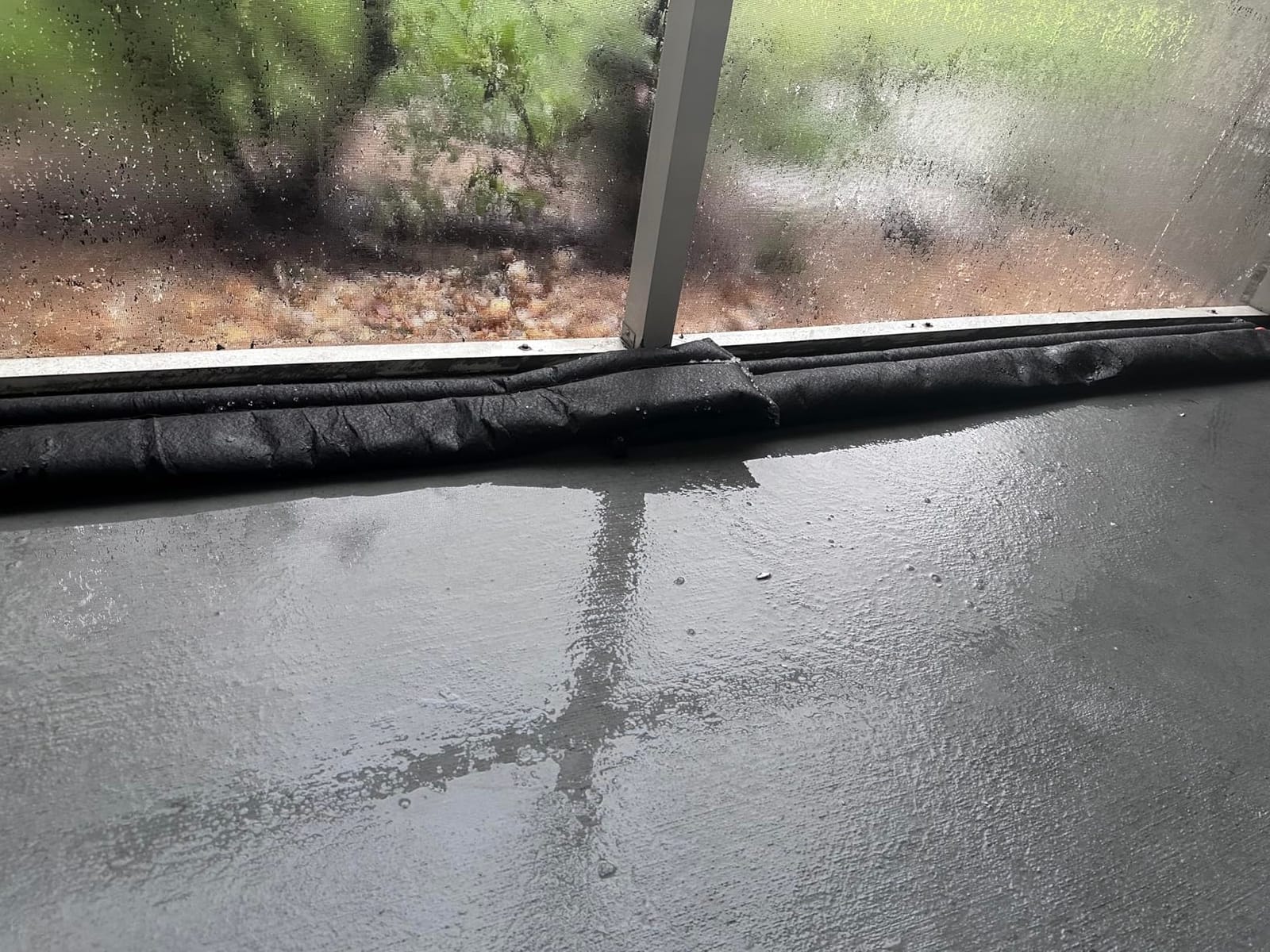
The long, flexible profile is more useful than it sounds. Owners use it around door frames, along garage sills, to contain a leaking water heater, and to divert runoff before it reaches a stairwell. That last application is the one most people miss, and it is the one that protects a basement.
The honest limitation is chemical. The manufacturer states plainly that these must not be used with salt water, and reviews confirm the gel deflates on contact with it. That makes them a poor fit for a direct ocean surge, though they still work inland where the water reaching your door is mostly rain and drain overflow.
Height is the second limitation. Three and a half inches is a puddle control device, not a wall. If your local flood depth routinely exceeds that, you need a filled tube or a rigid system, and buying bags for a four-foot water event is a false economy.
How much warning time do you actually need?
With this barrier, almost none. You can deploy ten feet in the time it takes to carry two boxes from a closet, which means you can wait until rain is visible in the forecast rather than committing to a setup day. For anyone who is not sure they will follow through on an early deployment, that flexibility is the feature that matters most.
When a 3.5 inch barrier is the wrong choice
It is wrong when water pushes against it rather than pooling behind it, when your flood zone is coastal surge rather than inland rainfall, or when the opening you need to close is wider than a standard door. Check your flood zone map before buying, because the depth number on that map is the number that should drive this decision.
2. Quick Dam 12 x 24 inch Water Activated Flood Bags, 6-Pack – Best for Shaped Layouts
Quick Dam 12″ x 24″ Water Activated Flood Bags, 6-Pack
Each bag swells to 12 x 24 x 3.5 inches
6 bags per pack
2.6 pounds dry
Pros
- Short bag shape fits around corners and odd openings
- Same 3.5 inch activated height as the long tube
- Thousands of reviews across a 4.4 average
- Easiest of the group to store off-season
Cons
- Not suitable for salt water
- 6-pack format needs more storage space than a single tube
The difference between this and the 5-foot version is shape, not height. A 12 by 24 inch bag is a short, wide brick, and short bricks are much better at turning a corner. If your doorway has a return wall, a dog-leg entry, or an awkward offset, these will seal a path that a straight tube leaves open.
At 2.6 pounds for six bags you get roughly 15 feet of laid barrier, which covers a generous front entry or a full set of basement stair treads. The activation is the same 3.5 inch swell, so all the same depth caveats apply as above.
Reviewers repeatedly single out how little fuss this is over a full season. They are thin when dry, they roll into a drawer, and nothing rots or degrades while they wait. Several owners mentioned using them indoors for a water heater leak as well as outside for weather, which is a reasonable second life for a pack you own anyway.
Worth knowing: a 6-pack occupies more shelf space than people expect, and once activated the bags stay swollen for weeks. Lay them out of the way if the room is in use, or plan where the water drains once they dry out.
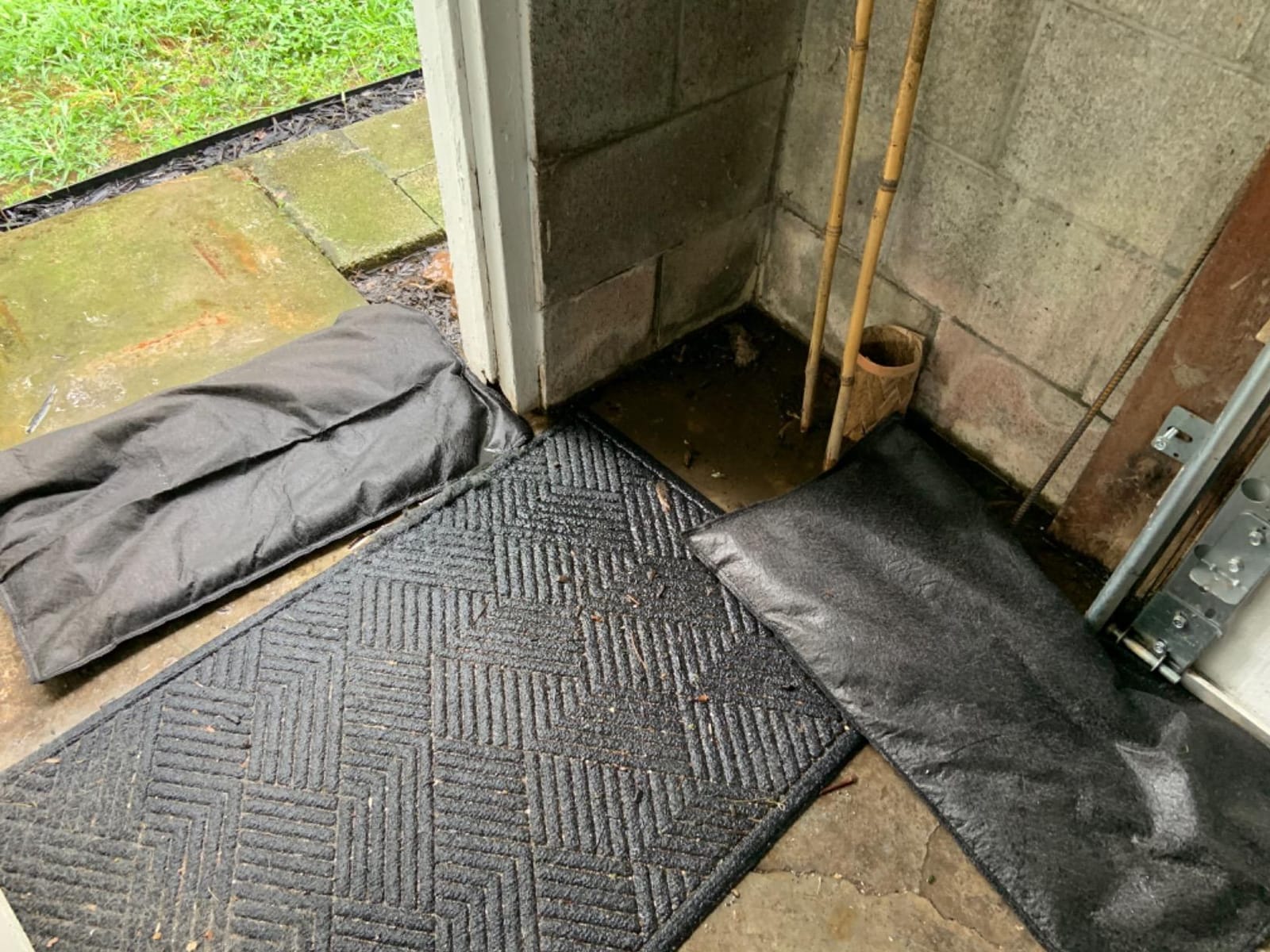
Can one person deploy this alone?
Yes. Each bag weighs 1.4 pounds when dry and goes to roughly 40 pounds when activated, which means you lay the whole run first and then wet it, rather than wrestling swollen bags into position. That order of operations is the same for every water-activated product on this list and it is the reason none of them require a crew.
What this cannot do
It cannot hold back water above 3.5 inches, and it cannot touch salt water. Owners in coastal areas should read the salt water warning carefully and choose a vinyl tube or a rigid system instead. For inland, freshwater doorways this is one of the most dependable cheap options available.
3. Flibyt 5FT Water Activated Flood Barriers, 2-Pack – Best Value Pick
5FT Water Activated Flood Barriers for Home Door, Sandless Sand Bags for Anti Flood Control
Activates to 3 to 4 inches in 5 minutes
About 1.5 pounds dry
Reusable after drying out
Pros
- Only major brand that states it can be dried and reused
- Light enough for one person to place quickly
- Covers basements
- driveways and garden overflow points
Cons
- 4.0 average trails the category leaders
- Some owners report shorter activated life
This is the pick for people who have been burned by a bag that gave up after one storm. The manufacturer states an activated life of three to four months per activation and says outright that the barrier can be dried out and used again, which almost no competitor in this price range claims.
At roughly 1.5 pounds per barrier, it is among the lightest things here, and the 3-to-4 inch swell is at the top of what this class delivers. The manufacturer also lists 24 hour customer support with replacements, which matters when a consumable is your storm plan.
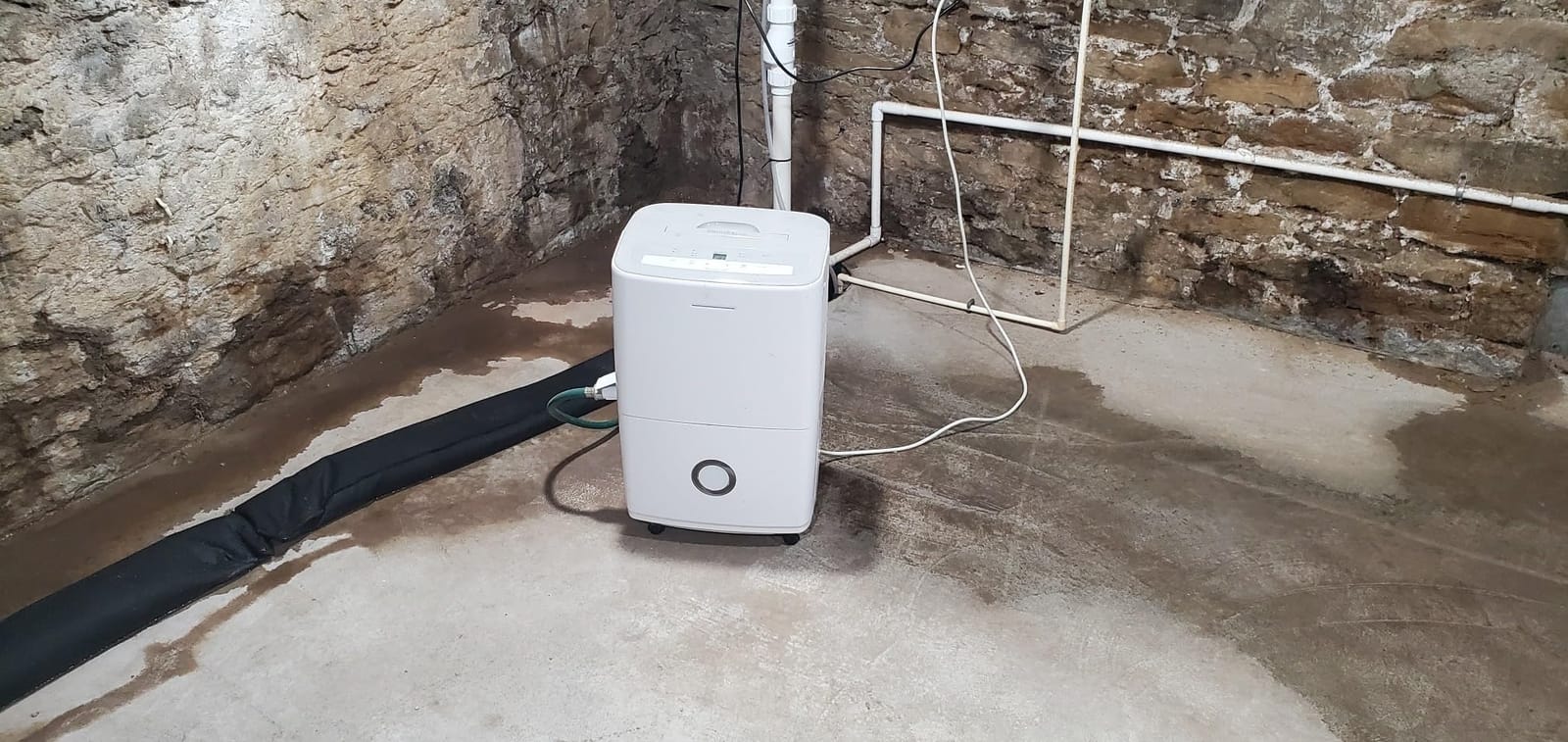
The 4.0 average across 777 reviews tells you something real. The distribution is more spread out than the leaders, with 55 percent five-star but a noticeable one-star slice. Reading those, the recurring complaint is duration rather than performance: the barrier does its job, then softens sooner than a premium bag would.
That is still a defensible trade for most households. A three-month activated window covers essentially every inland flood season, and being able to dry and reuse a barrier is something the two Quick Dam options do not promise.
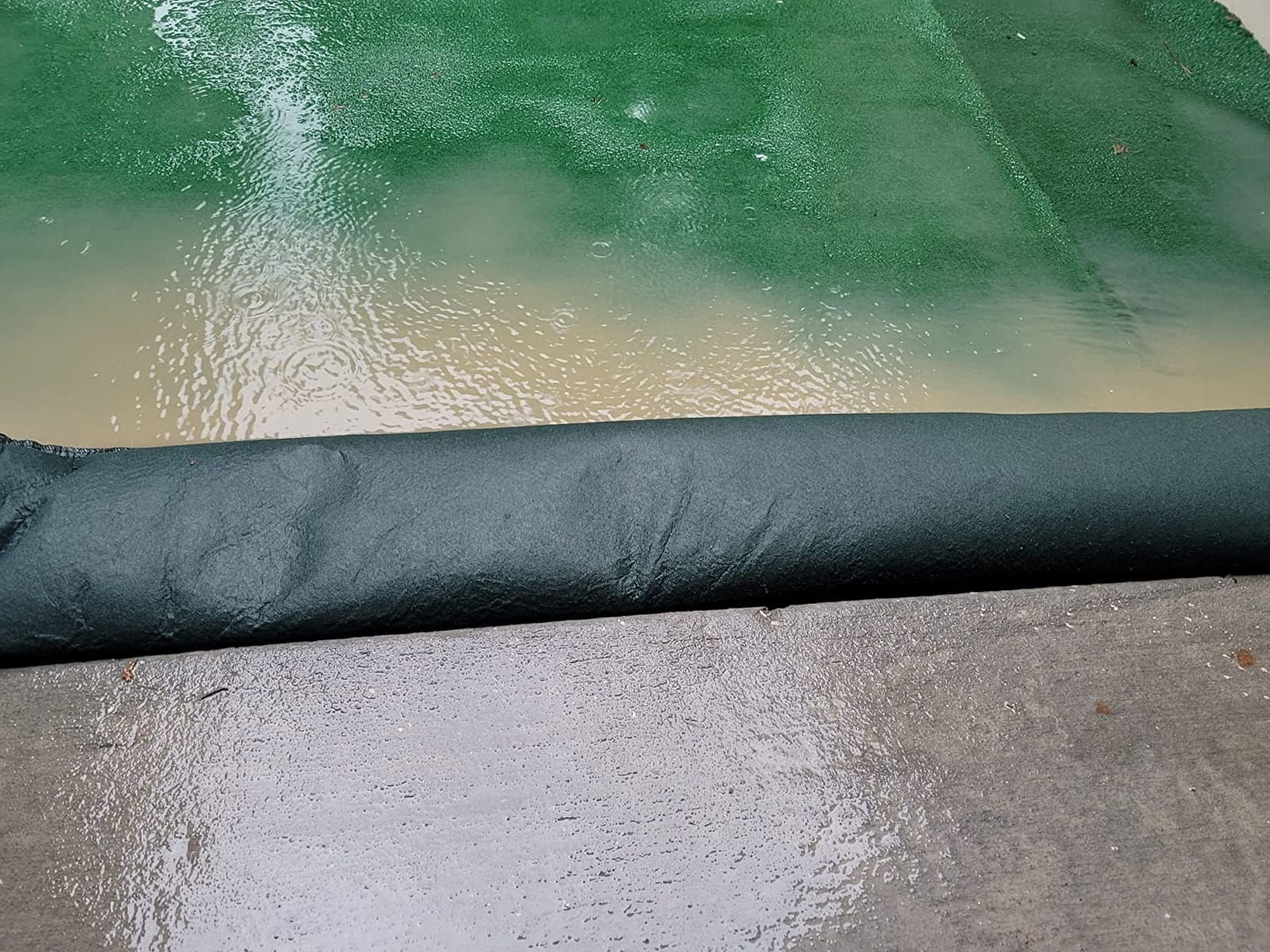
Is reusability worth paying for?
Across forums, reusability is the quality buyers mention most warmly, and a Wrightwood community board post put it plainly, praising water-activated bags because they swell in water and can then be handled and reused rather than hauled away like sandbags. For a household that will face more than one storm, that is a real saving and a real reduction in waste.
Where the lower rating shows up
Look at one-star reviews and they cluster around how long the barrier holds after activation, not around whether it deployed. If you live somewhere with a long wet season and little dry weather in between, this is not the one to buy. If you have a defined storm season, it is a sensible pick.
4. HydraBarrier Ultra 24ft x 6in Diversion Tube – Best for Wide Openings
The Original HydraBarrier Ultra Flood Barrier –24 ft Long x 6 in High – Light, Reusable Sandbag Alternative – Flood Control & Diversion Tube for Home, Garage, Door & Property Protection
Creates a 24 ft by 6 in diversion wall
400 pounds filled with 50 gallons
Industrial strength vinyl
Pros
- Covers a 24 foot span from a single tube
- Reusable indefinitely after draining
- Handles substantially more water volume than any bag
- Connects to other tubes for longer runs
Cons
- Cannot be moved once filled
- Needs anchoring on sloped ground
- Fill valve needs an adapter for a standard hose
Everything else on this list is measured in feet of doorway. This one is measured in feet of property. A single filled tube stands as a 24 foot long, 6 inch high diversion wall, and at 400 pounds when working it has more mass behind it than any bag could ever produce.
The use case is a driveway, a patio edge, or a wide opening where you want to redirect sheet flow rather than seal a hole. Owners report saving garages and finished floors during heavy rain, and the industrial strength vinyl is specified to withstand strong water pressure rather than just holding a static head.
Filling takes about eight minutes with a standard garden hose, and once it is full it stays a 400 pound object. Plan the layout before you fill anything, because that is the one mistake reviewers keep repeating.
Why anchoring is not optional
The most repeated caution in reviews is that this tube rolls. On a sloped driveway, water pushing against 400 pounds of filled vinyl will move it, and a displaced tube no longer diverts anything. Set it on level ground where possible, and place sandbags or bricks along the downhill side before you open the valve.
Diversion is not the same as a seal
Owners are consistent on this point: treat it as a redirection tool, not a watertight dam. There is some seepage along the bottom edge, and a 6 inch height caps how much standing water it can hold. If you need to stop water rather than move it, this is the wrong product and a doorway guard is the right one.
5. GaraDry Garage Door Flood Barrier Threshold Seal Kit – Best for Garage Doors
1 ½” High Garage Door Flood Barrier Threshold Seal Kit (8’3″) | Flexible PVC | Complete Kit Includes 2 Adhesives | GaraDry
1.5 inch high by 8 ft 3 in long
Flexible PVC with included adhesive
5 year manufacturer warranty
Pros
- Highest rated product in this group at 4.5
- Zero deployment time once installed
- Handles vehicles driving over it repeatedly
- 5 year manufacturer warranty
Cons
- Only protects the bottom 1.5 inches
- Dense material is genuinely hard to cut
- Needs roughly 50F to 95F for the adhesive to bond
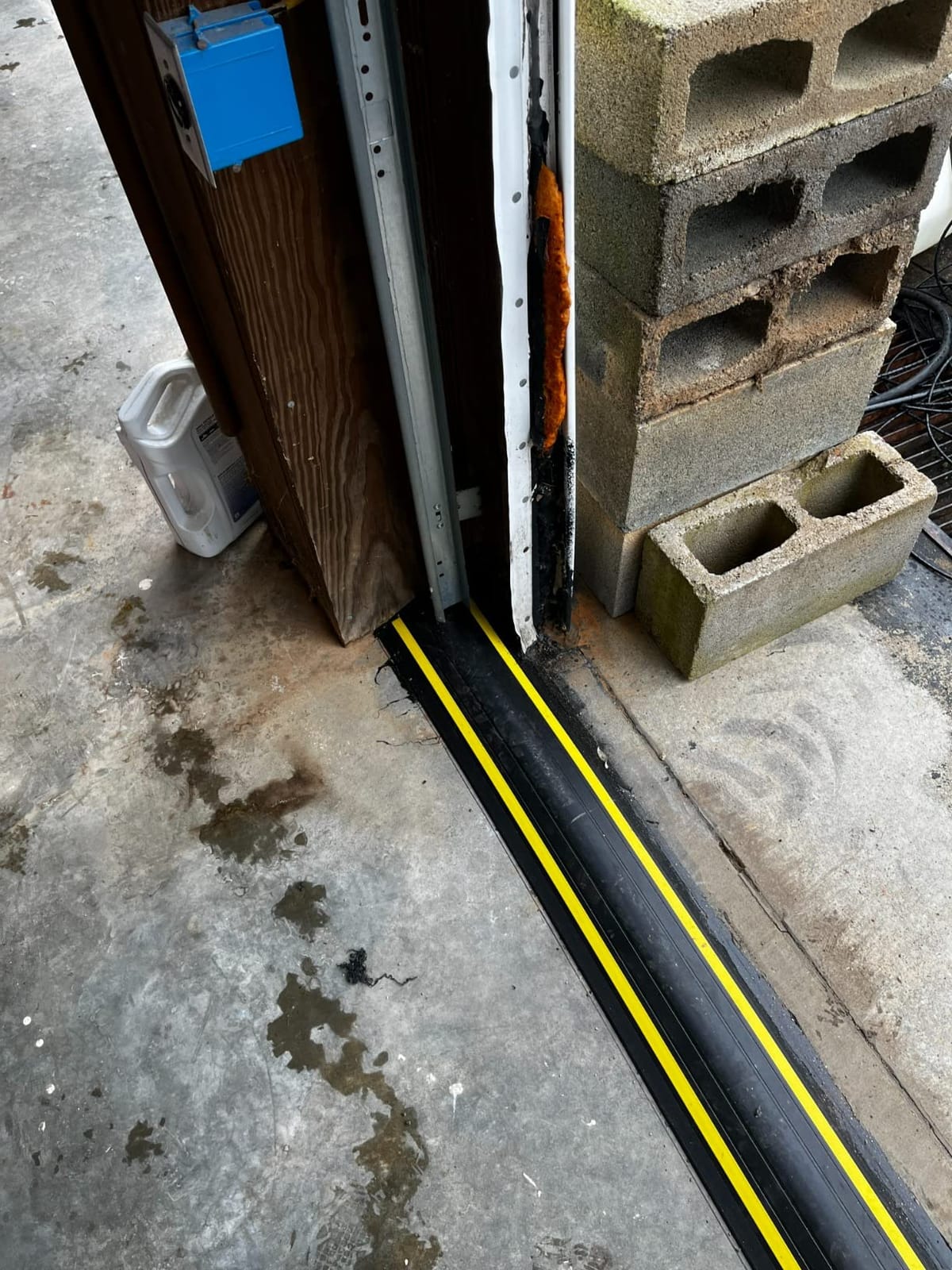
This solves a different problem from everything else here, and garages are the single most common opening people ask about on flood forums. A standard 7 or 8 foot wide garage opening cannot realistically be covered by a consumer barrier, but almost all garage water loss happens at the threshold where road water runs under the door.
A bonded 1.5 inch PVC seal across the bottom of the track stops that entirely, with no deployment step once it is down. It also blocks wind-driven rain, leaves and dust, which is a bonus in ordinary weather. At 4.5 across 405 reviews it is the highest rated product we looked at.
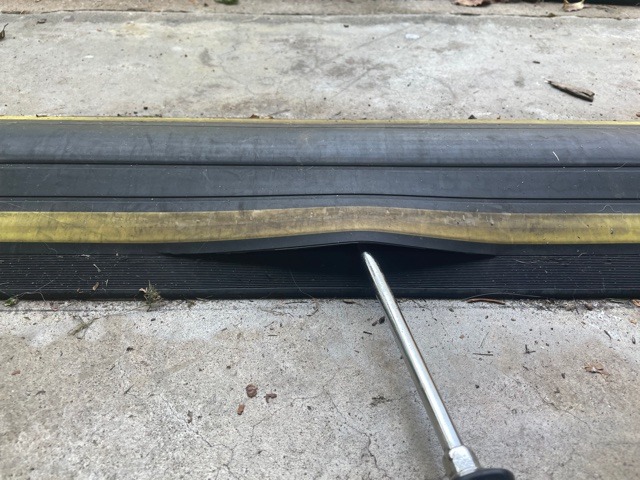
Owners in the US, Canada and Europe report it sealing for years, including garages where vehicles cross it several times a day. That durability is the reason it is on this list despite being the least protective item in physical terms.
Three honest caveats. The material is dense and difficult to trim, so measure twice. The supplied length runs about an inch longer than the advertised figure, which trips people up. And the adhesive needs reasonably warm conditions, roughly 50F to 95F, to bond properly, which rules out installing it in a cold month.
What this cannot protect against
Water that comes in through the roof, through a side door, or through a gap at the side of the door rather than under it. This seal is a threshold product only. If your garage water arrives from a different direction, you need a barrier that covers the whole opening, and no consumer product in this guide does that for a full 8 foot door.
Should this pair with a bag or tube?
Often, yes. The seal handles the slow seep that does most of the damage, and a 10 foot activated bag across the door line adds height for a heavier rain event. The two together cost less than one rigid system and cover far more realistic scenarios for a residential garage.
6. jindouyun 4-Pack 5FT Water Activated Flood Barriers – Best Value Coverage for Garages
4Pcs 5FT Water Activated Flood Barriers for Garage and Home Doors
4 barriers at 5 feet each
Grows to 3 to 4 inches in 5 minutes
About 3 pounds per pack
Pros
- 20 feet of coverage from a single pack
- Step-resistant material that does not burst
- Suits garages
- gates and garden overflow
Cons
- One-star reviews cite shorter-than-advertised length
- Thinner construction than the premium bags
The appeal here is coverage per box. Four 5 foot barriers give you 20 feet of run, which is enough to lay across a wide garage opening, a pair of gates, or a longer stretch of driveway edge than any other bag on this list offers in a single purchase.
Activation is on the same schedule as the leaders, swelling to 3 or 4 inches in about 5 minutes, and the manufacturer states the material will not burst when stepped on. That matters more than it sounds, because a garage threshold is exactly where feet and mower wheels land.
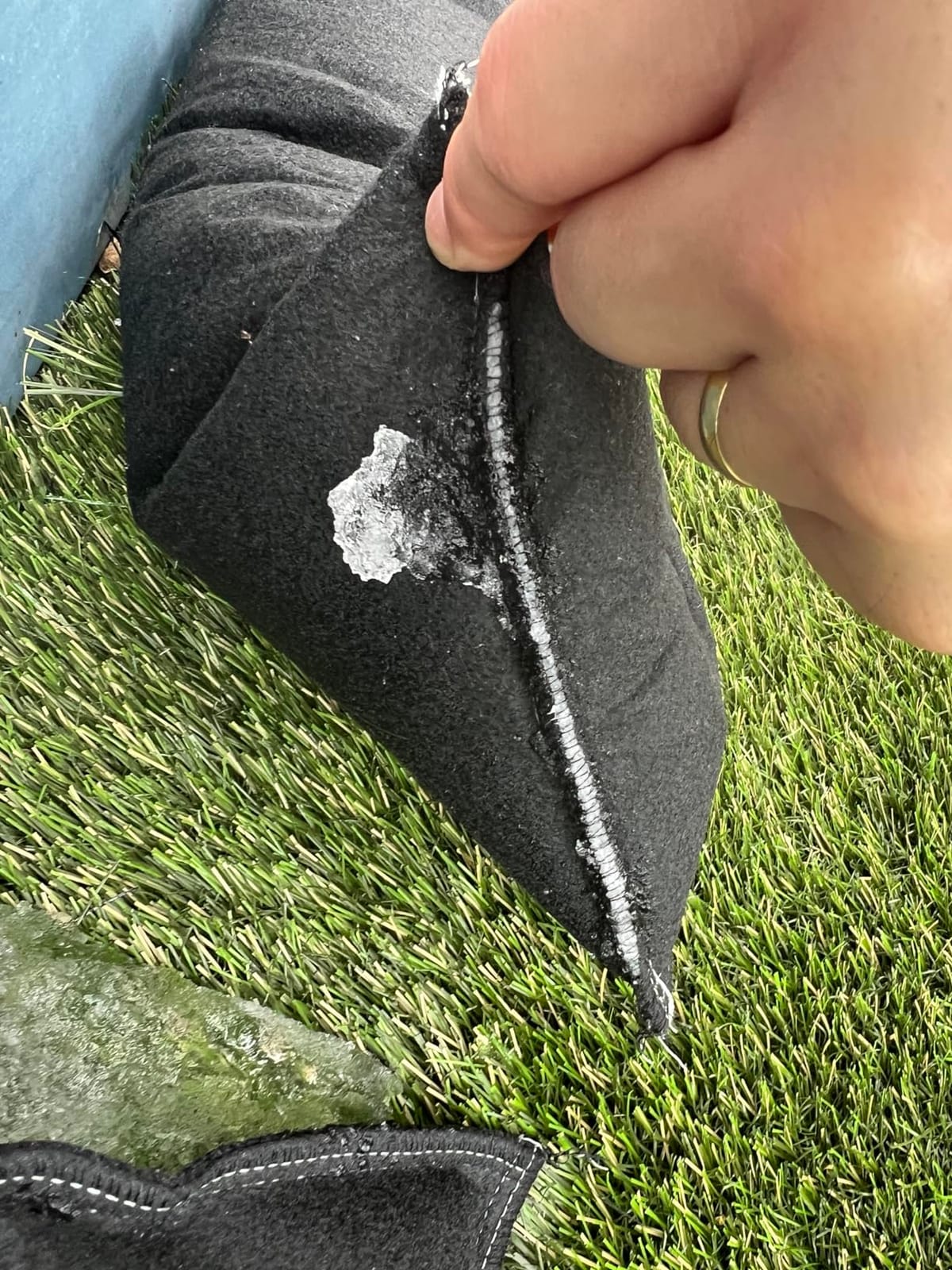
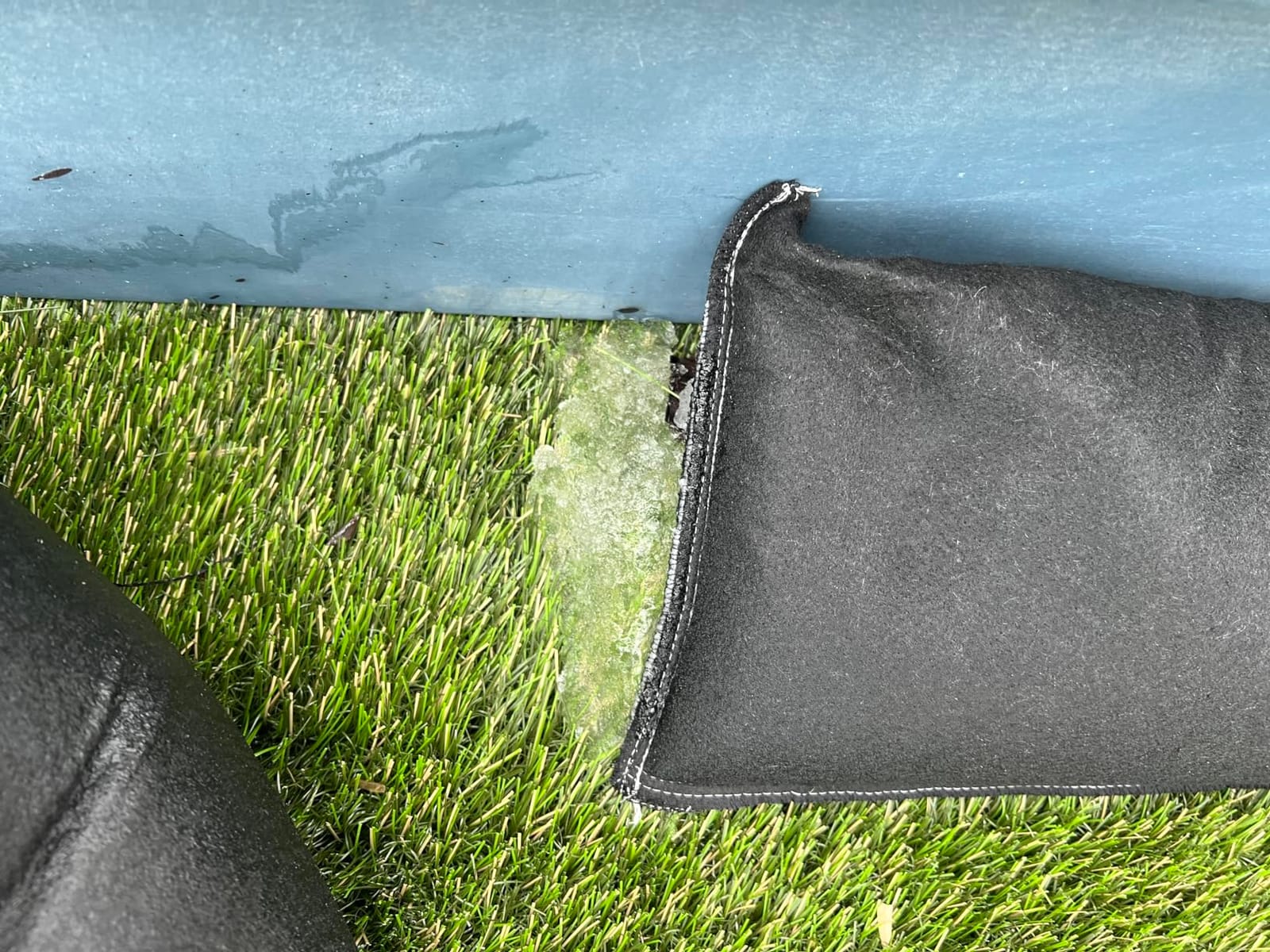
The 4.1 average from 299 reviews is honest rather than glowing. Sixty percent of owners rate it five stars and praise the fast absorption. The complaints concentrate on two things: some buyers report the delivered barrier measures shorter than the advertised 5 feet, and a portion find the fabric thinner than premium equivalents.
Measure the opening before ordering rather than after, and if you need a guaranteed length, a long-tube product removes the guesswork entirely.
Is four barriers enough for a two-car garage?
Usually not for the full width, which is why we suggest pairing this with the threshold seal above. Twenty feet comfortably covers one bay, a side door, and a diversion run in front of the opening. For a full 16 foot opening you would need to double up, which is the point at which a filled tube starts to make more sense per foot.
How does it handle a doorstep you walk over daily?
It holds up. Step resistance is a stated property of the material rather than a marketing inference, and the 3 to 4 inch activated height is low enough to trip over rather than to be a wall. If a trip hazard at a busy entrance is a concern, route the run around the walking line instead of across it.
7. Osmo Commercial Grade Flood Barrier, 10ft – Best for Non-Toxic Material
Commercial Grade Osmo Flood Barrier – Activated by Water, Alternative to Sand Bags, 10ft Long
10 foot water activated barrier
Super absorbent polymers, 50 percent reclaimed
Non toxic and non hazardous
Pros
- Made with 50 percent reclaimed material
- Non toxic and non hazardous
- Stores compactly once dry
- Good absorption strength for the class
Cons
- 4.0 average with a higher one-star share
- Some owners report faster degradation
- Listing can be unclear on quantity
This is the pick if the barrier will sit near pets, children, a pond, or a vegetable garden, and material composition is the reason you are choosing. It uses reclaimed content and is stated as non toxic and non hazardous, which is not a claim the polypropylene bags in this category can make as cleanly.
Mechanically it behaves like the rest of the water-activated group: flat when stored, swollen to a low dam on contact, and effective for diverting water into a more contained area. That containment use is where reviewers find it most useful, keeping runoff away from a doorway rather than trying to hold a rising tide.
It is also made in the UK from Osmo branded super absorbent polymers, which is worth noting if cross-border availability or material provenance matters to your purchase decision.
What do the lower-rated reviews say?
European reviewers mostly praise absorption strength and how well it stores. A smaller group found durability weaker than established American brands, and a few flagged that the listing imagery was ambiguous about how many barriers ship in the pack. Confirm the quantity on the page before you order for a specific opening.
Who should skip this one?
If you want the deepest review history behind the specification, this is not it. Four hundred-plus reviews would tell you more than the 256 here, and owners shopping for storm protection tend to value known failure modes over material credentials. Choose it for what it is made of, not as a general-purpose first purchase.
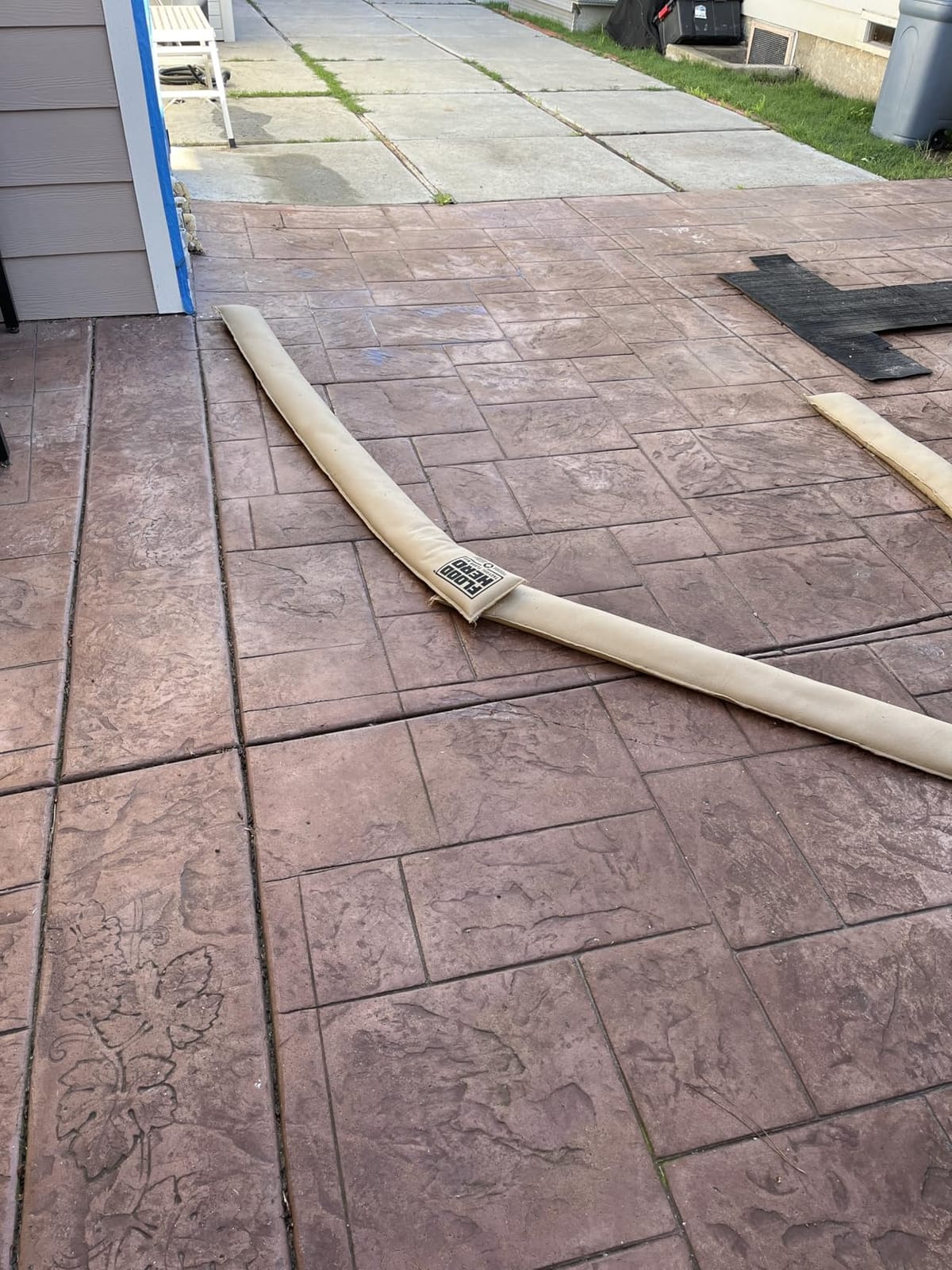
8. GoSports Flood Hero 10ft Water Activated Sandbag – Best for Pre-Soaking
Flood Hero 10 ft Water Activated Sandbag – Flood Bag Barrier for Home
120 by 6 inches, expands to 3 inches
1.5 pounds dry
Sand gel filler
Pros
- Can be pre-soaked in a bucket before deployment
- Useful head start when rain is already falling
- Sand gel solidifies to resist leaking
- 6 month manufacturer warranty
Cons
- Chlorine and salt water prevent activation
- 3 inch height is shallower than the Quick Dam bags
The distinguishing feature here is pre-soaking. The manufacturer explicitly suggests laying the bag in a bucket of water first, which buys you the 5 to 10 minutes of activation time before you even carry it to the opening. For someone who has already watched rain start and is running out of daylight, that head start is genuinely useful.
Once activated it reaches 3 inches high, which is slightly shallower than the 3.5 inches the Quick Dam bags achieve. The sand gel filler is stated to solidify once set, which helps it resist leaking along a seam that a loose fill would push through.
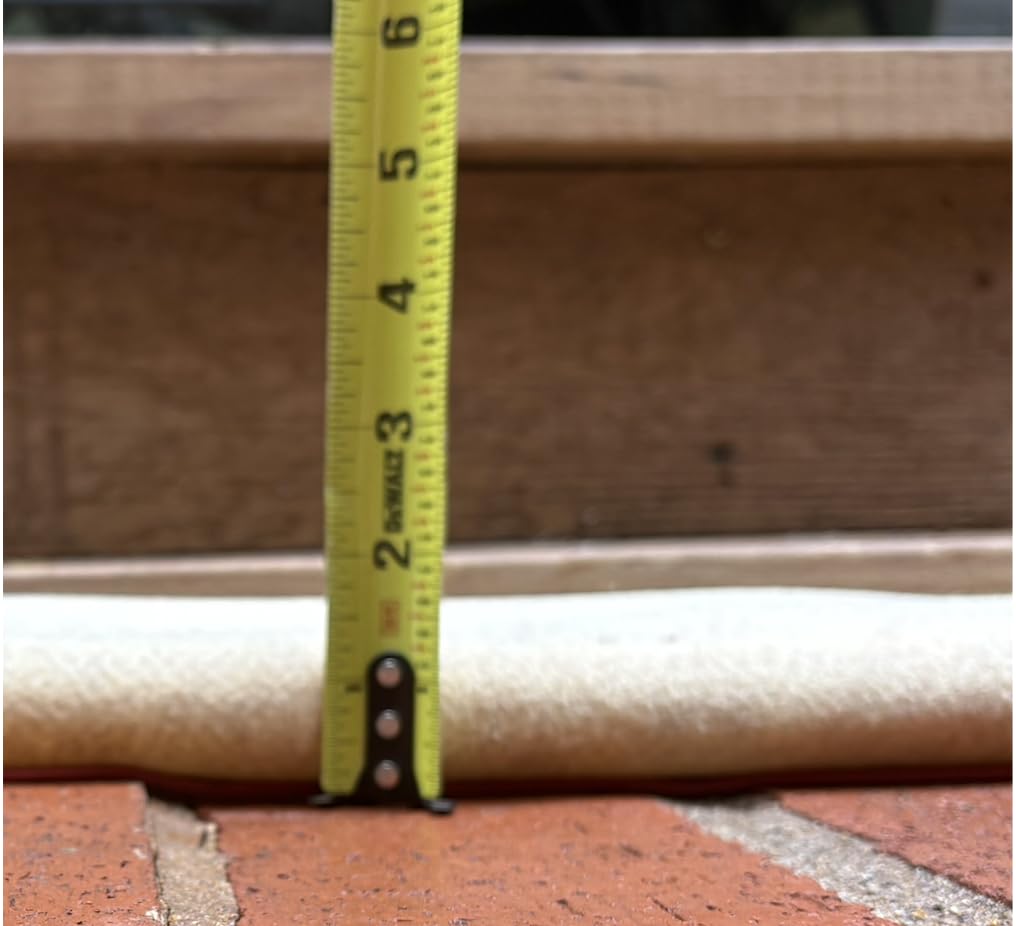
Owners like the thick puncture-resistant fabric and the foldable storage. The limitation they mention most is water chemistry: chlorine and salt water either stop activation or deactivate the gel. On a swimming pool deck, a chlorinated pool, or a coastal property, this is a genuine limitation rather than a footnote.
The 4.0 average from 237 reviews sits mid-pack, with 61 percent five-star and 11 percent one-star. The one-star share is a little higher than we would like, and most of those reviews point at activation in the wrong water rather than at build quality.
Does pre-soaking actually help?
Yes, in the way you would expect. Swelling takes 5 to 10 minutes whether you are standing there watching it or not, so doing that step indoors while the barrier stays dry in the bag removes the wait from the critical path. The practical benefit is largest for anyone deploying alone at a wide opening where there is more to place.
Pool and coastal warning
Do not use this in chlorinated or salt water. The gel chemistry fails outright, which means the barrier either never swells or collapses mid-event. If your water source is a pool, a splash pad or the ocean, pick a vinyl filled tube instead, which does not care what is in the water.
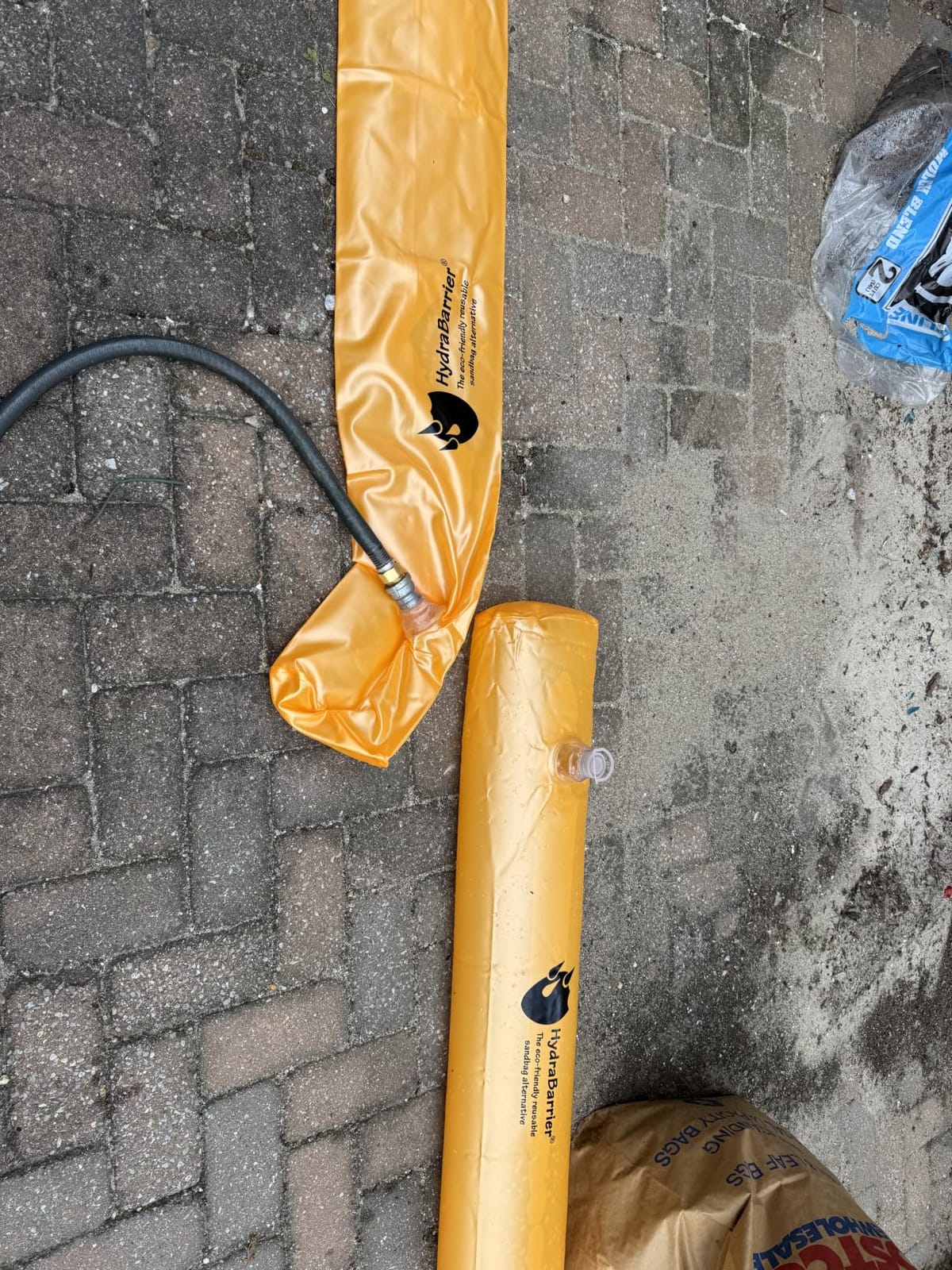
9. HydraBarrier Standard 6ft x 4in Diversion Tube – Best Reusable Pick
The Original HydraBarrier Standard Flood Barrier – 6 ft Long x 4 in High – Light, Reusable Sandbag Alternative – Flood Control & Diversion Tube for Home, Garage, Door & Property Protection
6 foot long, 4 inch high
7.5 gallon capacity, 60 pounds filled
20 mil industrial strength vinyl
Pros
- Reusable across any number of events
- 60 pounds of working weight resists light current
- Drains and stores flat when empty
- Connects to other tubes for a continuous run
Cons
- Rolls on sloped ground without anchoring
- Difficult to reposition once filled
- 4 inch height is modest for deep water
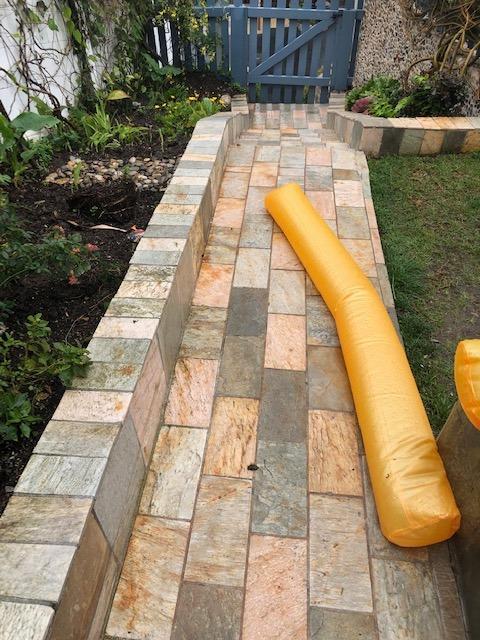
This is the pick I would buy for someone who intends to stay put and face more than one flood. Unlike every activated bag in this guide, it does not degrade, shed gel, or need replacing after a season. Drain it, fold it, store it flat, and it is ready for the next event for as long as you own it.
At 7.5 gallons and 60 pounds filled, it creates a 6 foot long by 8 inch wide diversion wall. That is enough to move water away from a doorway, along a garden edge, or off a patio. Multiple tubes connect together, so coverage scales by adding length rather than by buying a different system.
Owners consistently report it outperforming traditional sandbags while avoiding the lifting, and 997 reviews at a 4.3 average is a substantial history for a product in this category. The empty weight of about 1.5 pounds means you can carry one with one hand and reposition it before filling, which is the only time repositioning is possible.
Two cautions come up repeatedly. It rolls on slopes unless anchored, and once full it is effectively immovable at 60 pounds. Fill it where you want it to be, not where you carried it to.
Reusable versus single-use, honestly
The forum consensus is that reusability is the trait buyers value most, and the argument usually comes down to the fact that sandbags exposed to floodwater are treated as contaminated and discarded, while a drained tube simply goes back in the shed. Over ten years of storms that difference is dramatic, both in cost and in the sheer volume of material you carry.
When 4 inches is not enough
Know your local flood depth before buying. Four inches handles driveway sheet flow and a blocked gutter. It does not handle a rising creek, and the 24 foot version above is the same limitation scaled up. If your flood zone map shows deeper water, you are shopping in the wrong category entirely and should be looking at rigid panels or a professionally installed system.
10. Quick Dam QDFG35 Doorway Flood Guard – Best for Wide Doorways
Quick Dam QDFG35 FloodGate, Doorway Flood Guard, 35in-40in Openings, 35″ to 40″, Black/Orange
Adjustable 35 to 40 inch opening coverage
26 inches high
Steel frame with neoprene sleeve
Pros
- Only product here that genuinely seals a doorway
- Adjustable steel frame covers a range of widths
- Tool-free install in minutes with no permanent changes
- Kitemark tested and certified
Cons
- Most expensive item in this group
- Limited to standard residential doorway widths
This is the significant upgrade in this roundup, and the reason it is worth it is that it is the only consumer product here that actually makes a doorway watertight. A steel frame with a neoprene sleeve compresses against the door jamb, which is a seal rather than a pile of weight.
It adjusts to fit openings between 35 and 40 inches, so it covers double doors and wider patio entries that a standard single tube cannot span. It installs in minutes with no tools and no permanent alteration to the opening, and it is reusable for the life of the product.
At 26 inches high it stays low enough to step over, which matters in a home you still need to get through. The Kitemark testing and certification is a genuine credential that most products in this guide cannot point to.
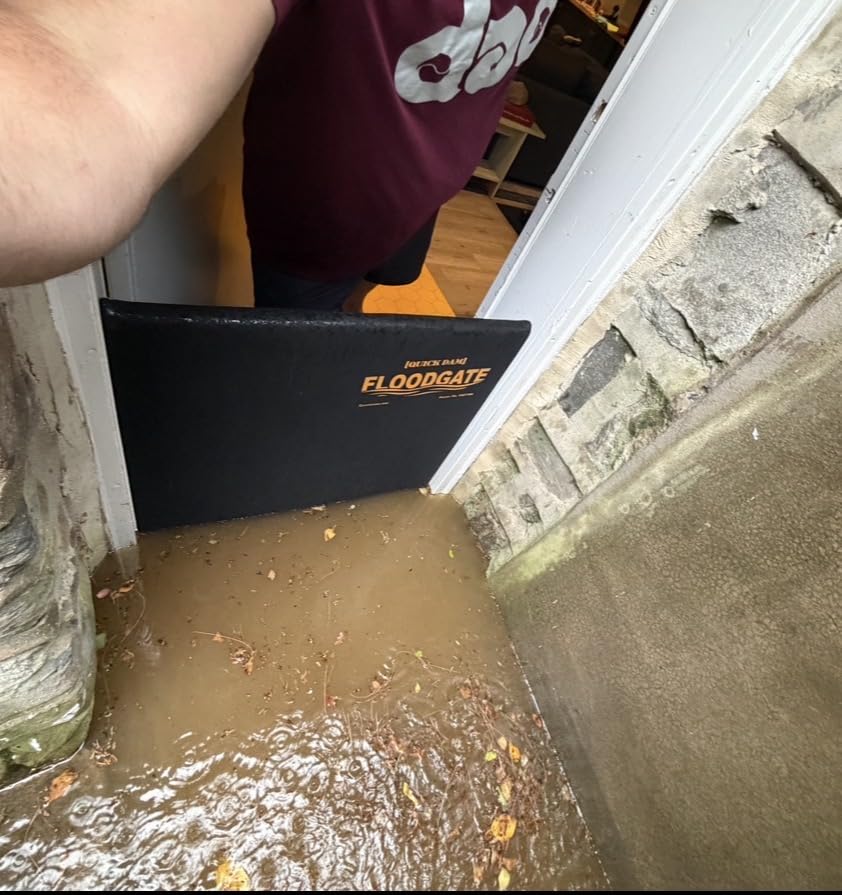
Owners praise the tool-free install and the quality of the frame seal. A small group found the fit less satisfactory for their particular doorway, and with only 175 reviews behind it, the long-term record is thinner than the 6000-plus reviews behind the bags above. We would want that history before committing a primary entry point to it.
The height is the other consideration. Twenty-six inches is substantially more than any bag here, but it is still measured in inches, not feet. A 26 inch guard will not save you in deep or moving water, and it is a doorway product rather than a whole-wall product.
Is it permanent?
No, and that is the point for most buyers. It installs without tools and without permanently altering the opening, so a renter or a seller-facing homeowner can put it up before a storm and take it down after. In Florida and other regulated states, a permanent flood wall or flood door can trigger environmental resource permitting, which is a different project with different costs.
Who should spend on this instead of a bag?
Anyone whose home has a finished floor at or below grade, a basement stairwell, or insurance that treats water damage seriously enough to appear on a claim. A bag buys you hours and a lower invoice. A sealed doorway can be the difference between a dry interior and a gutted one. Measure your opening first, because outside the 35 to 40 inch range this product does not apply.
Do Flood Barriers Actually Work?
Yes, against standing water up to their rated height, and no, against moving water, groundwater, or plumbing. That distinction is the single most important thing in this guide, and it is the one most product pages leave out.
A barrier works by resisting the pressure of still water pressing against it. As the water level rises, the force on the barrier rises too, which is why filled tubes and rigid panels get stronger exactly when they are needed. Remove that water and let it flow, and the physics reverses: moving water applies lateral force that a 3.5 inch fabric bag or a 4 inch vinyl tube will simply deform or roll away.
The documented failure case is worth reading twice. A r/pics thread describes a homeowner with insurance for a quarter of a million dollars of structure coverage who installed a 3 foot barrier and still took 9 feet of water into the house. A 3 foot barrier working correctly would have been a rare event. Nine feet of water is not a barrier failure, it is a barrier being asked to do something no barrier rating covers.
Forum research also turns up a second pattern, and it is not about water at all. Homeowners who deployed barriers around an opening still flooded, because the water came up through a toilet, a sink, a basement floor drain, or a cracked slab. Multiple threads in r/home and r/homeowners describe exactly this. No barrier addresses it.
Here is the honest list of what a flood barrier does not stop:
Water rising through a basement floor slab or a foundation crack
Backflow through a toilet, sink, washing machine drain, or a blocked sewer line
Fast-moving or rushing surface water above a modest velocity
Storm surge containing salt water against gel-activated products
Water coming through a roof, a window, or a wall that the barrier does not span
For groundwater and plumbing, the fix is a sump pump with a backflow preventer. For moving water, the fix is terrain: grading, berms, a French drain, or a permanent floodwall. A r/landscaping and r/home pattern worth noting is that experienced posters usually end up recommending earthworks, which tells you a portable barrier is a partial answer, not a complete one.
What Size and Height Do You Need?
Measure before you buy, and match the barrier to the opening rather than to the room. The useful sequence is: identify every water entry point, measure the widest one, add overlap, then check your local flood zone map for expected depth.
For a standard 36 inch door, you need roughly 10 to 12 feet of barrier run to cover the opening with overlap on each side. That is the single most common sizing mistake, and it is why so many 5 foot two-packs disappoint owners. If your widest point plus overlap exceeds the coverage in the box, buy more rather than stretching the run thinner.
For a garage, measure the track width rather than the door. Remember that a 1.5 inch threshold seal protects the bottom of the opening only, and that no consumer barrier in this guide covers a full 7 or 8 foot garage door against deep water. Most garage loss is road water at the track, but confirming the direction of the water decides the product.
For a basement stairwell, measure the opening at the top of the stairs and add for the landing. Then pair the barrier with a sump pump, because stairwell protection does nothing if the water is coming up from below.
On height, use the flood zone map number as your ceiling. A 3.5 inch bag protects against a puddle and a failed gutter. A 26 inch doorway guard protects against a serious storm surge in some geographies. Anything deeper than your chosen product is a job for panels or a permanent wall, and no amount of bag stacking changes that.
Sandbags vs. Flood Barriers: An Honest Comparison
Sandbags work. They hold standing water effectively and they are the traditional answer for exactly the reason that they need no power, no hardware, and no skill. The problems are cost, labour, and the fact that anything exposed to floodwater is treated as contaminated and has to be thrown away.
At a couple of dollars each and hundreds of bags needed for a real entry, sand is expensive in materials alone, and filling hundreds of bags in the hours before a storm is a genuine physical burden. A Wrightwood community board post captured the frustration better than any specification sheet: the appeal of water-activated bags is that they work and they do not break your back like carrying sandbags.
On labour, the numbers are stark. Industry figures cited across the flood control sector put a single oversized sand-filled bag at roughly 750 sandbags replaced, a modular wall section at about 468, and a filled water module at around 500. One manufacturer claims a 375x labour efficiency improvement over sandbags, with 16 people setting 1,640 feet in 4 hours against the 24,000 person-hours the same line would take in sandbags.
Where sandbags still win is the emergency. If water is already rising and you have nothing stored, sand is what you can source fastest. And on rough, rocky ground where a bag or tube would roll, a properly stacked sand berm is more stable than anything portable.
Our read: use sandbags when you have no notice and no equipment, and use a barrier for anything you can prepare in advance. The forum consensus we found is not that barriers beat sandbags outright, it is that people are tired of the lifting.
How to Choose a Flood Barrier in 5 Steps
Map your entry points. Walk the property in the rain if you can. List every opening water could reach: doors, garage track, stairwell, window wells, low vents.
Measure the widest opening and add overlap. Allow 6 inches per side. A 36 inch door needs 10 to 12 feet of run.
Check the water behaviour, not just the depth. Pooling, sheet flow, or rushing current. Fast-moving water rules out every portable product in this guide.
Decide temporary or permanent. Removable systems need no permit in most places but need hours of warning. Permanent floodwalls and flood doors can trigger environmental resource permitting, particularly in Florida.
Confirm you can store and deploy it. Bags go in a drawer. Filled tubes weigh 60 to 400 pounds and must be positioned before filling. Rigid systems need two people and a clear run.
On certification, the useful reference points are FM Approvals, UL listing, and the National Flood Barrier Testing and Certification Program run with the U.S. Army Corps of Engineers. If a product claims a tested hydrostatic load or flow velocity, that claim is worth more than any unverified marketing language. Products with Kitemark or equivalent third-party marks, like the doorway guard above, carry a credential the fabric bags simply cannot offer.
Pre-Storm Flood Barrier Deployment Checklist
Most of the anxiety we found in forum discussions is not about product quality, it is about timing. A prepper describing an evacuation the next day wrote plainly that they could not think clearly. Decide everything now so that the only decisions left on the day are muscle memory.
Check the flood zone map and note the expected depth at your property.
Stage every barrier within reach of the opening it protects, not in a garage across the street.
Pre-position tubes and frames in their final position, before filling or assembly.
Anchor filled tubes downhill with bricks or sandbags before opening the fill valve.
Pre-soak bags in a bucket if rain has already started, and lay them in a continuous line.
Confirm the sump pump is powered and the backflow preventer is seated, since barriers do not cover drains.
Photograph the setup and note the time, so you can tune the drill before the next event.
The honest warning: every deployable product on this list needs to be in position before the water arrives, and none of them work on zero notice. Passive automatic systems are the only category that operates unattended, and none of the consumer products here fall into that group.
Permanent vs. Removable Flood Barriers
Removable systems are the default for most households, because they avoid permitting, avoid permanent changes to the opening, and can be taken with you when you move. Their whole weakness is the deployment window described above.
Permanent installations, meaning a concrete floodwall, a flood door, or a passive automatic floodgate, remove the deployment window entirely. Some of them deploy themselves when rising water is detected. The trade-offs are real: these are engineered projects, they need a site-specific design, and in Florida a permanent structure can require Environmental Resource Permitting through the state DEP, which is a genuine schedule and cost implication.
Removable barriers also preserve a resale advantage. A buyer for a flood-prone property generally prefers a house with flood protection over one with visible wall stains from a failed event, and a temporary system leaves the opening looking untouched.
Our take: start removable, get the deployment drill right, and move to a permanent engineered solution only if your flood zone, your insurance, and your patience all support it.
Frequently Asked Questions
What is the most effective flood barrier for homes?
The most effective type depends on water behaviour and opening width. Water-activated bags are best for a standard doorway against pooling water. Filled tubes are best for diverting sheet flow across a driveway. A doorway guard is the only consumer product that truly seals an opening. Rigid panels give the most height but cost and labour the most.
Do flood barriers really work?
Yes, against standing water up to their rated height, and no against fast-moving water, groundwater rising through a slab, or plumbing backflow. Barriers get stronger as water rises because hydrostatic pressure anchors them, but rushing water applies lateral force they cannot resist. A 3.5 inch bag is a puddle control device, not a wall.
What is the best reusable flood barrier for a home?
A water-filled vinyl tube is the most reusable option in this guide. It drains, folds and stores flat and can be used an unlimited number of times without degrading. Bags are cheaper and faster to deploy, but most are consumable, and only one product in this roundup states that it can be dried out and reused.
What is the best flood barrier for a doorway?
For a standard 36 inch door you need 10 to 12 feet of barrier run to cover the opening with overlap on each side. Water-activated bags are the practical pick for pooling water. If you need a real seal and 26 inches of height, a doorway flood guard with a neoprene sleeve is the upgrade. Measure before you order.
What are the best flood protection barriers for garage doors?
A bonded threshold seal is the highest value choice, because most garage water loss is road water running under the door track. Pair it with a 10 foot activated bag across the opening for added height. No consumer barrier in this guide covers a full 7 or 8 foot garage door against deep water, so check where your water actually enters.
Are sandbags effective against flooding?
Yes, sandbags hold standing water effectively and remain the right answer in a genuine emergency with no warning. Their problems are cost, labour, and disposal, since any bag exposed to floodwater is treated as contaminated. Industry figures put one oversized bag at roughly 750 sandbags replaced, and sand berms are more stable on rocky or sloped ground.
Do flood barriers need to be certified?
Certification is not required for most consumer barriers, but it matters for insurance and for permanent installations. Look for FM Approvals, UL listing, or testing through the National Flood Barrier Testing and Certification Program with the U.S. Army Corps of Engineers. A third-party mark such as Kitemark indicates the hydrostatic load was tested rather than claimed.
Can one person deploy a flood barrier?
Yes for every activated bag in this guide, because each bag weighs about 1.4 pounds dry and you lay the run before wetting it. No for filled tubes once they are full, since a 6 foot tube reaches 60 pounds and a 24 foot tube reaches 400 pounds. Position and anchor first, fill second, and never plan to move a full tube alone.
The Final Word on Choosing a Flood Barrier
If you want one honest recommendation rather than ten, the Quick Dam 5 foot activated barrier pack is where we would start, because it has the deepest review history, the lowest deployment friction, and the fewest ways to go wrong with it. Add a bonded threshold seal to your garage and the pairing covers more realistic scenarios than any single product here.
Then upgrade deliberately. If your flood zone shows water deeper than a few inches, or if you want a real seal rather than a low dam, a doorway flood guard is the next step. And if you plan to be in the same house for a decade, a filled tube is the purchase that will still be working long after every bag in this guide has been replaced.
Whatever you choose, decide it now. The best flood barriers for a home are the ones that are already in position when the water arrives, and every product on this list is available to check current details on Amazon.