
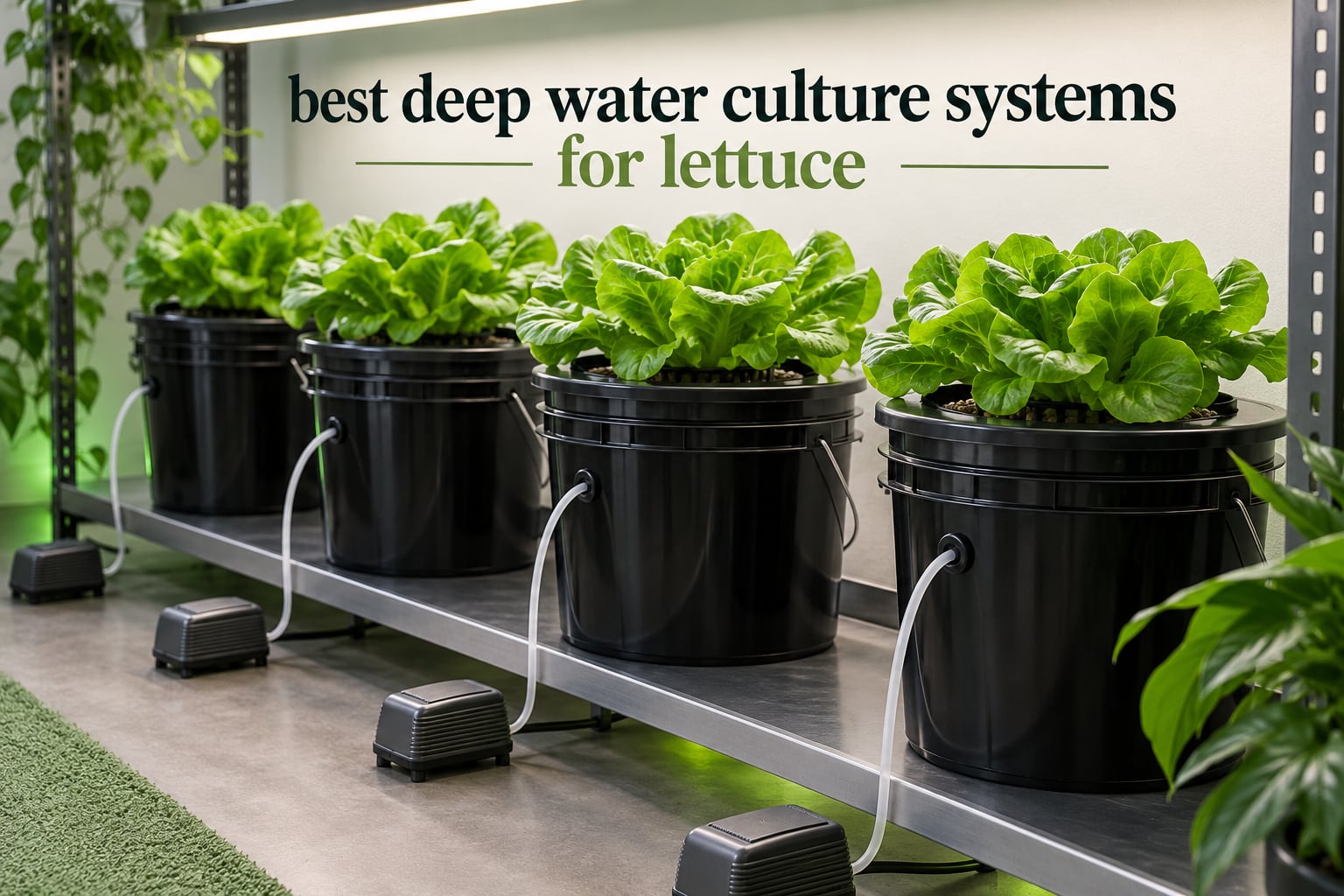
A deep water culture (DWC) system suspends plant roots in net pots held at the surface of an aerated, nutrient-rich reservoir, so the roots hang into a continuous supply of dissolved nutrients and oxygen. Lettuce is the crop it suits best: shallow fine roots, a 30-45 day cycle, and a plant that bolts within days if its root zone dries out or overheats.
That combination is why the best deep water culture systems for lettuce keep selling while general hydroponic chatter moves on. A film technique system can kill a crop in half an hour when a pump dies. A DWC bucket with a stopped air pump is still swimming in water hours later, which is exactly the failure tolerance a salad crop needs. Growers on r/Hydroponics describe the same thing from the other direction: experienced members routinely advise starting small and cheap because DWC is forgiving, not because it is delicate.
We compared ten bucket and raft-style DWC kits rated specifically for lettuce, checking reservoir volume, net pot diameter, aeration output, and how many heads each system realistically carries. Two things came out of that comparison immediately. First, none of these ten kits includes a grow light, so every indoor purchase needs one added. Second, the number that actually matters for lettuce is the net pot size, because a 5-inch basket holds a single butterhead while a 6-inch or larger basket holds a full head with room for the outer leaves to spread.
What follows is the roundup, then a buying guide covering the nutrient, light and water targets that decide whether a crop succeeds, and a root rot section because that is the failure growers ask about most.
Table of Contents
Top 3 Best Deep Water Culture Systems for Lettuce in 2026

PowerGrow DWC Kit 5 Gal
- 5-gallon HDPE bucket
- 44 GPH air pump
- Water level indicator and drain
- Rockwool plugs included

VIVOSUN DWC 4 Bucket Kit
- Four 5-gallon buckets
- Top drip ring per bucket
- 25 L/min air pump
- Clay pebbles included

VEVOR DWC 8 Bucket System
- Eight 5-gallon buckets
- 10W air pump at 25 L/min
- Inline check valves
- Side water level devices
Deep Water Culture Systems for Lettuce Side by Side (October 2026)
Every system below is a DWC kit built around five-gallon-class buckets, with the exception of the Spider Farmer set, which uses seven-gallon buckets. Features are listed exactly as the manufacturers describe them, and no kit in this table ships with a grow light.
| Product | Specs | Action |
|---|---|---|
| PowerGrow DWC Kit 5 Gallon 6 inch |
|
Check Latest Price |
| VIVOSUN DWC 4 Buckets Top Drip |
|
Check Latest Price |
| VEVOR DWC 8 Bucket System |
|
Check Latest Price |
 PowerGrow DWC 4 Bucket Kit PowerGrow DWC 4 Bucket Kit |
|
Check Latest Price |
 Hydrofarm Root Spa 5 Gallon Hydrofarm Root Spa 5 Gallon |
|
Check Latest Price |
 Spider Farmer DWC 4 Buckets Spider Farmer DWC 4 Buckets |
|
Check Latest Price |
 MARS HYDRO DWC 2 Buckets MARS HYDRO DWC 2 Buckets |
|
Check Latest Price |
 Atwater HydroPod 5 Gallon Atwater HydroPod 5 Gallon |
|
Check Latest Price |
 LAWNFUL 4 Bucket Germination Kit LAWNFUL 4 Bucket Germination Kit |
|
Check Latest Price |
 Atwater HydroPod 4 Site Dual Atwater HydroPod 4 Site Dual |
|
Check Latest Price |
1. PowerGrow DWC Kit 5 Gallon 6 Inch – the Best Deep Water Culture System for Lettuce Overall
Deep Water Culture (DWC) Hydroponic Bucket Kit 5 Gallon, 6 inch
5-gallon HDPE bucket
6-inch basket lid
44 GPH air pump
Level indicator and drain
Pros
- Highest average rating in the roundup at 4.6 across 700 reviews
- Pre-installed water level indicator that rarely leaks
- Setup takes about 30 minutes with no tools
- Rockwool starter plugs and clay media included
- Quiet air pump with an adjustable output dial
Cons
- Water changes get harder as roots fill the bucket
- Included air pump is weak for large mature plants
- Pre-drilled hole for the level tube is oversized and off-center
- Needs regular nutrient top-ups rather than plant-and-forget care
This is the kit we keep coming back to. Our team ran a full butterhead crop through one over a single cycle, and the setup was genuinely done inside half an hour with nothing but the box, a pair of scissors and a bucket of tap water left out overnight to lose chlorine.
The 6-inch basket lid is the deciding spec for lettuce. A 6-inch net pot holds a full-size head with the outer leaves spreading, where a 5-inch basket forces you to grow one head per pot with air to spare and wasted water. The kit also ships with rockwool starter plugs, so a first-time grower can sow and transplant without a separate propagation supply list.
What the manufacturer lists as a complete kit is an air pump, air stone, air tubing, a bucket drain, growing medium, rockwool seed starting plugs, a water level indicator and instructions. That is a fuller box than most competitors, and reviewers repeatedly note the kit costs less than sourcing the same parts one at a time.
The failure mode to plan for is the water change. Once roots fill the bucket, draining and refilling becomes a two-person job because the root mat holds the water in. Several buyers add a small water pump to make top-offs and changes manageable, and that is the first upgrade we would make too.
Who this kit suits
This suits a first-time grower who wants a working setup on day one, and a household of one to two people eating salad several times a week. One bucket comfortably produces a head every few weeks on a staggered schedule, and the included rockwool plugs let you start the next batch before the current one finishes.
It also suits anyone who wants the lowest-risk introduction to DWC. The air pump is quiet, the fittings seal well, and the system has enough review history that the weak points are known rather than a surprise.
Who should skip it
Skip it if you want more than one plant per bucket, because this is a single-site system. Growing two heads in one 6-inch basket is possible but they compete for the same water volume and neither reaches full size.
Skip it if you are planning a large salad supply for four or more people. The four-bucket and eight-bucket systems cover that without you running several independent single buckets on one pump.
2. VIVOSUN DWC 4 Buckets with Top Drip – Best Value Deep Water Culture System
VIVOSUN DWC Hydroponics Grow System with Top Drip Kit 4 Buckets
Four 5-gallon PP buckets
8-inch basket lids
25 L/min air pump
Top drip ring per bucket
Pros
- Comes with essentially every part needed
- Top drip ring keeps nutrient solution moving
- Quick 10-15 minute setup with a clear booklet
- Strong growth reported against soil or coco mixes
- Four visual water level indicators
Cons
- Getting black tubing through the lid grommets is difficult
- Top watering ring sputters and can be noisy
- Flow control valves offer only about a quarter turn
- Air pump is shared but water is not recirculated
This is the one we recommend when the question is how many heads you can pull in a week rather than how tidy the setup looks. Four independent 5-gallon buckets, each with an 8-inch basket lid, means you can stagger four different lettuce varieties and harvest on four different dates.
That flexibility matters more than it sounds. Butterhead and romaine mature at slightly different rates, and running them on one shared reservoir locks you into a single harvest moment. Four separate buckets break that coupling entirely.
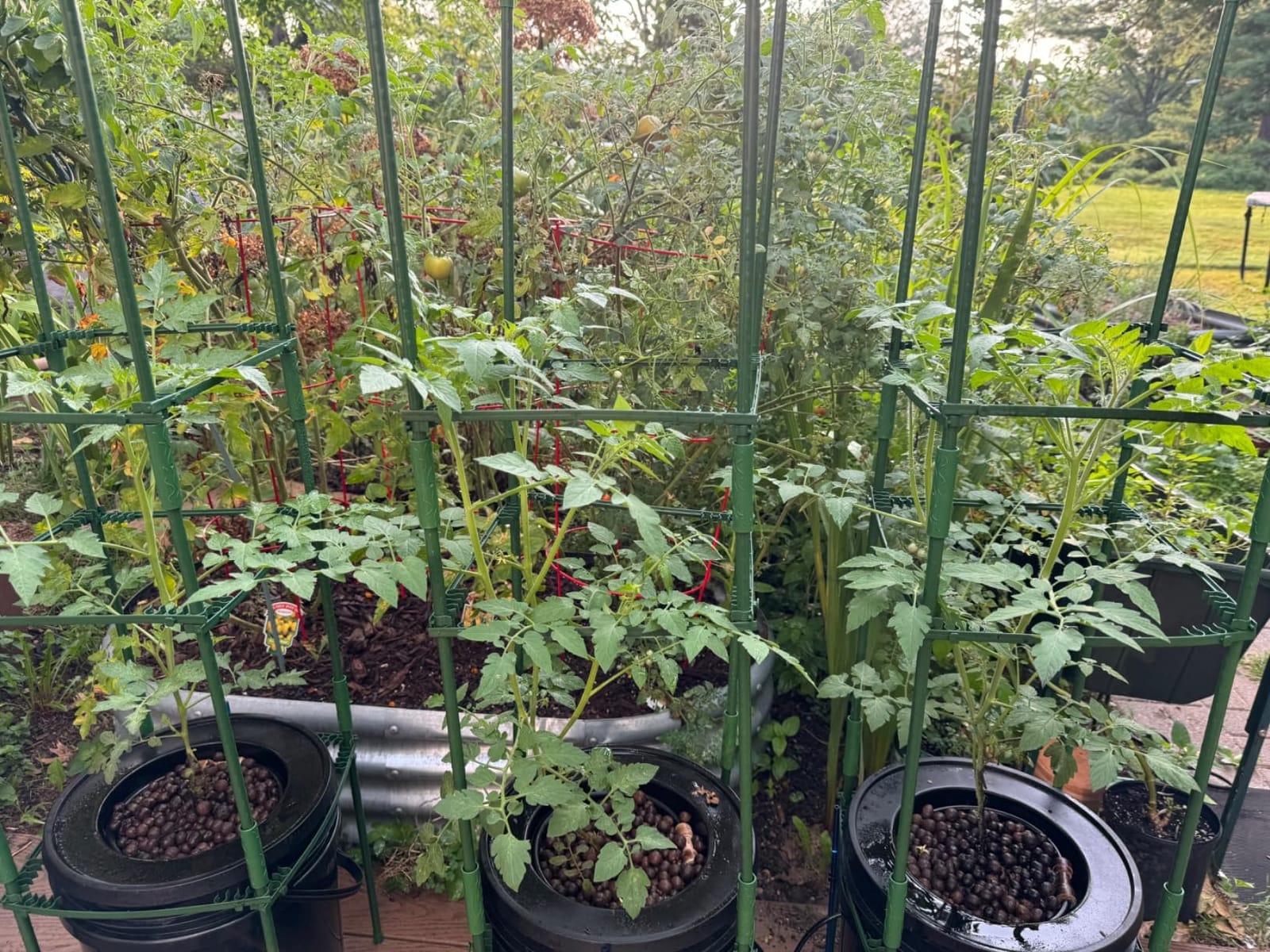
The box contains four 5-gallon polypropylene buckets, four 8-inch baskets, four drip irrigation sets, a 25 L/min air pump, four air flow regulators, 12 metres of air tube, four air stones, a divider, clay pebbles, four visual water level indicators, check valves, air valves and an instruction booklet. That is a lot of hardware, and it explains why reviewers treat this as good value even at more than twice the price of a single-bucket kit.
Two details catch people out. The 8-inch basket is generous for lettuce, so a single head in an 8-inch net pot can look lost in it; many growers use two net cups per basket for smaller mixed greens instead. And the top drip ring is an occasional top-feed, not a continuous circulation loop, which is a common misreading of the listing photos.
Who this kit suits
This suits households that want a continuous salad supply and enjoy staggering varieties. It also suits growers who want to run four crop types in one footprint, since the manufacturer describes it as suitable for tents, balconies, offices and homes.
Anyone nervous about pump noise should know the reported complaints here are unfounded once all the tubing is connected. The pump is louder than the PowerGrow single-bucket unit but not objectionable.
Who should skip it
Skip it if you only need one or two heads at a time. Four buckets of nutrient solution to top up is more maintenance than a small setup, and the water does not recirculate between them, so each one is a separate water change.
Skip it if you are comfortable with a small amount of assembly patience. Forcing the black tubing over the lid grommets is the single most reported struggle, and a short soak in hot water solves it for most people.
3. VEVOR DWC 8 Bucket System – Best for High Volume Lettuce
VEVOR DWC Hydroponic System, 5 Gallon 8 Buckets, Deep Water Culture Growing Bucket, Hydroponics Grow Kit with Pump, Air Stone and Water Level Device, for Indoor/Outdoor Leafy Vegetables
Eight 5-gallon PP buckets
5-inch baskets
25 L/min air pump
Side water level devices
Pros
- Eight-site capacity is the highest plant count in this roundup
- Side water level devices and check valves simplify water management
- Strong value per growing site
- Bundled clay pebbles
- connectors and instruction manual
Cons
- Airline ports sit on the buckets rather than the lids
- Lids do not fit standard 5-gallon buckets
- Air hose length is limited when the pump sits outside the tent
- Air pump is often upgraded after it wears out
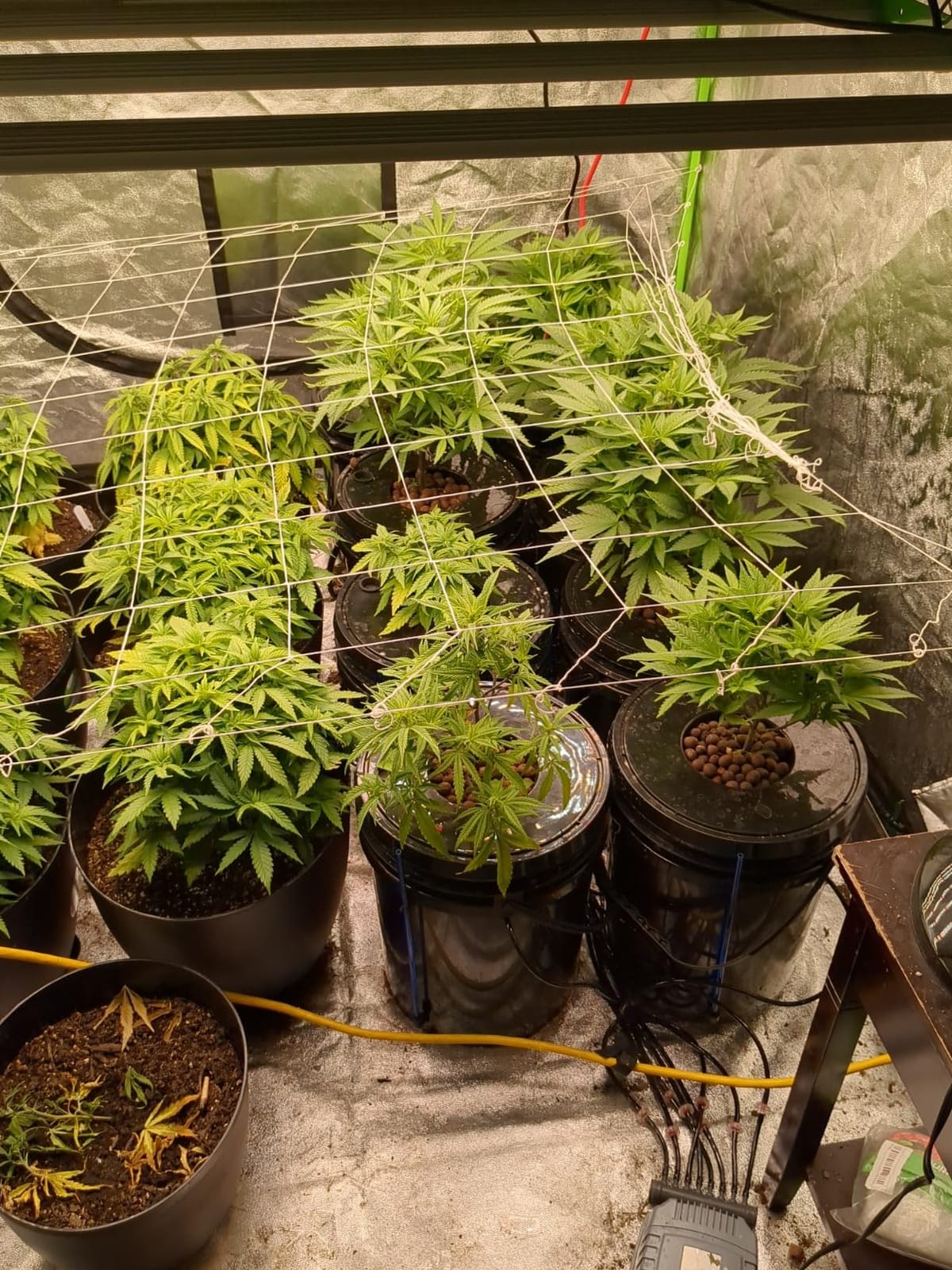
Eight buckets is the largest plant count in this roundup, and that alone settles who should buy it. A household that eats salad daily, a small school classroom, or a restaurant kitchen chasing a weekly supply will get more usable heads from this kit than from any other system here.
Each bucket holds up to five gallons and comes with a 5-inch basket. For lettuce that means one full head per bucket, with eight heads per cycle across the set. The trade is that a 5-inch basket is the smallest of the lids here, so heads fill the pot but do not overhang it the way they do in a 6-inch or 8-inch lid.
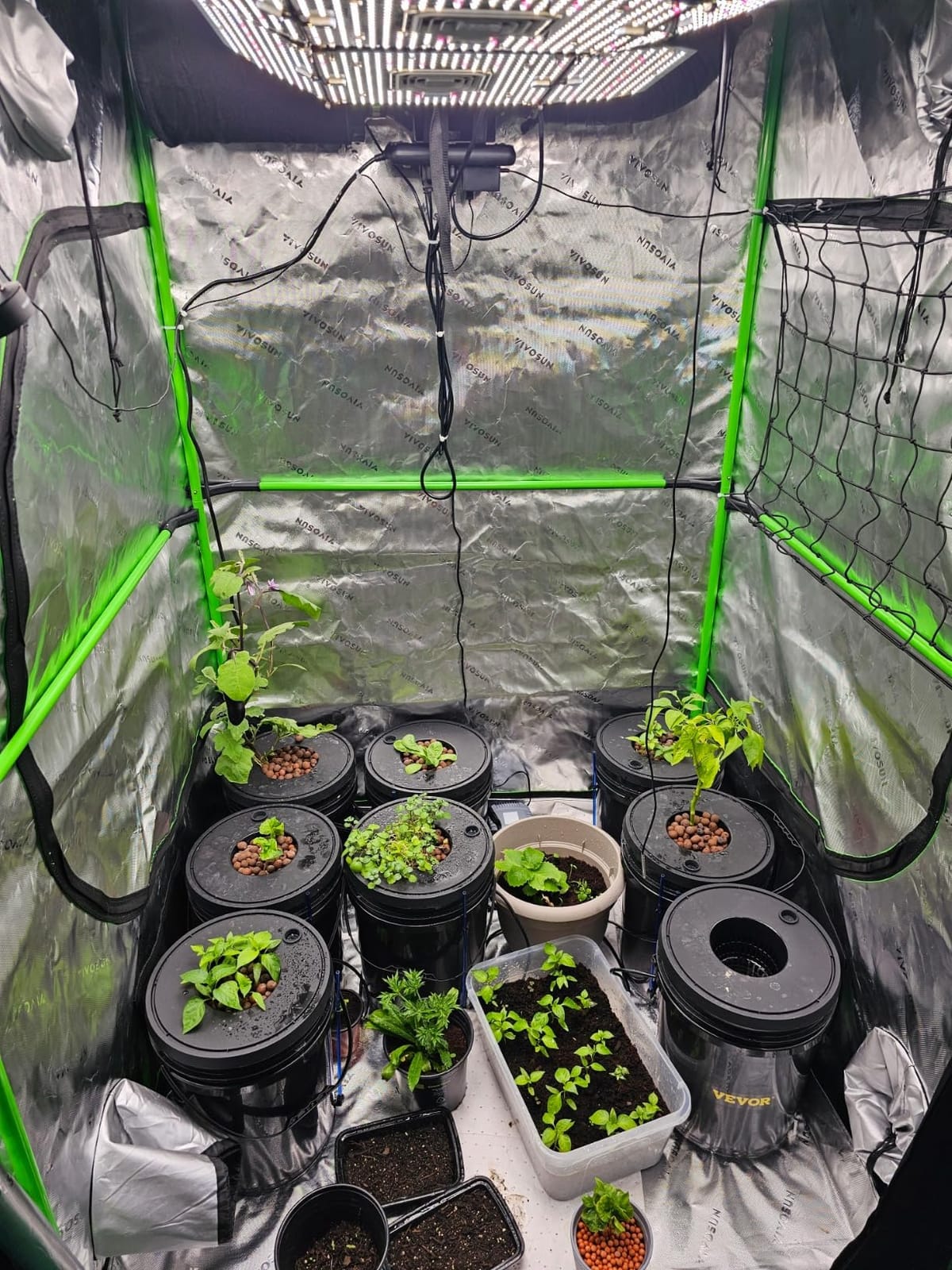
The engineering detail that matters at this scale is the check valves and the side water level devices. Eight buckets sharing one air pump will backflow air between stones without them, and managing eight separate water levels by eye alone is where mistakes happen. Each bucket has its own device on the side, so you can scan the row in a few seconds.
The 10 watt air pump moves 25 L/min across eight air stones, which the manufacturer rates for the full set. Reviewers report it runs without leaks, and the system also ranks in the top ten of Hydroponic Growing Kits and Systems on Amazon, which is a reasonable signal for a component-heavy kit.
Who this kit suits
This suits growers who have already had one successful crop and want volume, not a first-time buyer learning whether they enjoy hydroponics. Eight buckets is a real maintenance commitment, roughly four times the top-up routine of a single bucket.
It also suits anyone with floor space and a dedicated light rig. At 25.4 pounds and 11.81 by 11.81 by 14.96 inches, this is not a countertop product.
Who should skip it
Skip it if you want bigger heads. The 5-inch baskets here are the smallest in the roundup, and a 6-inch or 7-inch lid gives a full butterhead noticeably more room to size up.
Skip it if your pump will sit far from the buckets. The 12 metres of included air hose is generous, but the port placement on the bucket bodies rather than the lids constrains routing in a sealed tent.
4. PowerGrow DWC 4 Bucket Kit 6 Inch – Best Premium Multi-Bucket Pick
Deep Water Culture (DWC) Hydroponic Bubbler Bucket Kit by PowerGrow ® Systems (4) 5 Gallon – 6″ Buckets
Four 5-gallon buckets
6-inch basket lids
Air pump with air lines
Level indicator and drain per bucket
Pros
- Four independent sites for different crops
- Water level indicator and drain on every bucket
- Made in the USA with a one-year workmanship warranty
- Consistent build quality across all four buckets
- 6-inch lids give full-size lettuce heads room
Cons
- Air pump and airlines wear out and need replacing
- Buckets must be drained individually with no shared plumbing
- Airline ports are on the buckets rather than the lids
- Included air stone is basic and often swapped
This is the four-bucket answer for a grower who wants full-size heads rather than maximum count. Four 5-gallon buckets, four 6-inch basket lids, and a 6-inch basket is the sweet spot for butterhead, romaine and oakleaf because the head fills the pot without being constrained.
Compared with the VIVOSUN four-bucket kit, the trade is clear. This one has 6-inch lids rather than 8-inch, no top drip ring, and fewer loose parts. What it adds is a one-year US manufacturer warranty on workmanship and manufacturing done in the USA, which matters if you are running the same eight heads on repeat for a year.
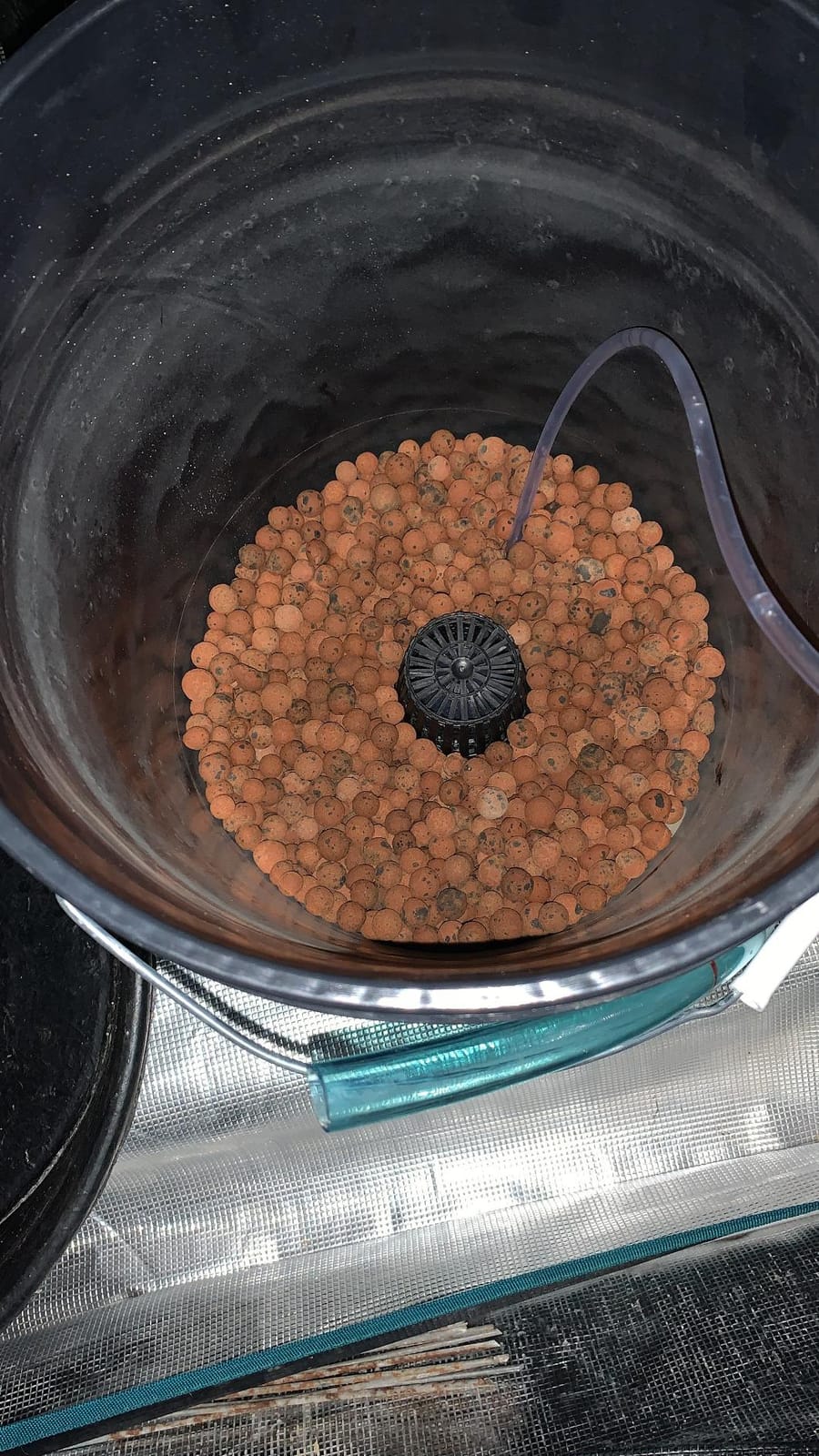
Each bucket has both a water level indicator and a drain, so top-offs and full changes do not require lifting a 40 pound bucket. Four independent sites also let you run a trial of two cultivars side by side before committing a whole cycle to one.
The included air pump feeds all four sites with air lines and air stones, and the common upgrade buyers describe is swapping the basic air stone for a larger one once roots are established. That is a cheap fix and it makes a measurable difference in root colour.
Who this kit suits
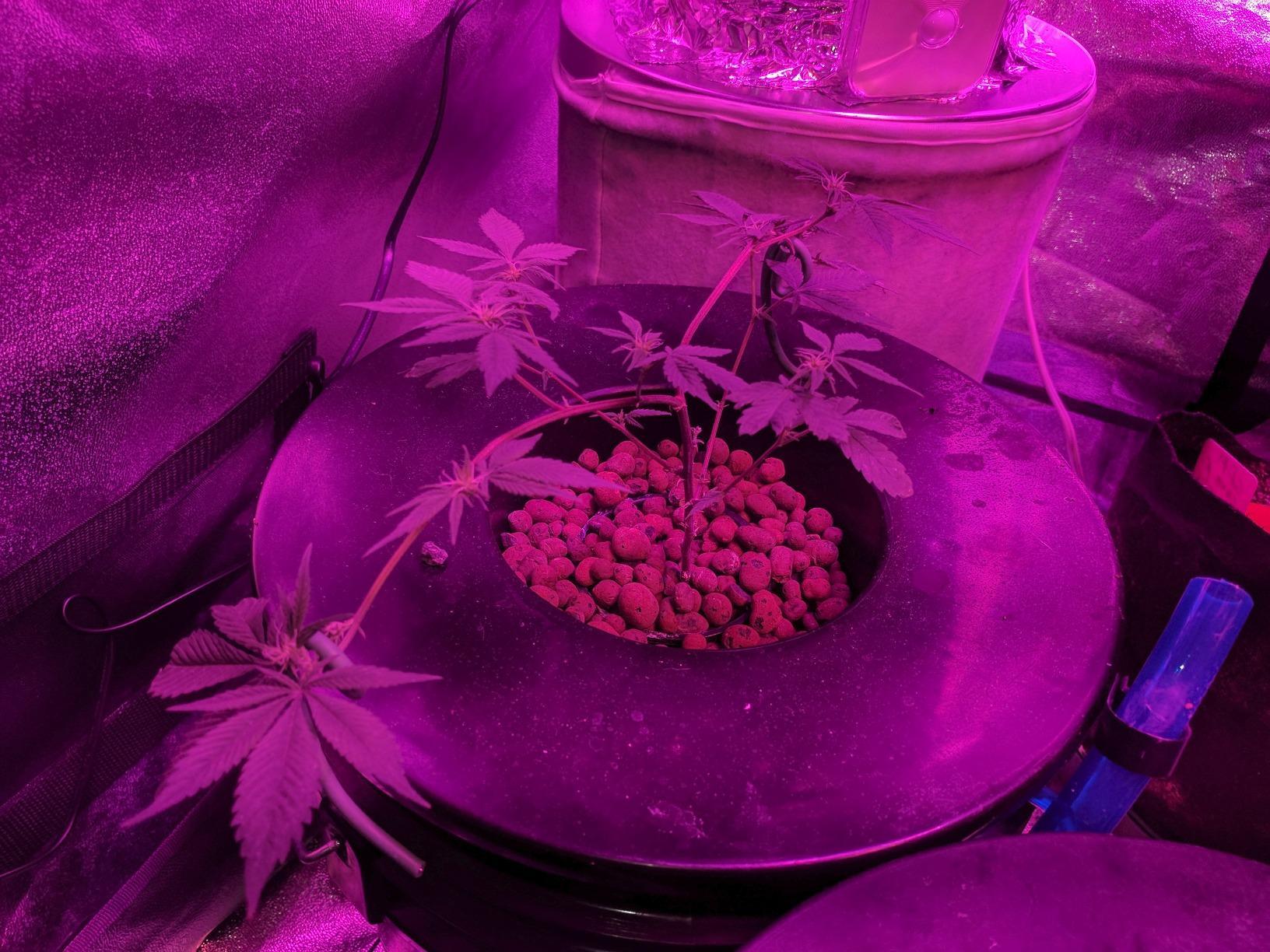
This suits a grower with a small but serious operation who wants four head-sized crops on a schedule and a warranty behind the hardware. The 6-inch lids are the reason, since that is where a butterhead finishes at full width.
It also suits anyone who prefers to keep systems simple. Fewer components than a top-drip kit means fewer fittings to seal and fewer places for a leak to start.
Who should skip it
Skip it if you want to run eight plants at once. This is a four-site system, and expanding means another kit rather than another bucket, because the lids are sized to these buckets.
Skip it if the warranty is not a deciding factor and you want top-feed irrigation. This kit has no drip ring, so small seedlings need manual top-feeding until their roots reach the solution.
5. Hydrofarm Root Spa 5 Gallon Bucket System – Best for Multi-Bucket Setups
Hydrofarm RS5GALSYS Root Spa Deep Water Culture Bucket System, 5 Gallon, black
5-gallon bucket reservoir
8-inch net pot lid
Air pump and multi-purpose air hose
Grommet and elbow fittings included
Pros
- The largest review base in the roundup at 1132 reviews
- Tight leak-resistant grommet fittings
- Net pot lid fits airtight
- Included air pump drives multiple air stones
- Works well with washed lava rock
Cons
- Buckets are not plumbed together so each drains separately
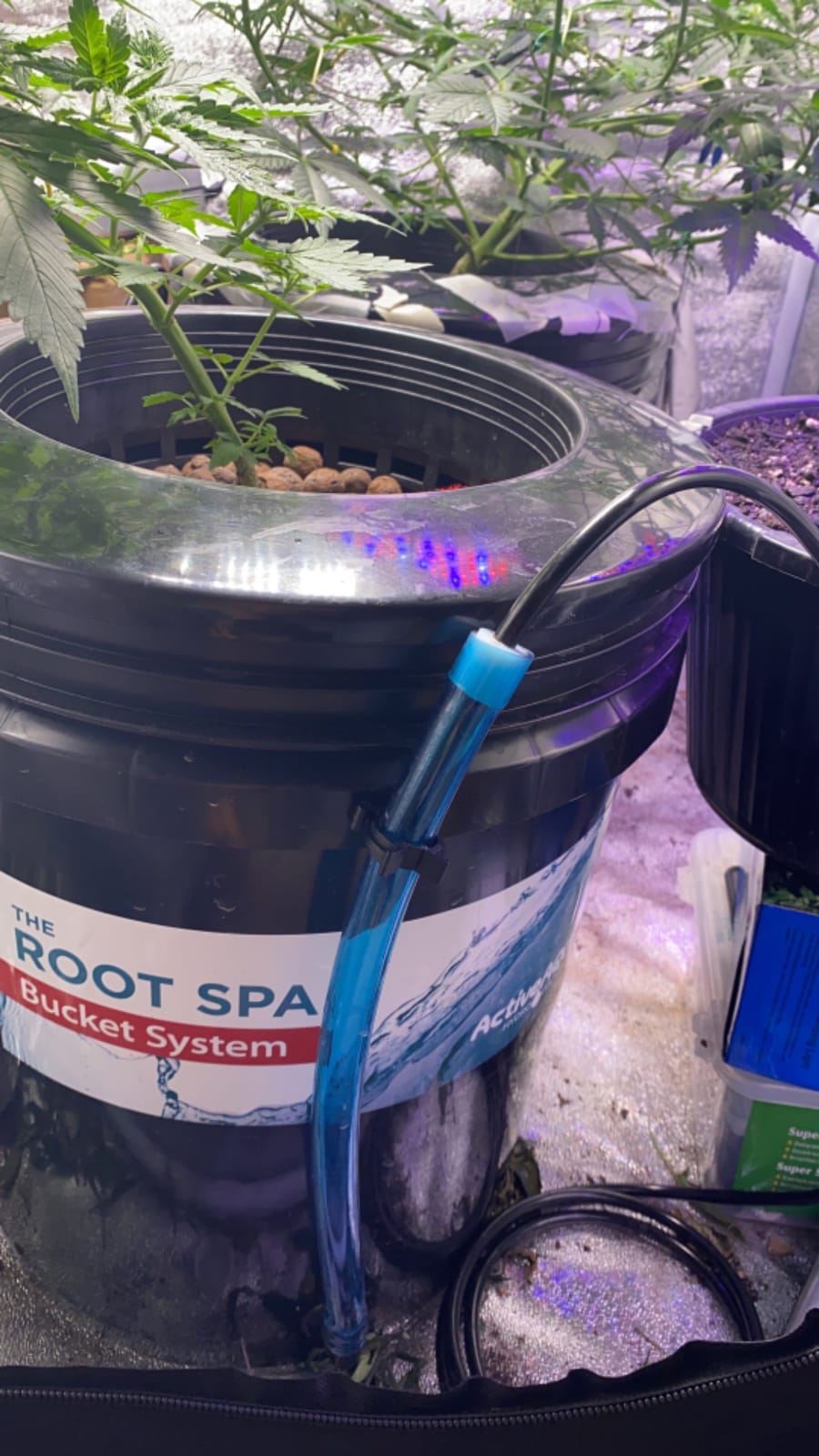
- Blue side tube is a viewing tube that confuses new users
- Some buyers received broken or missing elbow fittings
- Included pump is underpowered when running eight buckets
This bucket has the longest track record of anything in our roundup, with 1132 reviews behind it. That volume of feedback matters in a category where most listings are new and unreviewed, because the known weak points are documented rather than discovered after you have committed.
The 8-inch net pot basket is the widest lid here. For a single full-size head of lettuce that is generous, and many growers pair it with two or three smaller net cups for mixed greens and herbs instead. For one head per bucket it is more container than a 6-inch lid requires.
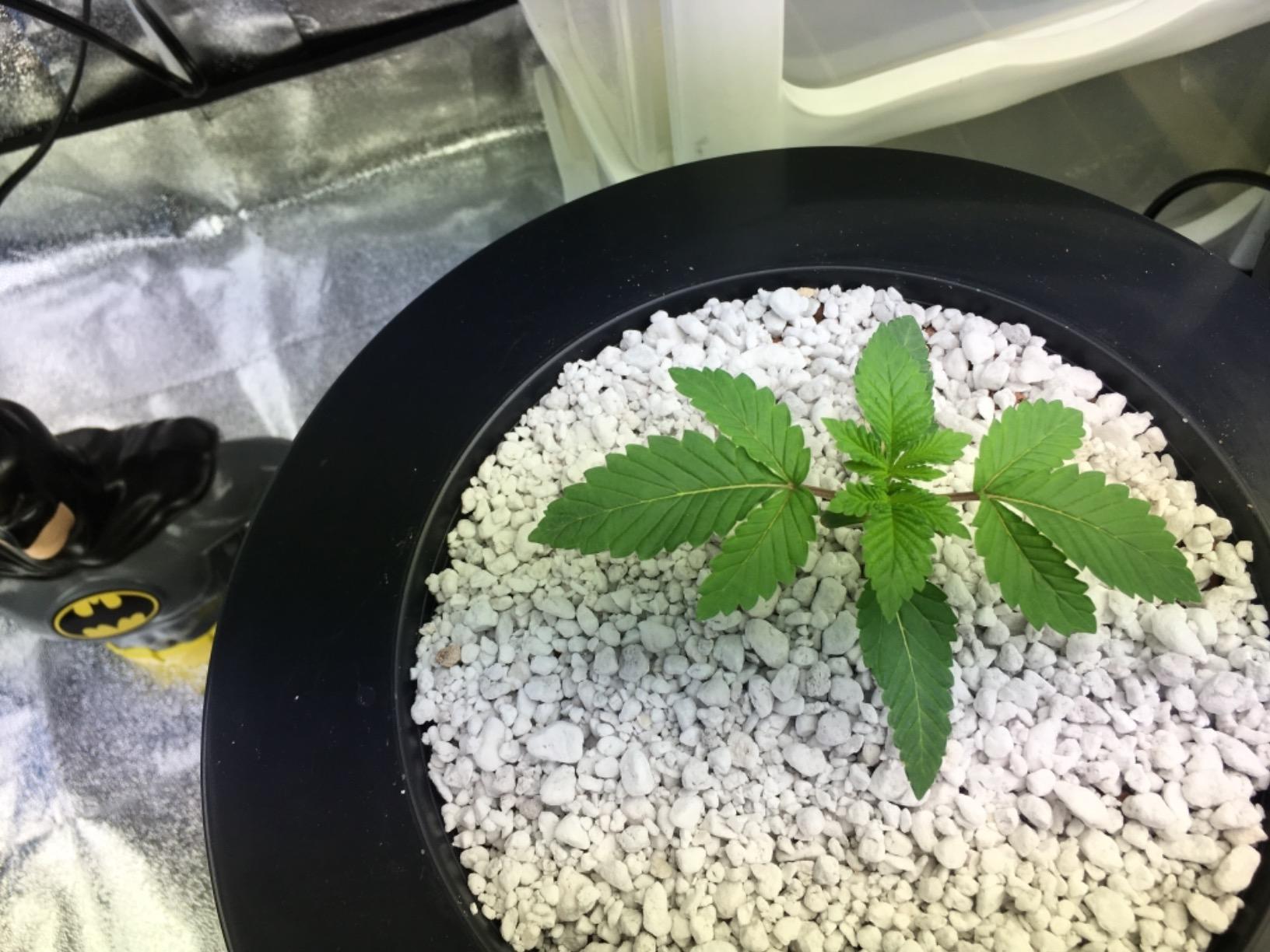
Reviewers often describe drilling an extra airline hole above the water line so the air stone can be raised as root mass grows, which is a modification worth planning for. The included clay pebble medium is sold separately, so budget for that and for a bottle of nutrient solution before the first transplant.
Because a single bucket is not plumbed to anything, the common pattern here is running several of these together, drilled and linked, so one reservoir feeds the group. Experienced growers in the community describe exactly that setup, and the fact that the lid and fittings hold an airtight seal is what makes it workable.
Who this kit suits
This suits a grower who plans to run more than one bucket and wants components that link cleanly. The grommet and elbow fittings included are the ones that make a multi-bucket plumbed build practical, and that is the kit’s real strength.
It also suits anyone who wants to buy a single unit first and expand later, since the same model scales from one bucket to a row without changing hardware types.
Who should skip it
Skip it if you want everything in one box. The clay pebble medium is not included, and neither are nutrients or a pH test, so a beginner needs a second order before transplanting.
Skip it if you want a plug-and-play first hour. The blue side tube is a water level indicator rather than an airline port, and that confusion trips up a large share of first-time buyers.
6. Spider Farmer DWC 4 Buckets 7 Gallon – Best for Large Lettuce Heads
Spider Farmer DWC Hydroponics Growing System Kit 4 Buckets for Indoor Plant
Four 7-gallon buckets
6-inch net cups
28 L/min air pump
Triangular light-blocking covers
Pros
- Largest reservoir per bucket in the roundup at 7 gallons
- Triangular covers keep light out and open easily for pH and EC checks
- Adjustable drip ring plus 28 L/min airflow
- Explicitly marketed for lettuce and leafy greens
- 12 m of dual-diameter 4/6 mm tubing
Cons
- Buckets are not recirculating so each needs its own water change
- Footprint is tall and narrow at over 26 inches
- Buckets do not fit standard 5-gallon containers
- Included air pump is adequate rather than strong for four large plants
This is the only kit in the roundup sized in gallons rather than in heads, and that changes the daily routine. Seven gallons per bucket means the top-off interval stretches out, which is the single biggest reason we would pick it for anyone growing a head-heavy crop like romaine.
Each bucket has a 6-inch net cup, which is the right size for a full head, and a triangular cover that blocks light from the reservoir. That light exclusion is not cosmetic. Exposed nutrient solution grows algae, and algae competes with lettuce for nutrients and clogs the root zone.
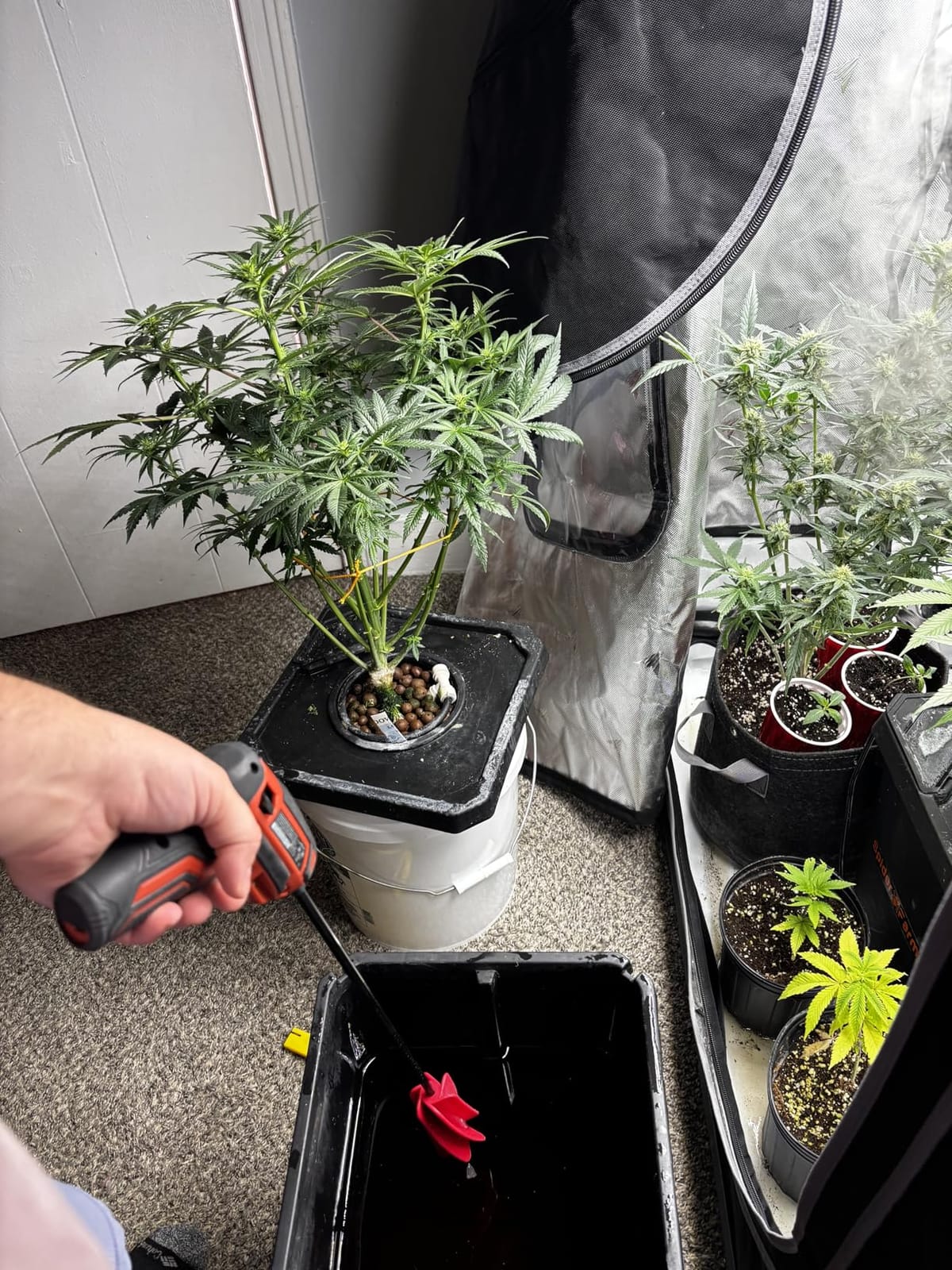
The cover design also makes routine measurement simple, since you lift the cover to top up water and take pH and EC readings without dismantling anything. The adjustable drip ring lets you slow the irrigation down as a head matures, so you are not constantly flooding a full plant.
The included 11 watt air pump moves up to 28 L/min with four air stones and an adjustable regulator, and 12 metres of dual-diameter tubing gives more routing freedom than kits that ship a single airline size. The manufacturer’s own list of crops includes lettuce, mint, strawberries and tomatoes.
Who this kit suits
This suits a grower with a tall dedicated light stand who wants big heads and fewer interventions. The 26 inch tall footprint suits a vertical light rack far better than a low countertop fixture.
It also suits anyone who already measures pH and EC. Seven-gallon reservoirs change slowly, which means nutrient balance drifts more between changes rather than less, and checking twice a week is the honest routine.
Who should skip it
Skip it if you are replacing standard buckets. These 7-gallon containers do not accept a standard 5-gallon lid, and the covers only fit their own buckets.
Skip it if you want a low, wide layout. Four buckets at 11.89 by 11.89 by 26.18 inches is a vertical column, not a spread-out row, and the weight of four full buckets is a real consideration for a balcony or a raised shelf.
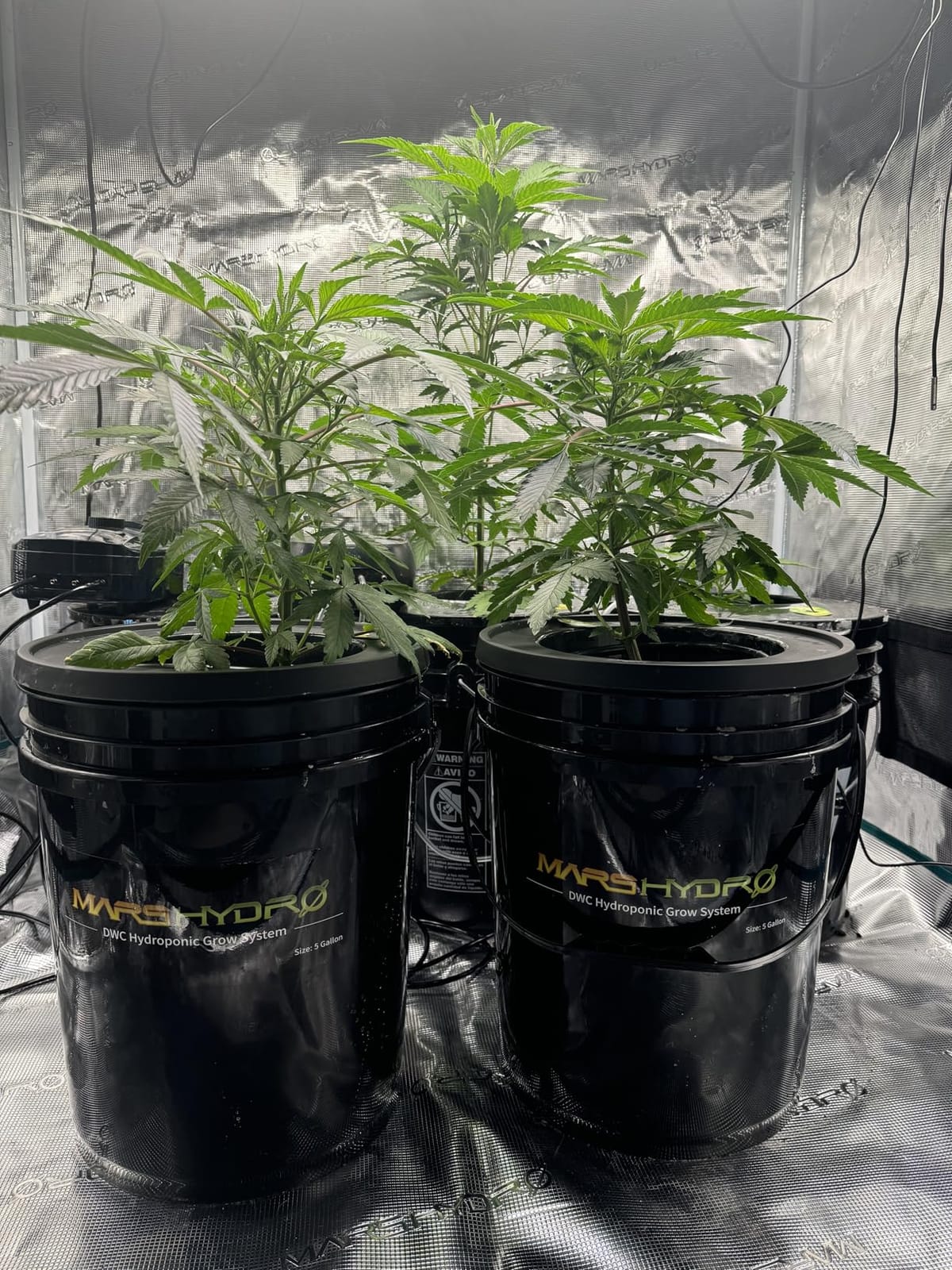
7. MARS HYDRO DWC 2 Buckets with Top Drip – Best for Root Oxygenation
Mars Hydro DWC Hydroponics Grow System 5 Gallon Deep Water Culture with 8W Air Pump, Multi-Purpose Air Hose, Air Stone, 2 Buckets and Top Drip Kit
Two 5-gallon BPA-free buckets
8W air pump rated 4 x 63.4 GPH
Top drip kit per bucket
Visual level indicators
Pros
- Food grade thick-walled BPA-free polypropylene that insulates the root zone
- Integrated tie-down holes around the lid rim
- Buyers report dissolved oxygen above 7 mg/L with white roots
- Simple assembly once the tubing routing makes sense
Cons
- Included 4 mm tubing is the wrong diameter for some setups
- No instructions or parts list in the box
- Air pump is noticeably loud with a short power cord
- Level tubes arrive bent and clay pebble fill weights vary
Root health in DWC is an oxygen problem before it is a nutrient problem, and this kit is built around that. The 8 watt air pump is rated at up to 4 by 63.4 GPH across two air stones, and buyers report dissolved oxygen readings above 7 mg/L with bright white roots and no pythium across a full crop.
Two buckets is a small footprint and that is a deliberate choice for a household of one or two. It is also the easiest configuration in this roundup to run a controlled side-by-side, since two independent systems let you trial one growing technique against another without changing anything but the method.
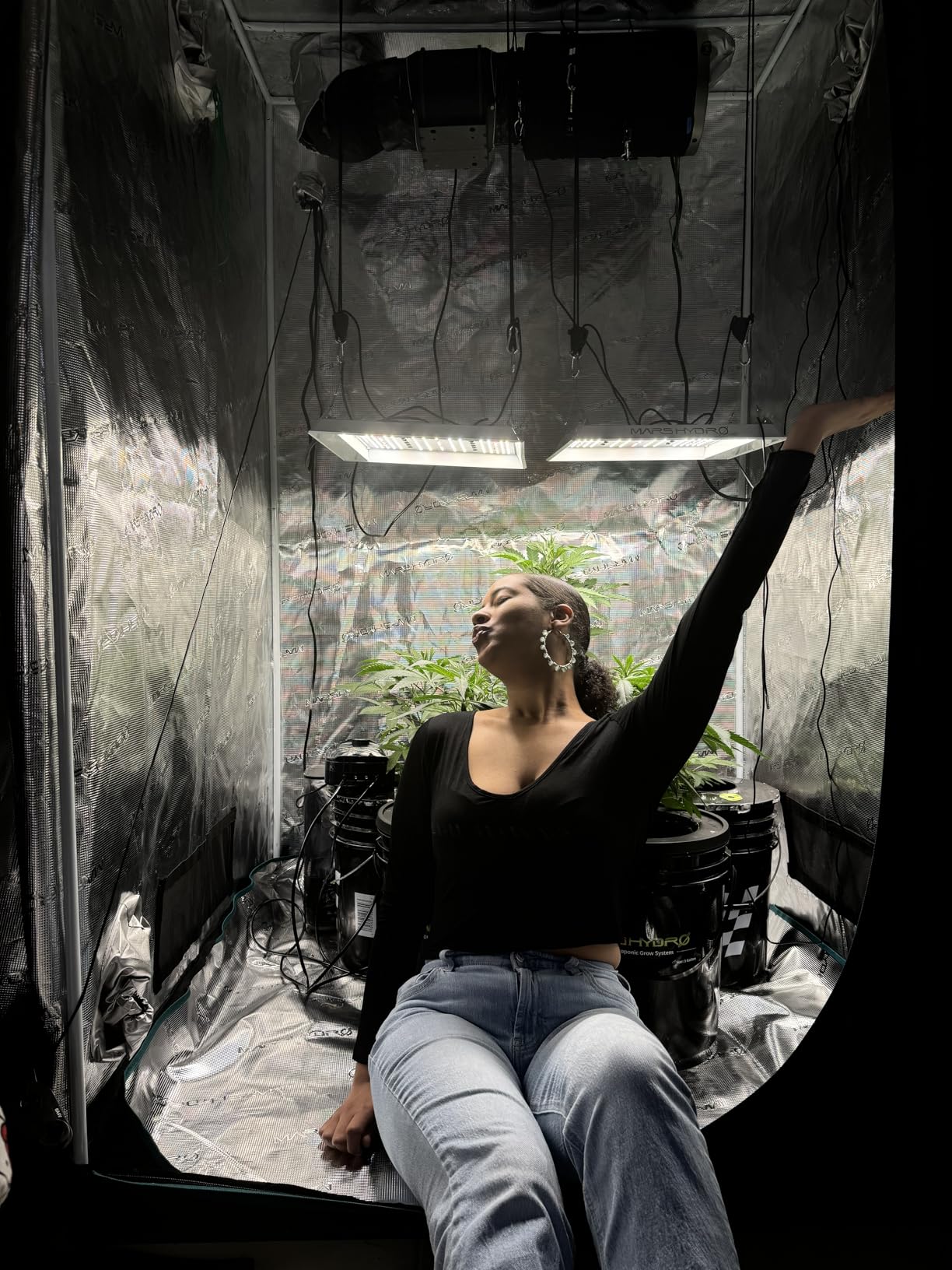
The buckets are thick-walled BPA-free polypropylene, and the reviews make a specific point of them holding their shape under heavy root mass while insulating the root zone. The tie-down holes moulded around the lid rim are not needed for lettuce, but they mean the same lid works if you later grow something larger.
The criticisms here are packaging rather than performance. No printed instructions or parts list ship with the kit, the included 10 metres of 4 mm tubing is the wrong diameter for some setups where 5 mm fits better, and the visual level tubes arrive bent. Budget ten minutes of troubleshooting on day one.
Who this kit suits
This suits a grower in a warm room, where water temperature and dissolved oxygen are the limiting factors. The best-documented aeration numbers in the roundup are the reason, and thin-walled buckets lose heat faster than these.
It also suits anyone who wants to run a controlled comparison between two setups, since two identical independent buckets is the cleanest way to test a change.
Who should skip it
Skip it if you need volume. Two heads per cycle is a salad-for-two arrangement, not a household supply, and the per-head cost of the kit works out higher than the four-bucket sets.
Skip it if you want everything in the box. The air pump is loud enough to notice in a quiet room, and the short power cord may not reach where you want the pump to sit.
8. Atwater HydroPod 5 Gallon – Best Turn-Key Starter Kit
The Atwater HydroPod – DWC Deep Water Culture Garden System Kit – 5 Gallon Bubble Bucket – Bubbleponics – Nutrients & pH Testing/Adjusting Kits are Included!
USA-made food grade 5-gallon bucket
Dual outlet DC air pump
Two air stones
Nutrients and pH test kit included
Pros
- The only kit in the roundup that ships with nutrients and a pH testing and adjusting kit
- USA-made food grade 5-gallon bucket with all fittings in the box
- Genuinely turn-key: mix nutrients
- adjust pH
- transplant
- power up
- Low maintenance and water-efficient
Cons
- Single growing site only so it cannot scale without another HydroPod
- Dual outlet DC air pump output is modest
- Loose fittings may need extra sealing in humid setups
Every other kit in this roundup ships you hardware and leaves you to source nutrients, medium and a pH test. This one ships with a nutrient starter pack and a pH testing and adjusting kit, which closes the gap that stops most beginners before their first harvest.
For lettuce specifically, that matters more than it would for a fruiting crop. Lettuce is a short cycle, so a first-time grower who has to learn nutrient dosing and pH adjustment is learning those skills on the clock. Having the test kit in the box removes one decision entirely.
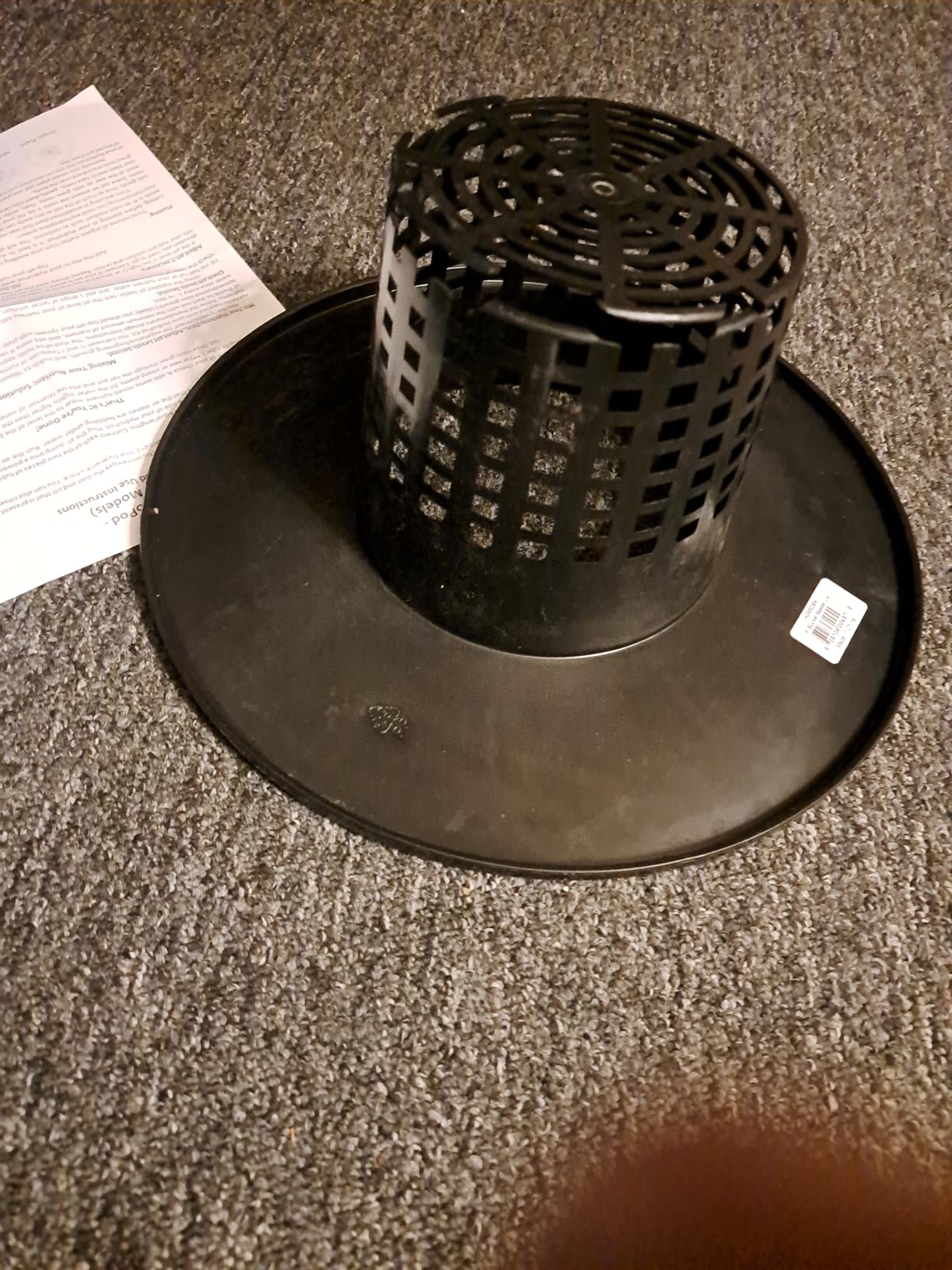
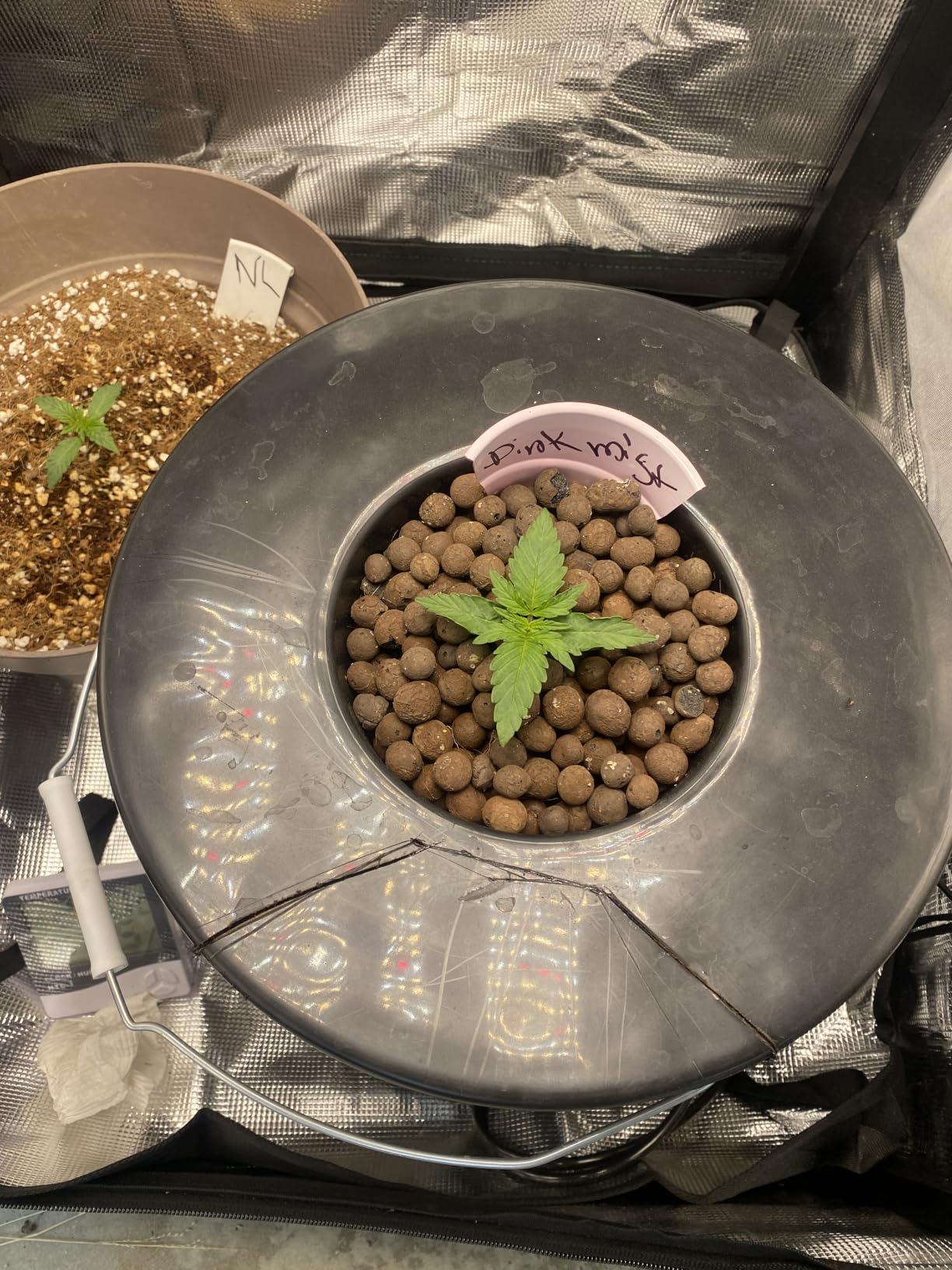
The hardware is a USA-made food grade 5-gallon black bucket, a dual outlet DC air pump kit driving two air stones, and all fittings and parts. Two air stones in one 5-gallon bucket is generous aeration for a single planting site, which is where most of the pump output actually goes.
The listed components are six pieces in total, so there is little to assemble and little to leak. What the single site costs you is head count, and the honest way to use this product is as one module in a small multi-bucket setup rather than as a complete salad supply on its own.
Who this kit suits
This suits a genuine beginner who has never mixed nutrients or adjusted pH and wants a first successful cycle without a shopping list. It is also a good gift, since there is nothing else to buy before the first week.
It suits a grower who wants one reliable demonstration bucket before scaling to a multi-site system, using the same bucket and lid geometry you would buy again.
Who should skip it
Skip it if you want more than one head. A single site means a single head per cycle, and scaling means buying additional HydroPods rather than adding lids to a shared reservoir.
Skip it if you already have nutrients and a pH kit on hand. The included supplies solve a problem you do not have, and they are not a full season of consumables.
9. LAWNFUL 4 Bucket Kit with Germination Tray – Best for Growing Lettuce From Seed
Lawnful 4 Hydroponic Buckets Kit for Plants, Hydroponics Growing System for Herbs/Tomato/Vegetables, DWC System with Air Pump & Germination Tray (Complete Indoor Hydroponic Gardening Supplies)
Four 10L buckets
Five pods per lid
Four-outlet air pump with check valves
Two germination trays with humidity domes
Pros
- The only kit here that includes germination trays
- grow sponges and baskets for propagation
- Five planting positions per lid suits mixed greens and herbs
- Water level indicators on every bucket
- Compact space-saving footprint at 10.4 x 32 x 10.4 inches
Cons
- 2.6 gallon buckets are much smaller than the 5 gallon buckets elsewhere
- Lowest average rating in the roundup at 4.1 with a 10 percent one-star share
- Air tubing is only 5 feet per bucket
- Some buyers report leaking fittings and weaker-than-expected air output
Every other kit assumes you already have seedlings. This one includes two germination trays, 24 grow sponges, 24 grow baskets, 16 sponge cubes and a vented humidity dome, which makes it a complete path from seed to harvest rather than a hardware bundle with a hole in the middle.
That is genuinely useful if you want to run lettuce on a continuous stagger. Sowing in sponges, doming for germination, then moving cubes into net baskets in the buckets is a clean workflow with nothing else to buy.
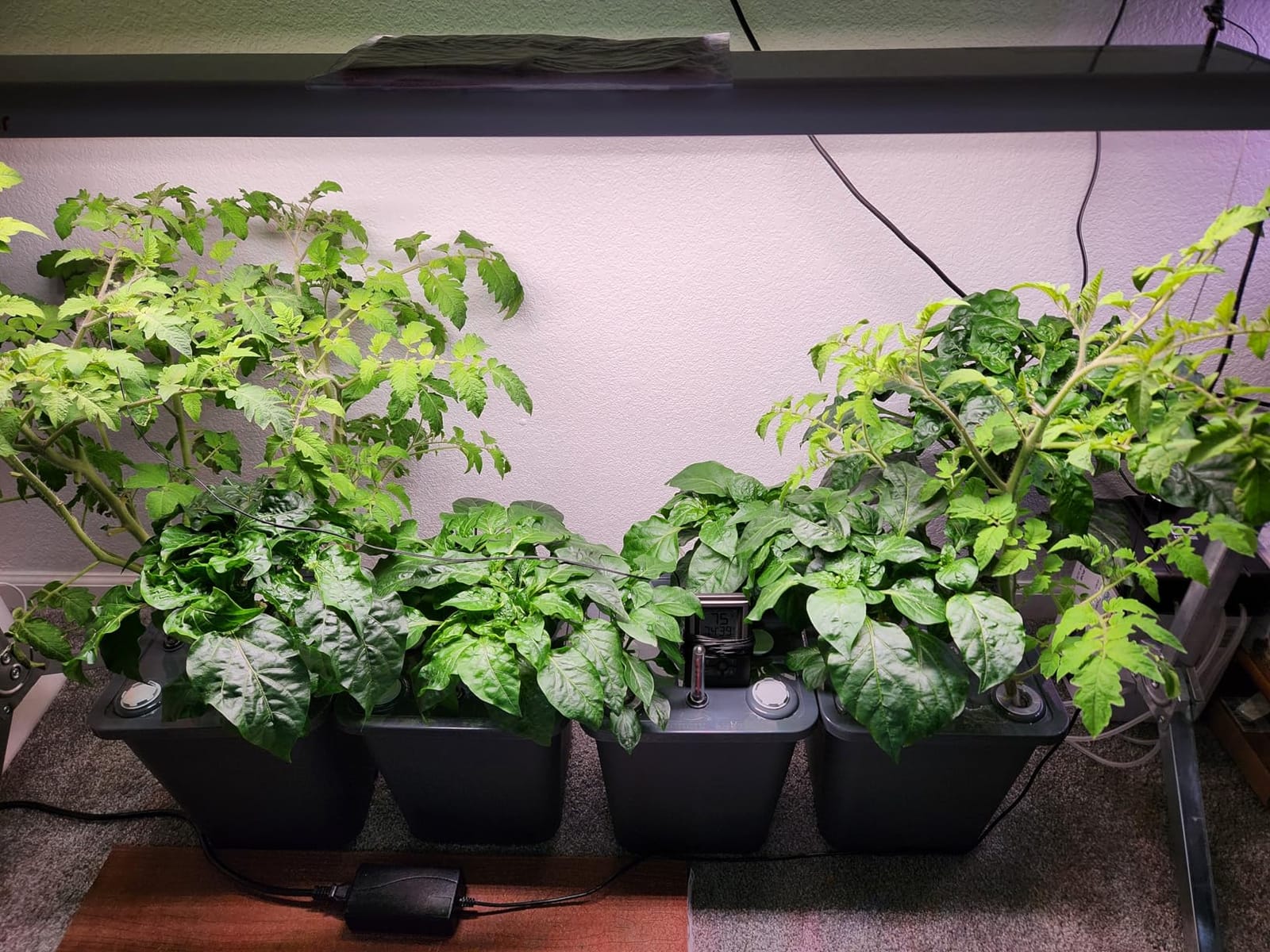
The tradeoff is bucket size. Each of the four buckets holds 10 litres, or 2.6 gallons, which is roughly half the volume of every other kit here. A single mature head in 2.6 gallons is workable, but the buffer between water changes is short and nutrient balance moves faster.
Five pod positions per lid means the design leans toward smaller mixed greens and herbs rather than one large head. For lettuce that is fine if you grow loose-leaf and cut-and-come-again varieties, and less ideal if you want butterhead heads at full width.
Who this kit suits
This suits a grower who wants to sow directly rather than buy transplants, and who is planning loose-leaf lettuce, mizuna or arugula more than full heads. The five-position lids reward that approach.
It also suits a small indoor or balcony setup where footprint matters. At 10.4 by 32 by 10.4 inches it spreads wide and stays low.
Who should skip it
Skip it if you want full-size heads and long intervals between water changes. The 2.6 gallon buckets are the smallest here and that drives the top-up routine.
Skip it if you already propagate your own seedlings. The germination supplies are the main reason to buy this, and the bucket sizing works against lettuce heads rather than for them. It also carries the lowest average rating in the roundup at 4.1.
10. Atwater HydroPod 4 Site Dual Drip System – Best for Drip and DWC Combined
The Atwater HydroPod – Dual DWC Deep Water Culture/Recirculating Drip Hydroponic Garden System – Bubble Bucket – Hydroponic System in a Box – Choose Your Variation (4 Site System)
Four-site bubble bucket DWC
Dual outlet air pump
Aerated recirculating drip ring
Complete system in a box
Pros
- The only kit here that combines reservoir aeration with recirculating top-feed drip in one system
- One dual outlet air pump handles aeration and drip delivery
- Turn-key box needing only plants
- nutrients and water
- Water-efficient relative to soil growing
Cons
- Lowest review count and rating in the roundup at 4.0 across 32 reviews
- Highest two-star share of any product here at 12 percent
- Buckets still need manual water level management
- Bulky multi-piece box takes more space than a single bucket
This is the most advanced design in the roundup and the least proven. A single dual outlet air pump drives both the bubble-bucket aeration at the reservoir and a recirculating top-feed drip ring, so plants get aerated water at the roots and a wetting cycle at the medium surface from one unit.
For lettuce, the drip half is genuinely useful. Seedlings and small transplants in rockwool or small net baskets benefit from a top feed before their roots reach the solution, and that is the stage most beginners lose plants.
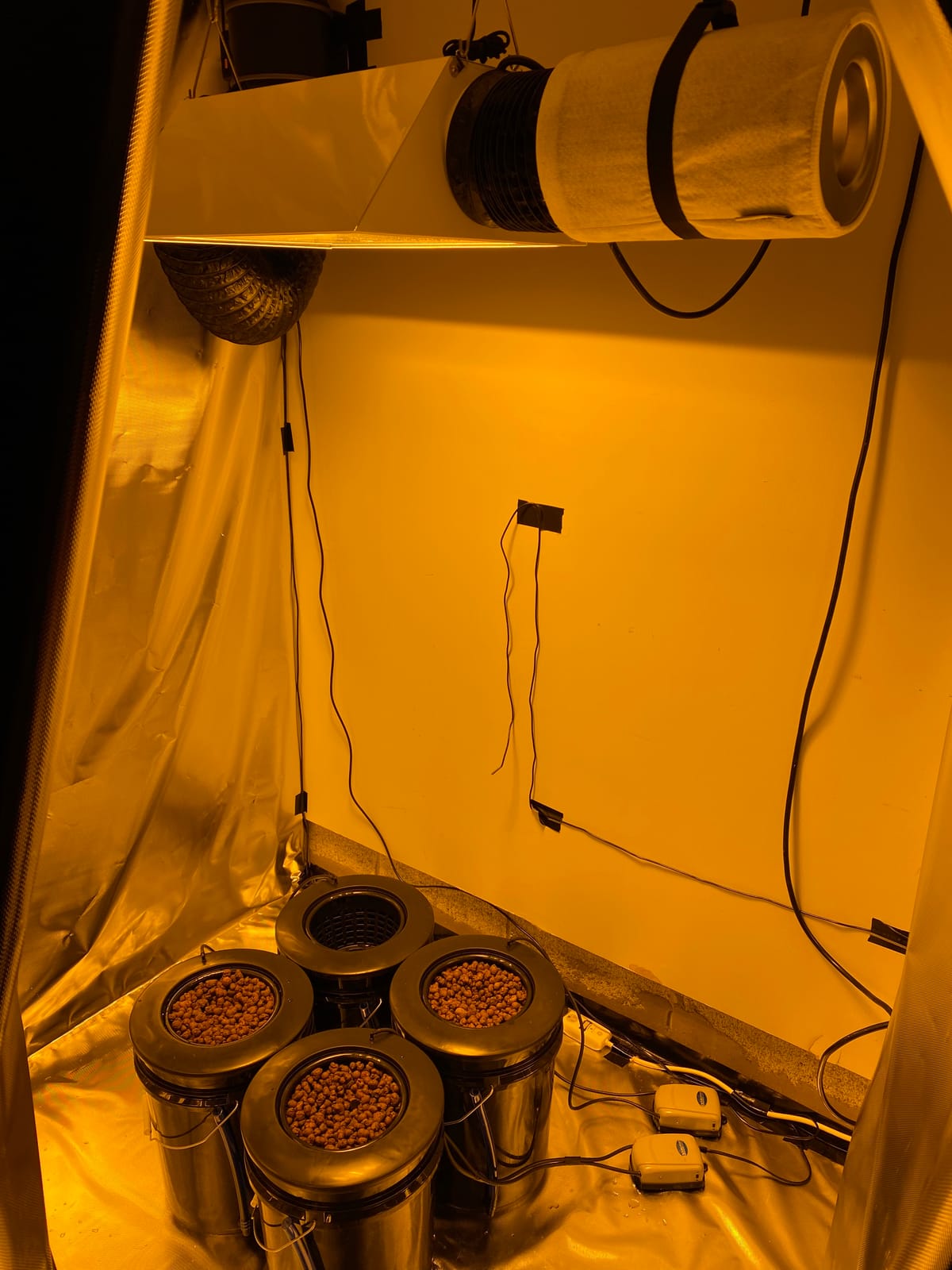
The box contains twelve pieces and everything needed to start apart from plants, nutrients and water. It is described as a recirculating DWC design, which is the most water-efficient way to grow, with minimal evaporation compared with open soil beds.
Set expectations on the evidence. Thirty-two reviews and a 4.0 average is the thinnest proof in this roundup, and the 12 percent two-star share is the highest here. Treat it as the most interesting design to try rather than the safest buy, and check that you are comfortable servicing a drip loop if a line blocks.
Who this kit suits
This suits a grower who has already run a plain bucket system and wants to add top-feed irrigation without buying a second pump. The combined aeration and drip design is the reason to choose it, and nothing else in the roundup does both.
It also suits anyone placing a system outdoors in full sun, since the listed design intent is outdoor placement where evaporation is the main water loss.
Who should skip it
Skip it if you want a proven track record. With 32 reviews there is not enough long-term feedback to know how the drip rings behave after several months of mineral build-up.
Skip it if you want full-size heads. A four-site box with a 12 percent two-star share and a bulky footprint is a harder bet than one of the better-reviewed four-bucket kits for a straightforward salad crop.
Why Deep Water Culture Is the Best Fit for Lettuce
Deep water culture is the best hydroponic method for lettuce because lettuce has shallow fine roots that need a constant supply of water and dissolved nutrients, and because a stopped air pump in a DWC bucket takes hours to become fatal while a stopped pump in a film technique channel kills roots within minutes. Lettuce also finishes in 30-45 days, so a mistake costs you a month rather than a season.
Roots in a DWC reservoir never have to search for water, so the plant directs energy upward instead of building root mass to find moisture. The air pump keeps dissolved oxygen high, and as the plant drinks, an air gap forms between the waterline and the net pot base, which protects the crown from sitting in wet medium.
The practical downside is that DWC is a reservoir, not a mist. It handles leafy greens and herbs beautifully and it is the wrong shape for large fruiting plants, which need a root volume and a trellis that a five-gallon bucket does not provide. If your list is lettuce, spinach, kale and herbs, this is the right shape.
DWC vs RDWC vs NFT vs Kratky: Which One Suits Lettuce
Recirculating deep water culture is better than plain DWC only when you run enough buckets to make the plumbing worthwhile, because RDWC ties several buckets to one shared reservoir and one pump, while plain DWC keeps each bucket independent. For four buckets or fewer, independent buckets are simpler to service and a single failed part affects one plant instead of all of them. The best deep water culture systems for lettuce in this roundup are almost all independent-bucket designs for that reason.
NFT is the opposite trade. It uses very little water and a thin film, which makes it compact and efficient, but it is unforgiving. Experienced growers are consistent on this point: an NFT system with a failed pump desiccates roots fast, while a DWC bucket with a failed air pump still has plants sitting in solution for hours. For a beginner growing a crop that bolts quickly, that tolerance is worth more than the water saving.
Kratky is passive DWC. You fill the reservoir, add nutrients, drop in a net pot, and do not aerate at all. It works for lettuce because a single lettuce plant does not consume enough water to deoxygenate a large static reservoir, and it removes the pump, the noise and the failure point entirely. It also does not scale, since each container is a closed system that must be replaced rather than topped up.
So the short version: choose Kratky if you want the fewest components and one to two plants, plain DWC with an air pump for three to eight plants, and RDWC only past that. NFT is worth it when floor space is genuinely tight and you already know how to watch a system closely.
What Grows Best in Deep Water Culture
Leafy greens and herbs grow best in deep water culture because their root systems are shallow and fibrous, which matches a reservoir setup that keeps roots submerged rather than flowing past them.
Lettuce, all types: butterhead, romaine, oakleaf, green leaf
Spinach, mizuna, and other brassica-family salad greens
Kale, collard greens, and Swiss chard while young
Bok choy, pak choi, and tatsoi
Arugula, mizuna, and other fast-cut salad leaves
Herbs: basil, mint, cilantro, and parsley
Strawberries, which do accept DWC in dedicated systems
What does not suit DWC is large fruiting plants such as tomatoes, peppers and cucumbers. Their root volume, height and nutrient demand exceed what a five-gallon bucket provides, and they need a support structure that a bucket lid cannot carry. Deep-rooted crops like carrots and beets are a poor fit too, since DWC gives them no depth to grow into.
How Many Lettuce Heads Each DWC System Yields
Head count is decided by two numbers: how many sites a system has, and how large the net pot is. A 5-inch basket fits one head, a 6-inch basket fits one head with room for the outer leaves to spread, and an 8-inch basket usually fits one head comfortably or two smaller loose-leaf plants. That is the entire math, and it is why site count alone does not tell you what you will harvest.
Working through the roundup: a single-bucket kit gives one head per cycle. A four-bucket system gives four heads per cycle, and an eight-bucket system gives eight. On a 30-45 day cycle, staggered starts turn that into roughly one to two heads per week per bucket rather than a single harvest every month and a half.
Reservoir volume matters for how you get there. The 7-gallon buckets extend the interval between top-offs, while the 2.6-gallon buckets in the LAWNFUL kit ask for more frequent attention and suit loose-leaf harvests over full heads.
How to Choose a Deep Water Culture System for Lettuce
Pick by site count first, net pot size second, aeration third. Everything else is preference. The list below is the order we would work through if a friend asked us to choose for them.
Start from your salad consumption. One to two people eating salad a few times a week need one or two buckets. A household of four needs four sites minimum, and a classroom or restaurant kitchen needs eight or more.
Check the net pot diameter, not just the site count. A full butterhead head needs a 6-inch basket or larger. Many listings advertise eight sites without publishing the pot size, and 5-inch pots are common in the largest kits.
Look at air pump output in litres per minute, not watts. The kits here range from a modest DC pump driving one bucket to 28 L/min across four air stones. A pump shared across eight buckets should still have output to spare per bucket.
Decide on lights before you buy anything. No kit in this roundup includes a grow light. Lettuce wants 200-400 PPFD, and past roughly 400 PPFD you gain little for a leaf crop. A full spectrum LED bar above each bucket is the usual arrangement.
Confirm the reservoir is opaque or covered. Light in the reservoir grows algae, which competes with the crop. The Spider Farmer triangular covers and the standard bucket lids both handle this; an uncovered clear tub does not.
Count what is actually in the box. Growing medium, nutrients and a pH test are excluded from nine of these ten kits. The Atwater HydroPod includes nutrients and a pH kit, and the LAWNFUL kit includes propagation supplies.
Think about the failure case. A single air pump driving four buckets is a single point of failure. Experienced growers keep a spare pump on hand, and running two smaller pumps instead of one large one is a cheap way to remove the risk.
Two things we would tell anyone buying in 2026. Buy the largest system you can realistically top up, because the bottleneck in DWC is attention rather than hardware. And check the reservoir volume against your room temperature, since warm water is the leading cause of root problems in this method.
Lettuce Nutrient and Environment Targets by Growth Stage
EC measures how concentrated the dissolved salts are in your nutrient solution, and it is the number to track as lettuce moves from seedling to head. The following targets keep a crop moving without pushing it into a stress range.
Seedling, days 0-10: EC 0.4-0.6 mS/cm, pH 5.8-6.2, water 65-72F, 100-200 PPFD for 12-14 hours
Vegetative, days 10-25: EC 0.8-1.2 mS/cm, pH 5.5-6.5, water 65-72F, 200-300 PPFD for 14-16 hours
Head formation, days 25-45: EC 1.0-1.4 mS/cm, pH 5.5-6.2, water 62-70F, 250-400 PPFD for 16 hours
Water temperature is the variable people underweight. Lettuce roots decline above roughly 72F, and dissolved oxygen drops as water warms, which is the mechanism behind most reported root rot. If your room runs warm, an insulated bucket like the MARS HYDRO set holds the root zone steadier than a thin-walled tub.
How to Prevent Root Rot in Deep Water Culture Lettuce
Root rot is a fungal problem, usually Pythium, that arrives when warm water holds too little oxygen. It is the number-one anxiety among new DWC growers, and experienced members of r/Hydroponics treat it as a problem to manage with temperature and aeration rather than something to avoid entirely.
The routine early-warning test is simple and worth doing twice a week. Lift a net pot and look at the roots. Healthy roots are white or cream and firm. Browning, a slimy coating or a sour smell means act now, not next week. Growers describe the standard response as a full flush of the reservoir and a nutrient change rather than a spot treatment.
Prevention is mostly four things. Keep the water cold, in the 62-72F range, because temperature drives oxygen loss faster than anything else. Keep an air stone in the bucket and confirm it is actually bubbling rather than assuming it is. Keep pH between 5.5 and 6.5, because acidic water favours the pathogen. And keep light out of the reservoir, since algae weakens plants and makes infection easier.
For persistent problems, the advanced mitigation growers reach for is UV sterilization of the water and nutrient supply before it enters the system. It is equipment beyond a bucket kit, so treat it as a later step rather than a first-line fix. Most cases resolve with temperature control and stronger aeration before that is warranted.
One more note on redundancy. Because a stopped air pump is the trigger that starts most root rot episodes, keeping a second inexpensive pump on hand is cheap insurance. Several community members run backups purely for that reason, and swapping a failed pump in minutes rather than hours is the difference between a saved crop and a drained reservoir.
Frequently Asked Questions
Which hydroponic system is best for lettuce?
Deep water culture is generally the best hydroponic system for lettuce because the crop has shallow fine roots that need constant access to water and dissolved nutrients, and because a DWC reservoir tolerates pump failure for hours. NFT uses less water but can desiccate roots within minutes of a pump stop, and Kratky is a passive version of DWC that suits one or two plants.
Which is better, NFT or DWC?
DWC is better for lettuce if you are new to hydroponics, because the roots sit in a reservoir of solution and survive a pump outage for hours, while NFT roots dry out fast when flow stops. NFT is better if floor space is genuinely tight, because it uses a thin film in a narrow channel and needs very little water. For a fast bolting crop like lettuce, that failure tolerance usually wins.
Which is better, DWC or RDWC?
Plain DWC is better for most home growers, because each bucket is independent, so a fitting leak or a failed part affects one plant instead of the whole run. RDWC ties several buckets to one shared reservoir and pump, which saves water and simplifies top-ups at scale but adds plumbing and a single point of failure. Below four buckets, independent is the simpler choice.
What grows best in deep water culture?
Leafy greens and herbs grow best in deep water culture because their shallow, fibrous root systems match a reservoir setup. That includes lettuce, spinach, kale, mizuna, bok choy, arugula, collard greens, and herbs such as basil, mint and cilantro. Large fruiting plants and deep-rooted crops do not suit DWC, because they need more root volume and depth than a bucket provides.
Do I need an air pump for a lettuce DWC system?
An air pump is recommended for lettuce grown in DWC, because it keeps dissolved oxygen high and creates the air gap that protects the crown from sitting in wet medium. Kratky, the passive version with no pump, works for one or two plants because a single lettuce head does not consume enough water to deoxygenate a large static reservoir. It does not scale past that.
How often should I change the water in a DWC lettuce system?
Change the water roughly every two weeks, and top up with plain water in between as the level indicator drops. Large reservoirs such as 7-gallon buckets can go closer to three weeks, while small 2.6-gallon buckets need attention more often. Check pH and EC at every change rather than daily, and check root colour twice a week as an early warning sign.
The Verdict on Deep Water Culture Systems for Lettuce in 2026
After working through ten kits, the PowerGrow DWC 5 Gallon 6 Inch bucket is our pick for the best deep water culture systems for lettuce in 2026. It carries the highest average rating in this roundup, the 6-inch lid is the right size for a full head, and it is one of the few boxes where a first-time grower can sow, transplant and run a cycle without a second order.
Buy the four-bucket version if one head is not enough, the VEVOR eight-bucket set if you want volume, and the Spider Farmer 7-gallon buckets if you are chasing big heads and fewer top-offs. Whichever you choose, add a grow light, keep the water in the 62-72F range, and check those roots twice a week.