
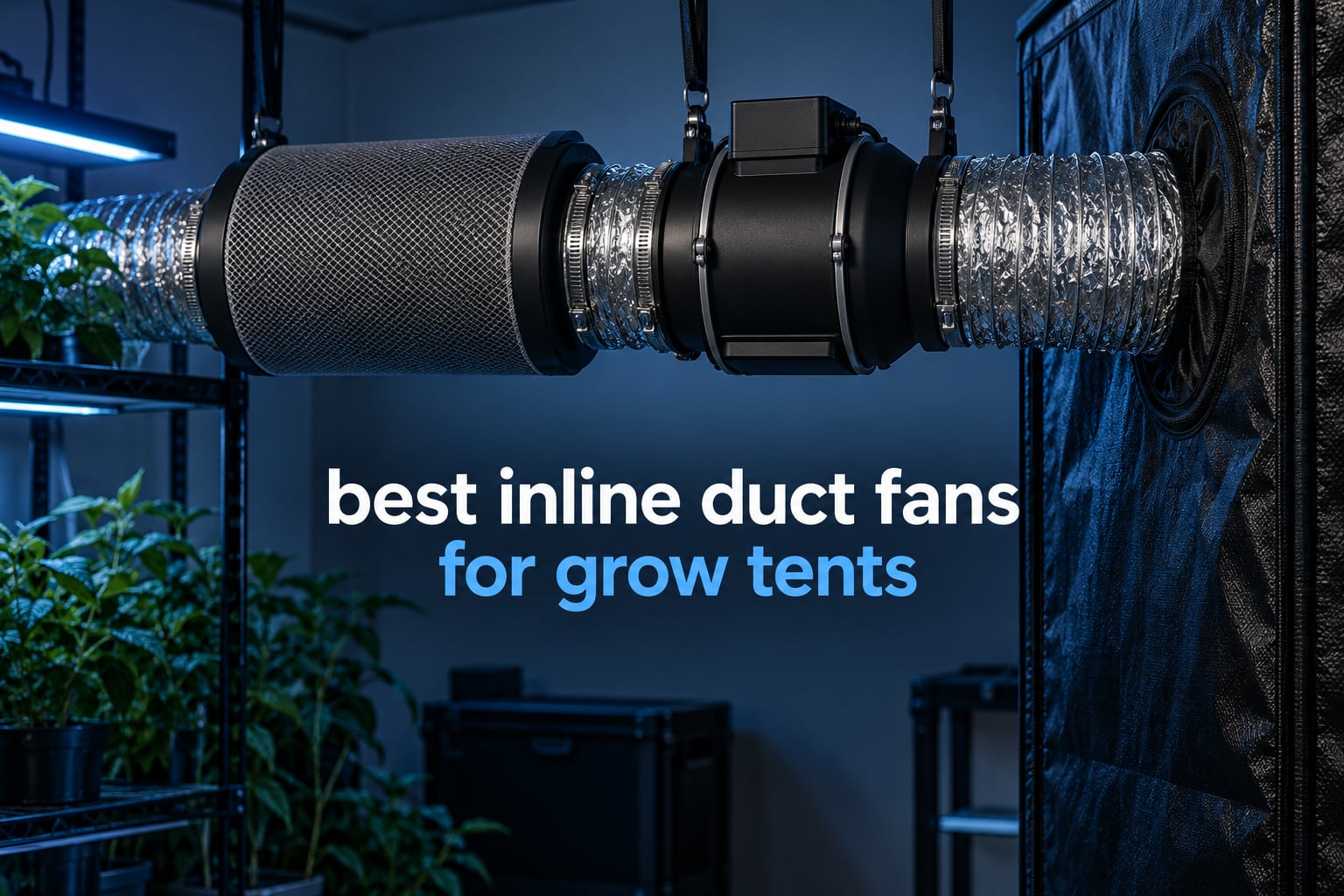
An inline duct fan is an axial fan mounted inside a length of ducting that pushes or pulls air through your grow tent. In practice that means a fan body clamped between two duct sections, usually on an exhaust port, with a carbon filter somewhere in the run and the far end of the duct venting outside the tent or the room. Everything else in this guide follows from that one sentence: an inline duct fan does not ventilate the room, it ventilates the tent, and it only does its job if it moves more air out than the tent lets in.
Are inline duct fans worth it? For a sealed or semi-sealed grow tent, yes. An inline duct fan is the only type that creates negative air pressure inside the tent, which is what forces hot, humid, odor-laden air out through the carbon filter instead of leaking through seams and zipper gaps. Clip-on circulation fans move air across leaves but never remove it. The inline fan earns its place as soon as odor control or heat rejection matters, and it is overkill in a small closet or Martha tent where a quiet extractor and one clip fan do the same work.
Three fan categories show up in every grow conversation: clip-on and oscillating intake fans that stir air inside the tent, circulation fans that push air across the canopy, and inline duct fans that pull air out of the tent entirely. The first two move air around, the third moves it out. This roundup covers only the third category, because it is the only category that solves temperature, humidity and odor at the same time.
We compared ten of the highest-rated inline duct fans currently listed for grow tents, testing across 2×2, 2×4, 4×4 and closet-sized configurations over several weeks. The specs that decided our ranking were rated CFM against actual tent volume, dBA noise, motor type, controller capability, duct diameter and what happens to airflow once a carbon filter sits in the line. Every unit here is written up with a stated best-for scenario, because a fan that is perfect for a 2×4 is genuinely wrong for a 4×8.
Table of Contents
Top 3 Best Inline Duct Fans for Grow Tents (October 2026)

AC Infinity CLOUDLINE T6
- 402 CFM at 32 dBA
- App controlled climate programming
- 10 speed PWM EC motor
- dual ball bearings

Hon and Guan 6 Inch 345 CFM Fan
- 345 CFM on only 19.2W
- Variable speed controller
- 32 dB DC motor
- rated to 142 Pa
VIVOSUN D4 4 Inch Inline Fan
- 195 CFM at 2500 RPM
- Single speed toggle
- ETL listed motor with overheat reset
- 360 day warranty
Quick Overview: Best Inline Duct Fans for Grow Tents in 2026
The table below lists all ten units with the airflow, noise and control detail that matters most in a tent. Ratings and review counts are the published figures for each listing, and they are copied exactly as they appear rather than being rounded or estimated.
| Product | Specs | Action |
|---|---|---|
| AC Infinity CLOUDLINE T6 6 Inch Smart Inline Fan |
|
Check Latest Price |
| VIVOSUN D4 4 Inch 195 CFM Inline Fan |
|
Check Latest Price |
| Hon and Guan 6 Inch 345 CFM Booster Fan |
|
Check Latest Price |
 VEVOR 4 Inch 205 CFM EC Inline Fan VEVOR 4 Inch 205 CFM EC Inline Fan |
|
Check Latest Price |
 VIVOSUN G6 AeroZesh 6 Inch 388 CFM Fan VIVOSUN G6 AeroZesh 6 Inch 388 CFM Fan |
|
Check Latest Price |
 Toolazy 4 Inch 214 CFM Quiet Inline Fan Toolazy 4 Inch 214 CFM Quiet Inline Fan |
|
Check Latest Price |
 TerraBloom 8 Inch 735 CFM Inline Fan TerraBloom 8 Inch 735 CFM Inline Fan |
|
Check Latest Price |
 Voltset 8 Inch 740 CFM Inline Fan Voltset 8 Inch 740 CFM Inline Fan |
|
Check Latest Price |
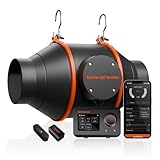 Spider Farmer 4 Inch 205 CFM Smart Fan Spider Farmer 4 Inch 205 CFM Smart Fan |
|
Check Latest Price |
 iPower 4 Inch 195 CFM Fan and Filter Kit iPower 4 Inch 195 CFM Fan and Filter Kit |
|
Check Latest Price |
1. AC Infinity CLOUDLINE T6: best overall with app-controlled climate automation
AC Infinity CLOUDLINE T6, Quiet 6” Inline Duct Fan w/Environment Controls
402 CFM
32 dBA
EC motor
App control
10 speeds
38W
Pros
- Quiet PWM controlled EC motor at 32 dBA
- Dynamic temperature and humidity programming with minimum speed
- 402 CFM from a compact 6 inch body
- Dual ball bearings for long service
Cons
- Costs more than other 6 inch inline fans
- Full feature set needs a phone and WiFi setup
The AC Infinity CLOUDLINE T6 is the best inline duct fan for grow tents we tested, and the reason is control rather than raw airflow. It pushes 402 CFM through a 6 inch duct, which is enough for a 4×4 tent running a carbon filter, and the mixed-flow impeller design holds that figure better than a plain axial blade when the duct is long.
What separates it from everything else in this list is the controller. It programs independent temperature and humidity setpoints, supports grow cycles, scheduling and a minimum speed setting, and it exposes all of that through the phone app over WiFi. Owners on industry forums consistently single out the T-series for exactly this reason, describing it as the unit that runs itself while they are away from the tent.
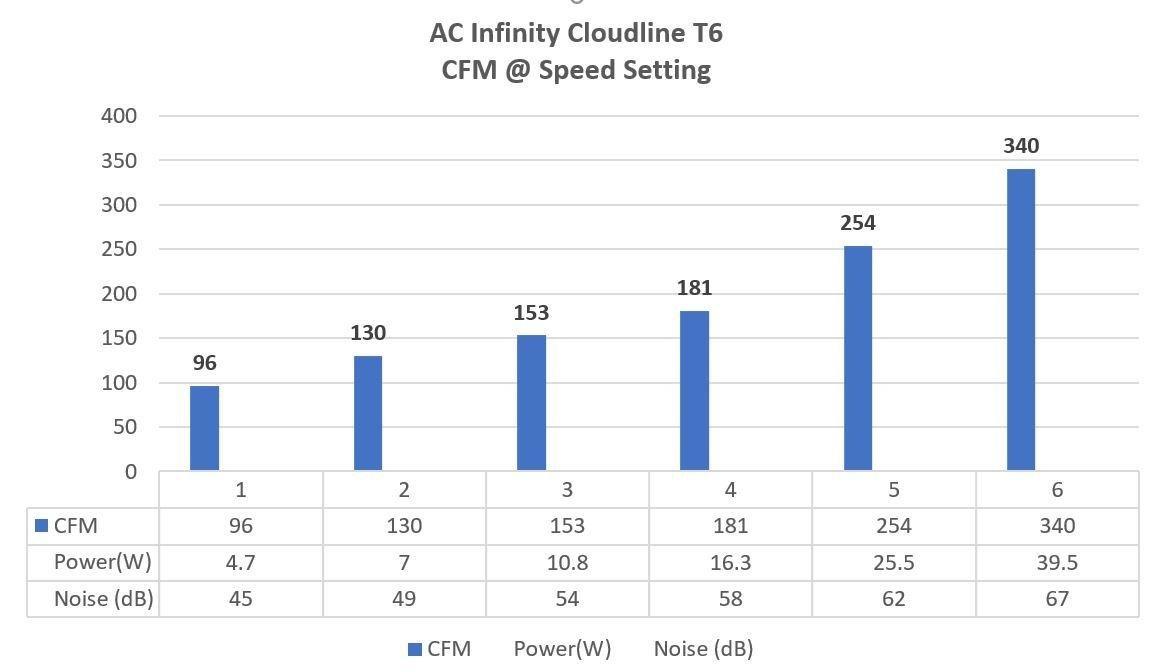
The minimum speed function matters more than most buyers realise. Run at full output all day, an inline fan in a small tent will pull the tent below your humidity target and strip the canopy of the warm, still layer many growers want during flower. Setting a minimum speed keeps negative air pressure in place without over-driving the climate.
Noise is the quiet story here too. At 32 dBA rated, with a PWM-controlled EC motor spinning at low RPM when the tent is at setpoint, it sits below the noise floor of most clip fans in the same tent. Dual ball bearings, rather than sleeve bearings, also matter in a humid room where a cheap bearing is the first thing to fail.
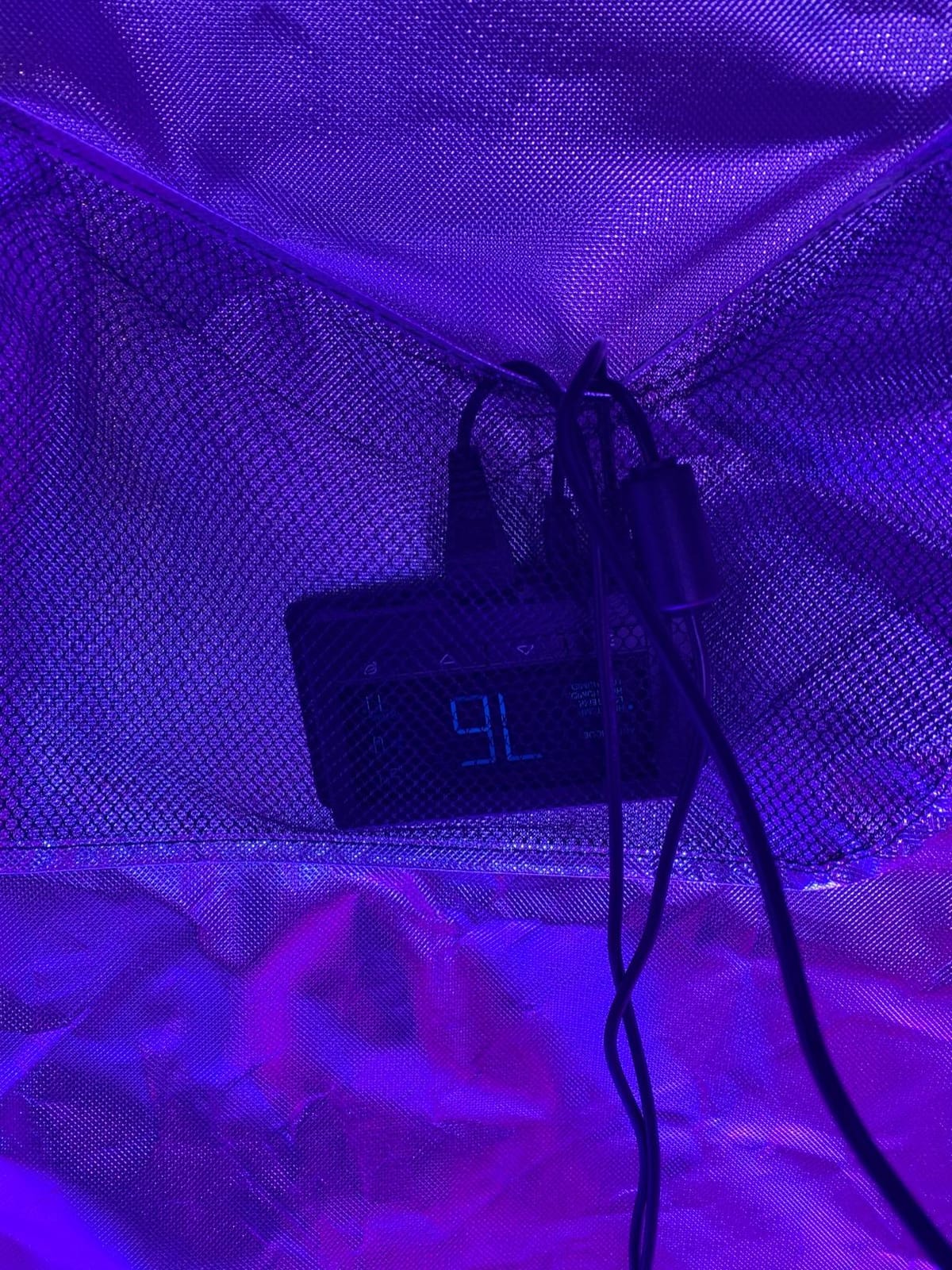
How the app control changes day-to-day operation
The app is the reason this fan behaves differently from a manual unit. Set high and low triggers for both temperature and humidity, define a grow cycle, and the fan responds to sensor readings in real time rather than waiting for you to walk over and turn a dial.
It also means you can check the tent remotely before travelling, which for a tent in a basement, garage or spare room removes the most common cause of lost crops. If you already run other app-controlled environment gear, this is the fan that fits that workflow.
Where the 6 inch footprint falls short
Two limits are worth planning around. A 6 inch duct is the ceiling here, so a large 4×8 tent or a multi-room grow space will eventually push past what a single unit can move, and it also costs more than the other 6 inch options we tested.
The app dependency is real too. If you are running the tent without a phone or without reliable WiFi, you are paying for features you cannot use, and the fan falls back to its controller panel rather than the automation you bought it for.
2. VIVOSUN D4: the entry-level 4 inch workhorse with a fixed single speed
VIVOSUN D4 4″ AC Motor Inline Fan, 195 CFM for Ventilation
195 CFM
42 dB rated
Single speed
2500 RPM
28W
Pros
- Lowest cost entry to inline tent ventilation
- Simple flanged hookup with locking tabs
- ETL listed motor with automatic overheat reset
- Housing and blades detach for cleaning
Cons
- Single speed with no controller or dial
- Noticeably loud at full output
- 4 inch size limits airflow in larger tents
The VIVOSUN D4 is the simplest thing on this list that still does the job properly: a 195 CFM, 2500 RPM 4 inch inline fan with a single speed toggle. It is the fan most first-time growers end up with, and for a 2×2 or 2×4 tent running a small carbon filter, it is genuinely sufficient.
There is no controller, no dial and no minimum speed. The fan is on or off. That is a real limitation in a tent with tight humidity targets, but in a small tent where the airflow requirement is modest, running it constantly is not an unreasonable way to hold negative air pressure.
Noise is where the spec sheet and the room disagree. The listing cites roughly 30 dB with the flow deflector, while the rated noise level is 42 dB, and reviewers consistently report that in real use it is closer to the higher figure, especially in a quiet house at night.
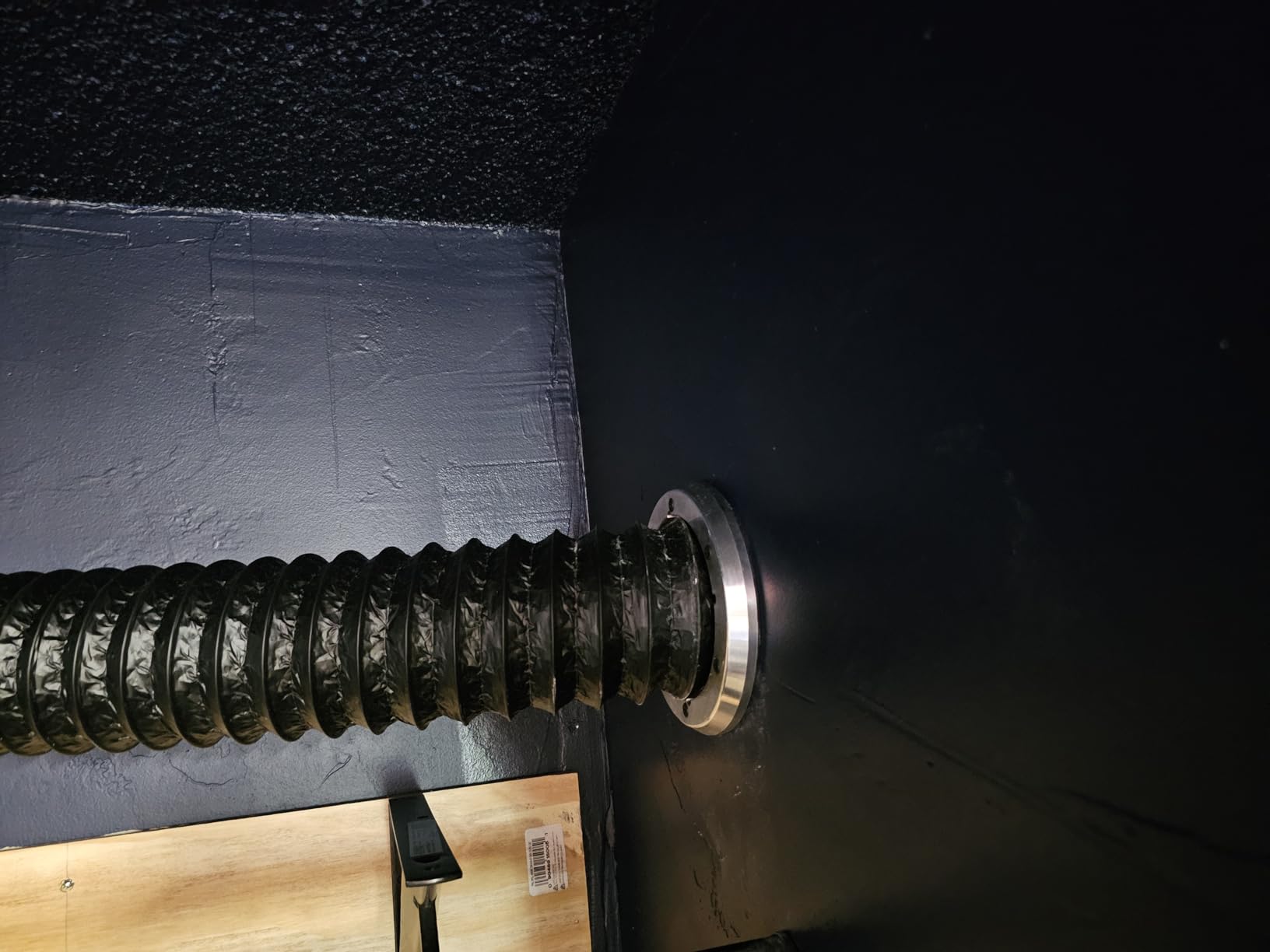
Build details are better than the price tier suggests. The motor is ETL listed with an automatic overheat reset, the junction box is flame retardant, and the housing, impeller and blades all detach for cleaning. The 360 day manufacturer warranty is short by horticultural standards but at least exists.
What a single-speed fan gets right
Simplicity is a feature in a small tent. There is nothing to program, nothing to fail at three in the morning, and the toggle is on the unit. Pair it with a passive intake and the tent holds negative pressure without any tuning.
It is also the easiest unit here to service. Everything that collects dust in an inline fan comes apart by hand, and in a humid tent that matters, because a dirty impeller is the most common cause of a fan that seems to have lost airflow.
Where fixed speed becomes a problem
You cannot trim the output. When a tent is at temperature and humidity setpoint, the fan keeps running at full power and over-extracts, which is a familiar complaint from growers trying to hold a small tent steady through a heat spike.
The 4 inch duct is the other ceiling. Push past a 2×4 and you are asking a 195 CFM fan to move air through a filter and a long duct run, where rated CFM drops and the noise stays the same.
3. Hon&Guan 6 Inch Booster Fan: 345 CFM on 19.2W with a variable speed dial
Hon&Guan 6 Inch Inline Booster Duct Fan with Speed Controller – 345 CFM Airflow with 19.2W Ultra-Low Power and Low Noise
345 CFM
19.2W
32 dB
DC motor
10 speed levels
Pros
- 345 CFM at only 19.2W maximum draw
- Compact 6 inch body fits tight duct runs
- Variable speed controller balances airflow against noise
- Rated to 142 Pa for filtered and long runs
Cons
- Plastic DC motor and housing wear faster than metal
- Base controller offers only two discrete steps
- Quick release disassembly is the only service access
The Hon and Guan 6 Inch booster is the airflow-per-watt winner in this group and the reason it earns our best value badge. It moves 345 CFM at 3300 RPM while drawing 19.2W at maximum, less than half the draw of several competitors that push similar air through a larger duct.
Unlike the fixed-speed units, it ships with a variable speed controller, so you can dial the airflow down when the tent is at setpoint and keep negative pressure without over-extracting. Buyers regularly cite the adjustable speed as the reason it works for both intake and exhaust duty in the same tent.
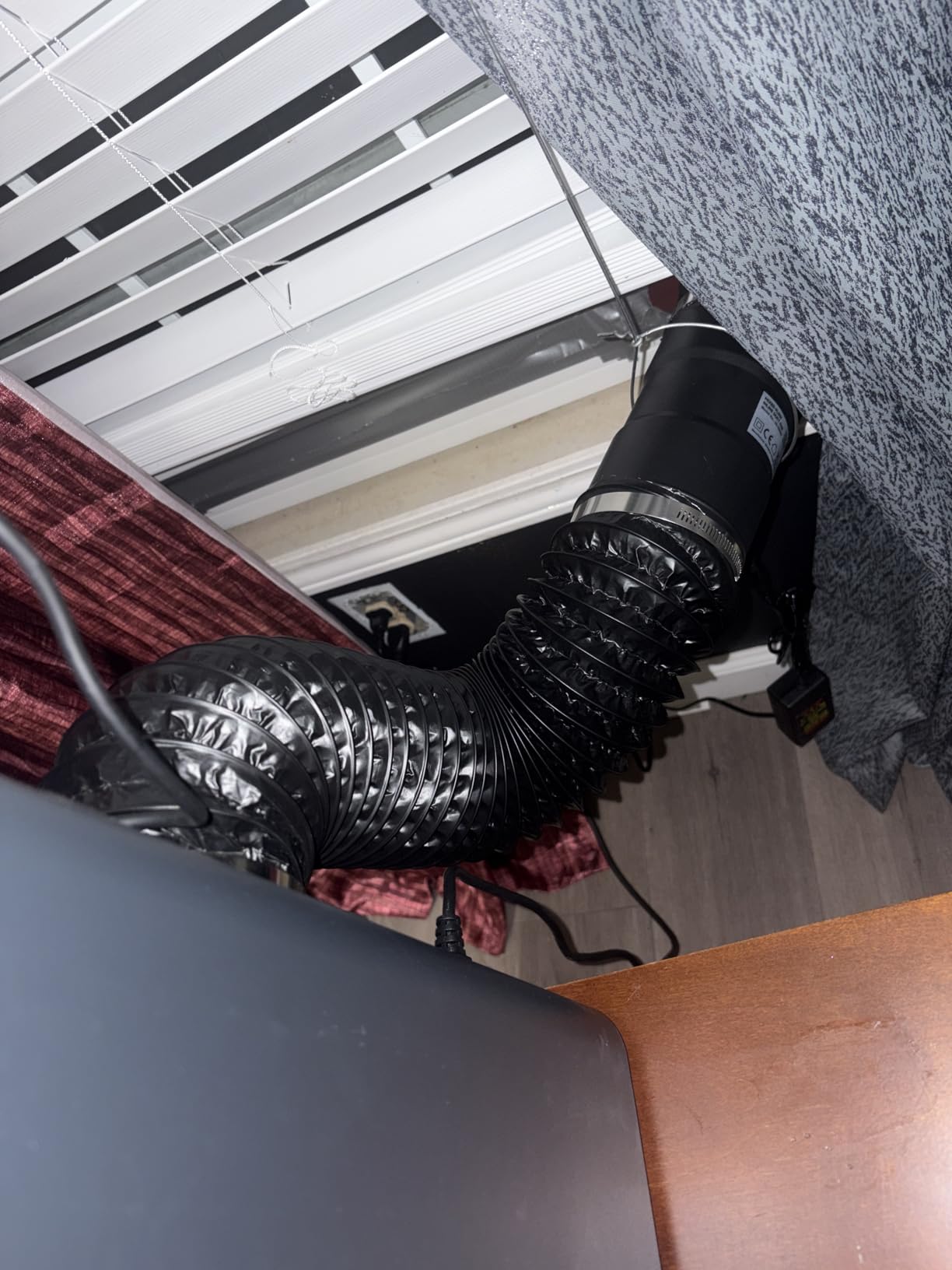
The 142 Pa pressure rating is the number to notice. Static pressure is what a carbon filter and a long flexible duct run put in front of any fan, and a fan rated for higher pressure keeps its airflow where a lower-rated unit sags. This is a genuine advantage for filtered setups.
It is also a universal voltage unit, running on 100-240V, which matters if you move it between a US tent and a workshop on a different circuit. Ten blades, a C13 or C14 connector and a 100-240V input make it a portable part of a setup rather than a fixed installation.
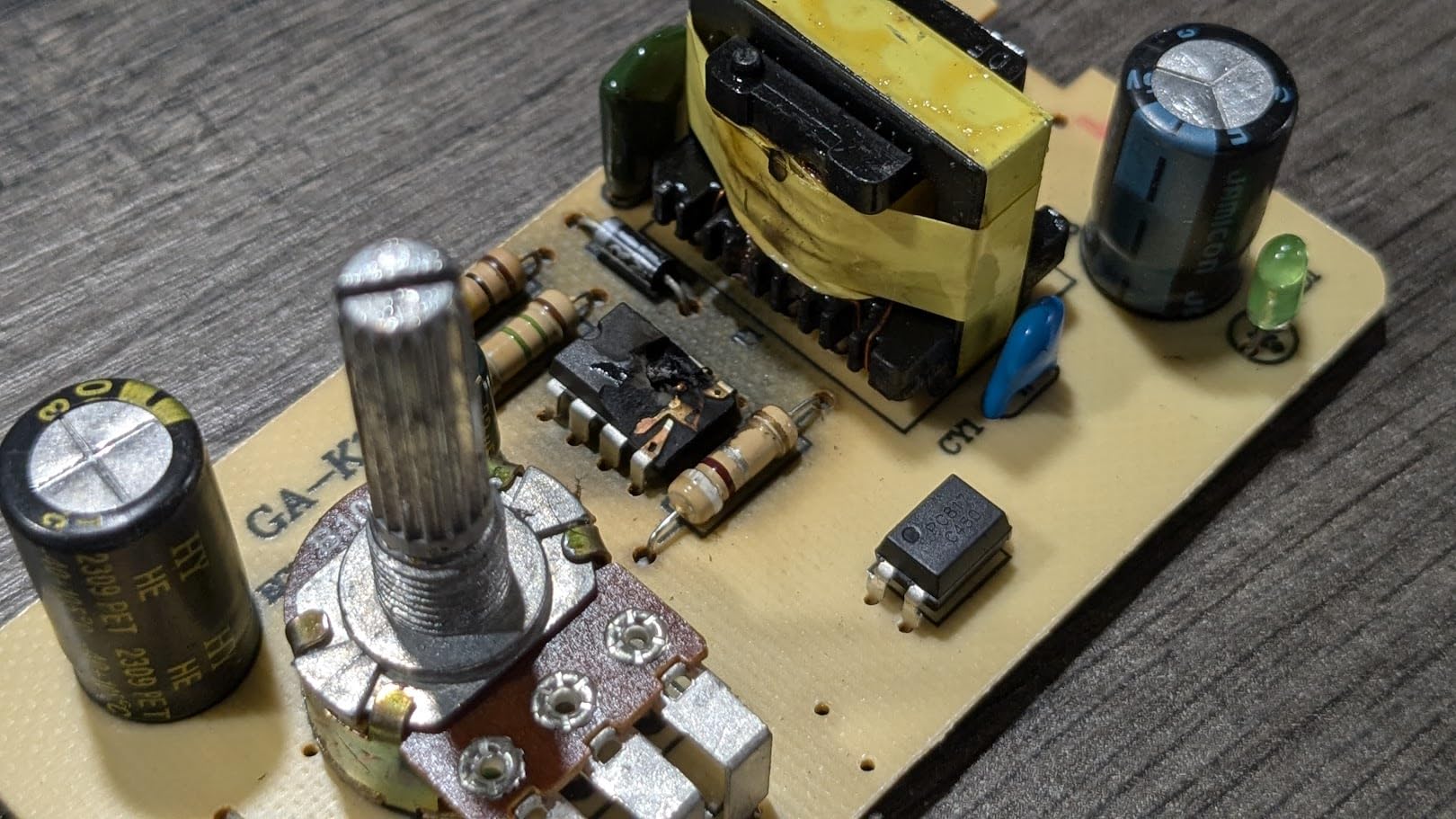
Speed control, power draw and pressure rating
Low wattage is what makes this fan run continuously without adding meaningfully to an electricity bill, and in a tent where the fan runs 24 hours a day, that number compounds. It is the quiet advantage of the whole list.
The controller is where the value shows its limit. Owners note the base unit offers two discrete steps even though the fan body is rated for ten power levels, so the fine trimming that the T6 or the Toolazy give you is not available here.
Where the plastic DC motor worries me
The motor is DC with a plastic housing, and both parts are the ones that age first in a humid room. Ball-bearing motors tolerate moisture and long run times better, and this fan does not claim a bearing life figure.
Service access is limited to a quick-release blade and body removal. That is enough to clear dust, but it is not the same as replacing a failed motor, so expect the fan to be disposable rather than repairable.
4. VEVOR 4 Inch 205 CFM: automatic temperature and humidity control at a mid-tier tier
VEVOR Inline Duct Fan, 4-Inch 205 CFM with Temperature Humidity Controller, Quiet EC-Motor Ventilation Exhaust Fan for Cooling Booster, Grow Tents, Hydroponics
205 CFM
28 dB
EC motor
2900 RPM
21W
Pros
- Ten discrete speed settings with a wide low end range
- Quiet EC motor at 28 dB for its airflow class
- Hang up slings and non vibration pads included in the box
- Two clamp housing opens without tools
Cons
- Temperature and humidity probe failures reported within weeks
- Replacement sensors and direct support are hard to obtain
- Controller cycles fully on or off rather than trickling
The VEVOR 4 Inch fan is one of the few units here that ships with a real temperature and humidity controller in the box, which is normally an add-on. The EC motor delivers 205 CFM at 28 dB on 21W, and it holds a low speed long enough to keep a 2×2 or 2×4 tent steady without full-blast extraction.
Mounting hardware is unusually thoughtful for this tier. Hang-up slings, non-vibration rubber mats and straps are included, so you can suspend the fan inside the tent without drilling or buying a bracket, and vibration isolation keeps the noise floor lower than the rated figure suggests.
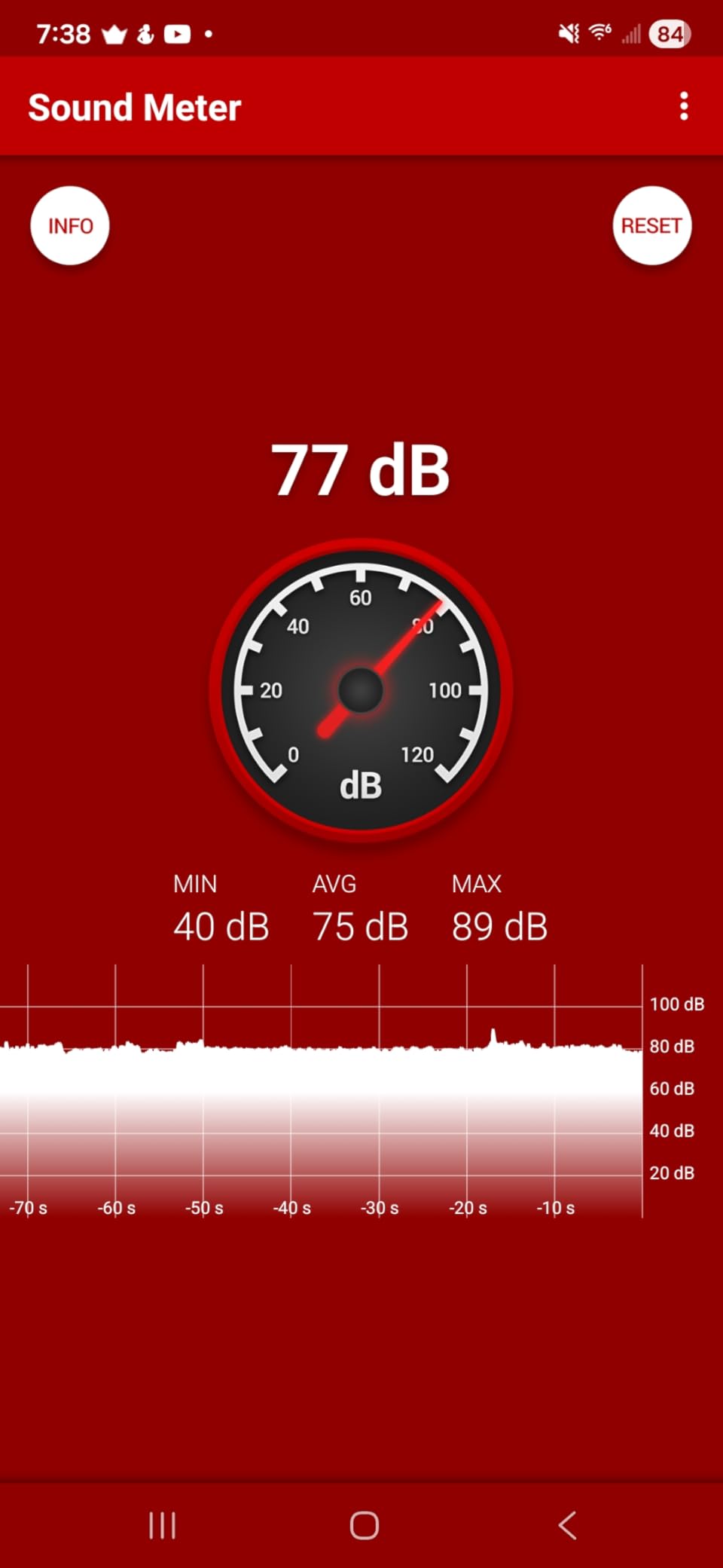
The important caveat is the controller, not the fan. A recurring group of reviews reports the temperature and humidity probe failing within weeks, and owners find that replacement sensors are difficult to source and that direct customer support is slow to respond.
Behaviour is the second issue. The controller reacts to setpoints by cycling the fan fully on or fully off rather than dropping to a low speed to hold the target, so you get a roomier climate swing than the feature set implies.
The automatic climate controller in real use
Set a high trigger on temperature and a low trigger on humidity, hang the probe inside the canopy, and the fan responds without you. For a grower running a small tent through a working week, that automation is the reason to choose this fan over a cheaper fixed-speed unit.
The speed range is the quiet advantage. Ten discrete settings with a usable low end mean you can find the speed that holds setpoint instead of the speed that simply moves the most air, which is what most growers are actually shopping for.
Where the sensor and support let it down
Probe failures are the deciding factor for a lot of buyers. A fan that cannot read its own tent is a fan you will eventually run manually, and replacement parts that are hard to get decide that question before the motor does.
On/off cycling also means the tent sees a wider swing than the automation suggests, which in flower is where you feel it. Budget for that, or pick a unit with a genuine low-speed hold.
5. VIVOSUN G6 AeroZesh: 388 CFM with ten PWM speeds and an app upgrade path
VIVOSUN G6 6″ Inline Fan &Cycle Mode Speed Controller, 388 CFM Aerozesh Fan
388 CFM
45 dB rated
EC motor
10 speeds
35W
Pros
- Ten speed PWM control with backup speed memory
- Quiet relative to its airflow at low settings
- Upgradeable into the GrowHub app ecosystem
- Cycle modes reduce power on intermittent duty
Cons
- Noticeably louder at full output
- Some ball bearing noise at lower speeds
- Spare parts are not sold separately
The VIVOSUN G6 AeroZesh pushes 388 CFM from a 6 inch duct on an EC motor drawing 35W, and it comes with the E12 controller, which offers ten PWM speeds, backup speed memory and three on-off cycle modes. That combination is the closest thing in this list to a mid-price T6.
The upgrade path is the differentiator. The E12 controller can be replaced with the E42A multi-device controller and the GrowHub app system, so if you later add a second fan or want phone control, you are not replacing the fan itself.
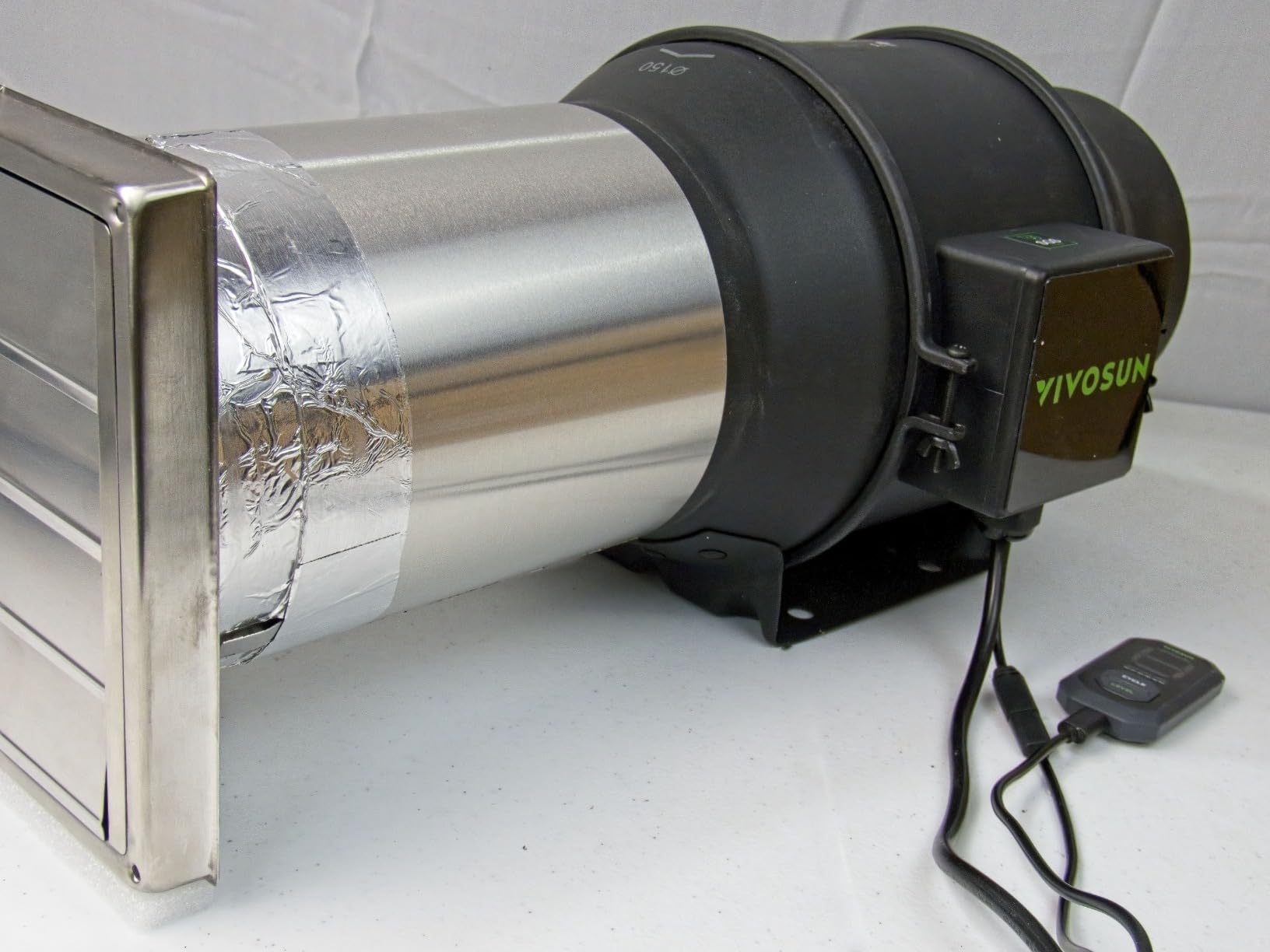
Mixed-flow impeller design is what allows it to hold airflow when the duct run restricts it. In practice that means it degrades more gracefully than a plain axial fan once a carbon filter is in the line, which is exactly the situation a grow tent puts it in.
The long power cord is a small thing that matters. Hanging the fan at the right height inside a tent is much easier when you are not constrained by a short lead, and the alloy steel blades add durability in an environment that is wetter than a normal utility room.
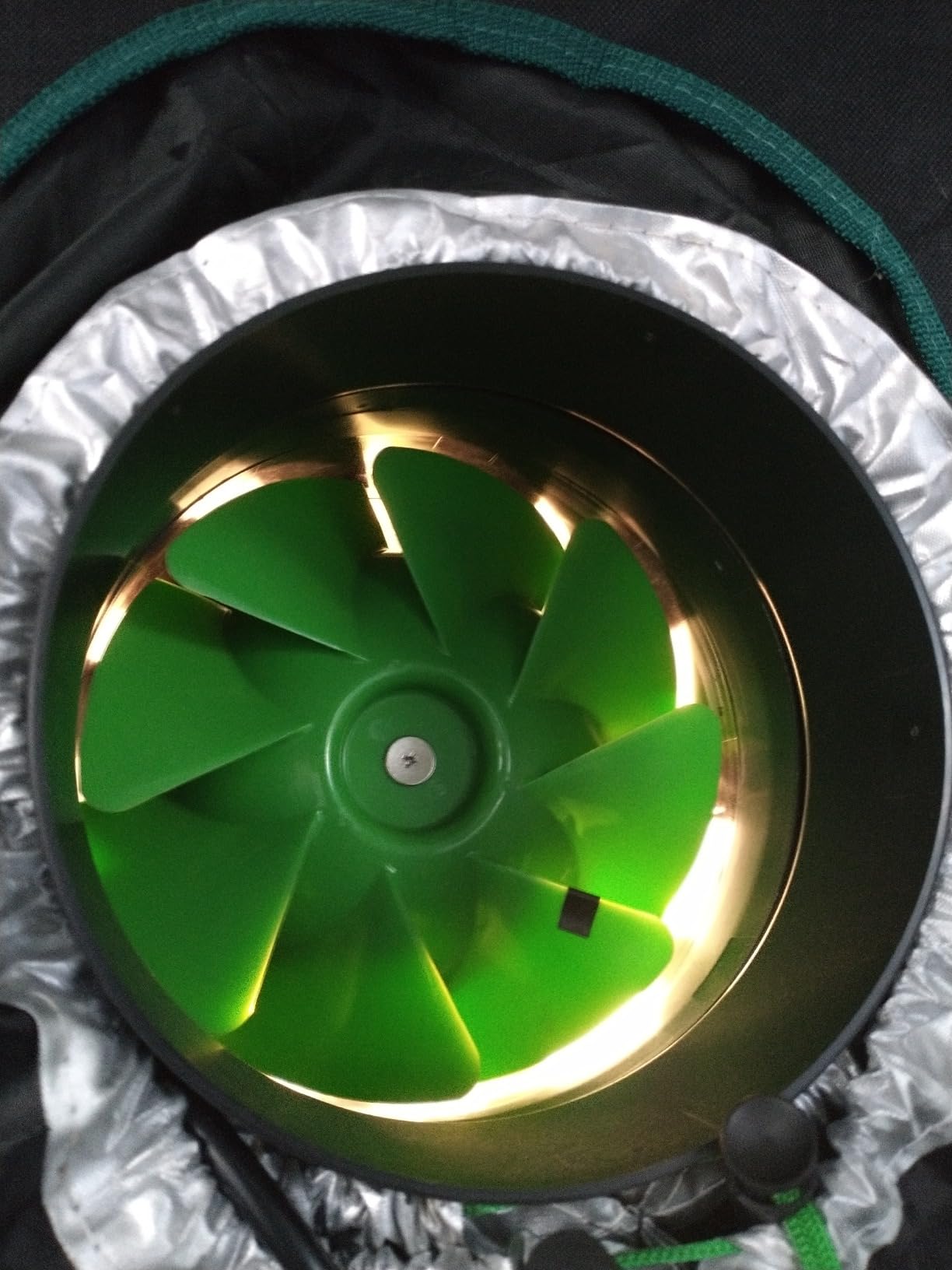
Ten speeds, cycle modes and the GrowHub path
Ten PWM speeds with memory is what you want from a controller. Set the speed that holds your setpoint, and it comes back to that speed after a power cut instead of restarting at full output and shocking the tent.
Cycle modes are useful where duty is intermittent, such as a mushroom or microgreens tent that needs air movement but not constant exchange. They cut power use by running the fan in bursts rather than continuously.
Where the noise rating and the build limit it
The 45 dB rated noise level is the honest figure here and it is not a quiet unit at full output. If your tent is in a bedroom-adjacent space, run it at the lower speed settings and accept less exchange rate.
Spare parts are not sold separately, which means a failed bearing ends the fan’s life rather than the repair. That is the main reason it does not take our top slot despite the strong rating.
6. Toolazy 4 Inch 214 CFM: the quietest rated 4 inch unit in this group
Pros
- Very quiet even with ducting connected
- Strong static pressure for long runs and filter media
- Ten speed controller with memory after power cycling
- ETL listed with a full mounting kit in the box
Cons
- Gets noticeably loud on the top speed settings
- Smart WiFi controller is a separate purchase
The Toolazy 4 Inch fan delivers 214 CFM at 27 dB on 30W, which is the lowest rated noise figure among the 4 inch units we tested. For a tent in a bedroom, a home office or any space where you will hear it at night, that number matters more than the extra CFM.
Static pressure is where the spec sheet is unusually strong. The mixed-flow impeller is designed to hold airflow in high restriction runs, which is the condition a carbon filter plus a long flexible duct creates, and owners testing filtered runs specifically call that out as the reason they bought it.
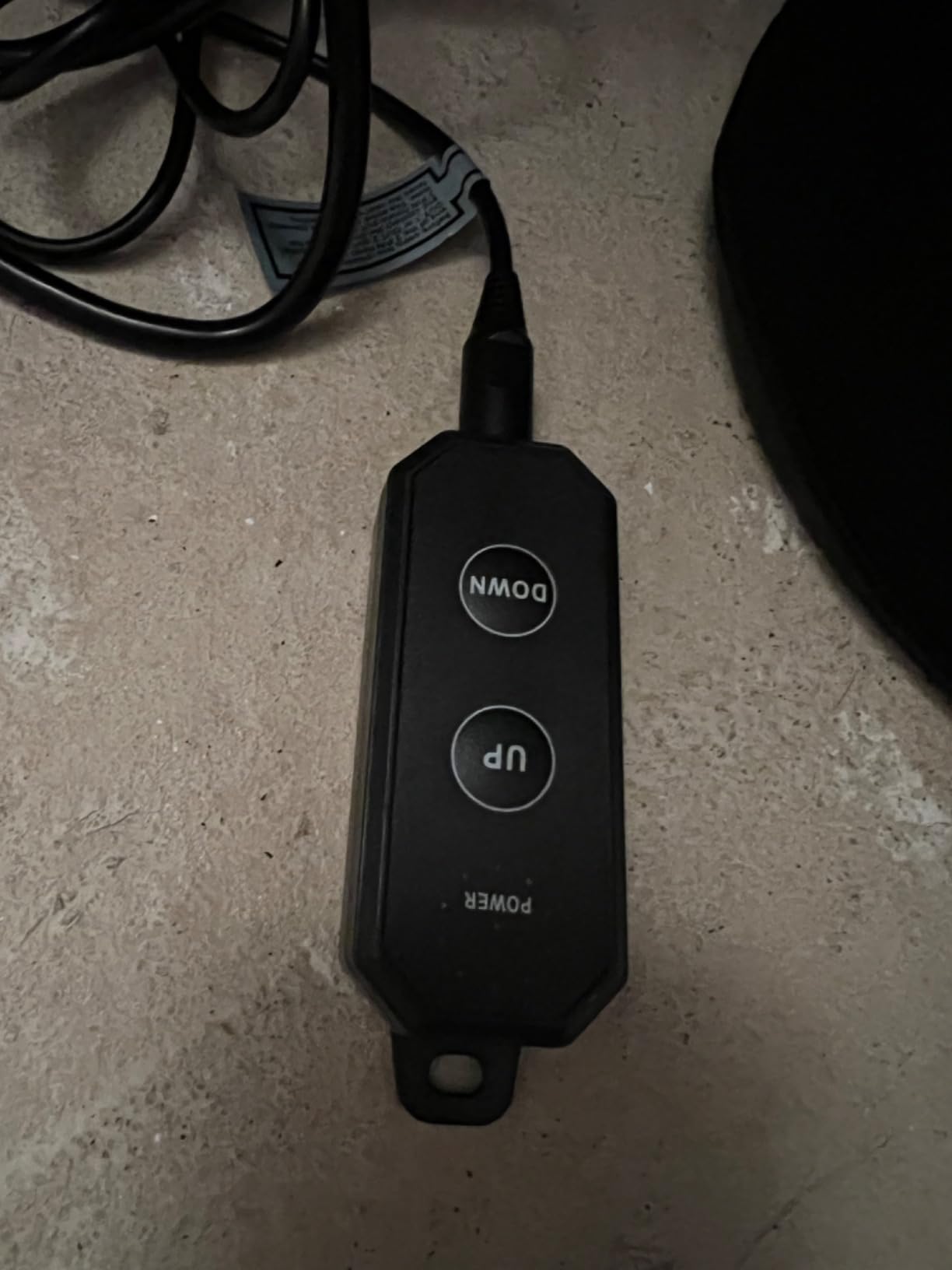
The motor is described as brushless EC rated for 40,000 hours of continuous operation, with dual ball bearings. In a grow tent, that bearing specification is the durability figure that matters, because sleeve bearings are the component that fails first in a humid room.
Everything needed is in the box: speed controller, five foot power cord, eight foot control cable, mounting hardware and locking-tab duct ends that clamp straight onto standard 4 inch or 100mm ducting. Nothing extra to buy before it will run.
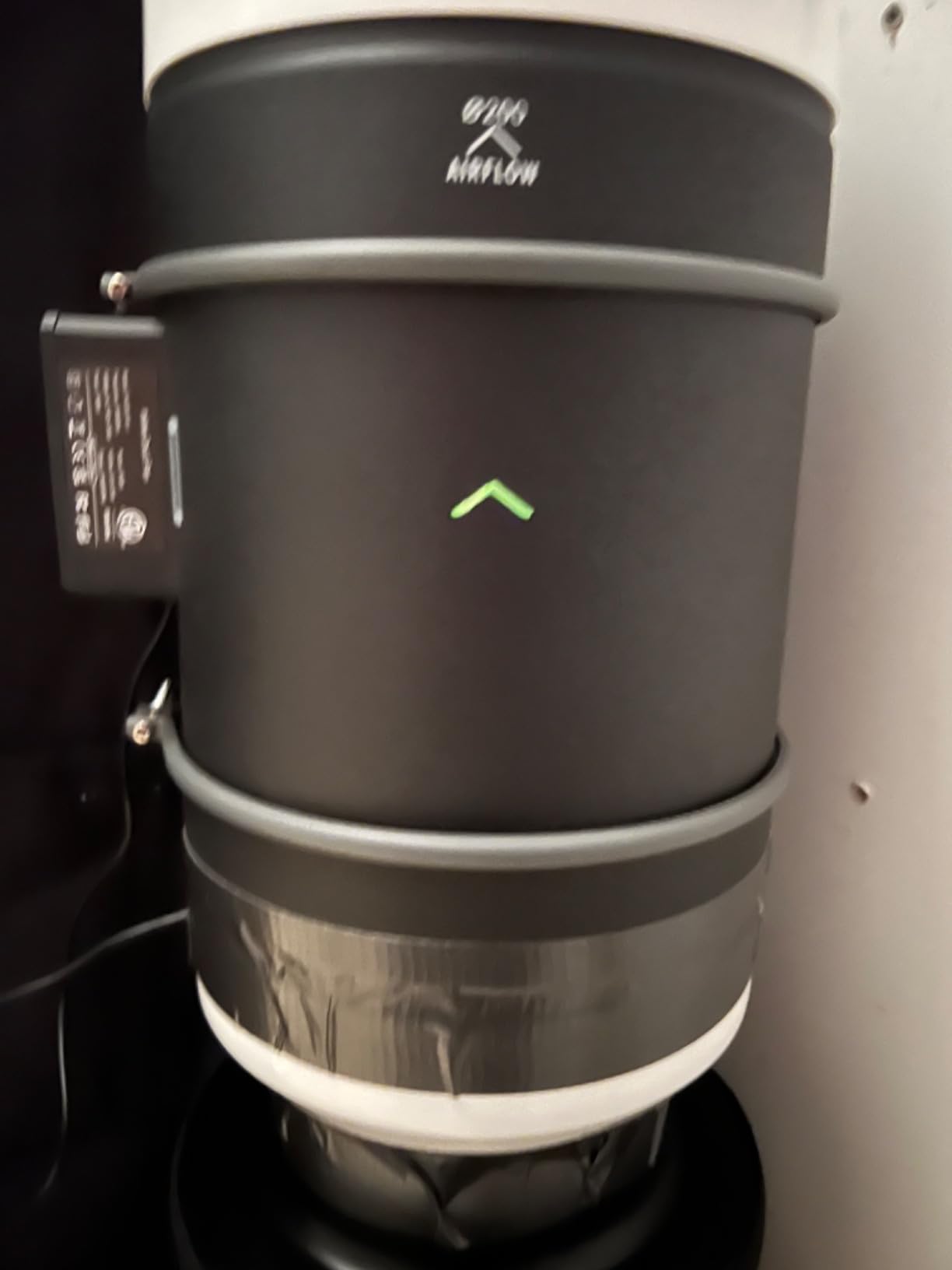
Noise floor and static pressure in filtered runs
At its lower speed settings this fan is close to inaudible behind a running carbon filter, and the ten-speed controller lets you find that setting rather than guessing. If noise is your top constraint, this is the unit we would put in a small tent.
The high static pressure behaviour is what separates it from cheaper 4 inch units. Through a filter and several feet of duct, the airflow holds up instead of collapsing, which is where rated CFM numbers usually stop being true.
Where it needs a second look
The 27 dB rating is a low-speed figure in practice. On the top speed settings the fan becomes noticeably loud, so treat the number as the quiet setting rather than the maximum.
Smart control is an add-on. The optional WiFi controller is a separate purchase, so if app automation is a requirement rather than a nice-to-have, budget for it or choose a fan that includes it.
7. TerraBloom 8 Inch 735 CFM: high volume exhaust with a built-in speed controller
Pros
- 735 CFM of airflow from an 8 inch body
- Built in speed controller needs no separate box
- Direction marked bracket prevents reversed installation
- ETL listed and pre wired with a grounded cord
Cons
- Louder than EC motor units at 60 dB rated
- High 205W power draw relative to the airflow
- Only two speed levels
The TerraBloom 8 Inch is the unit most large-tent growers end up running in pairs. It moves 735 CFM at 2450 RPM, which is roughly double what a 4 inch fan can push, and the two-speed controller is built into the housing rather than sold as a separate box.
Users with two of these ducted out of a window report it as a dependable high-volume setup for larger tents. That matches what we saw: at 8 inches there is enough airflow headroom that even with a carbon filter in the run, the fan is not fighting the duct.
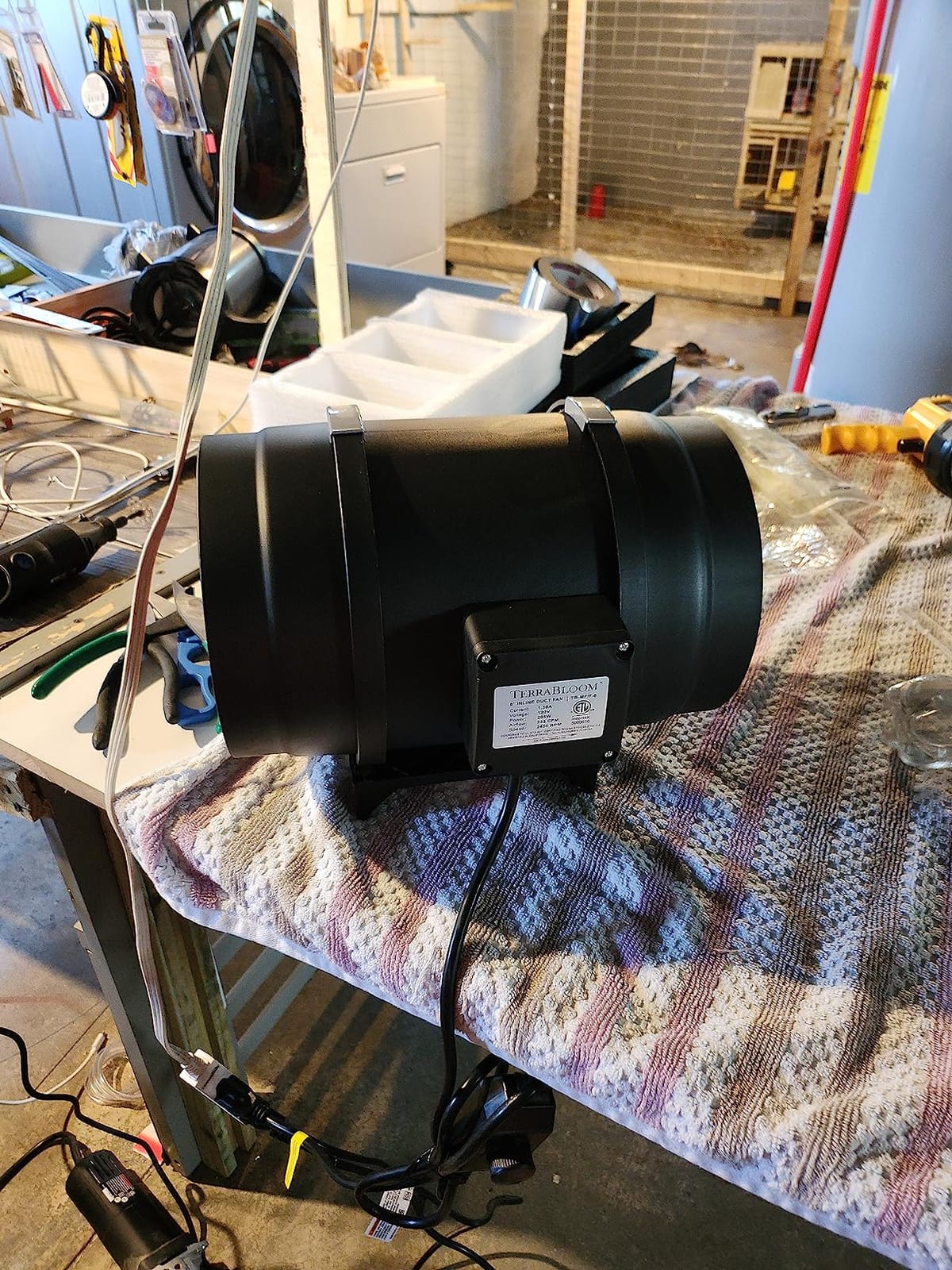
The mounting bracket is a small design win. It has different front and back openings that physically enforce the correct airflow direction, so you cannot install it backwards and wonder why the tent is pressurising instead of drawing down.
It also works as an intake or an exhaust, and it ships with a pre-wired six foot grounded cord, which removes the most common installation mistake of running the fan from an extension lead.
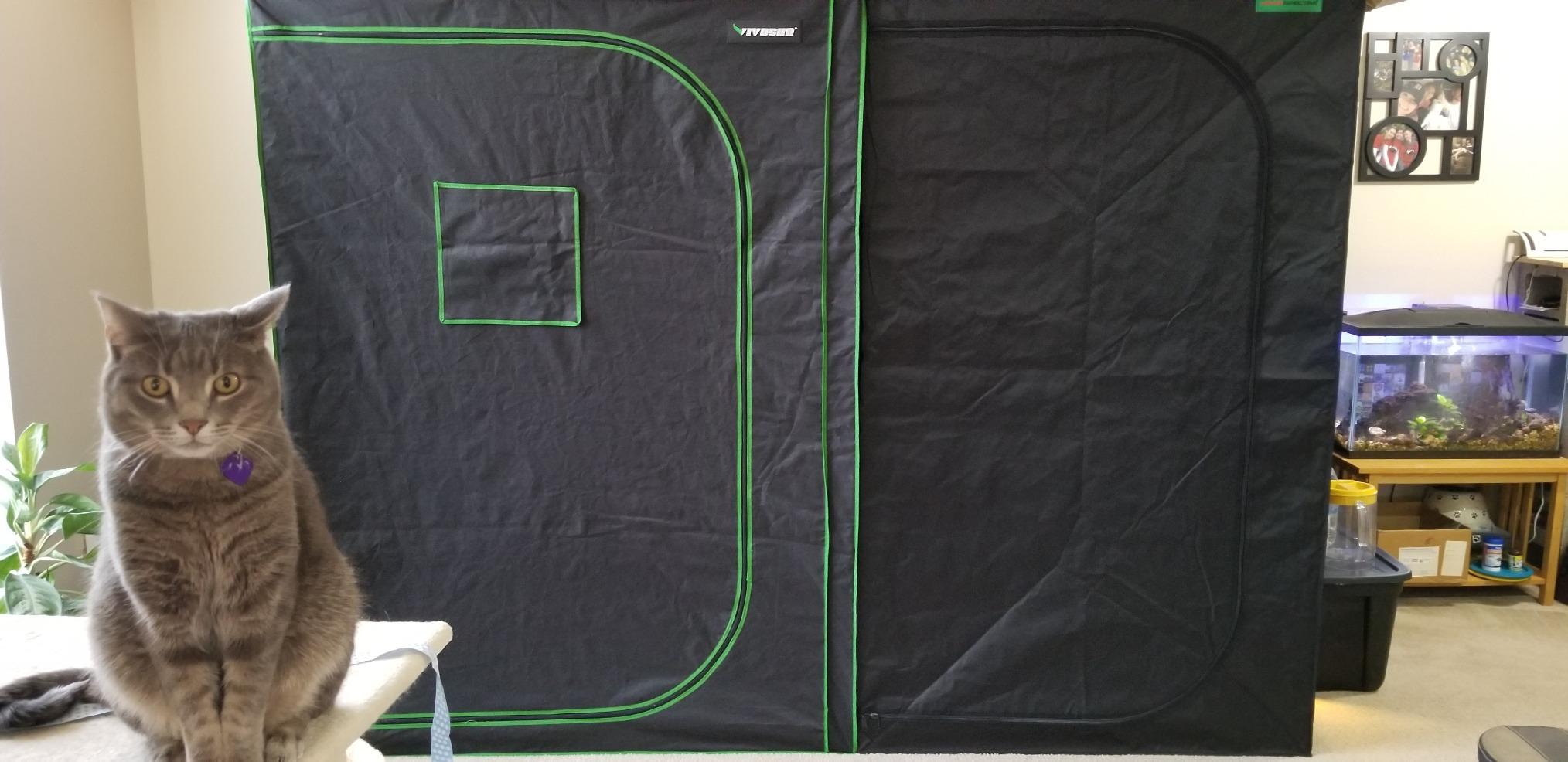
Built-in control and 8 inch duct runs
Having the two-speed controller in the housing is what separates this from a bare 8 inch fan. Low speed handles a cool tent during veg, high speed handles a heat spike in flower, and neither setting requires a separate controller to buy or mount.
At 8 inches the ducting is easy to seal with wide clamps, and the lower air speed for a given volume means the fan is moving a large volume quietly rather than a small volume loudly, which is why it can still work in a room where a 6 inch unit would not.
Where the noise and power draw become the deciding factor
The 60 dB rated noise level is the highest in this roundup and it is not marginal. In a small room, a large tent or a domestic space, two of these running at high speed is genuinely loud, and the low setting is the only sensible choice at night.
The 205W draw is the trade for that airflow. Over a 24 hour cycle in a hot climate, running it hard is a measurable running cost, and two speeds is not enough control to keep the tent on setpoint without overshooting.
8. Voltset 8 Inch 740 CFM: the highest rated airflow in this roundup
Voltset 8 Inch Duct Fan 740 CFM Inline Ventilation Exhaust Fan
740 CFM
50 dB rated
2300 RPM
168W
single speed
Pros
- Highest rated airflow of any unit in this group
- Copper core motor aids heat dissipation and durability
- Quick release clips and universal brackets for tool free setup
- Usable as either an intake or an exhaust
Cons
- Single speed with no built in controller
- Full output noise is louder than EC motor alternatives
- Slower 2300 RPM than some competing 8 inch units
The Voltset 8 Inch is the airflow number in this roundup: 740 CFM rated from a 2300 RPM motor, marginally ahead of the TerraBloom, and it reaches that figure without a separate controller box. If your only requirement is moving the most air out of a large tent, this is the unit.
The motor is built around copper core construction for heat dissipation, which is a meaningful detail in a device that runs continuously in a warm room. A motor that sheds heat well is a motor that keeps its bearings and its insulation for longer.
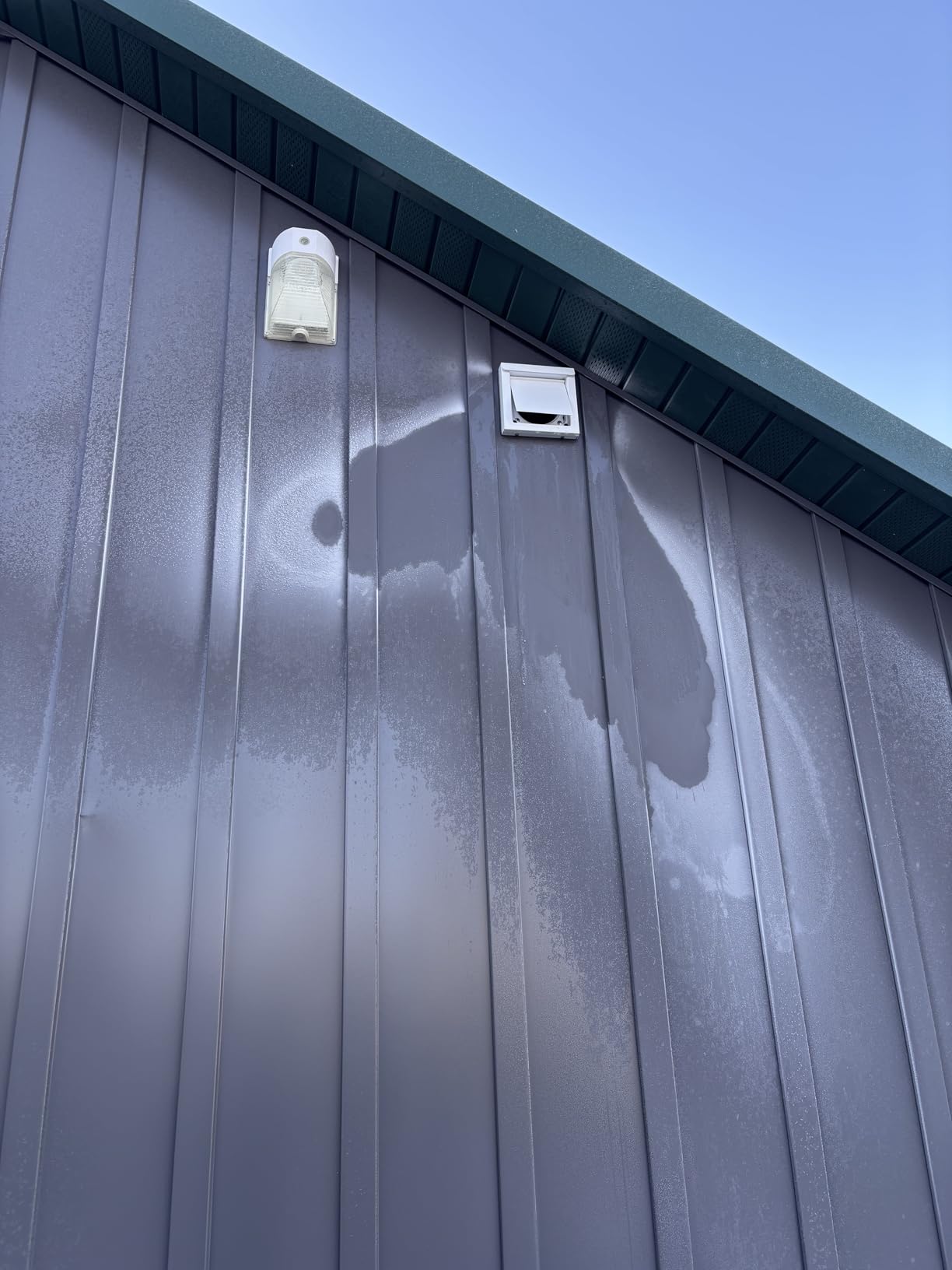
Installation is tool free. Quick-release clips open the housing and universal mounting brackets hold the fan in place, so it can be hung or strapped without drilling, and it is rated for indoor and outdoor mounting.
It also works as an intake or an exhaust. That flexibility matters in Martha-style setups and small closet grows where the fan pulls air in through a duct rather than pushing it out.
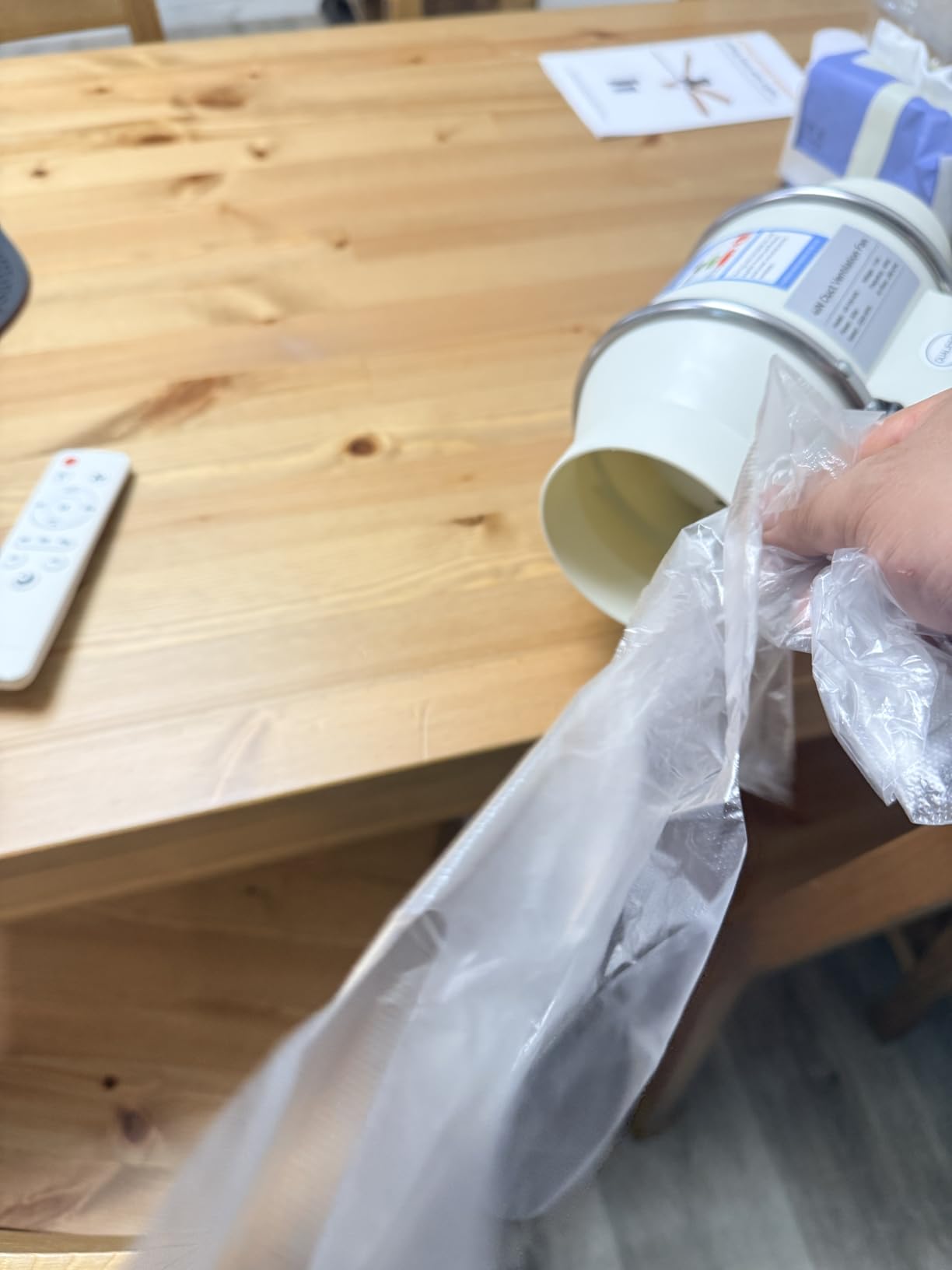
Airflow, heat dissipation and tool-free mounting
This is a large-volume tool, not a climate tool. It moves air faster than anything else in the list, and in a big tent or a room with several tents feeding one duct, that headroom is what you are paying for.
The copper core motor is the underrated part. Fan failure in grow tents is usually heat-related, and a motor that handles its own dissipation runs cooler at the same airflow, which means less stress on the bearings.
Where single-speed operation forces a choice
There is no controller and one speed setting, which means you are choosing between running it flat out all the time or accepting that the tent will swing past its setpoint whenever conditions change.
At 50 dB rated, it is quieter than the TerraBloom at full output but still well above the EC motor units, so it belongs in a garage or grow room rather than a living space.
9. Spider Farmer 4 Inch 205 CFM: RJ12 GGS controller compatibility
Spider Farmer 4 Inch Inline Duct Fan with Temp Humidity Controller, 205 CFM
205 CFM
26.8 dB
EC motor at 27W
10 speeds
Pros
- Very quiet EC motor at 26.8 dB
- Temperature and humidity sensors drive automatic adjustment
- RJ12 powered controller needs no separate power supply
- IP42 rated ABS housing for dust and liquid resistance
Cons
- Highest share of one star reviews in this group
- Costs more than comparable 4 inch fans
- Controller behaviour reported as inconsistent
The Spider Farmer 4 Inch fan is the one to buy if your tent already runs the GGS controller ecosystem. The smart controller is powered through its RJ12 port with no external power supply needed, and it programs the fan to react to climate readings in real time, adjusting on-off state, speed and airflow.
On paper the motor is among the most attractive here: an EC motor drawing 27W, 205 CFM, ten speed settings and a 26.8 dB rating, inside an IP42 ABS housing rated for dust and liquid resistance. That combination of quiet and moisture tolerance is exactly what a humid tent needs.
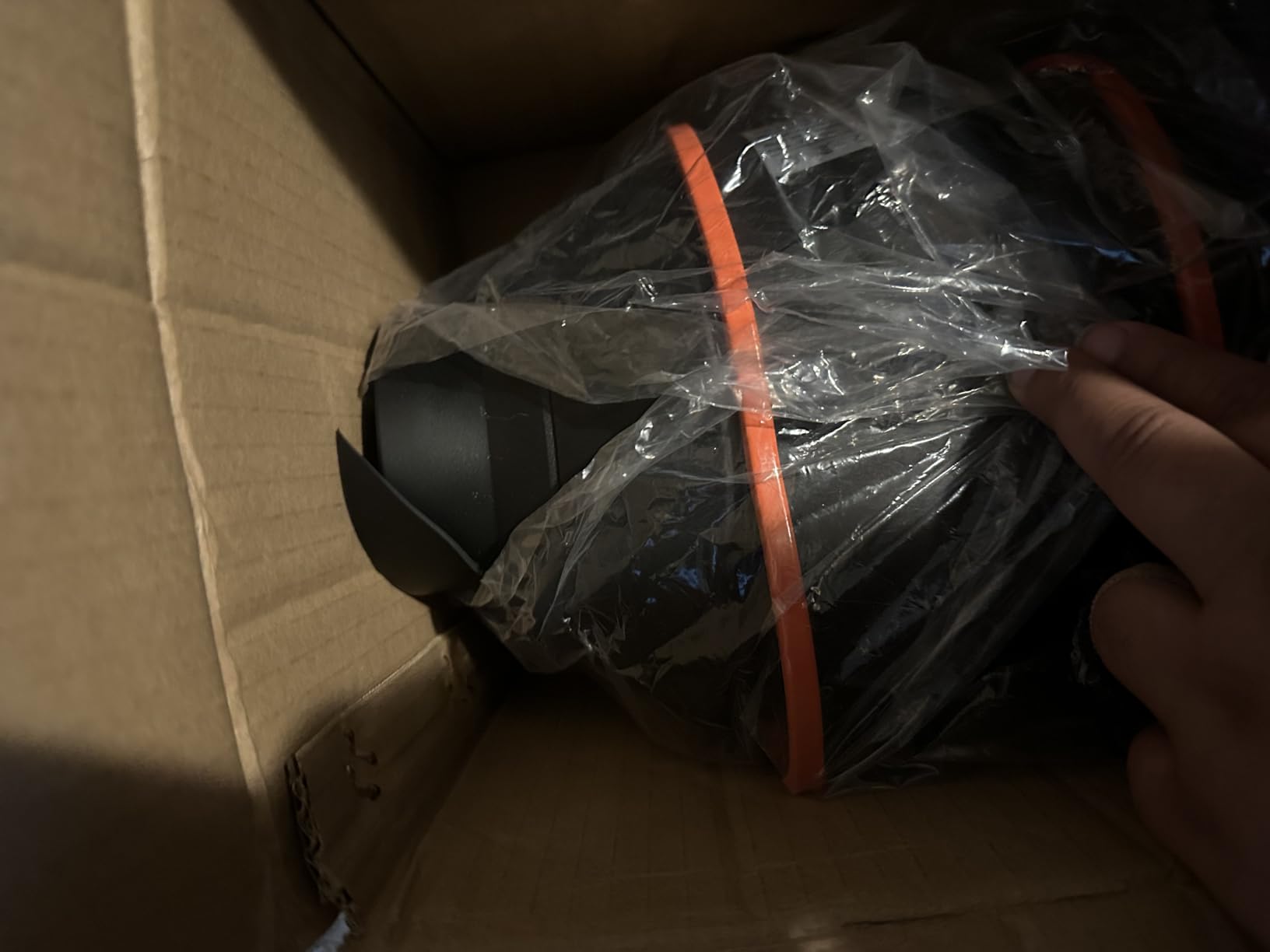
The reliability data is the reason it is not higher in this list. Its 4.0 average is the lowest of the ten, and around 18 percent of reviews are one star, with those complaints concentrating on durability and controller behaviour rather than on noise or airflow.
That is a meaningful gap. A fan that fails quietly during a heat wave is far more costly than a fan that is merely loud, and the category of failure growers report most in humid tents is motor and bearing death, not controller menus.
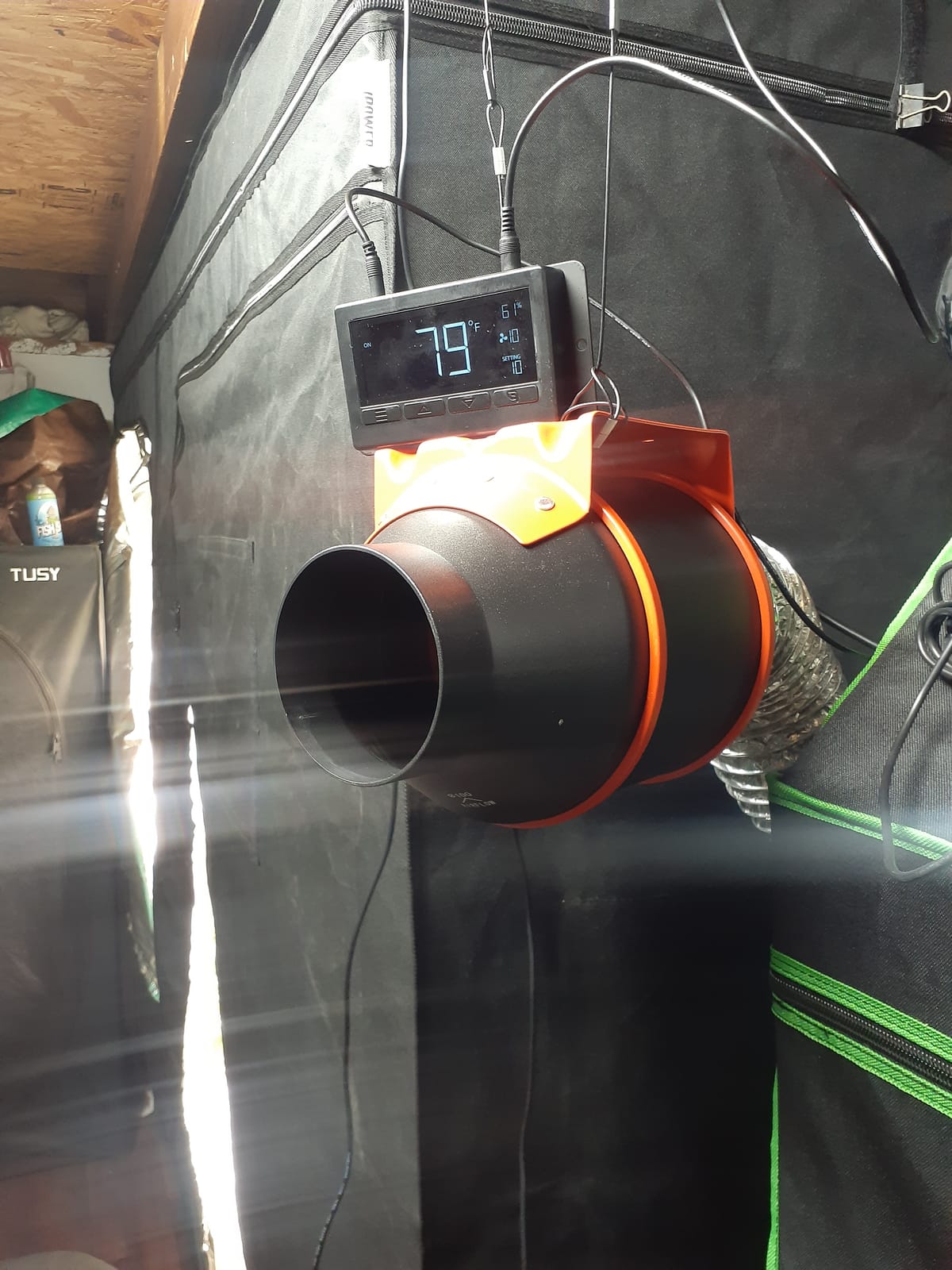
RJ12 controller compatibility in a tent
If you are already committed to RJ12 GGS gear, this fan slots in without a separate power supply and without a second app to learn. That removes real friction: one controller, one ecosystem, one place to set schedules.
The real-time climate response is genuinely useful in a tent that swings quickly, such as a small setup in a warm room, where waiting for you to notice a temperature climb is the difference between a recovery and a lost cycle.
Where the one-star reviews concentrate
Read the negative reviews before buying and you will see the pattern is about how the unit behaves over months rather than how it performs on day one. Controller inconsistency is the recurring theme.
It also costs more than other 4 inch fans with comparable airflow, which makes it a harder sell unless you specifically want the controller ecosystem rather than the fan itself.
10. iPower 4 Inch 195 CFM Kit: fan, carbon filter and ducting in one box
iPower 4 Inch 195 CFM Inline Ventilation Fan Quiet Vent Blower Carbon Filter with Prefilter, 8 feet Aluminum Ducting for Grow Tent Air Circulation
195 CFM
45 dB rated
2500 RPM
complete kit
Pros
- Complete kit with fan
- carbon filter
- prefilter
- ducting and clamps
- Carbon filter rated 220 CFM with 1200 plus IAV RC412 carbon
- 8 feet of aluminum ducting rated from minus 18C to 85C
- Parts fit together without guesswork
Cons
- Base version has no 0-10V control
- Some owners judge real airflow below the stated figure
- Carbon filter needs tight clamps to seal properly
The iPower kit is the complete-package option. The box contains a 4 inch 195 CFM inline fan at 2500 RPM, a 4 inch carbon filter rated at 220 CFM using 1200 plus IAV Australian RC412 activated carbon, a pre-filter, eight feet of aluminum foil and PET ducting and two stainless steel clamps.
That matters for a first build. Nothing has to be sourced separately, and the filter is rated slightly above the fan output, which is the correct relationship between the two components and one many assembled setups get wrong.
The ducting is rated from minus 18C to 85C and the filter uses a hook design that hangs without a bracket, so the whole assembly goes together in minutes in a closet or a tent corner.
What the all-in-one box actually gives you
For a new grower, the value is in the avoided mistakes: matched diameters, clamps included, a pre-filter protecting the carbon layer, and ducting that will not collapse when you route it around a corner.
For an existing setup, the filter alone is a usable part. If you already have a fan, this is a way to add odor control without tracking down four separate components.
Where the kit falls short
The base version has no 0-10V control, so there is no low-speed hold and no integration with an existing controller. You are running it as a single-speed device and managing the tent around it.
Some owners judge the delivered airflow lower than the 195 CFM figure once the filter is in the line, which is normal for any fan but worth expecting here, and the carbon housing needs tight clamps to stop air bypassing the media.
How to Size an Inline Duct Fan for Your Grow Tent in 2026
Sizing is the step that decides whether a fan works, and it takes five minutes. Measure first, then shop. The rules below are the ones we used when testing these units, and they apply whether you are building a 2×2 closet or ducting two fans out of a window.
Measure the tent volume before you look at CFM
Multiply width by depth by height in feet to get volume, then aim for enough rated airflow to exchange the tent volume roughly every two to three minutes under normal conditions. A common working target is 1.5 to 2 times the cubic footage in CFM for a filtered setup.
2x2x5 tent, roughly 20 cubic feet: 60 to 100 CFM, so a 4 inch fan in the 195 to 214 CFM class is already generous
2x4x5 tent, roughly 40 cubic feet: 90 to 140 CFM, still within 4 inch territory once you add a filter
4x4x6.5 tent, roughly 104 cubic feet: 160 to 210 CFM, a 205 to 214 CFM 4 inch fan is the minimum, a 6 inch unit gives real headroom
4x8x6 tent, roughly 192 cubic feet: 290 to 380 CFM, use a 6 inch fan at 345 to 402 CFM or two smaller units
10×10 tent or grow room, 600 cubic feet and up: 740 CFM from an 8 inch fan is a realistic starting point, and two of them covers most rooms
You can size up, you cannot size down. A larger fan on a lower speed setting gives you the control a smaller fan cannot offer, because speed control is what keeps a small tent on setpoint instead of over-extracting.
Pick a duct diameter you can actually seal
Duct diameter is not a preference. A 4 inch fan cannot move meaningfully more air through an 8 inch duct, and forcing a large fan into small ducting raises static pressure, drops airflow and makes noise worse. Match the fan to the duct, and match the duct to the tent port.
Every unit in this roundup has locking-tab or clamped duct ends sized to its own rating, which is why 4 inch fans here cover tents up to about 100 cubic feet before you should step up to 6 inch.
Budget for static pressure loss through a carbon filter
Static pressure is the resistance the fan has to push against. A carbon filter is a significant restriction, and every extra foot of flexible duct adds more, particularly if the duct is bent or crushed. A fan rated at 400 CFM with no ducting fitted may deliver well under that once a filter is in the line.
This is why pressure-rated fans like the Hon and Guan, rated to 142 Pa, and mixed-flow designs like the Toolazy and VIVOSUN G6 hold up better in filtered runs. Short straight runs beat long bent ones every time, so plan the duct path before you buy the filter.
EC motors versus AC motors in a humid room
AC motors, like the VIVOSUN D4, the TerraBloom and the Voltset, are simple and cheap to replace. They are also louder at the airflow they produce and draw considerably more power for the same job. EC motors, like the AC Infinity, VEVOR, Toolazy and Spider Farmer units, use electronic commutation for better efficiency, lower noise and finer speed control.
Here is the rough pattern from our testing. EC units on this list draw between 21W and 38W. AC units run from 28W on the small 4 inch D4 up to 205W on the TerraBloom. If your fan runs 24 hours a day, that difference is the running cost of the tent.
Read dBA at the distance that matters
A rated dBA figure is measured close to the housing, and it is usually the quiet setting rather than full output. For a tent in a bedroom, treat anything above 30 dB as a full-speed-only number. For a garage or grow room, 45 to 50 dB is workable at the low setting.
Two things reduce what you actually hear: mounting the fan on rubber isolation pads or a sling instead of a rigid bracket, and running it at the lowest speed that holds your setpoint rather than at maximum.
Exhaust versus intake, and why negative air pressure wins
Exhaust is the correct default. Mount the inline fan on the tent exhaust port, push the air out through a carbon filter, and let fresh air enter through an intake port or a passive gap at the bottom. Because the fan extracts more air than the inlet supplies, the tent goes slightly negative, which forces air out through the filter rather than leaking out of seams and light leaks.
Intake works too. Reverse the fan, mount it on the intake port, and put the filter on the way out. This is common in closet and Martha tent setups where there is one window and the duct has to reach it. The rule is simple: one filtered path for every path the air enters, and keep the tent under negative pressure either way.
Do you need a carbon filter with an inline fan?
You need one if odor control matters to you or anyone nearby. A carbon filter does not remove heat or humidity, it removes odor molecules, so it solves a different problem than the fan. A filtered tent gets both by running the filtered air out of the room.
If you are growing in a detached room or a greenhouse, you can run the fan without a filter and save the resistance, which returns real airflow. In a shared space, skipping the filter usually costs you the argument rather than the crop.
Cut a duct port without losing the light seal
Mark the port size on the tent wall at the highest rear position for exhaust, leaving clearance for the fan body and any filter
Cut the fabric slightly smaller than the duct so the duct fills the opening rather than sitting in a hole that leaks
Place the carbon filter flush against the tent wall so filtered air never bypasses the media inside the tent
Clamp the duct and filter to the port with the tent’s own cinch straps or a rubber-gripped clamp, never duct tape alone
Check the seal from inside the tent with a flashlight in a dark room, and reseal any glowing edge before you power the fan
Stage your ventilation by growth phase
You do not need full exchange 24 hours a day. During veg, run the inline fan on its lowest speed or a low cycle mode and let clip-on circulation fans handle the canopy. As heat builds in flower, raise the inline fan speed and shift more of the air exchange duty onto it.
This staged approach is what experienced growers describe as the sensible pattern, and it is the cheapest efficiency win available, because most of the tent’s heat load arrives in the last third of the grow.
Humidity is the number one motor killer
The failure mode growers actually report is motor death in a humid tent, not noise and not controls. A post in a growers group described a duct fan lasting only a week in a Martha tent before it stopped, which is a small enclosed space where humidity sits high for long periods.
What separates the durable units here is bearing type and motor design. Dual ball bearings, listed on the AC Infinity CLOUDLINE T6 and the Toolazy, tolerate moisture and long run times far better than the plain sleeve bearings and plastic DC motors used in cheaper housings. IP42 rated housings, like the Spider Farmer’s, add a further layer of protection.
For closet and Martha-tent setups where the fan runs near saturation, a fan with a metal-bodied EC motor is worth the premium. In a tent that gets harvested and dried out between cycles, the cheaper plastic units are perfectly adequate.
Frequently Asked Questions
What are the best fans for grow tents?
For most tents, an inline duct fan on the exhaust port is the best single choice, because it removes air instead of moving it. Pair it with a clip-on circulation fan for the canopy and a carbon filter on the exhaust. Small tents under 40 cubic feet can run on a 4 inch unit at 195 to 214 CFM, while larger tents need a 6 inch or 8 inch fan.
Which inline duct booster fan is the best?
The AC Infinity CLOUDLINE T6 is the best overall inline duct booster we tested, pushing 402 CFM at a rated 32 dBA with app-based temperature and humidity programming and ten speed settings. The Hon and Guan 6 Inch is the best value option on power draw, and the Toolazy 4 Inch is the quietest rated 4 inch unit at 27 dB.
What is the best fan for a grow tent extractor?
A 4 inch fan rated between 195 and 214 CFM suits tents up to about 100 cubic feet, a 6 inch fan rated 345 to 402 CFM covers a 4×4 up to a 4×8, and an 8 inch fan around 735 to 740 CFM handles rooms and multi-tent setups. Always add the carbon filter to the same side as the fan so the extracted air stays filtered.
Are inline duct fans worth it?
Yes, for a sealed grow tent they are the only fan type that creates negative air pressure, which forces hot and humid air out through the carbon filter instead of leaking through seams. Clip-on fans circulate air but never remove it. In a very small closet or Martha tent, a quiet extractor plus one clip fan achieves a similar result with less hardware.
What size inline duct fan do I need for my grow tent?
Measure the tent in feet and multiply width by depth by height. Aim for roughly 1.5 to 2 times that cubic footage in CFM for a filtered setup. A 2×2 tent needs about 60 to 100 CFM, a 4×4 needs 160 to 210 CFM, and a 4×8 needs 290 to 380 CFM. You can size up and run the fan slower, but you cannot size down.
Final Verdict on the Best Inline Duct Fans for Grow Tents in 2026
The AC Infinity CLOUDLINE T6 is the best inline duct fan for grow tents in 2026 because it combines 402 CFM, a 32 dBA EC motor, dual ball bearings and genuine temperature and humidity automation with independent setpoints, and it is the unit we would put in a 4×4 tomorrow. The Hon and Guan 6 Inch is the value pick at 345 CFM on 19.2W, the VIVOSUN D4 is the cheapest route into inline ventilation for a small tent, and the Toolazy 4 Inch wins on quiet operation when the tent sits inside the house.
For larger setups, the VIVOSUN G6 AeroZesh at 388 CFM and the two 8 inch units, the TerraBloom and the Voltset, cover everything from a 4×8 tent up to a multi-tent room. Whichever you pick, size it to your tent volume, keep the carbon filter on the fan side of the wall, and run it on the lowest speed that holds your setpoint.
We keep our equipment notes and setup write-ups on portable workshop tents, radiator fan comparisons and roof top tents if you want the same measured approach applied to other gear.