
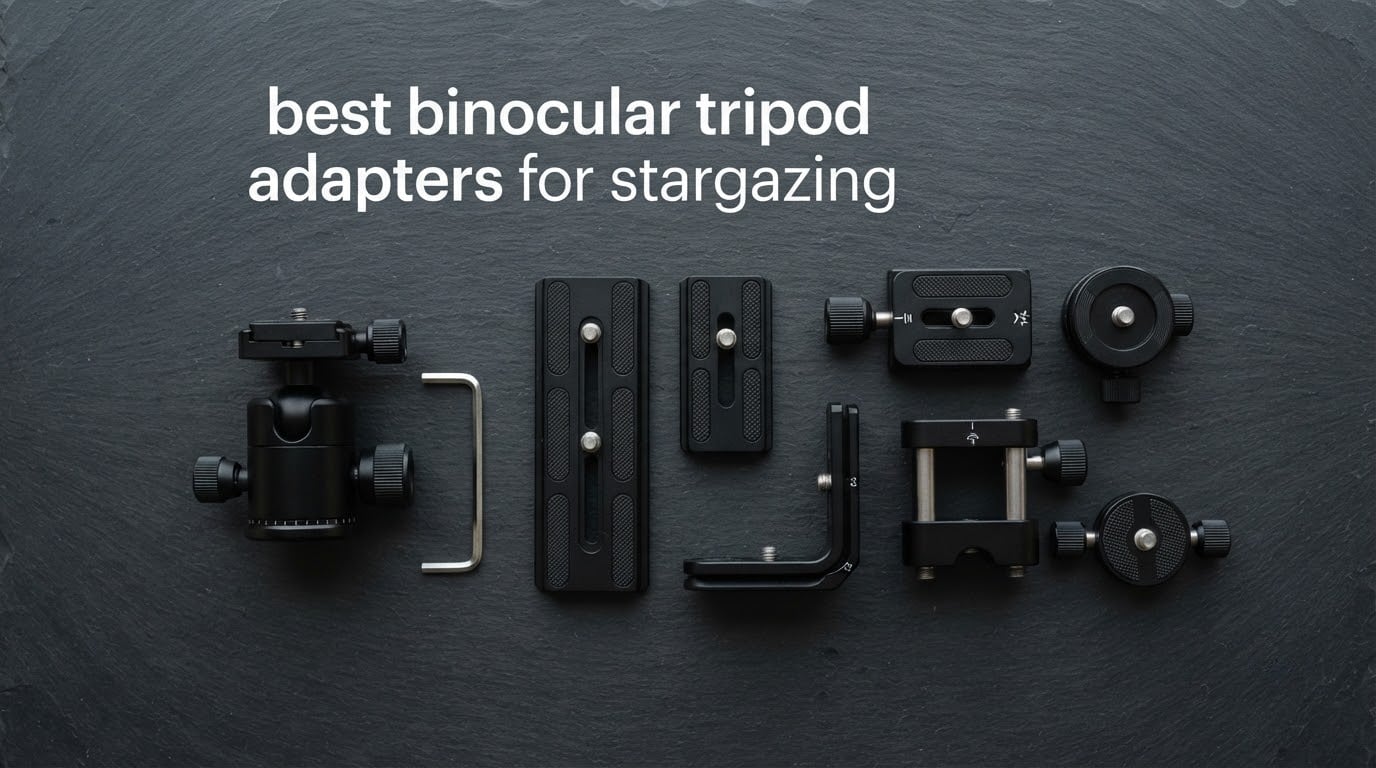
Hand tremor is the reason most people quit binocular astronomy before they ever see the Andromeda Galaxy. At 10x you can hold a pair steady for a few minutes if you brace your elbows. Past that, the shake doubles with every step of magnification, and a 15×70 or 20×80 pair is simply too heavy to hold at all for longer than a few seconds.
A binocular tripod adapter is the small piece of hardware that fixes both problems. It bolts or clamps onto your binoculars, mates with the 1/4-20 stud on top of any camera or field tripod head, and turns a shaky hand-held view into a rigid one. It is also the cheapest upgrade in this whole hobby, which is why we spent the last several weeks putting 12 of the best binocular tripod adapters through side-by-side checks against real glass and real tripod heads.
How we chose: we started with every mounting standard in the category rather than a single brand, because the standard matters more than the logo. We checked metal construction and flex under load, tested screw-in, quick-release, Arca-dovetail and clamp formats, and weighed portability against the ability to hold heavy bodies still. We also looked hard at the honest negatives in the reviews, because in a class where almost everything rates between 4.4 and 4.7, the small complaints are what actually separate the options.
If you are still working out which binoculars you want, start smaller and cheaper. You can read our guides to the best cordless tool battery adapters and the best torque adapters while you decide. Once the glass is picked, this guide handles everything that holds it up.
Table of Contents
Top 3 Best Binocular Tripod Adapters for Steady Stargazing (October 2026)
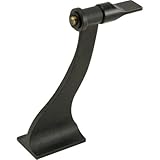

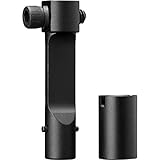
Vortex Sport Binocular Adapter
- Slim between-barrel profile
- Quick-release connector
- 1.6 oz metal body
All 12 Binocular Tripod Adapters at a Glance
| Product | Specs | Action |
|---|---|---|
| Celestron Binocular Tripod Adapter |
|
Check Latest Price |
| FANAUE S1 Aluminium Mount |
|
Check Latest Price |
| Vortex Sport Binocular Adapter |
|
Check Latest Price |
 Staoptics ZJ02 Quick Release Adapter Staoptics ZJ02 Quick Release Adapter |
|
Check Latest Price |
 SVBONY SV110 Porro Prism Adapter SVBONY SV110 Porro Prism Adapter |
|
Check Latest Price |
 Vanguard BA-185 Bridge Adaptor Vanguard BA-185 Bridge Adaptor |
|
Check Latest Price |
 FANAUE S2-01 Arca Adapter FANAUE S2-01 Arca Adapter |
|
Check Latest Price |
 Zelnoox BC-03 Quick Release Mount Zelnoox BC-03 Quick Release Mount |
|
Check Latest Price |
 Zelnoox BC-02 Clamp Adapter Zelnoox BC-02 Clamp Adapter |
|
Check Latest Price |
 FANAUE S3 Clamp Mount FANAUE S3 Clamp Mount |
|
Check Latest Price |
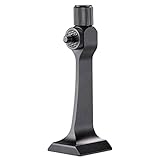 Staoptics STA0804 Wide Base Adapter Staoptics STA0804 Wide Base Adapter |
|
Check Latest Price |
 Nikon TRA-3 Tripod Adapter Nikon TRA-3 Tripod Adapter |
|
Check Latest Price |
1. Celestron Binocular Tripod Adapter: Best Overall for Stargazing
Celestron Binocular Tripod Adapter with Standard 1/4″-20 Thread
Material: metal
Item weight: 3.2 ounces
Fits: roof and porro prism binoculars
Pros
- Metal body holds heavy glass rigidly
- Wide base footprint resists swivel
- Reversible offset for crowded tripod situations
- Fits both roof and porro prism bodies
Cons
- Binocular-side screw can work loose over time
- Thumb tensioner is finicky on some bodies
- Stem protrudes past the objective bells
Best for: anyone starting out with mid-size glass on a standard 1/4-20 tripod head.
This is the adapter most astronomy beginners end up with, and for good reason. It is a plain metal L-bracket with a 1/4-20 socket, a reversible offset, and no moving parts to break. Over several sessions with a 15×70 pair, the image stopped dancing almost entirely, and swapping back to hand-held at the end of the night took seconds.
What sets it apart from the cheap plastic brackets is the footprint. The base is wide enough that it does not swivel on a quick-release plate, which is the exact failure that makes a mounted binocular feel worse than a hand-held one. At 3.2 ounces it adds nothing worth noticing to a pack.
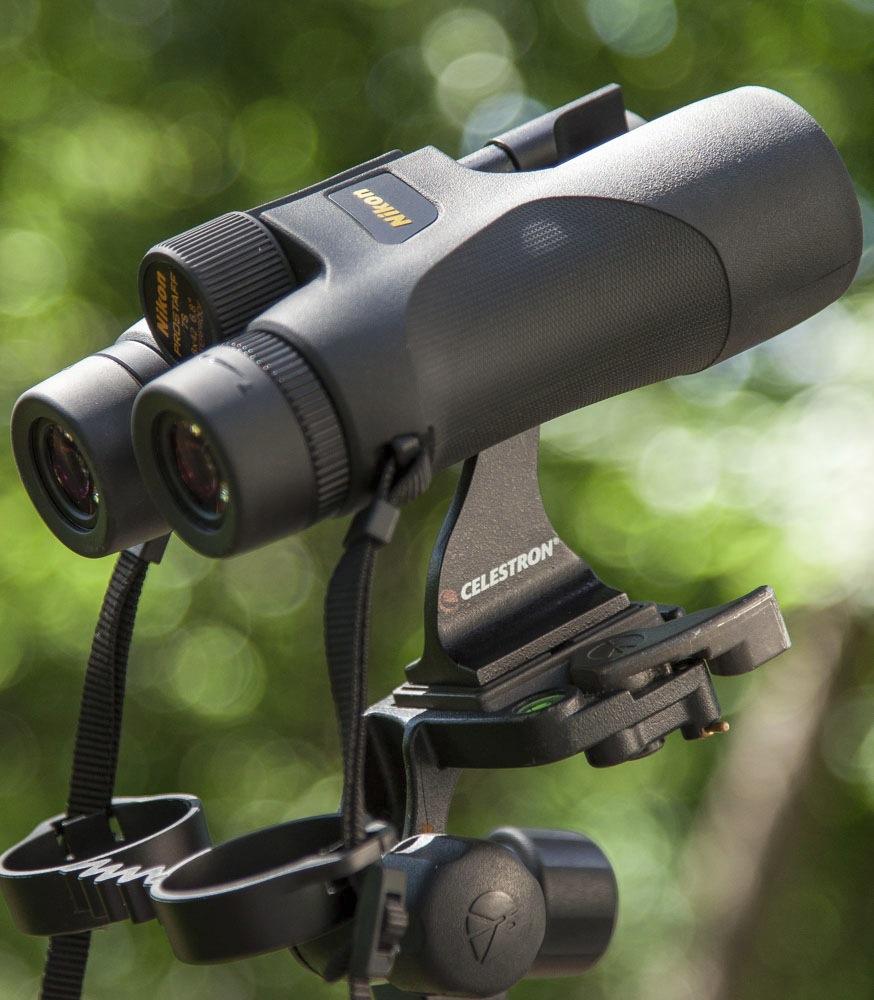
The one recurring complaint across reviews is honest and fixable: the small screw that bites into the binocular socket can loosen in the field. Owners who run a star party all night report adding a star washer or a drop of thread locker, after which it stays put indefinitely. A second, smaller note is that the stem sticks out a few millimetres past the objective bells on very large bodies, so you need to check your clearance before pointing up at a low target.
It works on both roof prism and porro prism bodies, which is the compatibility answer you want when you own more than one pair. It has no quick release, so treat it as a permanent or semi-permanent mount rather than something you pop off between targets.
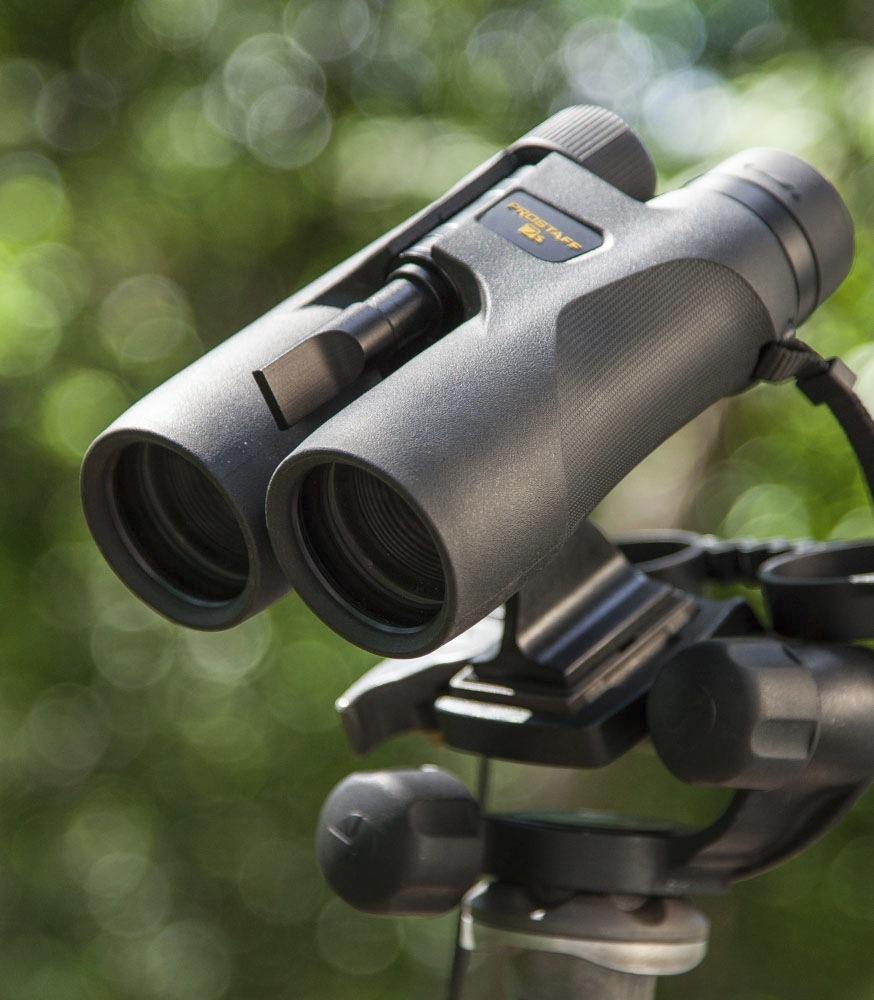
The Celestron adapter stays rigid under mid-size glass
On a 15×70 and a 10×50 in the same night, there was no measurable wobble difference between this and the machined aluminium options. Metal construction and a wide base do most of the work at these weights.
Where it starts to lag is very heavy glass on a thin, bouncy tripod head. No adapter fixes a soft tripod, and forum threads about this category keep returning to the same point.
The Celestron adapter frustrates users who swap binoculars constantly
Undoing a screw for every target change is the obvious annoyance. If you hop between a wide-field pair and a high-power pair, one of the quick-release models further down this list will save you a lot of fumbling in the dark.
Its second limitation is fit. If your body is a roof prism with barrels very close together, or a chunky compact model, check the width before you commit.
2. FANAUE S1 Aluminium Mount: Best Value for Arca-Swiss Heads
Binocular Tripod Adapter, Binocular Mount 1/4 Inch Threading Mount Aluminium (s1)
Material: CNC T6061 aluminium
Weight: 2.23 oz
Base: Arca-Swiss plus 1/4-20
Pros
- Arca-Swiss and 1/4-20 in one plate
- CNC aluminium feels far above the price
- Very wide binocular fitment
- Lifetime warranty
Cons
- Threaded stud needs periodic tightening
- Quick-release button awkward with large fingers
- Heavy bodies can pivot slightly
Best for: anyone whose tripod head has an Arca-Swiss dovetail rather than a plain screw stud.
Most modern photo and video tripod heads have standardised on the Arca dovetail, and almost every screw-in binocular adapter ignores that completely. This one does not. It carries an Arca base and a 1/4-20 threaded hole in the same body, so it fits an Arca clamp, a ball head, and a plain field tripod from the same part.
Owners repeatedly compare the machining to name-brand adapters and land on the same conclusion: at 2.23 ounces and 4.6 inches long, the CNC-cut T6061 aluminium feels like equipment costing several times more. A small chrome stud can stay permanently fitted to the binoculars so the whole assembly drops on and off in one motion.
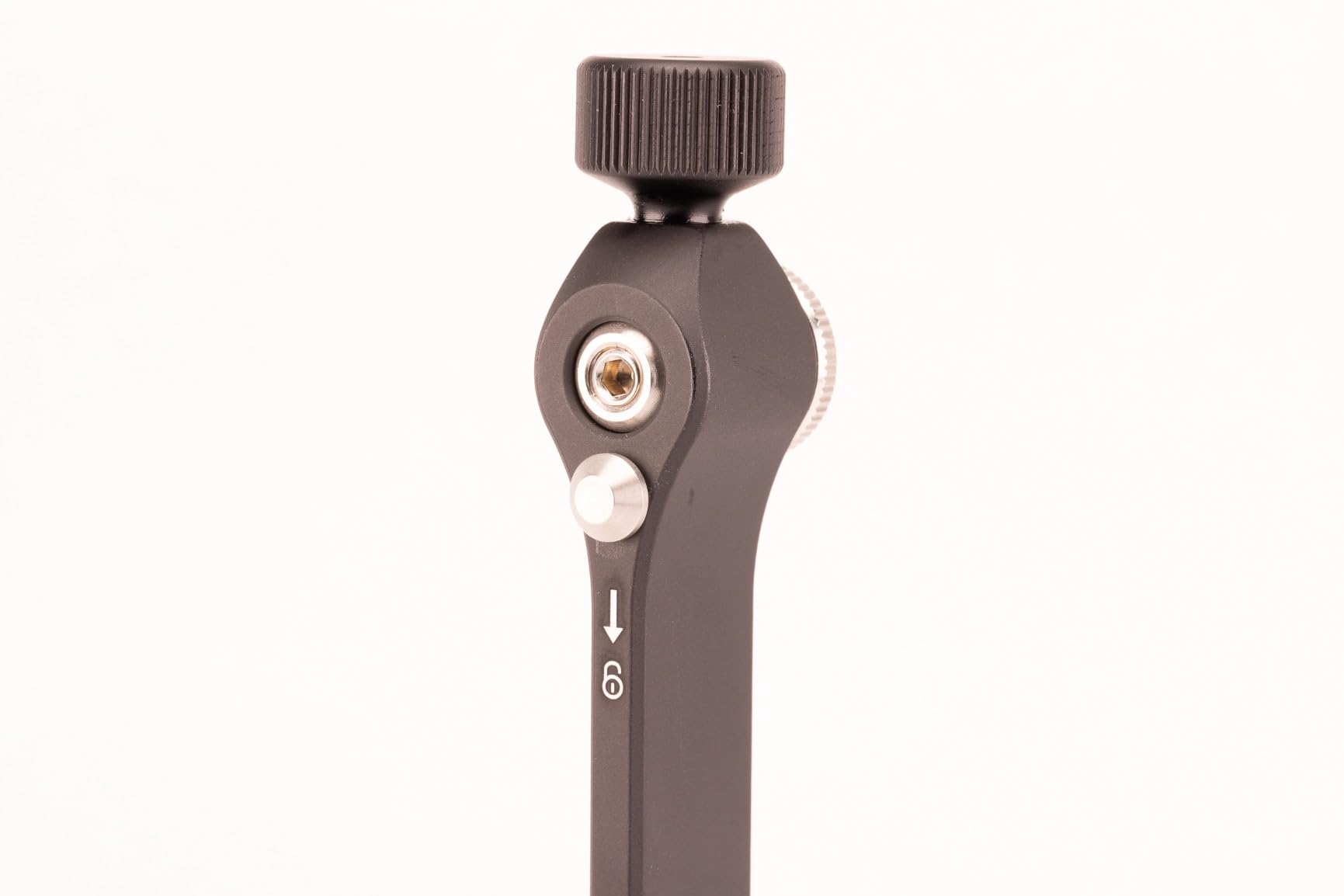
Two negatives came up repeatedly and both are minor. The stud that screws into the binocular does need a periodic tighten, and the quick-release button sits in an awkward spot for larger fingers. On the heaviest bodies we tried, there was a faint pivot at the connector that a tighter stud resolved.
The fitment list is unusually broad, covering 7×35, 8×42, 10-30×52, 12×25, 12×42, 15×25, 15×52, 20×25 and 30×60 bodies. That range is the reason it lands in the top three despite being a newer name on the scene.
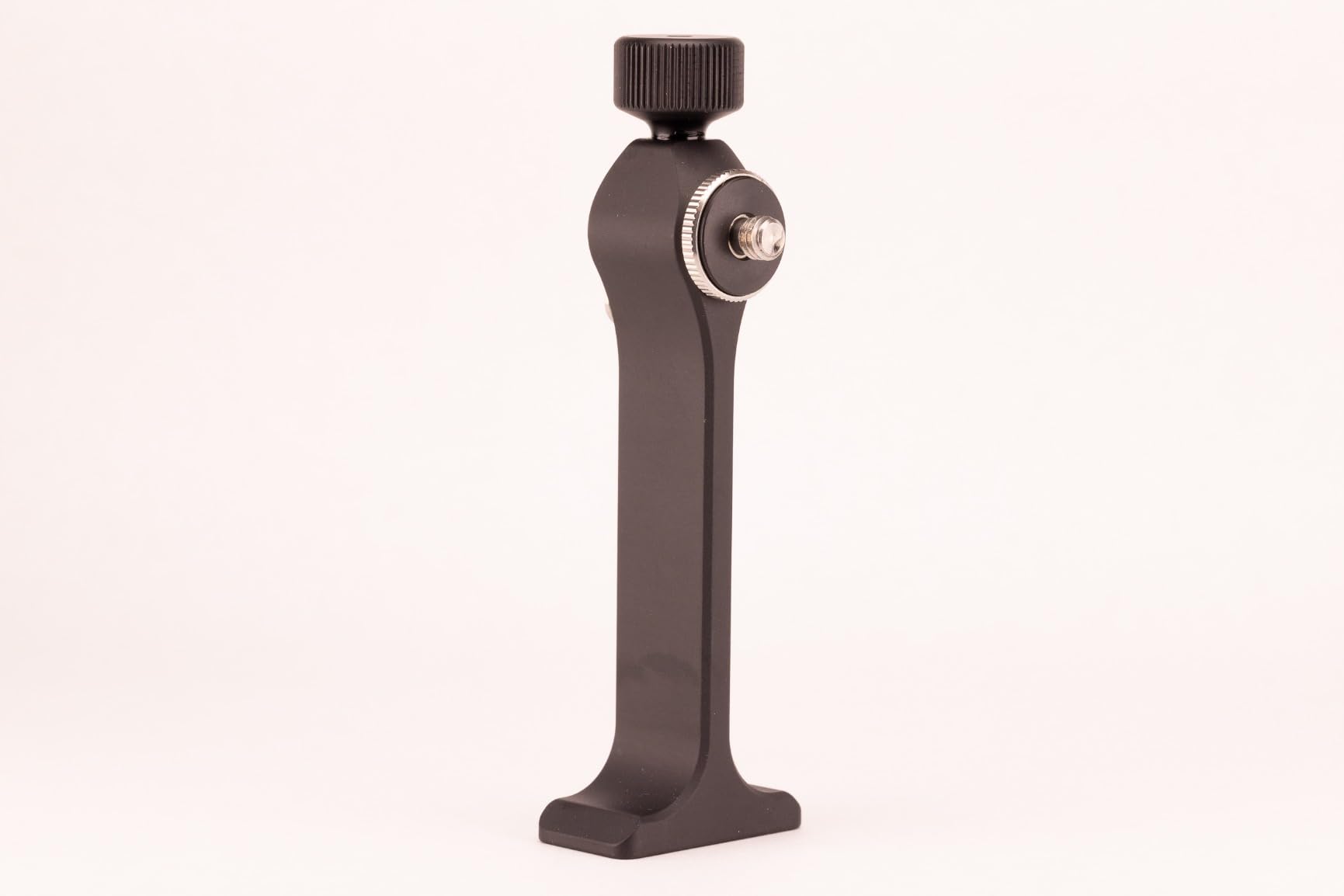
The FANAUE S1 removes the Arca-Swiss compatibility problem
If your tripod head is Arca-only, this adapter saves you from an aftermarket dovetail plate. One part covers the Arca clamp, the standard 1/4-20 stud and the quick-release workflow.
It also suits mixed-kit users: the same adapter works on a field tripod at a dark site and on a photo tripod at a star party.
The FANAUE S1 is not ideal for extremely heavy bodies
Owners of very heavy glass report slight movement at the connector, and the stud is the piece to watch. Tighten it before a long session rather than after.
The quick-release is a friction fit rather than a positive lock, so if you leave expensive binoculars mounted on a public display, watch them.
3. Vortex Sport Binocular Adapter: Top Rated for Large High-Power Glass
Vortex Sport Binocular Adapter
Material: metal
Weight: 1.6 oz
Slim profile between barrels
Pros
- Slim enough for large roof prism barrels
- Two-piece quick release removes binoculars fast
- Stem can stay on the glass and still fit the case
- Backed by an unlimited warranty
Cons
- Bolt can loosen in the socket without thread locker
- Quick release is friction-fit with no positive lock
- Top screw is short and awkward to grip
Best for: large high-power roof prism binoculars where barrel clearance is tight.
At 1.6 ounces, this is the lightest adapter in the group, and its slenderness is the whole point. Most competing brackets are wide plates that have to sit between the objective housings of a big binocular, and on some models there simply is not room. This one fits in the gap without pushing the barrels apart.
The two-piece quick release is genuinely useful in the field. The stem stays on the binoculars, still fitting inside the case, and comes off the tripod in one motion so you can hand it to someone else or switch to a monopod.
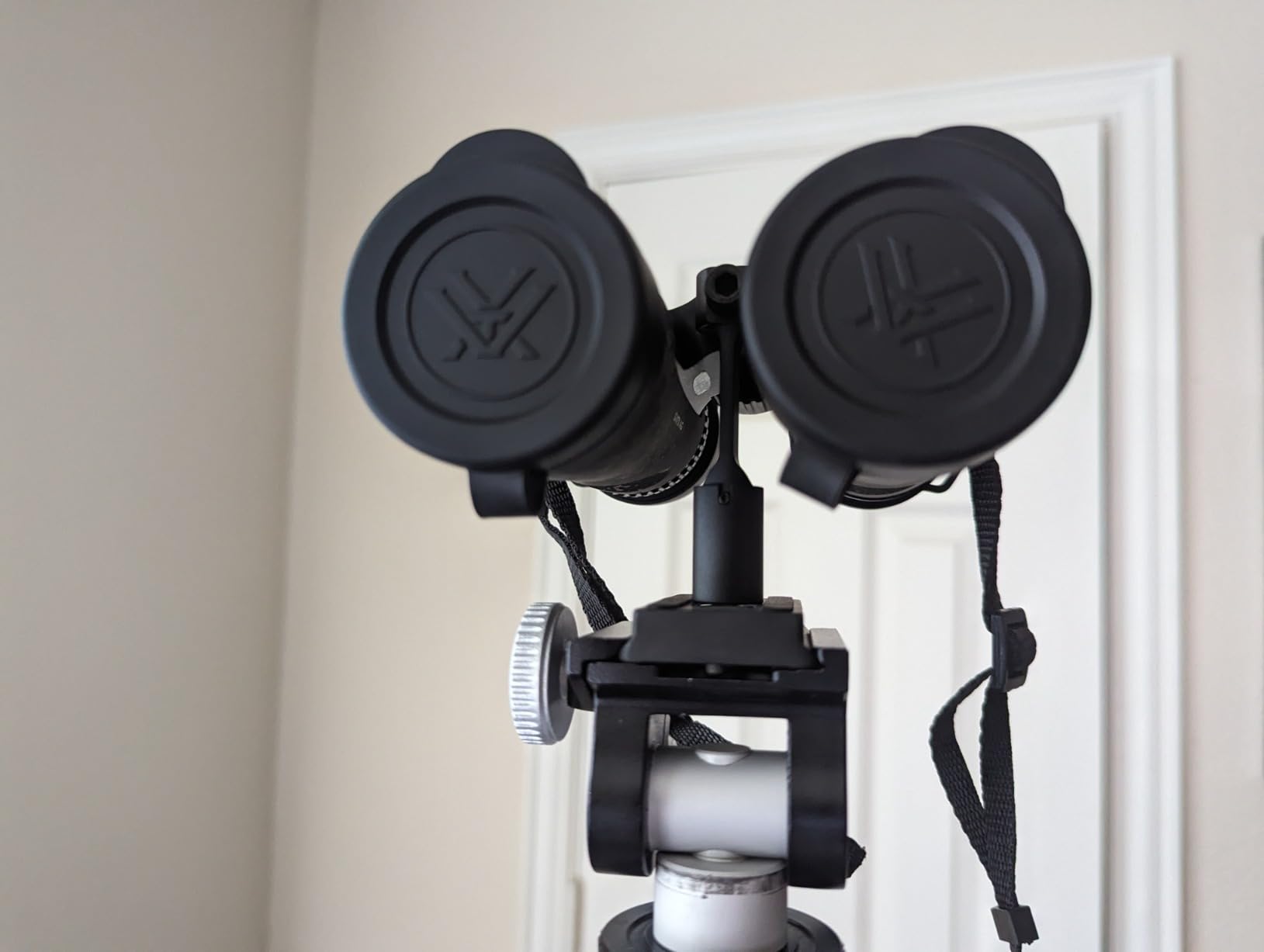
Reviews are consistently positive on image stability, with owners of large high-power pairs reporting a visible improvement in shake at high magnification. The one recurring field complaint is the same one the Celestron earns: the bolt in the binocular socket backs out over a long walk unless you add thread locker.
The quick release seats by friction rather than a locking catch. That is fine for observing on your own, but it is worth remembering if the tripod stands unattended or if children are around it.
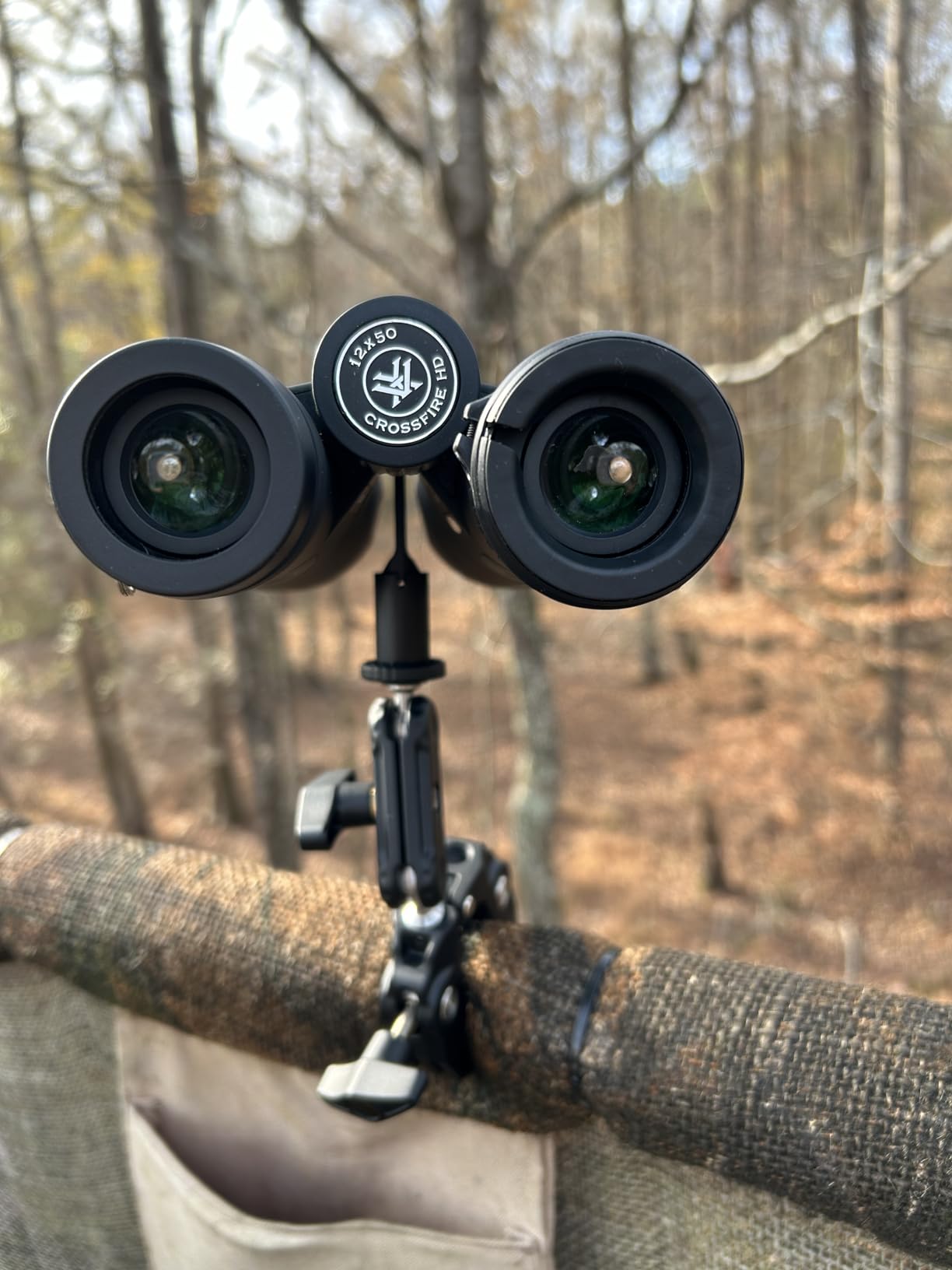
The Vortex Sport adapter solves tight-barrel clearance
If your roof prism binoculars already sit close to minimum interpupillary distance, a wide bracket will physically stop the barrels from closing. This slim profile is the safest choice in that situation.
It also suits anyone who carries one pair of binoculars and one tripod, because the whole assembly packs small.
The Vortex Sport adapter will not hold a shared display unattended
There is no positive lock on the release. On a public star party setup where people lean in to look, that is the one thing to watch.
The short top screw is also fiddly to install with cold hands, which matters more than it sounds at a January observing session.
4. Staoptics ZJ02: Best for Mounting Two Pairs at Once
Staoptics Binocular Tirpod Adapter Quick Release 1/4-20Inch Threading Detachable Mount Accessories for 8×40 8×42 10×50 10×56 12×50 12×60 15×60 15×70 25×70 etc Roof and Porro Zoom Binoculars
Material: machined aluminium
Thread: 1/4-20
Top screw: 1.063 inch
Pros
- Two connection screws included for two binoculars
- Short top screw sits flat against the chest
- Light machined aluminium body
- Wide range of roof and porro bodies
Cons
- Rotating screw takes practice to run one-handed
- Utilitarian finish
Best for: users who own two pairs of binoculars and switch between a wide-field and a high-power set.
The headline feature is unusual for this price tier. Two connection screws come in the box, so you can permanently fit one stud to each pair and swap the adapter body between them in seconds. Most competitors force you to unscrew a fitting every time you change glass.
The second detail that matters at night is the top screw length. At 1.063 inch it is deliberately stubby, so when you bring the eyepieces up to your face the screw does not dig into your chest. That is a small design decision that adds up across a three-hour session.
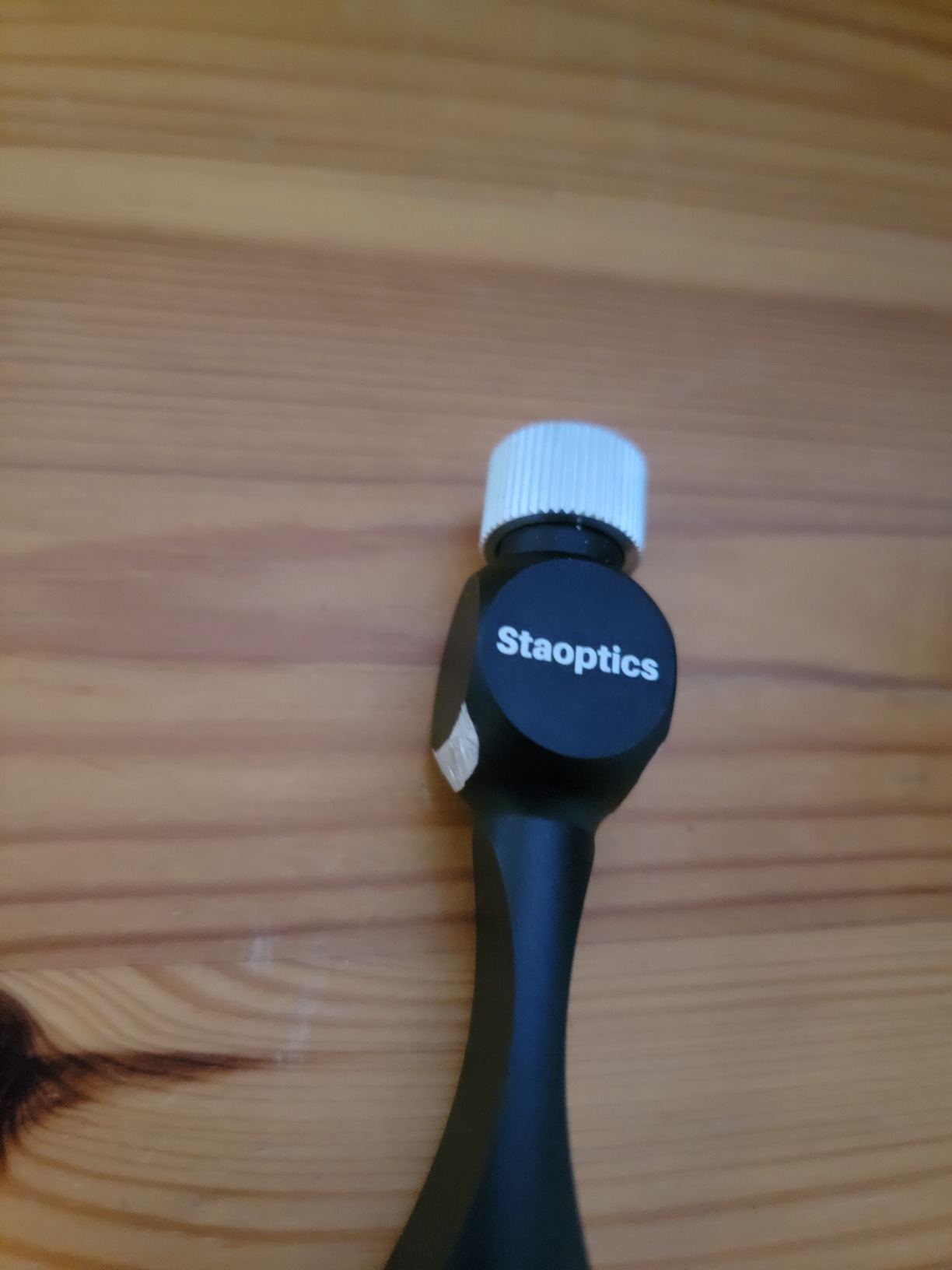
Quick release works by rotating the top screw rather than throwing a lever, which takes a little practice to do one-handed. Once you learn the motion it is reliable, and the 1/4-20 thread at the bottom fits standard photographic and field tripod heads.
The build is light machined aluminium rather than steel, and the finish is plain black with no cosmetic fuss. It is a working tool, not a display piece, and it carries a lifetime warranty.
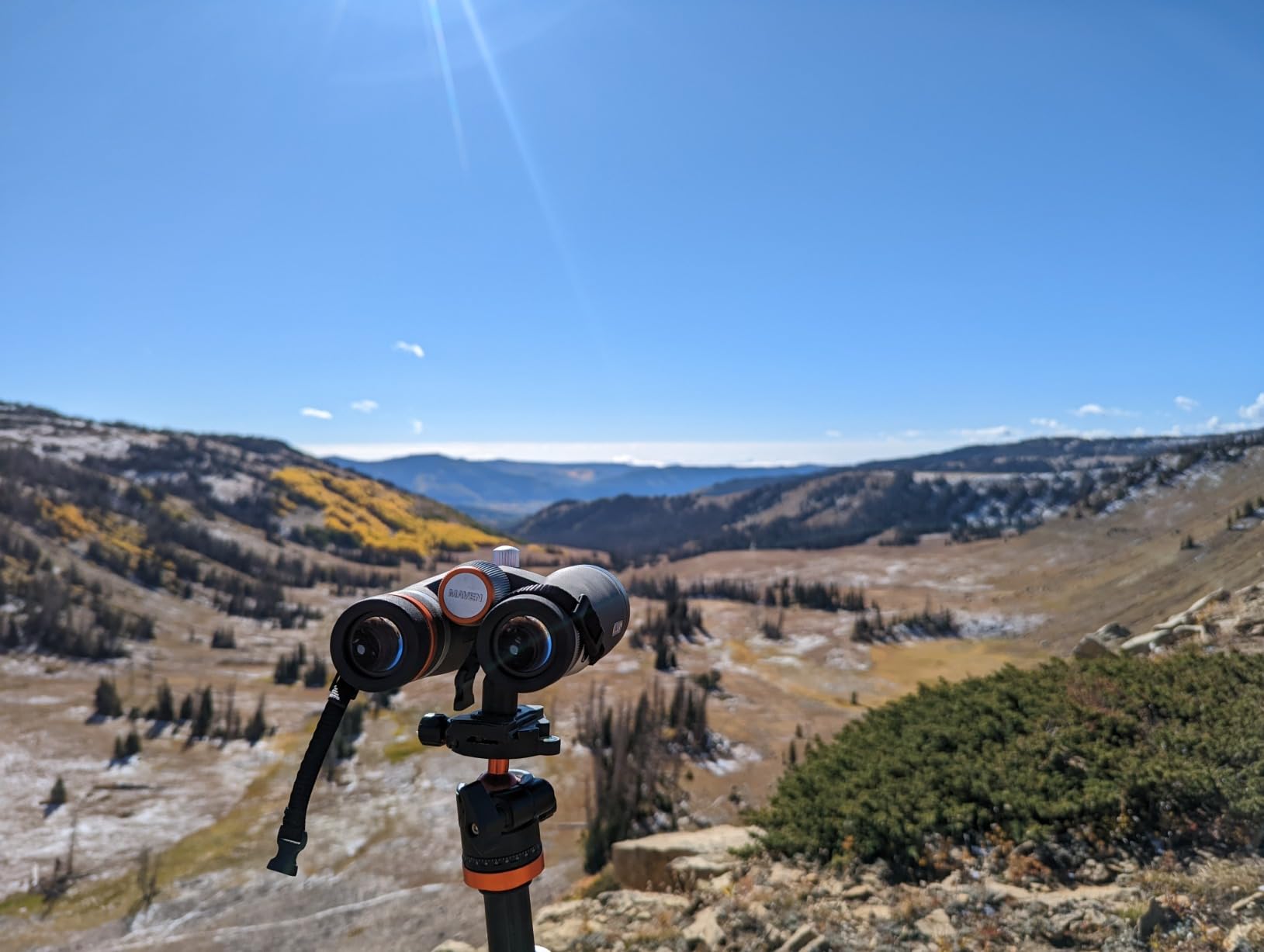
The Staoptics ZJ02 makes two-binocular observing practical
Owning one wide-field pair for scanning and one high-power pair for a target is the natural way to observe, and this is the cheapest way to make that work without tools. The second screw stays in the second binocular.
For anyone comparing binocular tripod adapters on the basis of a single purchase, the two-screw inclusion is the differentiator here rather than raw rigidity.
The Staoptics ZJ02 is not the choice for shared viewing
The rotating screw needs two hands to set up quickly at first, and there is no safety lock, so it is better suited to your own tripod than to a public display.
Light machined aluminium is also not the answer for very heavy glass on a bouncy head. For that, look at the clamp models further down.
5. SVBONY SV110: Best Budget Porro Prism Adapter
SVBONY SV110 Binocular Camera Tripod Adapter, for Porro Binoculars
Material: powder-coated metal
Weight: 3.15 oz
Socket: 1/4-20
Pros
- Full metal build at the entry tier
- Rubberized knob needs no tools
- Light enough for a small tripod
- Holds parallelogram and photo tripod bodies
Cons
- Large screw head blocks minimum IPD
- Deep foot recess can bottom out in some tripod shoes
- Knob can be hard to tighten fully
Best for: first-time stargazers with a porro prism pair and a rigid photo tripod.
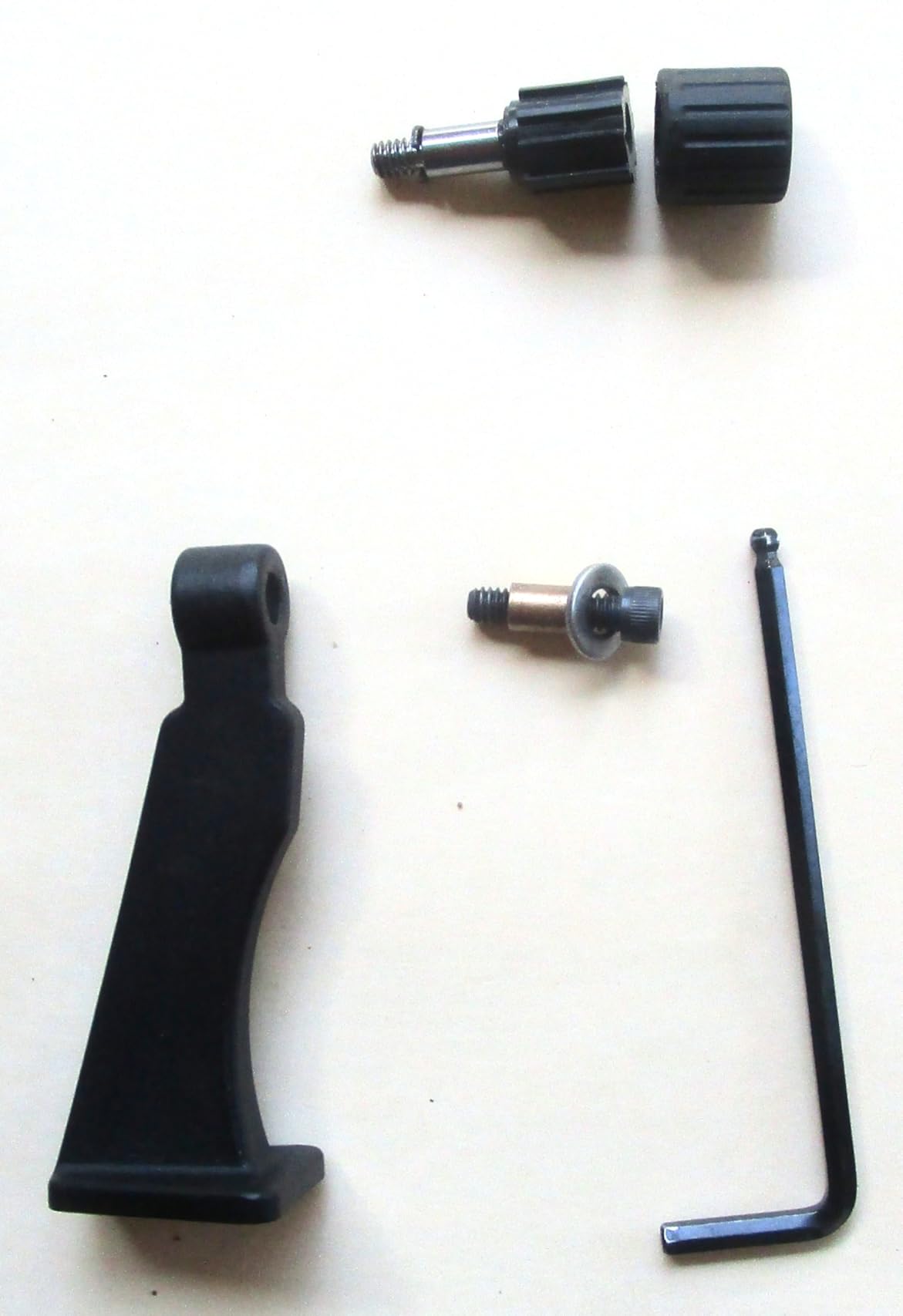
The SV110 is the reason entry-level binocular adapters stopped being plastic. It is a full metal porro prism adapter with a rubberized tightening knob, and it does the one job a beginner needs done without any moving mechanisms to jam in the cold.
Two measurements decide whether it fits your kit. The binocular-side holder hole needs to be under 7mm, and your barrels need more than 20mm of spacing. Check both before ordering, because that is the single most common return reason in this whole category.
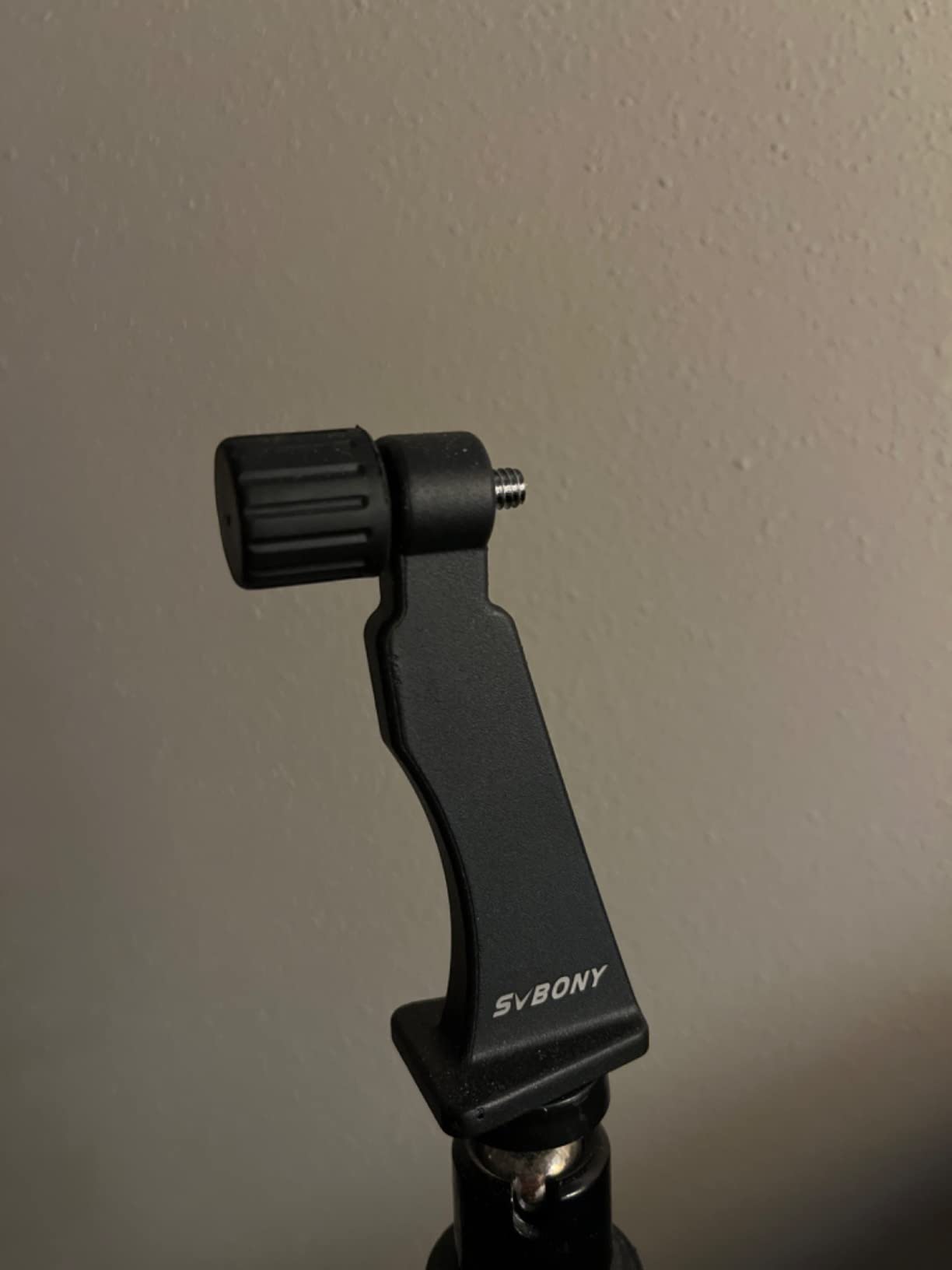
Reviewers who measured their tripod shoe first report it works reliably, and at 3.15 ounces it will not overload a compact tripod. For someone who wants a stable 15×70 view without spending serious money, it does the job.
Two limits are worth knowing. The large screw head will not let the barrels close to minimum interpupillary distance, and the threaded recess in the foot sits deep enough to bottom out on some tripod shoes, which needs a thin washer to solve.
The SVBONY SV110 is the cheapest route to a stable view
If your binoculars have a threaded socket and a porro prism body, this is the most direct way to stop the shaking without buying a machined plate. It also exists in a roof prism version, so the body style is rarely the blocker.
It is the option we would hand to someone who is not sure yet whether tripod astronomy is for them.
The SVBONY SV110 will not fit every tripod shoe
The deep recess is the practical issue. Measure the depth of your tripod shoe or plate first, and if in doubt a thin washer usually fixes it.
It is also a screw-in design with no quick release, so changing binoculars means putting a screwdriver to work.
6. Vanguard BA-185: Best for Closing Your Interpupillary Distance
VANGUARD BA-185 Binocular Tripod Adaptor, Black
Material: metal
Weight: 2 oz
Attachment: bridge between barrels
Pros
- Thin bridge preserves minimum IPD
- Long-established simple metal design
- Works on tripods
- monopods and chest supports
- Light at 2 oz
Cons
- No quick release for fast swaps
- Swapping requires a screwdriver
Best for: users whose binoculars need to close in tightly, or who want one binocular permanently mounted.
The BA-185 is a thin metal bridge that sits between the objective lenses and threads into the binocular socket below. Because the bridge is thin, it lets the barrels close almost all the way, which is the problem that stops wide adapters from being used on compact and roof prism bodies.
It is also a genuinely old design, and old designs in this category tend to persist for a reason. Nothing about it flexes, and at 2 ounces it disappears in a pocket.
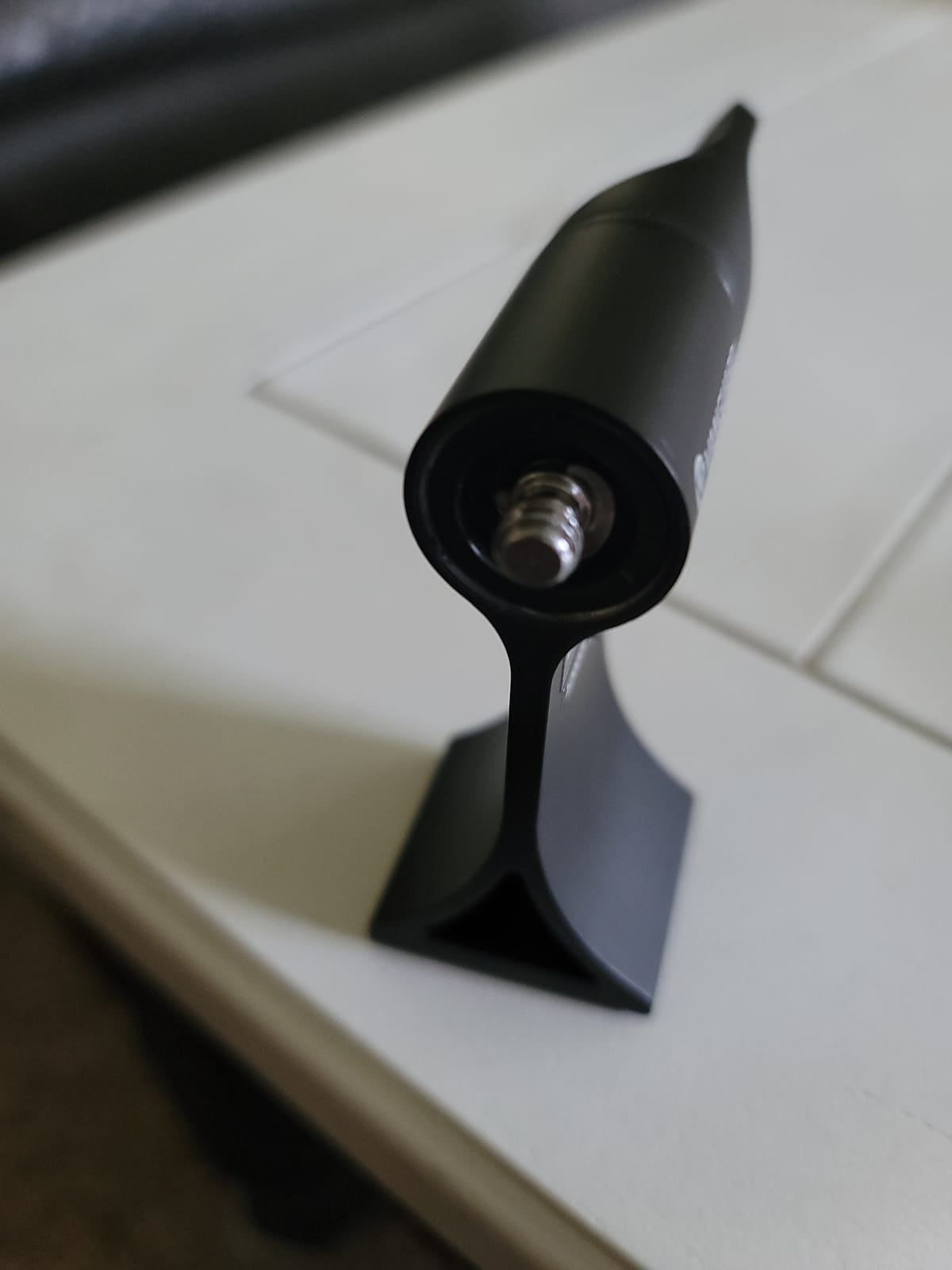
Where it earns its place is in a permanent setup. Owners using it on a monopod or chest support for hiking and birding report that it just works, because there is nothing to release and nothing to adjust.
The trade-off is that there is no quick release at all. If you want to move the binocular off the support in seconds, this is the wrong adapter. That is the entire reason it sits behind the quick-release models on our list.
The Vanguard BA-185 fits binoculars with narrow barrel spacing
Roof prism bodies that need to close to a tight interpupillary distance have very little room for a plate. The thin bridge here takes almost none of it, which is why it is still in regular use.
It suits anyone who measures their glasses and finds the barrels cannot close with a wider bracket fitted.
The Vanguard BA-185 is slow to swap between targets
Changing binoculars means a screwdriver. That is a fine trade for a fixed tripod and a poor one for an evening of hopping between targets.
If quick release matters to you at all, pick one of the lever or screw-release models instead.
7. FANAUE S2-01: Best for Sharing the View With Other People
FANAUE S2-01 Binocular Tripod Adapter with 1/4-20″ Thread Compatible with Porro Binoculars and Arca Ball Heads, Universal Quick Release for Bird Watching, Hunting, Astronomy, Animal Observation Ect.
Material: anodized T6061 aluminium
Weight: 79 g
Base: Arca plus 1/4-20
Pros
- Anti-drop safety lock holds the load
- Works on Arca ball heads and plain studs
- Good anodizing for the price
- Proven for eclipse and comet viewing
Cons
- Foot could be wider for bare tripod plates
- Threads can feel tight from the packaging
- Needs careful tightening to avoid sway
Best for: public observing sessions where someone else needs to look through the binoculars.
This is the adapter built for shared observing sessions, where someone else needs to look through the binoculars.
The anti-safety quick release is the point. You loosen the top knob to release it, but while mounted the lock prevents an accidental slip, so a target can be held in place for the next person in line.
Construction is CNC-cut T6061 aluminium with a Class III hard anodized finish and stainless steel screws, and it includes a small mounting spanner. It mates with both an Arca ball head and a plain 1/4-20 stud.
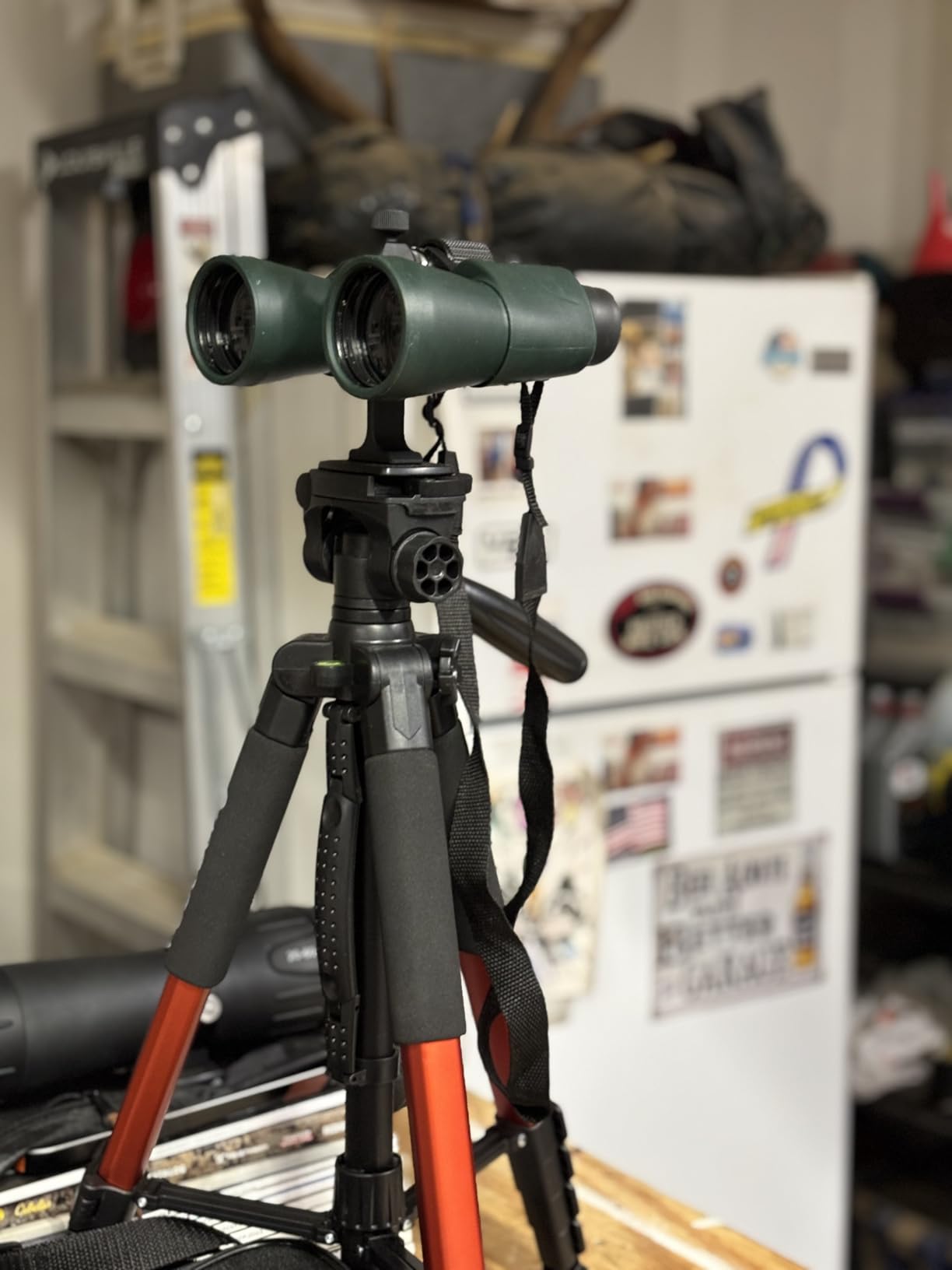
Finish quality is consistently described as good for the money, with the anodizing doing real work against the condensation and dew that arrive in the second hour of a session. Buyers have used it successfully for eclipse and comet viewing, which are exactly the long, cold, stationary sessions that punish cheap hardware.
The complaints are modest. The foot is a little narrow for bare tripod plates, the threads can feel stiff straight out of the packaging, and it needs careful tightening or you can introduce side-to-side sway yourself.
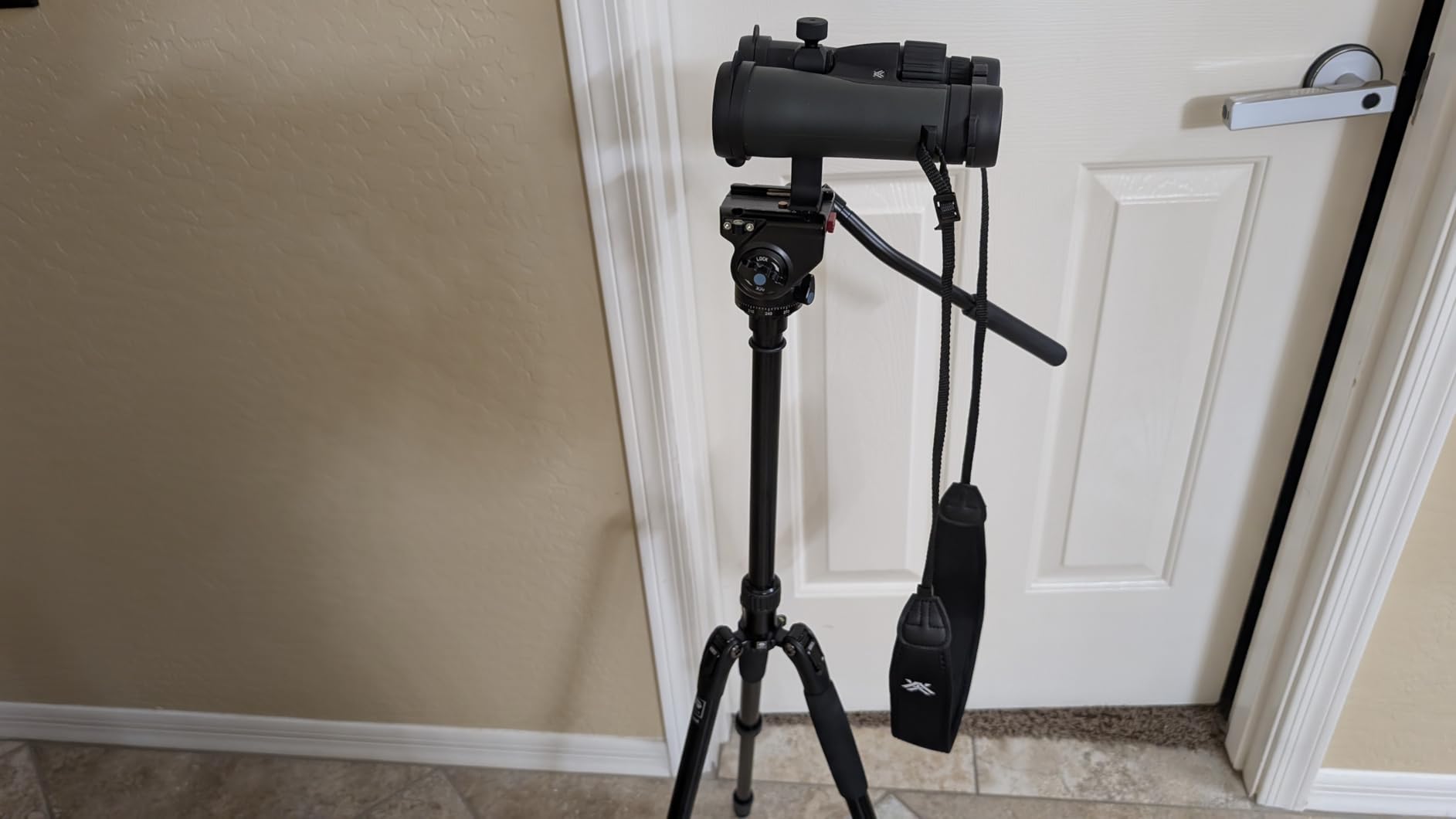
The FANAUE S2-01 locks down for other people to look through
A friction-fit quick release will drift when someone leans in. An anti-drop lock will not, and that is the whole reason to spend up here rather than on a friction model.
It is also compact enough to fold small, which matters if the same tripod is used for a window or lamp-holder setup during the day.
The FANAUE S2-01 needs a plate wider than the foot on some tripods
Bare tripod plates with a narrow mounting area are the weak point. If your plate is close to the size of the adapter foot, check the fit before committing.
Break the stiffness in gently on first use. Forcing stiff threads is how people create the sway they were trying to avoid.
8. Zelnoox BC-03: Best for Heavy Glass and Maximum Compatibility
Binocular Tripod Adapter | Quick Release, 1/4″-20 Thread & Arca-Dovetail, CNC Aluminum, Anti-Drop, Fits Most Binoculars
Material: anodized T6061 aluminium
Weight: 2.8 oz
Base: 1/4-20 plus Arca dovetail
Pros
- Excellent build quality for machined aluminium
- Detachable Arca dovetail base
- Works with RRS style clamps
- Quick release for instant handheld switching
Cons
- Main knob needs heavy force and lacks knurling
- Included Allen key is too large for the set screw
- Some side-to-side play reported on heavy bodies
Best for: observers with heavy or expensive glass who want the widest range of tripod compatibility.
The BC-03 sits in the top tier on average rating in this roundup, and the reasoning is consistent among buyers who owned cheaper adapters first. The CNC-cut T6061 aluminium body with hard anodizing feels comparable to equipment well above this tier, and the two-part design installs in under a minute.
Its compatibility is the real feature. You get a 1/4-20 thread and a detachable Arca-Swiss dovetail base in one piece, and it works with RRS style clamps. Fitment covers 7×35, 8×42, 10-30×52, 12×25, 15×52, 20×25 and 30×60 bodies.
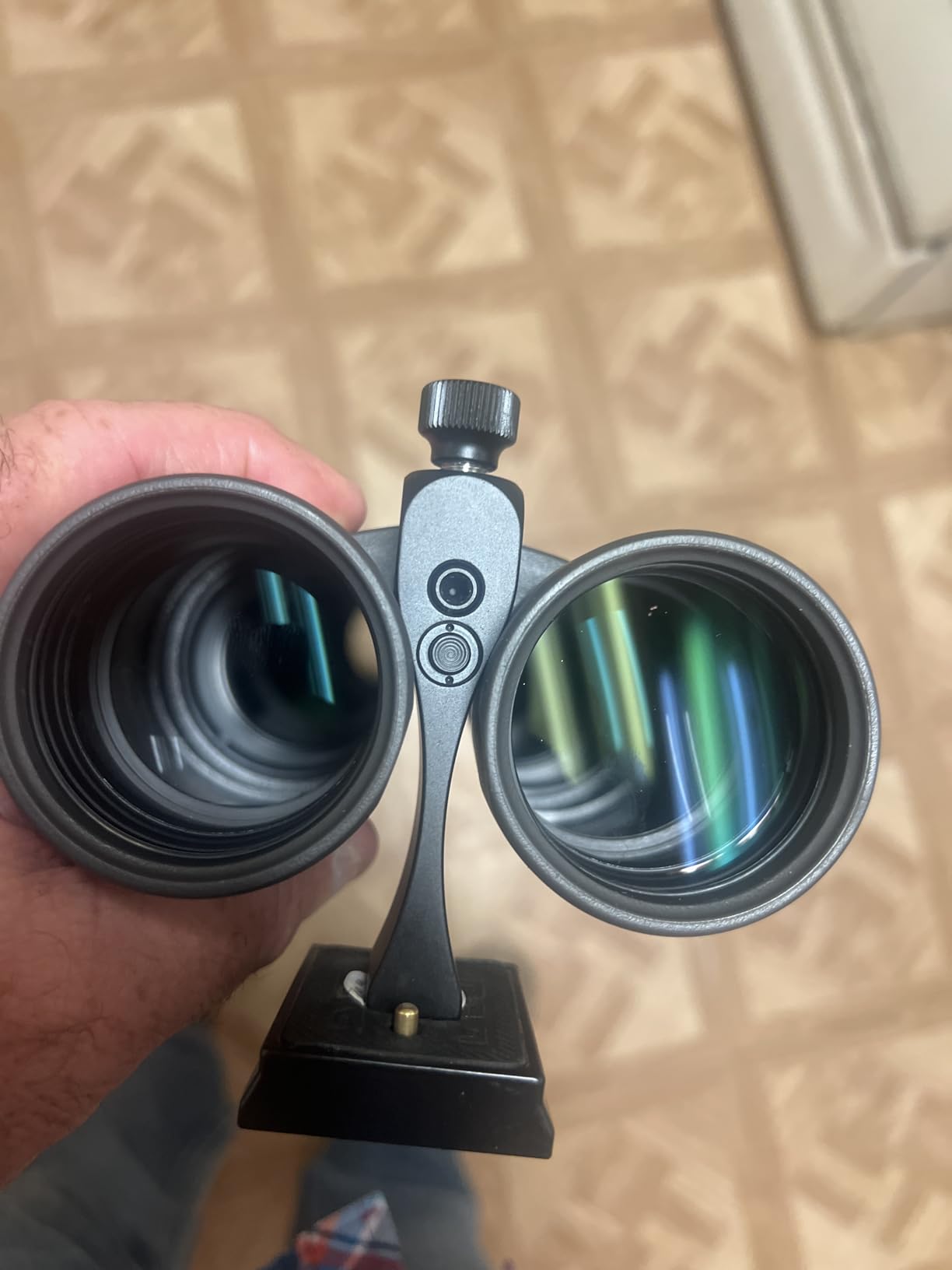
The quick release with anti-drop lock makes switching to hand-held instant, which is how most people actually use binoculars under a mixed sky. There is no twisting or straining of the binocular socket to get it off, which matters when the glass is expensive.
The honest negatives are about ergonomics rather than strength. The main tightening knob takes a lot of force and has no knurling for grip, and the included Allen key does not fit the set screw properly. A few owners on very heavy bodies report slight side-to-side play at the joint.
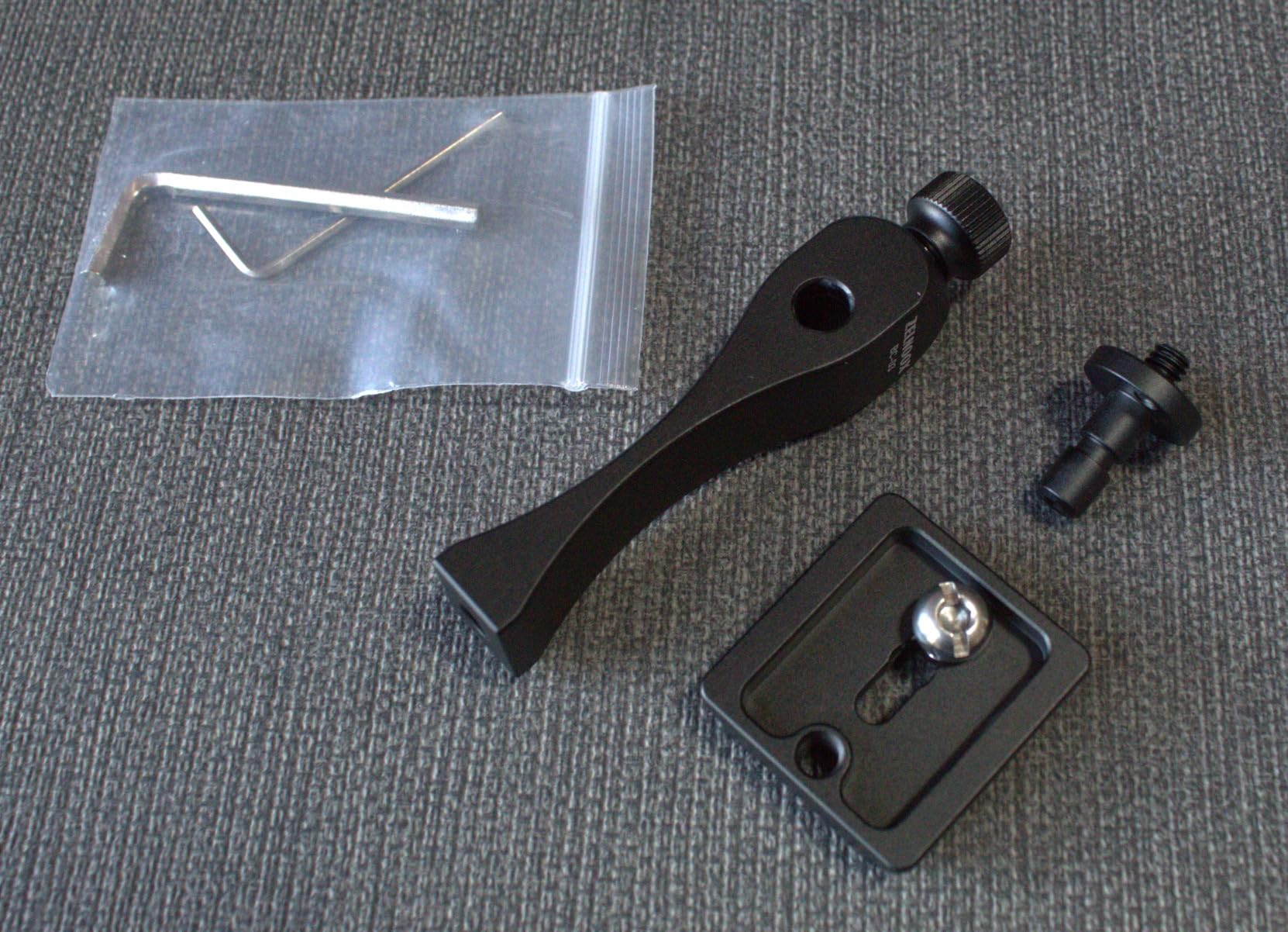
The Zelnoox BC-03 handles heavy glass without flex
Forum advice in this category consistently says anything above 10x deserves metal, and heavier glass deserves a sturdier mount as well as a sturdier head. This is the build we would pair with a 20×80 on a solid tripod.
It stays compact at 4.17 inches, so it does not turn a large binocular into something awkward to carry.
The Zelnoox BC-03 demands force you would rather not apply
The unknurled collar means you are gripping a smooth cylinder while pushing hard on heavy glass. Owners with large hands or reduced grip find this the least pleasant part of an otherwise excellent design.
The side-to-side play reported on very heavy bodies is minor but real, and it is the reason this sits just behind the clamp models for absolute heft.
9. Zelnoox BC-02 Clamp Adapter: Best for Binoculars With No Tripod Socket
Clamp Binocular Tripod Adapter – ARCA Quick Release Dovetail | 1/4″-20 & 3/8″-16 Screw Holes | Fits 26-58mm Binoculars
Material: 7075 aluminium, rubber-lined jaws
Weight: 7 oz
Fits bodies: 26-58 mm
Pros
- Mounts binoculars that have no tripod socket at all
- Grips and releases in seconds
- Rubber-lined jaws protect the body
- Arca dovetail plus 1/4-20 and 3/8-16 holes
Cons
- Included security strap can be short on larger binoculars
- Listing photos can suggest a base is included
- Heaviest option in this roundup
Best for: binoculars with no threaded tripod socket, including bridge-style and compact bodies.
This solves the dead end that trips up most buyers. Some binoculars simply have no 1/4-20 socket anywhere on the body, which means every screw-in adapter on this list is useless to you. This clamp grips the barrel instead, with inward-angled rubber-lined jaws that wedge the body for grip.
It is built from precision-machined 7075 aircraft-grade aluminium with anodized finish and stainless steel hardware, and it takes bodies from 26 to 58mm in diameter. For the user who has already searched their binoculars for a thread that does not exist, this is the answer.
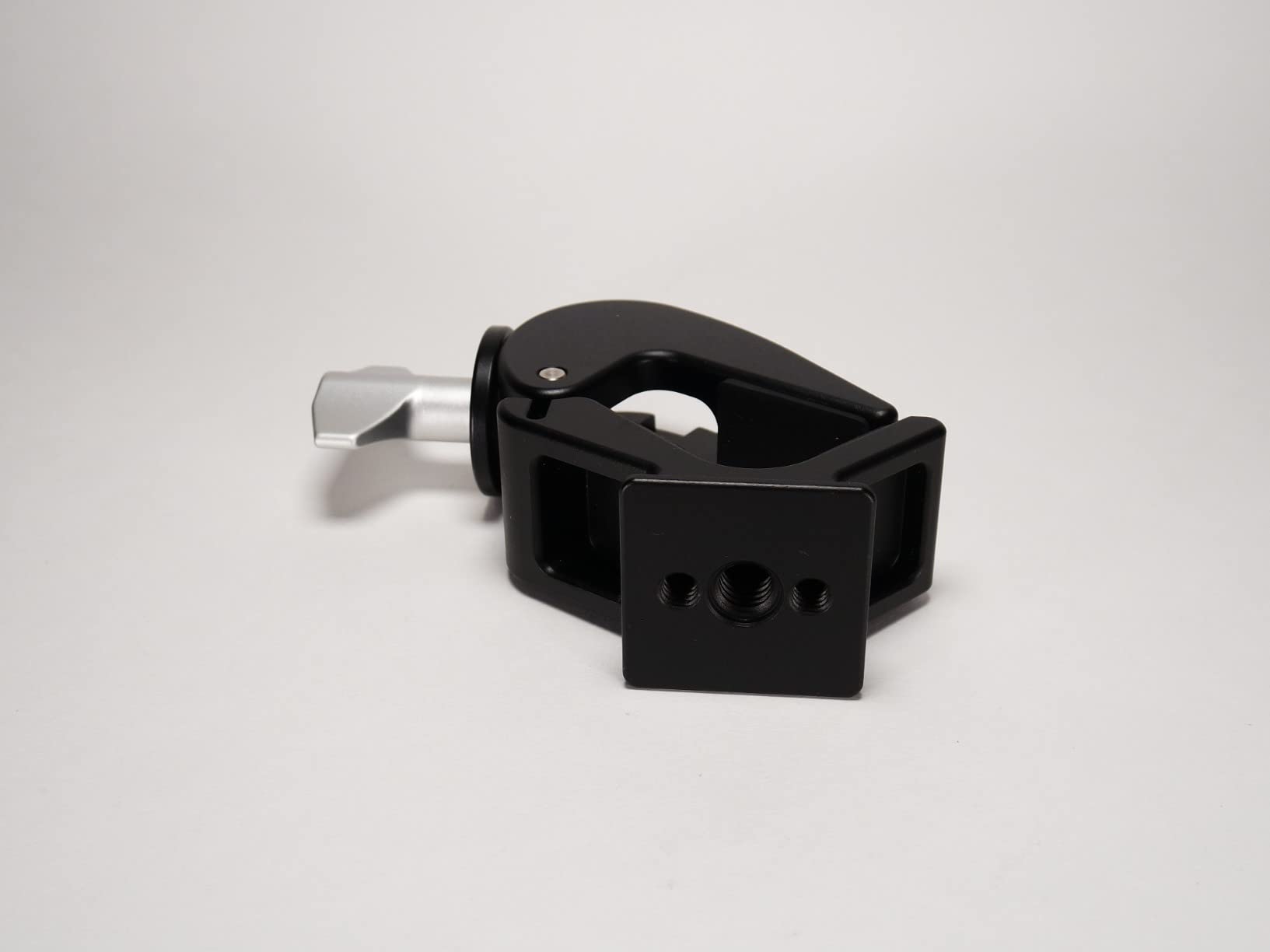
The mounting options are unusually broad for a clamp. You get an Arca-Swiss and RRS compatible quick-release dovetail base, one 3/8-16 hole and two 1/4-20 holes, so it covers basically any tripod head, monopod or window mount you might own. Owners report that it works well with large and heavy bodies where screw-in adapters feel marginal.
Three caveats. The included security strap can be too short on larger binoculars. The listing photographs can imply that a mounting base is included when it is not, so read the contents carefully. And at 7 ounces it is by far the heaviest adapter here, which matters for a walking trip.
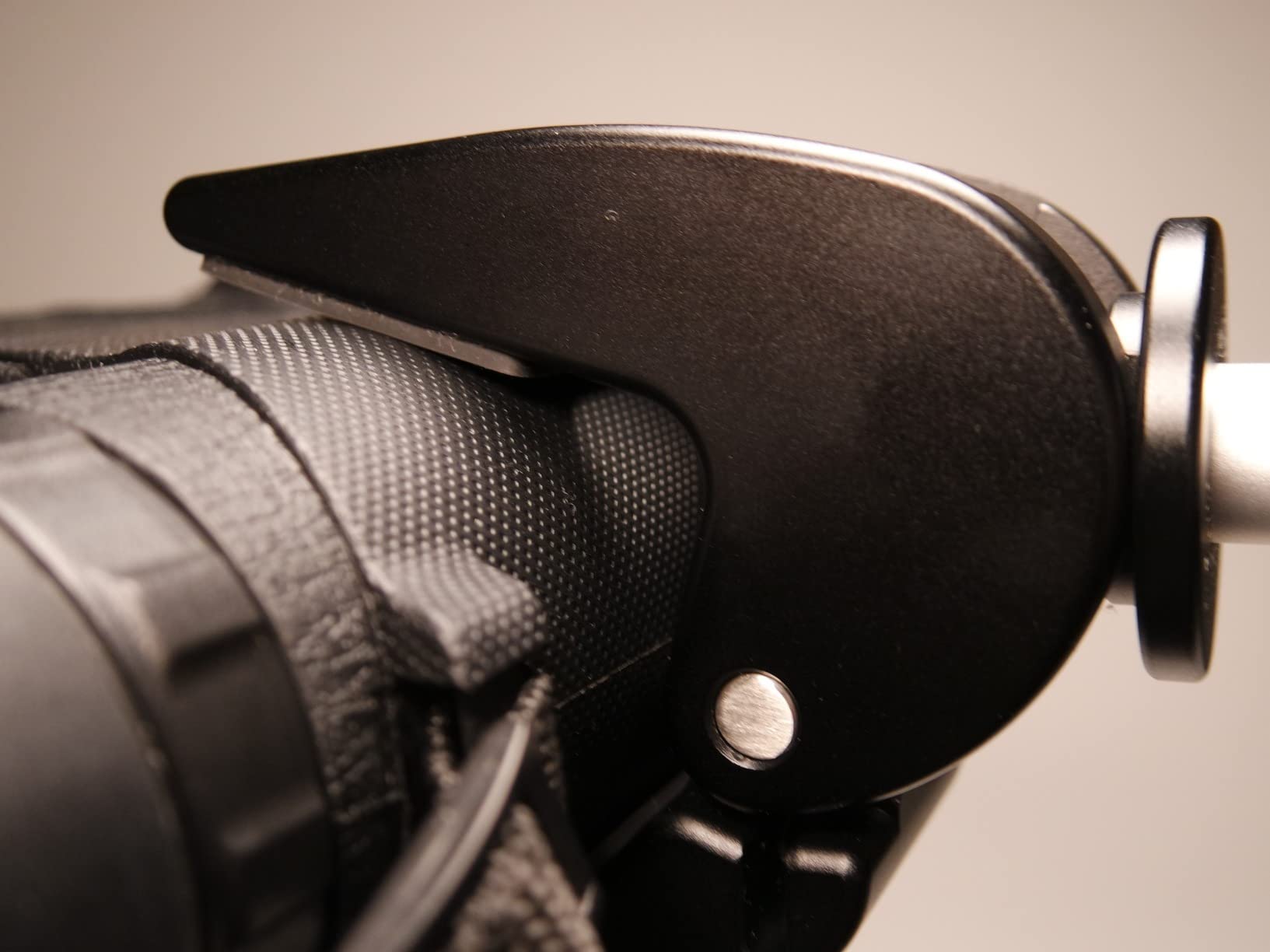
The Zelnoox BC-02 mounts binoculars that cannot be mounted
If your body has no thread, clamp design is the only route that works. The rubber lining grips without marking the barrel, and the jaws lock in a couple of seconds.
It also suits anyone who does not want to drill, modify or permanently alter a pair of binoculars.
The Zelnoox BC-02 is the heaviest and bulkiest option here
Seven ounces is fine on a car boot or a field tripod and annoying on a long walk. Plan on a strap or a case pocket rather than a belt clip.
The shorter security strap is also the complaint to note: on a larger body you will want a longer one before you trust it at height.
10. FANAUE S3: Best for Monopods and Walking Sticks
FANAUE S3 Binocular Tripod Mount Adapter, ARCA Quick Release with 1/4″ 3/8″ Screw for Vortex Nikon Binoculars
Material: anodized T6061 aluminium
Weight: 181 g
Clamp range: 26-64 mm
Pros
- Widest clamp range in the roundup
- Metal build owners trust with costly glass
- Folds small enough to sit between barrels
- Works with swivels
- monopods and walking sticks
Cons
- Threaded clamp screw has loose tolerances
- Needs care not to over-torque
- Heavier than screw-in adapters
Best for: anyone who wants one adapter to work on a tripod, a monopod and a walking stick.
The FANAUE S3 is a clamp mount with the widest body range in this group, covering 26 to 64mm. That means the same part handles a small compact binocular on a walking stick and a full-size body on a tripod, which is a genuinely useful thing when your tripod and monopod do not share an adapter.
The Arca-Swiss and RRS compatible quick-release dovetail base is the other half of that flexibility. One 3/8-16 hole and two 1/4-20 holes cover the screw-head cases, and a knob lets you adjust clamping force.
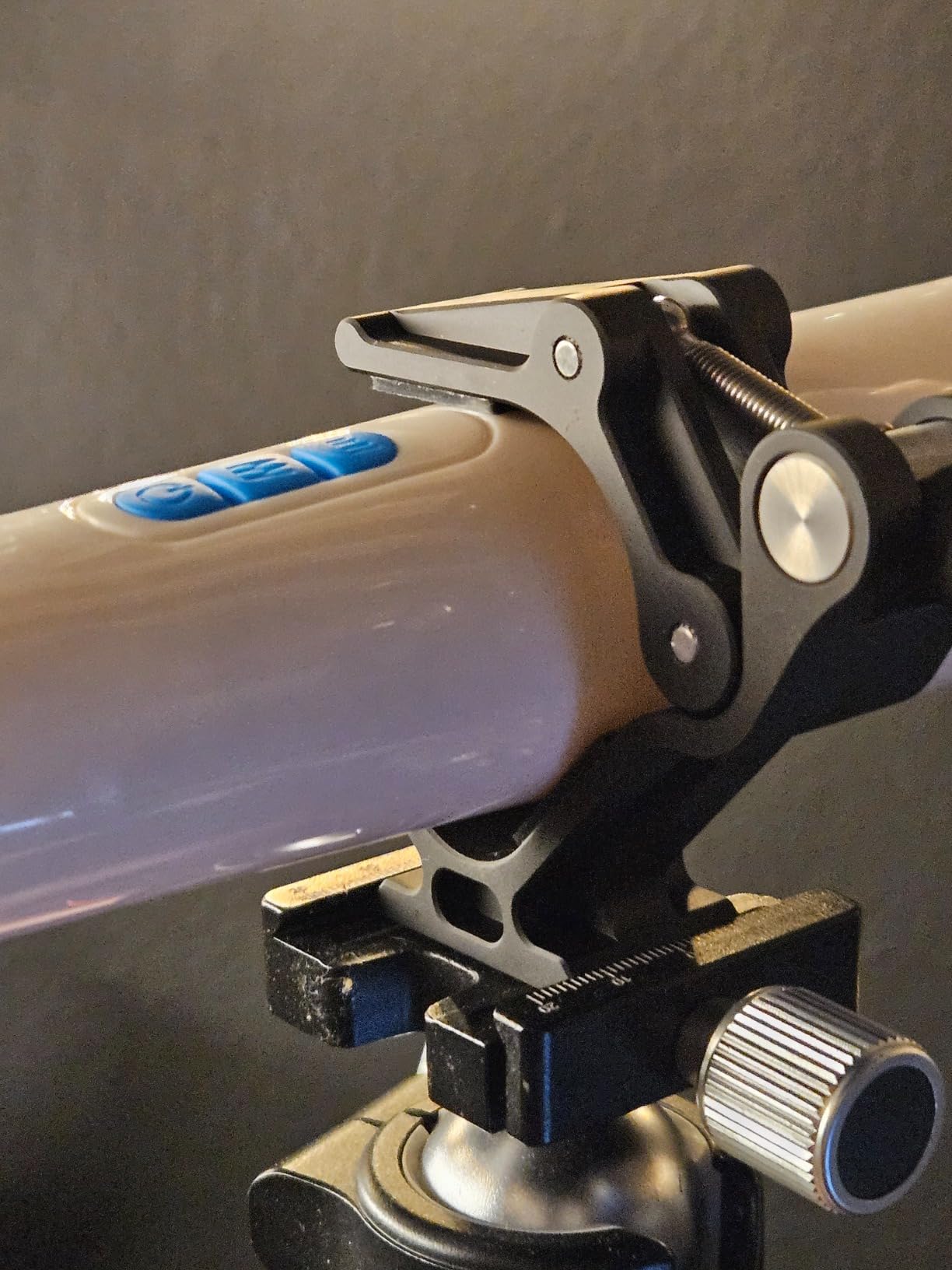
Owners rate the metal build as something they would trust with expensive binoculars, and the non-slip rubber pad keeps the body free of scratches. Several use it with a swivel clamp on a walking stick or monopod for hiking and wildlife work, which is where this format has always been strongest.
The one consistent complaint is the finish quality of the threaded clamp screw, whose tolerances are noticeably looser than the rest of the hardware. It needs care not to over-torque, and at 181 grams it is much heavier than any screw-in model here.
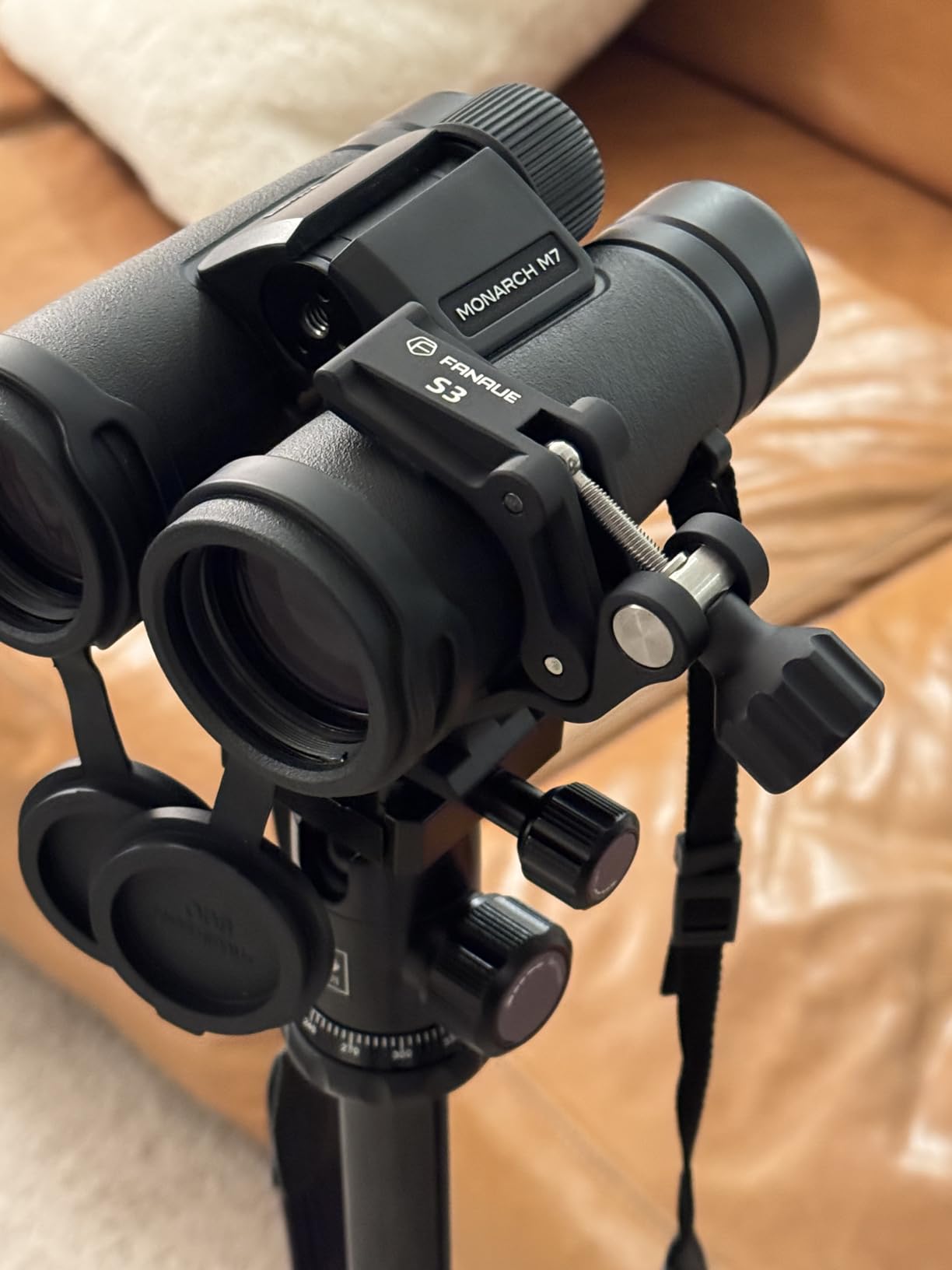
The FANAUE S3 covers the widest range of binocular bodies
A 26 to 64mm clamp range means compact, mid-size and full-size bodies all fit the same mount. That is what makes it a one-adapter kit for birding, hiking and stargazing.
It folds small enough to sit between the barrels, so it does not stop the glasses closing fully.
The FANAUE S3 has a loose threaded clamp screw
The screw is the weak point in an otherwise well-machined body. Tighten it evenly and check it after the first half hour, because this is where wobble creeps in.
The weight is the other tradeoff. If you are carrying the binoculars on long walks, a screw-in adapter will serve you better.
11. Staoptics STA0804: Best for Odd Tripod Heads
Staoptics Binocular Tripod Adapter Quick Release with 38mm Mounting Base 1/4-20 Inch Thread Removable Accessories for 8×42 10×50 12×60 15×56 15×60 15×70 20×60 25×70 Roof and Porro Binoculars.
Material: CNC aviation aluminium
Weight: 2.82 oz
Base: 38 x 38 mm
Pros
- Wide 38 mm base fits more tripod heads
- Two connection screws for fast swaps
- Light CNC aluminium body
- Also usable with a phone adapter bracket
Cons
- Rotating screw needs practice
- Same loosening concern as other screw-in mounts
Best for: unusual tripod heads, window mounts, and anyone who wants to reuse the setup for phone images.
Most screw-in adapters use a small foot that only works on a standard tripod shoe. This one uses a 38 by 38mm mounting base, which spreads the load and fits plates and heads that a narrow foot would wobble on. If your tripod head has an oversized or non-standard plate, this is the version to try.
Quick release comes from rotating the top screw, and the two supplied connection screws let you keep one stud in each of two pairs of binoculars. The top screw is the same short 1.063 inch length that works so well for long sessions.
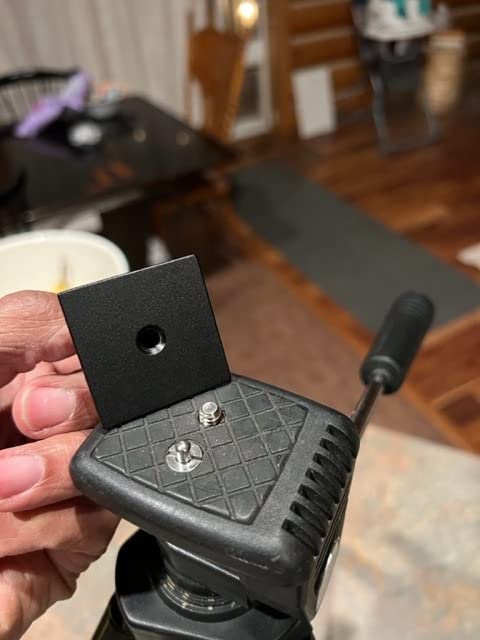
It fits roof and porro bodies across a long list of common magnifications, from 8×42 through 15×70 and 20×60 to 25×70. That broad fitment is the reason it exists, and buyers generally report no surprises once it is on.
The base is also compatible with a phone adapter bracket, which turns the same tripod into a digiscoping platform for wider deep-sky images without buying a second support. Two negatives: the rotating screw still takes practice, and it carries the same loosening-in-the-socket concern as every screw-in design.
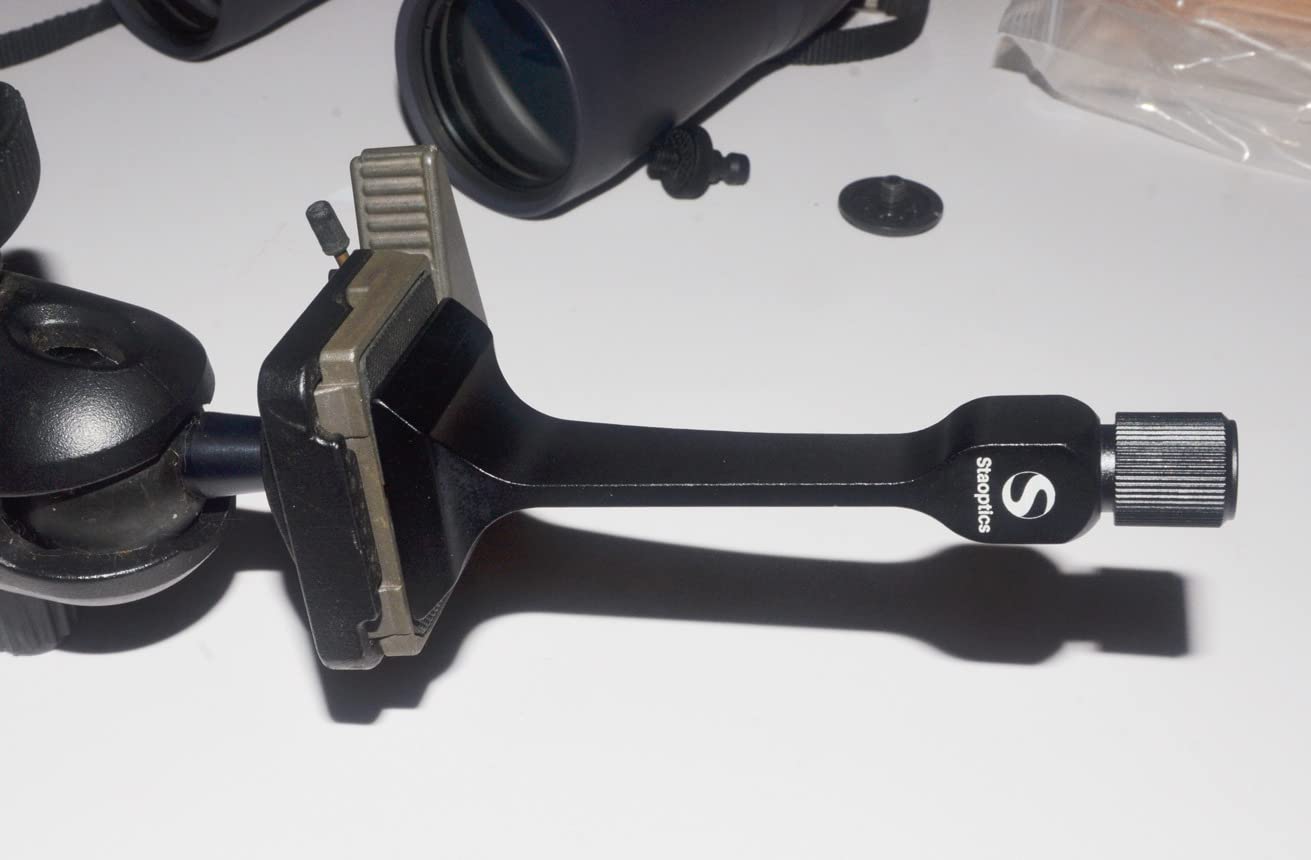
The Staoptics STA0804 fits tripod heads a narrow foot will not
A wider base plate matters on larger quick-release plates and on window or rail mounts. If a small foot rattles, this is the fix.
It is also the most versatile option here if you want to swap the binoculars for a phone and capture wide-field images of the same target.
The Staoptics STA0804 carries a one-year warranty
Several others in this roundup carry a lifetime warranty, so read the terms before you commit if long-term coverage matters to you.
Otherwise the main limitation is speed of operation. The rotating screw is not a lever, and that matters when you are changing targets quickly.
12. Nikon TRA-3: Best for Long Night Sessions and Heavy Loads
Nikon Tripod Adapter TRA-3
Material: factory Nikon build
Weight: 3.04 oz
Rated load: up to 1 kg
Pros
- Frizioned screw resists loosening in the field
- Long slim post clears large objective lenses
- Textured thumbscrew for tool-free fitting
- Rated to 1 kg of supported weight
Cons
- Fixed post limits how far the barrels can close
- Binoculars sit low on taller tripod heads
- Weak instructions
Best for: observers who leave the same pair mounted for hours at a time and want it to stay put.
The Nikon TRA-3 is the only adapter here with a published weight limit: up to 1 kg of supported load. Forum advice asks repeatedly for real load figures rather than vague heavy-duty language, and this is the only pick that answers directly.
The frizioned screw is the detail that earns it. A friction-fit thread resists backing out during use, which is precisely the failure that sends adapters home after a long walk to the site. The long thin post also clears large objective lenses where shorter posts foul them, and the textured thumbscrew needs no tools.
Build and fit are rated highly, particularly for Nikon binocular ranges where it does not interfere with the centre controls. Owners also report it working well for steadying a pair against the ground or a monopod for wide-field work.
The complaints are consistent across markets. The fixed post means the barrels cannot close to true minimum interpupillary distance, the binoculars sit low enough to bump the head on taller tripod heads, and the instructions are poorly written. Buyers also call out cost for what it is, which is fair when a machined aluminium alternative is a fraction of the figure.
The Nikon TRA-3 stays put through a long night
A frizioned screw does not wander, and the published 1 kg load rating is the only stated capacity figure anywhere in this roundup. If you leave the glass mounted between targets rather than swapping constantly, this is the least hands-on option in the group.
It is also a sensible choice for anyone steadying binoculars against a monopod or the ground at a low angle.
The Nikon TRA-3 blocks full interpupillary closure
The fixed post is the dealbreaker for anyone who needs the barrels fully closed, particularly users wearing glasses with a narrow interpupillary fit. Measure before you buy.
On taller tripod heads the glass also sits low enough that your forehead can catch the eyecups. Check your head height against the mount.
Which Binocular Tripod Adapter Is Best? Quick Answer
The Celestron Binocular Tripod Adapter is the best binocular tripod adapter for most people, because metal construction, a wide base and universal roof-and-porro fit handle almost every setup a beginner or regular observer will meet. Choose the FANAUE S1 if your tripod head uses an Arca-Swiss dovetail, and choose the SVBONY SV110 if you want the cheapest reliable metal bracket.
For 20×80 and other very heavy glass, move up to a machined aluminium mount such as the Zelnoox BC-03, and for binoculars with no tripod socket at all a clamp is required, with the Zelnoox BC-02 being our pick.
What to Look For in a Binocular Tripod Adapter
Six things decide whether an adapter works for you, and every one of them can be checked in five minutes before you order.
Check the mounting standard on your tripod head first
A 1/4-20 threaded stud is the near-universal standard, and every adapter here mates with it. An Arca-Swiss dovetail is the standard on most modern photo and video heads, and a plain screw adapter will not fit it without an extra plate. If you own an Arca clamp, buy an adapter with an Arca base: the FANAUE S1, the FANAUE S2-01 or the Zelnoox BC-03 all cover both standards in one part.
Identify your binocular body type before you buy anything
There are three cases. A centre-hinge or porro body with a threaded socket takes any screw-in adapter. A roof prism body with a threaded socket takes an L-bracket, and may need a slim profile if the barrels must close. A body with no socket at all needs a clamp, and no screw-in product will help you.
You will find the socket on the underside of the centre bridge or between the barrels, usually under a cap or cover. A 1/4-20 thread is small and often hidden, so check the model manual rather than assuming.
Match construction to the weight of your glass
Metal is the minimum above 10x. Reviews in this category repeatedly report plastic brackets flexing under full-size bodies, and flex is what reintroduces the shake you paid to remove. For very heavy glass, machined aluminium with a wide base, or a clamp with rubber-lined jaws, is the safer choice.
Decide whether quick release matters to you
If you swap between targets, a quick release saves minutes per hour. If one pair stays mounted, skip it and buy the simpler fixed design. Note that friction-fit releases have no positive lock, which matters for shared observing; an anti-drop lock does.
Check clearance before you commit
Two dimensions cause most returns. The adapter must fit between your barrels at your required interpupillary distance, and the mounted eyepieces must clear your forehead on a tripod set taller than your head. Both are cheap to check with a ruler.
Measure your tripod shoe for a deep-foot adapter
Some adapters, including the SVBONY SV110, have a deeply recessed threaded foot that can bottom out in a shallow tripod shoe. A thin washer solves it. Measuring first saves returning it.
Pairing Your Adapter With the Right Tripod and Head
The adapter is the cheap half of the system. Across astronomy forums the most repeated complaint is not adapter quality at all; it is that binoculars still shake after people spend money on a better mount, because the tripod or the head is the limiting part.
Heads matter first. Stiff pan-tilt heads with long handles let the eyepieces swing and bounce, which is the complaint you will hear most often in this hobby. A fluid video head or a well-damped ball head holds a mounted binocular far more steadily, and those are now cheap.
Height is the second rule. Astronomy needs a taller tripod than photography, because the eyepieces have to sit above your head and outside your own shadow. Users who set up at normal photographic height often find their forehead hitting the barrels within minutes, which then gets blamed on the adapter.
Finally, balance matters. An adapter changes where the weight sits, and binoculars that tip forward or rest on a tripod leg are almost always out of position. Loosen the head and set the binoculars level before you tighten anything else.
We keep covering this kind of adapter-versus-hardware decision in our torque adapter guide and in our cordless tool battery adapter guide, because in every category the fitting matters more than the brand name on it.
Frequently Asked Questions
What is the best binocular adapter for a tripod?
The Celestron Binocular Tripod Adapter is the best all-round choice, because its metal construction, wide base and universal roof-and-porro fit handle almost any standard 1/4-20 tripod head. Pick the FANAUE S1 instead if your tripod head uses an Arca-Swiss dovetail, or the SVBONY SV110 if you want the cheapest reliable metal bracket. For very heavy glass, the Zelnoox BC-03 gives you machined aluminium and a detachable Arca base.
Are binocular tripod adapters worth it for astronomy?
Yes, once you go above 10x magnification, and the answer is effectively mandatory for a 15×70 or 20×80. Hand tremor doubles with every step of magnification, and heavy 70mm and 80mm bodies are physically impossible to hold steady for more than a few seconds. An adapter is also the difference between sitting and standing at an eyepiece for a three-hour session without arm fatigue.
Will any tripod adapter fit my binoculars?
No, and there is no universal standard. Centre-hinge and porro bodies with a threaded socket accept any screw-in adapter. Roof prism bodies with a socket need an L-bracket, and a slim profile if the barrels must close to a tight interpupillary distance. A body with no socket at all can only be mounted with a clamp, such as the Zelnoox BC-02. Look under the centre bridge or between the barrels for the thread.
Can I use a normal camera tripod with binoculars?
Yes, as long as your camera tripod head has a 1/4-20 screw stud, which almost all of them do. The exception is an Arca-Swiss dovetail head, which needs an adapter with a matching Arca base. The adapter is the only binocular-specific part you need, and it works the same way in daylight and at a dark site.
What thread does a binocular tripod adapter use?
The 1/4-20 thread is the near-universal standard, used on camera tripods, field tripods and most binocular tripod sockets. Some clamp adapters also offer a 3/8-16 hole for heavier or field-oriented supports, and Arca-Swiss dovetail bases serve modern photo and video heads.
Why do my binoculars still shake on a tripod?
Usually the tripod or the head, not the adapter. Stiff pan-tilt heads with long handles let the eyepieces swing, and a lightweight tripod flexes under heavy glass. Set the tripod taller than photographic height so the eyepieces clear your head, use a fluid or well-damped ball head, and check that the binoculars are balanced level rather than resting on a tripod leg.
Conclusion
The Celestron Binocular Tripod Adapter is the best binocular tripod adapter for most stargazers, the FANAUE S1 is the one to buy if your tripod head is Arca-Swiss, and the Zelnoox BC-02 clamp is the only option here for binoculars with no tripod socket. For very heavy glass on a stable tripod, the machined Zelnoox BC-03 is our pick, and the SVBONY SV110 covers the budget end without going back to plastic.
Check your binocular body type, check your tripod head standard, and measure your interpupillary clearance before ordering. Get those three right and any of the twelve will hold your glass steady through 2026 and every night after it.