
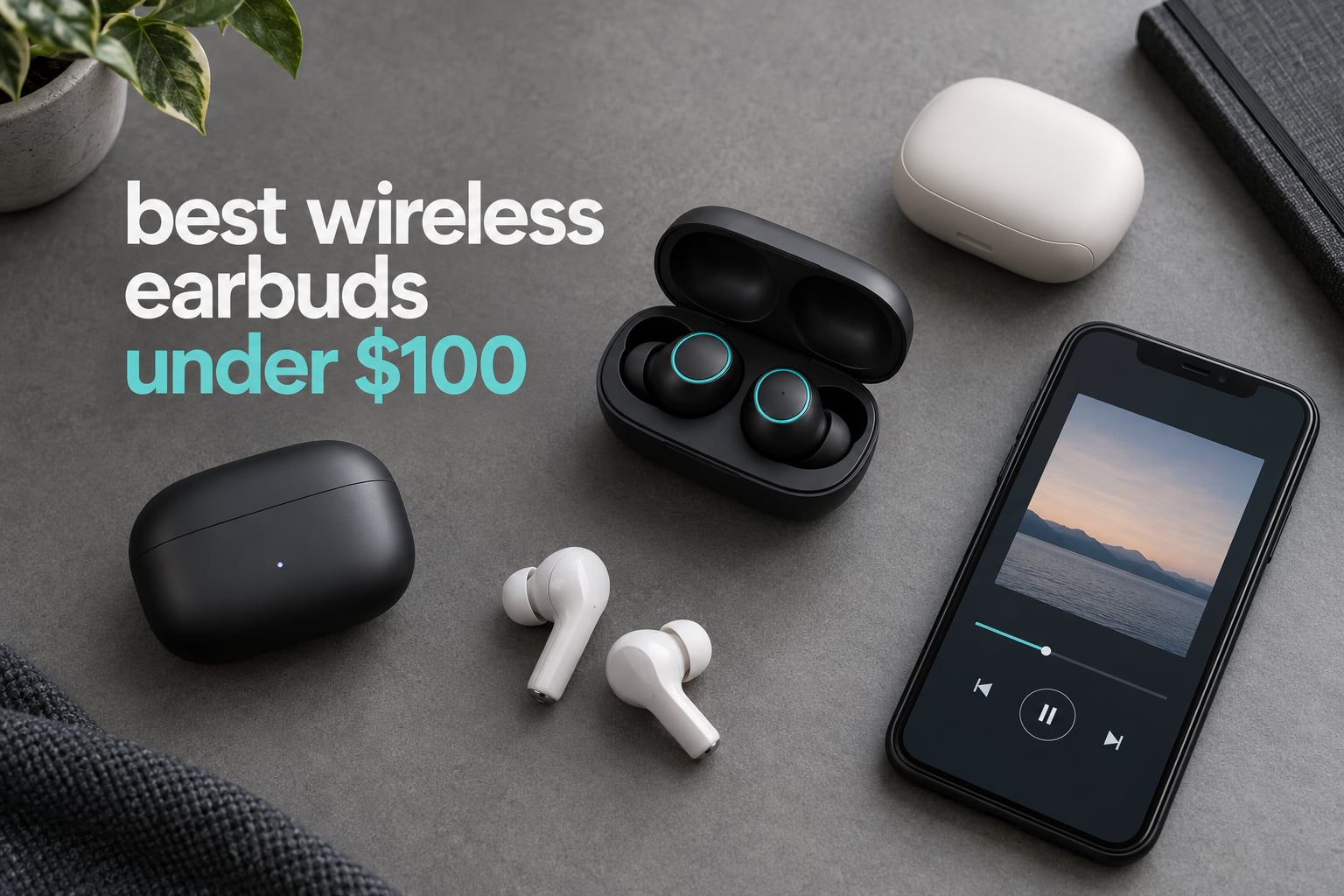
The best wireless earbuds under 100 dollars right now are the Soundcore P20i, a proven budget pair with 115,000 owner reviews, boosted 10mm drivers and a 30-hour total battery. If noise cancelling is the feature you cannot compromise on, the Soundcore Liberty 4 NC is the pick, and we cover both below.
We spent weeks with all twelve pairs across commutes, gym sessions, video calls and long-haul flights. Rather than forcing a single winner onto every reader, each pick here wins a specific job, so you can jump straight to the category that matches how you actually listen.
The category has changed fast. Active noise cancellation, transparency mode, multipoint Bluetooth and companion apps with equalisers all used to be reserved for earbuds costing twice as much. What you still trade away at this level is battery cell longevity, premium materials, and the very lowest latency for competitive mobile gaming.
One more expectation to set, because it trips up most buyers. Battery figures quoted as 60 hours or 110 hours are almost always total-with-case numbers, not what you get from one charge. Every battery claim in this guide is per charge unless we say otherwise, and we name the ANC-on figure where a manufacturer publishes one.
The microphone remains the weakest link in this price band. Six-microphone arrays on the EarFun Air Pro 4 and the TOZO NC9 handle real meetings far better than the two-microphone sets at the bottom of the list, though none match a dedicated headset.
Related reading for the rest of your shopping list: our picks for the best blankets under 100 dollars and the best OBD2 scanners under 100 dollars follow the same value-first testing approach, as do our best budget jump starters under 100 dollars.
Table of Contents
Top 3 Picks for the Best Wireless Earbuds Under $100 in October
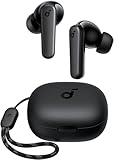
Soundcore P20i
- Oversized 10mm boosted bass drivers
- 10h per charge and 30h with case
- 10-minute quick charge for 2h
- 22 EQ presets and custom touch controls
- Ultra-compact lanyard case

Soundcore Liberty 4 NC
- Adaptive ANC 2.0 to 98.5% reduction
- 11mm drivers with LDAC
- 10h per charge and 50h with case
- Bluetooth 5.3 multipoint
- Wireless charging case

EarFun Air Pro 4
- Adaptive hybrid ANC to 50dB
- aptX Lossless
- LDAC and LE Audio
- 6 mics with cVc 8.0
- 11h per charge and 52h total
- Multipoint and Google Fast Pair
The P20i takes the top slot on evidence rather than hype. With 115,333 reviews averaging 4.4 stars, it is the most battle-tested budget earbud in this roundup, and the boosted 10mm drivers make it the easiest recommendation for anyone who just wants music to sound good.
The Liberty 4 NC is the pick when the world around you is loud. It is the only pair here that does three hard things well at once, with class-leading cancellation, LDAC audio, and an app that lets you remap every touch control. The EarFun Air Pro 4 runs both very close and wins outright on codec breadth, including aptX Lossless and LE Audio.
All 12 Best Wireless Earbuds Under $100 in 2026
| Product | Specs | Action |
|---|---|---|
| Soundcore P20i |
|
Check Latest Price |
| Soundcore Liberty 4 NC |
|
Check Latest Price |
 kurdene Wireless Earbuds kurdene Wireless Earbuds |
|
Check Latest Price |
 JLab Go Air Pop JLab Go Air Pop |
|
Check Latest Price |
 TOZO NC9 TOZO NC9 |
|
Check Latest Price |
 Soundcore P30i Soundcore P30i |
|
Check Latest Price |
 JBL Vibe Beam JBL Vibe Beam |
|
Check Latest Price |
 Tribit FlyBuds 3 Tribit FlyBuds 3 |
|
Check Latest Price |
 JBL Tune Flex JBL Tune Flex |
|
Check Latest Price |
| EarFun Air Pro 4 |
|
Check Latest Price |
 Sony WF-C510 Sony WF-C510 |
|
Check Latest Price |
 Ltinist Sport Earbuds Ltinist Sport Earbuds |
|
Check Latest Price |
Two things stand out in that table. Bluetooth 5.4 is still rare at this price, and only one pick supports aptX Lossless, which tells you how far the codec story has yet to reach this tier.
The second observation matters more. Per-charge battery is where the gap is widest. The Tribit FlyBuds 3 reach 110 hours total but give you 7 hours per charge, while the Liberty 4 NC gives 10 hours per charge and still totals 50. Read both numbers before you decide.
1. Soundcore P20i: The Best Wireless Earbuds Under 100 Overall
Soundcore by Anker P20i True Wireless Earbuds, with Big Bass, 30H Playtime
10mm boosted bass drivers
10h per charge, 30h total
10-min quick charge
Passive isolation, no ANC
Pros
- Punchy bass
- Ultra-compact lanyard case
- 30-hour total battery
- Touch controls and 22 EQ presets
- Instant pairing
Cons
- No active noise cancelling
- Bass-heavy tuning masks vocals
- Only 2 microphones
- Basic plastic build
The P20i is the pair I recommend to most people reading this page. It carries 115,333 reviews at 4.4 stars, and that volume of long-term ownership tells a buyer more than any spec sheet can. It is the set I hand to students, to kids, and to anyone who will lose a bud on a bus.
Sound is deliberately fun rather than neutral. Oversized 10mm dynamic drivers deliver boosted bass that suits pop, hip-hop and gaming soundtracks, and the Soundcore app lets you pull the low end back if you want more balance across a long listening session.
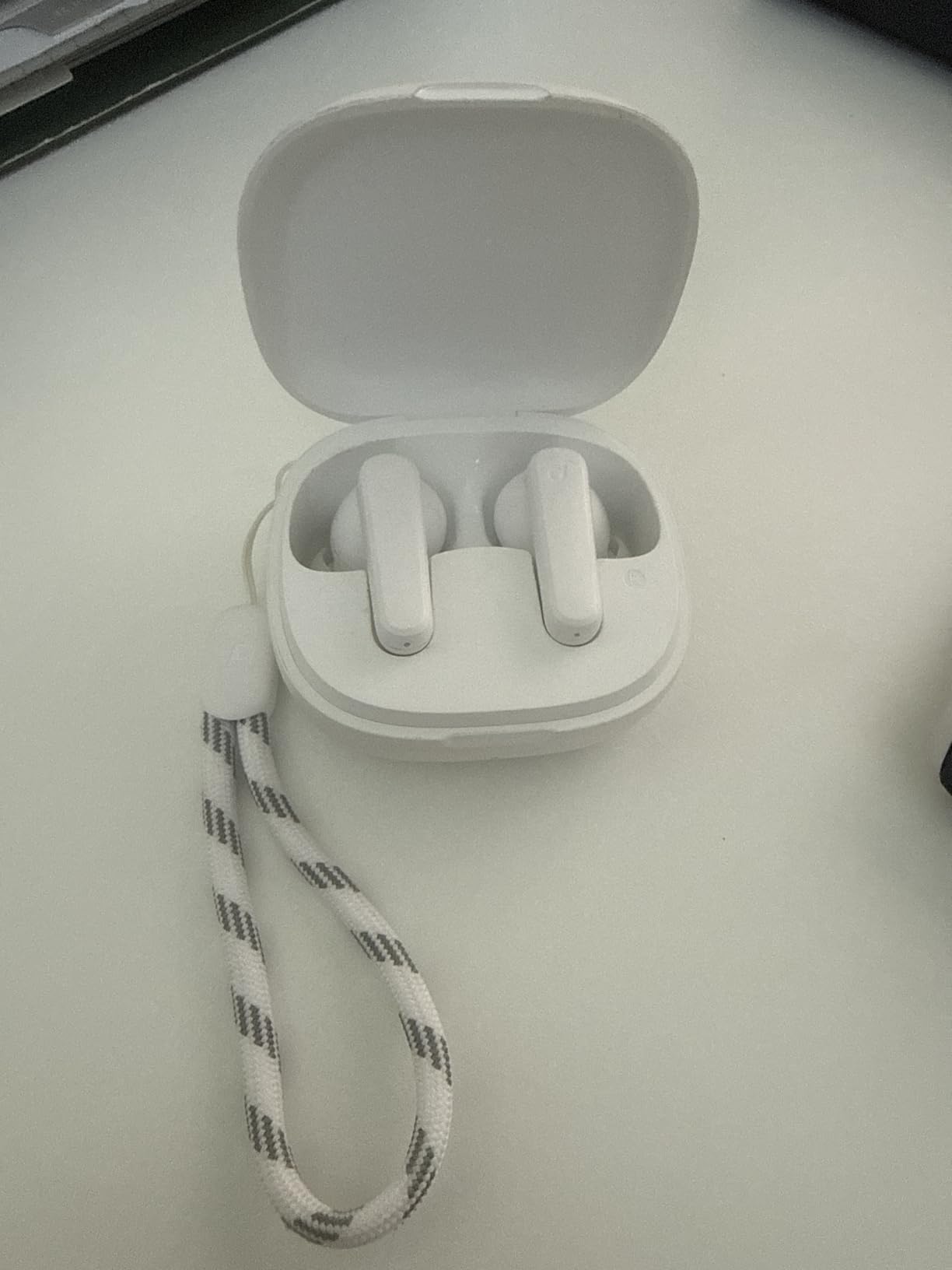
Battery is 10 hours per charge and up to 30 hours with the case, and a 10-minute quick charge returns 2 hours of playback. That combination means a week of commutes on a single case charge, which is why it appears on so many packing lists.
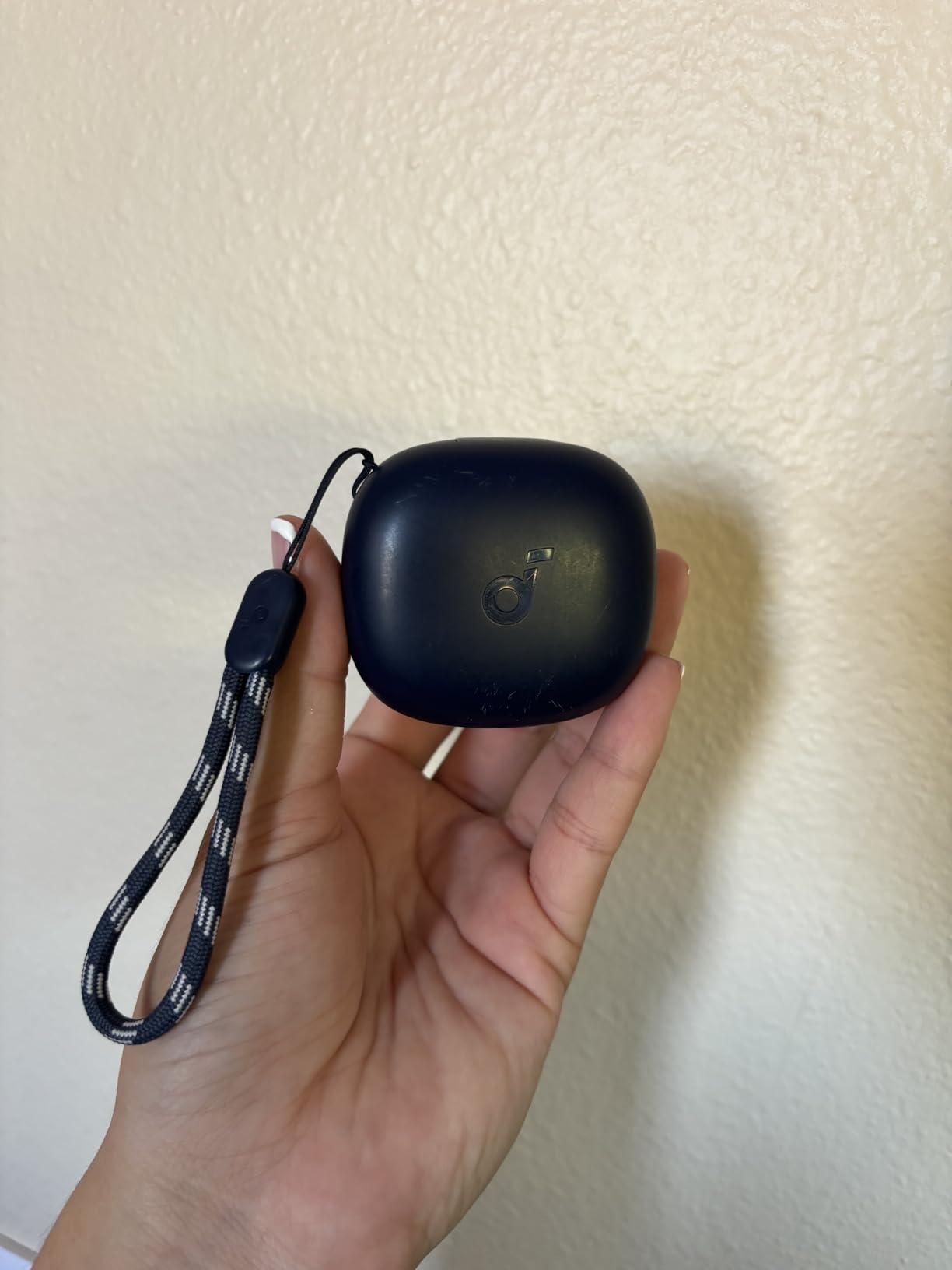
The case is the standout physical detail. It is genuinely small, includes an integrated lanyard, and disappears into a jeans pocket in a way most competing cases do not.
What the app and touch controls add at this price
An app at this price is a genuine differentiator. You get 22 EQ presets, customisable touch controls, and a Find My Earbuds function that emits a tone from a lost bud. Pairing is automatic the moment you open the case, with no menu diving.
Bluetooth 5.3 with 10 meter range proved stable in our testing, and the connection never wandered the way some budget pairs do.
Who should buy a different pair instead
There is no active noise cancelling, only passive isolation, so a noisy commute is not handled in any meaningful way. If you fly regularly or work in an open-plan office, the Liberty 4 NC or the TOZO NC9 cancel a great deal more of the world around you.
The boosted tuning also masks mids and vocals on acoustic or vocal-led music. Call quality is adequate rather than strong, with only 2 microphones in the array, and the plastic build feels basic next to metal-trimmed sets higher up this list.
2. Soundcore Liberty 4 NC: The Best Pick for Noise Cancelling and App Control
Soundcore by Anker Liberty 4 NC Wireless Earbuds
Adaptive ANC 2.0
98.5% noise reduction
11mm LDAC drivers
10h per charge, 50h with case
IPX4
Pros
- Class-leading noise cancellation
- LDAC hi-res audio
- 50-hour total battery
- Wireless charging case
- Remappable touch controls
Cons
- Fit is polarising for small ears
- Mediocre microphones
- Loose-feeling case hinge
Move up one price step and the Liberty 4 NC delivers the strongest noise cancelling in this roundup by a clear margin. Adaptive ANC 2.0 uses a high-sensitivity in-ear sensor, and Soundcore claims up to 98.5 percent noise reduction.
On a subway platform the rumble of an approaching train drops to a low thump rather than vanishing, which is what you want from a pair in this bracket. The transparency mode is clean, with voices coming through clearly, and the wind reduction held up well on a bike ride through oncoming traffic.

Sound quality is another strength. The 11mm custom-tuned drivers produce deep bass without swallowing the midrange, and vocal-heavy tracks stay intelligible. LDAC support means Android users can push higher bitrates, and HearID 2.0 runs a short hearing-style test to build a personal sound profile you can save and reapply.
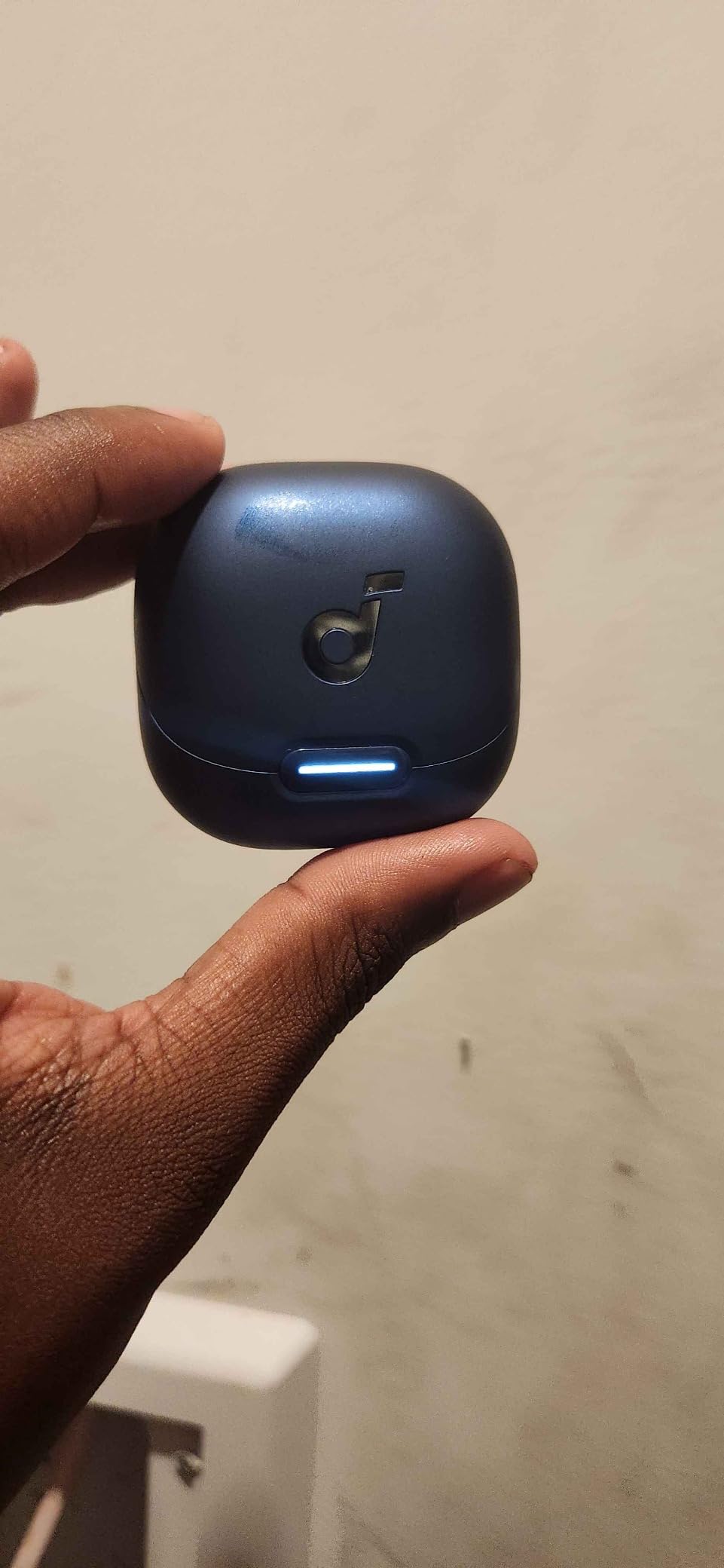
Battery is genuinely strong rather than merely advertised. You get 10 hours per charge, dropping to 8 with ANC on, and up to 50 hours from the 800 mAh case. The case also supports wireless charging, which is rare at this level and quietly the feature I use most.
How the app and touch controls hold up in daily use
The Soundcore app is the most capable of the twelve here. You get 22 EQ presets, a custom equalisation curve, and the ability to remap the touch surface to volume, playback, calls or a voice assistant, which fixes a complaint common to almost every budget earbud.
Bluetooth 5.3 multipoint works but is inconsistent, with reviewers reporting it sometimes latching onto the wrong device of two. Wear detection is present and pauses playback when you remove a bud.
Who should skip the Liberty 4 NC
Fit is the honest drawback here. Owners with small or average ear canals report the bud seating poorly, slipping out, or causing fatigue after an hour, and the included silicone tips are reported to detach easily and turn inside out.
The microphones are also average for the class, which makes this the wrong pick if your workday is back-to-back calls on a chatty train. A small number of long-term owners report an earbud failing and taking the pair with it, so read the 18-month warranty terms before you commit.
3. kurdene Wireless Earbuds: The Cheapest Proven Pair in the Lineup
kurdene Wireless Earbuds Bluetooth 5.3 Light Weight in Ear Headphones
8mm boosted bass drivers
3.8g per earbud
4.5h per charge, 30h total
Bluetooth 5.3, 3 tip sizes
Pros
- Featherweight comfort
- Deep bass for the money
- Fast automatic pairing
- Reliable Bluetooth 5.3 link
- Low-risk backup pair
Cons
- No water resistance rating
- No ANC
- 4.5h per charge is short
- Basic plastic build
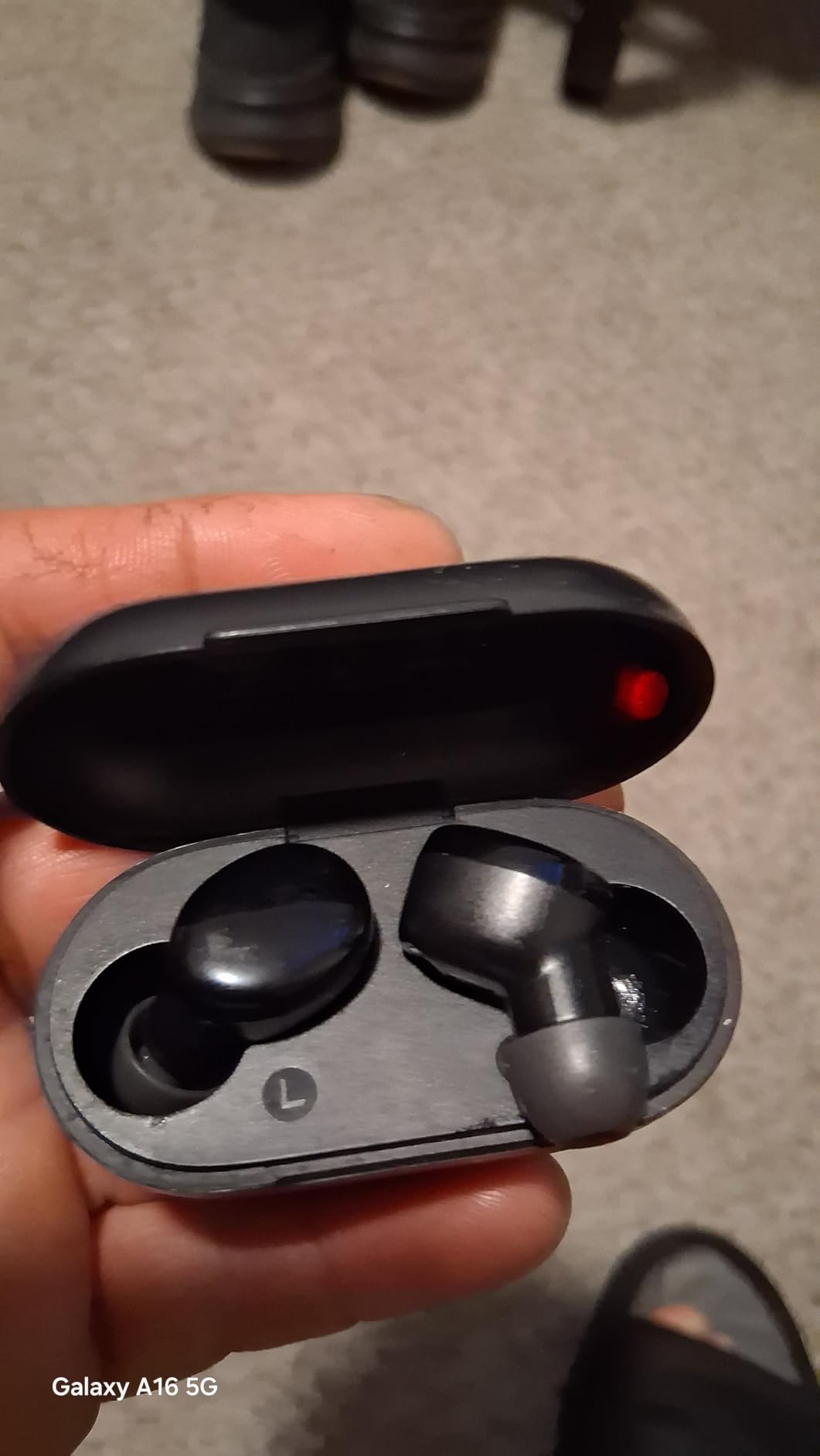
The kurdene V9I is the lowest-cost pair we would actually recommend, and the reason is fit rather than features. At 3.8 grams per earbud with an ergonomic shell tested across a large sample of ear shapes, it is the pair here most likely to be forgotten while you wear it.
Sound is bass-forward for the money, driven by oversized 8mm drivers. It is not a critical-listening set, but for playlists on the move it delivers far more weight than the price would suggest.
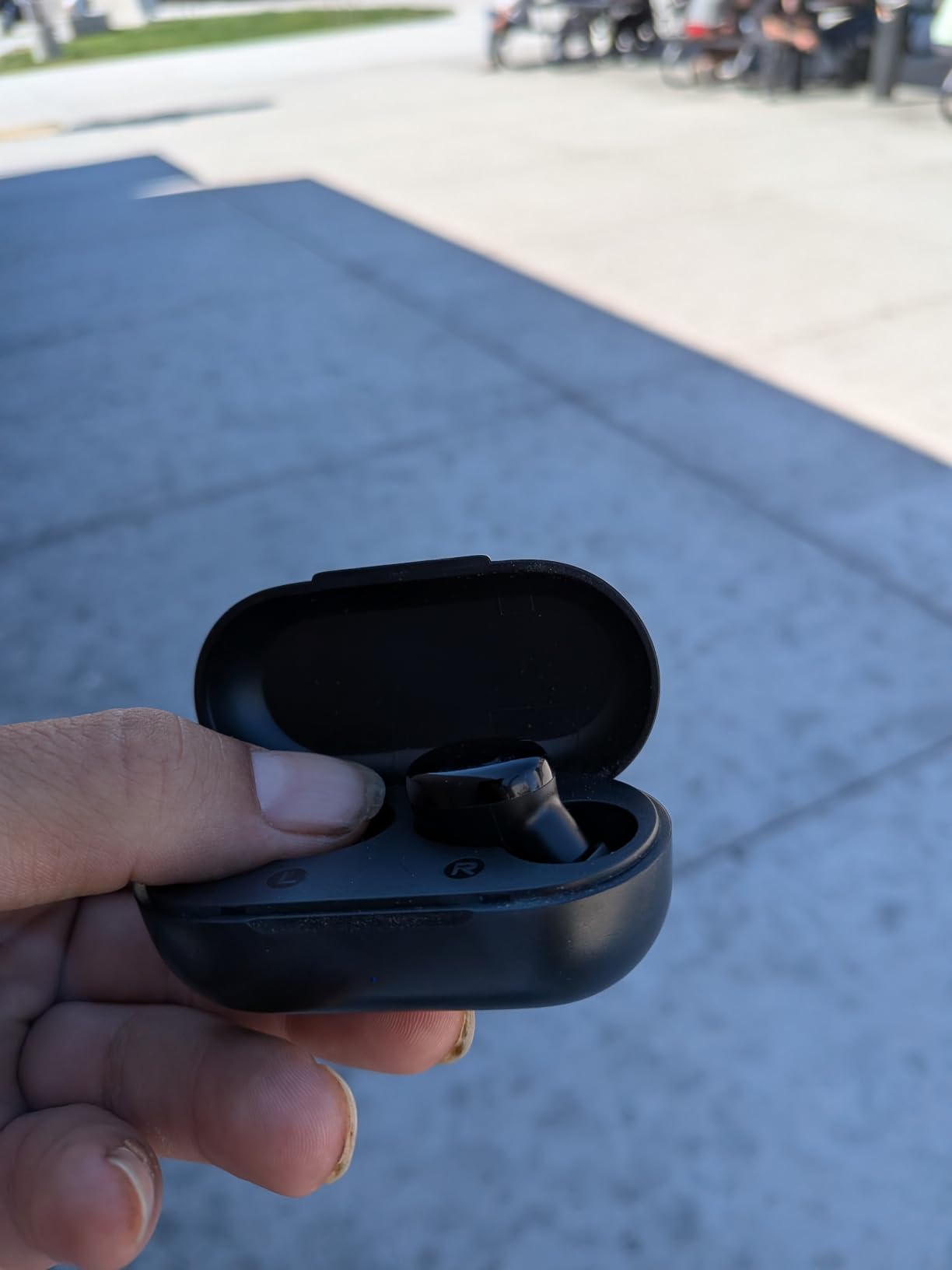
Bluetooth 5.3 connects automatically when the case lid opens, and the link stayed stable throughout our testing on both iOS and Android. Three sizes of silicone ear tips are included, which is more than some pairs costing twice as much.
Total battery is 30 hours with the case. Per charge you get 4.5 hours, the weakest single-charge figure in this lineup and the main reason this is a backup pair rather than a daily driver.
Is the microphone and app support good enough for calls
Microphones use an AI algorithm to lift clarity, and they are fine for a quick call in a quiet room. They are not fine on a windy street or in a loud cafe, and there is no ENC processing comparable to the six-microphone sets in this list.
There is no companion app, so no EQ and no control remapping. What you get is what the tuning gives you out of the box.
Who this pair is not for
There is no water resistance rating at all, which rules it out for the gym, for rain, or for anyone who sweats heavily. The 4.5-hour per-charge runtime also makes it a poor companion for a long flight or a full work shift.
If you need any noise handling at all, step up to the Soundcore P30i or the TOZO NC9 instead. Both cancel far more of the world around you.
4. JLab Go Air Pop: The Best Lightweight All-Rounder for Long Wear
JLab Go Air Pop True Wireless Earbuds, in Ear Headphones, Bluetooth Earphones, Ear Buds with 32H Playtime, Bluetooth Earbuds with Microphone, USB Charging Case, Dual Connect, EQ3 Sound, Mint
9h per earbud, 35h total
Built-in EQ3 sound modes
15% smaller, IPX4
Bluetooth 5.3 Dual Connect
Pros
- Exceptionally light and comfortable
- Very strong battery
- Stable connection with no dropouts
- Dual Connect and independent buds
- Two-year warranty
Cons
- Muted sound for music
- Bass Boost mode can muddy
- Built-in charging cable cannot be replaced
- No noise cancelling
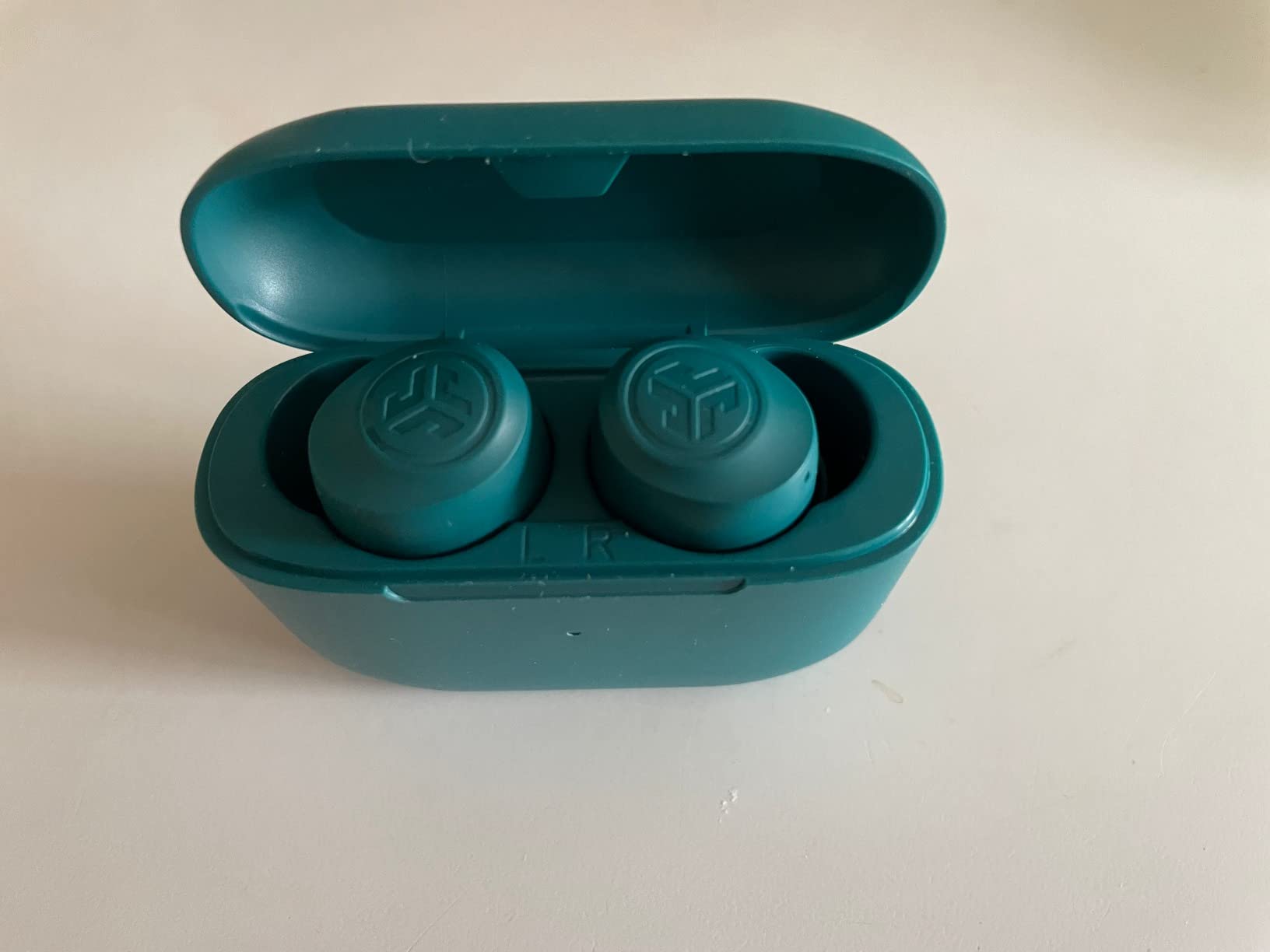
The JLab Go Air Pop is the comfort pick in this roundup. Owners consistently describe it as barely noticeable in the ear, and the design is 15 percent smaller than the previous generation, which is why it works for people who find stem-style buds exhausting after an hour.
Battery is the second strength. You get 9 hours or more per earbud, more than 26 from the USB-C case, and over 35 hours in total, enough that reviewers report a full charge lasting well over a week of commutes.
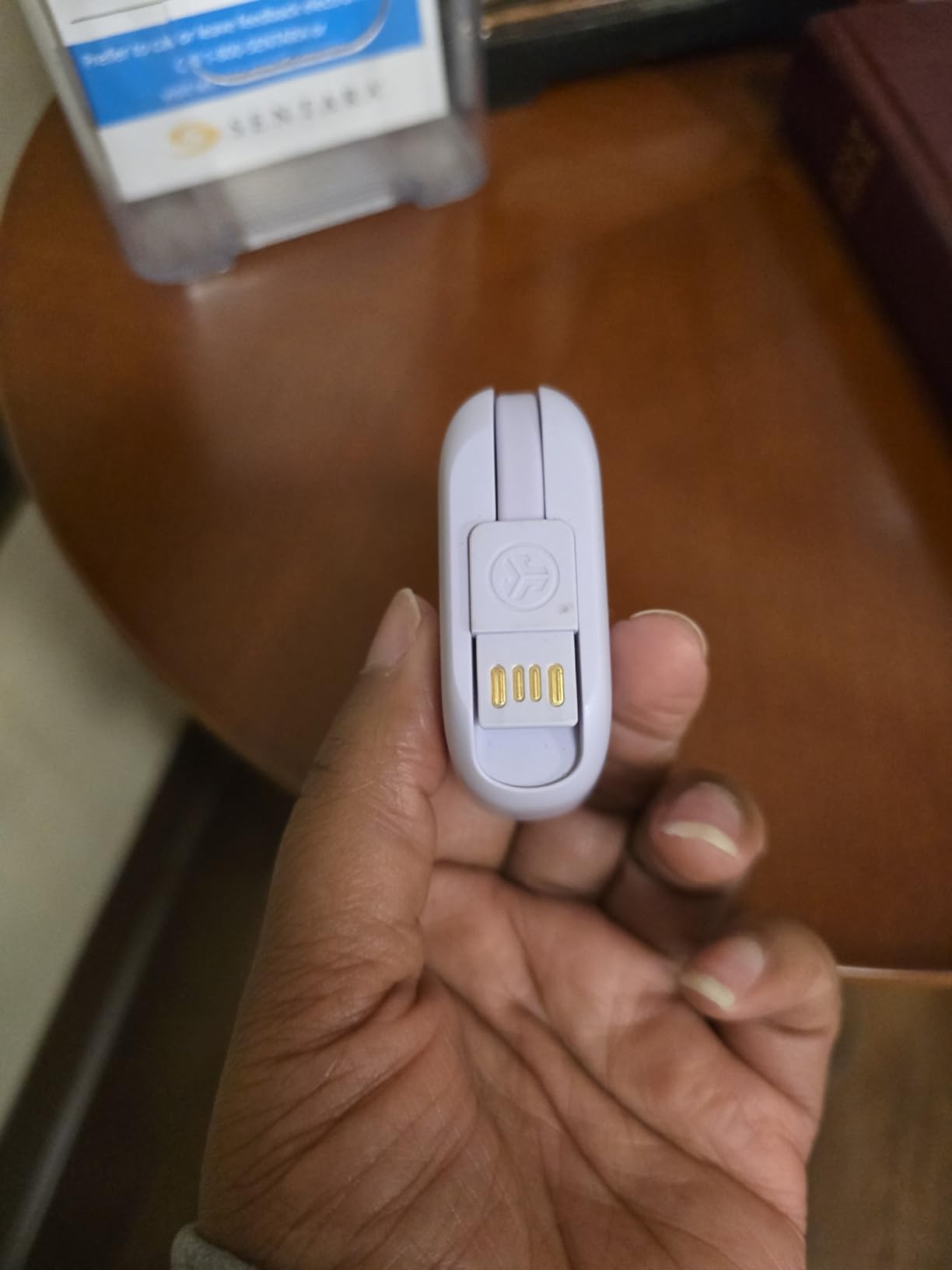
Dual Connect is the feature that separates it from most rivals at this level. Each earbud works independently, and you can run a single bud while leaving the other in the case, which is exactly what reviewers want for office calls and running.
Each earbud carries a MEMS microphone with voice assistant access, three gel tip sizes are included, and the IPX4 rating handles sweat and rain. The two-year JLab warranty is the longest in this lineup.
What EQ3 and the connectivity behaviour are like
EQ3 is built into the earbuds rather than an app, with three signatures: Signature, Bass Boost and Balanced. It is a real improvement over a fixed tuning, though reviewers warn that Bass Boost can muddy the sound and Balanced sounds very flat.
Connection stability is a genuine strength, with no dropouts reported by owners, and Bluetooth 5.3 holds a stable link at normal range.
Why some listeners will pass
Sound is the compromise. It is described as muted and less clear or balanced than pricier alternatives, particularly for music, and maximum volume may not be enough with poorly normalised source audio.
The case has a built-in charging cable that is very short, has exposed contacts, and cannot be replaced if it breaks. There is also no noise cancelling of any kind, and the stems can feel loose during vigorous exercise.
5. TOZO NC9: The Best Pair for Swimming, Side Sleeping and 60-Hour Endurance
TOZO NC9 Hybrid Active Noise Cancelling Wireless Earbuds, 60H, LED Display
Hybrid ANC up to 45dB
6 mics with ENC
10mm OrigX drivers
60h total, LED case display
IPX8
Pros
- Real hybrid ANC at a mid price
- IPX8 waterproof rating
- LED case power display
- Transparency mode
- Good 6-mic call clarity
Cons
- Bass-heavy signature with weak separation
- About 60ms latency
- Chunky case
- Controls and app take time to learn
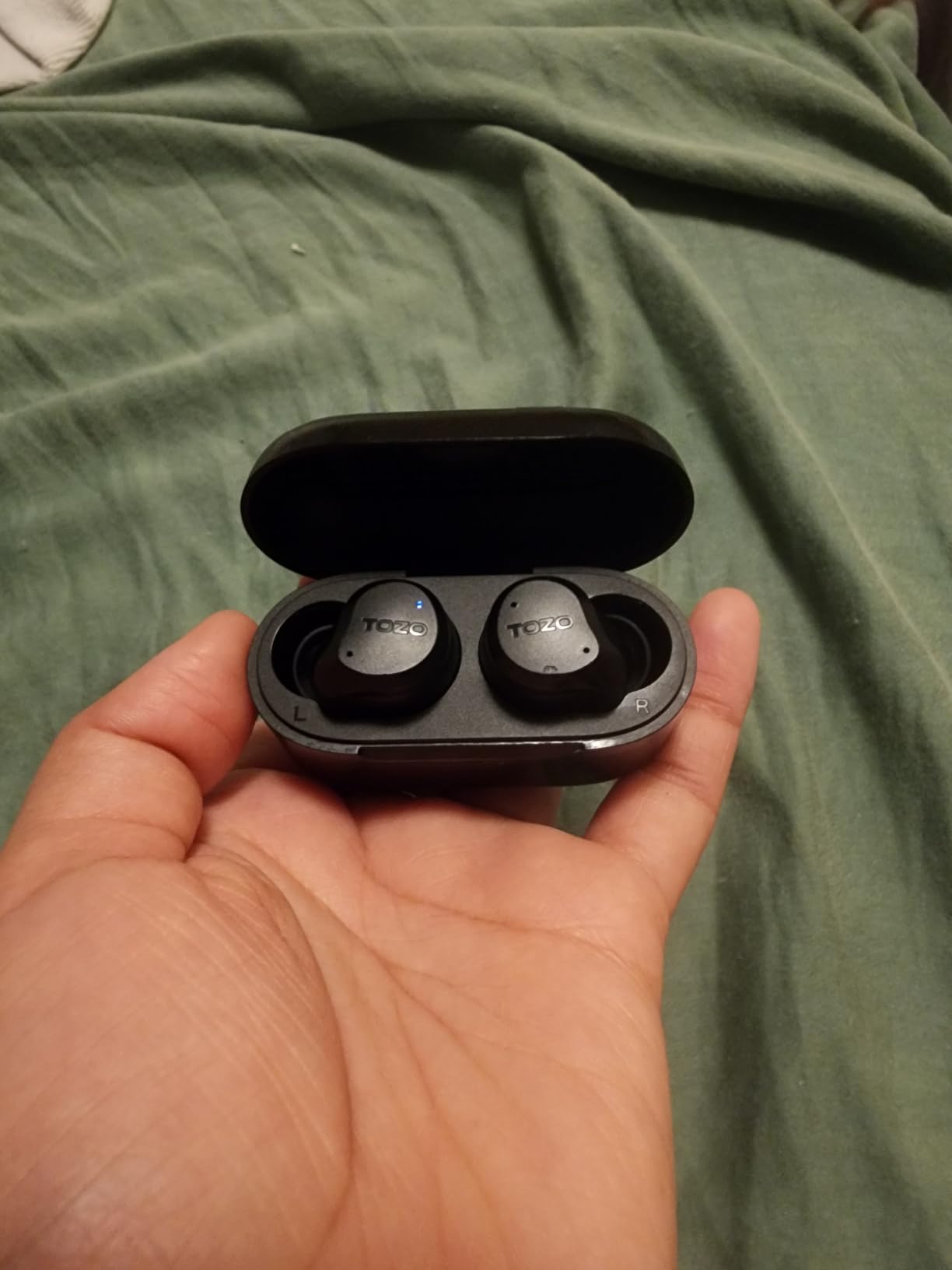
The TOZO NC9 is the odd one out on this list, because it pairs a full water-immersion rating with the only digital readout on a charging case. If your priority is physical protection and endurance rather than tuning, this is the pick.
Hybrid active noise cancelling up to 45 dB does real work, particularly against sustained low-frequency noise like engines and air conditioning. Six microphones with ENC processing keep calls clearer than most rivals here, which makes it a solid choice for anyone who takes meetings on the move.
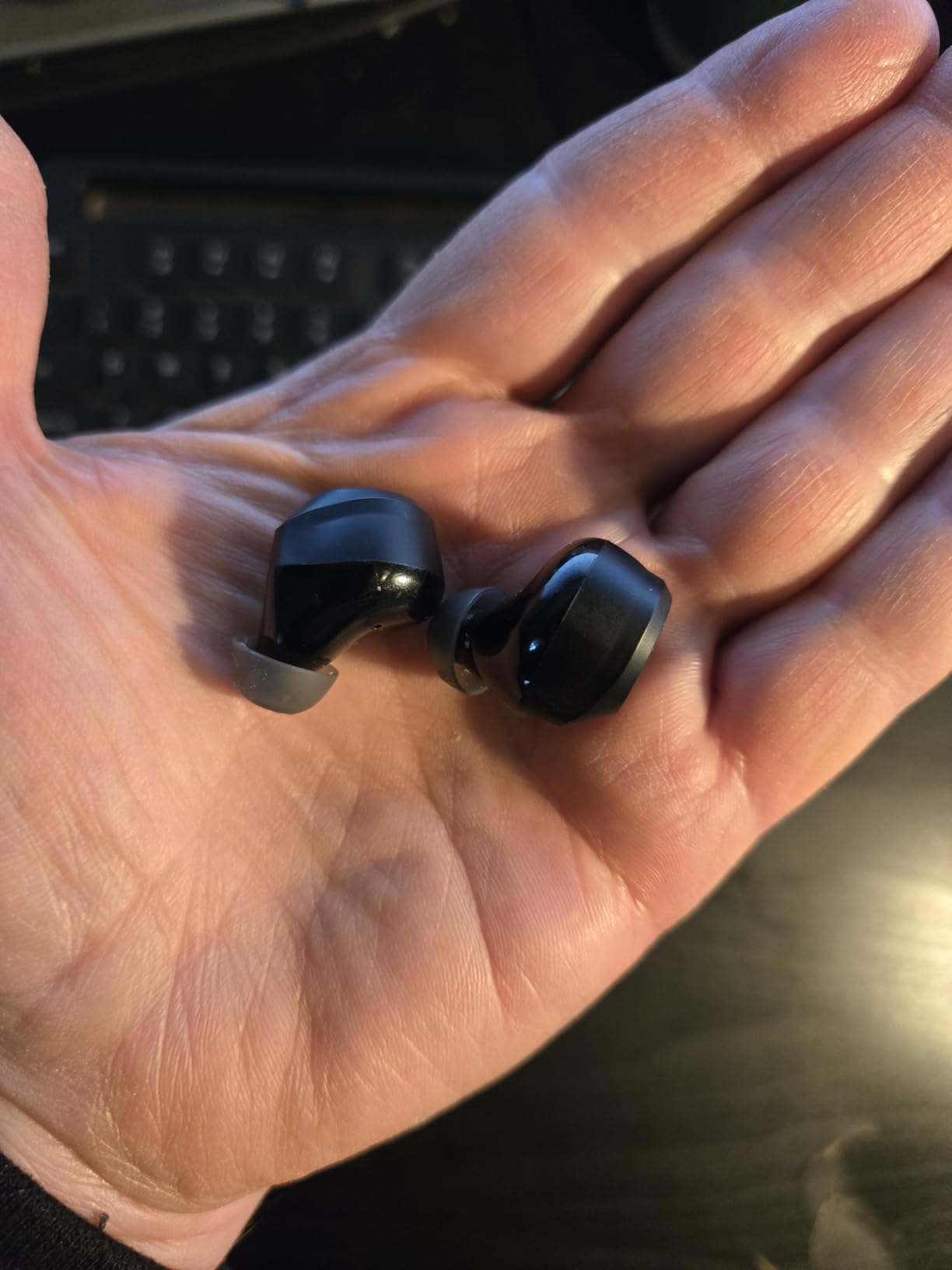
Battery is the headline. You get 60 hours total with ANC off and 40 hours with ANC on, and the LED display on the case shows remaining power for both buds and the case itself, so you stop guessing.
Sound comes from 10mm drivers with OrigX Acoustic 2.0 technology, and six sizes of replaceable eartips ship in the box. The TOZO app offers 32 EQ options.
How it handles workouts, sleep and latency
IPX8 means sweat, rain and showering are all non-events, and the transparency mode lets you check your surroundings without removing the buds. This product sits near the top of the sleep-earbud category ranking, and that placement is no accident given the water rating.
For gaming and video, expect roughly 60ms latency. That is fine for streaming films with automatic lip-sync, but competitive mobile gamers will feel the delay.
Where the NC9 disappoints
The tuning is bass-heavy and can lack clarity and separation, so instrument-heavy tracks flatten out. Controls and the app workflow are reported as fiddly at first, and some owners cite connection stability issues.
The case is also bulky compared with slim rivals, and 2g per earbud plus the larger case makes it less pocketable than the JLab Go Air Pop or the P20i.
6. Soundcore P30i: The Best Budget ANC With a Phone Stand Built In
Soundcore P30i by Anker Noise Cancelling Earbuds, Hands-Free Viewing
Adaptive ANC to 42dB
2-in-1 case and phone stand
10mm BassUp drivers
45h total battery
Pros
- Case doubles as a phone stand for travel viewing
- Real adaptive ANC for the price
- Strong BassUp low end
- 45-hour total battery
- Fast Bluetooth 5.4 pairing
Cons
- ANC is moderate
- not cabin-quieting
- Bass-heavy with weak midrange
- Only 4 microphones
- No volume control on touch surface
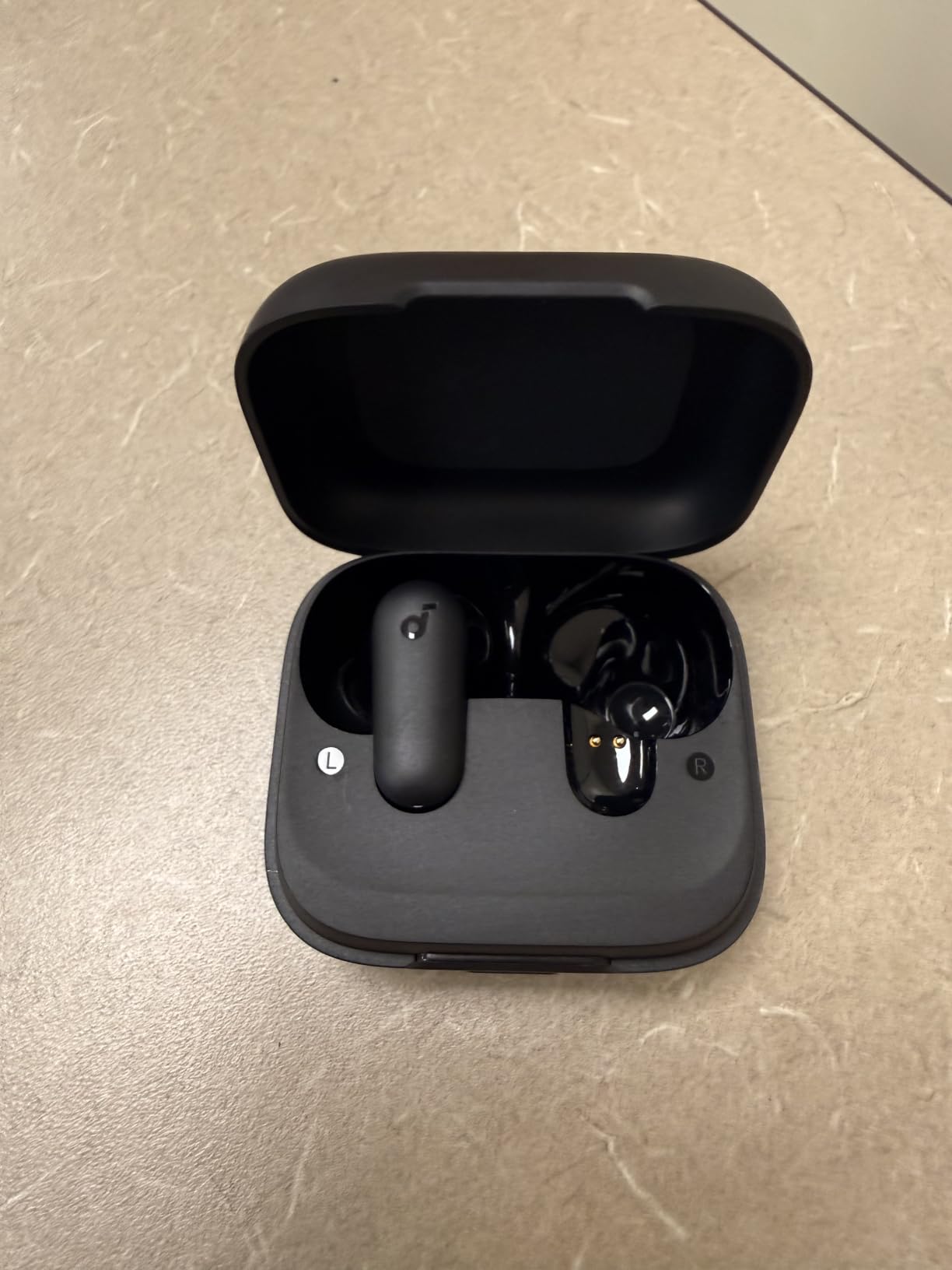
The P30i solves a problem nobody else here addresses: where to prop your phone when you watch a film on a long flight. The charging case folds into a stand, and once you have used that on a tray table you struggle to go back to holding a handset.
Noise cancelling is adaptive and rated up to 42 dB. That handles office hum, air conditioning and steady traffic well, but it will not silence an aircraft cabin, so do not expect flagship results.
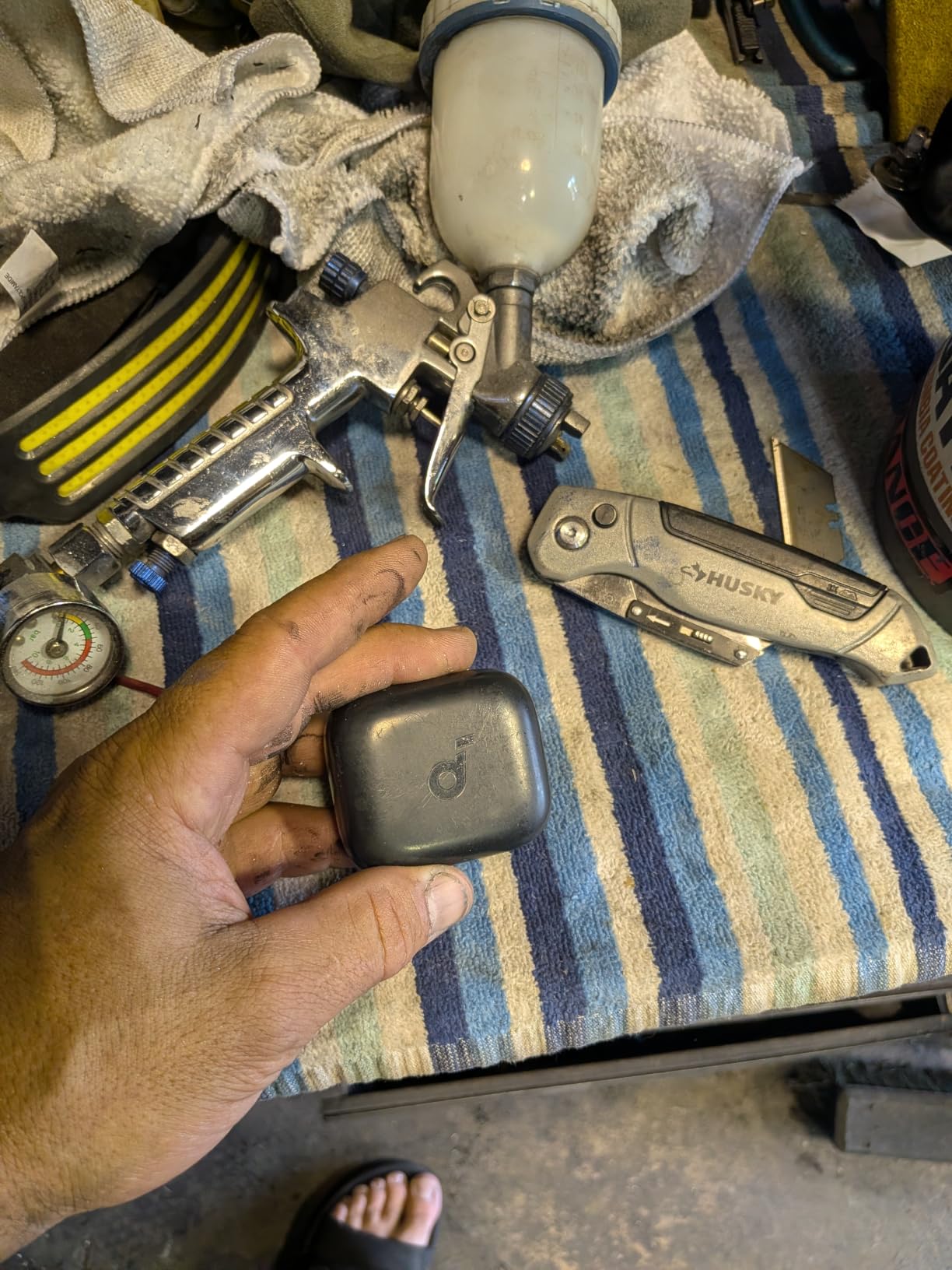
Sound comes from 10mm drivers with Soundcore BassUp technology, which delivers a genuinely punchy low end. If you like weight in the bass, this produces more of it than several pricier picks on this list.
Battery is 10 hours per charge and up to 45 hours with the case, dropping to 6 and 25 hours respectively with ANC on. A 10-minute quick charge returns 2 hours of use, and Bluetooth 5.4 one-step pairing reconnects to the last device automatically.
How good the calls and controls are
Four microphones with AI-enhanced call processing is enough for calls in a quiet room or a moderately noisy cafe. It is a step below the six-microphone arrays on the NC9 and the Air Pro 4, and a long way below a dedicated headset.
There is no volume control on the touch surface, the single most common complaint on this model, and the four-mic array lacks the beamforming focus the Liberty 4 NC uses.
Who should choose a different model
If your top priority is silence, the Liberty 4 NC or the EarFun Air Pro 4 cancel noticeably more noise. If your priority is balanced sound for vocals and acoustic music, the bass-forward tuning here works against you.
There is also no wireless charging despite the stand-style case, which is a strange omission on a product designed to sit on a tray table all afternoon.
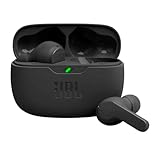
7. JBL Vibe Beam: The Best Commuter Pick for JBL Bass and a Secure Stick Fit
JBL Vibe Beam – True Wireless Earbuds – Black
JBL Deep Bass 8mm drivers
Stick-closed secure fit
8h per charge, 32h total
IP54 buds
Pros
- JBL-tuned bass-heavy sound
- Secure comfortable stick fit
- 32-hour total with 10-minute speed charge
- IP54 for commuting and outdoors
- Solid brand with one-year warranty
Cons
- No active noise cancelling
- Bluetooth 5.2 is dated
- No app for EQ or controls
- Case only IPX2
- 100ms latency on video
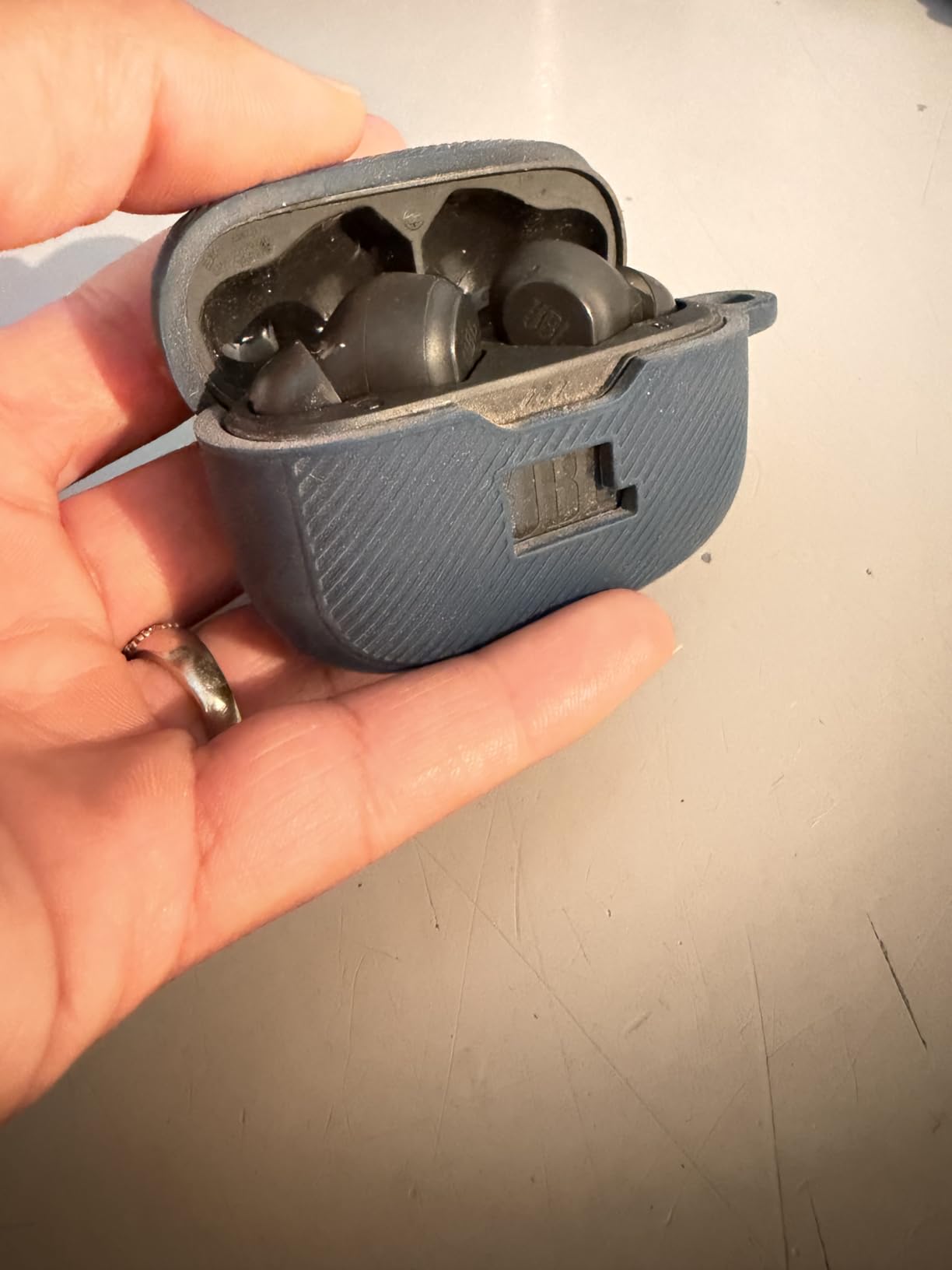
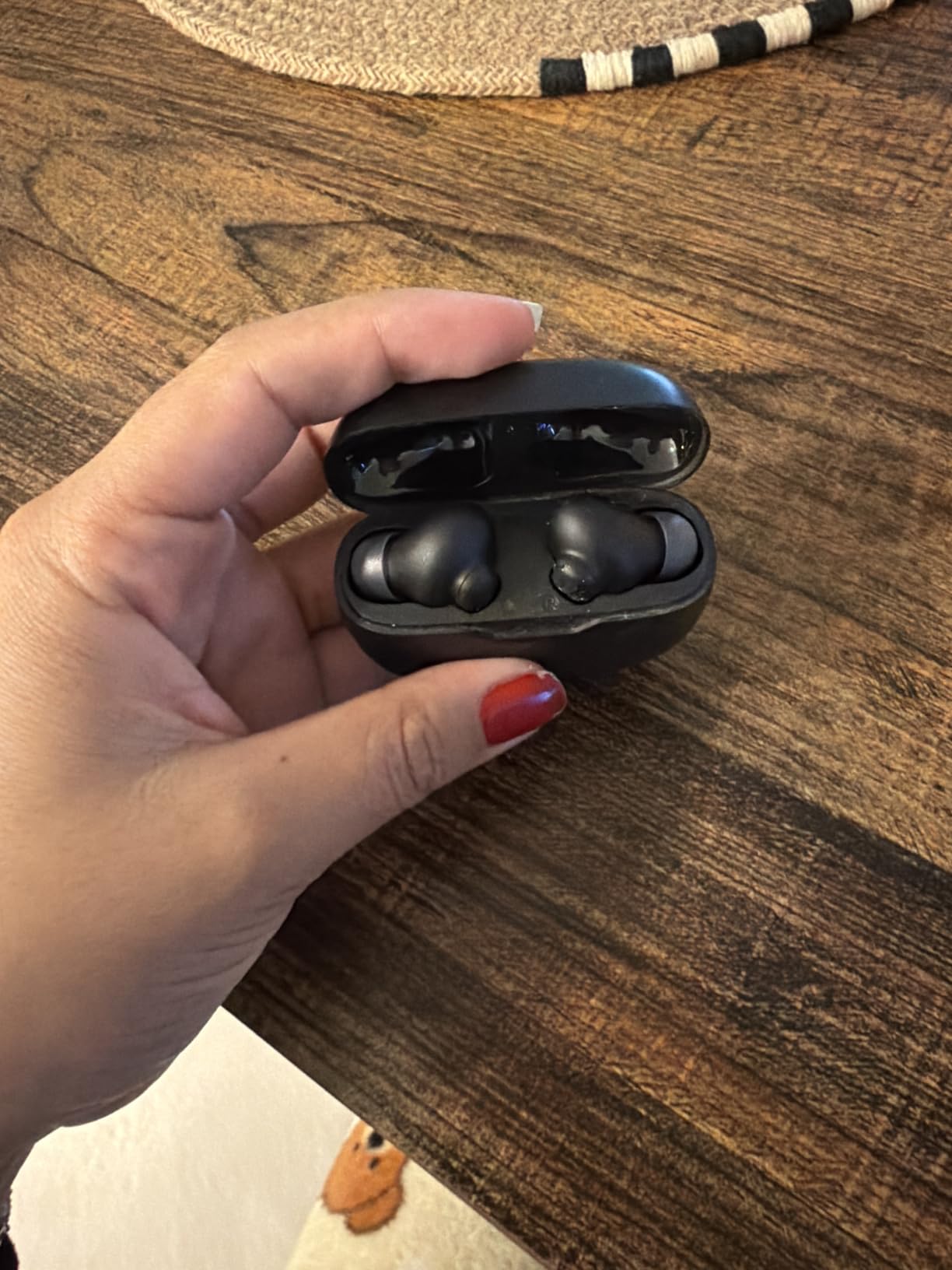
The JBL Vibe Beam is the one pick here that does not try to be clever. It has no app, no ANC and an older Bluetooth version, and what it does have is a bass signature people recognise plus a fit that stays put.
The stick-closed design seals well without a bulky housing, and owners report the buds are comfortable enough to forget. Passive isolation is decent for the price, so a train carriage at moderate volume becomes tolerable even without active cancellation.
Sound is JBL Deep Bass from 8mm drivers, tuned for pop and contemporary music. It is not a neutral reference tuning, but it is a pleasant, energetic one that suits shorter listening sessions.
Battery is 8 hours in the buds and 24 in the case for 32 hours total, with a 10-minute speed charge adding 2 hours. VoiceAware handles hands-free calls and adjusts self-voice so you can hear yourself without removing the buds.
What you give up without an app or ANC
There is no app, so no EQ and no way to remap controls. The tuning is fixed, which removes both an upside and a chore, but it also means the bass-forward signature cannot be dialled back for podcasts or acoustic work.
Without ANC, the buds depend entirely on a passive seal. That works against steady hum and general chatter, and does very little against sudden sharp noise.
Which buyers should look elsewhere
Bluetooth 5.2 is dated against the 5.3 and 5.4 rivals here, and 100ms latency causes visible lip-sync drift on video unless your player compensates.
Water protection is split too. The earbuds carry IP54 while the case manages only IPX2, so do not leave them near a pool. For the gym or rain, the JLab Go Air Pop is a better-matched budget option.
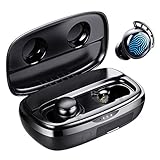
8. Tribit FlyBuds 3: The Best Pick for Battery Endurance Without Recharging
Tribit FlyBuds 3 Wireless Earbuds, 110H Playtime Bluetooth Headphones
7h per charge, 110h total
IPX8 waterproof
One-step automatic pairing
Case battery readout
Pros
- Extraordinary 110-hour total battery
- IPX8 waterproofing
- Simple one-step pairing
- Case button shows battery percentage
- Hi-Fi stereo with built-in mic
Cons
- No ANC or transparency mode
- No companion app
- Bluetooth 5.2
- Bass-forward and unrefined
- Bulky case
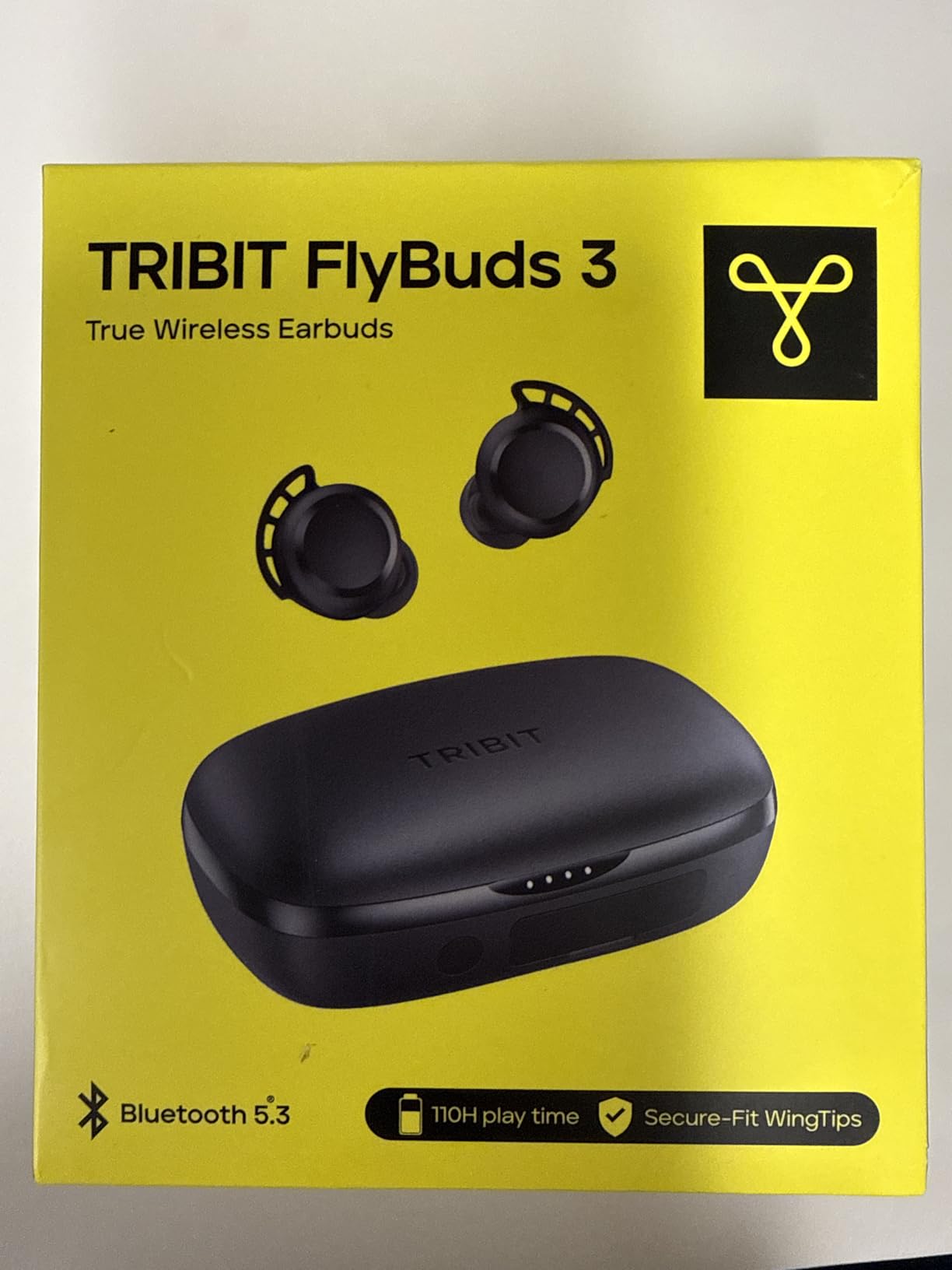
The Tribit FlyBuds 3 exist for one reason, and that reason is the 110-hour total battery figure. No other pair here comes close, which makes it the obvious choice for anyone who travels light, works long shifts, or simply refuses to think about charging earbuds.
Per charge you get 7 hours, so the case does the heavy lifting. That is a fair trade, and IPX8 waterproofing means showering, rain and heavy sweat are all fine.
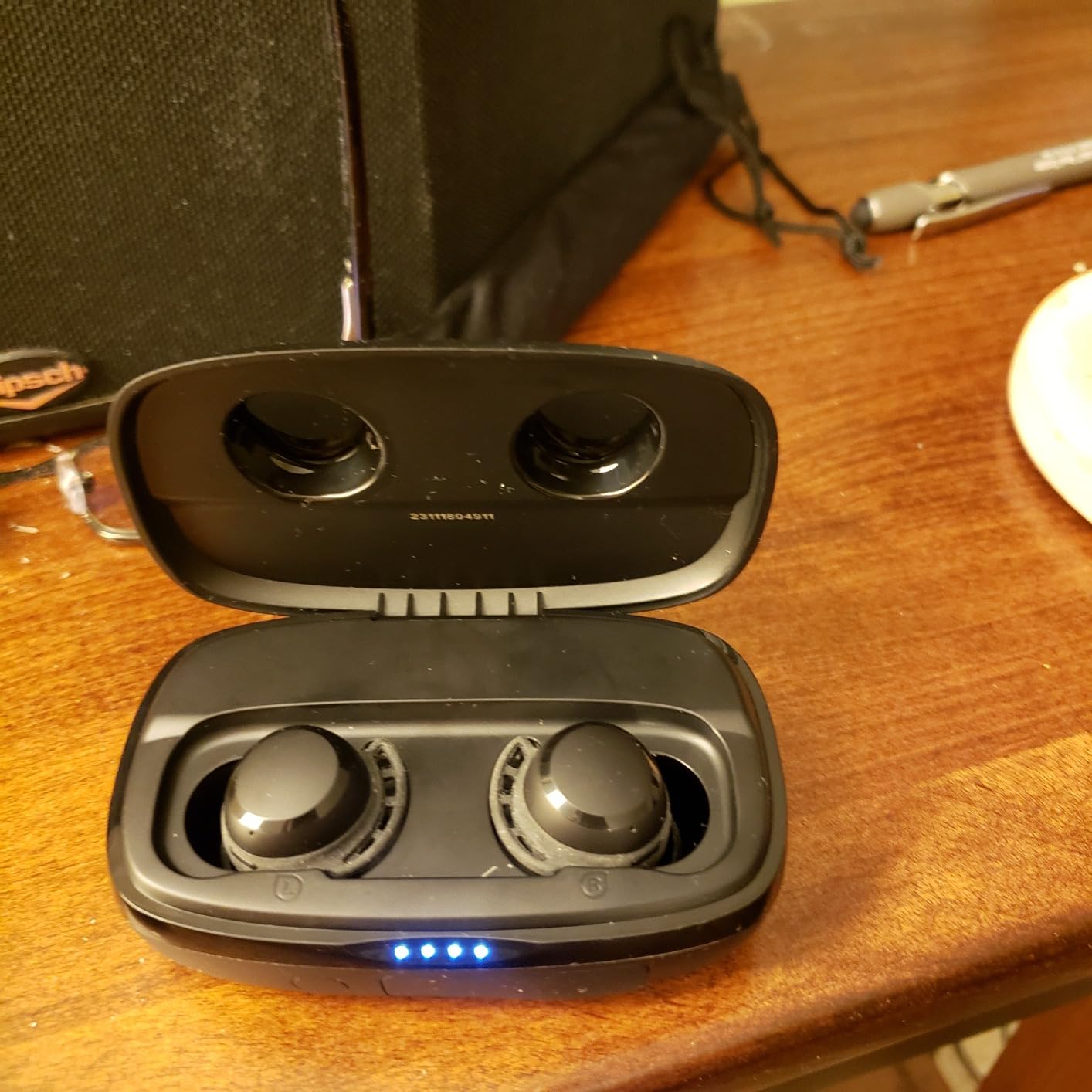
Pairing is genuinely simple. The buds connect automatically when the case opens, and a button on the case shows remaining battery percentage and can unpair the buds with a press and hold.
Sound is Hi-Fi stereo with a bass-forward signature and a built-in microphone for calls. Touch controls handle playback and calls, and the buds weigh 9.66 grams each.
Why the 110-hour claim is not the whole story
Read that figure the way the category intends. It is total playtime across all recharges from the case, not a single charge, and 7 hours per charge is the number that matters if you travel without a cable.
It also assumes you never switch on noise cancelling, because there is none here. No ANC and no transparency mode means all ambient sound reaches you unmodified.
What you trade for that endurance
There is no companion app, so no EQ, no control remapping and no firmware tuning options. Bluetooth 5.2 again lags the newer standard.
The case is bulky relative to competitors, and the bass-forward tuning lacks refinement for critical listening. For a fuller sound signature, the JBL Tune Flex with 12mm drivers is the stronger listen.
9. JBL Tune Flex: The Best Full-Size Driver Pick That Still Has ANC
JBL Tune Flex – True Wireless Noise Cancelling Earbuds (Black), Small
12mm JBL Pure Bass drivers
ANC plus Ambient Aware and TalkThru
4 mics with VoiceAware
32h total
IPX4
Pros
- 12mm drivers sound fuller than budget rivals
- Three useful listening modes
- 4 mics for clear stereo calls
- 32-hour total with 10-minute speed charge
- IPX4 for workouts
Cons
- ANC is only moderate
- Battery falls to about 6h per charge with ANC
- No app for EQ or controls
- Bluetooth 5.2 with no multipoint
- Sticks feel heavy for small ears
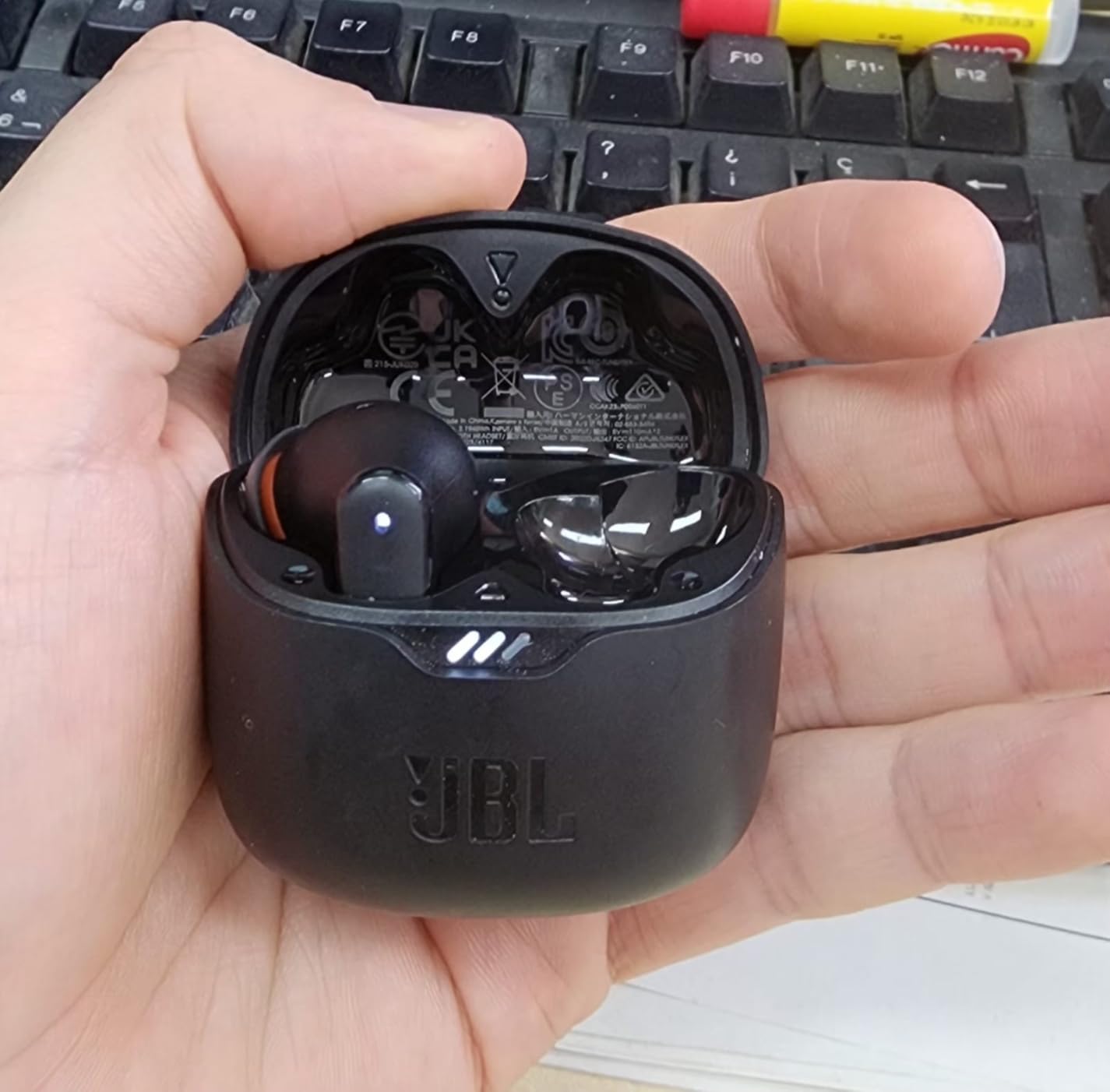
The JBL Tune Flex is the sound-quality pick among the stick designs, and the reason is driver size. At 12mm these are among the largest drivers in this roundup, and they produce a fuller, more balanced result than the 8mm and 10mm sets that dominate cheaper listings.
Active noise cancelling uses two microphones, and alongside Ambient Aware and TalkThru you get three distinct listening modes, which is more control than most budget earbuds offer.
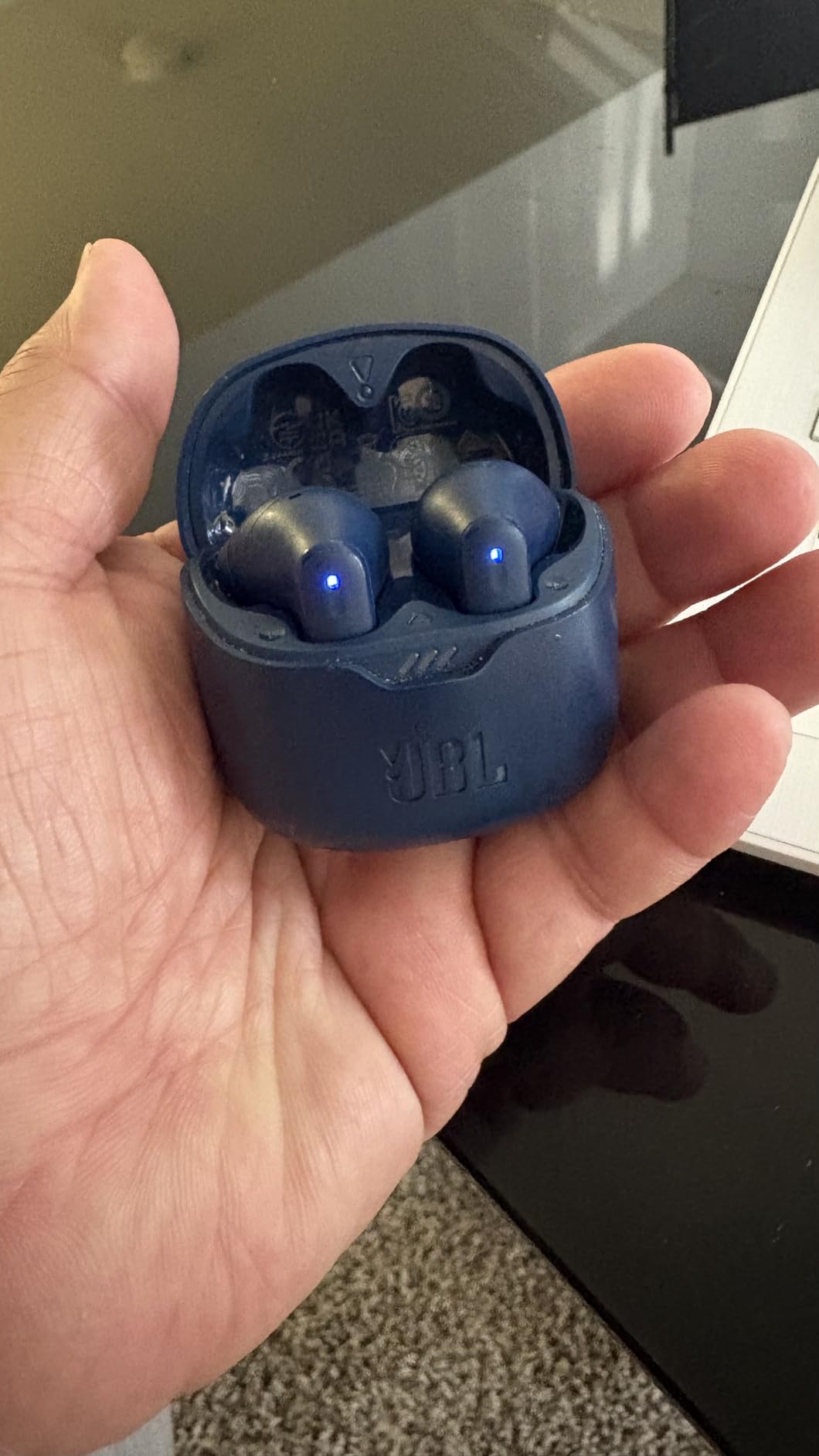
Call handling uses four microphones with VoiceAware, keeping stereo clarity on calls and letting you adjust self-voice. IPX4 handles sweat and water, and three ear tip sizes are included for a proper seal.
Battery is 32 hours total, with 8 hours in the buds and 24 in the case. A 10-minute speed charge adds 2 hours of playback.
What the ANC actually cancels and what it misses
The cancellation is adequate rather than impressive. It takes the edge off office and cafe noise, and it works better on steady sound than on sudden spikes. If you fly often, the Liberty 4 NC or the Air Pro 4 will do noticeably more.
Battery shows the cost of running ANC: roughly 6 hours per charge, down from 8. That is the real trade-off on this model, and it matters if you plan long sessions.
Who will not get on with these sticks
There is no app, so no EQ and no control remapping. Bluetooth 5.2 is dated and there is no multipoint, so you cannot hop between a phone and a laptop automatically.
Reviewers also note the sticks can feel pressure-heavy for small ears. At 4.1 stars across 14,566 reviews, this is the lowest-rated model here, and most of the disappointment traces back to moderate ANC rather than the sound, which owners like.
10. EarFun Air Pro 4: The Best Pick for Codec Support and Adaptive Noise Cancelling
EarFun Air Pro 4 Adaptive Hybrid Noise Canceling Wireless Earbuds, Qualcomm Snapdragon Sound, aptX™ Lossless, 6 Mics AI CVC 8.0 Call, LDAC Hi-Res Audio, 52H Playtime, Bluetooth 5.4, in-Ear Detection
Adaptive ANC to 50dB
aptX Lossless, LDAC, LE Audio
6 mics with cVc 8.0
52h total battery
Pros
- Best-in-class adaptive noise cancelling at the price
- Only set here with aptX Lossless
- LE Audio and Auracast
- 6-mic AI ENC for calls
- 52-hour total battery
- Multipoint and Google Fast Pair
Cons
- Some buyers report connection dropouts
- Sensitive touch controls trigger by accident
- Ear tips detach easily
- Slick case is hard to open
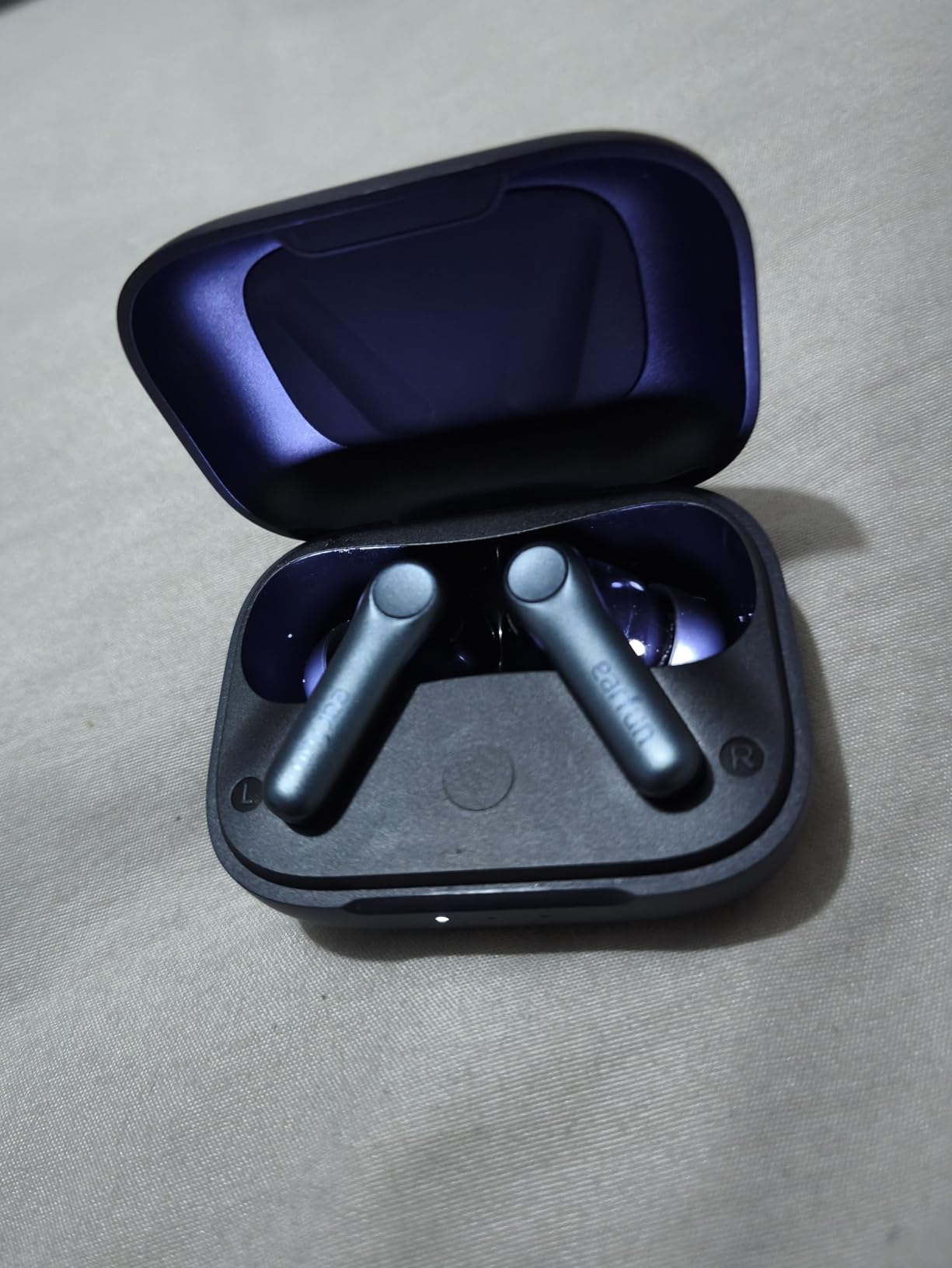
The Air Pro 4 is the enthusiast pick. It is the only pair in this roundup with aptX Lossless, and it also supports LDAC, LE Audio, LC3 and Auracast broadcast audio through a Qualcomm QCC3091 chipset with Certified Snapdragon Sound.
Noise cancelling is adaptive hybrid up to 50 dB using QuietSmart 3.0, and reviewers single it out for wind noise reduction, which is why it holds up on a street rather than only in a lab.
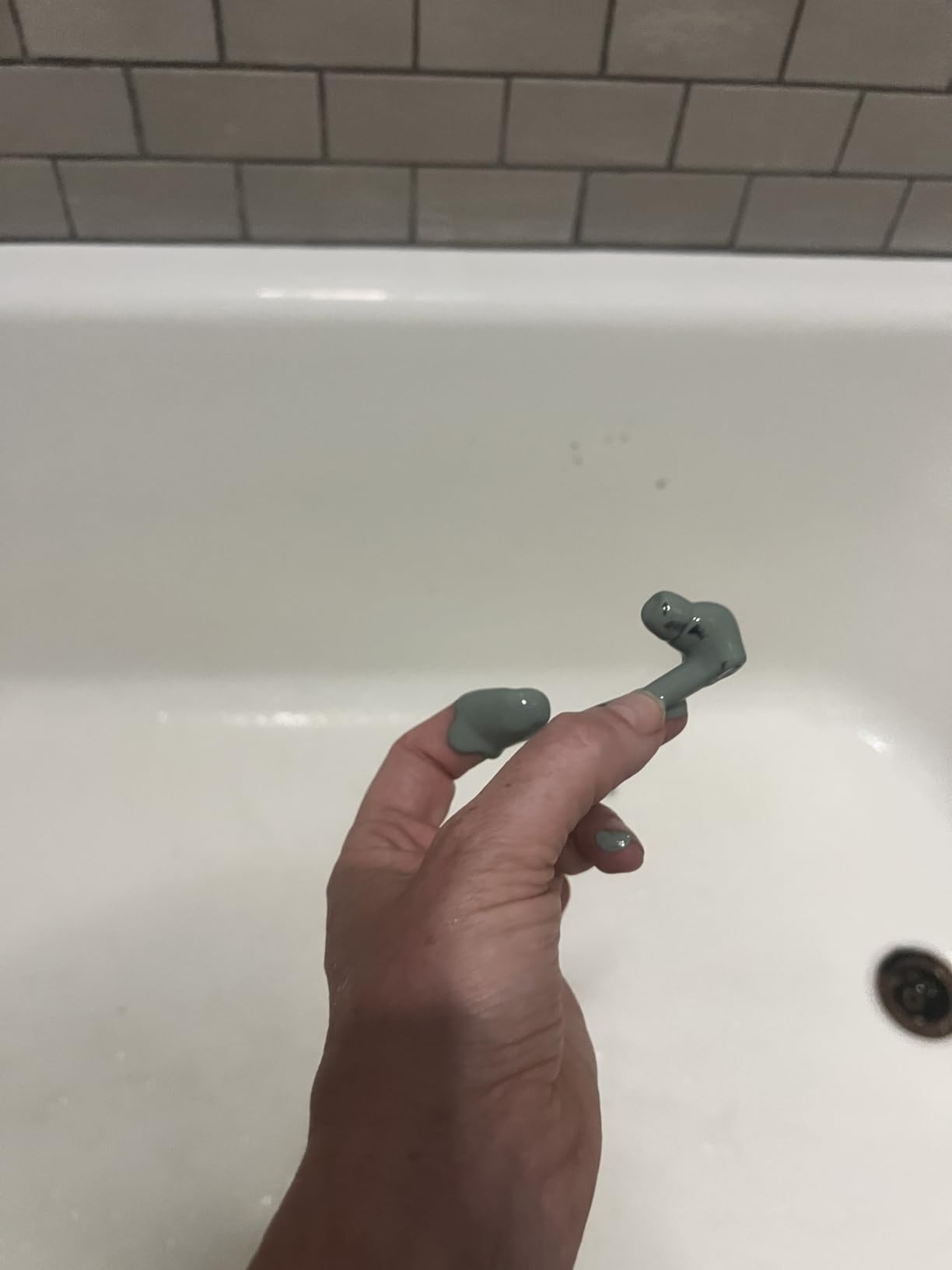
Despite small 10mm drivers, the soundstage is wide with good instrument separation and broad dynamic range. A few reviewers find the default tuning slightly tinny on classical material, and the app EQ fixes that quickly.
Battery is 11 hours per charge and up to 52 hours with the USB-C case, with 10-minute fast charge returning 2 hours. Multipoint connection, Google Fast Pair, in-ear detection and a find-my-earbud function are all present, and five ear tip sizes are included.
Which codec you actually get depends on your phone
On a compatible Android phone you can use aptX Lossless for near-lossless streaming. On an iPhone, none of that applies. iOS does not support aptX or LDAC, so the stream falls back to AAC. The codec support is real, but it is Android-only in practice.
LE Audio and Auracast are also unsupported on some devices, so the headline feature list runs ahead of what a given handset will actually use.
Why some owners return these
Connection stability is the main issue. Some buyers report intermittent dropouts and random audio cut-outs, often before a firmware update. While a replacement or update resolves it for many, it is a real risk worth knowing about.
Touch controls are sensitive enough to trigger unintended actions, ear tips detach from the buds easily, and the smooth case is hard to open one-handed and scuffs readily. Call quality is strong on the six-microphone array, but audio latency still varies by device.
11. Sony WF-C510: The Best Pick for Small Ears and Long Unplugged Sessions
Sony WF-C510 Truly Wireless Bluetooth Earbud Headphones, Black
11h per charge, 22h with case
5-min quick charge for 1h
Multipoint for 2 devices
IPX4
Pros
- Light
- compact and comfortable all day
- Small pocketable case
- Sony build and one-year warranty
- Multipoint for phone and laptop
- Very fast 5-minute quick charge
Cons
- No active noise cancelling
- 6mm drivers give modest bass
- No app for EQ or controls
- Charging cable sold separately
- Average microphone
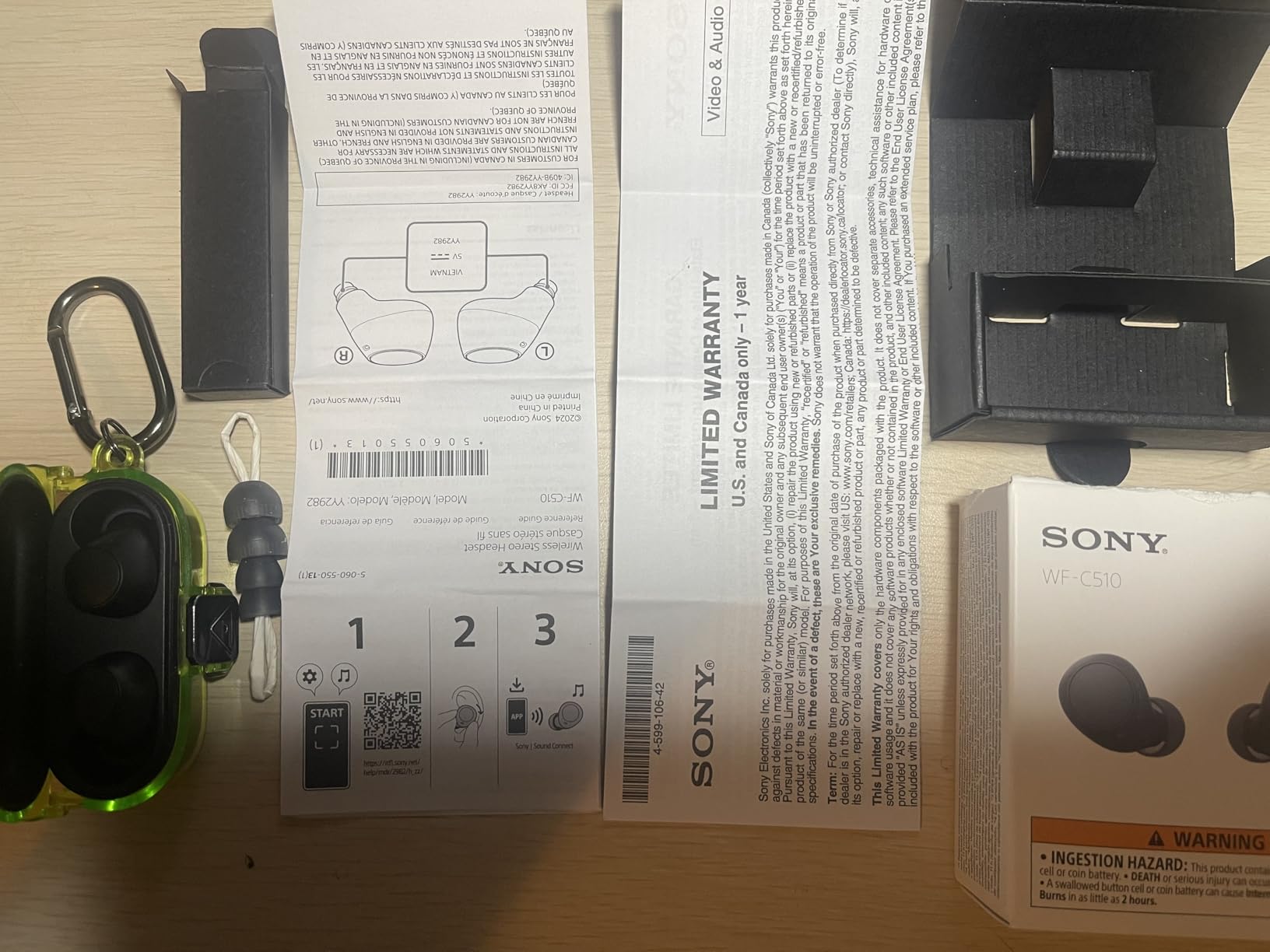
The Sony WF-C510 is the pick for people whose ear canals reject everything else on this list. The housing is small and light, and owners with smaller ears report all-day comfort, which we cannot claim for the bulkier stems here.
It is also the only pair here with a 5-minute quick charge that returns a full hour of playback. That is genuinely useful when a battery warning appears five minutes before a call.

Battery is 11 hours per charge and up to 22 hours with the case. Multipoint connection switches between two devices, which for most people means a phone and a laptop, and Ambient Sound mode gives a quick way to hear announcements.
DSEE audio enhancement processes compressed files to restore some detail, and IPX4 covers sweat and splashes. The cylindrical charging case is genuinely pocket-sized, which matters more than it sounds.
What multipoint and DSEE actually do for you
Multipoint is the standout here, and it is rare at this tier. A laptop call and phone notifications can sit side by side without manual reconnection, which is the feature most likely to make you forget the more expensive alternatives.
DSEE is a Sony processing effect rather than a true codec upgrade. It smooths out artefacts in heavily compressed streams, and you will notice it more on spoken content than on music.
What the 6mm drivers cost you
Bass is modest and detail is limited compared with larger-driver rivals like the JBL Tune Flex, and there is no active noise cancelling at all, only sound isolation.
There is no app for EQ or control remapping, the charging cable is sold separately, and microphone quality is average for calls. Buy it for comfort, multipoint and fast charging, not for sound.
12. Ltinist Sport Earbuds: The Best Secure Pick for Running and Gym Work
Wireless Earbud, 75Hrs Bluetooth 5.4 Headphones IP7 Waterproof for Sport, Running Wireless Earphones with ENC Noise Cancelling Mics, Deep Bass Over Ear bud with Earhooks for Android, iOS, Workout, Gym
75h total, 15h per earbud
Ear hooks with 3 tip sizes
IP7 waterproof
14.2mm drivers
LED display
Pros
- Ear hooks stay secure during running and lifting
- 75-hour total battery
- Very loud with strong deep bass
- IP7 handles showers and heavy sweat
- Dual LED display for case and bud power
Cons
- Microphone volume phases in and out
- Not suitable for gaming despite latency claims
- Case dents and can pop open when dropped
- Bulky in a pocket
- Bass-heavy tuning
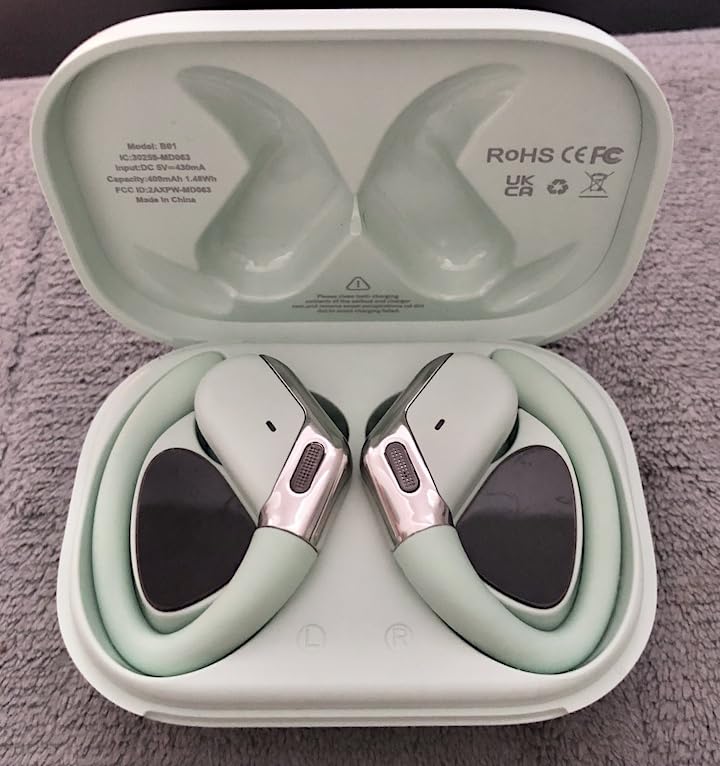
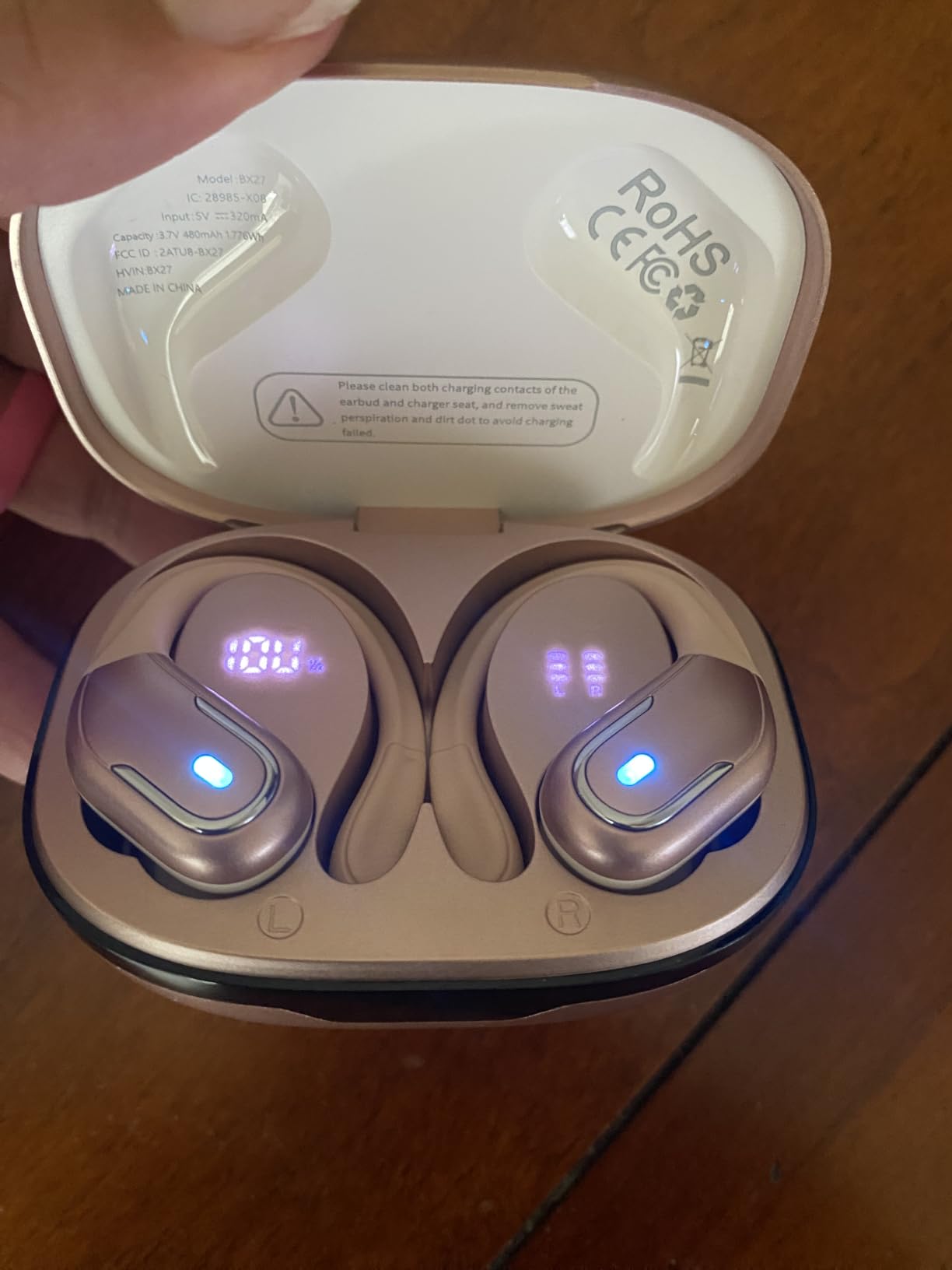
The Ltinist BX29 is built around one problem, which is keeping earbuds in place during movement. Flexible ear hooks wrap around the outer ear in three sizes, and owners report the fit holds through running, gym work and long shifts when ordinary stem buds would not.
Volume and bass are the other strengths. The 14.2mm double-layer diaphragm drivers produce loud, full sound with strong deep bass, which matters when you run outdoors with traffic noise competing.
Battery is 15 hours per earbud and up to 75 hours with the case. A dual LED digital display shows power levels for both the case and the buds, and Bluetooth 5.4 reconnects quickly with roughly 48 foot of range.
ENC noise cancelling microphones and touch controls for playback, volume, calls and voice assistant round out a feature set that is unusually full for the money.
How the ear hooks and waterproofing hold up
The hook system is the reason to buy this pair and it does its job. Because retention comes from mechanical grip rather than canal pressure, these work well for people who find in-ears uncomfortable over long sessions, and IP7 covers heavy sweat and even showering.
Three ear tip sizes let you tune the inner seal, which matters because the hook holds the bud in place while the tip controls isolation.
The microphone is the weak point
Call quality is unreliable, with reviewers reporting the microphone volume phasing in and out. For someone whose day is built on calls, that is a deal-breaker regardless of how well the buds fit.
The case also dents and chips when dropped and can pop open on impact, it is bulky in a pocket, and the sound is bass-heavy rather than tuned for critical listening. Low-latency claims do not translate to gaming devices, so treat those as marketing.
How to Choose Wireless Earbuds Under 100 Dollars
Most of the decision comes down to five things: form factor, noise handling, codec support, per-charge battery, and whether the fit works for your ears. Everything else on a spec sheet is close to noise at this price. Work through these in order and the right pair usually announces itself.
Which codec actually works on your phone
Codec support is the most misunderstood spec in this category. LDAC, which appears on the Liberty 4 NC and the Air Pro 4, is an Android format. iPhones do not support LDAC or aptX of any kind, so on an iPhone both pairs stream over AAC and the premium codec badge is irrelevant.
aptX Lossless, found on the EarFun Air Pro 4, is the highest-quality option available here, but it also needs a compatible Android handset. AAC is what almost everyone ends up with in practice, and it sounds good on all twelve picks. If you are on iPhone, ignore codec claims entirely and judge these on tuning and ANC.
Per-charge battery is the number that matters
Advertised battery life for earbuds is usually total-with-case, and the difference is enormous. The Tribit FlyBuds 3 claims 110 hours but delivers 7 per charge. The Liberty 4 NC claims 50 hours and delivers 10 per charge. Same category, very different travel experience.
Also note the ANC penalty. The Liberty 4 NC drops from 10 to 8 hours with ANC on, and the P30i falls from 10 to 6. The JBL Tune Flex sits around 6 hours per charge with cancellation running. If your sessions are long, add roughly 30 percent to the headline figure before you trust it.
What ANC strength to expect at this price
Active noise cancelling under 100 dollars is genuinely useful, but it is a short list that flattens the lowest frequencies: engines, air conditioning, bus rumble and distant traffic. It does less against voices, keyboards and sudden sharp sounds.
Within this list, the Liberty 4 NC and the Air Pro 4 sit at the top, the TOZO NC9 and P30i form a solid middle tier, and the JBL Tune Flex is adequate. Advertised claims of 98.5 percent or 50 dB reduction come from controlled setups, so treat them as lab figures rather than a promise about a busy cafe. If cancellation is your priority, weigh the seal too, because a poor fit limits even excellent hardware.
Water resistance ratings decoded
The first digit is dust protection and the second is water, so IPX8 means no dust rating but water immersion protection, IP7 is the same idea written differently, IPX4 handles sweat and splashes, and IP54 adds dust protection to that. IPX2 on a case, as found on the JBL Vibe Beam, is close to nothing and only resists a little condensation.
Ratings cover the earbuds, not always the case. For gym use, IPX4 is enough. For running in the rain or showering with them, look for IP7 or IPX8, which is where the TOZO NC9 and the Ltinist sport earbuds separate themselves.
Fit tips for small ears and side sleeping
If you have small ear canals, prioritise compact housings. The Sony WF-C510 and the kurdene V9I at 3.8 grams per earbud are the least likely to fatigue you, while the JBL Tune Flex sticks are reported as pressure-heavy. The JLab Go Air Pop uses small gel tips in three sizes, a good middle ground.
For side sleeping, stems and hooks are the problem, not the sound. A hook-style pair like the Ltinist BX29 keeps the body outside the ear, and a low-profile design like the Sony avoids pressure entirely. Whichever you pick, tip size matters more than anything else for comfort, and swapping to a smaller tip is usually the fix when a pair will not stay put.
Once you have a shortlist of two or three, the fastest way to compare is our best combination wrench sets under 100 dollars method: use it on the real task, not the demo.
Frequently Asked Questions
Are wireless earbuds under 100 dollars worth buying?
Yes. In this price band you now get active noise cancellation, transparency mode, multipoint Bluetooth, companion apps with equalisers, and 30 to 50 hours of total battery. What you give up versus 200 dollar earbuds is battery cell longevity, premium materials, and the lowest latency for competitive gaming. For commuting, calls and workouts, the gap is far smaller than it used to be.
Which budget earbuds have the best microphone for phone calls?
The EarFun Air Pro 4 leads this group with 6 microphones, AI noise reduction and Qualcomm cvc 8.0 processing, followed by the TOZO NC9 with a similar 6-mic array. The Soundcore Liberty 4 NC has 6 beamforming microphones but reviewers rate its call quality as merely adequate for the class. Two-microphone sets such as the Soundcore P20i and kurdene V9I are fine in quiet rooms and weak outdoors.
Is Soundcore or EarFun better under 100 dollars?
Soundcore wins on noise cancellation strength, wireless charging and app depth, which makes the Liberty 4 NC the safer all-round choice when the world is loud. EarFun wins on codec support with aptX Lossless, LDAC, LE Audio and Auracast in one package, plus 11 hours per charge against 10. If you are on iPhone the codec advantage largely disappears. On a recent Android handset, the Air Pro 4 pulls ahead.
Do cheap earbuds under 100 dollars have working noise cancelling?
Yes, on most models in this roundup. The Liberty 4 NC and EarFun Air Pro 4 cancel engine rumble, air conditioning and steady traffic effectively. Mid-tier pairs like the TOZO NC9 and Soundcore P30i handle office hum well. The JBL Tune Flex offers ANC but reviewers describe it as adequate rather than impressive, and several cheaper sets such as the JBL Vibe Beam and Sony WF-C510 have no ANC at all.
What matters most when buying earbuds on a budget: ANC, sound or battery?
Start with fit, because nothing else works if the buds will not stay in your ears. After that, per-charge battery matters more than total-with-case figures. If you commute or fly, prioritise ANC and the Liberty 4 NC is the pick. If you listen mostly at a desk, prioritise tuning and the app, which points to the EarFun Air Pro 4. For the gym, prioritise water resistance and a secure fit over everything else.
Our Final Verdict for 2026
The best wireless earbuds under 100 dollars in 2026 are the Soundcore P20i, and that recommendation rests on more owner feedback than any other pair in this roundup. If you want noise cancelling, pair them with the Liberty 4 NC, which cancels more than anything else here, or the EarFun Air Pro 4 if you are on a recent Android handset and want aptX Lossless.
Go cheaper on features for the TOZO NC9 when water and endurance matter most, for the JLab Go Air Pop when comfort and Dual Connect win, and for the Sony WF-C510 when you have small ears and want multipoint convenience. For the gym, the Ltinist sport earbuds with their ear hooks stay put better than anything else at this level.
Whichever you choose, check the per-charge battery figure rather than the headline total, and give yourself a week to test the fit before the return window closes.