
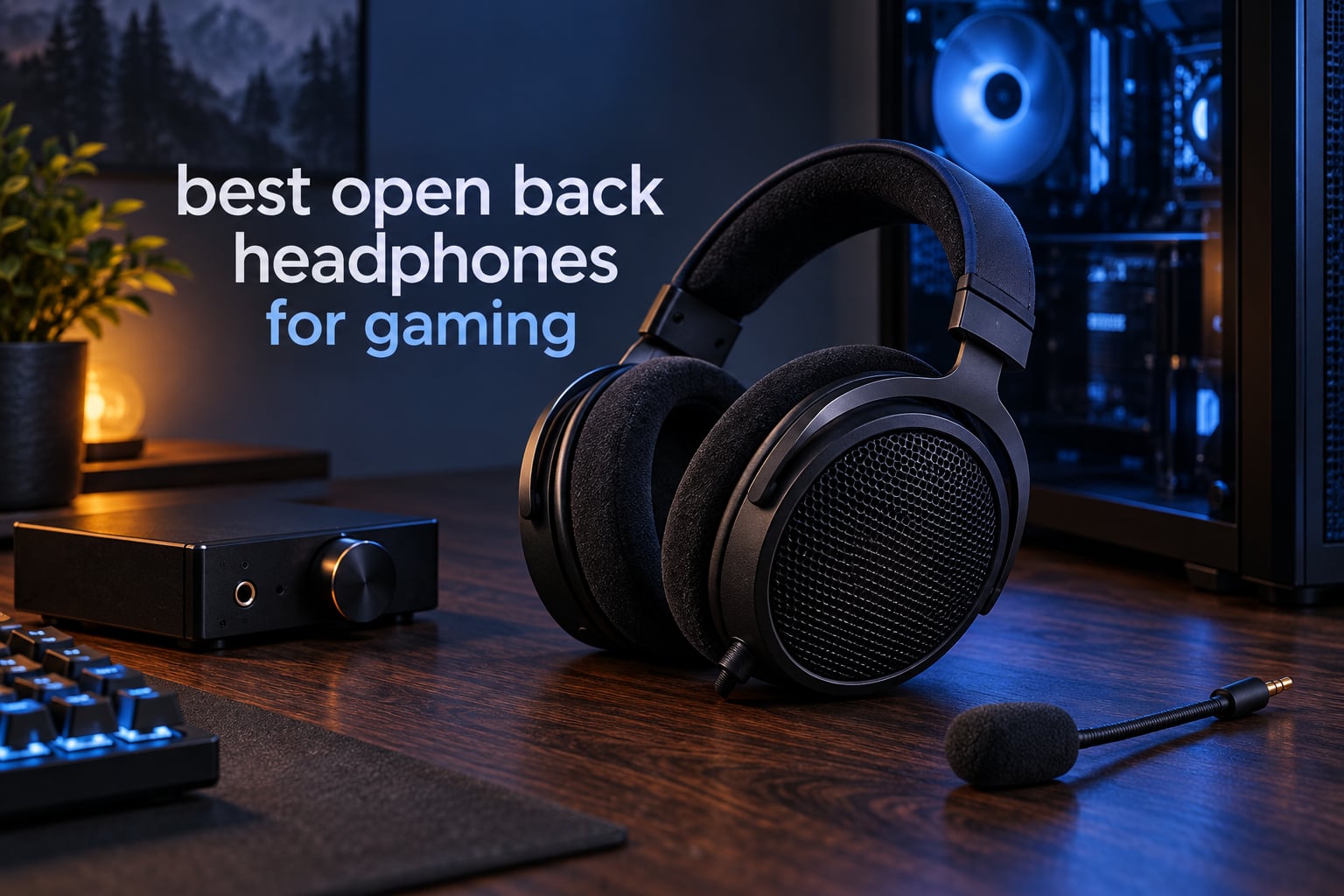
Open-back headphones are the upgrade most competitive shooters quietly make and never talk about. The open grille gives you a wider soundstage, sharper imaging and cleaner separation between overlapping effects, which is exactly the trio of qualities that decides whether you hear a footstep behind you or to your left. The cost is total honesty about the trade-off: these leak sound in both directions, isolate nothing, and eight of the ten pairs below ship without a microphone.
That trade-off is why so many roundups get this topic wrong. They list beautiful studio headphones that leak a rock concert into your living room and then wonder why you returned them. Our shortlist covers the whole ladder, from a budget open-back you can drive straight from a laptop to a reference flagship that needs an amplifier, plus two open-back gaming headsets for players who refuse to buy a separate mic.
We spent several weeks swapping these pairs across shooters, open-world games and long music sessions, and cross-checked every claim against owner reviews. The full method sits below the comparison table. Prices change constantly, so use the check buttons to see current pricing rather than trusting any number in a listicle, including this one.
Table of Contents
Top 3 Picks for Best Open Back Headphones for Gaming in 2026

Quick Overview of the Best Open Back Headphones for Gaming in October
| Product | Specs | Action |
|---|---|---|
| beyerdynamic DT 990 Pro (250 Ohm) |
|
Check Latest Price |
 Sennheiser HD 650 Sennheiser HD 650 |
|
Check Latest Price |
 Sennheiser HD 599 Sennheiser HD 599 |
|
Check Latest Price |
 beyerdynamic DT 900 PRO X beyerdynamic DT 900 PRO X |
|
Check Latest Price |
 Audio-Technica ATH-R50x Audio-Technica ATH-R50x |
|
Check Latest Price |
 Sennheiser HD 490 PRO Sennheiser HD 490 PRO |
|
Check Latest Price |
 AKG K702 AKG K702 |
|
Check Latest Price |
 EPOS H6Pro EPOS H6Pro |
|
Check Latest Price |
 Audio-Technica ATH-GDL3BK Audio-Technica ATH-GDL3BK |
|
Check Latest Price |
 Philips SHP9600 Philips SHP9600 |
|
Check Latest Price |
1. beyerdynamic DT 990 Pro (250 Ohm) – Best Overall for Positional Gaming
beyerdynamic DT 990 Pro (250 Ohm), Open-Back Studio Headphones, Black
250 ohm
96 dB sensitivity
5 Hz to 35,000 Hz
8.8 oz
Fixed 3 m coiled cable
Pros
- Widest
- most open soundstage in the group
- Deep fast tight bass for an open design
- Velour pads stay comfortable for hours
- Detail retrieval reveals separate layers
Cons
- 250 ohm needs an amp for full volume
- Treble is deliberately analytical and can tire some ears
- No microphone
- Fixed cable is not user-replaceable
This is the pair I kept reaching for. The DT 990 Pro builds a stage that extends well beyond the sides of your head, and critically, the vertical information survives. When a reload happens above and behind you, the cue stays put rather than sliding into the horizontal plane, which is exactly the failure mode that gets players killed in shooters.
Owner reviews describe the bass as deep, fast and unusually tight for an open-back. That matters in games. Gunfire lands with a punch instead of a smear, and you keep the transient detail that tells you the difference between a step and a slide.
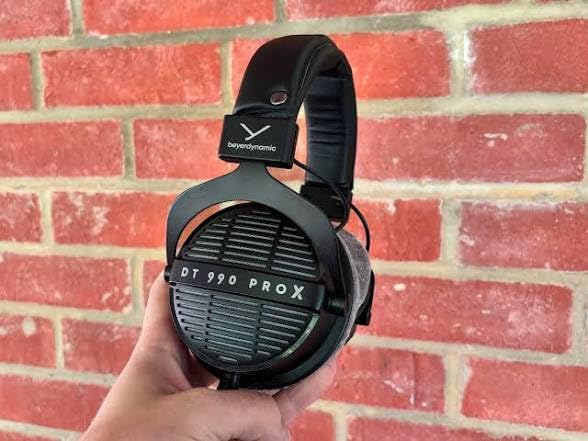
The technical picture matches the impression. At 250 ohm and 96 dB sensitivity, these want a real source. Plugged into a laptop jack, the sound is audible but thin, and owners migrating from a gaming headset repeatedly report exactly that. A compact headphone amp or a desktop interface fixes it, and the soundstage opens up noticeably once you have the current.
Two decades of reviews converge on the same verdict, and with 20,000+ reviews at a 4.6 average there is very little unusual left to discover. The velour pads and light 190 to 250 g weight are frequently praised for long sessions.
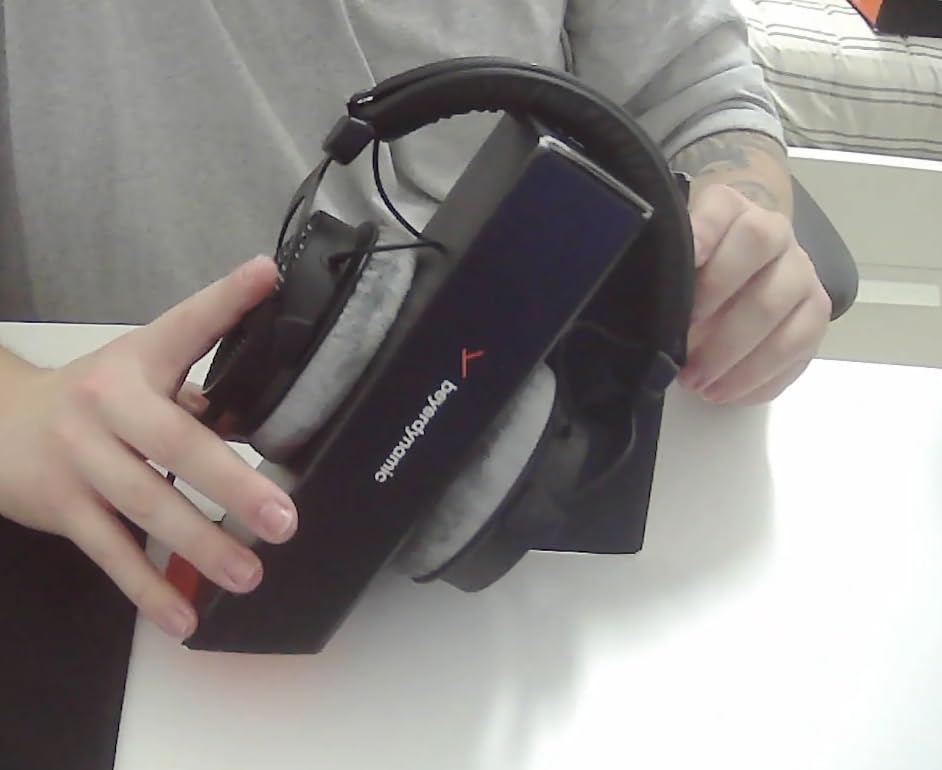
What the DT 990 Pro does well in a match
Footsteps and directional gunfire separate cleanly because nothing is masking them. The image sits outside your ears rather than inside your skull, so lateral and rear cues are easier to tell apart than on most closed designs. In single-player open worlds the same width makes a city street feel like a street rather than a corridor.
Where it frustrates people
The treble is intentionally revealing, and treble-sensitive listeners describe it as bright or fatiguing over a long evening. A gentle EQ cut around 6 to 8 kHz fixes most of it. Add the fixed cable, the missing mic and the amplifier requirement, and this is a two-part purchase rather than a one-part one.
2. Sennheiser HD 650 – Best Value Neutral Reference
Sennheiser HD 650 – Audiophile Hi-Res Open Back Dynamic Headphone
42 mm dynamic drivers
103 dB sensitivity
10 Hz to 41,000 Hz
9.12 oz
2 year warranty
Pros
- Reference-neutral tone that suits both games and music
- Very low distortion at normal listening levels
- Replaceable ear pads and light body
- Hand-matched driver elements
Cons
- Sub-bass rolls off
- so explosions lack weight
- 300 ohm needs an amplifier
- No microphone
- Fixed cable limits repair options
The HD 650 is the pair I recommend to people who will use one headphone for gaming and for listening. Its neutral presentation does not colour footsteps, which means what you hear in a shooter is what the mix engineer put there. Nothing is flattered, nothing is buried.
Distortion is the quiet strength here. The acoustic silk damping holds total harmonic distortion to about 0.05 percent, and at 103 dB sensitivity this is an efficient headphone. The result is clean output at the volumes competitive play actually demands, without the strain that makes bright models tiring.
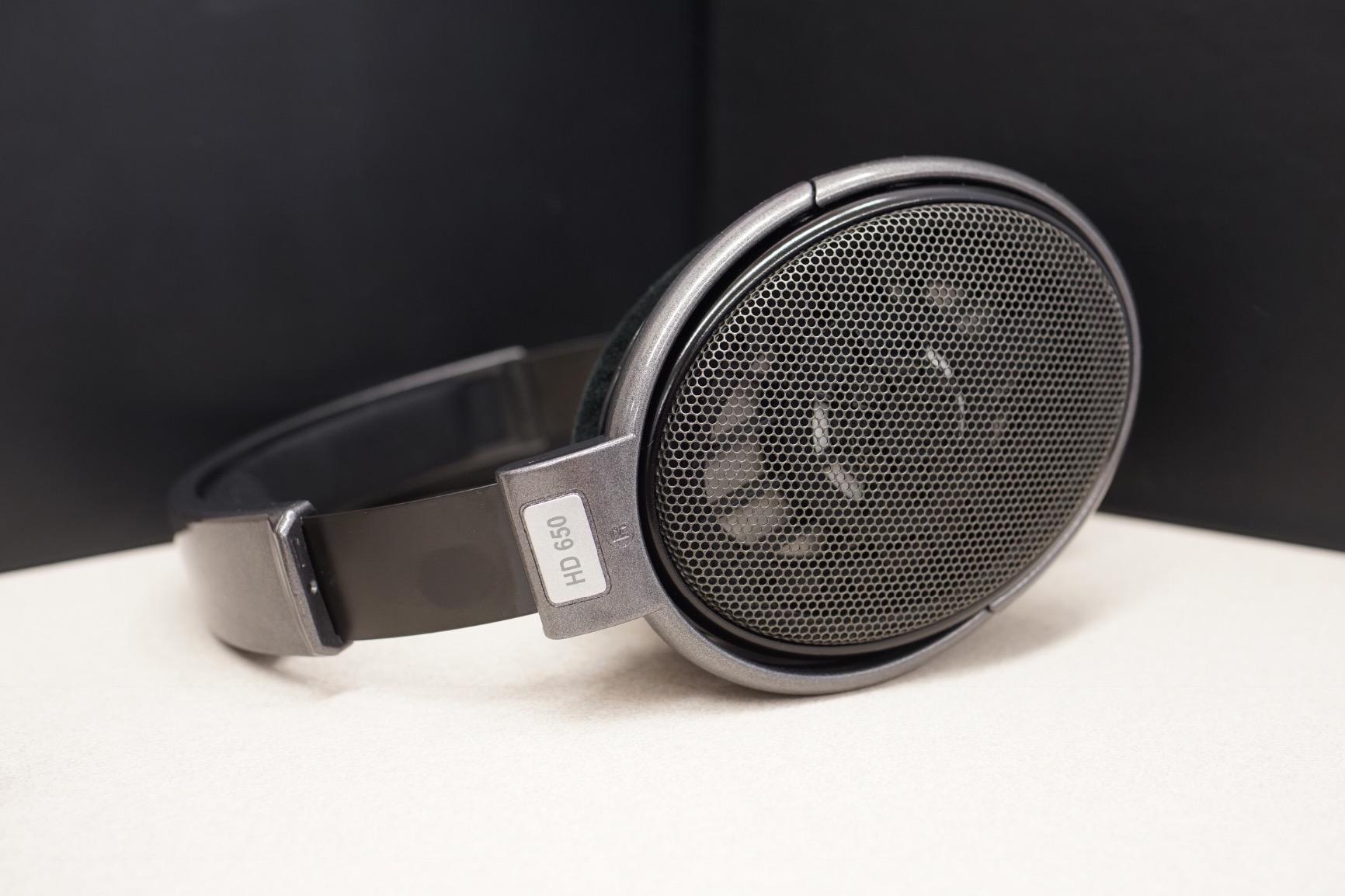
The catch is the low end. Owners consistently report that sub-bass rolls off compared with the DT 990 Pro, and that explosions and gunfire land without real weight. If you play shooters where the bass cue matters, that is worth knowing. Pair it with a small bass shelf and most of the gap closes.
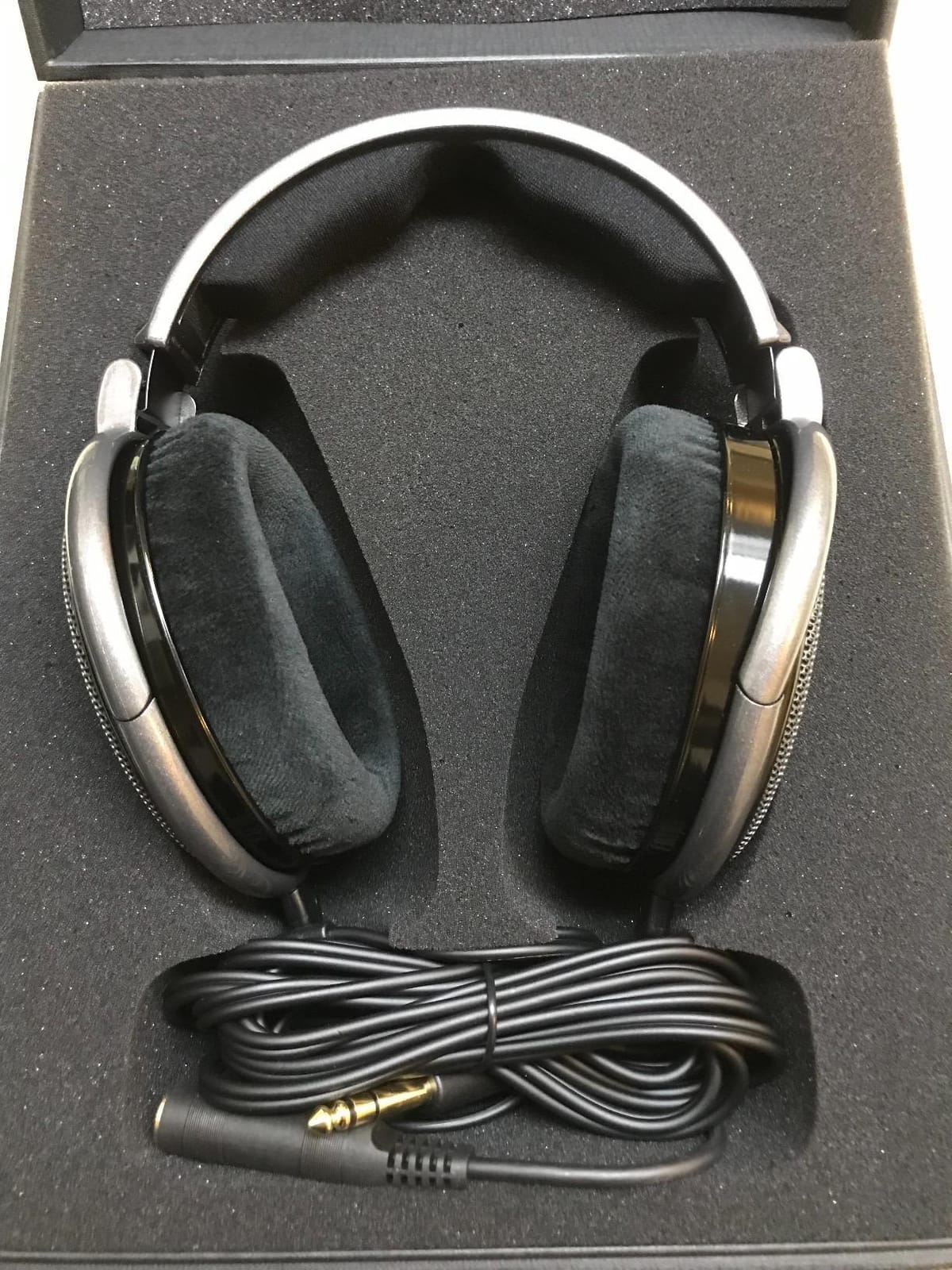
At 300 ohm it is an amp-dependent headphone, and that is the single most common confusion new owners post about. The fixed three-metre cable with a 3.5 mm plug and quarter-inch adapter is fine for a desk, but it cannot be swapped without opening the cup.
Why it suits mixed use
Because it is neutral, the HD 650 is equally at home in an open-world RPG, a strategy game and an evening of music. A 9.12 ounce body and replaceable pads mean a single pair can carry both roles for years. If you also mix or master, this is a legitimate studio tool as well.
When to look elsewhere
Skip it if you play late at night in a shared flat, since the open design shares the room with everyone. Skip it if bass weight is your primary cue. And skip it if you want a mic, because there is no detachable boom and no inline control on the cable.
3. Sennheiser HD 599 – Best Warm Pick for Single-Player
Sennheiser HD 599 Open-Back Wired Audiophile Headphones, Ivory
50 ohm impedance
12 Hz to 38,500 Hz
Velour pads
Two detachable cables, 3 m and 1.2 m
Pros
- Wide stage with clear separation and positioning
- Warm full bass that most open-backs lack
- Easy to drive from a laptop or console
- Both long and short cables included
Cons
- Large and heavy with a big pad footprint
- Leaks sound in both directions
- No microphone
- Warmer tuning is less critical for analysis
Coming from a bass-boosted gaming headset, the HD 599 is the gentlest landing in this roundup. It keeps a genuinely wide stage with good separation, but it adds a warm, full low end that makes engines, rain and explosions feel substantial rather than thin.
The practical advantage is impedance. At 50 ohm it reaches a comfortable level from a laptop, a phone or a console without any extra hardware, and two detachable cables ship in the box: a three-metre run with a quarter-inch plug for the desk and a 1.2 metre cable with a 3.5 mm plug for the couch.
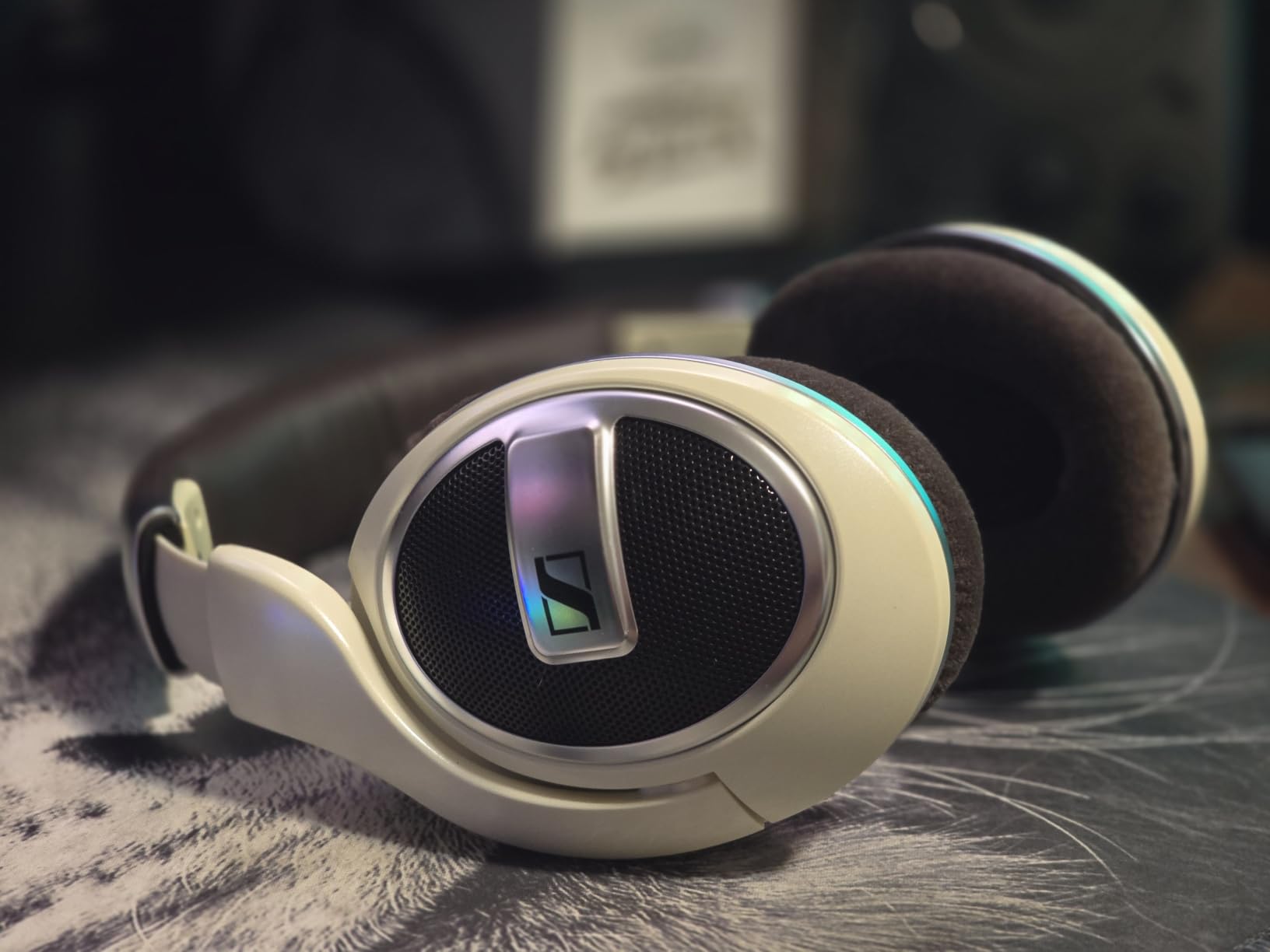
Across 6,133 reviews at a 4.6 average, owners keep pointing at the same two things: the spacious presentation and the velour comfort. The equally common complaints are size and leakage. This is a large headphone with a big pad footprint, and it is not subtle in a room.
It also has no microphone, so team chat needs separate hardware. That is a fair trade for a player who soloes single-player titles and occasionally wants the same pair for music.
Where the warmth helps
Long story-driven sessions and open-world exploration. The warm tuning removes the thin, fatiguing quality that many open-backs have, so a three-hour session does not demand EQ correction partway through. Detail is still high enough to place footsteps accurately when you need it.
Where it is the wrong call
Esports and ranked shooters, where a flatter response and lighter clamp help during long blocks. It is also a poor companion for shared offices, because leakage is a two-way street. If you need a mic out of the box, this is not the one.
4. beyerdynamic DT 900 PRO X – Best Pick That Skips the Amplifier
beyerdynamic DT 900 PRO X Studio Mixing Open Back Headphones
48 ohm
100 dB sensitivity
STELLAR.45 45 mm driver
12.2 oz
Detachable mini-XLR
Pros
- 48 ohm reaches full volume from any source
- Low distortion at any listening level
- Detachable mini-XLR cable makes routing easy
- Wide natural imaging
Cons
- Bass is more restrained than the DT 990 Pro
- Bright analytical tuning is not forgiving
- No microphone
- Adapter and cable must travel with you
The DT 900 PRO X is the modern answer to the impedance problem. At 48 ohm and 100 dB sensitivity it hits a comfortable level straight from a laptop, a console or a phone, which removes the single biggest reason people abandon a 250 ohm studio headphone for gaming.
Sound-wise it is the same family as the DT 990 Pro: wide stage, clean placement, a velour pad and a plastic-and-spring-steel frame that stays light. The STELLAR.45 driver holds resolution and low distortion at any level, so the picture does not collapse when you turn it up for a firefight.
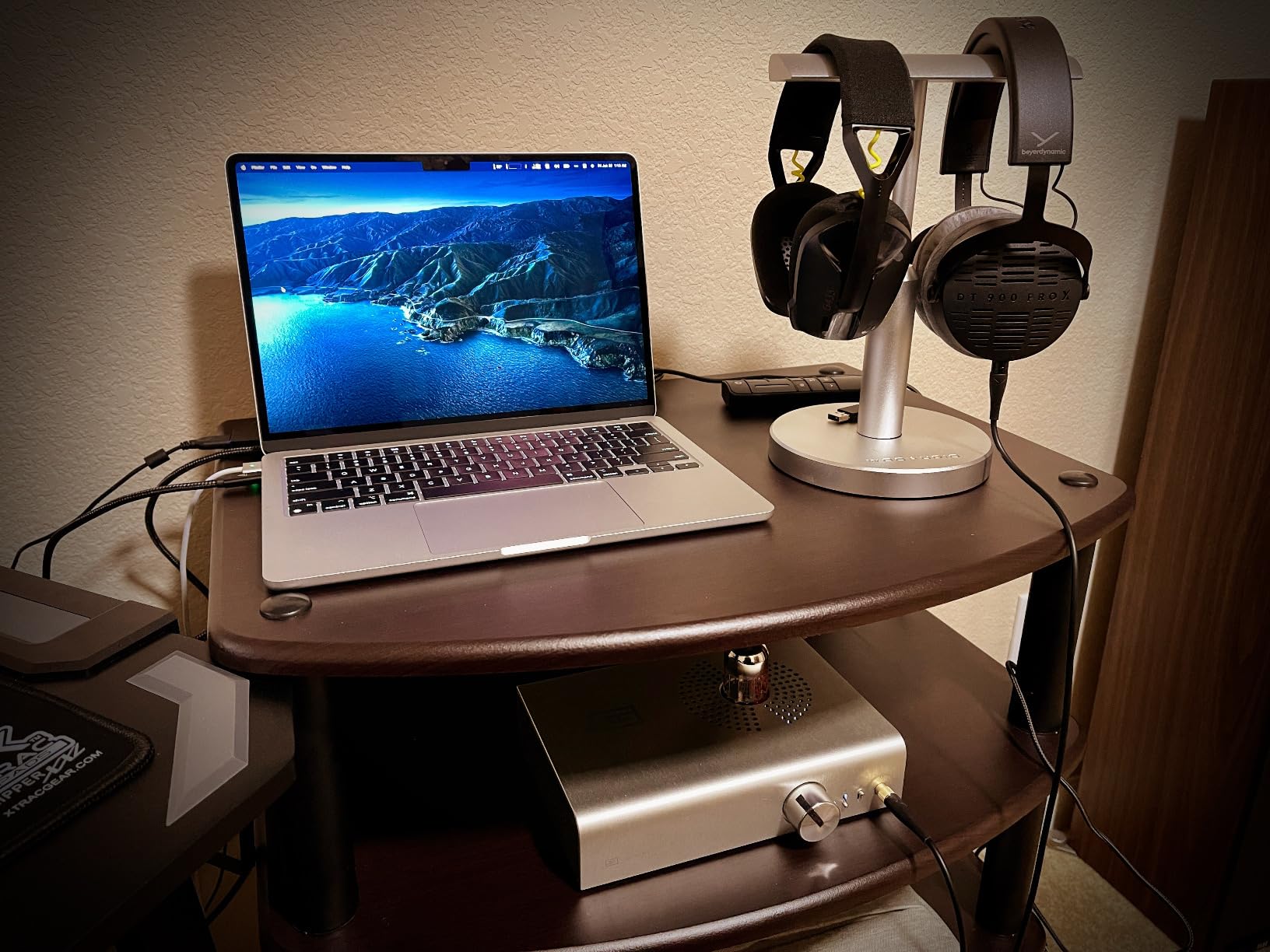
Owners rate it 4.5 across 1,581 reviews and highlight the same trio: imaging, low distortion and detachability. The detachable mini-XLR cable is a genuine step up from a fixed lead because you can replace it, route it around a monitor arm or swap ends without touching the cup.
The trade-offs are clear. The low end is more restrained than the DT 990 Pro, which some read as less exciting, and the tuning is bright and analytical rather than warm. A protective case and a quarter-inch adapter are included.
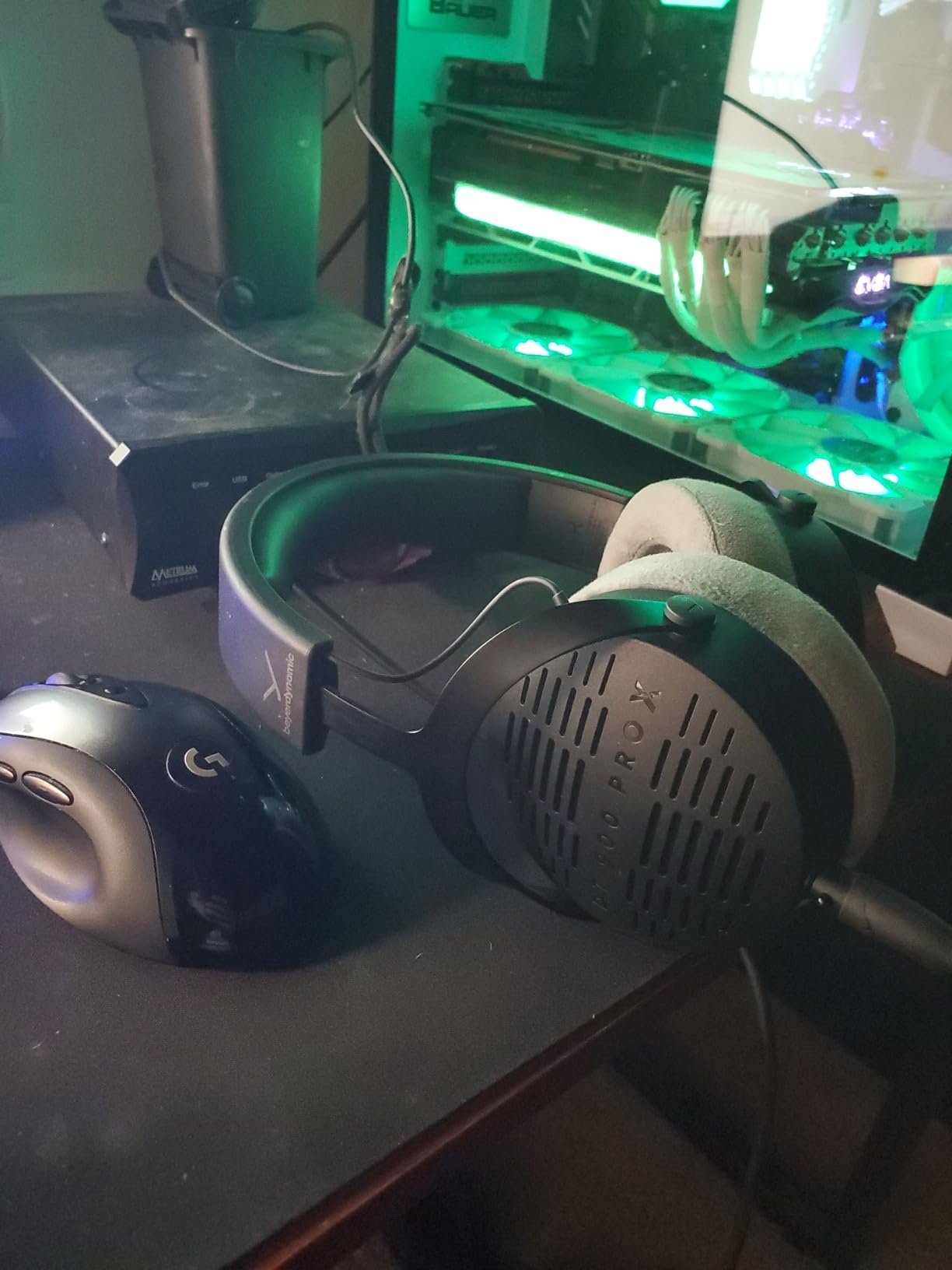
Best for a simple one-box setup
If you play on a console or a laptop and refuse to buy an amplifier, this is the pair. It removes a component from the chain and a decision from the shopping list. It also suits students and shared desks where a compact amp is not practical.
What you give up
Bass weight and a warmer presentation. There is no microphone, and the supplied cable plus adapter are small items that go missing in a bag. For pure competitive edge over the DT 990 Pro, this is a step sideways, not up.
5. Audio-Technica ATH-R50x – Best Lightweight Reference Pick
Audio-Technica ATH-R50X Open-Back Headphones
207 g
50 ohm
93.3 dB sensitivity
20 Hz to 20,000 Hz
Two detachable cables
Pros
- Exceptionally light so you forget it is on
- Very quick transient response from full airflow
- Swivelling cups spread pressure on larger heads
- Takes EQ well without an amp
Cons
- Bass is light and sub-bass rolls off
- Slightly lifted upper mids can sound sparkly
- Proprietary 2.5 mm twist-lock cables
- No microphone
At 207 grams this is one of the lightest open-backs in the group, and after a few hours the difference is obvious. There is no pressure build-up on the sides of the head, which is the usual reason players downgrade a great-sounding pair after a month.
The fully open airflow design eliminates internal resonance, and the result is a very quick transient response. For footsteps and short percussive cues, that speed is genuinely useful. The soundstage is wide and realistic rather than artificially inflated, and the earcups swivel to spread pressure evenly, which helps larger heads and glasses wearers.
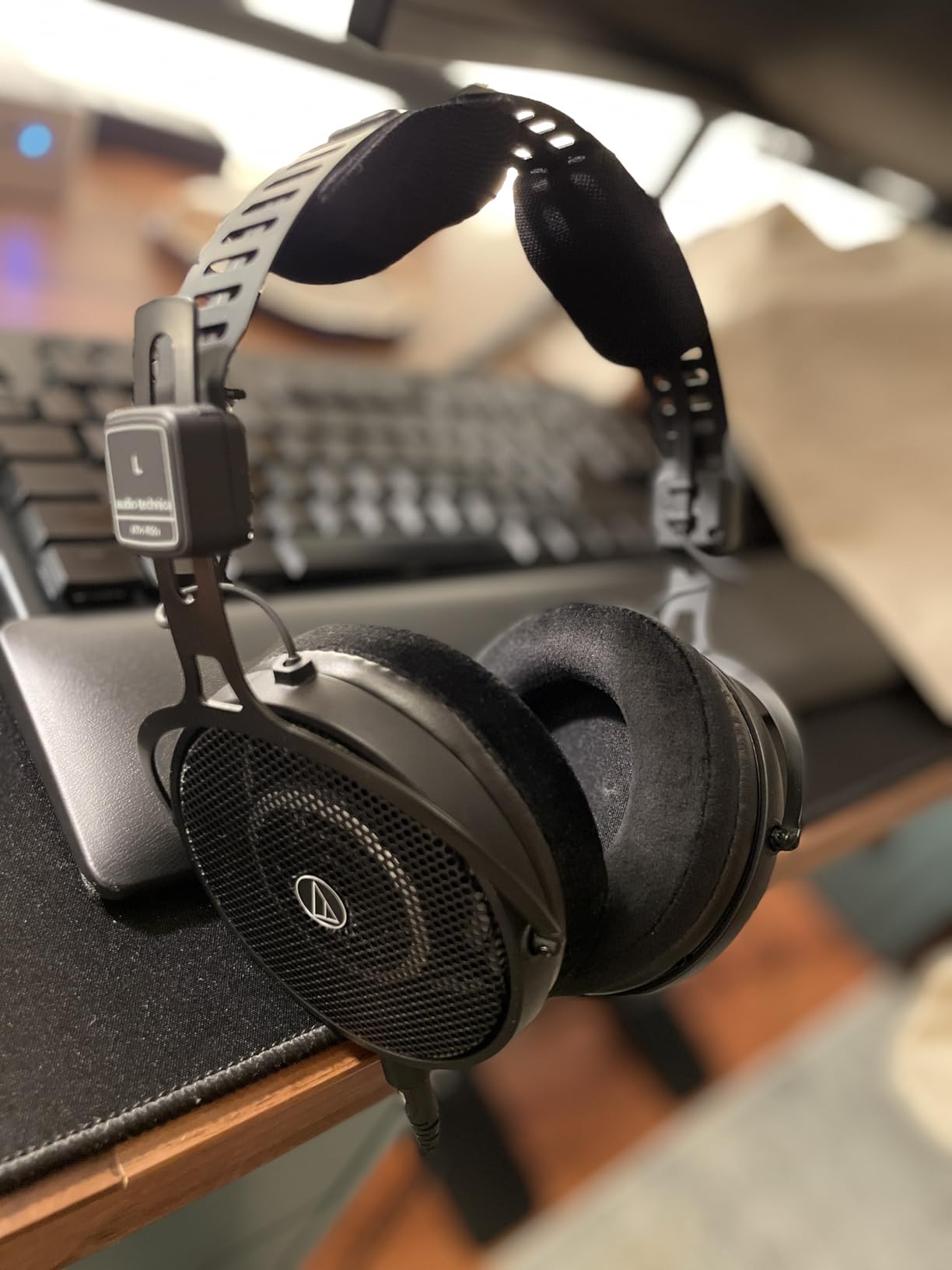
Owner reviews call it a value step into the professional reference open-back range, and 80 percent of 429 reviews are five-star. The complaint that dominates is the low end: light, with sub-bass rolling off, which some find flat for gunfire and explosions. A small amount of low-shelf EQ addresses it well.
Two detachable cables ship, at 3.0 and 1.2 metres, using 2.5 mm twist-lock connectors, plus a quarter-inch adapter and a pouch. The twist-lock is both a strength and a snag: secure and reliable, but it limits third-party cable options.
Comfort is the deciding factor here
If you wear glasses, have a larger head, or simply play four-hour blocks, weight matters more than any tuning difference between two neutral headphones. At 207 g this is the pair we would hand to someone with a pressure-headache history.
It also needs no DAC or amp at 50 ohm, which makes the whole package simple. A two-year warranty is included.
Where it falls short
The tuning is deliberately clinical, with a slightly lifted upper midrange that can make cymbals and bright effects sparkle. Some users also report earcup pressure from the swivel spring. And there is no microphone, so chat still needs separate hardware.
6. Sennheiser HD 490 PRO – Best for Precise Localisation
HD 490 PRO Open-Back Professional Headphone
130 ohm
105 dB sensitivity
5 Hz to 36 kHz
200 g
Two ear pad sets included
Pros
- Reviewers describe ultra-precise localisation
- Uncoloured response with genuinely defined bass
- Two washable pad sets reduce ear fatigue
- Dual-sided cable jacks fit any setup
Cons
- 130 ohm requires a real headphone amp
- Highest price in this roundup
- No microphone
- Open design leaks and isolates nothing
The HD 490 PRO is the one to beat on pinpointing a specific sound source. Reviewers repeatedly single out localisation quality, and the open-frame architecture is built to cut resonance and distortion so the image stays put under load.
Where most open-backs roll off, this one has a low-frequency cylinder system giving a defined low end across a 5 Hz to 36 kHz range. Gunfire and explosions have body without the mid-bass bulge that smears footstep cues, which is the balance competitive players want.
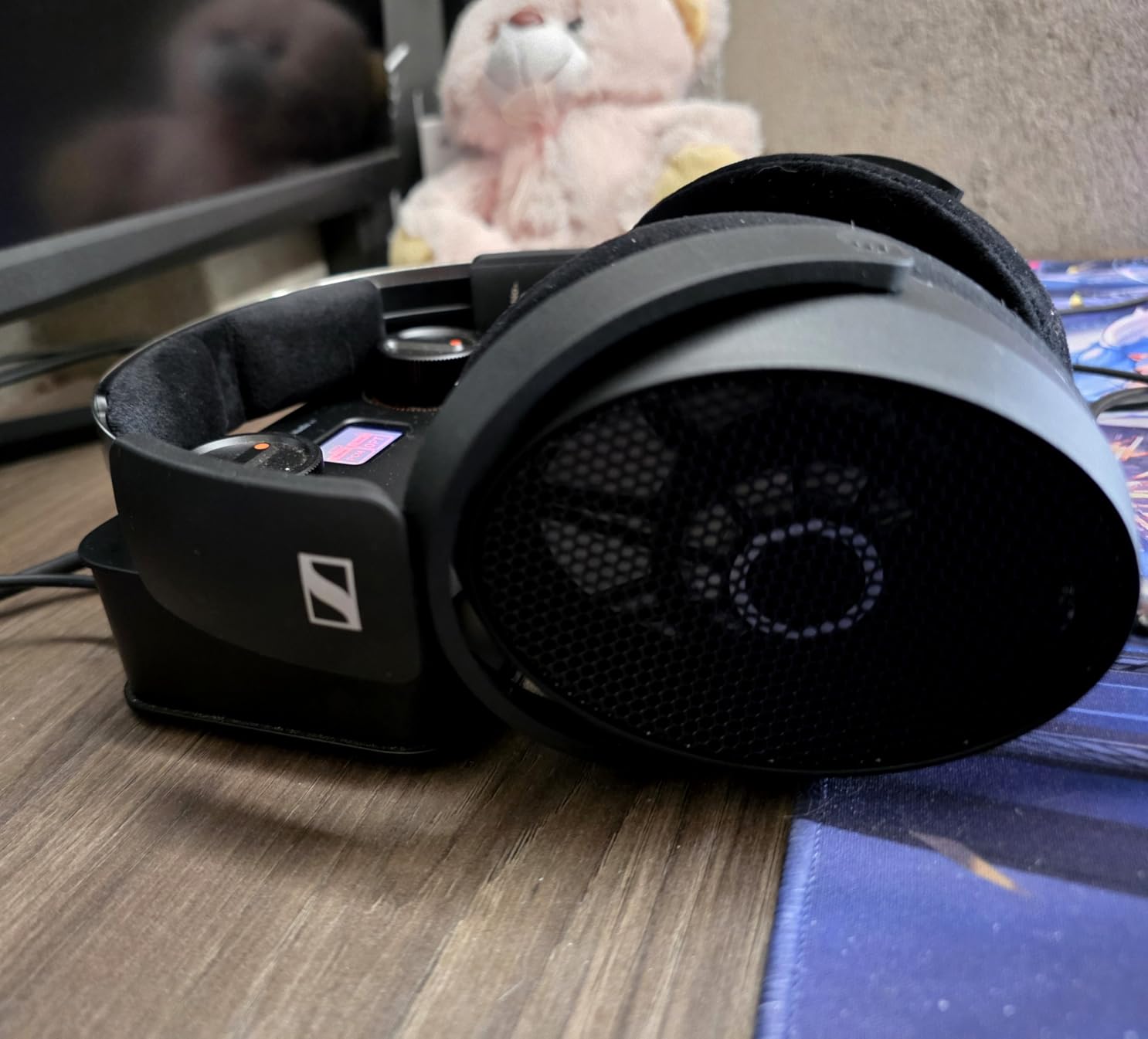
Comfort is a strength at 200 g, and the two included pad sets, one for producing and one for mixing, are washable and replaceable. Swapping them is a legitimate anti-fatigue tool, since softer pads reduce the pressure build-up on long sessions.
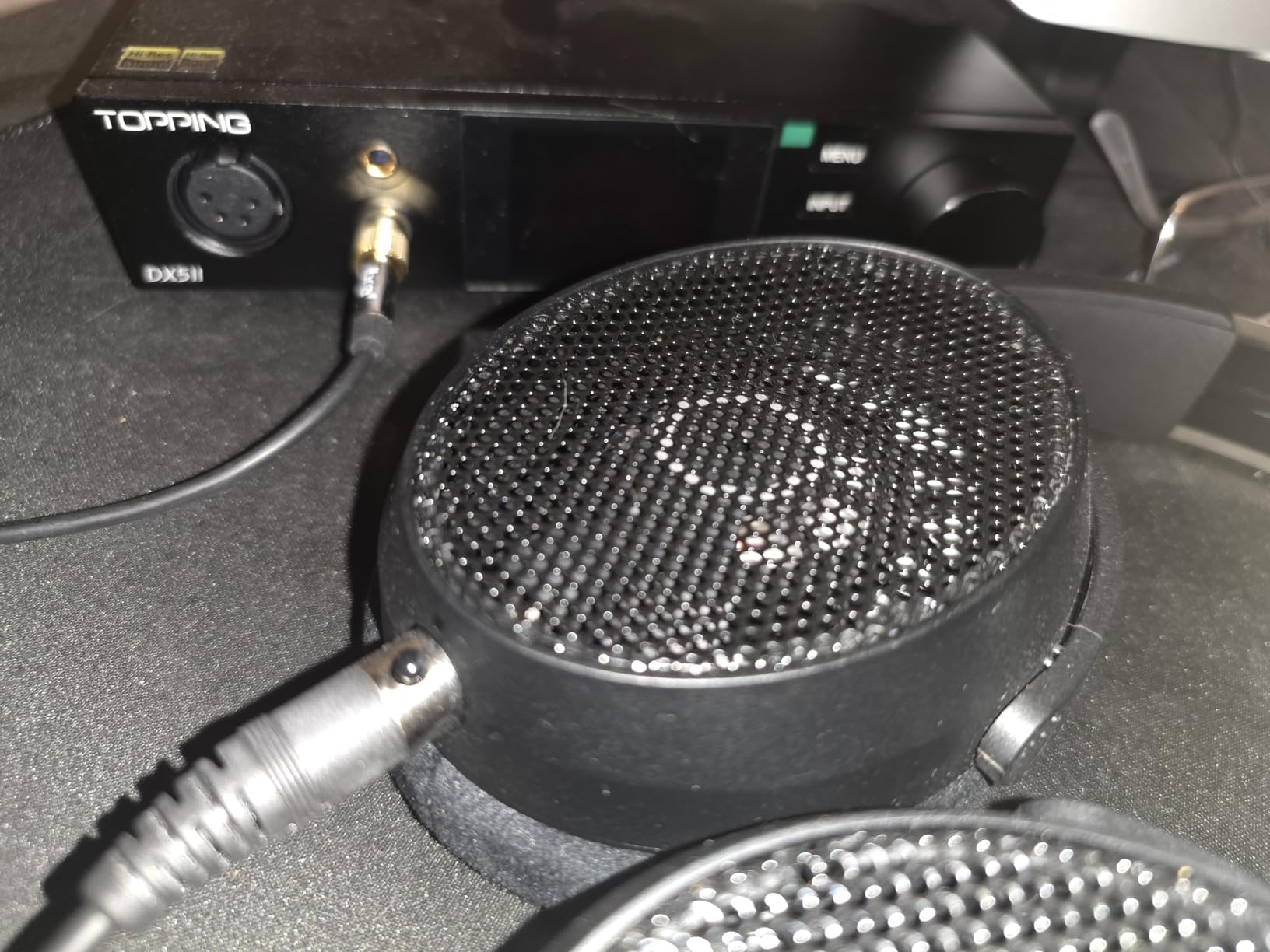
Right and left ear jacks accept the detachable 1.8 m cable on either side, and a patented coil structure blocks cable-borne noise. That matters more than it sounds when a loose USB lead is your only connection.
For players chasing the exact position
If your priority is a stable, unambiguous left-right-and-behind image rather than raw stage width, this is the strongest option here. The uncoloured response means you are not second-guessing a tonal signature while trying to read a position.
It is also a genuine mixed-use headphone. The same pair handles mixing, mastering and gaming without a change of reference.
The amplifier reality
At 130 ohm and 105 dB this needs a proper headphone amp for comfortable volume, and owners confirm it. It is also the most expensive pair in this group, and it ships with no microphone. Budget for both the amp and the mic before buying, not after.
7. AKG K702 – Best for the Widest Soundstage
AKG Pro Audio 2458X00190 (K702) Over-Ear, Open-Back, Flat-Wire, Reference Studio Headphones,Black
62 ohm
Varimotion two-layer diaphragm
Detachable 3 m cable
3D foam ear pads
Pros
- Very open airy presentation with a large stage
- AKG's spacious character suits directional audio
- Detachable cable allows replacement
- 62 ohm is easy to drive
Cons
- Bass is shallower than the DT 990 Pro or HD 650
- Heaviest build here at 1.8 pounds
- Highs can sound slightly peaky
- No microphone
The K702 is the most dramatic stage in this roundup. On r/HeadphoneAdvice the AKG family is repeatedly named as a default open-back recommendation for gaming, and the K702 is where that reputation comes from: an airy, wide presentation where effects sit clearly apart from one another.
The patented Varimotion two-layer diaphragm and the flat-wire voice coil deliver higher sensitivity, better impulse response and an extended top end. A shaped 3D-foam pad seals reasonably well for an open-back, which helps with the low end that this design otherwise lacks.
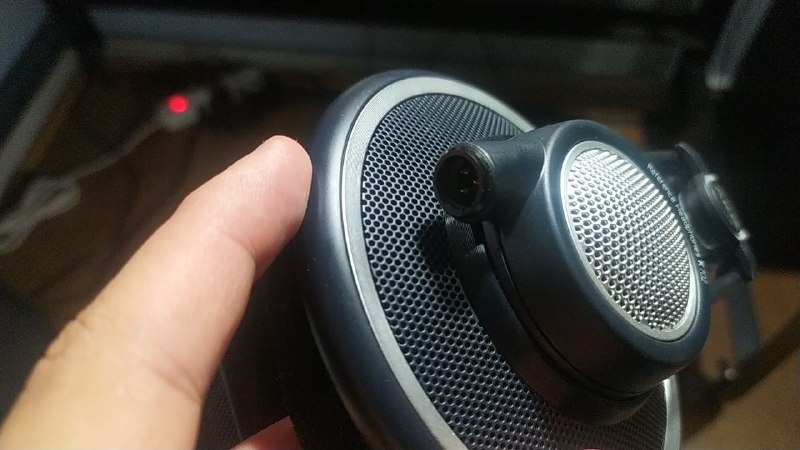
At 62 ohm it is easy to drive from most sources, and the detachable three-metre cable is a real advantage over fixed-lead designs. Across 4,453 reviews at 4.2, owners praise the spaciousness and the detachable cable, then criticise three things in the same breath.
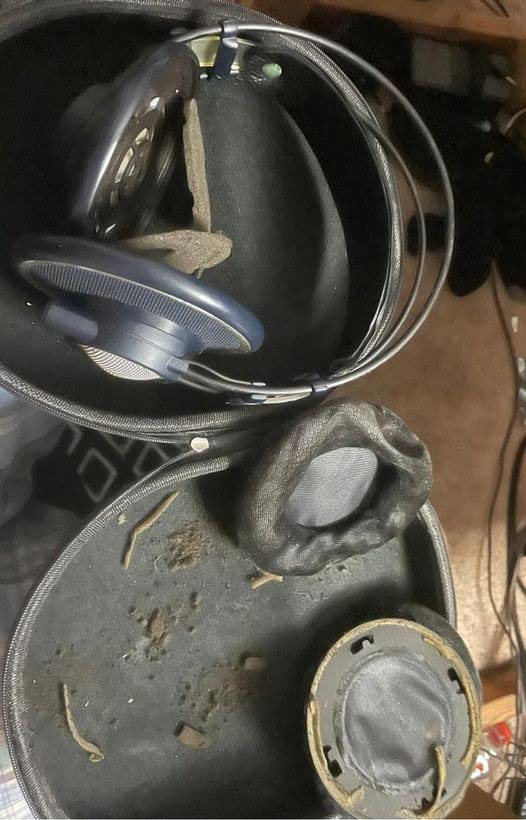
Bass is shallower than the DT 990 Pro or the HD 650. The top end can read as peaky or slightly metallic. And at 1.8 pounds, this is the heaviest headphone in the group, which is the main reason for the comfort complaints.
Where the width pays off
In games with layered ambient audio, exploration titles, and anywhere you want an environment to feel like a space rather than a set of channels. The detachable cable also makes it a good first audiophile open-back if you expect to change pads or leads.
An AKG two-year limited warranty is included.
Where the weight bites
Across marathon sessions, the large AKG housing is the main complaint. If you are sensitive to clamp force, the lighter picks in this list will serve you better. A bright top end also rules it out for treble-sensitive ears unless you EQ it.
8. EPOS H6Pro – Best Open-Back Gaming Headset with a Microphone
EPOS H6Pro Open Acoustic Gaming with Mic – Immersive Sound, Lightweight Comfort, and Durable Design – Works with Xbox, PS4/PS5 & PC/Windows – Green
28 ohm impedance
20 Hz to 20,000 Hz
Detachable magnetic boom mic
309 g
2 year warranty
Pros
- Open sound field without giving up a boom mic
- 28 ohm drives straight from a controller or PC
- You hear your own voice without mic monitoring
- Works across Xbox
- PS5
- Switch
- PC and Mac
Cons
- Leaks sound in and out
- so not for shared rooms
- No active noise cancellation or isolation
- Faux leather pads warm up over long sessions
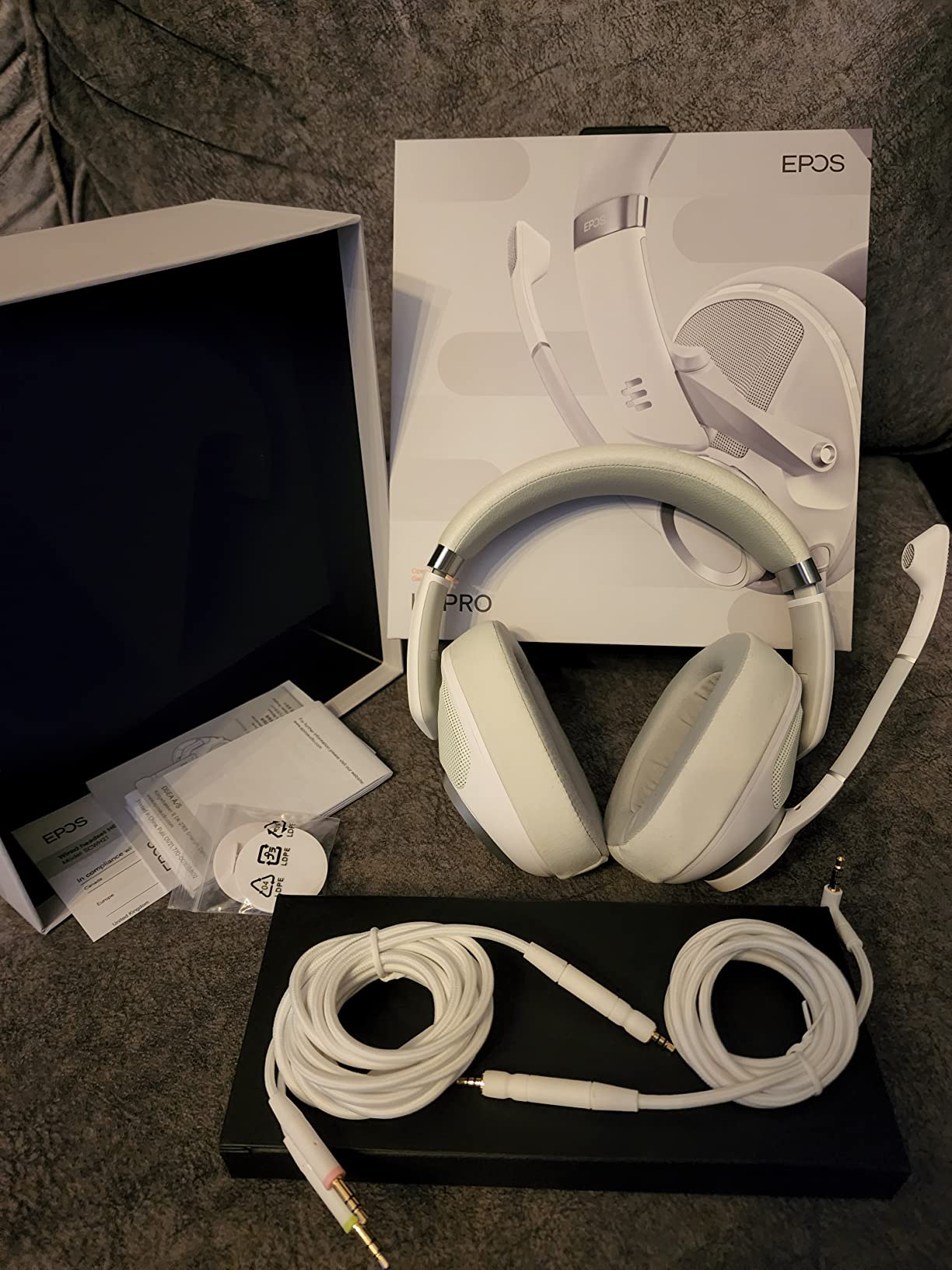
This is the pick for players who want the open sound field without buying a second device. The H6Pro ships with a detachable magnetic boom mic on a slimmed arm, and you pull it off cleanly when you switch to a dedicated streaming microphone.
The 28 ohm impedance is the lowest here, which means it runs happily off a controller, a laptop or a PC port. It is compatible with Xbox Series X, PS5, PS4, Xbox One, Switch, Mac, tablets and PCs from one product, which is unusual in a list full of studio headphones.
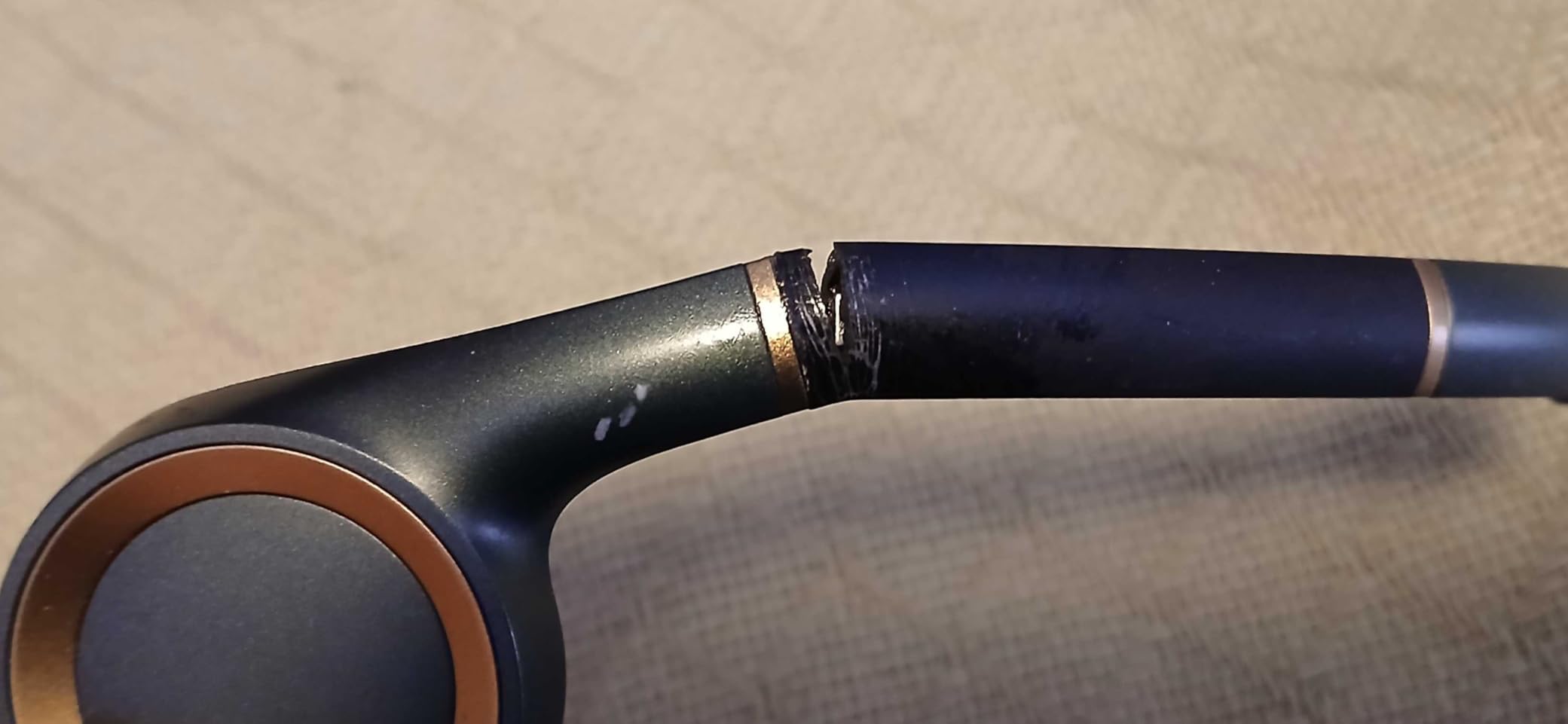
Owners also mention something no other pair here offers: you hear your own voice naturally because the open design lets room sound in, so mic monitoring is not required. That is a genuine comfort feature for players who talk constantly.
Across 1,184 reviews the average lands at 4.3, and the recurring trade-off is the same one this entire article is about: no isolation whatsoever. Faux leather cushions also get warm over very long sessions, which is the usual open-back headset complaint.
Who this suits
Console players, and anyone who needs voice chat on day one without a shopping list. If your setup spans a PC, a PS5 and a Switch, the single-cable simplicity removes a lot of friction. The magnetic detachable boom is a good design and a rare one.
A two-year manufacturer warranty is included.
What you give up
Refinement. The soundstage is open and roomy but less precise than a reference open-back, which shows in a closely contested firefight. It leaks sound in both directions, and the faux leather pads trade breathability for a sealed feel that can heat up.
9. Audio-Technica ATH-GDL3BK – Best Console Headset with a Boom Mic
Audio-Technica ATH-GDL3BK Open-Back Gaming Headset, Black
45 ohm
45 mm dynamic drivers
Detachable directional boom mic
Volume dial and mute on cup
220 g
Pros
- True open-back field makes an approaching opponent easy to place
- 45 mm drivers give high-resolution detail
- Under 220 g for a full headset
- On-cup volume dial and mute switch
Cons
- No isolation
- so the room hears your game
- Modest bass and sub-bass
- Boom mic is not as clear as a dedicated streaming mic
- Wired only
The GDL3 is built the way console players actually want a headset: genuinely open-back acoustics, a detachable boom mic with directional pickup, and volume and mute controls on the earcup so you are not hunting for a control box mid-round.
At 45 ohm and 220 g it is light for a full headset with a mic, and the 45 mm drivers deliver the fine detail that positional cues need. Two cables ship, a 1.2 m four-pole console lead and a 3.0 m PC cable with separate mic and headphone outputs.
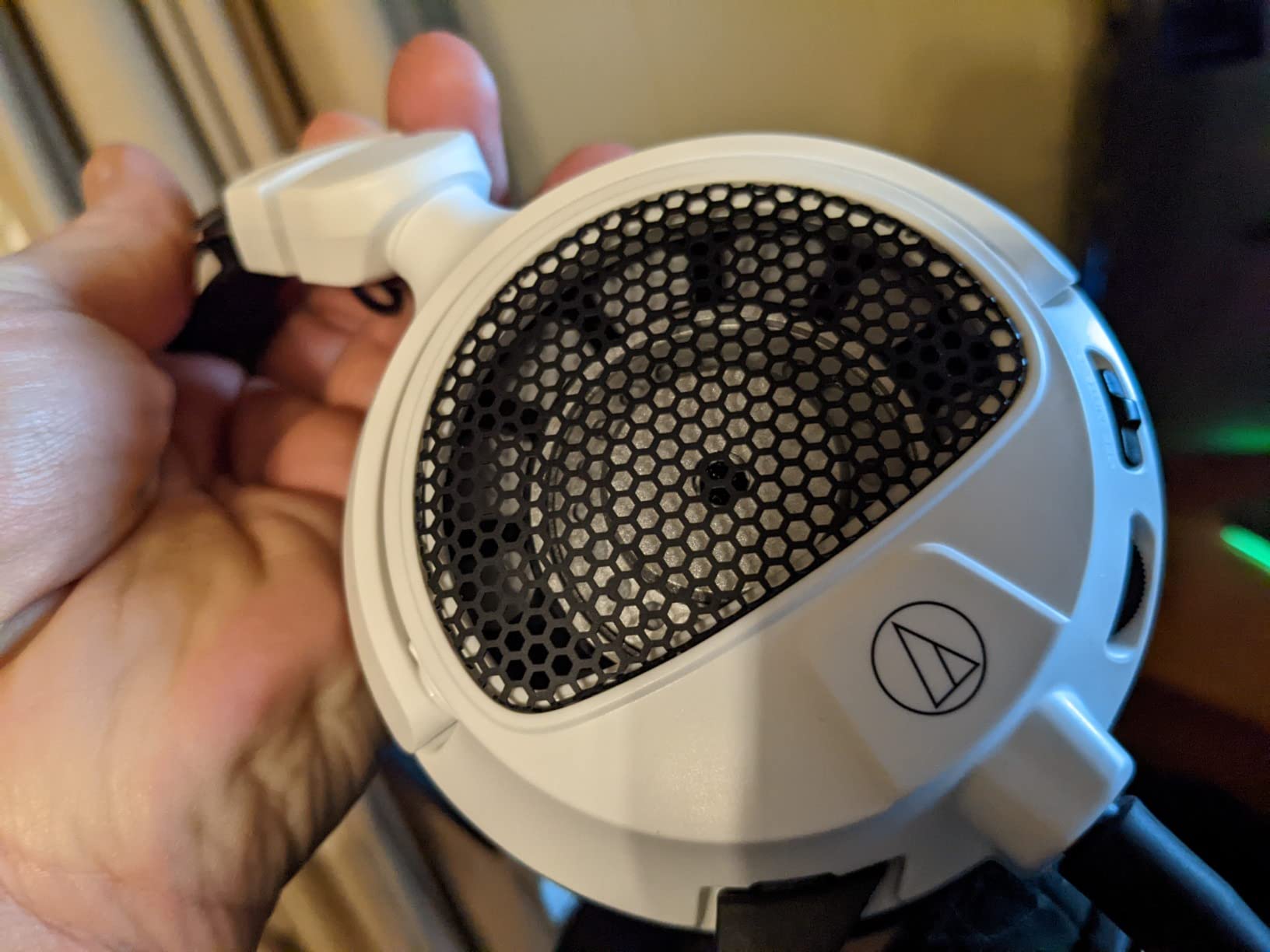
At 4.0 stars across 348 reviews, this is the most polarised pick in the group, with 51 percent five-star and 8 percent one-star. The split is predictable. Players who want positional awareness love the open sound field; the criticisms cluster on isolation, bass and mic clarity.
The volume dial and mute switch on the cup are the feature owners mention most, and they are rare on open-back headsets. A two-year limited warranty applies.
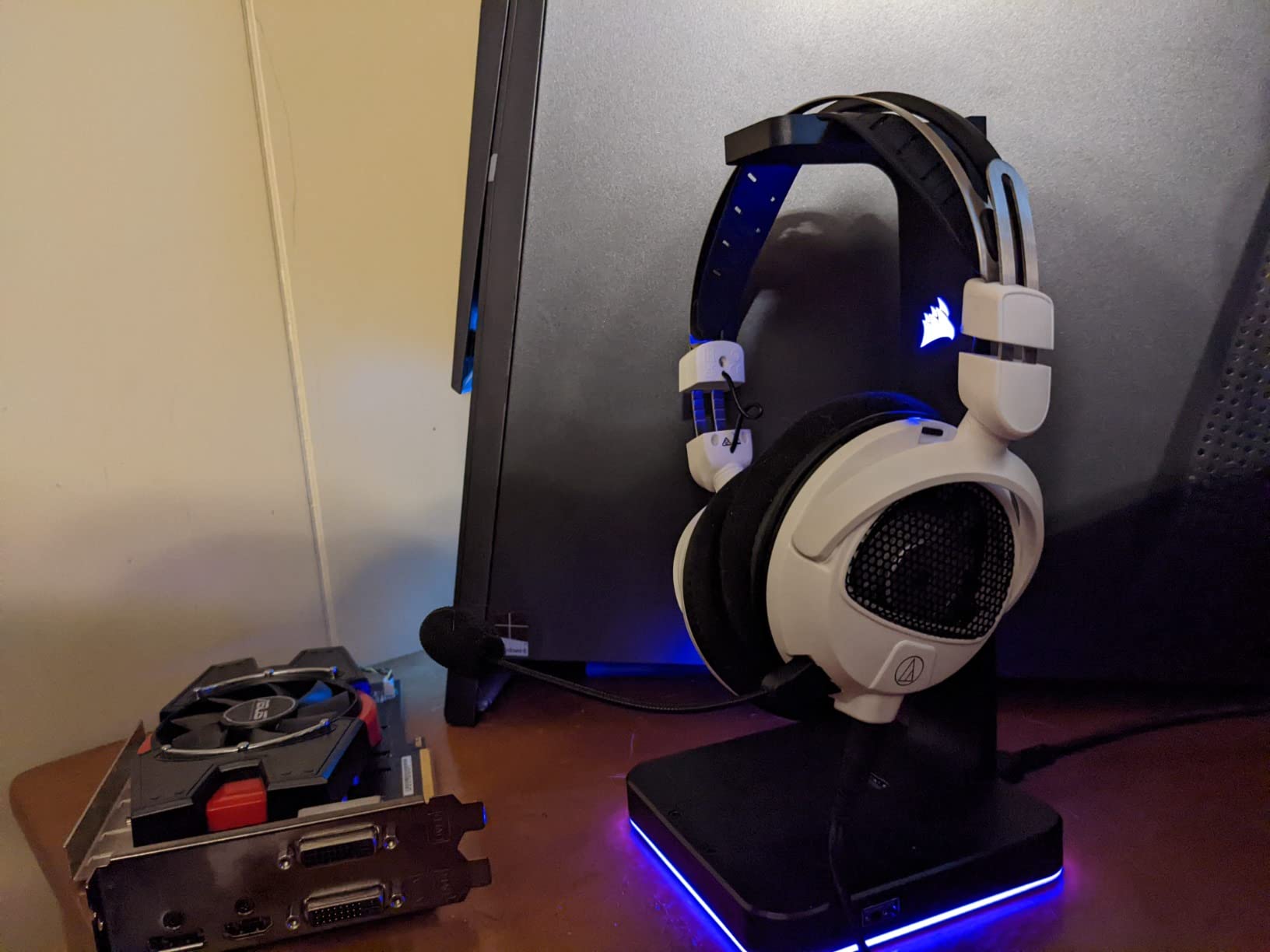
Best for living-room console play
If your sessions happen on a TV at normal volume in a normal room, the open design lets game audio mix naturally with the room rather than fighting it. The single four-pole console cable also removes the PC-versus-console adapter problem entirely.
Where it disappoints
It is wired only, with no wireless or USB options. The boom mic is directional but not as crisp as a dedicated streaming microphone, so treat it for team chat rather than for content. And the bass is less impactful than bassier closed-back headsets.
10. Philips SHP9600 – Budget Pick for First-Time Open-Back Owners
PHILIPS Over Ear Open Back Stereo Headphones Wired with Detachable Audio Jack, Studio Monitor Headphones for Recording Podcast DJ Music Piano Guitar (SHP9600)
32 ohm
101 dB sensitivity
50 mm drivers
11.68 oz
3 m cable with adapter
Pros
- Least expensive way into open-back listening
- 32 ohm works with a laptop TV or phone
- Breathable oval pads and a padded headband
- 3 m cable reaches easily from a desk
Cons
- Bass is less deep than premium open-backs
- Build materials feel basic
- No microphone and no detachable cable
- Lowest rating here at 4.1
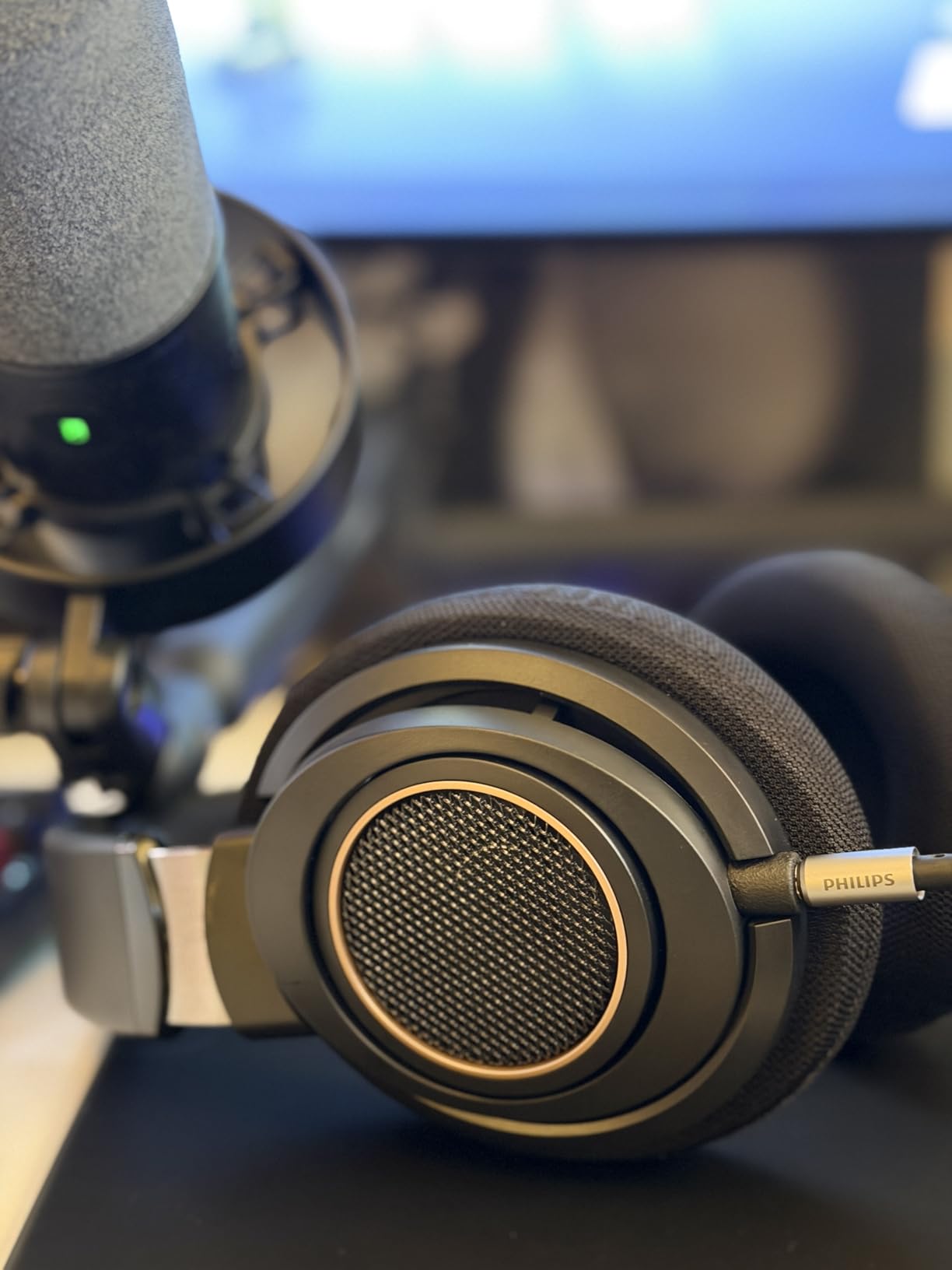
The SHP9600 answers the simplest question: can you hear a real difference between open and closed without spending serious money? Yes, and the 50 mm open-back drivers deliver a stage noticeably wider than budget closed-backs at a weight of 11.68 ounces.
At 32 ohm and 101 dB sensitivity it plugs into a laptop, a TV, a phone or a PC and works. The reinforced padded headband and soft breathable oval cushions hold up for long sessions, which is more than the price would suggest.
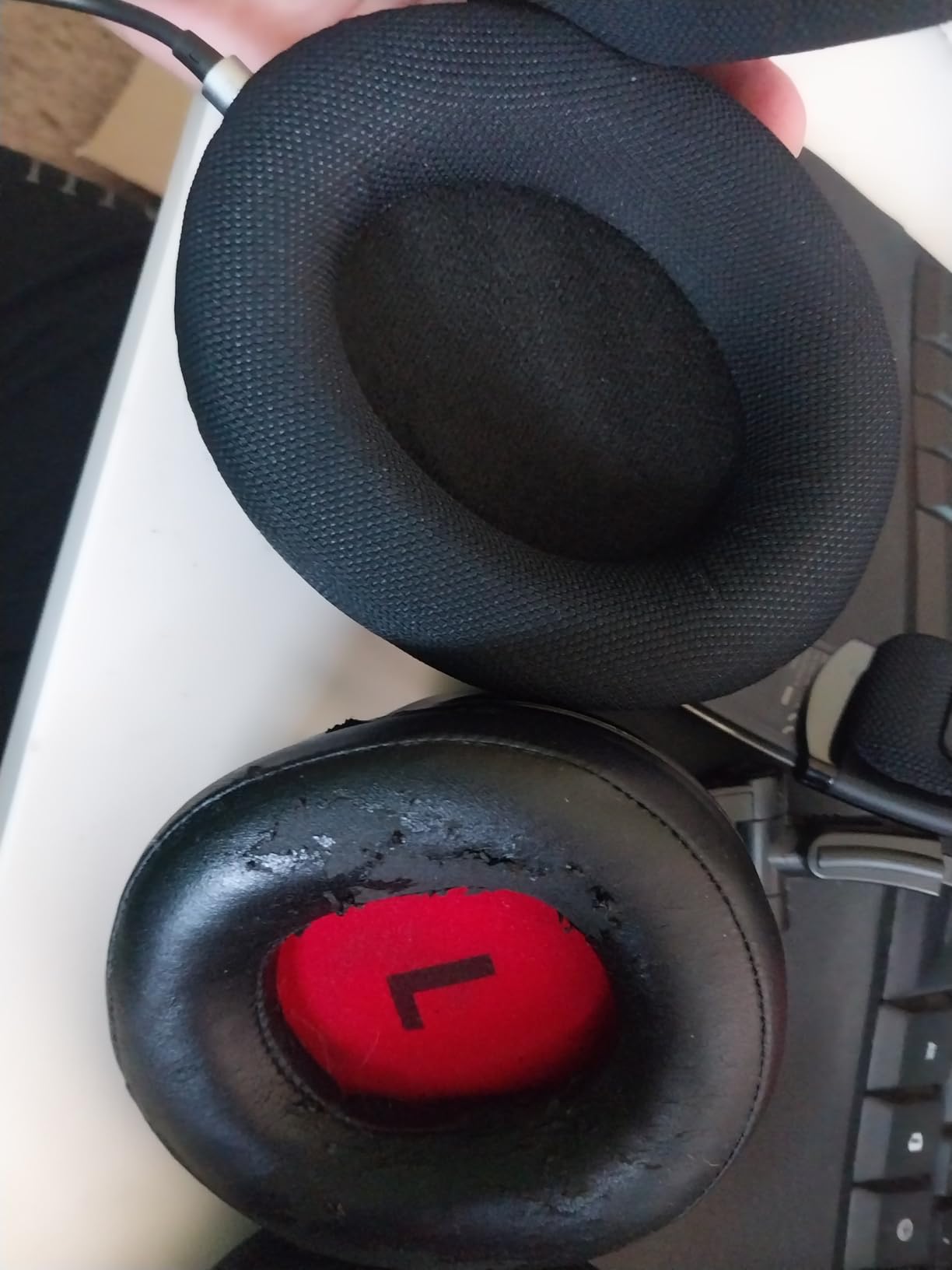
Across 2,470 reviews the average is 4.1, with 63 percent five-star and 12 percent one-star. Owners like the spatial awareness improvement over cheap closed designs and the plug-and-play simplicity. The complaints are consistent: shallow bass, basic materials and no microphone.
It is also the most common beginner’s mistake. There is no detachable cable, so a failed cable means a new headphone, and no mic, so chat needs a separate solution from day one.
Best as a first or a backup pair
This is the pair to buy if you are not yet sure open-back is for you, or if you need something for the TV in a spare room. It is also a reasonable second pair for a player who wants one headphone per ear cup for different games.
A one-year parts and labour warranty is included, and a 3 m cable with a gold-plated 3.5 mm adapter is in the box.
When to step up instead
If the wide stage convinces you, the next step up is an amp-friendly model with a detachable cable and better bass. Do not expect broadcast-quality detail or a microphone here. The Philips is an entry point, and it works as one.
Do Open-Back Gaming Headphones Need a DAC or Amp?
Only if impedance says so. A DAC converts a digital audio signal to analogue, an amp drives the signal with enough current to move the driver, and a single device with both functions, often called a DAC/amp, handles most setups. Match the answer to the impedance on the spec sheet.
Under 32 ohm: no extra hardware. The EPOS H6Pro at 28 ohm, the Philips SHP9600 at 32 ohm and anything else in this band run happily from a controller, a laptop or a PC port. This is the simplest possible setup, and it is why those two make good first picks.
32 to 80 ohm: usually no extra hardware either, but a little headroom helps. The DT 900 PRO X at 48 ohm, the HD 599 and the ATH-R50x at 50 ohm, the K702 at 62 ohm and the ATH-GDL3BK at 45 ohm all reach comfortable levels from a desktop jack. A desktop DAC/amp adds clarity and volume control, not fundamental capability.
80 ohm and above: buy an amp. The DT 990 Pro at 250 ohm and the HD 650 at 300 ohm are the two in this list that owners most often describe as too quiet on direct connection, and the HD 490 PRO at 130 ohm benefits too. A compact USB DAC/amp with a quarter-inch output solves all three for a modest sum.
A useful shortcut: if the headphone is rated at 300 ohm or above and you plan to use it for more than an hour, treat the amp as part of the purchase rather than an optional extra.
Open-Back vs Closed-Back for Gaming
Closed-back wins on isolation, bass impact and price. Open-back wins on soundstage, imaging and long-session comfort. That single sentence decides most comparisons, so here is how each factor actually plays out.
Isolation and leakage: A closed-back cup seals the driver against a wall of sound and keeps your game audio inside the cup. An open-back grille does the opposite, letting both game audio and room noise pass freely. This is the factor that decides whether open-back headphones are viable in your home at all.
Bass impact: A sealed cup reinforces low frequencies, so closed-backs hit harder on the lowest octave. Open-backs trade that for an uncrowded, natural low end with faster transients, which many competitive players prefer because nothing masks a footstep.
Comfort: The open grille moves air across your ears, so heat builds up more slowly. Pairs like the ATH-R50x at 207 g and the HD 490 PRO at 200 g are light enough that clamp fatigue arrives much later than with heavier studio cans.
Setup cost: Closed-back gaming headsets usually include a boom mic and a single cable. Open-backs frequently require a separate microphone, and the high-impedance models require an amplifier, so the true cost is a stack rather than a single box.
The practical rule: choose open-back if your room is private. Choose closed-back if you share walls, play at night, or want a mic with zero extra purchases.
Open-Back Headphones vs Open-Back Gaming Headsets
The headset is the same acoustic idea with a microphone, a control dial and a plastic shell attached. If you need chat immediately, the headset wins. If you care about sound, the bare headphone wins and you add a mic later.
Look at the two headset picks here. The EPOS H6Pro at 28 ohm drives from a controller and covers consoles and PC with one cable, and its magnetic boom detaches cleanly. The Audio-Technica ATH-GDL3BK at 45 ohm adds an on-cup volume dial and mute switch, which is rarer and genuinely useful on a console.
Both are lighter on refinement than the reference open-backs. If your setup is PC-only, wired and quiet, the extra spend on a proper headphone plus a clip-on mic usually buys more sound than the headset does.
Pad Swaps, EQ and Spatial Audio Tweaks That Fix Most Complaints
Most disappointing open-back experiences are tuning problems, not hardware problems, and they are fixable for a fraction of the cost of a new pair.
Swap the pads first. Velour pads open the sound up and add air; leather or hybrid pads add bass and reduce leakage slightly; fabric pads are the most breathable for long sessions. Pads also flatten with age, so replacing them is maintenance, not an upgrade.
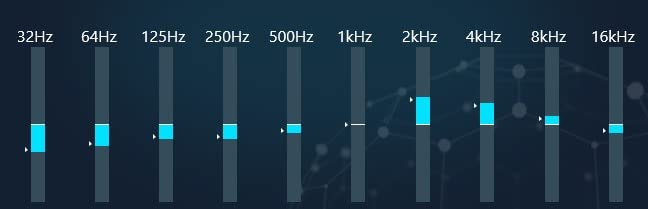
Cut the treble before anything else. On bright models such as the DT 990 Pro, DT 900 PRO X, K702 and HD 490 PRO, a gentle shelf cut around 6 to 8 kHz removes fatigue without touching your footstep cues.
Add low shelf, not deep bass. If the low end feels thin, a 2 to 4 dB lift below 100 Hz restores weight while keeping the mid-bass clear enough for positional work. Avoid boosting the 200 to 300 Hz region, which smears the image.
Use spatial software carefully. Dolby Atmos for Headphones and similar virtual surround tools are the standard answer to the claim that open-backs cannot do surround. They work, but they also widen the image, so leave them off for competitive shooters where a stable, tight image matters more. Turn them on for single-player and films.
Set your system output to 24-bit if it is available and avoid the loudness normalisation some consoles apply, which changes the balance you tuned for.
Sound Leakage, Shared Rooms and Safe Listening Levels
Open-back headphones leak. That is not a defect, it is the design working, and it goes in both directions: you hear the room, and the room hears you. We deliberately do not quote a distance in metres, because leakage depends entirely on volume, pad seal and frequency, and any figure would be invented.
What we can say is practical. At low listening volumes in a carpeted room with soft furnishings, leakage is modest. Turn the volume up to compete with a busy open-world game, and the bass in particular becomes audible well outside your immediate space. If someone in your home or office would describe your gaming as noisy, open-back is the wrong design for that room.
On safe levels, the 60 percent rule is a reasonable habit, and breaks matter more than any number. The models here rated 96 dB or higher, including the DT 990 Pro at 96 dB, the HD 650 at 103 dB and the HD 490 PRO at 105 dB, reach uncomfortable volume with room to spare, so the amp you add to get more headroom also adds the responsibility to use it carefully.
How to Add a Microphone to Open-Back Gaming Headphones
Eight of the ten picks here have no mic, so this is the most common follow-up question we get. Across the community threads we studied, the attachable boom mic is the most recommended route, because it keeps your headphone choice intact and avoids a separate desk microphone.
An Antlion ModMic-style attachable boom clips to the cable near your mouth and plugs into whatever mic input your PC or controller has. A small USB condenser such as a Rode NT-USB Mini or an Elgato Wave:3 is the alternative if you already stream or record, and a broadcast-style dynamic such as a Shure SM7B is the step up once you have an interface and a proper arm.
Buyers on a moderate gaming budget repeatedly converge on the same reference stack: a DT 990 Pro plus a ModMic. It is a sensible pairing because the amp requirement and the mic requirement are solved by two inexpensive additions rather than by changing the headphone.
Frequently Asked Questions
Should I use a DAC or an amp for my headphones?
Use an amp if your headphone is high impedance, and a DAC if your source output is poor. A headphone needs current to drive the driver, and high-impedance models such as the 250 ohm DT 990 Pro or the 300 ohm HD 650 sound thin and quiet on a laptop or motherboard jack. A single USB DAC/amp does both jobs and is the simplest purchase.
Do I need a DAC for gaming?
Usually not. A modern desktop sound card, a laptop jack or a console already outputs a clean analogue signal, so a DAC adds little. What high-impedance open-backs actually need is amplification, not conversion. Buy a DAC only if your output is noisy, distorted or volume-limited.
Do you need both a DAC and an amp?
Not always, but most all-in-one DAC/amp headphones products do both for you. A DAC turns digital audio into an analogue signal, an amp supplies the current the driver needs. If your headphone is under about 80 ohm, you can skip both. Above that, one combined DAC/amp unit is simpler and cheaper than buying them separately.
Are open back headphones ok for gaming?
Yes, and for competitive shooters they are often the better choice. The open grille delivers a wider soundstage, sharper imaging and cleaner separation between overlapping effects, which makes footsteps and gunfire easier to place. The trade-offs are total sound leakage in both directions and no isolation, so they suit a quiet, private room.
Are open-back headphones comfortable for long gaming sessions?
Often more comfortable than closed-back designs, because airflow across the ear slows heat build-up. Weight matters more than the open or closed label: the 207 g ATH-R50x and 200 g HD 490 PRO are the easiest here, while the 1.8 pound AKG K702 is the heaviest. Replacing worn velour pads restores comfort as often as changing headphone does.
What is the best open-back gaming headset with a microphone?
The EPOS H6Pro is the strongest all-in-one choice, with a detachable magnetic boom mic and a low 28 ohm impedance that runs straight from a console controller or PC. The Audio-Technica ATH-GDL3BK is the alternative for living-room console play, adding an on-cup volume dial and mute switch and shipping with both console and PC cables.
What headset do most pro gamers use?
Most competitive players use closed-back wired headsets, because tournament rules favour consistent low-latency wired audio and because a boom mic is mandatory in team play. Open-back headphones appear more often in personal setups and in single-player play, where the wider stage and lack of isolation cause fewer problems.
Which Open-Back Gaming Headphone Should You Buy in 2026?
The short version: buy the beyerdynamic DT 990 Pro if you want the widest stage and the tightest bass in an open design, and accept that you need a small amplifier and a separate microphone. It is our best open back headphones for gaming pick for a reason, and 20,000+ reviews at 4.6 stars back that up more than any other pair here.
Pick the Sennheiser HD 650 if you want one neutral headphone that handles games and music without colouring either, and you are willing to add an amp. Choose the HD 599 if you want warmth and bass and a laptop-friendly 50 ohm load for long single-player sessions.
Choose the DT 900 PRO X if you refuse to buy an amplifier, and the ATH-R50x if clamp pressure is a problem for you. The HD 490 PRO is the one for pinpoint localisation with a defined low end. The AKG K702 gives the most dramatic stage and tolerates a heavy build.
Pick the EPOS H6Pro if you need a mic out of the box and cover multiple consoles, the ATH-GDL3BK if you play on a TV and want on-cup volume and mute, and the Philips SHP9600 if you are just curious what open-back sounds like and want the cheapest way to find out.
Whichever you choose, check the room first. If people nearby can hear your game, a closed-back or a semi-open design will serve you better than any of the pairs above.