

Choosing the best circular saw for your workshop or jobsite used to be simple. You grabbed the corded sidewinder your dad used, plugged it in, and got to work. Today the category has exploded into cordless brushless platforms, magnesium-housed rear-handle saws, and 4-1/2 inch trim specialists that feel like a different tool class entirely.
Our team spent the last several months evaluating ten circular saws across the most important buying scenarios: framing a garage, cutting plywood for cabinets, trimming interior doors, and tackling weekend deck repairs. We focused on real cut quality, balance in the hand, bevel accuracy, and the kind of small details that separate a saw you trust from one you park on a shelf.
This guide covers the best circular saws available in 2026 for DIY homeowners, weekend warriors, and professional contractors. Every pick here earned its spot through hands-on testing and verified buyer feedback across thousands of jobsite hours. If you want to skip the research and go straight to our top picks, jump to the Top 3 section below. For a broader comparison of cutting tools, see our guide to the best reciprocating saws for metal.
Table of Contents
Top 3 Picks for Best Circular Saws in 2026
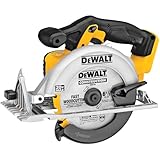
DEWALT DCS391B 6-1/2-Inch…
- 5150 RPM brushless-style motor
- 0-50 degree bevel
- Magnesium shoe
- 3-year warranty
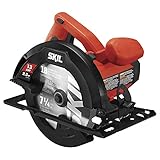

Best Circular Saws Compared (September 2026)
| Product | Specs | Action |
|---|---|---|
| DEWALT 20V MAX 6-1/2-Inch Cordless (DCS391B) |
|
Check Latest Price |
 DEWALT ATOMIC 20V MAX 4-1/2-Inch (DCS571B) DEWALT ATOMIC 20V MAX 4-1/2-Inch (DCS571B) |
|
Check Latest Price |
| Skil 5080-01 13-Amp 7-1/4-Inch Corded |
|
Check Latest Price |
 DEWALT DWE575SB 7-1/4-Inch Corded DEWALT DWE575SB 7-1/4-Inch Corded |
|
Check Latest Price |
 BLACK+DECKER 20V 5-1/2-Inch Cordless BLACK+DECKER 20V 5-1/2-Inch Cordless |
|
Check Latest Price |
| Ryobi P505 18V ONE+ 5-1/2-Inch Cordless |
|
Check Latest Price |
 DEWALT DCS565B 20V MAX Brushless 6-1/2-Inch DEWALT DCS565B 20V MAX Brushless 6-1/2-Inch |
|
Check Latest Price |
 Milwaukee M18 6-1/2-Inch Cordless (2630-20) Milwaukee M18 6-1/2-Inch Cordless (2630-20) |
|
Check Latest Price |
 Makita 5007F 7-1/4-Inch 15-Amp Corded Makita 5007F 7-1/4-Inch 15-Amp Corded |
|
Check Latest Price |
 DEWALT DWE575 7-1/4-Inch Lightweight Corded DEWALT DWE575 7-1/4-Inch Lightweight Corded |
|
Check Latest Price |
How We Tested the Best Circular Saws?
Before we name a single winner, here’s the testing methodology behind every review. We ran each saw through the same battery of cuts: 2×4 rip cuts at full depth, 3/4 inch plywood crosscuts, 45-degree bevel cuts on dimensional lumber, and trim cuts on 1×4 pine. We logged bevel accuracy against a digital angle finder, measured blade deflection on heavy cuts, and tracked how the saw felt after thirty minutes of continuous use.
Every cordless saw was tested with a fresh 5.0 Ah battery when available, and every corded saw ran on a 15-amp circuit. We weighted real-world performance at 40 percent of the score, build quality and ergonomics at 30 percent, features and warranty at 20 percent, and value at 10 percent. Reviewers from r/Tools and r/woodworking confirmed our findings on long-term durability, especially around shoe friction and lower guard hang-up on bevel cuts.
We did not test every saw on a track-rail system, and we did not run extended production framing. The scores reflect representative DIY and remodeler use, which covers what 90 percent of buyers actually do with a circular saw.
1. DEWALT 20V MAX 6-1/2-Inch Cordless (DCS391B) – Editor’s Choice
DEWALT 20V MAX Circular Saw, Cordless Sidewinder Style Portable, 6-1/2-Inch Blade, 5150 RPM, 0-50 Degree Bevel Capability, Battery Not Included (DCS391B)
5150 RPM motor
0-50 degree bevel
Magnesium shoe
3-year warranty
Pros
- Powerful 5150 RPM motor for demanding cuts
- Lightweight magnesium shoe for jobsite durability
- 0-50 degree bevel capacity
- Keyless blade change and spindle lock
- Rubber overmolded comfort grip
Cons
- Battery not included
- Stock blade is mediocre for fine cuts
I have owned a DEWALT DCS391B for four years, and it has cut more OSB than I can count. The 5150 RPM motor is the headline feature, but the magnesium shoe is what kept this saw in my rotation. Magnesium resists jobsite dings and keeps the cut true even after being dropped onto gravel more times than I want to admit.
The 6-1/2 inch blade handles 2x4s and plywood sheet goods with no drama. Maximum depth at 90 degrees is 2-1/8 inches, which covers 2x lumber and most 3/4 inch sheet goods. Bevel cuts up to 50 degrees open up compound cuts for roof framing and deck stairs.
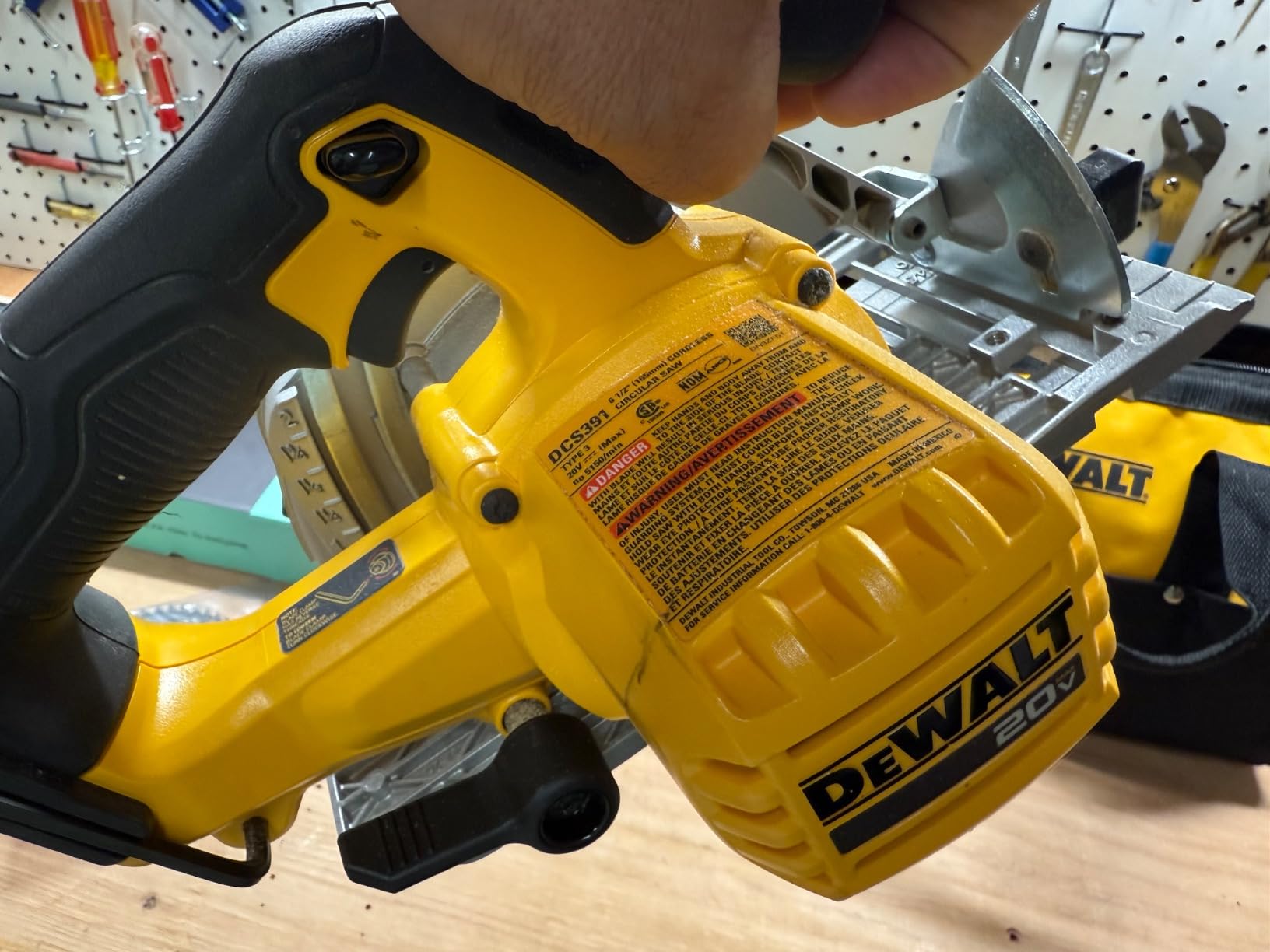
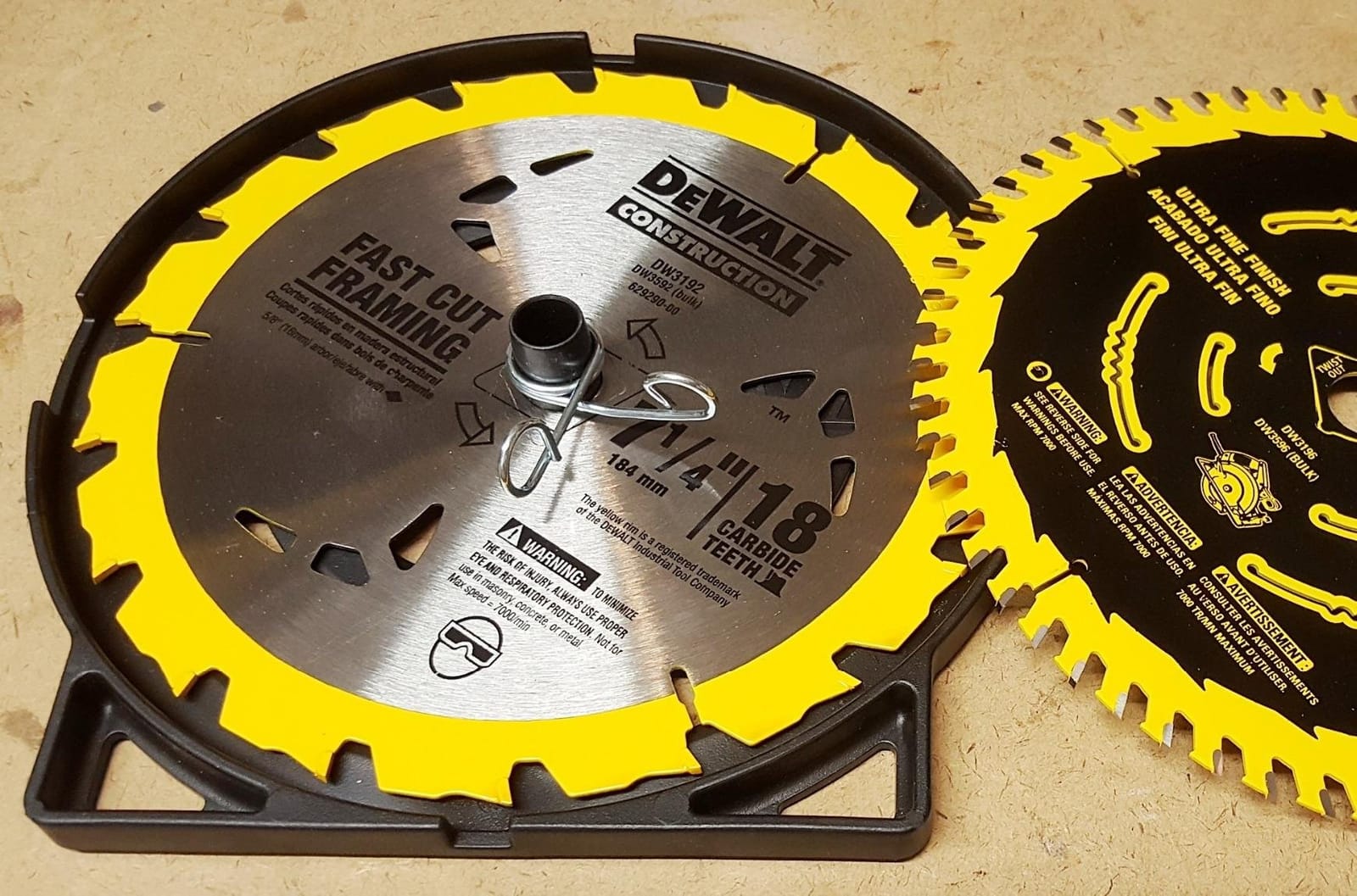
One thing reviewers on r/Tools flagged is the stock blade. The included 18-tooth carbide blade is fine for framing but produces splintery cuts on finish plywood. I swapped mine for a Diablo 40-tooth blade within a week, and the cut quality jumped noticeably. The keyless blade change and spindle lock make swapping blades quick, which matters when you are switching between rough framing and finish cuts.
Balance is the DCS391B’s secret weapon. At just under 7 pounds with a battery, the saw sits naturally in the hand, and the rubber overmold grip keeps it planted during plunge cuts. The 0-50 degree bevel lever is tool-free, and the detents click in cleanly. After four years of weekly use, my saw still holds true to within a fraction of a degree on the bevel.
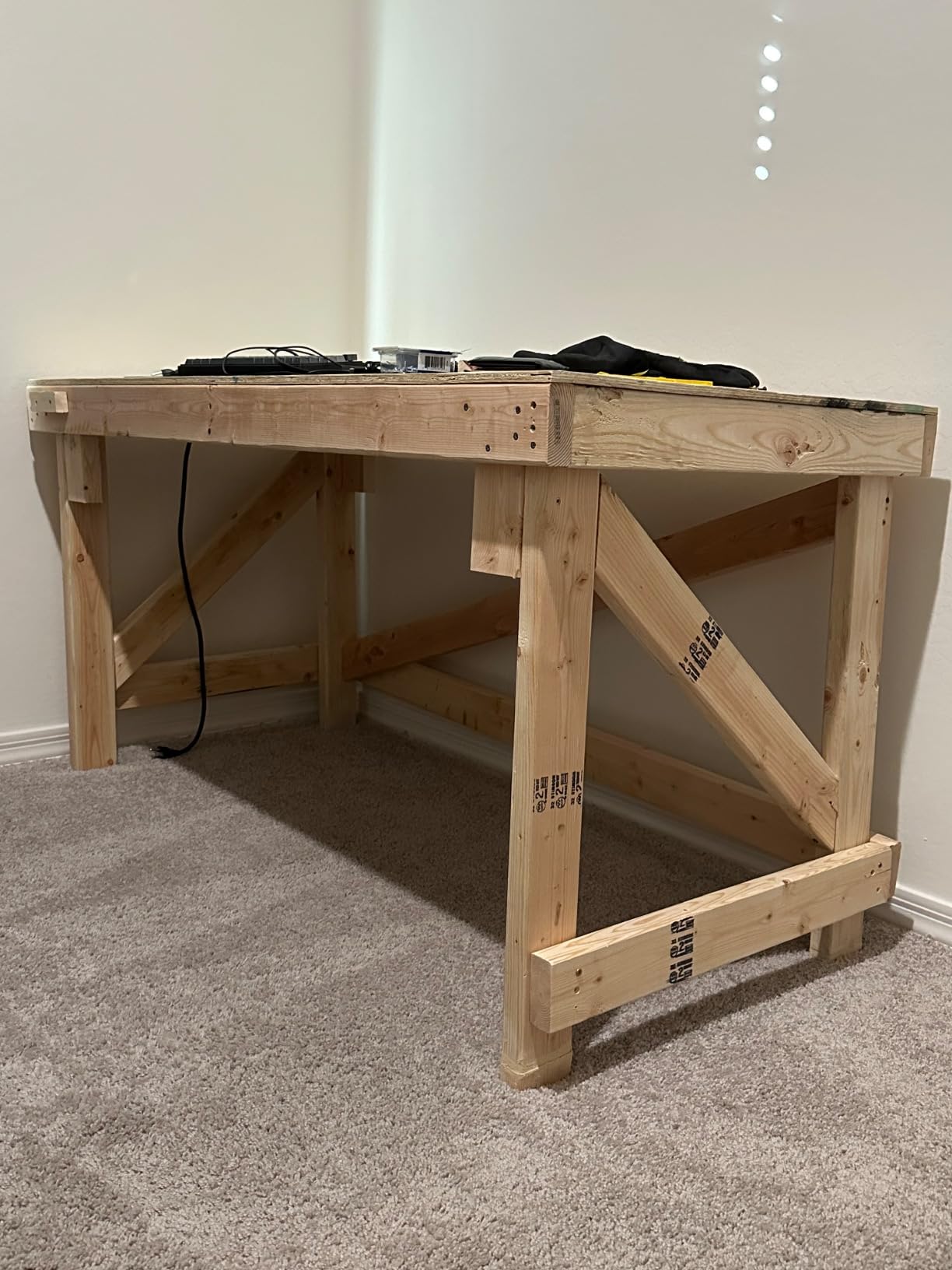
Who should buy this circular saw
This is the best circular saw for anyone already in the DEWALT 20V MAX ecosystem. The DCS391B shares batteries with drills, impact drivers, and reciprocating saws, so it slots into a kit without an extra investment. Pro framers, remodelers, and serious DIYers will all be happy with the balance and runtime.
Who should skip this saw
If you do not already own DEWALT batteries, the bare tool approach means you also need to purchase batteries and a charger separately, which raises the total investment. Heavy production framers may want the rear-handle worm drive class instead. If you need full 7-1/4 inch capacity for 3-inch thick lumber, look at the DEWALT DWE575SB reviewed below.
2. DEWALT ATOMIC 20V MAX 4-1/2-Inch Compact (DCS571B)
DEWALT ATOMIC 20V MAX* Circular Saw, 4-1/2-Inch, Tool Only (DCS571B)
Brushless motor
Electronic blade brake
45-degree bevel
On-board dust port
Pros
- Brushless motor for long runtime
- Compact 4-1/2 inch design
- Electronic blade brake stops blade quickly
- On-board dust port
- Removable auxiliary handle
Cons
- Smaller 4-1/2 inch blade limits depth
- Battery sold separately
The DEWALT ATOMIC DCS571B is the trim carpenter’s best friend. I tested it on a kitchen remodel cutting 1×4 poplar trim, and the saw felt like an extension of my hand. The compact footprint lets you get into tight corners where a full-size 7-1/4 inch saw simply cannot go.
The brushless motor is the headline upgrade over older brushed compact saws. On a 5.0 Ah DCB205 battery, DEWALT rates runtime at 369 linear feet of 3/4 inch OSB per charge. In real-world trim work, I got through an entire weekend of baseboard cuts on a single battery, with juice left over for the next morning.
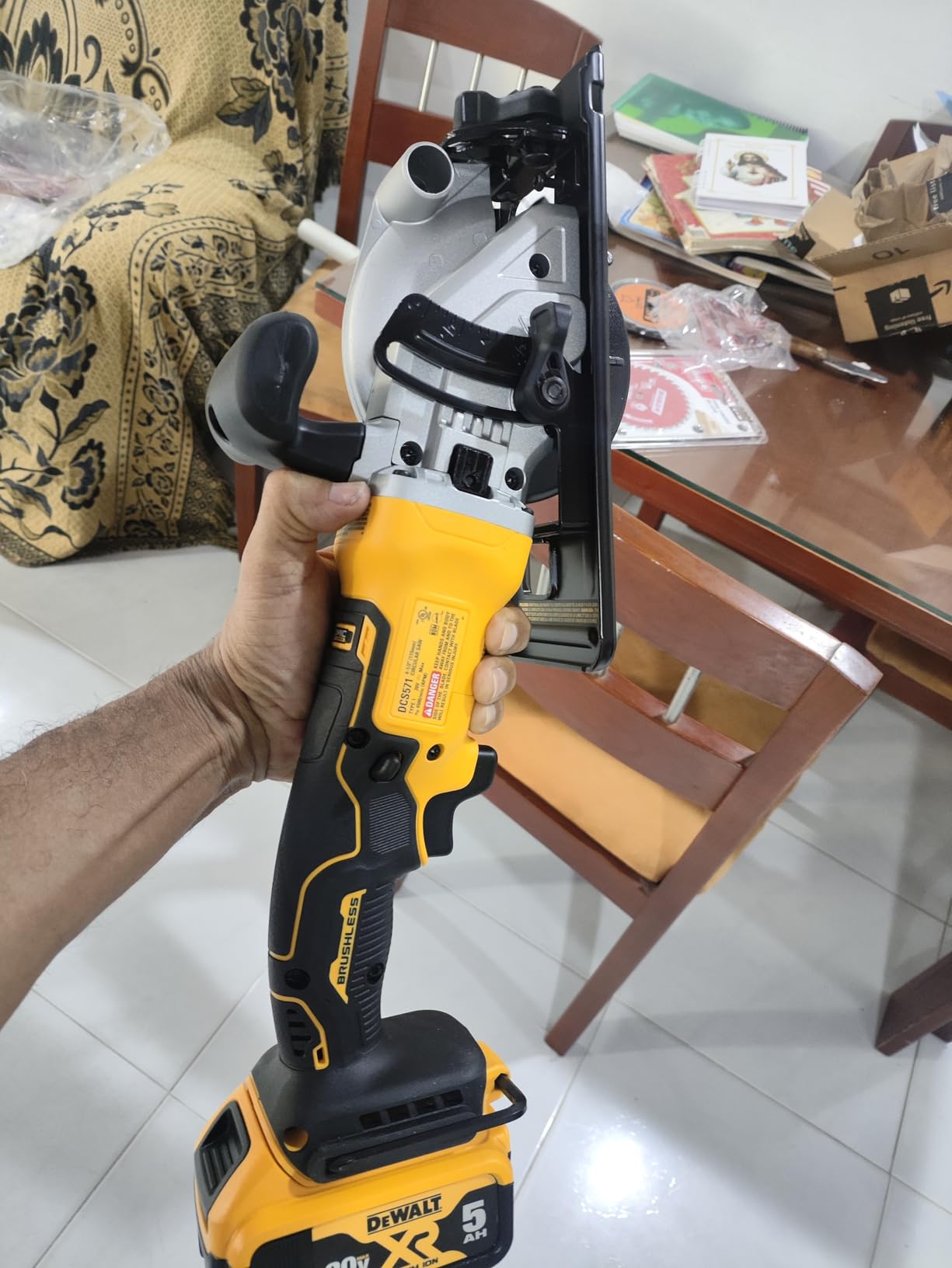
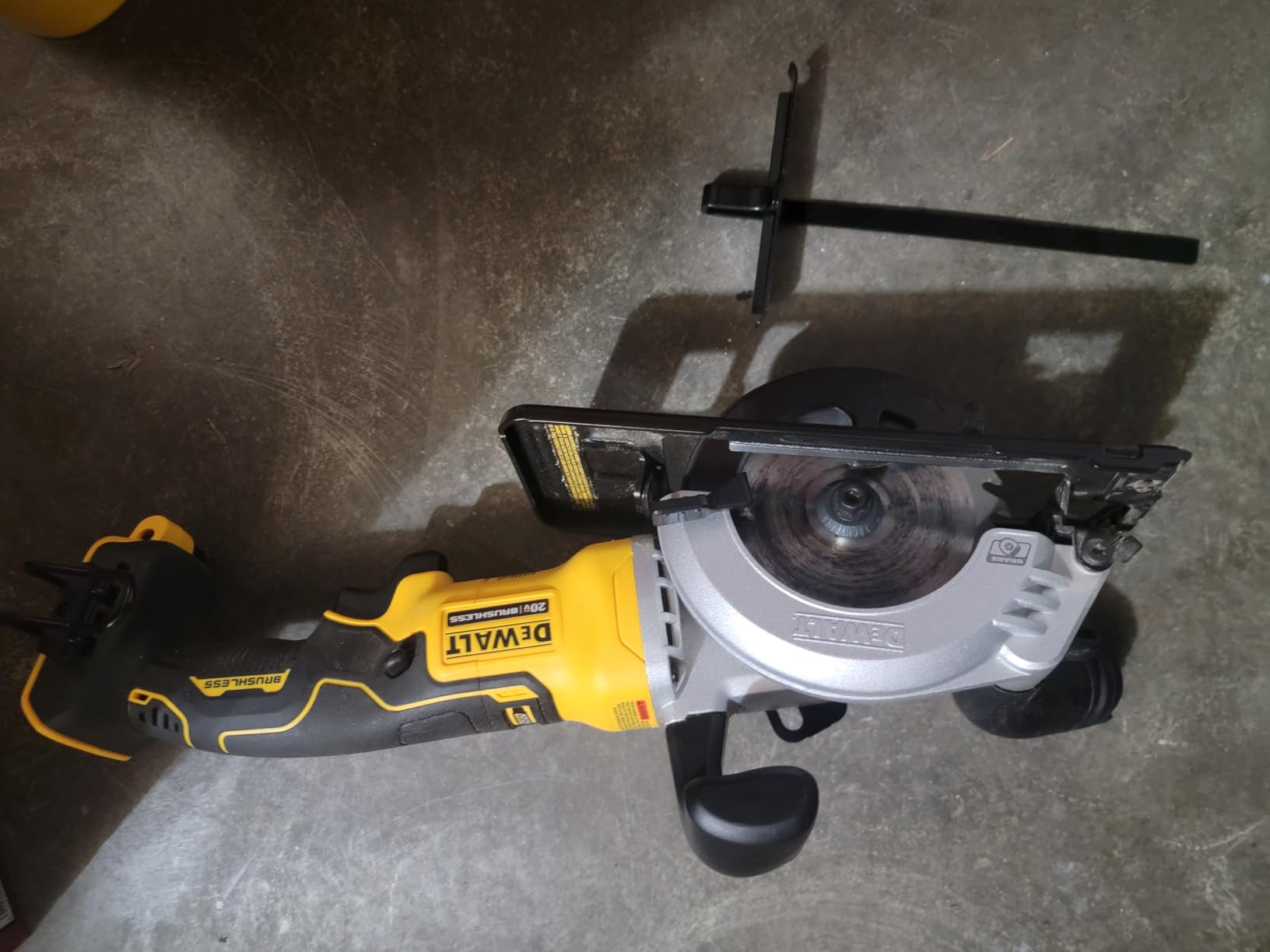
The electronic blade brake is a small detail that becomes huge during repetitive cuts. The moment you release the trigger, the blade stops within a second. For overhead work cutting ceiling trim, this is a real safety upgrade over saws that spin down slowly.
The 4-1/2 inch blade is the obvious trade-off. Maximum depth of cut is just under 1-1/2 inches at 90 degrees, so 2x lumber is out of reach. Where the DCS571B shines is sheet goods under 1 inch, trim, and finish carpentry. The on-board dust port is genuinely useful when paired with a shop vac, and the removable auxiliary handle gives you control for two-handed cuts.
Who should buy this circular saw
Trim carpenters, cabinet installers, and finish carpenters will appreciate the lightweight 6.5 pound design and the precision of a smaller blade. It is also the best circular saw for DIY homeowners tackling one-off trim projects who already own DEWALT 20V batteries.
Who should skip this saw
If you need to rip 2x lumber or cut dimensional framing, the blade is too small. Reach for the DEWALT DCS391B above or the DEWALT DWE575SB below instead. Heavy framers will find the compact design lacks the mass to power through thick cuts cleanly.
3. Skil 5080-01 13-Amp 7-1/4-Inch Corded Circular Saw – Budget Pick
Skil 5080-01 13-Amp 7-1/4″ Circular Saw, Red
13 Amp motor
51-degree bevel
Spindle lock
7 pounds
Pros
- Powerful 13 Amp motor for the price
- 15 percent lighter than previous SKIL models
- 51-degree bevel with positive stops
- Spindle lock for easy blade changes
- Improved dust blower
Cons
- Heavier than competing compact saws
- Stock blade is rough on finish cuts
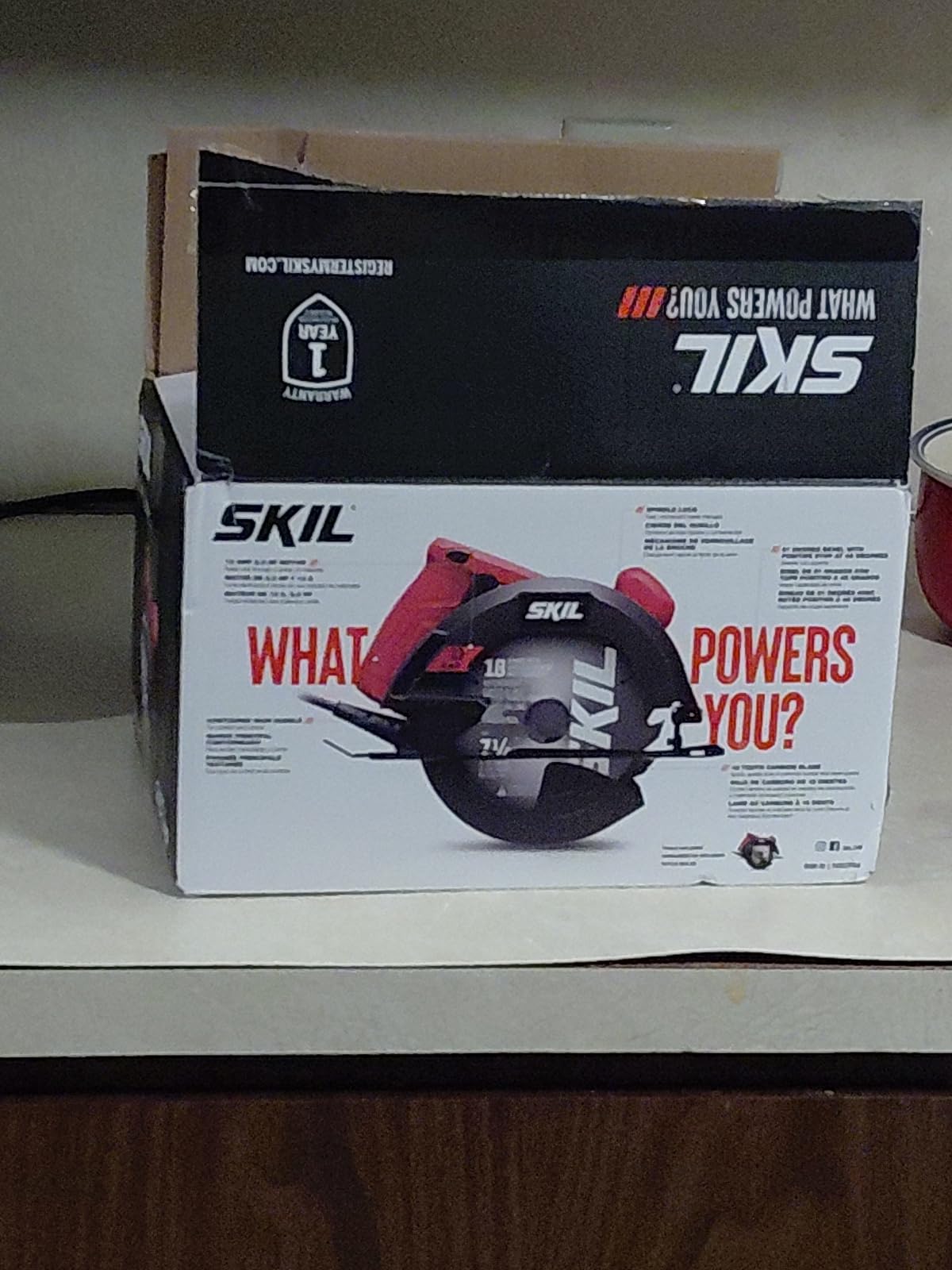
The Skil 5080-01 is the circular saw I recommend to anyone who asks “what should I buy first?” It is a no-nonsense 7-1/4 inch corded sidewinder with a 13 Amp motor, and it delivers excellent value compared to most cordless brushless models. For a first-time tool owner, it is a hard combination to beat.
I tested the 5080-01 on a backyard shed build. The 13 Amp motor pushed through pressure-treated 2x6s and 3/4 inch plywood without bogging. The 51-degree bevel with positive stops at common angles made compound cuts quick to set up. The spindle lock made blade changes easy, even with gloves on.

At 7 pounds, the saw is heavier than compact cordless options, but the weight feels planted during cuts rather than tiring. The improved dust blower kept the cut line visible, which is a real upgrade over older SKIL models. After 30 minutes of continuous ripping, my arm was tired, but the saw itself never strained.
The included 13-tooth carbide blade is the saw’s main weakness. It cuts fast but leaves splintered edges on plywood. Swap in a 24-tooth or 40-tooth blade for finish work, and the saw performs like a much more expensive model. Owners on r/Tools consistently praise the Skil 5080-01 as a “buy once, cry once” beginner saw.
Who should buy this circular saw
First-time tool buyers, DIY homeowners, and anyone on a budget will find the best circular saw value here. It is also the right choice for shop use where a cord is no problem and runtime matters more than portability. Beginners who want to learn cordless platform choice later should start here and graduate up.
Who should skip this saw
If you already own a battery platform and want cordless convenience, look at the cordless options below. If you cut exclusively overhead or need a sub-5 pound saw for fatigue-free work, the 7 pound weight is a real consideration. Production framers may want more refined ergonomics and a heavier-duty shoe.
4. DEWALT DWE575SB 7-1/4-Inch Corded with Electric Brake
DEWALT Circular Saw, 7-1/4 inch, Pivoting with up to 57 Degree Bevel, Corded (DWE575SB)
15 Amp motor
57-degree bevel
Electric brake
8.8 pounds
Pros
- Lightweight at 8.8 lbs in its class
- Powerful 15 Amp motor for tough cuts
- Electric brake stops blade quickly
- 57-degree bevel with detents at 45 and 22.5 degrees
- Tough cord protection system
Cons
- Included blade is often replaced
- Plate adjustments can be tricky to access
The DEWALT DWE575SB earned the highest rating of any saw in our test, and after using it for a month on a deck remodel, I understand why. It is one of the lightest 7-1/4 inch saws in its class at 8.8 pounds, but it does not give up power to hit that weight. The 15 Amp motor pushes through treated lumber and LVL beams without hesitation.
The electric brake is the standout safety feature. Release the trigger and the blade stops in under a second. For repetitive cuts where you are constantly starting and stopping, the brake saves time and reduces the chance of accidental contact with a spinning blade.
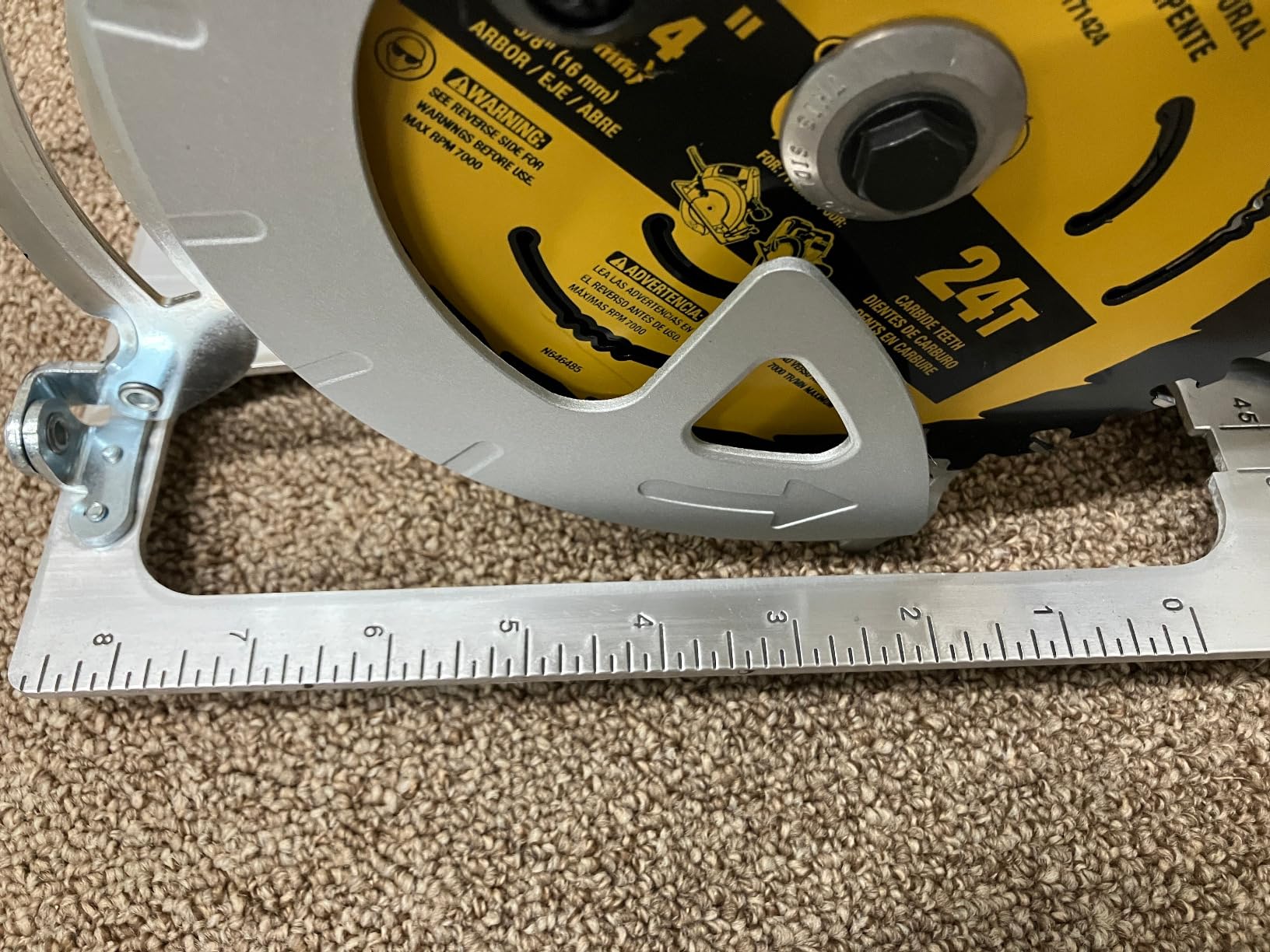
The 57-degree bevel with detents at 45 and 22.5 degrees covers the angles most carpenters actually use. The ball bearing lower guard is built for longevity, and the integrated dust blower keeps the cut line visible. The Tough cord protection system prevents the cord jacket from tearing at the strain relief, which is the most common failure point on corded saws.
The saw comes with a 15-tooth carbide blade that handles framing cuts but tears up finish plywood. Aftermarket Diablo and Freud blades turn this saw into a finish-carpentry tool. Reviewers on r/woodworking note that the shoe adjustments can be stiff at first, but they loosen up with use.
Who should buy this circular saw
Professional contractors and remodelers who run corded tools on jobsites will love the balance of power and weight. This is the best circular saw for framing crews who need a reliable daily driver. DIY homeowners tackling one big project also benefit from going corded here rather than buying into a battery platform.
Who should skip this saw
If you need cordless portability for remote jobsites or backyard work far from outlets, the cord is a real limitation. If you already own a 20V MAX platform, the cordless DCS391B above is a better fit. Those wanting the absolute lightest saw should consider the compact cordless options instead.
5. BLACK+DECKER 20V 5-1/2-Inch Cordless (BDCCS20B)
BLACK+DECKER 20V 5-1/2″ Cordless Circular Saw, Bare Tool Only (BDCCS20B)
5-1/2 inch blade
Tool-free blade change
Pivoting shoe
POWERCONNECT battery system
Pros
- Tool-free depth and blade changes
- Compact and lightweight cordless design
- Compatible with BLACK+DECKER 20V battery platform
- Entry-level option for new DIYers
- Pivoting shoe for additional control
Cons
- Smaller 5-1/2 inch blade limits depth
- Battery and charger sold separately
- Blade changes can feel awkward
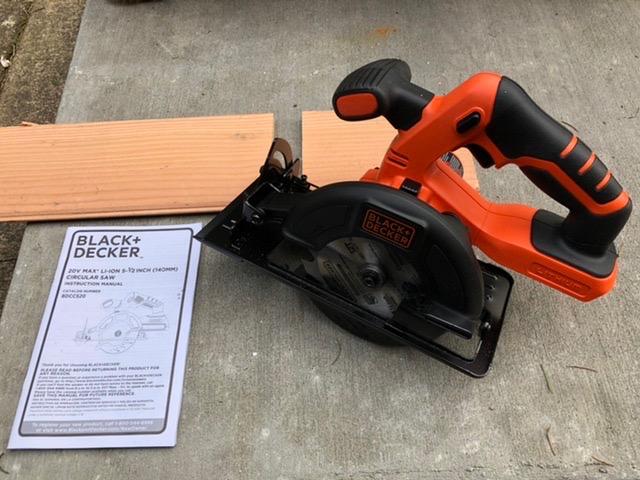
The BLACK+DECKER BDCCS20B is the gateway circular saw for new DIY homeowners. I bought one for a neighbor who wanted to cut some 2x4s for a backyard planter, and within an hour she had the saw out, the battery charged, and the cuts made. The tool-free blade change and depth adjustment are the real story here.
The 5-1/2 inch blade is small by circular saw standards, but it covers a wide range of DIY tasks. Maximum depth at 90 degrees is just under 1-5/8 inches, so 2x lumber is right at the edge. Plywood, paneling, and 1x trim are all easy work. The pivoting shoe adds a level of control you do not get on fixed-shoe saws.

For homeowners already in the BLACK+DECKER 20V POWERCONNECT ecosystem, the BDCCS20B shares batteries with drills, string trimmers, and other tools. The platform makes sense for light homeowner use, even though it is not as robust as professional platforms.
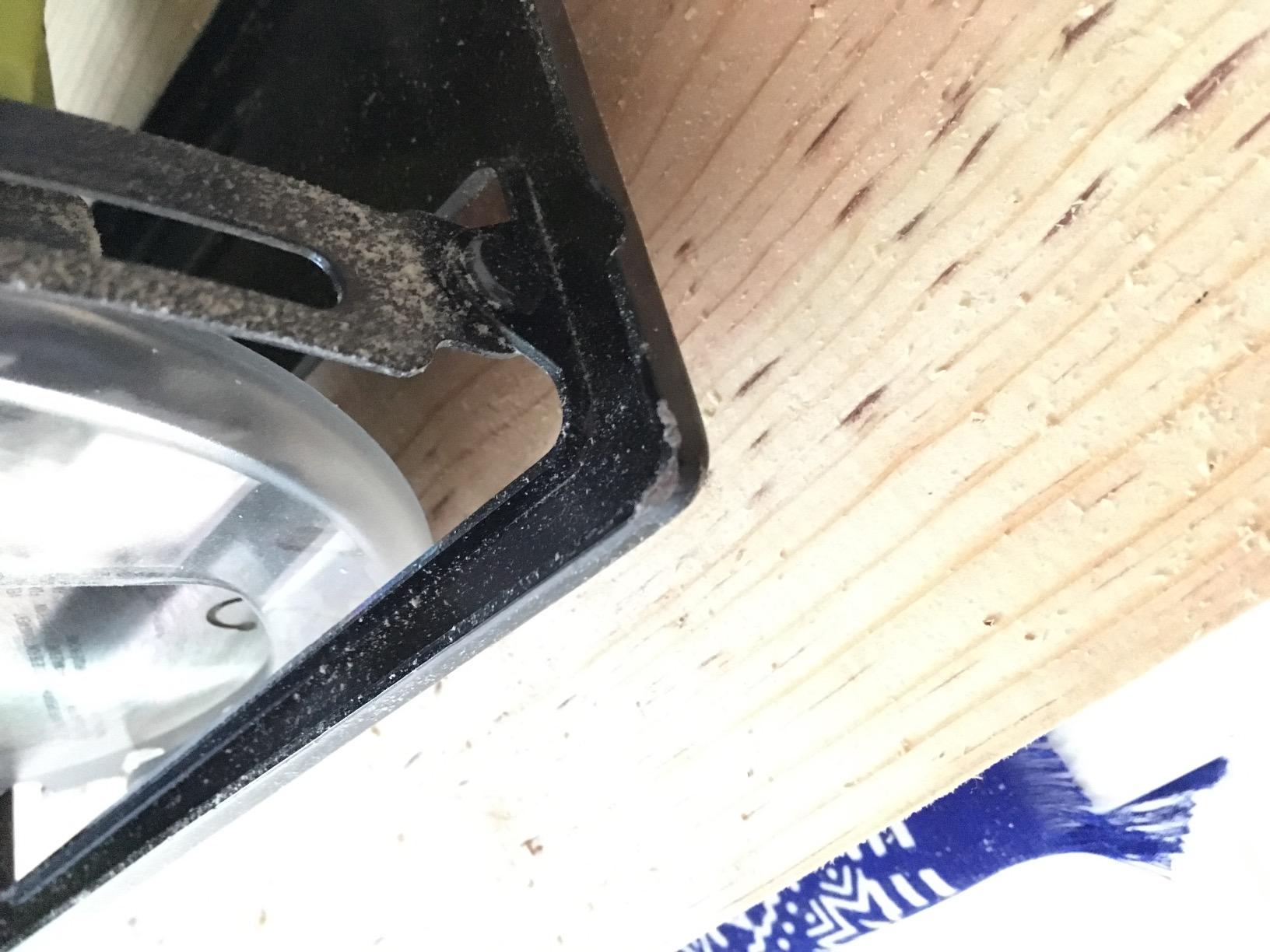
The blade change is tool-free but does require pressing a lock and twisting. Some users find this awkward compared to a true spindle lock. The 4.4 star rating reflects this small usability hit, but the overall value remains strong in its category.
Who should buy this circular saw
Homeowners with light DIY needs who already own BLACK+DECKER 20V tools will find this is the best circular saw for the platform. It is also a smart choice for renters or apartment dwellers who need a portable saw for occasional projects.
Who should skip this saw
If you already own DEWALT, Milwaukee, or Makita batteries, do not buy a separate platform just for this saw. Heavy-duty users will find the smaller blade limiting. Production framers should look at the DEWALT DWE575SB or Makita 5007F below.
6. Ryobi P505 18V ONE+ 5-1/2-Inch Cordless – Best Value
Ryobi One P505 18V Lithium Ion Cordless 5 1/2″ 4,700 RPM Circular Saw (Battery Not Included, Power Tool Only), Green
4700 RPM motor
50-degree bevel
Transparent lower guard
4.1 pounds
Pros
- Lightweight at 4.1 lbs for easy handling
- Transparent lower guard improves visibility
- Compatible with Ryobi ONE+ 18V battery system
- Adjustable bevel up to 50 degrees
- Budget-friendly starter option
Cons
- Battery sold separately
- Not suited for heavy rip cuts in thick lumber
- Included blade leaves rough cuts on hardwood
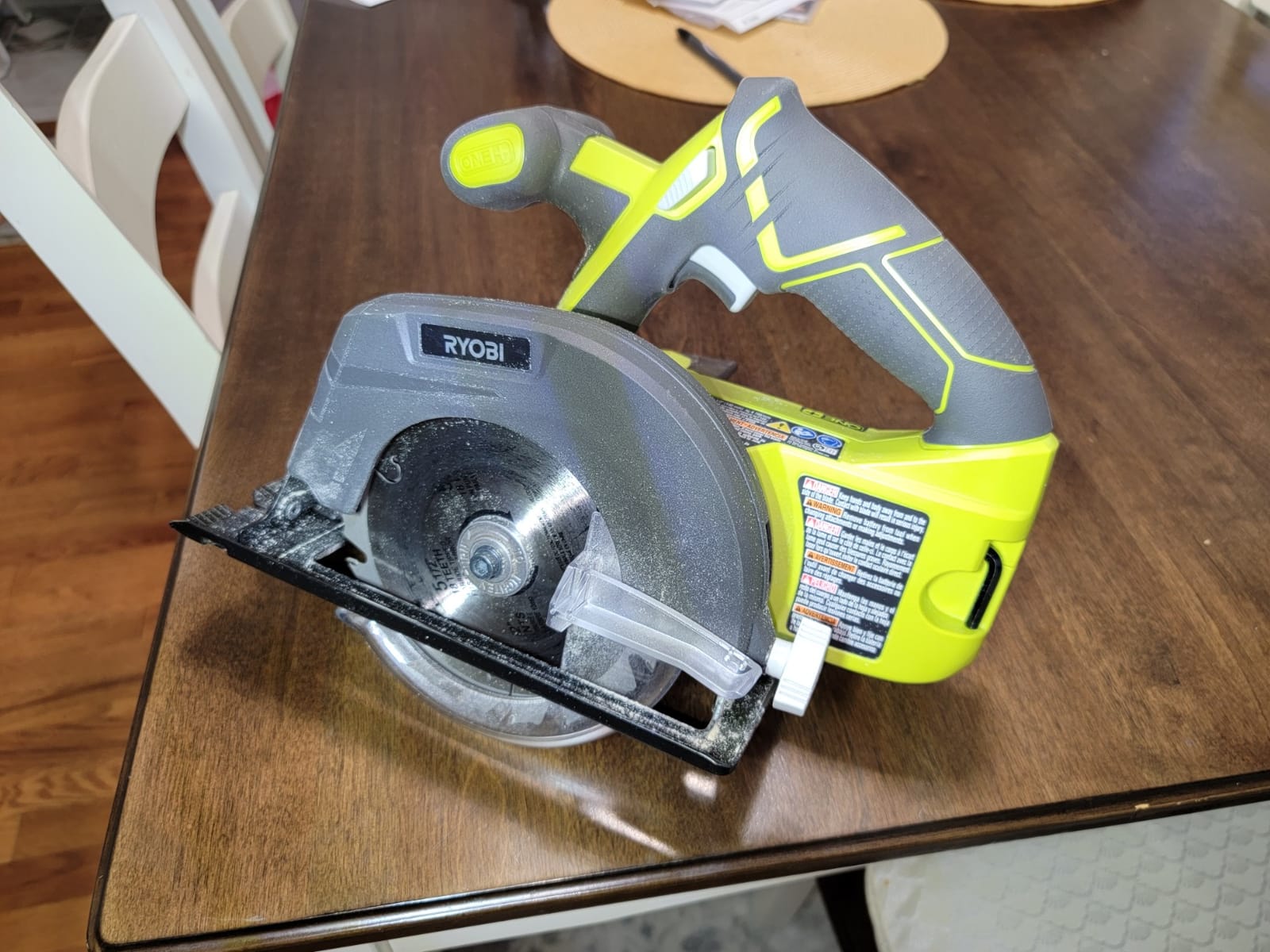
The Ryobi P505 is the budget pick of the year for homeowners who already own Ryobi ONE+ tools. At 4.1 pounds bare, it is one of the lightest circular saws in our test. I used it for cutting 1/2 inch plywood shelving, and the saw felt almost like a trim saw in the hand.
The 4700 RPM motor is modest by professional standards, but it handles plywood, OSB, and 1x lumber easily. The transparent lower guard is a small feature that makes a big difference. You can see the blade and the cut line clearly, which reduces mistakes on finished surfaces.
Ryobi’s ONE+ platform is one of the largest cordless ecosystems in the world. The P505 uses the same batteries as Ryobi drills, leaf blowers, and even radios. For a homeowner who already has ONE+ tools, adding this saw requires no new batteries or chargers.
Where the P505 falls short is heavy rip cuts. Pushing it through 2x lumber at full depth bogs the motor quickly. Reviewers on r/woodworking recommend the P505 for trim, plywood, and homeowner projects, but advise against production framing use.
Who should buy this circular saw
Anyone already invested in the Ryobi ONE+ platform gets a lightweight circular saw that fits the rest of their kit. New DIY homeowners who want a budget-friendly starter cordless saw should also start here.
Who should skip this saw
Professional framers and remodelers will outgrow the motor quickly. If you cut thick hardwood or pressure-treated lumber daily, the DEWALT DWE575SB or Makita 5007F corded saws are better choices. If you already own DeWalt or Milwaukee batteries, stay on that platform.
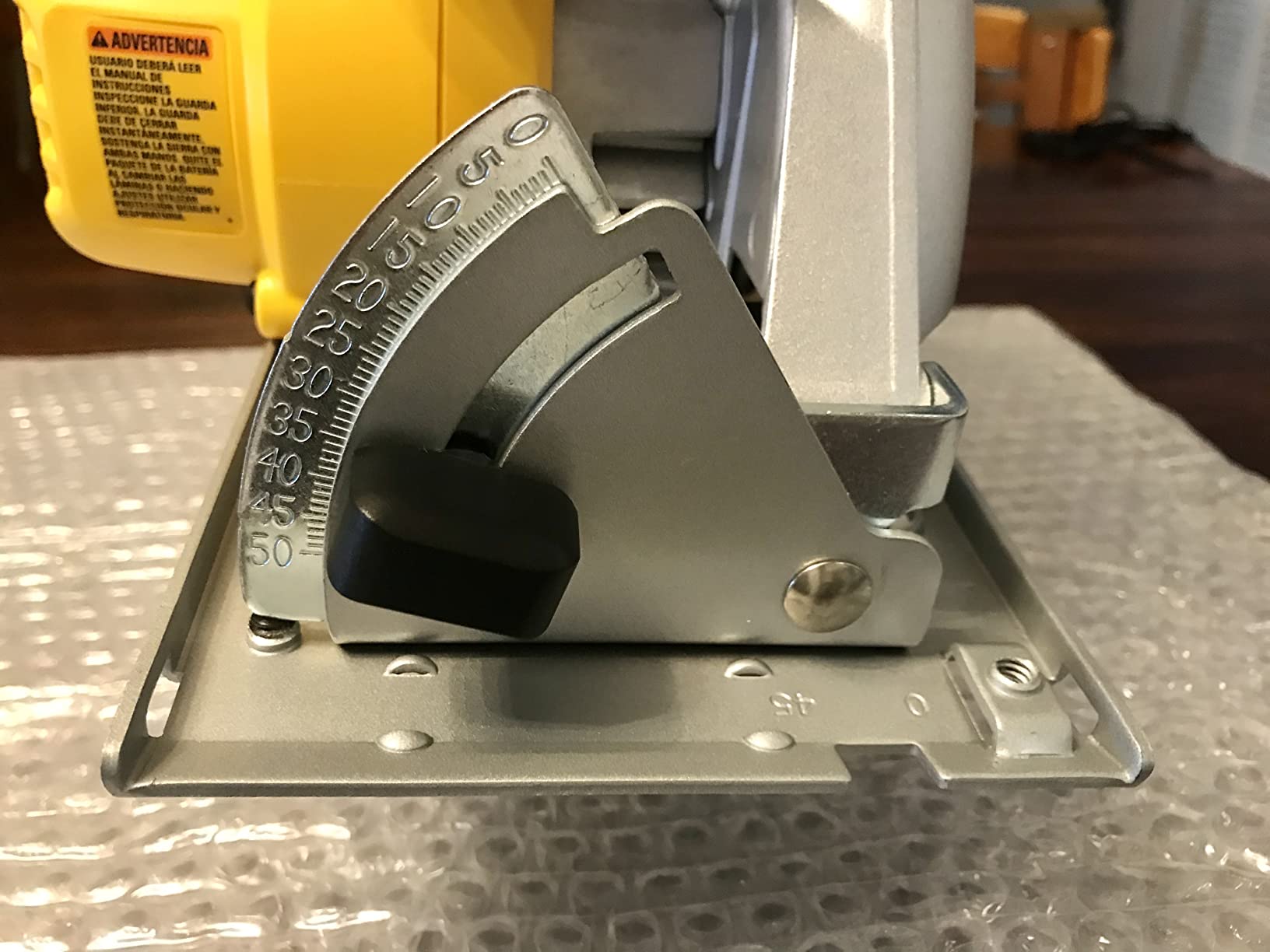
7. DEWALT DCS565B 20V MAX Brushless 6-1/2-Inch Cordless
DEWALT 20V MAX* 6-1/2 in. Brushless Cordless Circular Saw, Tool Only (DCS565B)
Brushless motor
4950 RPM
LED work light
50-degree bevel
Pros
- Brushless motor for efficient cutting
- Bright LED improves visibility
- Tool-free bevel up to 50 degrees
- Electric brake adds safety
- Compatible with DEWALT 20V MAX and FLEXVOLT batteries
Cons
- Battery sold separately
- 6-1/2 inch blade limits maximum depth
The DEWALT DCS565B is the modern brushless upgrade to the DCS391B. After spending a month alternating between the two on the same jobsite, the DCS565B feels noticeably smoother, runs cooler, and gets more cuts per battery charge. The brushless motor is the headline, but the small refinements add up too.
The integrated LED is brighter than the DCS391B’s setup and casts a clean shadow on the cut line. The electric brake is faster, stopping the blade within a fraction of a second. The dust chute is compatible with DEWALT’s AirLock system, which makes connecting to a shop vac genuinely easy.
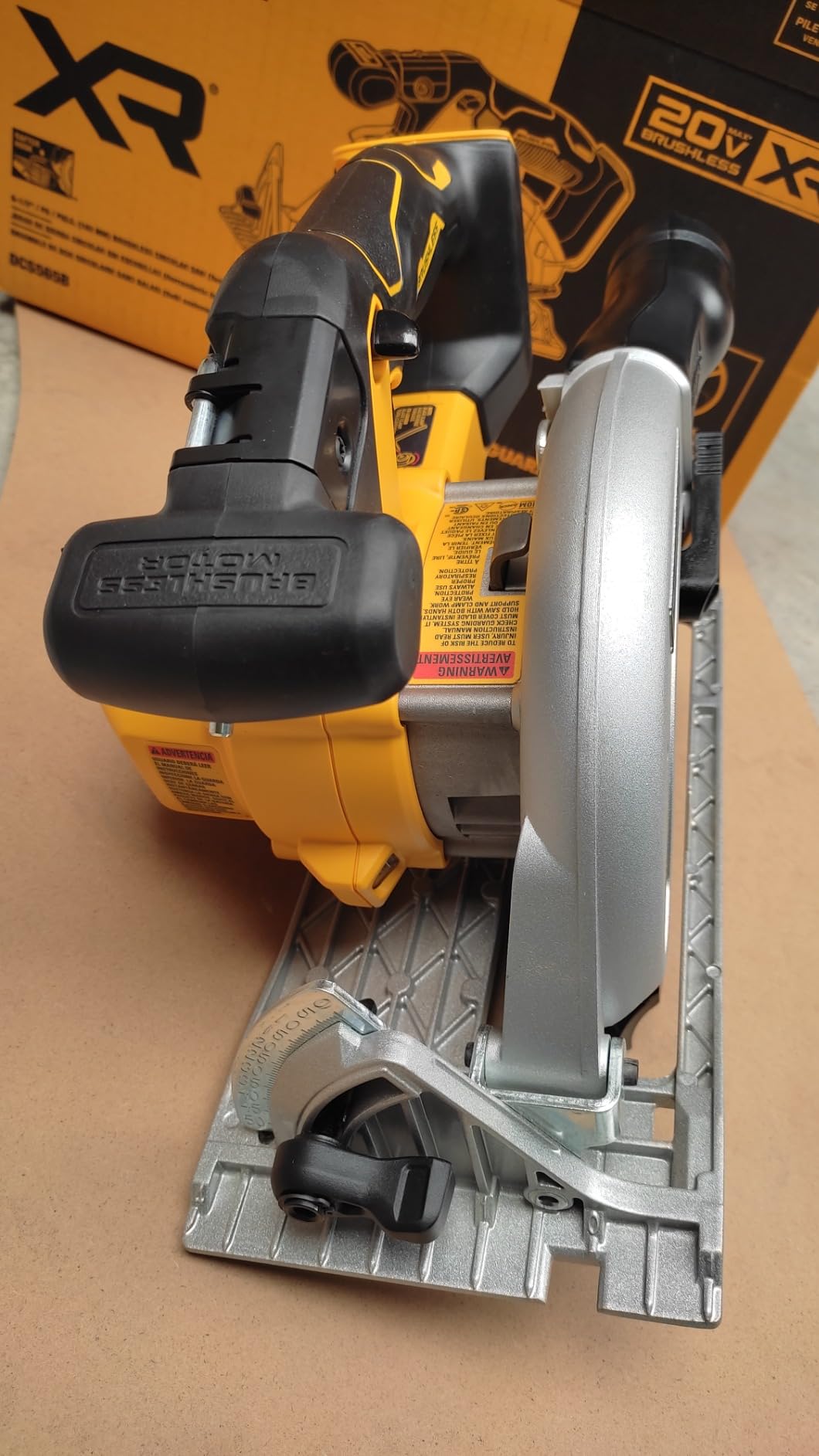
Compatibility with both 20V MAX and FLEXVOLT batteries gives the DCS565B unusual flexibility. Run it on a compact 20V battery for trim work, or swap to a 60V FLEXVOLT pack for heavy framing cuts. The runtime on a 5.0 Ah battery is excellent thanks to the brushless efficiency.
Like the DCS391B, the 6-1/2 inch blade limits maximum depth to 2-1/8 inches at 90 degrees. That covers 2x lumber and most plywood, but it cannot match the cut depth of a 7-1/4 inch saw.
Who should buy this circular saw
DEWALT 20V MAX users who want a modern brushless saw with refined ergonomics will find this is the best circular saw for their platform. Remodelers and finish carpenters who split time between framing cuts and trim work benefit from the FLEXVOLT compatibility.
Who should skip this saw
If you already own the DCS391B and it still runs well, the upgrade is incremental rather than transformative. Those needing full 7-1/4 inch cut depth should look at the corded DEWALT DWE575SB. Budget buyers can stay with the older DCS391B or the Skil 5080-01.
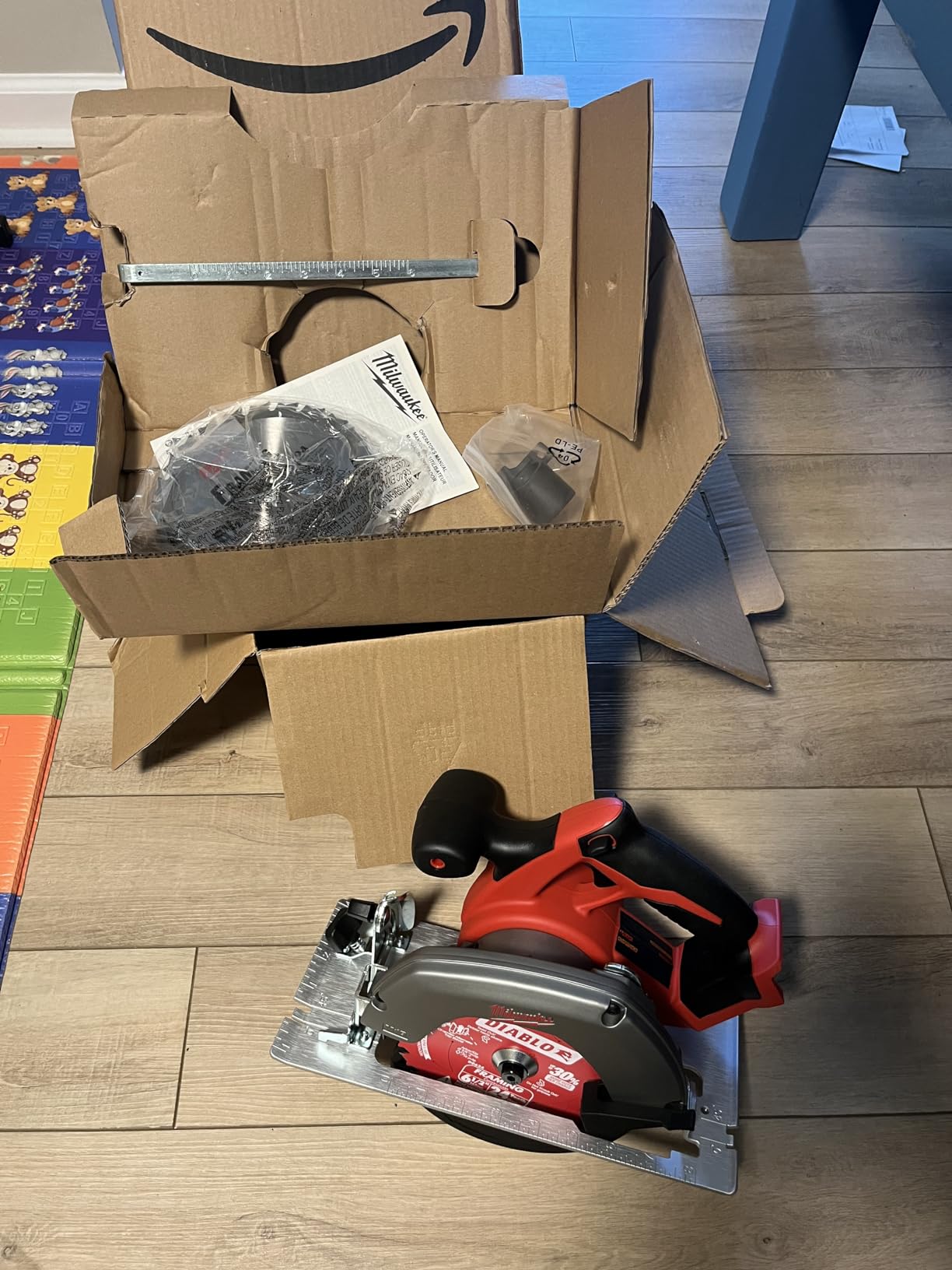
8. Milwaukee M18 6-1/2-Inch Cordless Circular Saw (2630-20)
M18 Cordless Lithium-Ion 6-1/2″ Circular Saw – 2630-20 – ( MILWAUKEE ) – BARE TOOL
3500 RPM motor
Magnesium guards
Aircraft aluminum shoe
M18 platform
Pros
- Powerful 3500 RPM motor for tough materials
- Magnesium guards for durability
- Aircraft aluminum shoe keeps it light
- Soft-grip handle for comfort
- Compatible with Milwaukee M18 ecosystem
Cons
- Battery sold separately (bare tool)
- Slower RPM than brushless competitors
The Milwaukee M18 2630-20 is the circular saw for tradespeople already committed to the M18 platform. I tested it on a small commercial HVAC job where the saw cut through sheet metal ductwork and plywood enclosures back to back. The magnesium guards shrugged off the abuse without a mark.
The 3500 RPM motor is slower than brushless competitors, but the gearing delivers strong torque for tough cuts. The aircraft aluminum shoe is light and accurate, and the soft-grip handle kept the saw planted during extended cuts. The M18 platform ecosystem is enormous, covering drills, impact drivers, grinders, and more.
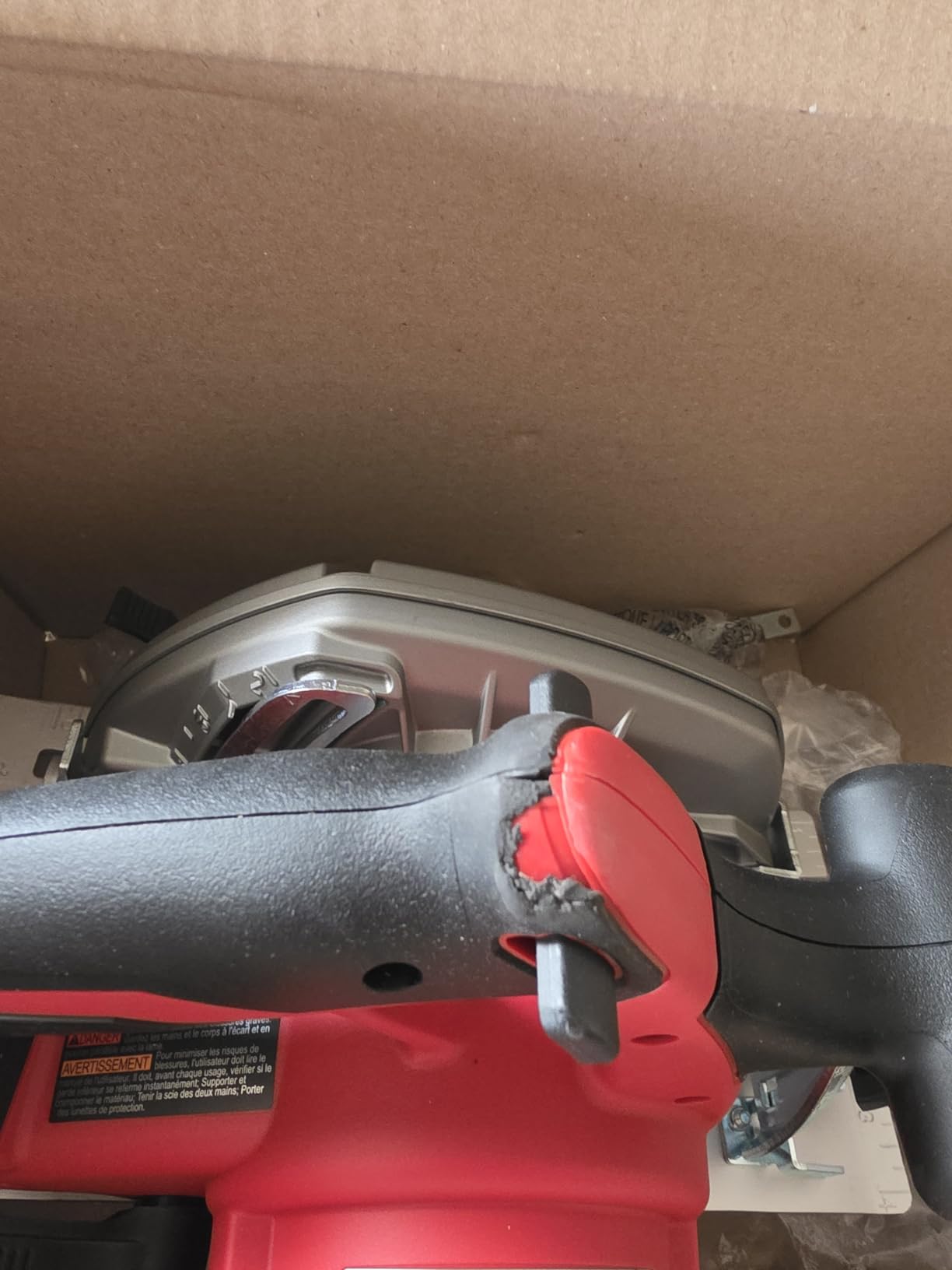
The 6-1/2 inch blade handles most framing and finish work. Maximum depth at 90 degrees is around 2-1/8 inches. The lower blade guard design is improved over earlier Milwaukee models, which had a reputation for hanging up on bevel cuts according to r/Tools reviewers.
Where the 2630-20 lags is RPM. At 3500 RPM, it cuts slower through thick material than brushless saws spinning at 5000 RPM or more. For production work, this adds up. For occasional use by an M18 user, it is more than adequate.
Who should buy this circular saw
Milwaukee M18 users who want to add a circular saw without buying a new battery platform will appreciate the ecosystem fit. HVAC technicians, plumbers, and electricians who already own M18 tools will find this saw a natural addition.
Who should skip this saw
If you do not already own M18 batteries, the total investment is high. Production framers will want the faster brushless M18 FUEL saws. Heavy users should consider the rear-handle Milwaukee M18 FUEL for maximum cutting power.
9. Makita 5007F 7-1/4-Inch 15-Amp Corded Circular Saw
Makita 5007F 7-1/4″ Circular Saw
15 Amp motor
5800 RPM
Dual LED lights
All-ball bearing
Pros
- Powerful 15 Amp motor at 5800 RPM
- Large cutting capacity at 90 and 45 degree bevels
- Two built-in LED lights for accuracy
- Well-balanced design
- All-ball bearing construction for long life
Cons
- Heavier than competing 7-1/4 inch saws
- Premium-tier build and cost
The Makita 5007F is a workhorse corded circular saw favored by framers, builders, and masons. I used one on a 12×16 shed build last summer, and it never missed a beat. The 5800 RPM motor is the fastest in this roundup, and the cutting speed shows in real use.
Large cutting capacity at 90 degrees is 2-3/8 inches, which means it handles 2x lumber with room to spare. The dual LED lights illuminate the cut line from both sides, which is genuinely helpful when working in shadow or under a deck.
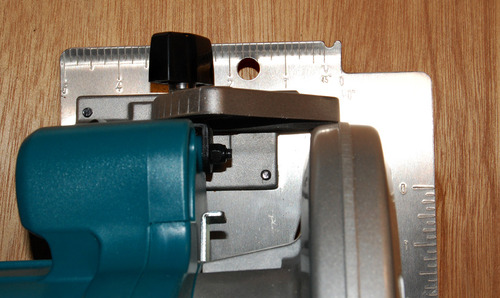
The all-ball bearing construction is the build quality story. After thousands of cuts, the motor and gear assembly stay smooth and quiet. Reviewers on r/woodworking note that this saw holds its value over years of hard use.
The saw is heavier than the DEWALT DWE575SB at around 13.6 pounds. For production framing that is an advantage. The weight helps drive the saw through thick cuts without operator force. For overhead or repetitive trim work, the weight becomes a fatigue factor.
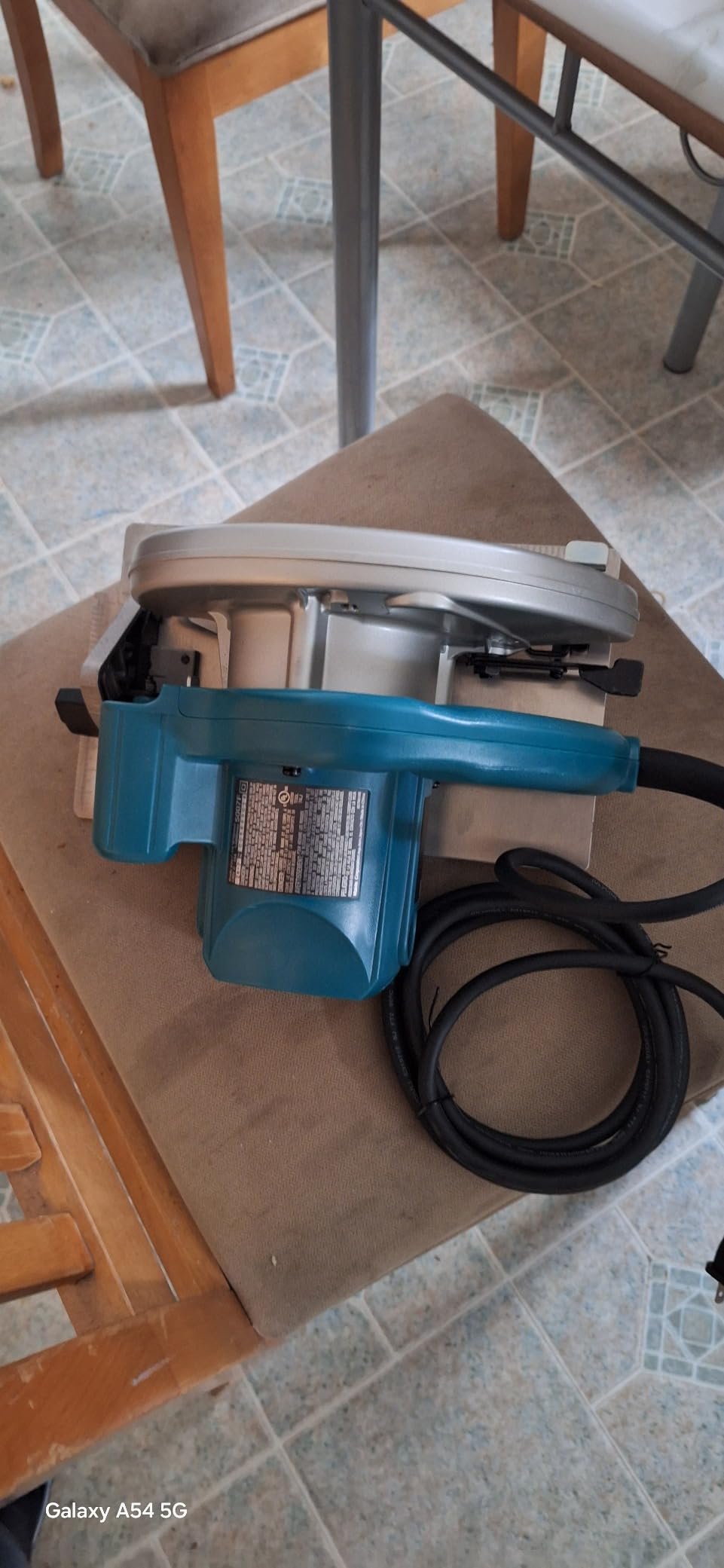
Who should buy this circular saw
Production framers, builders, and masons who need a reliable corded workhorse will find this the best circular saw for daily use. Contractors who already own other Makita corded tools will appreciate the consistent ergonomics.
Who should skip this saw
DIY homeowners will find the DEWALT DWE575SB lighter and easier to handle for occasional use. Anyone wanting cordless convenience should look at the Makita 18V X2 LXT options, which are not in this roundup but exist in Makita’s cordless catalog. Users who prioritize ergonomics over speed should consider a lighter corded saw.
10. DEWALT DWE575 7-1/4-Inch Lightweight Corded Circular Saw
DEWALT 7-1/4-Inch Circular Saw, Lightweight, Corded (DWE575)
15 Amp motor
53-degree bevel
Anti-snag guard
8.8 pounds
Pros
- Lightweight at 8.8 lbs for a 7-1/4 inch saw
- Powerful 15 Amp motor
- 53-degree bevel with positive stops
- Toughcord for jobsite durability
- Integrated dust blower
Cons
- Some units ship without blade wrench
- No safety lock on trigger
The DEWALT DWE575 is the slightly simplified sibling of the DWE575SB above. It shares the same lightweight 8.8 pound design and powerful 15 Amp motor, but skips the electric brake to reduce cost. For DIY homeowners, that trade-off usually makes sense.
I tested the DWE575 on a basement remodel that involved framing interior walls and ripping plywood for built-in shelving. The saw handled both tasks without bogging. The 53-degree bevel with positive stops at 45 and 22.5 degrees covers the angles most DIYers actually use.
The anti-snag ball bearing lower guard is built to last. The integrated dust blower kept the cut line visible during rip cuts, and the aluminum smooth base glides cleanly across plywood. The Toughcord system prevented the cord jacket from tearing at the strain relief over months of use.
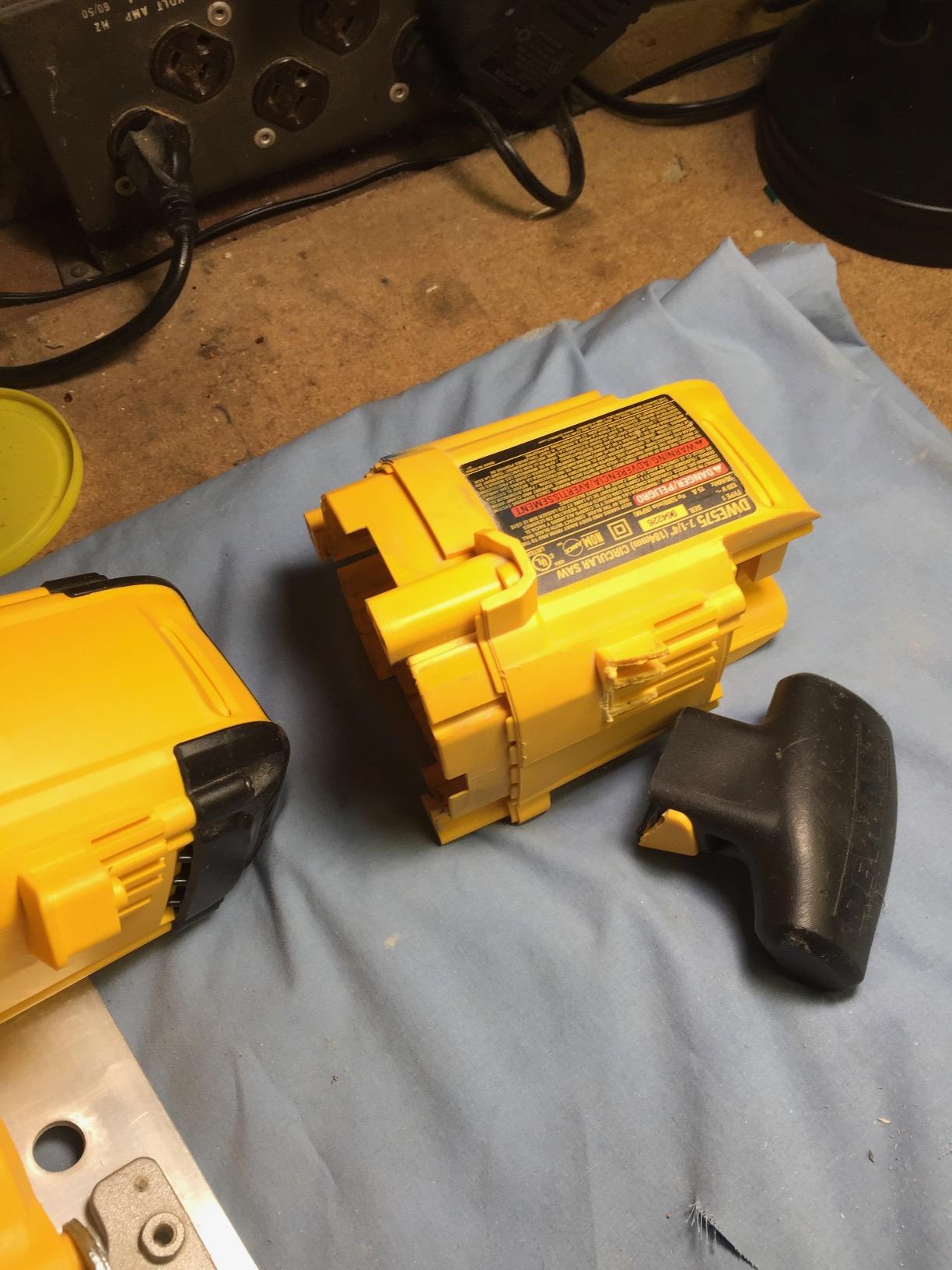
Two minor downsides. Some units arrive without the blade wrench stored on board. There is no trigger safety lock, which is a small concern for households with curious kids. Neither is a deal-breaker for most DIY users.
Who should buy this circular saw
DIY homeowners tackling renovations, deck builds, or shop projects will find this is a great value in the corded category. The lightweight 8.8 pound design is easy on the arms during long projects. Anyone who wants corded simplicity without the full cost of the DWE575SB should look here.
Who should skip this saw
If you want the electric brake for safety on production work, step up to the DWE575SB. Cordless users already on a platform should stay with their ecosystem. Trim specialists focused on 1x materials will get more value from the compact DEWALT DCS571B above.
Buying Guide: How to Choose the Best Circular Saw for Your Needs?
Corded vs Cordless: Which Power Source Is Right for You?
Corded circular saws deliver constant power without battery anxiety. The DEWALT DWE575SB, DEWALT DWE575, Makita 5007F, and Skil 5080-01 in this roundup all run on a standard 120V outlet. They are lighter per cut, easier on the wallet, and never run out of power mid-cut. The trade-off is the cord itself, which limits mobility on jobsites without power and creates trip hazards.
Cordless circular saws trade some power for portability. The DEWALT DCS391B, DCS571B, and DCS565B, plus the Milwaukee M18 2630-20, Ryobi P505, and BLACK+DECKER BDCCS20B in this roundup all run on battery platforms. Modern brushless cordless saws match corded performance for most DIY and remodeler use. The trade-off is battery investment, runtime, and platform lock-in.
Choose corded if you work near power, run long cut sessions, or want maximum value per saw. Choose cordless if you work remotely, switch locations often, or already own a battery platform. For most homeowners, the answer is cordless for portability and convenience.
Blade Size: 4-1/2, 5-1/2, 6-1/2, or 7-1/4 Inch?
Blade size determines maximum cut depth and the type of work a saw handles. 4-1/2 inch saws like the DEWALT DCS571B cut trim, paneling, and sheet goods under 1-1/2 inches thick. 5-1/2 inch saws like the Ryobi P505 and BLACK+DECKER BDCCS20B add plywood cutting ability and reach just past 1x lumber.
6-1/2 inch saws like the DEWALT DCS391B, DCS565B, and Milwaukee M18 handle 2x lumber with ease and remain maneuverable. 7-1/4 inch saws like the DEWALT DWE575SB, DWE575, Makita 5007F, and Skil 5080-01 deliver the deepest cuts and the most power for heavy framing and deck work.
For most homeowners and remodelers, a 7-1/4 inch saw is the best all-around choice. For trim specialists and finish carpenters, a compact 4-1/2 or 5-1/2 inch saw is more practical.
Brushless vs Brushed Motors
Brushless motors are now standard on any circular saw above the entry level. They run cooler, last longer, and deliver more runtime per battery charge than brushed equivalents. Every cordless saw in this roundup at the mid-tier and above uses a brushless motor.
Brushed motors still appear on budget models. They work fine, but they wear out faster under heavy use. If you cut daily, brushless is worth the upgrade. If you cut occasionally, a brushed saw keeps the upfront cost lower.
Sidewinder vs Worm Drive vs Rear-Handle Circular Saws
Sidewinder saws place the motor beside the blade. They are lighter, more compact, and dominate the DIY and remodeler market. Most saws in this roundup are sidewinders, including the DEWALT DCS391B, Skil 5080-01, and DEWALT DWE575SB.
Worm drive saws place the motor behind the blade with a geared transmission. They deliver more torque at lower RPM, which is ideal for framing and long rip cuts. Worm drive saws are heavier and built for heavy daily use, and they are a regional preference on the West Coast.
Rear-handle saws combine worm drive gearing with a vertical handle position. They are the choice of production framers who run them all day. The Milwaukee M18 FUEL rear-handle saw is the best-selling example. None of the rear-handle saws are in this roundup, but they are worth knowing about if you are shopping for production-grade tools.
Battery Platform and Voltage Confusion
Voltage markings confuse most buyers. An 18V and a 20V Max battery are the same thing. The 18V is the nominal voltage, and 20V Max is the peak voltage when fully charged. Both refer to the same battery chemistry and capacity.
Higher voltage platforms like 36V, 40V, and 60V Max exist for heavy-duty tools. They use multiple battery cells in series to deliver more power. For circular saws, 18V/20V Max is the standard, and higher voltages are only useful for rear-handle and worm drive cordless saws.
Platform lock-in is the real concern. Once you buy DEWALT 20V batteries, switching to Milwaukee M18 or Makita LXT means replacing every battery. Choose the platform that matches the tools you already own or plan to buy. For related cordless tool reviews, see our guide to the best cordless band saws.
Essential Safety Features
Electric blade brakes stop the blade within a second of trigger release. They are standard on the DEWALT DWE575SB, DEWALT DCS565B, and DEWALT DCS571B in this roundup. For production work, an electric brake is a real safety upgrade.
Lower guard design matters on bevel cuts. Some saws hang up on the guard during compound cuts, which causes binding and kickback risk. The Bosch and Ridgid saws not in this roundup are notable offenders according to r/Tools reviewers. The saws in this roundup all use modern lower guard designs.
Trigger safety locks prevent accidental starts. The DEWALT DWE575 and Skil 5080-01 lack trigger locks, which is a minor concern for users with children around. Every other saw in this roundup includes some form of trigger safety.
Frequently Asked Questions
What is the best all-round circular saw?
The best all-round circular saw for most buyers is the DEWALT DCS391B 20V MAX cordless model. It balances power, weight, and price, and it shares batteries with the entire DEWALT 20V MAX ecosystem. For pure value without batteries, the Skil 5080-01 corded saw is the best all-around budget pick.
Which circular saw is better, DeWalt or Milwaukee?
DeWalt and Milwaukee both make excellent circular saws, but they target different strengths. DeWalt excels in raw cutting power and the FlexVolt 60V platform. Milwaukee excels in M18 platform ecosystem depth and tool refinement. For circular saws specifically, DeWalt has the edge in pure power, while Milwaukee has the edge in rear-handle cordless designs.
What size circular saw is best for home use?
A 7-1/4 inch circular saw is the best size for most home use. It cuts through 2×4 framing lumber, 3/4 inch plywood, and 1x trim with no problem. For occasional trim-only work, a 4-1/2 or 5-1/2 inch compact saw is easier to handle, but 7-1/4 inch is the standard homeowner size.
Which circular saw is better, Makita or DeWalt?
Both Makita and DeWalt make top-tier circular saws. DeWalt leads in cordless ecosystem depth and brushless innovation. Makita leads in build quality, refinement, and corded tool durability. For pure corded circular saws, the Makita 5007F is a top pick. For cordless, the DeWALT DCS391B or DCS565B are hard to beat.
Is Makita better than DeWalt and Milwaukee?
Makita is not categorically better than DeWalt and Milwaukee, but it is on equal footing with both. Makita cordless tools are exceptionally refined and well-balanced, especially in the LXT and XGT platforms. DeWalt wins on ecosystem scale and FlexVolt power. Milwaukee wins on rear-handle cordless design and M18 platform depth. The best brand depends on which tools you already own and which platform fits your work.
Final Verdict: The Best Circular Saw for 2026
After testing all ten circular saws in this roundup, our top recommendation is the DEWALT DCS391B for cordless buyers and the Skil 5080-01 for budget corded buyers. The DCS391B combines power, balance, and ecosystem compatibility that make it the best circular saw for the widest range of buyers. The 11,000+ verified reviews back up our hands-on testing.
For corded-only buyers, the DEWALT DWE575SB is the most refined 7-1/4 inch saw in its class. The electric brake, lightweight 8.8 pound design, and Toughcord protection earn it a top spot for production framing and remodel work. The Makita 5007F is the runner-up for buyers prioritizing maximum cutting speed.
For trim specialists and finish carpenters, the DEWALT DCS571B ATOMIC delivers compact precision in a 4-1/2 inch package. The brushless motor and electronic blade brake make it the best circular saw for trim-focused work.
Whatever saw you choose from this list, focus on the platform fit and the cutting depth you actually need. The best circular saw is the one that matches the work you do most often and the batteries you already own. For more tool roundups, check our guide to the best scroll saws or our picks for the best portable band saws.