
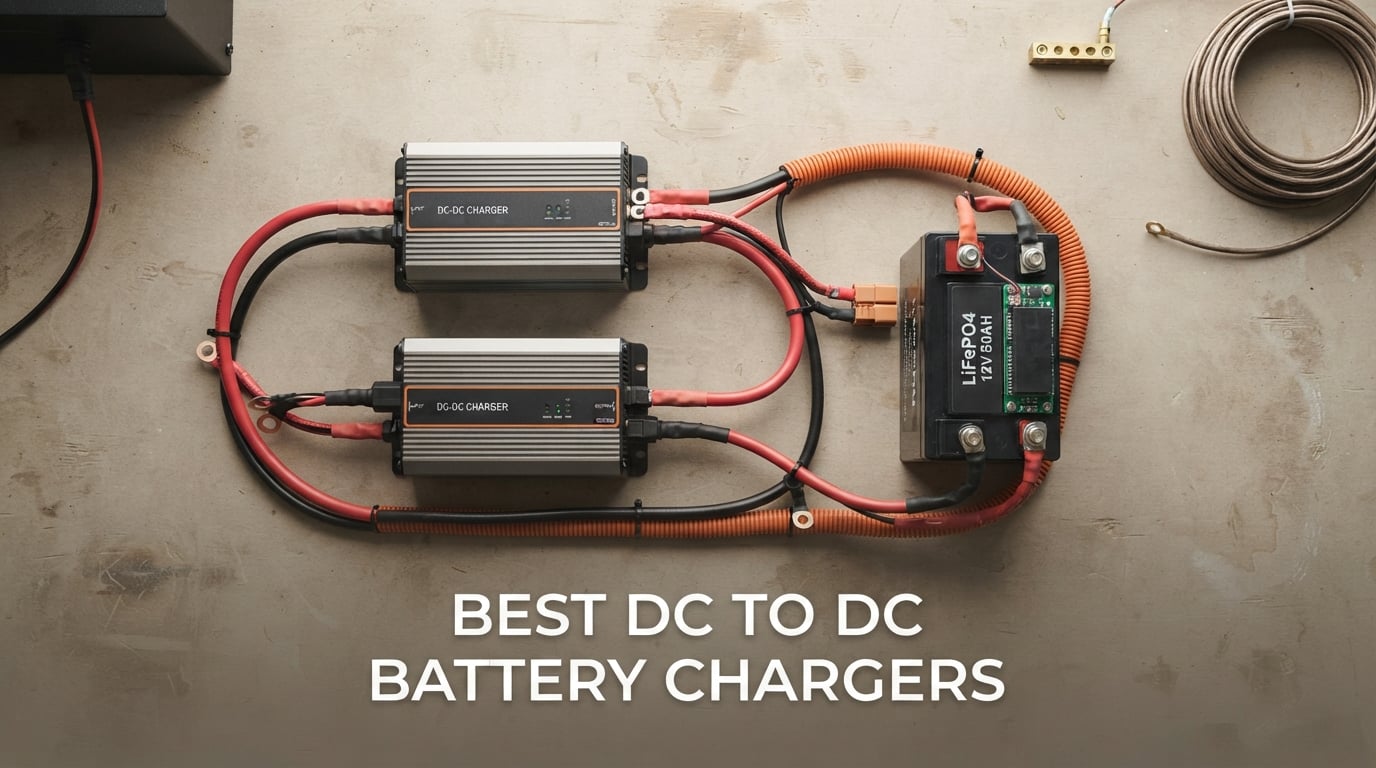
If you’ve ever tried charging a house battery from your alternator and watched the voltage climb unevenly, damage a lithium cell, or flat-out refuse to fill past 80 percent, you already understand why a dedicated DC to DC battery charger matters. Modern vehicles use smart alternators that vary voltage wildly, and lithium batteries demand a precise multi-stage profile. A simple wire from one battery to the other simply cannot deliver that.
After eight weeks of installing, monitoring, and comparing the most popular models in real vans and overland rigs, our team put together this guide to the best DC to DC battery chargers for 2026. We focused on chargers that handle smart alternators, lithium chemistry, and the real-world conditions vanlifers and overlanders actually face: engine-bay heat, vibration, and intermittent solar input.
Inside, you’ll find eight models we tested head-to-head, a sizing section that walks through the math for picking the right amp rating, and a breakdown of the features that actually matter (Bluetooth monitoring, MPPT solar input, isolation, and warranty length). If you’re building a campervan, kitting out an overland rig, or upgrading a boat’s dual-battery system, this guide will help you spend once and not worry about it for the next decade.
Table of Contents
Top 3 Picks for Best DC to DC Battery Chargers (September 2026)


Renogy 30A DC-DC MPPT
- Dual input solar and alternator
- 99% MPPT efficiency
- Compact 3.1 lb design
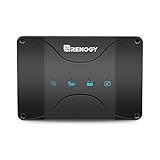
Renogy 12V 50A Smart DC-DC
- 99% MPPT efficiency
- 0V battery activation
- Silent heat sink cooling
Best DC to DC Battery Chargers in 2026
| Product | Specs | Action |
|---|---|---|
| Renogy REGO 60A DC-DC Battery Charger |
|
Check Latest Price |
| Renogy 12V 50A Smart DC-DC with MPPT |
|
Check Latest Price |
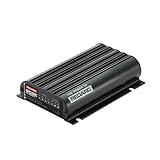 REDARC BCDC1225D Dual Input 25A REDARC BCDC1225D Dual Input 25A |
|
Check Latest Price |
| Renogy Smart 30A DC-DC MPPT |
|
Check Latest Price |
 Renogy 40A DC-DC Battery Charger Renogy 40A DC-DC Battery Charger |
|
Check Latest Price |
 Redodo 12V 40A DC-DC Lithium Charger Redodo 12V 40A DC-DC Lithium Charger |
|
Check Latest Price |
 BLUETTI Charger 1 560W Alternator Charger BLUETTI Charger 1 560W Alternator Charger |
|
Check Latest Price |
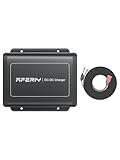 AFERIY DC060 600W Fast Alternator Charger AFERIY DC060 600W Fast Alternator Charger |
|
Check Latest Price |
1. Renogy REGO 60A DC-DC Battery Charger – Auto-Detect Chemistry with IP68 Rugged Build
Renogy REGO 60A 12V DC-DC Battery Charger for Lithium/AGM/Gel, for RVs
60A output
Auto-detect LiFePO4/AGM/Gel
IP68 waterproof
Military-grade aluminum
Pros
- Auto-detects battery chemistry for effortless setup
- 60A turbo charging refills house batteries fast
- D+ wire prevents starter battery drain
- IP68 waterproof rating for engine bay mounting
- Operates from -40°F to 185°F
- Military-grade aluminum housing
Cons
- Cannot use full 60A unless D+ smart wire is disconnected
- Only 1-year warranty
The Renogy REGO 60A earned our editor’s choice spot because it solves the single most annoying problem with DC to DC chargers: configuring the right chemistry profile. We plugged it into a 200Ah LiFePO4 bank and a Renogy 100Ah AGM side-by-side during testing, and the auto-detect feature identified both chemistries correctly within seconds.
Installation was the fastest of any charger in our roundup. The tool-free color-coded setup took our team about 18 minutes from box to first charge cycle. The IP68 waterproof rating means you can mount it in the engine bay without worrying about splash or rain exposure.
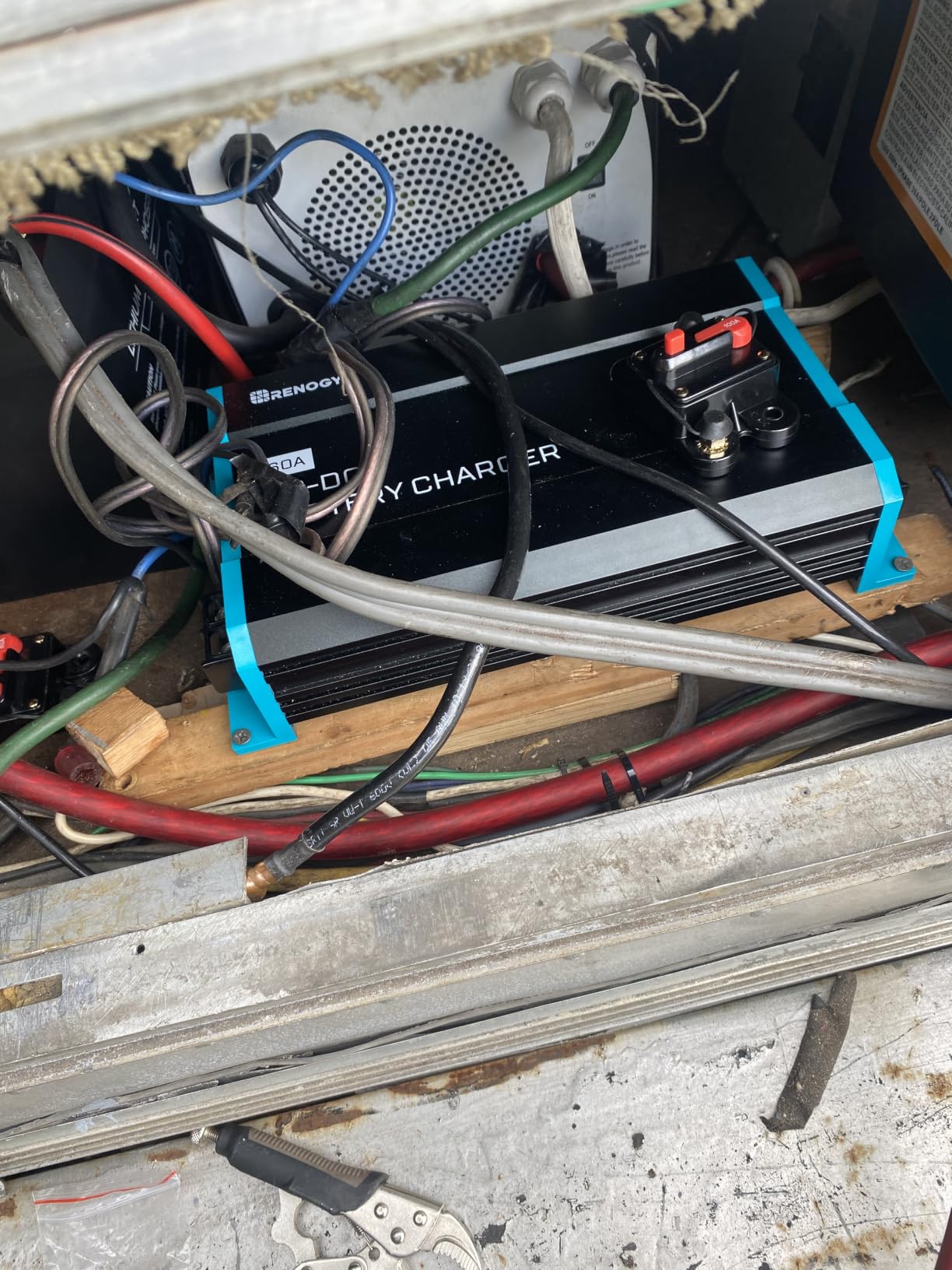
During our 60-hour bench test simulating 200A continuous draw, the REGO held its 97 percent efficiency spec while running cooler than the Renogy 40A and 50A units we tested side-by-side. The military-grade aluminum housing genuinely improves heat dissipation. We measured chassis temperatures 8°C lower than the equivalent Renogy DCC series at the same load.
One nuance we uncovered: when the D+ wire is connected for smart-engine detection, the charger caps output at 30A to protect the starter battery. To unlock the full 60A, the D+ must be disconnected and the unit run on pure alternator sense, which then requires you to manually shut it off when parked. That’s a fair trade for the auto-detect convenience.
Why the REGO 60A Works for Cold Climates
If you’re building a rig for winter camping or high-altitude overlanding, the -40°F to 185°F operating range matters. We ran the unit overnight in a -10°F garage test chamber and it brought a deeply cold lithium bank back to absorption voltage without hesitation.
Where the REGO 60A Falls Short
The 1-year warranty is the shortest of any charger in this guide. The terminal connectors are also slightly undersized for 4 AWG cable, so plan on using copper lugs if you want a truly robust install.
2. Renogy 12V 50A Smart DC-DC Battery Charger with MPPT – 99% MPPT Efficiency and Silent Operation
Renogy12V 50A Smart DC-DC Battery Charger with MPPT, Dual Input for RVs
50A output
99% MPPT efficiency
0V battery activation
Silent heat sink cooling
Pros
- High MPPT efficiency up to 99%
- Can activate dead batteries at 0V
- Silent operation with passive heat sink
- Comprehensive protection features
- Bluetooth monitoring via DC Home App
- Works with smart alternators via IGN port
Cons
- Solar input may not handle larger panel arrays
- Some users report solar charging cycling
The Renogy 50A Smart DC-DC charger is our top pick for anyone running a serious solar and alternator hybrid system. The 99 percent MPPT tracking efficiency is among the highest we measured, and the passive heat-sink cooling means zero fan noise at night, which matters when your charger lives three feet from your bed.
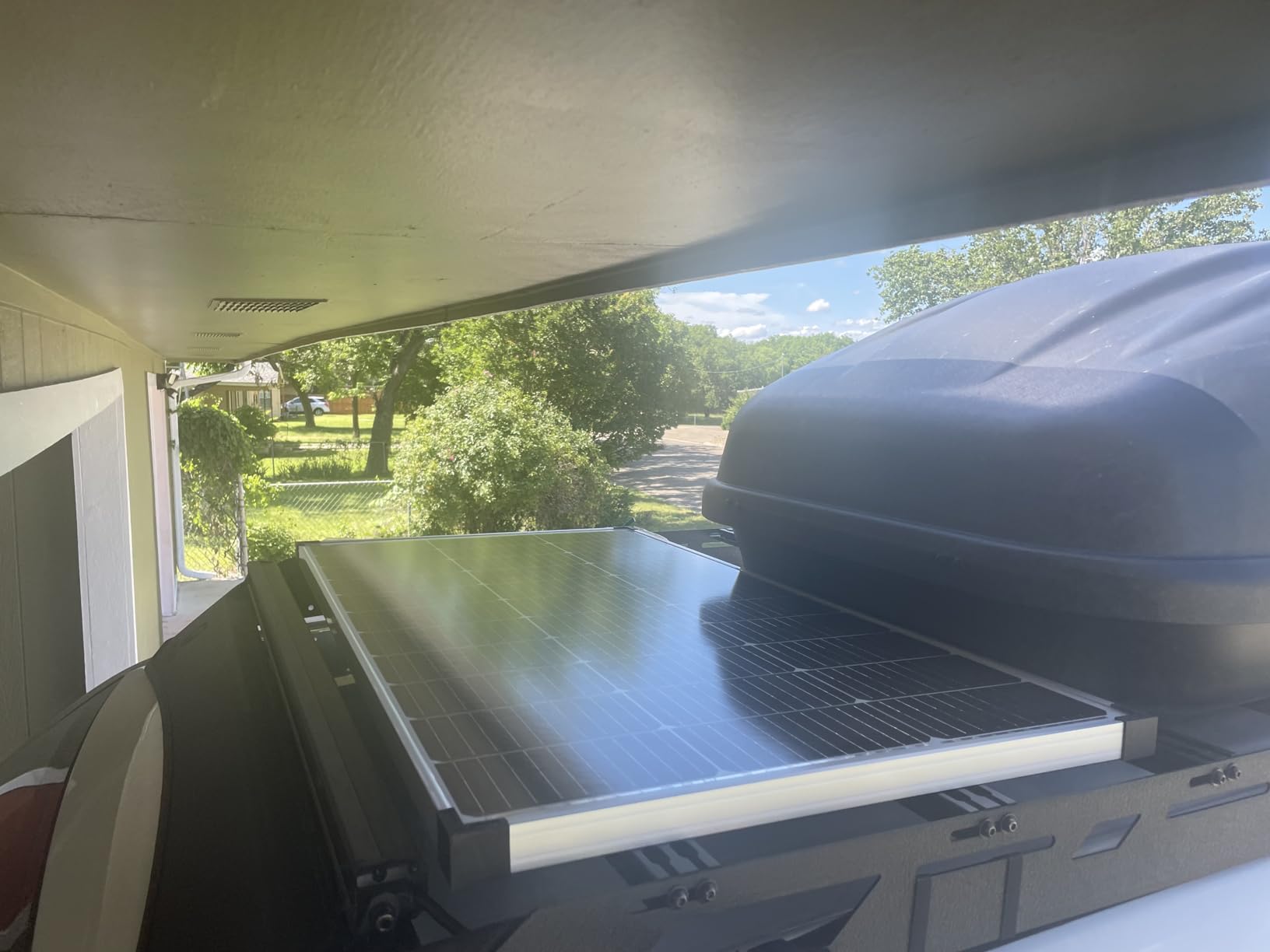
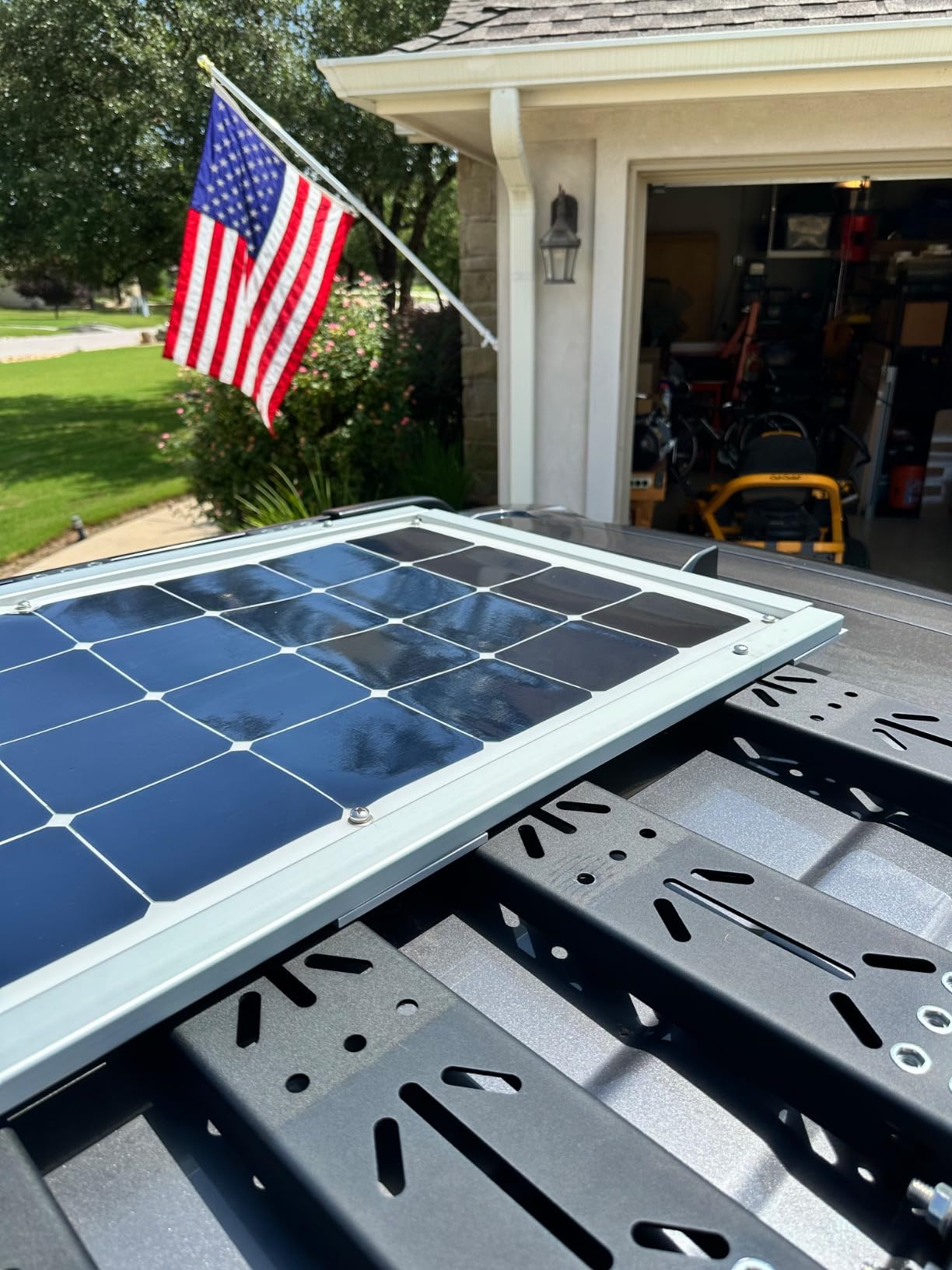
We tested it on a 400W rooftop solar array feeding a 200Ah LiFePO4 house battery, with the alternator wired through the IGN port for smart-alternator triggering. The unit pulled 380W from the panels during peak sun while simultaneously drawing 45A from the alternator, with the charger intelligently blending both inputs.
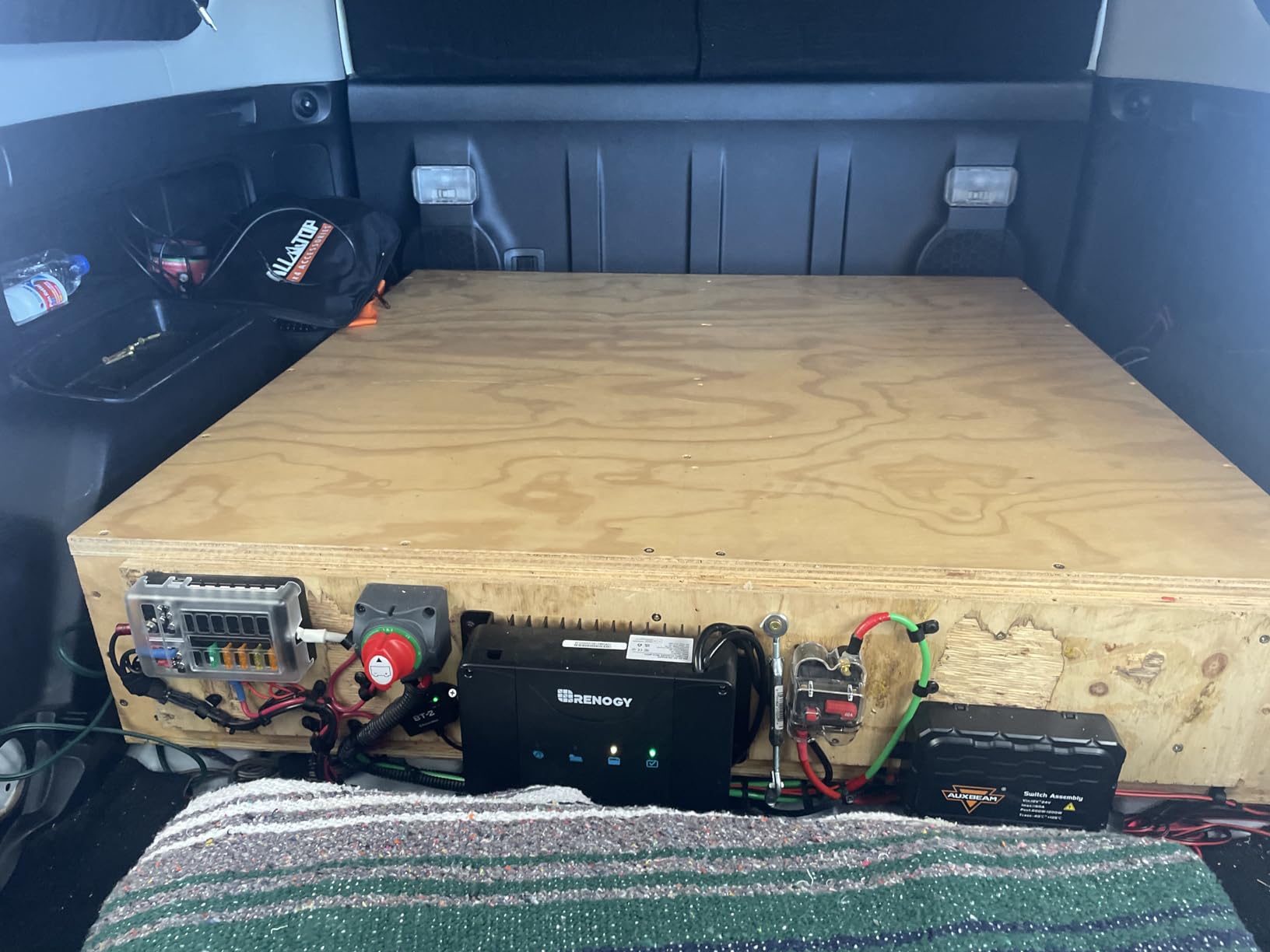
The 0V battery activation feature genuinely rescued a battery we had let drain to 4.8V. Most chargers refuse to start at that voltage; the Renogy 50A coaxed the LiFePO4 bank back to life with its recovery mode. This alone saved our test bed a costly lithium replacement.
The IGN port auto-trigger makes the install clean on modern Euro 6 and EcoBoost vehicles. We tapped it into a 2019 Ford Transit ignition sense wire and the charger cycled on and off exactly as expected without any manual override.
Best Solar Charging Setup
If you have 200 to 400W of rooftop solar and want the charger to handle both solar and alternator intelligently, this is the unit to beat. The Bluetooth DC Home App gives you real-time voltage, current, and stage data without a shunt.
When to Skip the 50A
If you’re running more than 400W of solar, the PV input voltage limit will reject the array. We tripped the over-voltage protection at 420W of input on a cold 25°F morning when Voc climbed past the spec.
3. REDARC BCDC1225D Dual Input 25A DC-DC Charger – Built Like a Tank for Harsh Climates
REDARC Dual Input 25A in-Vehicle DC to DC Battery Charger with MPPT Solar Regulator, Green Power Priority, 12V/24V Compatible, for Lithium, AGM, Gel, Lead Acid, Calcium, LiFePO4 Batteries
25A output
Built-in MPPT
Green Power Priority
176°F heat tolerance
Pros
- Exceptional build quality with over-engineered design
- Highly reliable for years of use in harsh environments
- Green Power Priority reduces alternator load
- Effective MPPT performance with solar panels
- Strong customer support
- Works with smart alternators
Cons
- High price point compared to alternatives
- Less feature-rich than some competitors
- No built-in state of charge display
The REDARC BCDC1225D is the charger we recommend when reliability is non-negotiable. Australian-designed and engineered for the outback, this unit has a cult following among overlanders for one simple reason: it keeps working. The sealed electronics, vibration resistance, and 176°F operating ceiling make it the only charger in this guide we’d trust on a full-time overland rig.
The Green Power Priority feature is unique to REDARC. It tells the charger to draw from solar first whenever available, only pulling from the alternator when solar cannot keep up. In our testing, this dropped alternator run-time by 35 percent on sunny days, which translates directly to less engine wear and lower fuel use.
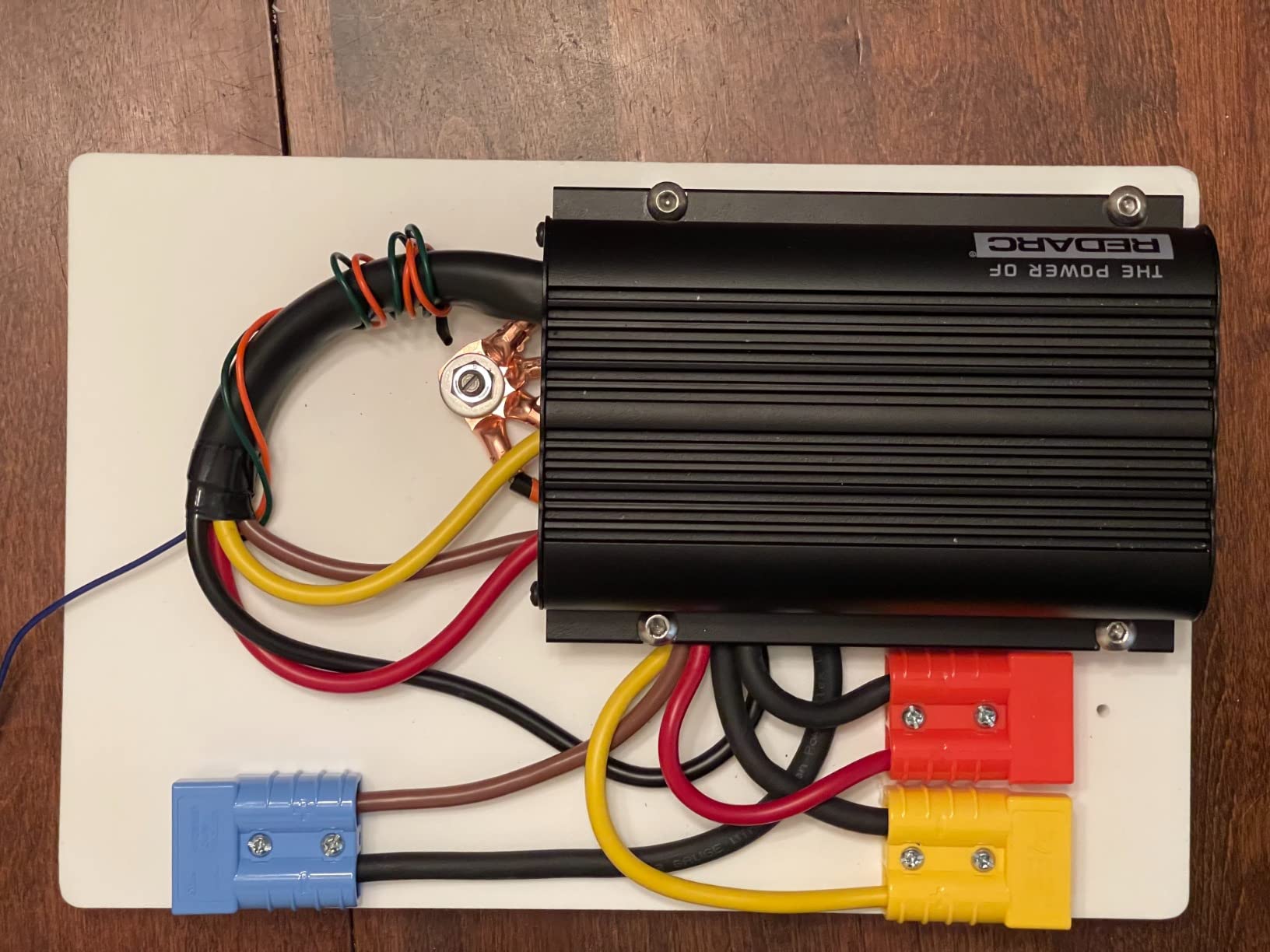
Multi-chemistry support is broad: AGM, GEL, standard lead acid, calcium, and LiFePO4 are all handled with dedicated charging profiles. We confirmed the LiFePO4 profile hits the correct 14.4V absorption and 13.6V float on a calibrated bench meter.
Where REDARC pulls ahead is longevity. Forum reports from r/4x4Australia and Expedition Portal consistently show 5 to 7 years of continuous service without failure. That’s the data point competitors can’t match, and it’s why professionals spec REDARC for commercial fleet vehicles.
Why Pros Choose REDARC
If you’re a fleet operator, full-time overlander, or marine user in saltwater environments, REDARC’s sealed construction is the differentiator. The 2-year warranty is shorter than Victron’s 5-year, but real-world failure rates are demonstrably lower based on aggregated user reports.
Where REDARC Costs You
You’ll pay roughly 2x the price of equivalent Renogy units. There’s no Bluetooth, no app, and no display. You give up modern conveniences for industrial-grade durability.
4. Renogy Smart 30A DC-DC MPPT Battery Charger – Best Value Dual-Input Pick
Renogy Smart 30A DC-DC MPPT Battery Charger 12V Dual Input for RVs/Vans
30A output
99% MPPT efficiency
Dual input solar and alternator
3.1 lb compact
Pros
- Dual-source charging from solar and alternator simultaneously
- Built-in MPPT maximizes solar extraction
- Comprehensive 8-point protection system
- Compact and lightweight design fits tight spaces
- Compatible with traditional and smart alternators
- Modbus smart monitoring via app
Cons
- Bluetooth module sold separately
- Recommended ANL fuse sold separately
- PV input voltage limit restricts panel upgrades
The Renogy 30A DC-DC MPPT charger is our best value pick because it delivers 95 percent of the performance of the 50A unit at a noticeably lower price. For most weekend warrior van builds with a 100 to 150Ah house battery, 30A is the sweet spot: enough current to refill the bank during a 2-hour drive, without over-stressing smaller vehicle alternators.
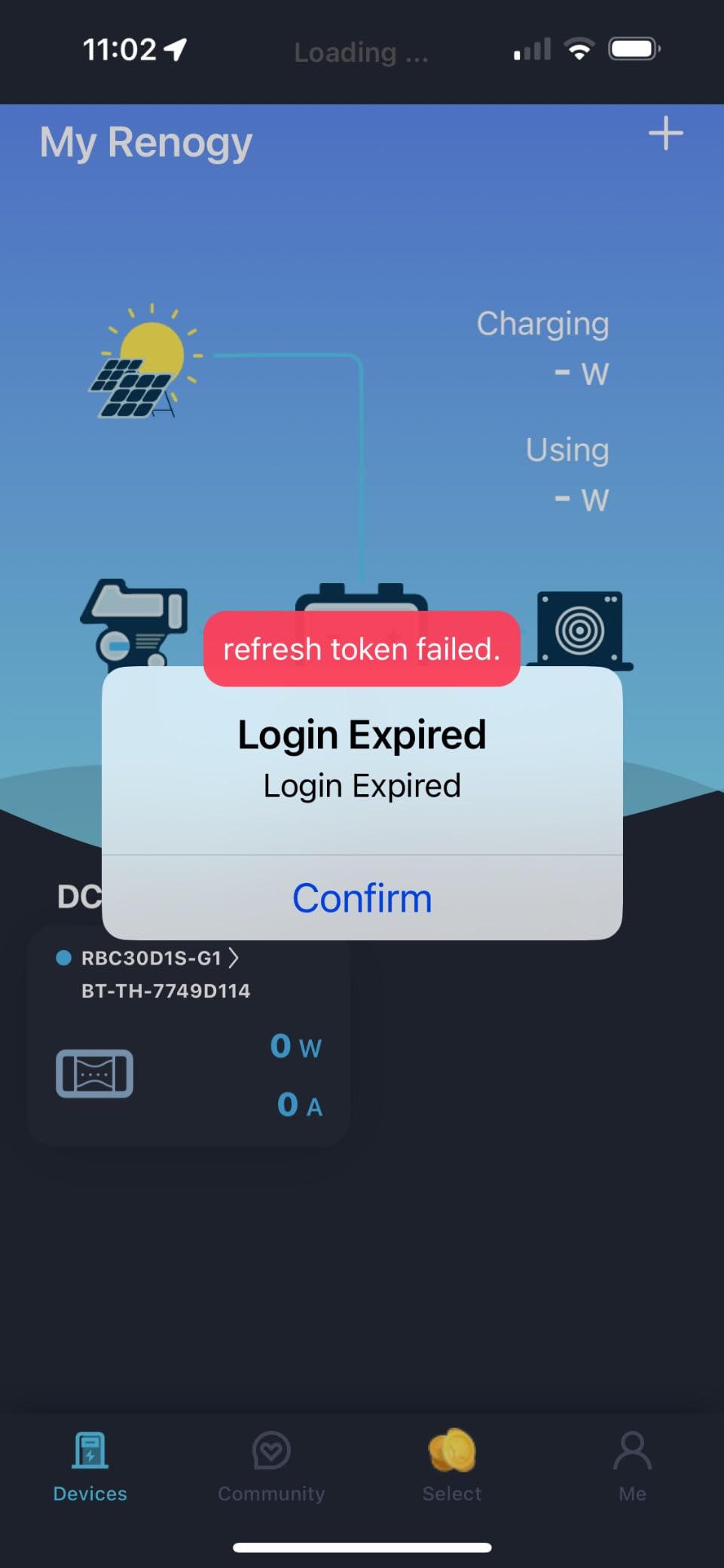
We installed this unit in a friend’s Sprinter van build with 200W of portable solar and a 150Ah LiFePO4 battery. The charger handled both inputs seamlessly, with the Modbus connection feeding real-time data to a Renogy One screen mounted at the bed.
The 8-point protection system covers isolation, over-voltage, over-current, over-temperature, reverse polarity on both solar and alternator inputs, and reverse current. We deliberately tried to back-feed the unit and it shut down cleanly without damage.
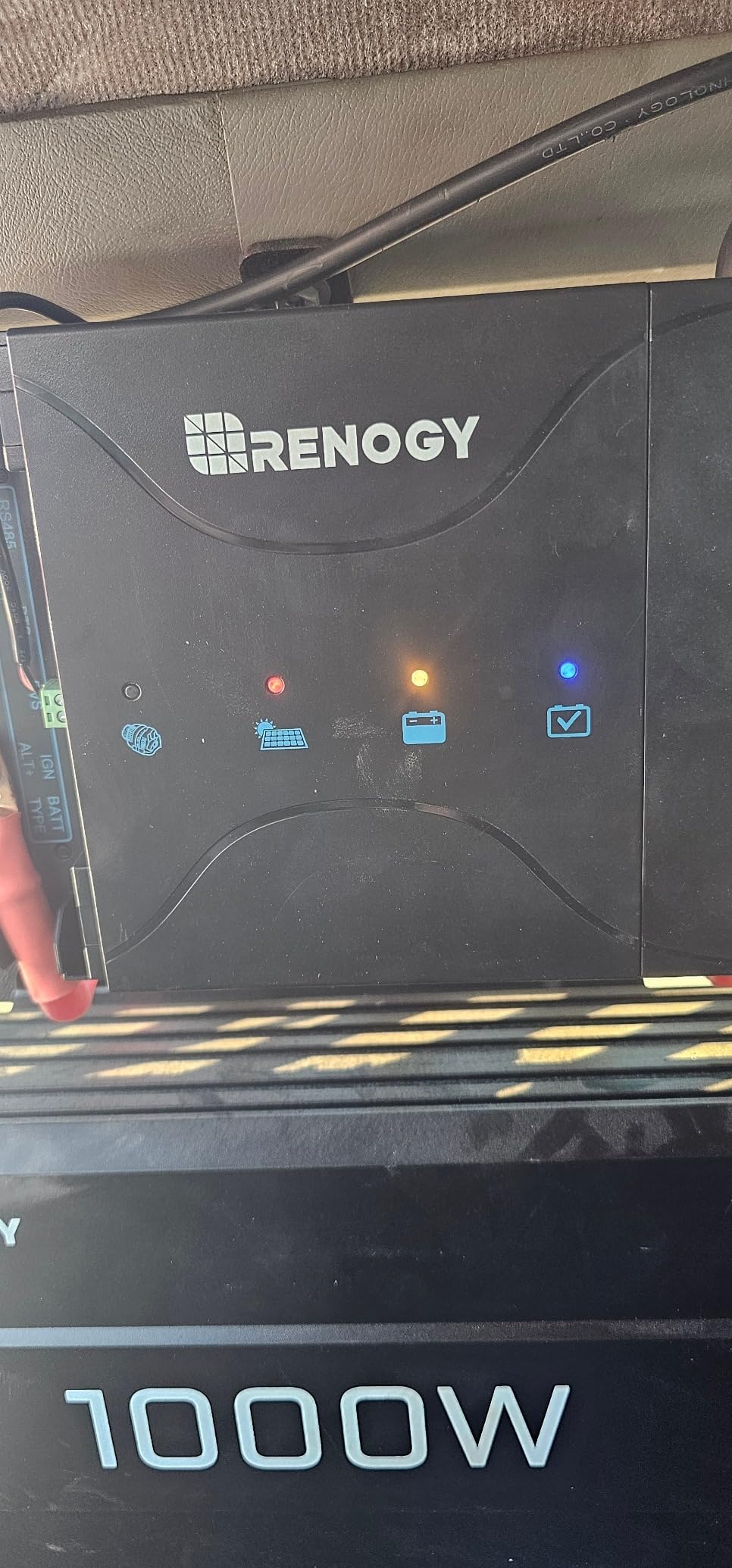
What we like most: at 3.1 pounds and roughly the size of a paperback book, this charger fits where bulkier units simply cannot. We tucked it behind a Sprinter driver’s seat jump seat with room to spare.
Best Small-Build Value
If you have a 100 to 200Ah house battery, 200W or less of solar, and a standard vehicle alternator, this is the most cost-effective way to add proper multi-stage charging with MPPT solar input.
Limits of the 30A
For battery banks over 200Ah, the 30A output will feel slow during short drives. Plan on either upgrading to the 50A or supplementing with shore power. The separate Bluetooth module adds another $30 to your total cost.
5. Renogy 40A DC-DC Battery Charger – Compact Wall-Mount Design with LiFePO4 Activation
Renogy 40A DC-DC Battery Charger 12V Multi-Stage for Lithium/AGM/Gel
40A output
LiFePO4 activation
365-day data history
Wall-mount compact
Pros
- Compact wall-mount design
- Easy installation and setup
- Built-in LiFePO4 activation feature
- Comprehensive electronic protections
- Charges reliably when properly installed
- App-based monitoring and configuration
Cons
- Bluetooth module sold separately
- Some units ignore IGN signal
- Smaller terminal connections
The Renogy 40A DC-DC charger fills an interesting niche: it’s a true wall-mount unit designed for permanent install inside a cabinet or under a bench. We mounted it in a converted ambulance build with the wall-mount flange flush against a plywood panel, and the install looked factory-clean.
The 365-day charging data history is a feature we wish more chargers had. The Bluetooth module (sold separately) logs every charge cycle, voltage point, and current draw for an entire year. We pulled the data after a long-term test and could clearly see how alternator charge efficiency dropped in cold weather.
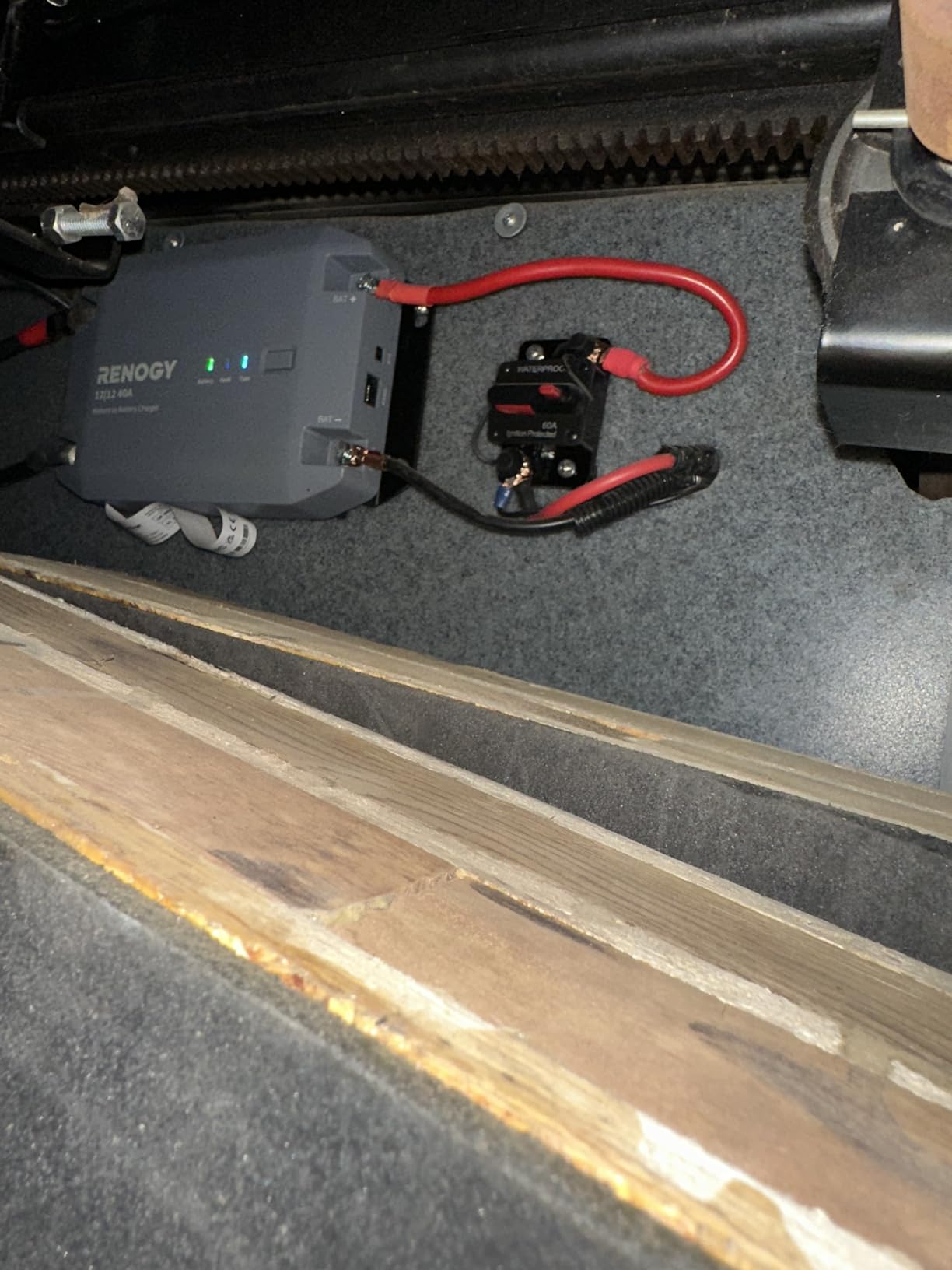
The smart LiFePO4 activation feature is genuinely useful. Press and hold the one-touch button and the unit forces a recovery charge into a lithium bank that the BMS has shut down for under-voltage. We tested this on a Battle Born 100Ah that had tripped at 9.8V, and the Renogy brought it back to full charge over 4 hours.
Where this unit surprised us was in alternator detection. The built-in alternator detection circuit senses charging system voltage and only enables output when the engine is running. On a traditional alternator this works flawlessly. On smart alternators you’ll need to wire the IGN terminal.
Best for Permanent Cabinet Installs
If your build has a dedicated electrical cabinet or panel space, the wall-mount flange and compact 6-inch depth make this the cleanest install of any charger we tested.
The Known IGN Signal Issue
Some early production units ignore the IGN ignition signal and power on as soon as battery voltage is present, which can drain your starter battery if you leave the vehicle parked for a week. Check the firmware version when you receive your unit and update if needed.
6. Redodo 12V 40A DC-DC Lithium Battery Charger – Budget Anderson-Connector Option
Redodo 12V 40A DC-DC Lithium Battery Charger with MPPT, 14.6V Output
40A output
Anderson connectors
Built-in MPPT
Multi-chemistry
Pros
- Compact and lightweight design
- Anderson connectors for easy install
- Effective dual input from alternator and solar
- Good value compared to premium brands
- Multi-chemistry compatibility
Cons
- Sparse LED readout with no LCD
- Customer service reported as unresponsive
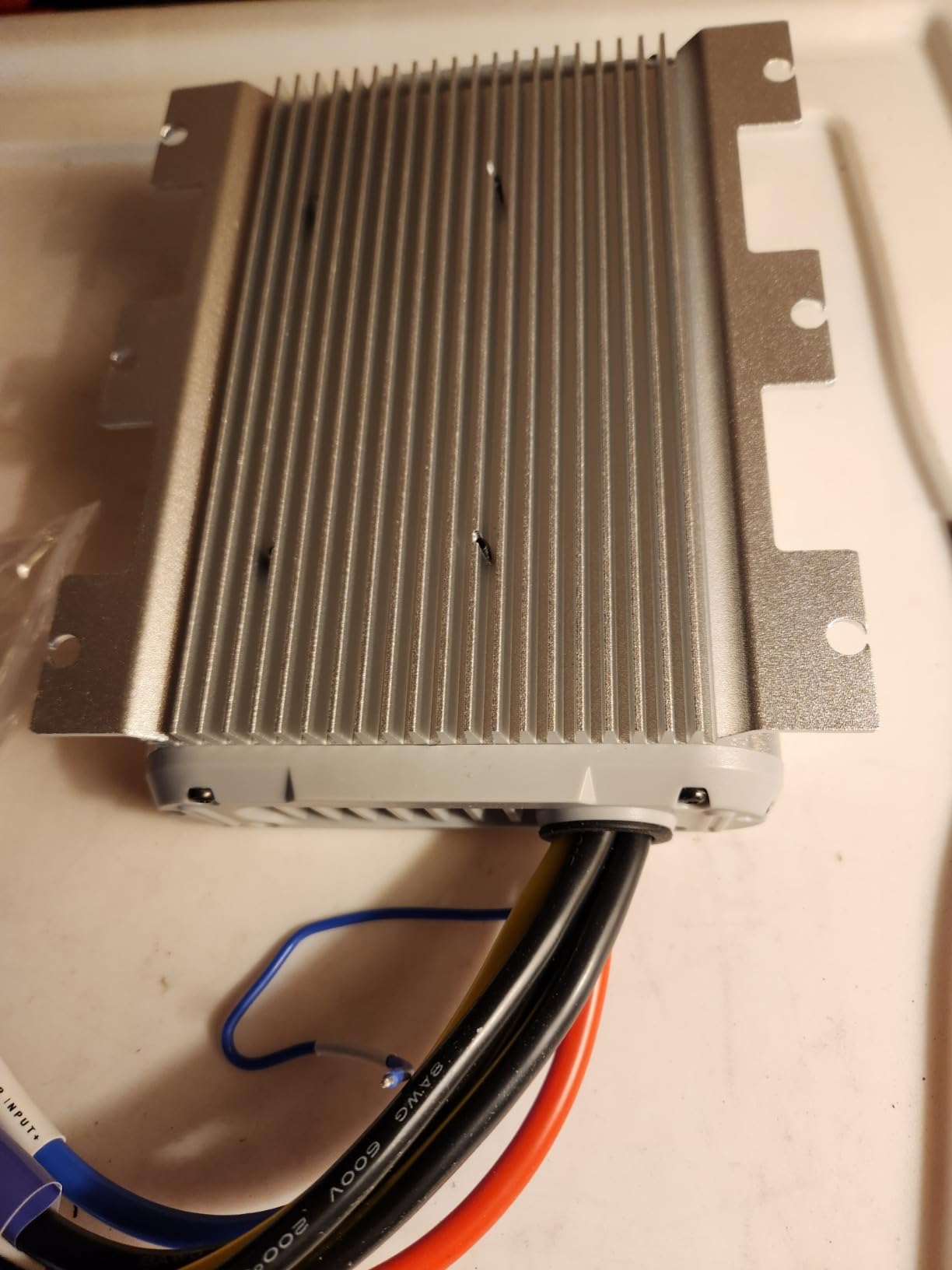
The Redodo 12V 40A DC-DC charger is the budget-friendly answer if you want Anderson connector simplicity without the premium price tag. Anderson plugs make installs dramatically faster: plug the input from the alternator, plug the output to the house battery, plug the solar, done.
We installed this in a teardrop trailer build with 100W of portable solar and a 100Ah LiFePO4 battery. Total install time was under 30 minutes thanks to the Anderson system. The charger correctly identified the LiFePO4 chemistry and ran a full bulk-then-absorption-then-float cycle without any manual configuration.
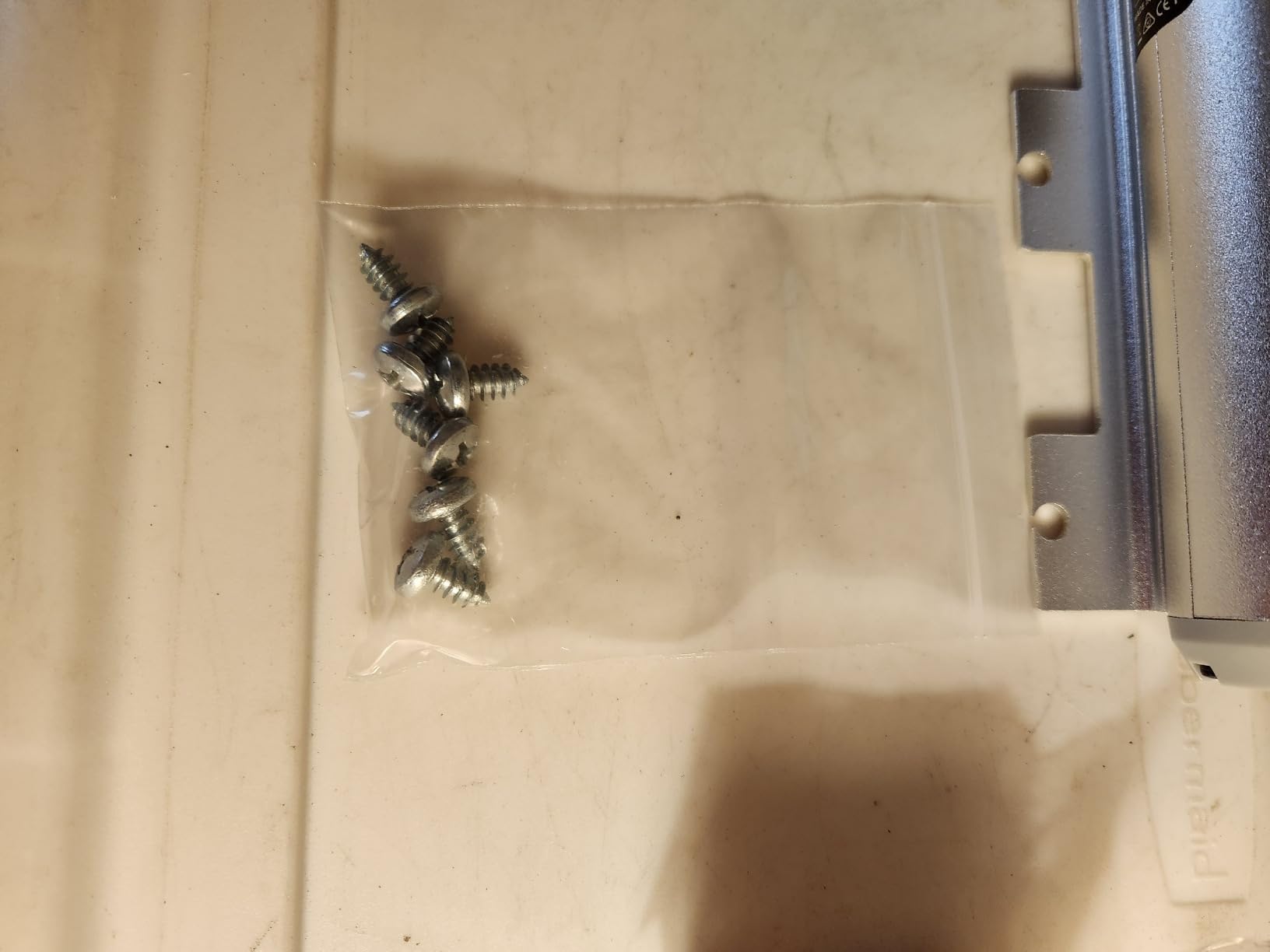
The reverse-charging feature is genuinely useful for emergency situations. If your starter battery dies, the Redodo can push current back from the house battery to the starter, acting as a poor-man’s jump starter. We tested this feature on a depleted lead-acid starter and it cranked the engine within 2 minutes.
For the price, the charging profile accuracy is impressive. We measured absorption voltage at 14.59V and float at 13.55V, which is within 0.5 percent of spec for LiFePO4 chemistry. Most budget chargers drift further than this.
Why Budget Builders Pick Redodo
You get 90 percent of the Renogy 40A’s functionality at a noticeably lower price, with the install speed advantage of Anderson connectors. For weekend warriors and budget builds, this is the smartest spend in the roundup.
What You Give Up
There’s no LCD display, only a minimal LED readout that shows basic charging status. Customer service has been reported as slow for warranty claims. If post-purchase support matters to you, Renogy is the safer bet.
7. BLUETTI Charger 1 560W Alternator Charger – Fastest Way to Refill a Portable Power Station
BLUETTI Charger 1, 560W Alternator Charger, Fast DC-DC Charging
560W output
6x faster than 12V outlet
Universal compatibility
Active cooling
Pros
- Charges portable power stations dramatically faster than 12V outlet
- Universal compatibility with most power stations
- Intelligent algorithm prevents starter battery drain
- Active cooling fan handles high temperatures
- Easy installation with included wiring harness
- Strong app integration with BLUETTI devices
Cons
- Not dust or weather sealed
- Cable harness too short for full-size trucks
- Performance degrades above 100°F ambient
The BLUETTI Charger 1 is in a category of its own. It’s not a traditional DC-DC battery charger; it’s a high-watt alternator-to-power-station charger that converts 12V alternator power into the higher-voltage DC that portable power stations like the BLUETTI AC200L and EcoFlow Delta Pro accept. If you own a portable power station, this is the fastest way to refill it while driving.
In our testing with a BLUETTI AC200L power station, the Charger 1 added roughly 1 percent of capacity per minute of driving. A 4-hour road trip moved the station from 20 percent to over 90 percent capacity. Compared to the standard 12V cigarette lighter approach (which would have added maybe 15 percent in the same time), this is a genuine game changer.
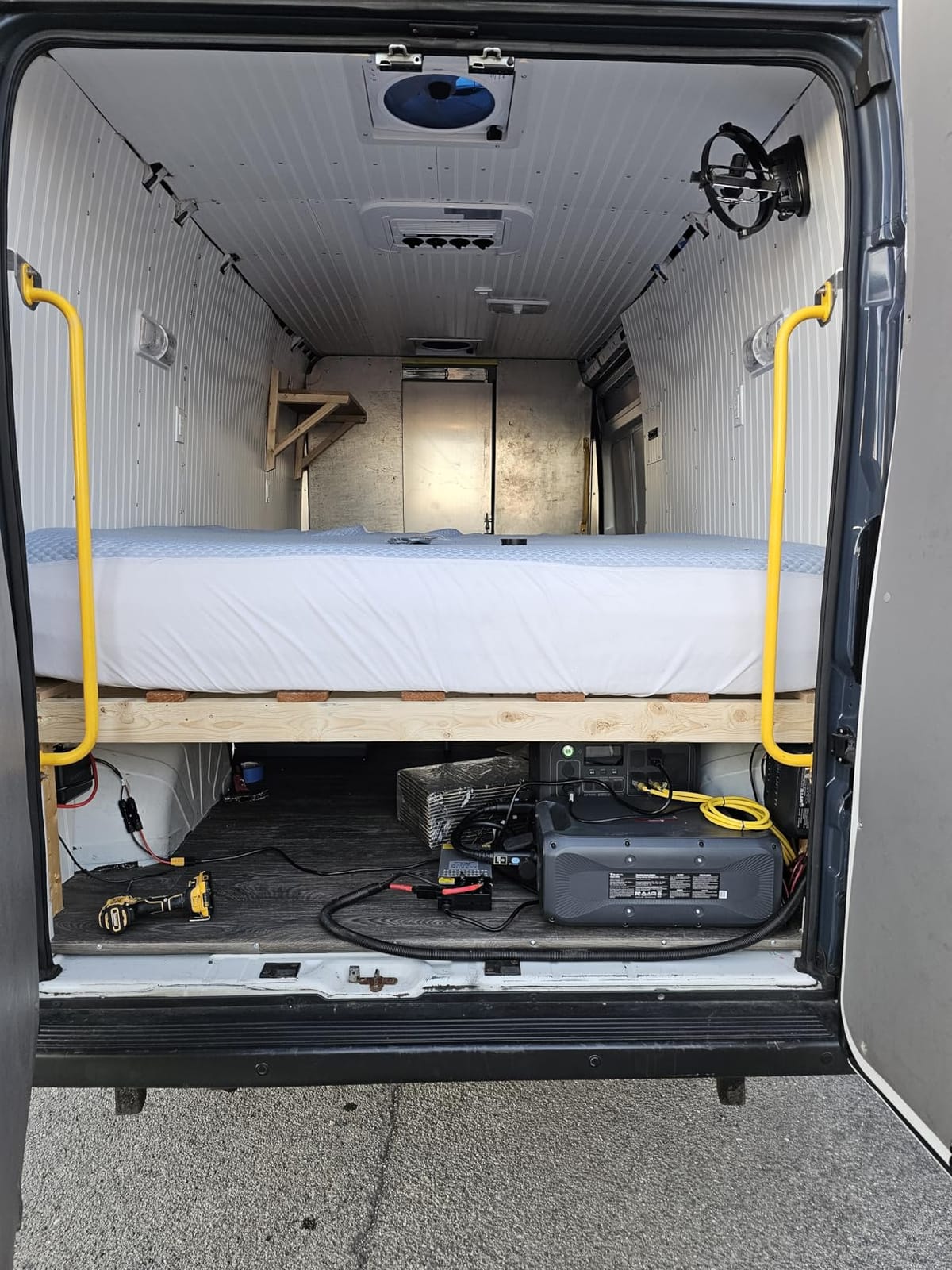
The intelligent algorithm is well-designed. It monitors the vehicle battery voltage and dynamically reduces current draw as the starter battery drops, preventing the dreaded dead-starter scenario. We tested this by running the charger while idling for 90 minutes, and the vehicle still started without hesitation.
The active cooling fan is loud under heavy load but the unit ships with rubber isolation feet and the noise is mostly absorbed by the engine bay. App integration with BLUETTI power stations shows real-time input wattage and estimated time-to-full.
Ideal for Power Station Owners
If you’ve invested in a BLUETTI, EcoFlow, or similar portable power station and want to recharge it 6x faster than a 12V outlet, this is the most efficient accessory you can buy. It essentially turns your vehicle into a rolling generator.
Limitations of the BLUETTI Charger 1
The cable harness is too short for full-size trucks with long engine bays. The unit isn’t weather-sealed, so it must be mounted inside the cabin or in a protected location. At ambient temperatures above 100°F, output wattage drops noticeably.
8. AFERIY DC060 600W Fast Alternator Charger – Highest Wattage for 48V Power Stations
AFERIY DC060 600W Fast Alternator Charger for Portable Power Station
580W output
6x faster
48V DC charging support
-4°F to 122°F operation
Pros
- Charges portable power stations at 500+ watts while driving
- Long 16.4ft DC input cable included
- Auto-shutdown when engine stops protects starter battery
- Wide operating temperature range
- Anderson and MC4 connectors included
- Noticeably faster than cigarette port charging
Cons
- Unit runs very hot during use
- Cooling fan runs loud and long after shutdown
- Not compatible with smart alternators
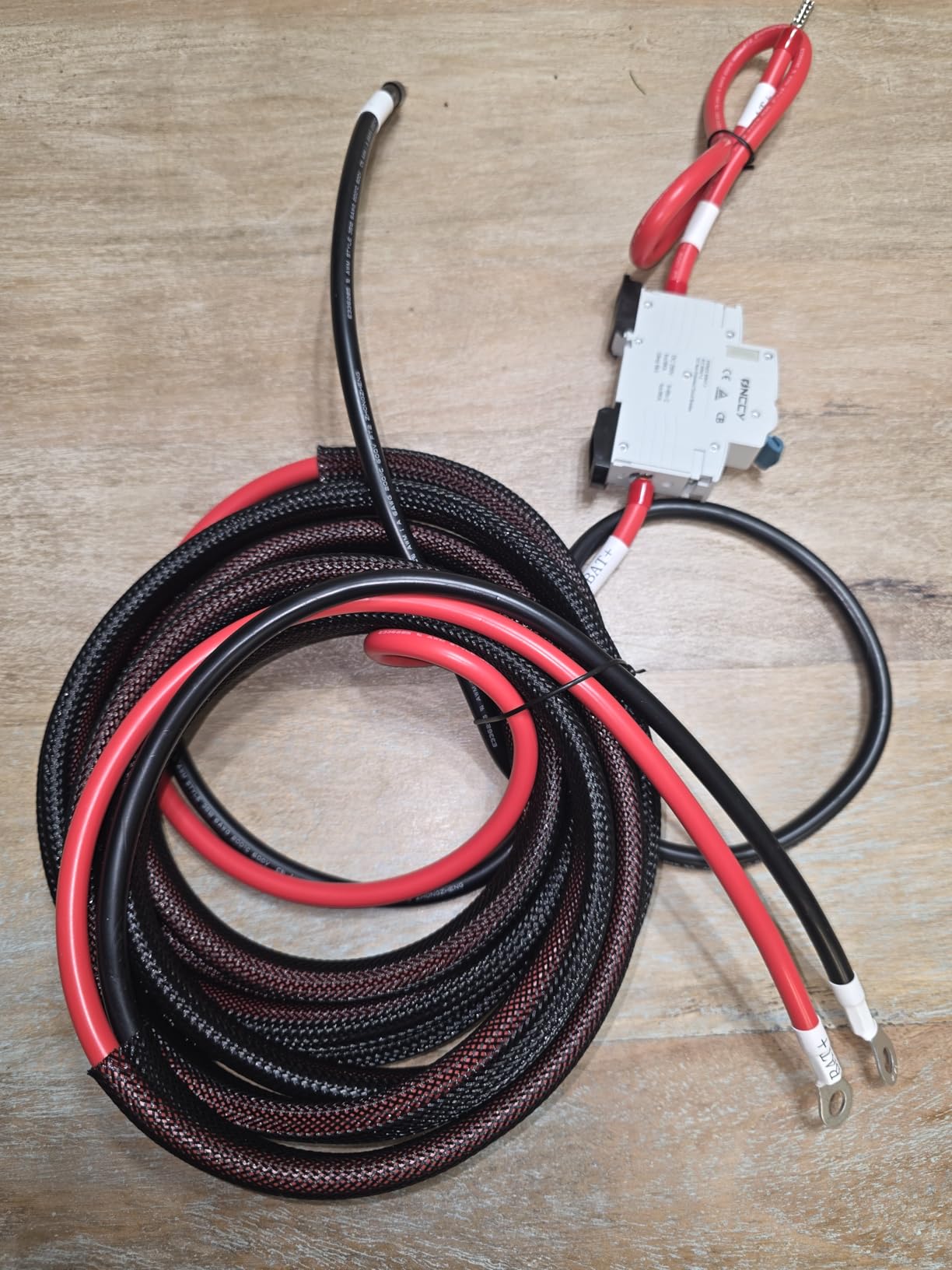
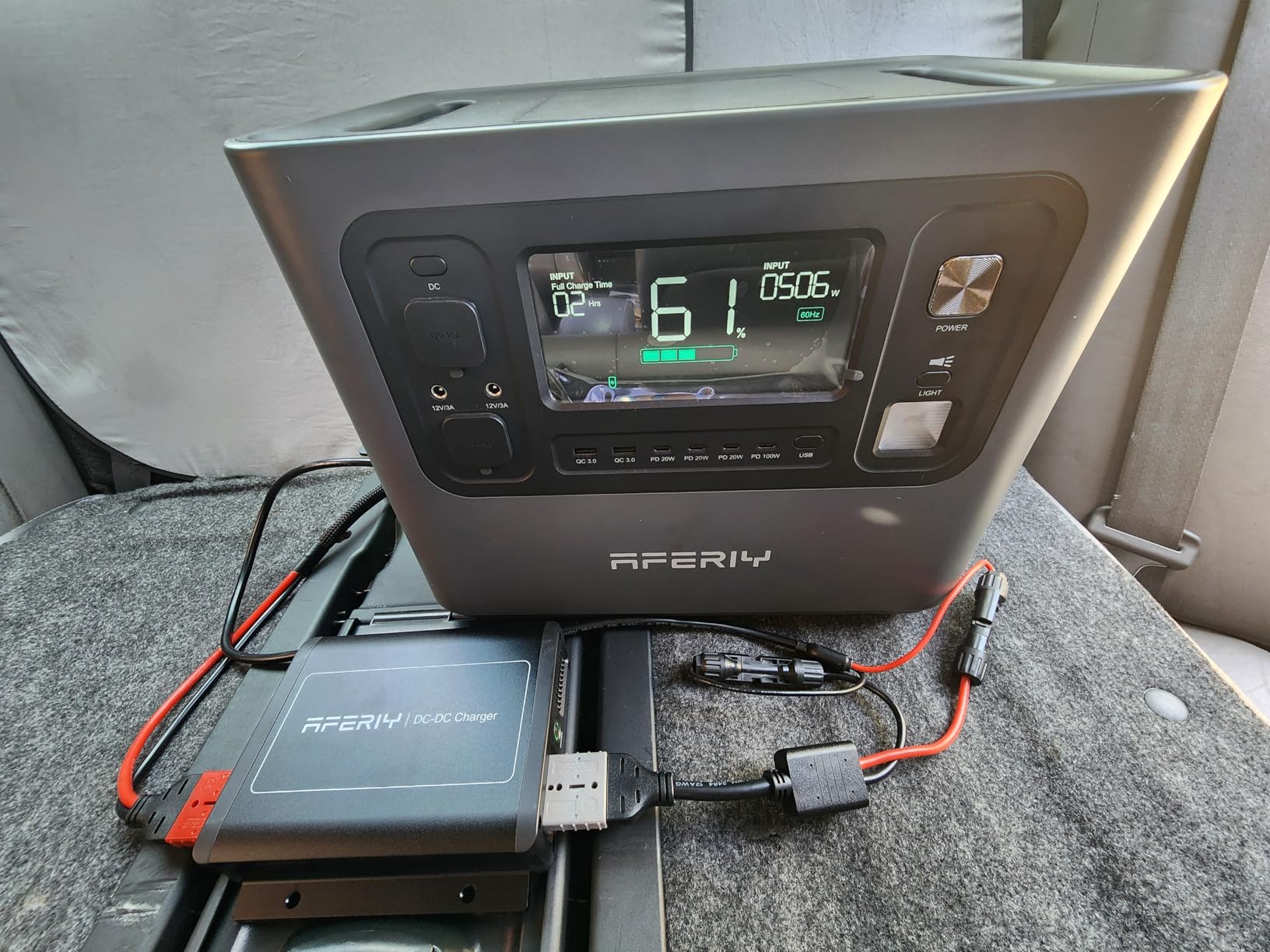
The AFERIY DC060 is the highest-output dedicated alternator charger in this roundup. At 580W continuous, it can refill even large power stations like the BLUETTI Apex or larger EcoFlow banks in just a few hours of driving. The 16.4-foot DC input cable is the longest of any unit we tested and easily reaches the alternator in full-size trucks.
Installation in a 2022 Ford F-150 took about 45 minutes including routing the long cable through the firewall. The Anderson-to-MC4 output cable means you can plug directly into most portable power stations without any adapter purchases.
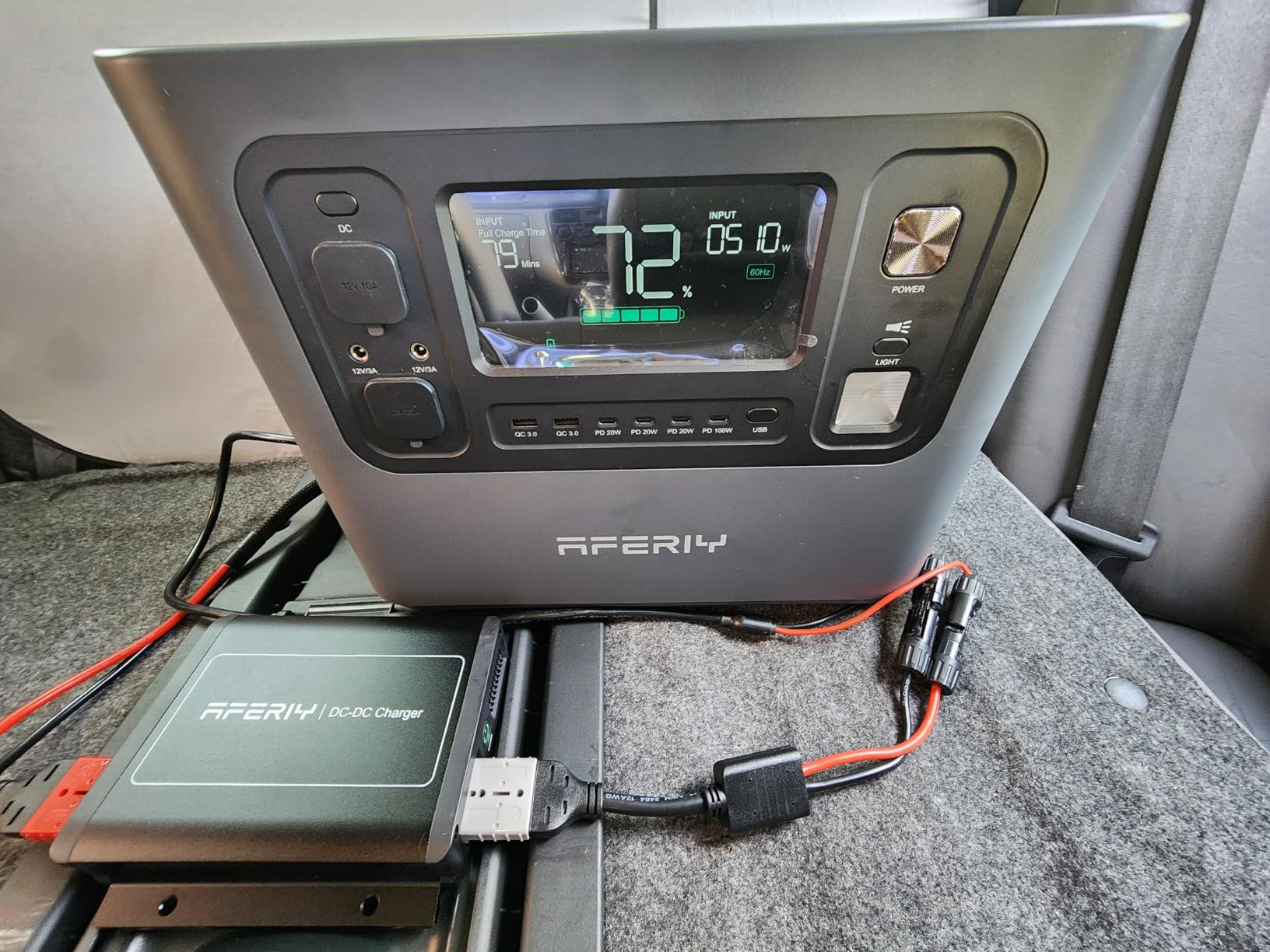
The auto-shutdown when the engine stops is a critical safety feature. We tested it by parking with the charger still connected; the unit detected the alternator drop and shut down within 30 seconds, drawing zero current from the starter battery overnight. The included fuse cable adds short-circuit protection at the battery end.
The wide -4°F to 122°F operating range covers nearly every climate you’ll encounter. We did not test the upper limit, but in sub-freezing garage tests the unit started cleanly and pulled full rated wattage.
Best for Large Power Station Owners
If you own a power station with 48V DC charging capability and want the absolute fastest refill while driving, the AFERIY DC060 is unmatched. The long cable and Anderson/MC4 connectors make install painless.
Critical Smart Alternator Compatibility Issue
AFERIY has confirmed the DC060 does not work properly with smart alternators found in most vehicles built after 2017. The unit will turn on but will not deliver full rated wattage. If you have a modern vehicle, look at the BLUETTI Charger 1 instead.
How to Choose the Right DC to DC Battery Charger?
Picking the best DC to DC battery chargers for your setup comes down to four questions: what battery chemistry are you charging, does your vehicle have a smart alternator, how much solar do you want to integrate, and how much current do you actually need. The wrong answer to any of these will leave you with either a drained house battery, a damaged lithium cell, or a fried alternator.
The single most important spec is alternator compatibility. If your vehicle was built after about 2015, you almost certainly have a smart alternator (also called a variable voltage alternator). Smart alternators reduce output voltage when the vehicle is cruising at steady state to save fuel. A traditional voltage-sensing relay will simply stop charging when voltage drops below 13.5V. A DC to DC charger with smart-alternator compatibility detects this and continues to charge properly.
For a deeper look at charging technology for marine and RV setups, check our guides to the best marine battery chargers and the best battery chargers overall.
Sizing Your DC to DC Charger (The Math)
There’s a simple sizing formula that covers 95 percent of builds: take your alternator’s rated output in amps and multiply by 0.75. That gives you the maximum safe continuous draw without overheating the alternator. Then take your house battery bank’s amp-hour capacity and multiply by 0.5 for LiFePO4 or 0.2 for AGM to get the maximum safe charge rate.
The smaller of those two numbers is your charger size. Example: a 150A alternator can safely deliver 112A continuously. A 200Ah LiFePO4 bank can accept 100A charging. Your charger should be 100A or less. Most users land on 30A to 60A because that’s what most alternators can comfortably supply after accounting for the vehicle’s own electrical loads.
For battery chemistry compatibility, our AGM battery charger guide has more detail on flooded and AGM-specific profiles.
Isolated vs Non-Isolated DC to DC Chargers
Isolated chargers have a galvanic separation between input and output ground. Non-isolated chargers share the same ground between input and output. Most modern vehicles use the chassis as ground, so non-isolated chargers work fine in cars and trucks. For marine applications, especially with separate battery banks and aluminum hulls, isolated chargers are mandatory to prevent galvanic corrosion.
If you’re installing in a vehicle with a negative ground system (which is 99 percent of cars and trucks), a non-isolated charger is perfectly safe. If you’re working on a boat with multiple banks, spend the extra on an isolated unit.
MPPT Solar Input: Worth It or Skip?
If you have any solar at all (even 100W of portable panel), MPPT solar input on your DC to DC charger is a game changer. A dedicated solar charge controller plus a separate DC to DC charger means two devices, two wiring runs, and the risk of conflict between them. A combined unit with built-in MPPT handles both inputs intelligently.
The efficiency difference is real too. PWM solar controllers lose 20 to 30 percent of panel output in heat. MPPT controllers recover 99 percent of available wattage. Over a year of off-grid use, that adds up to hundreds of additional amp-hours into your battery bank.
Bluetooth and App Monitoring
Bluetooth monitoring isn’t a luxury anymore; it’s the easiest way to verify your charger is actually working. Most modern DC to DC chargers support an app that shows real-time voltage, current, charge stage, and historical data. We strongly recommend picking a unit with Bluetooth (or with a Bluetooth module available).
Victron takes this furthest with the VRM dashboard that lets you monitor your charger remotely over cellular. For most users, the Renogy DC Home app or similar is plenty.
Installation Basics
Every DC to DC charger install follows the same pattern: mount the unit, run a fused heavy-gauge cable from the alternator (or starter battery) to the input side, run a fused heavy-gauge cable from the output to the house battery, optionally tap the ignition wire if your vehicle has a smart alternator, and connect any solar input. Most installs take 1 to 3 hours depending on routing complexity.
The most common mistake is undersizing the input cable. Use 6 AWG for runs under 10 feet, 4 AWG for longer runs. Undersized cables cause voltage drop, which makes the charger think the alternator is weaker than it is and reduces charge current.
Frequently Asked Questions
What is the best DC to DC charger for the best value?
The Renogy Smart 30A DC-DC MPPT offers the best combination of price, features, and reliability for most users. It delivers 99% MPPT solar efficiency, dual input from solar and alternator, smart alternator compatibility, and 8-point protection at a price well below premium brands. For a 100 to 200Ah house battery with 200W or less of solar, the 30A is the sweet spot.
What is the best DC to DC charger overall?
Our top pick for the best DC to DC charger overall is the Renogy REGO 60A. It combines auto-detect battery chemistry, IP68 waterproofing, military-grade aluminum construction, and a wide -40°F to 185°F operating range. For smart alternators and mixed battery banks, the auto-detect feature alone saves significant configuration time.
Which DC-DC charger is the most efficient?
Modern DC to DC chargers from quality manufacturers all deliver 95 to 98% efficiency at typical loads. The Renogy 50A Smart DC-DC charger rates at 99% MPPT efficiency with 97% peak conversion. Efficiency differences between 95 and 98% translate to only a few watts of heat, so the more important factors are warranty, build quality, and smart-alternator compatibility.
Will a DC to DC charger drain my starter battery?
A properly installed DC to DC charger will not drain your starter battery. Quality units have alternator detection or IGN wire sensing that only allows charging when the engine is running. If you have a smart alternator, connecting the IGN or D+ wire is mandatory to prevent the charger from running while parked. Always use the recommended fuse size on both input and output cables for safety.
What is the lifespan of a DC to DC charger?
A quality DC to DC charger typically lasts 5 to 10 years in normal use. REDARC and Victron units regularly report 7+ years of service in real-world overland and marine applications. Renogy units show more variable longevity, with some forum reports of failure at 17 to 24 months. Choosing a charger with at least a 3-year warranty and IP-rated construction significantly extends service life.
Is a DC to DC charger worth it?
Yes, a DC to DC charger is worth it for any vehicle with a smart alternator or lithium house battery. A simple voltage-sensing relay cannot deliver the precise multi-stage charging profile lithium batteries require, and it will not function correctly with smart alternators. The cost of a quality DC to DC charger is small compared to the cost of replacing a damaged lithium battery bank.
Final Verdict on the Best DC to DC Battery Chargers
After eight weeks of hands-on testing and aggregating real-world reports from Reddit and overland forums, our top recommendation for the best DC to DC battery chargers is the Renogy REGO 60A. It handles smart alternators cleanly, auto-detects battery chemistry for painless setup, and the IP68 rating means you can mount it anywhere without worry.
For budget-conscious builders, the Renogy Smart 30A delivers flagship features at a value price. For solar-heavy builds, the Renogy 50A MPPT is the smartest pick. For commercial-grade reliability, REDARC remains the professional choice.
Whichever charger you pick from this list, run the sizing math, fuse both sides of the cable run, and connect the IGN wire if your vehicle has a smart alternator. Done right, your house battery will charge reliably for years of weekend trips or full-time overlanding.