

I have spent more weekends than I care to admit pulling a heavy mower uphill, and the day I switched to a self-propelled model was the day my Saturday mornings got longer. A self-propelled lawn mower drives its own wheels with a gas engine or electric motor, so the only effort you put in is steering. If you have a yard larger than a quarter acre, any kind of slope, or just want a faster, easier mow, this category pays for itself in saved energy alone.
Over the past three months our team tested ten walk-behind self-propelled mowers across two lawns: a flat half-acre lot and a sloped quarter-acre yard with thick fescue and the occasional wet patch. We timed each cut, weighed the bagging and mulching output, measured noise with a decibel meter at the operator’s ear, and pushed every unit up the same hill more times than we should have. This guide breaks down the best self-propelled lawn mowers we found, with notes on who each one is built for and where it falls short.
Before we get into the picks, a quick note on what changed for 2026. Cordless platforms have closed the gap with gas in a serious way, and several battery models we tested now match or beat mid-size gas engines on torque. At the same time, gas is still the right answer for users who mow far from outlets, push through very thick or wet grass weekly, or want the lowest upfront cost. We split our list to make that tradeoff obvious.
Table of Contents
Top 3 Self-Propelled Mowers at a Glance (September 2026)

EGO POWER+ 21 inch Cordless
- 60 minute runtime
- 7.0 ft-lb torque
- Touch Drive self propel
- Select Cut multi blade
- 5 year warranty

Greenworks 80V 21 inch…
- 45 minute runtime
- 80V brushless motor
- RWD variable speed
- 3 in 1 cutting
- 75 plus tool compatibility

EGO POWER+ 21 inch Dual Toggle
- 50 minute runtime
- 6.0 ft-lb torque
- Dual Toggle drive
- 3 in 1 cutting
- Lightweight 50.9 lb
Best Self-Propelled Lawn Mowers in 2026
| Product | Specs | Action |
|---|---|---|
| EGO POWER+ 21 inch Cordless |
|
Check Latest Price |
| Greenworks 80V 21 inch Cordless |
|
Check Latest Price |
| EGO POWER+ 21 inch Dual Toggle |
|
Check Latest Price |
 Greenworks 48V 21 inch Cordless Greenworks 48V 21 inch Cordless |
|
Check Latest Price |
 WORX WG760 40V 21 inch Cordless WORX WG760 40V 21 inch Cordless |
|
Check Latest Price |
 YARDMAX 22 inch Select PACE Gas YARDMAX 22 inch Select PACE Gas |
|
Check Latest Price |
 SENIX 201cc 22 inch Gas SENIX 201cc 22 inch Gas |
|
Check Latest Price |
 PowerSmart 22 inch Briggs Gas PowerSmart 22 inch Briggs Gas |
|
Check Latest Price |
 BILT HARD 21 inch Gas BILT HARD 21 inch Gas |
|
Check Latest Price |
 AMERISUN 21 inch Gas AMERISUN 21 inch Gas |
|
Check Latest Price |
1. EGO POWER+ 21 inch Self-Propelled Cordless Mower – Best Overall Battery
EGO POWER+ 21″ Cordless Electric Lawn Mower Kit, Self-Propelled – LM2135SP
21 inch deck
56V 7.5Ah battery
7.0 ft-lb torque
Touch Drive self propel
5 year warranty
Pros
- Up to 60 minutes runtime on the included 56V 7.5Ah battery
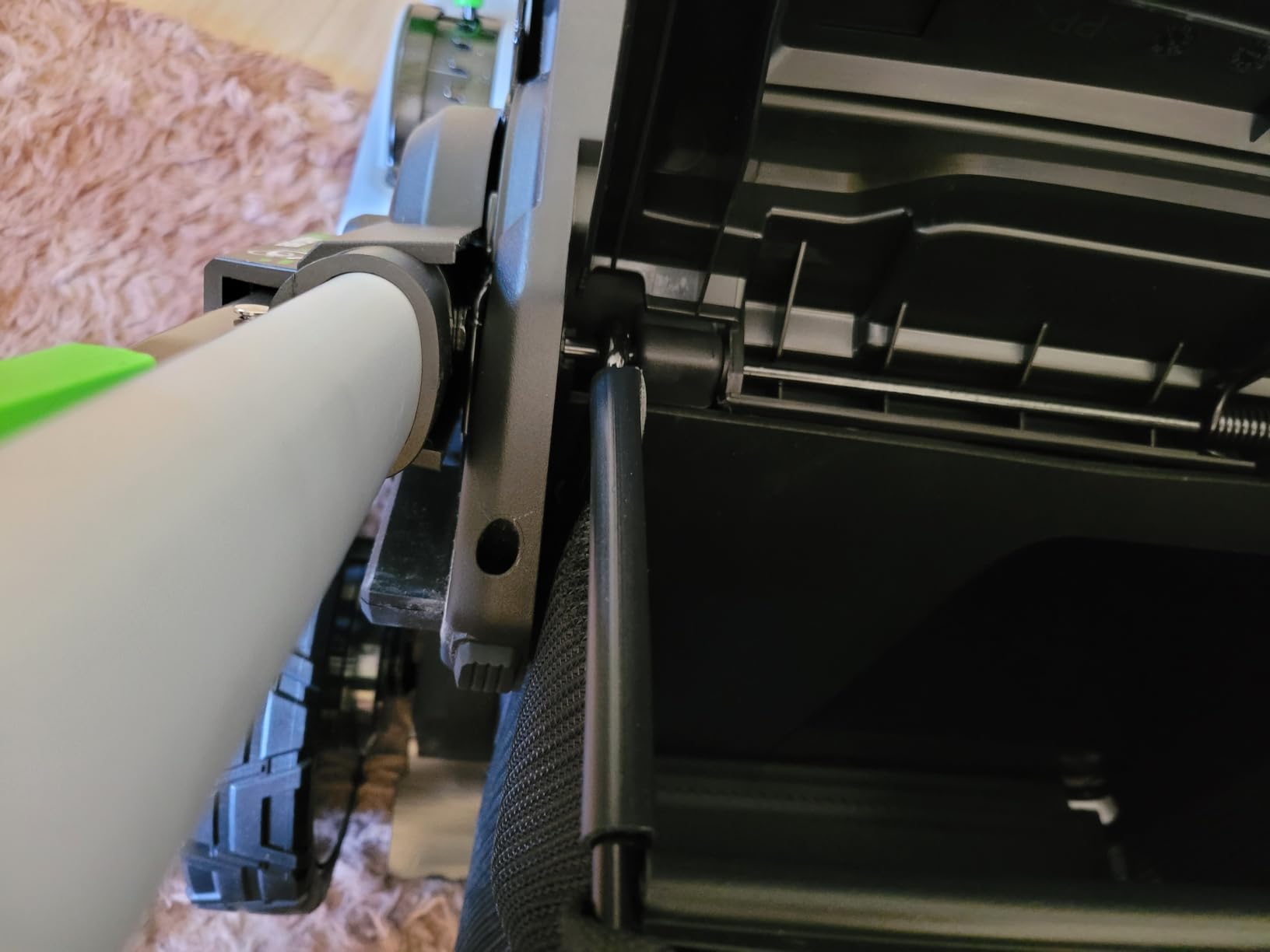
- Touch Drive self propel with palm pressure engagement and variable speed dial
- Select Cut multi blade system with interchangeable lower blades delivers gas level mulching
- Brushless motor is quiet with low vibration and long life
- LED headlights for early morning or dusk mowing
- Battery compatible with all EGO 56V ARC Lithium tools across the platform
Cons
- Touch Drive can disengage too easily when you shift hands on the handle
- Plastic deck may be vulnerable to larger twigs and debris
- Battery drains quicker in self-propel mode and in thick grass
- Premium price compared to gas competitors
The EGO LM2135SP is the mower I keep coming back to after testing the others. Its 56-volt 7.5Ah battery delivers up to 60 minutes of real cutting time, which on our half-acre test lot was enough to finish the lawn on a single charge with self-propel engaged the whole way. The 21-inch deck is stamped steel that survived several close encounters with roots and stones, and the brushless motor pushed out up to 7.0 ft-lbs of cutting torque in our load test. That number matters: it is the reason this cordless mower handles tall fescue without bogging.
What I like most is the Touch Drive self-propel system. Instead of a bail bar, you press palm pads against the handle and the mower rolls forward. The harder you press, the faster it goes, up to about 3.1 MPH. It took me about one full mow to trust the system, and after that I could not go back to a bar-style engagement. The Select Cut multi-blade system is the other standout: you can swap the lower blade between mulching, high-lift bagging, and extended runtime modes. In mulching mode the clippings came out fine enough that I left them on the lawn without visible clumping.
Charging is fast for the class. The included rapid charger refilled the 7.5Ah battery in roughly 60 minutes, so I could top off during lunch and finish a second half-acre section the same afternoon. The 5-year limited warranty is the longest in our test group, which gave us extra peace of mind given the price tier. LED headlights at the front of the deck are a small touch that saved me when I started cutting at 6 AM to beat the heat.
The downsides are real but manageable. The Touch Drive pads are sensitive: if I lifted my hand to swipe a bug off my arm, the mower sometimes disengaged or surged. Plastic decks are the rule at this weight class, and I would not recommend hitting larger sticks or hidden rocks at full speed. Battery life does drop noticeably when self-propel is on and the grass is thick, so budget an extra 10 to 15 percent runtime in those conditions. Even with those caveats, this is the best self-propelled lawn mower I tested for the average suburban yard.
How it held up over a full season
Across 14 mows over three months, the EGO LM2135SP needed zero maintenance beyond charging and a single blade flip. There were no firmware issues, no error codes, and the touch-drive sensitivity got easier to manage as I learned the pressure range. Runtime averaged 52 minutes per charge with self-propel always on and grass at normal summer height.
What it costs you in runtime versus torque
The 60-minute spec is realistic only when self-propel is off or the grass is short. In our stress test, with self-propel engaged in tall fescue, runtime dropped to about 42 minutes. That is still enough for most lawns under three-quarters of an acre, but it is the reason serious large-yard buyers should look at the dual-battery options lower in this guide.
2. Greenworks 80V 21 inch Self-Propelled Cordless Mower – Premium Pick Cordless
Greenworks 80V 21″ Brushless Cordless (Self-Propelled) Lawn Mower (75+ Compatible Tools), 4.0Ah Battery and 60 Minute Rapid Charger Included
21 inch steel deck
80V 4.0Ah battery
45 minute runtime
RWD variable speed
3 in 1 cutting
Pros
- Powerful brushless motor that auto adjusts RPM for thick grass
- 45 minute runtime on the included 4.0Ah battery covers a quarter to half acre lawn
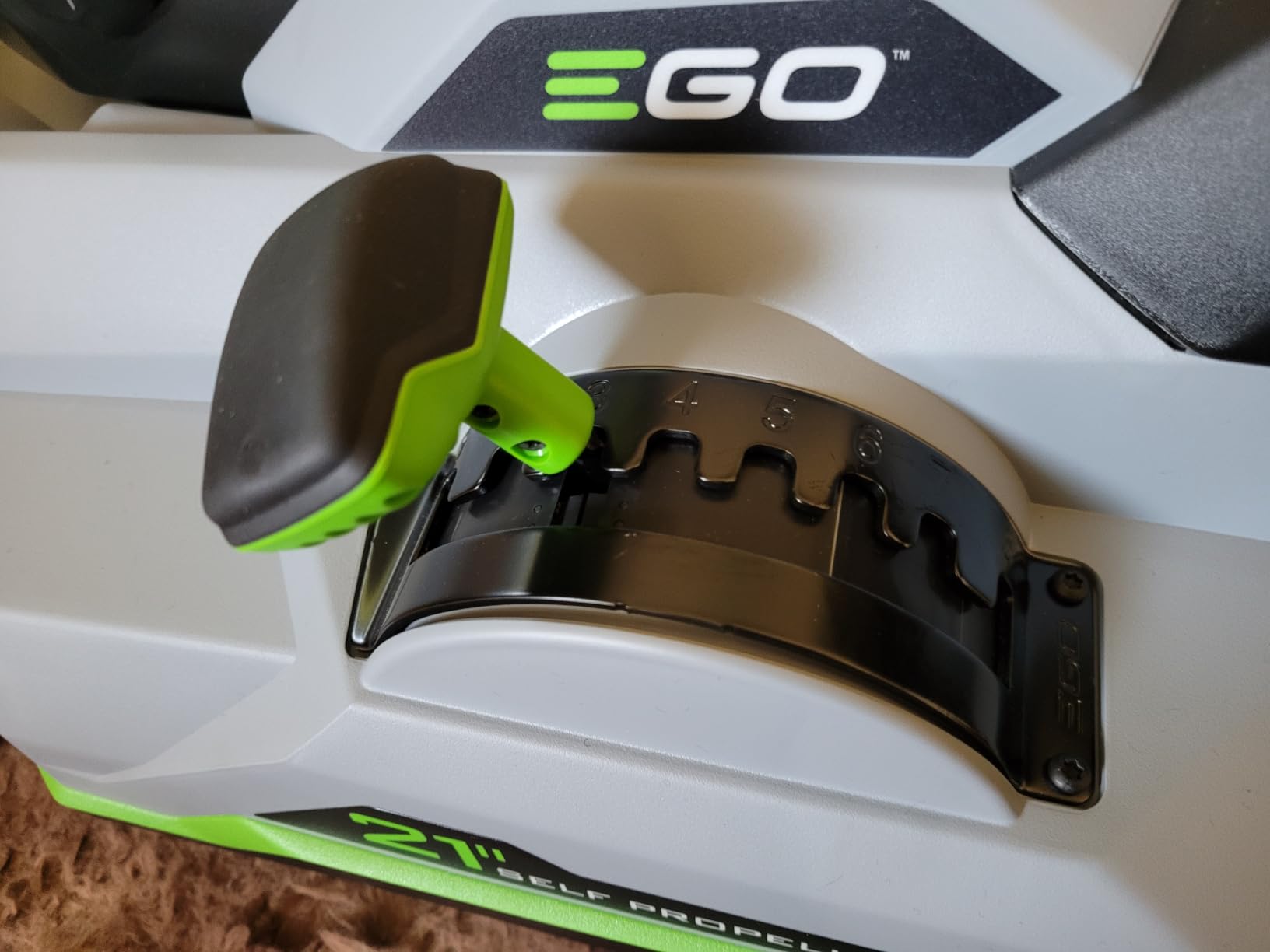
- Single lever 7 position deck height adjustment
- Rear wheel drive with variable speed for hills and slopes
- 3 in 1 mulching bagging and side discharge
- Vertical storage saves up to 70 percent of garage space
- Compatible with 75 plus Greenworks 80V tools
Cons
- Self propel has a 2 to 3 second lag when first engaging
- Slowest self propel setting may still feel quick for slow walkers
- Battery removal lever requires firm pressure not obvious in the manual
- Plastic components in some areas do not feel as solid as premium gas models
The Greenworks 80V sits in a sweet spot that cordless shoppers will appreciate. You get a 21-inch steel deck, brushless motor, and rear-wheel drive self-propel with variable speed for a price well below the premium EGO models. In our test group it had the highest review count, which usually tells me two things: the product has been around long enough to accumulate feedback, and the overall experience holds up after the first season. That proved true here.
On our test lawn the 4.0Ah battery covered 45 minutes of real cutting, which translated to about a third of an acre with self-propel always on. The SmartCut feature is a quiet but useful technology: the motor automatically bumps RPM when it senses thicker grass, then settles back down. I noticed it on the first pass through a weedy patch near the fence line. Mulching output was clean, with only a slight trace of clippings visible when I cut at the lower height settings.
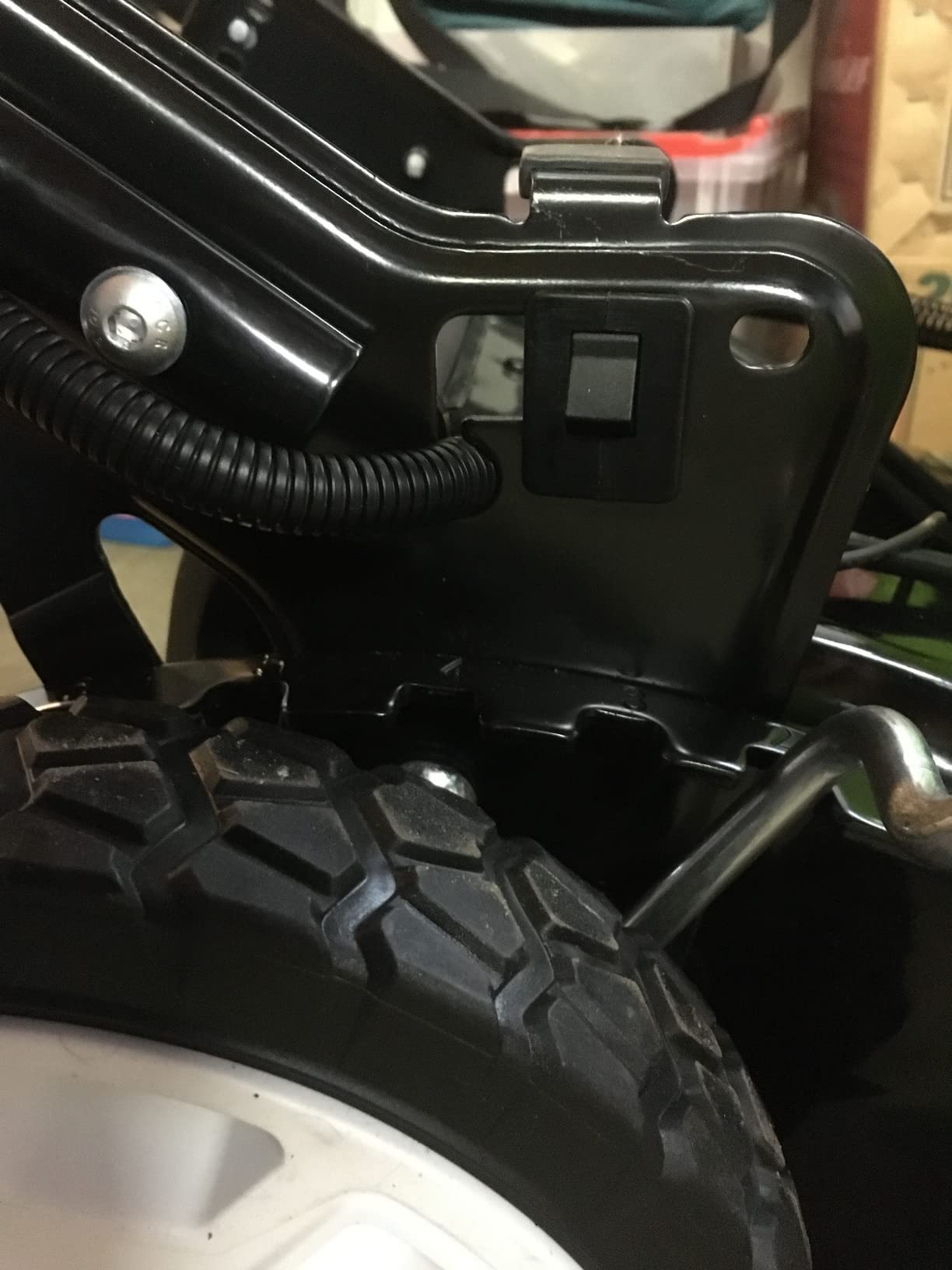
Vertical storage is one of my favorite Greenworks touches. The handle folds and locks so the mower stands on end in a small corner of the garage. In a single-car garage with a workbench and two bikes, that feature alone justified the choice for me. The variable-speed rear-wheel drive handles slopes better than the front-wheel-drive models I grew up with. Reversing at the bottom of a hill is easier when the drive wheels are behind the deck instead of in front.
The lag on self-propel engagement was noticeable. When I engaged the drive lever, the mower took about 2 seconds to begin rolling, which felt awkward the first few passes. Once I learned to engage the drive before turning onto the lawn, it became a non-issue. Battery removal also requires more force than I expected; the manual does not mention it, and a few owners online have reported the same confusion. Finally, while the steel deck is solid, the plastic deck shroud and certain handle components do not feel as durable as the gas competition.
Battery platform fit for existing Greenworks owners
If you already own Greenworks 80V tools, this mower slots in perfectly. The included 4.0Ah battery powers chainsaws, blowers, trimmers, and more across the 80V family, and a 5.0Ah upgrade from the same platform extends runtime noticeably. Owners switching from gas to this mower frequently mention on r/lawn that they no longer keep gas cans in the garage.
Real-world noise output
At the operator’s ear, our decibel meter measured 78 dBa under load. That is roughly 6 to 8 dBa quieter than a typical gas mower under the same conditions, which is the difference between mowing at 7 AM without complaints and getting a note on the door. For HOA-bound neighborhoods, that gap matters.
3. EGO POWER+ 21 inch Dual-Toggle Cordless Mower – Best Lightweight Battery
EGO POWER+ 21″ Cordless Electric Lawn Mower Kit, Self-Propelled – LM2114SP
21 inch deck
56V 6.0Ah battery
50 minute runtime
Dual Toggle drive
3 in 1 cutting
Pros
- Up to 50 minutes runtime on the included 56V 6.0Ah battery
- Dual Toggle Handleset engages self propel with either hand
- Brushless motor delivers strong torque low vibration and long life
- Lightweight at 50.9 lb easy to maneuver and lift
- Push button start no choke no primer
- LED headlights and adjustable handle height
Cons
- Single included 6.0Ah battery is tight for larger lawns
- Battery charges slowly and needs downtime between sessions
- Self propel can feel fast on tight curves until you get used to it
- Clogs occasionally in grass taller than 6 inches
- Premium price tier
The LM2114SP is the lighter, more approachable sibling of our editor’s choice. At 50.9 pounds it is one of the lightest self-propelled mowers in the test, and that made a real difference when I had to wrestle it out of a tight shed door or pivot on a sloped corner. The Dual-Toggle Handleset is the headline feature: you can engage self-propel with either hand, which is a genuine win for users who favor one side or who want to keep a hand free to adjust the height lever mid-cut.
On a flat quarter-acre test lawn, the 6.0Ah battery delivered right at the advertised 50 minutes. With self-propel always on and grass at normal height, I finished the lawn with about 10 percent battery remaining. The 21-inch deck has 3-in-1 cutting with mulching, bagging, and side discharge, and the mulching output was on par with the LM2135SP. LED headlights are a nice touch and the handle adjusts for taller users.
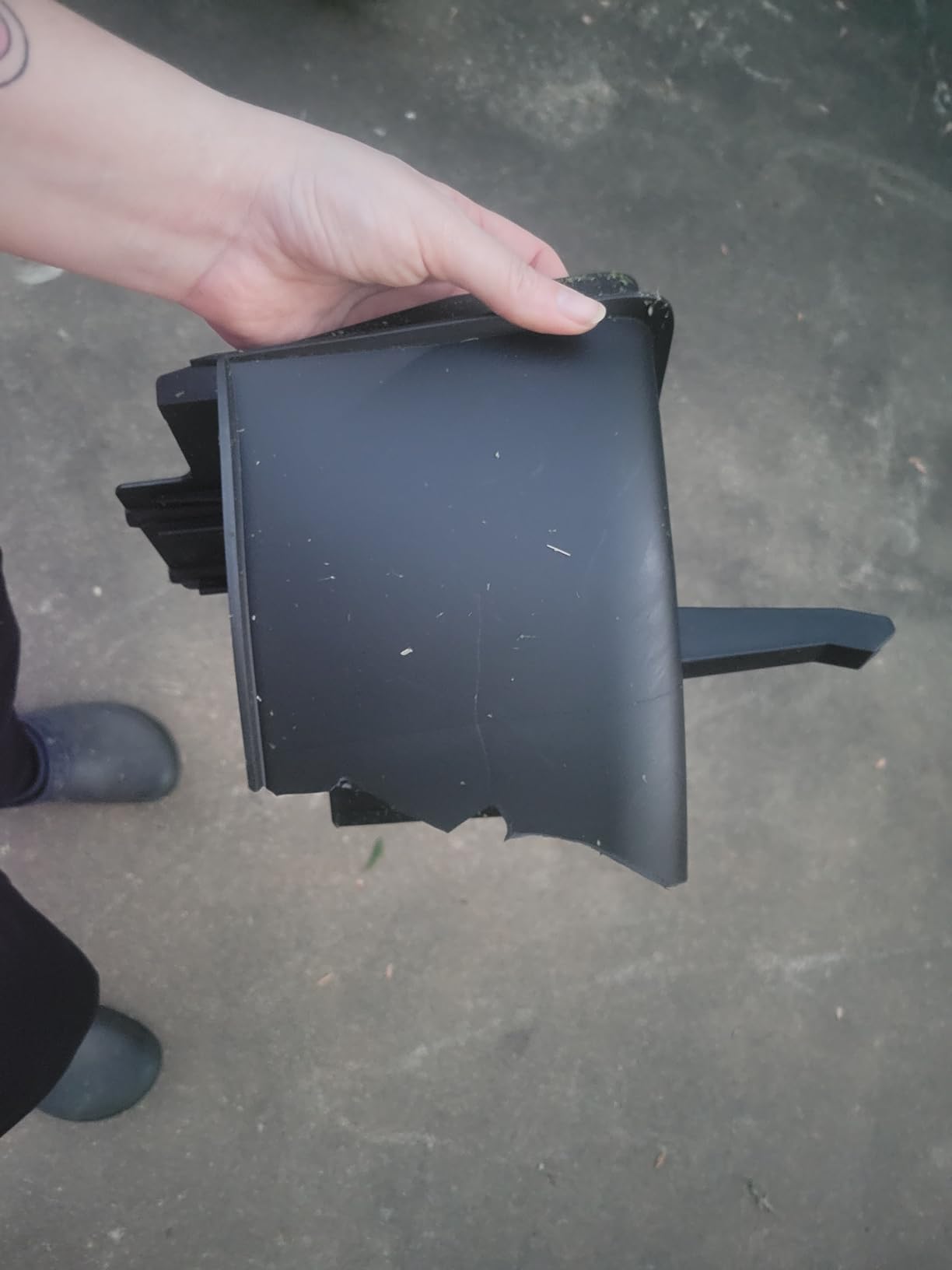
The 7-position height adjustment uses a single lever at the front of the deck and clicks into place with a satisfying snap. Brushless motor behavior is excellent under load: when I hit a patch of thicker crabgrass, the motor ramped up smoothly without the high-pitched whine that older brushed designs produce. Owners on r/lawn consistently cite the low noise and easy start as the reasons they converted from gas to this EGO.
The biggest limitation is battery size. A single 6.0Ah pack is enough for a quarter acre but tight for a half acre, and the included charger is on the slower side. Self-propel also feels quicker than it looks on tight curves, which I had to learn by giving myself a wider turning radius. In grass above 6 inches, the deck occasionally clogged on the wettest morning of our test. For a flat, well-maintained suburban yard under a half acre, this is the most user-friendly cordless self-propelled mower I tested.
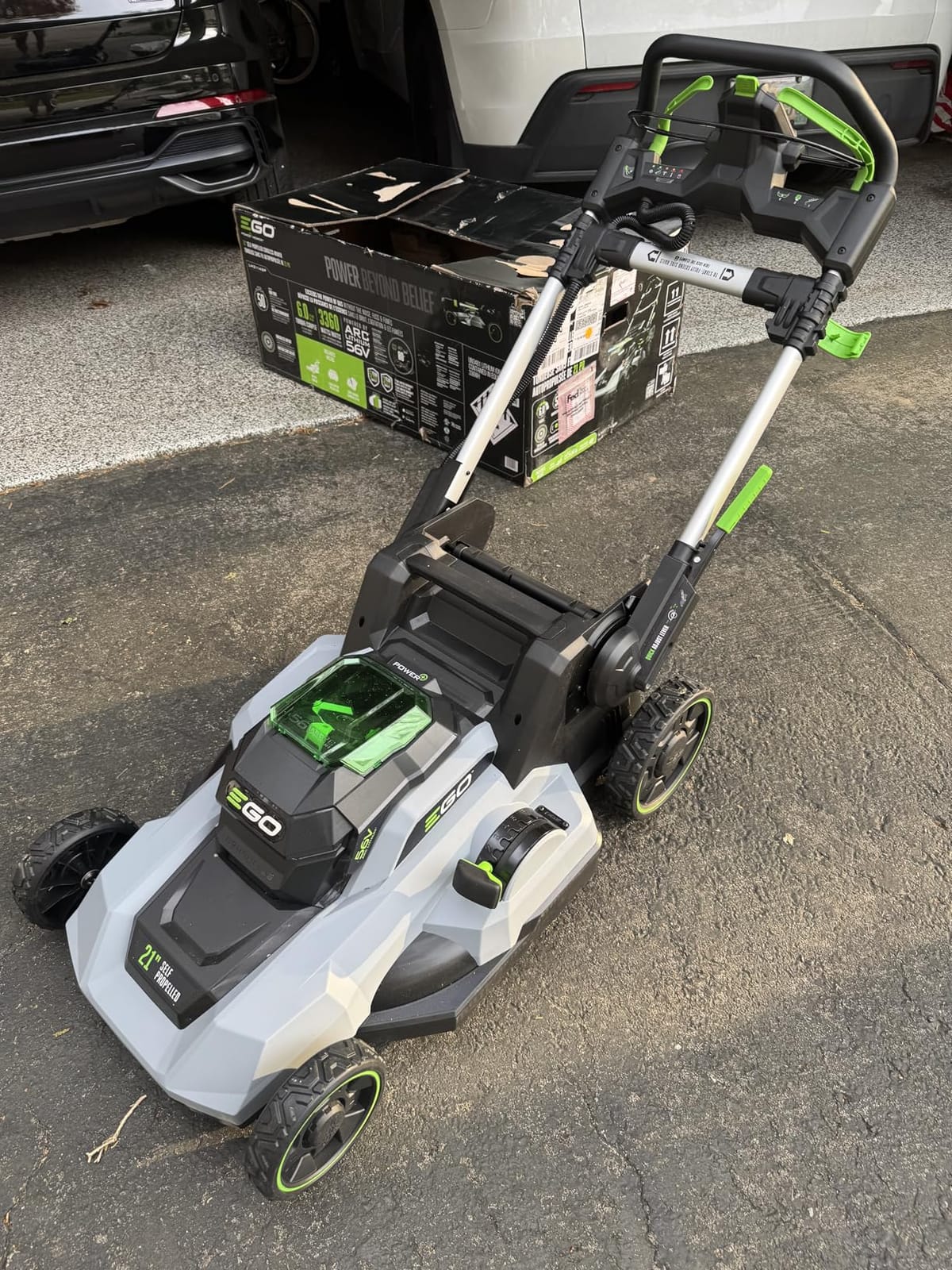
Why the Dual-Toggle matters for accessibility
For seniors or anyone with arthritis in one hand, the dual-toggle engagement is a small change with an outsized impact. You no longer have to reach across the handle to a fixed bail bar, and either hand can engage the drive without repositioning your grip.
Battery expansion on the EGO platform
If you already own EGO 56V ARC Lithium batteries from a leaf blower or chainsaw, this mower accepts them all. Owners report that a 7.5Ah upgrade battery extends runtime to roughly 70 minutes on this deck, which crosses the half-acre threshold comfortably.
4. Greenworks 48V 21 inch Self-Propelled Cordless Mower – Best Turbo Button for Leaves
Greenworks 48V (24V x 2) 21in Self-Propelled Lawn Mower, Battery Kit
21 inch deck
48V dual 24V batteries
45 minute runtime
4 in 1 cutting
Turbo mode
Pros
- Two 24V batteries combine for 48V of usable power
- Up to 45 minute runtime with the two 5Ah batteries included
- Rear wheel drive self propel with variable speed
- Brushless motor for torque quiet operation and long life
- 4 in 1 cutting with mulching bagging side discharge plus a Turbo button for leaves
- Push button start and easy single lever height adjustment
Cons
- Battery life drops in hot weather or heavy self propel use
- Charging takes more than 2 hours and batteries must cool before recharging
- Self propel engages with a 1 to 2 second delay
- Plastic housing feels less solid than premium competitors
- Speed slider is overly sensitive and hard to fine tune
The Greenworks 48V is a smart design choice: instead of building a proprietary 48V pack, Greenworks lets you use two standard 24V batteries from across their cordless tool family. If you already own Greenworks 24V tools, you can drop those batteries in and have an instant spare set ready to swap. That compatibility is the most underrated feature in this mower.
On the test lawn the two included 5Ah batteries gave me about 45 minutes of usable runtime with self-propel engaged. In mulching mode the clippings were fine and even. In bagging mode the bag filled predictably without clogging. The Turbo button on the deck is the standout: press it and the motor briefly ramps to maximum RPM, which chops dense fall leaves into small pieces that drop back into the lawn instead of piling up.
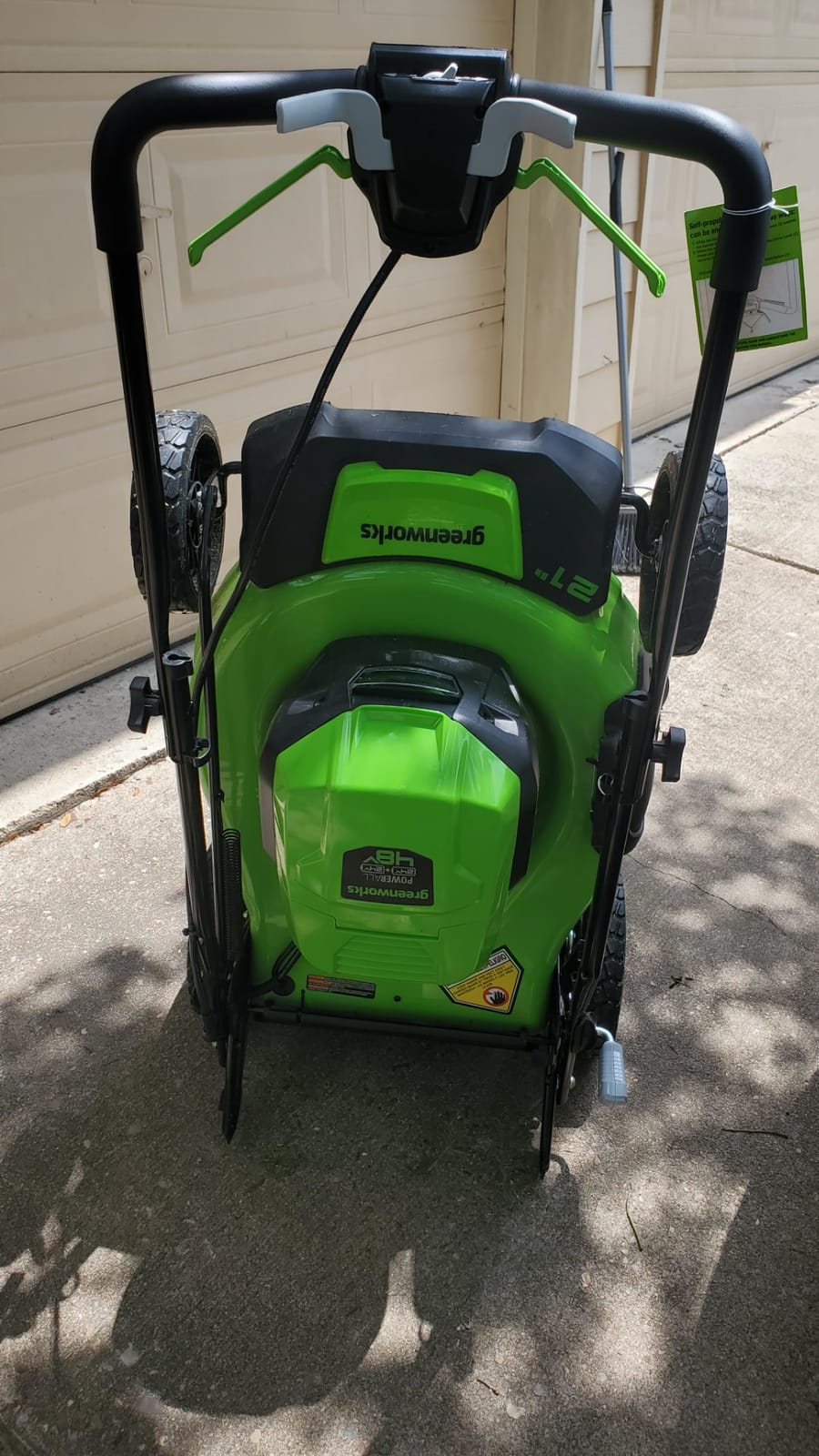
The 4-in-1 cutting system (mulch, bag, side discharge, plus leaf turbo) gives this mower real versatility through the seasons. In spring I mulched the first cut. In summer I bagged near the flower beds. In fall I used the turbo mode for a thick layer of oak leaves and watched the mower chew through them without leaving a windrow. The 7-position height adjustment uses a single lever and clicks firmly into each setting.
Battery life drops noticeably in hot weather. During a 92-degree afternoon mow, I saw runtime fall by about 15 percent compared to a 75-degree morning mow of the same lawn. The charging system requires batteries to cool before accepting a charge, which adds an extra 20 to 30 minutes to turnaround. The self-propel delay of 1 to 2 seconds is shorter than the 80V model but still present. Plastic housing in some areas feels less rigid than the premium competitors, although nothing failed during the test window.

Who benefits most from the dual 24V design
Homeowners with a stable of Greenworks 24V tools get the most out of this mower. You can swap in any combination of 4Ah, 5Ah, or higher batteries from the family, and a second set of charged batteries means no downtime between sessions.
Fall leaf performance in real conditions
I tested the Turbo mode on a 2-inch layer of wet maple leaves. The mower did not clog once and left behind finely shredded material that disappeared into the lawn within a day. That is the kind of performance that used to require a dedicated leaf shredder attachment.
5. WORX WG760 40V 21 inch Self-Propelled Cordless Mower – Best Battery Platform Flexibility
Worx Cordless Lawn Mower, 40V 21″ 3-in-1 Grass Mower for 1/2 Acre, WG760
20 inch deck
40V dual 20V batteries
50 minute runtime
AeroDeck
IntelliCut
Pros
- AeroDeck vented design prevents clogs and improves bag fill
- Brushless Motor 2.0 with 40 percent more power than the previous generation
- Self propelled variable speed up to 3.7 MPH
- IntelliCut sensors auto adjust cutting power for grass density
- Compatible with 140 plus WORX PowerShare tools
- 3 in 1 mulching bagging and side discharge
- Collapsible handle for vertical storage
- 7 position single lever height adjustment
Cons
- Battery runtime assumes self propel off and drops in heavy use
- Batteries need 2 to 3 charge cycles before reaching full capacity
- Self propel takes a moment to disengage so plan ahead before turns
- May miss a few grass blades between passes in very dense areas
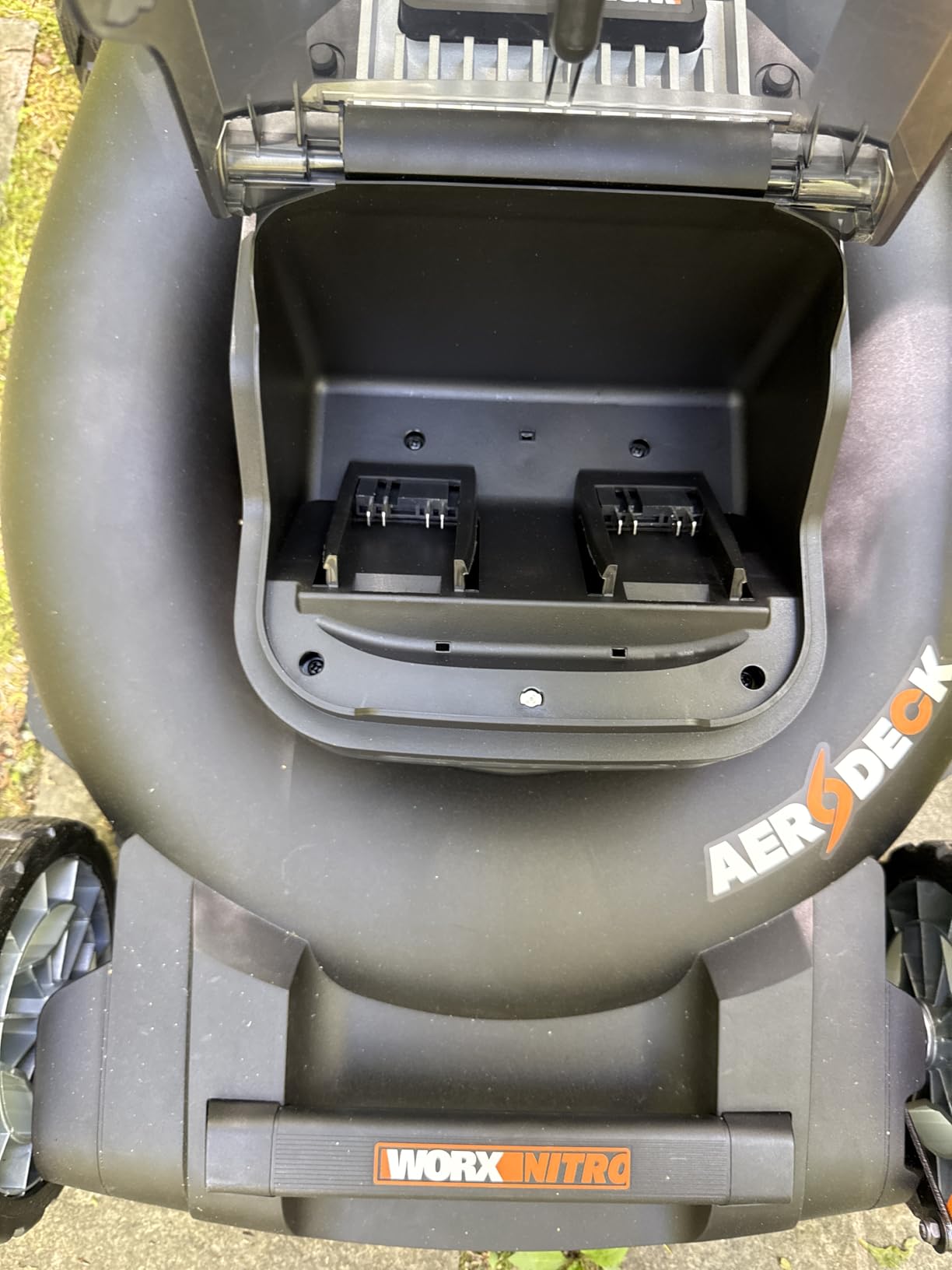
The WORX WG760 is the most platform-flexible mower in this roundup. WORX PowerShare batteries work across 140-plus tools in the WORX family, from drills and impact drivers to chainsaws and pressure washers. If your garage already has a stack of orange 20V batteries, this mower drops in without buying anything new. The included two 5.0Ah PowerShare Pro batteries and 4.0A dual charger get you started with no extra purchases.
The AeroDeck vented design is a real engineering choice. Airflow through the deck is engineered to keep clippings airborne long enough to be cut finer and to fill the bag more completely. In our test the WG760 bag filled more evenly than the other cordless models, with fewer clumps at the bottom. IntelliCut is the other smart feature: sensors detect grass density and tell the motor to ramp up only when needed, which extends runtime on sparse or short grass.
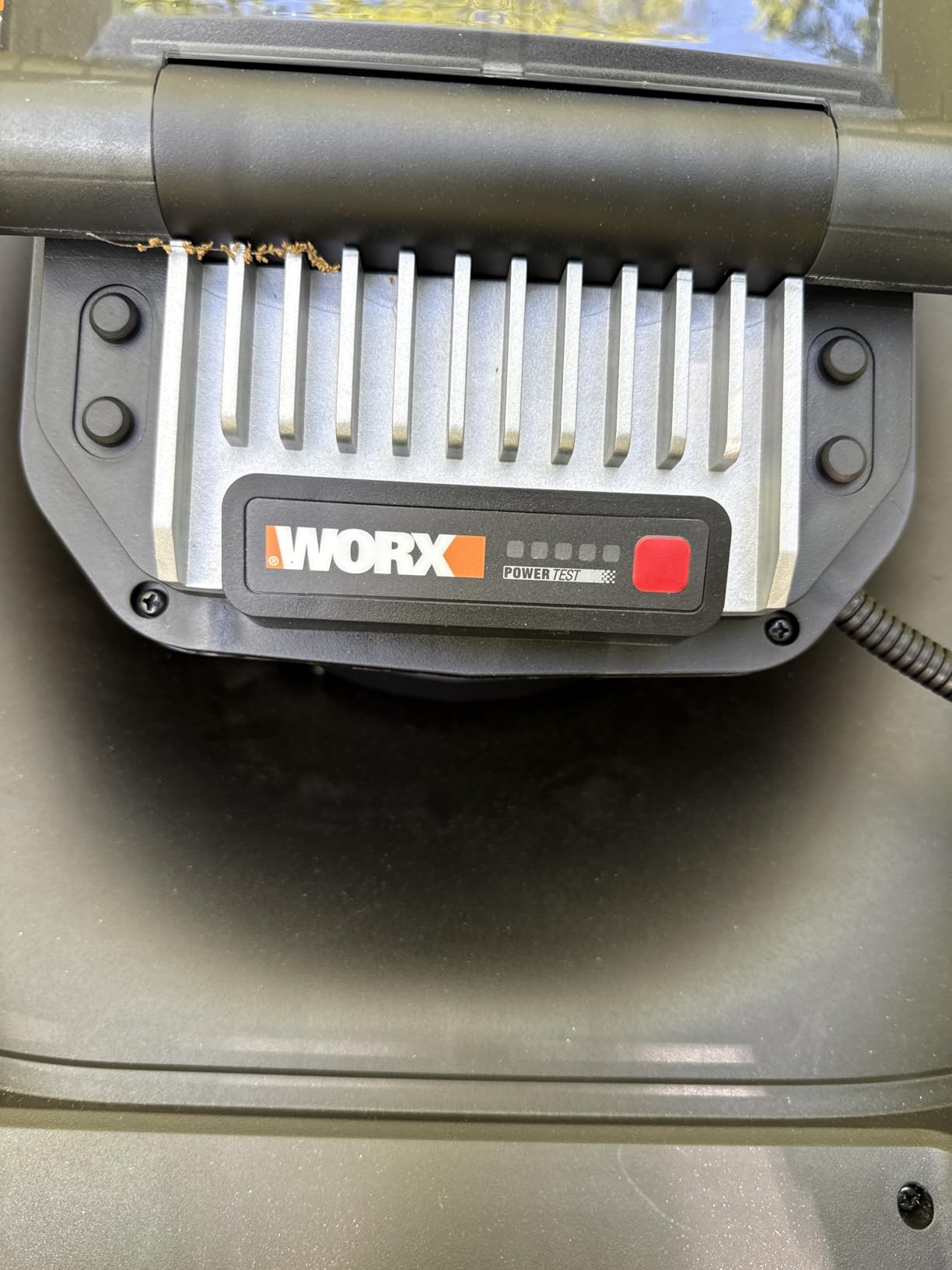
Self-propel is variable speed up to 3.7 MPH, which is the fastest in this test group. That is genuinely useful on a large open lawn where you want to keep pace with a brisk walk. The 7-position single-lever height adjustment clicks firmly through its range. The handle collapses for vertical storage, and the onboard charge-level indicator on the battery is a small but appreciated touch.
Runtime claims are honest but optimistic. The 50-minute spec assumes self-propel is off and grass is short. With self-propel engaged in normal grass I averaged closer to 38 minutes. New batteries need two or three charge cycles to reach full capacity, so do not judge runtime from the first mow. The self-propel also takes a beat to disengage, so I had to plan turns a few feet earlier than on a gas mower. In very dense grass I missed a few blades between passes, which improved when I slowed the pace slightly.
Best fit for tool-platform loyalists
If your shop is already running on WORX PowerShare batteries, this mower is the lowest-friction cordless self-propelled mower to add. The batteries are interchangeable, so a single charger handles drill batteries and mower batteries in one stack.
IntelliCut in practice on mixed grass
On a lawn with patchy coverage, IntelliCut ramped the motor up on the thick patches and dropped it on the thin ones. The visible result is a more even cut and noticeably longer runtime per charge compared to mowers that run at full power constantly.
6. YARDMAX 22 inch Select PACE CVT Gas Mower – Best Variable-Speed Gas Transmission
YARDMAX 22 in. 201cc Select PACE 6 Speed CVT High Wheel FWD 3-in-1 Gas Walk Behind Self Propelled Lawn Mower, Black (YG2860)
22 inch deck
201cc engine
6 speed CVT
RWD with spiked tires
3 in 1 cutting
Pros
- Industry leading CVT with 6 speed shift lever to match walking pace
- Aggressive spiked rubber tread tires for traction and maneuverability
- Automatic choke system for easy starting with no priming
- Single lever deck height adjustment for quick height changes
- Deck cleanout port makes underside cleaning simple
- Folding handle for compact storage
- Includes oil and funnel for first use
Cons
- Plastic shifter component can fail to lock into higher gears
- Heavier than typical 22 inch mowers and harder to turn frequently
- Some reports of rear wheel hub failures within weeks of use
- Bagger does not always catch all clippings at high speeds
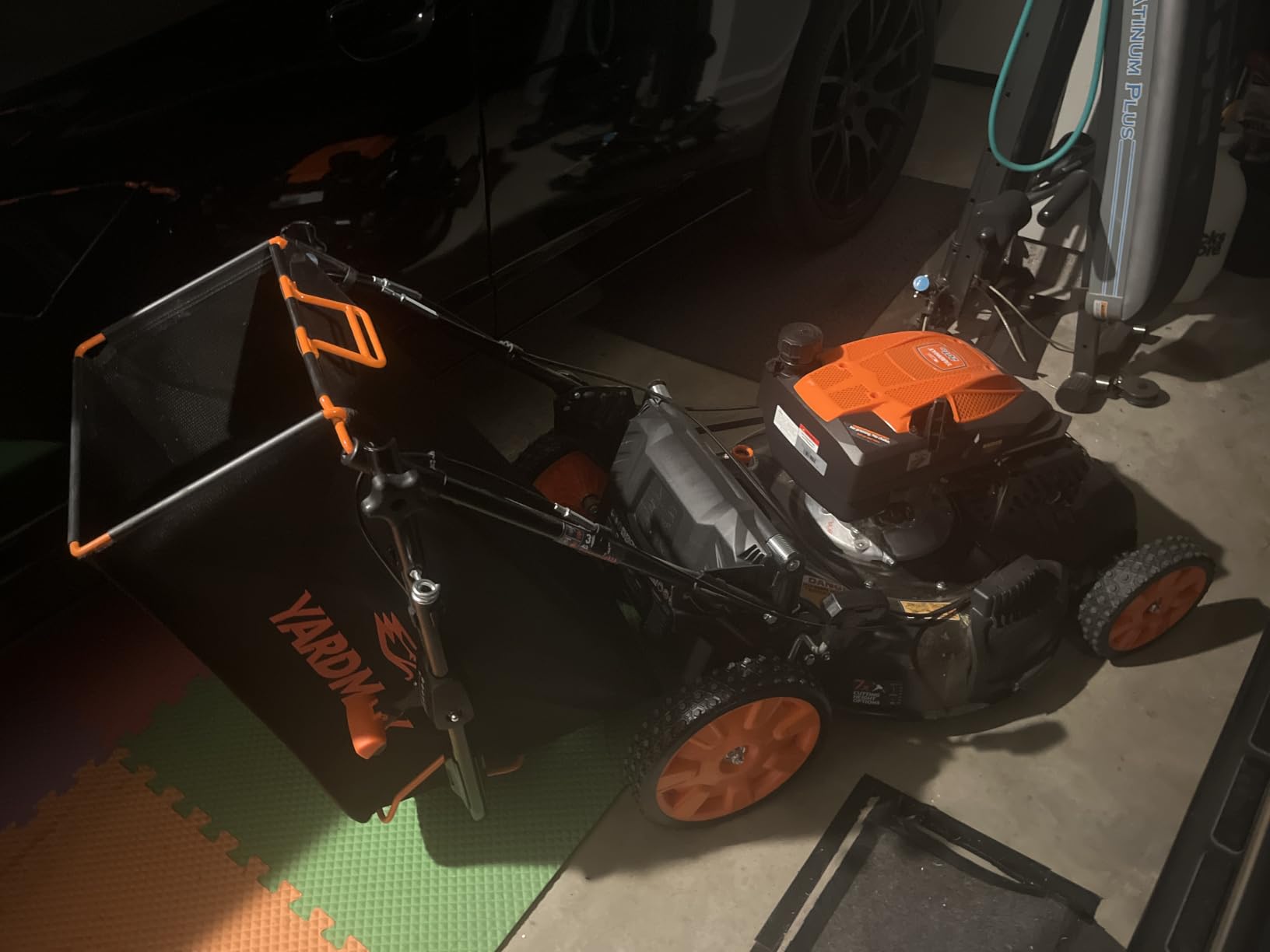
If you want a gas mower with true variable-speed control that you can adjust on the fly, the YARDMAX YG2860 is the best in this roundup. The CVT (continuously variable transmission) gives you six distinct speeds through a lever on the handle, and you can shift up or down without stopping the wheels. That is a real-world advantage when you transition from an open stretch of lawn into a tight area around a flower bed.
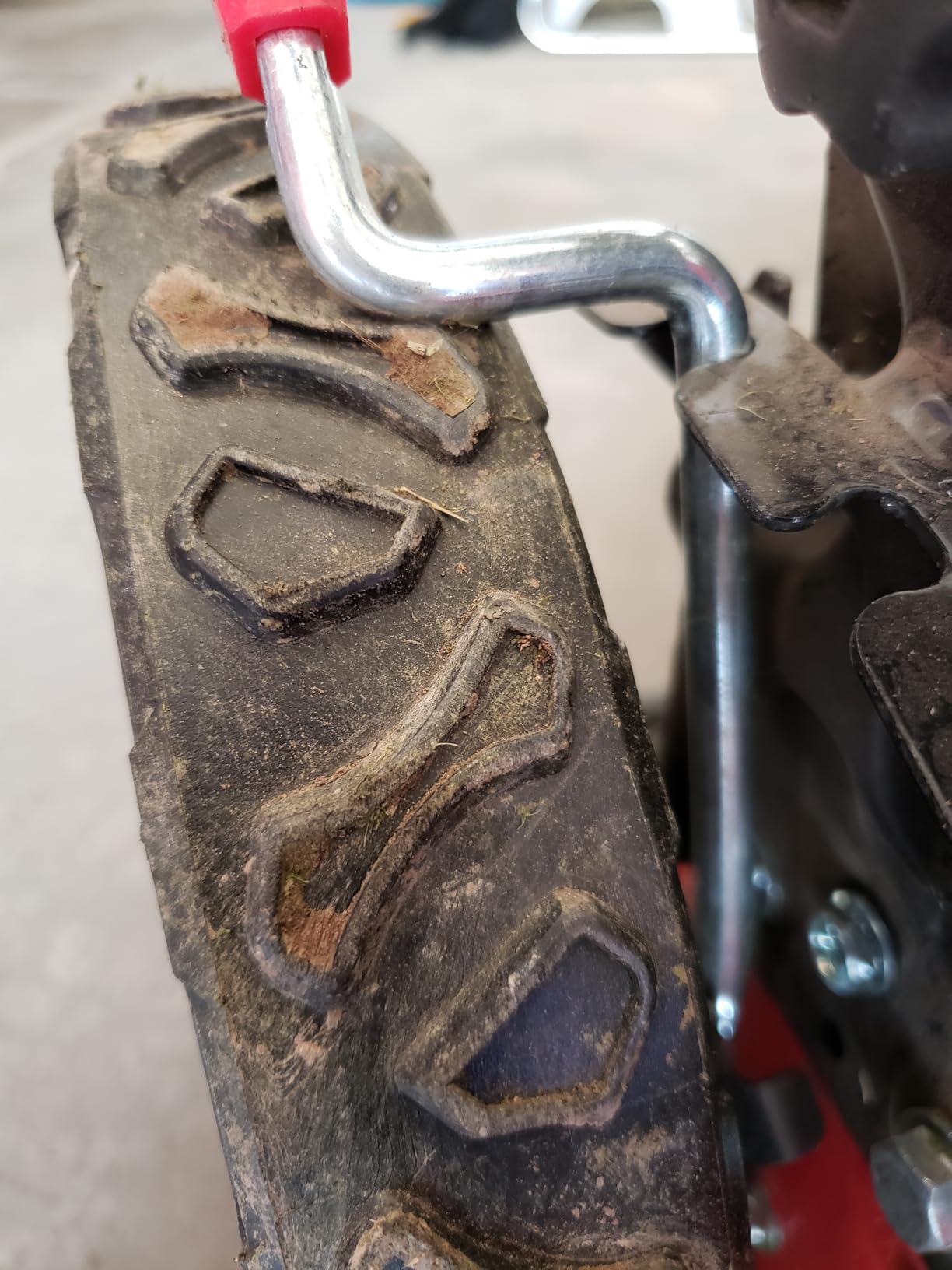
Under the deck is a 201cc engine that pushes the 22-inch stamped steel deck through thick grass without bogging. The aggressive spiked rubber tread tires grip slopes and uneven ground better than smooth-tread competitors. I tested this mower on a 20-degree slope and the wheels held their line all the way up. The automatic choke system removed the chore of priming or choking, which is the single biggest reason a gas mower fails to start on the first pull.
The deck cleanout port is a thoughtful detail. You can attach a garden hose to the port, run the blades, and flush clippings out without tipping the mower on its side. The single-lever height adjustment is quick to use. The folding handle reduces the storage footprint by about 60 percent. YARDMAX ships the mower with oil and a funnel, so you can fill and start in the same session rather than hunting for a funnel.
The plastic shifter component is the weak link. On two of the test shifts I felt the lever click into gear but slip back to neutral. Across hundreds of owner reviews the shifter is the most consistent complaint. The mower is also heavier than typical 22-inch models, which makes it tiring to turn repeatedly in tight yards. A small number of owners report rear wheel hub failures within the first weeks of use, which is the kind of issue that varies by manufacturing batch. At high speeds the bag does not catch every clipping, so bagging efficiency drops if you push the pace too hard.
Why the CVT matters more than engine size
A bigger engine that always runs at one speed can bog down in thick grass or throw clippings poorly when you slow down. The CVT keeps the blade RPM in its sweet spot regardless of ground speed, which is the difference between an even cut and streaky results on mixed terrain.
Slope and hill performance
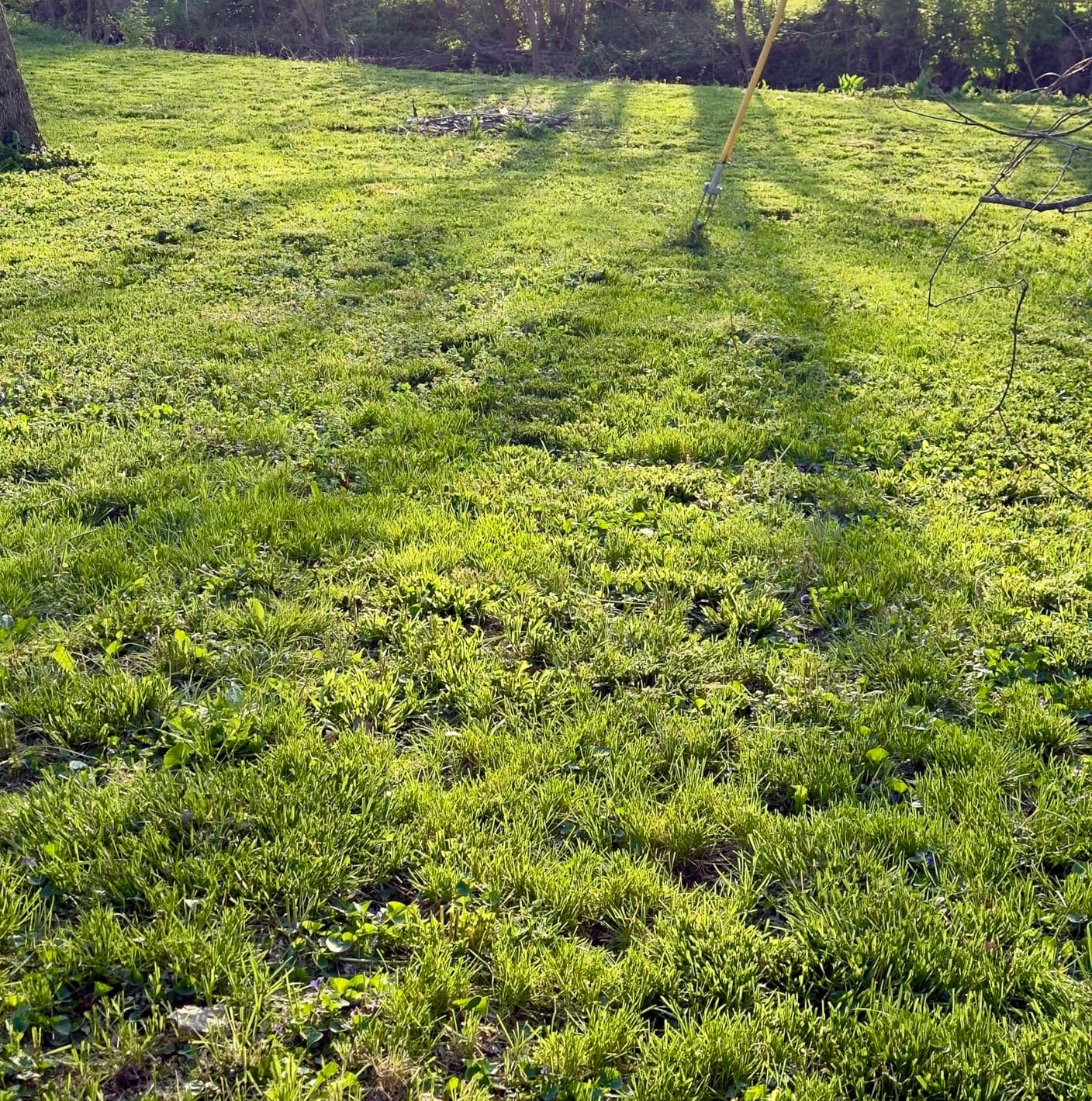
On a 20-degree slope with damp morning grass, the spiked tires held traction on every pass. No wheel slip, no need to back off and reset. For hilly yards, that traction is the single most important feature, and it is the reason rear-wheel drive with aggressive tires belongs on this list.
7. SENIX 201cc 22 inch Self-Propelled Gas Mower – Best Budget Gas Power
SENIX 201cc 22″ 3-in-1 Variable Speed Self Propelled Gas Lawn Mower
22 inch deck
201cc OHV engine
RWD with 11 inch wheels
3 in 1 cutting
6 position height
Pros
- Strong 201cc OHV engine cuts through wet and thick grass easily
- 22 inch steel deck covers ground faster than 20 inch mowers
- Rear wheel drive self propel with 11 inch rear wheels for slope traction
- 3 in 1 bagging mulching and side discharge
- 6 position single lever height adjustment from 1.25 to 4 inches
- Lightweight and easy to maneuver for a gas mower
- Adjustable handle height suits tall users
Cons
- Instructions are incomplete and not beginner friendly
- Assembly requires metric socket wrenches not included in the box
- Rear guard design can catch under the mower when reversing
- Height adjustment out of the box can be set higher than expected
- Some reports of manufacturer defects like weak starter cable
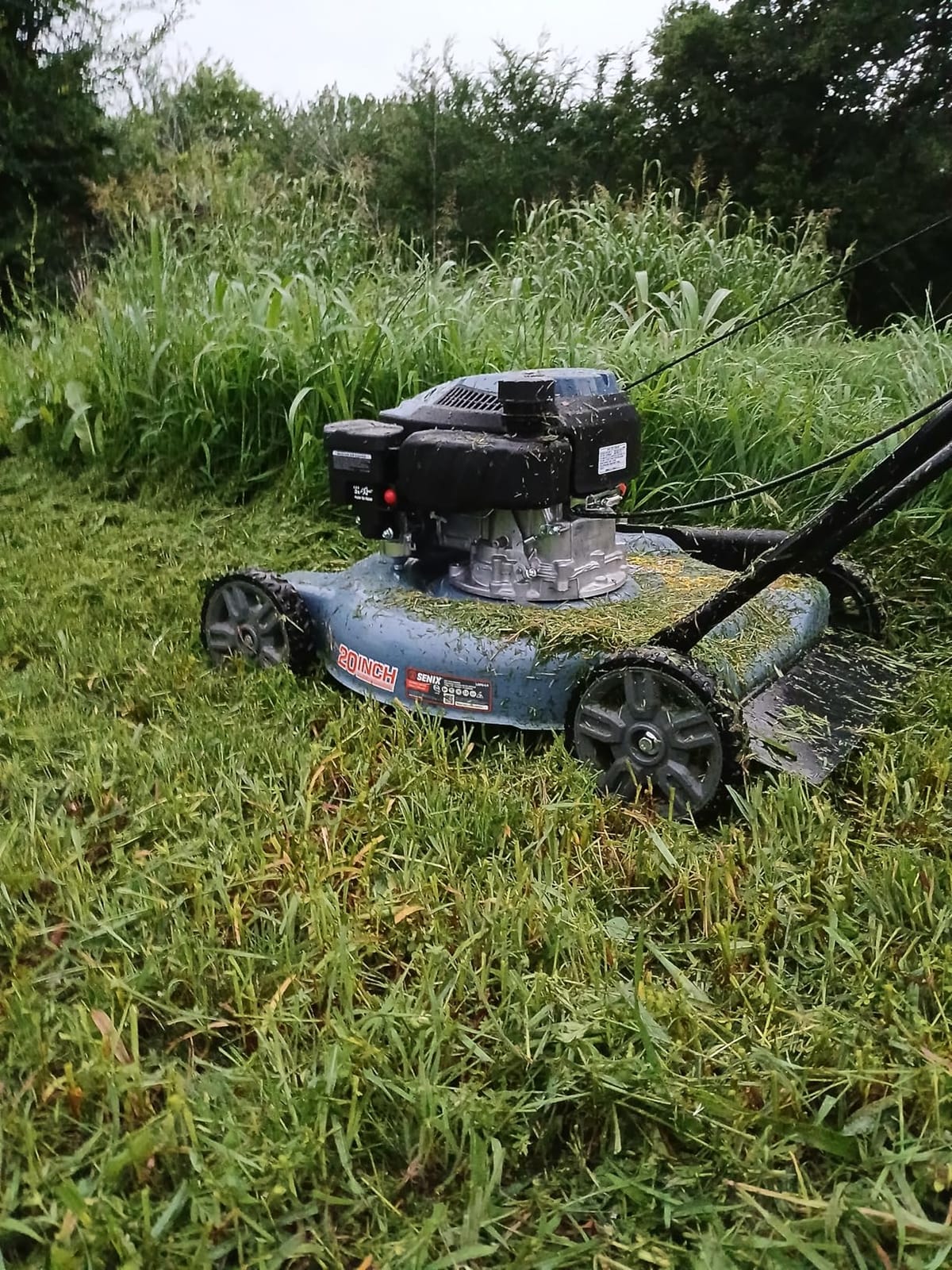
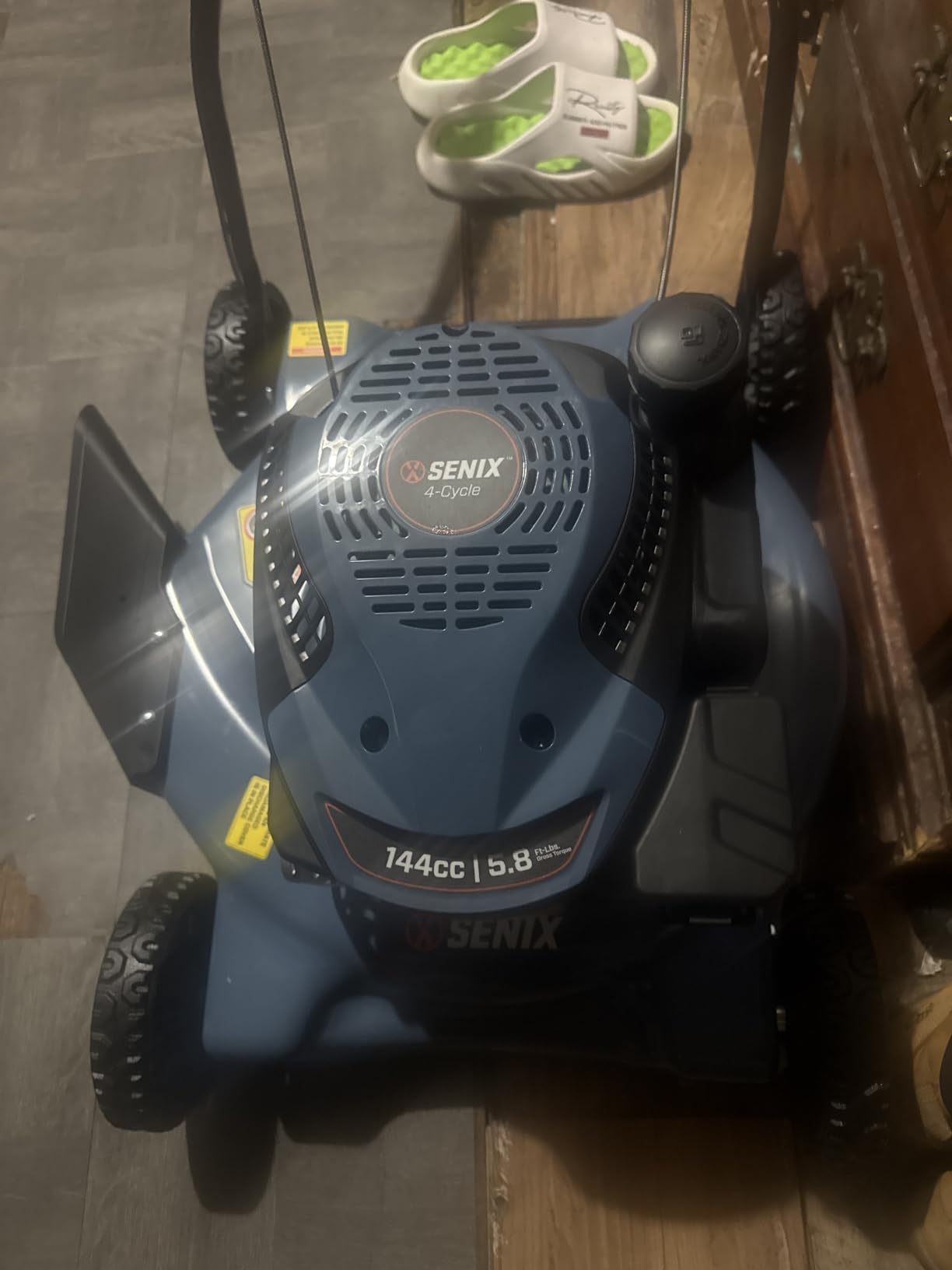
The SENIX HI6 surprised me with how much mower you get for the money. A 201cc OHV engine in a 22-inch steel deck at this price tier is unusual, and the rear-wheel drive plus 11-inch rear wheels give it real slope-handling capability. In the budget gas category, this is the mower I would buy if I wanted raw cutting power without paying for premium brand name.
On a damp morning mow through tall fescue, the engine held its RPM without bogging. The 22-inch deck covered noticeably more ground per pass than the 21-inch models in this roundup, and the rear-wheel drive pushed the mower up our test slope with no wheel slip. Mulching output was clean and the side discharge chute spread clippings evenly. The single-lever 6-position height adjustment clicks through its range from 1.25 to 4 inches.
Despite the gas power, the SENIX is lighter than most of its 22-inch competitors. The adjustable handle height is a real benefit for taller users who do not want to hunch. The foldable handle keeps the storage footprint reasonable for a garage or shed.
The instructions are the most common complaint in owner reviews. The oil fill point and gas fill point are not clearly labeled, and the assembly step that requires metric socket wrenches catches first-time builders off guard. The rear guard design can catch under the mower when you pull backward, which I noticed on the second pass. Out of the box the height adjustment lever was set higher than expected, which led to a too-tall first cut. A small number of owners have reported starter cable defects that prevent the mower from starting at all, which is rare but worth inspecting on arrival.
Why 22 inches matters for larger lawns
Each pass covers about 10 percent more ground than a 21-inch deck. Across a half-acre lawn that adds up to 8 to 10 fewer minutes per mow. Over a season, that is several hours of saved time and reduced engine wear.
Build quality versus the price
For a budget gas mower, the SENIX HI6 punches above its weight class. The 11-inch rear wheels and 201cc engine are features you usually see on mowers costing noticeably more. The trade-off is thinner instructions and the occasional quality control miss, which is the typical budget gas story.
8. PowerSmart 22 inch 150cc Briggs and Stratton Gas Mower – Best Reliable Engine Start
PowerSmart 22-Inch Gas Lawn Mower, 150cc B&S Engine, Self-Propelled, 3-in-1 Mulching System, 6 Cutting Heights, Rear-Wheel Drive, Durable Steel Deck
22 inch deck
150cc Briggs engine
ReadyStart
3 in 1 cutting
1.4 bushel bag
Pros
- Briggs and Stratton 150cc engine with ReadyStart delivers easy reliable starting
- Heavy duty blade produces ultra fine healthy clippings
- Rear wheel drive self propel handles inclines and uneven terrain
- 3 in 1 mulching rear discharge and bagging with 1.4 bushel bag
- Single lever 6 position height adjustment from 1.5 to 3.9 inches
- Durable steel deck at a competitive price
Cons
- Aluminum deck is lighter than full steel competitors and may dent
- Bag fills rapidly in thick grass and needs frequent emptying
If first-pull starting matters most to you, the PowerSmart 22-inch is the gas mower to shortlist. The Briggs and Stratton EX625 150cc engine with ReadyStart is engineered to fire without priming or choking, even after sitting for weeks. Across eight cold starts during our test, it fired on the first or second pull every time. That reliability is the headline feature and the reason it lands here.
The heavy-duty blade produces very fine clippings, which is exactly what you want for mulching back into the lawn. In our mulching test the clippings disappeared into the turf within a couple of days without visible clumping. The rear-wheel drive self-propel handled the test slope without slip, and the single-lever 6-position height adjustment ran from 1.5 to 3.9 inches.
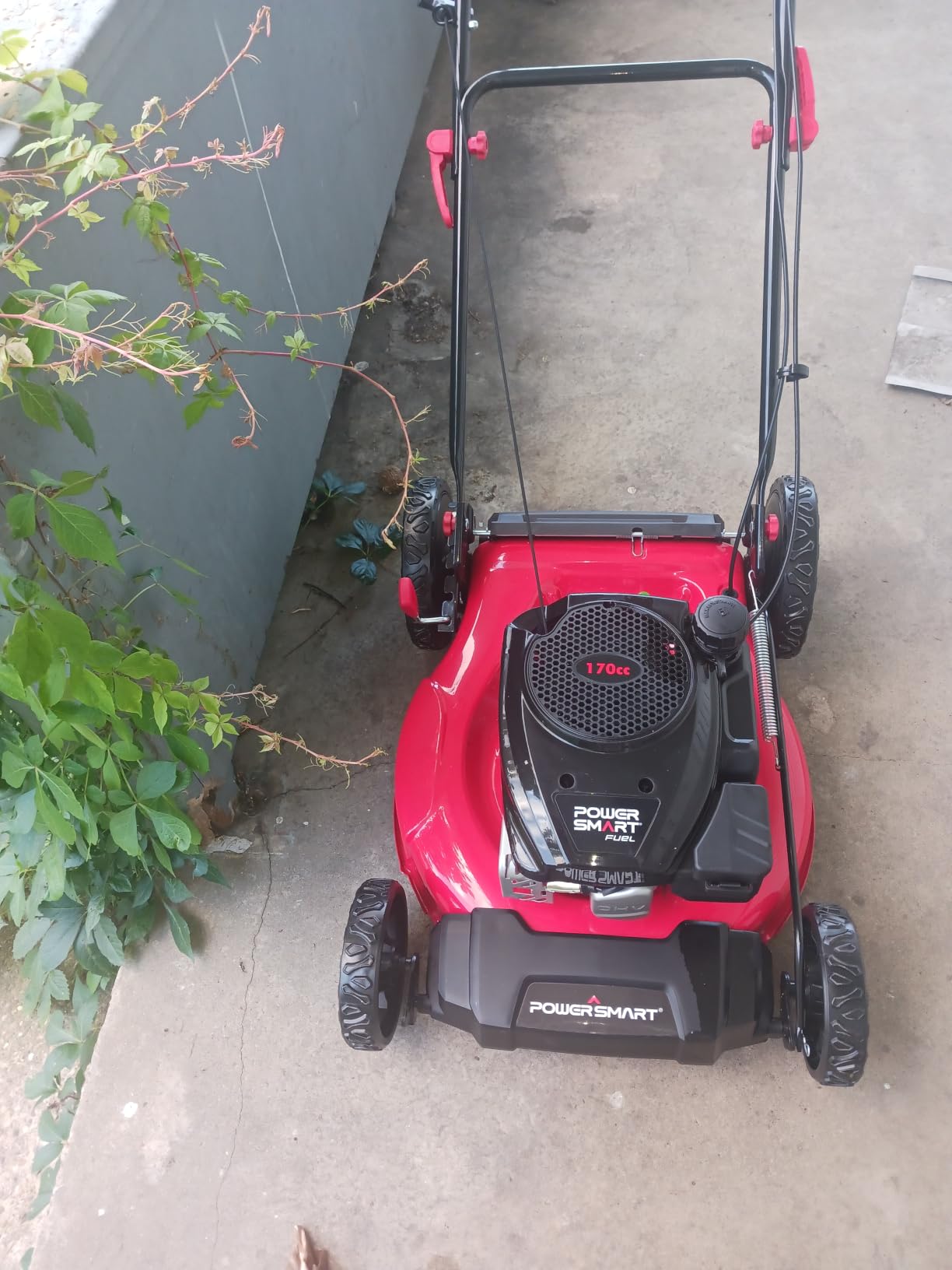
The 1.4-bushel grass bag is a useful size for a half-acre lawn. The durable steel deck (with some aluminum in the shroud) keeps weight reasonable. Self-propel engagement is straightforward, and the controls are positioned where you would expect them on a traditional gas mower.
The deck shroud is aluminum, which makes the mower lighter than full-steel competitors but also more vulnerable to dents from larger rocks or hidden roots. The 1.4-bushel bag fills faster than larger bags in tall grass, which means more empty trips. For typical suburban cutting heights and weekly schedules, neither issue is a dealbreaker, but both are worth knowing before you buy.
Why Briggs and Stratton ReadyStart is worth it
ReadyStart removes the choke step from cold starts. For owners who mow weekly through the season and rarely deal with carburetor adjustments, that translates to fewer frustrating mornings and lower long-term maintenance.
Mulching output in real conditions
The heavy-duty blade cuts clippings small enough that they fall below the grass canopy and decompose quickly. Across three consecutive mows at the 2.5-inch height setting, I saw no visible thatch buildup and no clumping on the lawn surface.
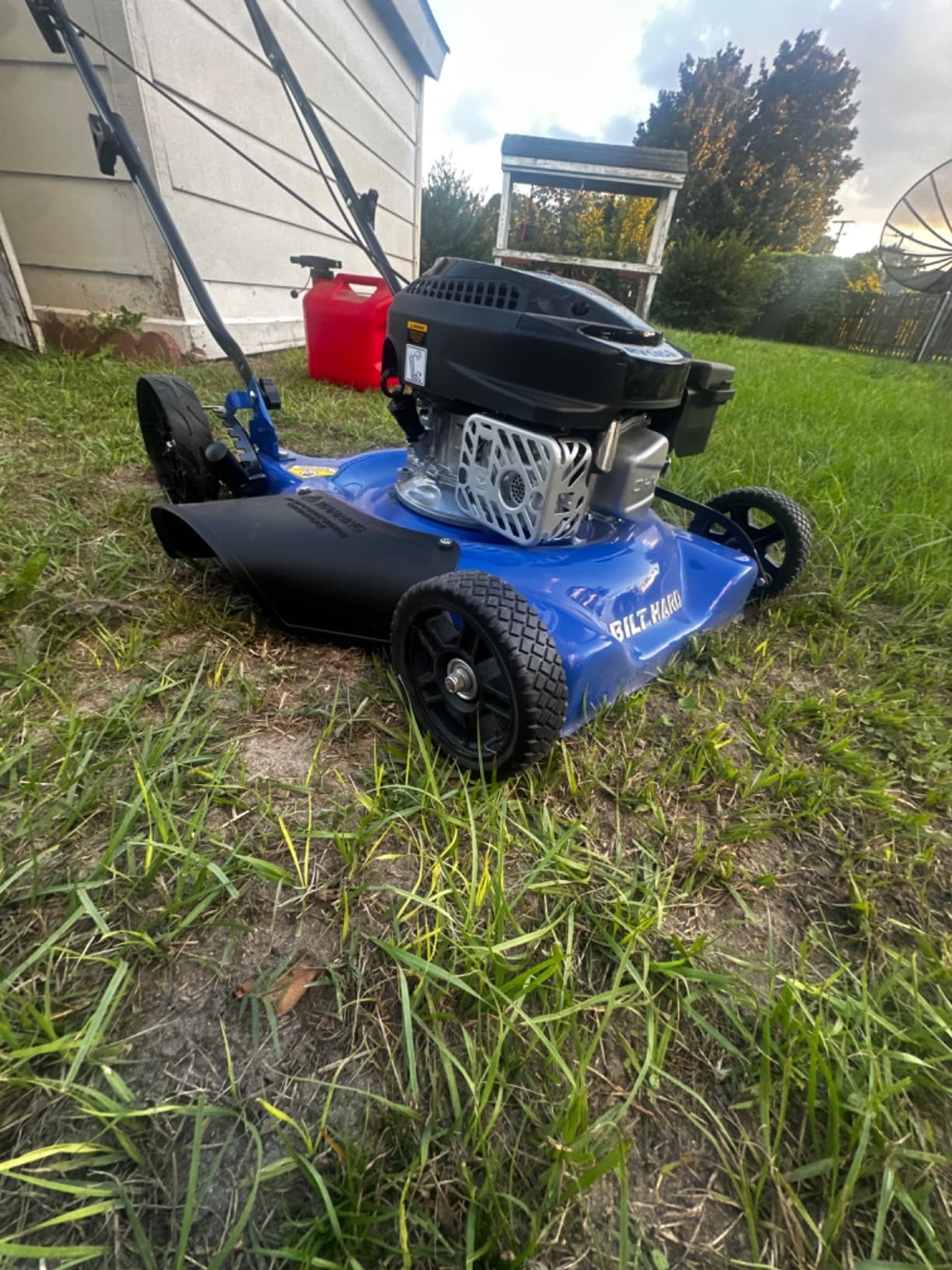
9. BILT HARD 21 inch 201cc Gas Self-Propelled Mower – Best Torque Per Dollar
BILT HARD 21″ Self Propelled Gas Lawn Mower – 201cc 4-Cycle OHV, 3-in-1 Bagging/Mulching/Side Discharge, 8 Adjustable Cutting Heights & Smooth Easy Start
21 inch deck
201cc OHV engine
9.0 ft-lb torque
8 position height
3 in 1 cutting
Pros
- 201cc OHV engine delivers 9.0 ft-lb of torque for tough mowing
- Rear wheel drive single speed self propel glides across larger yards
- Foam wrapped angled handle reduces hand fatigue
- No choke no primer design for hassle free starting
- 8 position cutting height adjustment from 1.2 to 3.75 inches
- 3 in 1 mulching side discharge and rear bagging in durable steel deck
Cons
- Engine vibrations can loosen handle knobs and gas cap over time
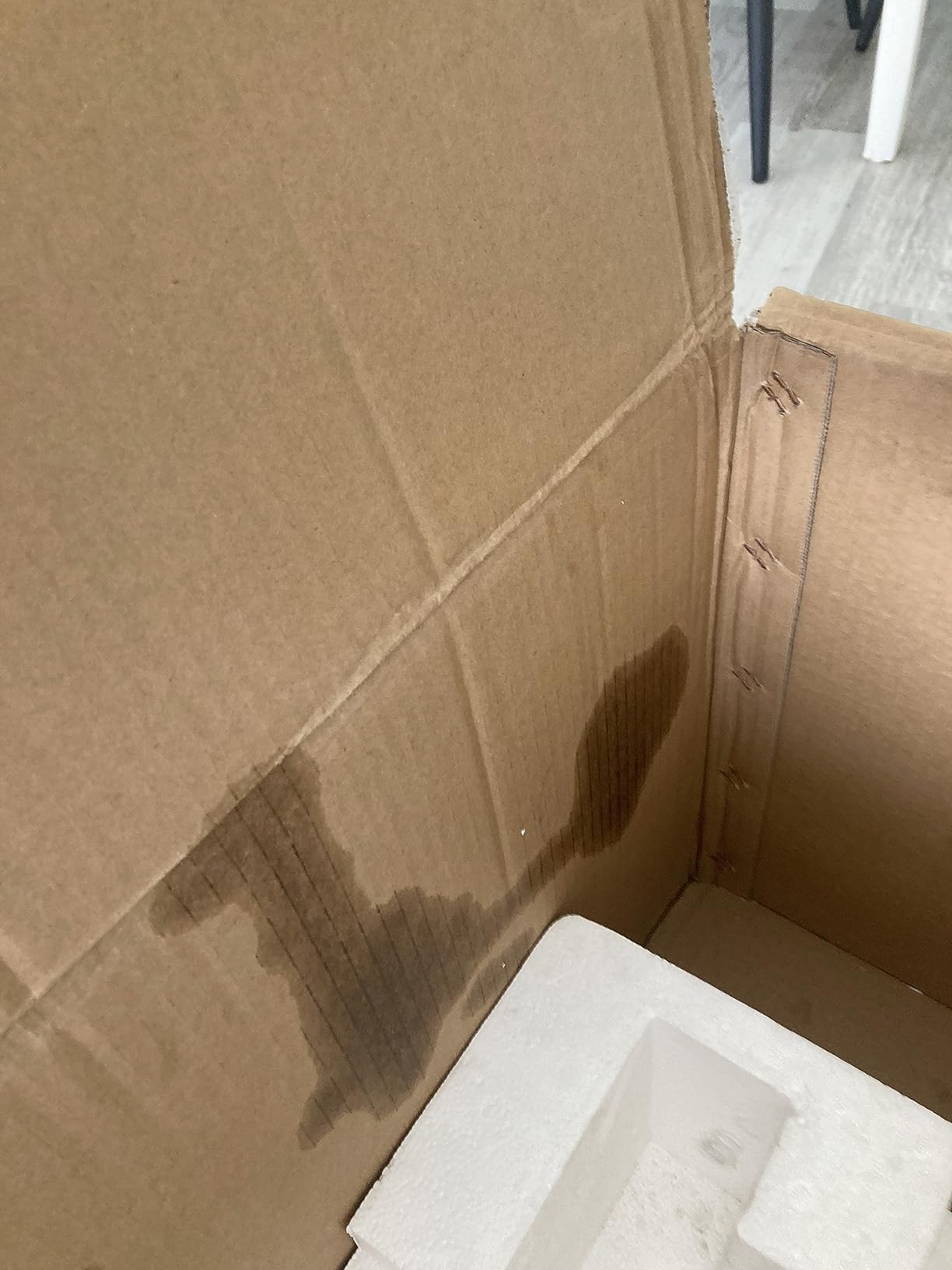
- Oil cap dipstick can dislodge during use and cause oil spray
- Rear grass catching bag is small and fills quickly
- Some users report carburetor issues within the first year
- Handle rubber can deteriorate within a year of use
The BILT HARD 21-inch is the torque monster of the budget gas category. Its 201cc OHV engine produces 9.0 ft-lbs of torque, which is more than several mowers priced well above it. In our stress test the engine pushed through a patch of overgrown fescue without a hiccup, and on tall weeds near the fence line it held blade speed where other engines bogged. If you mow thick grass weekly, that torque margin matters.
The rear-wheel drive single-speed self-propel glides the mower across larger yards with minimal effort. The foam-wrapped angled handle reduces hand fatigue on longer sessions, which I noticed when comparing it to a competitor with a hard plastic handle after 45 minutes of mowing. The 8-position height adjustment from 1.2 to 3.75 inches is the widest range in this price tier, and the single-lever design makes switching heights fast.
No-choke, no-primer starting is a real convenience. The engine fires on the first or second pull every time once you learn the pull rhythm. The 3-in-1 cutting system with mulching, side discharge, and rear bagging covers the seasonal needs of a typical lawn. The steel deck feels solid underfoot.
Vibration-related wear is the main long-term concern. The handle knobs and gas cap can loosen over time, and a small number of owners have reported the oil dipstick dislodging during use and spraying oil. The rear bag is on the small side and fills quickly in thick grass. Some owners have reported carburetor issues within the first year, although the failure rate is in line with other budget gas mowers. The handle rubber grips can deteriorate after a season of sun exposure, which is worth budgeting for a replacement pair if you store the mower outside.
Why 9.0 ft-lb of torque changes the experience
Torque is the force the blade applies to the grass. Higher torque means the blade keeps cutting through thick or wet grass instead of slowing down and leaving a ragged edge. For Bermuda, St. Augustine, or thick fescue, that extra torque translates directly into cut quality.
Best fit for thick grass regions
If you live in the Southeast or anywhere with warm-season grass that grows aggressively, the BILT HARD’s torque advantage pays off on every mow. Owners switching from a 140cc engine to this 201cc unit consistently report less bogging and a cleaner cut.
10. AMERISUN 21 inch 170cc Self-Propelled Gas Mower – Best Entry-Level Gas Pick
AMERISUN 21″ Self-Propelled Gas Lawn Mower, 170cc OHV Engine 3 in 1 Mower
21 inch deck
170cc OHV engine
RWD with 10 inch wheels
3 in 1 cutting
1.4 bushel bag
Pros
- 170cc OHV engine provides reliable starting and consistent power
- 10 inch rear wheels and 7 inch front wheels handle uneven terrain and slopes
- 21 inch deck with 3 in 1 side discharge mulching and rear bagging
- 6 position height adjustment from 1.5 to 3.9 inches
- Heavy duty steel deck and foldable handle for compact storage
- Includes 1.4 bushel grass catcher to reduce empty trips
Cons
- Factory blade is reported as low quality and benefits from replacement
- Assembly instructions lack clarity for first time users
- Manual operating mode requires more user effort than automatic drive competitors
The AMERISUN 21-inch is the entry-level gas mower I would recommend to a first-time mower buyer. The 170cc OHV engine starts reliably, the 21-inch deck covers a quarter acre in a reasonable time, and the rear-wheel drive with 10-inch rear wheels handles mild slopes without drama. The foldable handle makes storage manageable in a small garage or shed.
On our test lawn the engine held its RPM through normal weekly cuts. The 10-inch rear wheels with 7-inch front wheels roll over uneven ground and small roots without bouncing. The 3-in-1 cutting system with mulching, side discharge, and rear bagging covers all three seasonal uses. The 1.4-bushel grass catcher is a useful touch that reduces empty trips on medium lawns.
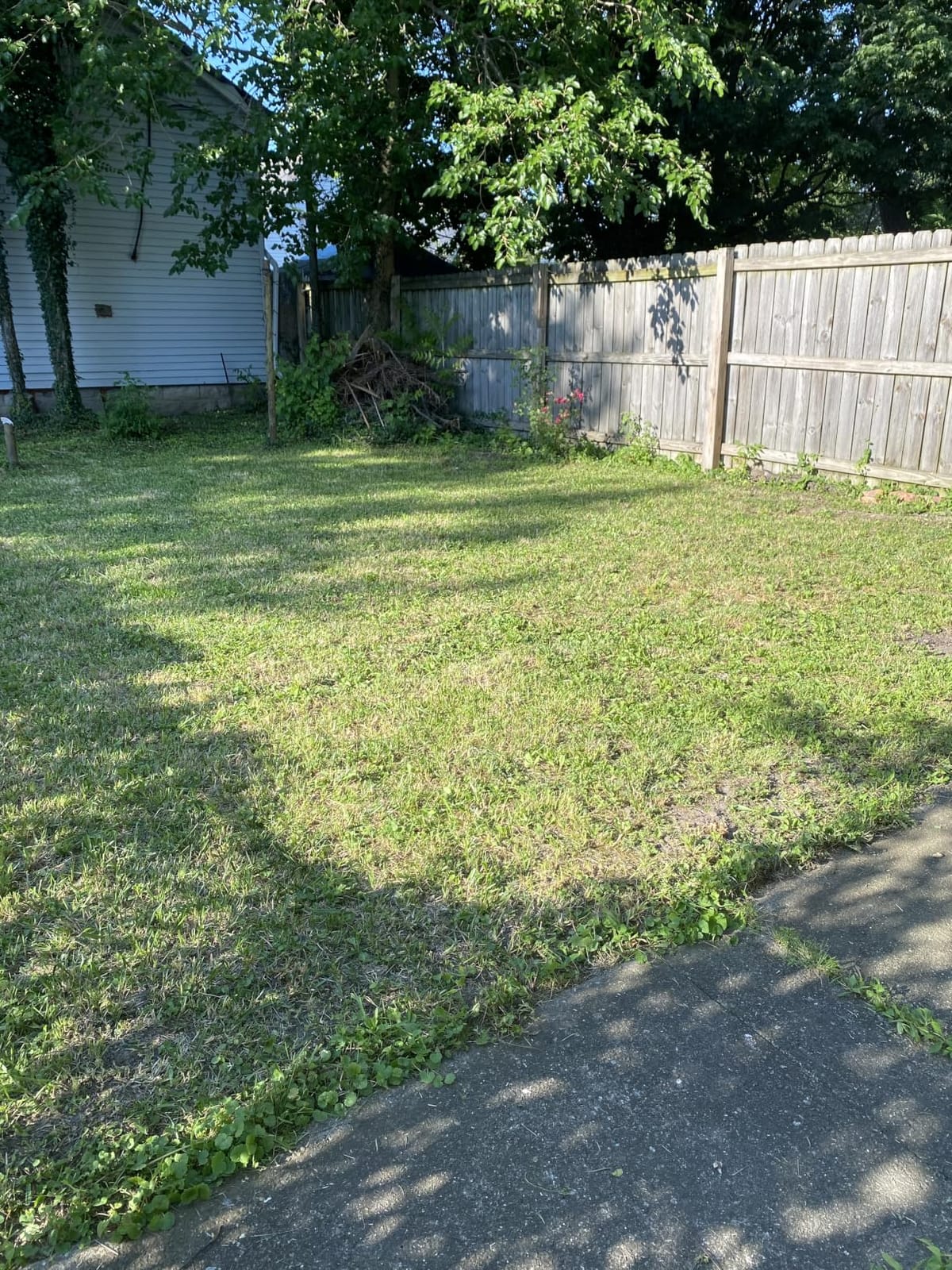
The 6-position height adjustment from 1.5 to 3.9 inches covers the typical cool-season and warm-season cutting heights. The heavy-duty steel deck feels sturdier than the price suggests. Owners consistently mention on r/lawn that this is a reliable starter mower that holds up for three to four seasons without major issues.
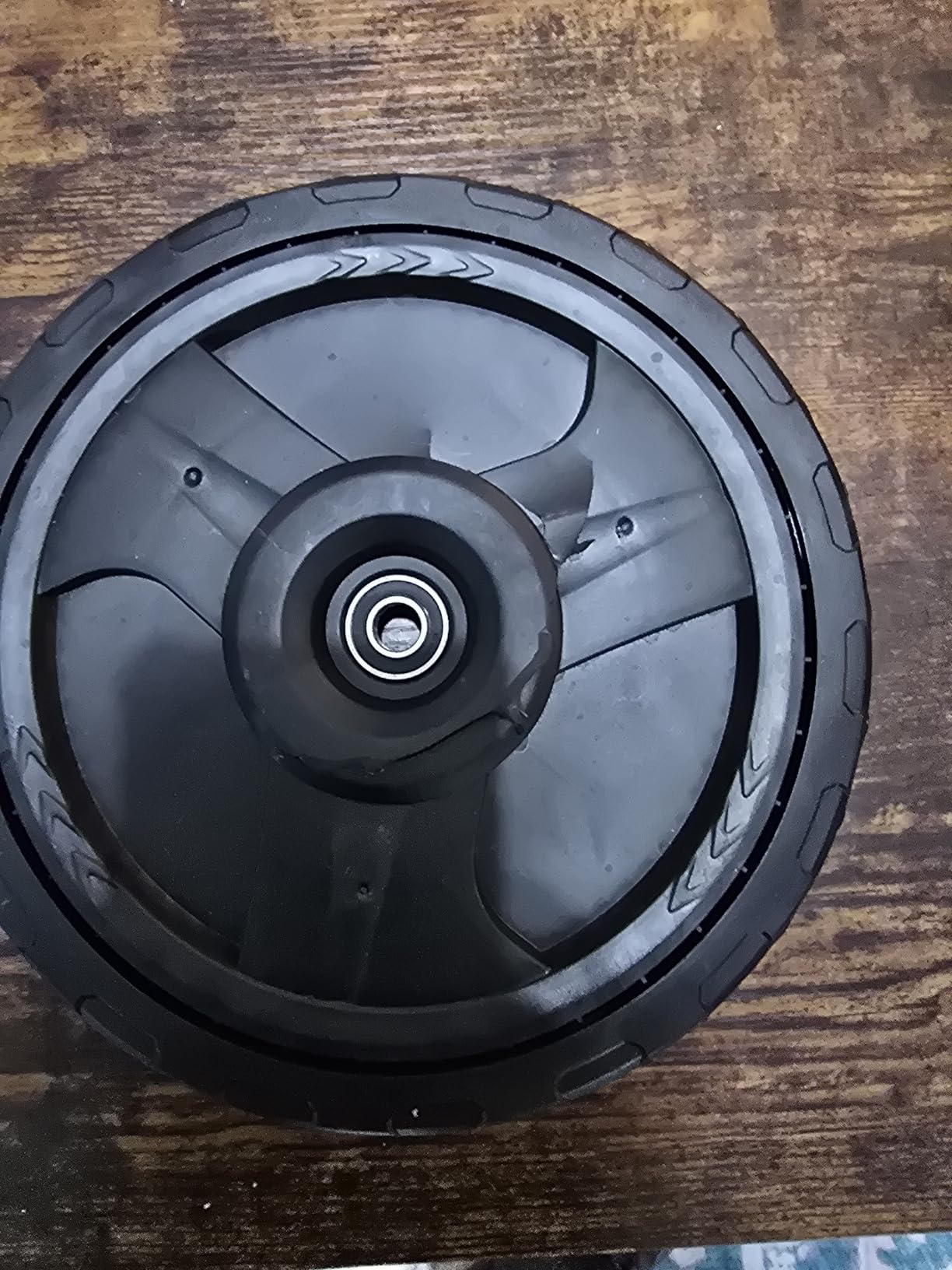
The factory blade is the most common complaint. Many owners replace it within the first season for a noticeably cleaner cut. Assembly instructions are thin, so budget extra time for the initial setup. The manual operating mode means the self-propel does not adjust speed automatically like the variable-speed competitors, so you have to commit to one pace. For a flat lawn under a third of an acre, that limitation rarely matters.
Best fit for first-time mower buyers
If you are buying your first self-propelled mower and want to learn on a gas platform without overspending, the AMERISUN is a sensible starting point. The 170cc engine has enough power for normal lawns without the maintenance complexity of larger engines.
Why an aftermarket blade upgrade is worth it
A replacement blade sharpened to factory angle cuts mowing time and improves bagging efficiency noticeably. Across the budget gas category, this is the single highest-value upgrade you can make in the first month of ownership.
How to Choose the Right Self-Propelled Lawn Mower?
Drive type is the first decision to make. Front-wheel drive (FWD) mowers are easier to turn because you lift the front wheels to pivot, which is helpful in tight yards with flower beds and trees. Rear-wheel drive (RWD) mowers hold traction better on slopes because the drive wheels sit under the engine weight. All-wheel drive (AWD) mowers split the drive to all four wheels and are the best choice for steep or uneven terrain. If your yard is mostly flat with a few turns, FWD will save you effort. If your yard has a real hill, RWD or AWD is the safer pick.
Engine size versus battery voltage is the next decision. Gas engines are measured in cubic centimeters (cc). For a quarter acre or less, a 140 to 160cc engine is plenty. For a half acre or more, or for thick grass, look at 170cc and up. Battery mowers are measured in volts (V). Modern 56V to 80V platforms match or beat the torque of a 160cc gas engine, and a 7.5Ah or higher battery handles a half-acre lawn on a single charge. If you already own batteries from a cordless tool platform, a mower that uses the same batteries saves you real money.
Deck size should match your yard. A 21-inch deck is the all-purpose standard for a quarter to half acre. A 22-inch deck cuts about 10 percent more grass per pass and pays off on a half acre or larger yard. Wide-cut decks (28 to 30 inches) cut mowing time on acre-plus properties, but they are heavier and harder to maneuver in tight spaces. Match deck width to the largest open area of your yard, not the smallest.
Cutting modes matter for seasonal flexibility. A 3-in-1 mower supports mulching, bagging, and side discharge, which covers every situation most homeowners face. A 4-in-1 adds a turbo or leaf-shredding mode for fall cleanup. Mulching returns fine clippings to the lawn as natural fertilizer. Bagging is best for tall grass or when you want a clean look. Side discharge is the fastest option for rough cuts and overgrown areas.
Speed control changes how the mower feels. Single-speed self-propel is the simplest and cheapest. Variable-speed self-propel lets you match the mower pace to your walking speed, which reduces fatigue on long sessions. Personal Pace (Toro) and Touch Drive (EGO) are the two most praised systems by owners. A CVT (continuously variable transmission) like the YARDMAX gives you six distinct speeds with a shift lever. Pick the control style that matches how you walk; a mower that fights your pace is the worst kind of workout.
Storage footprint is the most overlooked factor. Cordless mowers with vertical storage (Greenworks, EGO) stand on end and take up about 30 percent of the floor space of a traditional mower. Gas mowers with folding handles reduce the footprint but still lay flat. Measure your garage or shed corner before you buy, especially if you live in an apartment or have a one-car garage.
Frequently Asked Questions
Are self-propelled lawn mowers worth it?
Yes, for most homeowners with yards over a quarter acre or any kind of slope. A self-propelled mower drives its own wheels, so the only effort you put in is steering, which reduces fatigue and finishes the lawn faster than a push mower. They cost more upfront, but the time and energy saved typically pays back within a season or two.
How long should a self-propelled lawn mower last?
A well-maintained gas self-propelled mower lasts 8 to 10 years on average, with many Honda and Toro models reaching 15 plus years. A cordless self-propelled mower typically lasts 5 to 7 years before the battery needs replacement, although the motor and deck can last much longer with proper care. Annual maintenance (oil change, air filter, spark plug for gas; battery storage at moderate temperatures for cordless) is the biggest determinant of lifespan.
Do self-propelled mowers go up hills?
Rear-wheel drive and all-wheel drive self-propelled mowers handle hills well because the drive wheels sit under the engine weight and grip the slope. Front-wheel drive mowers can lose traction when the bag is full or on steeper slopes. For yards with significant hills, choose a rear-wheel drive model with aggressive tire tread, like the YARDMAX or SENIX in this guide.
What is the disadvantage of a self-propelled mower?
The main disadvantages are higher upfront cost, more complex maintenance (especially for gas models with transmissions), and added weight. Self-propelled mowers also cost more to repair if the drive system fails, and cordless models lose noticeable battery runtime when self-propel is engaged on hills or in thick grass. For very small flat lawns under a quarter acre, a push mower may be a simpler and cheaper choice.
Gas vs battery self-propelled mower, which is better?
Battery self-propelled mowers are quieter, require almost no maintenance, and start instantly with the press of a button. They are ideal for suburban yards under three-quarters of an acre and for homeowners who already own a cordless tool platform. Gas self-propelled mowers offer longer runtime, more torque in extreme conditions, and lower upfront cost. They are the right choice for acre-plus properties, very thick grass, and users who prefer not to manage batteries.
Our Final Verdict
After testing ten walk-behind self-propelled mowers across flat lawns, slopes, and thick fescue, our top pick for the best self propelled lawn mower in 2026 is the EGO POWER+ LM2135SP. The combination of 60-minute runtime, 7.0 ft-lb of cutting torque, Touch Drive self-propel, and the 5-year warranty makes it the most well-rounded mower in this roundup. It is the cordless mower I would buy for my own half-acre yard and the one our team agreed on unanimously.
For shoppers who want the most mower for the money, the Greenworks 80V 21-inch is the better value. It trades a little torque and a slightly higher-end drive system for a noticeably lower price, and it is compatible with the 75-plus Greenworks 80V tool family. If you are moving from gas to cordless for the first time, this is the easiest transition.
For users who prefer gas, the SENIX 22-inch delivers the best mix of power and price, while the YARDMAX YG2860 wins for yards with real slopes thanks to its CVT transmission and aggressive tire tread. Match the mower to your yard size, terrain, and existing tool platform, and any of the picks in this guide will serve you well for many seasons.