

A UTV sprayer is a tank-and-pump rig that mounts in the cargo bed of a side-by-side or ATV and sprays herbicide, pesticide or liquid fertilizer through a 12V diaphragm pump, a handheld wand, a folding boom or a boomless cone. After comparing nine of the highest-reviewed units on capacity, flow rate, hardware and long-term owner reports, the NorthStar 31-Gallon Boom/Spot Sprayer is the best UTV sprayer overall, the Master Mfg 15-Gallon Spot Sprayer is the best value, and the Ironton 12-V 5-Gallon Spot Sprayer is the lightest way in.
I want to be straight with you about what this roundup actually contains. The category is dominated by two very different kinds of machine. The first is the bed-mounted spot sprayer, a compact tank with a hose and an adjustable spray gun that treats fence rows, isolated weeds and small food plots. The second is the tow-behind or boom-equipped broadcast rig, wider and heavier, built to lay down herbicide across open ground in a single pass.
Most of what sells under the UTV sprayer heading is the first kind, and that is where the specifications below concentrate. Of the nine units, one carries a folding broadcast boom and one is a true boomless sprayer, which means your boom-versus-boomless decision is largely a question of which of the two suits your ground. Everything else in this guide is a spot sprayer, and the differences between them come down to gallons, GPM, hose reach and how the hardware is put together.
Before buying anything, do the payload math. A full 45-gallon tank adds roughly 420 to 465 pounds to your bed, and a full 65-gallon tank adds roughly 598 to 640 pounds, which is more than many cargo beds are rated for once you add yourself and a passenger. Check the payload sticker on your dash or in the owner’s manual before you fill anything.
Table of Contents
Top 3 Best UTV Sprayer Picks in 2026

NorthStar 31-Gallon Boom/Sp…
- 2.2 GPM 12V on-demand pump at 70 PSI
- Spring-loaded breakaway 120-inch folding boom
- 31-gallon UV-resistant tank with 7.5-inch lid
- Adjustable brass spot gun with 30 ft reach

Ironton 12-V 5-Gallon Spot…
- 1 GPM 12V diaphragm pump
- 5-gallon chemical- and UV-resistant polymer tank
- 10 ft hose with 20 ft horizontal reach
- Under 10 pounds with in-line on/off switch

Master Mfg 15-Gallon UTV…
- Everflo 1.0 GPM 12V diaphragm pump
- 15-gallon tank with verified gallon graduations
- 18 ft vertical and 20 ft horizontal gun reach
- Two-year warranty on pump and components
The NorthStar 31-gallon tow-behind is the only unit here that does real broadcast work, and it does it with a commercial-grade 2.2 GPM, 70 PSI pump rated for continuous duty. Nearly 2,000 owners have weighed in, which makes it the best-documented sprayer in the group by a wide margin.
The Master Mfg 15-gallon is the one I keep coming back to as a recommendation. The gallon graduations are accurate, the pump module is replaceable, and the two-year warranty on pump and components is longer than anything else in this lineup.
The Ironton 5-gallon costs little and weighs 9.5 pounds, so it is the sprayer to buy if you are spraying a single yard, a garden or a handful of isolated weed patches. It is not a food-plot machine, and I want to set that expectation before you read further.
Best UTV Sprayers at a Glance (October 2026)
| Product | Specs | Action |
|---|---|---|
| NorthStar 31-Gallon Boom/Spot Sprayer |
|
Check Latest Price |
| Ironton 12-V 5-Gallon Spot Sprayer |
|
Check Latest Price |
| Master Mfg 15-Gallon UTV and ATV Spot Sprayer |
|
Check Latest Price |
 Chapin 25-Gallon Mounted ATV/UTV Spot Sprayer Chapin 25-Gallon Mounted ATV/UTV Spot Sprayer |
|
Check Latest Price |
 Master Mfg 9-Gallon UTV and ATV Spot Sprayer Master Mfg 9-Gallon UTV and ATV Spot Sprayer |
|
Check Latest Price |
| Chapin 15-Gallon ATV/UTV Sprayer |
|
Check Latest Price |
 Chapin 8-Gallon ATV/UTV Sprayer Chapin 8-Gallon ATV/UTV Sprayer |
|
Check Latest Price |
 Master Mfg 25-Gallon Deluxe Spot Sprayer Master Mfg 25-Gallon Deluxe Spot Sprayer |
|
Check Latest Price |
 NorthStar 26-Gallon Boomless Broadcast Sprayer NorthStar 26-Gallon Boomless Broadcast Sprayer |
|
Check Latest Price |
Here is the short version of where each one lands. I have kept this list deliberately plain so you can self-select in a minute.
NorthStar 31-Gallon Boom/Spot — 31 gallons, 2.2 GPM, folding 120-inch boom. Best for open food plots and broadcast herbicide work over a few acres.
Ironton 12-V 5-Gallon Spot — 5 gallons, 1 GPM, 10 ft hose. Best for gardens, single yards and spot weed control under a few hundred square feet.
Master Mfg 15-Gallon UTV and ATV Spot — 15 gallons, 1 GPM, 15 ft hose. Best all-round value for fence lines, gardens and small plots.
Chapin 25-Gallon Mounted Spot — 25 gallons, 1 GPM, 6-inch fill opening. Best when refilling trips rather than flow rate are your bottleneck.
Master Mfg 9-Gallon UTV and ATV Spot — 9 gallons, 1 GPM, 11.5 pounds. Best for golf carts, rear racks and very small plots.
Chapin 15-Gallon ATV/UTV — 15 gallons, 1 GPM, double filtration. Best for large yards and farms where nozzle clogging is a daily concern.
Chapin 8-Gallon ATV/UTV — 8 gallons, 1 GPM, 9 pounds. Best-rated unit in the group for handling and mounting.
Master Mfg 25-Gallon Deluxe — 25 gallons, 2.2 GPM, 70 PSI. Best reach and highest output in a bed-mountable footprint.
NorthStar 26-Gallon Boomless — 26 gallons, 2.2 GPM, 14-foot pattern. Best for broadcast work where you need to get around trees and brush.
1. NorthStar 31-Gallon Boom/Spot Sprayer – the Only True Broadcast Rig Here
NorthStar 31-Gallon Tow-Behind Boom/Spot Sprayer, 2.2 GPM, 12V, 70 PSI
31-gallon tank
2.2 GPM at 70 PSI
120-inch breakaway boom
54 lb empty
Pros
- 2.2 GPM 70 PSI pump rated for continuous duty
- 120-inch breakaway boom with independent nozzle control
- 31-gallon UV-resistant tank with molded gallon markers
- Brass spot gun reaches 30 ft horizontal
- Recirculation keeps chemical mixed
- Remote on/off switch with battery clamps
Cons
- Assembly is involved and the printed instructions are vague
- Missing hardware reported by some buyers
- Included wand is the weakest component
- Boom nozzles can drip until seals are tightened
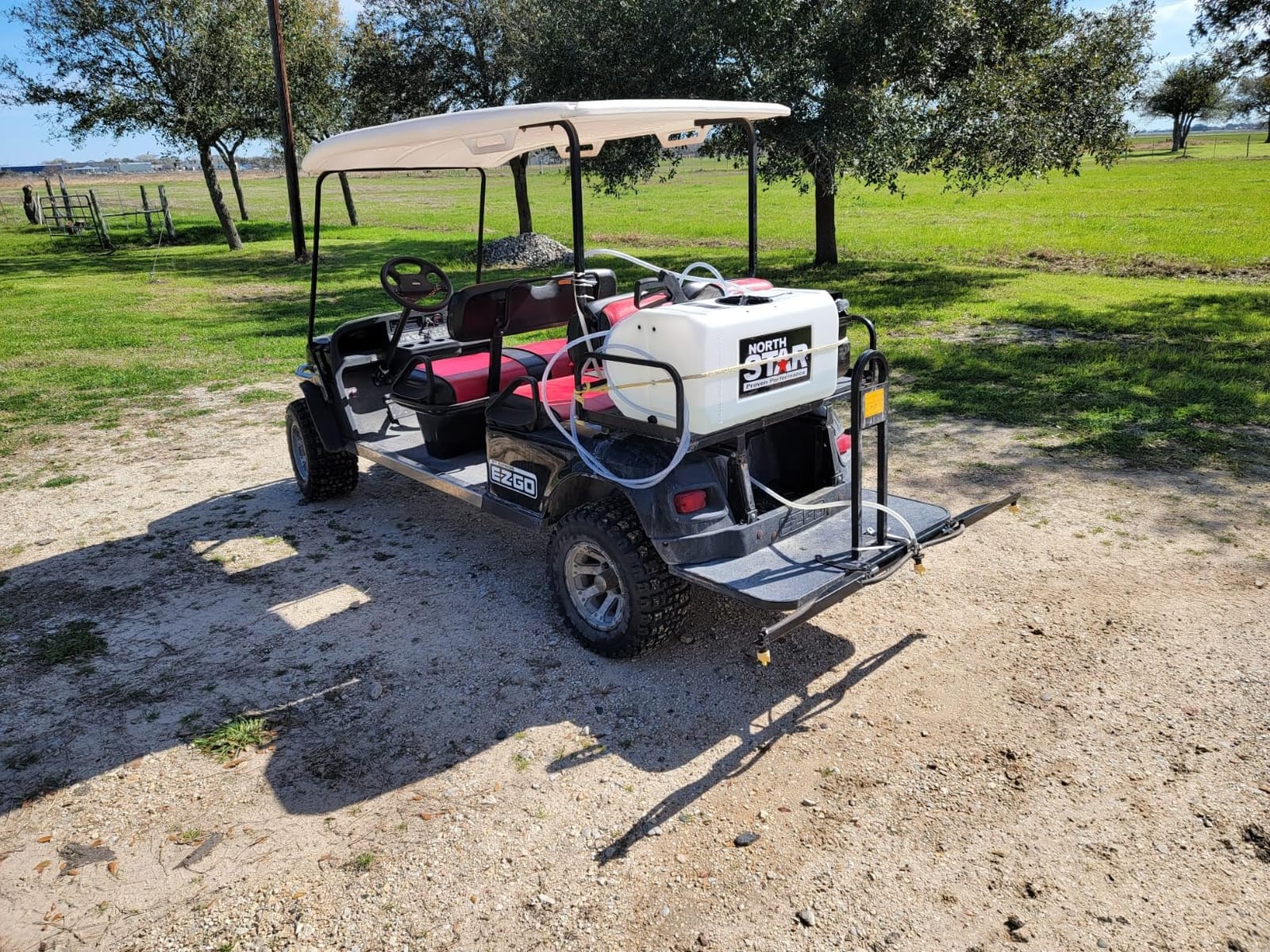
This is the sprayer I would put in the bed of a side-by-side and tow to an open food plot. The 120-inch spring-loaded breakaway boom gives you 80 inches of effective spray width with independent nozzle control, and the swing arm folds forward at the hinge when you clip a branch so it does not rip the tank or the nozzles off.
What separates it from everything else here is the pump. The NSQ on-demand diaphragm moves 2.2 GPM at up to 70 PSI and is rated for 100 percent continuous duty, with a Santoprene diaphragm, DXS-3 Viton valves and an 8-amp draw. That is the difference between a sprayer you use for a season and one you still use in year four.
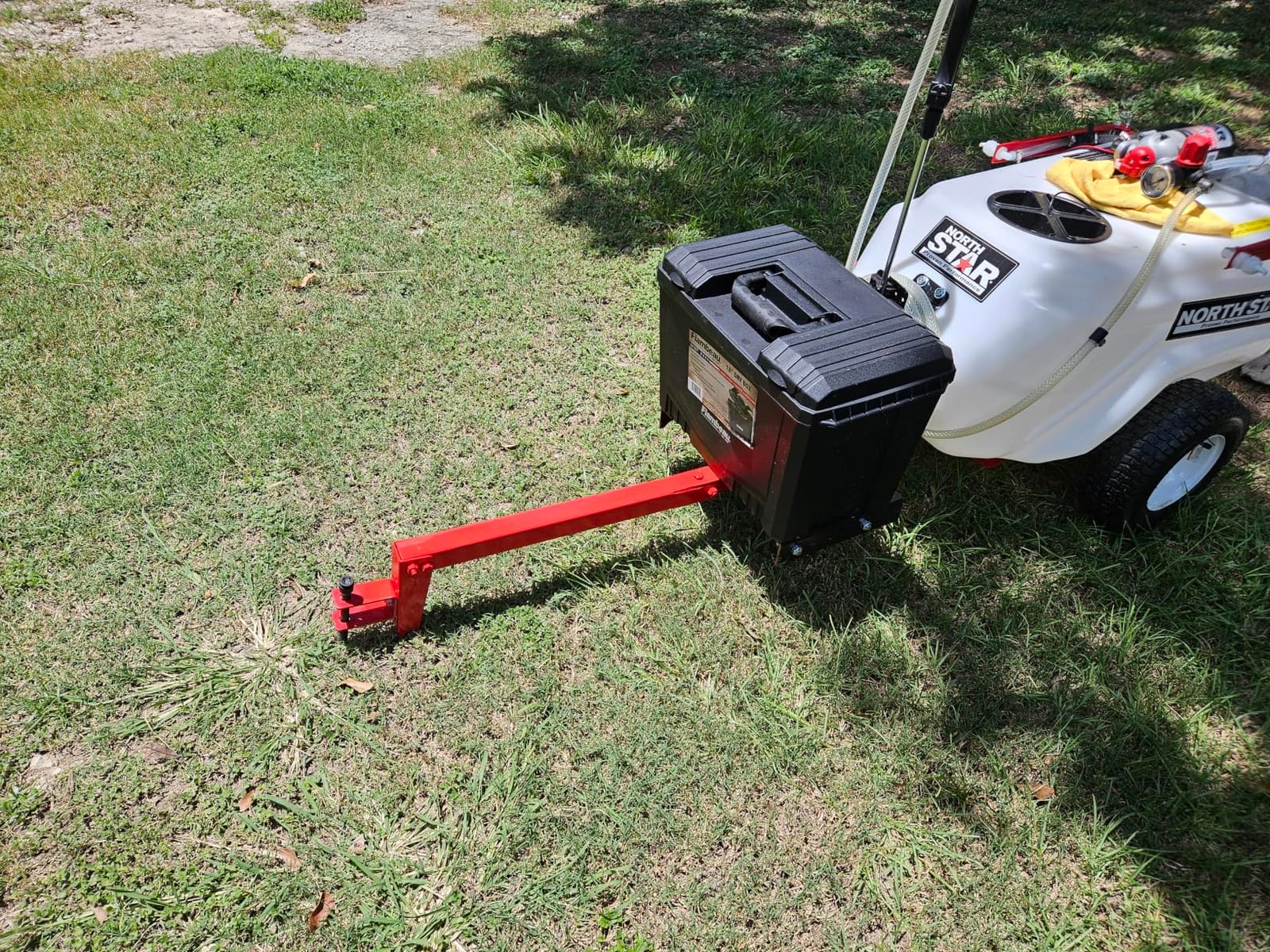
The hardware is mostly steel. It rides on a powder-coated 100 percent steel cart with 12-inch pneumatic wheels, a retractable tow bar and a removable axle, so it converts from a tow-behind to a bed-mounted rig without a second tank. The 31-gallon tank is extra-thick-wall UV-resistant polyethylene with molded gallon markers and a 7.5-inch lid, and it is listed as compatible with Roundup brand herbicides.
The honest gripes are assembly-related rather than design-related. Owners most often describe the printed instructions as vague or mismatched, and a few report arriving with missing bolts or hose clamps that need tightening before the first fill. The included spot gun is the part reviewers single out as weakest, and boom nozzles can drip until the seals settle after a season of use.
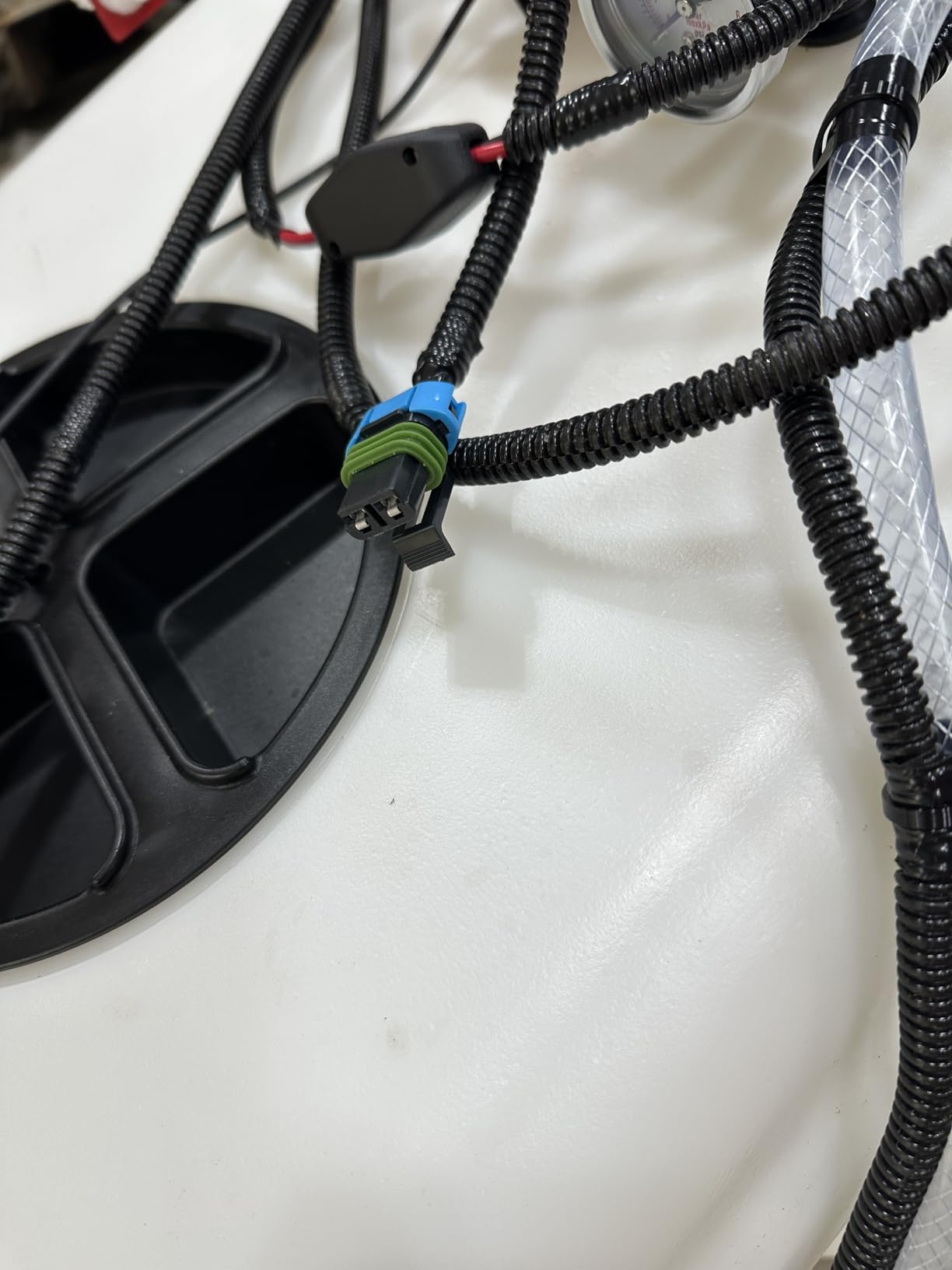
Who this sprayer suits
This is the pick for anyone spraying open, level ground at speed. If your ground is food plots, roadside strips or a few acres of pasture with no tree cover, a rigid boom gives you a far more uniform pattern than any cone nozzle, and the recirculation feature keeps glyphosate and other tank mixes from settling.
It is also the right call if you spray more than one property. The 31-gallon capacity and 80-inch effective swath mean you cover ground in fewer passes than a wand sprayer at the same speed, and the remote switch means you control the pump from the seat.
Where it falls short
It is the heaviest item in this roundup at 54 pounds empty, and a full 31-gallon tank adds roughly 250 pounds of water, so payload matters more here than anywhere else in the group. It is also a tow-behind first, which means you need a rated hitch and a level yard to run it well.
For tree work and tight lanes, the boom is an obstruction. A long TractorByNet thread on sprayer recommendations notes that booms bend and lose nozzle height after contact with rough ground, and that owners who spray wooded ground tend to move to a boomless design instead.
2. Ironton 12-V 5-Gallon Spot Sprayer – Lightest Way to Start
Ironton 12-V ATV Spot Sprayer, 5-Gal. Capacity, 1 GPM Flow Rate
5-gallon polymer tank
1 GPM 12V pump
10 ft hose
9.5 lb empty
Pros
- Weighs under 10 pounds so it loads without a ramp
- 10 ft hose gives 20 ft horizontal and 12 ft vertical reach
- Simple battery clamp hookup with an in-line switch
- Chemical- and UV-resistant polymer tank
- 66 percent five-star share across more than 1400 ratings
Cons
- 5-gallon tank means frequent refills on larger property
- 1 GPM flow is modest next to 2.2 GPM units
- Plastic wand fittings can loosen at the hose joint
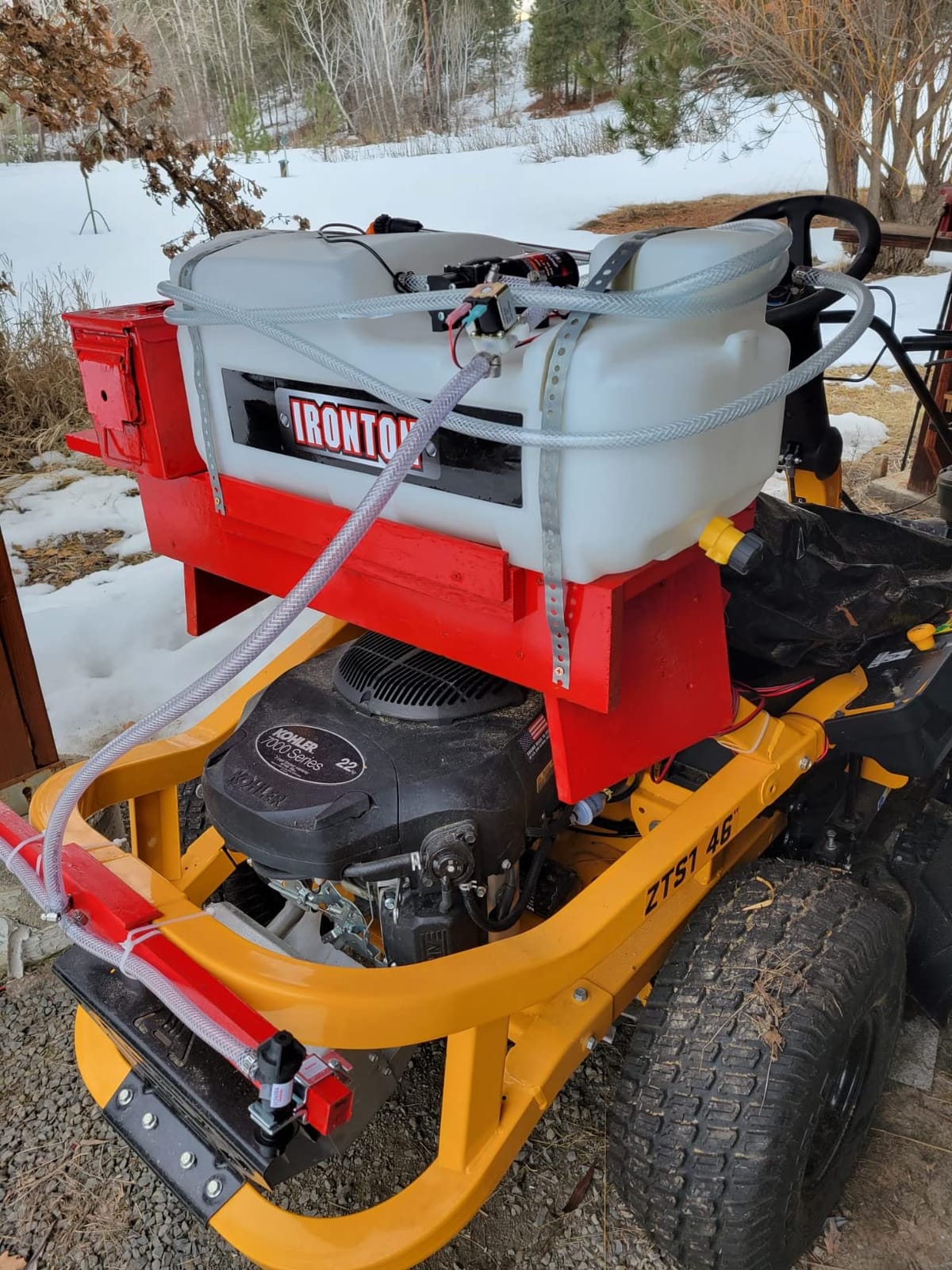
Somebody has to teach you whether you like spraying before you commit to a tank big enough to load with a ladder. That is this sprayer’s entire job, and it does it well for 9.5 pounds and a 1 GPM diaphragm pump.
Owners consistently mention the reach as the standout: 12 feet of vertical spray and 20 feet of horizontal from a 10-foot hose, which means you can treat a fence line or a bank of weeds from the seat. The tank is chemical- and UV-resistant polymer with thick walls, and it hooks to a battery with an 8-foot harness and clamps.
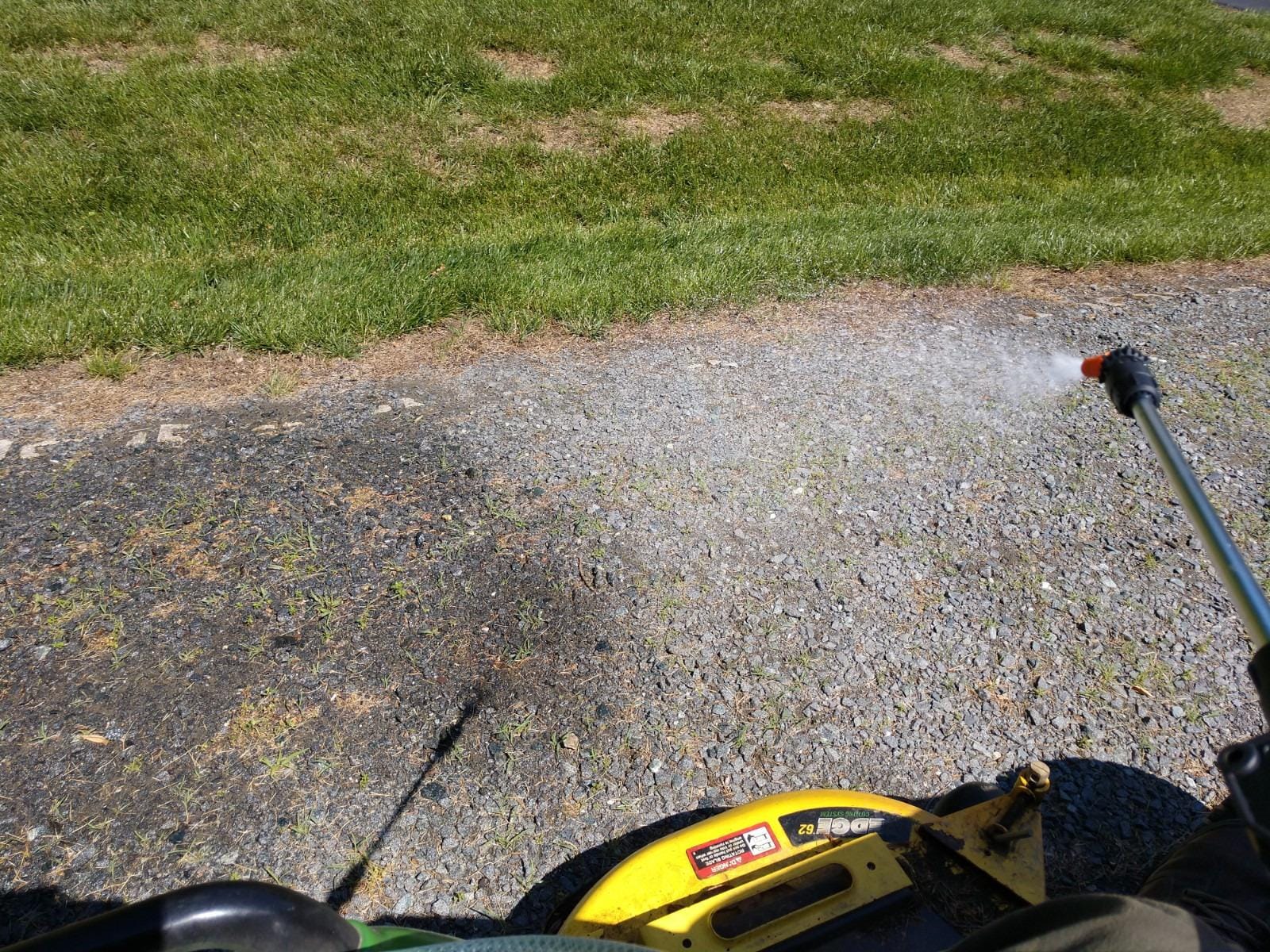
The nozzle adjusts from stream to cone, so the same gun handles a single thistle stem and a broad patch of crabgrass. All pump and sprayer components are listed as compatible with Roundup agricultural brand herbicides, and the same unit is available in an 8-gallon version if you want more capacity for the same footprint.
Reviewers report the wand-to-hose connection is the weak point. It is a plastic fitting, and after repeated use it can loosen and drip, so most owners add a hose clamp or a wrap of thread tape within the first season. The 1 GPM flow rate is also the second thing you feel: it is fine for a hose-and-gun workflow and slow for anything else.
Who this sprayer suits
This is the right pick for a homeowner with a yard, a garden, an orchard of fruit trees or a small rental property. At under 10 pounds you can lift it in and out of a bed one-handed, and a 5-gallon fill is quick enough that the refill count stops mattering.
It also works as a second unit. Many owners run a small spot sprayer on a rear rack for fence work and keep a larger tank for open ground, and the 5-gallon size is honest about what it is good at.
Where it falls short
Do not buy it to treat a food plot. At 5 gallons and 1 GPM you will spend more time refilling and shuttling than spraying, and the recurring review theme is exactly that: capacity, not quality, is what holds it back.
There is also no boom and no broadcast capability, so every pass is wand work. If your property includes open ground where a cone pattern would save hours, the money you save here goes back out on a second machine.
3. Master Mfg 15-Gallon UTV and ATV Spot Sprayer – Best Value Pick
Master Mfg 15-Gallon UTV & ATV Spot Sprayer – 1.0GPM, 40PSI Max for Fertilizer, Weed & Pest
15-gallon tank
Everflo 1.0 GPM 12V pump
15 ft hose
14 lb empty
Pros
- Most-cited best-value mounted tank in owner reviews
- Accurate gallon graduations confirmed by users
- 15 ft hose reaches across fences and tree lines
- Replaceable top-access pump module
- Runs a full day on one battery charge
- Two-year warranty on pump and components
Cons
- Plastic wand coupler threads can strip or blow off
- Pickup tube sits off-center so side slopes do not fully drain
- Pump module must be accessed from the top
If you take one recommendation from this roundup, take this one. A 15-gallon tank is the sweet spot for most people spraying a few acres, and this is the unit owner reviews most often describe as the best value for money.
The detail that separates it from cheaper 15-gallon tanks is the graduation accuracy. Users check the markings against measured volume and report them true, which matters when you are mixing a fixed amount of chemical per tank. The hose is 15 feet, giving 18 feet of vertical and 20 feet of horizontal reach from the adjustable gun.
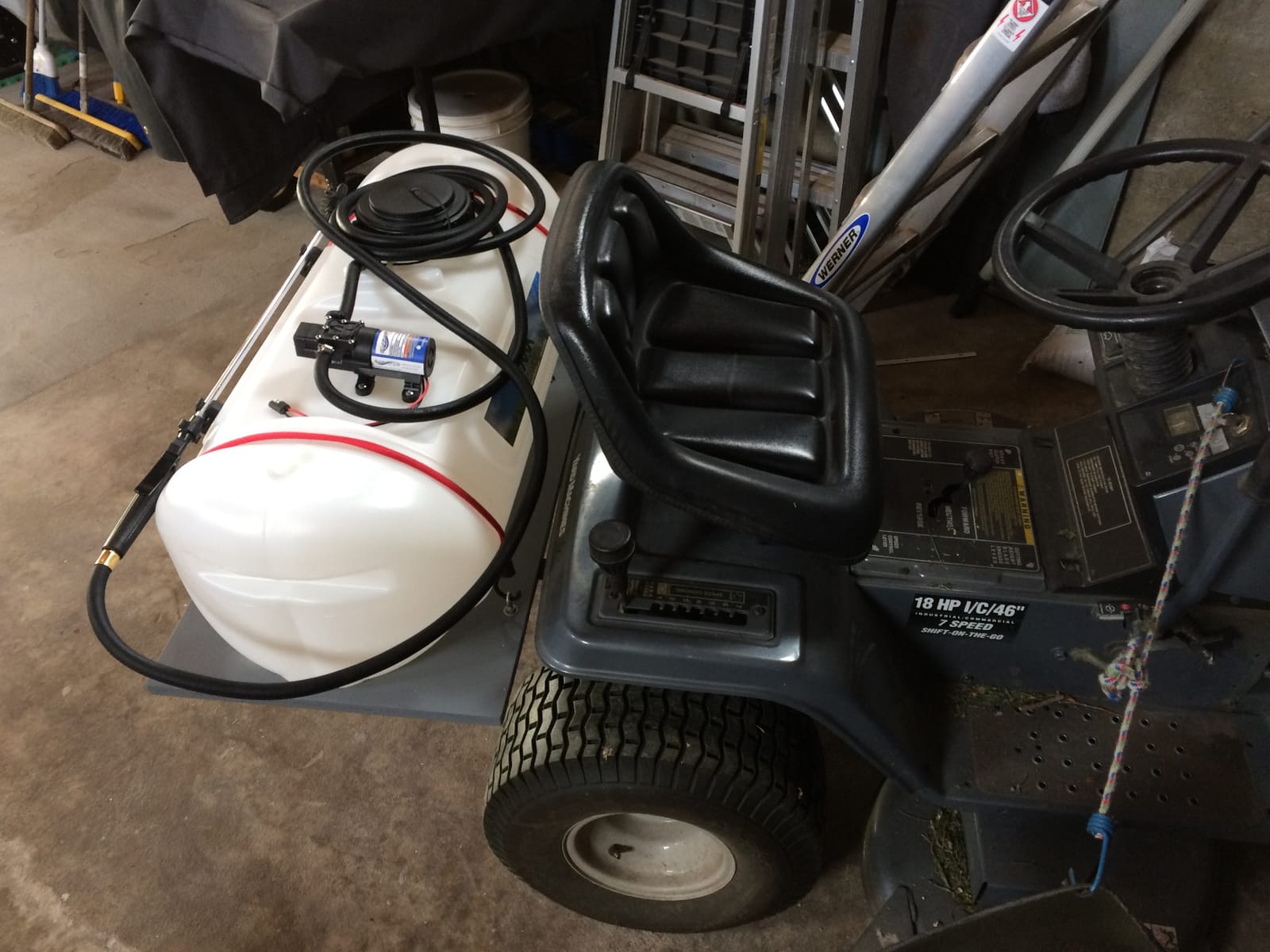
The hardware story is good too. The Everflo 1.0 GPM 12V diaphragm pump is a replaceable module rather than a sealed assembly, and it is accessed from the top, so a failed pump does not mean cutting the tank loose. Owners report it running an entire day on a single battery charge, which is the practical difference between a sprayer you finish a job with and one you run out of battery on.
The two-year warranty on pump and components is the longest in this lineup. The two documented weaknesses are the plastic wand coupler, which several buyers report separating at the threads, and the off-center pickup tube, which means the tank will not fully drain when you are parked on a side slope.
Who this sprayer suits
This is the sprayer for fence lines, small food plots, gardens, livestock areas and property maintenance. It secures to an ATV, a UTV or other commercial vehicle, and it comes standard with a wire harness, tethered lid and gun clips so it stays put in a bed.
It is also the best starting point for a small acreage operator moving up from a backpack. At 15 gallons you cover real ground, and the 20-foot horizontal reach means you can treat tree lines and fence posts without climbing down.
Where it falls short
At 1 GPM it is a wand sprayer only. There is no broadcast cone and no boom, so every pass is a targeted stream, and on a larger property a 15-gallon tank means a lot of refilling.
Bucket-mounted or bed-mounted with a full tank, it adds a little over 120 pounds of payload. On a smaller single-seat ATV that is a real consideration, and on rough ground the off-center pickup will leave chemical behind in the corner of the tank.
4. Chapin 25-Gallon Mounted ATV/UTV Spot Sprayer – Most Capacity Per Refill
Chapin 97254 25-Gallon Mounted ATV/UTV Spot Sprayer
25-gallon poly tank
1 GPM pump at 60 PSI
6-inch wide mouth
EZ Mount
Pros
- Arrives nearly assembled and ready to mount
- 25 gallons cuts refill trips on multi-acre lots
- 6-inch wide opening speeds filling and mixing
- Pump auto-shuts off when the trigger is released
- Made in the USA with a 1-year limited warranty and US support
Cons
- Pump flow port alignment can force remounting the pump
- Drain spout threads reported to leak and loosen
- Plastic swarf from factory drilling can remain inside the tank
- Contoured bottom keeps a small amount of mix unrecoverable
Capacity is the whole argument here. Twenty-five gallons is a little over 200 pounds of water when full, which on a side-by-side with a healthy payload rating turns a morning of spraying into a single fill for a day of wand work.
The 6-inch wide mouth opening with a filter cap is the detail owners mention most. You can mix a full tank with a paddle instead of a funnel, and the wide opening is also how you clean the tank at the end of a job. The tank is chemical-resistant polyethylene, and the pump is a 1 GPM diaphragm delivering up to 60 PSI.
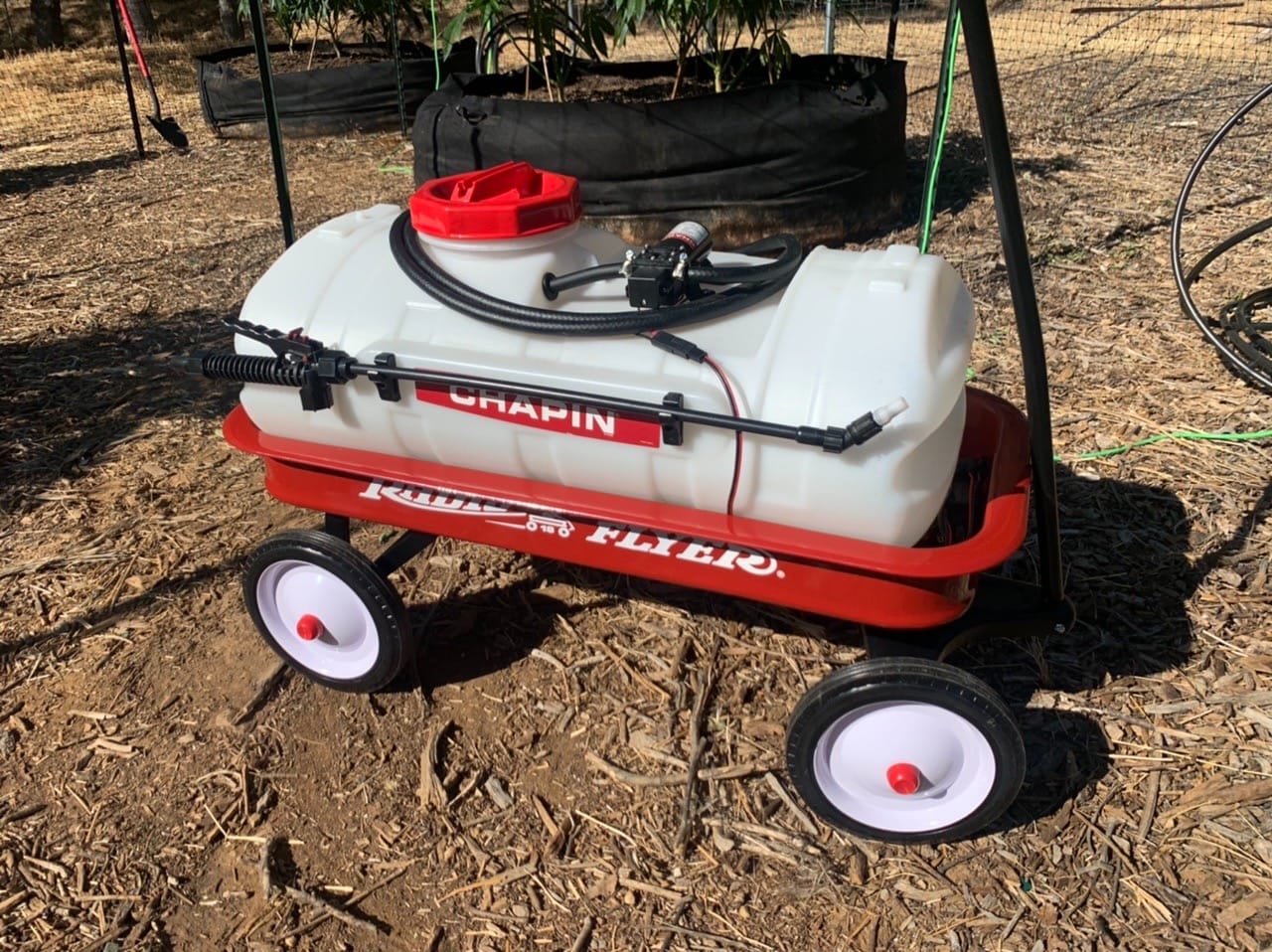
It arrives nearly assembled, which matters more than it sounds. Buyers report the mounting system takes minutes rather than an afternoon, and 68 percent of ratings are five stars. The diaphragm pump shuts off when the trigger is released, so there is no need to reach into the bed to kill power at every stop.
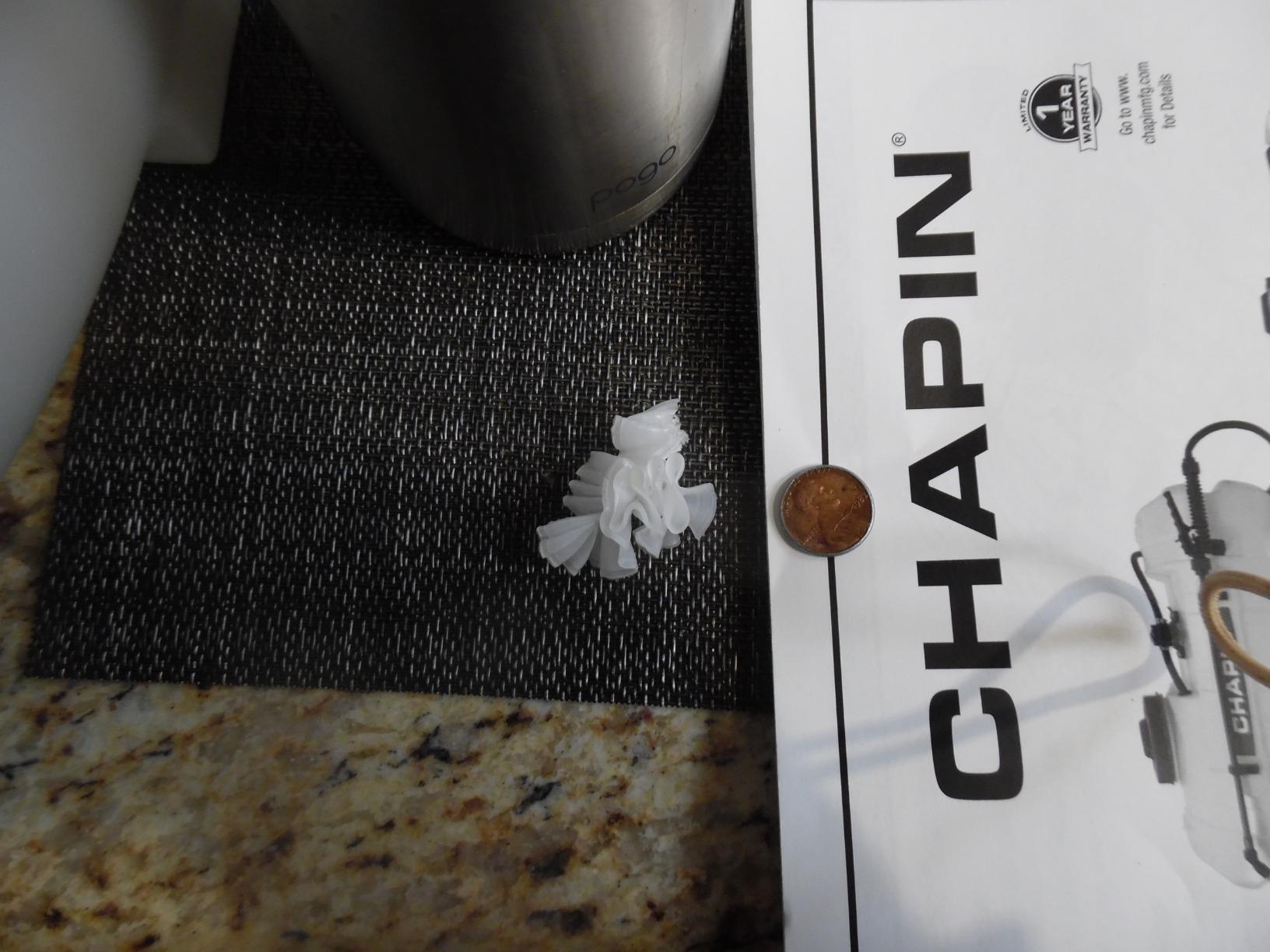
There are four recurring complaints, and they are worth taking seriously. The pump inlet and outlet holes do not always line up correctly, which in one report forced the owner to mount the unit in a different position. The drain spout threads leak or loosen over time. Plastic swarf from factory drilling can remain in the tank, so rinse it before the first fill.
Who this sprayer suits
Pick this if your limiting factor is time, not spray pattern. If you are treating a large lot, a farm yard or a long roadside strip with a wand, the difference between a 25-gallon tank and a 15-gallon tank is a handful of extra refills every session.
It is also a good match for contractors and rental crews who do not want to winterize a complex machine. Simple diaphragm pump, simple mount, simple wand, and a one-year limited warranty backed by US-based support.
Where it falls short
The 1 GPM pump means 25 gallons takes a long time to move through a wand. Big capacity plus low flow is efficient for refilling and inefficient for coverage, so it suits wand work better than any attempt at broadcast spraying.
A full 25-gallon tank adds a little over 200 pounds to your bed, and the contoured tank bottom means the last of your mix is hard to get out. Budget for a dedicated clean-out pass rather than assuming the tank drains completely.
5. Master Mfg 9-Gallon UTV and ATV Spot Sprayer – Smallest Useful Footprint
Master Mfg SSD-03-009B-MM 9 Gallon UTV & ATV Spot Sprayer – Everflo 1.0 Gpm for Fertilizer, Weed & Pest
9-gallon tank
Everflo 1.0 GPM 12V pump
15 ft hose
11.5 lb empty
Pros
- Compact 9-gallon size mounts to a rack or golf cart
- Strong 1 GPM pump with 20 ft horizontal reach
- Mounting straps and wire harness included
- Durable plastic tank with tethered lid and drain cap
- Good entry point for mounted electric spraying
Cons
- 9-gallon capacity is small for larger properties
- 1 GPM flow limits speed on big spray jobs
- Plastic wand and hose fittings can leak after repeated use
Not every sprayer needs 25 gallons. The 9-gallon Master Mfg is the one I recommend for a golf cart, a single-seat ATV rear rack, or a small plot where you refill from a five-gallon container in the field.
It is 11.5 pounds empty with a 9-gallon tank, and the same Everflo 1.0 GPM 12V diaphragm pump found in the 15-gallon model. The adjustable spray gun reaches 18 feet vertically and 20 feet horizontally from a 15-foot hose, which is the same reach as the bigger tank at a quarter less capacity.
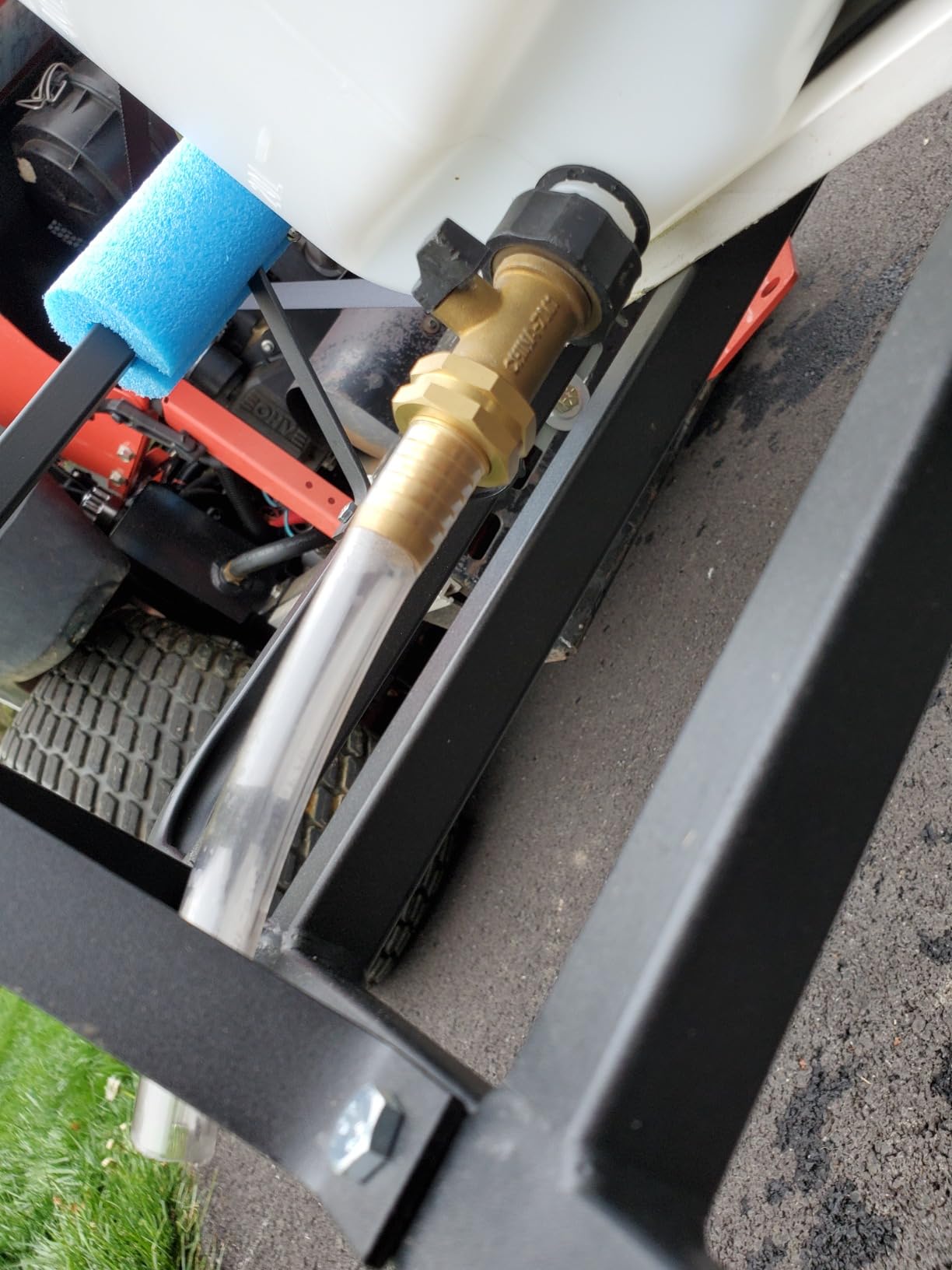
Mounting is straightforward because the box includes mounting straps along with the wire harness, tethered lid and drain cap. It secures to an ATV, a golf cart, a UTV or other commercial vehicle, and the same tank is available in a 15-gallon configuration if you outgrow it.
Owners report 66 percent five-star ratings and satisfaction concentrated on the compact, easy-to-mount format. The limiting factor is arithmetic: 9 gallons with a 1 GPM pump means more refills and more passes than the 15- and 25-gallon models on the same property.
Who this sprayer suits
This is the pick for small-plot work where the sprayer lives on a golf cart or a rear rack rather than in a truck bed. Owners spraying a small food plot, a small orchard or a yard on a regular schedule tend to be the happy users.
It is also a good secondary unit to run alongside a bigger tank, so one person can stay on a boom or a broadcast pass while the other handles fence rows and isolated weeds.
Where it falls short
Nine gallons is a small tank by food-plot standards. On a larger property, the refills dominate your day, and the 1 GPM pump makes each of those refills last longer than you would like.
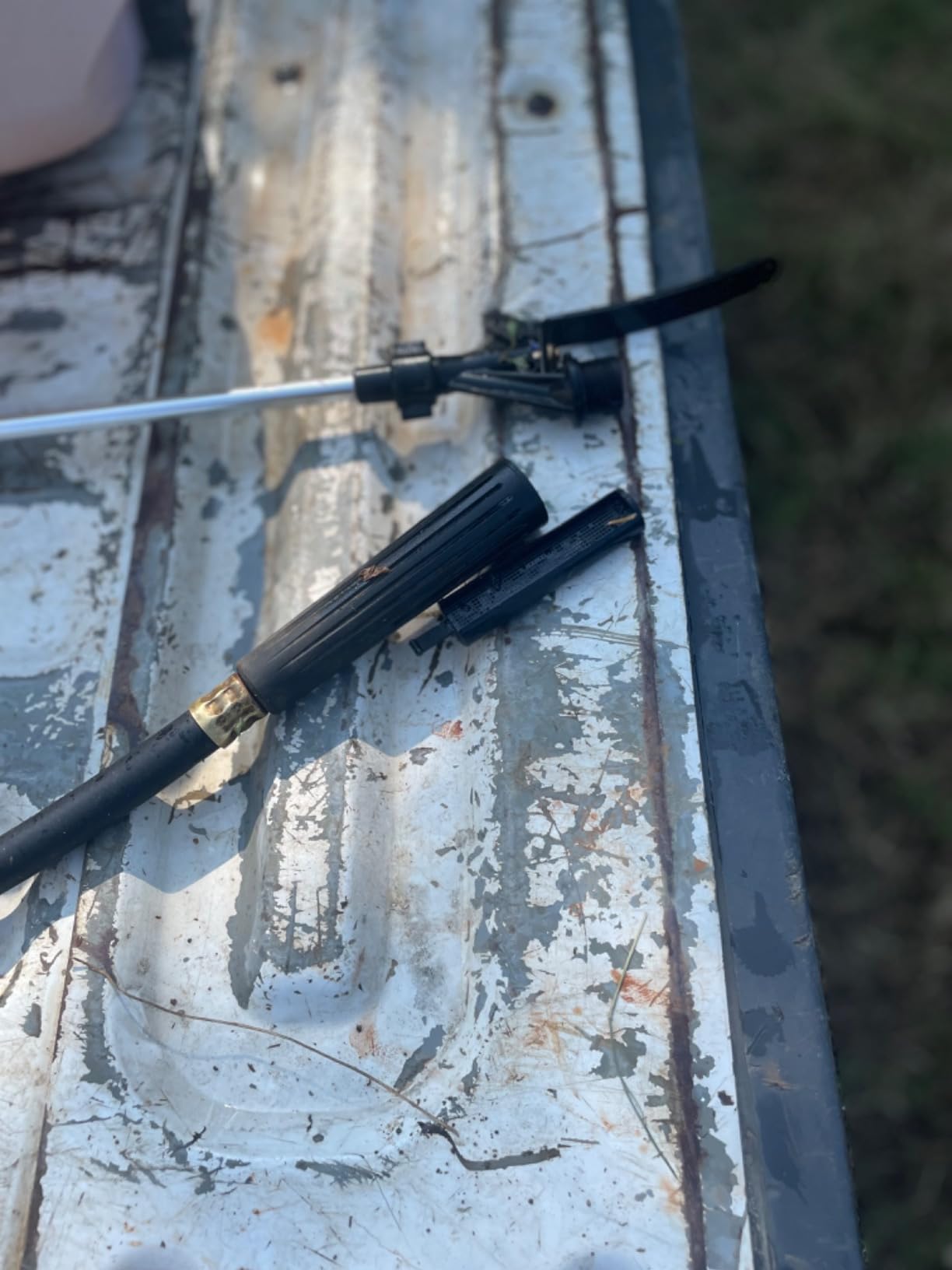
Like its siblings, the wand and hose fittings are plastic and can weep after repeated use. Budget for a hose clamp as a five-minute fix rather than treating it as a defect.
6. Chapin 15-Gallon ATV/UTV Sprayer – Best Filtration in the Group
CHAPIN 97154 15-Gallon ATV/UTV Sprayer with 12V Pump & 15-Ft Hose
15-gallon poly tank
1.0 GPM 12V pump at 60 PSI
15 ft hose
17 lb
Pros
- Double filtration with in-tank and shut-off filters reduces clogs
- 15 ft reinforced hose covers a large yard
- Plugs straight to a Can-Am or other UTV battery
- Top-100 category sales rank for lawn and garden sprayers
- 69 percent five-star share
Cons
- Supplied hose has split for some buyers mid-use
- Power cord ends in battery clamps rather than a plug
- Pump and hose failure reported within about a year
- Winterizing with RV antifreeze is essential
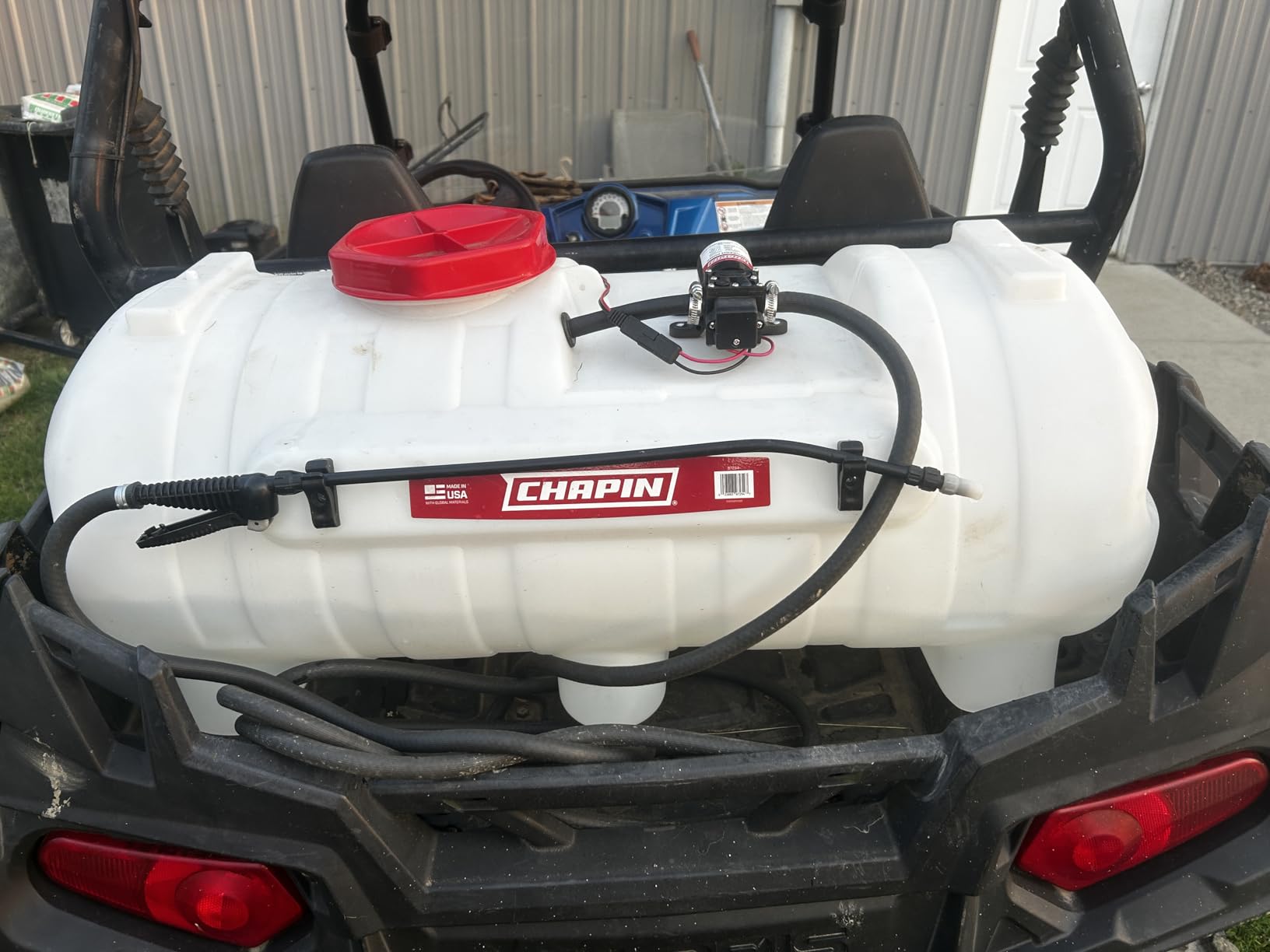
Filtration is the reason to pick this one. It runs a dual setup, an in-tank filter plus a shut-off filter, and on a job where you are mixing water, sand and surfactant for a food plot, fewer plugged nozzles means fewer stops and less chemical waste.
It is sitting near the top 100 for lawn and garden sprayers by category rank, and it hooks directly to a Can-Am or other UTV battery without a separate battery. Owners report it saving hours against handheld pump sprayers on large yards and farms.
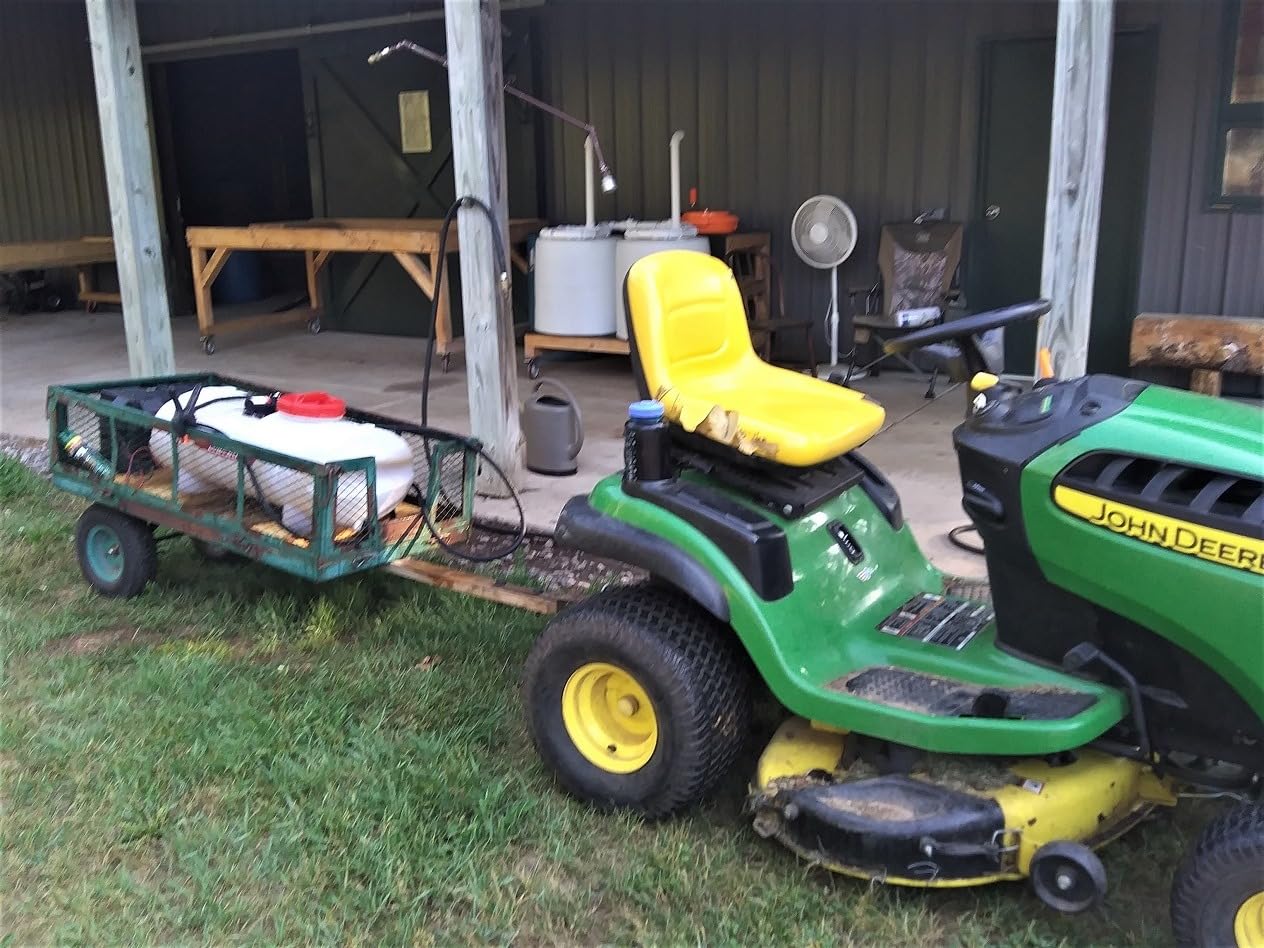
The tank is chemical-resistant polyethylene with a wide 6-inch opening for filling and mixing, and the 15-foot reinforced hose gives good coverage before you have to reposition. It is made in the USA with global materials and US-based customer support, backed by a one-year limited warranty.
Reliability is the split point in owner reviews. Several buyers report a hose split or a pump failure within about a year, and owners are emphatic that the unit must be winterized or the pump will not survive. The power cord also ends in battery clamps rather than a cigarette-lighter plug, which is a common request.
Who this sprayer suits
This is the sprayer for someone treating large lawns, farm ground or a small pasture with a wand. The reinforced hose and dual filtration are built for volume, and the strong sales rank means parts and support are easier to find than for a niche brand.
It is also a good first sprayer for a property maintenance business, because the simple 1 GPM diaphragm layout is cheap to service and the wide fill opening keeps turnaround fast between customers.
Where it falls short
The one-year warranty is short next to the Master Mfg 15-gallon’s two years, and the reported hose and pump failures within a year are the reason. If you spray hard every week, budget for a hose and pump as consumables.
Winterizing is not optional. Owners who drain and flush the pump with RV antifreeze report long service; owners who do not report failures. In any climate with freezing nights, treat that as a requirement rather than a recommendation.
7. Chapin 8-Gallon ATV/UTV Sprayer – Lightest Unit and Highest Rating
CHAPIN 97084 8-Gallon ATV/UTV Sprayer with 12V Pump & 15-Ft Hose
8-gallon poly tank
1 GPM 12V pump at 60 PSI
20-inch wand
9 lb empty
Pros
- Highest average rating in the roundup at 4.3 stars
- Lightest unit here at 9 pounds empty
- Easy to mount on ATVs
- UTVs and garden carts
- Adjustable nozzle gives control from mist to stream
- Made in the USA with US-based technical support
Cons
- 8-gallon tank requires frequent refills
- 1 GPM pump is in the same low-flow class as the other small tanks here
- Shorter hose than the larger Chapin models
At 9 pounds empty this is the easiest sprayer here to load, unload and reposition, and it carries the highest average rating in the roundup at 4.3 stars with a 71 percent five-star share. That is what a well-executed small sprayer looks like.
The adjustable poly nozzle paired with a 20-inch wand gives you everything from a fine mist to a concentrated stream on the same tool, and the 12V hookup with a 1 GPM diaphragm pump connects to a UTV or ATV battery with no separate power source. Seals and gaskets are built for standard lawn and garden chemicals.
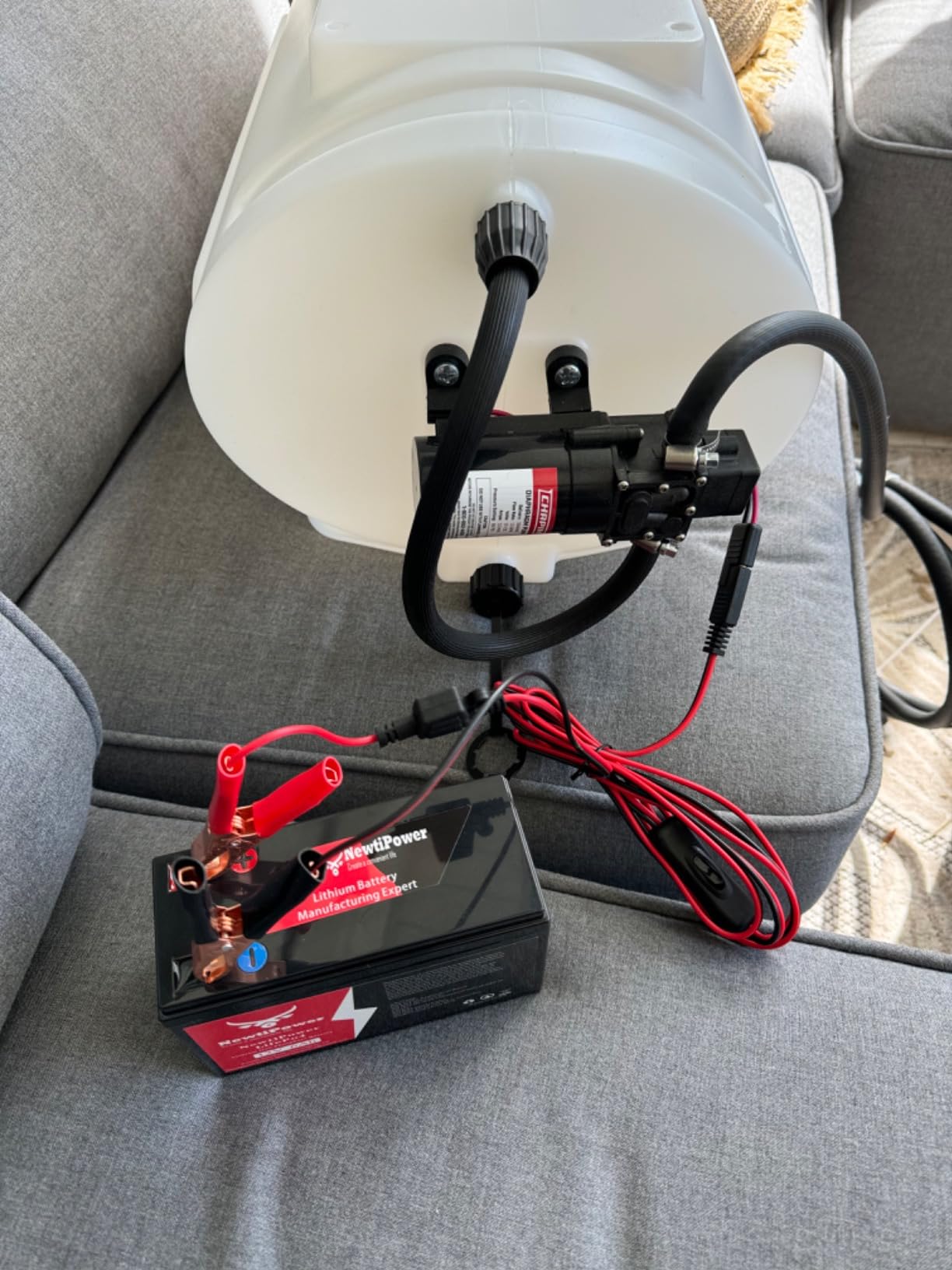
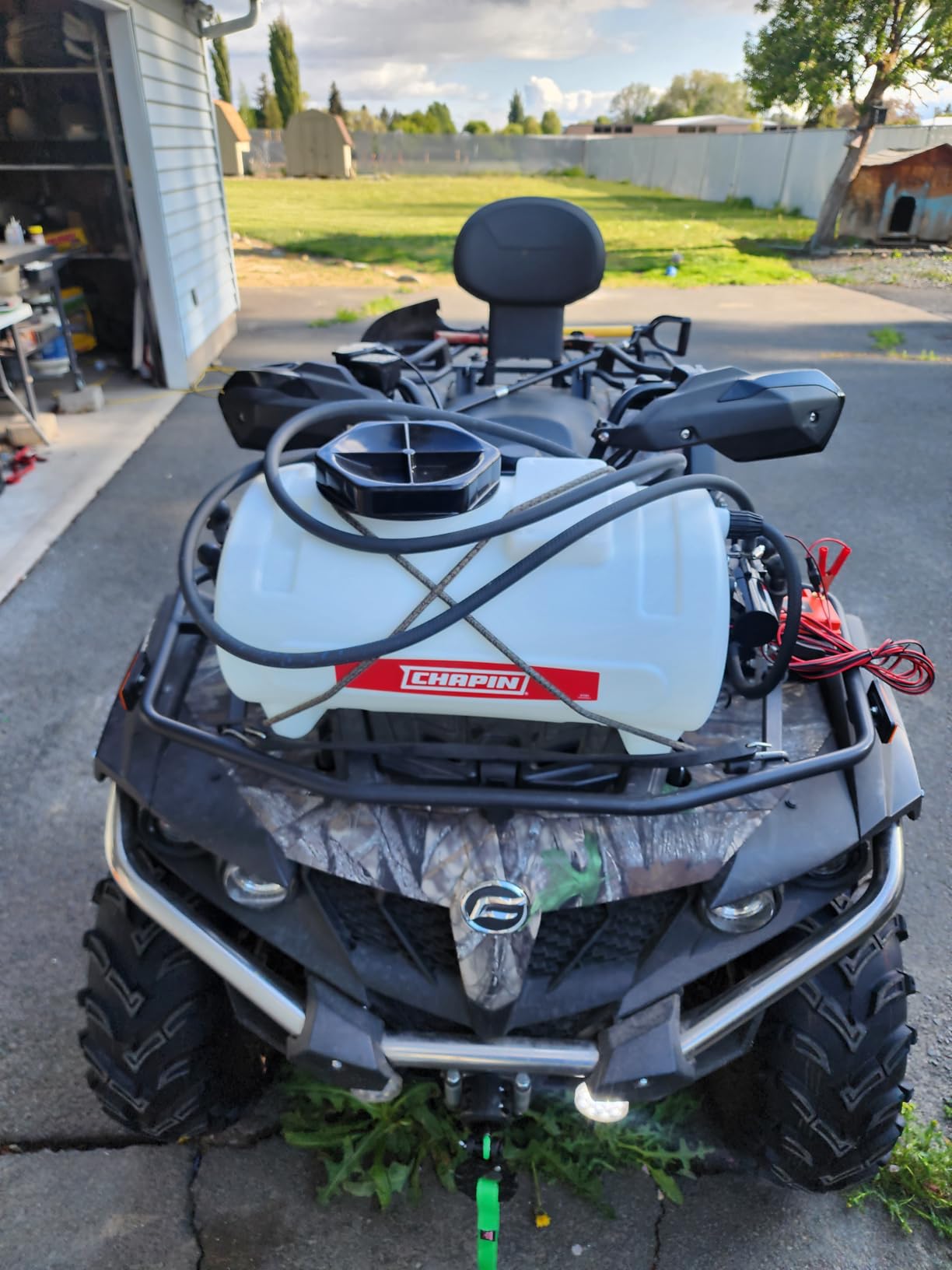
Owners value the low weight for handling on a rack or a garden cart, and the unit is made in the USA with global materials and phone-line technical support. The same tank family is available in 15, 25 and 40 gallon configurations if you outgrow this one.
The trade is capacity, and it is a real one. Eight gallons with a 1 GPM pump means noticeably more refills and passes than the 15- or 25-gallon Chapin and Master Mfg models, and the hose is shorter relative to the bigger units in the same line.
Who this sprayer suits
This is the pick for tight mounting situations. If your UTV has a small rack, if you carry the sprayer between a shed and a property on foot, or if you are swapping it between two machines, 9 pounds is the difference between a unit you use weekly and one that sits in the bed.
It also works well on a garden cart for treating a large vegetable plot or a shrub line, where a light tank and a short wand are more useful than a big boom.
Where it falls short
Eight gallons is a spot sprayer’s tank, not a food-plot sprayer’s tank. On a larger parcel you will refill more often than you spray, and the 1 GPM pump keeps the pace slow.
There is no broadcast capability here, so this unit complements a boom or boomless machine rather than replacing one. If that is what you need, the money belongs in a larger tank.
8. Master Mfg 25-Gallon Deluxe Spot Sprayer – Highest Output in a Bed-Mount
Master Mfg 25-Gallon Deluxe UTV & ATV Spot Sprayer – 2.2GPM, 70PSI Max for Fertilizer, Weed & Pest
25-gallon tank
2.2 GPM Everflo pump at 70 PSI
30 ft reach
brass gun
Pros
- 2.2 GPM at 70 PSI
- tied for the highest flow and pressure in the roundup
- 30 ft horizontal and 25 ft vertical reach from the deluxe gun
- 25-gallon tank balances capacity with a manageable weight
- Suction hose reaches the deepest part of the tank
- 70 percent five-star share
Cons
- Pump impeller failures reported within days on some units
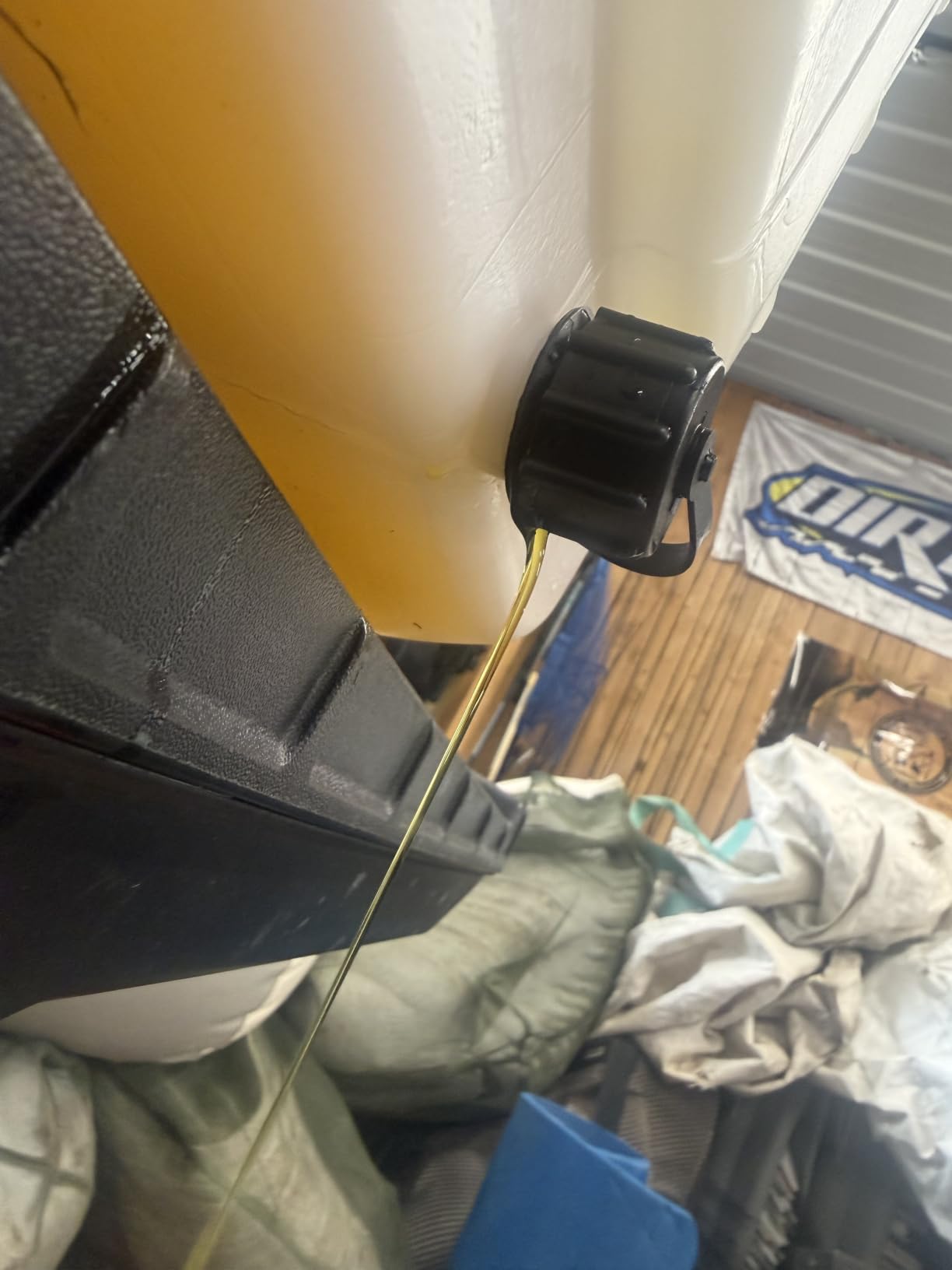
- Nozzle can separate from the plastic housing and leak
- Instructions omit how to adjust pump pressure
- Wand must be fully drained before freezing weather
This is the sprayer to buy if reach and flow matter more than a low purchase price. The 2.2 GPM 12V Everflo EF2200-QA diaphragm pump at 70 PSI is tied for the highest output in this roundup, and 70 percent of ratings are five stars.
The deluxe adjustable spray gun SG-2218-18 reaches 25 feet vertically and 30 feet horizontally, which means you can treat the tops of weeds and tree lines from the seat. It secures to an ATV, a UTV side-by-side or other transport, and it includes a hose strap so the gun does not bang against the tank on rough ground.
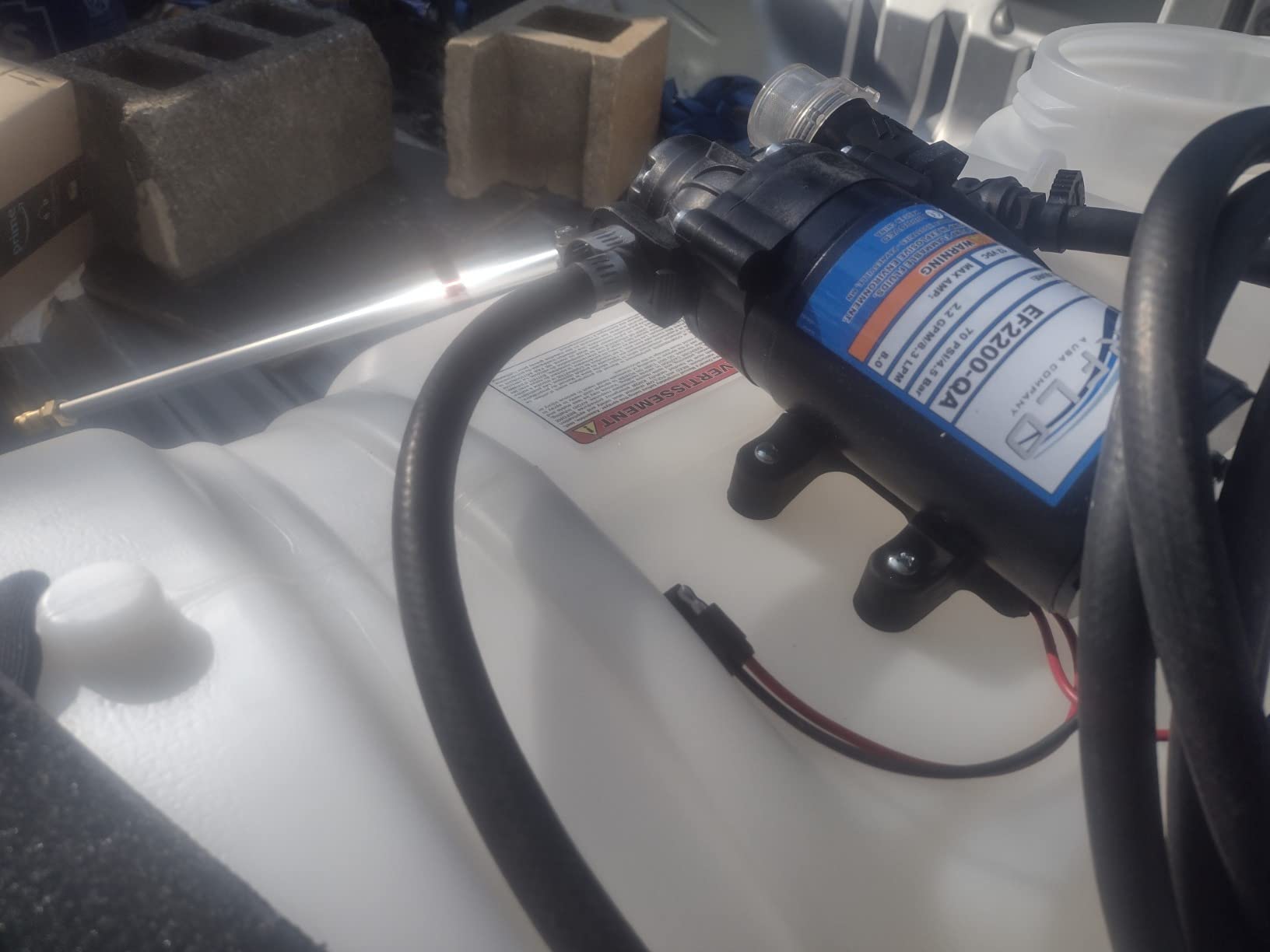
The suction hose reaches the deepest part of the tank, which is a small engineering detail that pays off at cleanup. On the Master Mfg 15-gallon I called out an off-center pickup that leaves chemical behind; this model does not have that problem, and you get more of what you paid for out of the tank.
The reliability report is the catch. Several owners describe a pump impeller breaking at the shaft within days of use, leaving the motor to spin with no flow. Owners also report the nozzle separating from the plastic housing and leaking, and the instructions do not explain how to adjust pump pressure.
Who this sprayer suits
This is the pick for fence lines, pasture, livestock areas and low-volume isolated weeds and trees, which is exactly how owners describe using it. If you routinely spray from a side-by-side with a windshield, the reach matters and the output pays for itself quickly.
It is also a good match for anyone who has moved up from a 1 GPM wand and found the job slower than expected. Doubling the flow rate and adding 20 PSI changes how a work session feels.
Where it falls short
The impeller failure reports are serious enough to mention up front. A 2.2 GPM pump puts more mechanical load on the impeller than a 1 GPM unit, and if yours fails early the motor will still run, so you need to check for flow rather than trusting the sound.
A full 25-gallon tank adds a little over 200 pounds to your bed, and the wand must be fully drained before freezing weather or the handle can split. If you cannot commit to a winterizing routine, choose a different unit in this range.
9. NorthStar 26-Gallon Boomless Broadcast Sprayer – Best for Tree-Lined Ground
NorthStar 26-Gallon ATV Boomless Broadcast/Spot Sprayer, 2.2 GPM, 12V
26-gallon tank
2.2 GPM 12V on-demand pump
14 ft boomless pattern
32.8 lb
Pros
- Boomless design removes break-prone boom arms entirely
- 14 ft broadcast pattern with regulator and gauge
- 2.2 GPM pump recirculates when turned down to about 20 PSI
- Viton valves and Santoprene diaphragm for chemical resistance
- Contoured tank front sits against the operator's back
Cons
- No printed assembly instructions
- manual must be downloaded online
- Regulator and gauge installation is awkward
- Tank lid threads and drain plug reported to leak
- Broadcast dribbles when fluid drops below about 4 gallons
If your ground has trees in it, a boomless sprayer is the more practical machine, and this is the one to start with. There is no rigid arm, so there is nothing to catch a branch, nothing to bend and nothing to lose nozzle height. The 14-foot broadcast pattern covers open strips at a good clip.
The 2.2 GPM 12V on-demand pump provides steady flow, and owners note that turning the pressure down to roughly 20 PSI gives tank recirculation, which keeps a glyphosate mix from settling while you work. The pump uses Viton valves and a Santoprene diaphragm for chemical resistance and long pump life.
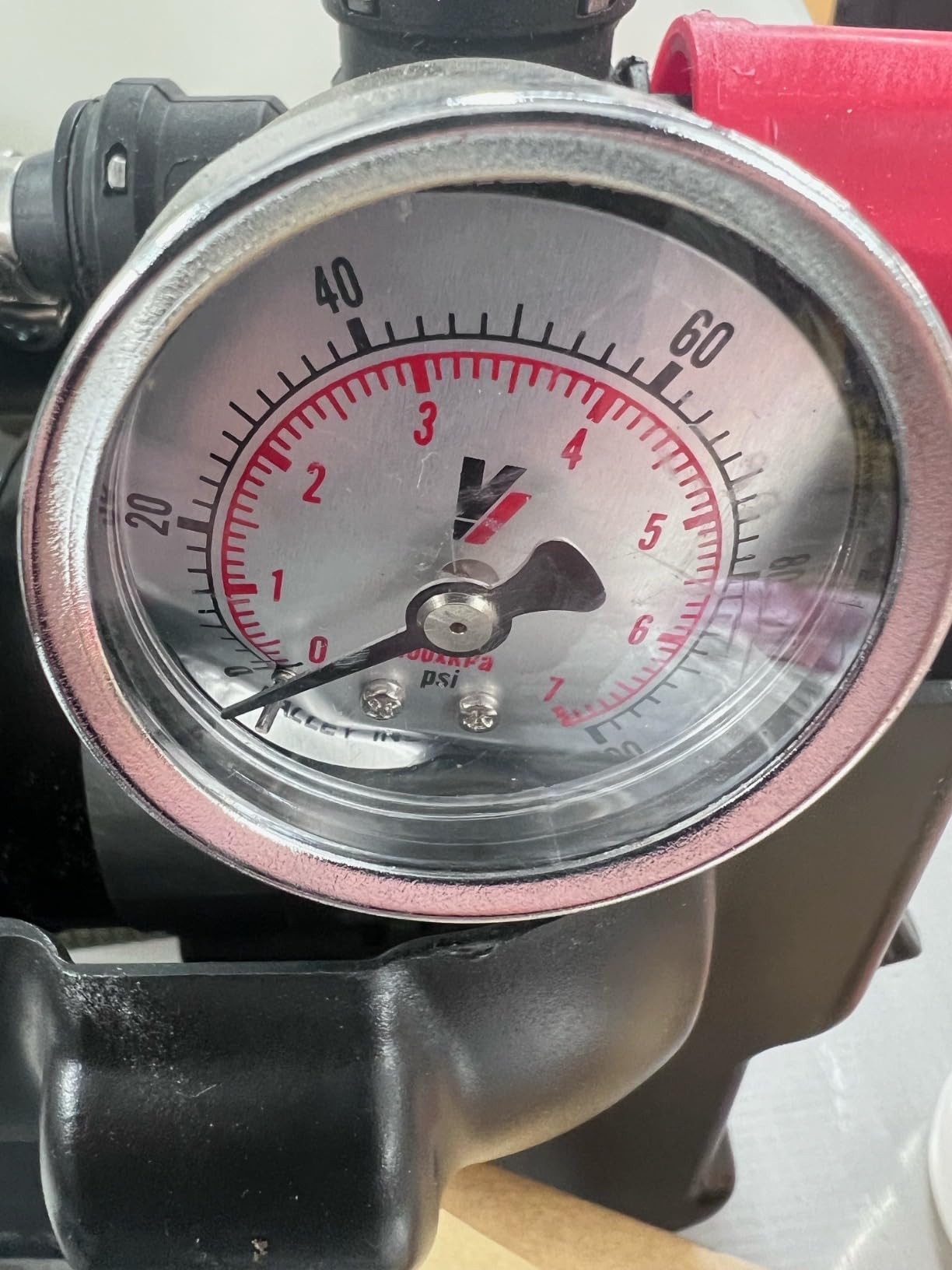
The pressure regulator and gauge let you dial tank pressure per chemical, which is how you keep a cone nozzle and a flat-fan nozzle performing correctly on the same rig. The contoured tank front sits against the operator’s back, a comfort detail that shows up on a long afternoon. The same tank is available in a 16-gallon size.
Setup is the weak point. There are no printed assembly instructions and the manual has to be downloaded, and the regulator and gauge are awkward to fit, which owners say should have been factory-assembled. The lid threads and drain plug have also been reported to leak even after tightening with plumber’s tape.
Who this sprayer suits
This is the pick for food plots with mature timber on the edges, for brushy ground, and for anyone who does not want to manage a folding boom. A 26-gallon tank with a 14-foot pattern is a real broadcast pass rather than wand work, and that is the difference between treating an acre and treating three.
It also works well on mixed terrain where a boom would be a liability, and it pairs naturally with a small spot sprayer on a second vehicle for the precision work.
Where it falls short
Wind is the constraint everyone should know about. A boomless cone throws fine droplets in a wide arc, so owners on the North Carolina Hunting and Fishing forum limit boomless use to very calm days and treat a rigid boom as usable to about 5 mph. If your spraying season is the windy season, this is the wrong tool.
Owners also report the broadcast dribbling when the tank drops below roughly 4 gallons, and the setup issues described above mean budget an hour before your first pass. At 32.8 pounds empty plus 26 gallons of water, check payload before loading it into a small bed.
How to Choose a UTV Sprayer in 2026
Tank capacity and payload math
Start with the weight, not the gallon number. Water weighs about 8.3 pounds per gallon, and a manufacturer’s published figures put a full 45-gallon tank at roughly 420 to 465 pounds and a full 65-gallon tank at roughly 598 to 640 pounds. Those numbers include the tank, the pump and the plumbing, and they go straight into your cargo-bed payload rating alongside the driver and any passenger.
Before you buy, find the payload sticker on your dash or in the owner’s manual. Then subtract what is already in the bed, including a rack, a winch line, tools and a second passenger. A Ranger-class side-by-side and a smaller single-seat ATV do not have the same budget for a full tank, and running over the rating shortens both the suspension and the tire life long before anything on the sprayer fails.
On coverage, the honest answer is that a 25-gallon tank is built for roughly a quarter acre of broadcast work, more across open ground with a wide boom pass, and far less with a wand. That is why capacity and configuration have to be decided together. A 25-gallon tank with a 1 GPM wand pump spends most of its life being refilled, while a 9-gallon tank with a 2.2 GPM pump runs dry too fast to be useful on open ground.
Boom vs boomless: the biggest decision in the category
A folding boom sprays a flat fan of droplets from fixed nozzle height, so coverage is uniform and drift is low. A boomless sprayer throws a cone from a single nozzle, which gives a wide pattern with nothing to break but produces more fine droplets and more drift. Forum consensus among people who own both is consistent: a boom does a considerably better job on open, level ground, and a boomless unit is preferable when there are trees to navigate.
Wind is the deciding factor. Owners on the North Carolina Hunting and Fishing forum describe treating boomless use as practical only on dead-calm days and treating a rigid boom as usable to roughly 5 mph of wind. Read that as a floor for the boom and a ceiling for the cone. If your property is open pasture and your spraying window is spring, the boom wins.
Consider maintenance too. Booms need spring-loaded breakaway hinges, and owners on the long TractorByNet sprayer recommendations thread report booms that fold back or bend after contact with trees and rough ground, which costs nozzle height. A boomless unit removes an entire failure mode. Neither is universally better; the ground and the wind decide.
Pump selection and GPM guidance
Every sprayer in this roundup runs a 12V electric diaphragm pump, which is the right default for a side-by-side because it draws from the vehicle, starts instantly and has no fuel to carry. Pro units step up to a gas Honda engine pump for continuous high-volume work, at the cost of weight, noise and maintenance.
For GPM, match the pump to the nozzle count and the job. A 1 GPM pump covers a single wand or a small boom comfortably, and 2.2 GPM covers a multi-nozzle boom or a wide broadcast pattern. A useful target is roughly 0.2 to 0.4 GPM per boom nozzle, so a seven-nozzle boom wants a pump in the 2 GPM class rather than 1.
Check whether the pump is self-priming. This is asked directly on forums and rarely answered on retail pages, but it decides what happens after a dry run or a freeze event. A self-priming pump recovers on its own; one that is not will need manual attention before the next pass, in the middle of a job.
Spot, broadcast or combo: which configuration you need
A spot sprayer is a tank, a hose and an adjustable gun. It is the right configuration for fence rows, isolated weeds, tree lines, gardens and livestock, and every sprayer in this roundup except the NorthStar 31-gallon does this job well.
A broadcast sprayer adds a boomless cone or a rigid boom. It is the right configuration for food plots, pasture and any open ground where you want an even layer of herbicide instead of a targeted stream. The tradeoff is drift and wind sensitivity, and the NorthStar 26-gallon and NorthStar 31-gallon are the two options here.
A combo unit gives you both a wand and a broadcast pass on the same machine, which is the most flexible arrangement and the one most owners end up wanting. In this lineup, the NorthStar 31-gallon and the NorthStar 26-gallon both pair a broadcast pattern with a spot gun, so they serve double duty on food plots.
Four hardware red flags that predict early failure
The most useful advice in the community reports is not about brands at all. It is about components, and these four checks will tell you more about longevity than any badge.
Pump housing material and fastener type. A metal housing with machine screws holds together under vibration. A plastic housing with coarse plastic threads is the documented failure mode in a long-term TractorByNet owner report, where a value sprayer lost pressure after roughly three and a half tanks because the pump halves came loose and would no longer hold the screws.
Whether the manifold is serviceable. A one-piece moulded valve manifold integral with the pump housing cannot be removed, cleaned or replaced. The same owner report describes that manifold breaking loose and leaking with no fix available, because the pump and manifold would not stay connected.
Filter placement. Filters mounted underneath and out of sight are hard to reach, service and clean. A visible, serviceable inline filter with a standard threaded fitting is worth paying for, and the Chapin 15-gallon’s dual filtration is the clearest example in this roundup.
Pressure gauge quality. Mechanical steel gauges are a common quality complaint in owner reports; fluid-filled brass and stainless gauges are the upgrade. A cheap gauge makes it harder to notice a pressure drop, which is often the first sign that something upstream is failing.
One more note on brands, because it surprises people. Ag Spray is an agricultural branch of FIMCO, so the two names on the shelf are not independent companies, and build quality differs between the two product lines. In the community, FIMCO and NorthStar are the two names named most often as the serious players, and the North Carolina forum calls them the brands. One long-term owner replaced a failing FIMCO 25-gallon boomless with an Ag Spray 25 Gallon Platinum 2.2 GPM unit and reported it held up into a second season, ending at roughly the same total cost once nozzles were added.
Chemical compatibility and tank mixes
Every tank in this roundup is polyethylene and every pump runs a synthetic diaphragm, which is the right combination for glyphosate, 2,4-D and most agricultural mixes. Three of the units are additionally listed as compatible with Roundup agricultural brand herbicides, so read the chemical chart on your tank label before you mix anything unfamiliar.
Two details matter more than the tank material. A fluid-filled gauge is worth having because a cheap mechanical gauge lags, and a regulator lets you drop pressure for a thicker mix without changing nozzles. The NorthStar 26-gallon gives you both, which is why it is the easier unit to run one tank through several products in a day.
Watch the order of operations when pre-mixing. Add water first, then the product, then the surfactant or AMS, and keep agitation on until the tank is sprayed. Recirculation, which the NorthStar units offer at lower pressure, is what keeps a heavy pre-mix from settling on the bottom of a tank while you work a field edge.
Mounting, drainage and winterizing
Mount low and forward where the bed floor is strongest, and keep the drain port and the tank lid reachable from outside the machine. A tank you cannot drain without a ladder is a tank you will not clean properly, and residue sitting in the tank is how seals and gaskets get destroyed.
Secure the unit. Straps included with the product are usually adequate for a spot sprayer, and the 12-inch pneumatic wheels on the tow-behind rig handle uneven ground better than small casters. Keep the battery connection tight, route the hose so it cannot catch on a branch, and use the hose strap included with the deluxe gun to stop the wand from banging against the tank.
Winterize every one of these units. Owners on the Chapin 15-gallon thread are blunt that an unwinterized pump will not survive freezing nights, and owners of the Master Mfg 25-gallon deluxe warn to fully drain the wand or the handle can split. Drain the tank, flush the pump, run antifreeze through the lines, and do it before the first freeze rather than after.
If you are building out the rest of your machine, our guides to the best UTV windshields and the best UTV roofs cover weather protection, while best UTV winches and best UTV doors cover recovery and cab work. A sprayer is a wet, chemical-heavy accessory, and windshield and roof choices should account for that.
Frequently Asked Questions
What is the best sprayer for a UTV?
The NorthStar 31-Gallon Boom/Spot Sprayer is the best overall UTV sprayer, because its 2.2 GPM pump at 70 PSI is rated for continuous duty and its folding 120-inch boom is the only true broadcast setup in our roundup. For most homeowners the Master Mfg 15-Gallon spot sprayer is the better value choice.
What is the best UTV sprayer with a boom?
A folding broadcast boom gives the most uniform, low-drift coverage on open, level ground. The NorthStar 31-Gallon Boom/Spot Sprayer has a spring-loaded breakaway boom with 120 inches of overall spray width, 80 inches of effective width and independent nozzle control, and it folds flat for storage.
What is the best boomless sprayer for an UTV?
The NorthStar 26-Gallon Boomless Broadcast Sprayer is the best boomless option here. It throws a 14-foot pattern from a 2.2 GPM 12V on-demand pump with an adjustable regulator and gauge, and the boomless design means there is no arm to catch a branch or lose nozzle height.
Which is better, a boom or a boomless sprayer?
A boom is better on open, level ground because fixed nozzle height produces a uniform pattern with less drift. A boomless sprayer is better where there are trees and brush, since there is no rigid arm to snag or bend. In wind, owners generally treat boomless as practical only in calm conditions and a boom as usable to roughly 5 mph.
How many GPM do I need for a boom sprayer?
A useful target is roughly 0.2 to 0.4 GPM per boom nozzle, so a seven-nozzle boom wants a pump in the 2 GPM class. A 1 GPM pump comfortably covers a single wand or a small boom, while a 2.2 GPM pump covers a multi-nozzle boom or a wide broadcast pattern.
How much does a loaded UTV sprayer weigh?
Water weighs about 8.3 pounds per gallon, and published manufacturer figures put a full 45-gallon tank at roughly 420 to 465 pounds and a full 65-gallon tank at roughly 598 to 640 pounds. Add that to your driver’s weight and check the payload rating on your dash or in the owner’s manual before filling a tank.
Is a UTV sprayer better than a backpack or a 3-point tractor sprayer?
For small and medium acreage, a UTV sprayer is faster and gives much better speed control than a backpack unit, at a fraction of the cost of a 3-point tractor sprayer. For large acreage, a 3-point system still produces more consistent results per hour, and community consensus trends that way.
Which pump sprayer is considered the best quality?
Quality is decided by components, not the badge. Look for a metal rather than plastic pump housing with machine screws, a serviceable manifold with threaded fittings rather than a one-piece moulding, a visible and cleanable inline filter, and a fluid-filled brass or stainless pressure gauge. Those four checks predict longevity better than the brand name.
Final Verdict: The Best UTV Sprayers in 2026
The best UTV sprayers in this roundup divide cleanly by job. For open food plots and broadcast herbicide work, the NorthStar 31-Gallon Boom/Spot Sprayer wins on pump durability, boom design and the depth of owner history behind it. For tree-lined ground where a boom arm is a liability, the NorthStar 26-Gallon Boomless is the one to own.
For everyone else spraying fence rows, gardens, livestock areas and small plots, the Master Mfg 15-Gallon UTV and ATV Spot Sprayer is the recommendation, with accurate gallon graduations, a replaceable top-access pump and a two-year component warranty. The Ironton 5-Gallon covers the yard-and-garden case for very little money and very little lifting.
Whichever you pick, do the payload check first, confirm whether the pump is self-priming, and buy a spare hose and a spare set of wand fittings. Those two cheap parts fix the majority of the complaints we saw across more than 7,000 owner reviews.