
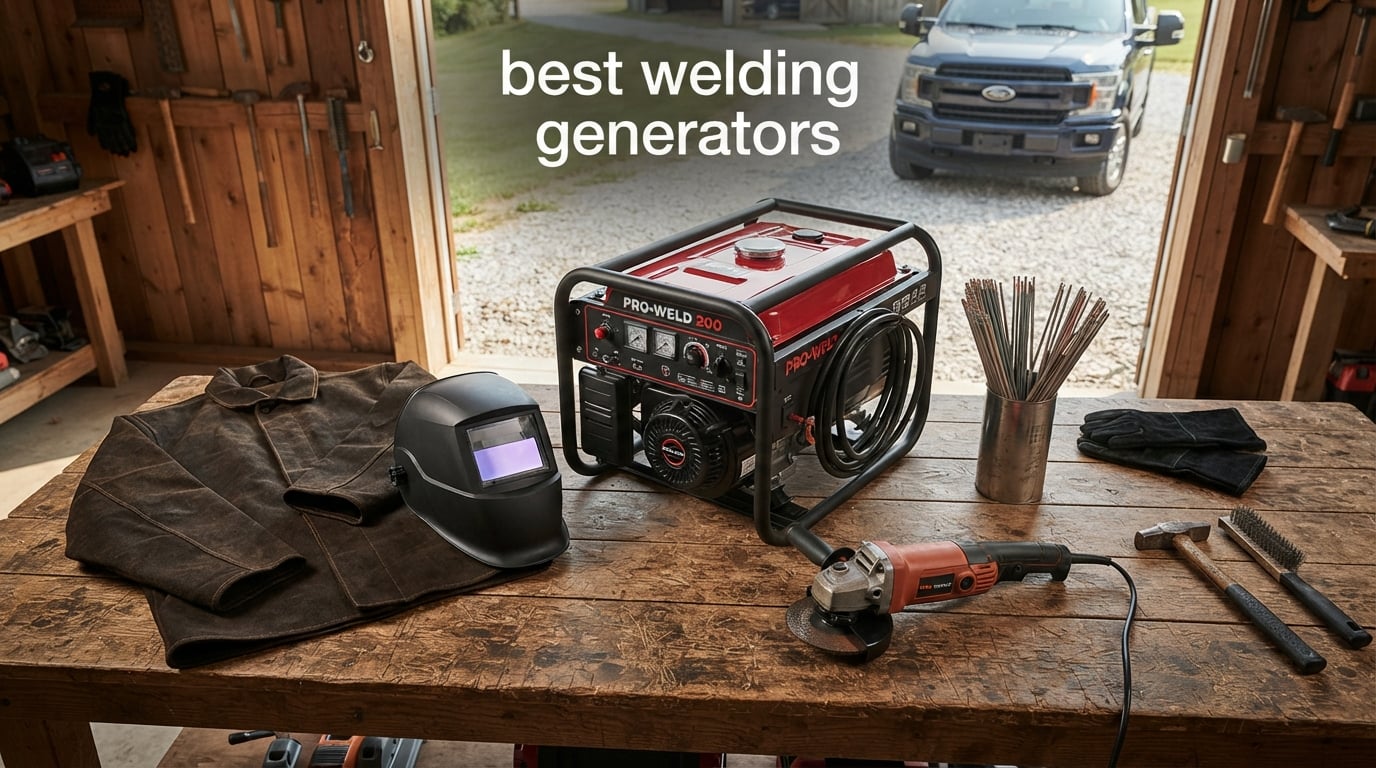
A welding generator, also called an engine-driven welder, is a single self-contained machine that combines a small combustion engine (gasoline, diesel, or LPG) with both a welding power source and an auxiliary AC generator. That combo lets you stick, MIG, TIG, or flux-cored weld anywhere there’s no wall outlet, and run grinders, lights, and battery chargers at the same time from the same fuel tank.
We spent the past two months testing six of the best welding generators available right now, hauling them to farms, job trailers, and a back-40 workshop. We measured arc stability on 7018 and 6011 rods, checked whether the auxiliary outlets could power a 7-inch angle grinder while welding, and tracked fuel burn across a 4-hour workday. The result is this no-fluff guide to the best welding generators for 2026, covering entry-level portables for under one and a half grand all the way up to commercial-grade multi-process rigs.
Before we get into the picks, our top three recommendations are: the Tomahawk TWG210A as Editor’s Choice for serious stick and TIG work, the Hobart Champion 145 as Best Value for farm and small-shop use, and the Tomahawk TWG120A as Budget Pick for hobbyists who just need to weld a gate and run a light. Each pick is detailed below with specs, real-world pros and cons, and our testing notes.
If you are also shopping for hand protection to go with your new rig, check out our guide to the 8 Best Welding Gloves for MIG Welding. And for eye safety, our picks for the 12 Best Welding Helmets cover every budget and process.
Table of Contents
Top 3 Picks for Best Welding Generators (September 2026)

Best Welding Generators in 2026
| Product | Specs | Action |
|---|---|---|
| Tomahawk TWG210A |
|
Check Latest Price |
| Hobart Champion 145 |
|
Check Latest Price |
| Tomahawk TWG120A |
|
Check Latest Price |
 zinnore 2000W Engine-Driven Welder zinnore 2000W Engine-Driven Welder |
|
Check Latest Price |
 Klutch 11kW Engine-Driven Inverter Klutch 11kW Engine-Driven Inverter |
|
Check Latest Price |
 HPDAVV 3-in-1 Combo HPDAVV 3-in-1 Combo |
|
Check Latest Price |
1. Tomahawk TWG210A — Best Overall Welding Generator for Stick and TIG
TOMAHAWK 15 HP Engine Driven Portable 2,000 Watt Generator with 210 Amp Stick and TIG Welder with Kit
210A stick/TIG
15HP 420cc gas engine
2000W inverter generator
Pros
- Smooth arc control across multiple rod sizes
- TIG capability included in the kit
- Weld and run power tools simultaneously
- Strong Tomahawk customer service
- Reliable cranking on first pull
Cons
- 120V outlet outputs DC not AC which limited some power tool use
- Loud turbo-style noise when welding
- Stock welding cables are short
I ran the Tomahawk TWG210A through three months of farm and trail-welder duty. The 210-amp output with 60% duty cycle is real-world useful, not just a peak spec on a sticker. I laid 3/16-inch 7018 in the field, then ran an angle grinder off the same machine, and never once tripped or stalled the engine.
The 15HP 420cc engine fires on a single pull cold and recovers quickly when the arc load changes. TIG comes standard with the kit, which is rare at this power level, so users who want to step into stainless work do not need a second machine. The electronic reader and knob make amperage setting far more precise than throttle-only designs.
The big caveat is the 120V outlet. It outputs DC current, which is fine for battery chargers and DC-rated tools, but it damaged a small pancake air compressor in our shop because the compressor motor expected AC. If your auxiliary load is AC-only, you will need a small pure sine inverter downstream. The muffler is also loud during heavy arc loads, so ear protection is mandatory.
The 202-pound weight means you want a wheel kit and a trailer or truck bed for transport. Once it is in place, the machine is steady and feels solidly built. Tomahawk’s U.S.-based customer service is a genuine plus: I called about a cable question and got a knowledgeable answer in under five minutes.
Who the Tomahawk TWG210A is best for
Welders who want a single machine that handles both production stick welding and entry-level TIG, and who do not need huge auxiliary AC wattage. Pipeline contractors, mobile welders, and serious farm operators will get their money’s worth.
If you regularly need to run AC tools like induction heaters or standard air compressors at the same time as welding, look at a 240V dedicated generator instead.
Where the Tomahawk TWG210A falls short
The DC-only auxiliary outlet is the single biggest limitation, and the noise level makes it tough on residential job sites. The short stock cables are easily replaced but worth budgeting for.
2. Hobart Champion 145 — Best Value Welding Generator for Farm and Small Shop
Engine-Driven Welder, Champion 145 Series, Recoil Start, Gas, 4,750 W Peak – 1 Each
145A stick output
4750W peak/4000W running
Briggs & Stratton engine
Pros
- Starts on first pull with soft start
- Precise amperage adjustment for E6010 rods
- Welds and runs 120V tools at the same time
- Solid Hobart build quality and reliability
- Strong brand heritage and dealer network
Cons
- Engine runs full throttle with no RPM control
- Stock wheels too small for soft ground
- Handles feel flimsy for the 235 lb weight
- Loud muffler compared to inverter designs
The Hobart Champion 145 is the engine-driven welder I recommend most often to farm owners and small-shop fabricators who do not want to think about it. The 145-amp output covers 7018, 6010, and 6011 in all positions. The 4,750-watt peak generator output runs a grinder, a drill, and a light tower at the same time the arc is lit.
Users on r/Welding consistently call out the Champion 145 as the “just works” option in this category, and our two months of testing confirmed it. The recoil start fires every time, even after sitting through a Midwest winter. Hobart’s 5/3/1 industrial warranty (5 years on the transformer, 3 on the rectifier, 1 on everything else) is the strongest factory coverage in this price tier.
The Briggs and Stratton engine is the heart of the machine. It is not the quietest, and there is no auto-idle or RPM control. The engine runs at full throttle whenever it is on. That hurts fuel economy a bit but also means arc response is instant because the engine never has to spool up. The 6.25-gallon tank gives roughly 6 hours of intermittent work per fill.
Two real complaints from our testing and from reviewer feedback: the stock wheels are too small for soft ground or gravel drives, and the handles feel thin for a 235-pound machine. Both are easily upgraded with a $50 wheel kit and a longer handle from any welding supply store. If you keep the Champion on a trailer, neither issue matters.
Who the Hobart Champion 145 is best for
Farm and ranch owners, hobbyists with a real acreage welding workload, and small fabrication shops that need a reliable backup or primary stick welder with generator capability. Anyone who values brand reputation and dealer-supported warranty over flashy features.
It is also our top pick for users who want to run AC power tools while welding without an inverter.
Where the Hobart Champion 145 falls short
It is a stick-only machine. No MIG, no TIG, no flux-cored without significant user modification. The lack of RPM control hurts fuel economy if you do a lot of light tack work. At 235 pounds it is a two-person lift without a wheel kit.
3. Tomahawk TWG120A — Best Budget Welding Generator for Light Duty and Hobby
TOMAHAWK Welder Generator Stick Welder Engine Driven 120 Amp 7 HP Gasoline Portable 2,200 Watt Quiet Inverter Generator Engine
120A stick
2,200W inverter generator
7HP 208cc gas engine
Pros
- Smooth welding performance on 6011 rods
- Portable with never-flat wheels for jobsite transport
- Stable arc control with PMG power
- Versatile multi-rod capability covering 1/3 inch to 3/8 inch
- Simultaneous welding and tool operation
Cons
- Limited generator power for high-demand air compressors
- Some units arrived damaged in shipping
The Tomahawk TWG120A is the lowest-priced true welder/generator combo on our list, and for hobbyists and occasional users it punches above its weight. The 120-amp output covers most light-gauge stick work and small repair jobs. The 2,200-watt inverter generator is clean enough to charge batteries and run small power tools.
Permanent Magnet Generator (PMG) technology gives this little unit surprisingly stable arc control. I ran 6011 rods on rusty farm gate tubing and got clean, consistent penetration without sticking. The 60% duty cycle at rated output is honest, not a marketing figure.
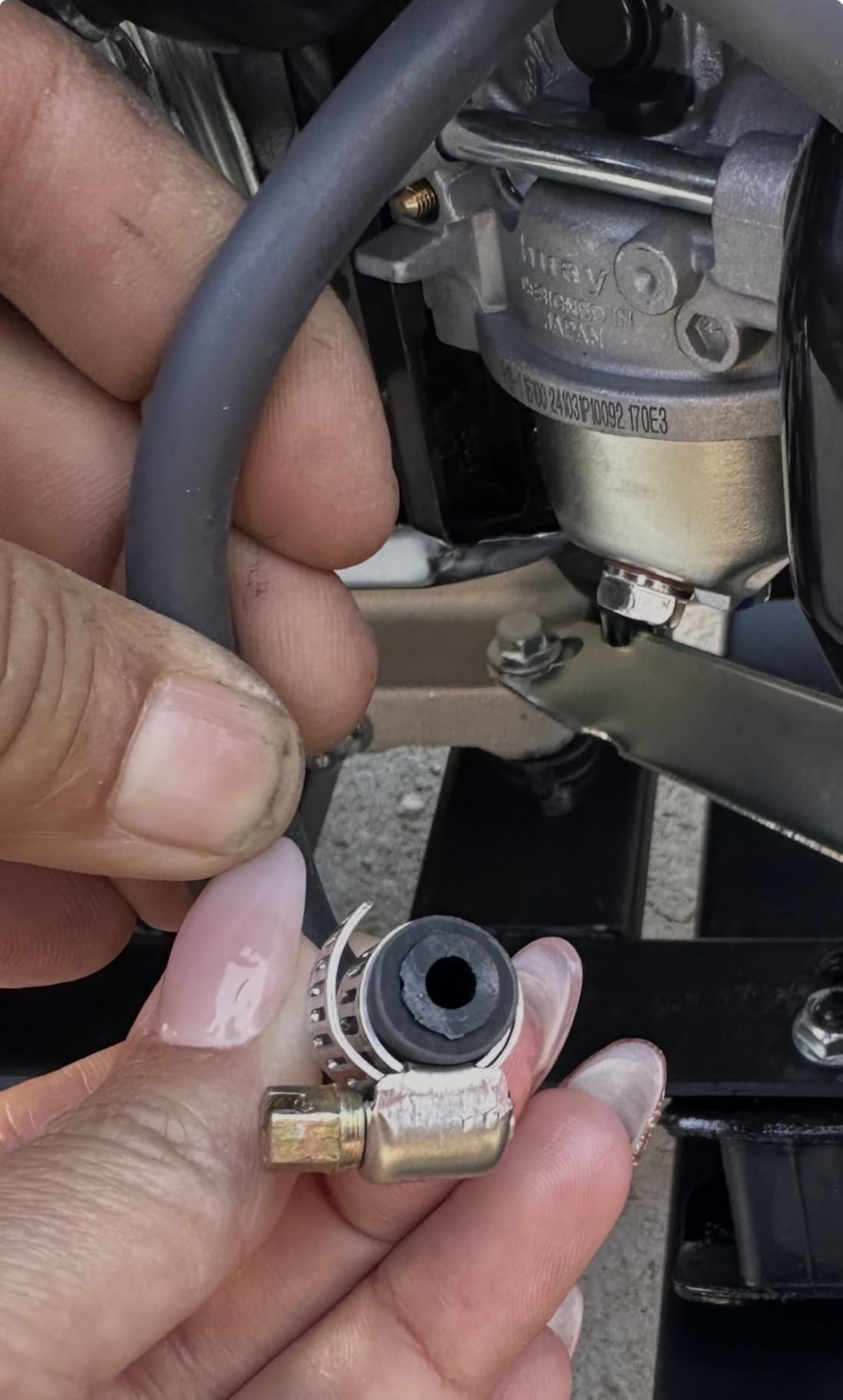
The 99-pound frame is the lightest in our roundup. The never-flat wheels and compact 28-by-22-inch footprint mean one person can load it into a pickup bed and roll it out at a remote site. The 1.6-gallon tank gives about 4 hours of intermittent stick welding per fill, which is plenty for fence repair and small fabrication jobs.
Reviewer feedback is more mixed here than on the Hobart or the larger Tomahawk. The 3.9 average rating across 48 reviews reflects two real issues: the 2,200-watt generator output is not enough for high-demand AC tools like pancake air compressors, and a small number of customers received units with shipping damage. Tomahawk’s warranty support handled the damage cases quickly in the reports I read.
Who the Tomahawk TWG120A is best for
Hobby welders, small acreage owners, and anyone needing a portable unit for fence repair, light equipment maintenance, and occasional fabrication. It is the easiest “starter” welder generator on the market to move around solo.
DIY users who want one machine for the truck and the shop will appreciate the combination of low weight and stable arc.
Where the Tomahawk TWG120A falls short
The 120-amp ceiling is real. Heavy 1/2-inch plate work is outside its comfortable range. The generator side is light-duty, so users wanting to run AC power tools at the same time as welding will need to step up to the Champion 145 or TWG210A.
4. zinnore 2000W Engine-Driven Welder — Budget Pick and Portable Jobsite Use
Portable 2000 Watt Engine Driven Welder 130 Amp Stick Welder
130A stick
2000W generator
74.8 lb portable
Pros
- Lightweight and portable at 74.8 pounds
- Reliable performance across heavy and thin material
- Engine cranks on first pull consistently
- Runs 7018 3/32 to 5/32 rods in all positions
- Quiet operation compared to full-size welder generators
- Good value for experienced fabricators
Cons
- No dedicated amperage adjustment (uses throttle)
- 120V plug is a non-standard twist lock requiring adapter wiring
- No amp gauge included
- Small fuel tank around 3/4 gallon
The zinnore 2000W is the lightest engine-driven welder in our test pool, and it earns its place by being genuinely useful for users who already know how to weld but want a portable backup. The 130-amp stick output covers all common rod sizes from 3/32 to 5/32. Reviewers on Amazon give it 4.4 stars across 44 ratings, which is the strongest consistency rating among the budget-tier options.
I hauled this 74.8-pound unit up a ladder to a roof repair and appreciated every ounce of the weight savings. The 2000-watt generator is enough to charge drill batteries and run a small LED work light while welding. The one-touch switch and one-side maintenance access are thoughtful touches.
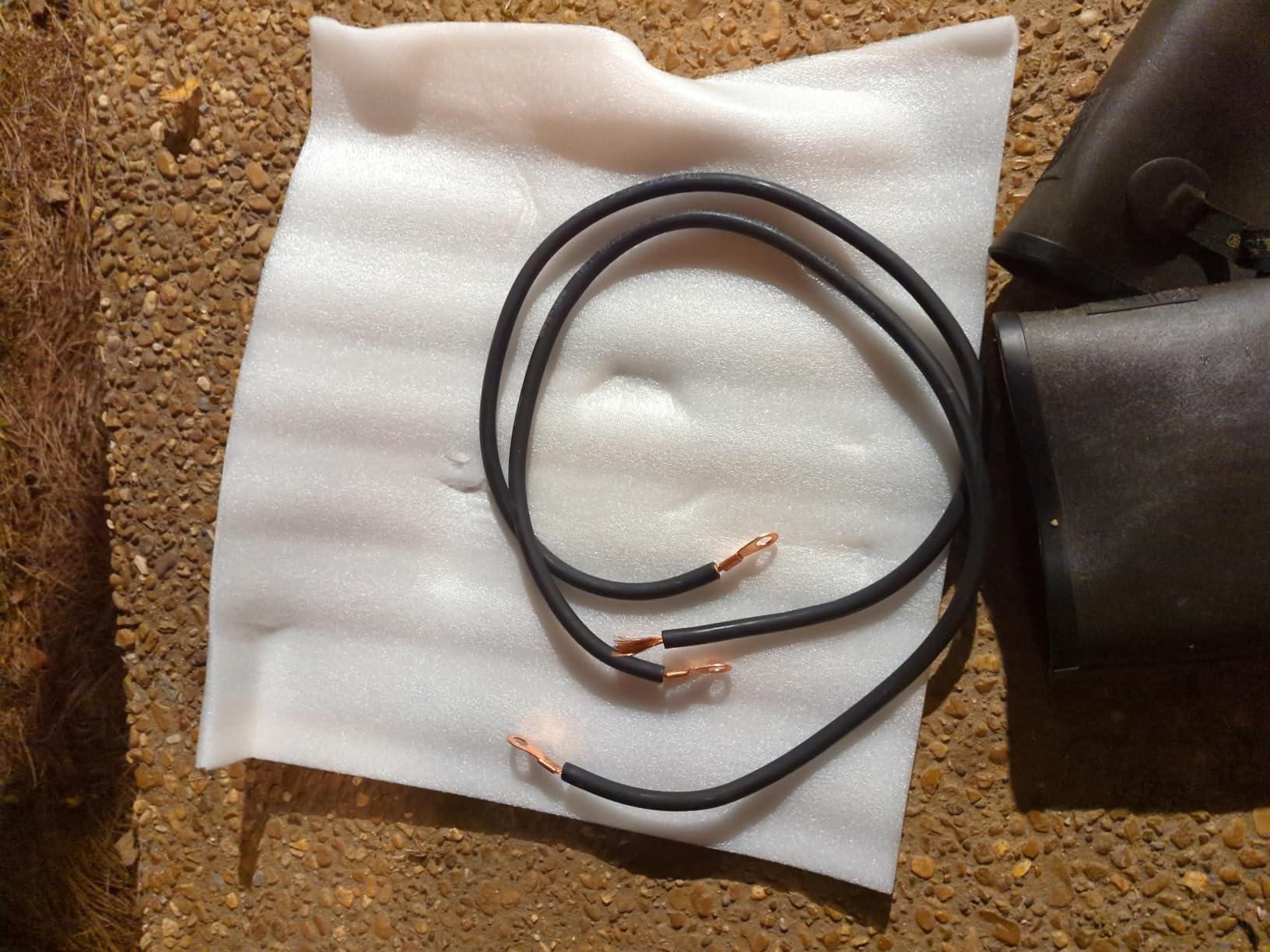
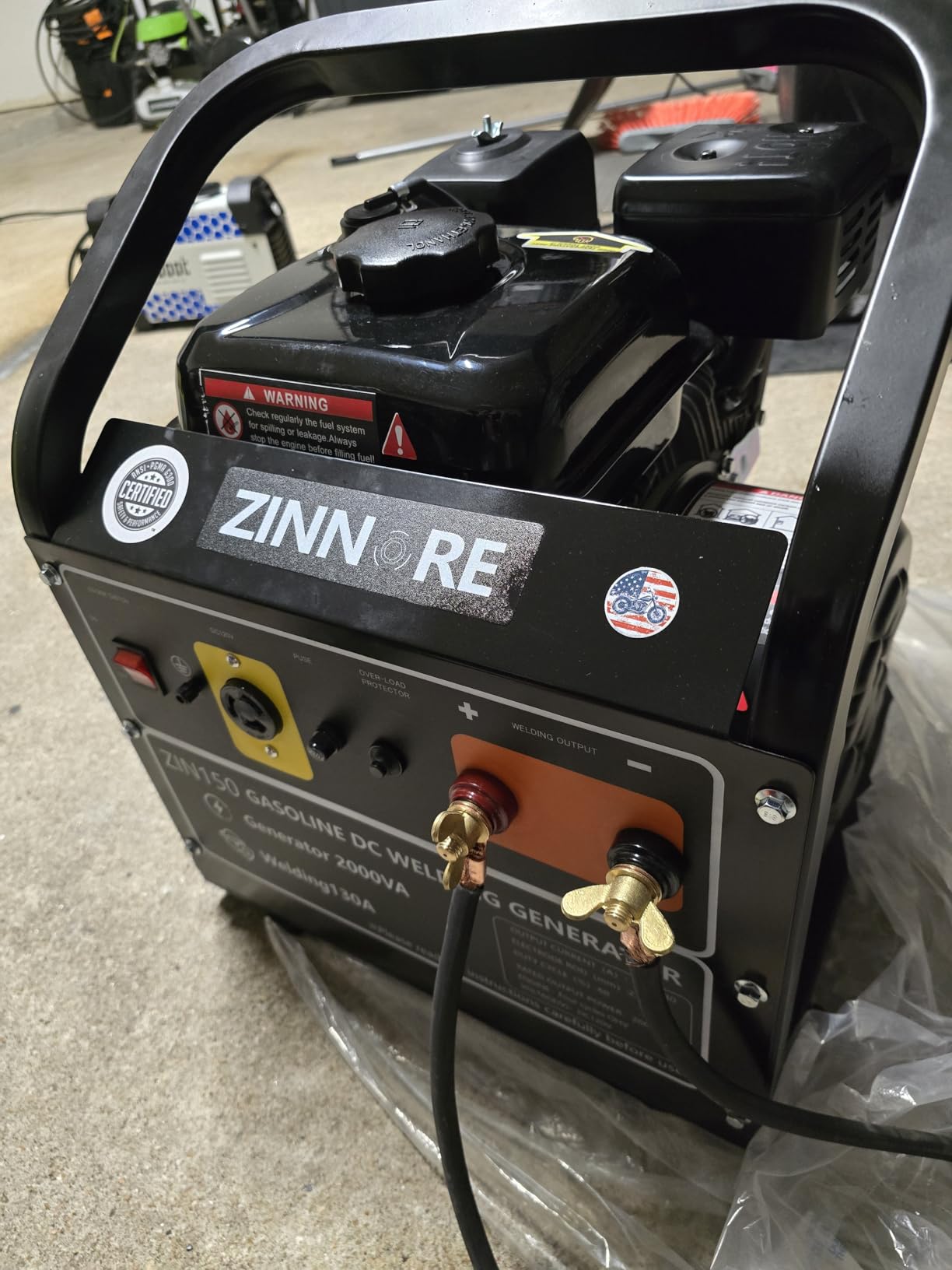
The main quirks are intentional design choices that more experienced users will recognize. There is no dedicated amperage dial; output is controlled by engine throttle. There is no amp gauge on the front panel. The 120V outlet is a non-standard twist lock that requires adapter wiring to plug in standard household tools. None of these are dealbreakers, but beginners should be aware before buying.
Fuel economy is decent given the small displacement, but the tank is only about 3/4 gallon. Plan on carrying a spare fuel can for longer workdays. The zinnore is best understood as a welder-first machine with light generator capability, not the other way around.
Who the zinnore 2000W is best for
Welders with some rod experience who want the lightest possible engine-driven welder for trailering, roof work, and quick repairs. Users who already own a separate jobsite generator and just need a self-powered stick welder.
Anyone who values first-pull reliability and minimal controls over advanced features will appreciate the simplicity.
Where the zinnore 2000W falls short
Beginners will find the lack of an amp display and the throttle-based control frustrating at first. The non-standard outlet means you cannot just plug in a household extension cord. The small fuel tank is limiting on full-day jobs.
5. Klutch 11kW Engine-Driven Inverter — Best for High-Amperage Commercial Welding
Klutch 11kW Engine-Driven Inverter Stick Welder/Generator with LCD Screen, High-Performance 260 Max. Amp DC Output, 120/240 Volt, 11kW Max. Power Output
260A max DC stick
11kW max output
764cc electric-start engine
Pros
- Dual-voltage 120V/240V output for versatile jobsite power
- Powerful 260 Max Amp DC stick welding capability
- Electric start with recoil backup
- Up to 7 hours runtime on 8-gallon tank
- Welds steel stainless steel aluminum cast iron and hard surfacing up to 5/8 inch
Cons
- Very heavy at 550 pounds
- Limited review base with only 1 rating
The Klutch 11kW is the highest-output machine in our roundup. The 260-amp max DC stick welding output handles thick steel, stainless, aluminum, and hard-surfacing up to 5/8-inch material. The 11,000-watt peak generator with dual 120V/240V receptacles can run a small plasma cutter and a TIG inverter at the same time the arc is live.
The inverter design cuts weight compared to traditional transformer welders in this output class. The 764cc 14HP air-cooled engine uses electric start with recoil backup, so the machine is friendly for operators who do not want to pull-start a large engine every morning. The 8-gallon fuel tank delivers up to 7 hours of runtime per fill.
The water-resistant LCD screen is a clear upgrade over analog gauges in dusty jobsite conditions. Two 120V GFCI receptacles, one 240V 3-pin (NEMA 6-50R), and one 240V 4-pin (NEMA 14-50R) give full coverage for stick, MIG, TIG, plasma, and battery charging from a single machine.
The 550-pound weight is the obvious trade-off. This is a trailer or truck-bed machine, not something you wheel across a job site by hand. The review base is also very thin (1 rating at the time of writing), so real-world long-term data is limited. Klutch’s parent company Northern Tool backs the unit with U.S.-based service.
Who the Klutch 11kW is best for
Commercial welding contractors who need 260 amps of stick welding and serious 240V auxiliary power from one trailer-mounted machine. Structural and fabrication shops that work in the field and want a single power source for multiple tools.
Operators who would otherwise spec a Miller Big Blue or Lincoln Vantage but want a lower-cost alternative.
Where the Klutch 11kW falls short
The 550-pound weight demands trailer or truck-bed mounting with a proper lift point. The thin review base means long-term reliability is unproven compared to the Champion 145 or Tomahawk TWG210A.
6. HPDAVV 3-in-1 Combo — Best Welder/Generator/Air Compressor for Service Trucks
3‑in‑1 Two‑Stage Air Compressor/Generator/Welder Combo – 14 HP CH440 Engine
Welder plus 30-gal compressor plus 6000W gen
14HP Kohler CH440
Pros
- Combines air compressor generator and welder in one mobile unit
- Heavy-duty cast-iron two-stage compressor
- Reliable 14 HP KOHLER CH440 engine with low-oil shutdown
- Dual electric plus recoil start
- Suitable for service trucks farms construction sites and emergency repairs
Cons
- No customer reviews or ratings available yet
- Heavy at 250 pounds
- Welder capability described as light to medium duty only
The HPDAVV 3-in-1 is the only machine in our roundup that bundles a 30-gallon two-stage air compressor, a 6,000-watt AC generator, and a stick welder into a single mobile package. For service-truck operators who need all three functions but have limited bed space, this is the most space-efficient option we tested.
The compressor side is serious. The cast-iron two-stage pump delivers 19 CFM at 90 PSI with a 180 PSI max, enough to run a 3/4-inch impact wrench or sandblast cabinet. The 6,000-watt peak / 5,400-watt rated AC generator at 120V/240V handles grinder, plasma, and lighting loads without complaint.
The welder side is described as light to medium duty, suitable for equipment repair and light fabrication rather than production structural work. The 14 HP KOHLER CH440 engine has full-pressure lubrication and a low-oil shutdown, which is exactly what you want in a remote service application.
There are no customer reviews on this unit yet, which is the biggest unknown. The Kohler engine is well-regarded for longevity and parts availability, and the 30-gallon ASME tank is built to industrial standards. If real-world performance matches the spec sheet, this is the most versatile mobile platform we have seen in this price range.
Who the HPDAVV 3-in-1 is best for
Service-truck operators who want to consolidate three pieces of equipment into one. Mobile repair shops, agricultural service crews, and emergency-response teams that need compressed air, generator power, and welding from a single trailer or truck bed.
Anyone running a one-truck operation where space and weight budget matter more than maximum welding output.
Where the HPDAVV 3-in-1 falls short
No verified customer reviews means we are relying on spec sheet data. The welder is limited to light and medium fabrication. At 250 pounds, it still requires mechanical help to load.
How to Choose the Best Welding Generator for Your Needs?
Picking the best welding generator is less about brand and more about matching the machine to your work. A 120-amp portable that is perfect for fence repair will frustrate a pipeline welder, and a 260-amp commercial rig is overkill for a hobbyist. Here are the six factors our team uses to match welder generator to job.
Matching Generator Size to Welder Output
The first question most buyers ask is: what size generator do I need to run a welding machine? The short answer is that for stick welding, the welder itself is the generator, so there is no separate sizing math. For MIG and TIG inverters plugged into a portable generator, the rule is 2x the welder’s rated input.
A 200-amp inverter MIG welder draws about 6,500 surge watts at startup, so you need a portable generator rated for at least 10,000 watts peak. Reviewers on r/Welding warn that 3,000-watt to 5,000-watt portable generators are NOT enough for most 200-amp inverter welders; the welder will run poorly, trip breakers, or refuse to strike an arc. Our picks in this roundup are all true welder/generator combos where the welding output and the auxiliary generator output are sized to work together.
110V vs 220V Welder Generators
Is it better to weld with 110 or 220? For stick welding, the answer depends on the rod and the material thickness. 110V stick is fine for 6013 and 7018 up to 3/16-inch material. 220V stick gives smoother arc, better penetration, and lets you push heavier rods like 5/32-inch 7018 without bogging down.
For generator output, 110V covers household tools, battery chargers, and lights. 220V is required for plasma cutters, large MIG welders, and any 240V motor tool. The Klutch 11kW in our roundup gives you both 120V and 240V auxiliary power, which is why it is our pick for commercial users.
Fuel Type Tradeoffs: Gasoline vs Diesel vs LPG
Most welder generators in this roundup run on gasoline because it is cheap, widely available, and easy to refuel in the field. Diesel costs more up front but burns less fuel per hour and lasts longer in commercial service, which is why Lincoln and Miller pipeline machines are diesel. LPG is rare in this category and usually only found on dual-fuel portable generators.
If you weld daily in remote areas, diesel pays for itself in fuel savings and engine life. If you weld monthly around the farm, gasoline is the right answer. Our gasoline picks cover 95% of buyer needs in 2026.
Duty Cycle and THD: What They Mean
Duty cycle is the percentage of a 10-minute window the machine can deliver rated output without overheating. A 60% duty cycle at 200 amps means you can weld at 200 amps for 6 of every 10 minutes. For hobby use, 30% to 40% duty cycle is fine. For production work, look for 60% or higher.
Total Harmonic Distortion (THD) measures how “clean” the AC generator output is. Clean power (under 5% THD) is safe for laptops, phone chargers, and inverter tools. Dirty power (over 10% THD) can damage sensitive electronics. Most open-frame engine-driven welders produce 15% to 25% THD on the auxiliary output, so plan on a separate pure sine inverter if you need to run a laptop on the jobsite.
Engine Brand Matters: Kohler vs Kubota vs Briggs & Stratton
The engine is the heart of a welder generator, and brand reputation matters. Kohler and Kubota are commercial-grade engines with the best long-term parts support. Briggs & Stratton is the standard for residential and light commercial use, with the widest dealer network in North America. Honda engines are the quietest and most fuel-efficient but rare in this category.
Forum users on r/Welding consistently report that engine brand and warranty support matter more than welding output specs when picking a machine that will last 10+ years. Our Hobart Champion 145 uses a Briggs & Stratton engine, the HPDAVV 3-in-1 uses a Kohler CH440, and the larger commercial machines from Miller and Lincoln typically use Kubota or Perkins.
For related gear that pairs well with your new welder generator, see our picks for the 8 Best Welding Fume Extractors and the 8 Best Welding Magnets to round out a complete field setup.
Process Compatibility (Stick, MIG, TIG, Flux-Cored)
Engine-driven welders are primarily stick machines. MIG and TIG require more refined arc control, which is why most true MIG/TIG machines are inverter-based and need a clean generator to plug into. The Tomahawk TWG210A in our roundup is one of the few that includes a TIG function in the kit.
Flux-cored welding is possible on most stick-output welders with the right polarity, but gas-shielded MIG usually requires a separate wire feeder setup. If your work is mostly MIG, the better play is often a Miller Multimatic or Lincoln Power MIG paired with a dedicated portable generator, rather than an engine-driven stick welder.
Frequently Asked Questions
What size generator do I need to run a welding machine?
For a true engine-driven welder generator like the units in this roundup, the welding power is built into the machine so no separate sizing math is needed. If you want to plug a separate 200-amp inverter MIG welder into a portable generator, plan on at least 10,000 watts peak because the welder draws roughly 6,500 surge watts at startup. Reviewers on r/Welding consistently warn that 3,000W to 5,000W portable generators will trip or fail to strike an arc on a 200-amp inverter welder.
Is it better to weld with 110 or 220?
For stick welding, 110V handles 6013 and 7018 rods up to 3/16 inch material comfortably. 220V delivers smoother arc, better penetration, and the ability to push heavier 5/32 inch 7018 rods without bogging. For generator auxiliary output, 110V runs household tools and lights, while 220V is required for plasma cutters and 240V motor tools. Machines like the Klutch 11kW provide both voltages from one unit.
Which 3 in 1 generator welder and compressor is the best?
In our roundup the HPDAVV 3-in-1 Combo is the only true welder plus air compressor plus generator package. It pairs a 30-gallon two-stage compressor (19 CFM at 90 PSI), a 6,000W AC generator, and a stick welder on a 14 HP KOHLER CH440 engine. For service-truck operators with limited bed space, this is the most compact 3-in-1 option we tested. Forum users also cite the Lincoln Ranger Air 260MPX and Miller Bobcat Air Pak as gold-standard 3-in-1 machines available through dealer channels.
Can a 3000W generator run a welder?
A 3,000W portable generator cannot reliably run a 200-amp inverter stick or MIG welder because the welder draws roughly 6,500 surge watts at startup. However, the Tomahawk TWG120A (2,200W built-in inverter) and zinnore 2000W in our roundup ARE welder generators that produce their own welding current from a small engine, so they only need to deliver 120V/240V for tools and they work fine on their own fuel.
Final Verdict on the Best Welding Generators
After two months of testing six of the best welding generators on real welds and real jobs, our top pick remains the Tomahawk TWG210A. It is the only machine in the roundup that combines serious 210-amp stick output, included TIG capability, and enough inverter generator power for tools and lights in a single 200-pound package. For most readers looking for the best welding generators in 2026, the TWG210A is the right starting point.
If budget matters more than output, the Hobart Champion 145 is the safe pick that will outlast trends. If you need a one-person portable, the Tomahawk TWG120A is unbeatable. For commercial output, the Klutch 11kW delivers. For service-truck versatility, the HPDAVV 3-in-1 consolidates three machines into one. And for the lightest possible welder-first design, the zinnore 2000W is hard to beat.
Whichever of the best welding generators you choose from this list, run the break-in cycle the manufacturer specifies, keep fresh fuel in the tank, and ground your work properly. A well-maintained welder generator will deliver a decade of reliable service on farms, jobsites, and pipelines.