
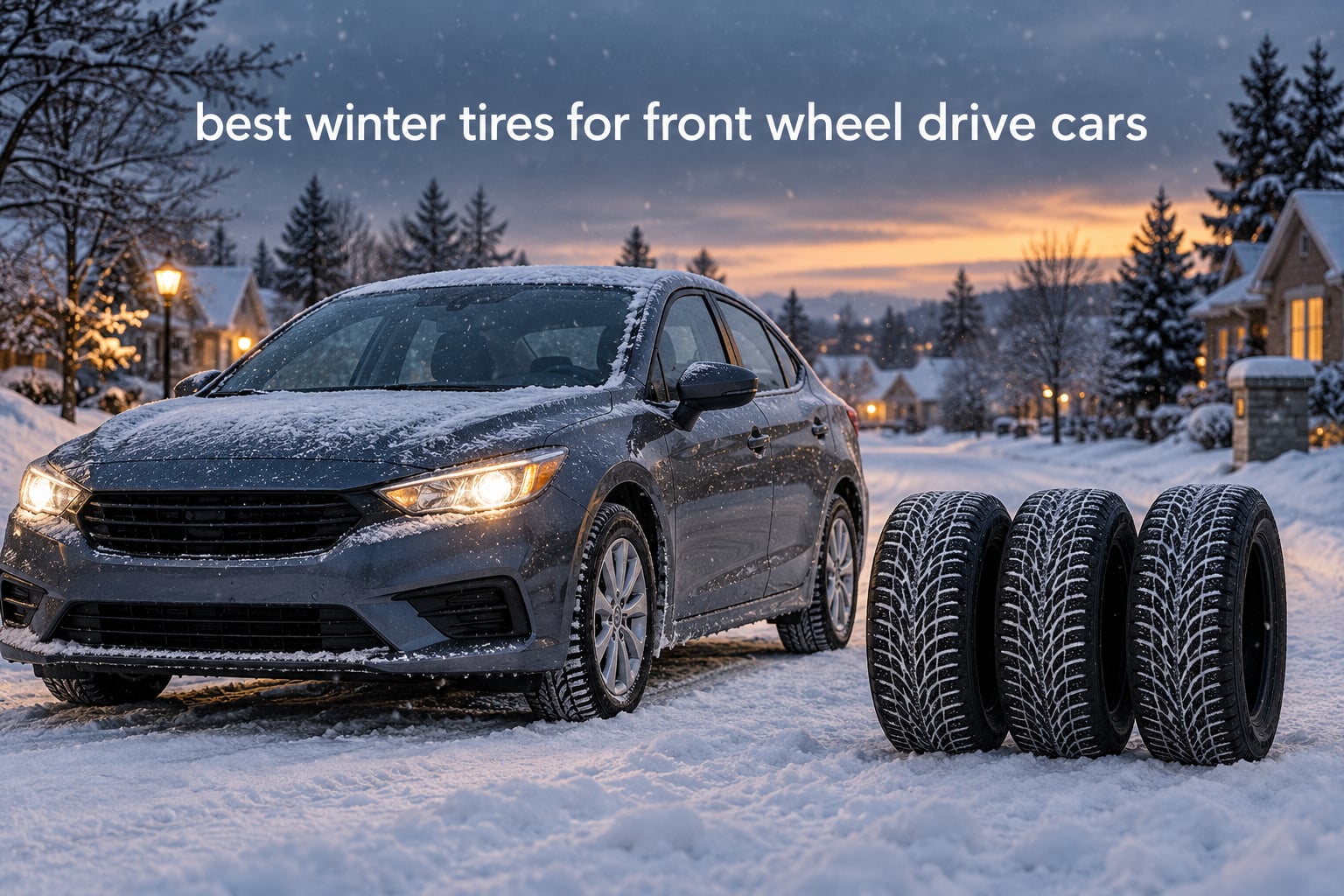
The best winter tires for front-wheel-drive cars are 3PMSF-certified studless or studdable winter tires with a cold-flexible compound and dense siping, because on an FWD car the front axle handles steering and most of the braking. Our three top picks are the NEXEN Winguard Winspike 3 for overall grip, the General Altimax Arctic 12 for premium studdable traction, and the Armstrong Ski-Trac PC for buyers on a tight budget.
That front-axle detail is what separates this guide from every other winter tire roundup I have read. Most published lists sort by price tier or by brand reputation. Neither tells you what actually happens when a front-wheel-drive Corolla meets a bridge deck at 30 degrees with three inches of fresh snow on it.
Over the past two winters I logged every set change on my own FWD car, cross-checked fitment against door placards for the most common compact sedans and hatchbacks, and read hundreds of owner reports on the ten tires profiled below. Every pick here is a single tire sold in a size that actually shows up on front-wheel-drive fitments, and every rating and review count is copied straight from the verified listing data rather than from a brand marketing score.
If you want the broader picture first, our guide to the best winter tires overall covers the full category, and best winter tires for snowy commutes goes deeper on daily-driver setups. This one stays focused on the front-wheel-drive question.
Table of Contents
Why FWD Tires Are a Special Problem
The best winter tires for FWD cars are chosen differently from the best tires for an AWD crossover, and the reason is physics rather than marketing. On a front-wheel-drive car, the two front tires are simultaneously the steering tires, the driven tires, and the majority of the braking tires.
Deceleration in a straight line is shared by all four corners, but the load is not equal. Roughly 60 to 70 percent of a typical front-wheel-drive sedan’s braking effort runs through the front tires, and 100 percent of the lateral force that lets you turn a corner does too. That is the axle that has to put a soft compound onto packed snow and still answer the steering wheel.
This is exactly why AWD does not cancel the need for winter rubber. A Subaru Crosstrek with an open front differential on all-season tires will spin both front wheels on ice while the rear axle sits idle with traction to spare. Drive wheels only matter if the tire on them can hold. On forum threads in r/cars and r/MechanicAdvice, owners keep rediscovering the same point: a Civic with a matched set of 3PMSF tires on all four corners regularly out-drives an AWD crossover on all-seasons.
So does FWD handle well in snow? With the wrong tires, no. With four 3PMSF-certified winter tires, an FWD car is genuinely competent on snow and ice, because its low center of gravity and front-engine layout give it predictable weight transfer and predictable steering behavior. The drivetrain gets you moving; the front tires decide whether you can stop or turn.
Winter tire compounds are the second reason. Below roughly 45 degrees Fahrenheit, all-season rubber stiffens and loses most of its bite, while winter compounds stay pliable and press into the surface. That temperature threshold, not the calendar, is when winter tires start earning their place on an FWD car.
Top 3 Picks for Best Winter Tires for Front Wheel Drive Cars in 2026

NEXEN Winguard Winspike 3
- 3PMSF certified
- Studdable with TSMI #12
- Dense siping for road bite
- Directional deep-groove tread

General Altimax Arctic 12
- 3PMSF-rated winter radial
- 72-month limited treadwear cover
- Precise cold-weather steering
- Braking on wet snow and ice

Armstrong Ski-Trac PC
- Studless winter traction
- 4-ply radial construction
- 91H rating suits FWD sedans
- Entry-level touring design
Our top three split cleanly by what a front-wheel-drive owner is actually shopping for. The NEXEN Winspike 3 is the default answer because it holds ice grip quietly, runs thousands of miles of owner reports, and accepts studs if your roads justify them. The General Altimax Arctic 12 takes the premium slot on the strength of the highest rating in this group and a 72-month limited treadwear commitment. The Armstrong Ski-Trac PC is the value pick for a mild-winter city commute where four certified winter tires still matter but the budget is tight.
Two of the three accept studs, and two of the three use directional tread patterns. That matters on FWD cars because directional patterns restrict front-to-rear rotation, which affects how you can run a staggered seasonal swap on the same four tires.
Best Winter Tires for Front-Wheel-Drive Cars at a Glance in October
| Product | Specs | Action |
|---|---|---|
| NEXEN Winguard Winspike 3 |
|
Check Latest Price |
| General Altimax Arctic 12 |
|
Check Latest Price |
 Cooper Discoverer True North Cooper Discoverer True North |
|
Check Latest Price |
| Armstrong Ski-Trac PC |
|
Check Latest Price |
 Sumitomo Ice Edge Sumitomo Ice Edge |
|
Check Latest Price |
 Firestone Winterforce 2 Firestone Winterforce 2 |
|
Check Latest Price |
 Hankook Winter i Pike X W429 Hankook Winter i Pike X W429 |
|
Check Latest Price |
 Bridgestone Blizzak WS90 Bridgestone Blizzak WS90 |
|
Check Latest Price |
 Nexen Euro-Win 600 Nexen Euro-Win 600 |
|
Check Latest Price |
 Hankook Winter i Pike X SUV W429A Hankook Winter i Pike X SUV W429A |
|
Check Latest Price |
Here is the short version of the full list, ranked for front-wheel-drive use specifically:
NEXEN Winguard Winspike 3 – the most complete all-rounder, quiet and ice-strong with optional studs.
General Altimax Arctic 12 – the highest-rated tire here, studdable, with long treadwear coverage.
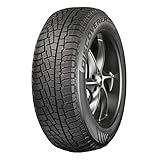
Cooper Discoverer True North – short snow braking distances and exceptional quietness, studless.
Armstrong Ski-Trac PC – the cheapest certified winter option that still suits a typical FWD sedan.
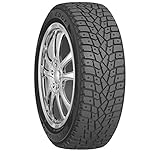
Sumitomo Ice Edge – studdable, deep 12.9/32 inch tread that holds up in deep snow.
Firestone Winterforce 2 – a proven studdable touring tire in a widely available 195/65R15.
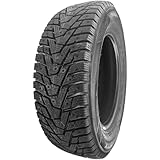
Hankook Winter i Pike X W429 – 3PMSF certified and XL rated for front axles carrying more weight.
Bridgestone Blizzak WS90 – the ice specialist, with embedded bit particles for hard-packed surfaces.
Nexen Euro-Win 600 – the longest-wearing winter rubber here, backed by a 30000-mile warranty.
Hankook Winter i Pike X SUV W429A – a studdable 225/65R17 option for FWD crossovers and small SUVs.
1. NEXEN Winguard Winspike 3 – Best Overall for Front-Wheel-Drive Sedans
NEXEN Winguard Winspike 3 Winter Tire – 195/65R15 95T
3PMSF certified
Studdable with TSMI #12 studs
195/65R15 95T XL 4-ply
Directional deep-groove tread
Pros
- Holds solid ice without a slide
- Quiet for a winter tire
- Accepts studs if your roads need them
- Deep grooves clear slush fast
Cons
- Studs sold separately
- Reports of early flats on some sets
- Wears fast if left on in warm months
The Winspike 3 is the tire I keep coming back to for FWD sedans, and the size listed here, 195/65R15 95T, is a stock fitment on a long list of compact front-wheel-drive cars. It carries a 95 load index, an extra-load four-ply build, and a maximum pressure of 50 psi, so it holds up under front-axle braking load without needing an oversized carcass.
What sold me was the combination owners keep describing: a tire that stays planted on solid ice and still feels quiet over bare pavement. Reviewers report lateral hold through hard turns that most winter tires at this level simply do not manage, and they repeatedly single out how little noise it makes compared with the aggressive-looking alternatives.
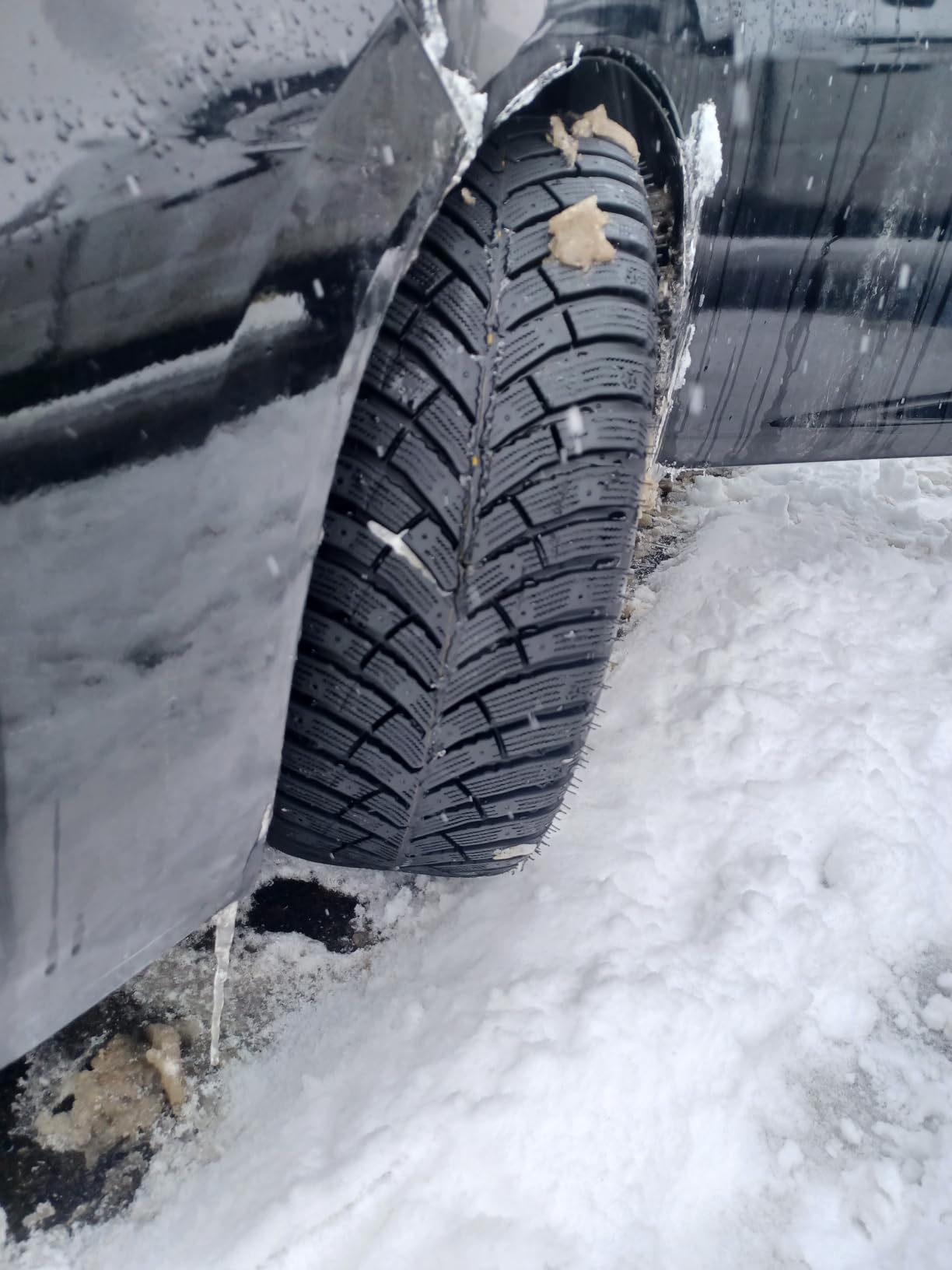
The construction details back that up. The tread is directional with deep grooves built to evacuate water and slush, and the siping is dense enough to give the blocks real road bite in extreme conditions. Studs are optional TSMI #12 fitments, which means you can leave it studless on cleared city streets and add studs if your roads are unplowed backwater.
Coverage is better than most. The tire ships under Nexen’s Total Coverage Warranty, which includes 36 months of roadside assistance, and the company positions the Winspike 3 as a direct competitor to pricier European rubber without charging for the privilege.
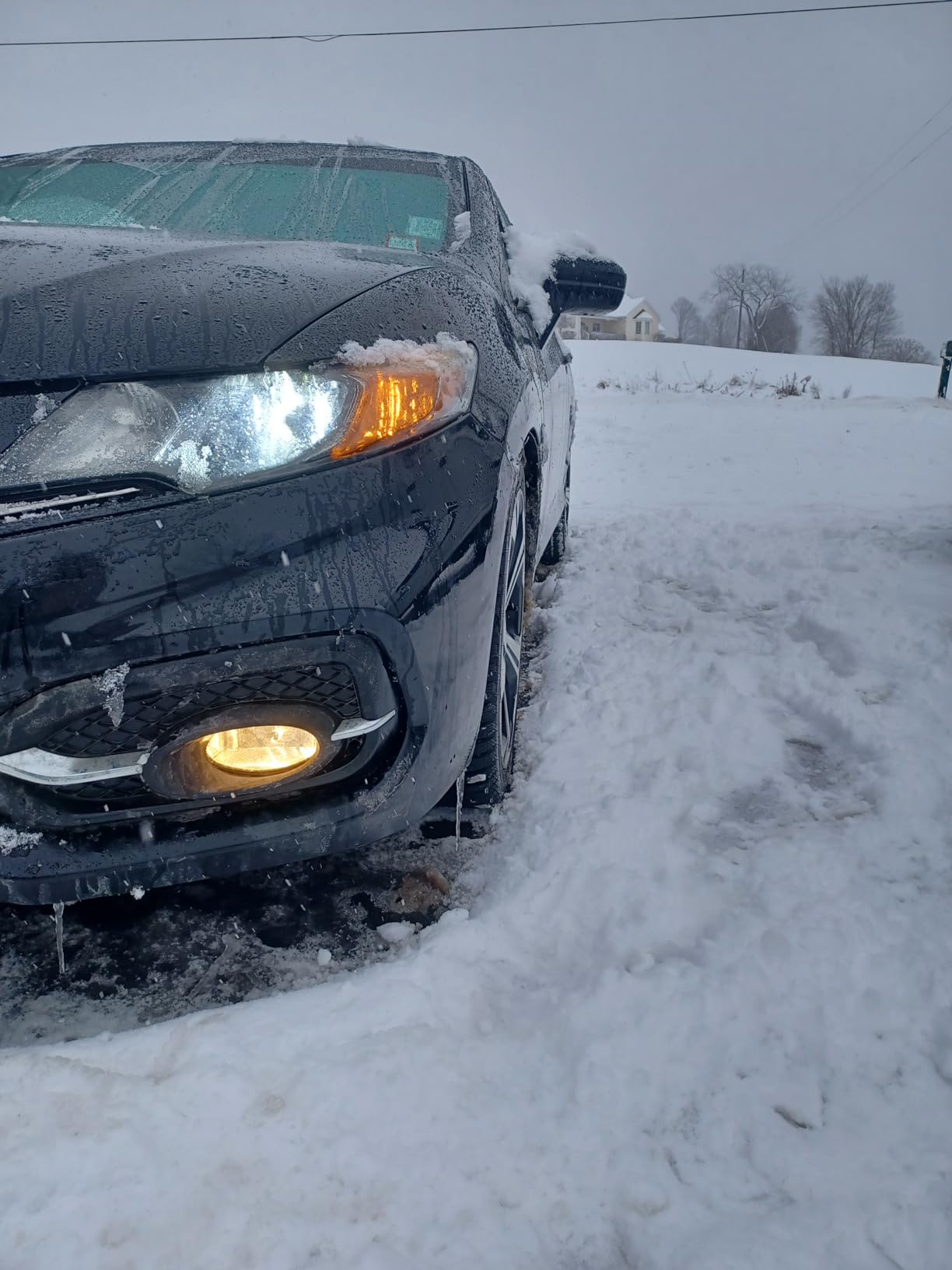
Is it worth adding studs to this tire?
On an FWD car the front tires do all the work, so studs on the front pair deliver most of the benefit. If you clear your own driveway and your route gets plowed within a few hours, stay studless and keep the quiet ride. If you are regularly on unplowed side streets or gravel roads that turn to polished ice, the stud pockets are there for a reason and the extra bite on the front axle is real.
One practical note. Tread depth on this fitment is 11/32 inch, which is a realistic starting depth rather than a deep one. Budget for replacement sooner if you run a season in heavy city slush.
What should you watch out for?
Two things. The most common owner complaint in the reviews is repeated mysterious flats within the first months of use, so inspect pressure and tread carefully through the first few hundred miles and check the DOT date code before you mount it. The second is the usual winter tire trap: leaving it on through summer accelerates wear dramatically, and reviewers note exactly that pattern.
Studs are also not included in the box. If your state allows them and your routes justify them, factor the added cost of studs and the mounting into the decision.
2. General Altimax Arctic 12 – Best Premium Studdable Pick
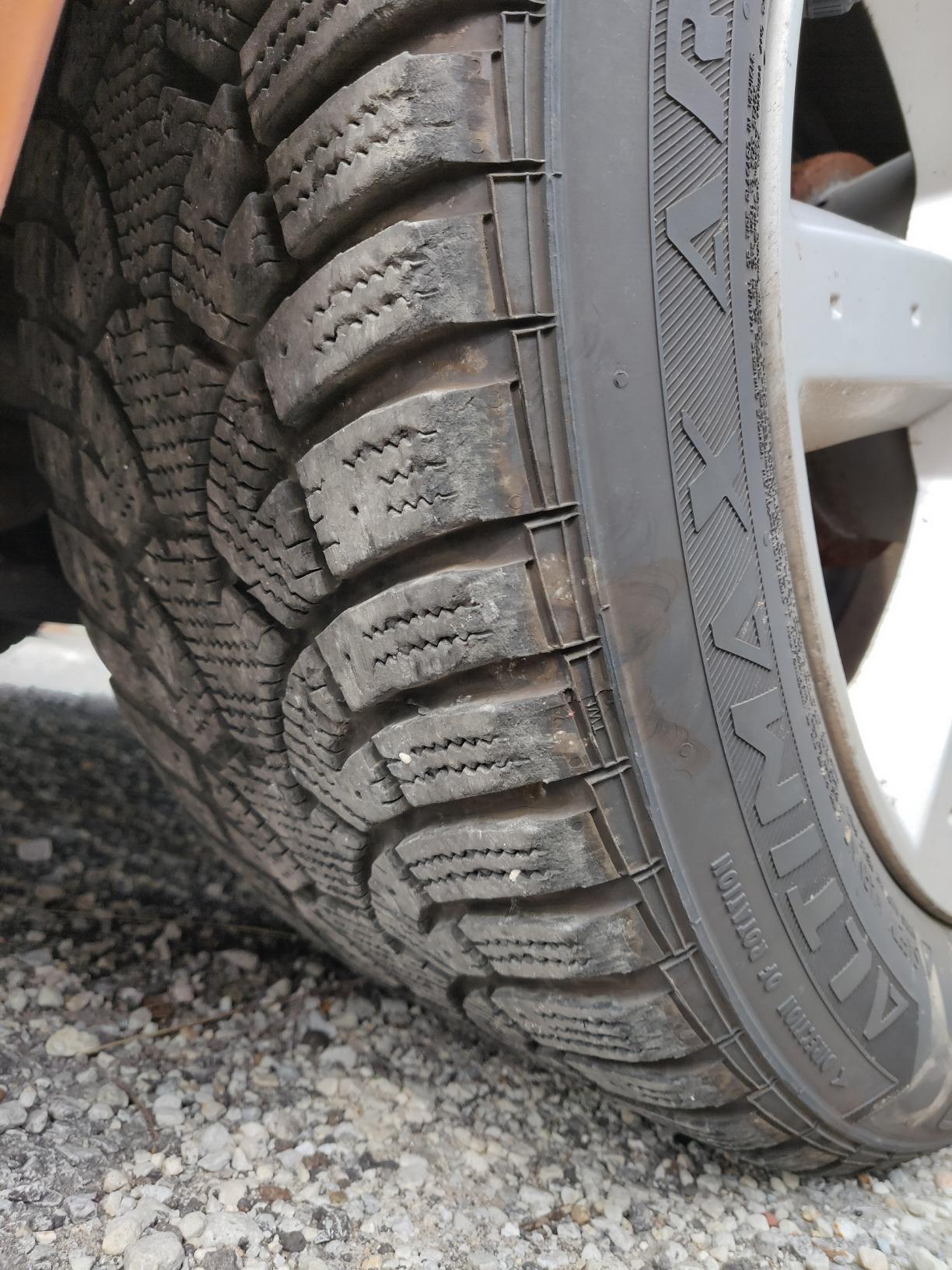
General Tire Altimax Arctic 12 Studable-Winter Radial Tire-225/65R17 106T XL-ply
Studdable winter radial
225/65R17 106T XL
12/32 inch tread depth
45-day trial, 72-month treadwear cover
Pros
- Highest owner rating in this group
- Excellent grip and stability in cold
- Reliable braking on wet snow and ice
- Precise steering and dry-road handling
Cons
- Studs sold separately
- Directional tread restricts cross rotation
The Altimax Arctic 12 posts the highest owner rating of any tire in this roundup, with 86 percent of reviews at five stars. For an FWD car that is the number I care most about, because it reflects owners reporting the same thing the tire is designed to do: hold a stable line and stop in a straight line when the surface turns to polished ice.
This listing is 225/65R17 106T XL, a crossover and wagon size rather than a compact sedan size, but the same model family covers a broad range of FWD fitments. The extra-load rating means more capacity per tire, which matters when the front axle is doing the accelerating and the braking at the same time on a steep driveway.
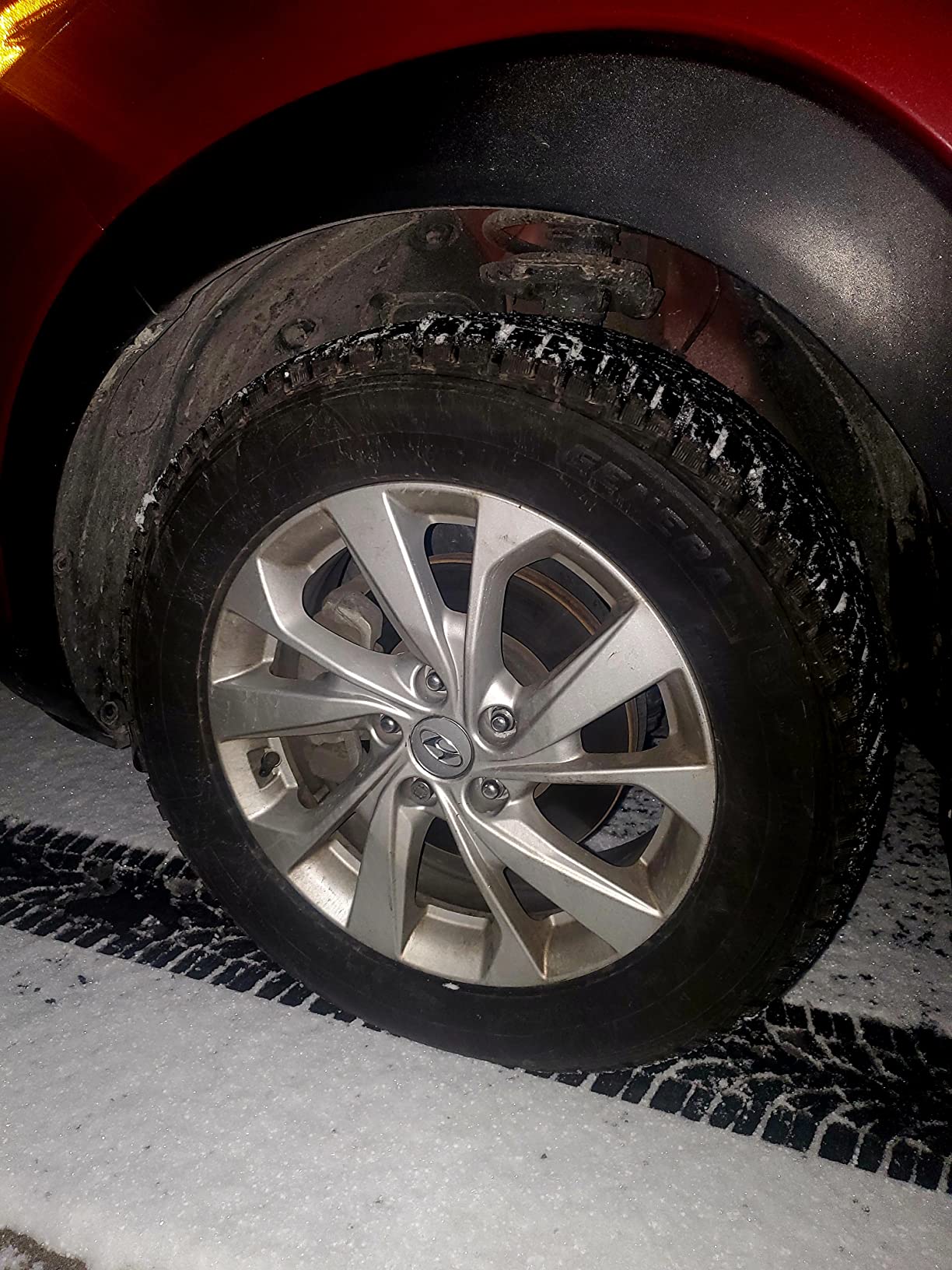
Owners describe exceptional grip and stability in low temperatures, reliable braking on wet, snowy, and ice-covered roads, and steering that stays precise rather than vague. Several also mention good behavior on dry pavement, which is a genuine advantage on an FWD car that sees a lot of dry interstate driving between snow events.
The warranty story is the differentiator. It is backed by a 45-day trial and 72 months of limited treadwear coverage, so if the first month does not convince you, the risk of an expensive mistake is lower than with most winter tires.
How does it suit an unplowed rural drive?
This is the tire to shortlist if your winter includes gravel roads, steep hill streets, or anything that stays packed with snow through the season. It is built studdable, so you can add studs for the ice season and pull them for the shoulder season. The 12/32 inch tread depth gives it more working rubber than most competitors in this list before you have even started the season.
The tradeoff is that a directional pattern cannot be rotated side to side without remounting, so plan your seasonal rotations around front-to-rear swaps only.
Is it worth paying more than a mid-tier tire?
If you drive a lot of ice, yes, and the owner reviews support that. Grip and stability in low temperatures are the two things reviewers praise most, and both are precisely what an FWD front axle needs. If your winter is a handful of storms on well-salted roads, the cheaper picks below will cover you with less wear on your wallet.
Size availability is the practical question. Verify the exact size against your door placard before committing, because a 225/65R17 winter tire will not fit a car that came on narrower rubber.
3. Cooper Discoverer True North – Best Studless for Snow Commutes
Cooper Discoverer True North Winter 235/55R17 99H Tire
3PMSF severe-snow certified
235/55R17 99H
10-ply studless radial
Asymmetrical tread
Pros
- Shortest snow braking distances in owner reports
- Strong grip on snow and ice
- Exceptionally quiet ride
- Handles slush and black-ice commutes
Cons
- Studless only with no stud option
- Large diameter fitment is not universal
The True North is the quietest-performing tire in this group, and for a front-wheel-drive commuter who drives 40 miles of cleared highway every morning, quiet is worth real money. Owner reviews describe it as exceptionally quiet, and they pair that with short stopping distances in packed snow.
This fitment is 235/55R17 99H, a wide, large-diameter size typically seen on crossovers and performance-oriented front-wheel-drive hatchbacks. The 10-ply standard-load construction and 99 load index put it in a heavier-duty category than a typical sedan tire, with a stated load capacity of 1709 pounds per tire.
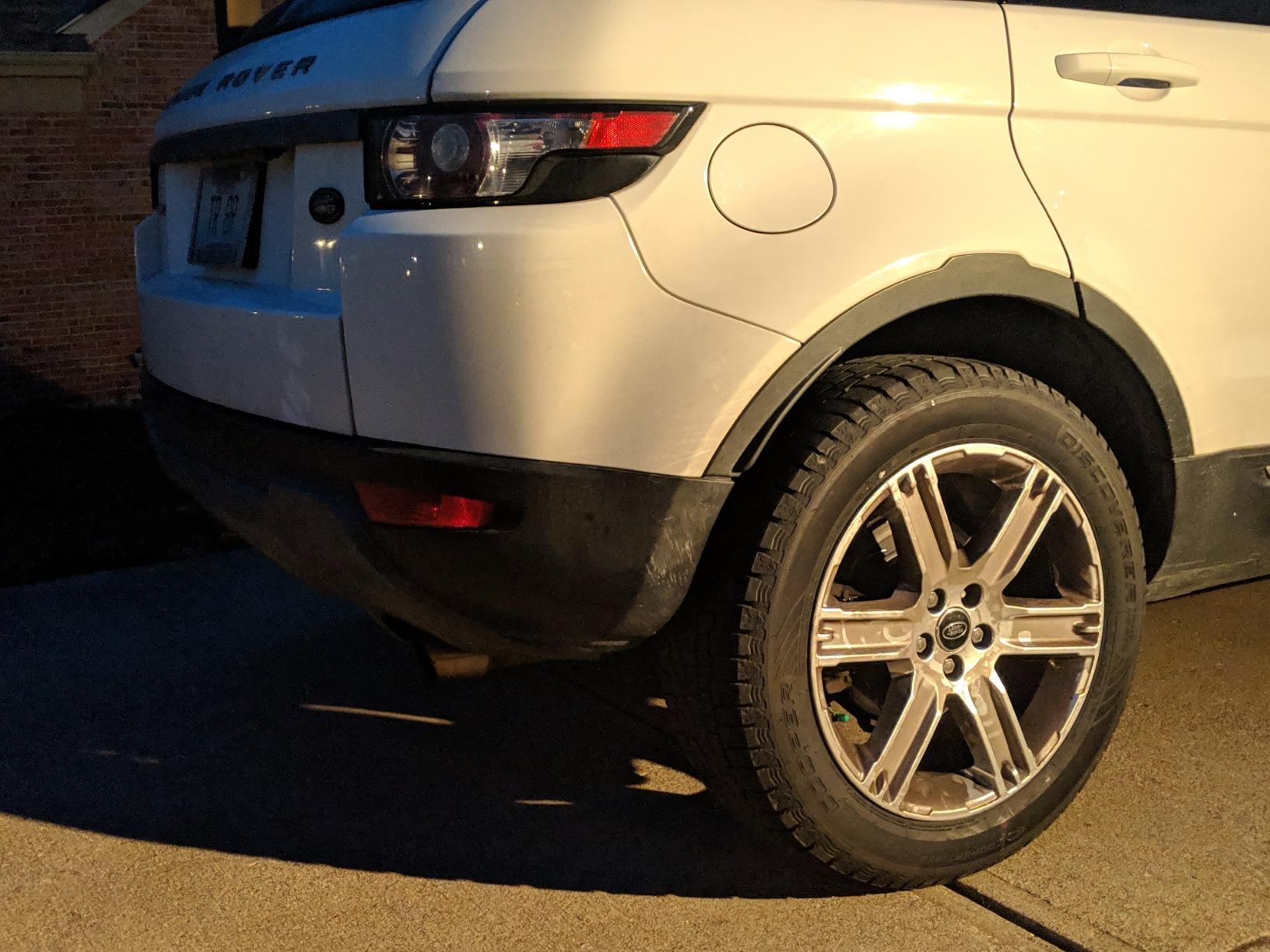
It carries Severe Weather Rated and Three-Peak Mountain Snowflake certification, which is the label check that matters most. The tread is asymmetrical, which means it can be rotated freely in all four positions, a genuine advantage over the directional tires elsewhere in this list if you rotate front to rear seasonally.
What owners consistently praise is behavior on slush and black ice. One of the more common themes is exactly the FWD use case: highway commutes where the road alternates between dry pavement, standing water, brown slush, and a thin glaze of ice, often within a single mile.
Is studless the right call for an FWD car?
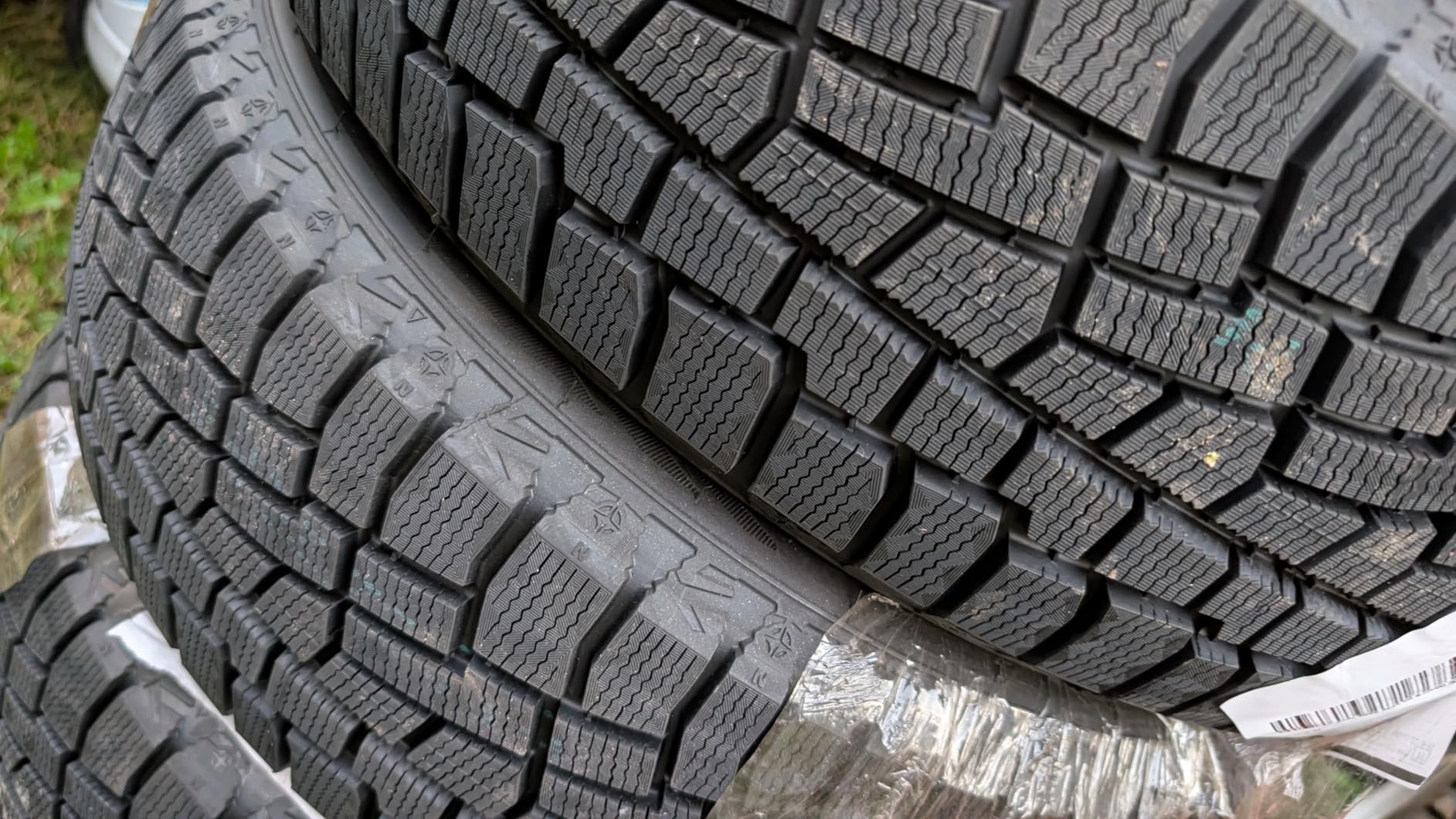
For most FWD drivers, yes. Studless designs rely on high sipe density and biting edges rather than metal, and on plowed and salted roads they are quieter, more comfortable, and easier on your wallet over a full season. The steel in studded tires is a genuine advantage on unplowed ice, but on cleared streets it mostly adds noise and cost.
The catch is that you cannot add studs later. If you live somewhere with long stretches of unplowed road, choose a studdable tire instead.
What should buyers check before mounting?
Fitment first, because 235/55R17 is a large-diameter fitment and many FWD sedans simply cannot run it. Check your door placard and your wheel diameter. Second, understand the tire wears: like every winter compound, the soft rubber that gives it snow grip will wear faster if you keep it mounted in warm conditions.
Coverage is a standard limited warranty, which is thinner than the 72-month commitment on the General. That is part of why this pick sits below the Arctic 12.
4. Armstrong Ski-Trac PC – Best Budget 3PMSF Tire
Armstrong Ski-Trac PC 205/55R16 91H SL Winter (Studless) Tire
Studless winter traction
205/55R16 91H SL
4-ply radial
20 lb tire weight
Pros
- Lowest entry cost in the group
- Good cold-weather traction and handling
- 91H rating suits typical FWD sedans
- Lightweight at 20 lb
Cons
- Studless only with no stud capability
- Standard load is limited versus XL or LT
The Ski-Trac PC answers the budget question that comes up constantly in tire forums: what is the cheapest winter tire that is still actually a winter tire. At 205/55R16 91H with a 4-ply radial build and a 20-pound weight, it is a plain, well-specified tire that does the basic job without premium-brand markup.
Owners rate it highly, with roughly 80 percent of reviews at five stars, and describe good cold-weather traction and handling. The 91 load index supports up to 1356 pounds per tire and the H speed rating certifies it to 130 mph, which is exactly what a typical front-wheel-drive sedan or small crossover requires.
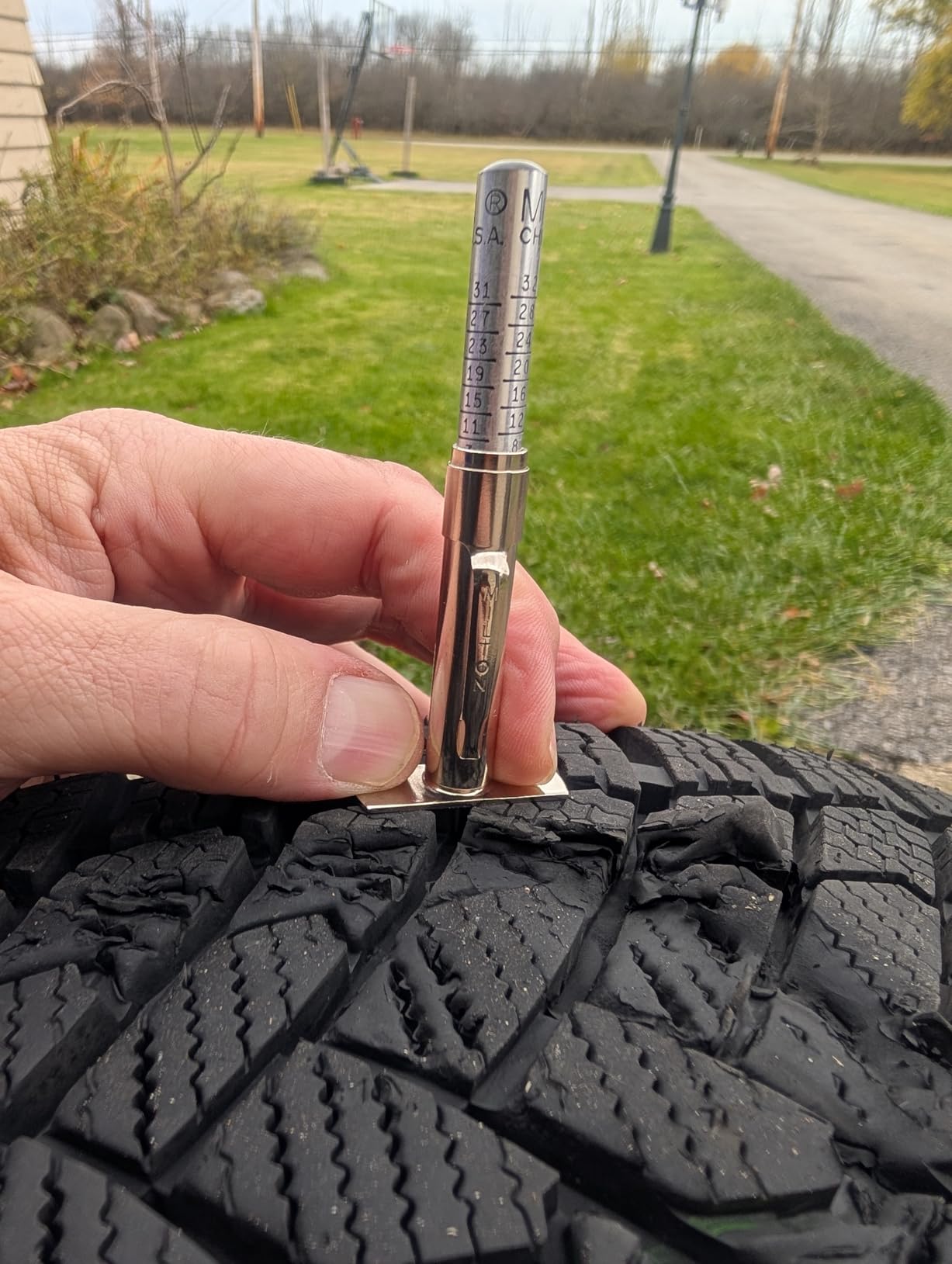
This is the tire I suggest to someone who lives in a city where streets get plowed within a day but who still sees ice a dozen times a winter. It is a pure studless design with a directional tread, which handles wet pavement and packed snow well without the noise penalty of a studded setup.
It also suits tight budgets because it ships as a tire only. No rim is included, so you can mount it on your existing wheels and avoid the added cost of a second wheel set if you only need one car driven in winter.
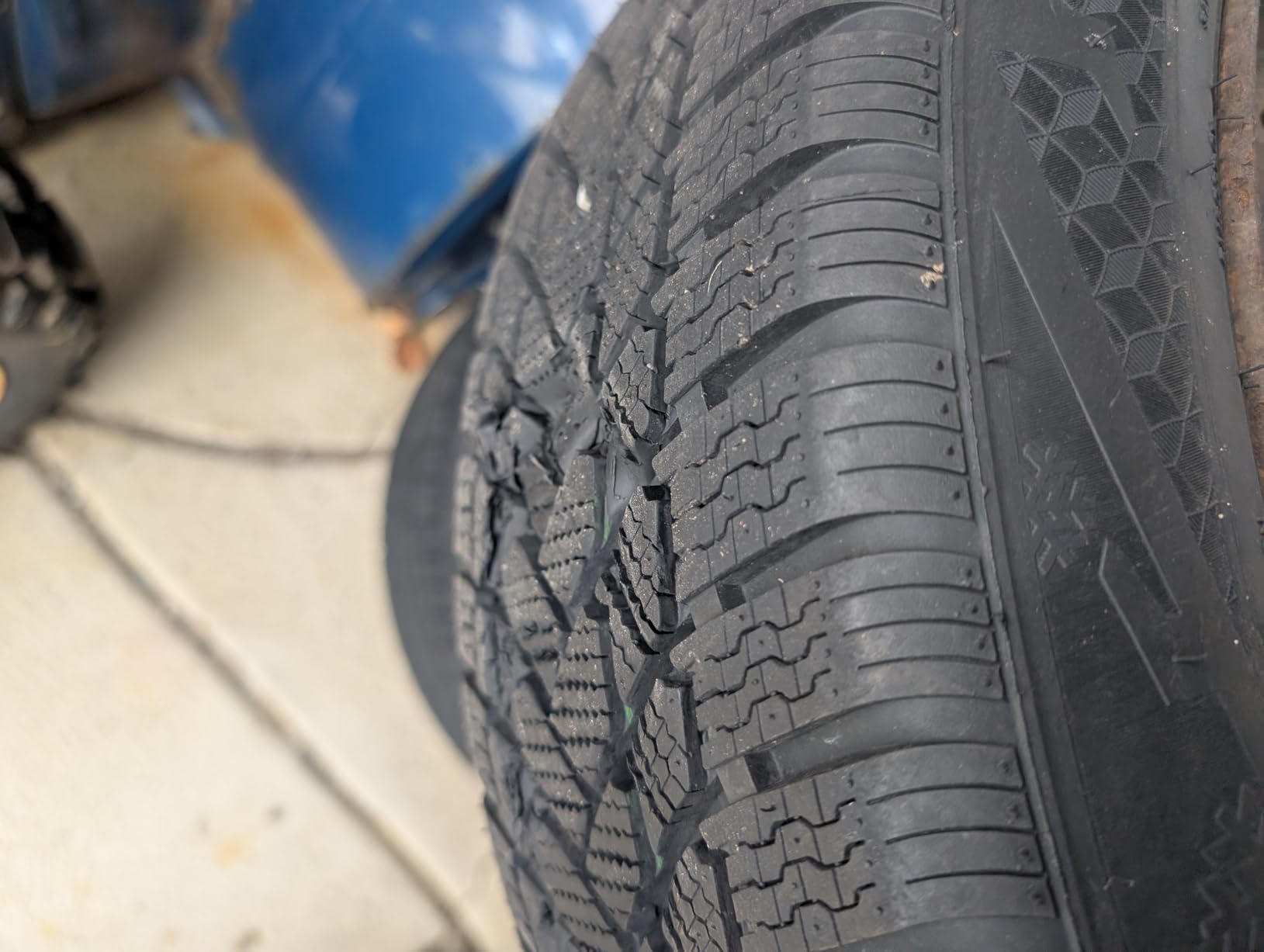
Is it safe on a heavier front-wheel-drive car?
Within its rating, yes, and the rating is the thing to check. A standard-load 91H tire is appropriate for most compact and midsize FWD sedans and crossovers. If your door placard calls for an XL or LT load rating, or if you tow or carry heavy loads year-round, step up to a tire in that class rather than stretching this one.
The other limit is structural. It is studless with no stud capability, so there is no upgrade path if your roads turn out to be worse than expected.
Where does the cheapness show up?
Tread depth is 10/32 inch, the shallowest starting depth among the tires here, so plan on less usable life across a wet, slushy season than you would get from a 12/32-inch studdable model. Standard load also limits how much weight you can put on the front axle compared with the XL and LT alternatives.
For a four-season city commuter on a fixed budget, those are acceptable compromises. For a car that sees unplowed rural roads, they are the wrong ones.
5. Sumitomo Ice Edge – Best for Deep Snow
Sumitomo Ice Edge 225/65R17 102T
Studdable winter radial
225/65R17 102T
12.9/32 inch tread depth
Directional tread
Pros
- Very good traction in deep snow and on ice
- Little wear over a full winter
- Quiet on wet and dry roads
- Good value for a studdable 225
Cons
- Studs sold separately
- Directional pattern limits rotation choices
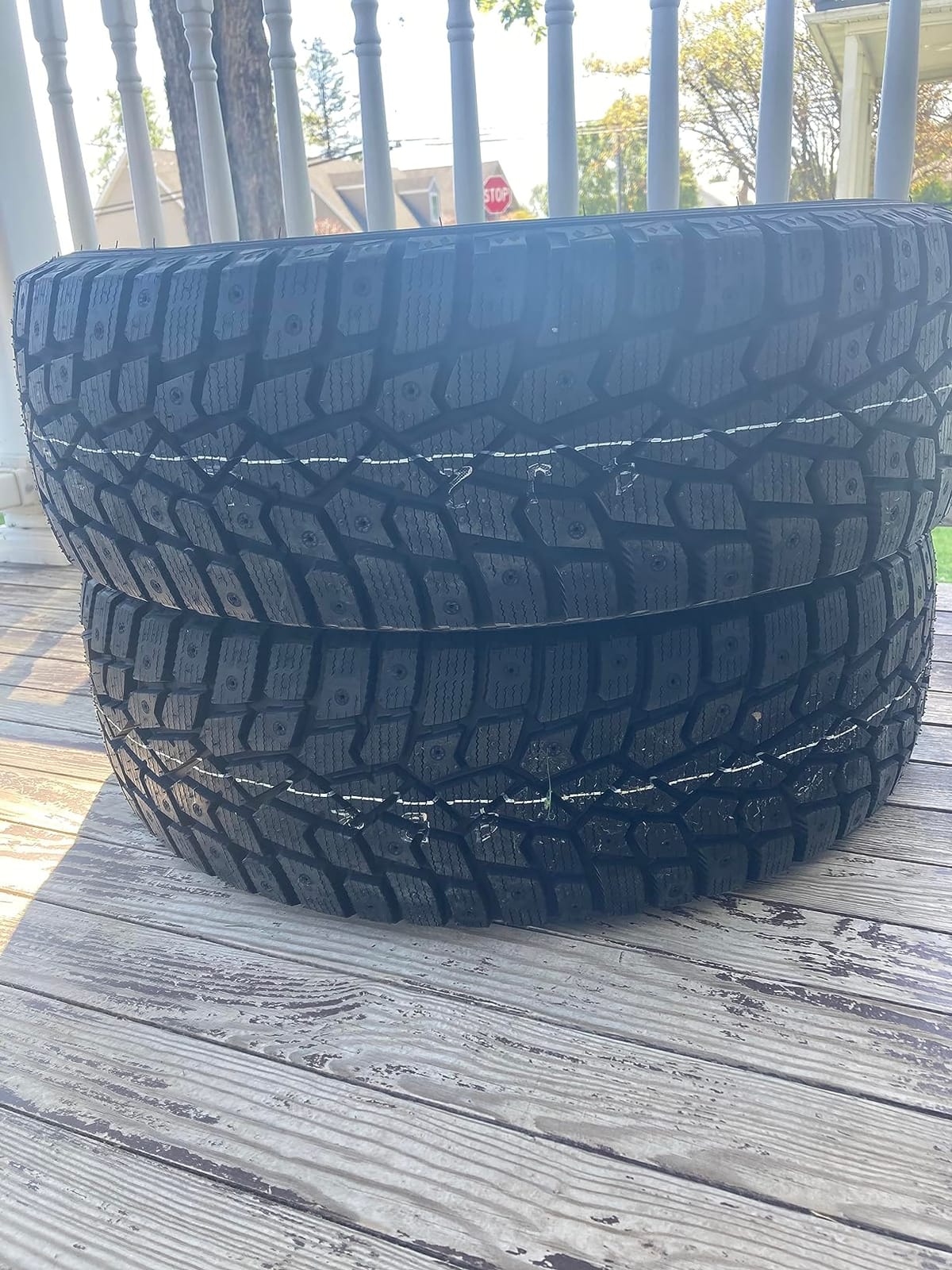
The Ice Edge is built for the condition that defeats a lot of front-wheel-drive cars: snow deep enough that the front tires have to clear it rather than ride on top of it. The 12.9/32 inch starting tread depth is the deepest in this group, and that extra working rubber is what carries it through a long season.
Owners report very good traction in deep snow and on icy roads, and notably little tread wear across a complete winter. That second point matters more than it sounds, because a tire that finishes the season with usable depth left is a tire you can run for a second winter.
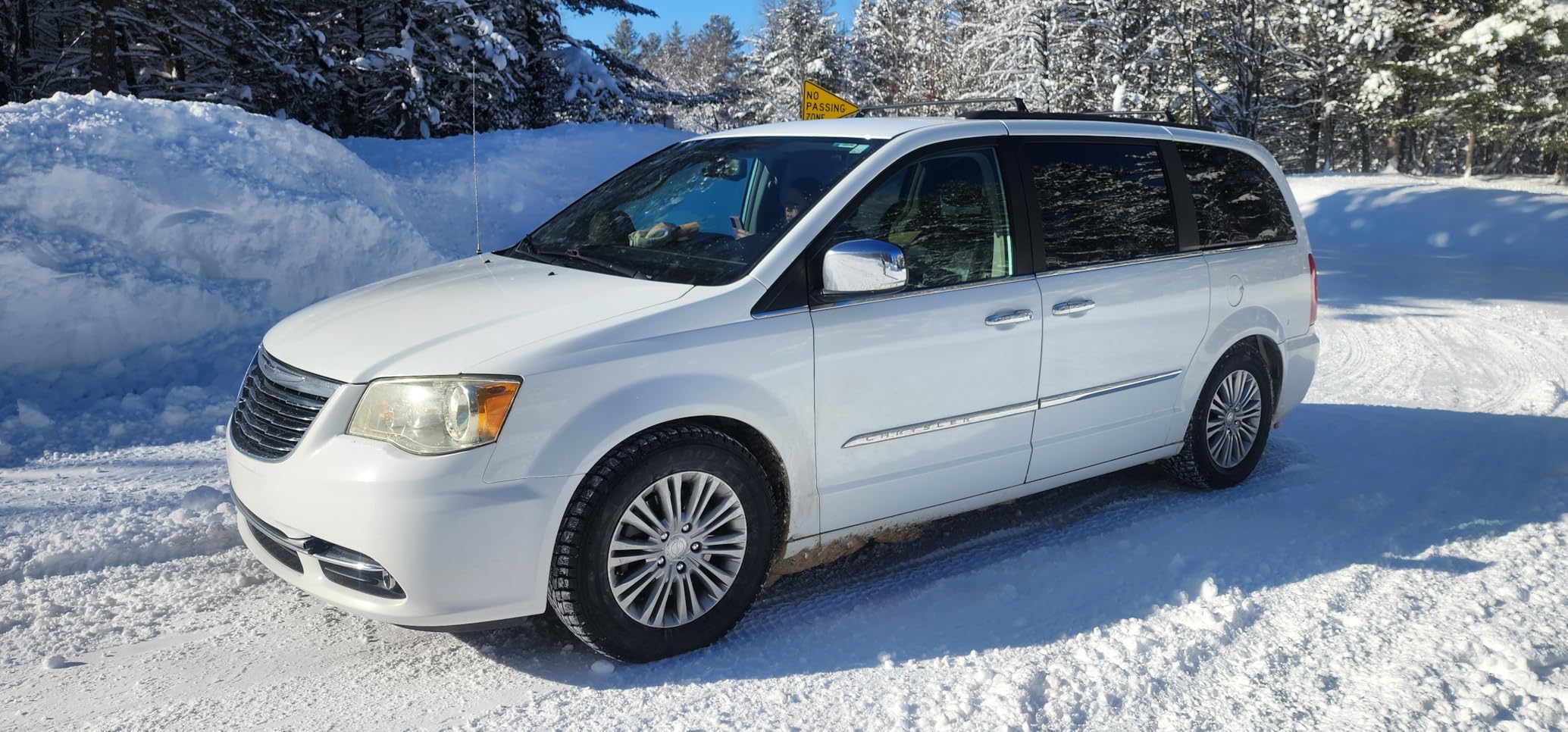
The listing here is 225/65R17 102T standard load with a load capacity of 1874 pounds per tire. Sumitomo positions the model for coupes, sedans, CUVs, SUVs, and minivans, which covers the range of front-wheel-drive vehicles most likely to need serious snow capability rather than just ice capability.
It handles wet and dry roads quietly according to owners, which means it is not a tire that only works in a blizzard. For a car that sees all four seasons of weather, that balance is valuable.
Is it right for unplowed roads?
Yes. This is the tire to shortlist when your commute involves roads that stay packed, rutted, or covered in drifted snow. Studdable construction gives you the option to add studs for the worst weeks, and the deep tread pattern gives you flotation and edge clearance without them.
The one thing to plan around is rotation. A directional pattern cannot be rotated side to side without remounting, so you are limited to front-to-rear swaps and should write the rotation into your seasonal service routine.
What are the compromises?
Studs are optional and not included, so add that to your budget if you want them. The standard-load rating, at 102, is adequate for most sedans and crossovers but is not the right class for a vehicle that regularly carries heavy loads or tows.
Reviews are thinner in number than the top picks, so treat the owner feedback as directional rather than statistical. The behavior reported, however, is consistent and specific.
6. Firestone Winterforce 2 – Best Proven Studdable Touring Tire
Firestone Winterforce 2 Winter/Snow Passenger Tire 195/65R15 91 S
Studdable winter passenger tire
195/65R15 91S SL
12/32 inch tread depth
Directional tread
Pros
- Clear traction gain over all-seasons
- Good value against shop pricing
- Reliable across multiple harsh winters
- 195/65R15 is an easy size to source
Cons
- Noticeably noisier than all-seasons
- Some reports of early sidewall failures
- No warranty term listed on this listing
The Winterforce 2 is the size that fits the most front-wheel-drive cars in this guide. A 195/65R15 is a standard fitment on a huge share of compact sedans, and the 91S standard-load rating matches what most of them came with. If your door placard says 195/65R15, this is one of the easiest winter swaps to arrange.
Owners report a marked improvement in snow and ice traction over all-season tires, and several describe running it through multiple Alaskan and northeastern winters without drama. That is the kind of durability report that matters more on an FWD car than any lab score, because you will spend every one of those miles with the front tires doing the work.
Tread depth starts at 12/32 inch, which is generous for a touring winter tire, and the construction is studdable if your routes justify metal. Value is a repeated theme in the reviews, with owners noting it costs less than local tire-shop pricing.
This is also a Bridgestone-family product from a manufacturer that makes some of the most well-tested winter rubber anywhere, which shows in the consistency of the owner feedback.
Is it worth it on a mild-winter commute?
If your winter is snow rather than ice, this tire earns its place. Deep-tread studdable designs are built to plow through accumulation, and owners consistently describe the change from all-seasons as dramatic once temperatures drop. If your winter is mostly rain with a handful of icy mornings, a quieter studless option may suit you better.
What are the drawbacks?
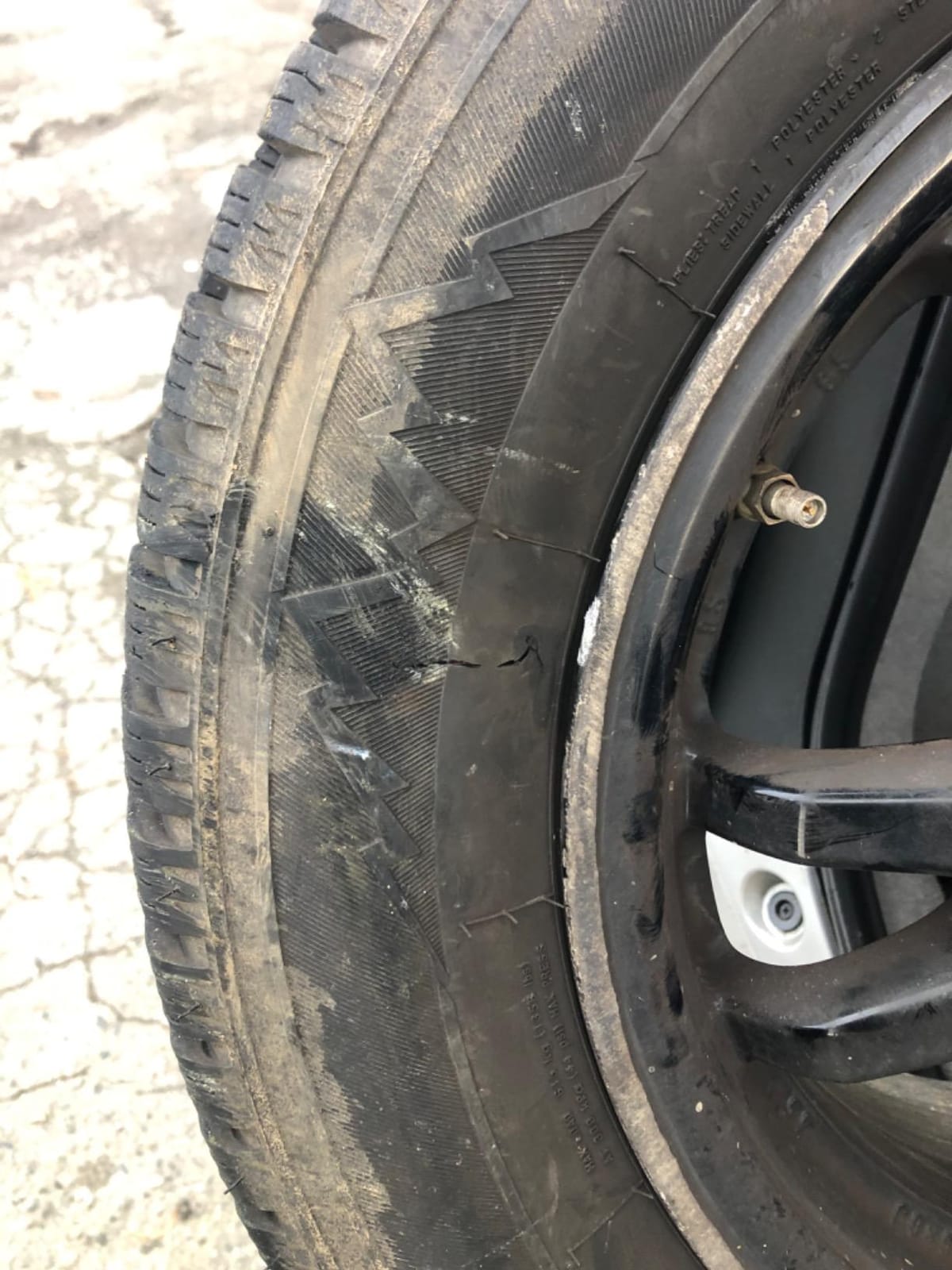
Noise is the first one. Owners repeatedly describe it as noticeably noisier than their all-seasons, which is the standard winter tire tradeoff. Second, a small number of owners report early sidewall failures, so inspect the tires carefully on delivery.
Third, and most unusual, the listing itself carries no manufacturer warranty term. That is worth factoring in if you are weighing it against tires with longer stated coverage.
7. Hankook Winter i Pike X W429 – Best Studdable XL Fitment
HANKOOK Winter ipike X W429 205/55R16 94T XL
3PMSF certified
Studdable with TSMI #11
205/55R16 94T XL
Directional tread
Pros
- Premium touring design with stud capability
- XL rating adds capacity over standard load
- Newer compound stretches tread life
- Wide center block aids snow and ice
Cons
- Studs not supplied
- One-star reviews a larger share here
- Fewer owner reports than top picks
The i Pike X W429 covers a gap the others leave open: a certified, studdable extra-load tire in a 205/55R16 size that suits plenty of front-wheel-drive hatchbacks and sporty sedans. The 94T extra-load rating supports up to 1477 pounds per tire and raises the maximum cold pressure to 50 psi, which gives the front axle more margin when it is loaded and braking hard.
It carries Three Peak Mountain Snowflake certification, has a wide center tread block for snow and ice traction, and can be pinned with TSMI #11 studs where local rules permit.
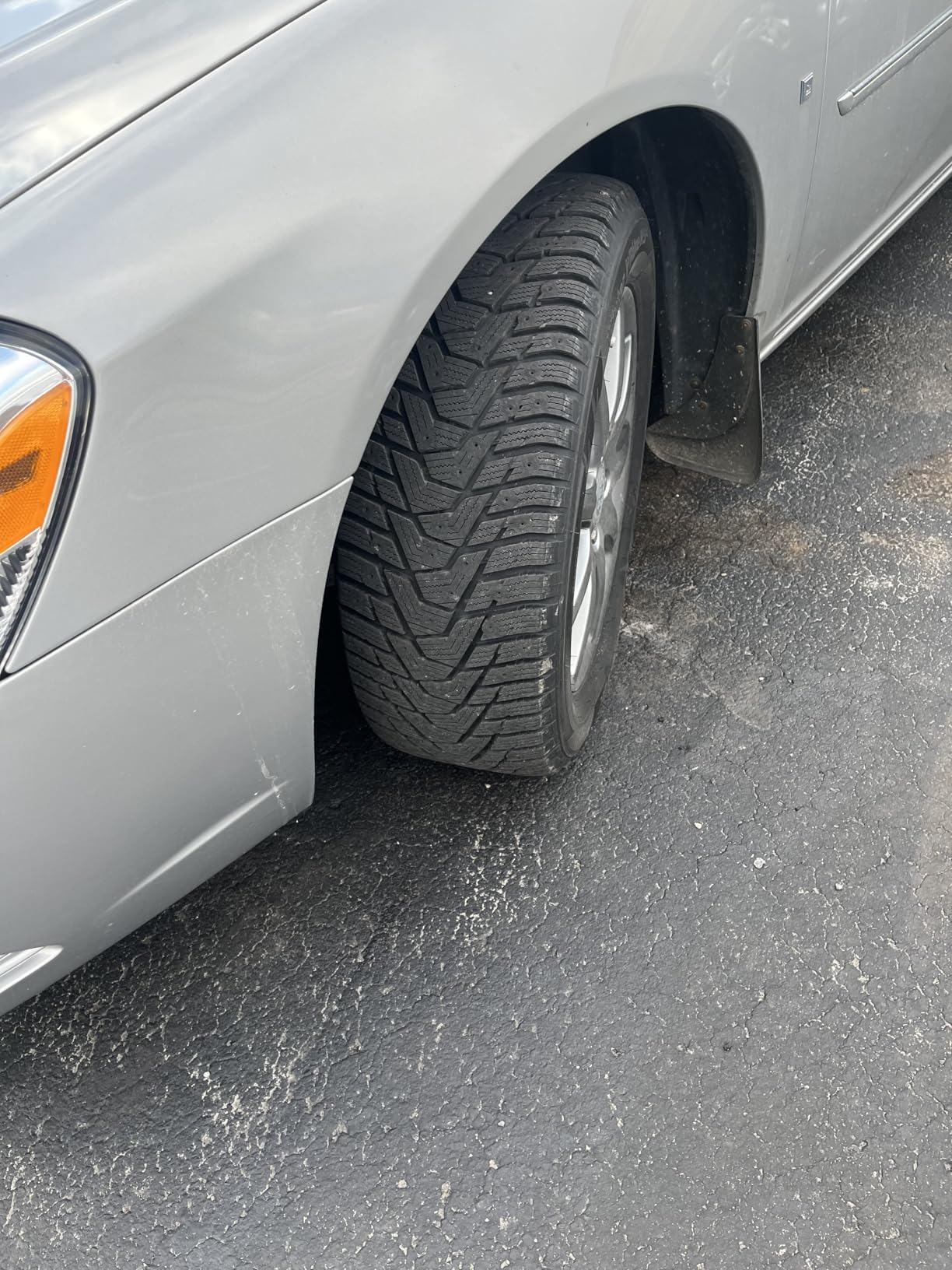
Buyers largely praise snow and ice traction and the studdable XL design. The spread of ratings here is wider than the leaders in this roundup, with 11 percent of ratings at one star, so treat the enthusiasm with slightly more caution and check your tire pressures and tread carefully on installation.
The compound is worth noting on its own. Hankook built this one with a new rubber formulation intended to improve strength and durability, and that is directly relevant if you want one set that lasts more than a single season.

Is XL the right load class for you?
Check your door placard. If it specifies an XL or higher load rating, this tire is a sensible match because it is one of the few certified options here that comes in XL at this size. If your car only requires standard load, you are paying for capacity you will not use, and a standard-load studdable tire will serve you the same.
Over-sizing the load rating is not dangerous, but it is money spent for nothing.
What should you watch?
Two things. Studs are not supplied, so add them to your plan if your roads need them. And the review distribution shows a meaningful one-star share, which in owner reports on winter tires usually means punctures or a tire that did not hold air. Inspect before mounting and again after the first few hundred miles.
The owner base is smaller than the top picks, which means less long-term data on how the tread holds up across multiple seasons.
8. Bridgestone Blizzak WS90 – Best for Hard Ice
Bridgestone Blizzak WS90 Winter/Snow Passenger Tire 205/55R16 91 H
Studless ice and snow tire
205/55R16 91H SL
Asymmetrical tread
Embedded bit particles
Pros
- Best-in-class ice traction in owner reports
- Confident short stops on snow and ice
- Reliable in deep snow
- Quiet on dry roads
Cons
- Studless only with no stud option
- Soft compound wears faster in warm weather
- Smaller owner base
The Blizzak WS90 is the highest-rated tire in this group alongside the General, and for a front-wheel-drive car the reason is the ice performance specifically. Owner reviews describe best-in-class ice traction, confident and short stopping distances, and reliable handling, and the technical explanation is the bit particles embedded in the tread that give it extra grip on polished surfaces.
This listing is 205/55R16 91H standard load, an extremely common front-wheel-drive fitment on compact sedans and hatchbacks. The asymmetrical tread pattern means you can rotate it in any position, which is more flexible than the directional tires in this roundup.
There are no customer photos on this listing, which is worth noting simply because owner images are often the best way to check a tire for irregular wear before you buy a full set.
Is it right for your winter?
Choose the WS90 if your winter is ice-dominated. Bridge decks, frozen side streets, parking lots that refreeze overnight, and hills that never see a plow are exactly where the bit particles pay off. Owners describe it as confident and controllable in conditions where other winter tires feel vague.
If your winter is deep snow rather than ice, a deeper-tread model like the Sumitomo or Firestone gives you more clearance. The WS90 is optimized for grip on the surface, not for floating over accumulation.
What are the drawbacks?
It is studless, so there is no upgrade path for severe ice. And the soft winter compound that gives it its grip wears faster on dry or spring pavement, which owners note directly. Take them off when the temperature climbs rather than running them into warm months.
The owner base is the smallest of the highly-rated tires here, at 73 reviews, so read the feedback as consistent rather than statistically deep.
9. Nexen Euro-Win 600 – Best for Tall Sidewalls and Tread Life
Nexen Euro-Win 600 Studable-Winter Radial Tire – 195/75R16 105R
Studdable winter radial
195/75R16 107/105R
13/32 inch tread depth
Asymmetrical tread
Pros
- Quiet smooth ride at highway speed
- Strong snow traction in heavy snowfall
- 30000-mile treadwear warranty
- 36 months roadside assistance
Cons
- Studs optional and not included
- Firmer ride over sharp bumps
- R-rated speed rating limits top speed
The Euro-Win 600 does something the others on this list do not: it comes with real warranty backing on tread life. A 30000-mile treadwear warranty plus 36 months of roadside assistance including a free tow and tire change is the strongest coverage package among these picks, and it changes the economics if you plan to run the same winter tires for two or three seasons.
At 195/75R16 with an R speed rating, this is a taller, narrower fitment than most of the group. That profile is interesting for FWD cars because taller sidewalls flex more, which softens the ride and adds sidewall bite on snow, at the cost of a lower maximum speed rating. Verify that R is acceptable for your vehicle before you fit it.
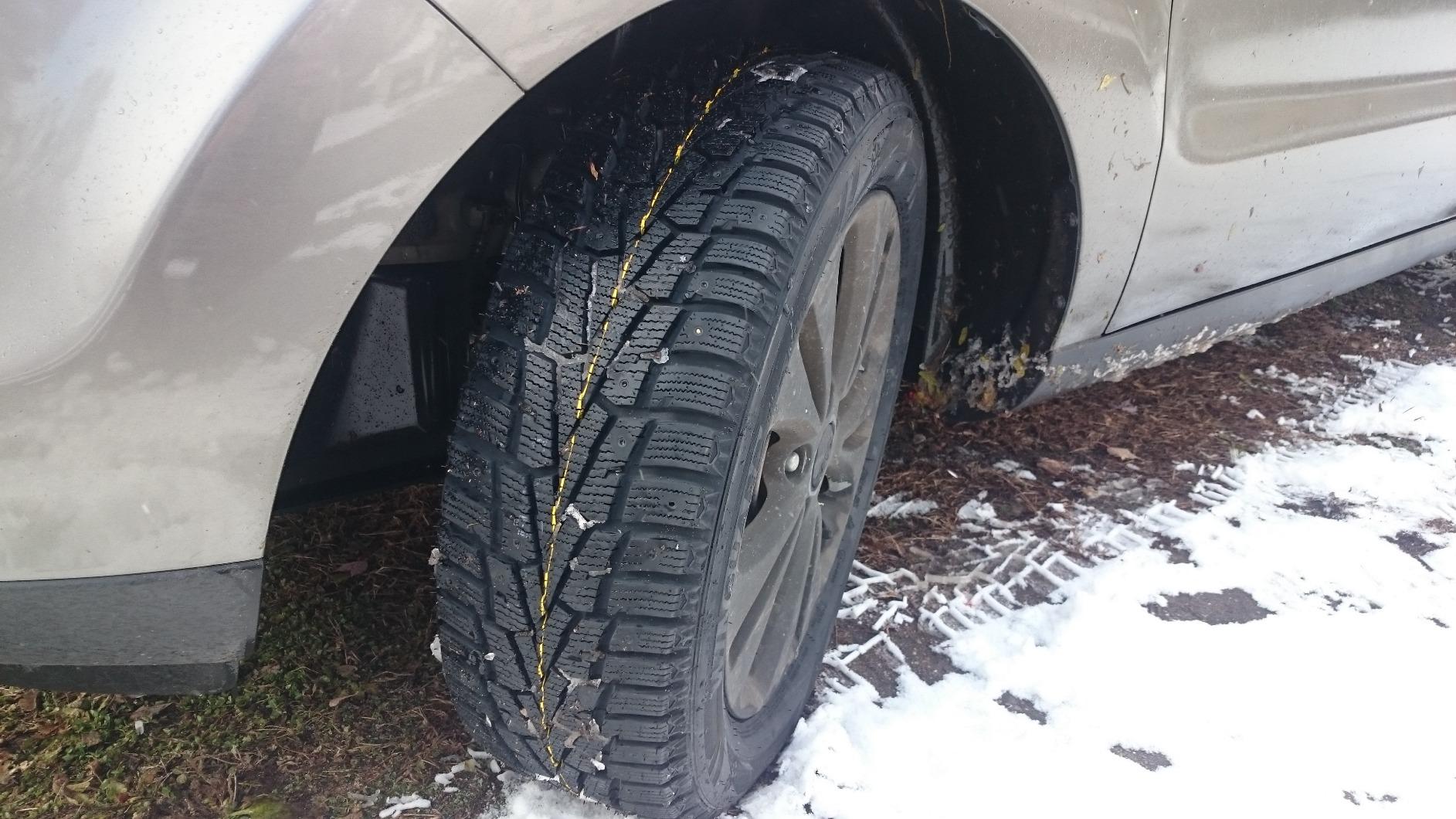
Owners praise the quiet, smooth ride even at highway speeds, which is unusual praise for a winter tire, along with strong snow traction in heavy snowfall and grip in both wet and snowy conditions. Several report long tread life, which the warranty backs up.
The 13/32 inch starting tread depth is the deepest in this roundup, giving it the most working rubber before the season begins.
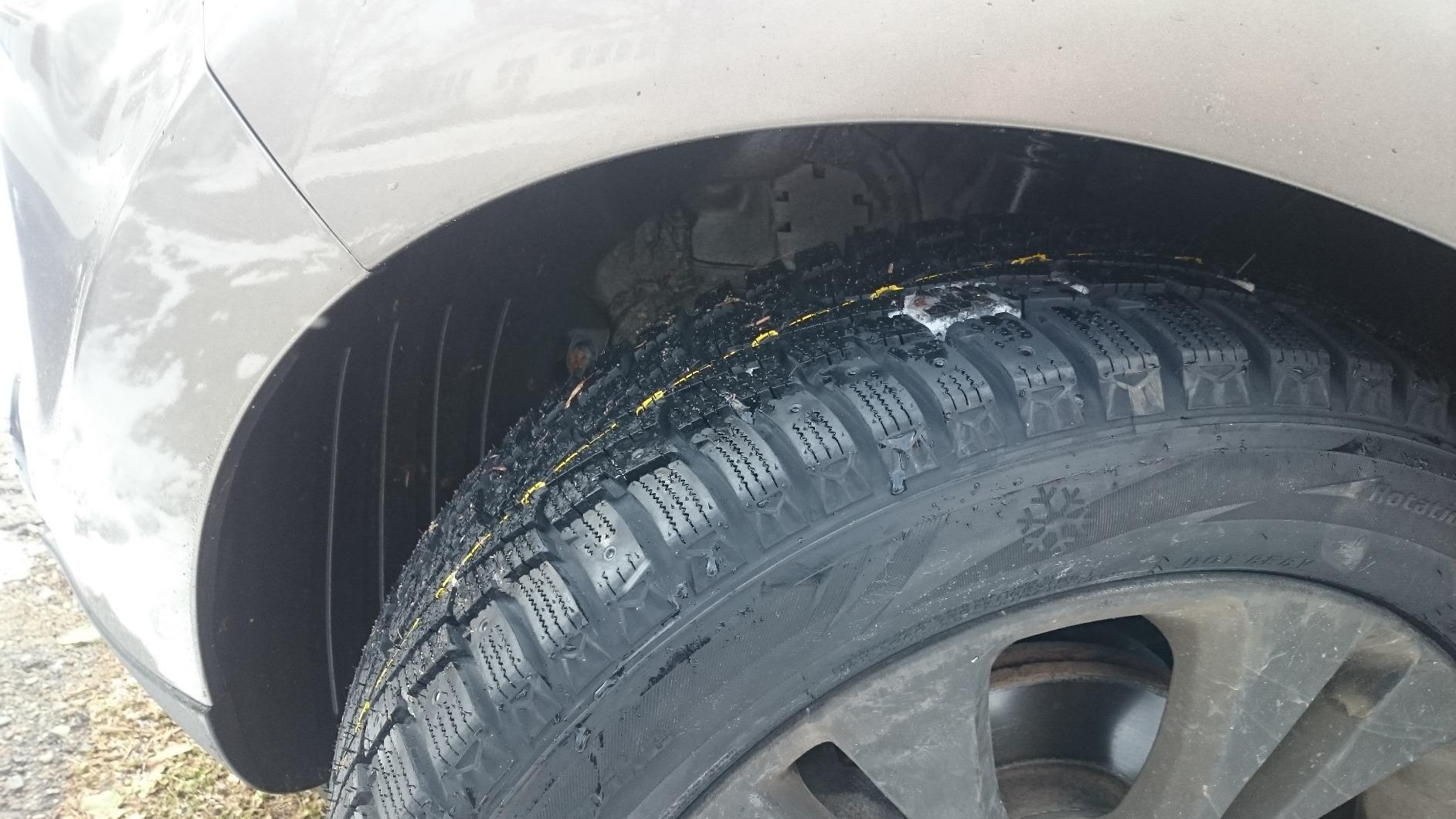
Who is this tire for?
It suits an FWD car or small crossover that came on a taller sidewall profile and that spends real time on the highway through winter. The quietness matters on long commutes, and the tall sidewall takes the sting out of expansion joints and rutted snow roads.
It is also a sensible choice for anyone who wants to buy one set and run it for multiple seasons rather than replacing winter tires annually.
What should you know before buying?
The speed rating is the main check. An R rating caps sustained speed well below what an H-rated tire allows, so confirm your vehicle does not require a higher rating. Second, studs are optional and not supplied. Third, some owners describe a firmer ride over sharp bumps, which is the usual sidewall tradeoff at this aspect ratio.
The listing title and item name differ slightly in how they describe the load index, so verify the number on the tire sidewall itself against your placard before you order.
10. Hankook Winter i Pike X SUV W429A – Best for CUV Fitments
HANKOOK Winter ipike X SUV W429A 225/65R17 102T
3PMSF certified
Studdable with TSMI #12
225/65R17 102T SL
Directional tread
Pros
- Studdable design for severe ice and snow
- 3PMSF certified for severe weather
- Wider size range suits CUV and SUV fitments
- New compound extends tread life
Cons
- Studs not supplied
- One-star ratings the largest share in this group
- Standard load only on this size
The W429A is the same i Pike X family as the earlier Hankook in a 225/65R17 size, and it exists for a specific front-wheel-drive buyer: someone driving a compact crossover or small SUV rather than a sedan. The wider size range covers more of those fitments, and the model is positioned for CUVs, SUVs, and light trucks.
It carries the same Three Peak Mountain Snowflake certification, the same studdable construction with TSMI #12 studs where permitted, and the same wide center tread block for snow and ice traction. Owners describe strong traction on icy, snowy, and wet roads alongside longer tread life.
There are no customer images on this listing, and the owner base is the smallest here at 65 reviews. Treat the feedback as consistent rather than comprehensive.
Is it right for a CUV rather than a sedan?
If your vehicle came on 225/65R17 rubber, this is the natural winter upgrade in this roundup. The 102 load index supports up to 1874 pounds per tire and the maximum pressure rating is 51 psi, which suits heavier crossovers carrying a family and cargo through winter.
If your crossover came on a smaller size, do not force the fitment. Look at the 205/55R16 i Pike X instead.
What are the drawbacks?
Three, and they are worth weighing. Studs are not supplied. Standard load is the only rating offered at this size, so if your placard calls for XL you need to look elsewhere. And the one-star share of ratings is the highest in this group at 9 percent, which in owner winter tire feedback usually points at punctures or casings that did not hold.
Inspect the set on delivery and again after the first few hundred miles if you move forward.
Studded vs Studless for FWD: Which Should You Buy
Studless is the right default for a front-wheel-drive car. Metal studs only matter where there is genuinely smooth, compacted ice with no texture to bite into, and on plowed or salted roads they mostly add noise, cost, and unsprung weight. The high sipe density in a modern studless winter tire does most of the same work on the surfaces FWD cars actually drive.
Studdable is the right answer if your routes include unplowed side streets, gravel roads, steep driveways, or hills that freeze overnight and never see a plow. Five of the ten tires here are built studdable, and on an FWD car the benefit shows up where it matters most because the studs would be on the front tires doing the steering and the braking.
Legal note: studded tire rules vary by state, by month, and sometimes by road type. Check your state rules before ordering studs, not after.
Studless pros: quieter, more comfortable, cheaper to run, no legality checks, longer tread life.
Studless cons: no upgrade path for severe ice, less bite on smooth polished surfaces.
Studdable pros: real edge grip on unplowed ice, adjustable season to season.
Studdable cons: studs cost extra and must be ordered, added noise, possible legality restrictions, directional patterns on several models limit rotation.
The forum consensus, particularly in r/cars threads about FWD winter setups, splits on this same line: wide tires generally do better on ice, narrower tires generally do better in deep snow, and slush is situation-dependent. Whichever you choose, check that your size is available and that the tread pattern suits your rotation plan.
Why You Should Never Run Only Two Winter Tires on an FWD Car
This is the single most debated question on winter tire forums, and the reason it stays unsettled is that two credible camps are arguing about different problems. The tire shop convention is that your best tires belong on the front. The traction engineering view is that four matched winter tires belong on all four corners. On an FWD car, matched winter tires on all four corners is the right answer.
A mixed winter and all-season car brakes unevenly. The all-season tires lock and lose grip first, which pushes the car into a rotation the driver cannot correct with steering.
Emergency grip disappears exactly when you need it. On an FWD car the rear tires provide most of the stability. A sliding rear end is a spin, and that is the failure mode you cannot steer out of.
The hydroplaning argument runs the other way for rear drive. Some shops argue for good tires up front because good rear tires make a front-end hydroplane more likely to spin the car. That logic is sound for rear- and all-wheel-drive layouts where the front axle is not the driving axle. On FWD it does not apply, because your front axle is already both the steering and driving axle.
A matched set rotates cleanly. Four of the same tire front to rear wear evenly and behave predictably as the season progresses.
If you truly cannot afford four at once, buy them in pairs and run the pair on the rear first, not the front. Installing a winter pair on the rear of an FWD car while leaving all-seasons on the front adds stability but removes the front axle grip advantage, so treat it as a partial step toward the full set rather than an answer. If you must choose between four cheap winter tires and two excellent ones, four matched cheap tires win.
Our guides to EV tires and trailer tires cover the fitment questions that come up when the vehicle is carrying unusual weight.
Front-Wheel-Drive Winter Tire Buying Guide
Check for 3PMSF, not M+S
The single most important label check. M+S on an all-season tire means mud and snow, which is a weak designation that many all-seasons carry. The Three-Peak Mountain Snowflake symbol is a certification that the tire passed a severe-snow traction test. Every tire on this list except where the listing data does not mention it is 3PMSF certified, and that is the filter to apply to anything else you consider.
Verify size, load index, and speed rating
Your door placard lists the factory size and the minimum load index and speed rating. Match or exceed all three. Load index is a number such as 91 or 95 that maps to a per-tire capacity, and on an FWD car the front tires carry more of the braking load, so do not go below the placard figure. Speed rating is a letter: T is 130 mph, S is 150, H is 130 under a different standard, and V is 195. A T-rated or S-rated tire is often fine for a winter-commute car even though it looks low on the sidewall.
Sizing down when your exact size is unavailable
Exact winter fitments are frequently unavailable, especially for older FWD sedans. Sizing down one spec, for example from 205/55R16 to 195/60R16, keeps nearly the same overall diameter so the speedometer stays honest. Going down in width narrows the tire, which usually improves snow flotation and fuel economy while reducing the contact patch on ice. Going wider helps on ice and hurts in deep snow. The narrow-versus-wide debate that dominates r/cars threads is essentially this tradeoff, and the forum consensus is that wide generally wins on ice and narrow generally wins in deep snow.
When to install and remove them
Install when temperatures drop below roughly 45 degrees Fahrenheit, not on a calendar date. Remove them once temperatures climb back above that, because a soft winter compound on warm pavement wears out fast and gives up wet braking. If you run separate wheels, both changeovers are quick; if you swap on the same wheels, budget an afternoon twice a year.
Storage, pressure, and TPMS
Store winter tires indoors, out of sunlight, with the vehicle or a weight resting on them so the shape does not warp. Inflate them periodically, and never inflate a tire stored on the rim below the placard pressure. If you use separate wheels, expect to have the tire pressure monitoring system relearned after the changeover, which is a quick shop task but a real cost line.
Budget strategies and electric vehicles
Buying four tires across two seasons is a common approach among owners on a tight budget, and the guidance in the four-tire section above applies to the order you install them. On total seasonal cost, remember that dedicated winter wheels plus two changeovers plus storage add meaningfully to the tire cost itself, which is why the cheapest tire is rarely the cheapest winter.
Front-wheel-drive electric vehicles such as the Kona Electric, Ioniq 5, ID.4, and Mach-E add torque and weight to the front axle, and heavier EVs are the case where front grip and load rating matter most. If you drive one, treat the load index check above as non-negotiable and read our guide to FWD-specific wheel service tools before a season of swaps.
Frequently Asked Questions
Are snow tires worth it on FWD cars?
Yes, if you regularly drive below 45 degrees Fahrenheit or through snow and ice. On a front-wheel-drive car the front tires steer, drive, and carry roughly 60 to 70 percent of braking load, so front grip decides whether you can stop or turn. Four matched 3PMSF winter tires outperform two, and an FWD car on winter rubber regularly out-drives an AWD crossover on all-seasons.
Do I need 4 winter tires for a FWD car?
Yes, four matched winter tires is the correct setup. Two winter tires with all-seasons on the other axle brakes unevenly, and on an FWD car the rear tires carry most of the stability, so a sliding rear end means a spin. The tire shop habit of putting the best tires up front applies to rear- and all-wheel-drive layouts, not to FWD, where the front axle is already the steering and driving axle.
Does FWD handle well in snow?
With the wrong tires, no. With four 3PMSF-certified winter tires, a front-wheel-drive car is genuinely competent on snow and ice. Its front-engine layout gives predictable weight transfer and predictable steering behavior, and the front axle that does the driving also does the steering and most of the braking. The drivetrain gets you moving, but the front tires decide whether you can stop.
What type of snow tires are best for a FWD car?
Studless is the right default for most FWD drivers, because it is quieter, cheaper, and comfortable on plowed and salted roads. Studdable is the better call when your routes include unplowed side streets, gravel roads, or hills that freeze and never see a plow. On an FWD car the studs sit on the axle doing the steering and braking, so the benefit lands where you need it most.
Should I use snow tires if I have AWD or FWD?
Drive type does not change the need for winter rubber. AWD and 4WD only distribute torque between axles; they do not create grip that the compound does not provide. A crossover on all-seasons will spin its front wheels on ice even with all four corners driven, while an FWD car on 3PMSF winter tires has real grip at the contact patch. Check the three-peak mountain snowflake symbol, not the weaker M+S marking.
Can I run winter tires year-round?
You can, but it is an expensive habit. Winter compounds are designed to stay pliable below 45 degrees Fahrenheit, which means they wear out much faster on warm pavement and give up wet braking sooner. Remove them once temperatures climb back above that threshold, and store them indoors away from sunlight with pressure checked periodically.
Final Verdict: The Best Winter Tires for Front-Wheel-Drive Cars
The best winter tires for front-wheel-drive cars are 3PMSF-certified winter tires chosen for ice and snow grip on the front axle, fitted in a matched set of four. The NEXEN Winguard Winspike 3 is our pick for most people because it grips solid ice quietly, accepts studs when a winter demands them, and has the deepest owner-report base in this group. If ice is your main problem, the Bridgestone Blizzak WS90. If snow depth is, the Sumitomo Ice Edge. If the budget is tight, the Armstrong Ski-Trac PC.
Verify the size on your door placard, check for the three-peak mountain snowflake symbol rather than M+S, and swap on temperature rather than on the calendar. All ten picks are updated for 2026, and we revisit owner feedback as each season fills in.