
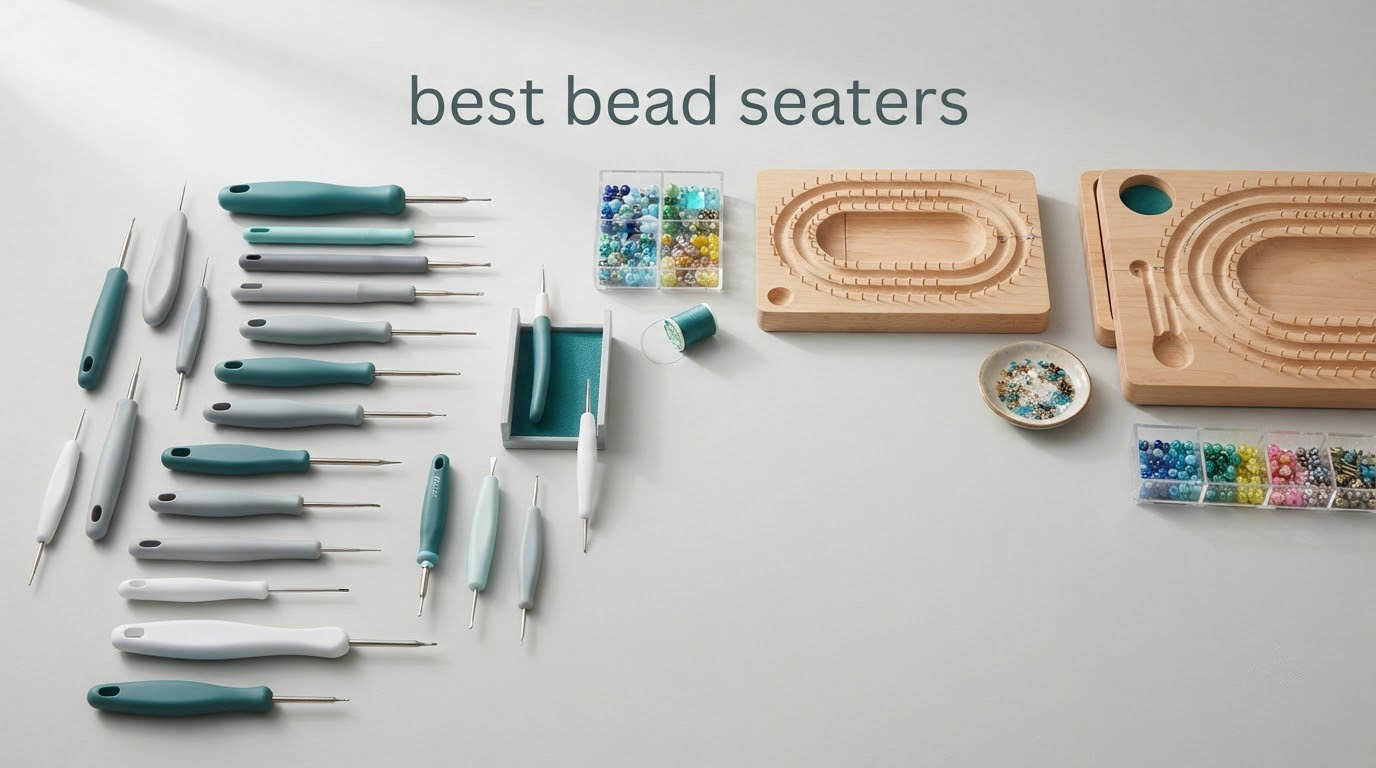
If you have ever searched for the best bead seaters and ended up reading about air cannons and tire rims, you are not the exception. The search engines treat that phrase as an automotive term first and a craft term second, even though the tool you actually want weighs an ounce and lives in a bead box.
This guide covers the craft side only: bead seating tools for beadwork, jewelry making, macrame cord, beaded embroidery and clay bead stringing. A bead seater is the small hand tool that pushes a bead down onto the row beneath it so your stitching sits tight and even. Every product below was picked from the same criteria, and I have written up what each one does well and where it falls short.
One quick note before we start. If you came here looking for rubber tire equipment, this is the wrong page. We have separate guides for bead rollers and for manual tire bead breaker tools, and neither has anything to do with jewelry. Everything below is a hand tool for stringing, knotting and seating beads in 2026.
Table of Contents
What Is a Bead Seater in Beadwork?
A bead seater is a hand tool used in beadwork to press beads down into their stitching so rows sit tight and even. It typically has a small recessed cup or groove on the end of a handle. You place the cupped end over a single bead, pull the thread taut, and press downward, which drives that bead onto the previous row. The tool never touches your thread, so there is no risk of cutting, fraying or burning the line while you tighten.
That pressure is the whole point. Without it, seed bead rows sit loose and gappy, and the gaps read as sloppy no matter how carefully you stitched. With it, you get the dense, even finish that makes brick stitch, peyote stitch and bead weaving look professional, and you can tension each row on its own instead of hauling the thread by hand and hoping the tension distributes evenly.
Worth knowing: a bead seater and a bead burner do completely different jobs. A burner melts the thread to lock a knot, which risks scorching the bead and permanently setting a mistake. A seater only moves beads. It is the gentler, repeatable tool, and for most beading it is the one you reach for first.
Top 3 Best Bead Seating Picks in 2026
These are the three that earned the strongest combination of rating, review volume and build. The rest of the list covers narrower jobs where a specific tool wins outright.

Pepperell EZ Beader Tool
- Ceramic body seats beads on macrame cord
- Works on frayed and tightly packed cords
- 9.5 inch length
- 1.12 ounces

Beadalon Knot-A-Bead
- Tabletop station frees both hands
- Stainless steel construction
- Seats knots tight against beads
- Ergonomic for beginners
Clover 9900 Kantan Couture
- Beads sit on top of the fabric
- Wooden handle with latching hook
- Works on organza and loose weaves
- Storage tube included
Quick Overview: 8 Bead Seating Tools Compared (October 2026)
No craft roundup we found had a side-by-side table, so here is ours. Every tool, its type, and the job it actually does best.
| Product | Specs | Action |
|---|---|---|
| Pepperell EZ Beader Tool |
|
Check Latest Price |
| Beadalon Knot-A-Bead Tabletop Knotter |
|
Check Latest Price |
| Clover 9900 Kantan Couture Bead Embroidery Tool |
|
Check Latest Price |
 The Beadsmith EZ Knotting Tool The Beadsmith EZ Knotting Tool |
|
Check Latest Price |
 Beadalon Knotter Tool Beadalon Knotter Tool |
|
Check Latest Price |
 Beadalon Beading Awl Beadalon Beading Awl |
|
Check Latest Price |
 Hobbyworker Knotting Tool and Silk Thread Kit Hobbyworker Knotting Tool and Silk Thread Kit |
|
Check Latest Price |
 Xmada Beading Funnel Kit Xmada Beading Funnel Kit |
|
Check Latest Price |
1. Pepperell EZ Beader Tool – Best Overall Bead Seater for Macrame and Cord Work
Pepperell EZ Beader Tool
Ceramic body
Made in the USA
9.5 inch length
1.12 ounces
Pros
- Seats beads tightly on macrame and frayed cord
- Hard ceramic tip that does not mar cord
- Light enough at 1.12 ounces for long sessions
- Largest review base of any tool in this roundup
Cons
- Single function with no knotting or threading capability
- Best on cord and macrame rather than stitched bead weaving
This is the tool I reach for first, and the one I keep in my bag when I am working away from the studio. Pepperell has made it for a long time, and it shows up in just over 1300 reviews with an average of 4.5 stars, which makes it the most tested option here by a wide margin.
The secret is the ceramic body. Unlike a hard plastic cup, ceramic grips a macrame cord just enough to push beads into a tight line without chewing the fibers or leaving shiny wear marks on the cord. Reviewers repeatedly single out how well it handles the two cases that defeat plastic tools: frayed cord ends, and cords that are already packed tightly with beads and have no room to slide.
At 9.5 inches long and 1.12 ounces, it is long enough to reach into a deep piece without bending over it, and light enough that my wrist does not complain at the end of a long bracelet run. The round shape means there is no handle edge to dig into your palm, which matters more than it sounds during a multi-hour session.
It is made in the United States by Pepperell Braiding Company, and it is a single piece rather than a kit. That is the trade. You are buying one well-made function, not a multi-tool, and the review data shows 75% of buyers gave it five stars, with a smaller share of feedback noting it does not stretch beyond cord stringing.
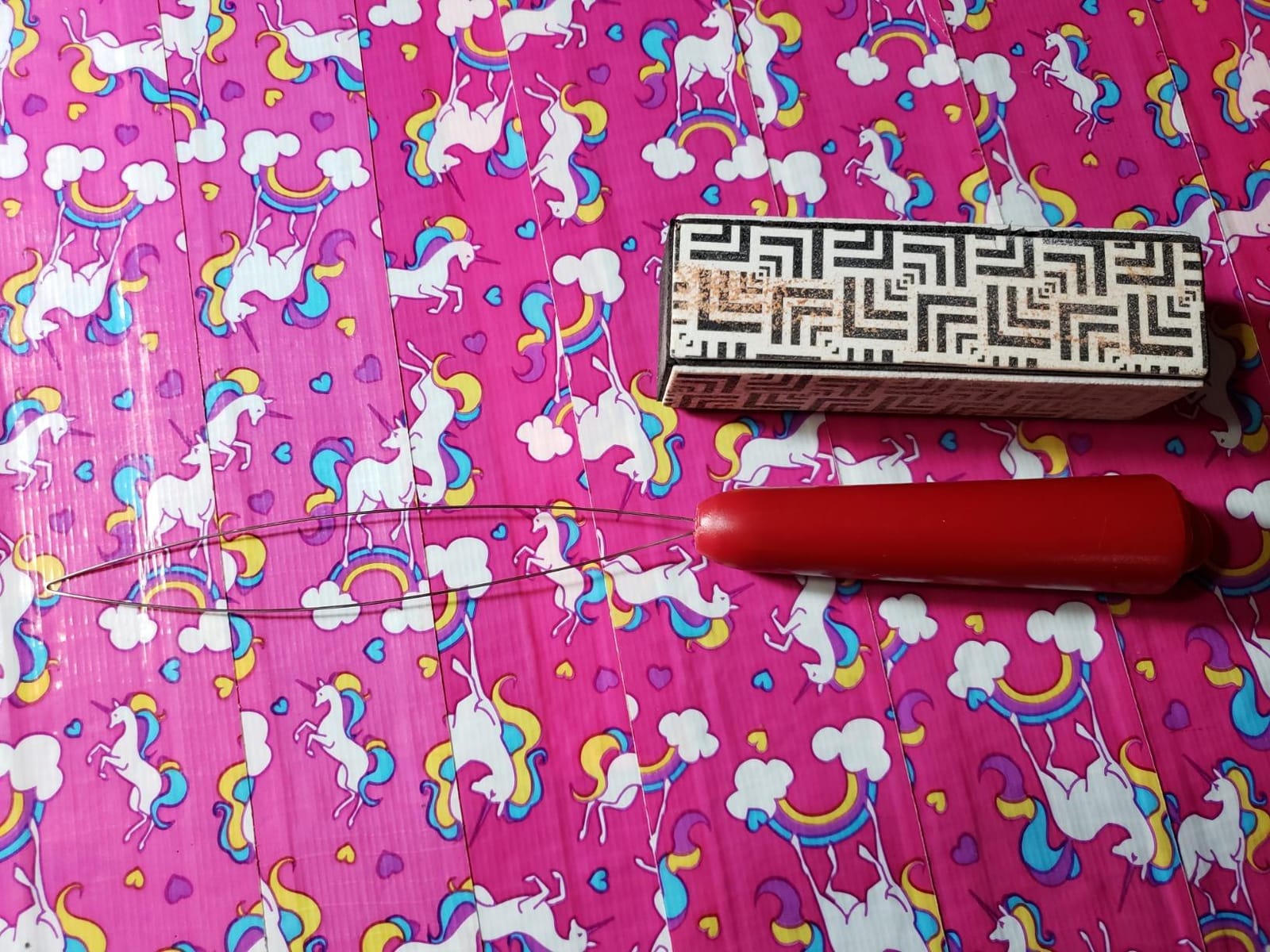
When this tool earns its place
If you string beads onto macrame, cotton cord, or any doubled strand, this is the one I would buy first. It handles the exact situation beginners hit in week one, where beads bunch instead of forming a neat line, and it fixes the problem without a second tool or a re-string.
It sits in a pocket, and because ceramic is not magnetic or static, it will not pick up stray seed beads off your bead mat while it sits in a kit bag.
When it is the wrong choice
It will not help you with stitched bead weaving, brick stitch or peyote stitch. There is no cup sized for a seed bead, and ceramic is too rigid to work around a needle without risking a scratch on the bead surface.
Reviewers also note that it does one thing only. If your real problem is loose knots in a knotted necklace, this is the wrong tool and one of the knotting tools further down the list will serve you better.
2. Beadalon Knot-A-Bead Tabletop Knotter – Best for Hands-Free Rosary and Necklace Work
Beadalon Knot-A-Bead, Tabletop Knotter Tool, Blue
Stainless steel tabletop tool
6.5 x 3.63 x 3.5 inches
7.36 ounces
Both hands stay free
Pros
- Frees both hands so knots form the way your fingers learned
- Holds beads steady while you work
- Stainless steel will not flex or crack
- Positions knots tight against the bead
Cons
- Bulky tabletop format takes more space than a handheld tool
- Lowest average rating here at 4.2 stars
- Beads and jewelry basics not included
This one works differently from everything else on the list. Instead of pressing a bead, it holds the thread in a fixed slot so the knot forms on the bead with both hands free, the way your fingers would tie it naturally if you had three hands.
That design is why reviewers say it cuts the guesswork out of knotting. You lay the thread in the channel, close it over the bead, and pull. The knot lands in the same place every time, which is exactly what you want on a rosary with forty evenly spaced knots or a four-strand restring where the beads have to sit flush.
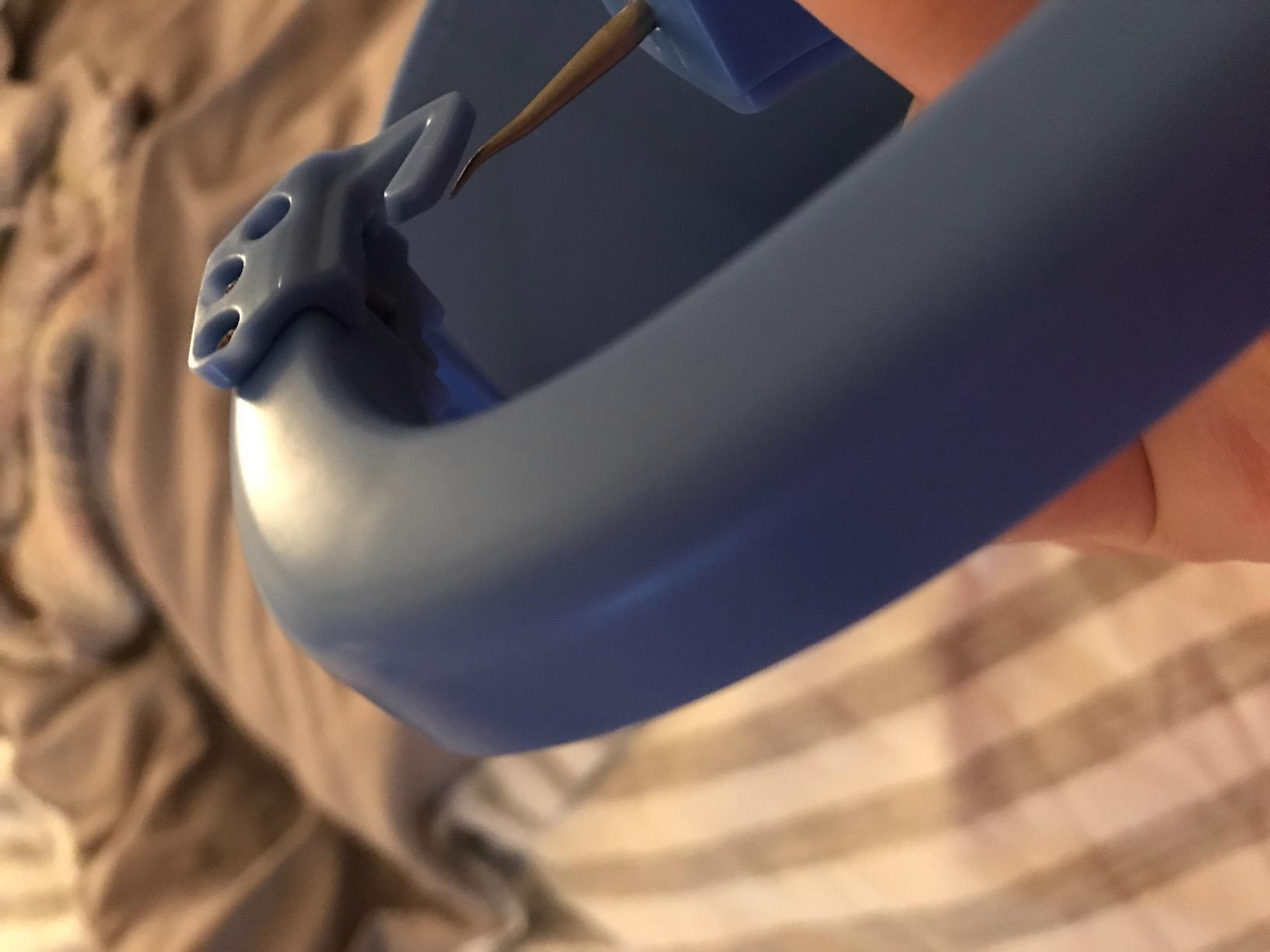
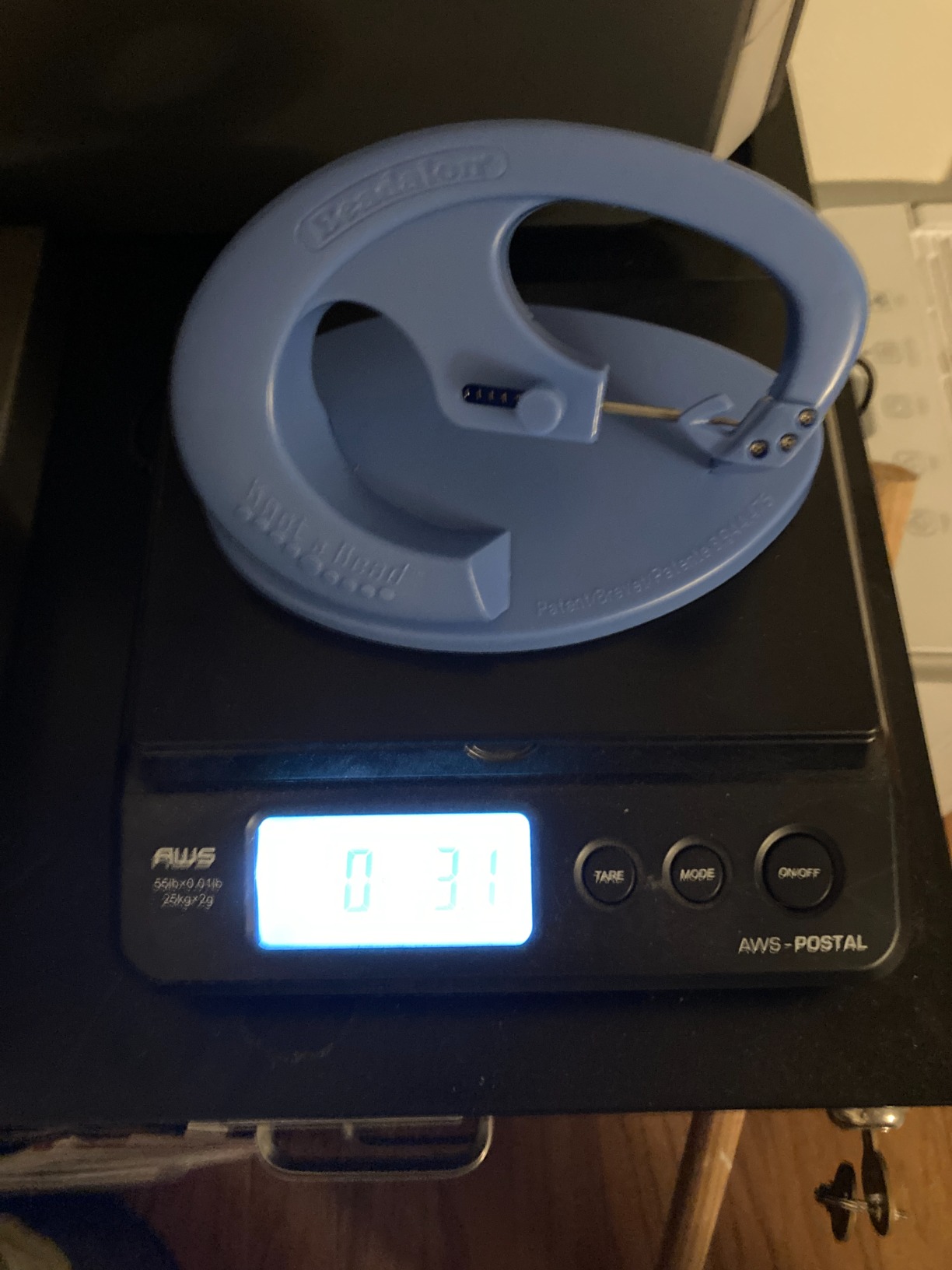
The stainless steel build is solid and it stays put on the table, which means you are not fighting a tool that slides while you pull. At 6.5 by 3.63 by 3.5 inches and 7.36 ounces, it is genuinely a tabletop object rather than a pencil-case one, so plan on giving it a permanent spot.
It is also the most beginner-friendly option in terms of mechanics. Reviewers describe it as easy to pick up even though its 4.2 star average is the lowest here, and about 6% of its reviews are one-star, mostly from people who wanted a handheld tool or who expected beads to be supplied.
When this tool earns its place
Rosaries, prayer knots, multi-strand pearl restringing and any project where a long line of identical knots has to look machine-made. If you have ever given up on consistent knot spacing because your fingers were also holding the thread, this solves that specific problem.
It is also a good second tool rather than a first one. Many beaders keep a handheld knotter for travel and this on the desk for long sessions, because the fixed channel removes the fine motor work your hands would otherwise be doing.
When it is the wrong choice
Do not buy it for small, fiddly repairs or for working on a couch. The footprint and the tabletop design are real, and the learning curve for the first few knots is something reviewers consistently mention before it clicks.
It also seats knots, not beads. If your problem is gappy stitched rows in a seed bead bracelet, no amount of knotting help will change that, and you want a different category of tool entirely.
3. Clover 9900 Kantan Couture Bead Embroidery Tool – Best for Beaded Embroidery on Organza
Clover 9900 Kantan Couture Bead Embroidery Tool-
Wooden handle
Latching hook needle
3.6 x 0.85 x 8.67 inches
Protective tube included
Pros
- Beads sit on top of the fabric instead of underneath
- Wooden handle stays comfortable in long sessions
- Protective storage tube is included
- Handles both beads and sequins
Cons
- Steep learning curve and thin needle that some buyers break
- Wooden handle head can detach
- Replacement needles are hard to source
Beaded embroidery is a different job from stringing, and this is the tool built for it. The Clover Kantan Couture places beads and sequins on the surface of the fabric rather than stitching them underneath, which is the technique used for couture-style embellishment on sheer fabrics.
The mechanism is a latching hook. You set the bead, trigger the hook to grab the thread, and it draws the bead down against the previous one, so spacing is controlled by the tool rather than by your estimate. On organza and other loosely woven fabrics the effect is dramatic, and reviewers who follow the recommended fabrics praise the secure latch and the smooth handle in equal measure.
At 3.6 by 0.85 by 8.67 inches and 1.6 ounces, it is long and slim, so it does not cramp your grip even on a wide embroidery hoop. A protective storage tube is included, which matters because the working end is a fine needle and a loose one in a craft bag is a hazard.
Its 4.4 star average comes from 861 reviews, with 73% at five stars. The complaints cluster in one place, and you should hear it clearly before buying: first-time users frequently break the thin needle, and the wooden handle head is reported as detachable on some units. Replacement needles are not readily available, which is the real downside of an otherwise excellent tool.
When this tool earns its place
Couture bead embroidery, embellishing tulle, organza, chiffon and any sheer base where you want beads sitting proudly on the surface. The removable and repositionable handle also makes it workable on a frame rather than only flat in your lap.
It is the right pick for someone moving from strung jewelry into fabric work, because it handles a genuinely different technique rather than being a marginal upgrade on a stringing tool.
When it is the wrong choice
Tightly woven fabrics are where it disappoints. Reviewers are clear that loosely woven and organza-style bases are the intended use, and forcing the hook through heavy cotton or canvas risks both the fabric and the needle.
If you break a needle and cannot find a replacement, the tool is effectively finished. For a one-off project, borrow one first. For beaded embellishment as a regular technique, the results justify the investment.
4. The Beadsmith EZ Knotting Tool – Best Handheld Knotting Tool for Repairs
The Beadsmith EZ Knotting Tool
Handheld tool with attached needle
6 inch length
Rubber cover and metal cap included
Instructions included
Pros
- Tight evenly spaced knots right against the bead
- Safe to store with the rubber cover and metal cap
- Illustrated diagrams get beginners started fast
- Doubles as a repair tool for broken jewelry
Cons
- Sharp exposed needle needs careful handling
- Knot placement takes practice to master
The Beadsmith tool is the portable half of the knotting category. It is a single 6 inch handheld piece with a sharp needle attached to one end, and it does the one job the awl and tweezers combination does badly: it puts a knot exactly where you want it, tight against the bead.
What makes it valuable is the repair angle. Knotted necklaces fail at the knot, not the cord, and when a thread snaps on a well-knotted piece only one bead falls off instead of the whole strand. This tool is the repair half of that promise, and reviewers use it for both new stringing and fixing older pieces.
Storage is handled properly. A heavy duty rubber cover and a metal needle cap are included, and the manufacturer is explicit that the needle is sharp, which tells you they expect it to be used and put away carefully rather than tossed in a drawer. Illustrated instructions are included, and 75% of 564 reviews are five stars.
The honest limitation is technique. Reviewers describe a short learning curve before the knot placement and tension feel automatic, and the attached needle means you are always handling an exposed point. If you are the type to snag a sharp tool on a loose thread, the cover makes that risk manageable but does not remove it.
When this tool earns its place
Rosaries, single-strand pearl restringing, and repairing knotted jewelry. It travels in a pocket better than any tabletop option and gives you the same knot quality once you have done a few.
It is also the better first knotting tool. The lower commitment makes it easier to learn on, and the same technique transfers to a tabletop knotters later if you decide you want one.
When it is the wrong choice
It will not help with seating beads on thread or tightening a stitched row. It is a knotting instrument, and treating it as a bead seater will only produce confusion.
For very large beads, the fixed needle depth is something to check against your bead size before committing. It was designed around pearl and standard bead stringing, not oversized focal beads with deep holes.
5. Beadalon Knotter Tool – Best Value Knot Seater for Everyday Stringing
Beadalon Knotter Tool, 7.88 x 3 x 0.75,Brown
Nylon body with polished finish
9.07 grams
3 piece set
7.88 x 3 x 0.75 inches
Pros
- Tight consistent knots that sit close to the bead
- Lightest tool here at 9 grams
- Nylon feels sturdier than cheap plastic
- Three piece set with instructions
Cons
- Knot-closing motion takes practice
- Some tools in a pack have shallow Y slots
This is the one I recommend when someone asks what to buy without overthinking it. At 4.5 stars from 516 reviews, with 73% five star feedback, it does the core job well and it is light enough to forget you are holding it.
Reviewers who use it regularly describe it as a replacement for working with tweezers and an awl, and they report faster restringing on long jobs such as four-strand pearls. The nylon body with a polished finish is the part that surprises people, because it does not feel or flex like the low-cost plastic tools in the same aisle.
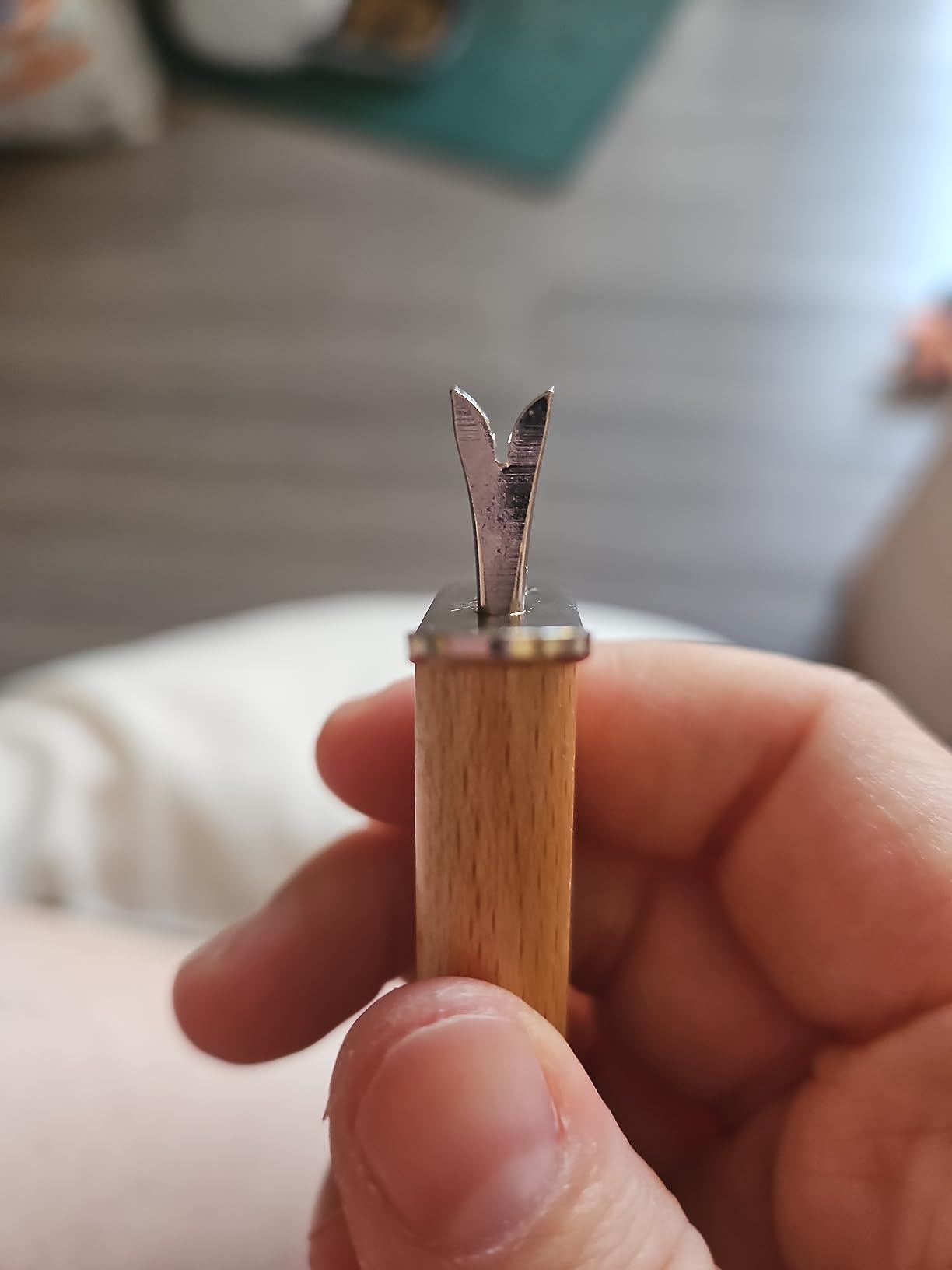
At 9.07 grams and measuring 7.88 by 3 by 0.75 inches, it is the most portable item in this roundup and it comes as a three piece set with an illustrated booklet. The instructions matter more than they sound, since the knot-closing motion is the part that has to be learned.
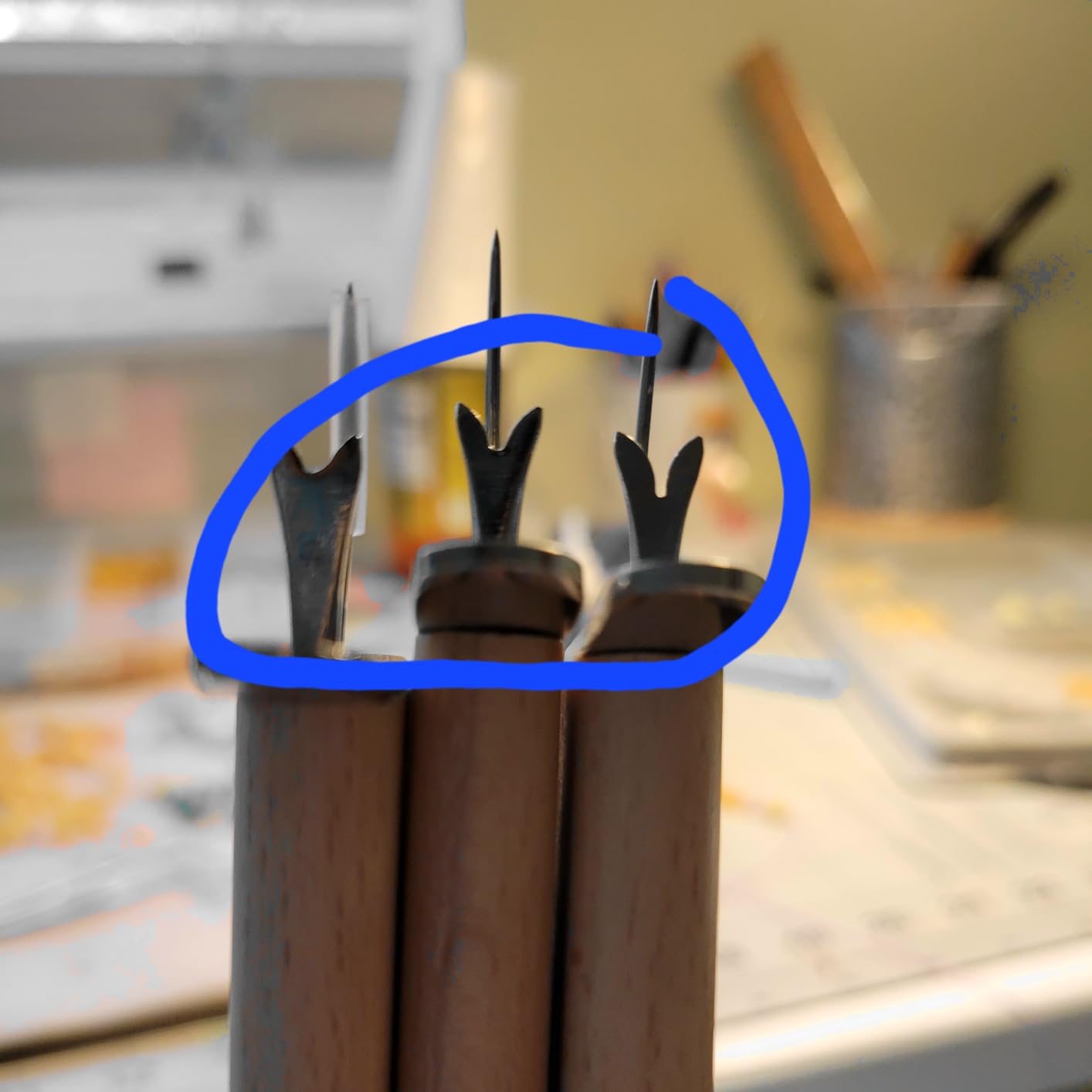
There is one specific quality complaint worth knowing about. Several tools in a multi-pack have shallow Y slots that will not seat the knot close enough to stop beads from moving, which is a manufacturing consistency issue rather than a design flaw. If your first one disappoints, the fix is a replacement, not a different product.
When this tool earns its place
Everyday stringing on a budget you do not want to think about. It is the pick for anyone making gifts in quantity, or anyone who wants one dependable tool that lives in the craft box rather than a dedicated station on the desk.
Reviewers also point out that it saves hands on repetitive restringing, which is worth more than it sounds if you have already dealt with strain from pulling knots tight with tweezers.
When it is the wrong choice
The Y slot depth is the deciding factor for large beads. A shallow slot cannot push a knot deep enough into a big bead hole, so check your bead size against the slot before you commit to a long restringing job.
It also does nothing for beads sitting on a thread. Knot it well or not at all, a stringing tool will not close the gap in a stitched row, so if that is your actual problem you are using the wrong category.
6. Beadalon Beading Awl – Best Low-Cost Companion Tool for Beginners
Beadalon Beading Awl
Precision tip
Rubberized ergonomic handle
5.75 inch length
Blue
Pros
- Precision tip handles hand knotting well
- Opens small beads to cover crimps
- Non-slip rubberized grip
- Small enough for a tool pouch
Cons
- Does not tension knots on its own
- Some durability complaints in reviews
The awl is the quiet support act in every bead kit, and this is the version I keep within reach. It does not seat beads or close knots by itself, but it makes both jobs possible, and at 4.5 stars across 231 reviews with 78% five star feedback it is a dependable first purchase.
Two specific uses make it worth having. The precision tip handles hand knotting where a full knotting tool is overkill, and it will open small beads so you can cover a crimp and hide the join, which is the difference between a finish that looks intentional and one that does not.
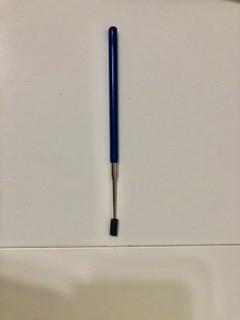
The rubberized ergonomic handle is the part you feel after an hour. A 5.75 inch body with a grippy finish means the awl does not roll out of a wet hand or slip when you are pushing into a tight spot, and it fits in a tool pouch without becoming the thing that makes the pouch too bulky.
Its limit is honest and simple. It will not tension knots on its own the way a dedicated knotting tool does, so it is a companion rather than a solution. Around 6% of reviews are one-star and point to durability, so treat it as the small tool it is and replace it if the tip dulls.
When this tool earns its place
Anyone working with crimps, since opening a small bead over a crimp bead is the step that most beginners skip and most finished pieces need. It is also the right tool for tightening a stubborn knot by hand when a full knotter feels clumsy.
It works well as the companion to one of the knotting tools in this list, giving you a way to nudge thread into place before the knotter does the final pull.
When it is the wrong choice
Do not expect it to replace a bead seater. Its tip pushes a needle or a thread loop, not a bead down onto a row, and any guide claiming otherwise is describing a different tool.
It is also a metal point against a cord or a bead, so on soft cord or on a bead surface where a scratch would show, work gently and change the angle rather than pressing straight down.
7. Hobbyworker Bead Knotting Tool and Silk Thread Kit – Best All-in-One Starter Bundle
The Hobbyworker Jewelry Bead Knotting Tool,Create The Secure Knots and 100% Silk Thread for Jewelry Making and Beading
Knotting tool plus five silk thread cards
5.9 x 1.38 x 0.4 inch tool
1.6 ounces
90 day warranty
Pros
- Usable immediately with thread included
- Five neutral thread colors at 4 meters per card
- Even knot spacing holds beads in place
- Transparent case protects the sharp needle
Cons
- Silk thread is 40 line weight so it suits fine beads
- Some consistency complaints across reviews
Most kits that bundle thread are a way to sell thread. This one bundles a tool that reviewers say performs, with five cards of 100% silk thread in black, white, grey, beige and brown, which is a genuinely useful neutral palette for a first stringing project.
The tool measures 5.9 by 1.38 by 0.4 inches and creates evenly spaced knots that hold beads in the right place. Its real selling point is repair, as reviewers note: a broken thread on a properly knotted piece drops one bead rather than an entire strand, and this is the tool that gets you there.
A transparent protective case is included because the needle is sharp, which is the correct call. Beads shown in product images are not included, so treat the kit as a tool plus thread and buy your beads separately.
Its 4.3 star average is the second lowest here, and the reasons are specific. The 40 line weight silk is better suited to fine beads than to heavy cords, and 12% of reviews sit at three stars, pointing at both thread gauge and finish consistency. At 259 reviews it is also the least tested tool on the list apart from the awl.
When this tool earns its place
A first stringing project with nothing in your kit. You can start the same day the box arrives because the thread is already there, and the five neutral colors are the ones that disappear into most designs rather than dominating them.
It is also a good repair kit to keep at home, separate from your main tools, so a snapped necklace is a two minute fix instead of a project.
When it is the wrong choice
Heavier beads and thicker cords are where the included thread runs out of usefulness. Silk at 40 line weight is a fine-bead thread, and it will not behave the way a heavier cord needs it to.
Buyers who want a single long-term tool usually prefer a standalone knotter they can inspect and replace. This kit is at its best as a starting point, not as a permanent investment.
8. Xmada Beading Funnel Kit – Best for Long Runs of Clay Beads
Xmada Beading Funnel – Bead Making Kit with 2 PCS Tools, Needles for Jewelry Making, Bracelets, Necklaces
Clear plastic
2 funnels 2 needles 2 stoppers
10.71 x 3.01 x 2.95 inches
Adult
Pros
- Cuts a 5 inch clay bead chain to under a minute
- Extra-long needles cut the number of passes per bead
- Bead stoppers stop beads sliding off
- Two of each component in the kit
Cons
- Only works with 6mm clay beads
- Clear plastic can scratch with rough handling
Clay beads are the one case where speed beats precision, and this kit is built for exactly that. Hand-stringing small clay beads is genuinely slow because each one has to be threaded individually, and the funnel turns that into a controlled pour through the opening.
Reviewers report a 5 inch clay bead chain coming together in under a minute, and the mechanism is easy to understand. The extra-long needles mean fewer passes per bead, and the bead stoppers hold the string so a dropped bead does not end up rolling under the sofa.
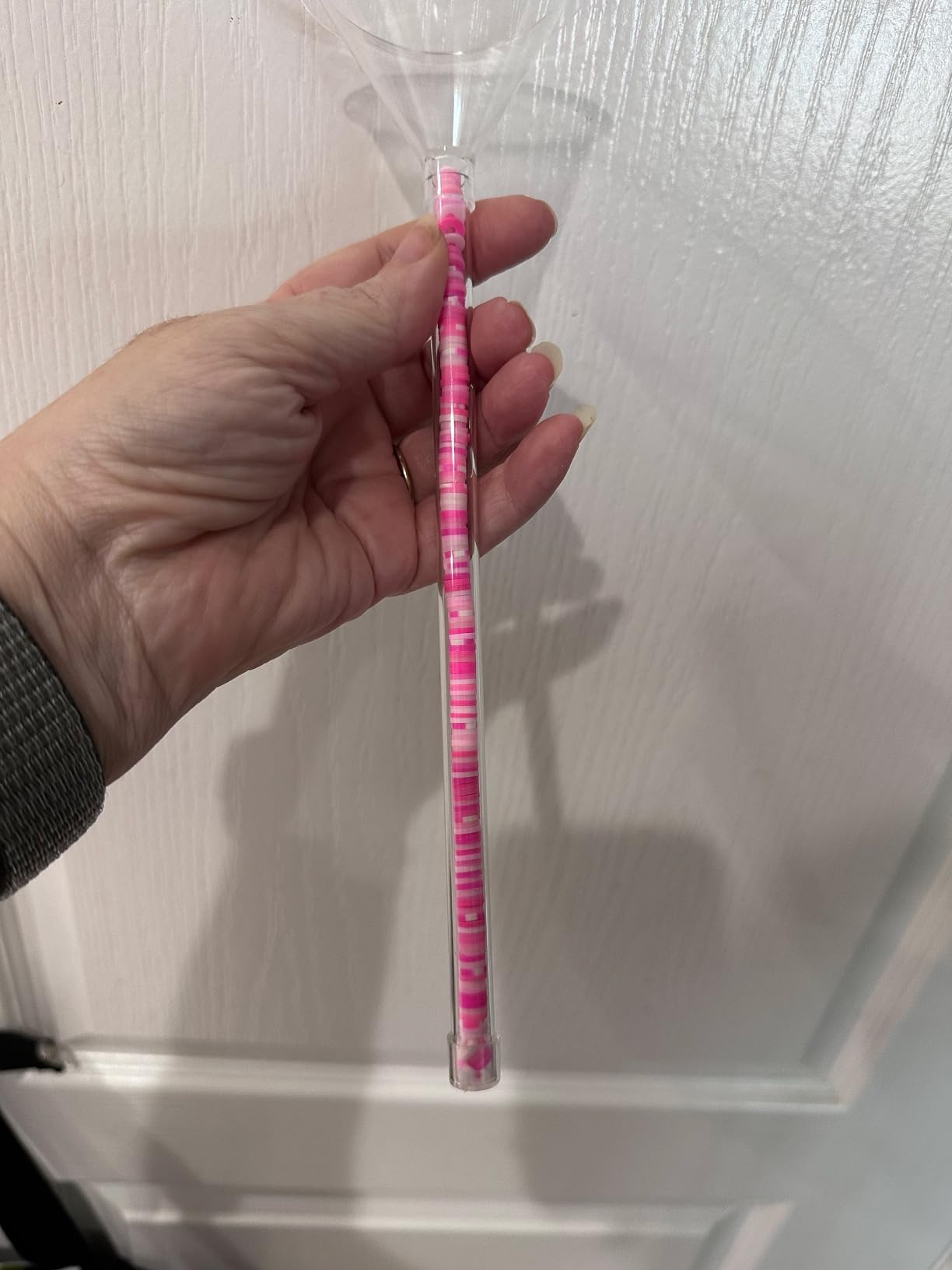
The kit includes two funnels, two extra-long needles and two bead stoppers, so you have a spare of the two parts most likely to get lost on a bead mat. It measures 10.71 by 3.01 by 2.95 inches and is made of clear plastic, so you can see a bead sitting in the funnel while it loads.
Its 4.4 star average from 425 reviews, with 69% five star feedback, is solid for a specialized tool. The scope limit is stated plainly on the product: it suits 6mm clay beads only. Reviewers also mention the clear plastic funnels can scratch if handled roughly, so treat them as a stringing aid rather than a workbench tool.
When this tool earns its place
Clay bead bracelets and necklaces, particularly when you are making more than one. The time saving compounds quickly across a batch, and the stoppers are what make a batch possible in the first place.
It is also a good first tool for a child or a beginner because there is no technique to learn, only a sequence. Fill, tip, slide, repeat.
When it is the wrong choice
Any bead other than 6mm clay, and any project involving knots, stitching or thread tension. A funnel helps a bead start onto the thread and does nothing after that, so it is not a substitute for a knotter or a seater.
On softer or smaller beads, the funnel approach can crush or split them. Use the correct size for the bead and do not force anything that resists loading.
Bead Seater vs Bead Burner vs Awl vs Clamp
These four get confused constantly, and buying the wrong one is the most common reason a beadwork tool ends up unused. They solve different problems and only one of them moves beads.
A bead seater presses a bead down onto the row below it, using a recessed cup and thread tension to close gaps in brick stitch, peyote stitch and bead weaving. It never touches the thread, so it cannot damage the line.
A bead burner melts thread to lock a knot. It is fast and permanent, which is also its drawback, because a burnt knot cannot be undone and heat can scorch a bead or discolor a cord. Use it deliberately, not as a default.
An awl, like the Beadalon one above, opens a hole or a bead so you can position thread and cover a crimp. A clamp holds your work in place and takes over the job of keeping tension steady while your hands do something else. Neither one seats a bead for you.
For a beginner kit, the order that works is awl, then bead seater or knotter depending on your technique, then a clamp once you are working on something too long to hold comfortably. A burner is an optional last addition.
How to Use a Bead Seater Without Skipping or Skewing Rows
Most disappointing beadwork is not caused by the wrong beads. It is caused by loose tension during stitching, and a seater is the tool that fixes it, provided you use it in the right order.
1. Finish the row first. Seat beads only after a full row is on the thread. Trying to work bead by bead pulls the row out of square.
2. Pull the thread taut before you touch any tool. The seater adds downward pressure, but it cannot create tension that was never applied. Set the thread with both hands until the row is snug.
3. Cup a single bead at a time. Place the recessed end over one bead, not over two or three. The cup is sized for one bead, and a wider placement will skew the row.
4. Press straight down and rock slightly. A firm downward push with a small rocking motion seats the bead without throwing the thread sideways. Keep your other hand on the thread tension the whole time.
5. Work along the row in one direction. Seat from one end to the other rather than jumping around. Direction changes are the most common reason a finished row curves.
6. Check the underside. Flip the work and confirm the beads are sitting in a continuous line. Any gap at this stage is easier to correct than after the next row is on.
Common mistakes are predictable. Seating beads before the row is complete, pulling the thread upward instead of down, using a cup that is too large so the tool never touches the bead, and moving the thread hand mid-row. Fixing any one of those will tighten your beadwork on its own.
One more caution: never press a seater onto a bead while the thread is slack. The bead will move rather than seat, and you will have introduced the gap you were trying to remove.
Buying Guide: Choosing a Bead Seating Tool in 2026
Start with your technique, not with the tool category. If you string beads onto cord or macrame, you want a firm non-marring cup. If you knot, you want a knotting tool. If you are seeding fabric, you want an embroidery hook. If you are stringing clay beads in volume, you want a funnel.
Material is the second filter. Ceramic grips cord without marking it and will not scratch a bead if you are careful, which is why the Pepperell tool leads our list. Nylon and stainless steel are the durable choices for knotting tools, where the contact point is a needle rather than a bead. Plastic is fine for a funnel, because nothing in that job requires precision pressure.
Then look at the working end, which is where quality actually varies. On a seating tool, check the cup or groove depth. A cup sized for your bead is the difference between a tool you use and a tool you put in a drawer. On a knotter, the slot depth decides whether the knot can sit close enough to the bead to stop it moving.
Size and ergonomics matter for one reason: fatigue. A wooden handle stays comfortable through a long session, and a rubberized grip stays put in a hand that is damp from handling beads. Anything shorter than about 5 inches is awkward for a bracelet; anything over 9 inches is difficult to control in tight spots.
Stitch compatibility is the check most people skip. A seater with a wide cup is right for macrame and cord but wrong for seed beads in a stitched row. A knotting tool is irrelevant to brick stitch and peyote stitch. An embroidery hook suits organza and sheer fabric and struggles with heavy canvas. Match the tool to the fabric, thread and bead you actually use.
Do you actually need one? If you string fewer than a dozen beads at a time and pull the thread firmly with your fingers, a tool is a nicety. If you make rows, knot regularly, or work on anything longer than a bracelet, it is a genuine time and consistency saver, and the reviewer feedback across this list consistently reflects that.
On care, the advice is simple. Wipe resin and thread lubricant off ceramic and nylon after use, store the needle tools with their covers fitted, and keep the wooden handle out of standing damp. A seater is a wear item, not a permanent tool, so replace the point when it dulls rather than forcing it.
And if you are still landing on tire pages while you search, our guide to breaking a stubborn tire bead off a rim at home is the one you want instead.
Frequently Asked Questions
What is the best tool for beading?
For most beaders the core kit is a needle, thread, a bead mat and a bead seater or knotting tool. The seater or knotter is the piece most beginners lack, and it is the one that decides whether rows sit tight. Add an awl for opening beads over crimps, a threader for seed beads, and a clamp once your work is too long to hold.
What are common beading mistakes?
The most common errors are seating beads before a row is finished, pulling thread upward instead of down so rows skew, changing direction mid-row, and using a tool with a cup too large to touch the bead. On the knotting side, inconsistent knot spacing is the usual giveaway. Work left to right, keep tension steady with both hands, and press straight down.
How to use a bead threader tool?
Hold the threader like a pencil, feed the wire loop into the seed bead from the narrow end, thread your beading thread through the loop, then pull the wire back through the bead and out the far side. The bead ends up on the thread with no finger work at all. It works best on 11/0 and 13/0 seed beads and on any bead with a straight channel.
How to do beading for beginners?
Start with one technique and one bead size rather than a kit of supplies. String a short row, apply real tension with both hands, then use a bead seater to press each bead down before adding the next row. Repeat until the row is even. Build one complete small piece first, such as a simple bracelet, before you attempt anything with knots or embroidery.
What is the difference between a bead seater and a bead burner?
A bead seater presses a bead down onto the row below using a cup and thread tension, and never touches the thread, so nothing is damaged. A bead burner melts the thread to lock a knot, which is fast and permanent but cannot be undone and can scorch a bead or cord. Seaters suit brick stitch, peyote stitch and bead weaving; burners suit knots only.
The Verdict: Which Bead Seater Should You Buy?
Start with the Pepperell EZ Beader Tool. Its ceramic body is the most tested in this roundup, and it handles the two cases that trip up every beginner, frayed cord ends and tight packing, better than anything else we looked at. If cord and macrame are your medium, that is the one.
If you knot rather than seat, the Beadalon Knotter Tool is the everyday pick and the Beadsmith EZ Knotting Tool is the portable one, while the Knot-A-Bead tabletop unit earns its space the moment you start rosaries or multi-strand restringing. For beaded embroidery, the Clover 9900 is the only real option, and the Xmada funnel kit is for clay beads in quantity rather than everything else.
Whatever you choose, pull the thread taut before you press and work one row in one direction. That habit matters more than the tool. The best bead seaters in 2026 are the ones that match the technique you already use, so pick for your project first.