
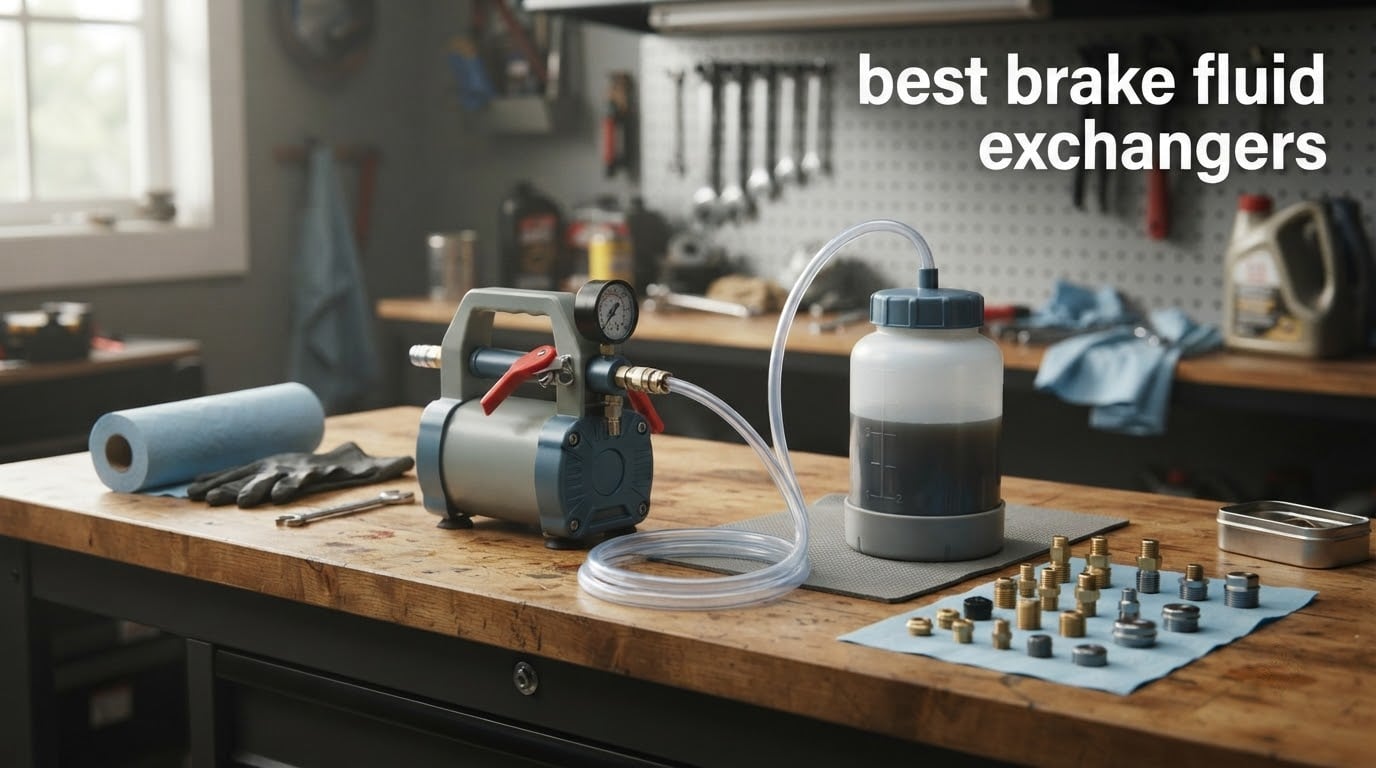
A brake fluid exchanger, also called a brake bleeder or brake fluid flush tool, pushes and extracts hydraulic fluid through a vehicle’s brake lines to replace old, moisture-contaminated fluid and clear trapped air bubbles. Most brake fluid exchangers connect to the master cylinder reservoir and to each wheel’s bleeder screw, then draw the old fluid out while fresh fluid goes in. The job is finished when the fluid leaving the bleeder screw runs clear instead of dark.
That simple description hides a wide range of hardware. You can spend very little on a hand vacuum pump or spend a great deal on a shop machine that services four wheels at once. The right brake fluid exchanger for you depends on how many vehicles you maintain, whether you own an air compressor, and what your master cylinder reservoir looks like.
Our team has spent weeks with these tools in a home garage and compared ten of the most-reviewed and most-purchased brake fluid exchangers available now. We logged reservoir sizes, adapter coverage, compressor draw and the failure points that show up in owner reviews. The roundup below is updated for 2026, and the fluid grades we used are covered in our guides to DOT 4 brake fluid and low-viscosity fluid for modern cars.
Brake fluid is hygroscopic, which means it pulls moisture out of the air through the reservoir. As water content climbs, the boiling point drops, corrosion starts inside calipers and wheel cylinders, and pedal feel changes. A good exchange tool makes that service fast, clean and repeatable, which is why the best brake fluid exchangers are worth the money for anyone who services more than one car.
Table of Contents
Top 3 Best Brake Fluid Exchangers (October 2026)
These three cover the widest range of situations, from a single-car home garage to a working shop. Each one earned its place on owner feedback, not on brand claims.

Mityvac MV8500 Silverline
- Vacuum and pressure bleeding
- Die-cast pump body
- 4.5oz reservoir
- Multi-system testing


OMT One-Man Hand Vacuum Kit
- No compressor needed
- Anodized aluminum pump
- Silicone tubing
- Dial gauge
Best Brake Fluid Exchangers at a Glance in 2026
Every tool below pulls fluid out through the bleeder screw rather than only pushing fluid in. That distinction matters, because a tool that only pushes leaves the contaminated fluid sitting in the caliper where it started.
| Product | Specs | Action |
|---|---|---|
| Mityvac MV8500 Silverline |
|
Check Latest Price |
| OMT One-Man Hand Vacuum Kit |
|
Check Latest Price |
 BILITOOLS 3L Universal Kit BILITOOLS 3L Universal Kit |
|
Check Latest Price |
 OMT 2.5L Pressure Kit OMT 2.5L Pressure Kit |
|
Check Latest Price |
 SMOTIVEPRO 2L Manual Kit SMOTIVEPRO 2L Manual Kit |
|
Check Latest Price |
 Mityvac MV6840 Pressure System Mityvac MV6840 Pressure System |
|
Check Latest Price |
 FOUR UNCLES 2L Pneumatic Kit FOUR UNCLES 2L Pneumatic Kit |
|
Check Latest Price |
| Mityvac MV6830 Pneumatic Kit |
|
Check Latest Price |
 YEYETUO 3L Vacuum Kit YEYETUO 3L Vacuum Kit |
|
Check Latest Price |
 EWK 23-Piece Pneumatic Kit EWK 23-Piece Pneumatic Kit |
|
Check Latest Price |
1. Mityvac MV8500 Silverline — Best All-Round Brake Fluid Exchanger
Mityvac MV8500 Silverline Elite Automotive Brake/Clutch Bleeding, Diesel Fuel Priming and Vacuum/Pressure Testing Kit, Ergonomic Design, Zinc-aluminum Die Cast, MV8510 Pump, 4.5oz Fluid Reservoir
Die-cast pump
4.5oz reservoir
Vacuum plus pressure
Multi-system testing
Pros
- Handles brake
- clutch
- fuel and hydraulic systems
- Die-cast pump body resists corrosion
- Ergonomic handle suits extended use
- Rated 4.6 stars across 2903 reviews
Cons
- 4.5oz reservoir needs frequent refills
- Heavier than hand vacuum bleeders at 4.9 pounds
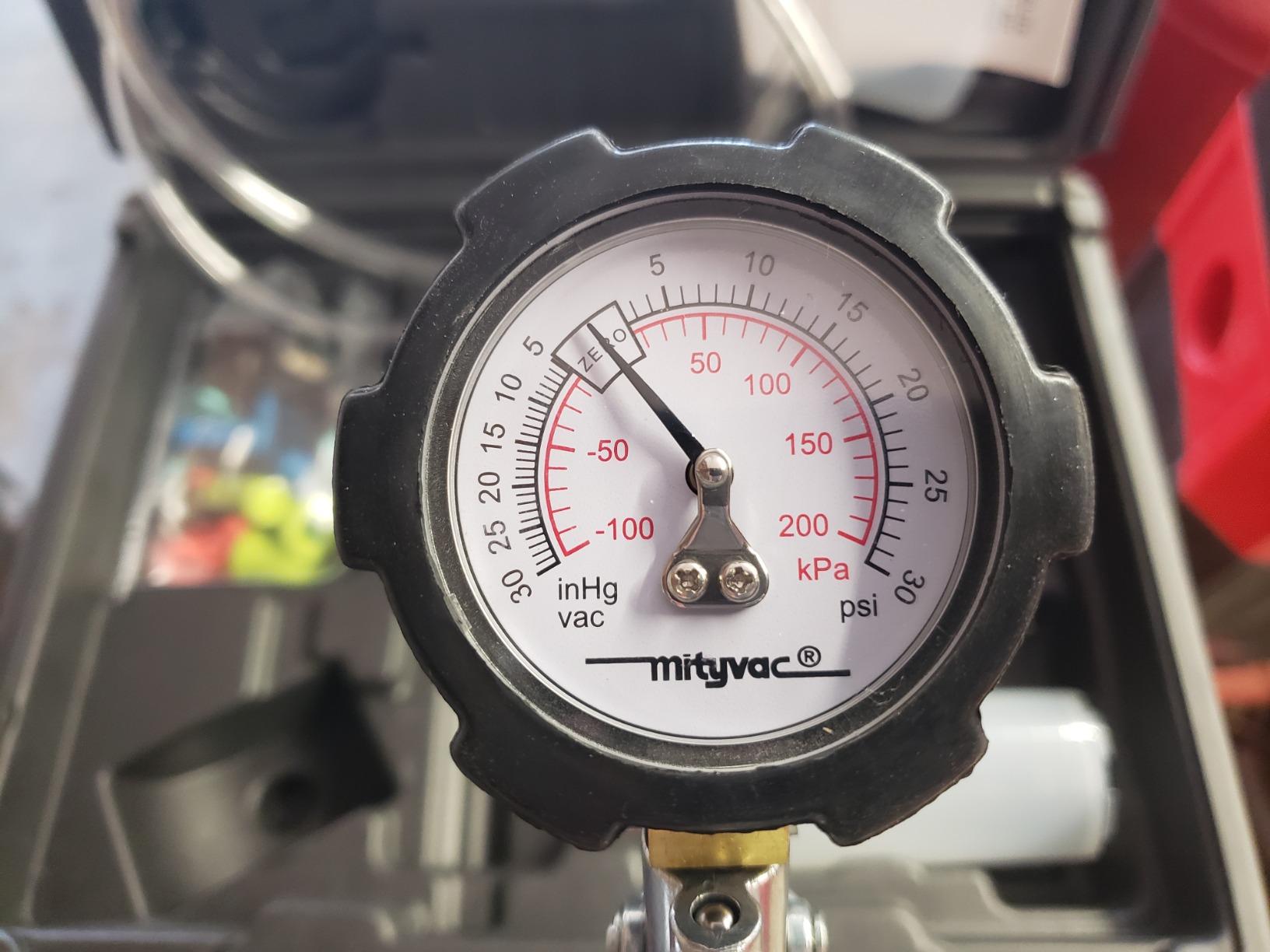
This is the unit we keep reaching for. The MV8500 Silverline runs both vacuum and pressure modes off the same die-cast pump body, which means one tool covers bleeding, clutch work, diesel priming and vacuum testing on fuel, coolant and differential systems. That versatility is why it carries the most owner feedback of anything in this roundup.
For a routine brake fluid exchange, we run it in vacuum mode and work corner to corner. The 4.5oz reservoir is genuinely small, and you will stop to refill it several times during a four-wheel job, but the fluid path stays sealed and the pump does not tire out. The zinc-aluminium body is the reason it still feels solid after months of use in a garage where tools get dropped.
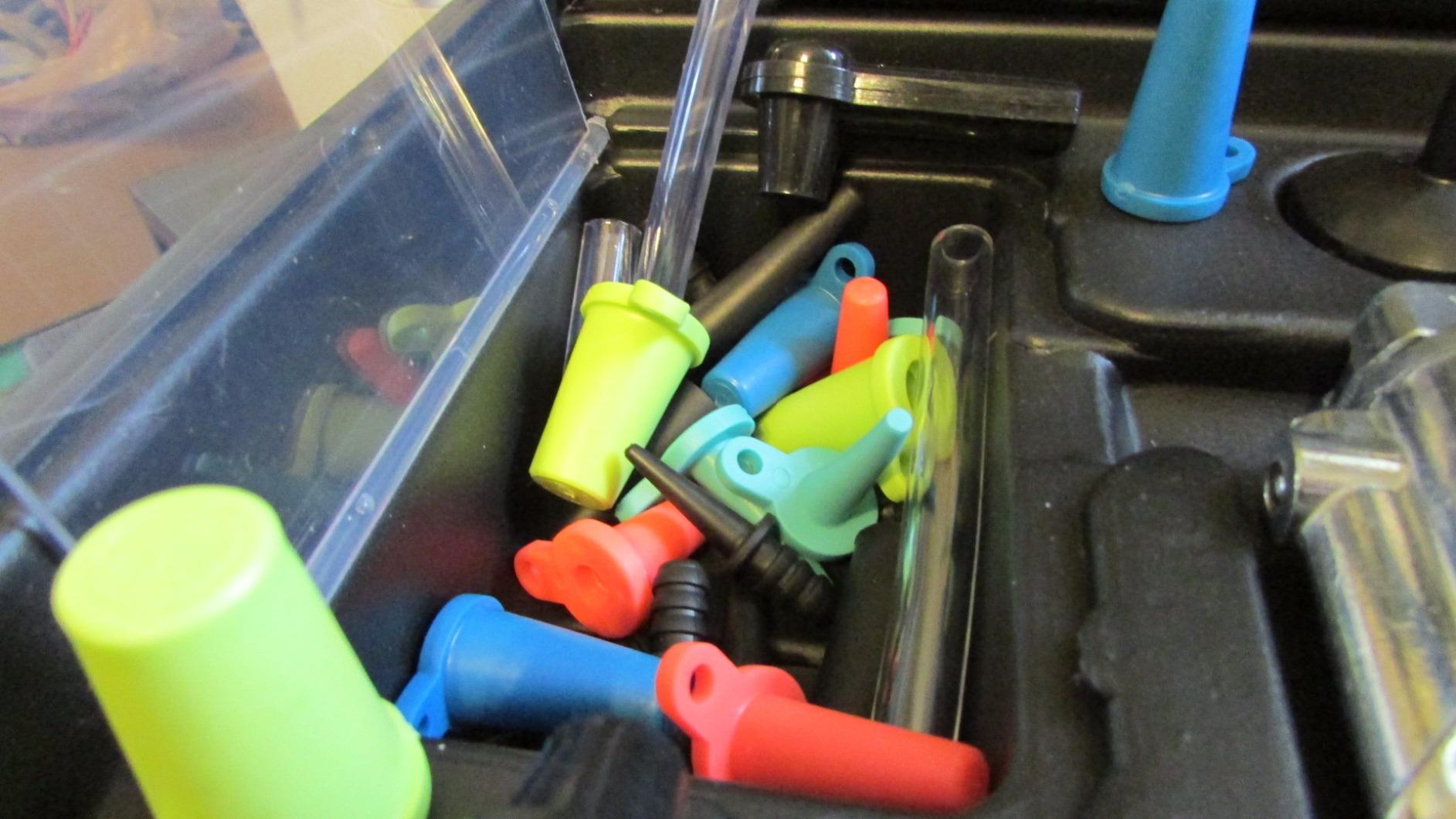
Reviewers consistently describe the multi-function capability rather than the fluid holding capacity. The same tool gets used on a power steering system one week and a clutch on a manual truck the next, and the 4.6 average across 2903 reviews includes an 82 percent five-star share. Long-term owners on enthusiast forums also pair it with stainless speed bleeders, which is the other half of a clean exchange.
The honest drawback is capacity. A 4.5oz reservoir looks modest next to the two and three litre tanks on pneumatic units, and it makes a full system flush slower than it needs to be. At 4.9 pounds it is also heavier than a simple hand vacuum, though the weight sits in the pump rather than in a full container.
Who this exchanger suits
If you service one or two cars, mix in motorcycles, or want a single tool that also handles clutch and vacuum work, the MV8500 earns its slot on our bench. It needs no compressor and no mains power, so it works in a small garage without extra equipment. The 2903 reviews give you a deep base of long-term feedback to check before buying.
It is also the safest recommendation for a first-time buyer who plans to do a flush only every couple of years. You are not buying a large tank for speed, you are buying a tool that starts working immediately and does not need a second person.
Where it falls short
If you maintain a fleet or run a shop where a flush happens several times a day, the small reservoir becomes the bottleneck. Plan on more refills than a two or three litre pneumatic unit will need.
Because it handles so many fluid types, it is not the simplest option for a beginner who just wants a brake bleeder. The pressure mode in particular rewards a little practice with the valve control, and it is not a machine you can leave running while you walk to the next corner.
2. OMT One-Man Brake Bleeding Kit — Budget Pick Hand Vacuum Bleeder
OMT One-Man Brake Bleeding Kit with Hand Vacuum Pump and Dial Gauge, Blue
Hand vacuum pump
Dial gauge
Silicone tubing
Blow-molded case
Pros
- No compressor required
- Bleeds a system solo in under 5 minutes
- Lightweight anodized aluminum pump
- Blow-molded case keeps parts organized
Cons
- Weaker suction than pneumatic extractors
- 14 percent one-star share in reviews
- Pumping four corners is hard work
The Orion Motor Tech one-man kit is the most reviewed listing in this roundup at 4055 reviews, and for a simple reason: it costs very little and it needs nothing but your hands. The anodized aluminium pump, silicone tubing and the included dial gauge cover the core of what a home garage needs, and the blow-molded case keeps the pieces together between jobs.
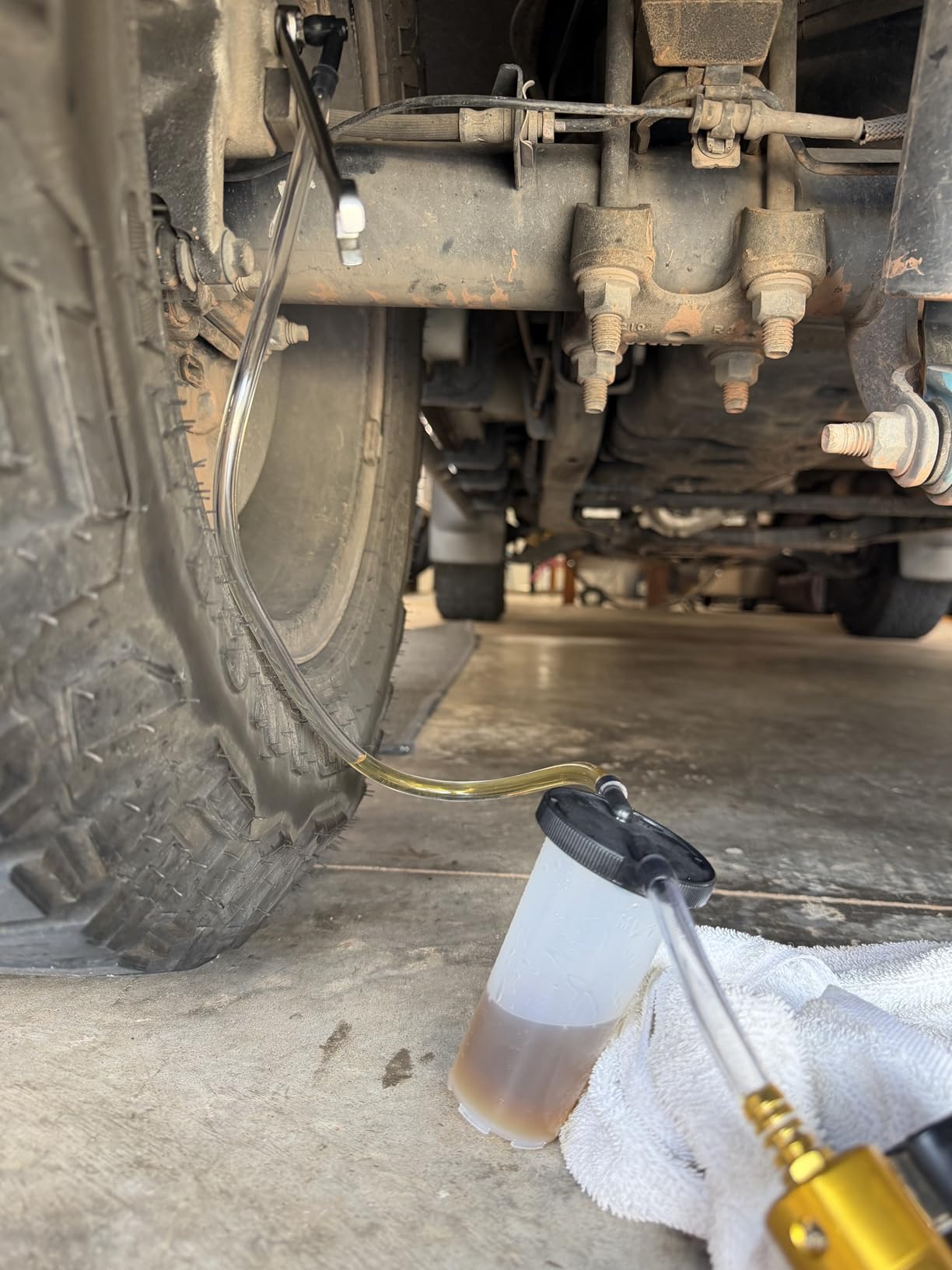
We used the vacuum mode to pull fluid from a caliper and the difference against a gravity bleed was immediate. A gravity bleed only pushes fluid down and lets it bubble back up, while a vacuum extractor actually removes it. The trade-off is that hand suction is weaker than compressed-air venturi, so a large system takes longer and your arm gets tired.
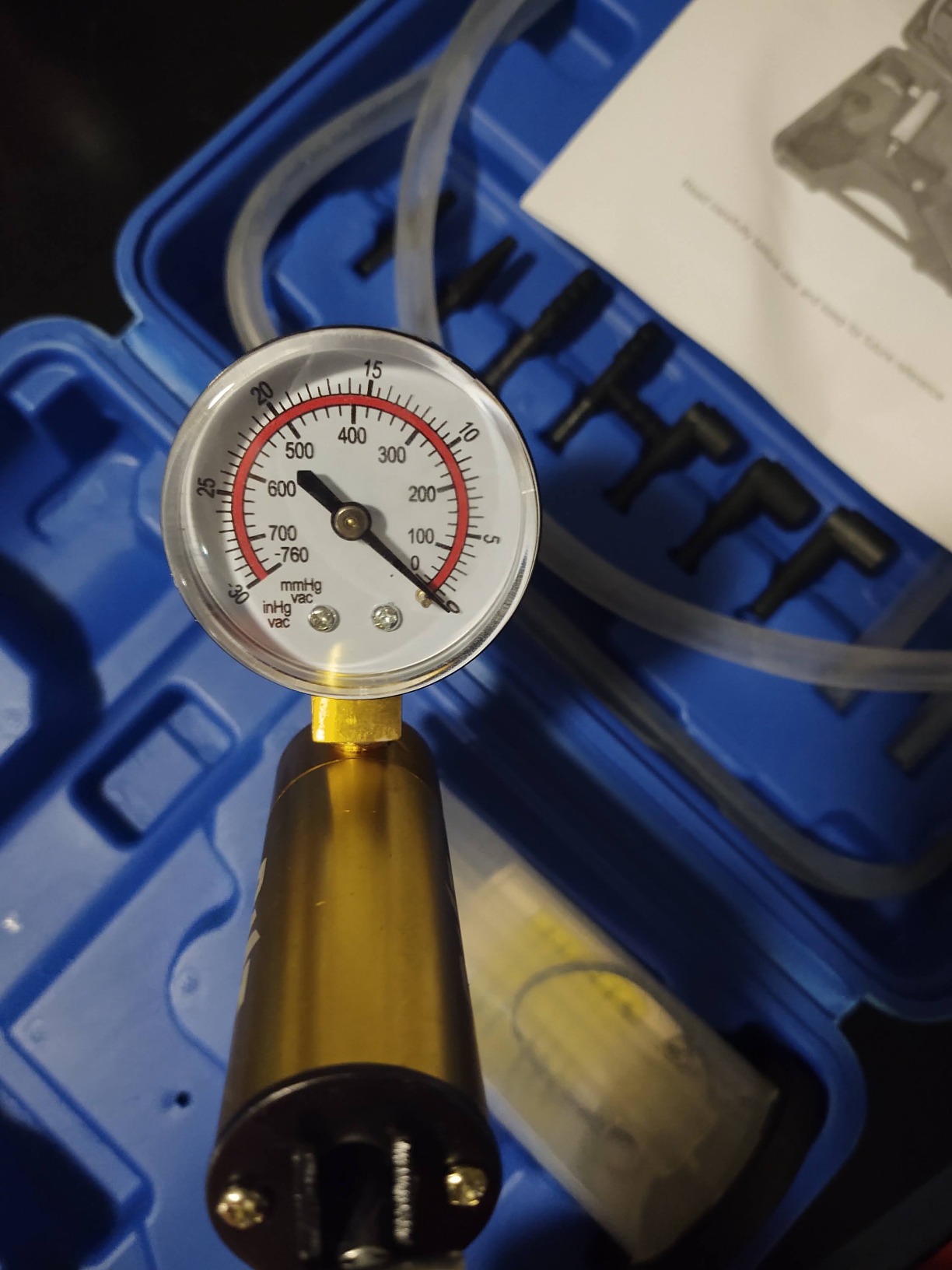
The rating spread is the thing to watch here. At a 4.0 average with 14 percent one-star reviews, seal durability and suction consistency vary from unit to unit. Owners who keep their tubing seated and store it in the case tend to be happy, and reviewers point out the same pattern across the budget hand-pump category: it works, but check the fittings before you start.
It is also more capable than the label suggests. The same pump handles power steering fluid, vacuum testing, carburetors and fuel petcocks, so the money is not tied up in a single-use tool.
Who this bleeder suits
This is the right pick for a single-car garage, a first flush, or anyone without an air compressor. Owners repeatedly defend cheap manual pump bleeders as perfectly adequate for one vehicle, and that is fair. Nothing about a routine fluid change on one car needs shop hardware.
It also travels well. At 2.2 pounds with a hard case, you can keep it in the trunk for roadside work, which is where the vacuum testing capability becomes genuinely useful.
Where it falls short
Budget for effort. Four corners of hand pumping is a workout, and the weaker suction means large vehicles and long lines take noticeably longer. Owners of larger vehicles tend to move up to a pressurised or pneumatic unit for exactly this reason.
The 14 percent one-star share also means you should inspect the tubing and clamps on arrival. Replace any hose that feels perished before you connect it to a master cylinder, because air drawn in at the wrong end undoes the whole flush.
3. BILITOOLS 3L Universal Kit — Best Full-System DIY Pneumatic Flush
BILITOOLS 3L Universal Brake Bleeder Kit, Vacuum Brake Fluid Bleeding Tool
3L reservoir
70-170 PSI inlet
Silicone hose
ABS compatible
Pros
- 3L tank covers all four corners in one fill
- Extracts at the bleeder screw to stop backflow
- Works on ABS-equipped systems
- PE tank resists brake fluid corrosion
Cons
- Air compressor not included
- 63 inch hose can be short on tucked-away bleeders
The BILITOOLS 3L kit is the one we would hand to a home mechanic who already owns a compressor. It runs at 70-170 PSI and extracts at the bleeder screw, which means old fluid leaves the caliper rather than circulating back into the reservoir. It also works on ABS-equipped systems without asking you to remove a reservoir cap, a detail that trips up a lot of cheaper kits.
Capacity is the headline. A 3L reservoir finishes all four corners without a mid-job refill, and owners single that out as the reason the flush stays on track. The included 1L master cylinder refill bottle and universal bleeder screw adapter mean you can start on most vehicles straight out of the box.
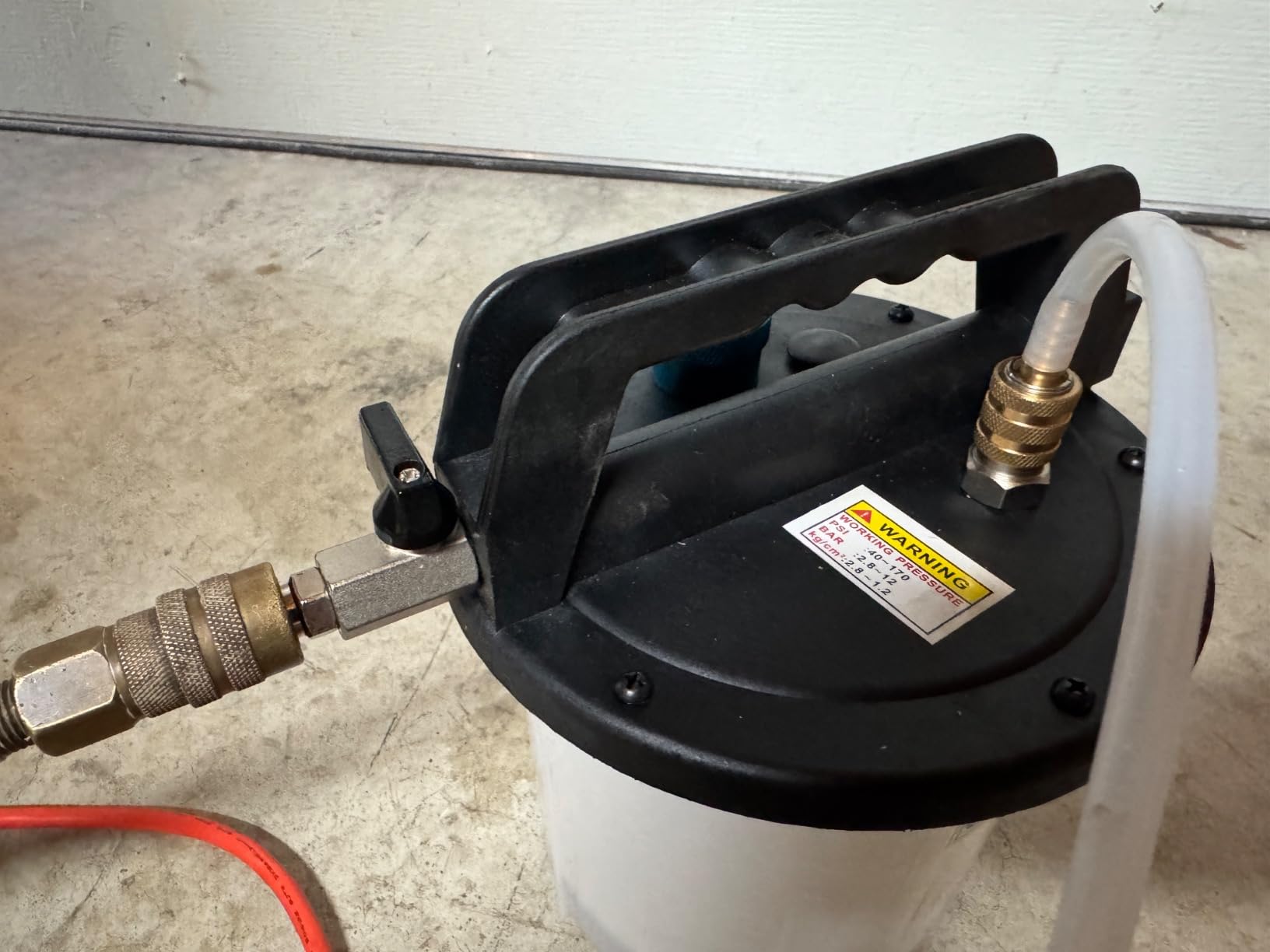
At 4.4 from 1183 reviews with a 69 percent five-star share, the feedback is consistent. Reviewers describe a well-made kit that avoids the backflow problems and reservoir-cap workarounds common in this price bracket, and the ABS compatibility is what separates it from manual pump kits.
Owners report in DIY threads that budget pneumatic bleeders work correctly but exhaust a small compressor, so check your airflow figure before you commit. Our own rule is a tank-style compressor that recovers pressure quickly, rather than a flat pancake unit.
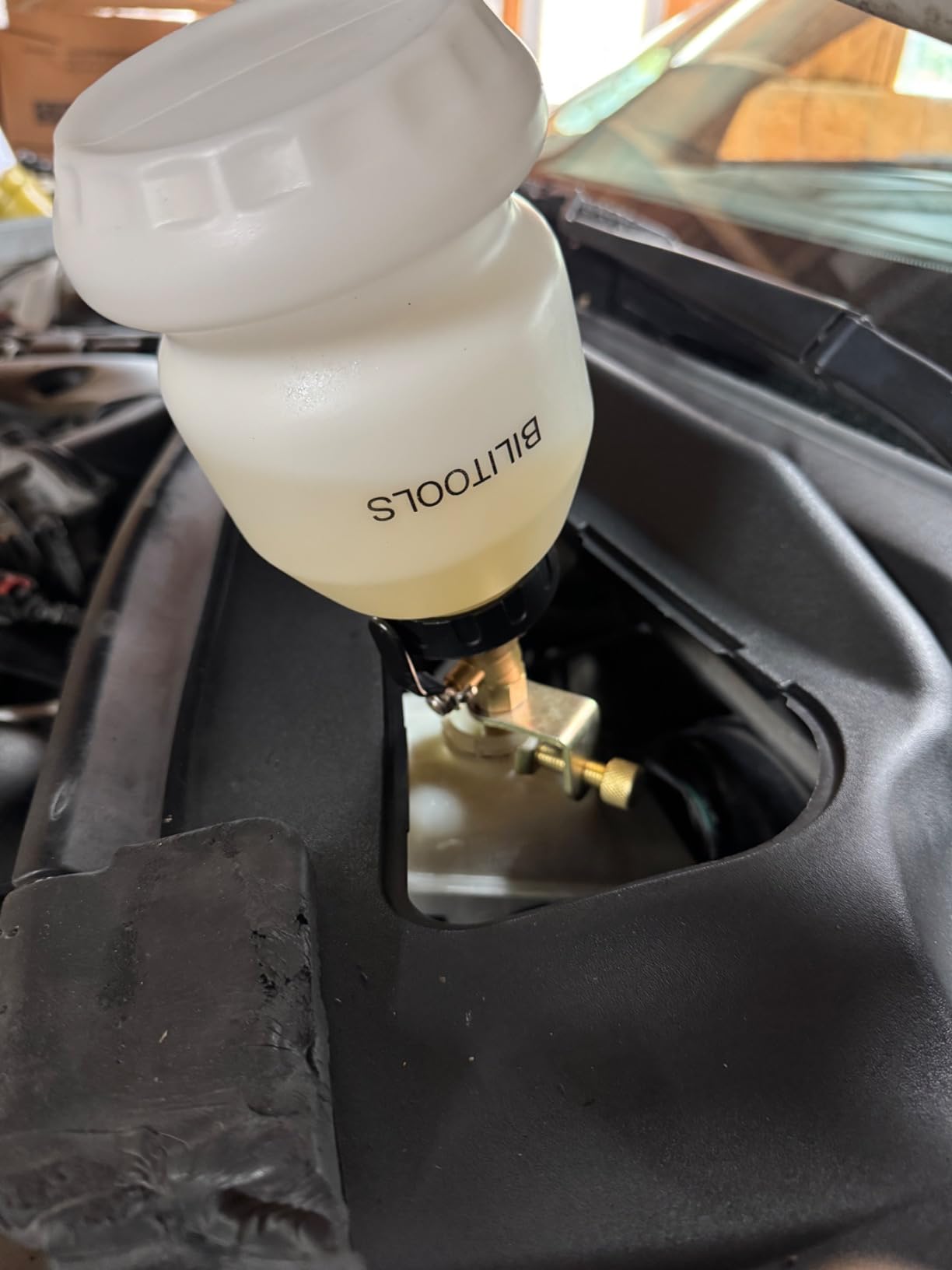
Who this kit suits
It fits a home garage with a compressor and more than one vehicle, or a hobbyist who wants a genuine extraction flush rather than a top-up. The 3L tank also suits larger SUVs and trucks where fluid volume per system is higher.
It is a good second tool for a small repair shop that only needs weekend capability, and a strong match for anyone who prefers the confidence of ABS compatibility on modern cars.
Where it falls short
The 63 inch silicone hose is the practical limit. On vehicles with tucked-away rear bleeder screws, the hose can be too short to reach comfortably, and stretching it puts strain on the fitting. Measure your hardest access before ordering.
No compressor is included, so the total cost only makes sense if you already have one. Owners with a small pancake compressor report slow extraction and stalled vacuum, and the tool cannot compensate for a starved air supply.
4. OMT 2.5L Pressure Bleeder Kit — Best for Vintage American Cars
OMT 2.5L One-Person Pressure Brake Bleeder Kit with 4.25″x6.75″ Adapter
Hand pump pressure
2.5L reservoir
500mL bottle
Period vehicle fit
Pros
- Pressure bleeding clears air and old fluid fast
- 2.5L reservoir plus 500mL bottle covers a full service
- Polyethylene and silicone resist heat and chemicals
- Adapter suits older American vehicles
Cons
- Listed fit stops at mid-80s American models
- Only one reservoir adapter in the base kit
- 4.0 average with 14 percent one-star share
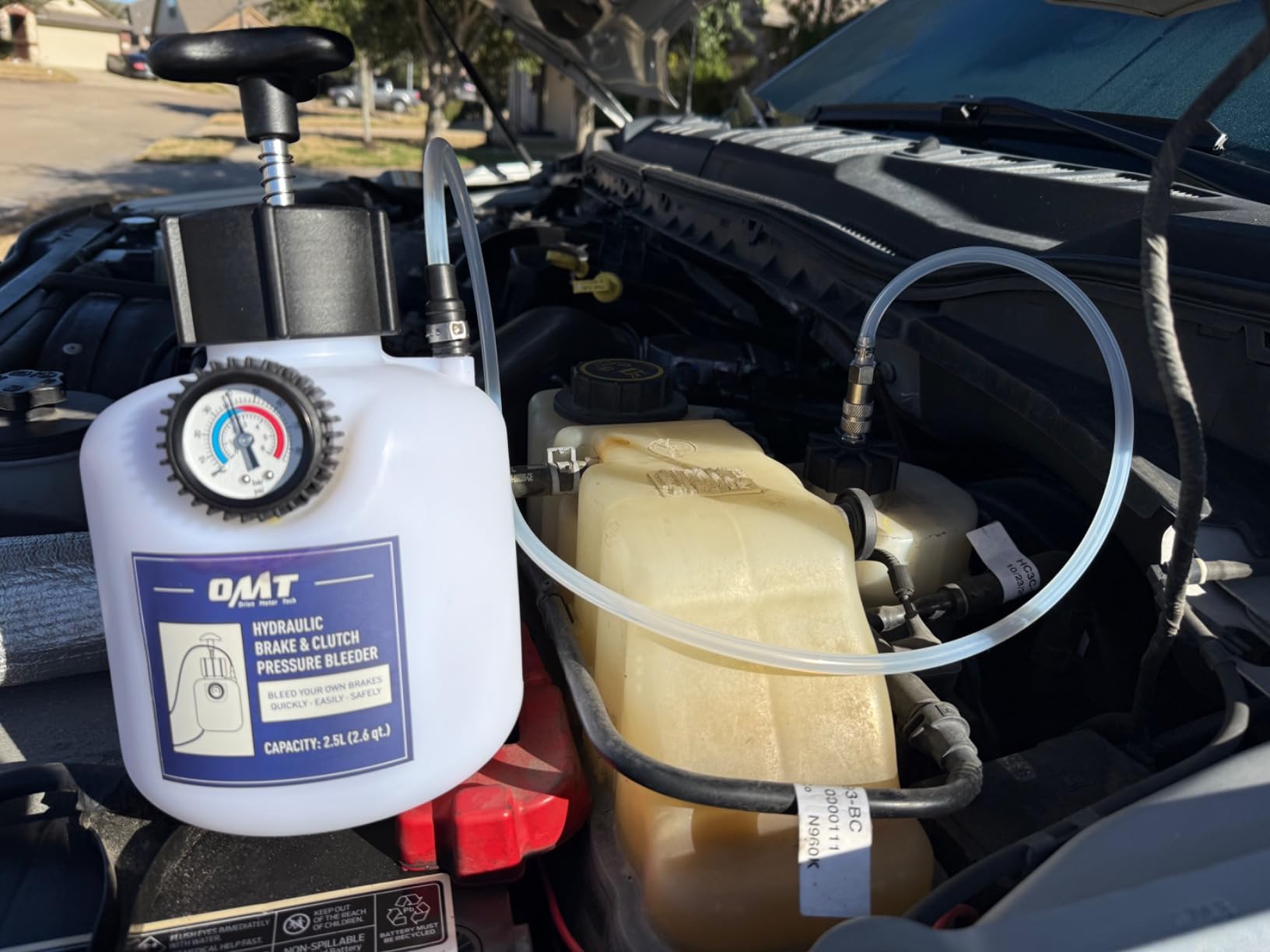
This Orion Motor Tech kit takes a different approach from the vacuum units. It pressurises the reservoir with a hand pump, so fluid is forced out at the bleeder screw and into a collection bottle. That pressure gradient does a good job of moving old fluid and trapped air in one pass, and it needs no compressor.
The 2.5L reservoir plus a 500mL bleeder bottle is generous for a hand pumped unit, and polyethylene and silicone hoses handle heat and chemical exposure better than thin rubber. Owners report pressure bleeding clearing a spongy pedal faster than pumping fluid in by hand, which is the entire point of the design.
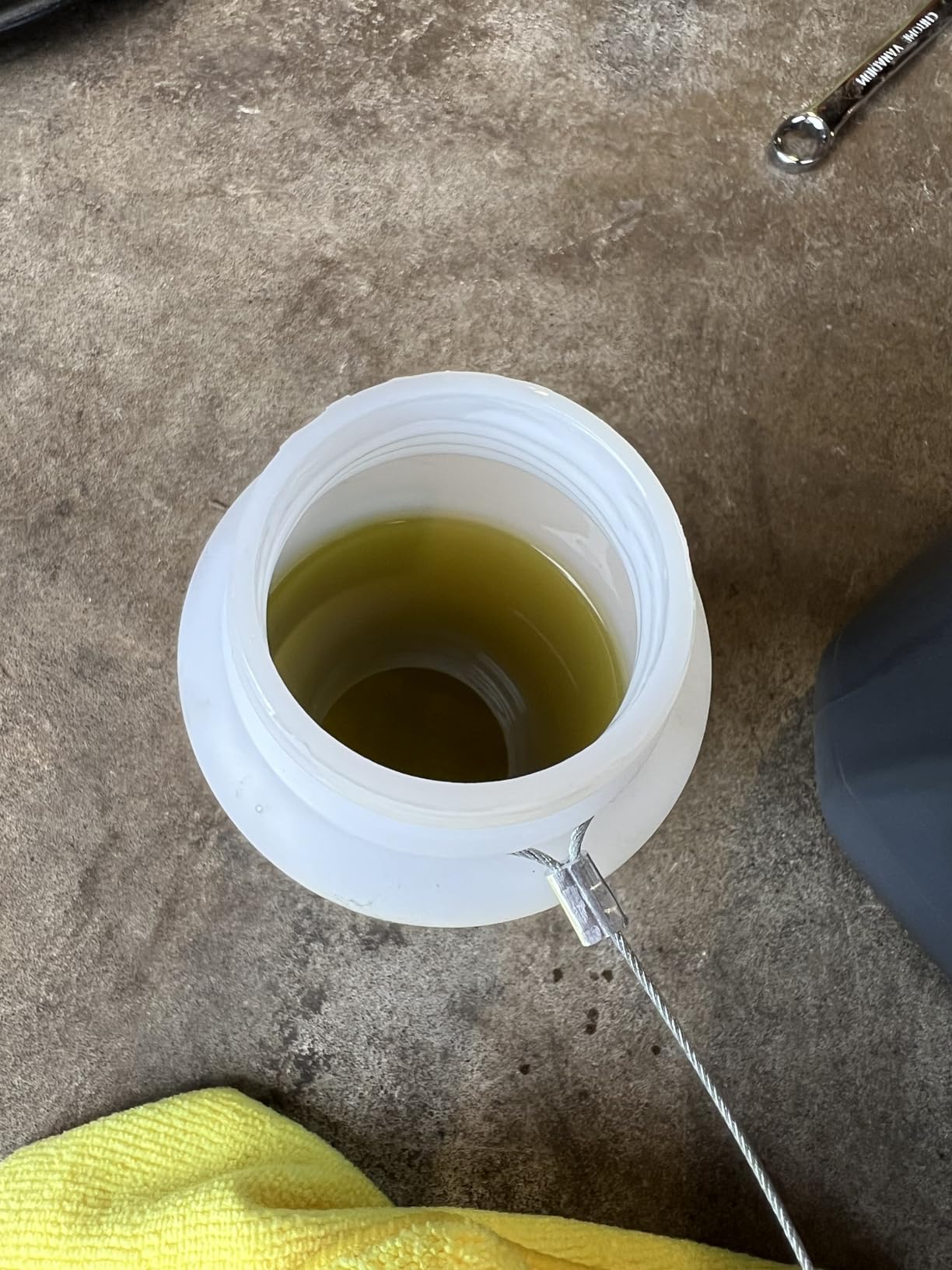
The catch is fit. The stated compatibility runs from 1967 to the mid-80s across AMC, Chevrolet, Ford, Jeep and Dodge, and the 4.25 by 6.75 inch rectangular reservoir adapter is the one included. If you own a modern car as well, you will need to buy a second cap adapter, and several owners flag exactly that gap in reviews.
Build consistency is the other watch item. The 4.0 average from 895 reviews includes a 14 percent one-star share, and the recurring theme is capability without a compressor but uneven fit across a mixed vehicle fleet.
Who this bleeder suits
If your garage holds American iron from the late 60s through the 80s, this is a purpose-built match. The reservoir adapter is the correct shape for those master cylinders, and a hand pump means no compressor clutter in a small shop.
It also makes sense for anyone restoring a vehicle where air trapped in old lines needs clearing and you want a visible pressure reading while you work the bleeder screw.
Where it falls short
It is not a modern fleet tool. On a car with a plastic bottle reservoir or a newer metal reservoir, none of the included fittings will seal properly, and forcing one can damage the cap threads.
Manual pressurising takes concentration. If you over-pressurise the reservoir, fluid can go past the seals, and a hand pump gives less consistent control than a gauge-equipped unit with a relief valve. Owners report needing a steady rhythm rather than hard strokes.
5. SMOTIVEPRO 2L Manual Bleeder Kit — Best Adapter Coverage for Mixed Fleets
SMOTIVEPRO 2L Manual Brake Bleeder Kit with 4 Master Cylinder Adapters
2L refill tank
1L waste bottle
Pressure gauge
Four adapters
Pros
- Four named adapters cover most European Japanese and American master cylinders
- Pressure gauge and relief valve improve consistency
- One-way siphoning stops air re-entry
- Easy to clean internals with isopropyl alcohol
Cons
- Some units leak at the reservoir cap
- Waste bottle often needs a small vent hole
- Quick-connects do not mate with other brands
Adapter coverage is what separates this kit from most hand pumped bleeders in its class. Four named caps are included: E20 at 45mm for BMW, Mercedes, Audi and Volkswagen, J at 50.7mm for Ford, Dodge, Nissan, Honda, Subaru and Hyundai, B1 at 43.5mm for Chrysler, Dodge and Jeep, and B3 at 49.5mm for GM vehicles. If your garage holds mixed brands, that is close to full coverage out of the box.
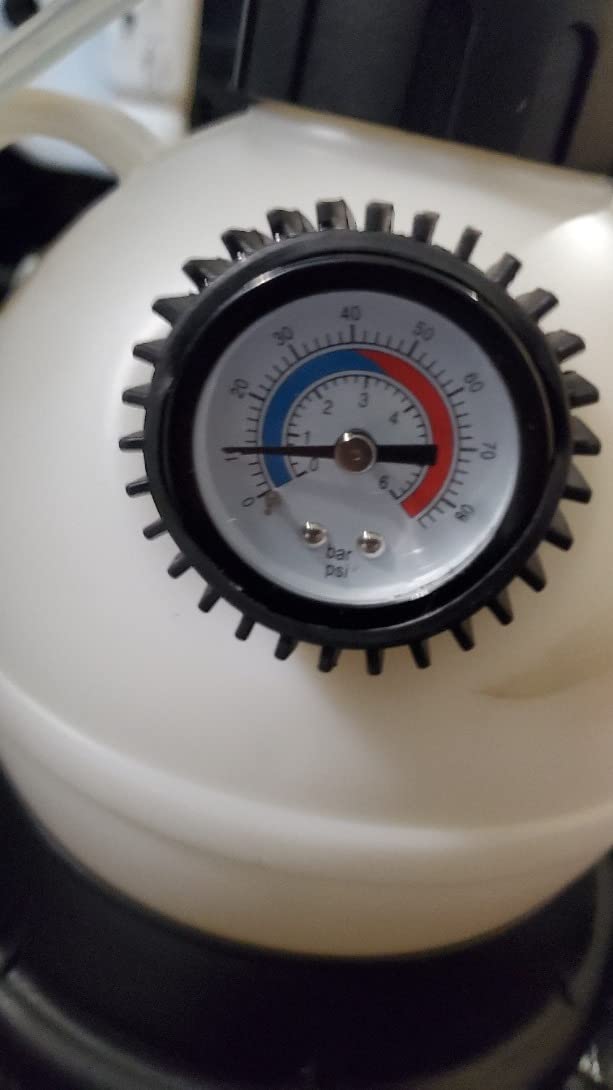
The 2L refill tank and 1L waste bottle complete most fluid changes in one service. A built-in pressure gauge and an integrated safety relief valve make the setup more controlled than a plain hand pump, and the one-way siphoning path stops air re-entering the line while you work through the corners.
Owner feedback is encouraging at 4.3 from 867 reviews with a 70 percent five-star share. One reviewer reports that bleeding a notoriously hard 2001 Chevrolet Suburban became straightforward with this kit, which tells you more than any spec sheet. Owners also like that the internals clean out with isopropyl alcohol and the waste bottle is easy to rinse.
There are two recurring complaints worth knowing. A minority of units leak at the reservoir cap and slowly lose pressure, which is a seating issue with the gasket, and the waste bottle often needs a small vent hole drilled for smooth flow.
Who this kit suits
It suits a mixed fleet of European, Japanese and American vehicles, or one owner with several brands in the driveway. The four named adapters remove the single most common complaint we heard in DIY threads, which was buying a kit whose one cap does not fit the car in front of you.
The gauge and relief valve also make it a good teaching tool. A new user can see the pressure build instead of guessing, and the relief valve protects the reservoir if a bleeder screw is closed while you pump.
Where it falls short
The quick-connect fittings are proprietary. They do not mate with reservoir cap adapters from other brands, so you cannot mix and match parts across manufacturers later. Plan on buying replacement fittings from the same brand if a connector fails.
Check the reservoir cap seal on assembly. Owners who leak report it is usually a gasket that was not seated evenly, which is a two-minute fix but worth doing before you pressurise.
6. Mityvac MV6840 Hydraulic Pressure System — Best for Mobile Technicians
Mityvac MV6840 Hydraulic Brake and Clutch Pressure Bleeding System, Includes Seven (7) Master Cylinder Adapters, 1.2 Gallon Reservoir, Quick-Change Connections Pressure Relief Valve, Storage Case
1.2 gallon reservoir
Seven adapters
Relief valve
Lid pressure gauge
Pros
- Reported to survive a decade in working shops
- Seven adapters cover cars through commercial trucks
- Whole system flushed in under 20 minutes on a hoist
- Clear hoses show fluid colour change
- Heavy-duty case for mobile work
Cons
- Hoses need flushing after every use
- Gauge and quick disconnect are non-serviceable wear items
- Heaviest kit here at 11.4 pounds
The MV6840 is the largest unit in this roundup at a 1.2 gallon reservoir, and that volume is the entire point. It is built for a technician doing a full system on a car, SUV or commercial truck in one fill, with seven interchangeable master cylinder adapters and quick-change connections covered by an integrated pressure relief valve.
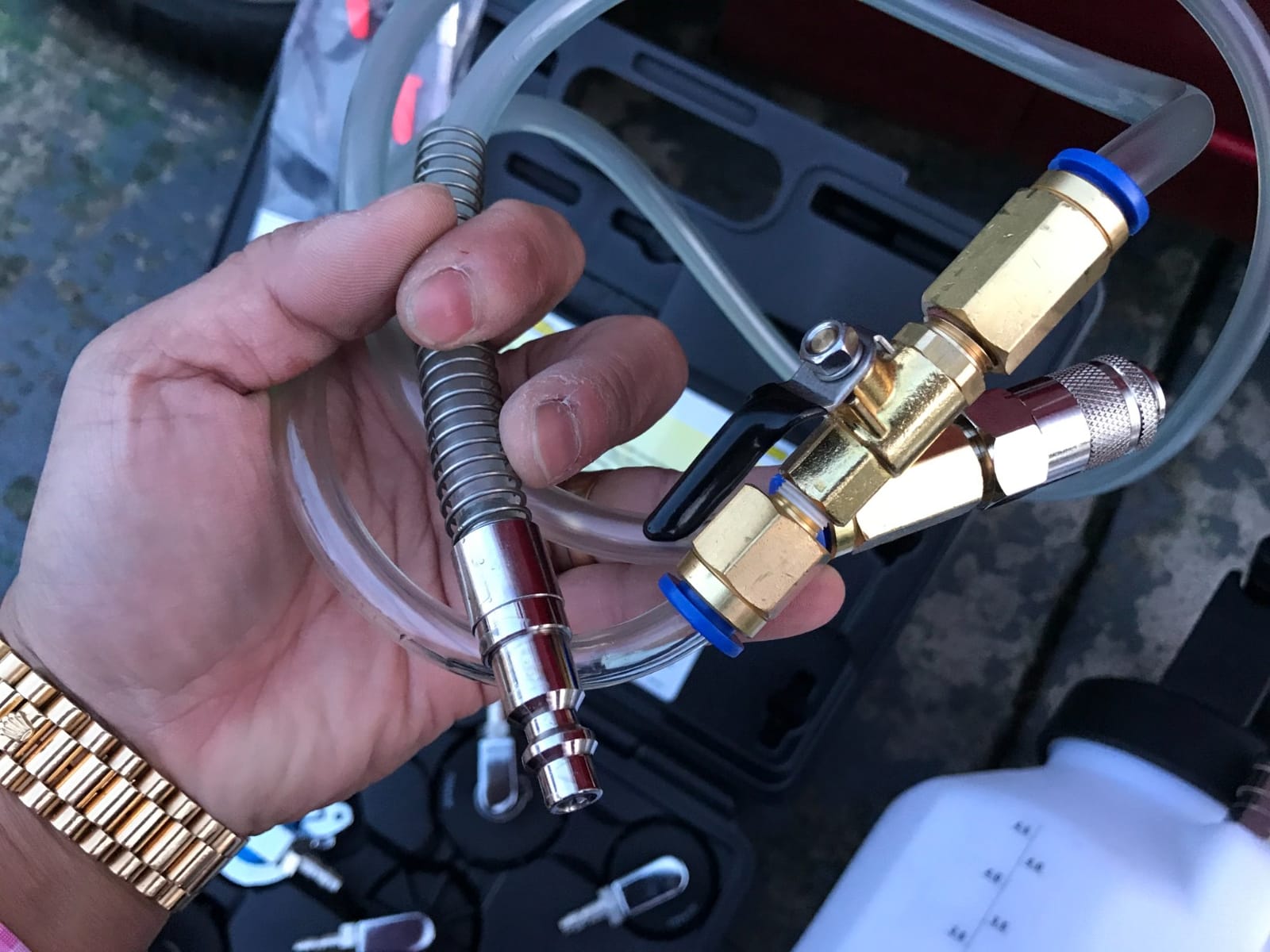
Owners who have had the same unit in a shop for a decade rate the durability very highly, and several report flushing an entire system in under 20 minutes on a hoist. The clear vinyl hoses let you watch the fluid colour change, which is the clearest signal that the exchange is finished.
At 4.6 from 638 reviews with an 81 percent five-star share, the feedback skews strongly positive. The pressure gauge sits on the pump lid where you can read it without moving the tank, and the heavy-duty case makes it practical for a mobile technician who works from a van rather than a bay.
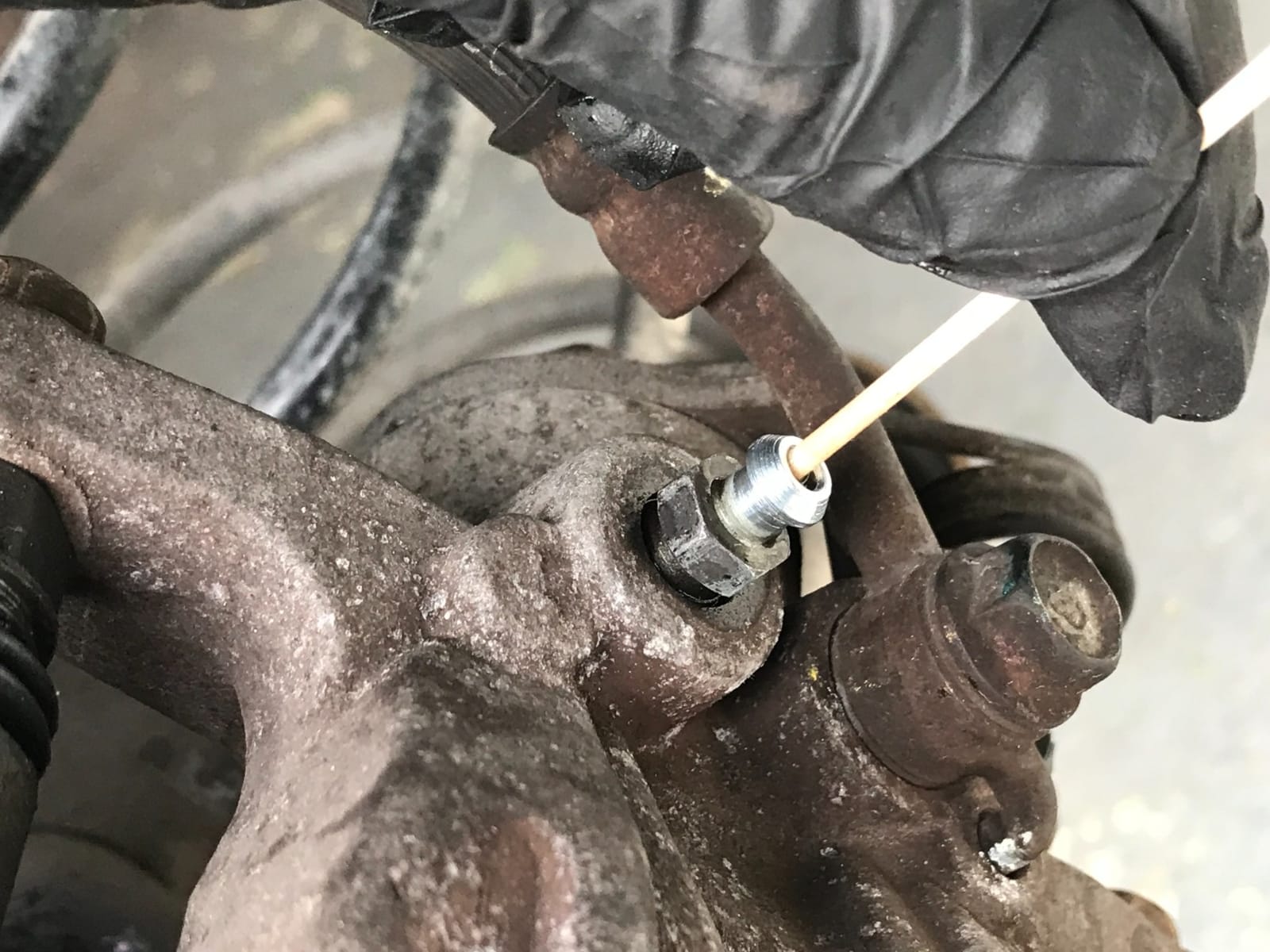
Two service notes come up repeatedly, and they are worth planning around. The hoses must be cleaned after every use, because leftover fluid stiffens the vinyl and works the push-connect fittings loose. Separately, the gauge and the bottle’s metal quick disconnect are wear items with no available replacement part.
Who this system suits
It suits a working technician or small shop that needs a single operator to complete a full system quickly, and it handles commercial trucks as well as cars, SUVs, motorcycles and ATVs. The seven adapters plus the varied fitting set mean fewer trips for a part you do not own.
For anyone doing brake jobs as part of a mobile service, the case and the size make it the most travel-ready large system here.
Where it falls short
It is heavy at 11.4 pounds, and a full 1.2 gallon reservoir makes it heavier still. That is fine on a hoist and awkward in a driveway.
It is also the largest and heaviest tool in this roundup, which puts it out of reach for a one-car owner. And because the gauge and quick disconnect cannot be replaced, plan on servicing the whole unit carefully rather than treating it as disposable shop equipment.
7. FOUR UNCLES 2L Pneumatic Vacuum Kit — Best for Multi-Vehicle Garages
FOUR UNCLES 2L Vacuum Brake Bleeder Pump Kit with 16 PCS Adapter
2L fluid tank
16 adapters
Two 60 inch hoses
Thumb throttle
Pros
- Owners flush all four corners in under 30 minutes
- 16 adapters meant zero leaks on two vehicles
- Runs daily in a shop with no reported wear
- Support replaced a failed quick-connect quickly
Cons
- Top-heavy design tips over when full
- Consumes air heavily on a 6.5 cfm compressor
- Hose fitting valve is stiff to operate
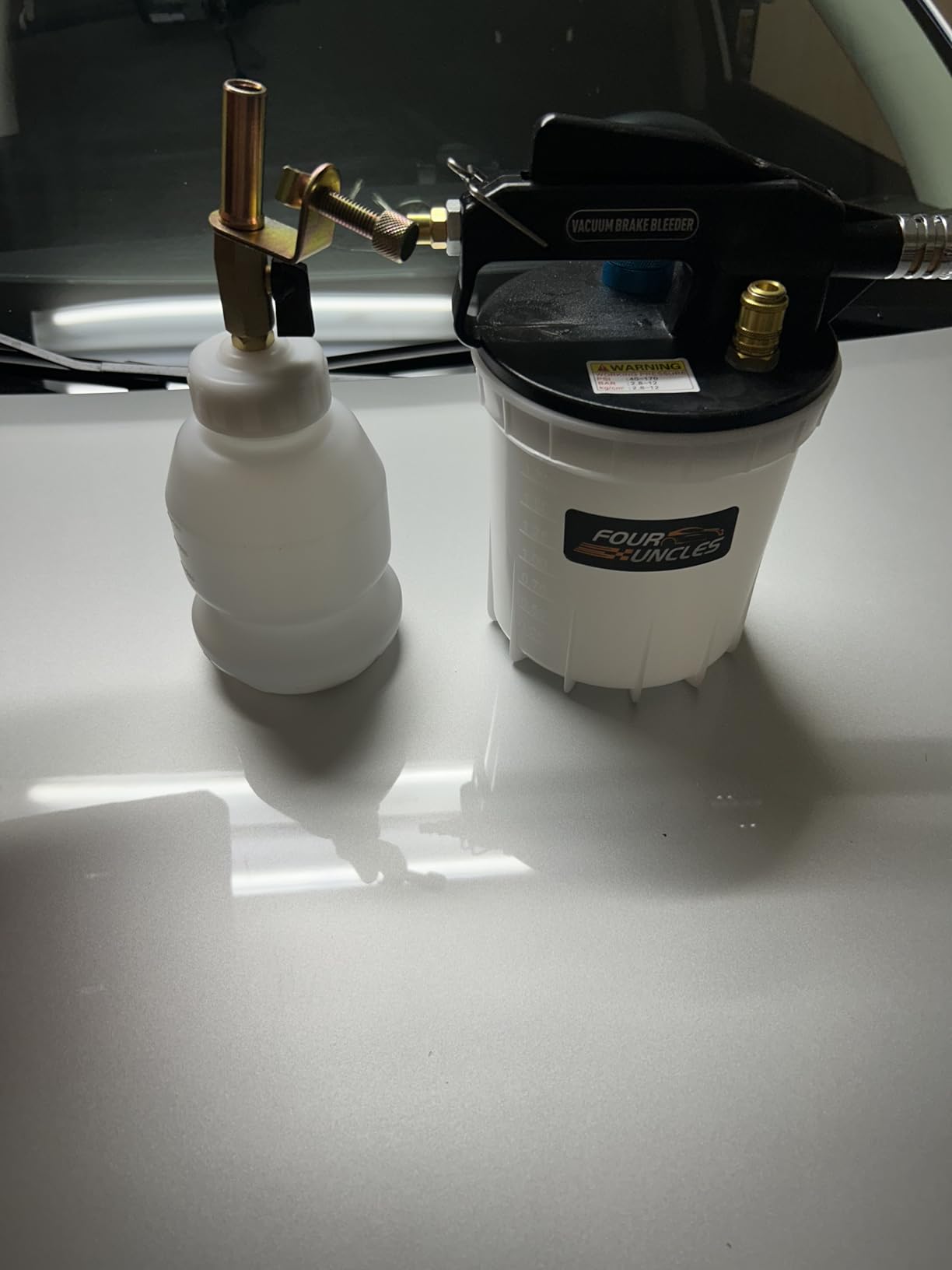
Adapter count is this kit’s headline feature. Sixteen brake bleeder adapters ship in the box alongside a 1L refill bottle and two 60 inch silicone hoses, and owners with several different vehicles report that everything fitted with no leaks. For a garage that does not want to buy adapters one vehicle at a time, that is a real saving in both time and repeat orders.
The pneumatic vacuum system runs off an adjustable thumb throttle, so you can control how hard it pulls. At 2L the tank is a sensible middle ground, and the integrated silencer is meant to cut the noise that makes pneumatic bleeders unpopular in a shared workshop.
Feedback at 4.3 from 528 reviews with a 71 percent five-star share shows strong, consistent vacuum pull. Two owners report flushing all four corners in under 30 minutes per vehicle, and one says the kit runs daily in a professional shop with no degradation. Customer service replaced a failed quick-connect and a dead vacuum unit without difficulty, which matters when a tool is working every day.
The weaknesses are physical. The tank is top-heavy and tends to tip when full, so set it on level ground or a low platform. The hose fitting valve is stiff to operate, and the silencer does little to reduce noise in practice.
Who this kit suits
It suits a garage maintaining several different makes where adapter fit is the recurring problem. Sixteen adapters plus 60 inch hoses reach the awkward bleeders on vans, pickups and UTVs, and the kit also covers motorcycles and ATVs.
It is a good shop-weekender too. A technician who wants pneumatic extraction on hand without a full machine gets most of the benefit here at a much smaller size.
Where it falls short
Air consumption is the big one. One owner measured pressure dropping to about 48 psi on a 6.5 cfm compressor, which means the tool slows down rather than fails. A tank compressor with more airflow is close to mandatory if you use this daily.
Unit-to-unit seal quality varies. One owner received a unit with a valve that did not seal, which pushed air into the bucket and created positive pressure, and the collection jar markings are imprecise. Check the seal and calibrate against a known volume on your first job.
8. Mityvac MV6830 Pneumatic Bleeder — Best for Working Shops
Mityvac MV6830 Pneumatic Brake and Clutch Bleeding Kit, Air Operated, 1.9 Quart (1.8L) Reservoir, Bleeds 2qt Per Minute, Swivel Air Inlet, Automatic Shutoff Valve, Variable Control Thumb Throttle
1.9 quart reservoir
2 quarts per minute
Auto shutoff
Swivel air inlet
Pros
- Highest rated unit in this roundup
- Flushes three vehicles in the time of one
- Short stable tank stays sealed under suction
- Doubles as a general fluid extractor
Cons
- High air draw slows small compressors
- Minor trigger valve leak cycles the compressor
- 1.8L tank is small for full flushes
The MV6830 carries the highest average rating in this roundup at 4.7, with an 85 percent five-star share. It moves roughly 2 quarts of fluid per minute through a 1.9 quart reservoir, and owners report flushing three vehicles in the time a single flush would take on a less capable setup. For a shop doing several services a day, that throughput is the difference that pays back the spend.
The variable control thumb throttle gives real pressure adjustment rather than a fixed setting, and the automatic shutoff valve prevents overfilling the tank and pushing fluid where you do not want it. The 360-degree swivel air inlet is genuinely useful on cars where the compressor hose cannot reach comfortably.
Reviewers often describe this as shop standard, and a common note is owners buying it again as a replacement for a unit they have had for years. The short, stable body is less likely to tip when the tank is full, and the quick-disconnect suction lines are reported to stay sealed over time. It also doubles as a general fluid extractor for gear oil, transmission fluid and gasoline.
Two consistent caveats appear. Air consumption is high, so a small compressor cannot keep up and the tool slows the job. A minor air leak at the trigger valve also causes the compressor to cycle intermittently, which is a nuisance rather than a failure.
Who this bleeder suits
It suits an independent repair shop or dealership bay where a technician works alone and fluid volume matters more than portability. There is no electric pump, so it is also safe to use around flammable fluids in a way a mains-powered machine is not.
For a shop that also services motorcycles, ATVs and off-road machines, the durable tank and interchangeable bleeder tips make it a broader tool than a dedicated automotive machine.
Where it falls short
The 1.8L reservoir is small by shop standards, and one owner specifically wishes for a larger container. If you are flushing a large truck or SUV repeatedly, the frequent fills will show.
The red lock-tight air nipple may not fit your airline and is very hard to remove, so check the fitting type before you buy. And with only 262 reviews, it has the shallowest owner base here, which matters if you prefer to buy a tool with a long public service record.
9. YEYETUO 3L Vacuum Bleeder Kit — Budget Pneumatic Pick
YEYETUO 3L Brake Bleeder Kit, One Person Vacuum Brake Fluid Bleeder Kit
40-170 PSI inlet
Dual silicone hoses
16 adapters
Built-in silencer
Pros
- Lowest priced pneumatic unit in this roundup
- Dual hoses cover calipers and master cylinder
- 16 adapters suit a wide mix of vehicles
- Quiet enough for a closed garage
Cons
- Air compressor not included
- Only 233 reviews for durability evidence
- Published capacity conflicts between 2L and 3L
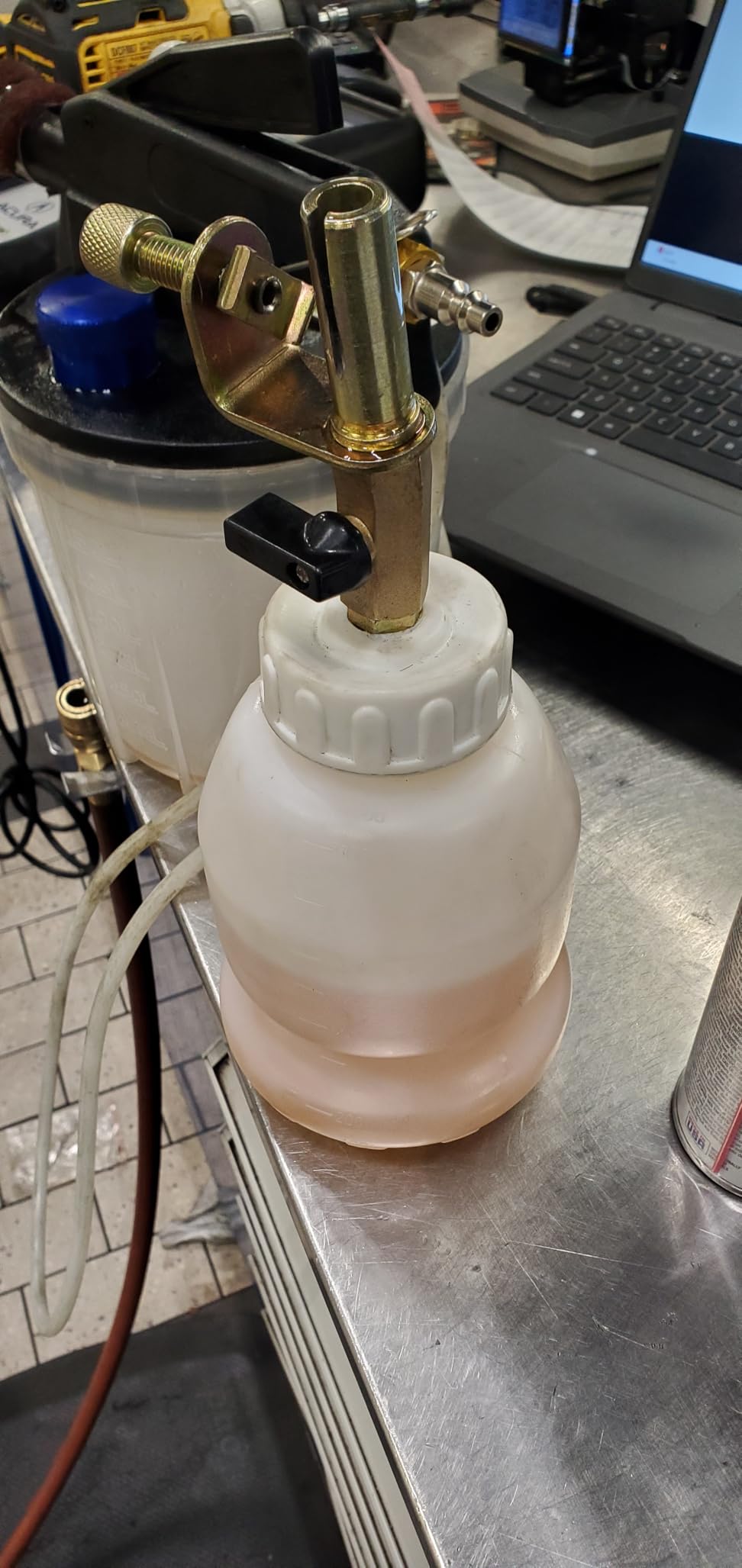
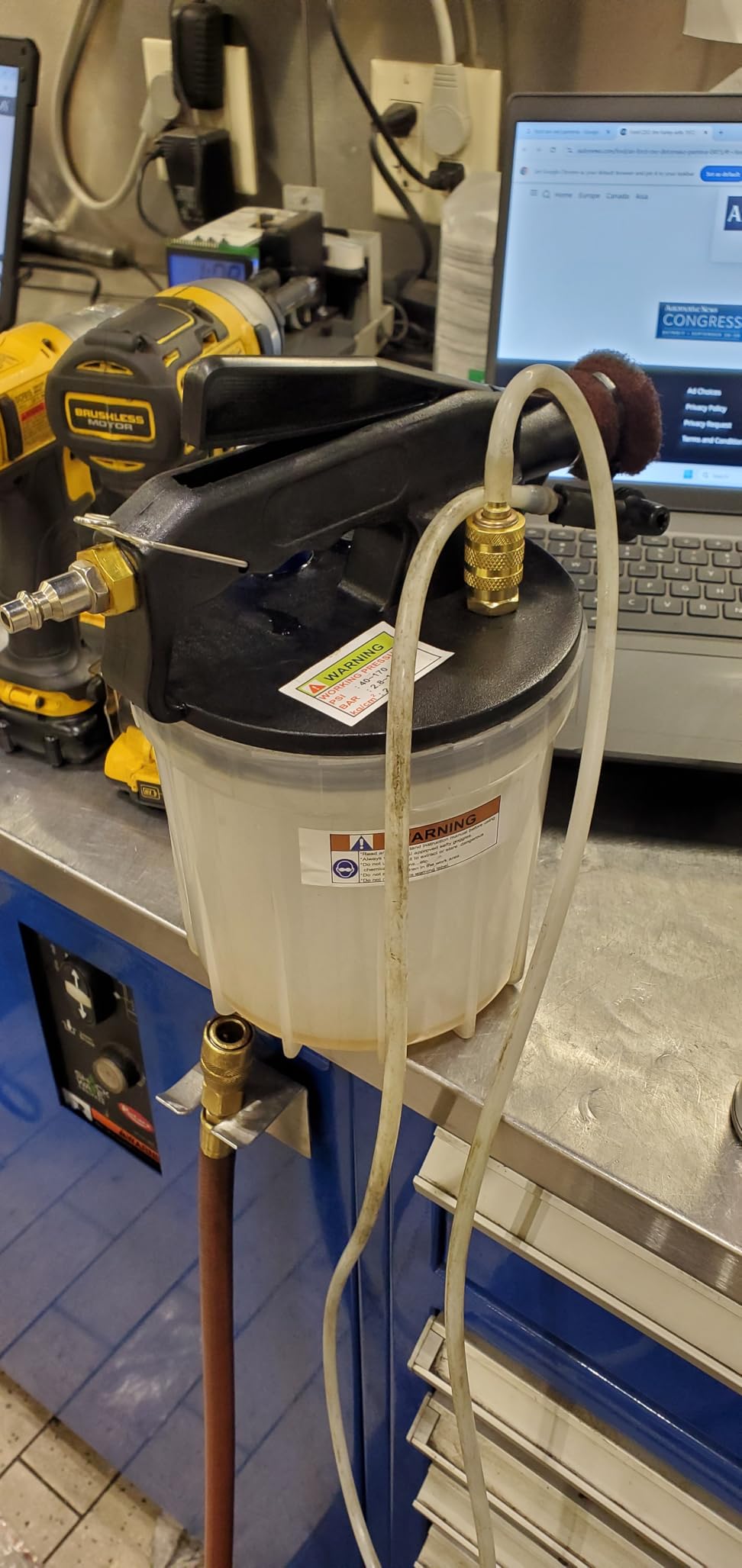
Among the pneumatic vacuum units here, the YEYETUO VB01 is the least expensive, and the layout is the interesting part. It ships with two hoses: a 59 inch bleed hose with a universal rubber adapter for the caliper screws, and a 45 inch master cylinder evacuation hose. That second hose lets you pull fluid out of the reservoir itself, which is how you clear sediment sitting in the master cylinder before you start on the corners.
It runs on a 2.8 to 12 bar inlet, which covers 40 to 170 PSI, so it will work with a wide range of compressors. A built-in silencer and a variable thumb throttle that holds average airflow keep it manageable in an enclosed garage, and 16 bleed screw adapters cover a broad range of vehicles.
The 4.3 average from 233 reviews comes with a 66 percent five-star share, and there is a simple reason the review base is smaller: it is newer. That means less long-term durability evidence than the older kits on this list, so treat the feedback as encouraging rather than conclusive.
One detail to sort out before you order. The product title advertises a 3L kit while the key features list a 2L fluid reservoir, so the true capacity is ambiguous. Either way the included 1L refill bottle keeps the reservoir topped up while you work, which is what actually matters for finishing a system.
Who this kit suits
It suits a home mechanic with a small compressor who wants true extraction at a low cost, and the dual hose layout makes it a good first tool for someone who also wants to evacuate the master cylinder. The 16 adapters keep it usable across a mix of cars and light trucks.
It is also a sensible second machine for a small shop that wants a quiet unit for indoor work.
Where it falls short
No compressor is included, so the low price is only meaningful if you already have one. Small pancake compressors struggle with continuous extraction, and the tool slows down when air runs thin.
With 233 reviews there is limited long-term feedback, and the capacity discrepancy between the title and the specifications is worth confirming with the seller. Ask what the marked volume on the tank actually is before you plan a full four-wheel service around it.
10. EWK 23-Piece Pneumatic Bleeder Kit — Best for Motorcycles and ATVs
EWK 23 Pcs Pneumatic Brake Bleeder Kit, 2L Vacuum Pump & 1L Refilling Bottle
2L vacuum pump
1L refill bottle
17 adapters
0.5L per minute
Pros
- Clamp bottle removes repeated level checks
- Noise level is acceptable without ear protection
- 17 adapters covered every vehicle owners had
- Suction pulled fluid from a transmission
- Compatible with ABS systems
Cons
- Hose joints leak air and need spring clamps
- Rubber fittings are stiff and tear when forced
- Suction is modest
- One owner reported failure at four months
The EWK kit is the one in this roundup that names motorcycles, ATVs and side-by-sides as first-class targets, with 17 adapters in the box. The clamp-style refill bottle mounts to the master cylinder, which removes the most irritating part of a solo job: standing up every minute to check whether the reservoir is still full.
Vacuum extraction runs up to 0.5L per minute, and a built-in check valve controls flow and reduces backflow. One owner reported that the suction pulled fluid from a transmission, which was not the intended use but tells you how well it holds a vacuum on a hose system.
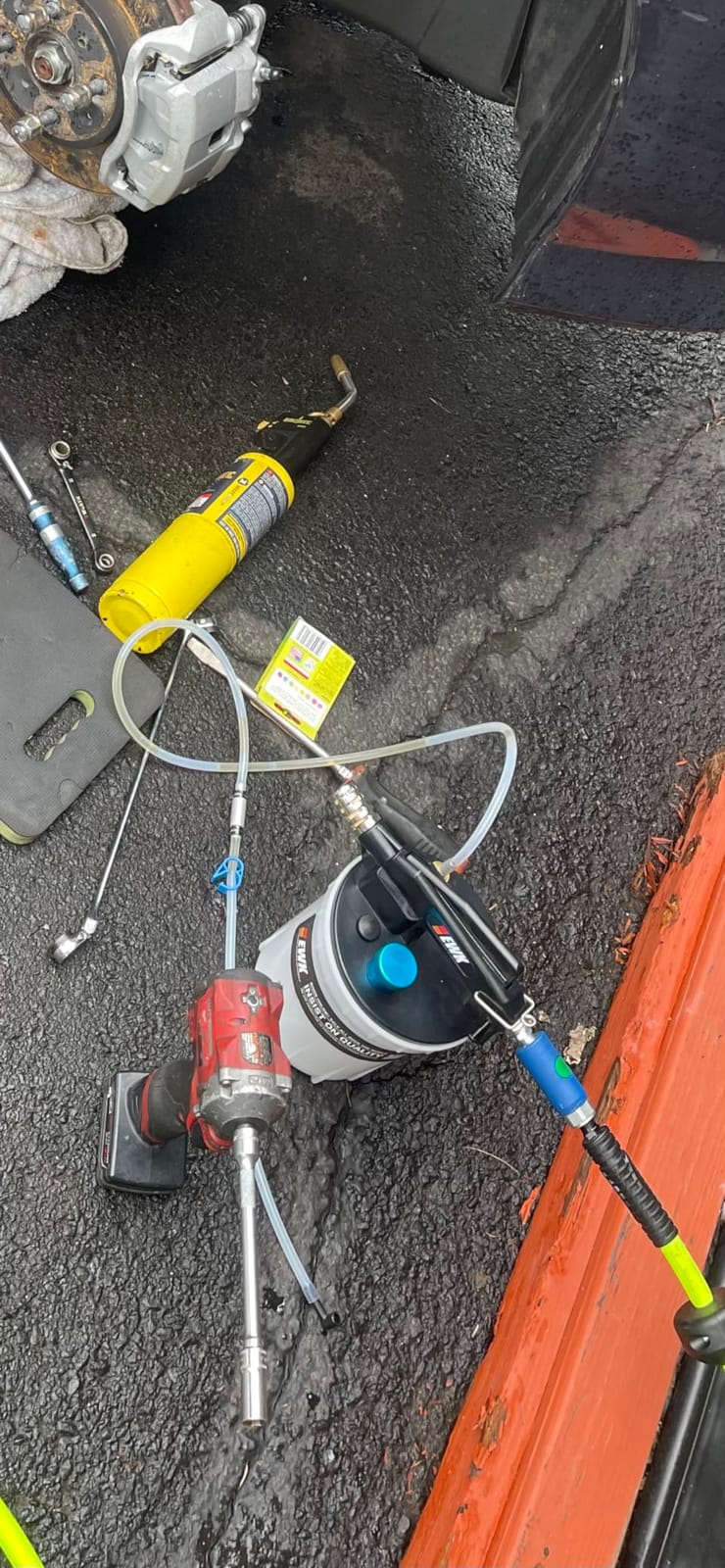
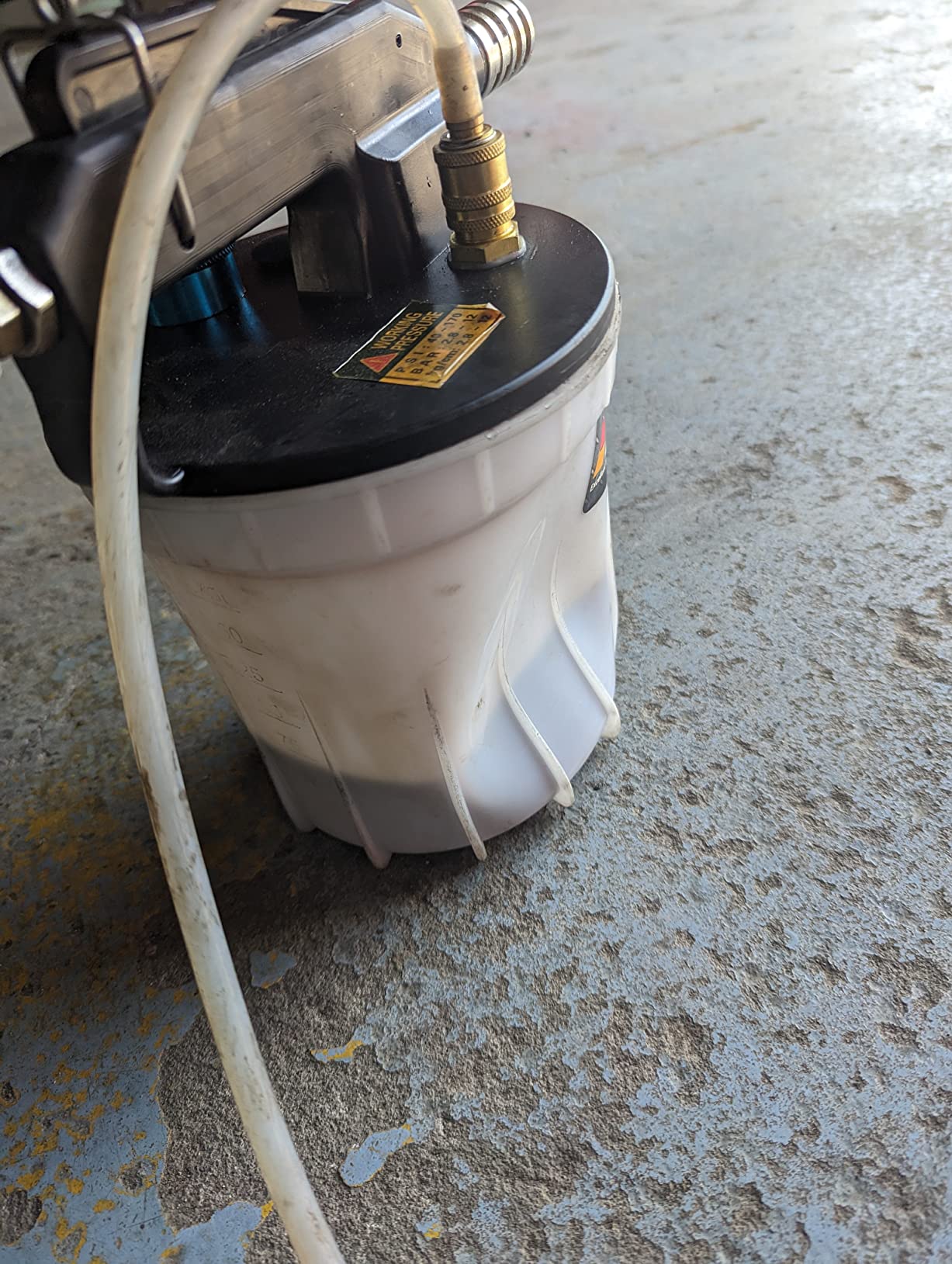
At 4.1 from 187 reviews with a 66 percent five-star share and 13 percent one-star, this is the lowest average in the roundup, and the complaints are specific. Hose connections leak air, and users have had to add small spring clamps to fix it. The rubber fittings over the bleeder nipple are too stiff and tear when forced on, and the clamp bottle itself is described as weak.
There is also a single report of a unit failing at four months with unresponsive warranty support for months. One report is not a pattern, but on a tool with the smallest owner base here, it is worth checking the return process before you rely on it.
Who this kit suits
It suits owners of motorcycles, ATVs and side-by-sides alongside a car, since the adapter count is built for that mix. The clamp refill bottle is a genuine time saver on small vehicles where the master cylinder is hard to reach and the fluid volume is low.
Owners also report the noise level is acceptable without ear protection, which matters if you are working in a closed garage or at night.
Where it falls short
Build quality is the honest weakness. Air-leaking hose joints and stiff rubber fittings are the two most common faults, and both cost time you will spend troubleshooting rather than bleeding.
Suction is modest compared with the larger pneumatic units, so a full system on a large vehicle takes longer. If you already own a compressor with good airflow and want a bigger tank, step up rather than buying twice.
What Is a Brake Fluid Exchanger?
A brake fluid exchanger is a service tool that replaces the hydraulic fluid inside a brake or clutch system. It attaches to the master cylinder reservoir, connects a hose to each wheel’s bleeder screw, and uses suction, hand pressure or shop air to draw the old fluid out. Fresh fluid enters at the reservoir until the fluid leaving the bleeder screw runs clear.
Most DIY owners buy one of these after fitting new calipers, hoses or rotors, when the system has to be purged of air. Others use them on a schedule, since brake fluid should be changed on a regular interval rather than left until the pedal feels wrong.
Manual pressure bleeders
These attach to the reservoir and pressurise it with a hand pump, so fluid is forced out at the bleeder screw and the collection bottle. Nothing but your arm powers them, which makes them the easiest choice for a single-car garage. The limitation is physical effort across four corners, plus a small reservoir that needs topping up often.
Pneumatic and vacuum extractors
These use your air compressor to run a venturi vacuum at the bleeder screw, which actively pulls fluid out of the caliper. They are much faster than hand pumping, and the reservoir usually holds two or three litres. The catch is compressor demand, and a small pancake compressor will stall them mid-job. Owners on forums describe this repeatedly as the single most common complaint with budget pneumatic kits.
Pulsating and automated exchange machines
Pulsating machines push fluid under pressure in short pulses while extracting at the same time, which breaks up air pockets faster than steady pressure. Professional versions service two or four wheels simultaneously, and they usually sit on mains power. That class is a shop investment rather than a weekend purchase, and it is where the very wide price spread in this market comes from.
What an exchanger will not do
No fluid tool clears a seized bleeder screw, resets an ABS module that has stored a fault code, or repairs a leaking master cylinder. Those are mechanical faults, and they show up as a soft pedal that a flush cannot solve. We cover the full list further down, because buyers are far more satisfied when a tool is sold for what it actually does.
What a Brake Fluid Exchanger Will Not Fix
Buyers often hope a flush will solve a pedal problem that has nothing to do with fluid. In our experience it is the fastest way to be disappointed, so here is the honest list.
Seized bleeder screws. A caliper bleeder screw seized by corrosion has to be soaked, worked free or drilled before any fluid tool can connect. The replacement part that removes this problem permanently is a set of stainless steel speed bleeders, which experienced DIYers on enthusiast forums treat as a standard upgrade.
ABS and stability control codes. Swapping calipers or lines on a modern car often leaves stored codes and air inside the module. A fluid exchange clears air from lines and calipers, but the module may still need a scan and a bleed sequence with the right tool. If the warning light stays on, that is a separate job.
A soft pedal caused by air, on its own. Air in the lines is what a bleeder is good at. A soft pedal that persists after a proper exchange points elsewhere, such as a master cylinder, a proportioning valve problem or a sticking caliper piston.
Leaks. A weeping wheel cylinder, a cracked hose or a weeping master cylinder keeps contaminating the fresh fluid. Replace the leak before you flush, or you will be doing the job twice.
Old fluid sitting in the hard lines. A complete exchange moves fluid through the external lines and calipers. Bench-bleeding the master cylinder first, and evacuating the reservoir, are the steps that reach the last of the old fluid.
How to Choose a Brake Fluid Exchanger
Work through these in order and the right class becomes obvious. Start with how many vehicles you actually service, because that decides the class more reliably than any other question.
Pick the power source you already have
Hand vacuum and hand pressure bleeders need nothing but your arms. They are the correct choice for one or two cars and for anyone without a compressor, and for a single vehicle they are not a compromise.
Pneumatic extractors need a compressor with real airflow. Ask for the CFM figure rather than assuming a tank size, and expect a vacuum unit to draw heavily while the bleeder screw is open.
Check your compressor before buying a pneumatic unit
This is the most repeated DIY complaint in forums, and the fix is simple: do not buy a pneumatic bleeder that your small pancake compressor cannot sustain. Owners report pressure dropping to around 48 psi on a 6.5 cfm machine, at which point extraction stalls and the job crawls.
Our working rule is a compressor with a stated airflow in the region of 3 cfm or better and a tank you can keep at working pressure. Budget compressors that advertise peak CFM rather than sustained CFM will disappoint you here.
Match the adapter coverage to your vehicles
Master cylinder reservoirs come in a handful of shapes: screw-in metal caps, clamp-style metal caps, and plastic semi-transparent bottles. Adapters in this roundup range from a single 4.25 by 6.75 inch rectangle to seventeen universal fittings, so count your vehicles before you buy.
Some quick-connects are brand-specific, which means you cannot mix a SMOTIVEPRO connector with another manufacturer’s reservoir adapter. If you own mixed brands, a kit with multiple named caps is worth more to you than a single large tank.
Size the reservoir to the vehicle
A 4.5oz or 1.8 litre reservoir means more refills during a four-wheel job. Two to three litres covers most cars and small SUVs in one fill, and 1.2 gallons covers a commercial truck. Larger is not always better at home, because a full tank is heavy and top-heavy.
Decide between vacuum and pressure
Vacuum extraction pulls fluid out at the bleeder screw and is the more common DIY approach. Pressure bleeders push fluid through the reservoir, clear air well and suit older vehicles, and a pressure gauge with a relief valve makes them safer on a reservoir you do not know well.
Choose the fluid before you choose the tool
Match the fluid to the vehicle, not to the tool. Our guides to DOT 3 fluid for daily drivers and low-viscosity fluid cover the choice, and a full walkthrough of the process is in our guide to flushing old brake fluid.
Check the fluid before you start
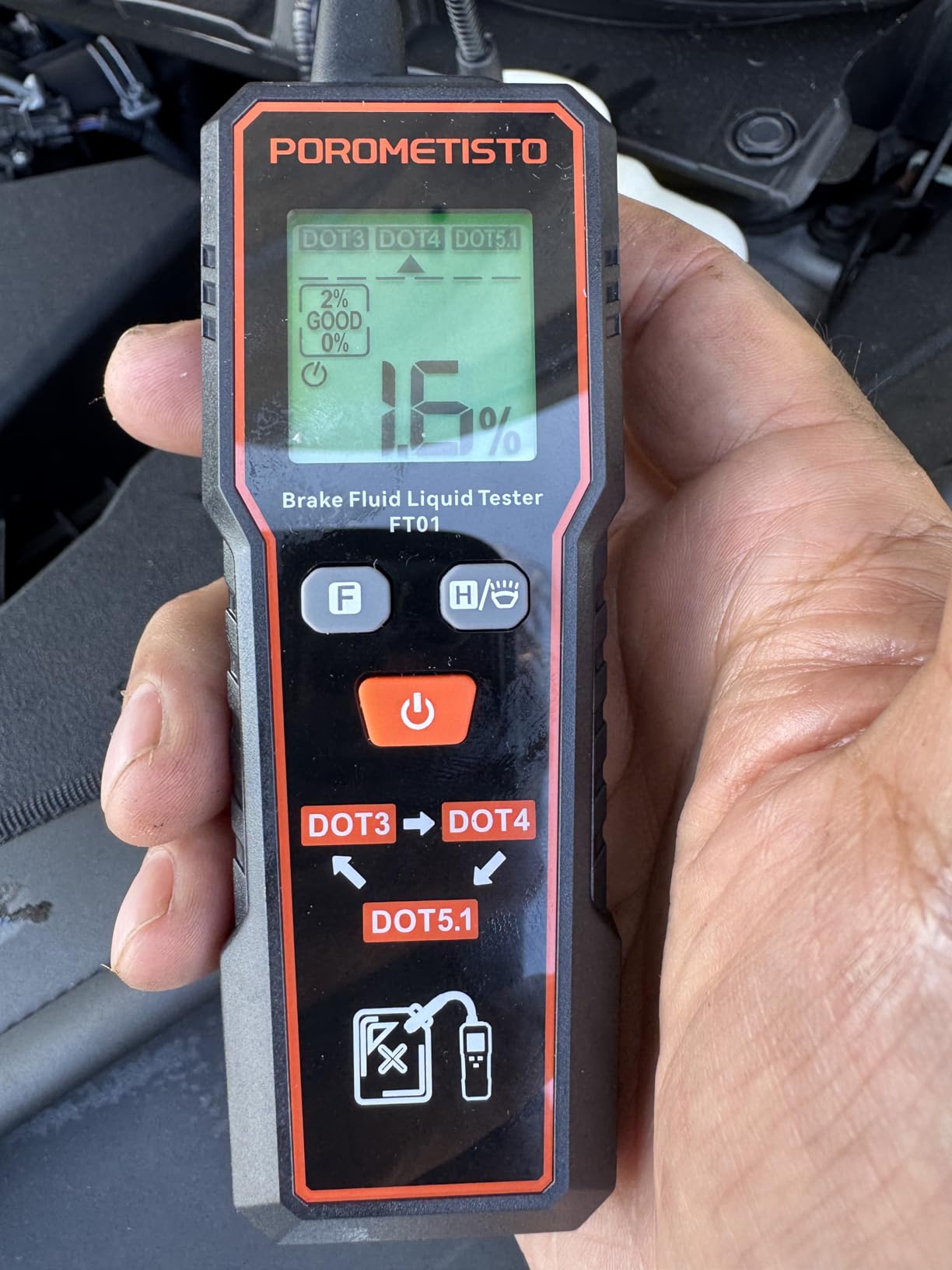
A moisture tester is the cheapest diagnostic in the garage. Our roundup of the best brake fluid testers for moisture content explains the reliability spread, because cheap testers disagree with each other. Test before and after so you know the exchange actually worked.
How to Use a Brake Fluid Exchanger
Work in this order and you will avoid most of the mistakes that turn a fluid change into a repeat visit.
1. Test the old fluid. Check the water content and condition before opening the system. If it is dark, it is worth flushing fully rather than topping up.
2. Choose the right fluid grade. Confirm the specification in your owner’s manual and use one fluid for the whole job. Mixing DOT 3 and DOT 4 in the same system is a common and avoidable mistake.
3. Bench-bleed the master cylinder. If the pedal is soft before you start, pump the master cylinder by hand and hold the pedal down while you open a bleeder screw. This clears the volume closest to the pedal, where a soft pedal usually begins.
4. Clean the reservoir. Remove the old fluid, wipe out sediment and check the reservoir for cracks or weeping. Fit the correct adapter for your cap style and confirm it seals before you pressurise anything.
5. Fill and pressurise. Add fresh fluid, then apply the tool’s pressure or vacuum. Keep an eye on the gauge or throttle, and never pressurise a reservoir whose cap seal is not properly seated.
6. Work the corners in the right order. Start at the caliper furthest from the master cylinder, which is the opposite corner on most layouts. On a typical car that means the passenger-side rear, then the driver-side rear, then the driver-side front, then the passenger-side front. Many owners waste hours by starting in the wrong place and pushing air toward the calipers instead of out of them.
7. Watch the fluid, not the clock. Open the bleeder screw a fraction, let fluid run into the collection bottle, and close it whenever flow stops. The job is finished when the fluid runs clear and free of bubbles, not after a fixed number of minutes.
8. Close, refill and check. Refill the reservoir to the correct level, keep the pedal firm, and pump the brakes until the pedal returns to normal. Do not leave the reservoir cap off, because hygroscopic fluid starts absorbing moisture the moment it is exposed to air.
9. Re-test the fluid. Run your moisture tester again. This is the only reliable confirmation that the exchange worked, and it gives you a baseline for the next change.
10. Dispose of the old fluid properly. Brake fluid is hazardous waste in most areas. A four-wheel exchange typically consumes a few litres, so keep containers sealed, label them and take them to a proper collection point rather than pouring them down a drain.
Frequently Asked Questions
What is the best tool for changing brake fluid?
For most home mechanics, the Mityvac MV8500 Silverline is the best all-round tool because it runs both vacuum and pressure modes with no compressor and handles brake, clutch and hydraulic work. A hand vacuum kit like the Orion Motor Tech one-man bleeder costs less and also needs no power. If you own a compressor, a pneumatic vacuum extractor such as the BILITOOLS 3L unit clears fluid faster.
What is the best brake bleeder tool?
The best brake bleeder depends on the tool class and your vehicles. Hand vacuum bleeders suit one car and need no compressor. Pneumatic extractors are fastest but need a compressor with at least 3 cfm. Pressure bleeders with a gauge and relief valve suit older vehicles. The SMOTIVEPRO 2L kit leads on adapter coverage, and the Mityvac MV6840 leads on reservoir size and adapter count for professional work.
Can I do a brake fluid exchange myself?
Yes. A fluid exchange is a straightforward DIY job with the right tool, an adapter that fits your master cylinder reservoir and some basic care. The main risks are introducing air at the connections, pressurising a reservoir with a badly seated cap and working the corners in the wrong order. Start at the caliper furthest from the master cylinder and work back toward it.
Do I really need a brake fluid exchange?
Usually yes, on a schedule. Brake fluid absorbs moisture from the air, and that moisture lowers the boiling point and causes corrosion inside calipers and wheel cylinders. Many manufacturers specify a change interval, commonly every two years, and the interval is shorter for vehicles that tow, brake hard or sit outside. A moisture test gives you a clear answer for your own car.
Why is brake fluid exchange so expensive when done at a shop?
Shop pricing reflects the machine and the labour. Professional exchange machines cost several times what a DIY kit does, and the technician is also checking for leaks, worn calipers and air in the module while the system is open. A full exchange also consumes several litres of fluid, which is a real material cost. Doing it yourself with a mid-range bleeder removes most of the labour component.
Final Verdict
For most people, the Mityvac MV8500 Silverline is the best brake fluid exchanger you can buy. It needs no compressor and no mains power, it works on more than brakes, and it has the deepest owner feedback of anything in this roundup. The 4.5oz reservoir is small, and if you maintain several vehicles you will refill it more often than you would like, but nothing else here matches its combination of versatility, weight and proof.
Own a compressor and want genuine extraction? The BILITOOLS 3L unit gives you the tank size and ABS compatibility without a large footprint. Run a shop and put the money where the throughput is: the Mityvac MV6830 has the highest rating in this roundup and moves fluid fast enough to pay for itself.
Check your fluid grade before you open anything, keep an eye on your compressor airflow if you go pneumatic, and replace the bleeder screws with stainless speed bleeders while you are in there. That one small part removes the seized-screw problem that turns an afternoon job into a weekend.
We will keep this roundup current as 2026 brings new models onto the shelf, and we test every tool against the same criteria: does it pull fluid out, does the adapter fit, and does it work without a second person.