
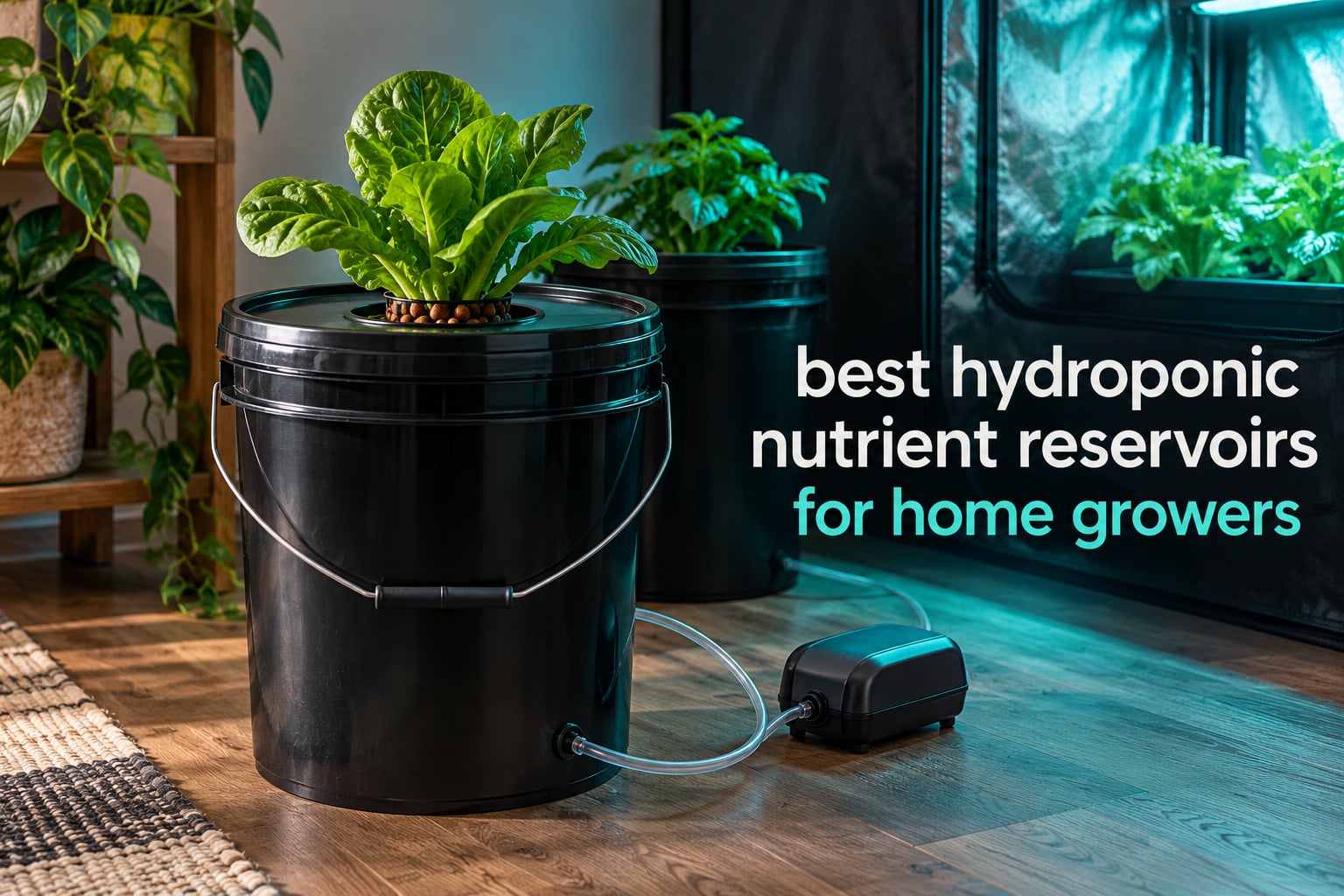
Most people arrive at a hydroponic setup thinking about the system. They want a DWC kit, or an NFT channel run, or a countertop garden that waters itself. The reservoir is where that thinking goes to die, and it is the part you should buy first.
A hydroponic nutrient reservoir is the sealed, light-blocking container holding the water and dissolved nutrients your plants actually drink. It stores the solution, lets you mix it, and gives it enough volume that temperature, pH and EC stop swinging every time a root takes a drink. In most home systems the reservoir is the one component that decides whether your numbers hold steady or whether you spend every week chasing them.
Here is the sizing answer before anything else: most home growers want 2 to 5 gallons per plant. One plant in deep water culture runs happily in a 5 gallon bucket. Six lettuce or herb plants want a single 20 to 30 gallon reservoir or a recirculating array. Anything under about 4 gallons per plant makes pH and EC corrections a daily chore, and growers on r/Hydroponics say it plainly: small reservoirs are harder to keep stable than they look.
We spent 2026 comparing eight reservoirs that cover the real segments home growers actually shop for: single-plant bucket kits, multi-bucket recirculating arrays, two-bucket setups, and turn-key first-grow packages. We scored them on stated capacity honesty, light blocking, lid and net pot fit, how easy each one is to drain, and how much aeration headroom the included pump gives you.
Table of Contents
Top 3 Best Hydroponic Nutrient Reservoirs for Home Growers in 2026

PowerGrow Systems 5 Gallon…
- Complete 5-gallon HDPE kit
- Visible blue level tube
- 44 GPH air pump included
Hydrofarm Root Spa 5 Gallon
- Rigid 5 gallon bucket
- Leak tight grommet fittings
- Linkable bucket array

VEVOR 8 Bucket Recirculatin…
- Eight 5 gallon buckets
- Recirculating water saving loop
- Per bucket level devices
The Best Hydroponic Nutrient Reservoirs at a Glance (October 2026)
Every reservoir below is sized by real capacity rather than marketing language, and every one is a home-scale format you can fit in a closet, a tent or a corner of a room. The table gives you the short version before the full reviews.
| Product | Specs | Action |
|---|---|---|
| PowerGrow Systems 5 Gallon DWC Kit |
|
Check Latest Price |
| Hydrofarm Root Spa 5 Gallon |
|
Check Latest Price |
| VEVOR 8 Bucket Recirculating Array |
|
Check Latest Price |
 VIVOSUN Top Drip 1 Bucket Kit VIVOSUN Top Drip 1 Bucket Kit |
|
Check Latest Price |
 PowerGrow 4 Site Bubbler Kit PowerGrow 4 Site Bubbler Kit |
|
Check Latest Price |
 MARS HYDRO 2 Bucket Kit MARS HYDRO 2 Bucket Kit |
|
Check Latest Price |
 Spider Farmer 2 Bucket 7 Gallon Kit Spider Farmer 2 Bucket 7 Gallon Kit |
|
Check Latest Price |
 Atwater HydroPod Atwater HydroPod |
|
Check Latest Price |
1. PowerGrow Systems 5 Gallon DWC Kit – Best Overall Hydroponic Reservoir for Home Growers
Deep Water Culture (DWC) Hydroponic Bucket Kit 5 Gallon, 6 inch
5 gallon HDPE bucket
6 inch basket lid
44 GPH air pump
blue level tube
Pros
- Highest rated kit we tested with 700 reviews
- Pre installed blue level tube is genuinely useful
- All in one package saves hunting parts
- Thirty minute setup with clear instructions
Cons
- Air pump is weak and most owners upgrade it
- Level indicator hole can be off center and oversized
- Water changes get hard once roots fill the bucket
The PowerGrow Systems 5 Gallon DWC Kit is the one we kept coming back to. It carries a 4.6 rating across 700 reviews, the highest average in this roundup, and 77 percent of those reviews are five star. For a first reservoir that you will actually maintain, that combination of rating and volume of owner feedback is hard to argue with.
Everything you need arrives in one box: a 5 gallon HDPE bucket, a 6 inch basket lid, a 44 GPH air pump, air tubing, an air stone, growing medium and rockwool seed starting plugs. Owners report assembling it in about half an hour, which matters more than it sounds. Nothing here needs a drill, a shop vac or a trip to a plumbing supplier.
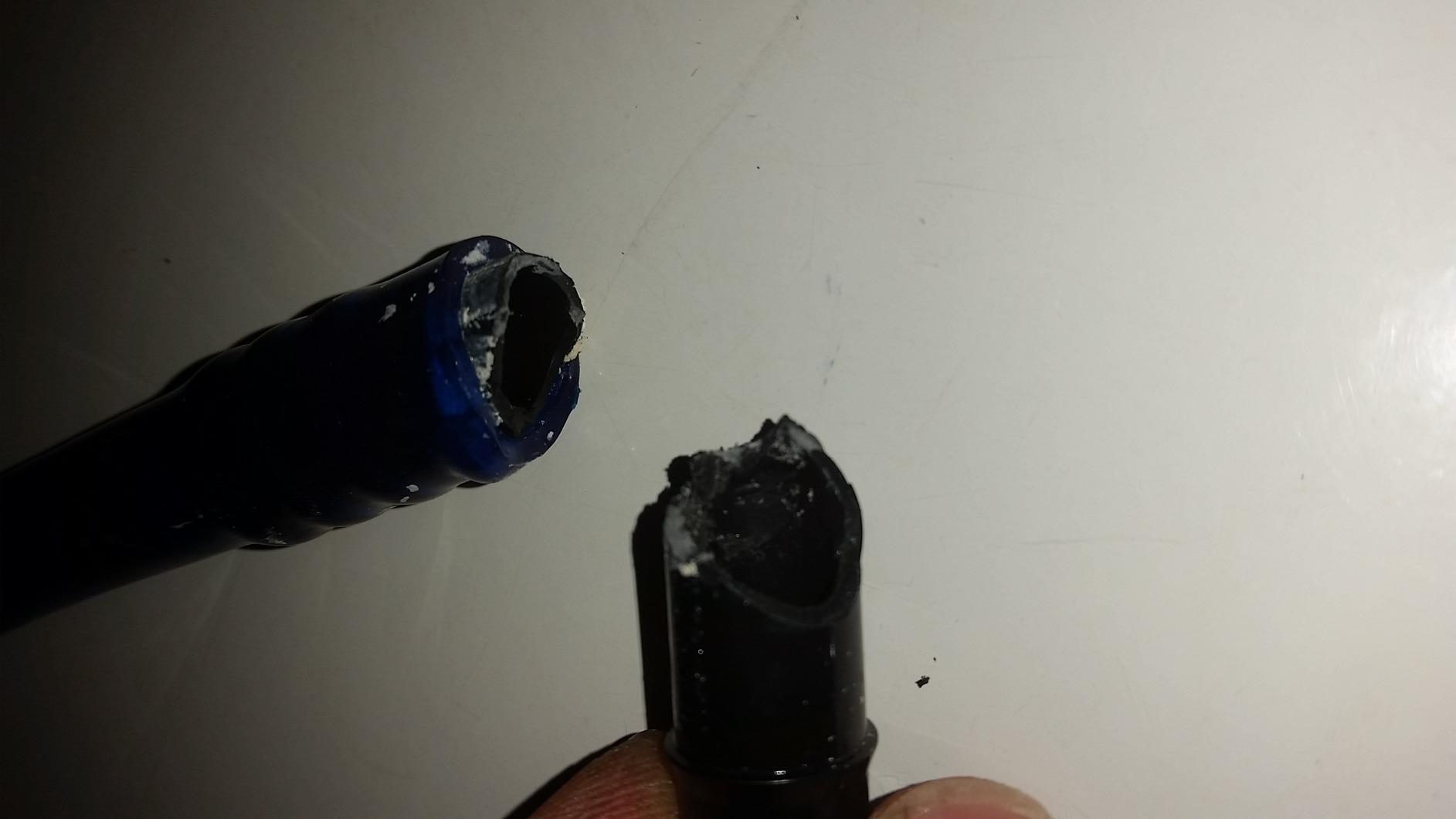
The detail we liked most is the blue water level indicator tube fitted through the bucket wall. It is a small blue sight window, and it lets you read the level and the condition of your solution without lifting a net pot or craning over the bucket. On a system with a top-heavy plant that is the difference between a two second check and a minor project.
The bucket itself is brown, not black, and it is HDPE. Wall thickness is what you would expect from a kit at this level, which is to say solid enough to stand up to root mass but not a candidate for a rugged commercial build. The lid is a rigid 6 inch basket lid that seats over the rim.
What to check before you commit
The included air pump is the weak point. Multiple owners upgrade it within a few weeks, and that is the single most repeated note across reviews. Budget for that swap rather than treating it as a failure of the kit, because the pump is sized to get you running rather than to run a full canopy.
Second, the pre drilled water level hole can arrive off center or slightly oversized. Plenty of buyers re drill it. It takes five minutes with a step bit and fixes the issue permanently, but know it is a real step on day one.
Who should skip it
Skip this one if you are planning more than two plants from a single reservoir, or if you want the simplest possible drain. Each bucket drains independently, so water changes become a scoop-and-refill job once roots fill the space. Our other reviewers on the r/microgrowery threads run larger recirculating setups for exactly this reason.
Also skip it if you already own an air pump and net pots. In that case the value here drops sharply, because you are paying for components you already have.
2. Hydrofarm Root Spa 5 Gallon – Best Value Single-Plant Reservoir
Hydrofarm RS5GALSYS Root Spa Deep Water Culture Bucket System, 5 Gallon, black
Rigid 5 gallon bucket
8 inch basket
half inch grommet and elbow
quarter inch tubing
Pros
- Most reviewed reservoir in the roundup at 1132 reviews
- Sturdy bucket that holds shape under root mass
- Grommet fittings stay sealed when bumped
- Linkable into an array with pre drilled plugs
Cons
- Air pump is underpowered and often replaced
- Buckets are not plumbed together
- Occasional broken or missing elbow fittings
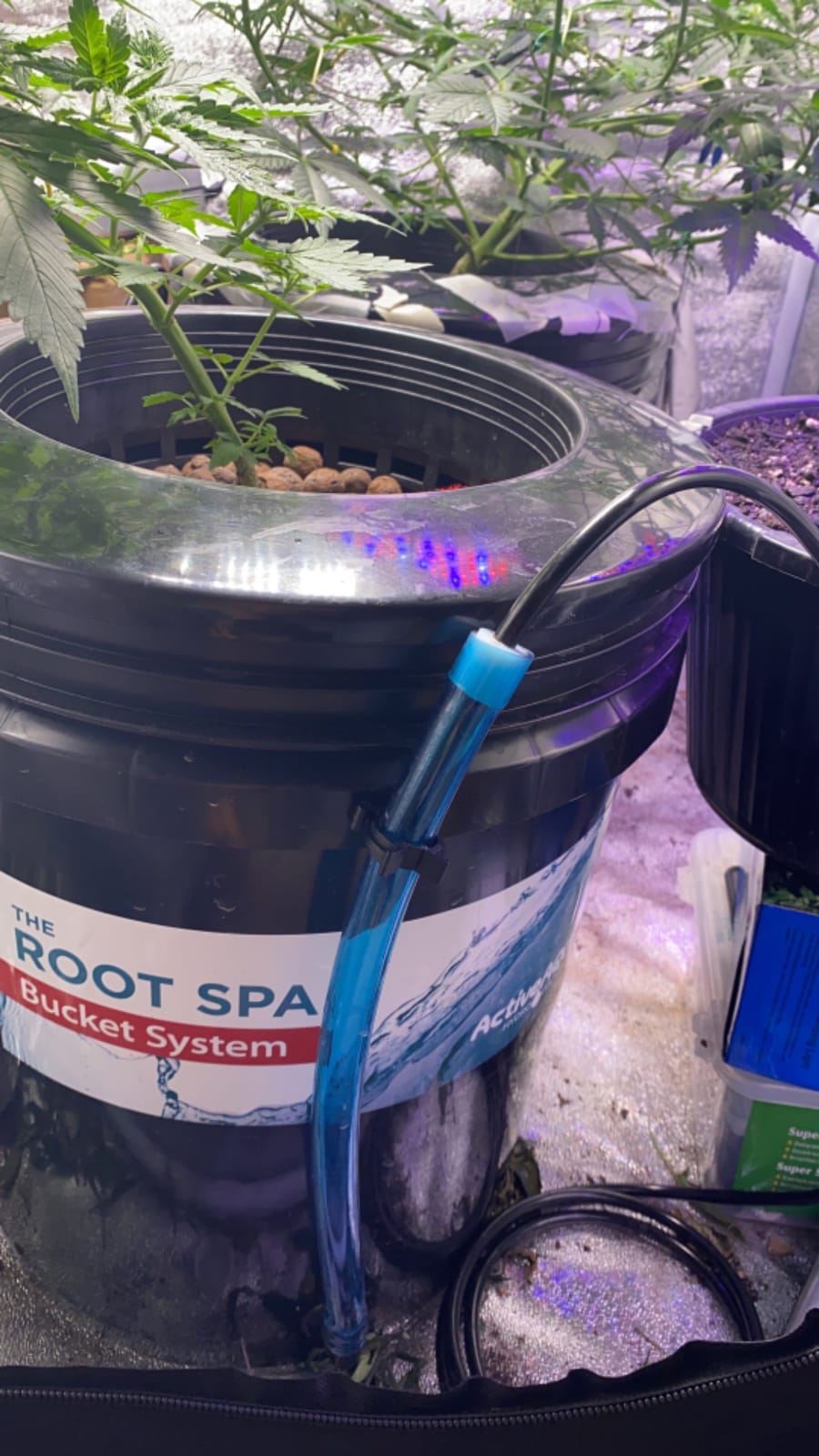
Hydrofarm’s Root Spa is the oldest and most reviewed reservoir setup we looked at, with 1132 reviews at a 4.3 average. That is a bigger owner base than everything else on this list combined, and it exists because a lot of growers have put a plant in one and had it work.
The bucket is rigid black plastic, 5 gallons, with an 8 inch bucket basket for your medium of choice. Clay pebbles are sold separately, which is the main gotcha. What you do get is a multi purpose air hose, an air pump for oxygenating the water, a half inch grommet fitting, a half inch elbow fitting and a quarter inch length of black tubing.
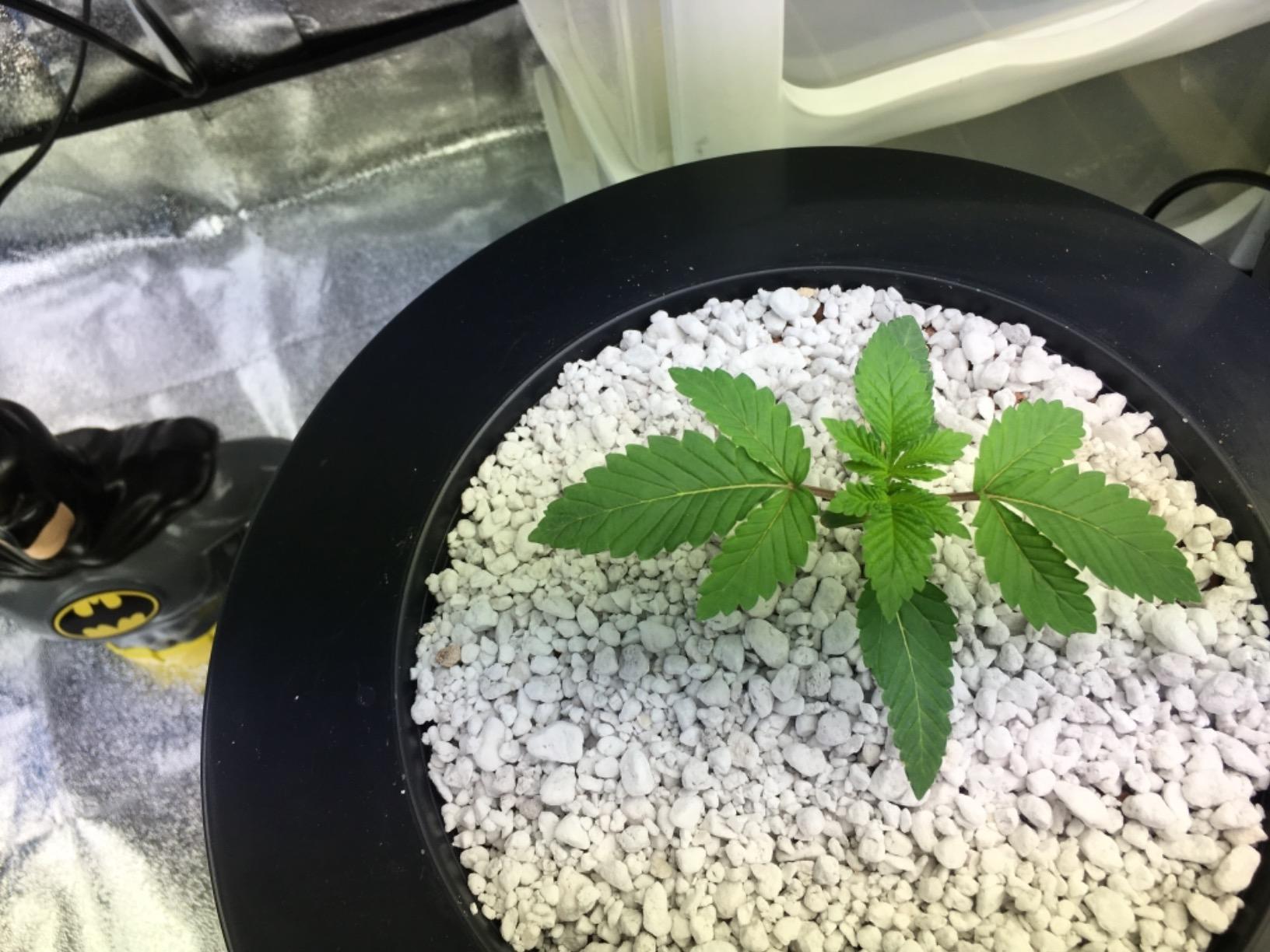
Owners single out the grommet fittings as the thing that keeps working. Reviews describe fittings that stay tight when the bucket is wiggled, bumped or moved around a tent, which is more than can be said for a lot of pre drilled ports. The lid also seats tight around the basket and blocks the light gap that seeds algae in plenty of otherwise good setups.
The other thing people like is linkability. The buckets can be joined with pre drilled plugs and tubing to build an array that auto waters across sites. That is a real path to growing more later without replacing the reservoir you already own.
What to check before you commit
Again, the air pump. On this kit it is the component owners most often replace, and it is the main reason the rating is 4.3 rather than higher. The bucket and the fittings are the durable part; the pump is the consumable starter piece.
Watch for the elbow fittings. There are reports of elbows arriving broken or missing, and packaging does not always protect them well. It costs nothing to check the box before you fill the bucket with solution.
Who should skip it
Skip it if you want draining to be a one switch operation. These buckets are not plumbed together, so a water change means draining each one individually. Skip it too if you need a large plant in a small footprint, since the standard 5 gallon format puts a hard ceiling on root volume.
3. VEVOR 8 Bucket Recirculating Array – Best Reservoir for Leafy Greens
VEVOR DWC Hydroponic System, 5 Gallon 8 Buckets, Deep Water Culture Growing Bucket, Hydroponics Grow Kit with Pump, Air Stone and Water Level Device, for Indoor/Outdoor Leafy Vegetables
Eight 5 gallon buckets
151.4 liter total
25 L per min air pump
check valves
Pros
- Largest capacity we found in a home format
- Recirculating loop saves water and labour
- Check valves stop backflow between buckets
- Level device on every bucket
Cons
- Large footprint and 25 pound weight
- Hard to rearrange once assembled
- Shared components mean one failure affects all buckets
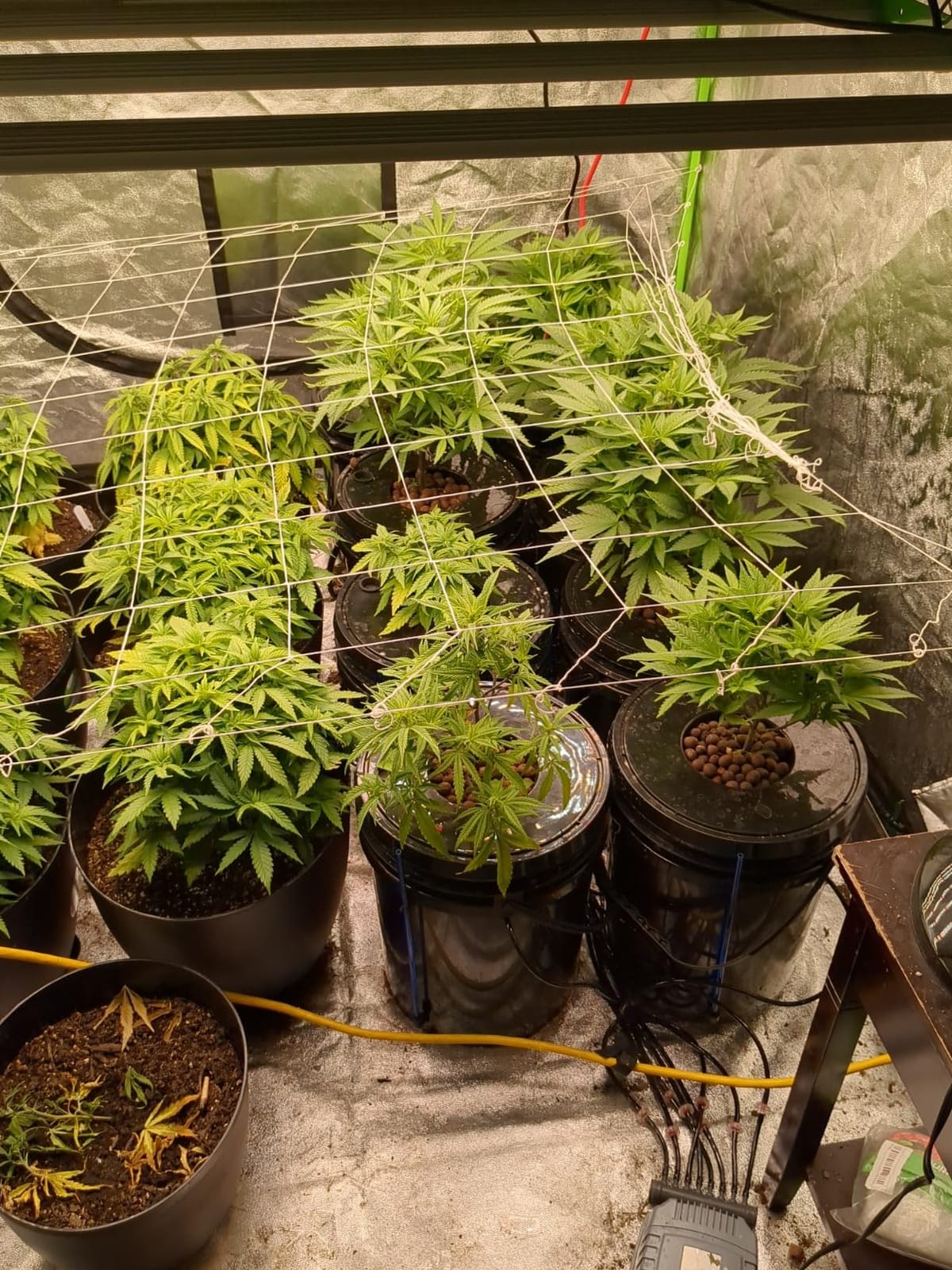
If your plan is a wall of lettuce, herbs or other quick crops, this is the reservoir format that makes sense. Eight polypropylene buckets at 5 gallons each give you 151.4 liters of total chamber volume, and every bucket recirculates into the same loop rather than standing alone.
Recirculation is the whole argument here. Instead of eight separate water changes, you service one shared volume. The 10W air pump moves 25 liters per minute, which is the strongest airflow figure in this roundup, and inline check valves keep solution from pushing backward through the manifold. Each bucket also has its own side water level device so you can see what is happening without opening a lid.
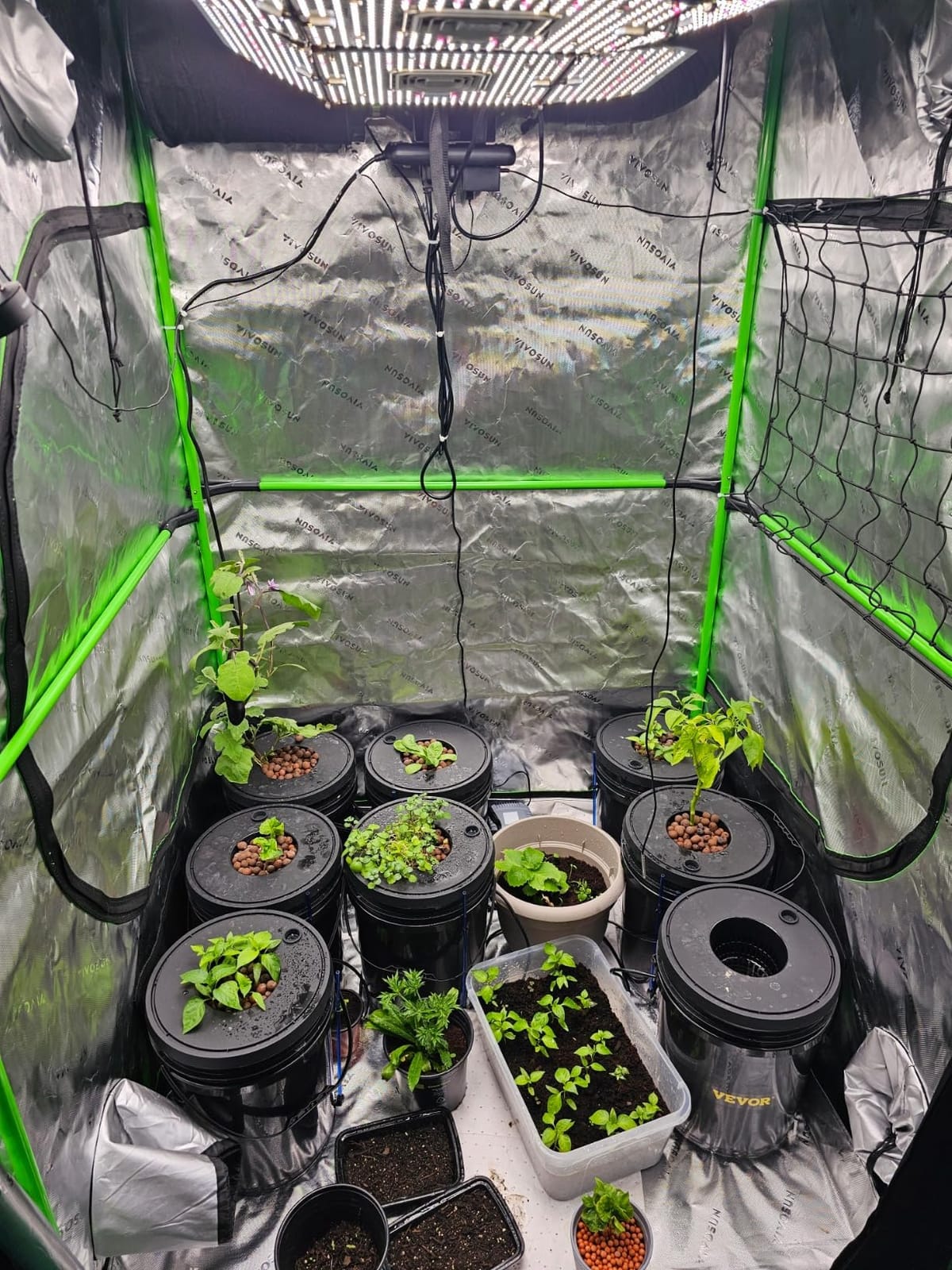
Included in the box are 8 planting buckets with 5 inch baskets, 12 meters of air hose, connectors, 8 water level devices, 8 check valves, 8 air stones, one air pump, clay pebbles and an instruction manual. That is a genuinely complete array for one purchase.
The trade is honesty about space. At 25.4 pounds and nearly 15 inches tall, this is not a closet shelf system. It wants a floor area in a grow tent, greenhouse or a room you do not mind reorganizing later.
What to check before you commit
Measure your footprint and your headroom before ordering, not after. The listed dimensions are 11.81 by 11.81 by 14.96 inches for the frame, and eight full buckets of solution are heavy in a way that will not move easily once you have plants in them.
Understand the shared loop. Because the buckets share components, a failed check valve, a kink in the air line or one plant with a root problem affects the whole array. That is efficient when everything works and frustrating when something does not.
Who should skip it
Skip it if you have four plants or fewer, or if you move your setup around. A two bucket kit covers four sites with a fraction of the weight and the same core engineering. This array is built for volume, and volume you do not need is just floor space you gave away.
4. VIVOSUN Top Drip 1 Bucket Kit – Best for Continuously Moving Solution
VIVOSUN DWC Hydroponics Grow System with Top Drip Kit 1 Bucket
5 gallon PP bucket
8 inch grow basket
top drip ring
8W pump at 7 L per min
Pros
- Top drip ring keeps solution moving and fresher
- Quiet once all tubing is connected
- Standard 5 gallon footprint fits grow tents
- Complete kit with grow guide booklet
Cons
- Top watering ring sputters and can be loud
- Getting tubing through grommets is fiddly
- Flow control valves are basically on or off
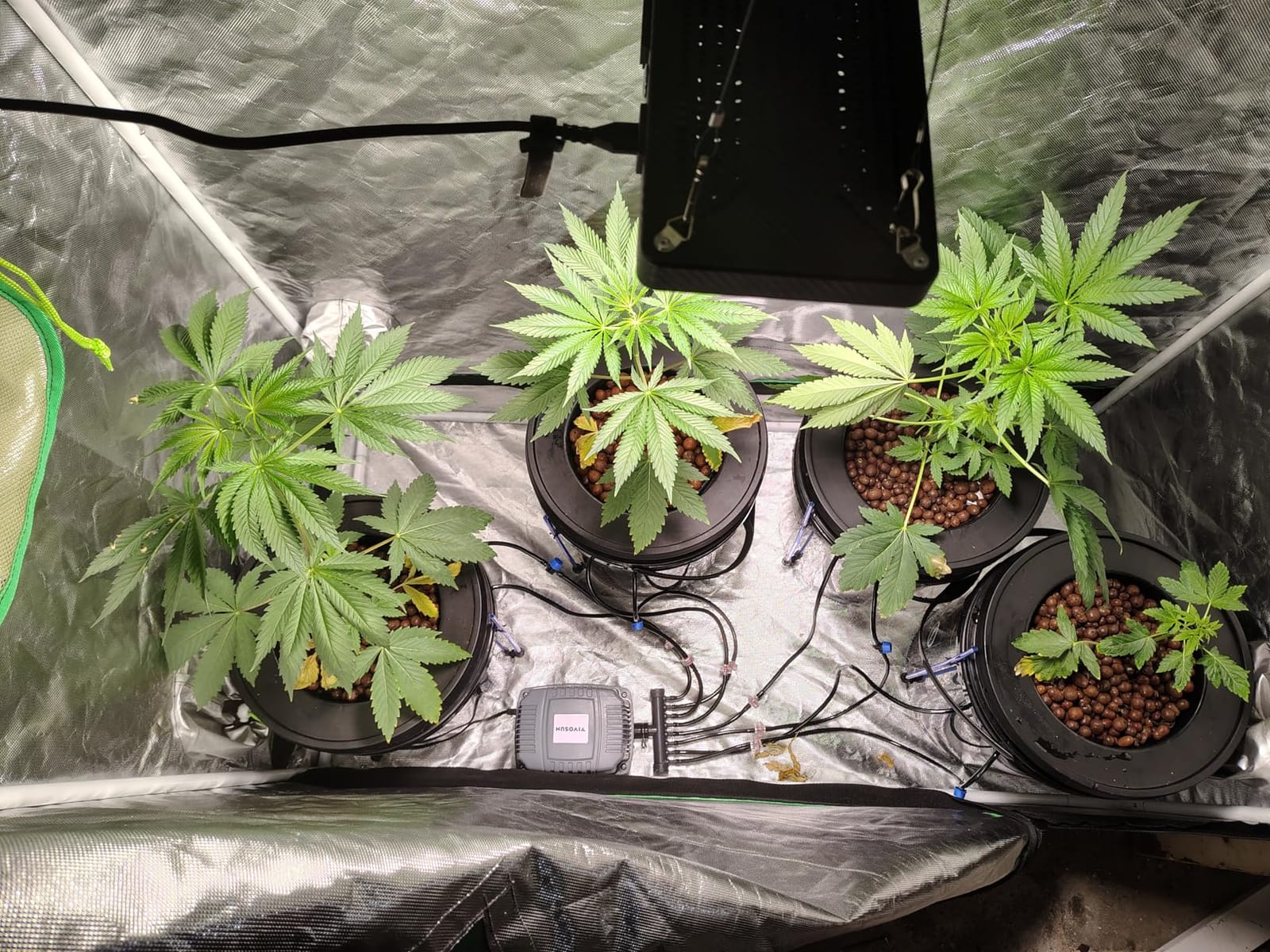
The VIVOSUN Top Drip kit adds something the plain DWC buckets do not have: a drip ring at the top that recirculates nutrient water back into the root zone. Owners report that constant movement keeps the solution fresher and the root zone more evenly fed than a still bucket.
Everything else is a competent single bucket build. You get a 5 gallon polypropylene bucket, an 8 inch grow basket, a drip irrigation set, an 8W air pump producing 7 liters per minute, 2 meters of air tube, an air stone, clay pebbles, a visual water level indicator, a valve connection and an instruction booklet. The 13.78 by 13.78 by 15.75 inch footprint matches a standard bucket, so it drops into a normal grow tent layout.
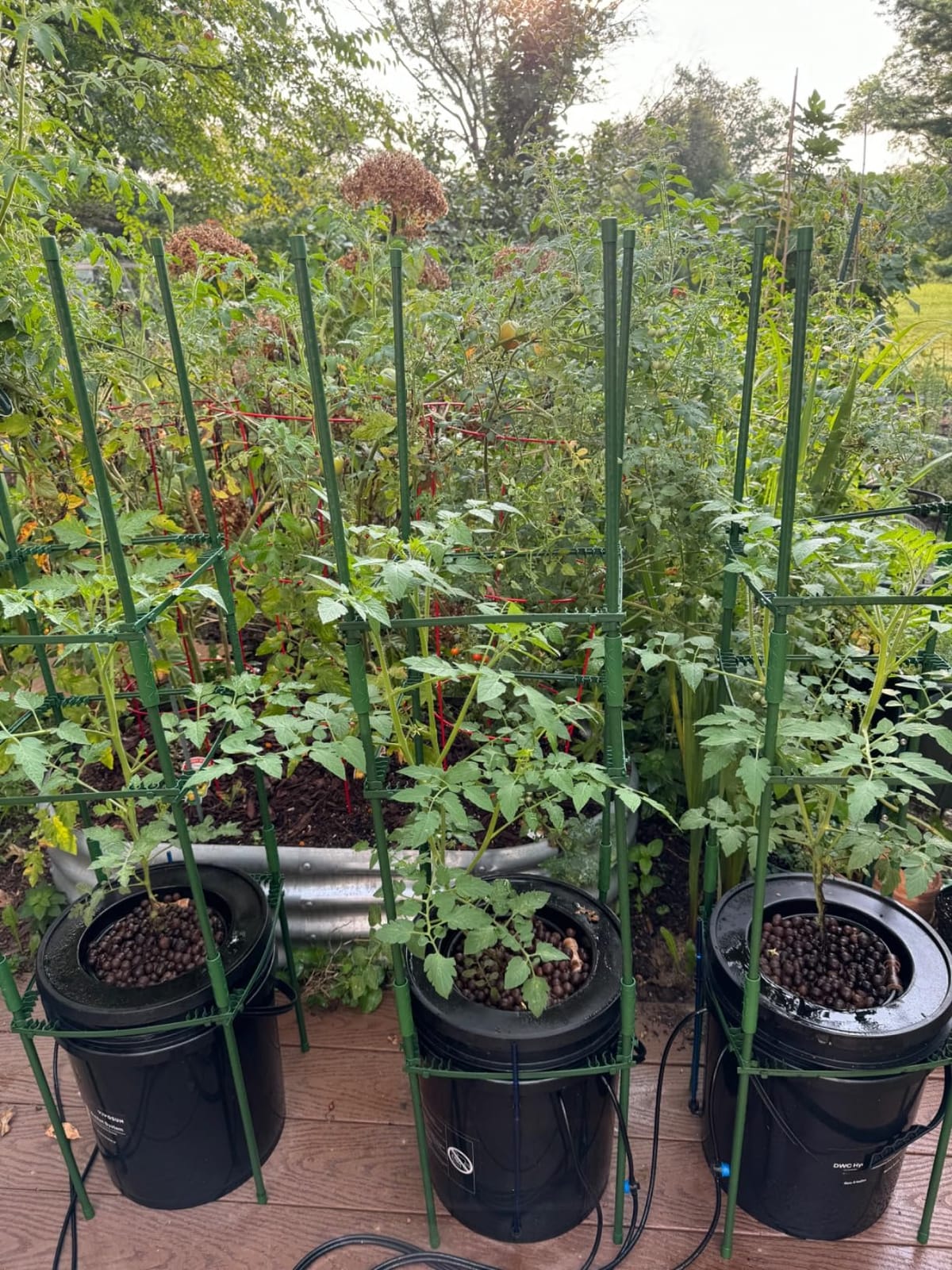
One of the more persuasive details in reviews is the sound. The pump is genuinely quiet once every run of tubing is connected and seated, which matters if the system sits in a bedroom or a home office. Several growers report heavy output, including large cucumber harvests over a few months from a single bucket.
It also runs itself. Once the air pump is plugged in the system circulates without further attention, which is the appeal for anyone who wants a set and forget root zone.
What to check before you commit
The drip ring is the part to watch. It sputters, and it can get noisy if you leave it running continuously, so treat it as something to tune rather than ignore. Getting the tubing through the grommets is also fiddly the first time; budget patience rather than extra tools.
Flow control is coarse. The valves have very little adjustment, so they are effectively on or off. If you want to dial the drip rate you will need a different valve.
Who should skip it
Skip it if silence in a shared room matters more than circulation, or if you need precise control of how much solution moves. The drain fitting also sits at floor level, so emptying the bucket means lifting or propping it, which gets awkward with a full plant in place.
5. PowerGrow 4 Site Bubbler Kit – Best for Growing Four Different Crops
Deep Water Culture (DWC) Hydroponic Bubbler Bucket Kit by PowerGrow ® Systems (4) 5 Gallon – 6″ Buckets
Four 5 gallon buckets
6 inch basket lids
per bucket level and drain
one year warranty
Pros
- Four independent sites for four different crops
- Each bucket has its own level indicator and drain
- Made in the USA with a workmanship warranty
- Complete kit with pump
- lines
- stones and lids
Cons
- Buckets are independent rather than recirculated
- Higher total cost for the same plant count
- Eighteen pounds of weight when assembled
- Entry level air pump and air stones
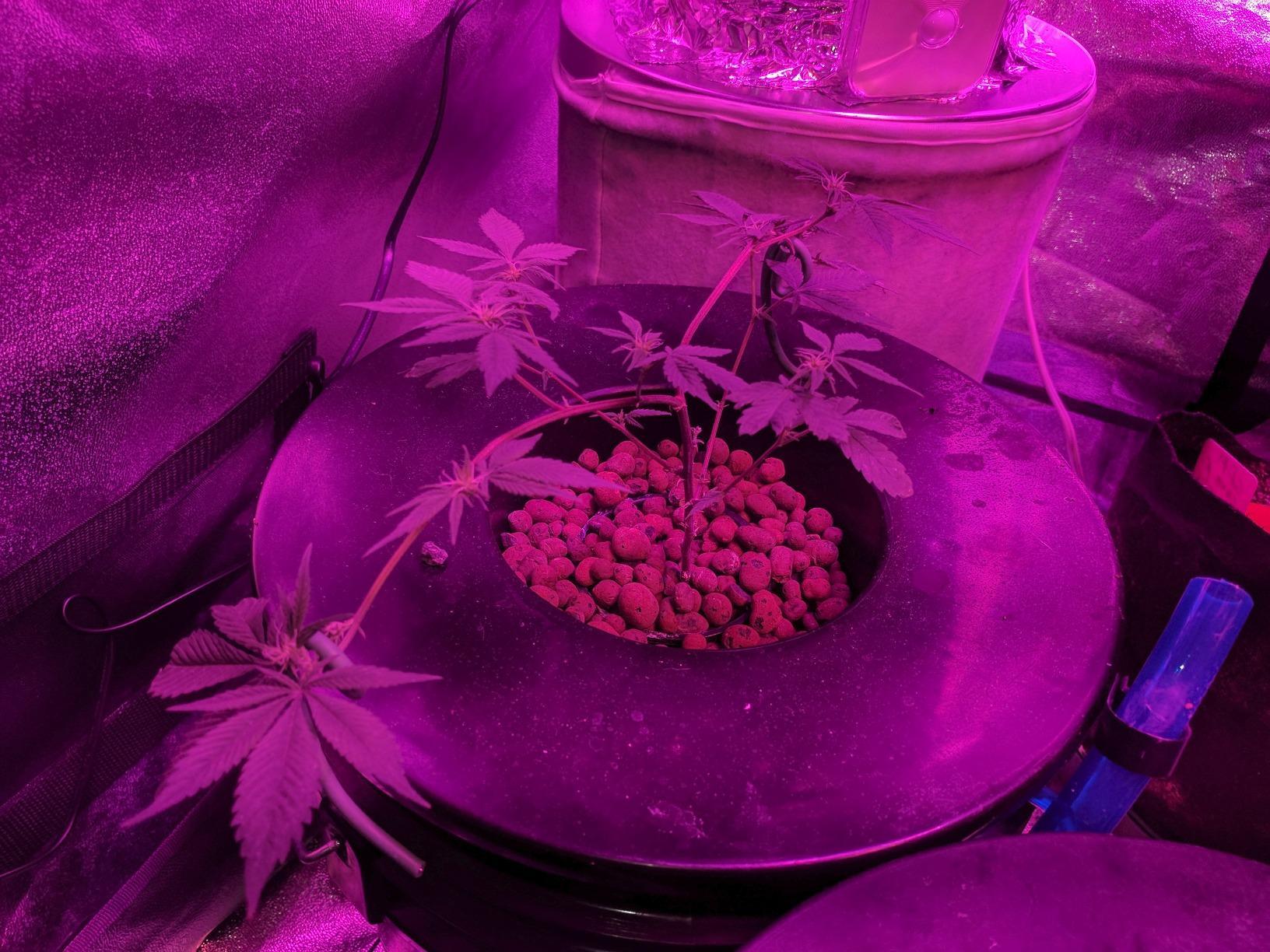
Four sites, four independent 5 gallon buckets, four different crops. This is the PowerGrow platform scaled up, and it exists for a specific reason: some plants want different solution strengths and you cannot give them the same EC in a shared loop.
Each bucket has its own water level indicator and its own drain, which makes servicing straightforward. The kit includes an air pump, air lines, air stones, 6 inch basket lids and four 5 gallon buckets. It is made in the USA with a one year manufacturer warranty against defects in workmanship.
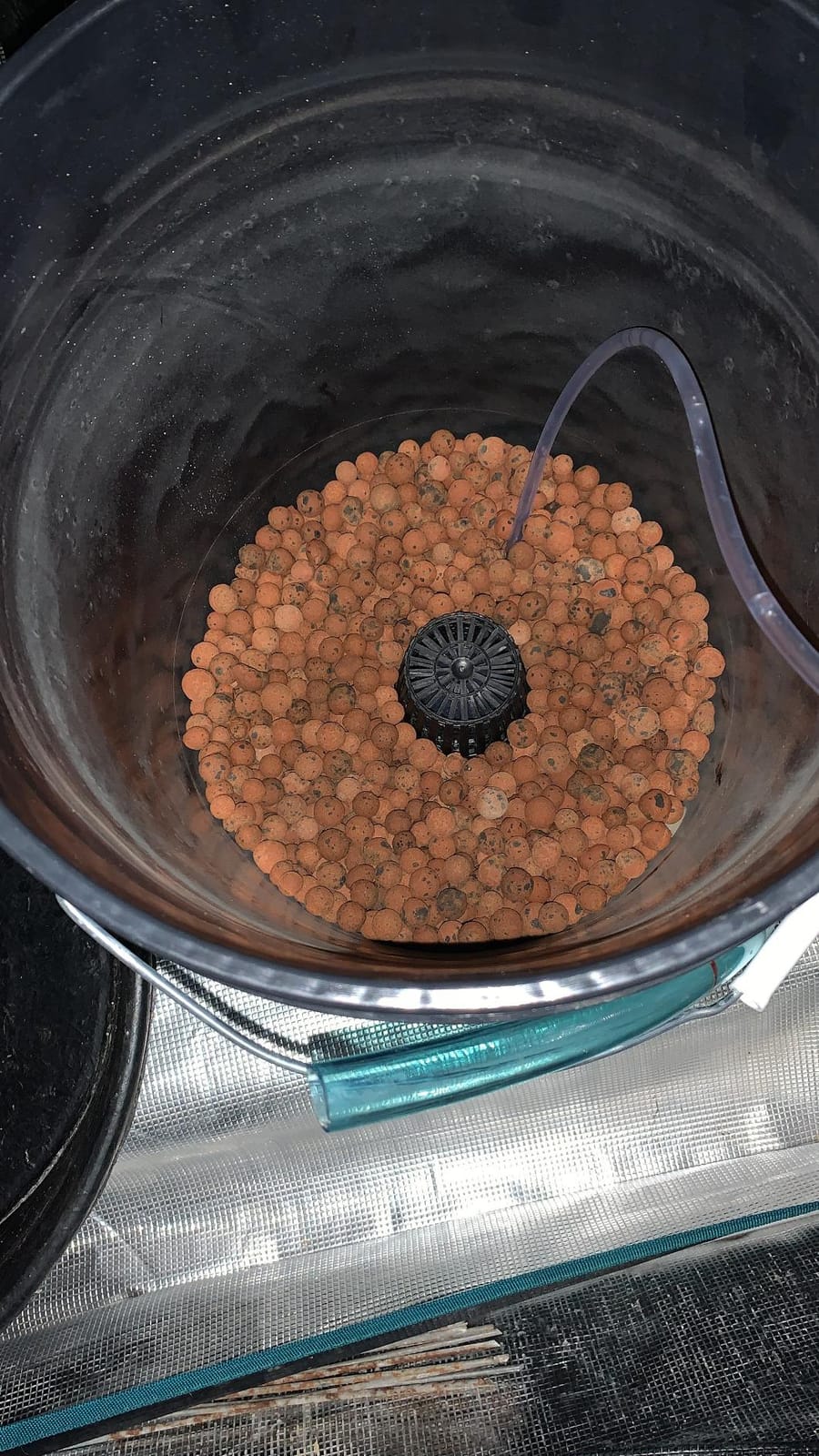
The independence is the feature. If your basil is ready before your peppers, you can dump and remix one bucket without touching the other three. In a recirculating array that option does not exist.
The design is also long proven. This is an expansion of a kit family that has been built for years, so the parts are familiar and the instructions match what you will find on the bench.
What to check before you commit
These buckets are not recirculated, so you are managing four separate volumes of water rather than one shared reservoir. That is more servicing, not less, even though it feels more organized.
Also weigh it. Assembled, this comes in at 18 pounds before you add solution, and four full buckets of water are heavier still. Decide where it will live before it arrives.
Who should skip it
Skip it if you are running one crop across several plants, because the recirculating array handles that more cheaply in water and in effort. Skip it if you have under about 10 square feet of floor to give up.
6. MARS HYDRO 2 Bucket Kit – Best for Thick Food Grade Walls
Mars Hydro DWC Hydroponics Grow System 5 Gallon Deep Water Culture with 8W Air Pump, Multi-Purpose Air Hose, Air Stone, 2 Buckets and Top Drip Kit
Two 5 gallon buckets
8W air pump
two top drip kits
flow regulators
level indicators
Pros
- Food grade BPA free buckets with thick rigid walls
- Strong aeration holds dissolved oxygen high
- Pre drilled ports simplify assembly
- Quiet operation reported in enclosed tents
Cons
- Air pump is noticeably loud
- Included tubing diameter may not suit every setup
- Instructions are hard to read
- Some level tubes arrive bent
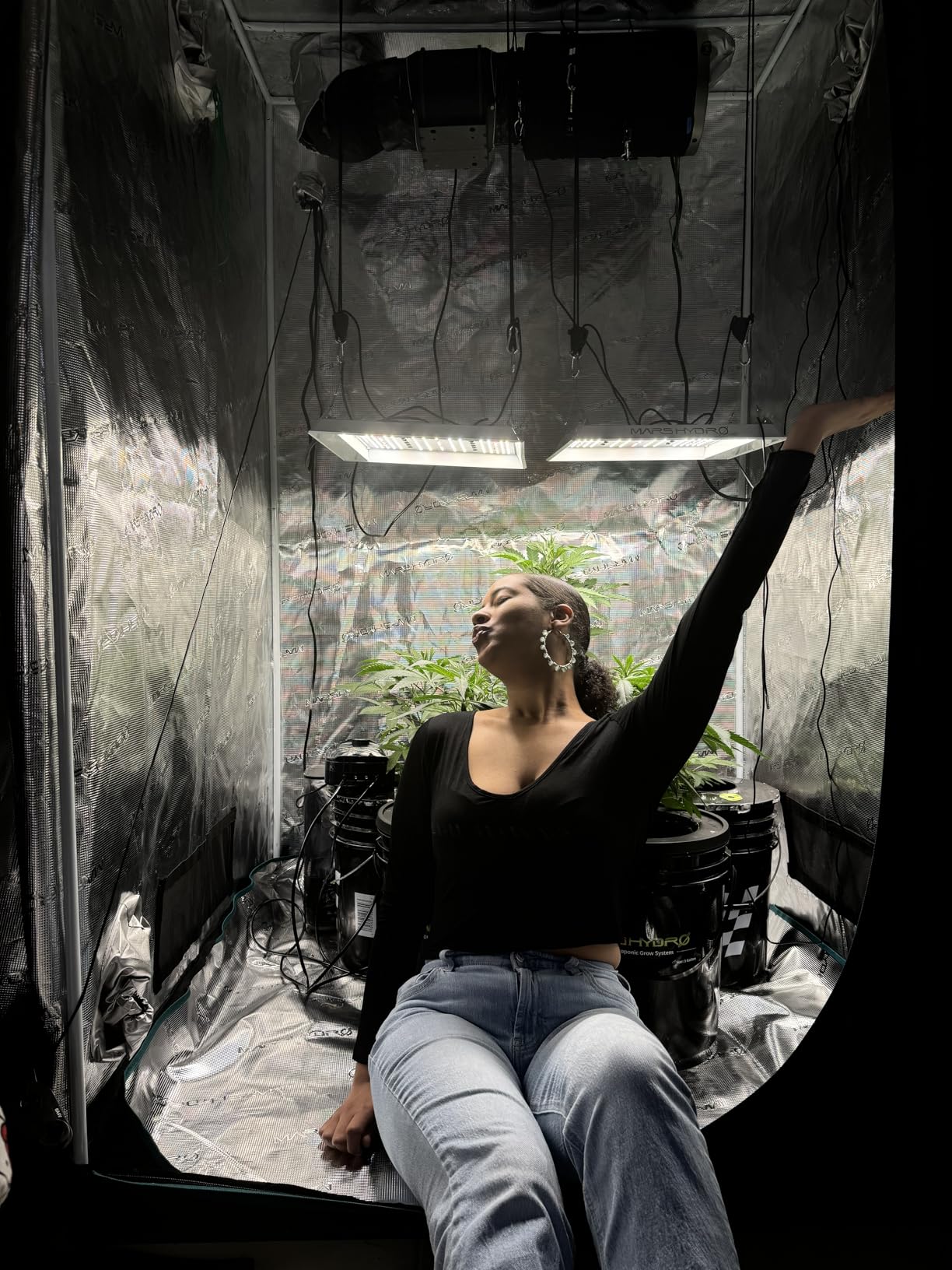
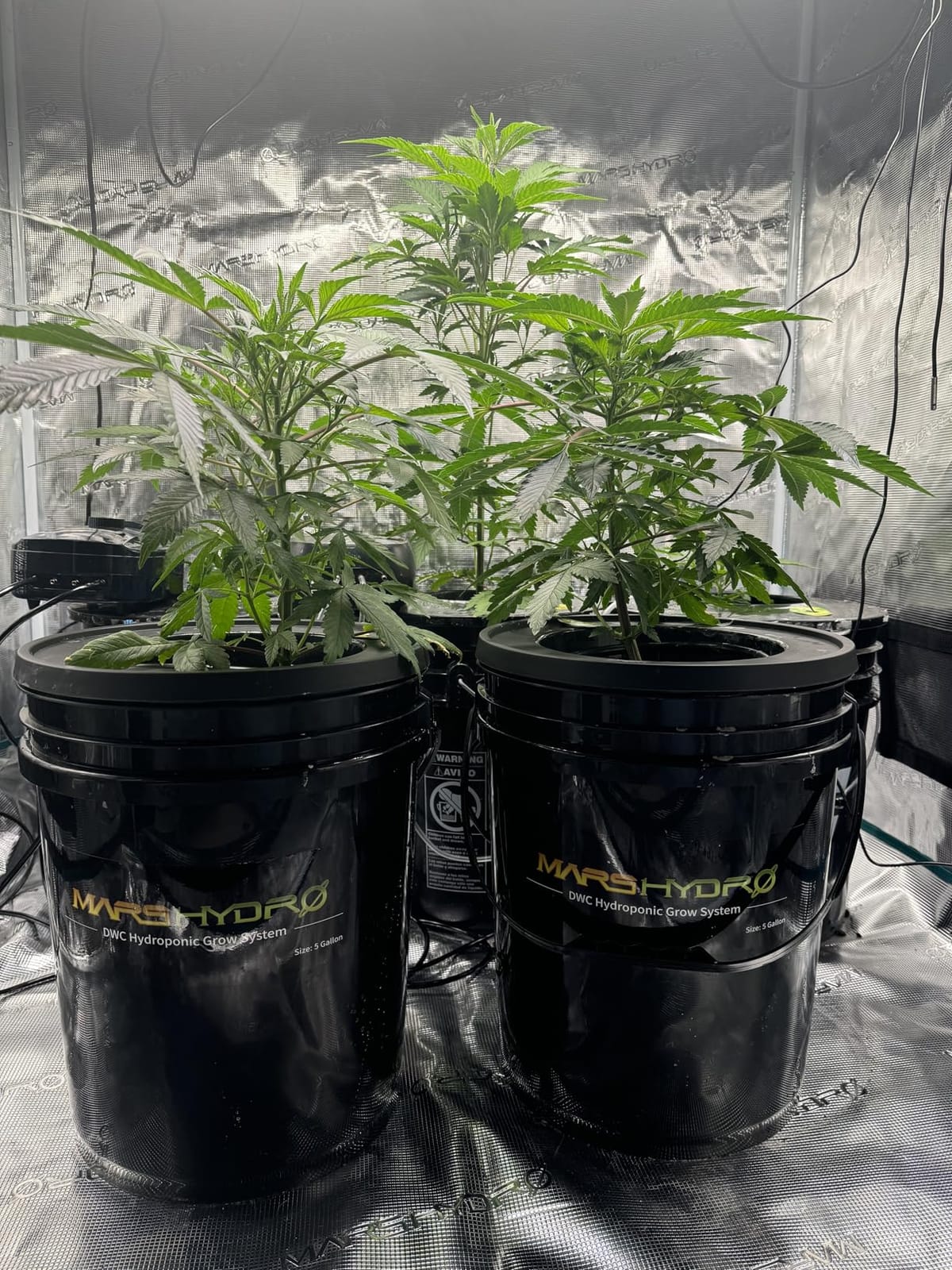
Wall thickness is what separates this kit from most of its bucket competitors, and it is the reason we put it here. Owners describe thick, rigid food grade BPA free buckets that resist deformation and help insulate the nutrient solution, which matters more in a warm tent than most product pages admit.
The package covers two sites: two 5 gallon buckets, an 8W air pump rated for up to 4 times 63.4 GPH, two air stones, two top drip kits, 6 meters of air tube, two water level indicators, four check valves, two air flow regulators and clay pebbles. The pre drilled ports for air lines and gauges are genuinely useful because they are already the right size.
Aeration is where this kit earns its reputation. Several buyers report that the airflow holds dissolved oxygen high and avoids the anaerobic pockets at the bottom of a bucket that invite root problems. Two buckets on one pump is a comfortable load for an 8W unit of this class.
The air flow regulators are a nice touch that most kits in this range skip. They let you balance the drip ring on each bucket instead of accepting whatever the plumbing gives you.
What to check before you commit
Noise. The included pump is noticeably loud, especially when driving multiple lines at once, so plan where the buckets sit. If silence in a shared room is the priority, buy a quieter pump with this kit instead.
Check the tubing and the level tubes on arrival. Some buyers report tubing diameter that does not suit their setup and level indicator tubes that arrive bent or crimped. Both are quick fixes, but both are worth a look before you fill anything.
Who should skip it
Skip it if you are on a strict budget and already own a bucket, an air pump and net pots, because this is a full kit rather than a reservoir component. Skip it if pump noise is going to bother you in a living space.
7. Spider Farmer 2 Bucket 7 Gallon Kit – Best for the Biggest Volume per Bucket
Spider Farmer DWC Hydroponics Growing System Kit 2 Buckets for Indoor Plant
Two 7 gallon buckets
removable triangle cover
8 inch net cup
adjustable drip ring
Pros
- Largest per bucket capacity here at 7 gallons
- Triangle cover allows top ups without disassembly
- Corrosion resistant PP that stays lightweight
- Adjustable drip ring supports large plants
Cons
- Tall narrow shape uses more vertical space
- Only two buckets so scaling means new sets
- Airflow claim depends on correct dial position
- Some buyers drill extra lid holes
Everyone else on this list is a 5 gallon bucket. Spider Farmer ships 7 gallon buckets, and that single difference changes how often you top up. More volume per site means a longer interval between water changes, which is exactly what growers on thcfarmer and rollitup threads ask for when they describe topping up as the thing they dread.
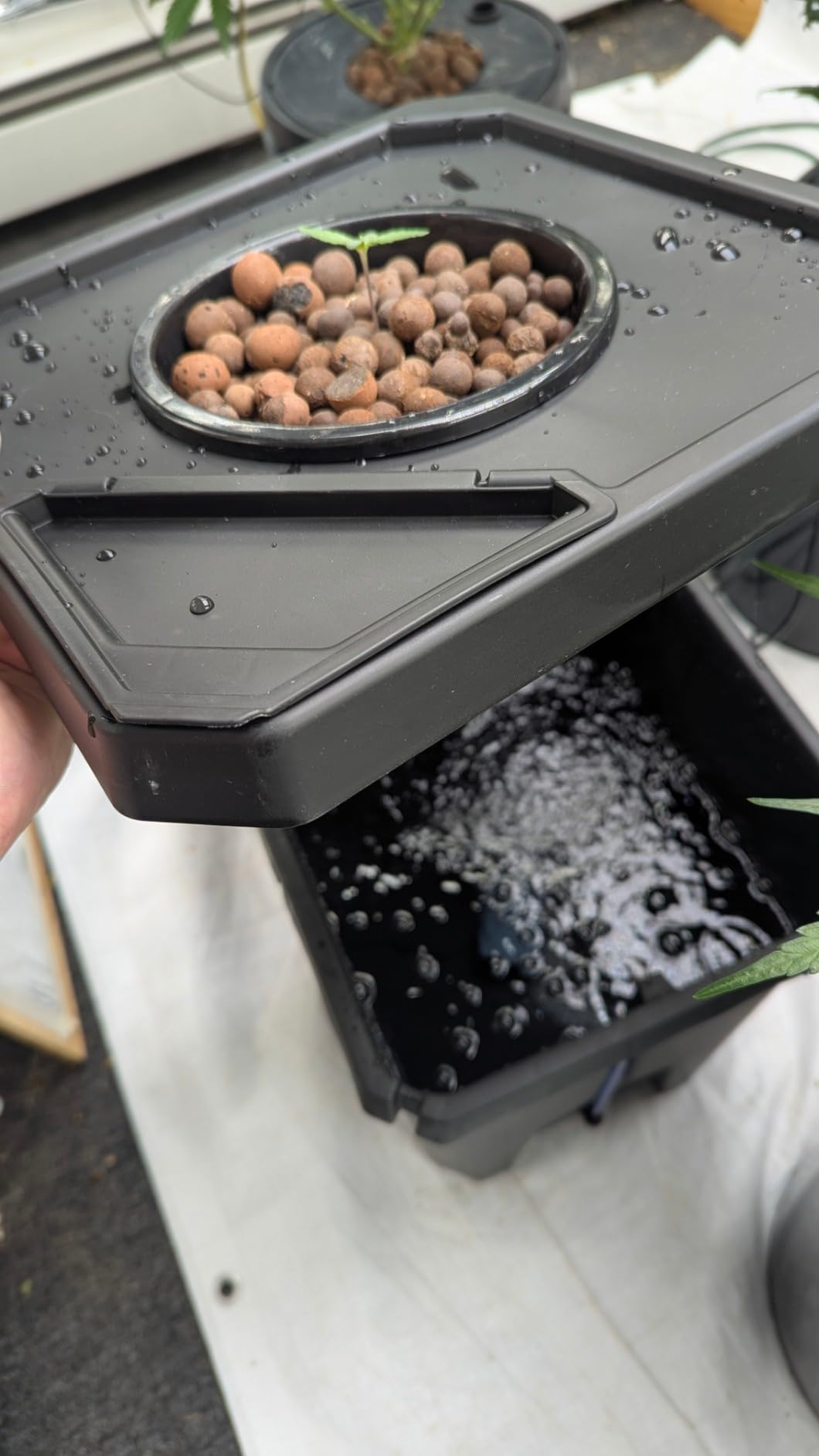
The design detail worth knowing is the triangle cover. It lifts off so you can add water and measure pH and EC without moving parts around. On a tall bucket full of established roots, not having to fish a meter tube through a net pot is a real time saver.
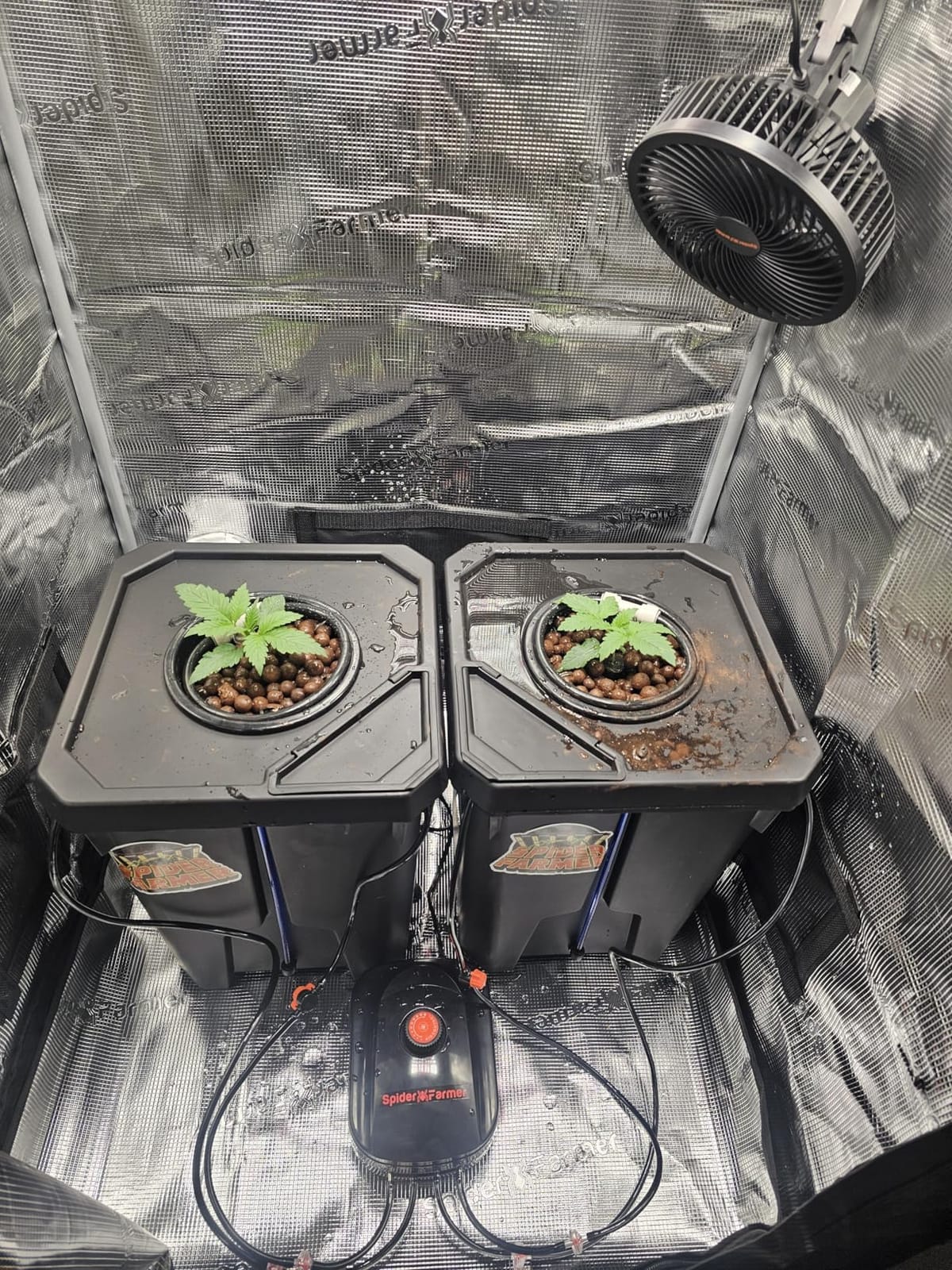
Construction is corrosion resistant polypropylene, which stays light and rigid. The package includes two 7 gallon buckets, two triangular covers, two net cups, an air pump, two air stones, 6 meters of 4/6mm black tubing, dry clay pebbles, two water level tubes, two drip irrigation rings and a manual. The 8W pump is adjustable, and the drip ring pairs with a 6 inch high tenacity net cup that holds a heavy plant without twisting.
Two buckets also means you can run two varieties side by side at a manageable footprint, which is useful when you want to compare an old strain against a new one.
What to check before you commit
Height, not width. At 19.69 inches tall on an 11.89 inch square footprint, these are taller than a standard bucket. Measure the vertical clearance under your shelf or tent ceiling before ordering, because a bucket full of solution that does not fit is a bucket full of solution.
Verify the pump dial position when you set it up. Owners note that the adjustable airflow claim only holds if the control is set where the manual says. Some buyers also drill extra lid holes to route tubing more cleanly.
Who should skip it
Skip it if your vertical clearance is tight. Skip it if you want more than two sites, since scaling means buying additional sets rather than adding a bucket to a shared loop.
8. Atwater HydroPod – Best Turn-Key Kit for a First Grow
The Atwater HydroPod – DWC Deep Water Culture Garden System Kit – 5 Gallon Bubble Bucket – Bubbleponics – Nutrients & pH Testing/Adjusting Kits are Included!
USA made 5 gallon food grade bucket
dual outlet air pump
nutrients and pH kit included
Pros
- Nutrients and pH supplies arrive in the box
- Food grade 5 gallon bucket made in the USA
- Very easy setup with no frills needed
- Low maintenance recirculating design
Cons
- Air stones and pump are basic
- Single bucket format limits plant count
- Not recirculating between multiple sites
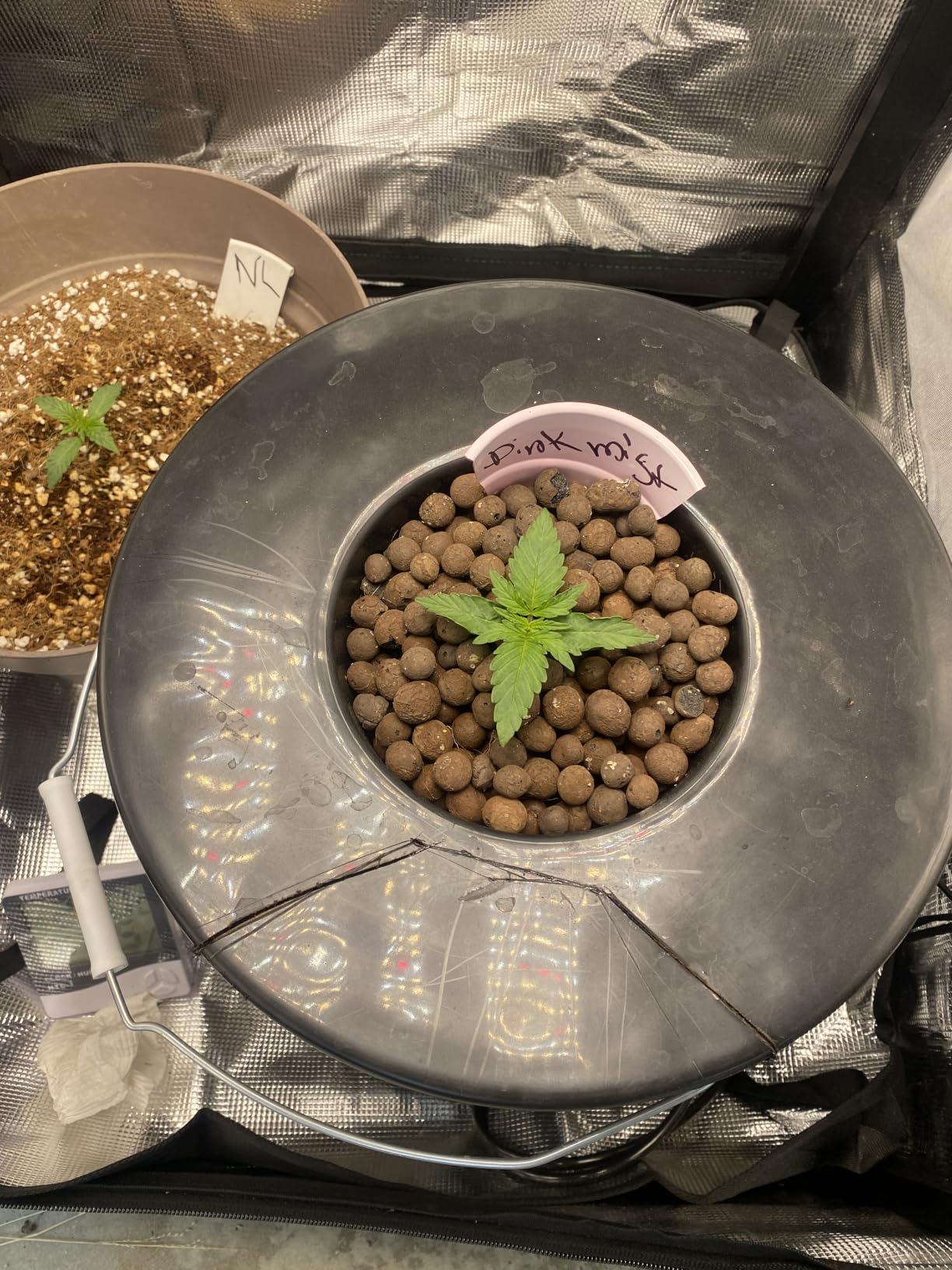
The Atwater HydroPod is the pick for someone standing in a garden centre or a storage unit with no idea what they need. It ships with a USA made 5 gallon food grade black bucket, a dual outlet DC air pump kit with two air stones, all fittings, and a set of nutrients plus a pH testing and adjusting kit. You open the box and you have a working inventory.
That completeness is the argument. The setup steps are genuinely simple: mix nutrients, adjust pH, insert the plant, plug in the pump. Owners describe it as low maintenance and water efficient, and the recirculating design inside the bucket means the solution moves rather than sitting still.
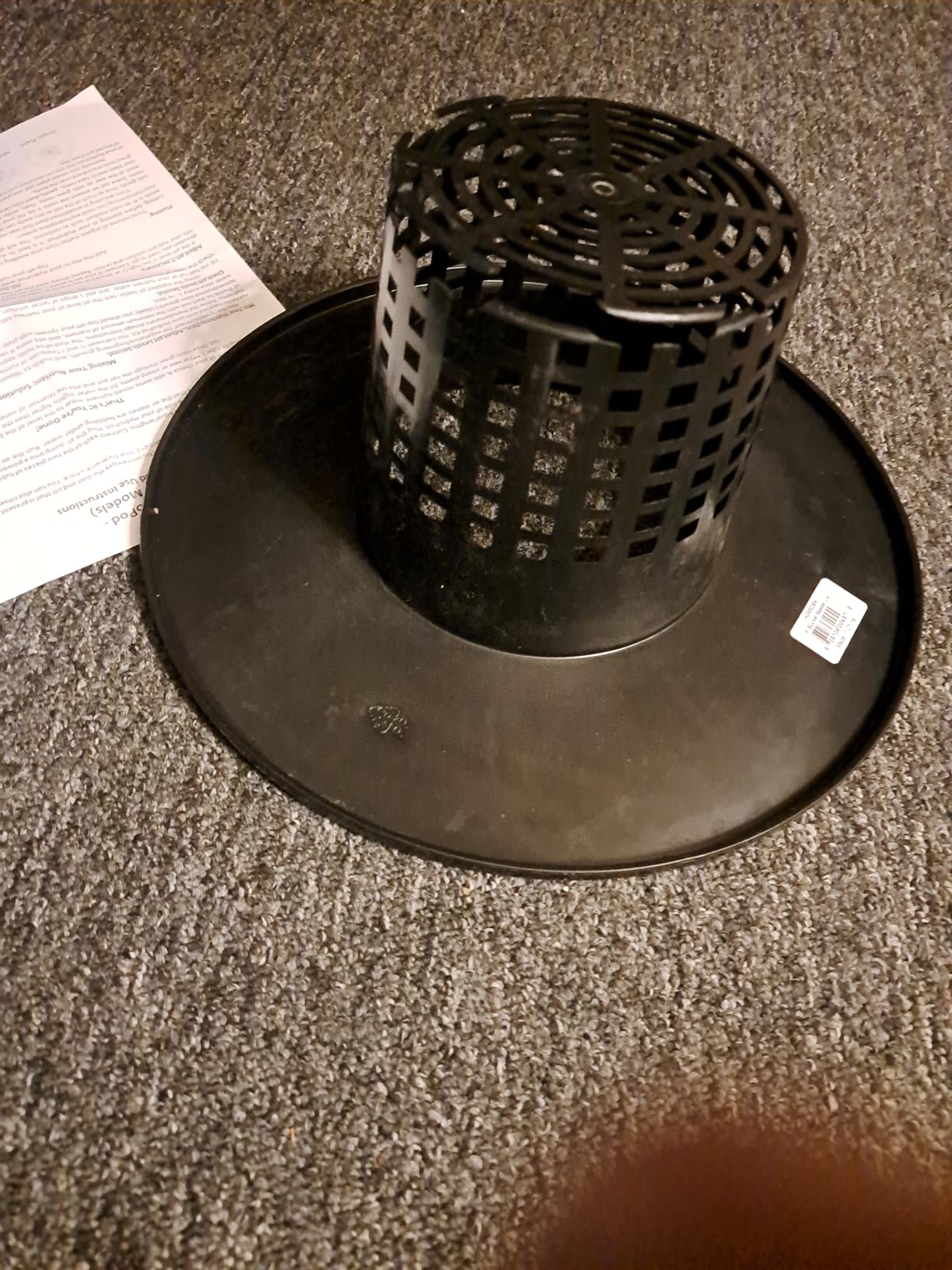
Two air outlets from one pump is a sensible allocation for a single bucket. You can run one stone in the bucket and keep the second as a spare or in a reservoir, which is a small but real convenience most single bucket kits do not offer.
The bucket is food grade and made in the USA, which matters more than the brand badge suggests. Food grade is the standard you want when the container holds the water your plants drink, and knowing where it was made tells you something about the plastic.
What to check before you commit
The included aeration is basic compared with a dedicated build, and it is the component most likely to need replacing later. That is fine for a first grow, less fine if you are planning to push a large plant through flowering.
Also check that you do not already own nutrients and pH supplies, because those are genuinely in the box here. If you have them, the money in this kit is better spent on a better air pump.
Who should skip it
Skip it if you already have nutrients and a pH kit, or if you want more than one plant site. This is a single bucket design that does not recirculate between multiple sites, so scaling up means running a second full kit.
How We Picked and Tested These Reservoirs?
Nobody was handing us reservoirs to photograph, so we did not pretend to run a lab. Instead we scored all eight against the criteria that separate a reservoir that works from one that creates problems, and we weighted them by how often growers actually complain.
Here is the rubric we used, in order of weight.
Stated capacity that matches reality. Does the listed volume reflect what you can actually fill and still fit a lid and net pot on top? A 5 gallon bucket that only works at 4 gallons because the lid sits low is a common disappointment.
Light blocking. Opaque walls and a fitted lid that seals around the net pot, because light in the reservoir means algae, and algae steals oxygen from the roots at night.
Lid and net pot fit. Does the lid sit flat, does the hole match a standard net pot diameter, and does it seal without daylight visible around the stem?
Draining and cleaning. Can you empty it without lifting a mature plant, and is the interior smooth enough to wipe down?
Temperature behaviour. Thick or insulated walls hold solution temperature steadier than thin translucent plastic, and steadier temperature means steadier dissolved oxygen.
Aeration headroom. Whether the included pump can handle the number of air stones in the kit at a useful flow rate, or whether you will be replacing it within a month.
We also weighted owner feedback heavily, because a category this thin on ratings benefits more from volume of real use than from a single bright review. Where the same complaint appeared across many reviews, we treated it as a design fact rather than bad luck. That is why the included air pump shows up in the con list on so many cards here.
Reservoir Size Chart: Gallons and Liters by Plant Count
The recommended reservoir size for hydroponics is 2 to 5 gallons per plant, with 4 gallons per plant as the sweet spot for a home DWC setup. Give a plant less than about 2 gallons and you will chase pH and EC daily. Give it much more than you need and you are buying stability you will never use, plus a bucket you cannot lift.
1 plant: 4 to 5 gallons (15 to 19 liters). This is the standard DWC bucket and the most common home setup.
2 plants: 8 to 10 gallons (30 to 38 liters). Either two linked 5 gallon buckets or one 10 gallon reservoir.
3 to 4 plants: 15 to 20 gallons (57 to 76 liters). A four site independent kit or a single larger tank.
5 to 8 plants of leafy greens or herbs: 30 to 40 gallons (114 to 151 liters). Most growers pair this with a recirculating array.
Fruiting crops: 5 gallons per plant minimum, and 8 to 10 gallons per plant if the plants will run large.
Kratky or passive systems: 2 to 3 gallons per plant, because the plant consumes the solution rather than recirculating it.
One rule of thumb cuts through most of this: volume buys stability. A 20 gallon reservoir forgives a missed top up in a way a 5 gallon bucket never will, because the same dose of water represents a much smaller percentage of the total. Growers who upgraded from 5 gallons to a 20 gallon reservoir regularly describe the change as the single biggest improvement in their setup.
Above about 40 liters, you also cross the threshold where solution temperature stops moving much in a day. Below roughly 15 liters, temperature, pH and EC all drift fast enough that you are managing a chemistry problem rather than growing plants.
Reservoir Features That Actually Matter
Opacity, and the heat trade-off nobody mentions. Yes, a hydroponic reservoir should be opaque. Light reaching the solution feeds algae, and algae consume oxygen at night when your roots need it most. The catch is that a black bucket sitting in sunlight absorbs heat, and warmer solution holds less dissolved oxygen. That is the trade-off r/Hydroponics users argue about constantly: opacity solves algae and worsens temperature.
The practical answer is to treat these as separate problems. Keep the reservoir opaque, and keep it shaded and off the floor rather than fighting the two with one bucket. Growers who wrap a lighter colored bucket in reflective material report measurable improvement, which tells you the light problem was real even where the plastic was not black.
Lid and net pot fit. Do hydroponic reservoirs need a lid? Yes, and a fitted one. A loose or absent lid is both an algae invitation and an evaporation loss. The specific failure to check is the gap around the plant stem: net pots that do not fill their hole let daylight hit the water directly, which is the most common source of stubborn algae in an otherwise opaque system.
Verify three things before you buy. That the lid hole matches your net pot diameter, that the lid sits flat rather than rocking, and that no light shows around the stem in a dark room.
Material and food safety. HDPE and polypropylene are the two plastics you will see on legitimate containers, and both are what you want. Food grade is the term worth looking for because the reservoir holds the water your plants drink. On the products here, the PowerGrow kit and the Atwater HydroPod both describe their buckets as food grade, which is a genuine point in their favour.
Wall thickness and temperature. Thin translucent walls mean you can see the water, which is convenient, but they also mean the solution follows room temperature closely. MARS HYDRO owners specifically call out thick rigid walls as a reason the buckets hold temperature better, and in a warm loft or a tent with a powerful light overhead, that is worth real money.
Footprint and format. Square and tall is not the same as round and short. Taller buckets give you more volume per footprint but need vertical clearance. Standard 5 gallon buckets are round, stack into familiar spaces and are the easiest to move. Collapsible and space saving formats exist for very small apartments, but they trade rigidity for portability and we found none in this group that beat a rigid bucket on stability.
When a Food Grade Bucket Is the Right Call
Plenty of experienced growers on r/Hydroponics and 420magazine build DWC reservoirs out of ordinary food safe buckets, and they are not cutting corners in any way that affects the crop. A 5 gallon bucket from a hardware store, a lid and a net pot is a legitimate reservoir.
The reasoning is simple. The bucket has a flat stable base, a rigid wall that will not flex, a known real capacity, and plastic that was made for food contact. Those are the same properties the branded kits are selling.
If you go this route, do it in this order:
Choose a genuine food safe bucket in the color you want. Black or dark gray if you can find it, since opacity is the point.
Drill a hole in the side for an airline bulkhead fitting, near the bottom, and seal it with a grommet so it will not leak when bumped.
Drill a second hole higher up for a water level sight tube, so you can read the level without opening the lid.
Fit a lid. If your net pot holes do not match, drill them to fit your net pots exactly and check the gap around the stem in a dark room.
Add an air pump and air stone sized for the volume. This is the one component worth spending more on, because it is the piece that keeps roots alive.
If the bucket is not black, wrap it in reflective material. Growers report this making a visible difference to algae growth, which is a useful data point if you are stuck with a light colored container.
Keeping Your Reservoir Clean: Algae, Temperature and Water Changes
Light in the reservoir means algae. That single rule covers most of the cleaning problems people bring up, including the light that leaks around a net pot stem and the light that comes back up through clear tubing. A tight opaque lid plus a fitting net pot handles most of it.
Temperature is the second half of the problem. Solution that sits above roughly 22C holds less dissolved oxygen, which is where root rot starts. Causes are usually a warm room, sunlight on the bucket, or a reservoir sitting directly under a grow light. Fixes in order of impact: add volume, shade the container, keep it off the floor, and run the air pump harder before you go shopping for a chiller.
On water changes, the cadence depends on whether you recirculate. For a recirculating system, change 20 to 30 percent of the solution weekly and do a full change every two to four weeks. For a still DWC bucket, a weekly partial change keeps the balance far better than a single weekly dump, and a full dump every month resets accumulated salts.
Top ups follow the meter, not the calendar:
EC rising above target: top up with plain water. The plant is drinking water faster than nutrients.
EC falling below target: top up with a weak feed solution rather than plain water, since plain water makes it worse.
pH drifting upward repeatedly: check the alkalinity of your source water before adding more pH down. Hard water with high bicarbonate will drift your pH forever until you address the water itself.
Roots turning brown: act the same day. Brown roots mean the root zone has stopped functioning, and no reservoir choice fixes that after the fact.
Healthy roots should be cream coloured. White and fuzzy is fine, brown is not. Check them whenever you drain, and treat a reservoir that produces brown roots as a chemistry problem first and a container problem last.
Frequently Asked Questions
What is the recommended reservoir size for hydroponics?
The recommended size is 2 to 5 gallons per plant, with about 4 gallons per plant as the practical sweet spot for a home setup. One plant in deep water culture fits a 5 gallon bucket. Six lettuce or herb plants want a 30 to 40 gallon reservoir or a recirculating array.
What size bucket for DWC?
A 5 gallon bucket is the standard choice for one plant in DWC. Use two linked buckets for two plants, and a four site kit for four. For fruiting crops, plan on 5 to 10 gallons per plant because the root mass is much larger.
Should my hydroponic reservoir be opaque?
Yes. An opaque reservoir blocks the light that feeds algae, and algae consume dissolved oxygen at night when roots need it most. The trade-off is that black plastic absorbs heat, so shade the container and keep it off the floor rather than choosing a clear bucket.
Do hydroponic reservoirs need a lid?
A fitted lid is important. It blocks light, cuts evaporation and keeps debris out. Make sure the net pot fills its hole completely, because daylight leaking around the stem is the most common source of stubborn algae.
How often should I change hydroponic reservoir water?
On a recirculating system, replace 20 to 30 percent weekly and do a full change every two to four weeks. On a still DWC bucket, a weekly partial change works better than one weekly full dump, with a full reset roughly monthly to clear salt build-up.
Why does my hydroponic reservoir get hot?
Warm room air, direct sunlight on the container, and sitting under a grow light all raise solution temperature. Above roughly 22C the water holds less dissolved oxygen, which invites root rot. Add volume, shade the bucket, lift it off the floor and increase aeration first.
Can I use a food grade bucket as a hydroponic reservoir?
Yes. A food safe 5 gallon bucket with a flat base and rigid walls works well. Drill a bulkhead hole for the airline near the bottom, add a sight tube for the water level, fit a lid drilled to match your net pots, and spend your budget on a good air pump.
What are the best containers for hydroponic plants?
For most home growers the answer is a 5 gallon bucket with a fitted lid and net pot. Larger volumes above about 40 liters give steadier pH, EC and temperature. Recirculating arrays suit leafy greens and herbs, while independent buckets suit growers running different crops at different feed strengths.
Conclusion: Which Hydroponic Nutrient Reservoir Should You Buy?
Start with your plant count, not with a brand. One plant, a 5 gallon bucket. Four mixed crops, four independent buckets. A dozen greens, a recirculating array. Every reservation you make in this category should follow from volume, because volume is what buys you stable pH, stable EC and steady solution temperature.
For a single plant, the PowerGrow Systems 5 Gallon DWC Kit is our pick. It carries the highest rating in this roundup, the visible level tube is genuinely useful, and it assembles in about half an hour. If you want the simpler, more proven build with the largest owner base behind it, the Hydrofarm Root Spa is hard to argue with, provided you plan to swap the air pump.
Going bigger, the VEVOR eight bucket array serves leafy greens with the least water management, the Spider Farmer 7 gallon buckets give you the most volume per site and the easiest way to top up, and the Atwater HydroPod is the only one that arrives with nutrients and pH supplies in the box.
And if you already own an air pump and net pots, use a food grade bucket. Growers have been doing it for years, and the container matters less than the water chemistry inside it. Whatever you choose, keep it opaque, keep it shaded, and give it more volume than you think you need.