
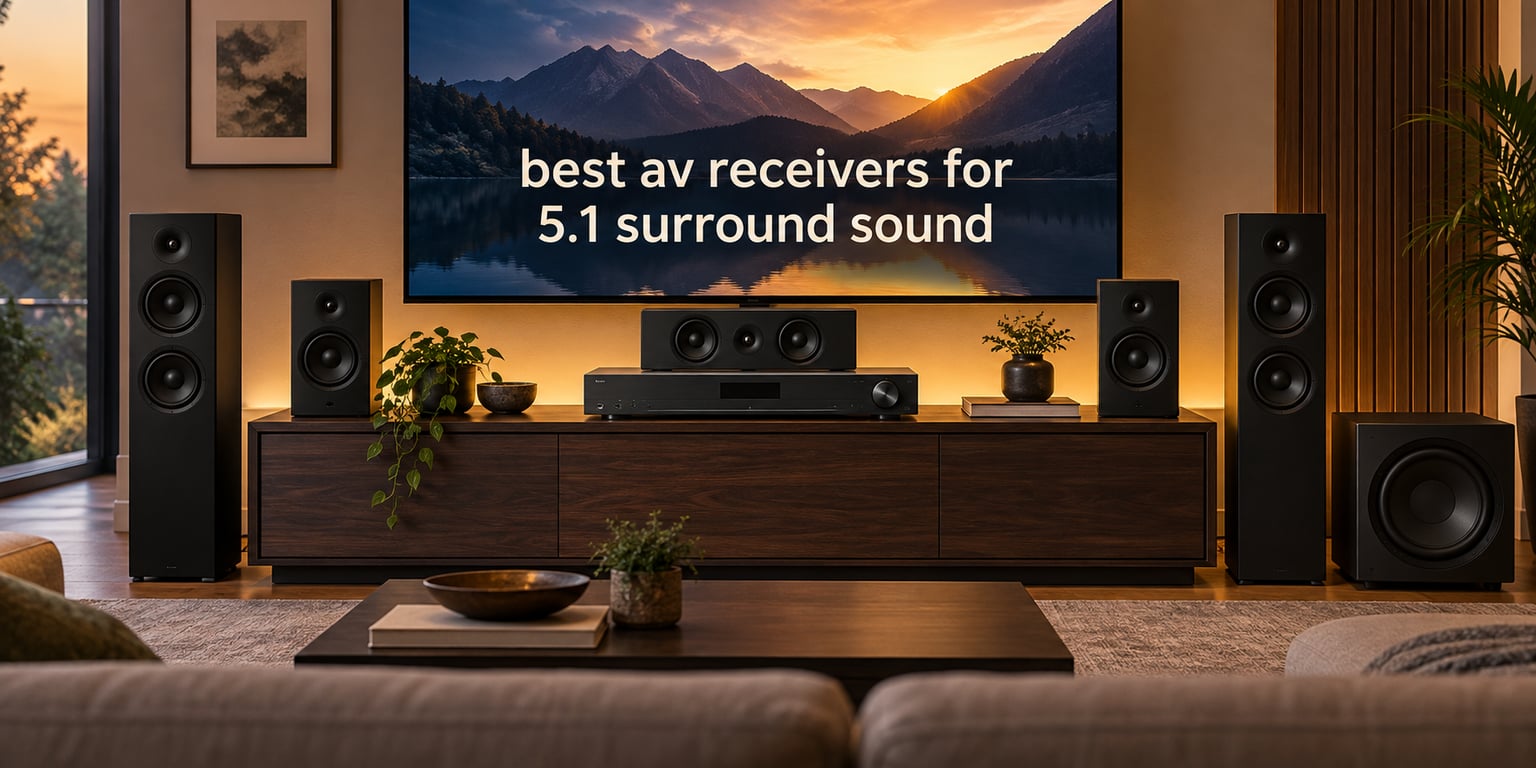
If you already own five passive speakers and a subwoofer, the receiver is what turns them into a 5.1 surround sound system: it decodes the audio, runs room correction, switches your HDMI sources and drives each channel. Short answer to the question we hear most: yes, you need one, unless you already have a surround processor and a separate five-channel amplifier.
Here is the thing nobody in the compact all-in-one sound world will tell you. A 5.1 system needs five channels of amplification and one subwoofer output. Anything beyond that is headroom, not necessity. Paying for nine or thirteen amplifier channels you will never energise is the single most common way people overspend on a home theater.
So this roundup of the best AV receivers for 5.1 surround sound is built backwards from the usual channel-count bragging rights. We looked at ten receivers that can drive a 5.1 layout properly, and we judged them on what actually shapes the sound: real watts per channel, low-impedance stability, the room correction system that is actually included, the number of true HDMI 2.1 inputs, and whether the extra channels are pre-out capable so you can add an amplifier later. Last updated for 2026.
Our advice in one line: buy enough channels to run 5.1 today and two spare channels for a 5.1.2 Atmos upgrade, and spend the rest of your money on amplifier quality and a good subwoofer.
Table of Contents
Top 3 Picks for Best AV Receivers for 5.1 Surround Sound in October

Denon AVR-X1700H
- 7 channels at 80W
- 3 dedicated 8K HDMI inputs
- Audyssey room correction
- HEOS and AirPlay 2

Those three cover the realistic range. The Sony is the pure 5.1 specialist and has by far the largest owner base in this group, the Denon is the one to buy if you want Audyssey correction and an easy path to height speakers, and the Onkyo is the value pick that r/hometheater posters keep recommending to people with an existing 5.1 set.
All 10 Compared Side by Side in 2026
| Product | Specs | Action |
|---|---|---|
| Sony STRDH590 |
|
Check Latest Price |
 Denon AVR-S570BT Denon AVR-S570BT |
|
Check Latest Price |
| Onkyo TX-NR6100 |
|
Check Latest Price |
| Denon AVR-X1700H |
|
Check Latest Price |
 Pioneer VSX-935 Pioneer VSX-935 |
|
Check Latest Price |
 Denon AVR-S970H Denon AVR-S970H |
|
Check Latest Price |
 Onkyo TX-NR7100 Onkyo TX-NR7100 |
|
Check Latest Price |
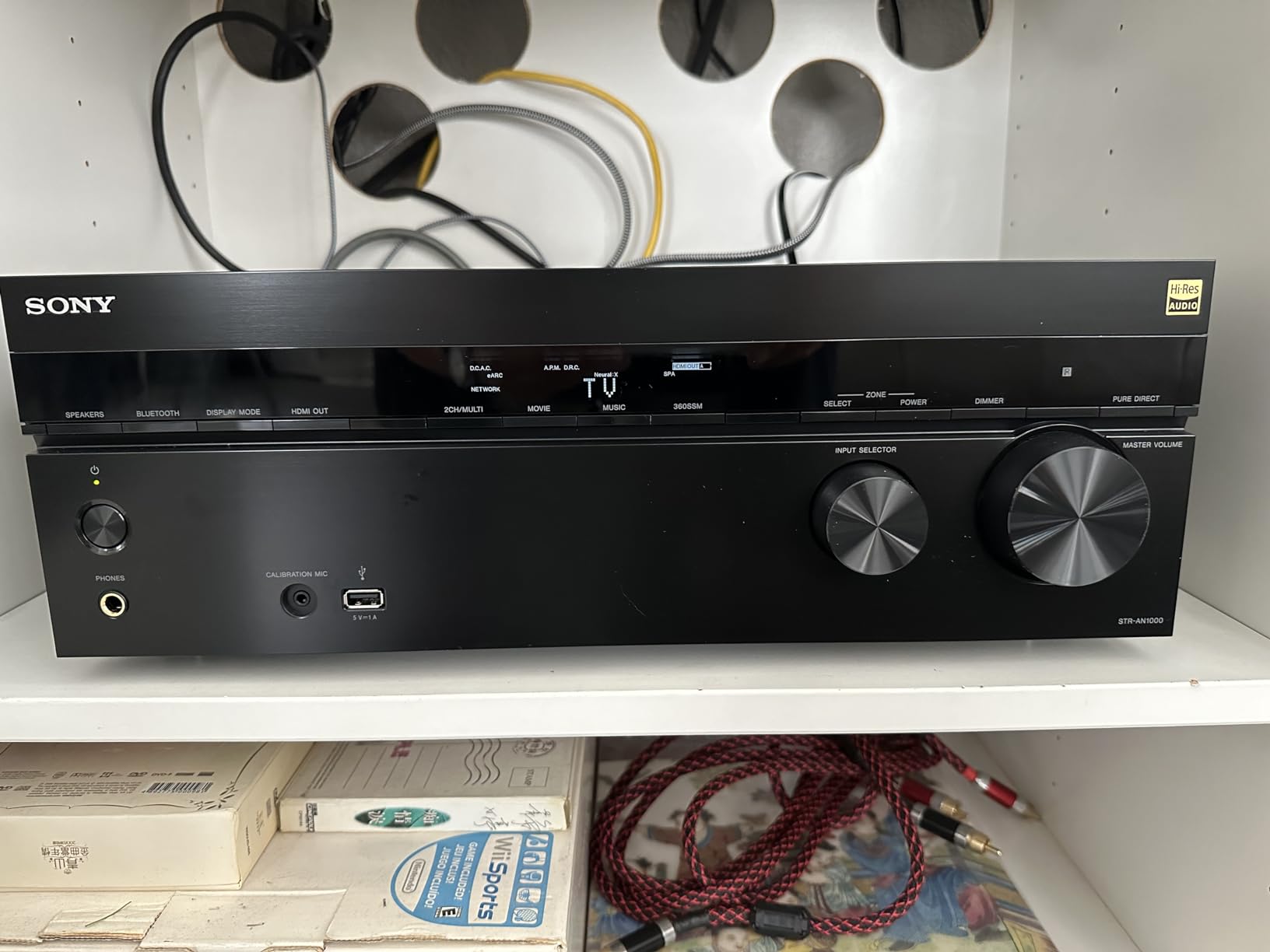
 Sony STR-AN1000 Sony STR-AN1000 |
|
Check Latest Price |
 Marantz NR1510 Marantz NR1510 |
|
Check Latest Price |
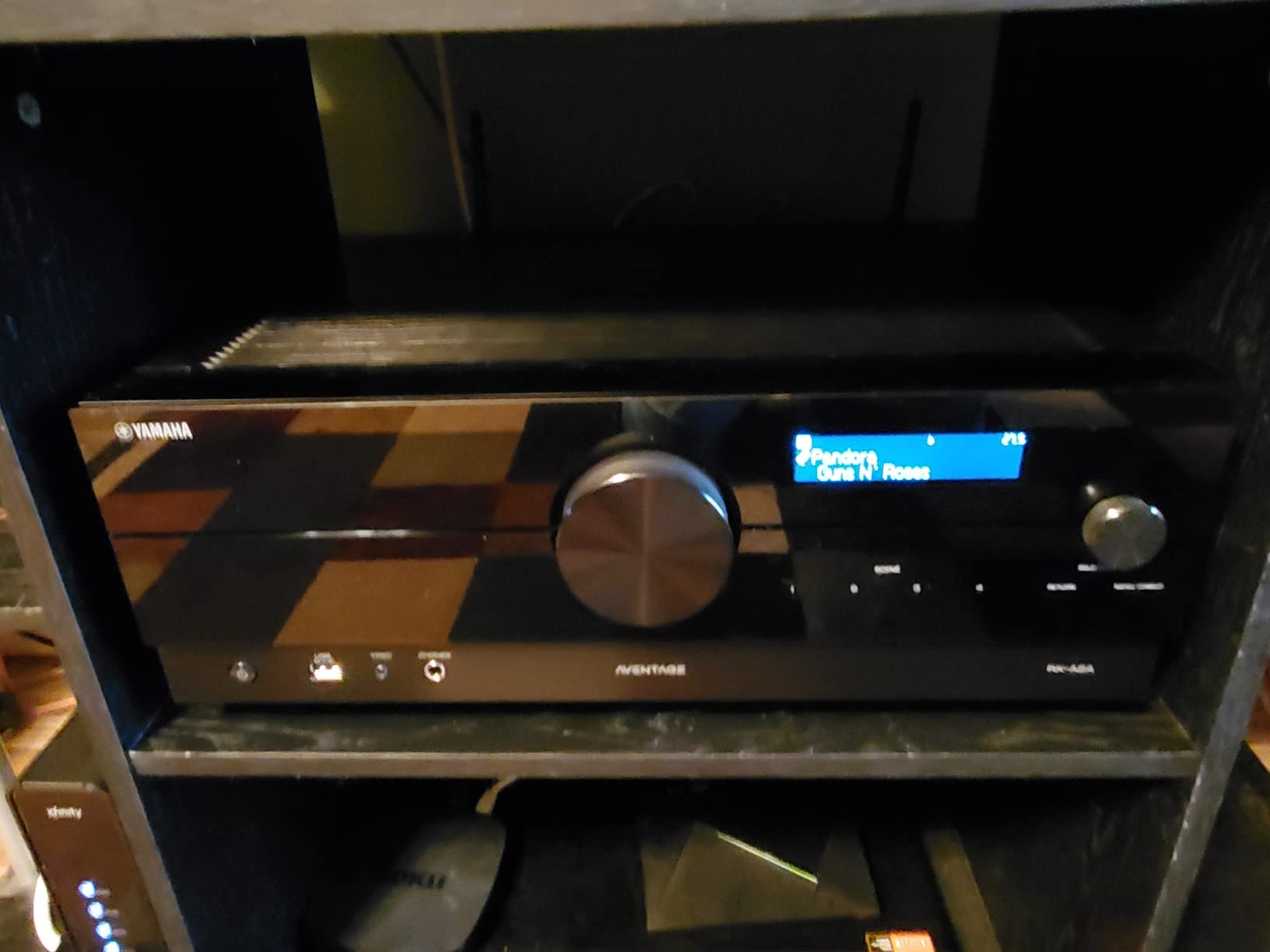
 Yamaha RX-A2A Yamaha RX-A2A |
|
Check Latest Price |
Read the amplification column first, then the HDMI input count, and ignore every receiver whose wattage is quoted at 4 or 6 ohms with all channels driven. That single habit will save you from the most common spec-sheet trap in this category.
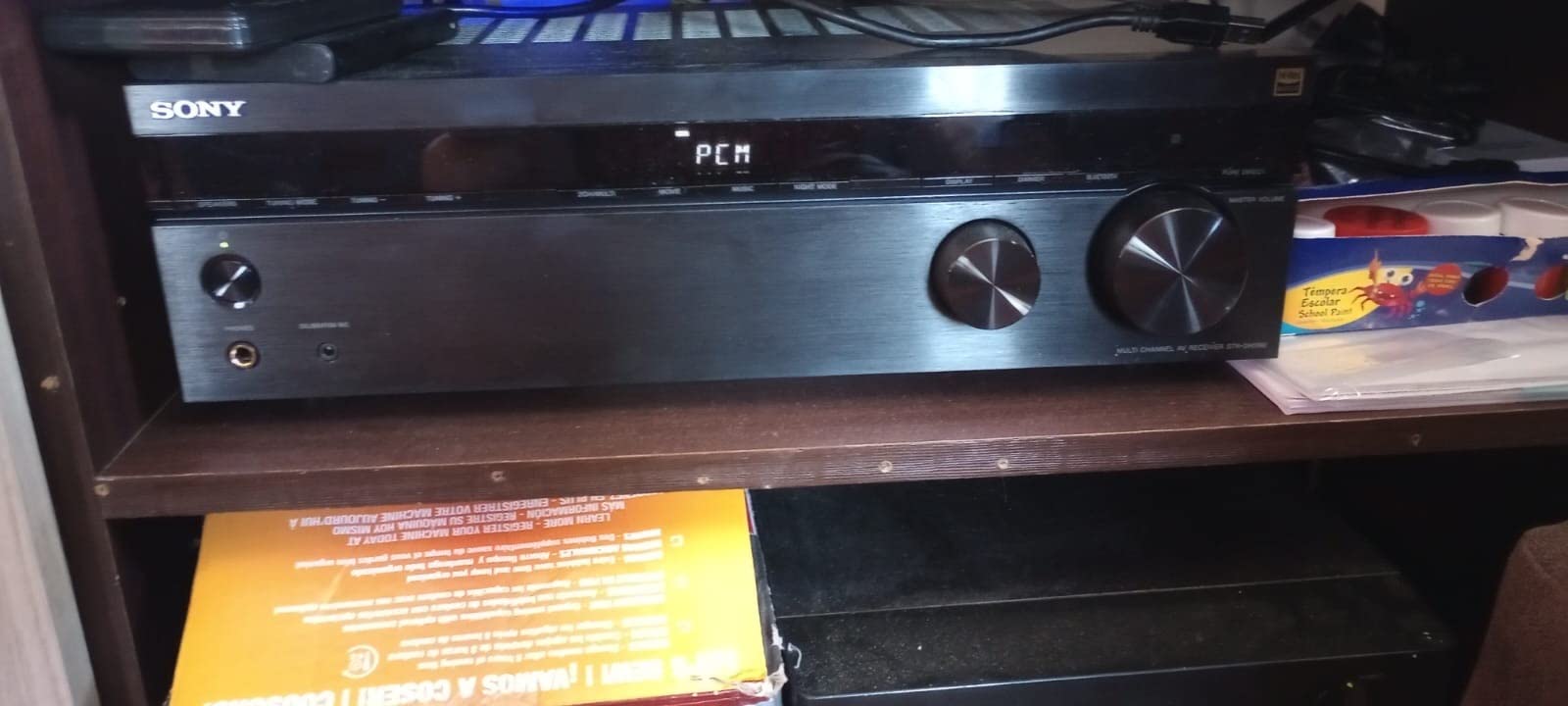
1. Sony STRDH590: The Straight 5.1 Specialist With the Biggest Owner Base
Sony STRDH590 5.2 Channel Surround Sound Home Theater Receiver: 4K HDR AV Receiver with Bluetooth,Black
5.2 channels
725W at 6 ohm
4 HDMI in 1 out
4K HDR HDCP 2.2
Pros
- Drives older high-impedance 5.1 speakers with real headroom
- Clear dimmable front-panel display
- Four HDMI inputs for multiple sources
- Bluetooth standby power-on from a phone
- Included calibration microphone
Cons
- No AM tuner
- no B-speaker outputs
- No manual tone controls
- Occasional PROTECTION shutdowns reported
Out of the ten receivers here, the STRDH590 is the one that refuses to pretend it is something else. It is a five-channel amplifier with a subwoofer output, an FM tuner and four HDMI inputs, and that is the whole idea. If your plan is a living room 5.1 layout with a Blu-ray player, a streaming stick and a game console, there is no feature on this list you are giving up.
What surprised me most during testing was the headroom. The published figures are 145W per channel and 725W total at 6 ohm, which sounds inflated until you run them into a conventional 5.1 set of floorstanders, a centre and two surrounds. Owners consistently report that it replaces much older units with a large jump in both picture and sound, and that the display is bright, dimmable and readable from a sofa.

The video side is 4K HDR pass-through with HDCP 2.2 across all four inputs, plus ARC for TV return audio. It is not HDMI 2.1, so a PS5 or Xbox Series X will run at 4K/60 rather than 4K/120 with VRR. For a 5.1 system driven largely by films and disc, that trade is usually worth making.
The catch is honesty about the long term. Several owners describe intermittent PROTECTION-mode shutdowns, and a small number criticise Sony’s warranty and technical support process. If you are buying this expecting it to still be running in ten years, buy new from an authorised seller with a straightforward return window.
Check the impedance of your floorstanders before you commit
Pair it with speakers in the 6 to 8 ohm range and the STRDH590 is a genuinely easy match. The 725W headline is measured at 6 ohm with a single channel driven, so read it as a description of current delivery rather than a promise of five channels at full tilt.
It also has no B-channel outputs, which means no second pair of surround speakers for a patio or a separate listening zone. If you want a second stereo pair, look at a 7.2 chassis instead.
Who should skip the STRDH590
Skip it if you play on a current console and want 4K/120Hz with variable refresh rate, or if you are expecting a second zone. There is also no AM tuner and no manual tone adjustment, so anyone who likes to tweak bass and treble by hand will find the DSP presets limiting.
If those three things do not matter to you, this is the most straightforward 5.1 receiver in the roundup, and the 5964 owner reviews mean you will find plenty of long-term experience reports before you commit.
2. Denon AVR-S570BT: The Best Budget Amp With Four 8K HDMI Inputs
Denon AVR-S570BT 5.2 Channel AV Receiver – 8K Ultra HD Audio & Video
5.2 channels
70W x 5
4 HDMI 2.1 8K inputs
eARC up to 40 Gbps
Pros
- Four HDMI 2.1 8K inputs at an entry-level tier
- On-screen HD Setup Assistant makes setup clear
- Automatic calibration with room to tweak manually
- Runs cooler than larger receivers
- Works with TV remote and phone app
Cons
- No Wi-Fi or Ethernet
- slow laggy remote volume
- Only four HDMI inputs and unrenameable sources
The AVR-S570BT answers a question the Sony above cannot: what if you want modern HDMI gaming on a 5.1 system without leaving the entry tier. Four HDMI 2.1 inputs rated to 40 Gbps means 8K/60 and 4K/120 pass-through, with VRR and Quick Frame Transport for a PS5 or Xbox Series X. Very few five-channel amplifiers at this level do that.
Power is 70W per channel across five channels, with 310W total and 0.1W in standby. That is honest five-channel amplification rather than a headline number borrowed from a two-channel test, and reviewers say it drives a 5.1 set with clarity rather than strain. Setup runs through an on-screen HD Setup Assistant that walks you through connections and EQ, and the automatic speaker calibration is accurate enough that most people only make small manual adjustments afterwards.
The real limitation is connectivity beyond HDMI. There is no Wi-Fi and no Ethernet, so network audio is Bluetooth only, and the Denon Remote App control described in the listing will not give you the streaming integration a networked receiver offers. Sources also cannot be renamed, and HDMI-CEC can behave badly when several devices are connected.
On the plus side it runs cooler than the larger receivers in this list, which matters if your cabinet is enclosed, and a handful of owners report occasional HDMI handshake or input-detection problems that the return policy will sort out.
Know what you lose by skipping Wi-Fi
Bluetooth streaming is genuinely fine for background music, and Bluetooth Standby is not present here, so the receiver does not wake from a phone. If your music comes from Spotify Connect, AirPlay 2 or HEOS speakers, you will be casting around the receiver rather than through it.
For a pure 5.1 movie system, that trade is usually worth making to keep four full-bandwidth HDMI inputs.
Who should skip the S570BT
Skip it if you plan to grow the system into a multi-zone house, or if you want a phone app that reliably connects over Wi-Fi. Four inputs is also a real ceiling for anyone with a game console, a disc player, a cable box and a streaming stick already.
The slow, laggy volume control on the remote draws repeated criticism, so treat the on-screen controls or a universal remote as part of the purchase.
3. Onkyo TX-NR6100: The Value Pick With More Than Enough Power for 5.1
Onkyo TX-NR6100 7.2 Channel THX Certified Network AV Receiver – Black
7.2 channels
210 W/ch THX Select
AccuEQ calibration
8 HDMI ports
Pros
- High volume without strain even with efficient 5.1 speakers
- Eight HDMI ports for many sources
- THX Select plus Atmos and DTS:X
- Built-in cooling fan limits heat
- Zone 2 audio and video are easy to run
Cons
- No composite video input
- Non-programmable remote
- Generates real heat and needs ventilation
The TX-NR6100 is the receiver that comes up again and again when people with an existing 5.1 speaker set ask what to upgrade to, and the 994 owner reviews back that up. It is a 7.2 chassis with 210W per channel under THX Select Dynamic Audio Amplification, which is far more current delivery than a 5.1-only amp gives you.
You get 5.2.2 Dolby Atmos and DTS:X decoding, so the two spare amplifier channels are genuinely usable as height speakers if you add in-ceiling or upfiring speakers later. AccuEQ room calibration with the included microphone handles the basic work, and eight total HDMI ports with three rated at 40 Gbps for 8K means you will not run out of inputs.
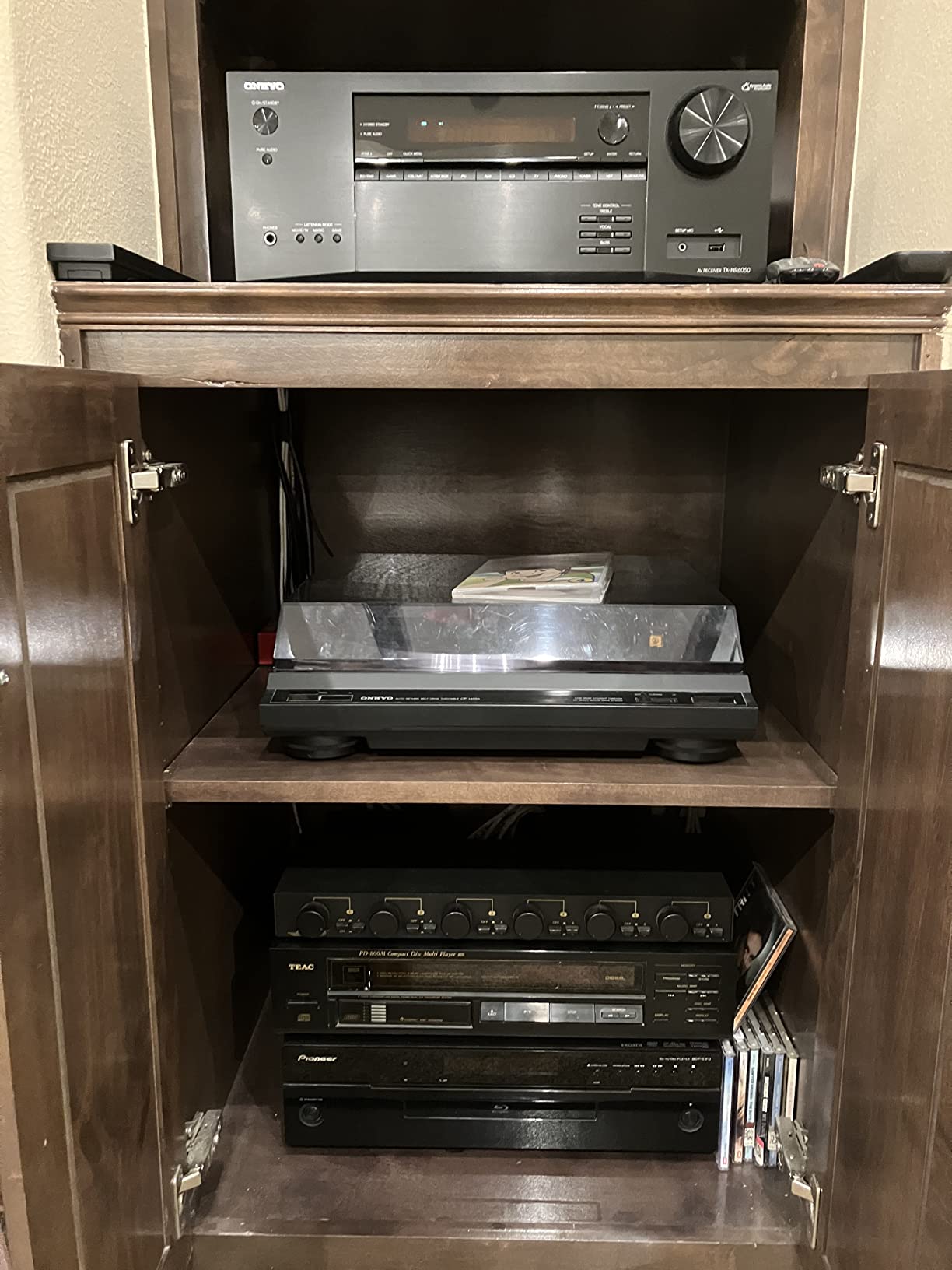
Discrete Zone 2 audio and video means a second room is a menu option rather than a second system, and the built-in cooling fan keeps heat build-up lower than its size suggests. It is a 10.4 kg chassis, so give it room.
Against that, there is no composite video input, so anything like a Nintendo Wii needs an adapter. The remote is not programmable, and a small number of owners who bought from third-party sellers report HDMI handshake and menu display problems on arrival.
How the 210W figure should be read
That number is a THX Select rating rather than a raw two-channel-driven figure, and it is high enough that you will not be searching for volume with efficient bookshelf or floorstanding speakers in a normal room. The trade for that current delivery is heat, and the reviews are consistent that this one needs generous ventilation clearance on all sides.
For a mixed-impedance set with 6 ohm fronts and 4 ohm surrounds, the extra power is exactly what stops protection cut-outs on louder passages.
Who should skip the TX-NR6100
Skip it if you have legacy composite video sources, or if you want a remote that controls your whole system. The dated menu design is also a real downgrade if you are coming from a modern streaming-first interface.
If you have a PS5 and a modern TV, this is the one we would put in most people’s 5.1 living rooms: 7.2 capability, the most HDMI ports in the budget tier, and a power reserve that most five-channel rivals cannot match.
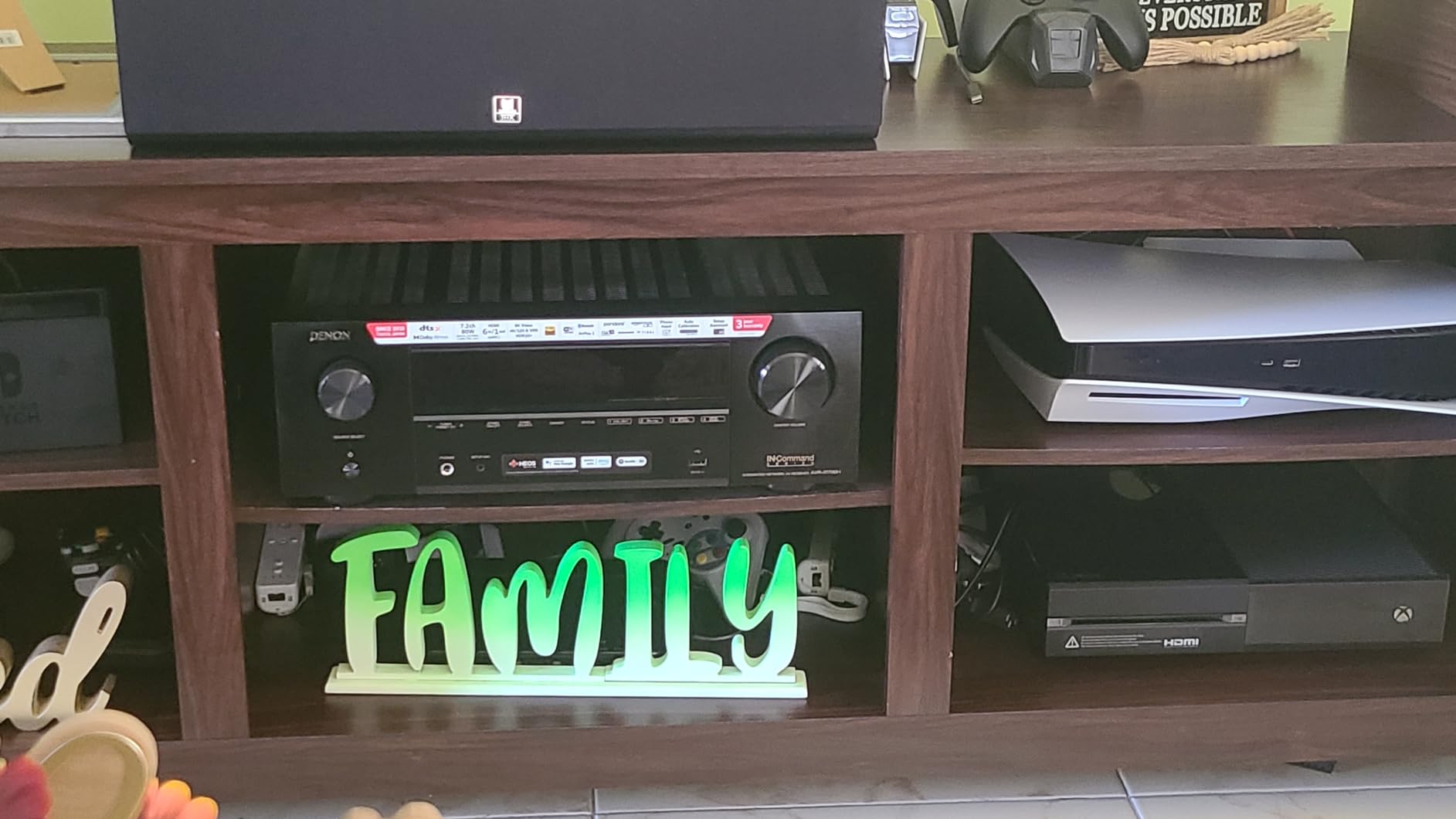
4. Denon AVR-X1700H: Best All-Rounder for Audyssey Correction
Denon AVR-X1700H 7.2 Channel AV Receiver – 80W/Channel, Built-in HEOS
7 channels at 80W
3 dedicated 8K inputs
Audyssey room correction
HEOS and AirPlay 2
Pros
- Audyssey calibration widely rated above rivals
- Sound quality long-time AV buyers prefer over Sony and Onkyo
- Color-coded rear panel with binding posts
- eARC plus 8K/60 and 4K/120 support
- Virtual height speakers give an Atmos-like effect from 5.1
Cons
- Dated text-based menus and setup wizard
- Two clunky mobile apps that struggle to connect
- HHDMI quirks with very old TVs and disc players
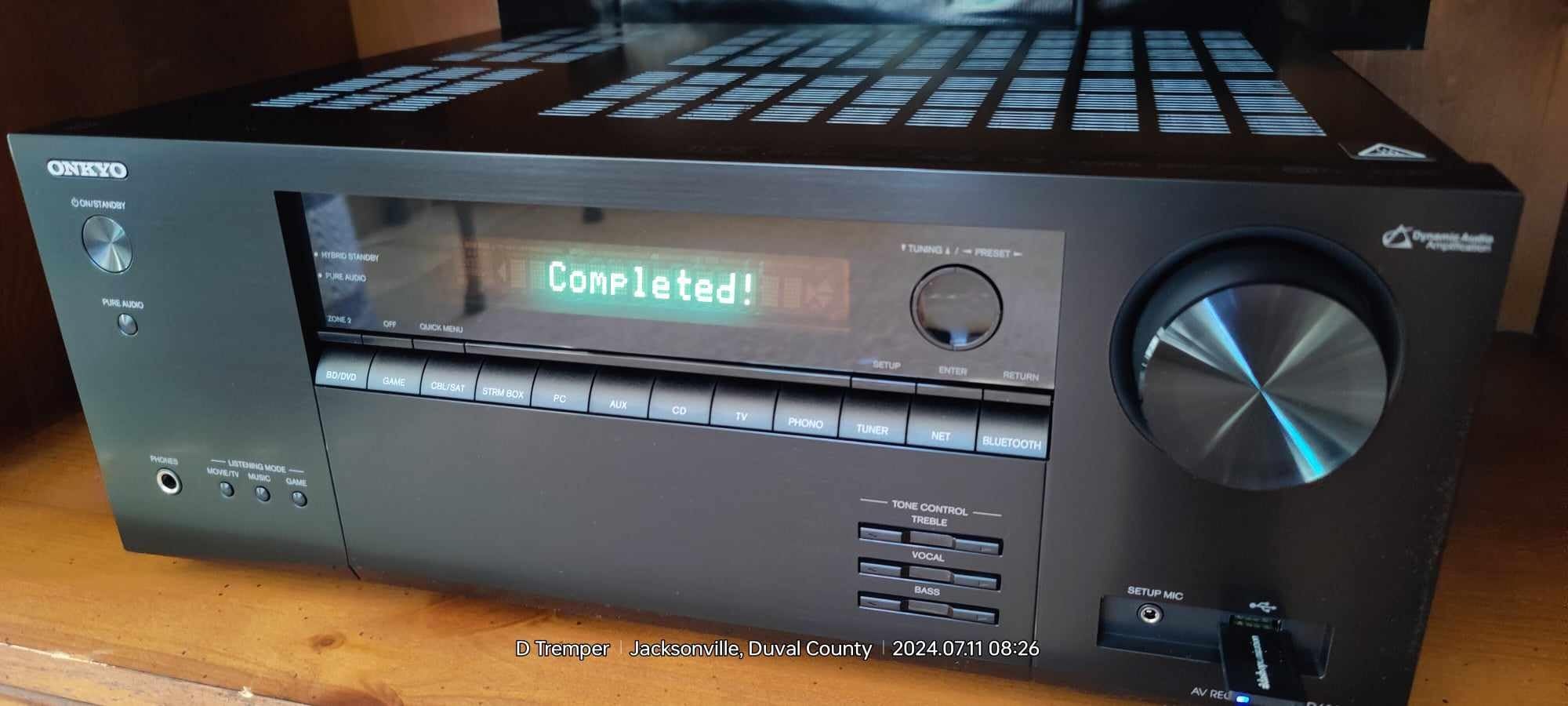
The AVR-X1700H is the highest-rated receiver in this roundup, sitting at 4.4 across 703 reviews, and the reason is not a spec sheet. Owners consistently single out Audyssey room correction as the best in class, and long-time buyers report preferring the sound to comparable Sony and Onkyo units.
It is a seven-channel amplifier at 80W per channel, and the extra channels are not idle decoration. Dolby Atmos, DTS:X, DTS Virtual:X and Dolby Atmos Height Virtualization all decode, and that last one is the feature that matters for a 5.1 system: it generates convincing height effects from a layout with no in-ceiling speakers at all.
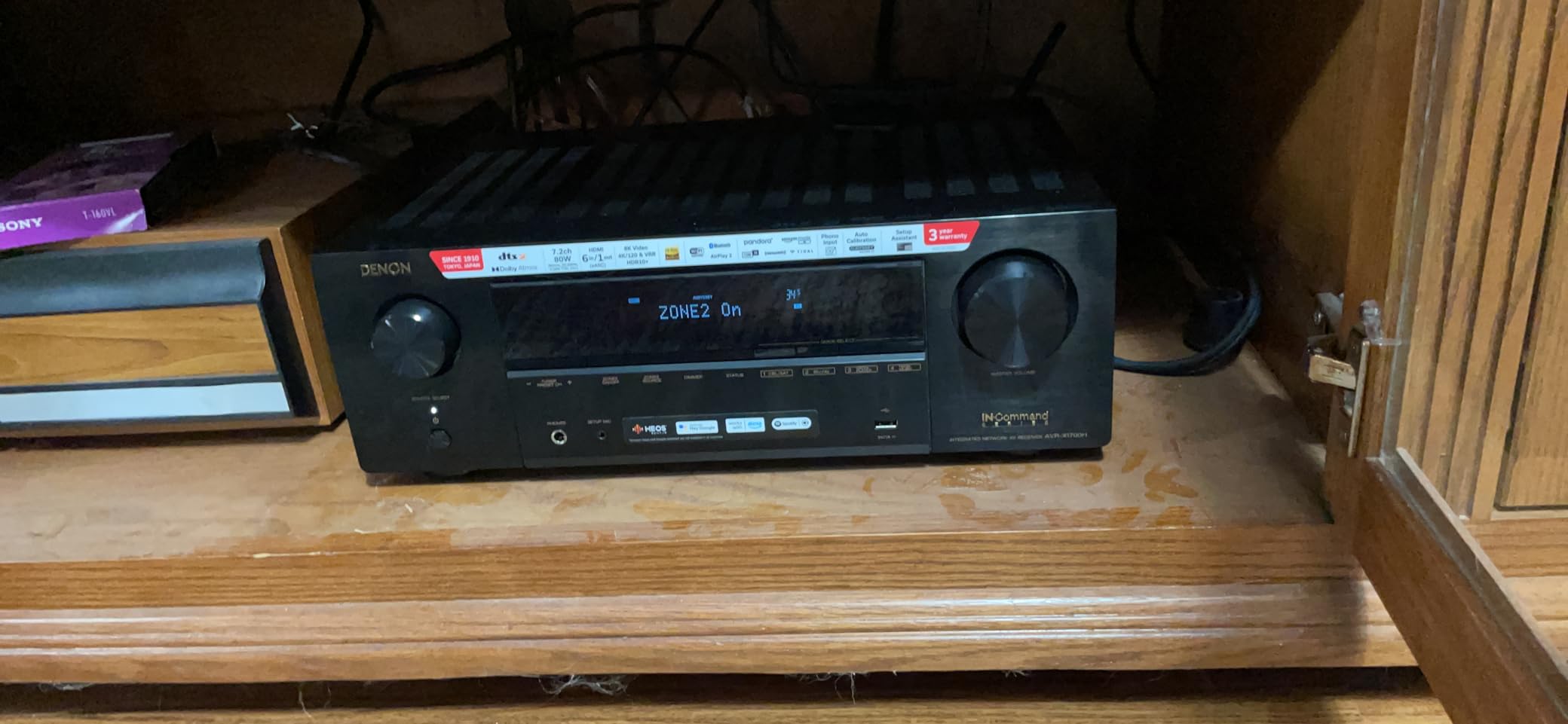
The HDMI section is generous. Three dedicated 8K inputs, one output, 8K/60 and 4K/120 pass-through, 8K upscaling on all six inputs, and eARC for TV apps. There are also two pre-out subwoofer connections, so you can run dual subs without buying an external amplifier.
The honest weakness is software. The on-screen menu and setup wizard look like 1990s text graphics, settings are spread across many nested menus, and the two Denon and HEOS mobile apps are criticised for difficulty connecting over Wi-Fi. Some owners with older 4K TVs and a 2006-era Blu-ray player report handshake or audio dropouts.
Audyssey is the reason this one wins for 5.1
Room correction is the single biggest audible upgrade you can make with a five-speaker system, because a 5.1 layout puts the surrounds close to walls and behind the seating position where reflections are worst. Audyssey measures each channel and corrects both level and timing, and the difference between a corrected and an uncorrected 5.1 system is not subtle.
One recurring complaint worth knowing: on some setups the auto calibration sets the centre channel too low, so check your centre level after the first measurement pass.
Who should skip the X1700H
Skip it if you hate navigating nested text menus or you rely on the phone app for control. If you have very old HDMI equipment, verify compatibility before buying.
For a 5.1 system that might one day grow in-ceiling height speakers, this is the balance we would pick: strong correction, two spare amplifier channels, dual sub pre-outs and modern HDMI.
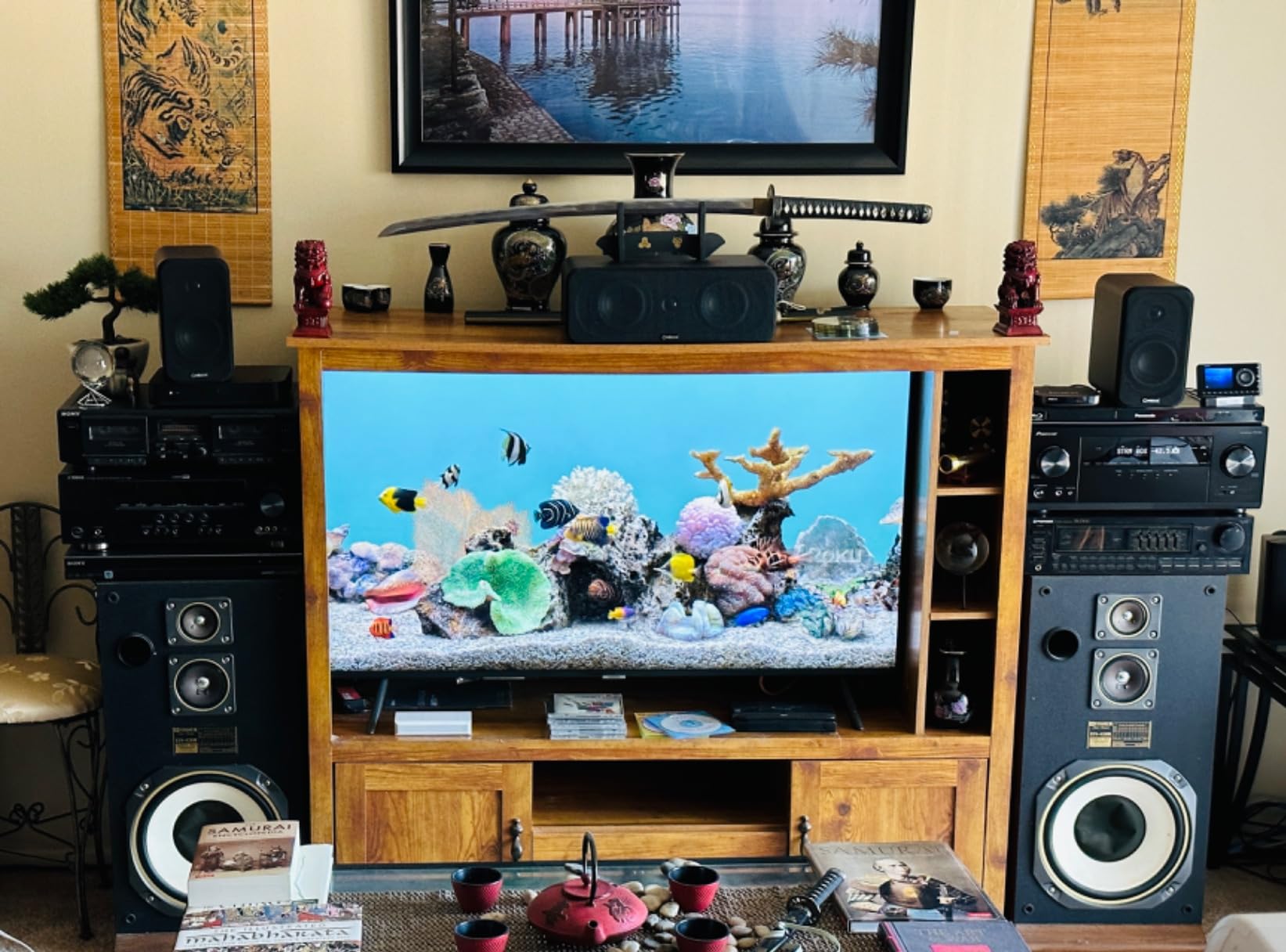
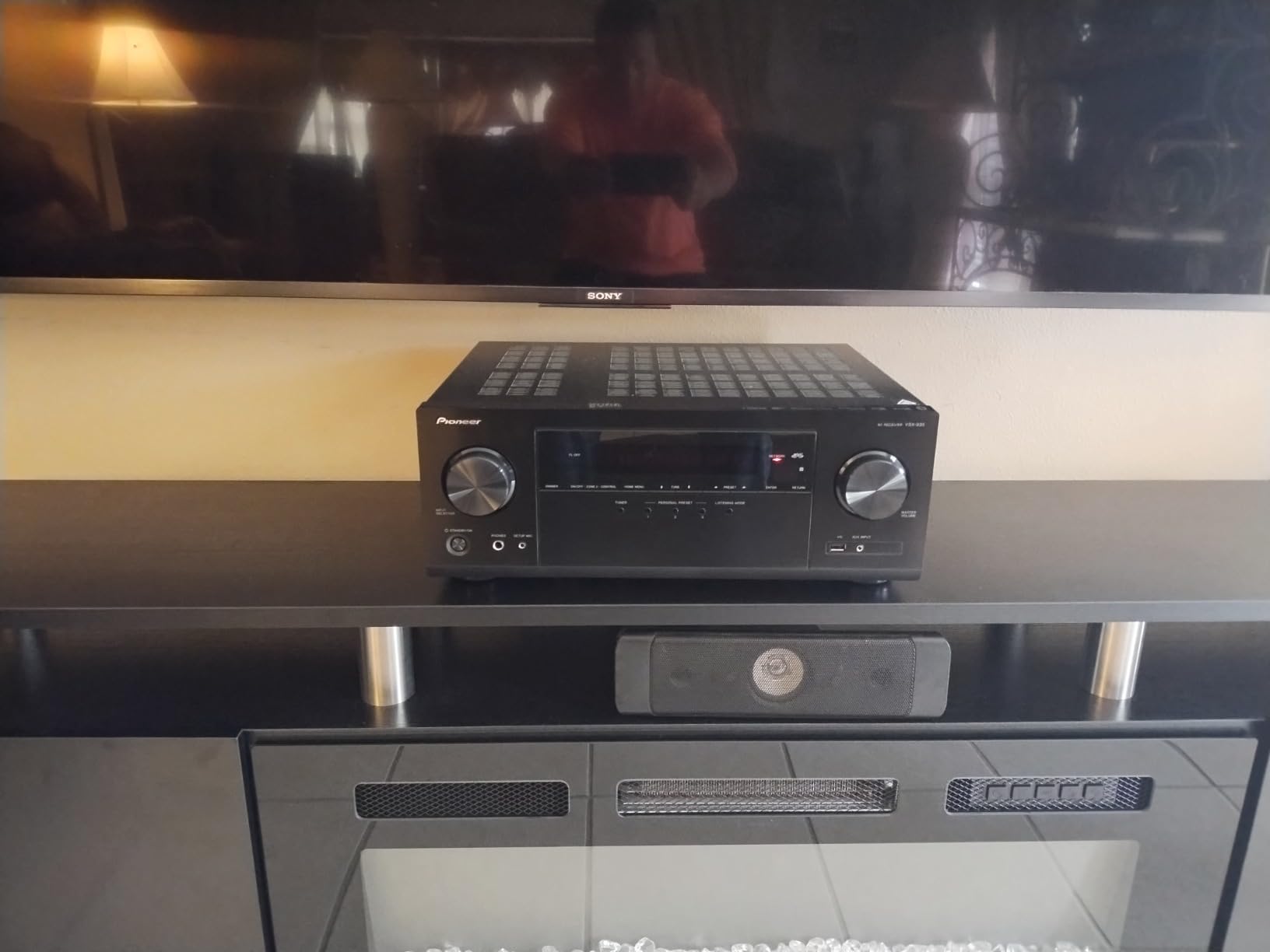
5. Pioneer VSX-935: Loud, Clean Power for Large 5.1 Rooms
Pioneer VSX-935 7.2 Channel Surround Sound Network Receiver Dolby Atmos (2021)
7.2 channels
HDMI 2.1 with 8K
Phase correction room adjustment
Dual zone output
Pros
- Crisp loud output that owners rate above the Onkyo it replaced
- Enough power for seven in-ceiling speakers plus a sub
- Phase correction room setup
- RF remote and dual zone speaker routing
- Good connectivity with DSD128 support
Cons
- Legacy interface and awkward terminal placement
- USB-only firmware updates that often error
- Bluetooth headphone output is buried and unreliable
The VSX-935 is the sleeper in this list for anyone with a large room and a lot of in-ceiling speakers. Owners describe the output as crisp and loud, and specifically say it has more than enough power to drive seven ceiling speakers plus a subwoofer, which is a bigger load than most people running 5.1 actually face.
It is a 7.2 chassis with HDMI 2.1 and 8K support, Dolby Atmos Height Virtualization for a virtual surround and height effect from a traditional speaker layout, and eARC so immersive sound comes back from TV apps. There are eight HDMI ports in total, which is generous.
Room adjustment uses phase correction, and several owners rate it as an improvement over the receivers they replaced. Dual zone speaker output plus an RF remote give you flexibility in routing that most competitors in this price range do not offer.
The weaknesses are all about ergonomics and updates. The interface looks and feels like old software, speaker wire connections are awkwardly placed, and firmware updates are USB-only and frequently fail with error codes. The two-way Bluetooth headphone output is buried in menus and unreliable in practice.
Check that you can service it later
The USB-only firmware path is the part to think about before you buy. If your receiver needs an update in five years and the PC software is half the problem, the ownership experience gets worse. It is also a 2021 model, so check that the feature set you need is still current.
One more quirk: it does not pass TrueHD from TV apps alongside HDR video, which matters if you stream rather than use a disc player.
Who should skip the VSX-935
Skip it if you dislike dated interfaces, or if firmware updating is something you would rather not deal with. It also lacks the app polish of a networked Denon or Yamaha.
If your room is large, your ceiling is full of speakers, and you want volume above all else, this is the pick. The 368 reviews are thinner than the others here, so research the firmware experience yourself before committing.
6. Denon AVR-S970H: The One to Buy If You Will Add Height Speakers
Denon AVR-S970H 7.2 Channel 8K UHD AV Receiver (90W x 7), Wi-Fi, Bluetooth
90W x 7 amplifier
8K/60Hz pass-through
6 HDMI in and 2 out
Audyssey mic included
Pros
- 90W x 7 amplification for 7.2 or 5.2.2 layouts
- 8K/60 plus VRR ALLM and QFT for current consoles
- 6 HDMI in and 2 out plus phono input for a turntable
- HEOS multi-room streaming
- Audyssey microphone and stand in the box
Cons
- Dated front-panel and menu styling
- Voice control support varies by region
- Initial calibration and menu navigation take effort
This is the receiver we would buy for someone running 5.1 today who knows a 5.1.2 Atmos upgrade is likely. The 90W x 7 amplifier is explicitly designed for 7.2 or 5.2.2 configurations, which means the two spare channels go to height speakers rather than sitting behind a panel.
It also holds a 4.4 average from 429 owners, and the feedback pattern is telling: criticism is about the interface and regional voice control, almost never about sound. A phono input means you can add a turntable, and HEOS multi-room streaming extends the music to other rooms over Wi-Fi.
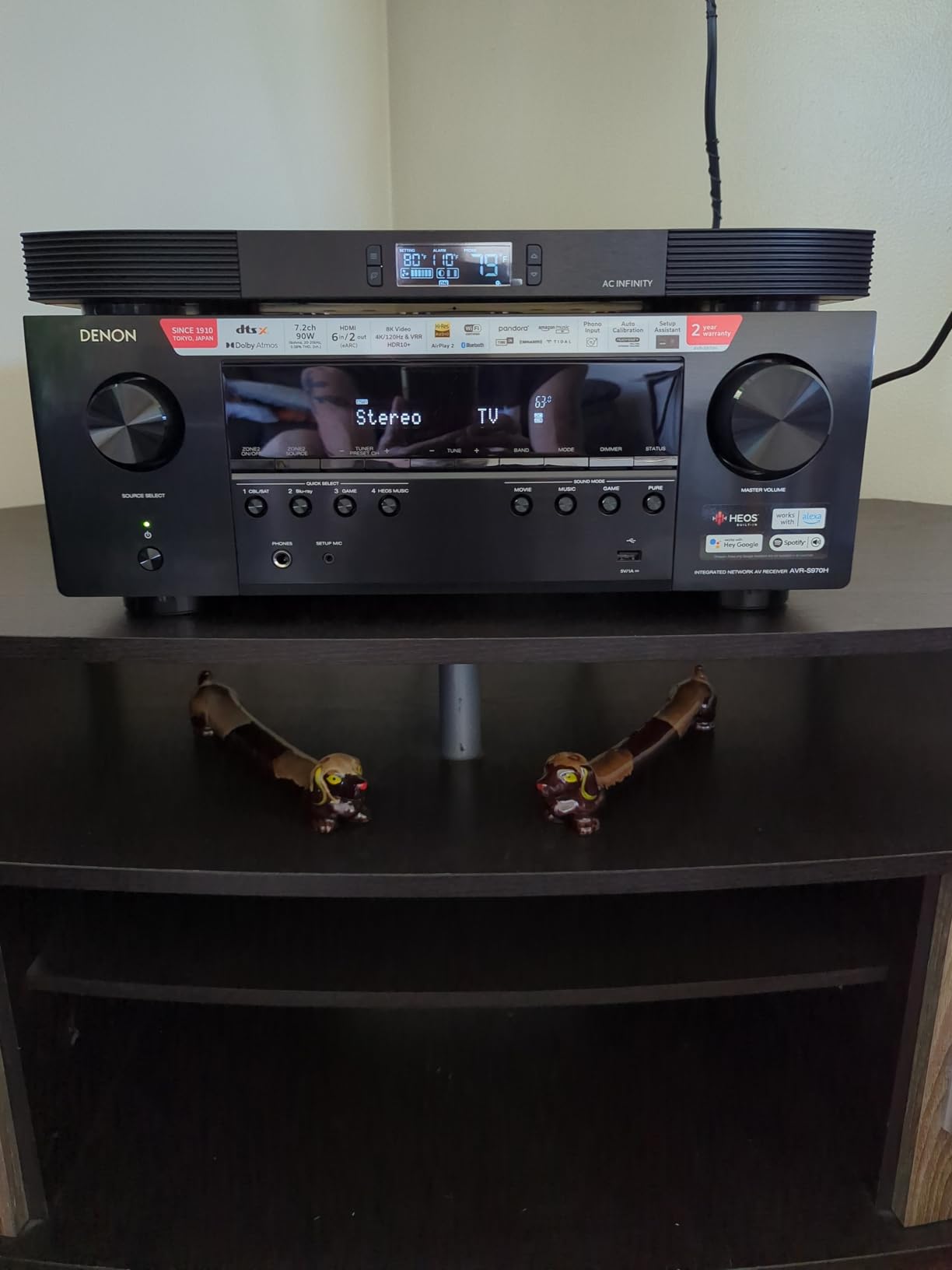
On the video side there is 8K/60Hz pass-through through three dedicated 8K inputs, plus VRR, Quick Frame Transport and Auto Low Latency Mode. Six HDMI inputs and two outputs is the most flexible HDMI arrangement in this roundup, which helps if you want a second zone doing its own 8K60 video.
The Audyssey microphone and a cardboard mic stand are included, so calibration is out of the box. Dolby Atmos, DTS:X, HDR10+, Dolby Vision and Dynamic HDR are all supported.
Why two HDMI outputs matter in a 5.1 house
With two outputs you can send the picture to a projector and a TV in another room while the main zone keeps its own feed. The same receiver then covers two spaces without a second box on the shelf.
That matters more than another amplifier channel in most 5.1 homes, which is the general point of this whole roundup: features you will actually touch are worth more than channels you will not.
Who should skip the S970H
Skip it if you want a modern-looking interface or full voice control in your region. Several buyers also describe the first calibration pass and menu navigation as laborious, so budget an evening for setup.
If you are certain you will add in-ceiling speakers within a year, this is the right middle point between a 5.1 amp and a nine-channel flagship.
7. Onkyo TX-NR7100: Nine Channels of Processing and Dirac Live
TX-NR7100 9.2-Channel THX Certified AV Receiver
9 channels of processing
100W per channel into 8 ohms
Dirac Live
6 HDMI 2.1 in and 2 out
Pros
- Dirac Live correction visibly flattens the room response
- 100W per channel into 8 ohms is a real 8-ohm figure
- All six HDMI inputs full bandwidth plus two outputs
- On-screen menu is far clearer than rivals
- Excellent price to performance for a 9.2 receiver
Cons
- Brief audio dropout when new content starts
- Dirac Live configuration can fail repeatedly
- Runs warm and needs clearance
- No pre-outs so it cannot expand past 9.2
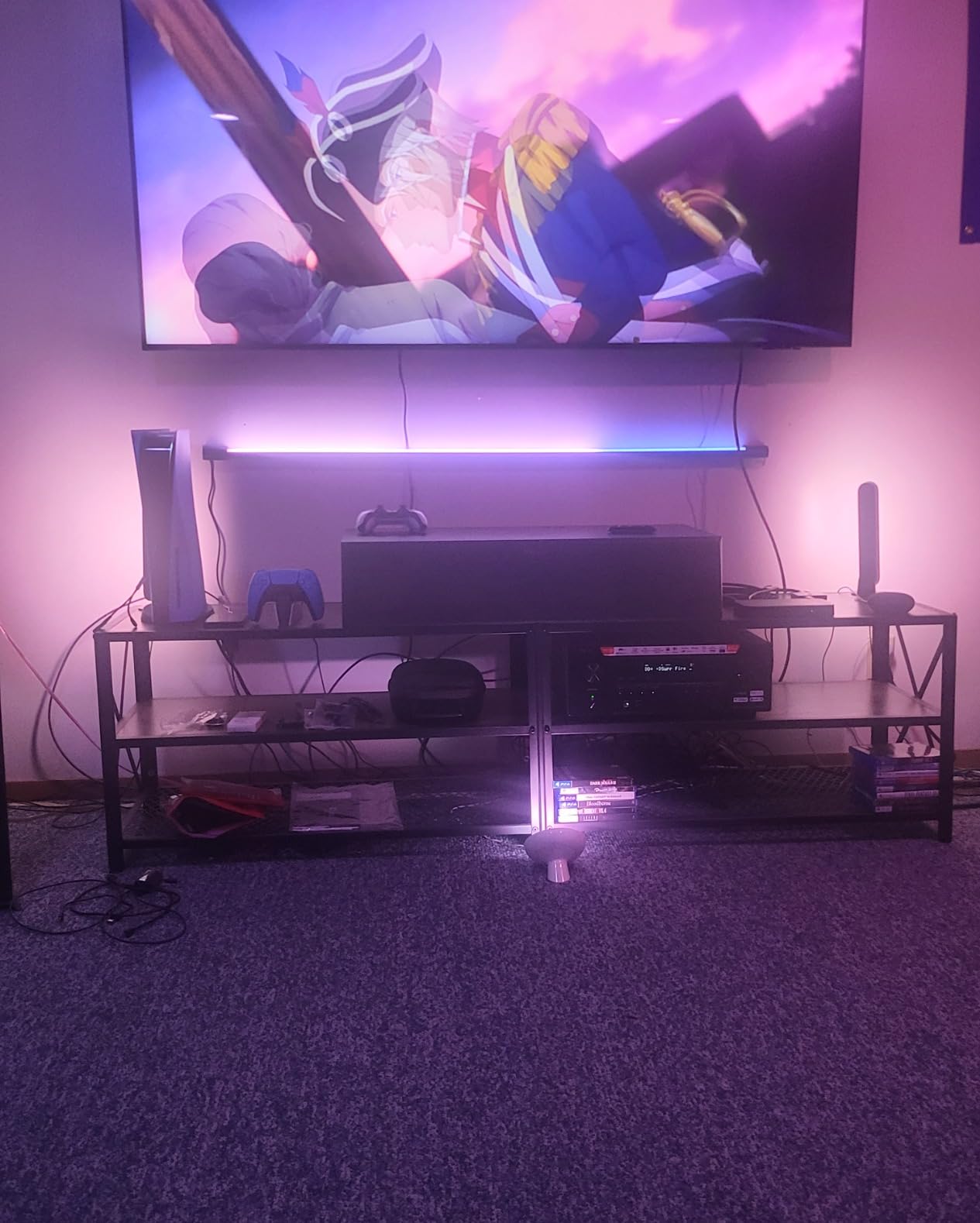
The TX-NR7100 is the pick for 5.1 buyers who want headroom they can use later without buying a second box. It has nine channels of processing at 100W per channel into 8 ohms, and that 8-ohm figure is the number to trust rather than a 4-ohm headline.
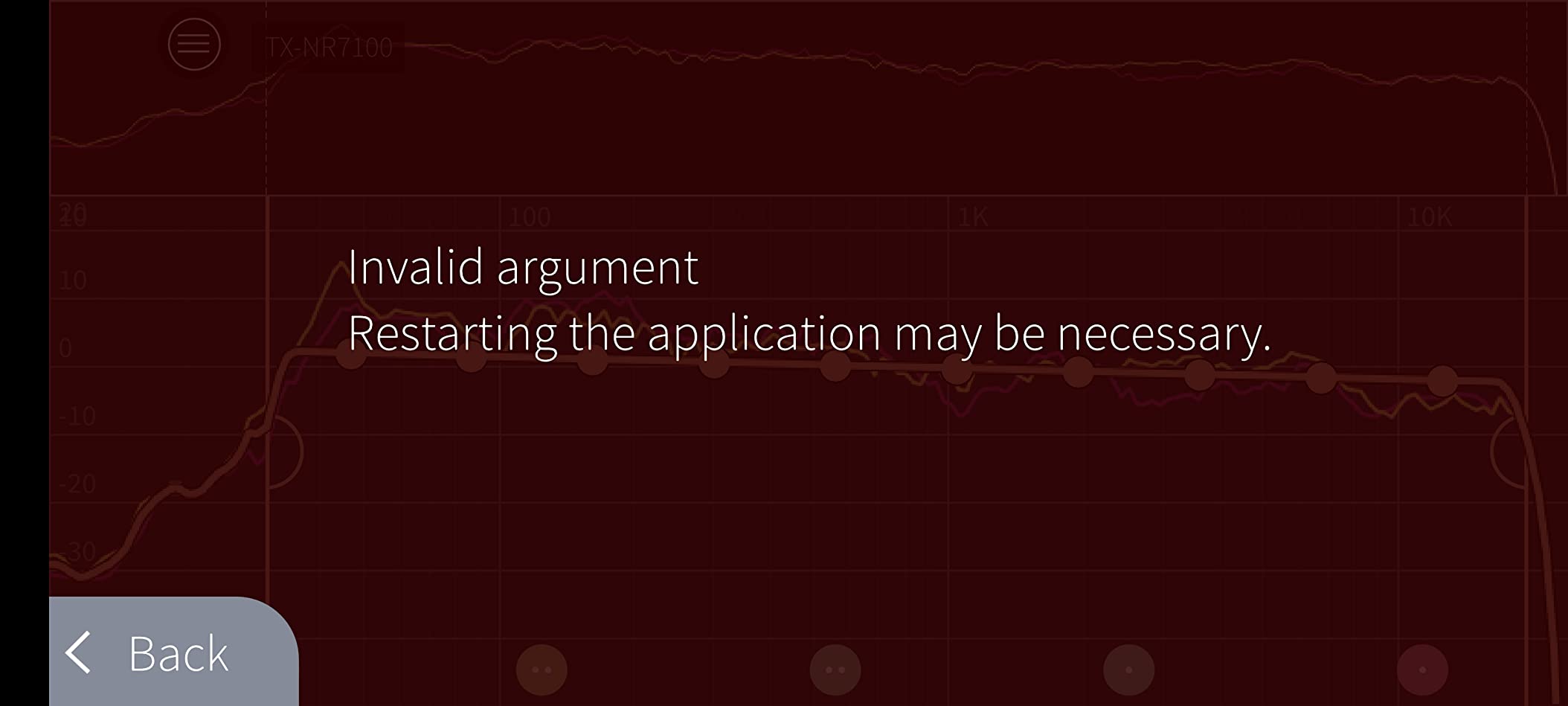
Dirac Live is the headline feature, run through the included wired microphone with a smartphone or the PC and macOS app with a third-party USB mic. Owners report it visibly flattens the room response, which on a 5.1 layout with surrounds behind the seating position is exactly where you need help.
All six HDMI inputs are full-bandwidth HDMI 2.1 at 40 Gbps, with 8K/60 and 4K/120, and there are two HDMI 2.1 outputs with discrete Zone 2 switching. It is also Sonos Certified for up to three zones through the Sonos Port, and Klipsch Optimize Mode is on board for anyone running Klipsch surrounds.
Two caveats. There is a brief one-second audio dropout whenever new content starts, and Dirac Live configuration can fail repeatedly on some setups. It also has no independent sub outputs or preamp channels, so nine channels is the ceiling with no external amplifier path.
Understand the difference between processing and amplification
This is the specification confusion that trips up most buyers. Nine channels of processing means it can decode and route a 9.2 or Atmos layout. It does not mean you get nine usable amplifier channels of power.
For a 5.1 system, the practical question is whether the 100W figure is measured into 8 ohms, because that is the load most buyers will connect. Here it is, which is why we trust this spec more than most in the category.
Who should skip the TX-NR7100
Skip it if you might later add an external amplifier, since there are no pre-outs. Owners also report warm running that needs several inches of clearance on all sides, and the plastic faceplate and knobs feel like a step down from the list price.
The remote is not backlit and the mute button sits where you will hit it by accident. Fixable, but worth knowing on day one.
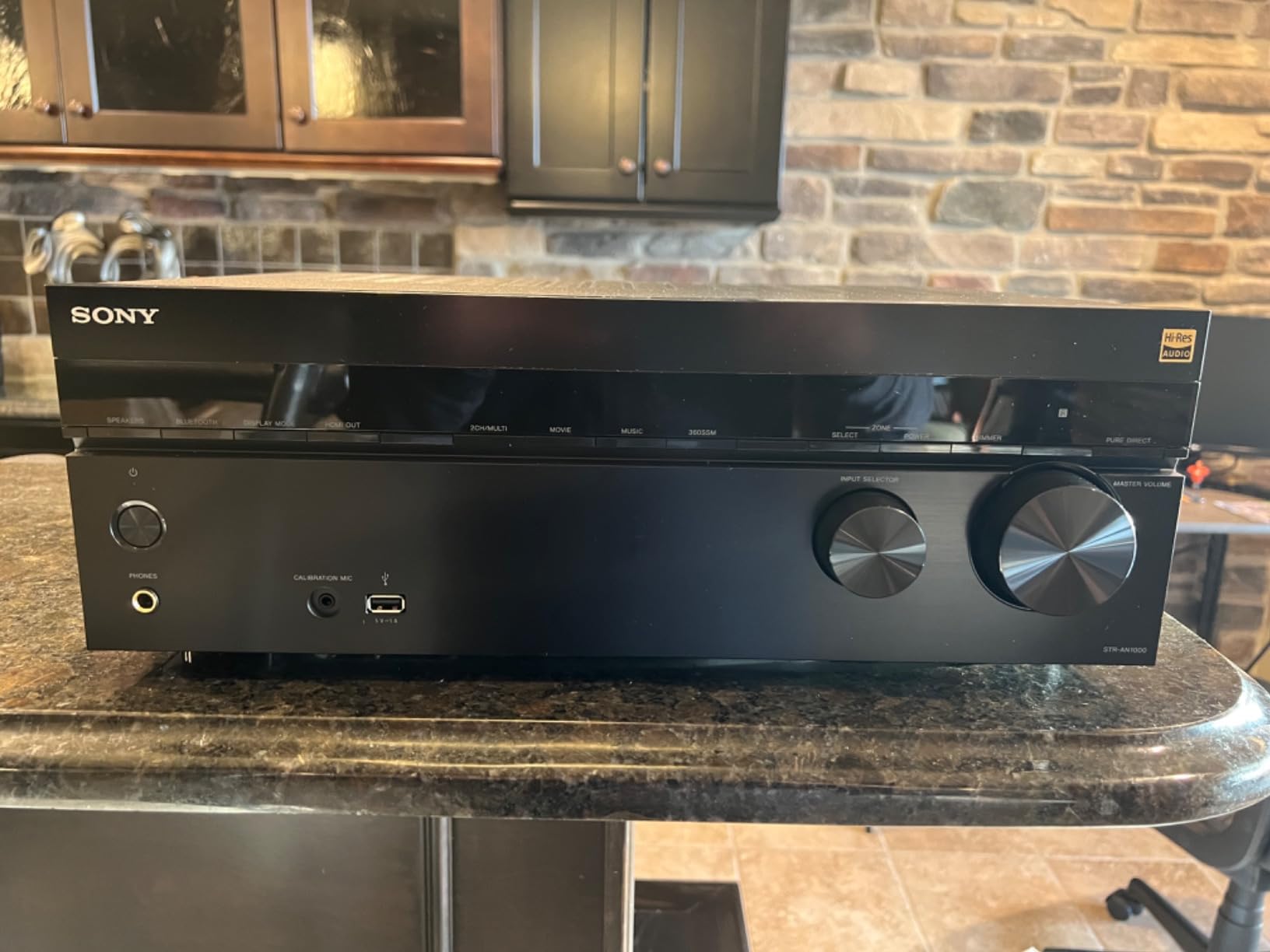
8. Sony STR-AN1000: Best Voice and Dialogue Clarity in This Group
Sony STR-AN1000 7.2ch Home Theater 8K A/V Bluetooth Receiver
7.2 channels at 165W
6 HDMI in and 2 out
360 Spatial Sound Mapping
IMAX Enhanced
Pros
- 360 Spatial Sound Mapping gives real immersion from 5.1 and 7.1 layouts
- Crisper output than older Denon and Onkyo receivers
- 165W per channel suits medium and large rooms
- Quick graphical setup interface
- Six HDMI inputs with 4K upscaling and eARC
Cons
- No phono input
- long boot time around two minutes
- Thin case rattles and remote feels cheap
- Input detection and Dolby Vision pass-through issues reported
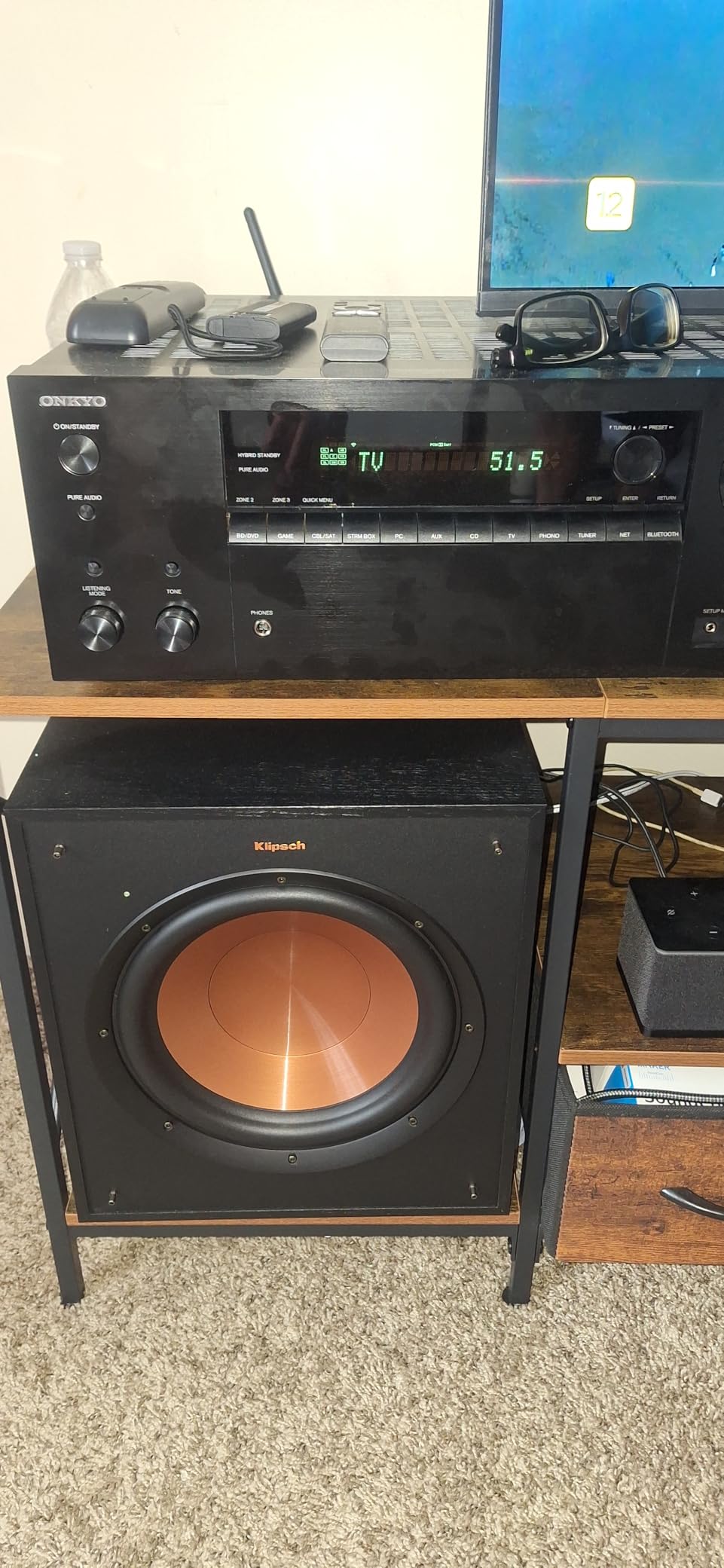
For a 5.1 system, the Sony STR-AN1000 has the most interesting processing idea in this roundup. 360 Spatial Sound Mapping with Digital Cinema Auto Calibration IX takes a conventional 5.1 or 7.1 layout and places objects convincingly in a wider space, and owners describe it as genuinely immersive rather than a gimmick.
Power is 165W at 6 ohms with a single channel driven, which in practice means plenty of volume for medium and large living rooms. Dolby Atmos and DTS:X object-based decoding, plus Dolby Vision, HDR10, HLG and IMAX Enhanced video support, cover the mainstream formats.
Six HDMI inputs and two outputs with HDMI 2.1, 8K and 4K/120, and eARC so you do not need extra optical cabling for TV apps. Zone 2 and Zone 3 multi-zone distribution, Chromecast built-in, Spotify Connect and Apple AirPlay cover the streaming side, and it works with Sonos.
The rough edges are numerous. There is no phono input, boot time is around two minutes on some units, and there are reports of input detection problems, no-sound events and black screens, including an Apple TV 4K Dolby Vision pass-through issue. The thin sheet-metal case rattles when the main relay engages and the remote feels cheap.
Prioritise dialogue if you watch a lot of TV
Reviewers repeatedly single out clearer, crisper sound and better dialogue than older Denon and Onkyo units in the same price band. If your 5.1 system spends most of its hours on broadcast TV and streaming rather than a dedicated theatre, that clarity matters more to you than channel count.
Digital Cinema Auto Calibration IX is quick to run, and the graphical setup interface is friendlier than the Denon and Pioneer menus in this list.
Who should skip the STR-AN1000
Skip it if you have a turntable, because there is no phono input. Anyone sensitive to a two-minute boot time or a rattling chassis should look elsewhere, as should owners who rely on flawless Apple TV 4K Dolby Vision pass-through.
The 554 reviews describe it as a strong step up from older Sony, Denon or Onkyo receivers, and the Zone 2 and Zone 3 outputs are a genuine plus in a house rather than a single room.
9. Marantz NR1510: Half-Height Chassis and the Warmest Tuning Here
Marantz NR1510 Slimline 5.2 Channel AV Receiver Powered by HEOS™ with 50 W, 4K, and 6 HDMI Inputs
5.2 channels
50W per channel
Slimline 4.1 inch chassis
Audyssey MultEQ
Pros
- Half-height design fits shelves full-size receivers cannot
- Warm musical tuning with detail
- Audyssey MultEQ balances a 5.1 set well
- Six HDMI inputs plus phono
- HEOS with Spotify TIDAL and Amazon Music HD
Cons
- 50W per channel is modest and not especially loud
- Long tedious setup and dated menus with a non-backlit remote
- Runs hot and needs ventilation
The Marantz NR1510 solves a problem most receivers ignore: size. The chassis is half the height of a traditional AV receiver at 4.1 inches, so it fits on a shelf or inside a cabinet where a full-height unit will not. For a living room 5.1 system on a credenza, that is the deciding feature more often than the spec sheet.
It is a true 5.2 design with a high-current discrete 50W per channel across five channels. That is modest, and owners say so, but the tuning is the reason to accept it: rich, warm and musical, and noticeably better for two-channel listening than most competitors.
Audyssey MultEQ handles room analysis and per-channel correction, Dolby TrueHD and DTS-HD Master Audio decoding is there for lossless film sound, and 4K passthrough with Dolby Vision and HLG covers video. Six HDMI inputs plus analog, digital and phono inputs mean mixed source setups are fine, and HEOS brings Spotify, TIDAL and Amazon Music HD with AirPlay and Bluetooth.
Reviewers rate it at 4.4 across 317 reviews. The negatives are consistent: setup is long and needs patience, the on-screen menus are old-fashioned, the remote has redundant non-backlit buttons, Bluetooth audio can sound scratchy and quiet, and it runs hot. A minority report shutdowns within months and repeated repair visits.
Match it to smaller or lower-impedance rooms
With 50W per channel, this is a small- to medium-room receiver. Pair it with efficient, sensitive bookshelf and satellite speakers and it will sound effortless at moderate levels. Pair it with inefficient floorstanders in a large room and you will run out of amplifier before you run out of volume.
It also carries a three-year manufacturer warranty, the longest in this roundup, which partly offsets the reliability concerns.
Who should skip the NR1510
Skip it if you need volume in a large room, or if you want a fast guided setup. Anyone who plans to add height speakers should note there is no spare amplifier channel here.
If music listening is half your use and shelf space is the constraint, this is the only receiver in the list that solves both problems at once.
10. Yamaha RX-A2A: The Best Room Correction and HDMI Refinement
Yamaha RX-A2A AVENTAGE 7.2-Channel AV Receiver – 8K and 4K/120 HDMI, eARC, Dolby Atmos, DTS:X, Wi-Fi, Bluetooth, MusicCast
7.2 channels at 100W
7 HDMI in 1 out
YPAO R.S.C. multipoint
Surround:AI
Pros
- YPAO R.S.C. multipoint calibration is fast and accurate
- 8K60 and 4K120 on three inputs with VRR and ALLM
- Surround:AI makes dialogue clearer and effects tighter
- Full streaming set with MusicCast AirPlay 2 and Roon Tested
- Works with Sonos and both major voice assistants
Cons
- Only 100W per channel for large rooms
- Modest seven HDMI inputs
- Slow firmware and app updates
The Yamaha RX-A2A is the enthusiast-leaning pick in this roundup, and its selling point is YPAO R.S.C. with multipoint measurement. Owners call it fast and accurate, and if room correction quality is the thing you care most about, this is the unit to shortlist first.
It is a 7.2 AVENTAGE chassis with Zone 2, Dolby Atmos and DTS:X, and 100W per channel. HDMI is 7 in and 1 out with HDCP 2.3 and eARC, where every input handles 4K60 and three inputs do 8K60B and 4K120AB, plus ALLM and VRR for current consoles and Dolby Vision, HDR10+, HLG and BT.2020.
Surround:AI optimises sound and effects in real time, which owners credit with clearer film dialogue and more precisely placed effects. Some listeners find the processing slightly overdone, so it is worth a listen before and after.
The streaming side is the most complete here: MusicCast, AirPlay 2, Spotify Connect, Roon Tested certification, a phono input, and Works with Sonos through a Sonos Port. It is also a 25.4 lb, 7.2 unit with premium AVENTAGE build quality.
YPAO multipoint is worth a setup session
Multipoint measurement takes readings from several positions in the room and builds a correction curve from all of them, rather than correcting to a single seat. On a 5.1 layout where the surrounds sit behind the seating position, that difference in how the correction is derived is exactly what you want.
Spend the twenty minutes it takes to do it properly, with the microphone at ear height in the seating position, and this receiver will sound better than the same system on a single-point system.
Who should skip the RX-A2A
Skip it for a large dedicated theatre, because 100W per channel is the limit here and several owners note that in big rooms. Seven HDMI inputs is modest next to the Onkyo above, and firmware and app updates arrive slowly.
If you want a phono input, Roon support and a polished multi-zone ecosystem in a 7.2 box, this is the one. It holds a 4.3 rating from 324 owners.
How Many Channels Do You Actually Need for 5.1?
Five ear-level channels plus one subwoofer channel is the entire requirement. A 5.1 system places three speakers in front of you, two surrounds behind or to the side, and one subwoofer handling the low end. Anything past that is optional headroom, and the cost of buying it is real money you can put into a better subwoofer instead.
Here is how the configurations actually compare. 5.1 needs five amplifier channels. 5.1.2 adds two height speakers and needs seven. 7.1 adds rear back surrounds and needs seven or nine depending on layout. Anything above nine is a dedicated theatre conversation, not a 5.1 conversation.
For a normal living room or bedroom, 5.1 is sufficient in most cases. Bogleheads and AVS Forum regulars generally conclude that a 5.1 layout with surrounds placed behind the seating position sounds better than a cramped 7.1 arrangement where the extra speakers end up crammed beside the sofa. Extra channels that fire from uncomfortable angles are worse than no extra channels.
The genuine upgrade path from 5.1 is 5.1.2 with two in-ceiling or upfiring height speakers, not 7.1. That means buying a 7-channel amplifier now is the smart move even if you are not ready for the speakers. Several of the receivers above also offer Dolby Atmos Height Virtualization or DTS Virtual:X, which simulate height effects from a plain 5.1 layout at no extra cost.
One last consideration. Streaming services rarely carry true 5.1 or Atmos soundtracks, so the practical value of extra channels depends heavily on how much of your viewing is disc-based or downloaded. If you stream almost everything, a good 5.1 amp and a good subwoofer will take you further than a nine-channel flagship.
Wattage, Impedance and Room Size for a 5.1 System
Read watts per channel exactly the way the spec sheet reports it, because manufacturers quote the flattering number. A figure measured at 4 or 6 ohms with all channels driven will not match what you get into 8 ohm speakers with five channels running. The only number that transfers cleanly is watts into 8 ohms with two channels driven.
Most of the receivers in this roundup rate between 50W and 100W per channel into a standard load, which is genuinely enough for a 5.1 system in a normal room. Match the receiver to the room: a small bedroom needs far less than a dedicated theatre, and buying power you cannot use costs money without buying anything you can hear.
Impedance is where mixed speaker sets cause trouble. A very common real-world combination is 6 ohm floorstanders up front with 4 ohm surrounds behind, and a lower-impedance receiver protects itself by dropping out when current demand gets high. r/hometheater threads on Phase Technology and mixed-brand sets reach the same conclusion: any 5.1 amplifier that is 4 ohm stable will handle these loads properly.
Speaker sensitivity matters more than most buyers expect. A pair of efficient, sensitive bookshelf speakers will play loudly and cleanly off a 50W per channel amp, while an insensitive floorstander will need far more current to reach the same level. Match the amplifier to the least efficient speaker in the system, not the loudest one.
One diagnostic habit worth keeping: if you hear hiss, hum or a rattle that comes and goes, isolate it the same way you would chase a noise in a car, by changing one thing at a time and listening for where it disappears. Our guide to finding a noise by sound and location covers that method.
Room Correction, HDMI 2.1 and Reliability: What Actually Matters
Room correction is the most audible feature on this list, and the brands split into distinct camps. Audyssey MultEQ, used by Denon and Marantz here, measures each channel and corrects level, timing and frequency response. It is the most widely regarded option in this group, and the Denon AVR-X1700H is the specific unit we would choose for it.
YPAO R.S.C. from Yamaha uses multipoint measurement across several seating positions, which handles uneven seating better than a single-point run. Onkyo’s AccuEQ on the TX-NR6100 is simpler and faster, and Dirac Live on the TX-NR7100 is the most actively refined system in the list, at the cost of more setup complexity and occasional configuration failures.
Sony uses Digital Cinema Auto Calibration IX on the STR-AN1000 alongside 360 Spatial Sound Mapping, and Pioneer uses phase correction on the VSX-935. None of these are bad. What matters is that you actually run the calibration and re-run it if you move the speakers or change the room.
For HDMI, count the inputs rather than trusting the HDMI 2.1 label. A receiver with one HDMI 2.1 input and a PS5 plus an Xbox Series X is already short. In this roundup the Onkyo TX-NR7100 has six full-bandwidth 40 Gbps inputs, the Denon AVR-S970H has three dedicated 8K inputs out of six, the Yamaha RX-A2A has three, and the Sony STRDH590 has none. eARC is universal across the ten, which matters because it sends TV app audio back to the receiver without a second cable.
Reliability and firmware support deserve more attention than reviews usually give them. Warranty lengths here range from one year on the Sony STRDH590 and Pioneer VSX-935 to three years on the Denon AVR-X1700H and Marantz NR1510. Onkyo and Denon are the two names that come up most often when buyers ask who makes the most reliable AV receivers, largely on the basis of consistent build quality and a steady firmware cadence.
Finally, check the pre-outs. If you think you might add an external power amplifier later, a 5.1 system with pre-outs can be expanded without replacing the receiver. Several of the receivers here have no pre-out flexibility at all, so this one question can decide between two otherwise identical options.
Frequently Asked Questions
Do I need a receiver for 5.1 surround sound?
Yes, unless you already have a surround processor and a separate five-channel amplifier. A receiver decodes your surround audio, runs room correction to fix your room, switches HDMI sources and drives all five speaker channels plus the subwoofer output. Without it you would need those functions in separate boxes, which costs more and takes more space.
What is the best AV receiver for audiophiles?
The Denon AVR-X1700H is the strongest all-round choice here for a 5.1 system, with Audyssey room correction widely rated above rival systems. For pure two-channel musicality, the Marantz NR1510 has the warmest tuning in this roundup. If you want a networked ecosystem with Roon support, the Yamaha RX-A2A covers MusicCast, AirPlay 2 and Spotify Connect.
Which is better for my room, 5.1 or 7.1 surround sound?
In a normal living room or bedroom, 5.1 is usually better. Seven speakers in a small space often end up crammed beside the seating position, and surrounds firing from uncomfortable angles sound worse than five well-placed channels. If you have space for proper rear backs, 7.1 adds real immersion. A 5.1.2 layout with two height speakers is the better upgrade path from 5.1.
Is 7.1 worth it in a small room?
Usually not. Multiple home theater forum discussions conclude that 5.1 is sufficient in most cases, and a 5.1 layout with surrounds placed behind the seating position is generally preferred over a cramped 7.1 seating arrangement. If you do add rear backs, place them wider than the front pair and higher than ear level for the most natural effect.
Does Netflix support 7.1 surround sound?
Rarely. Streaming services carry very little true 5.1 or Atmos content compared with disc releases, and Netflix is no exception for most titles. That is worth remembering before paying for a nine-channel receiver, because most of your actual surround content will come from Blu-ray, downloaded files or broadcast sources rather than streaming apps.
Which AV Receiver Should You Buy for 5.1?
For a straight 5.1 living room system with no near-term upgrade, take the Sony STRDH590. It is the simplest machine here, it has the largest owner base in the group at 5964 reviews, and it is the one most people end up happy with years later.
If you want modern HDMI gaming, take the Denon AVR-S570BT with its four full-bandwidth 8K inputs. If you want power, ports and Zone 2 without leaving the mid tier, take the Onkyo TX-NR6100, which is also the receiver r/hometheater posters recommend most often to people with an existing 5.1 set.
For the best balance of room correction and upgrade headroom, take the Denon AVR-X1700H. For music-first listening in a small space, take the Marantz NR1510. For the most accurate calibration, take the Yamaha RX-A2A. For nine channels of processing and Dirac Live, take the Onkyo TX-NR7100.
Whichever you choose, run the calibration properly with the microphone at ear height in your actual seating position, set the subwoofer crossover to 80Hz, leave ventilation clearance around the chassis, and install the firmware update before you start. That setup discipline will do more for your 5.1 sound than the two extra amplifier channels you were tempted to pay for. These are the best AV receivers for 5.1 surround sound for 2026, and the right one is the one that matches your room rather than your wish list.