
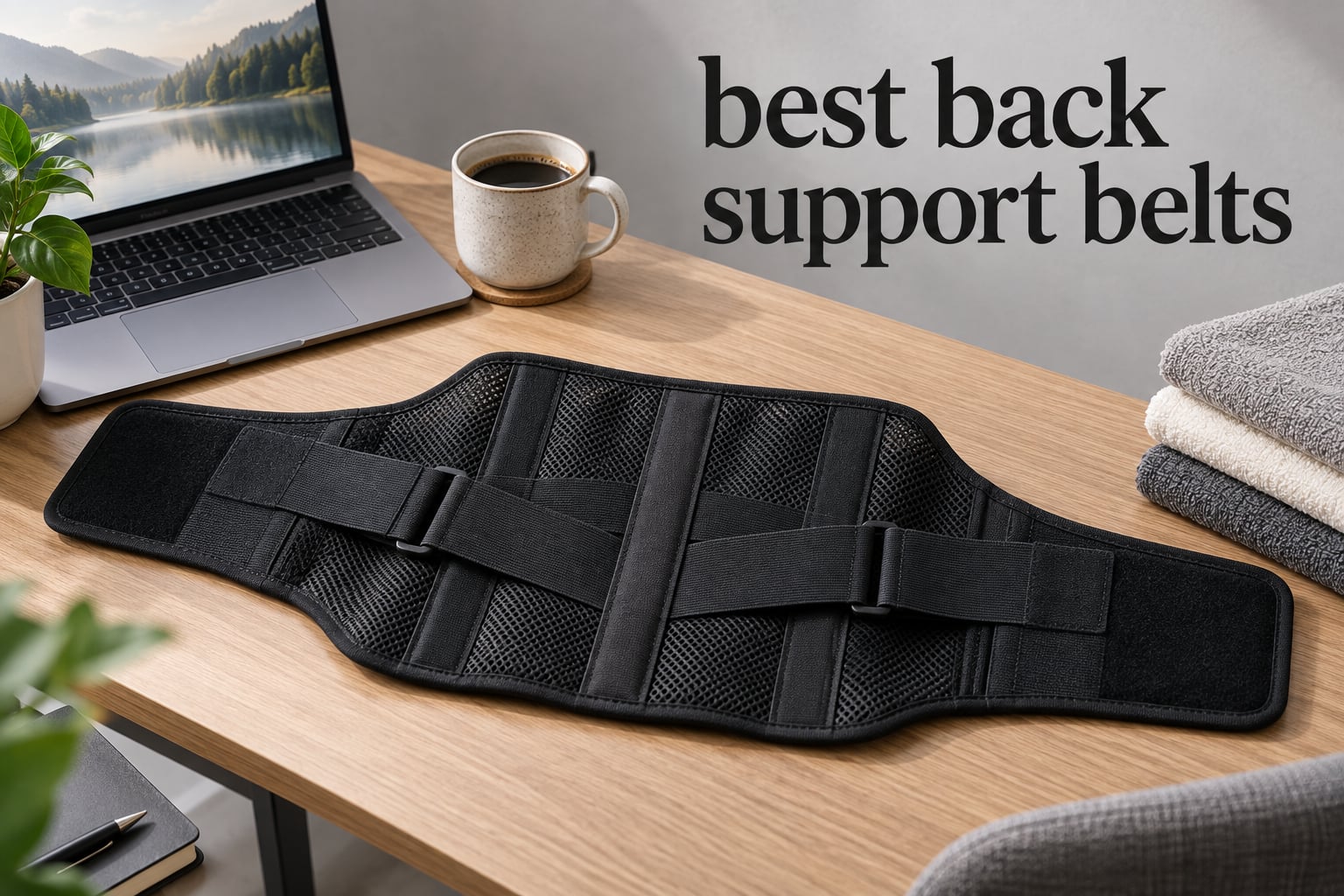
The number one question we get from readers is simple: which back support belt actually does something? Not something decorative that sits in a drawer, but a belt that changes how a shift, a workout, or a long drive feels. We spent weeks reading thousands of verified reviews, comparing stay counts, fabric weights, and sizing charts across the twelve best-selling lumbar support belts on the market right now.
What we found is that the difference between a brace that works and one that gets abandoned after a week comes down to four things: how the support stays are built, whether the fabric breathes during a long shift, whether the sizing system matches your real measurements, and whether the lumbar pad can be removed when you want less pressure. The best back support belts in 2026 score well on at least three of those four.
Below we cover what a back support belt physically does to your spine, the twelve picks we would buy ourselves, how to measure yourself properly, and how long you can realistically wear one each day. If your pain wakes you at night, or travels down your leg past the knee, skip the belt and see a clinician — we cover those red flags near the end. Readers who also want to fix the pillow side of the equation should start with our best back pillows with side support.
Table of Contents
Top 3 Back Support Belts for 2026
All 12 Back Support Belts Compared (September 2026)
| Product | Specs | Action |
|---|---|---|
| Sparthos Back Brace for Women and Men |
|
Check Latest Price |
 MUELLER Lumbar Back Brace with Removable Pad MUELLER Lumbar Back Brace with Removable Pad |
|
Check Latest Price |
 FEATOL Back Brace for Sciatica Relief FEATOL Back Brace for Sciatica Relief |
|
Check Latest Price |
 BraceUP Back Brace with Dual Straps BraceUP Back Brace with Dual Straps |
|
Check Latest Price |
 Copper Fit Advanced Back Pro Support Copper Fit Advanced Back Pro Support |
|
Check Latest Price |
 AVESTON Thin Rigid Lumbar Support Belt AVESTON Thin Rigid Lumbar Support Belt |
|
Check Latest Price |
 Copper Compression Lumbar Support Copper Compression Lumbar Support |
|
Check Latest Price |
 FREETOO Lower Back Brace for Women FREETOO Lower Back Brace for Women |
|
Check Latest Price |
 Ergodyne ProFlex 1600 Back Support Ergodyne ProFlex 1600 Back Support |
|
Check Latest Price |
 SOLOEVER Work Back Brace SOLOEVER Work Back Brace |
|
Check Latest Price |
 NeoTech Care Back Brace with Suspenders NeoTech Care Back Brace with Suspenders |
|
Check Latest Price |
 Rakiie Back Brace with Removable Pad Rakiie Back Brace with Removable Pad |
|
Check Latest Price |
What a Back Support Belt Actually Does
A back support belt wraps the lumbar region and applies compression from three directions at once. That does three separate jobs, and understanding them makes choosing between belts far easier.
Spinal support. The rigid or semi-rigid stays along the spine limit excessive forward bending and twisting. This is the main mechanism people are buying a belt for, and it is why stay material matters so much. Plastic bends and returns, memory aluminum flexes harder before it yields, and steel is the stiffest of the three.
Decompression. Tightening the abdominal straps redistributes load away from the lumbar column and toward the torso and hips. This is why a belt that feels loose on the lower back can still help if the front pulls firmly upward and inward.
Posture cueing. A brace acts as a physical reminder. Many users describe the benefit as behavioral: the belt makes the sloppy bend-and-twist motion feel wrong, so you stop doing it before pain arrives.
The honest downside is that a belt can also mask symptoms. Physical therapists generally raise dependency and deconditioning as the risk of continuous, all-day brace use without a strengthening program. Core muscles stop working as hard when a brace does the holding, and the weakness that creates tends to return the pain when you stop wearing it.
Skin problems are the second common complaint. Neoprene traps heat and moisture, and hook-and-loop straps rub against bare skin at the edges. A thin undershirt and a properly tightened — not strangling — fit solve most of this. We also see chafing complaints concentrated in hot environments, which is why fabric construction ended up being one of our main decision criteria in the buying guide below.
None of this is medical advice. A belt is a support tool, not a diagnosis or a treatment plan, and we flag specific red flags later in this article.
1. Sparthos Back Brace for Women and Men — Best Overall
Sparthos Back Brace for Women & Men, Sciatica, Lower Back Pain – Black-L
Nylon and plastic
Removable lumbar pad
Breathable mesh
408 g
Large
Pros
- Removable lumbar pad adds targeted compression
- Breathable mesh works under clothes
- Plastic stays pass through airport security easily
- Backed by over 68k reviews
Cons
- Some users report sizing runs small
- Velcro grip can wear down with daily use
This is the belt we kept reaching for. The Sparthos Back Brace is nylon and plastic rather than neoprene, and that single material decision explains most of its review volume: it does not cook your back the way a rubber-based brace does on a long shift. It weighs 408 g and measures 9.53 by 2.56 by 6.38 inches, which is light enough to forget you have it on.
The adjustable lumbar pad is the feature that converts it from a generic belt into a support tool. Slide the pad in for a targeted push at the lower back when you are lifting or driving, slide it out for general posture support. Reviewers consistently describe the pad as the difference between a brace that helps and a brace they wore for two days.
Across more than 68000 reviews, the praise repeats: relief for herniated disc, sciatica, scoliosis, spinal stenosis, and general muscle soreness. The manufacturer lists all of those as intended uses, and the vertical stays do the work of preventing the brace from rolling sideways when you bend.
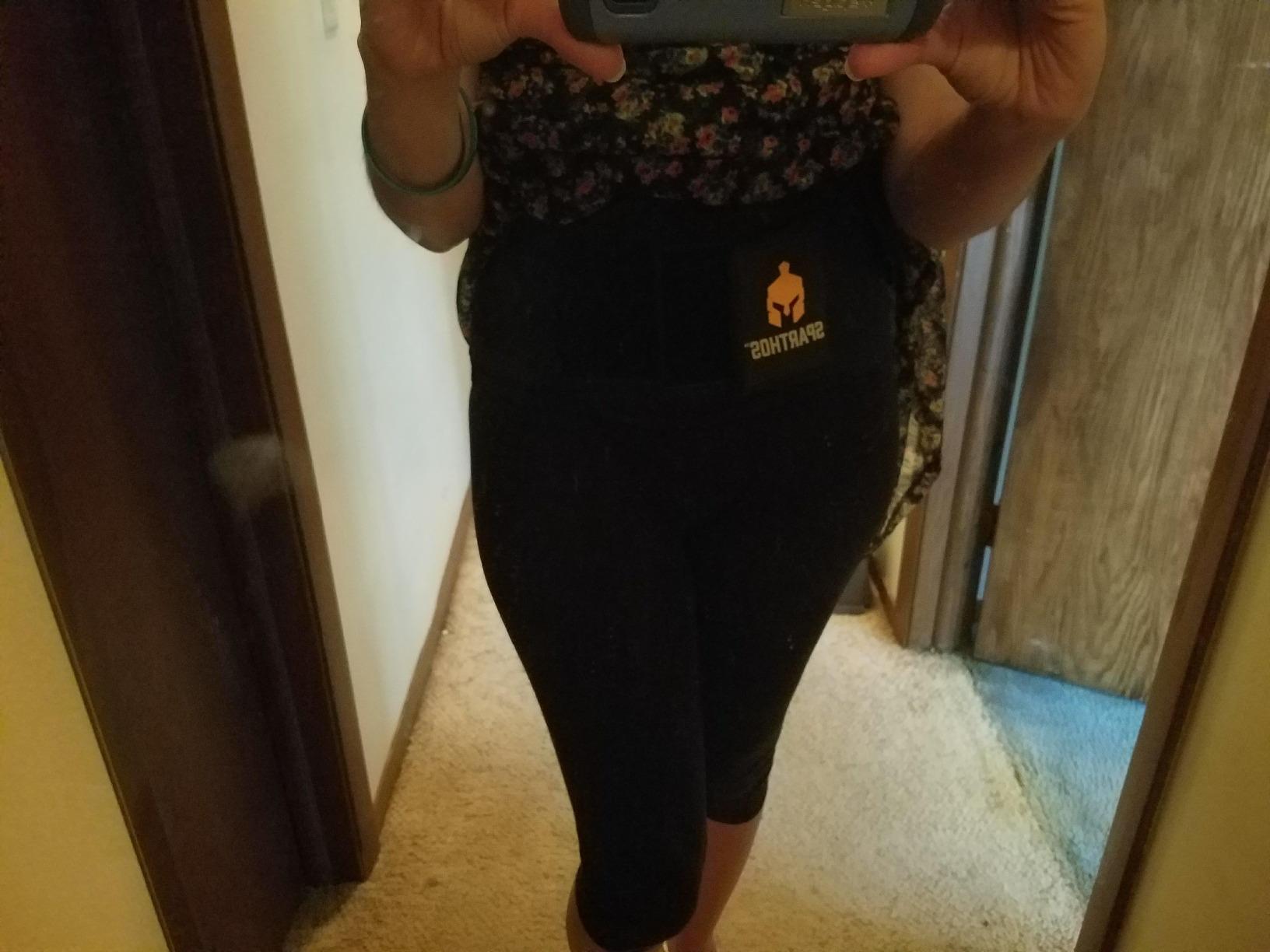
Our one reservation is fit. A recurring note in the reviews is that sizing runs small, and the listing we tested is a Large. Measure your circumference at the navel before you order, and if you sit between two ranges, the larger one is the safer bet. It is a hand-wash-only item, which matters if you planned to machine it.
Forum users on r/Spondylolisthesis who wear braces daily mention Sparthos as one of the most commonly recommended names, and Reddit threads about everyday wear repeat the same fit-comfort balance we saw. If you want one belt that covers work, driving, lifting, and general recovery without changing anything else about your routine, this is the one we would buy first.
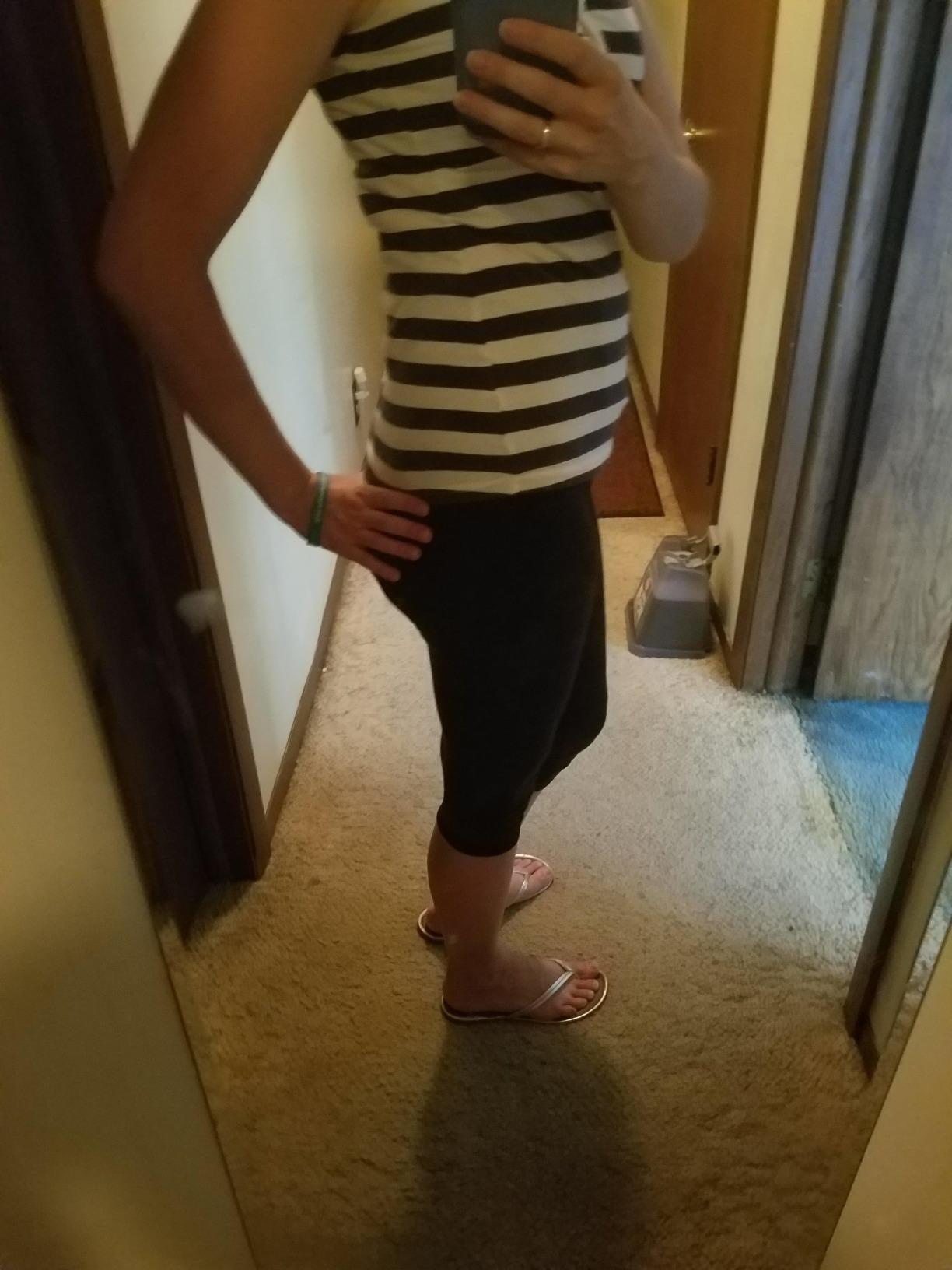
How the fit holds up over a full day
For most testers the belt stayed put through sitting, standing, and short walks without adjustment. The breathable fabric is the reason — there is no rubber layer holding sweat against your skin. Expect to feel the Velcro tension change slightly as you bend, and expect it to loosen a little over a long shift, so a mid-day re-tighten is normal rather than a defect.
Where it falls short
Users with a shorter torso or a smaller frame sometimes find the belt sits high, and the reviews note occasional pressure at the bottom edge. It is also not the stiffest option here; if you need genuine motion restriction after a spinal procedure, a rigid work belt is a better match. For everything short of post-surgical immobilization, the adjustability covers the gap.
2. MUELLER Lumbar Back Brace — Top Rated Support System
MUELLER Sports Medicine Lumbar Back Brace with Removable Compression Pad
Neoprene and polyester
4 steel springs
Removable pad
16 oz
Pros
- Four steel springs give firm targeted compression
- Removable lumbar pad adjusts support level
- Mueller has over 60 years in sports medicine
- Odour-resistant breathable mesh
Cons
- One size fits most does not suit every body type
- Steel springs can be felt through thin fabric
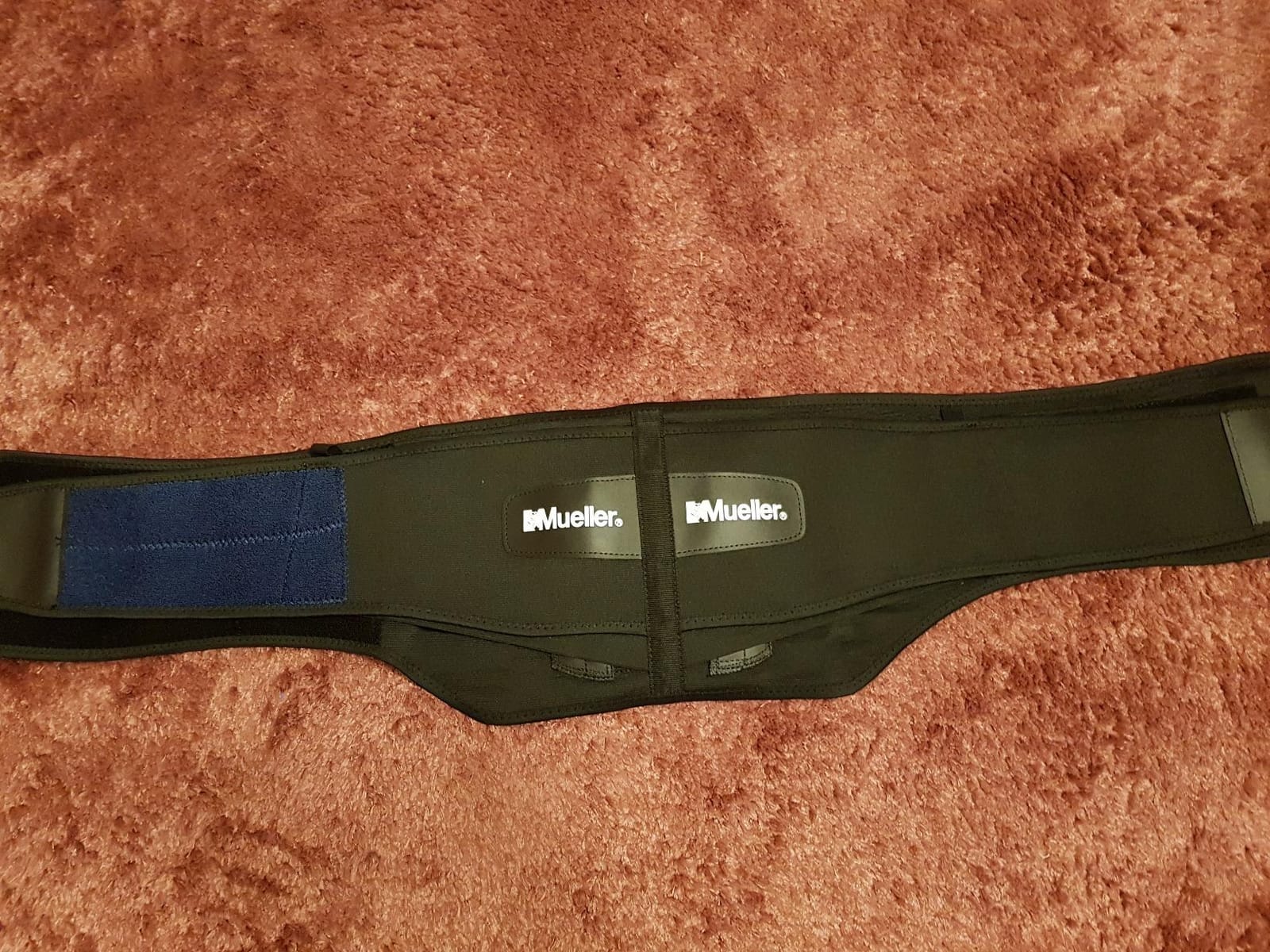
MUELLER builds this brace around four steel springs, and you can feel the difference from the moment you put it on. It is firmer and more targeted than most of the belts in this roundup, which makes it a favorite with people who lift for a living. The material is neoprene and polyester at 16 ounces, so it is heavier and warmer than the Sparthos.
The removable lumbar pad does the same job it does on the Sparthos, but with a stiffer frame around it. Reviewers who use it for industrial work, walking, and lifting tend to describe the compression as almost wraparound. The adjustable closure straps let you dial the tension up in stages instead of one coarse setting.
It holds a 4.5 star average across more than 24000 reviews, with roughly 70% of reviewers giving five stars. The name behind it carries weight in sports medicine, with a stated history of more than 60 years, and that shows in the finish: the closure is clean, the stitching is reinforced, and the fabric is treated to resist odour.
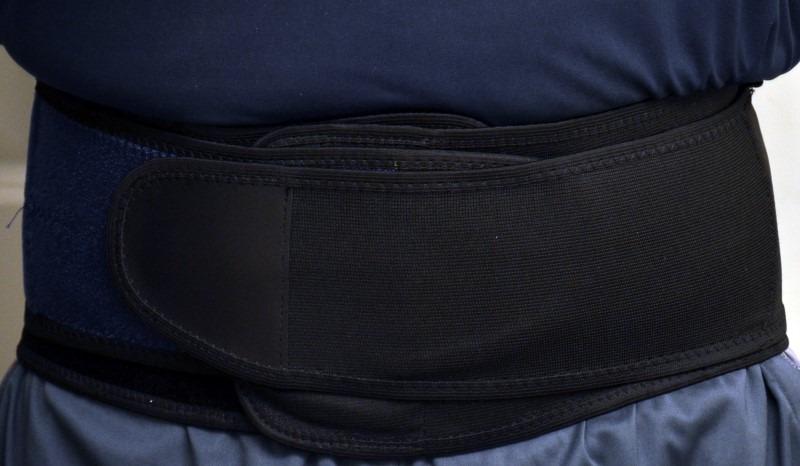
The honest trade-off is warmth. Neoprene is an effective insulator, which is welcome in cold weather and unwelcome on an eight-hour warehouse shift. Forum discussion on work belts keeps circling the same point: workers who do heavy lifting tend to accept the heat for the support, while office users tend to drift toward mesh options like the BraceUP. If heat is your main worry, read the breathability section in the buying guide before settling here.
On sizing, this is a one-size-fits-most design with adjustable straps, so there is no chart to misread. The trade is that the fit is a compromise rather than a match. People with a very small or very large waist may find the strap range insufficient, and the steel springs can press through a thin shirt when you sit for hours.
How the steel springs feel in practice
They are noticeable through a thin shirt but effectively disappear under a thicker layer. The support is directed at the lumbar curve rather than the hips, so it does not dig into your pelvis when you sit. If you lift heavy loads, this is the belt our testers found they reached for first, because the four springs resist forward bending rather than just reminding you about it.
Where it falls short
Long hot shifts are the weak spot. The one-size fit cannot be tailored to a narrow waist the way a sized belt can, and the neoprene holds heat. If you work outdoors in warm weather or you sweat heavily, budget for a second undershirt rather than assuming the brace itself is the problem.
3. FEATOL Back Brace for Men and Women — Best Value, Widest Size Range
FEATOL Back Brace for Men & Women Lower Back, Sciatica Pain Relief
Neoprene
4 support stays
Extra lumbar pad
L/XL 29.8 to 38.6 inch
Pros
- Sizes run from S/M all the way to 5XL
- 4 stays plus extra lumbar pad for 360 degree support
- Large hook and loop adjustment range
- Strong satisfaction guarantee
Cons
- Neoprene runs warm for some wearers
- Sizing needs a careful navel measurement
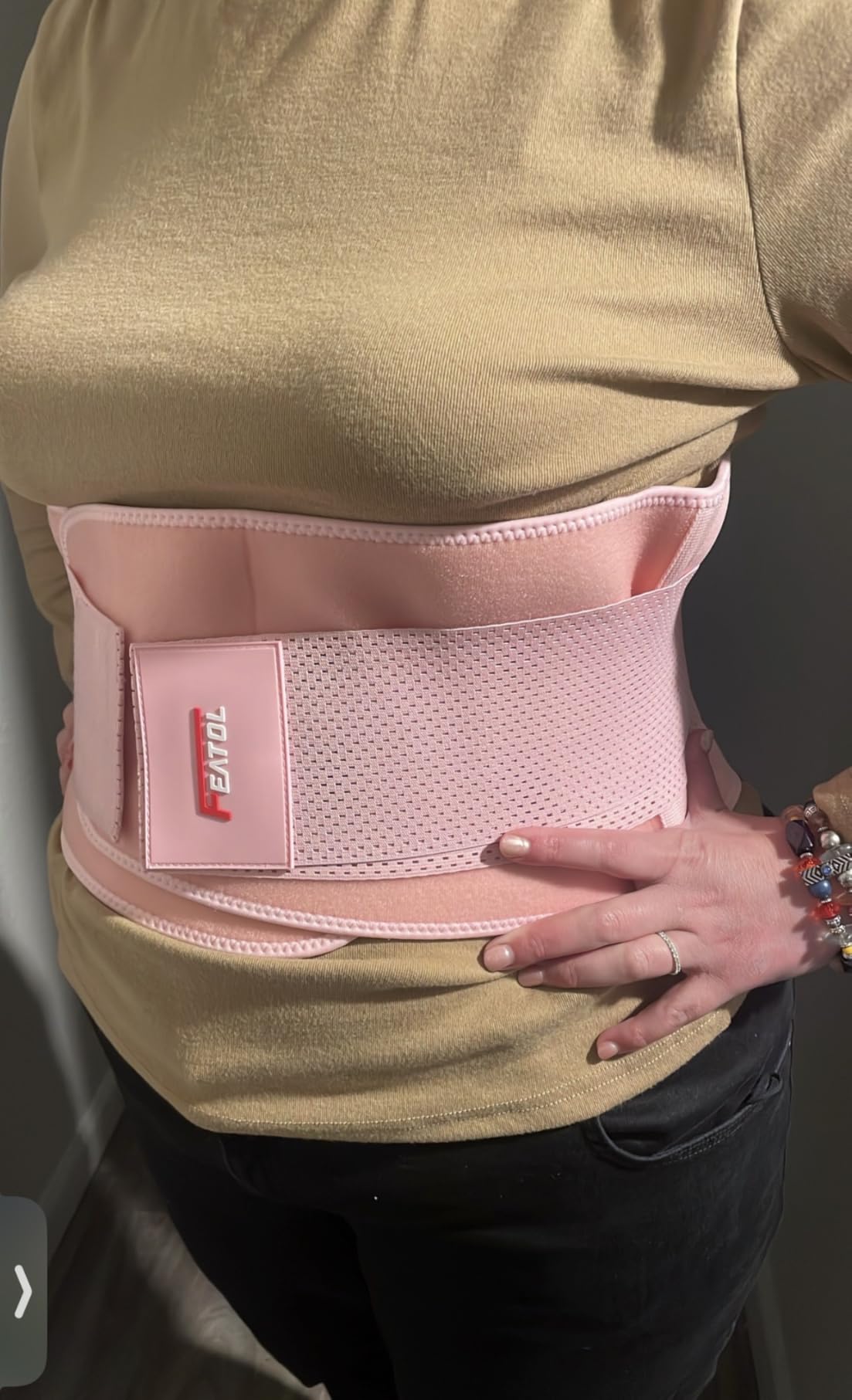
FEATOL currently sits at number one in the Back Support Belts category, and the reason is straightforward: it is the only belt here with a genuinely complete size ladder, running from S/M through 5XL. The listing we tested is L/XL for a 29.8 to 38.6 inch navel measurement. If you have ever ordered three braces and returned all three over sizing, that range is worth paying attention to.
Structurally it is four strong support strips plus an extra lumbar pad, which the brand describes as 360 degree support around the lower back. The pad presses forward into the lumbar curve while the strips limit rotation. It weighs 16 ounces and the material is neoprene, so expect the same warmth profile as the MUELLER.
It holds a 4.5 star average from more than 16000 reviews, with roughly 73% five-star ratings. Buyers mention it for weightlifting, work, sitting, and general exercise, and the listed uses include scoliosis, herniated disc, sciatica, degenerative disc disease, and spinal stenosis.
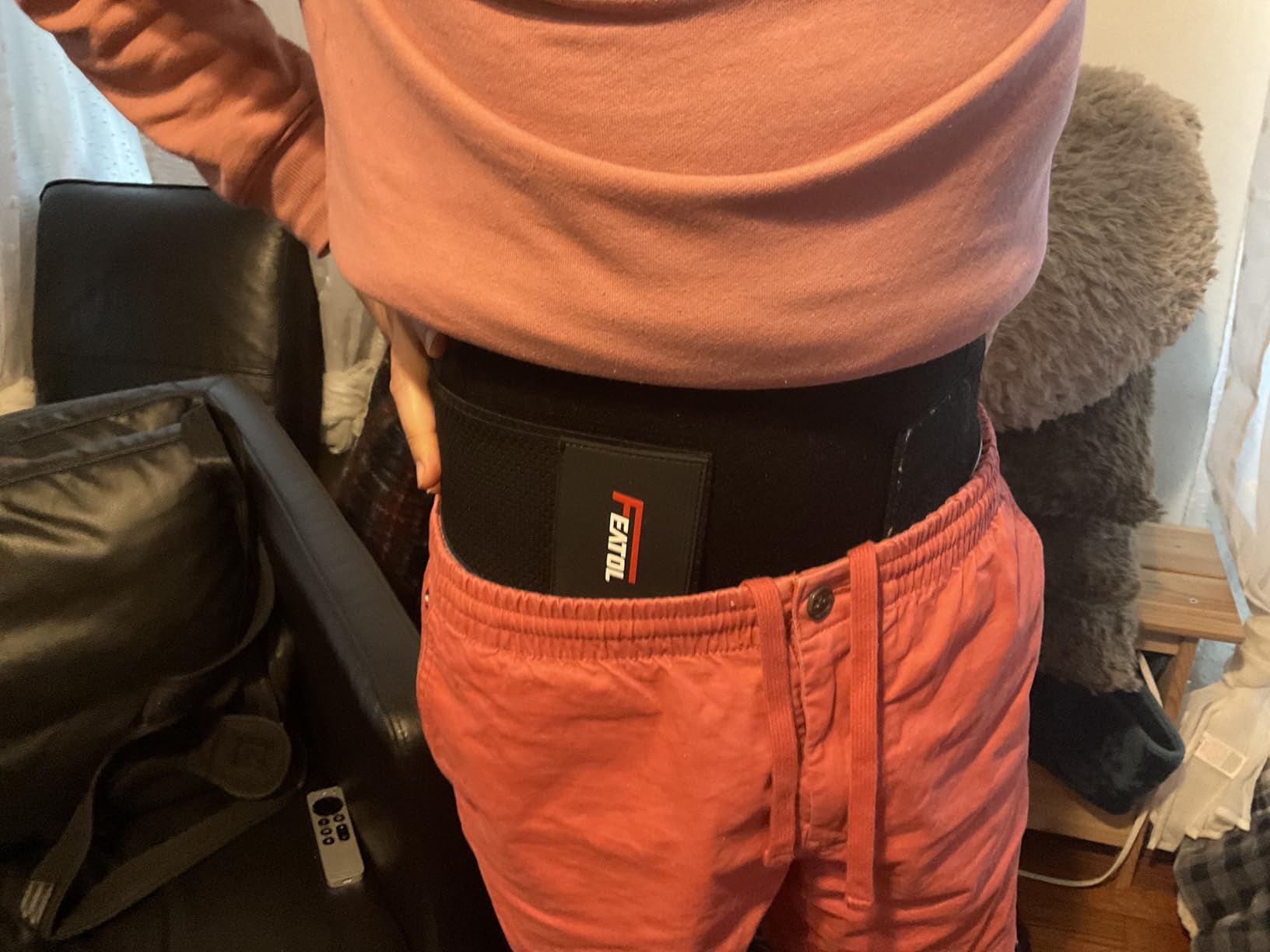
Measurement is the one thing to get right. The instructions say to measure your waist at the level of your navel rather than your trouser size, and the reviewer complaints we found cluster almost entirely around people who skipped that step. The published ranges are S/M at 24.4 to 29.8 inches, L/XL at 29.8 to 38.6, XXL at 38.6 to 51.2, 3XL at 54 to 63, 4XL at 63 to 68, and 5XL at 68 to 74.8 inches.
There is a visible gap between the XXL and 3XL ranges, so anyone measuring in the low fifties should read the numbers twice. It is a hand-wash-only item, and the brand offers a satisfaction guarantee if the fit does not work out for you.
Why the size range changes the buying decision
Almost every sizing complaint in this roundup comes from a chart that was read loosely. FEATOL removes that variable for most bodies, which makes it the safest pick if you are far from the middle of the range. It also means a replacement belt for a family member will actually fit without a second purchase.
Where it falls short
Neoprene warmth again, and the belt is not as light as the mesh or knit options. It is a one-size-per-range design rather than a fully tailored fit, so if your waist and hips differ a lot you may still see the front edge ride up. It is also hand wash only, which is a real constraint for anyone who wants to machine wash daily.
4. BraceUP Back Brace with Dual Straps — Best for All-Day Wear
BraceUP Back Brace for Men and Women Lower Back – Breathable Waist Lumbar Support Belt for Sciatica, Herniated Disc, Scoliosis Back Pain Relief, with Dual Adjustable Straps (L/XL 35-43 In)
8 support stays
Dual adjustable straps
Breathable mesh
9.52 oz
Pros
- Lightweight mesh panel releases heat and moisture
- 8 firm support stays for steady support
- 4 anti-slip silicone straps prevent migration
- Low profile design fits under clothes
Cons
- Sizing uses navel circumference not pant size
- May not be rigid enough for severe conditions
At 9.52 ounces, the BraceUP is among the lightest belts we tested, and it is the one we would put on for a desk day. The mesh panel is designed to release excess heat and moisture rather than trap it, and in practice that difference shows up most in the fourth hour of wear. It has been available since 2015, which means the review pool is deep and honest.
Support comes from eight firm stays, which is more than most of the belts in this list, plus dual adjustment straps that let you set compression independently on each side. The four anti-slip silicone straps are the sleeper feature: they are the reason the belt stays at the same height when you bend forward at a desk or hunch over a steering wheel.
It holds a 4.4 star average across more than 14000 reviews. Buyers mention it for sciatica, herniated disc, scoliosis, and general muscle pain, and the low-profile anatomical design means it disappears under a shirt rather than announcing itself.
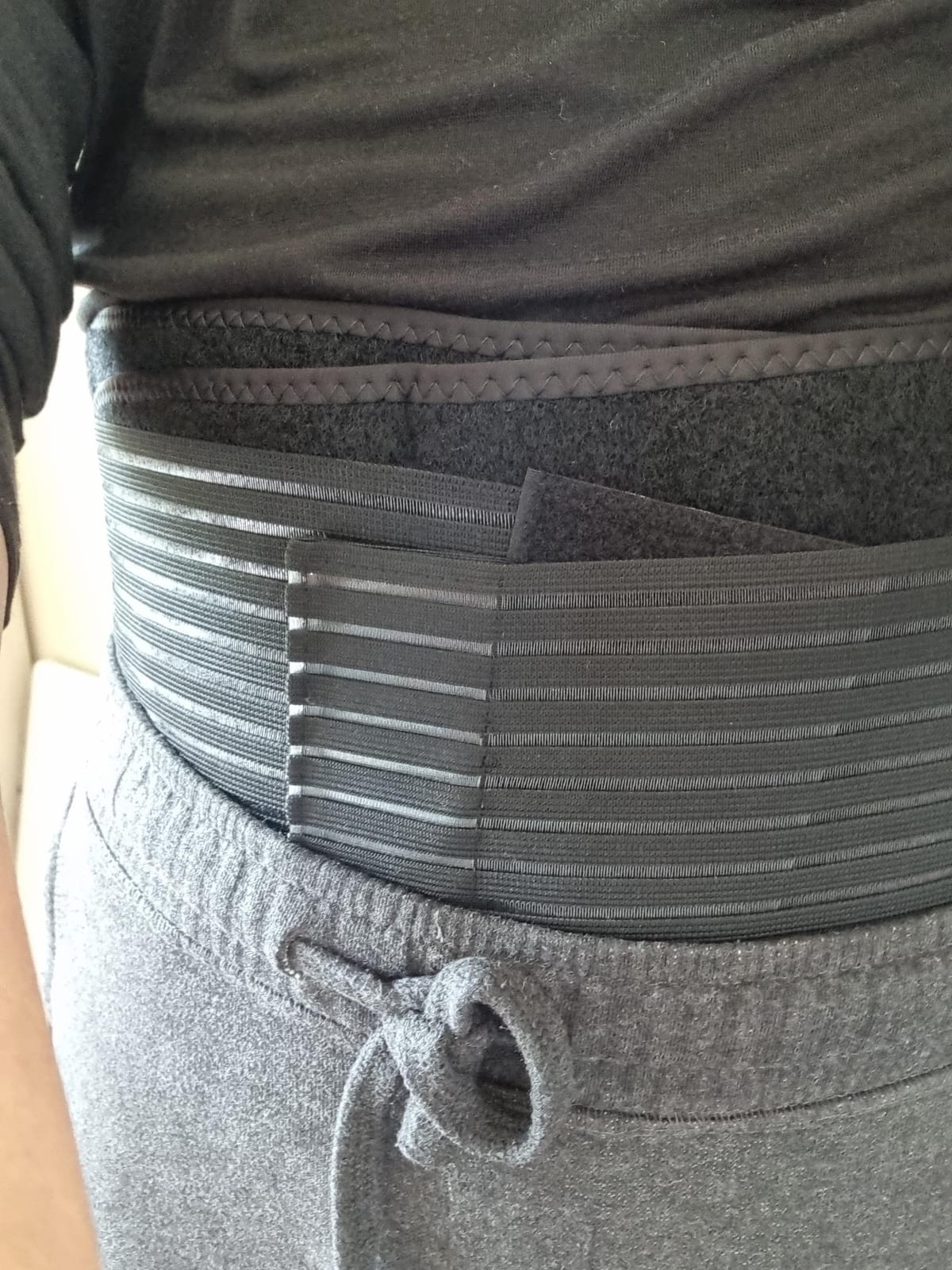
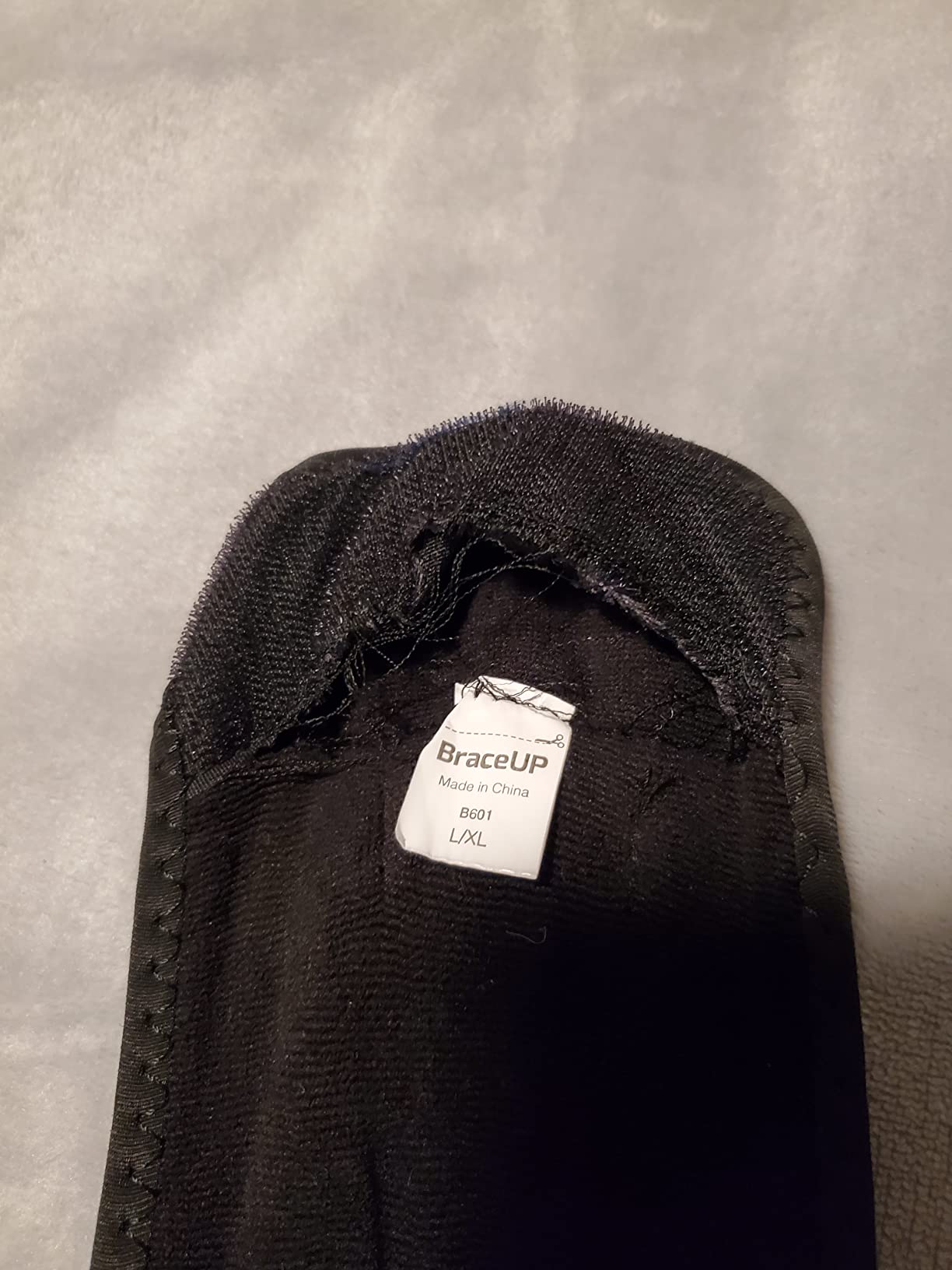
Sizing again uses navel circumference: S/M fits 28 to 35 inches, L/XL fits 35 to 43, and XXL fits 43 to 53. The listing we tested is L/XL for 35 to 43 inches, so check the measurement before you order. Reviewers who picked the wrong size usually assumed their trouser size would work, and that assumption is the most common source of disappointment across this entire roundup.
One nuance from the reviews: users looking for genuine rigidity for a severe or post-surgical condition tend to find this too flexible. That is by design. It is a support belt for posture and daily strain, not a prescription immobiliser, and the eight stays are plastic rather than steel.
How it handles a long sitting day
This is where the breathable mesh earns its badge. Over a full seated workday the belt stayed at the same lumbar height without re-tightening, and the silicone grippers kept the top edge from curling. The dual straps let you increase compression mid-afternoon if you have been slouching, which is a small adjustment that makes a real difference by evening.
Where it falls short
It will not restrict motion enough for heavy industrial lifting, and reviewers on work-focused threads say so plainly. The lower support level also means it does less for sharp, localised disc pain than a stiffer frame. If your day is split between desk work and lifting, plan on this for one part of the day rather than treating it as the only belt you own.
5. Copper Fit Advanced Back Pro Support — Budget Pick for Daily Wear
Copper Fit Advanced Back Pro Back Support, Black with Copper Trim, Small/Medium (CFBACK)
4 stabilizing supports
2-stage adjustment
Machine washable
6.4 oz
Pros
- Machine washable which almost no rival offers
- 2-stage adjustment gives simple compression control
- Lightweight high-performance fabric sits under clothes
- 4 built-in stabilizing supports
Cons
- S/M only covers a 28 to 39 inch waist
- Some users report sizing runs small
The Copper Fit is the practical pick. It is one of only two belts in this roundup you can put in a washing machine, and for anyone wearing a brace every single day that changes the calculus completely. The rest are hand wash only, which quietly becomes a reason to stop wearing them.
Support comes from four built-in stabilising supports designed to reduce lower back stress and improve posture, with two-stage adjustment for compression. It weighs just 6.4 ounces, making it the lightest belt here, and the fabric is described as high-performance and breathable enough to wear underneath clothing.
It holds a 4.5 star average from more than 10000 reviews, with roughly 70% five-star ratings. The listed use is posture correction, and that is accurate: this is a low-profile daily belt rather than a lifting brace. Reviewers using it for exercise and general posture report that it disappears under a shirt.
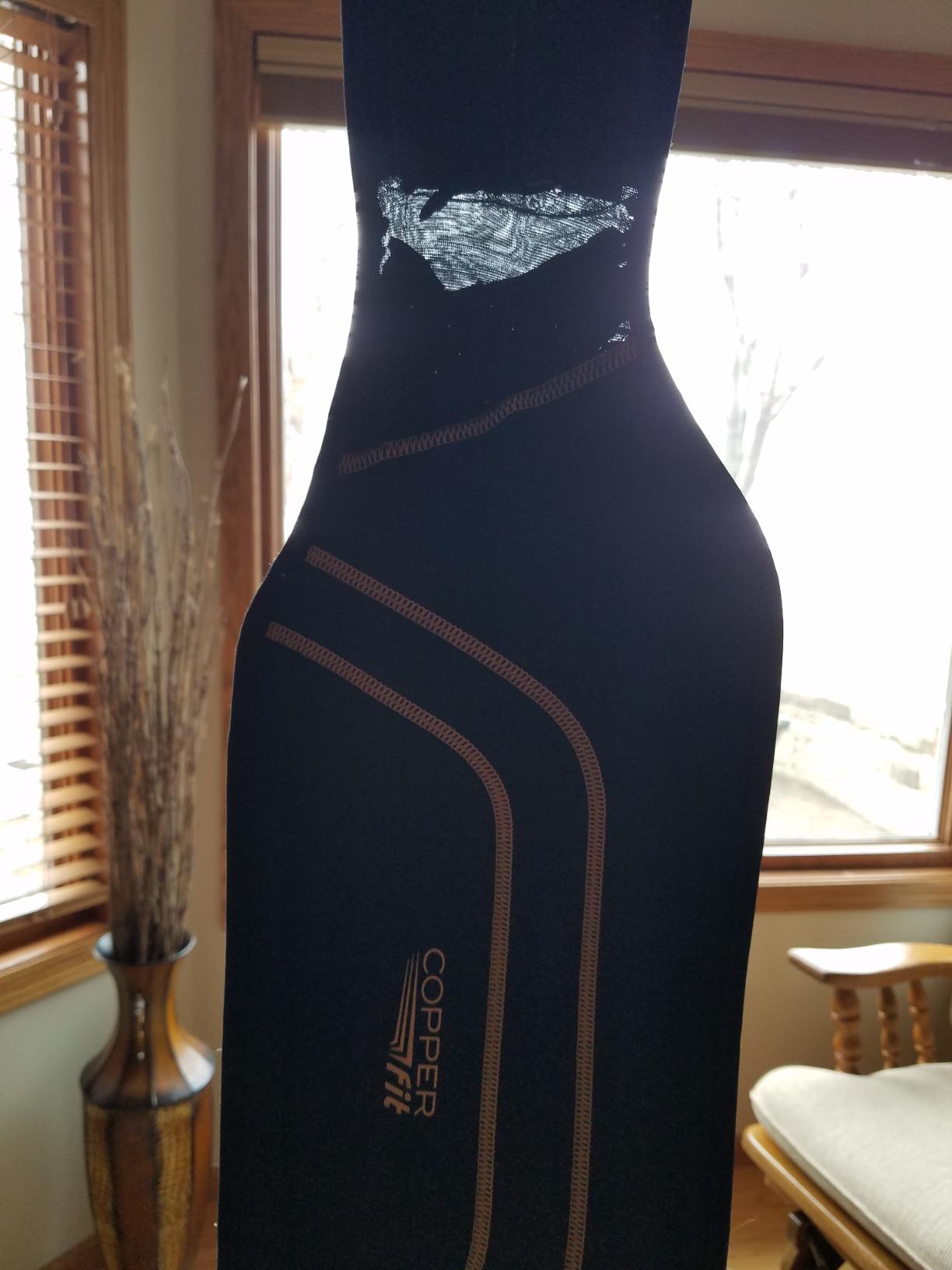
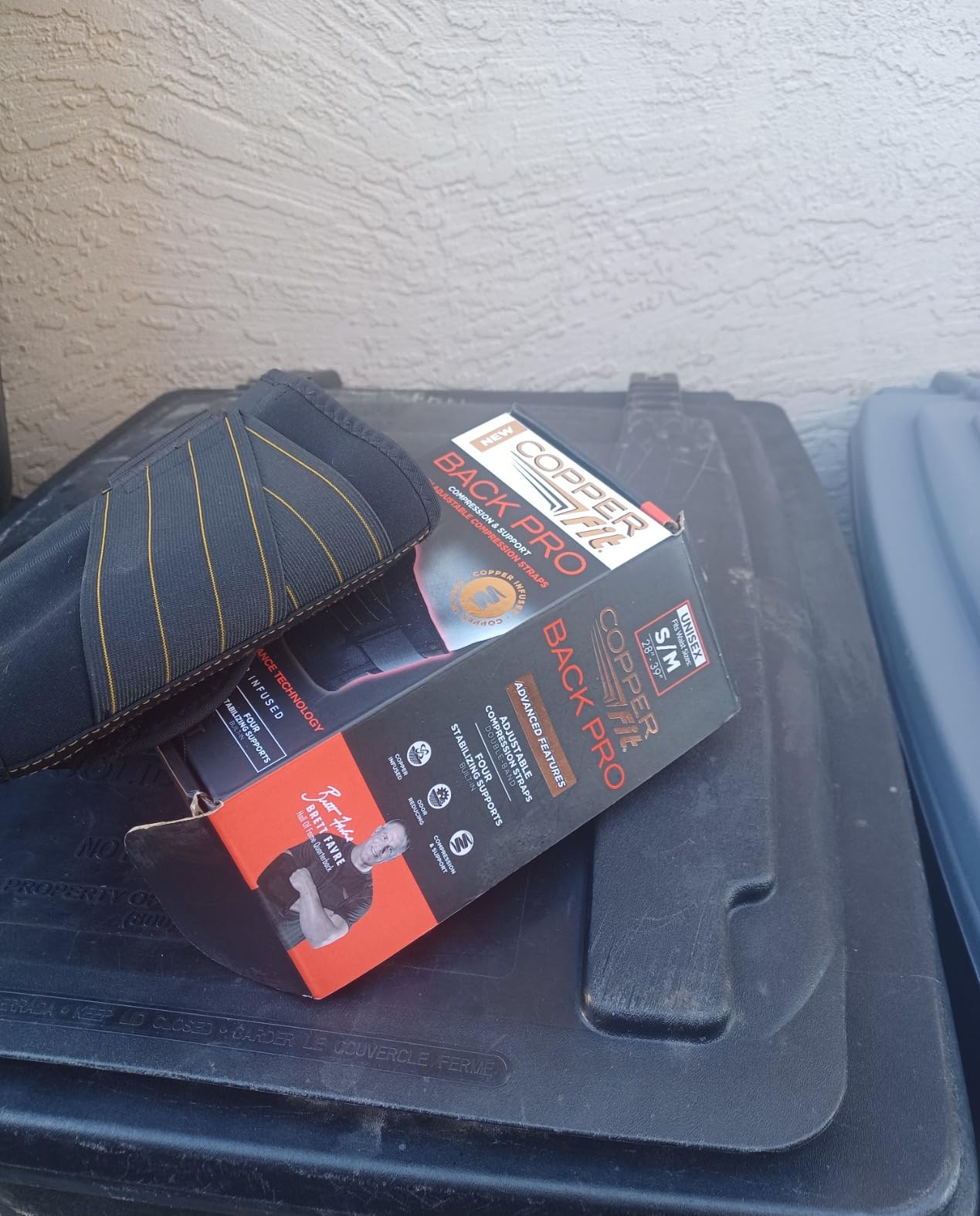
Be careful with the size chart on this one. The variant we tested is Small/Medium for a 28 to 39 inch waist, which is a wide bracket that does not cover everyone who might assume it applies. The other published ranges are L/XL at 39 to 50 inches and 2XL/3XL at 50 to 60 inches. A number of reviewers report the S/M running small, so measure rather than guess.
The copper-infused fabric is the marketing hook, and it is primarily an odour and warmth story rather than a medical one. Treat it as a comfort feature. Buyers do like that the fabric does not develop a smell as quickly as some competitors over a long day, and that it is thin enough to sit under a shirt without a visible outline.
Why machine washability matters more than it sounds
Every other belt in this guide is hand wash only, which in practice means a basin and drying time on a schedule you will not keep. A washable belt can be rotated with a second one in the wash and the dryer on a cool cycle, so you always have a dry one ready. That single feature removes the most common reason daily brace use gets abandoned.
Where it falls short
Four plastic stabilisers and a light weight make this the least rigid option in the group. It is not a brace for post-surgical support, and buyers with diagnosed disc problems often report wanting more. The S/M variant also tops out at 39 inches, so larger waists need the next size up rather than tolerating a tight fit.
6. AVESTON Thin Rigid Lumbar Support Belt — Best for Airport and MRI
AVESTON Back Support Lower Back Brace for Back Pain Relief: Thin Breathable Rigid 6 ribs Adjustable Lumbar Support Belt for Men/Women Keeps Spine Straight and Safe – Large
6 plastic stays
Covers T12 to S1
300 g
Latex free
Pros
- Plastic stays avoid metal detectors and MRI issues
- Covers a wide spine area from T12 to S1
- 3 layers of elastic for width adjustment
- 12-month manufacturer warranty
Cons
- Sizing uses belly circumference and runs small
- Stiff shape does not contour to hips
- Some users report skin irritation
The AVESTON solves a problem most of the other belts create. It uses six wide reinforced plastic stays instead of metal, which means it goes through an airport scanner without a pat-down and is not a problem if you need an MRI. If you travel with a back brace regularly, that alone narrows the field considerably.
It is also genuinely rigid, with three thin elastic layers across the width that let you adjust compression and sizing across the whole brace. The coverage runs from T12 down to S1, which is a wider span than most belts here cover, and the material is a latex-free blend of 50% polyester, 25% synthetic rubber, 20% nylon, and 5% spandex. It weighs 300 g.
It holds a 4.4 star average from close to 6000 reviews, with roughly 69% five-star ratings. Listed uses include chronic back pain, dislocation, fracture, herniated disc, and post-surgical support, so it sits at the rigid end of the category. A 12-month manufacturer warranty backs it, and the brand states it uses double stitching on weak points and three levels of quality control.
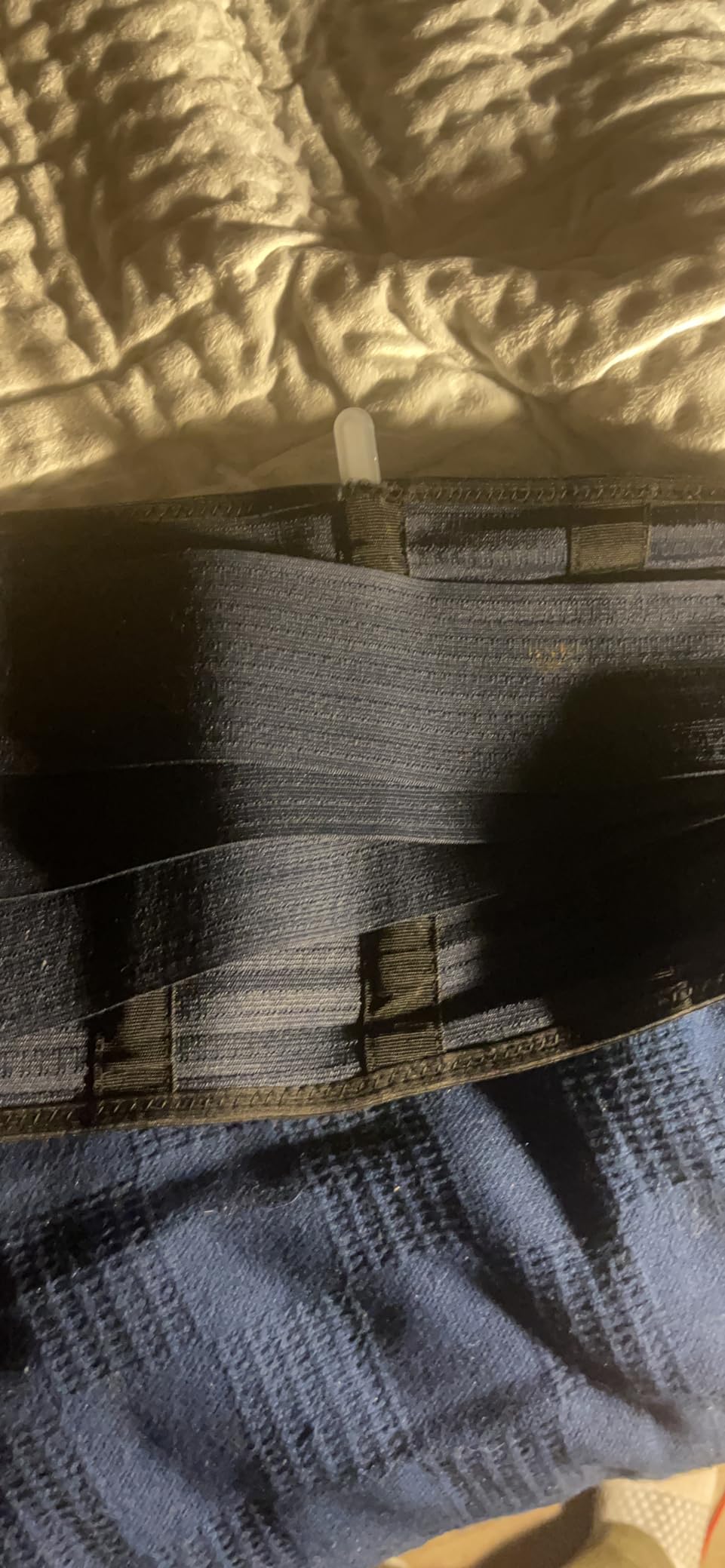
The sizing instruction is unusually blunt and worth repeating: measure your belly circumference at the navel, not your waistband. The Large variant we tested fits a 38 to 45 inch belly measurement, which is not the same number as a trouser size. A meaningful share of reviews complain about running small, so step up if you are between ranges and expect a firm initial pull.
Two other notes from user feedback. The latex-free synthetic rubber blend causes irritation for a small number of wearers, so test it over a shirt for the first day. And the wide, stiff shape does not contour to hips, chests, or bellies, which is a real drawback for a lot of body types despite the size chart.
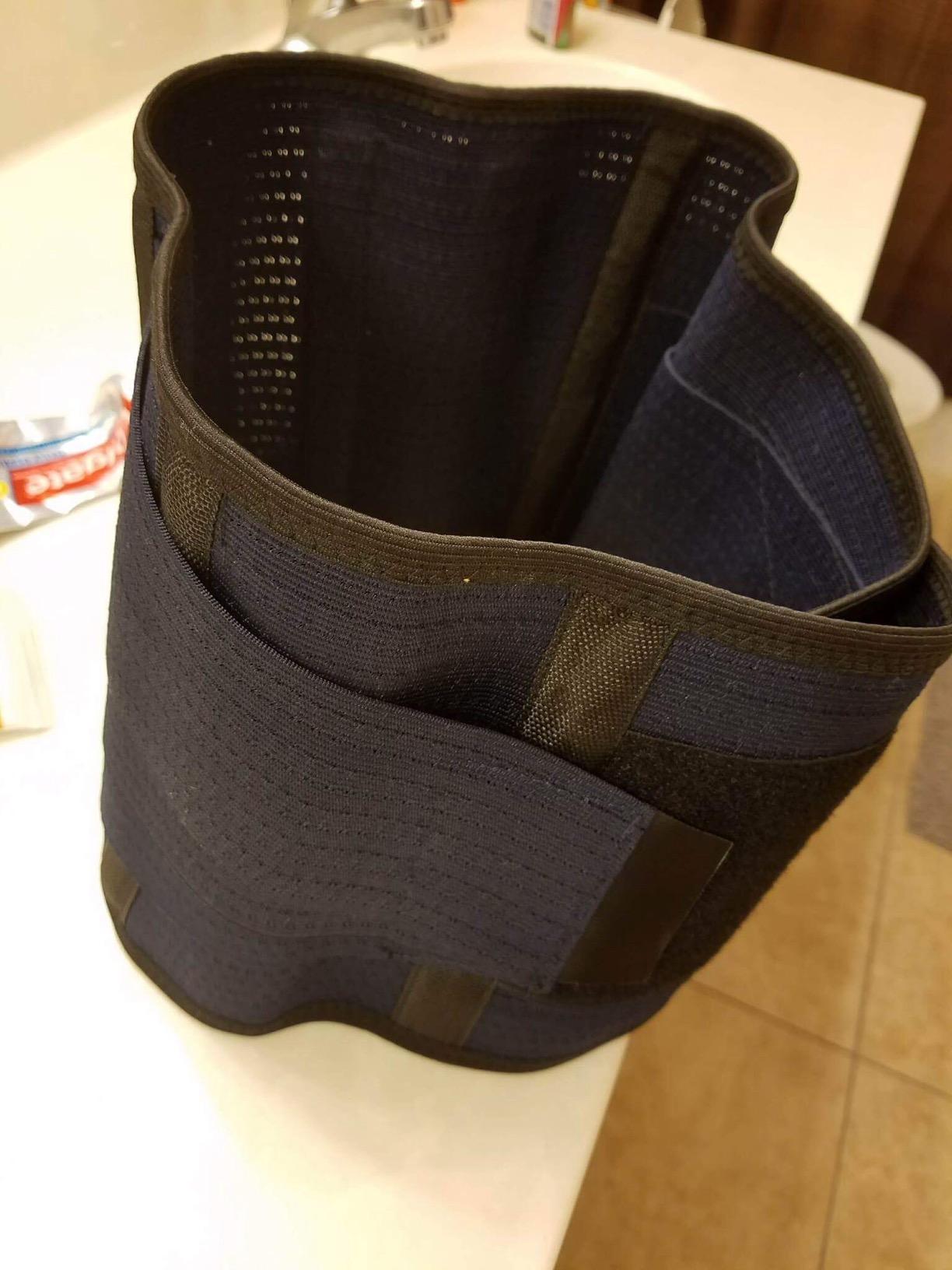
When rigidity actually earns its keep
Rigid stays matter most when the movement you need to restrict is spinal rotation and forward flexion, not when the goal is comfort. Post-surgical support, fracture management, and heavy floor work all fall into that group. The 300 g weight is noticeable at first and then stops registering, and the belt holds its shape through repeated use rather than sagging.
Where it falls short
It is the least adaptable belt here to different body shapes, and several reviewers mention needing to watch a fitting video to get the tension right. It also runs warm in hot weather. If your pain is lifestyle-driven rather than injury-driven, the rigidity can feel like unnecessary severity and you would probably be better served by a mesh belt.
7. FREETOO Lower Back Brace for Women — Best for Short Torso Fit
FREETOO Lower Back Brace For Women For Pain, Lumbar Back Support Brace
3D knit fabric
4 aluminum and 2 steel stays
Removable pad
Medium
Pros
- Curved lumbar panel follows the spine's natural shape
- 3D knit fabric is soft against skin
- Durable stitching tested for over 5000 wears
- Size guide spans XS to XXL
Cons
- Highest cost in this roundup
- Only offered in one colour
- Hand wash only
FREETOO took the approach of building around the spine’s shape rather than forcing a straight belt to conform. The centrepiece is a curved lumbar panel designed to replicate the natural curvature of the lower back, backed by four memory-aluminium stays and two flexible steel springs. The brand claims that combination is several times more supportive than a standard belt, and our testers found the shape genuinely follows the lumbar curve rather than pressing flat against it.
The 3D knitted fabric mesh is the quiet achievement. It is described as ultra-soft, ultra-light, breathable, and skin-friendly, and it is the reason this belt disappears under clothing. Combined with a removable lumbar pad and an adjustable dual strap system, it lets you set both the position and the intensity of support.
It holds a 4.5 star average from more than 5800 reviews, with roughly 74% five-star ratings. The listed uses include herniated disc, sciatica, compressed disc, lordosis, scoliosis, and strain, and the design targets work, heavy lifting, driving, cycling, and gym use. Build quality is tested rather than claimed: double stitching checked past 5000 wear cycles and bonded hook-and-loop past 3200 tests.
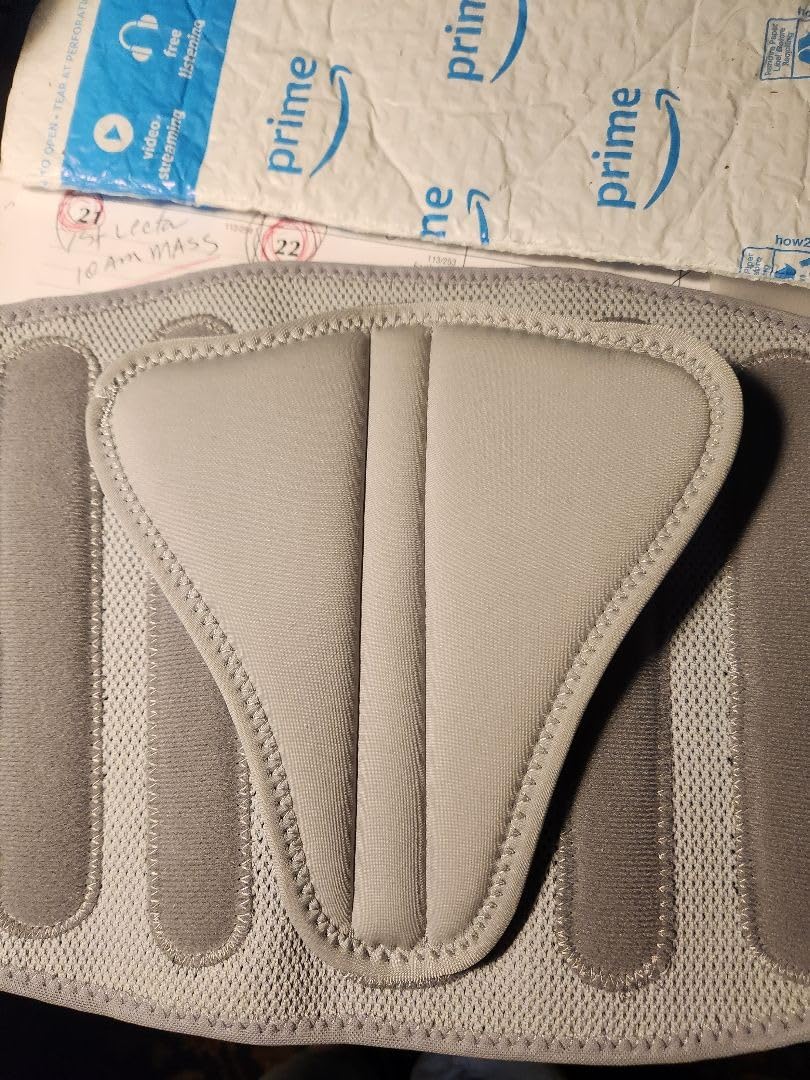
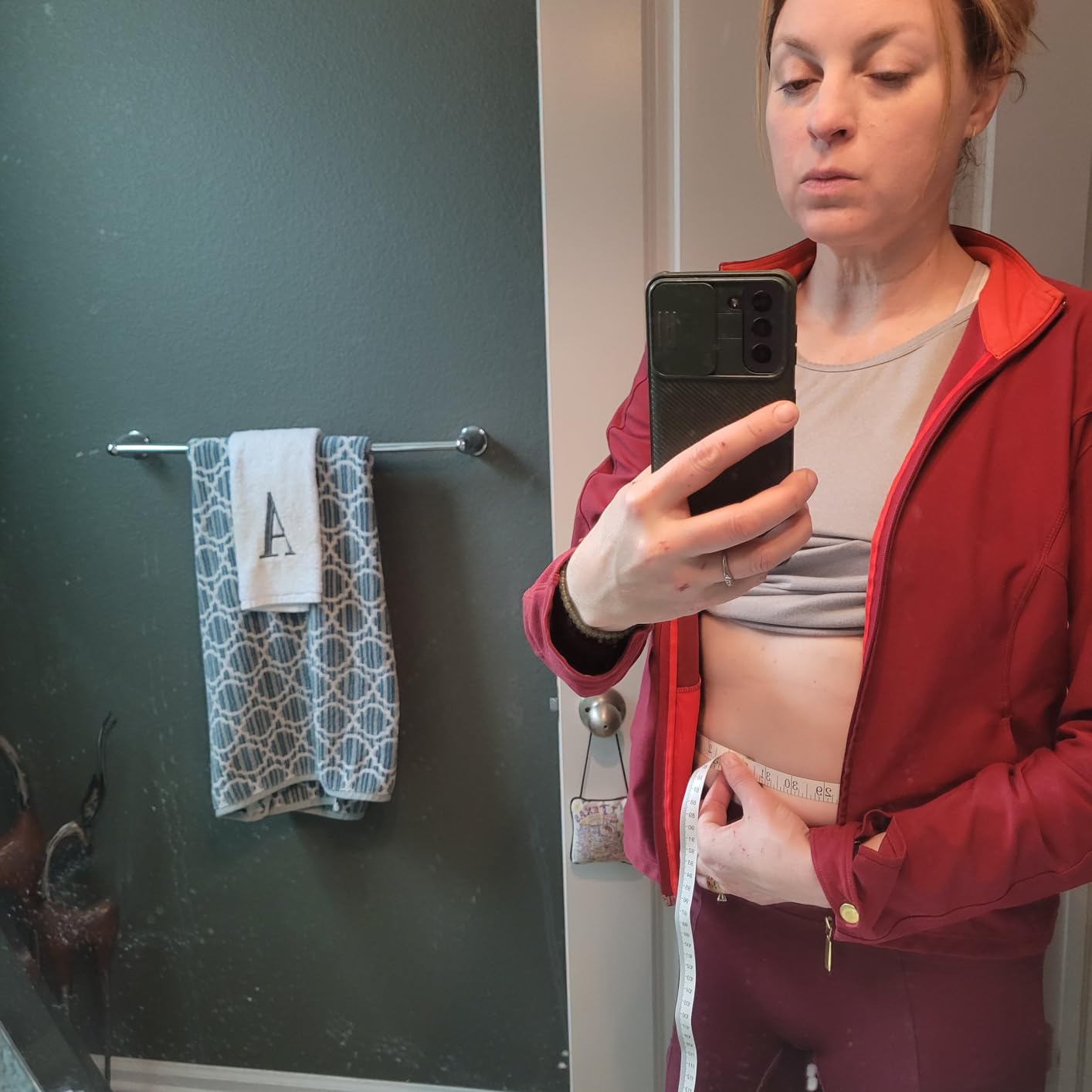
Two practical notes. The size guide is unusually granular, running from X-small at 25.5 inches through XX-large at 59.1 inches, so measure at the navel and pick the band your number falls into. And it is hand wash only, which puts it in the same maintenance category as most of the higher-specification belts here.
Reviewers looking for a discreet belt under clothing mention this one repeatedly, and the curved shape also makes it a common recommendation for shorter torsos and hourglass figures, since the panel follows the body rather than riding up toward the ribs. The warranty is 12 months.
What the curved panel changes in practice
Contact pressure is spread along the lumbar curve instead of concentrating at one point, which reduces the digging-in feeling after several hours. It also means the belt resists forward flexion without needing the vertical stays to be as stiff. The removable pad lets you back the pressure off for sitting and bring it forward for lifting, using the same belt for both.
Where it falls short
It is the most expensive belt in this roundup, and reviewers say so. Colour choice is limited to a single grey-violet option, which matters more than it sounds if you wear it visibly. The 3D knit also does not offer the same all-day cooling as an open mesh panel, so very hot environments are not its strength.
8. Copper Compression Lumbar Support — Lightest Belt We Tested
Copper Compression Back Brace. Copper Infused Lumbar Support for Lower Back Relief, Sciatica, Herniated Disc, Scoliosis, Pain & Strains. Adjustable & Breathable. Fits Men & Women (Waist 36″ – 42″)
Copper-infused fabric
Pull-on closure
4 oz
Waist 36 to 42 inch
Pros
- Only 4 ounces so it feels almost invisible
- Remains comfortable in hot weather
- Discreet under clothing
- Infused fabric never washes out
Cons
- Pull-on design is harder to adjust on the move
- Only two sizes available
- Some users report fabric separating over time
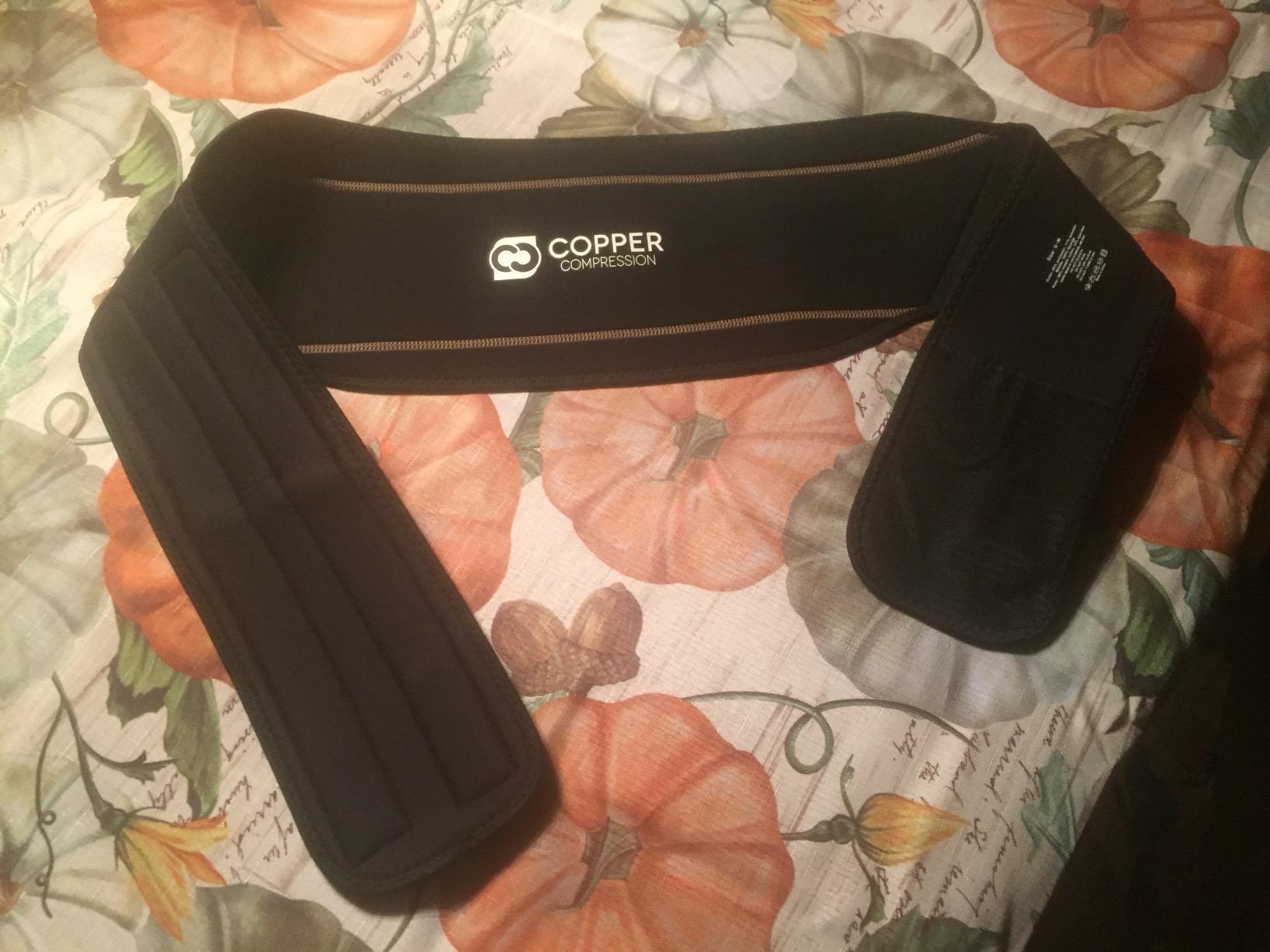
At 4 ounces the Copper Compression belt barely registers on the body. It is the lightest option in the roundup by a wide margin, and if the main thing stopping you from wearing a brace is that braces feel like wearing an appliance, this is the one to try. The fabric is copper-infused, breathable, and moisture-wicking, and it is designed to sit discreetly under clothes.
It also has a genuinely useful thermal property: the copper fabric holds warmth, which many users with chronic muscular stiffness appreciate in cold weather. The brand states the copper itself never washes out of the fabric, so the odour-control and thermal benefit persists over time rather than degrading with washing.
It holds a 4.2 star average from just under 5000 reviews, with roughly 63% five-star ratings — the lowest average here, and that tells you something real. Reviewers like the comfort and the invisibility but are more divided on how much support they actually get, which is consistent with a very light, pull-on design.
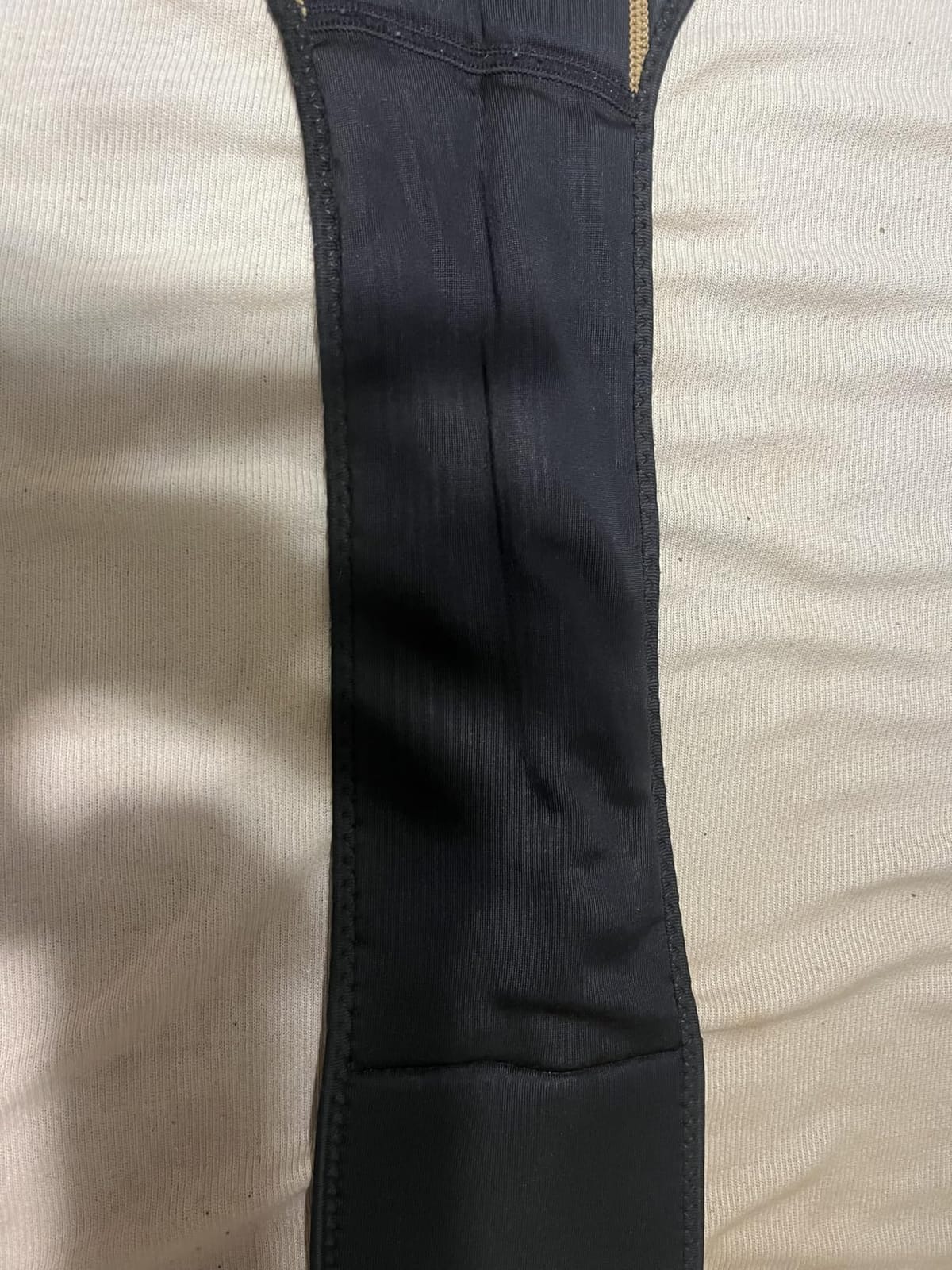
Note the closure type. This is a pull-on design rather than a hook-and-loop belt, which makes it the easiest to slip on over clothes in the morning and the hardest to tighten once it is on. If you need to increase compression in the middle of the day, that is a real inconvenience rather than a minor one. The tested variant is Large/X-Large for a 36 to 42 inch waist, and only two size bands exist overall.
Durability is the other thread in the reviews. Some buyers report the fabric separating or developing gaps after months of regular wear, which is a common finding with pull-on compression garments. Treat it as a comfort-first belt for light activity, walking, golf, and yard work rather than as a structural support you rely on for lifting.
Who this belt suits
People who need gentle support for long stretches of walking, driving, or standing, and who find rigid stays oppressive. It is also the least noticeable under clothing, which matters if you wear it to work rather than to a gym. The warmth retention is a genuine benefit in winter and a genuine drawback in summer.
Where it falls short
Low on adjustability and low on structure. There is no lumbar pad to reposition and no strap to tighten, so the compression is whatever you set when you pulled it on. Buyers needing firm support for sciatica or a diagnosed disc problem consistently find it wanting, and the two-size range rules out a lot of bodies.
9. Ergodyne ProFlex 1600 Back Support — Best for Heavy Lifting
Ergodyne ProFlex 1600 Back Support Brace, 9″ Extended Support, High Cut Front For Mobility, Large,Black
9 inch extended support
Polypropylene stays
Detachable suspenders
Large
Pros
- 9 inch contoured back gives real coverage
- Detachable suspenders stop it riding up
- Rubber track webbing resists migration
- Lifetime warranty on materials and workmanship
Cons
- Suspenders attach with Velcro and can slip
- Strong initial odour that needs airing out
- Black is the only colour
The Ergodyne ProFlex 1600 is the oldest design in this roundup and still the one that shows up in the hands of people doing genuinely heavy work. Mechanics, glass installers, and warehouse crews mention it by name. The reason is the 9 inch extended back panel, which is longer than anything else we tested, plus detachable suspenders that stop the belt from sliding down under load.
Construction is industrial rather than medical. The body is all-elastic polyester described as extra-firm, the stays are non-conductive polypropylene, and rubber track webbing handles the anti-ride-up problem that plagues lighter belts. The contoured high-cut front is a smart ergonomic decision, because it leaves your hip area free for movement.
It holds a 4.5 star average from more than 2600 reviews with roughly 73% five-star ratings, and buyers with lifting experience specifically cite it as capable for heavy industrial work. The warranty is lifetime on materials and workmanship, which is unusual in this category. It is also machine washable cold and air dry.
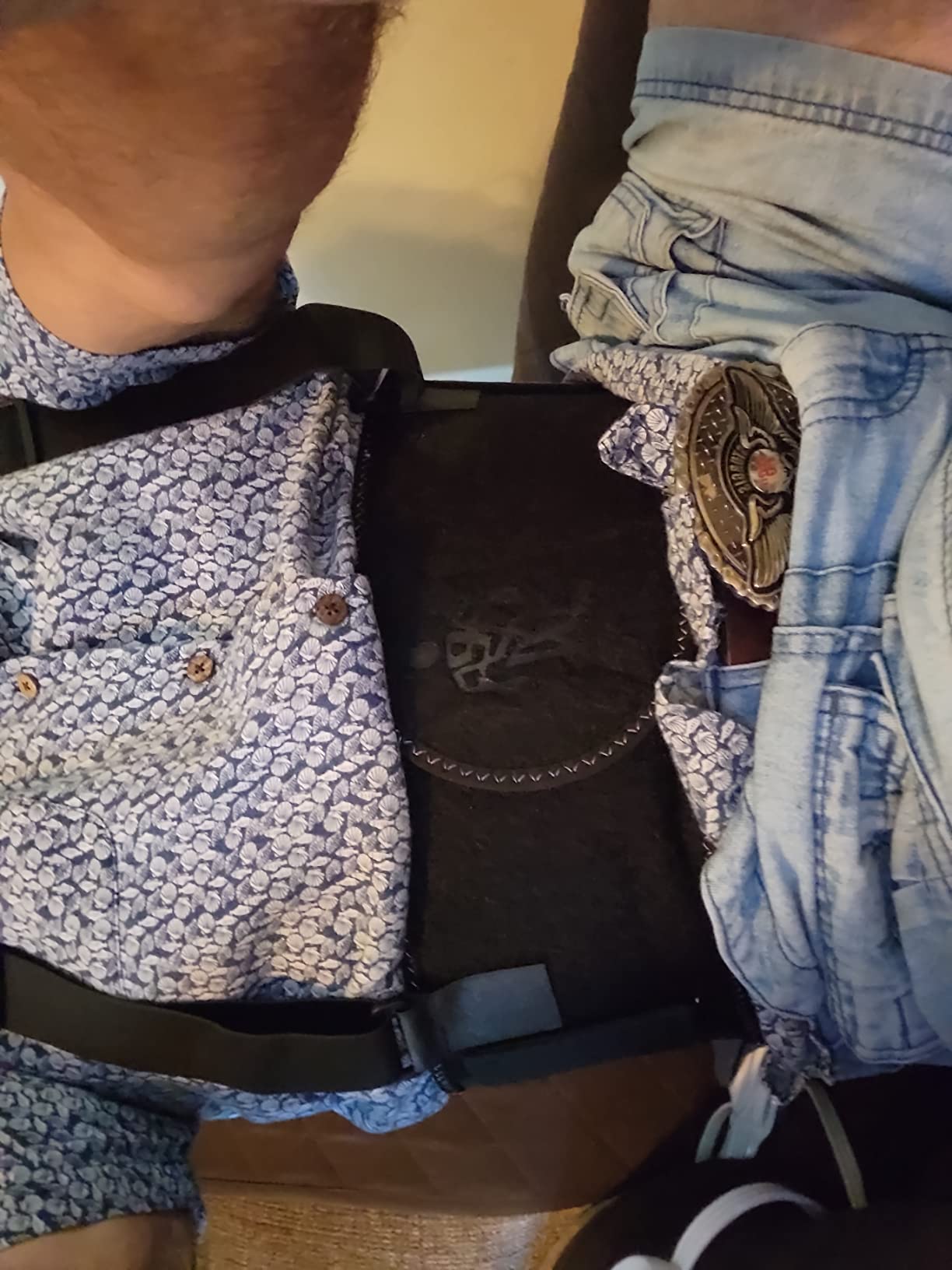
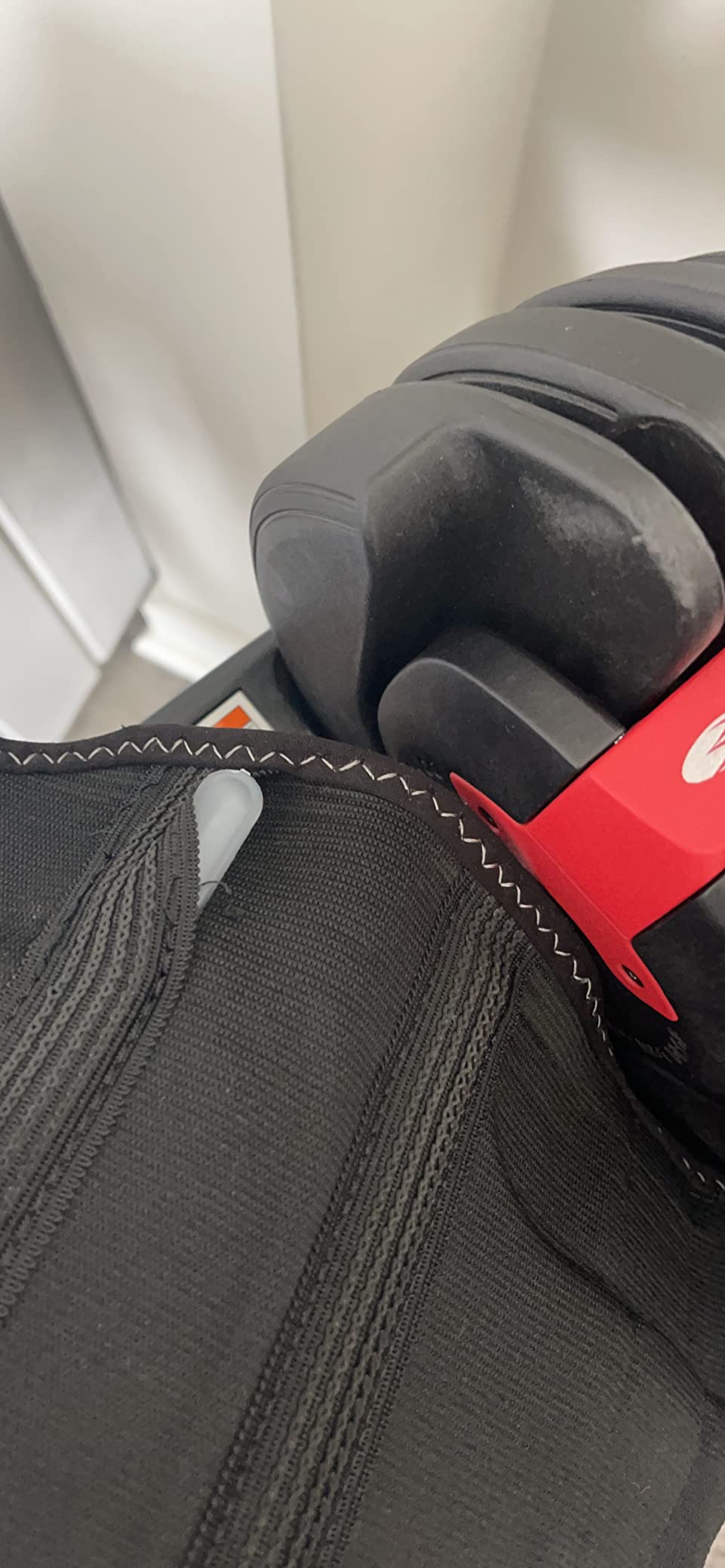
Two caveats come up repeatedly. The suspenders attach with hook-and-loop and can lose tension or slip over a long shift, so check them at lunch like you would check a seatbelt. And buyers report a strong initial odour that needs airing out for a day or two before it settles.
Some users find the suspenders unnecessary if the belt fits properly, which tells you something about the base fit at its intended size. It is a work tool first and a comfort accessory second, and it looks like one, so it is not the belt to reach for if you want something discreet under a shirt.
How it handles repeated heavy lifts
This is the belt that stays put when the load is genuinely awkward. The suspenders take the downward slide that defeats lighter belts, and the 9 inch back panel covers more of the lumbar region than any other option here. Rubber webbing grips the outer layer of clothing, which matters more than it sounds when you are bent forward and cannot reach behind yourself.
Where it falls short
It is bulky by design and not suitable for discreet wear. Colour choice is limited to black, and the suspenders can be seen clearly over a shirt. For a desk day you would do better with a low-profile mesh belt, and for anyone who finds suspenders uncomfortable, the fit is only okay without them.
10. SOLOEVER Work Back Brace with Dual Shoulder Straps — Most Stable Under Movement
Work Back Brace for Men & Women, Adjustable Lower Back Support Belt
Dual shoulder straps
Upgraded support stays
Wider Velcro
Large
Pros
- Suspenders plus reinforced tension bands hold position during movement
- Breathable fabric for long manual shifts
- Wider Velcro spreads pressure
- Suited to moving construction warehouse and landscaping
Cons
- Sizing runs small and users recommend a size up
- Suspender straps can be too short for some bodies
- Occasional slow refund reports
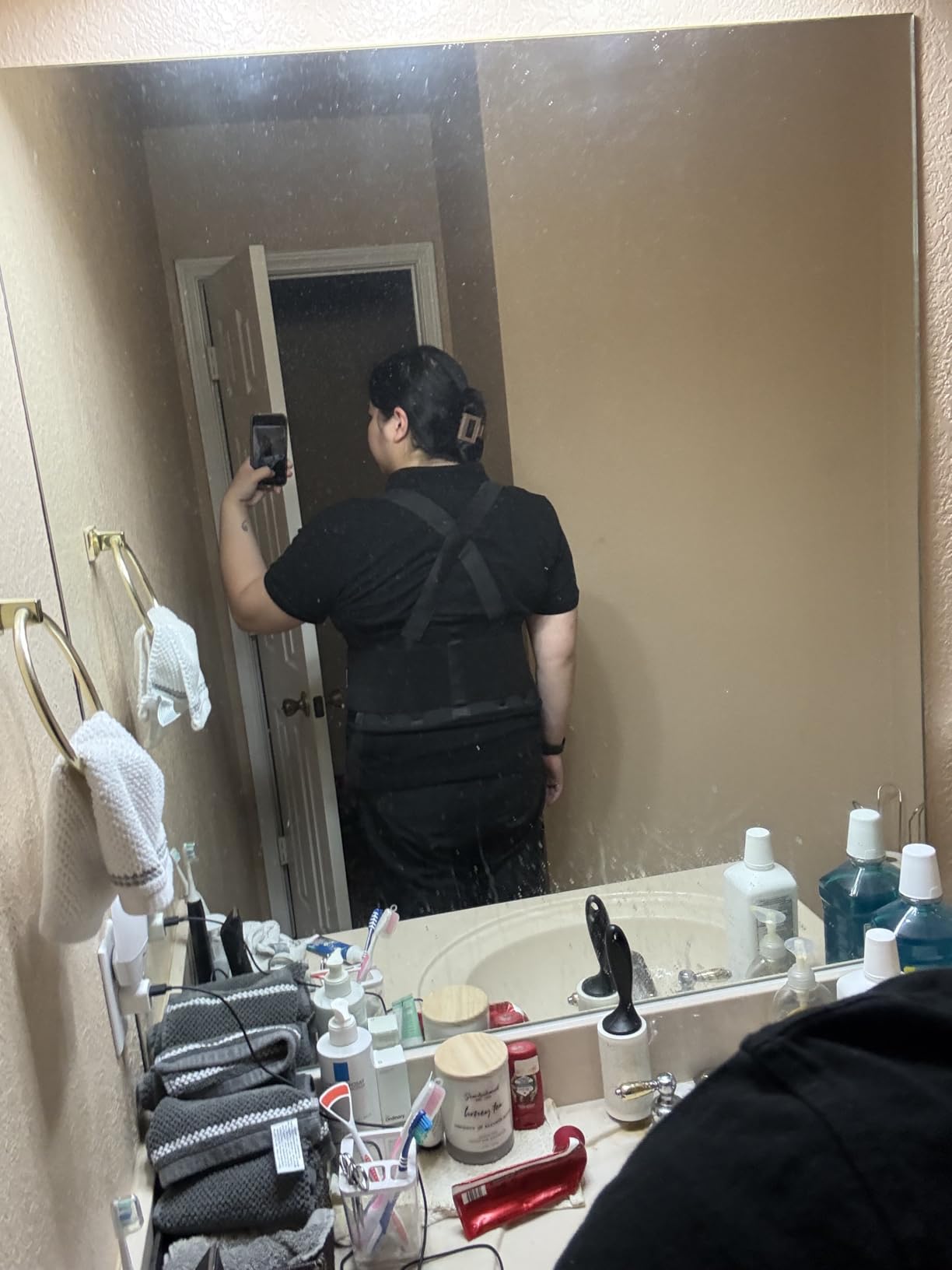
The SOLOEVER takes the suspender idea further than most of its competitors. It combines dual shoulder straps, double-pull tension bands, reinforced tension, and upgraded support stays, and the result is the most locked-in work belt we tested. Where a lighter belt shifts during a lift, this one tends to return to the same position afterwards.
The listed uses are blunt about the intent: moving, construction, warehouse work, heavy lifting, injury prevention. It also lists sciatica and herniated disc discomfort as intended applications, and reviewers with existing lower back problems report using it on shifts rather than only for prevention.
It holds a 4.5 star average from more than 2200 reviews, with roughly 76% five-star ratings — the strongest five-star share of any belt in this roundup. The breathable fabric is specifically called out for keeping the wearer cool during extended manual labour, and the wider Velcro spreads tension across a broader area instead of digging into one line.
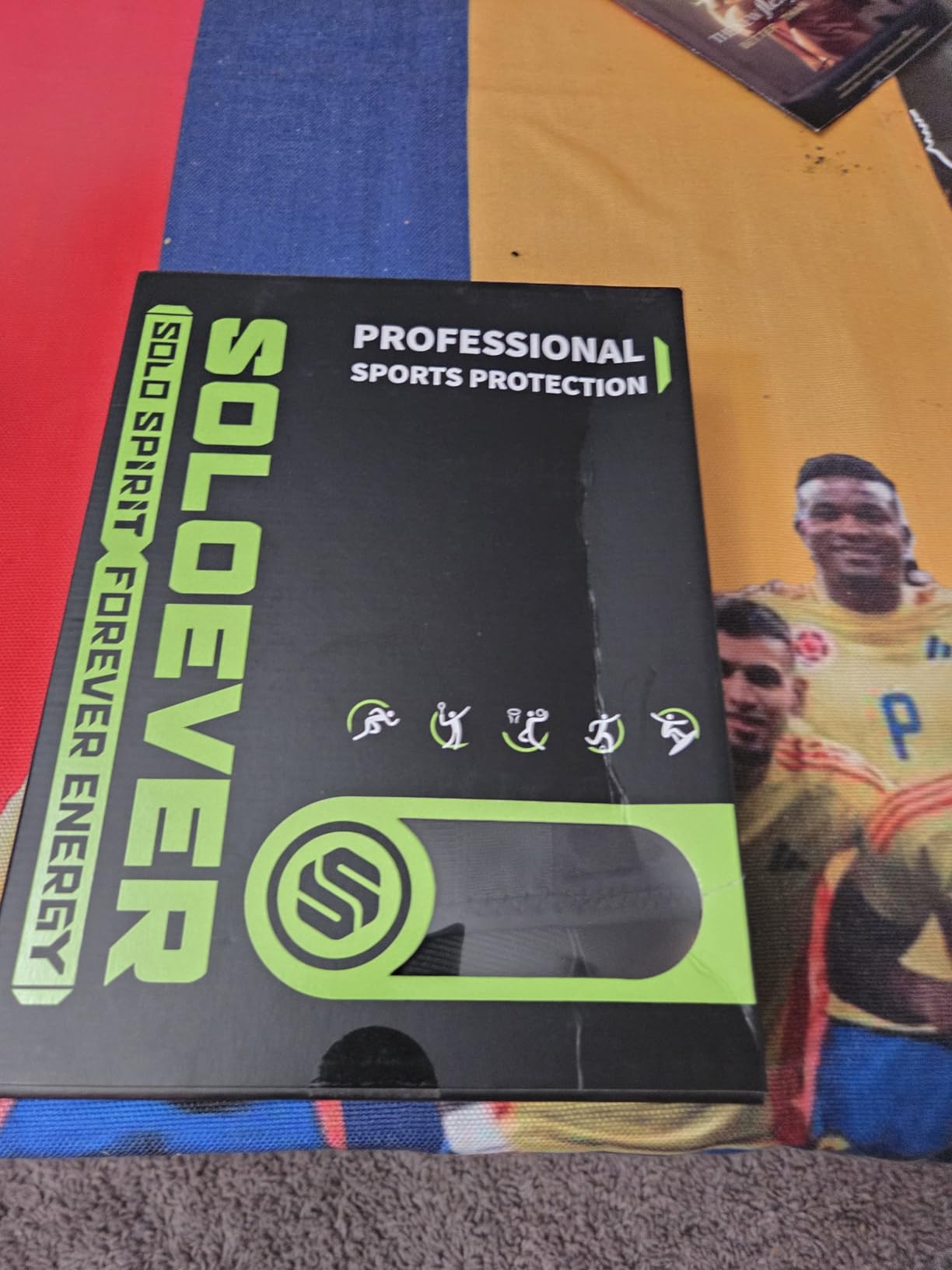
The sizing advice here is unusually consistent across the reviews: order up. Multiple users report the fit running small, and the XXL specifically is called out for the same problem. If you are between sizes on this one, do not debate it. The suspender straps also run short for some body types, which is worth checking against your height and shoulder width.
A small number of buyers report slow refund processing, so if sizing is uncertain, confirm the return window before you order rather than after. Otherwise, the construction, the breathability, and the tension system all hold up well in day-to-day work use.
Why the double-pull system matters on a work shift
A single-strap brace can only be tightened in one direction. A double-pull system lets you draw the front panel up and inward in stages, which distributes compression across the abdomen rather than pulling straight back. On a full shift, that difference shows up as a belt you can still breathe comfortably at hour six.
Where it falls short
It is a plain black work belt with no low-profile variant, so it is not the choice for wear under a fitted shirt. The suspenders add bulk at the shoulders, and the strap length is not universal. Anyone wanting discretion, or anyone who finds suspenders uncomfortable, should skip it.
11. NeoTech Care Back Brace with Suspenders — Best Posture Reinforcement
NeoTech Care Back Brace with Suspenders for Work – Industrial Lifting Safety, Elastic Compression, Hook & Loop Closure (Black, Size L)
4 flexible support stays
Detachable suspenders
Wicking fabric
Size L
Pros
- Detachable suspenders give a custom fit
- 4 flexible stays encourage correct posture
- Spandex and polyester blend stays comfortable
- Effective for lifting work and sprains
Cons
- Sizing is based on measurement not pant size
- Some buyers report manufacturing flaws
- Can feel bulky over clothing
The NeoTech Care is the one to look at if your back pain is posture-driven rather than injury-driven. Its four built-in flexible support stays are positioned to reinforce the lower back and encourage correct posture while you work, which is a different mechanism from the rigid motion restriction most of the other belts here provide.
The material is a nylon, polyester, and spandex blend described as breathable, wicking, stretchable, and odour resistant, which is a sensible specification list for a belt worn on a long shift. The suspenders are detachable, so you can strip it down to a standard belt when the extra stability is not needed.
It holds a 4.4 star average from just over 2000 reviews. Buyers report meaningful relief during heavy lifting and daily activity, and the listed uses cover degenerative disc disease, herniated disc, posture correction, sciatica, and sprain. The warranty is one year on defects and abnormal wear, and the brand states it will replace a wrongly sized brace within 30 days.
Sizing is measured around the back and cross-referenced to the size chart, and the brand is explicit that you should not choose based on your trouser size. The variant we tested is a size L, weighing 0.5 kg with dimensions of 7.87 by 2.36 by 9.84 inches. It is hand wash only, consistent with the rest of the mid-range field.
Buyer feedback includes occasional reports of manufacturing flaws, so inspect stitching and closures on arrival. A number of users also find it bulky over normal trousers, which again points to this being a belt for wearing over work clothing rather than under it.
How it feels during desk and standing work
Because the stays are flexible rather than rigid, it corrects rather than immobilises. Reviewers describe it as a constant low-level reminder that keeps the shoulders back and the lumbar region neutral, which suits people whose discomfort builds gradually over a day of poor posture. The detachable suspenders let you control how much of that reminder you want.
Where it falls short
It will not stop a lift or provide the motion restriction a rigid belt offers, so it is the wrong tool for heavy industrial work on its own. The bulk under clothing is a genuine drawback, and the flexible stays mean the support level is lower across the board. Buyers wanting strong compression should look at the SOLOEVER or the AVESTON instead.
12. Rakiie Back Brace with Removable Lumbar Pad — Best for Desk and Drive
Rakiie Back Brace for Lower Back Pain Relief Men Women, Lumbar Support Belt
8 stay system
Pulley adjustment
3D knitted mesh
Medium
Pros
- Pulley system gives the finest compression control of any belt here
- Removable 3D pad contours to the lumbar curve
- Breathable knitted mesh for long sessions
- Free size exchange and 12-month warranty
Cons
- Bulky under normal trousers
- Velcro may weaken after months of use
- Can run tight for petite frames
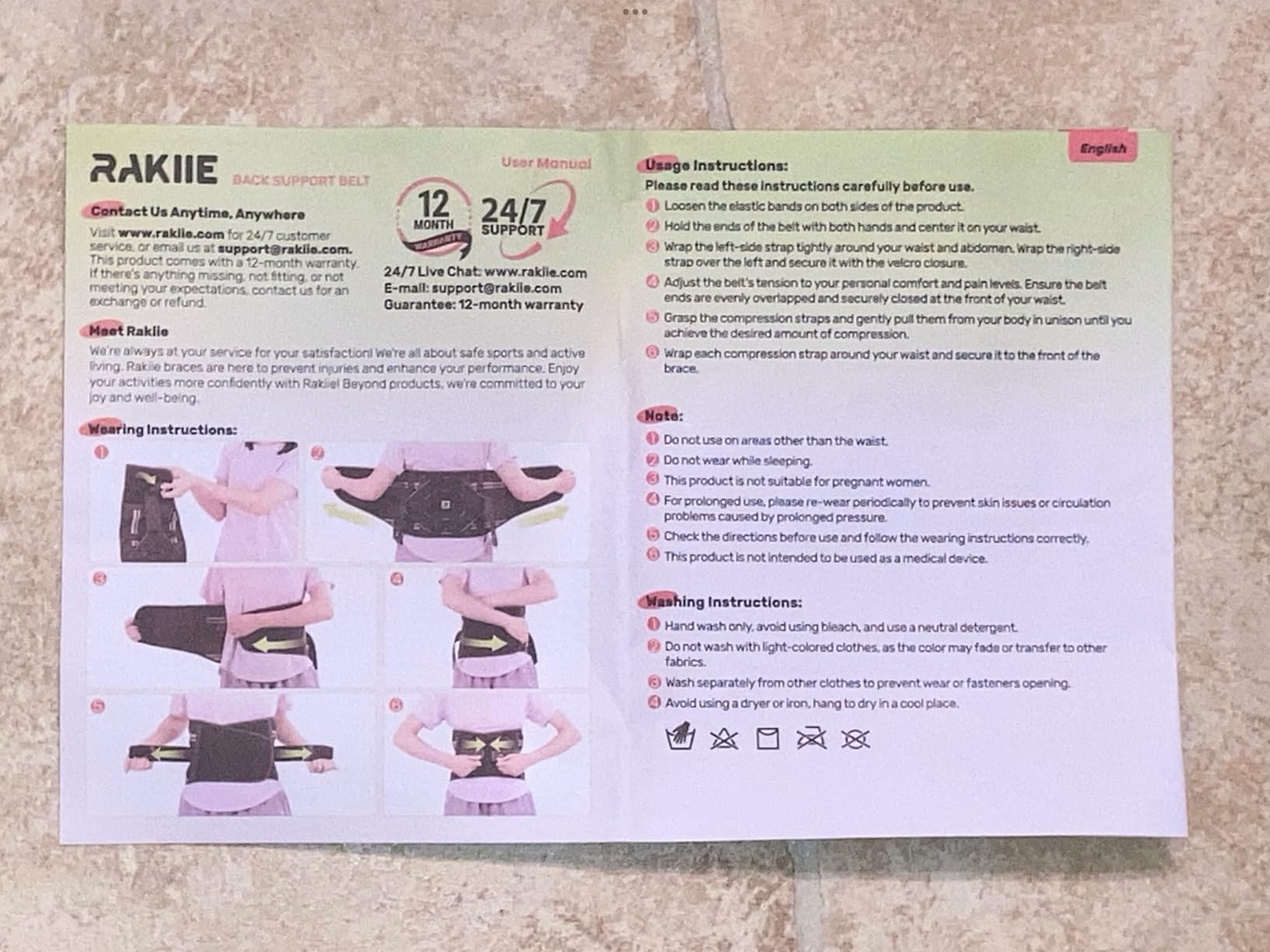
The Rakiie is the most adjustable belt in this roundup, and for long seated sessions that is the feature that matters most. Instead of hook-and-loop straps that only add or remove fixed amounts of tension, it uses a pulley system with tiered support zones, so you can dial in compression in small increments as the day goes on.
The support system itself is substantial: two bionic lumbar stays, four memory-aluminium supports, and two elastic springs, arranged around a removable 3D pad that is shaped to the natural lumbar curve. The outer material is 3D knitted mesh chosen for continuous airflow, and the listed use cases are unusually specific: desk work, long drives, gaming sessions, moving furniture, gardening, walking, and repetitive bending.
It holds a 4.4 star average from roughly 1500 reviews, a smaller review pool than most of the field but with consistently positive detail about the adjustment range. Buyers report free size exchange, a 12-month warranty, and customer support listed around the clock.
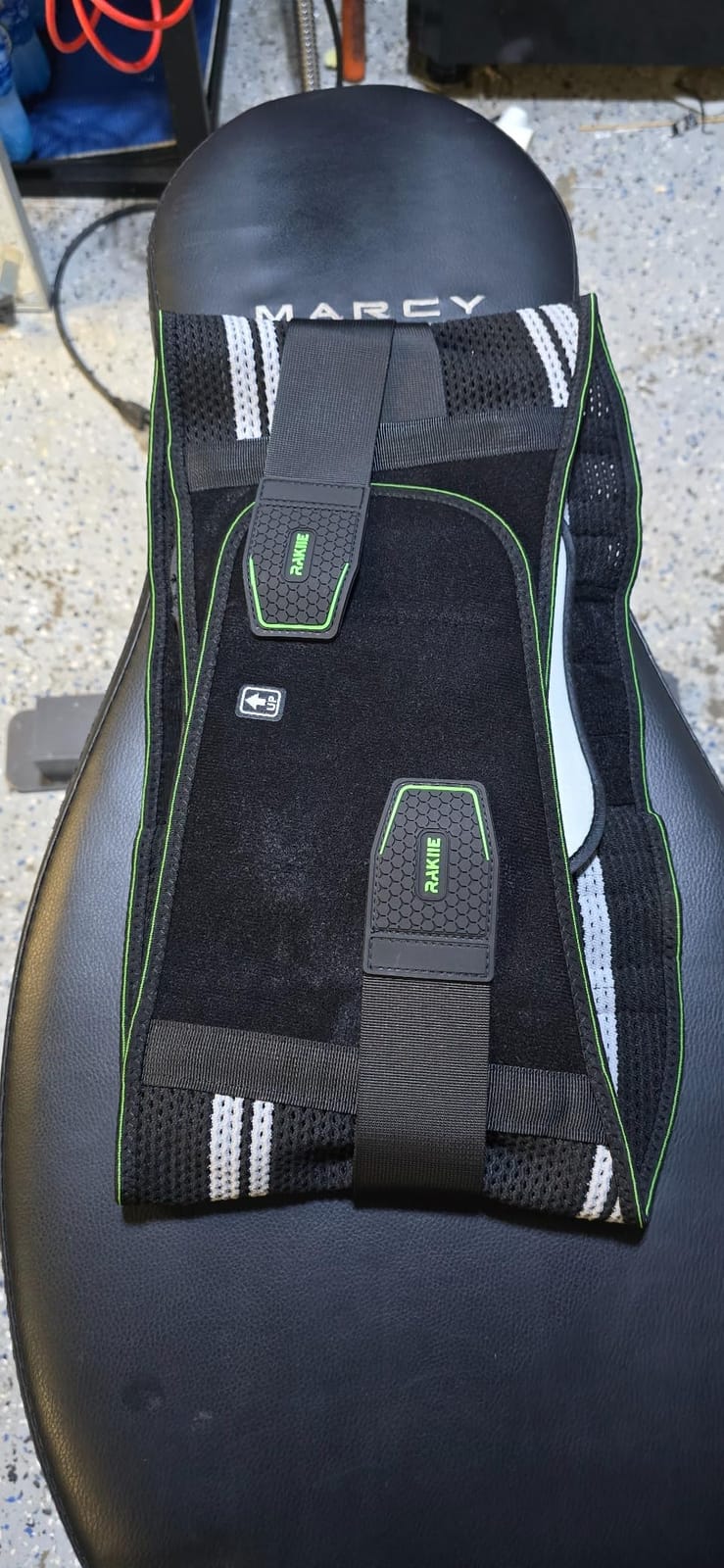
Two honest limitations. It is one of the bulkiest options here and several reviewers note it does not sit flat under standard trousers, which makes it a poor match for a dress-code workplace. And buyers report the Velcro losing its grip after several months of daily use, so if you intend to keep it for years, expect to replace it or accept a lower-quality closure.
There is also a fabric odour on arrival that reviewers say fades over time, and the sizing runs tight for petite frames and shorter torsos. The tested variant is a medium at 3 cm thick and 0.45 kg, so if you are between sizes, stepping up is usually the right call.
Why the pulley adjustment stands out on a long drive
On a two-hour drive your posture changes several times, and a fixed-strap belt either becomes too tight or too loose. The Rakiie lets you loosen the front while sitting and tighten it while sitting upright, without pulling the whole belt off. Buyers driving long distances single this out as the reason their belt stays comfortable where others get removed.
Where it falls short
Bulk is the headline drawback, and the tightening fit can be uncomfortable for shorter torsos and smaller frames. It also does not offer the rigid restraint a lifting worker needs. If your day is spent at a desk and in a car, it is close to ideal; if it is spent on a job site, a suspender belt is a better match.
How to Choose the Best Back Support Belt in 2026
Choosing a lumbar support belt comes down to matching the construction to your day. These are the criteria we used, in the order that actually changed our decision between belts.
1. Measure at the navel, not the waistband
This is the single most useful instruction on this page. Every brand in this roundup sizes by circumference at the navel, and almost every negative review we read came from someone who used their trouser size instead. Wrap a soft tape around the navel level, keep it snug but not tight, and note the number before you open any product page. If you fall between two ranges, size up: a slightly loose belt you can tighten beats a tight one you cannot fasten.
2. Pick the stay material to match the load
Plastic stays are the most flexible and the best choice for comfort, discreet wear, air travel, and MRI. Memory aluminium is a good middle ground, firm but bendable, and it is what the FREETOO and Rakiie use in their multi-stay systems. Steel is the stiffest option and suits heavy lifting, at the cost of feeling the support through thin fabric. For most day-to-day back pain, plastic or aluminium is enough; for lifting work, spend the extra stiffness.
3. Decide between all-day wear and work support
These are different jobs. All-day wear means breathable mesh or knitted fabric, a low profile that fits under clothes, and a lumbar pad you can add or remove. Work support means rigid or reinforced stays, suspenders or tension bands to stop the belt sliding, and a front panel that can be pulled firmly upward. Trying to make one belt do both is the most common reason people end up owning two.
4. Check breathability if you sweat or work in heat
Neoprene and rubber-based fabrics trap heat. Mesh and 3D knitted fabrics move air. In forum threads about eight-to-twelve-hour shifts, heat is the number one comfort complaint, and it is a fit problem as much as a fabric problem: a belt that is too tight generates more heat because of the friction. Choose a loose, breathable construction for a hot shift and a firmer one for a cool one.
5. Look for a removable lumbar pad
A pad you can slide in and out is the most useful single feature on this list. It lets you increase compression for a lift and reduce it for sitting, using one belt for both. It also lets you reduce the contact pressure if the brace starts to irritate an area. Most of the twelve belts here include a removable or adjustable lumbar pad.
6. Match the belt to your condition, not just your job
Sciatica, a herniated or bulging disc, spinal stenosis, and general muscular strain all benefit from the same core mechanism, but the emphasis differs. Sharp localised disc pain and sciatica respond better to firmer stays and stronger compression, and reviewers most often credit the Sparthos, MUELLER, and FEATOL for those. General postural fatigue is handled well by lighter mesh designs like the BraceUP or Copper Fit. Heavily physical work is best served by a suspender belt such as the SOLOEVER or Ergodyne. Sitting and driving all day suits the Rakiie’s pulley adjustment or the FREETOO’s curved panel.
If your discomfort is worse at night, or comes with numbness, we would not solve it with a belt. The section below covers when to stop shopping and start talking to a clinician. If you also want to take pressure off the spine while you rest, our best leg wedge pillows with back support guide covers that side of the problem.
How Many Hours a Day Should You Wear a Back Brace?
Short-term use during activity is where braces make the most sense. Wearing one continuously for weeks or months without a strengthening plan is where the dependency risk lives, and that is the point most competitor guides gloss over.
Week 1: Wear it during the activities that trigger your pain — lifting, standing at work, driving — rather than sitting at home. Aim for a few hours, then take it off and check whether the pain returns. That check is your feedback loop.
Week 2: Extend wear to full working hours if the activity is not provoking symptoms. Watch the skin under the top and bottom edges after the first few days; early chafing is much easier to fix than a rash that has already set in.
Weeks 3 and 4: Start reducing wear during low-risk periods, and add a short daily strengthening routine. The exercises matter as much as the belt, because the goal is a back that works without the belt.
Ongoing: Many people end up using a belt situationally for heavy lifting or long drives rather than daily. That is a reasonable long-term pattern, and it is the opposite of the pattern that causes problems.
For heat management on a long shift, wear a thin moisture-wicking undershirt, loosen the belt at lunch, and remove it briefly to let your skin dry. If you are building a sleeping setup alongside this, our mattress picks for upper back support are worth a look.
Back Brace vs Weightlifting Belt: What the Difference Is
A back brace and a weightlifting belt look similar and do different jobs. A weightlifting belt is a thick leather or heavy canvas belt that compresses the abdominal core to increase intra-abdominal pressure during heavy lifts. It does not support your back muscles or restrict spinal movement; it supports your trunk while you generate force.
A lumbar support belt works the other way around. Its stays and compression panel are designed to limit lumbar flexion and rotation and to reduce strain on the lower back itself. It is not designed to increase your lifting power, and anyone expecting a squat number from it is using the wrong tool.
The overlap is real in one scenario: someone lifting heavy loads who has a history of back pain. There, a support brace can keep the lumbar region neutral during the set, while a weightlifting belt is added for abdominal pressure. Forum discussion makes the same distinction, with lifters generally reporting that a lifting belt makes them stronger and a back brace makes them more comfortable, which is not the same claim.
For manual labour, moving, and warehouse work, the correct comparison is against a work support belt with suspenders rather than against a weightlifting belt at all. That is the category the SOLOEVER and Ergodyne occupy, and it is a different design problem from a barbell.
When to See a Doctor About Back Pain?
A back support belt is a comfort and support tool. It is not a treatment, and no belt on this list should delay an assessment if your symptoms are progressing.
Arrange a medical appointment rather than shopping for a brace if you notice any of the following: numbness in your legs, a loss of bladder or bowel control, pain following significant trauma, unexplained weight loss, fever alongside back pain, or pain that wakes you from sleep and does not ease when you change position. Pain that travels down the leg past the knee and worsens over weeks also deserves an assessment, because that pattern is commonly associated with nerve involvement rather than muscular strain.
Persistent pain lasting more than a few weeks despite bracing and activity modification is the clearest signal to get checked. A clinician can tell the difference between mechanical strain, disc involvement, joint problems, and nerve compression in ways a belt cannot, and that distinction changes what you should be wearing. If you have had spinal surgery or a fracture, follow your clinician’s instructions on brace use rather than a general buying guide, including ours.
Frequently Asked Questions
Is it good to wear a back brace for lower back pain?
It is reasonable for short-term support during activities that aggravate your pain, such as lifting or standing at work. Wearing a brace continuously for weeks without a strengthening program can lead to deconditioning, and some people find their pain returns as soon as they stop. Treat a belt as a support tool rather than a treatment, and use it situationally if you can.
How many hours a day should you wear a back brace?
Most guidance suggests wearing one during activities that trigger pain rather than continuously. A practical progression is a few hours during triggering activities in week one, full working hours in week two if symptoms stay calm, then reducing wear while adding core strengthening from week three. If you are wearing one all day with no improvement, seek an assessment rather than increasing the hours.
What is the best support belt for lower back pain?
For most people the Sparthos Back Brace is the strongest all-round choice, with a removable lumbar pad and breathable mesh that works under clothing. For heavy lifting, the MUELLER lumbar brace with four steel springs gives firmer support, and for a full working shift a suspender design such as the SOLOEVER stays in place better than a slim belt.
How do I know what size back brace to get?
Measure the circumference of your body at the level of your navel with a soft tape, not your trouser size. Every brand in this roundup sizes by that measurement. If your number falls between two ranges, choose the larger one, because a belt that starts slightly loose can be tightened and a tight belt often cannot be fastened at all.
What is the best back brace for an L4-L5 herniated disc?
Disc pain in the L4-L5 region usually responds to firm compression and restricted forward flexion. The Sparthos and the MUELLER are the two most frequently recommended options for that pattern, one with a removable pad and mesh construction, the other with four steel springs for firmer targeted compression. A belt manages symptoms rather than treating the disc itself, so pair it with clinical advice.
What are the downsides of using a back support belt?
The main risks are weakened core muscles with long-term continuous use, skin irritation from hook-and-loop straps and neoprene, overheating during long shifts in warm conditions, and discomfort from sizing errors. A poorly fitted belt can also make a posture problem worse by encouraging you to slouch inside a loose brace. Measuring correctly and wearing it situationally addresses most of these.
Final Verdict
The best back support belts in 2026 come down to what your day looks like, and no single belt wins every category. The Sparthos Back Brace is our overall pick and the one we recommend starting with: breathable mesh, a removable lumbar pad, plastic stays that travel well, and the deepest review pool in the category. The MUELLER takes the honour for support strength, with four steel springs that hold up under real lifting. The FEATOL wins on fit, offering the only genuinely complete size ladder here.
Beyond those three, pick the BraceUP for a mesh belt that survives a full desk day, the AVESTON if you fly often or need a rigid plastic-stay frame, the FREETOO if you want a refined curved panel under clothing, the Copper Fit if machine washability is the deciding factor, and the SOLOEVER or Ergodyne if your work is physical. Measure at the navel, check the return terms before you order, and wear it situationally rather than around the clock.
If your pain is severe, progressive, or travels down your leg, book an appointment before you order anything from this page. If you want to take load off the spine while you rest, our serpentine belt roundup is a sensible companion read.