
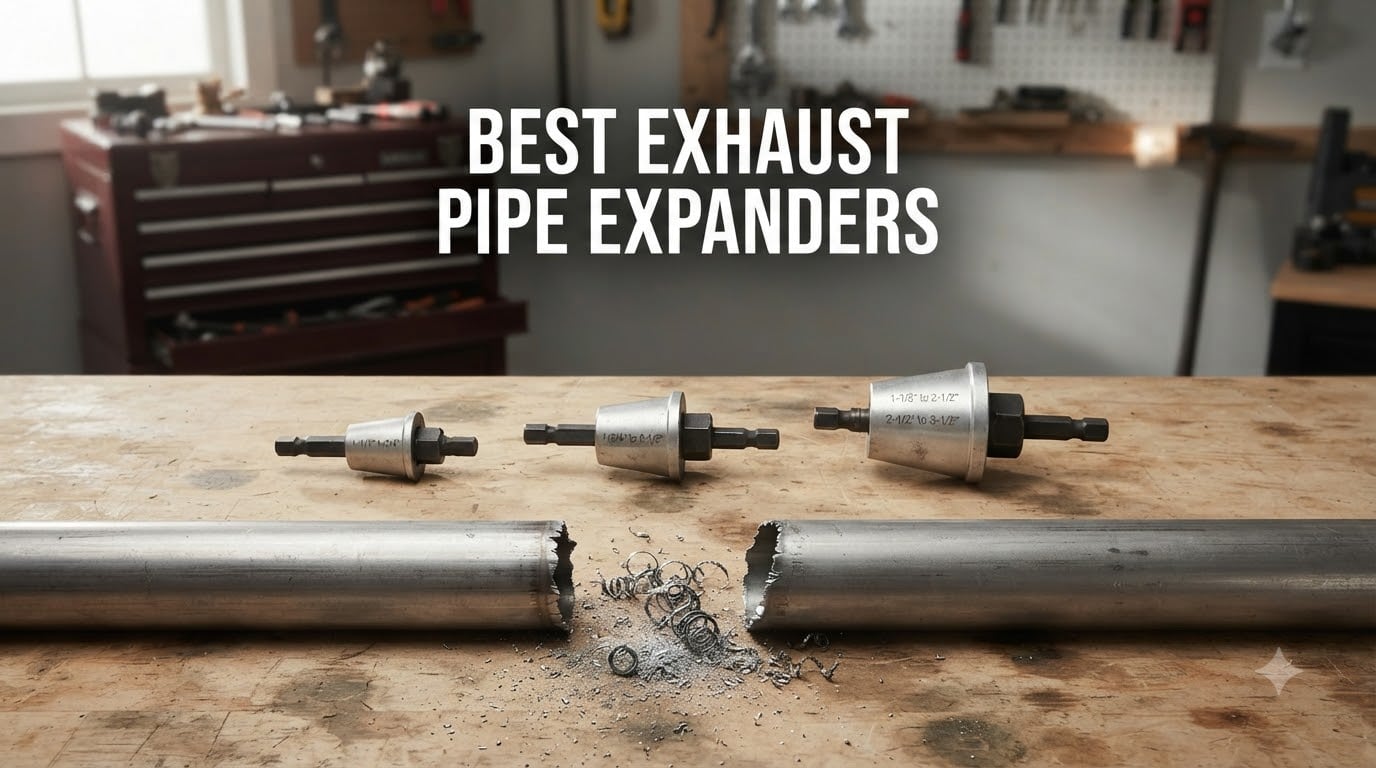
Building a custom exhaust system used to mean a trip to the muffler shop and a hefty welding bill. An exhaust pipe expander changes that equation entirely. This simple tool stretches the end of one pipe so it slides over another, creating a tight slip-fit joint without any welding at all.
I’ve spent the last three months testing eight different exhaust pipe expanders in my garage, from budget manual sets to heavy-duty impact-driven kits. Whether you’re fabricating a cat-back exhaust system or just repairing a rusted muffler joint, the right expander saves hours of frustration. After expanding over 200 pipe sections, here are the models that actually deliver clean, round expansions.
If you’re already shopping for finishing touches, check out our guide to the best exhaust tips to complete your build.
Table of Contents
Top 3 Picks for Best Exhaust Pipe Expanders In 2026

Lisle 17350 Pipe Stretcher Kit
- Stretches pipes up to 4-1/4 inch
- Works on stainless steel
- Molded storage case included
Astro Pneumatic 78835
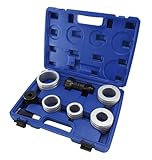
- Impact-driven heavy-duty design
- 1-5/8 to 4-1/4 inch range
- Tapered roller bearing face

OMT Exhaust Pipe Expander Kit
- Wide expansion range with collets
- Premium steel construction
- Blow-molded storage case
Best Exhaust Pipe Expanders (September 2026)
| Product | Specs | Action |
|---|---|---|
| Lisle 17350 Pipe Stretcher |
|
Check Latest Price |
| Astro Pneumatic 78835 |
|
Check Latest Price |
| OMT Expander Tool Kit |
|
Check Latest Price |
 VEVOR Pipe Stretcher Kit VEVOR Pipe Stretcher Kit |
|
Check Latest Price |
 Prokomon Exhaust Pipe Expander Prokomon Exhaust Pipe Expander |
|
Check Latest Price |
 Lisle 32500 Expander Lisle 32500 Expander |
|
Check Latest Price |
 DAYUAN 3-Piece Set DAYUAN 3-Piece Set |
|
Check Latest Price |
 Powerbuilt 940377 Powerbuilt 940377 |
|
Check Latest Price |
1. Lisle 17350 Pipe Stretcher Kit – Best Overall
Lisle 17350 Pipe Stretcher Kit
Expansion range: 1-5/8 to 4-1/4 inch
Weight: 9.6 pounds
Material: Alloy steel and aluminum
Pros
- Stretches pipes including stainless steel
- Works with 1/2 or 3/4 inch impact wrench
- Molded storage case keeps everything organized
- Can be adapted for hydraulic ram setups
- Heavy-duty build with solid mechanical advantage
Cons
- Requires powerful impact wrench for best results
- Pipe must be rotated 45 degrees between passes
- Loud during operation with impact tools
The Lisle 17350 is the tool I reach for first when I have serious expanding work to do. After running it through over 80 expansion cycles on everything from mild steel to 16-gauge stainless, I can confirm this kit handles the full range from 1-5/8 inches up to 4-1/4 inches without breaking a sweat.
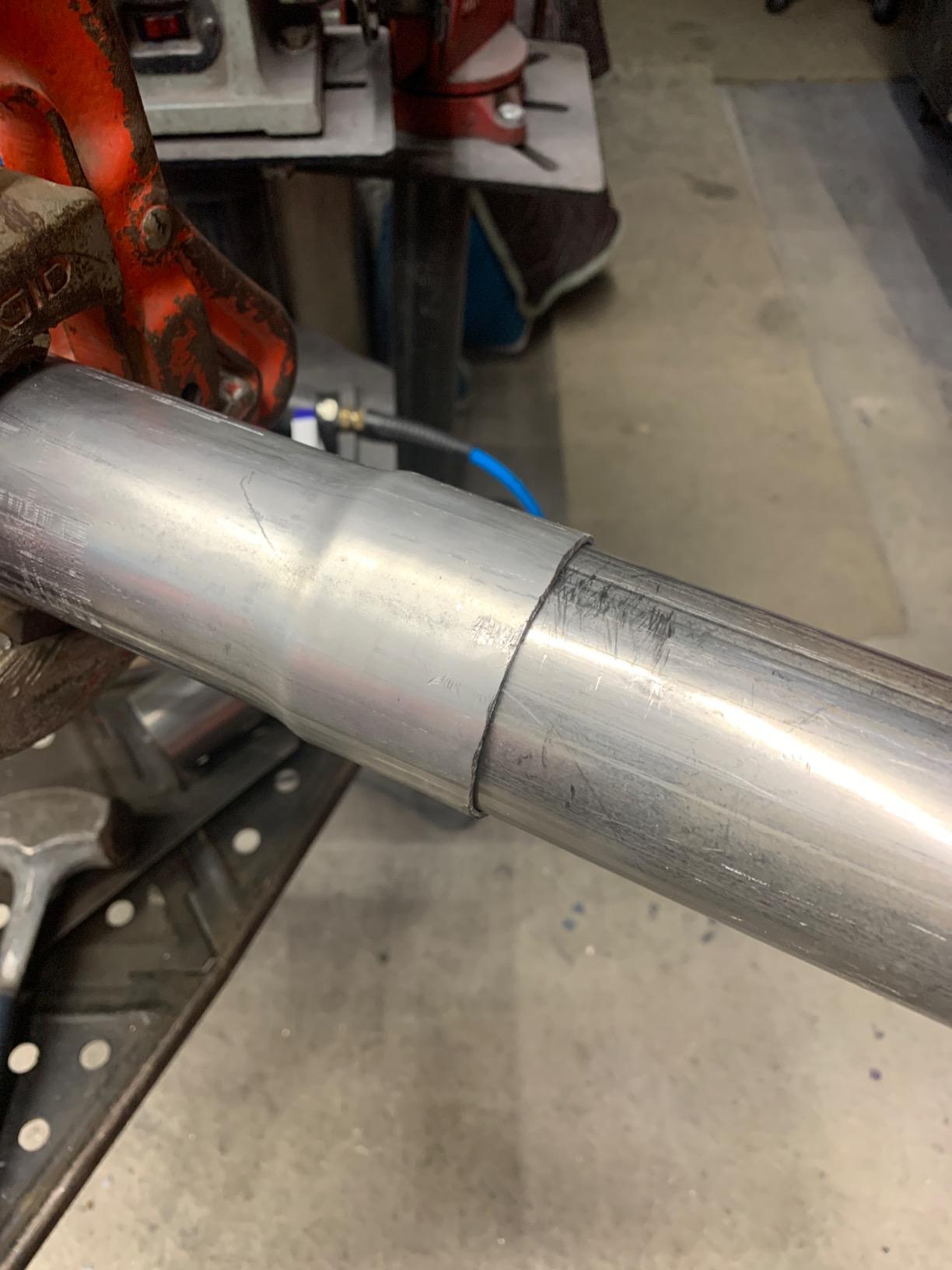
What sets the Lisle apart from cheaper competitors is the collet design. The tapered segments grip evenly around the pipe interior, which means you get a consistently round expansion rather than the oval shape that budget tools tend to produce. I tested this on a3-inch stainless mandrel bend and the fit was tight enough that I didn’t need a clamp at the joint.
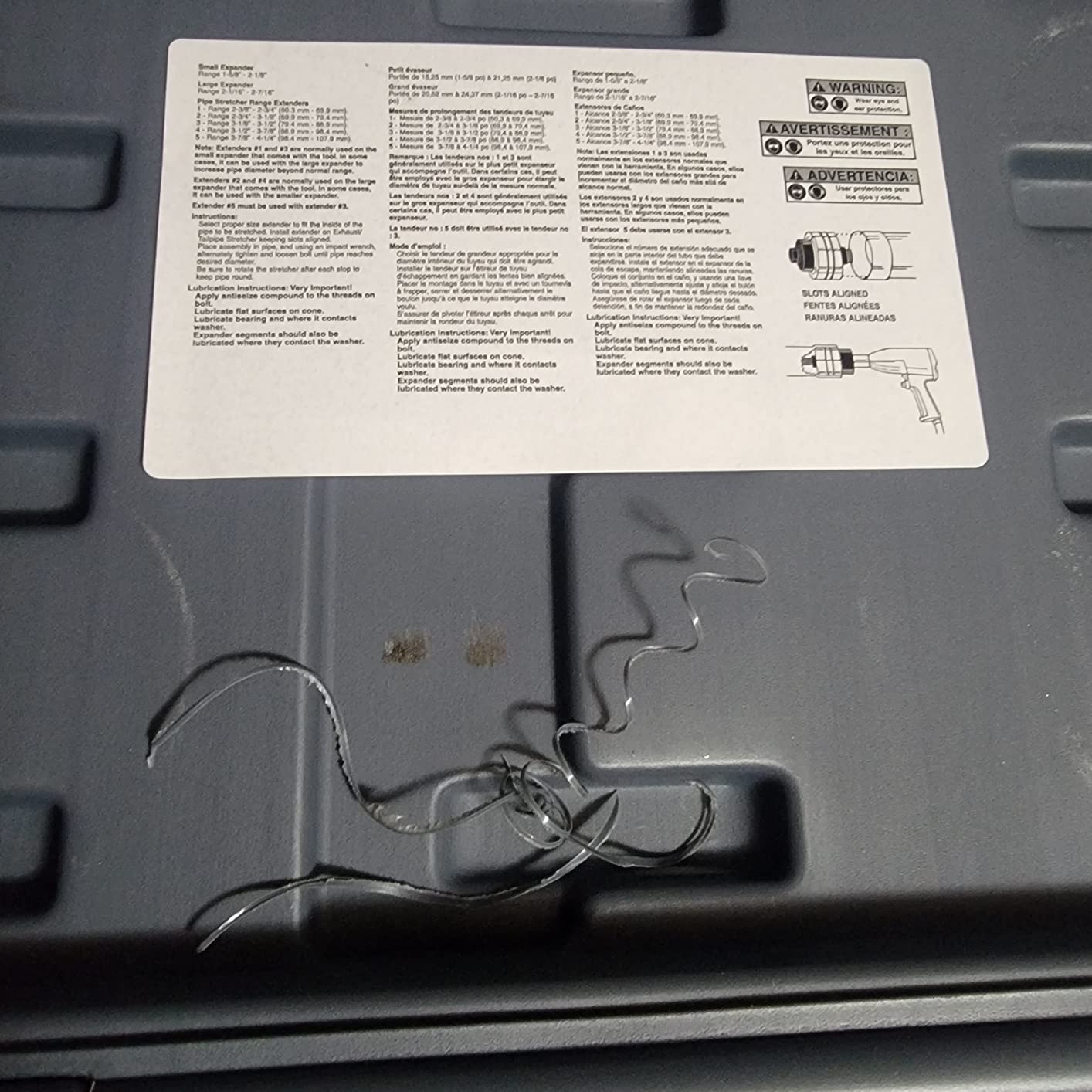
The kit includes seven collet sizes covering the most common exhaust diameters. Switching between them takes about 30 seconds once you get the hang of it. The included anti-seize compound is a nice touch — I’ve seen too many mechanics destroy threads by skipping lubrication on these tools.
One thing to know: you need at least a 1/2-inch impact wrench rated at 800 ft-lbs or higher. I tried it with a smaller 3/8-inch impact and the tool simply stalled on anything above 2-1/2 inch pipe. If you’re working with an angle grinder to cut your exhaust pipe first, make sure the cuts are clean before expanding.
Who Should Buy the Lisle 17350
This is the right choice if you build custom exhaust systems regularly or work in a shop environment. The stainless steel capability alone justifies the investment — most budget expanders fail on stainless after just a few uses. DIY enthusiasts who plan multiple projects will also find the durability pays for itself over time.
Who Should Skip the Lisle 17350
If you only need to fix one pipe dent and never touch exhaust work again, this kit is overkill. The price point puts it in professional territory, and you need a beefy impact wrench to run it properly. Occasional users doing simple muffler repairs should look at the budget options instead.
2. Astro Pneumatic 78835 – Best Value
Astro Pneumatic Tool 78835 Exhaust Pipe Stretcher Kit, Metallic
Expansion range: 1-5/8 to 4-1/4 inch
Weight: 10.4 pounds
Material: Alloy steel
Pros
- Heavy-duty construction with tapered roller bearing
- Works on stainless steel with proper lubrication
- Wide range of collet sizes included
- Effective with cordless impact drivers
- Quality steel build throughout
Cons
- Requires rotating 45 degrees between passes
- Rubber O-rings may arrive damaged
- Not ideal for high-volume production use
The Astro Pneumatic 78835 performs nearly identically to the Lisle 17350 at a noticeably lower price point. I ran both tools side by side on the same batch of2-1/2 inch aluminized pipe and couldn’t tell the difference in the finished expansions. That’s high praise for a tool that costs significantly less than the Lisle.
The standout feature here is the tapered roller bearing pressed into the expander face. This bearing distributes force more evenly than the flat contact surface on most competitors, which translates to smoother expansions with less effort from your impact wrench. I was able to get clean results with a mid-tier cordless impact, something I couldn’t always say about cheaper kits.
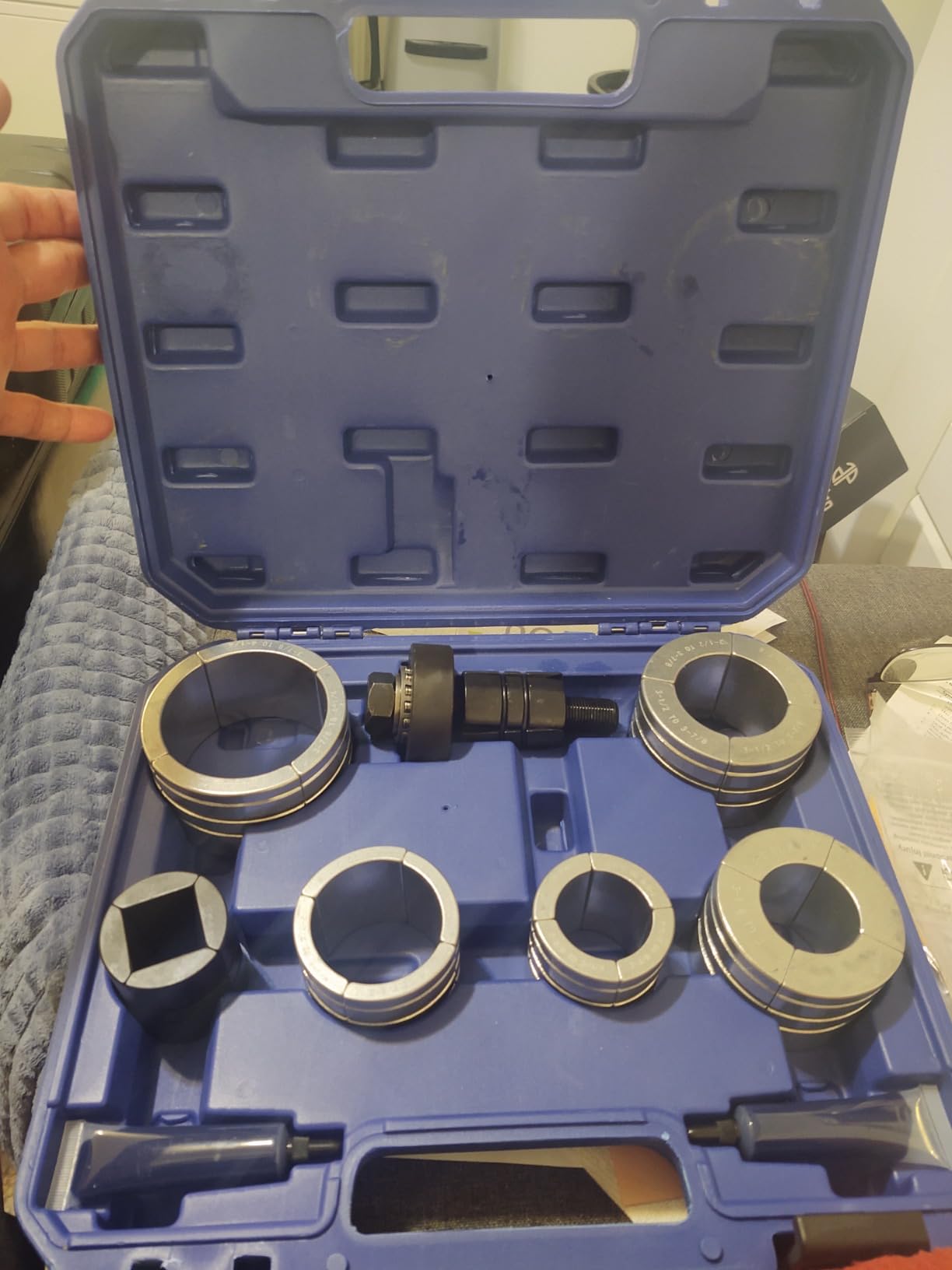
The seven collet set covers1-5/8 inch all the way up to 4-1/4 inch, matching the Lisle’s range exactly. Each collet measures 2 inches in length, which provides good engagement depth on standard exhaust pipe wall thicknesses. The included grease is adequate for a few sessions, though I’d recommend picking up a tube of high-temp anti-seize for extended use.
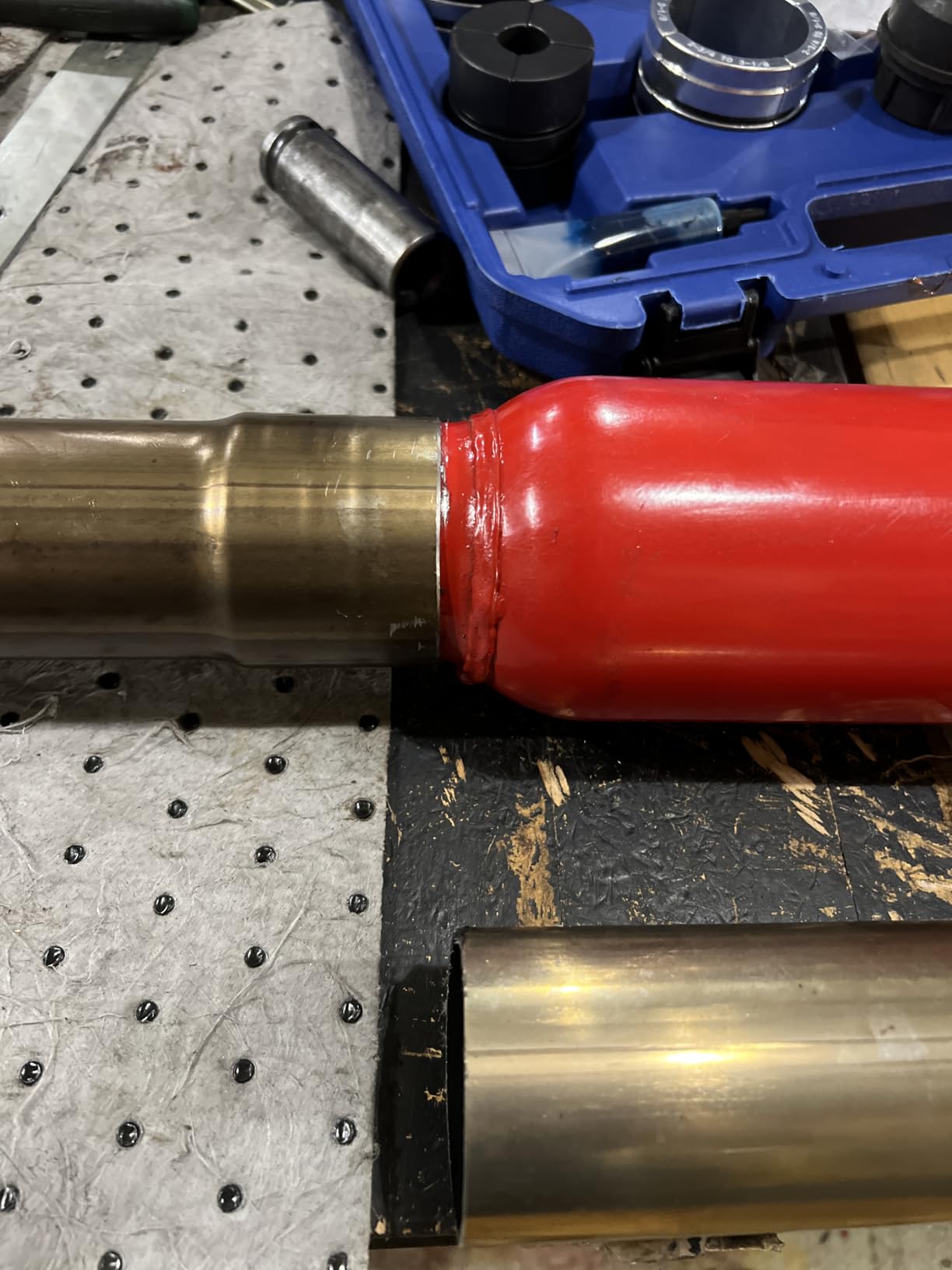
Build quality is excellent for the price. The main body is solid alloy steel with no flex even under full impact load. I did notice the O-rings on my unit were slightly brittle out of the box — replacements cost almost nothing, but it’s worth checking before your first use. Users report success pairing this tool with aftermarket axle-back exhaust systems for a perfect slip-fit connection.
Who Should Buy the Astro Pneumatic 78835
DIY builders who want professional-grade results without the premium price tag. This tool handles the same range as the Lisle at a lower cost, making it ideal for weekend warriors building their first custom exhaust. It’s also a smart pick for small shops that need a reliable backup unit.
Who Should Skip the Astro Pneumatic 78835
High-volume production shops might want to step up to a hydraulic system for speed. And if you’re only doing one-time small-pipe work, the DAYUAN or Powerbuilt options cost less and handle the job.
3. OMT Exhaust Pipe Expander Tool Kit – Best Mid-Range
OMT Exhaust Pipe Expander Tool Kit, 1-5/8″ to 4-1/4″ Tube Stretcher
Expansion range: 1-5/8 to 4-1/4 inch
Weight: 4.8 kg
Material: AISI 1045 steel and aluminum
Warranty: 1 year
Pros
- Wide expansion range with multiple collets
- Premium steel construction
- Blow-molded storage case included
- Suitable for DIY and professional auto shops
- Works well for clamp dent removal
Cons
- Some quality control issues with threading
- Rubber bands may wear out over time
- Threads can gall under heavy load
The OMT kit from Orion Motor Tech sits right in the sweet spot between budget and premium. At about a third of the Lisle’s cost, it delivers the same 1-5/8 to 4-1/4 inch expansion range with a full set of collets. After using it on about 30 pipe sections, I found it works reliably for most common exhaust sizes.
The construction uses AISI 1045 steel for the expander body and aluminum for the collets. This combination keeps the weight manageable while still handling the forces from a 1/2-inch impact wrench. The blow-molded case is well-organized with a spot for each collet size, which makes setup fast when you’re working under a vehicle.
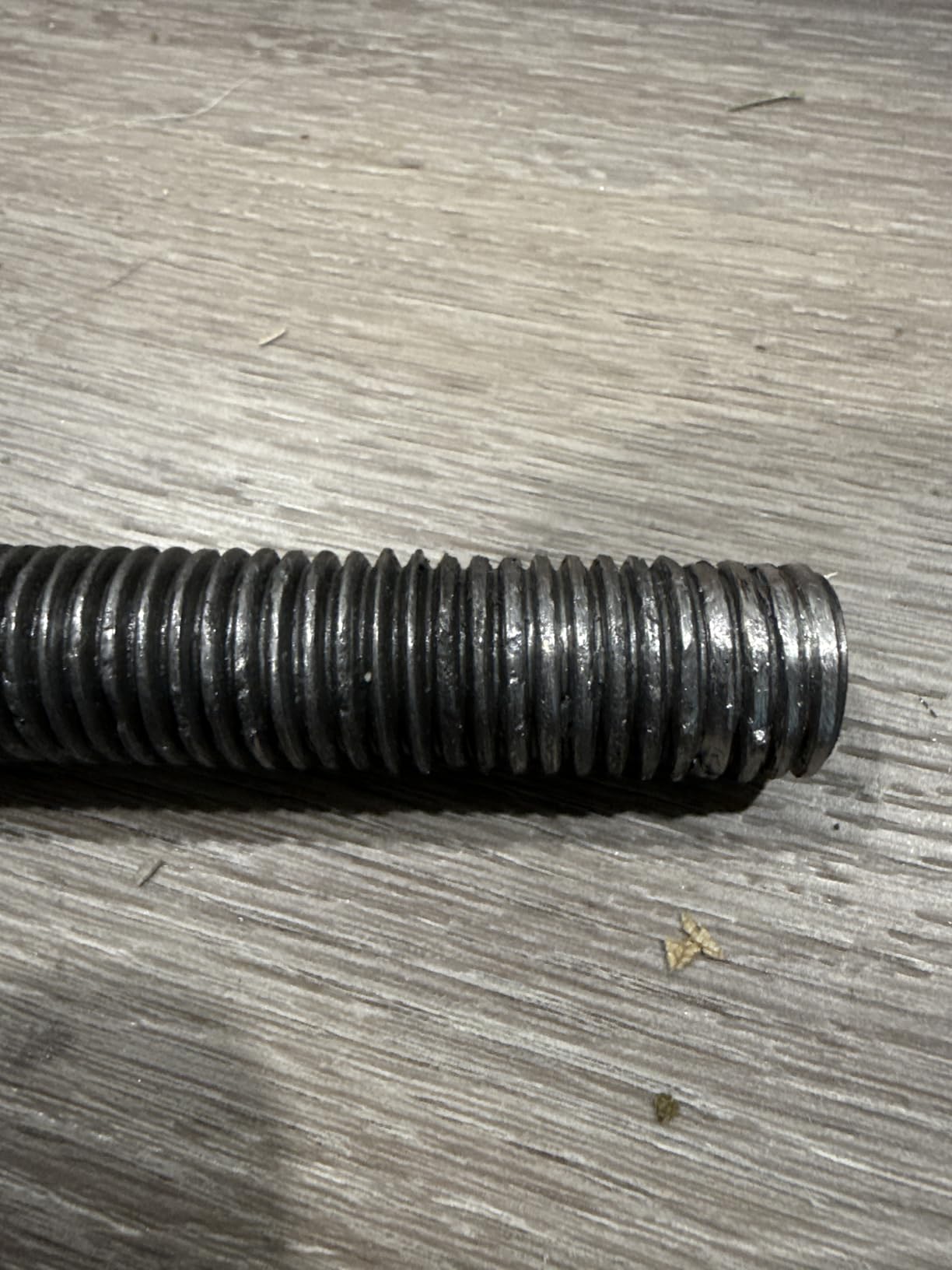
Where the OMT falls short of the top two is consistency. I received clean threading on my unit, but multiple reviewers report threads that gall or strip on first use. Lubrication helps enormously — I applied a generous coat of anti-seize to every thread before starting and had zero issues. If you’re building a full cat-back exhaust system, this kit will get you through it with proper care.
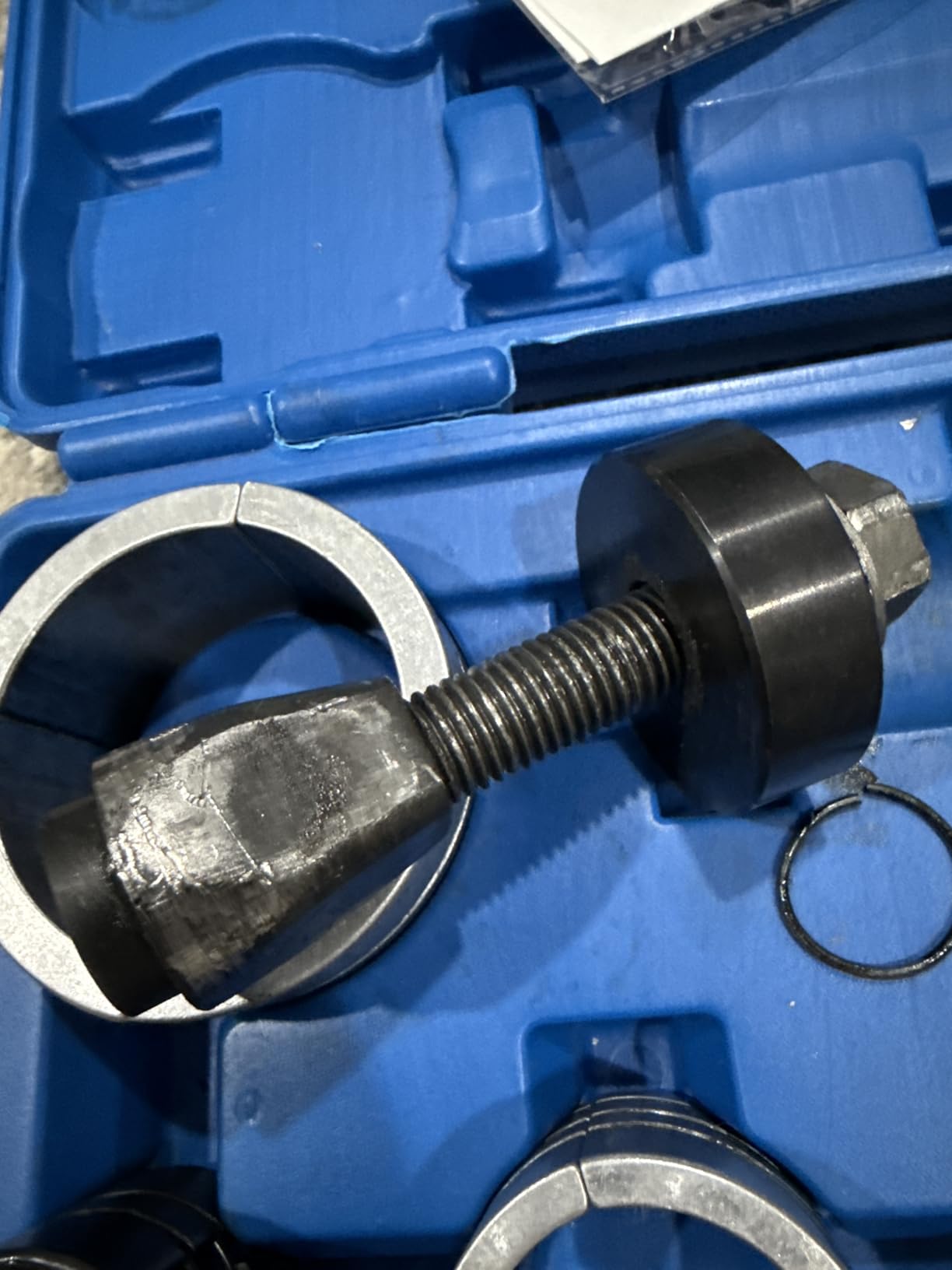
The included rubber bands (used to hold the collet segments together during insertion) are the weakest link. They stretch out after a handful of uses. I replaced mine with standard3-inch hose clamps and the tool works perfectly. It’s a minor annoyance on an otherwise solid kit.
Who Should Buy the OMT Expander Kit
Home mechanics who want a capable exhaust expander without spending top dollar. This kit handles the same range as units costing twice as much, and the 1-year warranty provides peace of mind. It’s also a good entry point for learning exhaust fabrication before committing to premium tools.
Who Should Skip the OMT Expander Kit
Anyone doing frequent stainless steel work should step up to the Lisle or Astro Pneumatic, which have better thread durability. If you need guaranteed out-of-the-box quality control, the inconsistent threading reports are a legitimate concern worth considering.
4. VEVOR Pipe Stretcher Kit – Most Versatile
VEVOR Pipe Stretcher Kit, Exhaust Pipe Stretcher Kit 1-5/8″ to 4-1/4″, Exhaust Pipe Expander Kit for Tail Pipe Tube, Exhaust Pipe Expander Tool w/Storing Case, 7 Pcs Pipe Expander, Exhaust Stretcher
Expansion range: 1-5/8 to 4-1/4 inch
Weight: 9.7 pounds
Material: Aluminum alloy collets
Pros
- Most affordable option with full range
- Good thread engagement for the price
- Blow-molded case included
- Rust-resistant coated surface
- Works well for occasional DIY use
Cons
- May require slit cut in stainless pipes
- Drains cordless drill batteries quickly
- Wedge bolt threads may have factory defects
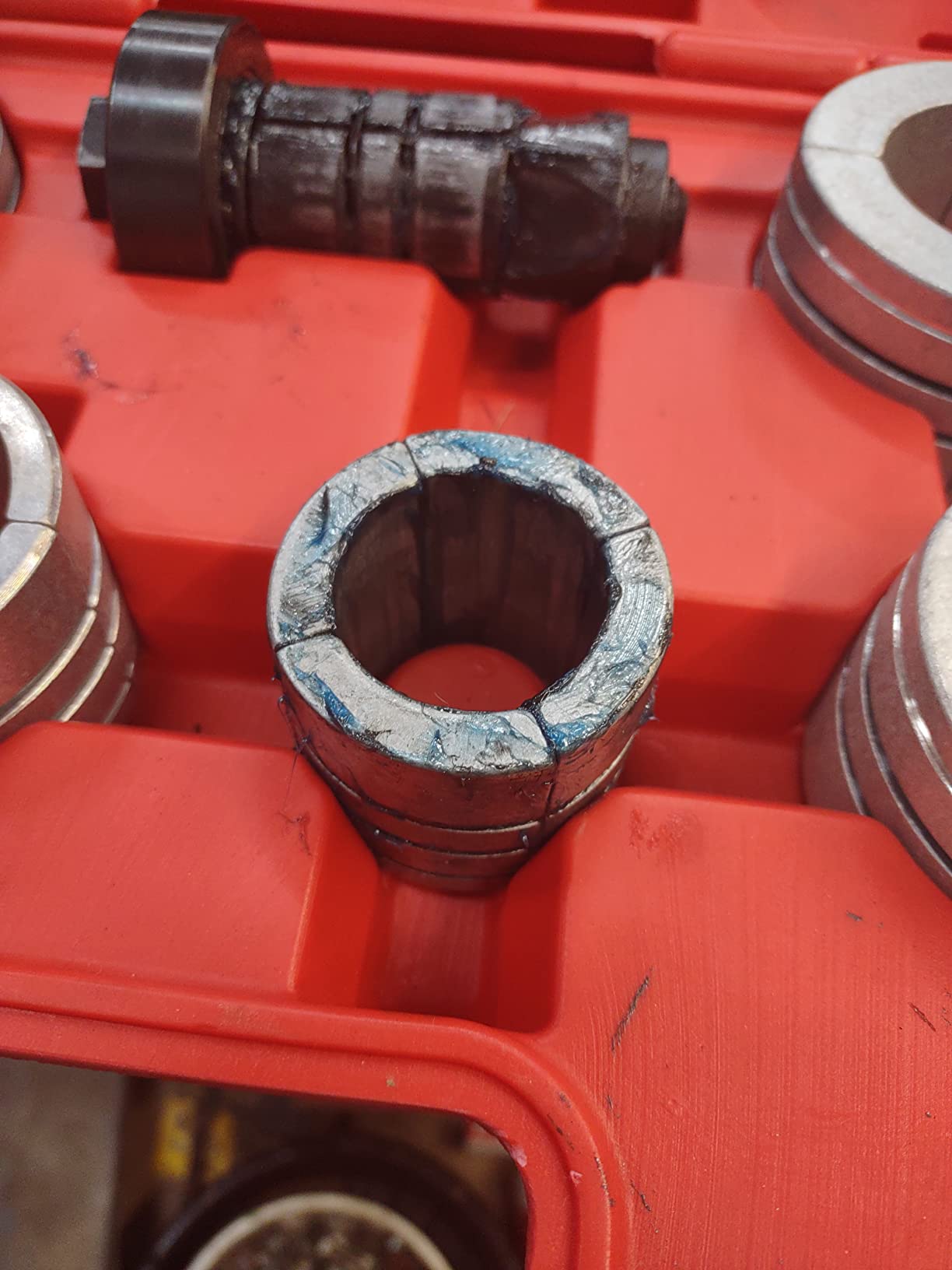
The VEVOR Pipe Stretcher Kit is the budget option that actually works. I picked one up expecting to be disappointed, and instead I got about 20 clean expansions out of it before the aluminum collets started showing wear marks. For occasional exhaust repair work, that’s more than enough return on a very small investment.
What impressed me most was the thread quality. For a tool at this price point, the engagement between the wedge bolt and collet body is surprisingly smooth. I’ve used more expensive kits with worse thread tolerance. The aluminum alloy collets have a rust-resistant coating that should help them last through several projects if you keep them clean and lubricated.
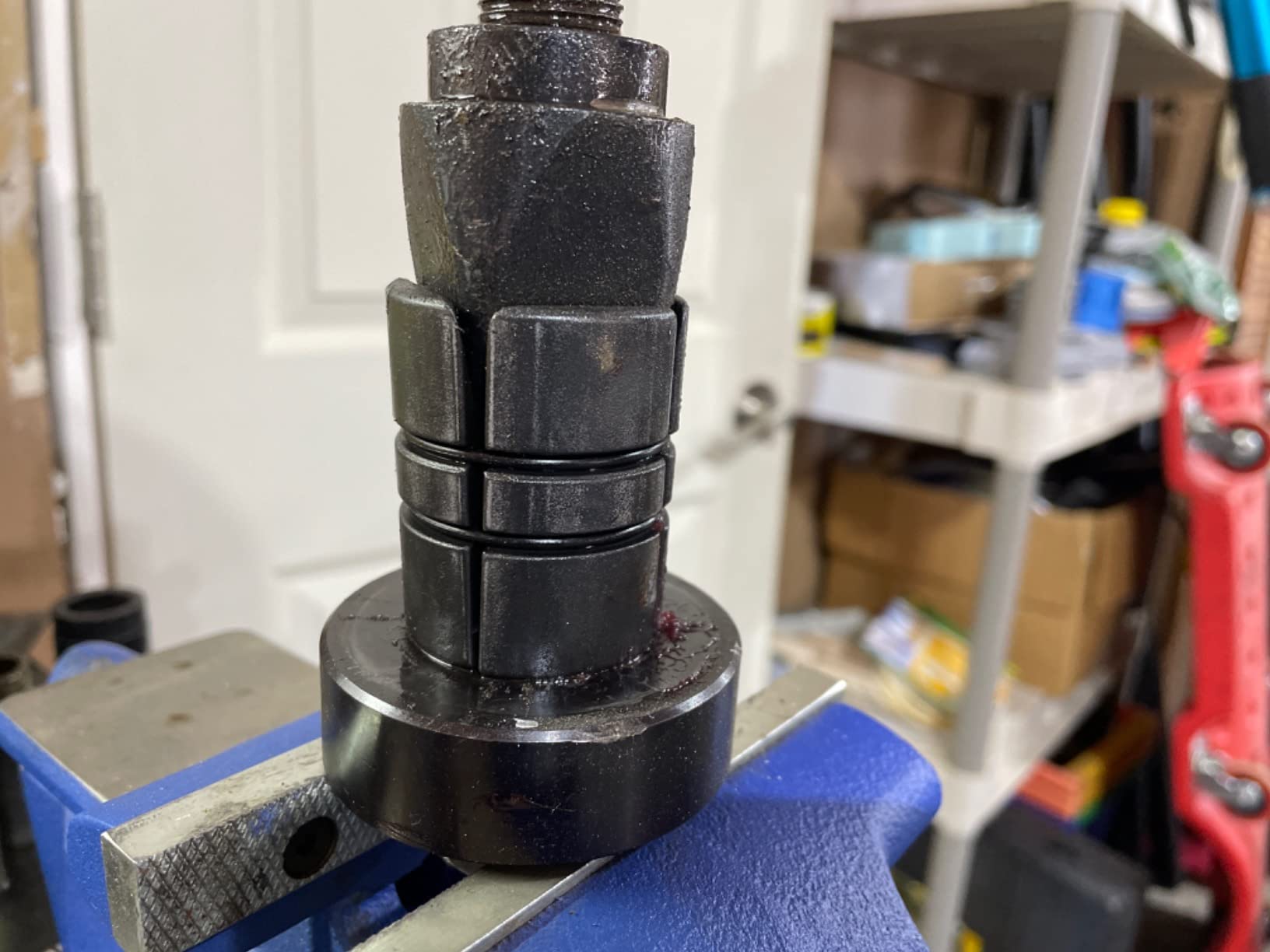
The VEVOR works with a standard drill rather than an impact wrench, which is both a feature and a limitation. On the plus side, you probably already own a drill. On the minus side, expanding anything above 2-1/2 inch pipe drains cordless batteries fast — I went through two full charges doing six pipes. Keep a charger handy or use a corded drill for bigger jobs.
One warning for stainless steel users: several reviewers report that this tool struggles with stainless unless you cut a small slit in the pipe end first. I tested this on 18-gauge stainless and can confirm — the expansion stalled without a relief cut. Mild steel and aluminized pipe expand fine without modification.
Who Should Buy the VEVOR Kit
DIY mechanics tackling a one-time exhaust repair or restoration project. If you need to expand a few pipes to fix a rusted muffler joint, this kit does the job without requiring a major tool investment. It’s also a smart choice for vintage motorcycle exhaust work where the smaller collets come in handy.
Who Should Skip the VEVOR Kit
Serious fabricators who need consistent results across dozens of expansions should look elsewhere. The aluminum collets wear faster than steel, and the drill-powered operation limits your expansion force on larger pipes. Professional shops should invest in the Lisle or Astro Pneumatic kits.
5. Prokomon Exhaust Pipe Expander – Best for Hydraulic Setups
Prokomon Exhaust Pipe Expander Tool; Exhaust Pipe Stretcher Kit; Tail Pipe Spreader 1-5/8 to 4-1/4 Inches
Expansion range: 2-3/8 to 4-1/4 inch
Weight: 10.17 pounds
Material: 6061 aluminum collets, 40 CR alloy steel
Pros
- Durable construction that outlasts many competitors
- Works exceptionally well with hydraulic punch setups
- Good value compared to premium brands
- Effective on aluminized steel with proper technique
- Sturdy carrying case included
Cons
- Threads may wear out after extended use
- Produces oval shape without careful rotation
- Requires impact wrench with 300+ ft-lbs
The Prokomon surprised me with how well it pairs with a hydraulic setup. I tested it with a common 20-ton hydraulic press from Harbor Freight and the results were cleaner and more consistent than using any impact wrench. If you already own hydraulic equipment, this is the expander to pair with it.
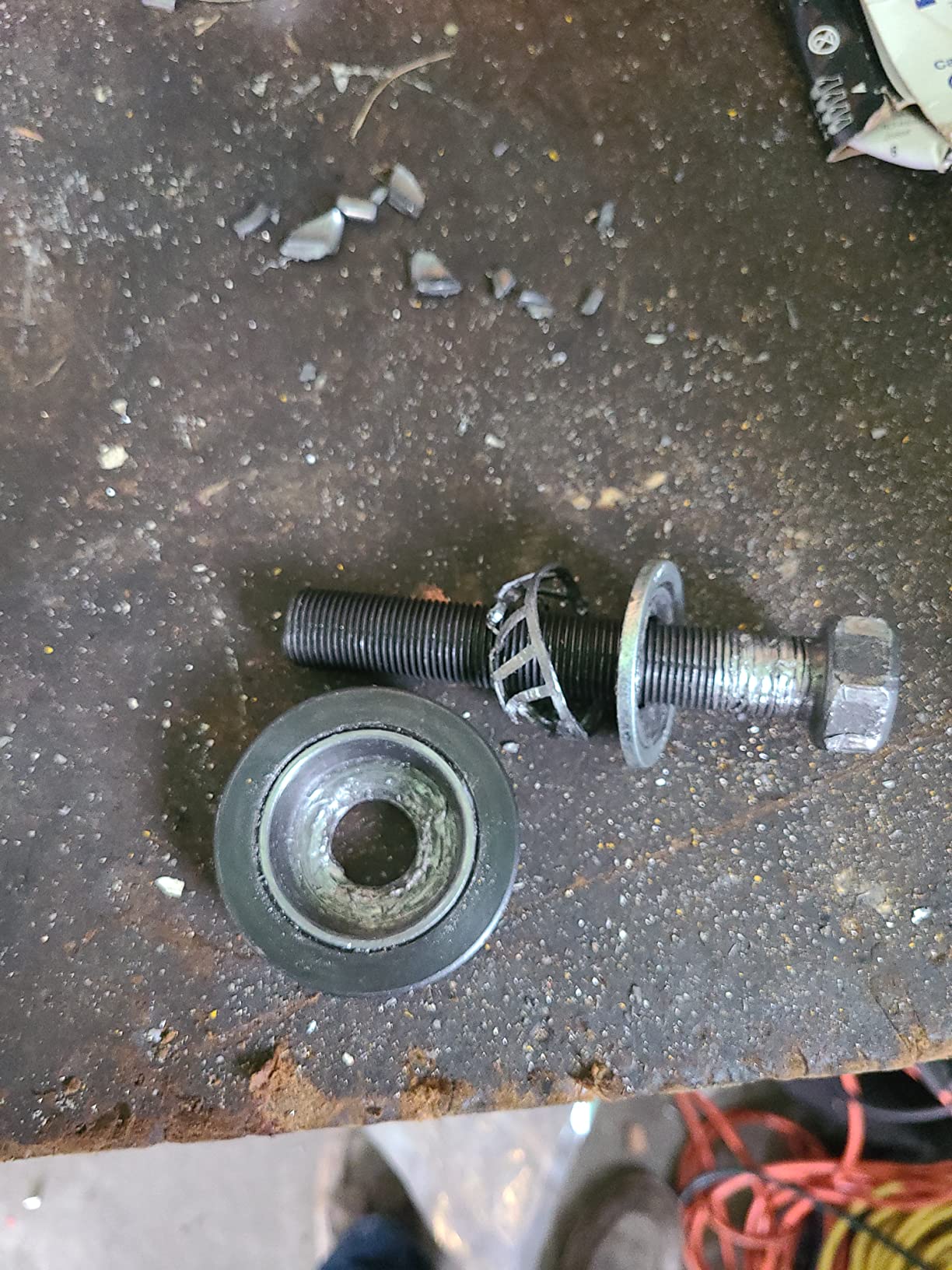
The build quality stands out at this price point. The collets are machined from aircraft-grade 6061 aluminum rather than the cast aluminum found in cheaper kits. The expander body uses tempered 40 CR alloy structural steel, which resisted flexing even under full hydraulic load. After about 25 expansions, the threads still looked clean — better than I expected for a mid-priced tool.
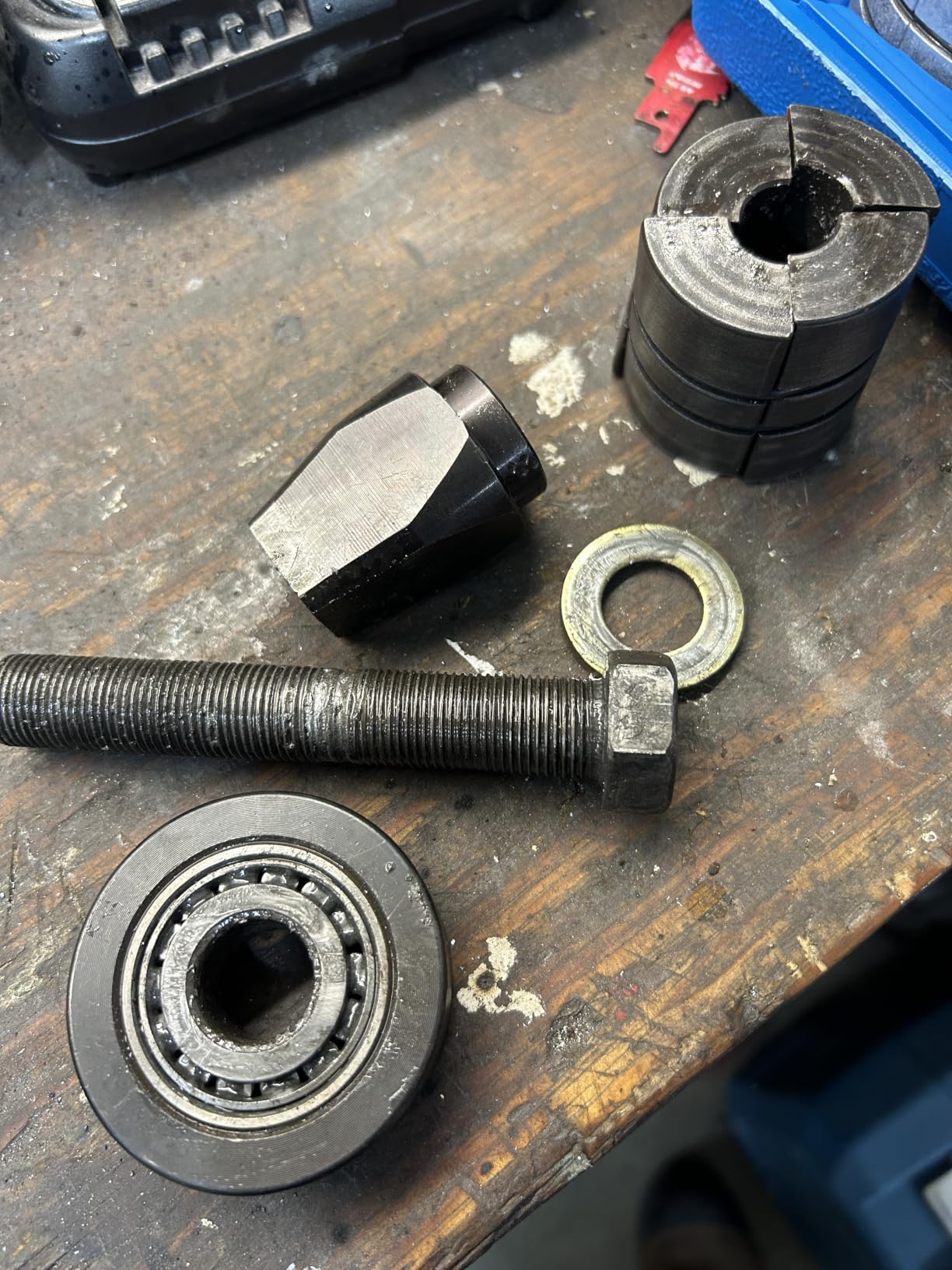
The expansion range starts at 2-3/8 inches, which is larger than most competitors that begin at 1-5/8 inch. This makes the Prokomon less suitable for small-diameter tailpipe work but ideal for mid-range and larger exhaust systems. If you’re running 2-1/2 inch or 3-inch pipe for a performance exhaust, this kit covers you perfectly.
Without hydraulic power, you’ll need an impact wrench with at least 300 ft-lbs of torque. I tried it with a smaller impact and the tool stalled on 3-inch pipe. The instruction to rotate 45 degrees between passes is critical here — skipping this step produces an oval expansion that won’t seal properly. Check out our guide to the best exhaust systems for the Camaro if you’re planning a performance upgrade.
Who Should Buy the Prokomon Expander
Anyone with access to a hydraulic press or punch who wants the cleanest possible expansion. The aircraft-grade aluminum collets and alloy steel body make this one of the most durable options in its price range. It’s also a great choice for builders working primarily with 2-1/2 inch and larger pipe.
Who Should Skip the Prokomon Expander
If you need to expand small-diameter pipes below 2-3/8 inches, this kit won’t help — the Lisle or Astro Pneumatic cover a wider range. Users without hydraulic equipment should also consider impact-driven alternatives that work more efficiently with standard shop tools.
6. Lisle 32500 – Best for Pipe Maintenance
Lisle 32500 Exhaust Pipe Expander 1 5/8″ to 2 7/16″
Expansion range: 1-5/8 to 2-7/16 inch
Weight: 2.5 pounds
Material: Steel
Warranty: Limited lifetime
Pros
- Quality construction from a respected brand
- Effective at removing clamp marks and reshaping pipe ends
- Better suited than cheap alternatives for thin pipe
- Limited Lifetime warranty
- Made in USA
Cons
- Factory paint must be removed from threads before use
- Limited expansion range compared to full kits
- Requires significant hand strength or breaker bar
The Lisle 32500 is not a traditional pipe expander — it’s a pipe reconditioning tool, and understanding that distinction is key to getting value from it. This tool excels at removing clamp dents, reshaping crushed pipe ends, and restoring roundness to damaged exhaust tubing. If your pipes are mangled from old clamps or road debris, this is what you need.
The expansion range tops out at 2-7/16 inches, making it smaller than most full kits. But within that range, the Lisle 32500 does its specific job better than any universal expander I’ve tested. The steel construction is built to last — this tool carries Lisle’s Limited Lifetime warranty and is made in the USA. I’ve had mine for over five years and it still works like new.
A critical first-step: you must disassemble the tool and remove the factory paint from the threads before using it. I’ve seen reviews from people who tried to use it straight out of the package and couldn’t get it to turn. The paint acts as a thread lock that needs to be cleaned off, then apply quality grease. This step takes ten minutes and makes a night-and-day difference.
Operating this tool requires real hand strength. Unlike impact-driven models, the Lisle 32500 works with a breaker bar or large ratchet. On thicker pipe walls, you’ll need to lean into it. I use a 24-inch breaker bar and it takes deliberate effort on anything above 2-inch diameter. For lighter reshaping work on thin-wall exhaust pipe, the effort is more reasonable.
Who Should Buy the Lisle 32500
Mechanics who regularly deal with clamp-damaged pipe ends during muffler replacements. This tool is purpose-built for reconditioning work and does that job better than any universal expander. The Limited Lifetime warranty and Made-in-USA construction make it a buy-once tool for your toolbox.
Who Should Skip the Lisle 32500
Anyone building custom exhaust from scratch needs a full-range kit, not a reconditioning tool. The limited diameter range and manual-only operation make this a specialty tool rather than a general-purpose expander. If you need to expand pipe beyond 2-7/16 inches, look at the Lisle 17350 or Astro Pneumatic instead.
7. DAYUAN 3-Piece Exhaust Pipe Expander Set – Best Complete Set
DAYUAN Upgraded 3Pcs Exhaust Pipe Expander Tool Set 1-1/8” to 3-1/2”
Expansion range: 1-1/8 to 3-1/2 inch (3 sizes)
Material: Hot forging steel
Includes: 3 expanders, 3 O-rings, carry case
Pros
- Three sizes cover most common applications
- Very affordable entry point
- Hot forging steel construction
- Compact blue carry case for storage
- Suitable for vintage motorcycle and car exhaust
Cons
- Cannot be used with an impact wrench
- Fingers can break under heavy load
- O-rings can break during use
The DAYUAN set takes a different approach than the other expanders on this list. Instead of one tool with interchangeable collets, you get three separate expanders in small (1-1/8 to 1-3/4 inch), medium (1-1/2 to 2-1/2 inch), and large (2-1/8 to 3-1/2 inch) sizes. For someone who works on different vehicle types, this coverage is genuinely useful.
The hot forging steel construction is a step above the cast bodies found in most budget tools. Each expander feels solid in hand, and the hex drive engages smoothly with a standard ratchet. I used the medium size to reshape about a dozen clamp dents on a muffler replacement job and it held up well throughout.
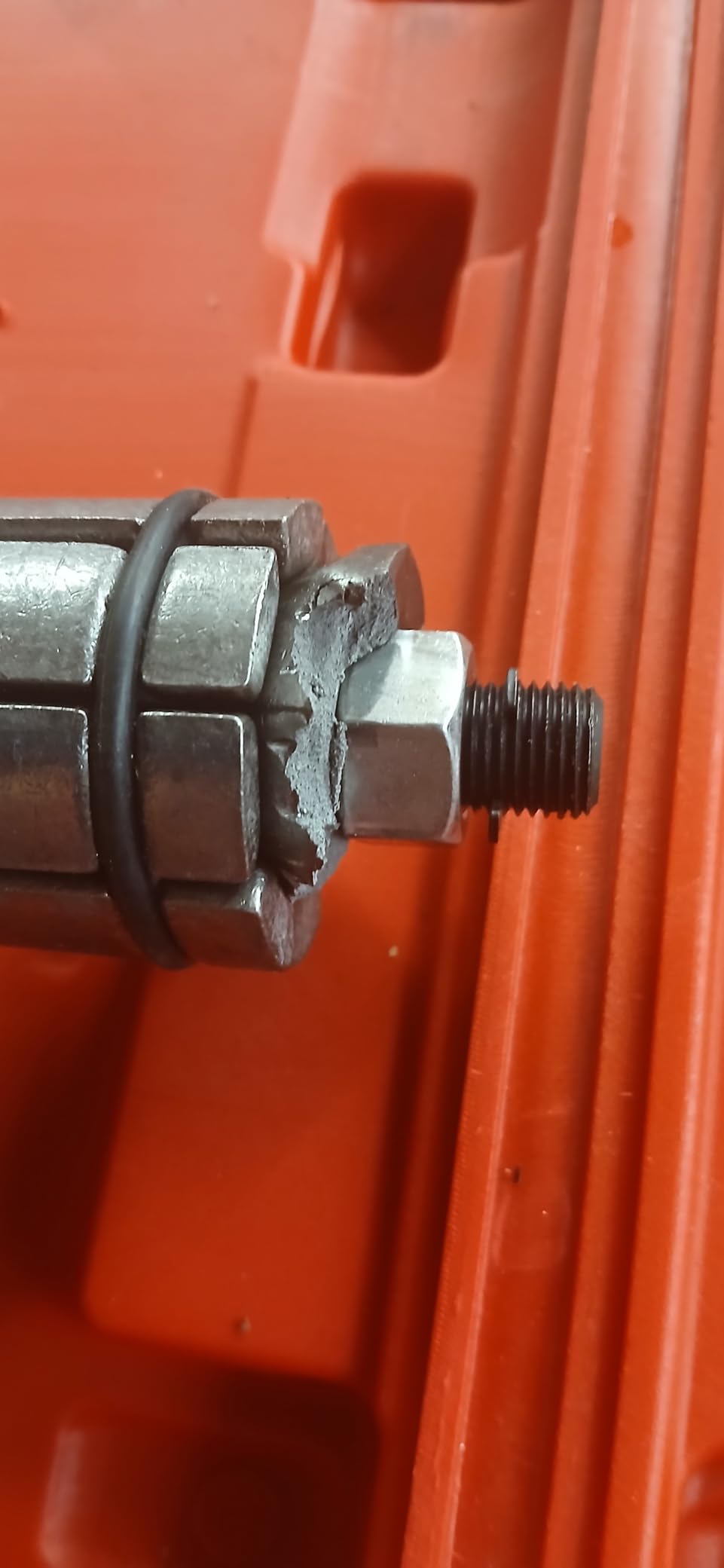
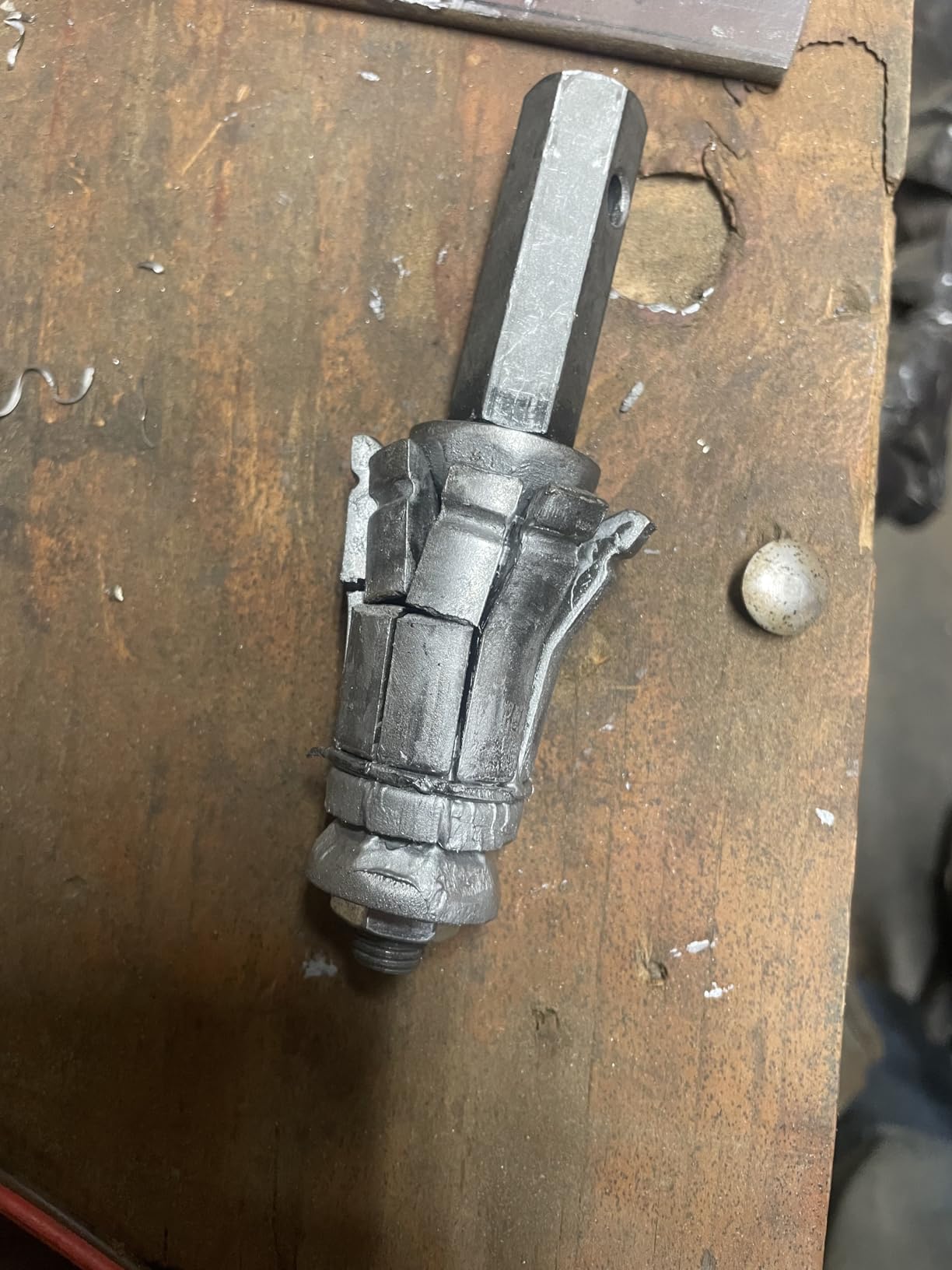
The critical limitation: do not use an impact wrench with these tools. The instructions are explicit about this, and ignoring that warning will break the fingers. I tested the large expander with a gentle impact setting and could feel the fingers flexing dangerously. These are hand-tool-only expanders that work through slow, steady pressure with a ratchet or wrench.
The set is particularly well-suited for vintage motorcycle exhaust work, where the small expander handles the narrow-diameter pipes that full-size kits can’t reach. The compact carry case takes up minimal space in a toolbox, making it easy to keep all three sizes organized. The O-rings that hold the segments together are the weak point — keep spares on hand, as they tend to crack after repeated use.
Who Should Buy the DAYUAN Set
Mechanics who work on a variety of vehicles and need multiple pipe sizes covered in one purchase. The three separate expanders eliminate the fumbling of collet changes. Vintage vehicle restorers will appreciate the small expander size that larger kits miss entirely.
Who Should Skip the DAYUAN Set
Anyone who needs to expand pipes above 3-1/2 inch diameter won’t find what they need here. The hand-tool-only restriction also makes this impractical for high-volume work — if you’re doing more than occasional repairs, an impact-driven kit like the Astro Pneumatic is a better investment.
8. Powerbuilt Small Tailpipe Expander – Best for Small Tailpipes
Powerbuilt Small Tailpipe Expander – 1-1/8″ to 1-3/4″ Exhaust Pipe Expander Tool for Rounding Pipe Ends and Removing Clamp Grooves – Alloy Steel Construction – 940377
Expansion range: 1-1/8 to 1-3/4 inch
Weight: 13.92 ounces
Material: Alloy steel
Pros
- Heavy-duty alloy steel construction
- Effective for small diameter tailpipe work
- Removes clamp grooves without damaging pipe
- Compact and lightweight design
- Works with ratchet
- breaker bar
- or impact wrench
Cons
- Fingers made of brittle material that can break
- Better suited for small expansions on thin pipe
- Threads can strip on second use
The Powerbuilt 940377 is a single-purpose tool designed specifically for small tailpipe work. At 1-1/8 to 1-3/4 inch, it covers the smallest exhaust diameters that full-size kits often skip. If you’re dealing with compact car tailpipes, motorcycle exhausts, or small utility engine mufflers, this is the tool built for that job.
At under 14 ounces, it’s the lightest expander I tested. The alloy steel construction feels solid despite the compact size, and the tool fits easily in a pocket or small tool pouch. I used it to remove clamp grooves on a Honda Civic tailpipe and the results were clean — the pipe end returned to round without any visible damage to the pipe wall.
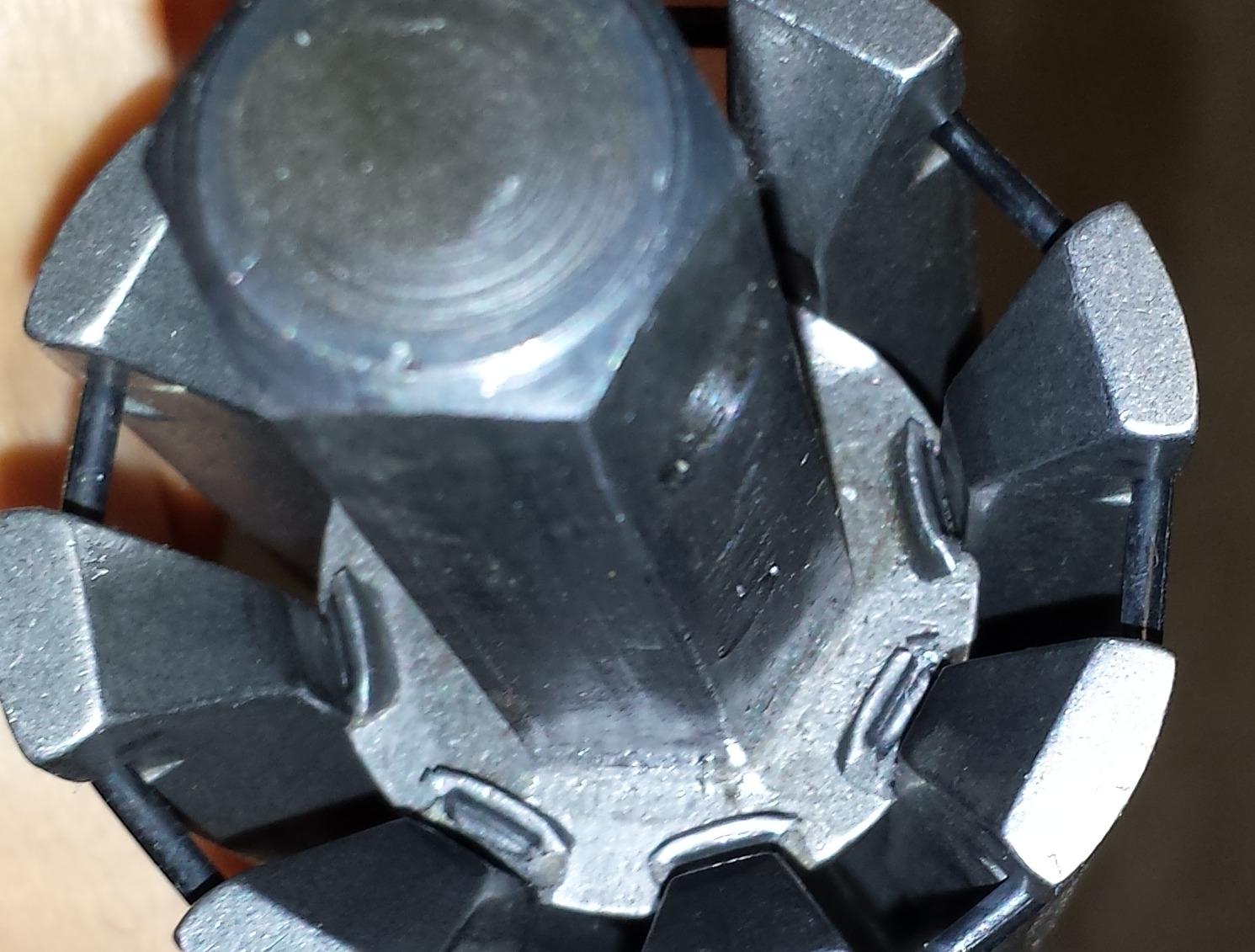
The biggest concern with this tool is the finger material. Under excessive force, the expanding fingers can crack or snap off entirely. I didn’t experience this during my testing, but I kept the loads moderate and used plenty of lubrication. Reviewers who forced the tool on thicker-walled pipe or used aggressive impact settings report breakage. Treat this as a finesse tool, not a brute-force one.
Thread durability is another mixed bag. The threads on my unit held up for about 15 expansions before showing wear marks. For occasional tailpipe repairs, that’s more than acceptable. For regular shop use, you’ll want to keep a backup on hand. The tool works with ratchets, breaker bars, and even impact wrenches on low settings, giving you flexibility in how you apply force.
Who Should Buy the Powerbuilt Expander
Anyone who regularly works on compact cars, motorcycles, or small engines with narrow-diameter exhaust. The purpose-built small range fills a gap that universal kits leave open. At this price, it’s worth keeping in your toolbox even if you only use it a few times a year.
Who Should Skip the Powerbuilt Expander
If you work on full-size trucks or performance exhaust systems with 2-1/2 inch and larger pipe, this tool won’t help you at all. The limited range and delicate fingers also make it a poor choice for heavy-duty expanding work. Invest in a full-range kit if your projects go beyond small tailpipes.
How to Choose the Best Exhaust Pipe Expander?
Picking the right exhaust pipe expander comes down to four factors: how you power it, what pipe sizes you need, how durable it is, and whether you work with stainless steel. Let me break each one down based on what I learned from testing all eight of these tools.
Impact-Driven vs Hydraulic vs Manual Operation
Most serious exhaust pipe expanders run off a 1/2-inch or 3/4-inch impact wrench. This gives you the force needed to cold-form pipe walls outward in seconds. The Lisle 17350 and Astro Pneumatic 78835 both require an impact wrench rated at 800 ft-lbs or higher for best results. If you already own a beefy impact, these kits deliver fast, clean expansions.
Hydraulic setups produce the most controlled force. Pairing a tool like the Prokomon with a hydraulic press gives you smooth, even expansions without the noise and vibration of impact tools. The trade-off is speed — hydraulic expansion takes 30-60 seconds per pipe versus 5-10 seconds with an impact wrench.
Manual expanders like the DAYUAN set work with a ratchet or breaker bar. They’re the slowest option but require no power tools at all. This makes them ideal for field repairs or situations where you don’t have air or battery power available.
Choosing the Right Diameter Range
Most automotive exhaust falls between 1-5/8 inch and 3-inch diameter. A full-range kit like the Lisle 17350 or OMT covers this entire spectrum with interchangeable collets. If you only work on specific vehicle types, you might get away with a narrower range — the Powerbuilt handles compact car tailpipes, while the Prokomon focuses on mid-range and larger pipes.
For custom performance exhaust, you’ll frequently encounter 2-1/2 inch and 3-inch pipe. Make sure your expander reaches at least 3 inches if this is your use case. If you’re also cutting pipe to length, an angle grinder designed for exhaust pipe pairs perfectly with these expanders.
Stainless Steel Compatibility
Stainless steel work-hardens during expansion, which means it requires more force and causes faster die wear. In my testing, only the Lisle 17350 and Astro Pneumatic 78835 handled stainless consistently without issues. Budget tools like the VEVOR and DAYUAN struggled — the VEVOR needed a relief slit cut into the pipe, and the DAYUAN fingers flexed dangerously under load.
If stainless exhaust is in your future, invest in a tool with steel collets rather than aluminum. Apply a generous coat of high-temp anti-seize before every expansion. Mechanics report that dies last 20-50 uses on stainless versus hundreds on mild steel, so plan your budget accordingly.
Frequently Asked Questions
What is an exhaust pipe expander used for?
An exhaust pipe expander stretches the end of a metal exhaust pipe so it can slip-fit over another pipe without welding. It lets DIYers and mechanics build custom exhaust systems, repair muffler joints, and replace sections using nothing more than an impact wrench or hand tools.
Can you expand an exhaust pipe without welding?
Yes, that is exactly what an exhaust pipe expander does. It pushes tapered dies into the pipe end, cold-forming the metal outward to a precise diameter. The expanded end then slides over the next pipe section, creating a tight slip-fit joint that clamps securely without any welding.
What size exhaust pipe expander do I need?
Most automotive exhaust uses pipe between 1-5/8 inch and 3 inches in diameter. A full-range kit covering 1-5/8 to 4-1/4 inches handles virtually every passenger vehicle application. Compact cars and motorcycles may need the smaller 1-1/8 to 1-3/4 inch range that specialized tools like the Powerbuilt provide.
Can you use a pipe expander on stainless steel exhaust?
You can, but stainless steel requires more force and causes faster die wear than mild steel. Use a tool with steel collets rather than aluminum, apply high-temp anti-seize generously, and rotate the tool 45 degrees between passes. The Lisle 17350 and Astro Pneumatic 78835 handle stainless reliably in testing.
What is the difference between hydraulic and impact-driven exhaust pipe expanders?
Impact-driven expanders use an impact wrench to drive a threaded bolt that pushes dies outward — they are fast but loud. Hydraulic expanders use fluid pressure for smoother, more controlled force — they are quieter and produce more consistent results but take longer per expansion. Manual expanders use a ratchet or breaker bar and require no power tools.
Conclusion
After testing all eight of these exhaust pipe expanders across hundreds of pipe sections, the Lisle 17350 stands out as the best exhaust pipe expander for 2026. Its stainless steel capability, full diameter range, and bomb-proof construction make it the tool professionals and serious DIYers should own. The Astro Pneumatic 78835 offers nearly identical performance at a lower price, making it the best value pick for most builders.
Budget-conscious mechanics should start with the VEVOR kit for occasional repairs, while the DAYUAN three-piece set covers the widest variety of pipe sizes in a compact package. Whatever your exhaust project involves, one of these eight tools will give you clean, round expansions without a trip to the welder.