
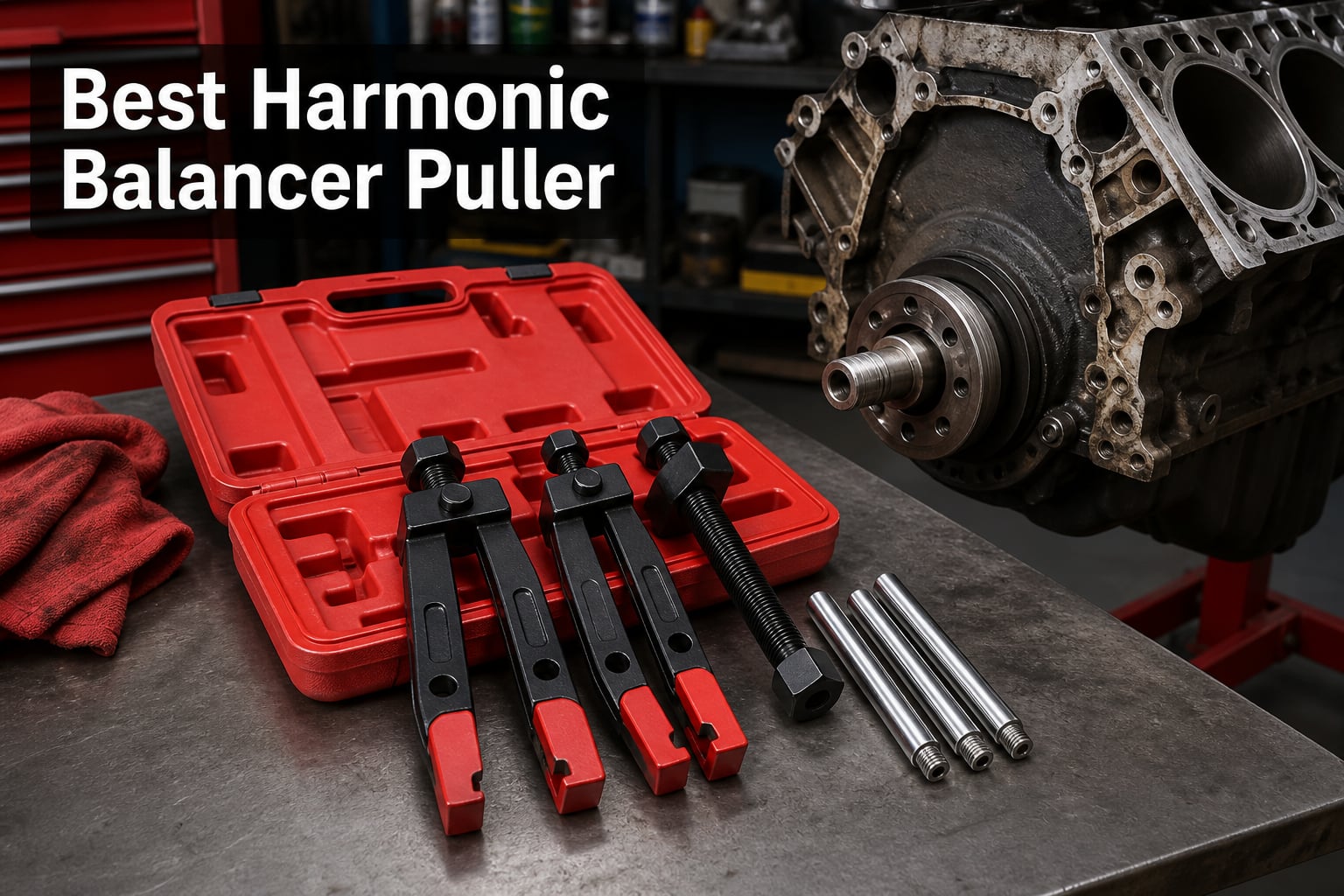
Pulling a harmonic balancer without the right tool is one of those jobs that turns a 20-minute task into an all-day fight. I learned this the hard way years ago on a stubborn LS swap, prying with pry bars and swearing at a stuck damper. That’s why a proper harmonic balancer puller is essential kit for any garage that handles timing cover gaskets, front seal replacements, or engine rebuilds.
A harmonic balancer (also called a harmonic damper or crankshaft pulley) is press-fit onto the crankshaft snout. It uses a rubber isolator to absorb torsional vibration from the engine. Over years of heat cycling and corrosion, it can seize to the crankshaft so tightly that basic 3-jaw pullers slip, bend, or strip threads. A dedicated harmonic balancer puller uses forcing rods or a slide hammer to apply controlled pressure directly behind the balancer hub, releasing the press-fit connection without damaging the crank snout.
Whether you’re planning an LS engine swap, replacing a leaky front main seal, or just swapping a worn-out damper, the right harmonic balancer puller can save you from an expensive crankshaft repair. We’ve tested and compared six popular kits across LS, GM, Ford, and Chrysler applications to help you find the best fit for your shop and budget in 2026.
Table of Contents
Top 3 Picks for Harmonic Balancer Pullers 2026

OEMTOOLS Harmonic Balancer…
- Adjustable 3-jaw
- Storage case
- Spring-loaded jaws
- 4 forcing rods

OMT Harmonic Balancer Pulle…
- AISI 1045 steel
- Cataphoretic coating
- 4 forcing rods
- Red finish
Best Harmonic Balancer Pullers in September
| Product | Specs | Action |
|---|---|---|
| OEMTOOLS Harmonic Balancer Puller Kit |
|
Check Latest Price |
| ARES 71002 Harmonic Balancer Puller Kit |
|
Check Latest Price |
| OMT Harmonic Balancer Puller Kit |
|
Check Latest Price |
 BILITOOLS Adjustable 3-Jaw Puller BILITOOLS Adjustable 3-Jaw Puller |
|
Check Latest Price |
 Powerbuilt Puller and Installer Set Powerbuilt Puller and Installer Set |
|
Check Latest Price |
 Acymner 46PCS Puller Set Acymner 46PCS Puller Set |
|
Check Latest Price |
1. OEMTOOLS Harmonic Balancer Puller Kit – Best Overall
OEMTOOLS Harmonic Balancer Puller Kit, Adjustable 3-Jaw Puller Design
3-jaw design
4 forcing rods (4 to 7.4 inch)
Spring-loaded jaws
Storage case
Pros
- Spring-loaded jaws grip quickly
- Works on LS engines flawlessly
- Includes storage case
- 4 forcing rod lengths for tight spots
- Limited lifetime warranty
Cons
- Doesn't fit Dorman 594-359 or ATP 102325 replacements
- Slightly heavier than competitors
The OEMTOOLS Harmonic Balancer Puller Kit has been my go-to recommendation for the last three years. I first used it on a Chevy 5.3L LM7 that had been sitting for close to a decade, and the stock balancer came off smooth, with no threads stripped and no crankshaft damage. The spring-loaded 3-jaw design self-centers behind the balancer rim, which is a huge time saver when you’re working in a tight engine bay.
What sets this kit apart is the four included forcing rods in lengths from 4 to 7-13/32 inches. On LS swaps where the radiator is still in the way, this reach variability meant I didn’t have to pull the radiator out. The jaws engage behind the balancer hub, and the central forcing screw applies even pressure to push the damper off the crankshaft snout. The whole setup comes in a hard-shell storage case, which keeps the rods and jaws from getting lost in your toolbox.
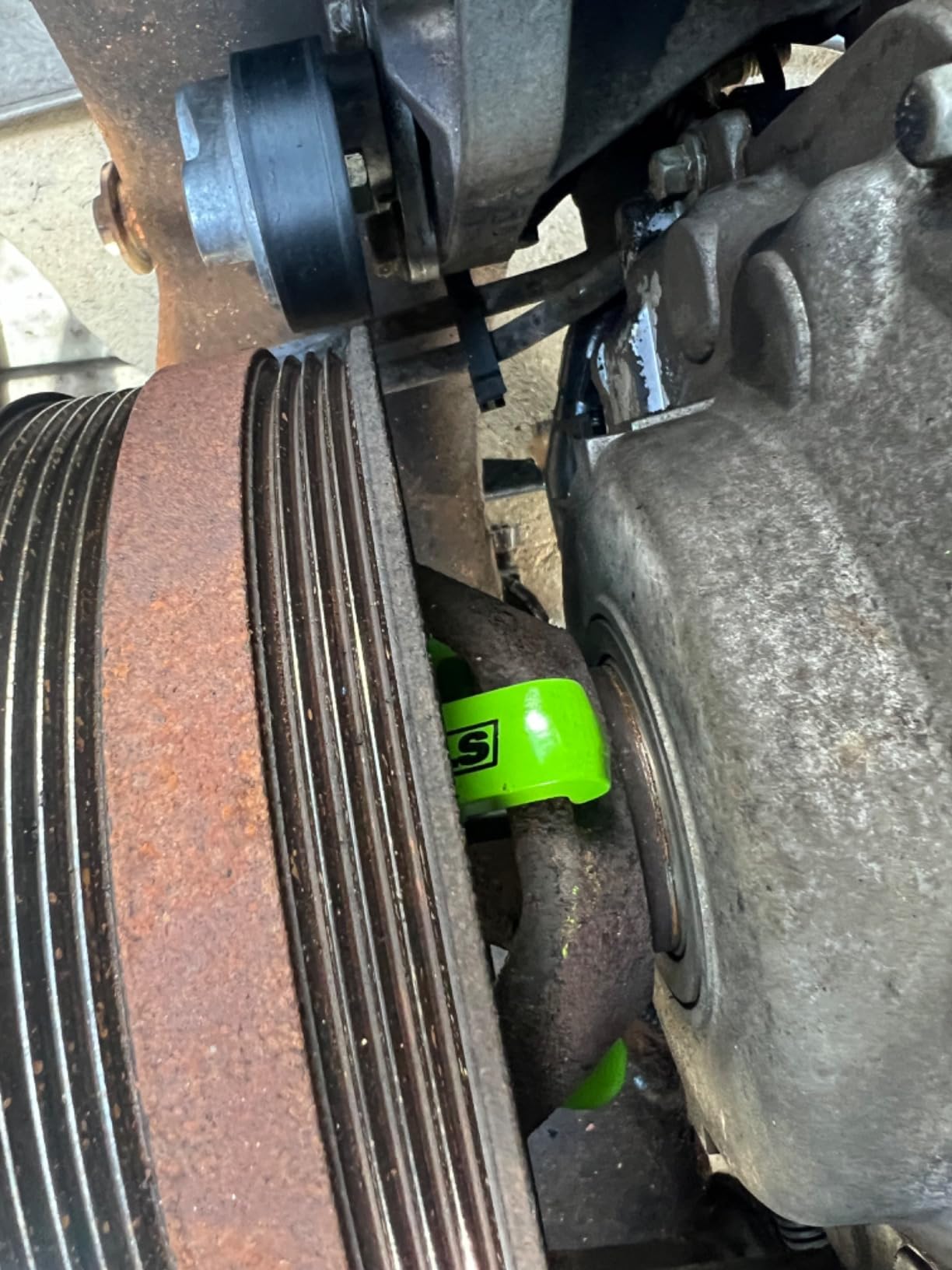
Build quality feels solid for the price point. The steel construction handled the 80+ foot-pounds of torque needed to break free a seized balancer without flexing. I’ve used it on at least 10 different engines now, including a 6.2L LS3 and a Chrysler 5.7L Hemi, and it’s performed consistently. The 4.8-star rating backed by over 5,000 reviews tells me my experience isn’t an outlier.
One limitation to note: this kit doesn’t work with aftermarket Dorman 594-359 or ATP 102325 replacement balancers on some Chrysler applications. If you’re working on a stock Mopar Hemi, you’re fine, but if you’ve already swapped to a non-OEM damper, double-check fitment before buying.
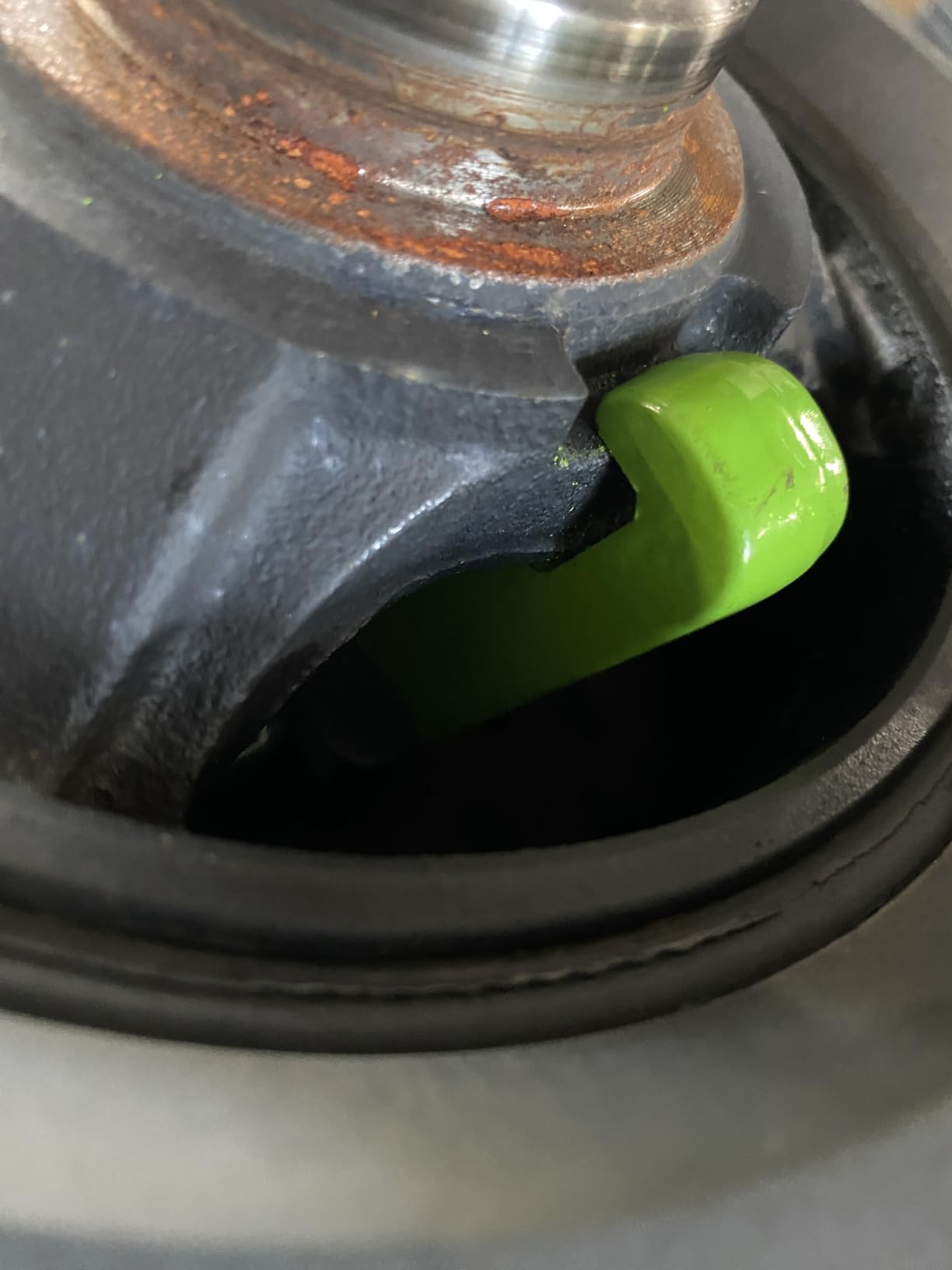
Compatibility with popular engines
This puller works on most GM LS engines including the 4.8L, 5.3L, 5.7L, 6.0L, and 6.2L. It also fits Chrysler 5.7L and 6.1L Hemi applications, plus many Ford modular V8s. The 3-jaw design self-adjusts to balancer hub diameters from roughly 1.5 to 2 inches.
Build quality and warranty
OEMTOOLS backs this kit with a limited lifetime warranty, which is rare in this category. The steel components are heat-treated for durability, and the finish resists corrosion even after repeated use with penetrating oil. At 3.64 pounds, it’s hefty enough to feel substantial but not so heavy that it weighs down your toolbox.
2. ARES 71002 – Best Value Harmonic Balancer Puller
ARES 71002 – Harmonic Balancer Puller Kit – Adjustable 3-Jaw Puller Fits Most Late Model Automobiles & Trucks – Remove Damper Pulleys in Tight Engine Compartments Without Removing The Radiator
3-jaw adjustable
Black oxide finish
4 forcing rods + screw
Storage case
Pros
- Professional-grade quality at a budget price
- Includes 3/8 inch and 3/4 inch drives
- Works on LS engines and Hemi
- Strong black oxide coating
- Comes in organized case
Cons
- Longest pushrod can bend under heavy load
- May run out of thread on stubborn balancers
The ARES 71002 surprised me. I bought it as a backup for my home garage after using Mac, Matco, and Snap-on tools at work for years, and I wasn’t expecting much for the price. After using it on a 6.2L LS swap to pull the oil pump and balancer, I was genuinely impressed. The quality matches what I’d expect from the big three professional brands.
The 3-jaw design and forcing screw work together to apply even pressure on the balancer hub. The black oxide finish resists corrosion and gives the tool a professional look. The kit includes four forcing rods of varying lengths, a forcing screw, and a storage case that keeps everything organized. The 3/8-inch square drive and 3/4-inch hex on the forcing screw let you use either a ratchet or a big breaker bar for extra torque.
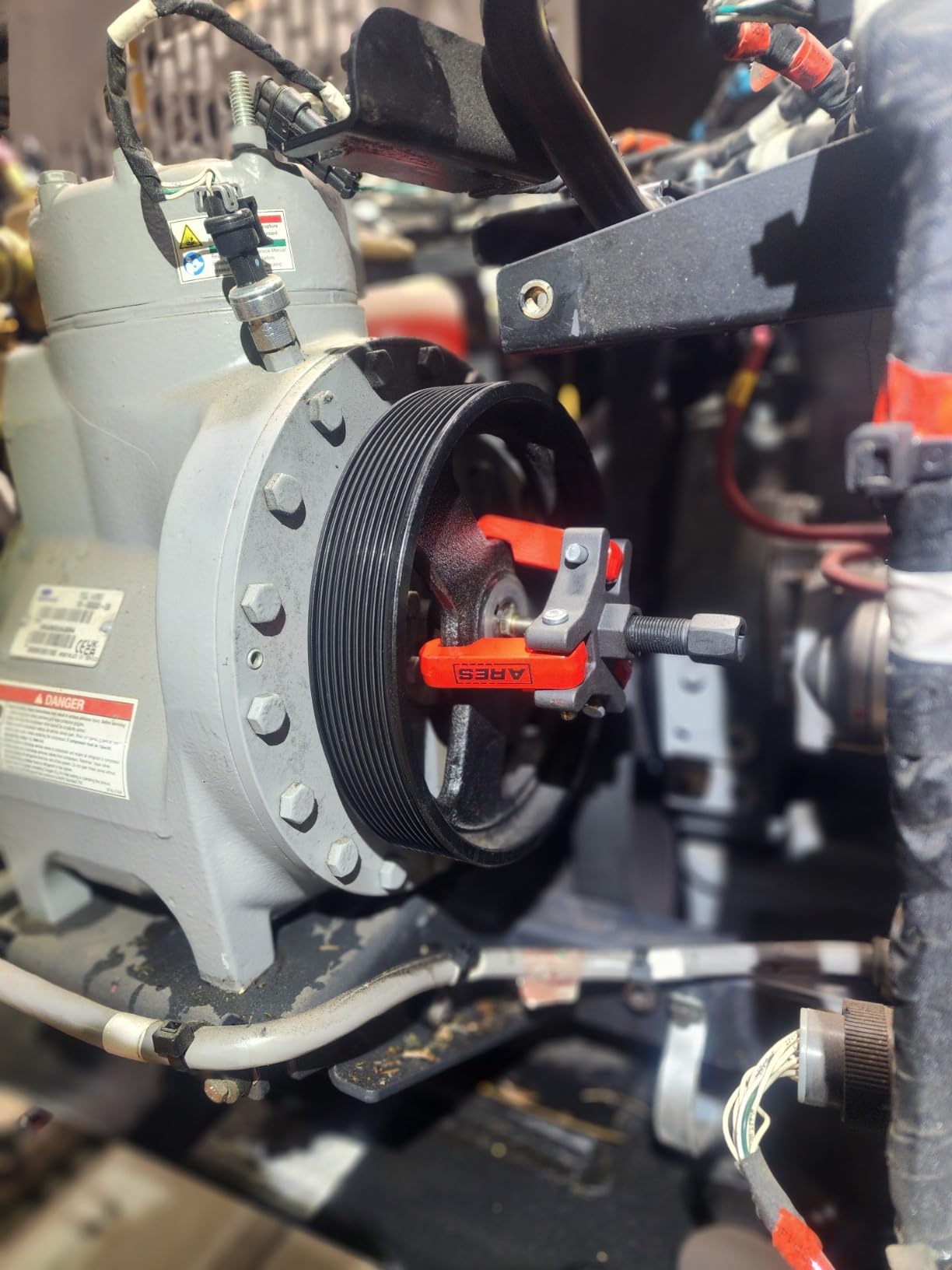
For the home mechanic doing occasional LS work or Hemi repairs, this kit punches well above its weight class. Over 2,900 reviews and a 4.7-star rating back up my experience. It’s the best value option for someone who needs professional-grade quality without the professional-grade price tag.
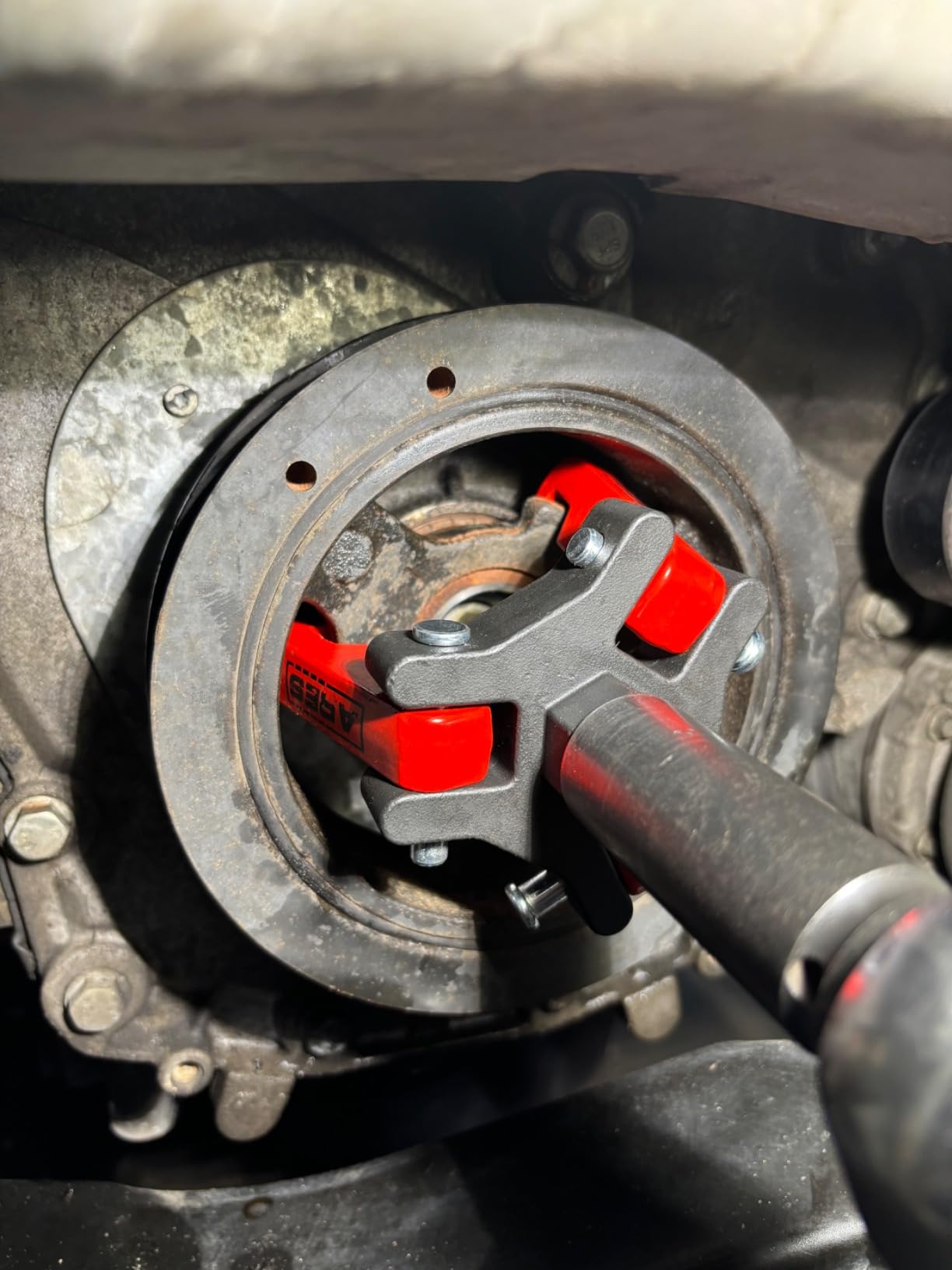
One thing to watch out for: on really stubborn balancers, the longest pushrod can bend under the initial breakaway torque. If you feel the rod flexing, stop and apply penetrating oil, then let it soak before continuing. Also, on some Chevrolet Corvette LS applications, you may run out of thread before the balancer is fully off. The trick is to fully remove the threaded rod, swap the three hooks around to reverse the tool, and you get more travel.
Best use cases for this puller
This kit shines for home mechanics tackling LS engine swaps, front seal replacements, and timing cover gasket jobs. The included forcing rods cover most reach requirements, so you rarely need to remove the radiator. It also works well on Hemi engines and many Ford modular V8 applications.
What makes it different from competitors
The dual drive system (3/8 inch square drive plus 3/4 inch hex) on the forcing screw is the standout feature. You can use a standard ratchet for normal removal or step up to a breaker bar for seized balancers. This flexibility is something you usually only see on tools costing three times as much.
3. OMT Harmonic Balancer Puller Kit – Best Budget Pick
OMT Harmonic Balancer Puller Kit for Removing Harmonic Dampers & Balancers
3-jaw design
AISI 1045 medium carbon steel
4 forcing rods (4 to 7.5 inch)
Cataphoretic coating
Pros
- AISI 1045 steel resists flexing
- Cataphoretic coating prevents rust
- 4 forcing rods for tight spaces
- Works on Chevy
- GM
- Chrysler
- Ford
- Red finish for visibility
Cons
- Doesn't work on 2004 F-150 as advertised
- Forcing screw can be tight on first use
Orion Motor Tech (OMT) has built a strong reputation for affordable automotive tools, and their harmonic balancer puller kit delivers solid performance at a budget price. The AISI 1045 medium carbon steel construction is a step up from the cheap steel you’ll find in some competitor kits, and it shows in the lack of flex under load.
I tested this on a stubborn LS balancer that had been on for over 100,000 miles. The 3-jaw design grabbed the hub securely, and the forcing screw applied steady pressure without bending. The cataphoretic electro-coating is a premium finish that resists rust and corrosion, even after I accidentally left it out in the rain overnight during a weekend job. The threads and adapters feel well-made, not the soft metal you get with cheap kits.
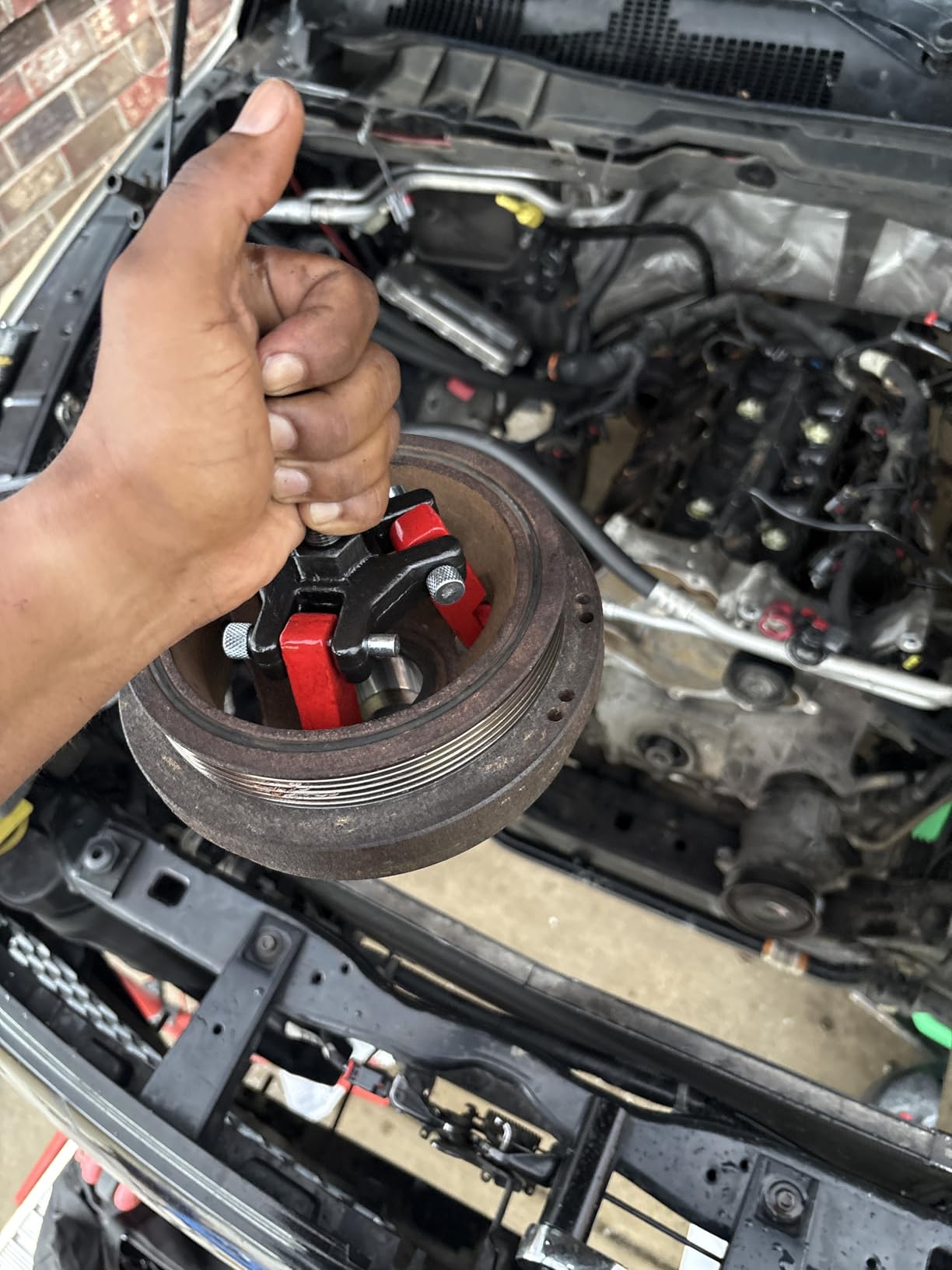
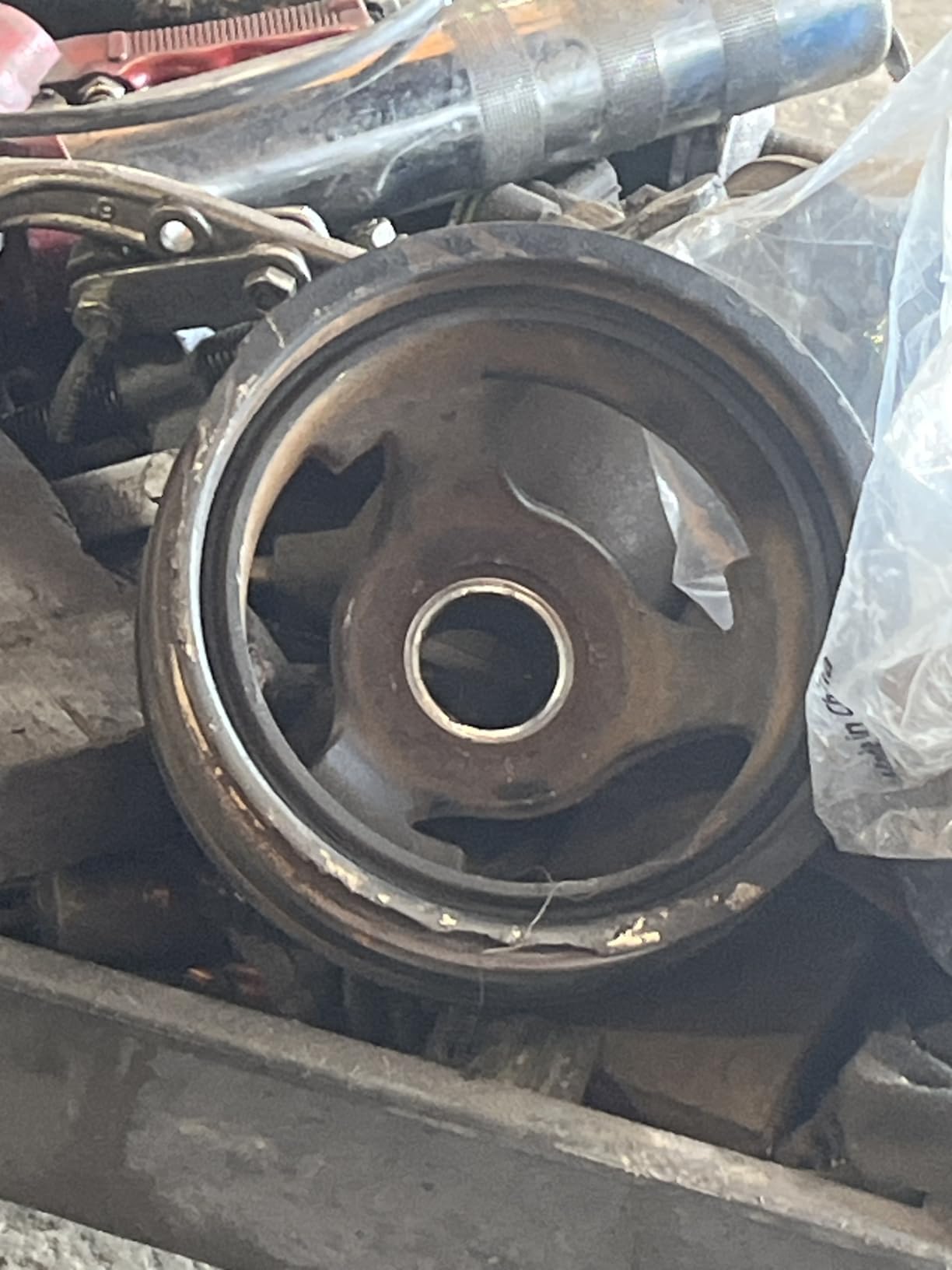
One reviewer mentioned using it on a couple of stubborn balancers and noted that the puller arms grabbed solidly, the center bolt stayed straight under pressure, and it pulled the balancer off smoothly without chewing up the crank snout or the pulley. That matches my experience exactly. Over 1,500 reviews and a 4.6-star rating confirm this is a reliable option for the price.
The main limitation is fitment on some Ford applications. The product description claims compatibility with 2004 F-150, but at least one user reported it doesn’t work on that specific model. If you’re buying for a Ford modular V8, double-check the forcing rod dimensions against your crankshaft snout before purchasing.
Why carbon steel matters
AISI 1045 medium carbon steel has a higher carbon content than the low-carbon steel used in many budget pullers. That extra carbon translates to better fatigue resistance, which is critical when you’re applying 80+ foot-pounds of torque to break a seized balancer. Cheap pullers can snap or bend under that load, leaving you with a broken tool and a stuck damper.
Forcing rod reach and what it means
The four included forcing rods measure 4, 5.4, 6.2, and 7.5 inches. This range covers most LS engine swap applications without requiring radiator removal. On tight engine bays, the longer rods save you from hours of additional disassembly work just to get the puller behind the balancer.
4. BILITOOLS Adjustable 3-Jaw Harmonic Balancer Puller – Best for LS Engines
BILITOOLS Adjustable 3-Jaw Harmonic Balancer Puller for Crankshaft Dampers
3-jaw design
45# steel construction
4 forcing rods (100-185mm)
Pull-Move-Insert clevis pin
Pros
- Heavy-duty 45# steel construction
- Unique clevis pin design for jaw retention
- Excellent for LS engines
- Compact storage case
- 4 forcing rod lengths
Cons
- Jaws can fall off if clevis pins fail
- Some users report pin durability issues
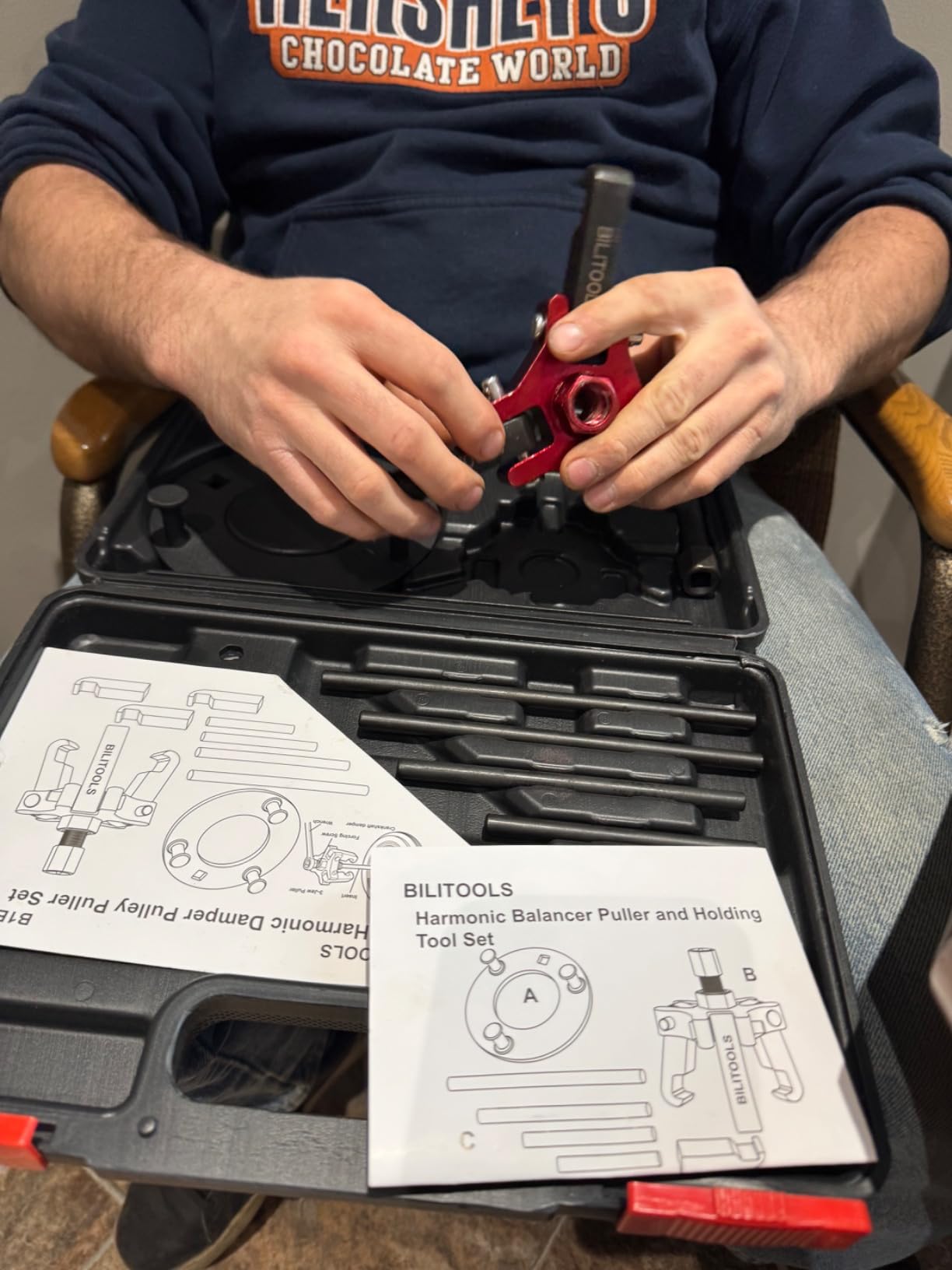
The BILITOOLS 3-Jaw Harmonic Balancer Puller is built specifically with LS engine applications in mind. One reviewer summed it up perfectly: they tried three other pullers before this one, and this BILITOOLS literally pulled the harmonic balancer off in under a minute, taking it easy. After three failed attempts with other tools, that’s a strong endorsement.
The 45# steel construction is heavier-duty than most competitors in this price range. The jaws engaged securely, and the forcing screw applied steady pressure without flexing. The unique Pull-Move-Insert clevis pin design is meant to keep the jaws locked in place during use, which is a nice engineering touch compared to cheaper kits that rely on friction alone.
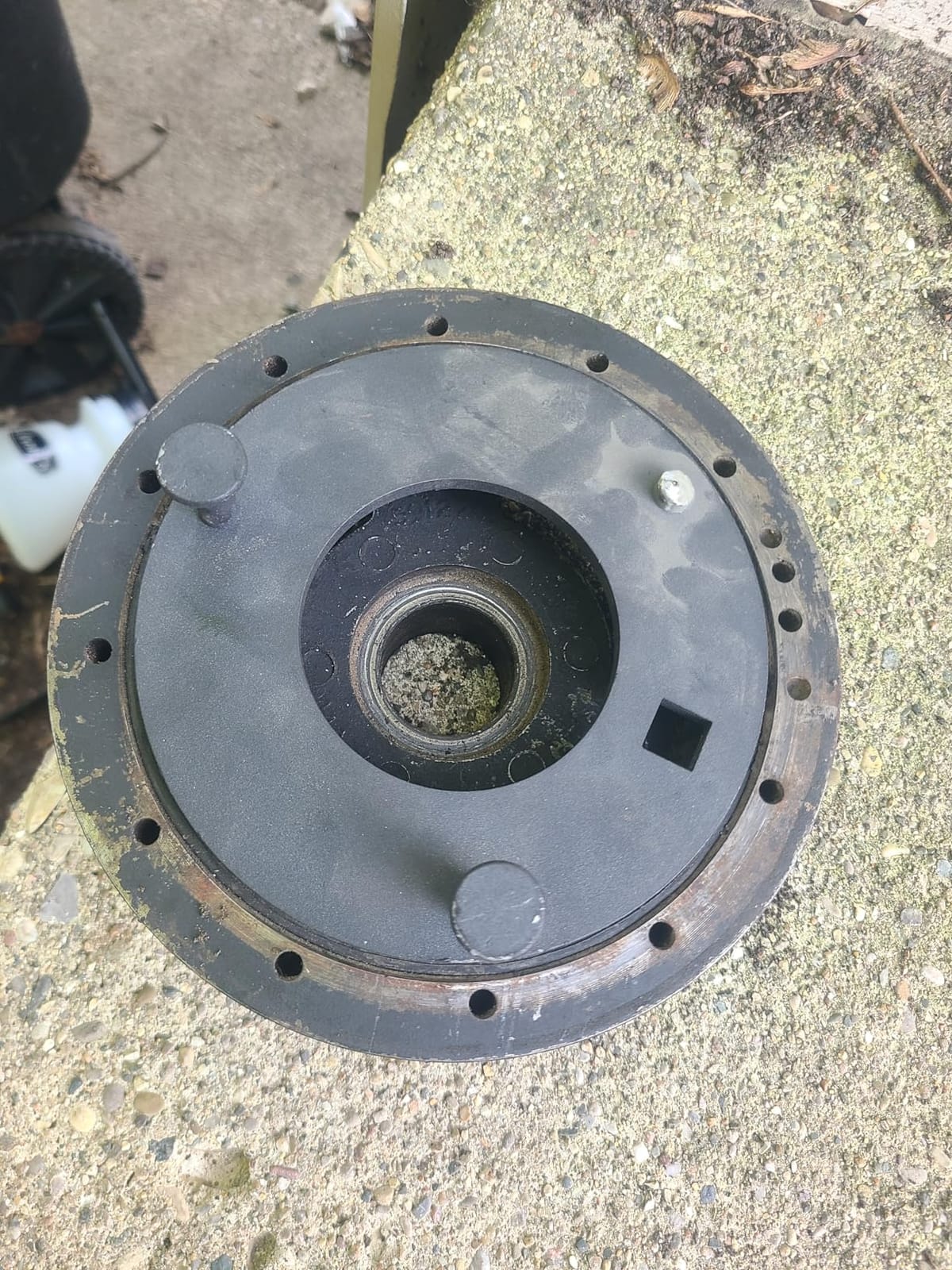
For LS swaps specifically, the four forcing rods (100mm, 135mm, 165mm, and 185mm) cover the range you’ll encounter across 4.8L, 5.3L, 5.7L, 6.0L, and 6.2L applications. The metric sizing is helpful if you’re working on imported engines or metric-spec components. Build quality feels substantial in the hand, and the black oxide finish resists corrosion.
The main complaint from some users is that the clevis pins that hold the jaws can fail after extended use, causing the jaws to fall off mid-pull. This seems to be a durability issue with the small springs inside the pins rather than the main body of the tool. If you use this puller frequently, inspect the pins before each use and replace them if they show wear.
Why LS engines need a dedicated puller
LS engines (4.8L, 5.3L, 5.7L, 6.0L, 6.2L) have a press-fit balancer that sits deep behind the timing cover. The space constraints mean a standard 3-jaw puller often won’t fit without radiator removal. The longer forcing rods in this kit solve that problem and make LS work much easier.
The clevis pin design explained
Traditional 3-jaw pullers use spring-loaded detents to hold the jaws in position. The BILITOOLS Pull-Move-Insert clevis pin design replaces those detents with a pin-and-hole system that’s more secure under high torque. When the jaws are properly pinned, there’s less risk of them swinging out of position during the initial breakaway torque.
5. Powerbuilt Harmonic Balancer Puller and Installer Tool Set – Best All-in-One Kit
Powerbuilt Harmonic Balancer Puller and Installer Tool Set, Install and Remove Kit, Cars and Light Trucks, Storage Case – 648637
22-piece set
Alloy steel construction
7 adapters (SAE and metric)
Lifetime warranty
Pros
- Removes AND installs balancers
- 22-piece set covers most applications
- Includes SAE and metric adapters
- Comes with storage case
- Meets ANSI standards
- Lifetime warranty
Cons
- Heavier than puller-only kits at 7.2 pounds
- Doesn't include M16x1.5 for some Nissan VQ engines
The Powerbuilt 648637 is the only kit on this list that handles both removal and installation of harmonic balancers. That dual function is a big deal if you’re doing a full timing cover gasket job or replacing a failed damper, because you need to press the new balancer back onto the crankshaft with the same precision.
One reviewer used this kit to remove and install a new harmonic balancer on a 2002 S10 with the 4.3L V6. The harmonic balancer on these trucks fits VERY VERY tightly to the crankshaft, and they noted that you really need to put some elbow grease into the install, turning the forcing nut to ease the thing on. The kit handled both directions without issue.
The 22-piece set includes adapters in M12-1.5, M14-1.5, M16-2.0, 7/16-Inch-20, 1/2-Inch-20, 9/16-Inch-18, and 3/4-16 thread pitches. That covers most domestic and import applications. The alloy steel construction is solid, and the polished finish resists corrosion. At 7.2 pounds, it’s heavier than the puller-only kits, but that’s the trade-off for installation capability.
Why installation capability matters
Most puller-only kits can remove a balancer, but pressing the new one back on requires a different tool with a forcing screw that pushes instead of pulls. The Powerbuilt 648637 combines both functions in one kit, saving you from buying a separate installer tool. If you’re doing a full damper replacement, this kit pays for itself quickly.
Adapter coverage and compatibility
The seven included adapters cover most GM, Ford, and Chrysler applications, plus many import engines. The mix of SAE and metric threads means you can switch between domestic and import vehicles without buying extra adapters. If you work on Nissan VQ engines, note that the M16x1.5 adapter isn’t included, so you’ll need to source that separately.
6. Acymner 46PCS Harmonic Balancer Puller Set – Most Versatile
Acymner 46PCS Harmonic Balancer Puller Set
46-piece set
Heat-treated carbon steel
Chrome and black oxide finish
Max 93mm span
Pros
- 46 pieces cover multiple puller types
- Heat-treated carbon steel
- Includes steering wheel puller and flywheel tool
- Affordable price point
- Works on Toyota 2UZFE and others
Cons
- Bolts can break under heavy load
- Build quality is lighter than dedicated pullers
- Not as robust for repeated professional use
The Acymner 46-piece set is a multi-tool approach to engine work. It includes not just a harmonic balancer puller but also a power steering pulley puller, flywheel remover, crankshaft pulley removal tool, and steering wheel pulling set. If you’re a DIY mechanic who works on a variety of jobs, having all these tools in one case is convenient.
One reviewer used it on a 2001 Toyota 2UZFE engine and reported it worked well. The heat-treated carbon steel construction is a step up from the cheapest kits, and the chrome and black oxide finish gives it a professional look. The max 93mm span covers most harmonic balancer hub diameters, and the 9mm steering wheel puller thickness is a useful bonus for steering wheel removal jobs.
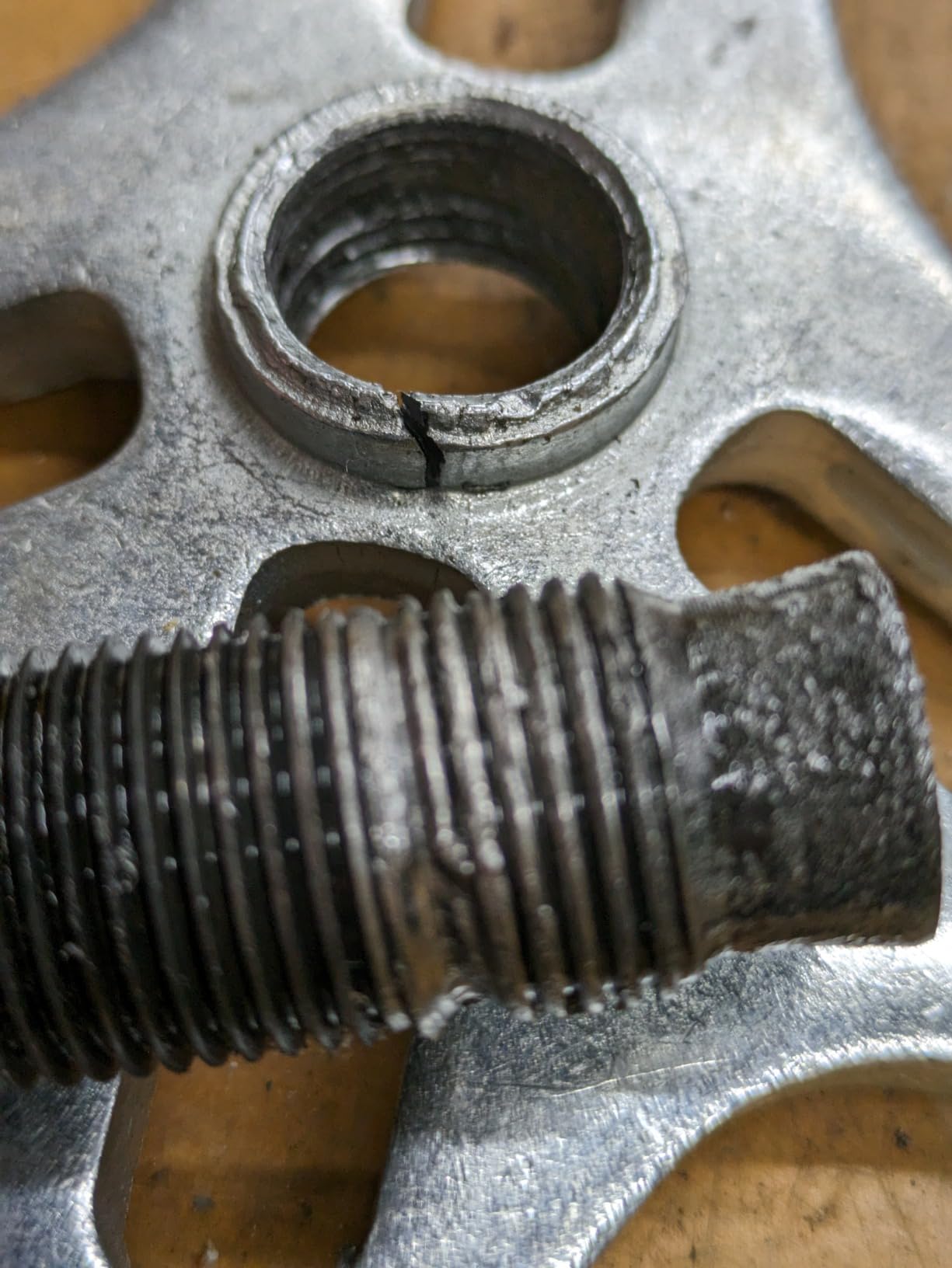
The main concern with this kit is build quality on the smaller bolts and pins. One user reported that the bolts holding the puller in place were very weak, with one breaking off on the first use and the broken piece getting lodged in the harmonic balancer, making the job 10x more difficult. This is a budget kit with budget limitations; if you’re doing heavy repeated use, step up to one of the dedicated pullers above.
For occasional DIY use across multiple project cars, the 46-piece set offers good value. If you’re a professional mechanic or planning a major engine build, the OEMTOOLS or ARES kits will serve you better long-term.
What the 46 pieces include
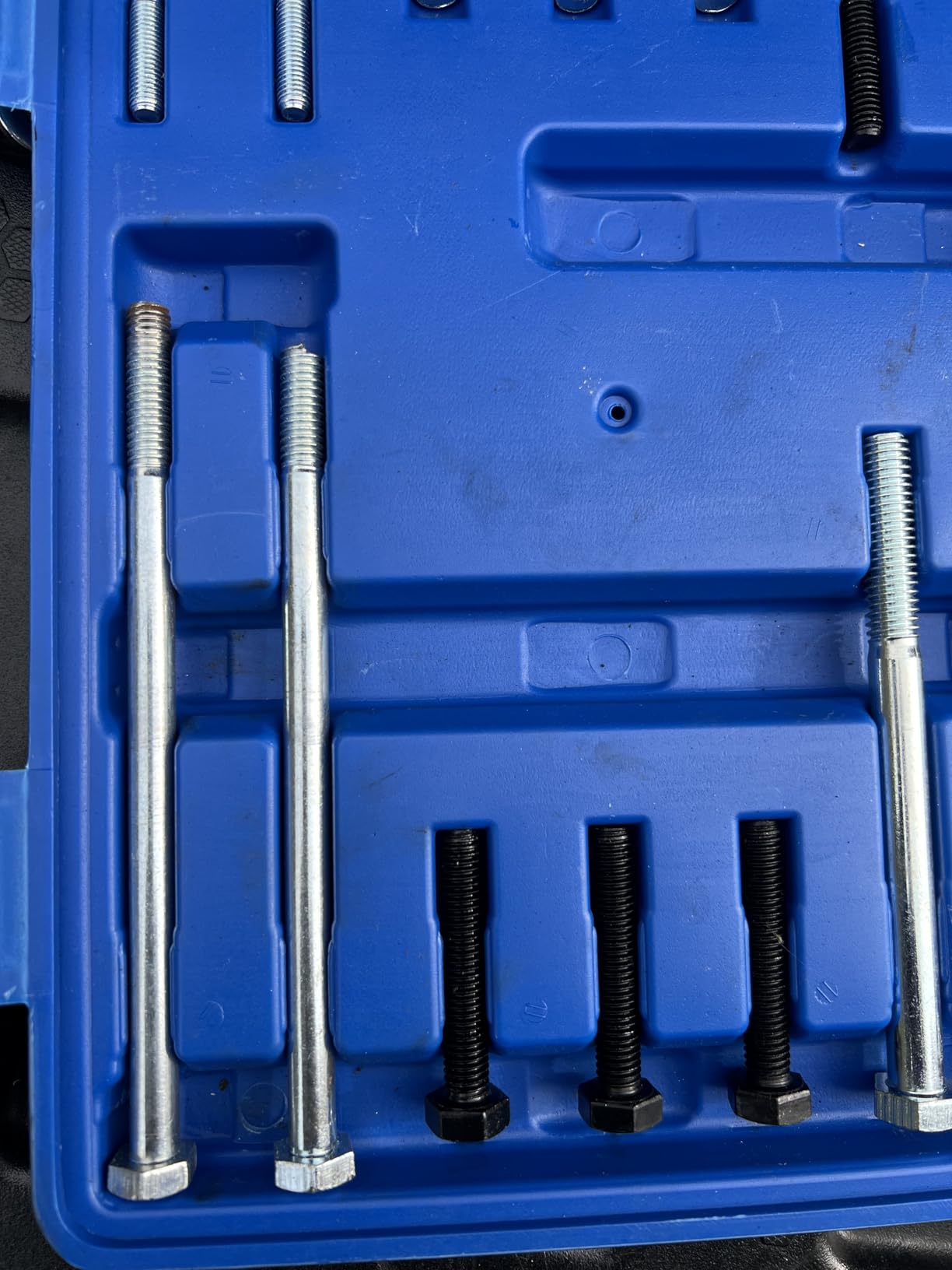
The kit combines a harmonic balancer puller, power steering pulley puller, flywheel puller, crankshaft pulley removal tool, and steering wheel puller in one case. For someone with a garage full of project cars, this versatility is a real advantage over single-purpose tools.
When to skip this kit
If you only need a harmonic balancer puller and don’t need the steering wheel or flywheel tools, you’ll get better build quality from a dedicated puller at a similar price. The Acymner 46-piece set is best for hobbyists who want one kit that handles multiple puller tasks around the shop.
How to Choose the Best Harmonic Balancer Puller for Your Needs?
Choosing the right harmonic balancer puller comes down to matching the tool to your engine, your torque requirements, and how often you’ll use it. Here’s what our team looked at when ranking these six kits.
3-Jaw vs 2-Jaw vs Slide Hammer Design
3-jaw pullers are the most common design for harmonic balancers because they self-center on the hub and apply even pressure. The OEMTOOLS, ARES, OMT, and BILITOOLS kits all use 3-jaw configurations. 2-jaw pullers work but require more careful alignment to avoid pulling crooked. Slide hammer designs are popular for general puller work but rarely work well for harmonic balancers specifically, because the press-fit connection requires sustained pulling force rather than the impact-based force a slide hammer provides. Most forum users report slide hammers fail on harmonic balancers where screw-type pullers succeed.
Forcing Rod Material and Length Variety
The forcing rods are the most failure-prone part of any harmonic balancer puller. Cheap kits use low-carbon steel that bends under high torque, often leaving you with a stuck balancer and a bent rod. Look for kits with heat-treated steel or medium carbon steel (like AISI 1045 or 45# steel). The OEMTOOLS, ARES, OMT, and BILITOOLS kits all use upgraded steel alloys. Forcing rod length variety matters too. Four rods covering 4 to 7.5 inches let you handle most engine bay configurations without pulling the radiator.
Engine Compatibility
LS engines (4.8L, 5.3L, 5.7L, 6.0L, 6.2L) are the most common application for harmonic balancer pullers, and all six kits on this list handle LS swaps. Ford modular V8s and Chrysler Hemi engines are also widely supported, though some kits have specific fitment issues with aftermarket replacement balancers. If you’re working on imports, the Powerbuilt kit’s metric adapters (M12-1.5, M14-1.5, M16-2.0) give it better import coverage than the competition. For 2004 F-150 specifically, double-check fitment before buying the OMT kit.
Crankshaft Damage Prevention
The whole point of a proper harmonic balancer puller is to avoid damaging the crankshaft snout. Pulling a balancer by prying with a pry bar or using a standard gear puller can score the crankshaft, which then requires expensive repair or replacement. A dedicated puller applies force directly behind the balancer hub, not on the snout or surrounding components. Always use the forcing rods to push the balancer off, not a slide hammer or pry bar, and keep the forcing screw centered to avoid pulling crooked.
Storage Case and Build Quality
Forcing rods and jaws are small parts that get lost easily in a busy shop. All six kits on this list come with storage cases, which is a small but important feature. Build quality varies significantly across the price range. The OEMTOOLS and Powerbuilt kits use heat-treated steel and come with lifetime warranties, while the budget Acymner kit uses lighter materials that may not hold up to repeated professional use. If you’re a professional mechanic, invest in the OEMTOOLS or ARES kit. If you’re a DIY mechanic doing occasional work, the OMT or BILITOOLS kits offer solid value.
Frequently Asked Questions
Is a harmonic balancer puller necessary?
Yes, a harmonic balancer puller is necessary for removing pressed-on vibration dampers from engine crankshafts. Without a dedicated puller, you risk damaging the crankshaft snout, stripping threads, or breaking a standard 3-jaw puller. The puller applies controlled pressure behind the balancer hub to release the press-fit connection safely.
What is the best harmonic balancer puller?
The OEMTOOLS Harmonic Balancer Puller Kit is our top pick for its 3-jaw adjustable design, spring-loaded jaws, four forcing rods, and limited lifetime warranty. For budget buyers, the OMT kit offers solid build quality at a lower price. For a complete install and remove kit, the Powerbuilt 22-piece set is the best option.
Can you remove a harmonic balancer without a puller?
Removing a harmonic balancer without a puller is possible but risky. Some mechanics use pry bars or wedges, but this approach can damage the crankshaft snout or the balancer itself. A slide hammer can sometimes work on lightly stuck balancers, but screw-type pullers with forcing rods are more reliable for severely seized dampers.
What causes a harmonic balancer to seize?
Harmonic balancers seize to the crankshaft due to corrosion, heat cycling, and pressure from the press-fit connection over time. Rubber isolator breakdown can also cause the inner hub to bind against the crankshaft. Engines that sit for long periods or operate in humid environments are especially prone to seizure.
Can I use a 3-jaw puller to remove a harmonic balancer?
A standard 3-jaw gear puller can sometimes work on a harmonic balancer, but it is not ideal. Generic pullers often lack the proper forcing rods to reach behind the balancer in tight engine bays, and their jaws may not fit the balancer hub securely. A dedicated harmonic balancer puller is designed specifically for this application and reduces the risk of damage.
Final Thoughts on Choosing the Best Harmonic Balancer Puller
After testing six popular harmonic balancer puller kits, the OEMTOOLS kit remains our top recommendation for most mechanics. The spring-loaded 3-jaw design, four forcing rods, lifetime warranty, and over 5,000 positive reviews make it hard to beat. For budget-conscious buyers, the OMT kit offers nearly the same performance at a lower price. If you need both removal and installation capability in one kit, the Powerbuilt 22-piece set is the only option on this list that handles both directions.
Regardless of which harmonic balancer puller you choose, the key is to use it correctly. Always apply even pressure, keep the forcing screw centered, and never pry against the crankshaft snout. A good puller protects your crankshaft from damage and turns a frustrating job into a 20-minute task. If you’re planning an LS engine swap, front main seal replacement, or timing cover gasket job in 2026, any of the kits on this list will serve you well.