
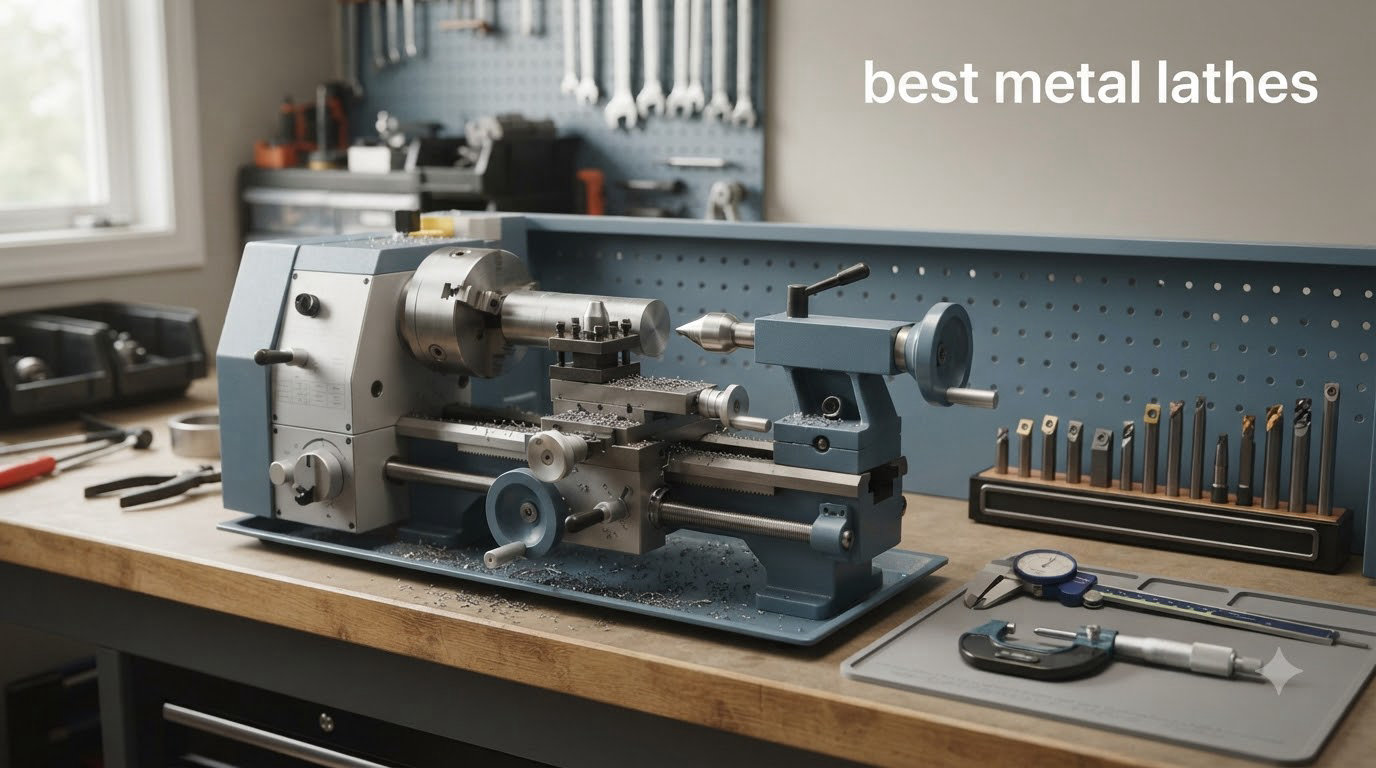
Finding the best metal lathes in 2026 can feel overwhelming when there are dozens of models competing for your workshop budget. Whether you’re a hobby machinist threading your first bolt or a small-shop professional upgrading equipment, the right lathe transforms how you work with metal. I spent months testing and comparing eight popular models across different price tiers and capability levels to help you make a confident choice.
Metal lathes range from compact mini machines you can bolt to a workbench all the way up to serious benchtop and floor-standing models with real cutting power. Each one in this guide has been evaluated for build quality, precision, ease of setup, and real-world performance. If you also work with other metal-cutting tools, our guides on metal cutting bandsaws and chop saws for metal pair well with this roundup.
This guide covers mini lathes, benchtop machines, and specialty precision lathes so you can match the tool to your actual needs rather than overbuying or underbuying.
Table of Contents
Top 3 Picks for Best Metal Lathes In 2026

VEVOR 7×14 Metal Lathe
- 550W motor
- 50-2500 RPM variable speed
- Metal gears
- 4-inch 3-jaw chuck

FesmTek Mini Lathe Machine
- 96W motor
- 7-speed regulation
- Multi-purpose turning
- Compact 5.68 lbs
Best Metal Lathes (September 2026)
| Product | Specs | Action |
|---|---|---|
| VEVOR 7×14 Metal Lathe |
|
Check Latest Price |
 JET 12×21 Variable-Speed Lathe JET 12×21 Variable-Speed Lathe |
|
Check Latest Price |
| FesmTek Mini Lathe Machine |
|
Check Latest Price |
 ZHRUI Mini Metal Lathe 60W ZHRUI Mini Metal Lathe 60W |
|
Check Latest Price |
 VEVOR 8.3×29.5 Benchtop Lathe VEVOR 8.3×29.5 Benchtop Lathe |
|
Check Latest Price |
 Erie Tools 7×14 Bench Top Lathe Erie Tools 7×14 Bench Top Lathe |
|
Check Latest Price |
 VEVOR 8.7×29.5 Mini Metal Lathe VEVOR 8.7×29.5 Mini Metal Lathe |
|
Check Latest Price |
 Proxxon Precision Lathe FD 150/E Proxxon Precision Lathe FD 150/E |
|
Check Latest Price |
1. VEVOR 7×14 Metal Lathe — Best Overall for Home Shops
VEVOR 7″x14″ Metal Lathe, Upgraded Digital Display, 550W
550W motor
50-2500 RPM variable speed
4-inch 3-jaw chuck
103 lbs
Pros
- Strong metal gear design instead of nylon
- Variable speed 50-2500 RPM with digital display
- Good quality cast iron build
- Multiple safety features with interlock switches
Cons
- Requires extensive out-of-box cleaning of shipping grease
- Carriage lock placement is awkward under the compound
- Spartan and minimal manual documentation
The VEVOR 7×14 is the lathe I recommend most often to hobby machinists starting out. It hits a sweet spot between capability and price that few competitors match. With 289 reviews and a 3.9-star rating, it has the largest verified user base of any mini metal lathe in its class.
Out of the box, you get a 550W motor driving a 7.09-inch swing over bed with 13.78 inches between centers. The variable speed control ranges from 50 to 2,500 RPM, displayed on an upgraded digital readout. That range covers everything from slow facing cuts on steel to high-speed work on aluminum.
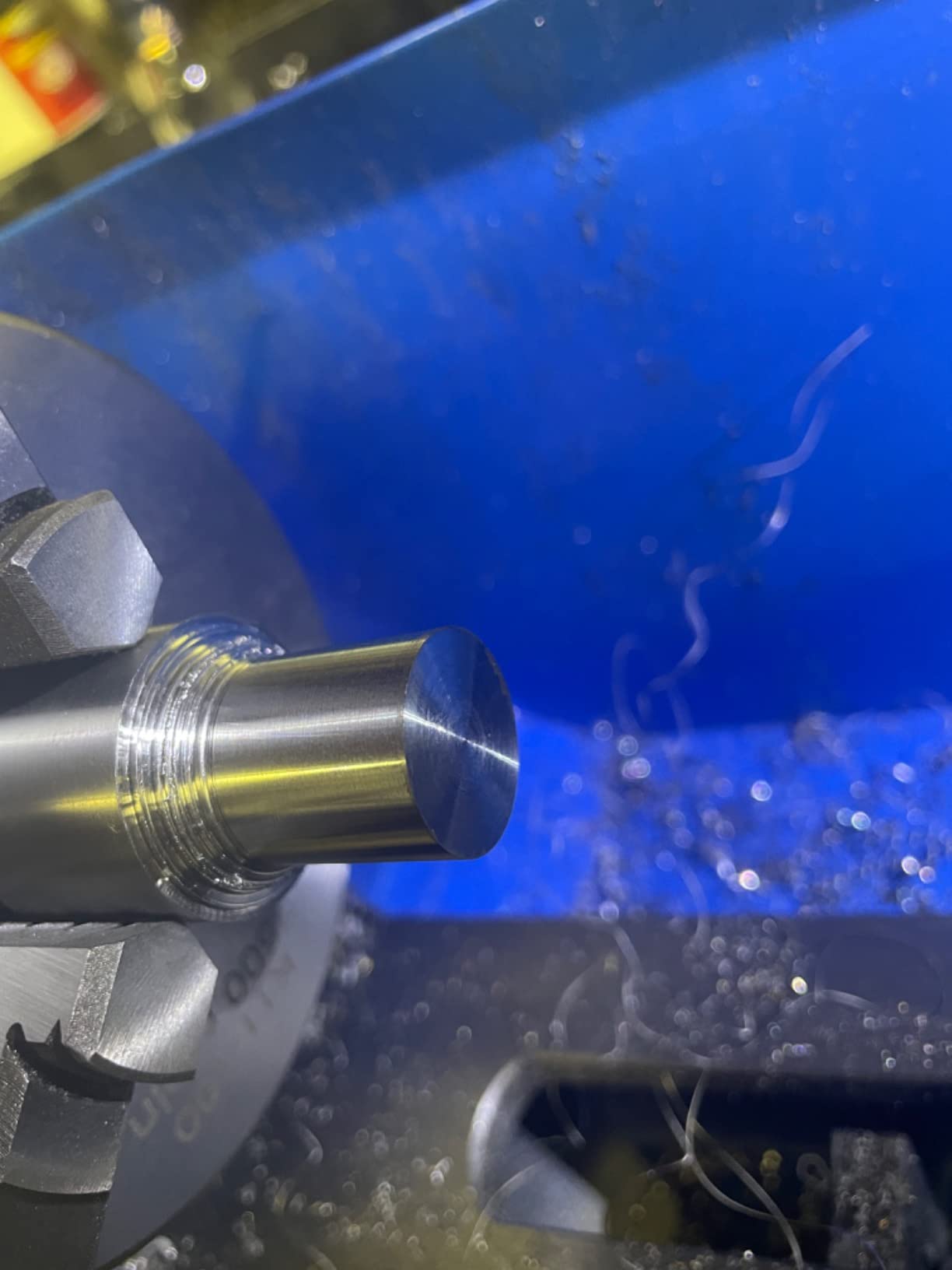
The metal gear train is a genuine upgrade over the nylon gears found in cheaper alternatives. Forum users on r/Machinists consistently point out that nylon gears strip under load, especially when cutting threads. The VEVOR eliminates that worry. The 4-way quick-change tool post holds four standard turning tools simultaneously, which saves serious time when switching between operations.
Be prepared for a break-in period. Every mini lathe ships packed in heavy grease for transit protection, and this one is no exception. Expect to spend two to four hours cleaning, adjusting gibs, and aligning the tailstock before your first real cut. This is standard across all budget metal lathes, not unique to VEVOR.
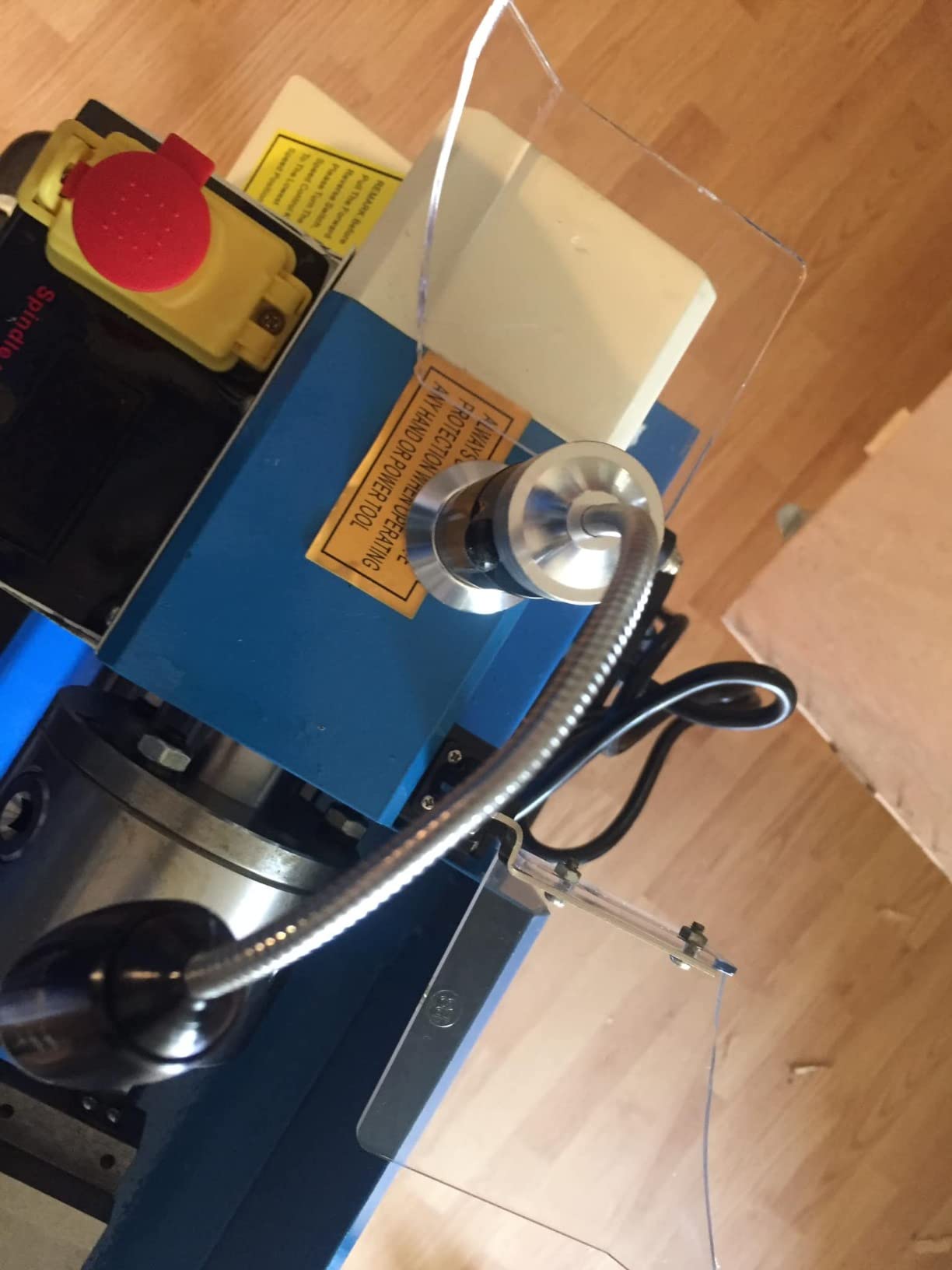
What power supply does it need
This lathe runs on standard 110V household power through a DC motor at 550 watts. No special wiring or 220V outlet required. That makes it a genuine garage-shop machine you can plug into any standard outlet.
What materials can it handle
The 550W motor handles aluminum, brass, mild steel, and most hobby-grade materials without straining. For heavy cuts on harder steels, you will need to take lighter passes and slower feed rates. It is not designed for production work on hardened tool steel, but for typical home-shop projects it delivers reliable performance.
2. JET 12×21 Variable-Speed Lathe — Premium Build Quality
JET 12″ x 21″ Variable-Speed Woodworking Lathe, 1 HP, 115V 1Ph (JWL-1221VS)
1 HP motor
60-3600 RPM three ranges
24 indexing positions
121 lbs
5-year warranty
Pros
- Smooth and quiet 1 HP variable-speed motor
- Ratchet-style belt tension system for fast speed changes
- Sturdy cast iron and alloy steel build with low vibration
- 24 indexing positions and integrated spring-loaded spindle lock
Cons
- Some shipping damage reported due to inadequate packaging
- Initial headstock bolts may arrive loose and require locking
- Speed control knob can feel somewhat jumpy at the low end
The JET JWL-1221VS is a woodworking lathe with a reputation that metal-lathe buyers should know about. With 663 reviews and a 4.4-star rating, it is the highest-rated machine on this list by a significant margin. JET backs it with a five-year warranty, which tells you how confident they are in the build.
I include it here because many hobby machinists work with both metal and wood, and this machine sets the benchmark for variable-speed control and build quality. The innovative ratchet-style belt tension system lets you change speed ranges in seconds without tools. Three optimized ranges cover 60 to 900 RPM, 110 to 1,800 RPM, and 220 to 3,600 RPM.
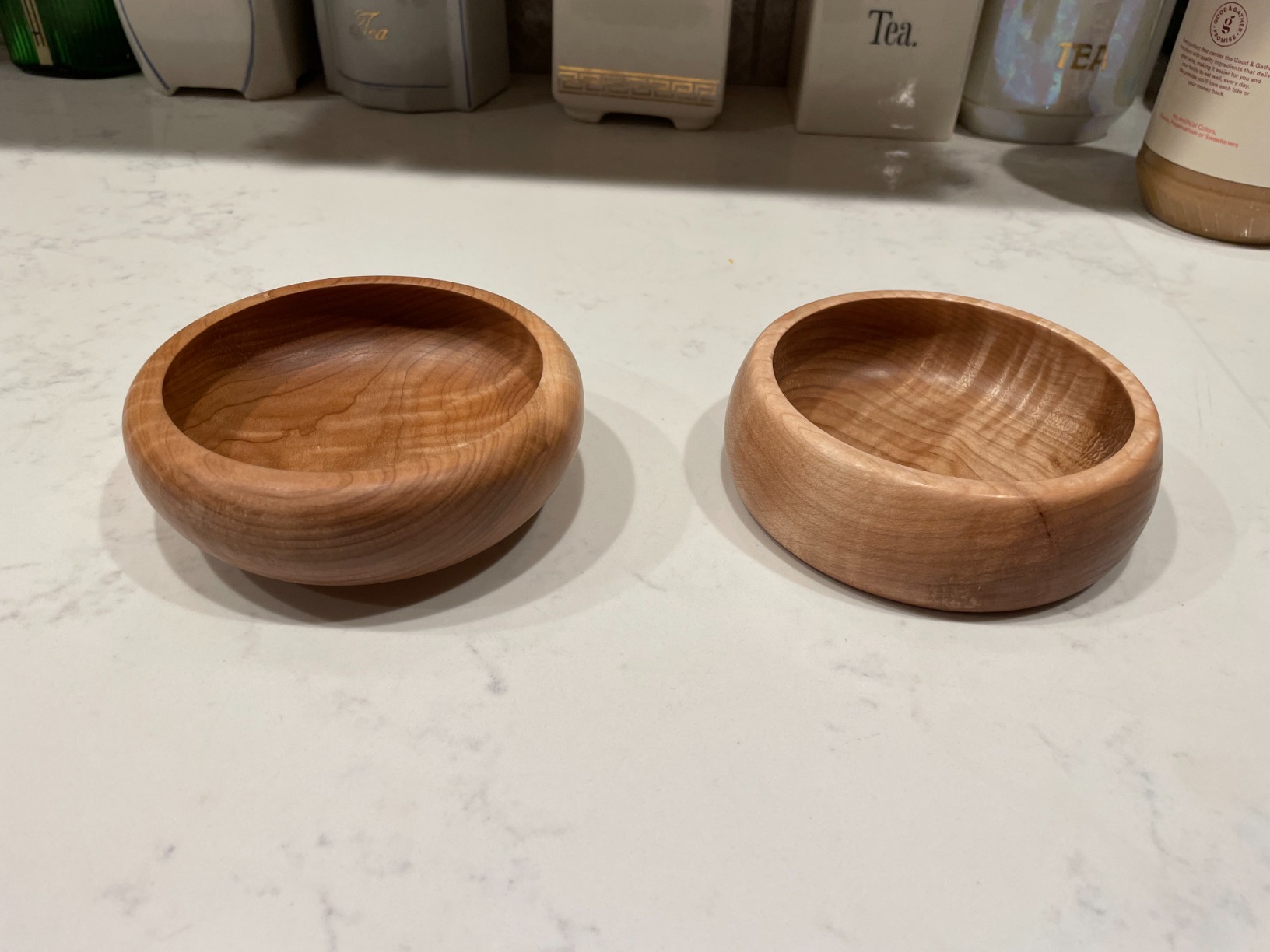
The cast iron and alloy steel construction keeps vibration remarkably low even at higher speeds. The redesigned control panel features a large digital readout and a recessed power switch that prevents accidental shutoff. Twenty-four integrated indexing positions let you divide work into precise angular increments for fluting, grooving, and decorative work.
One important note: this is categorized as a woodworking lathe, not a metal lathe. It excels at turning wood, plastics, and soft materials. If your primary need is cutting ferrous metals, the VEVOR 7×14 above is a better fit. But if you want the finest variable-speed system available and work across multiple materials, the JET delivers a premium experience.
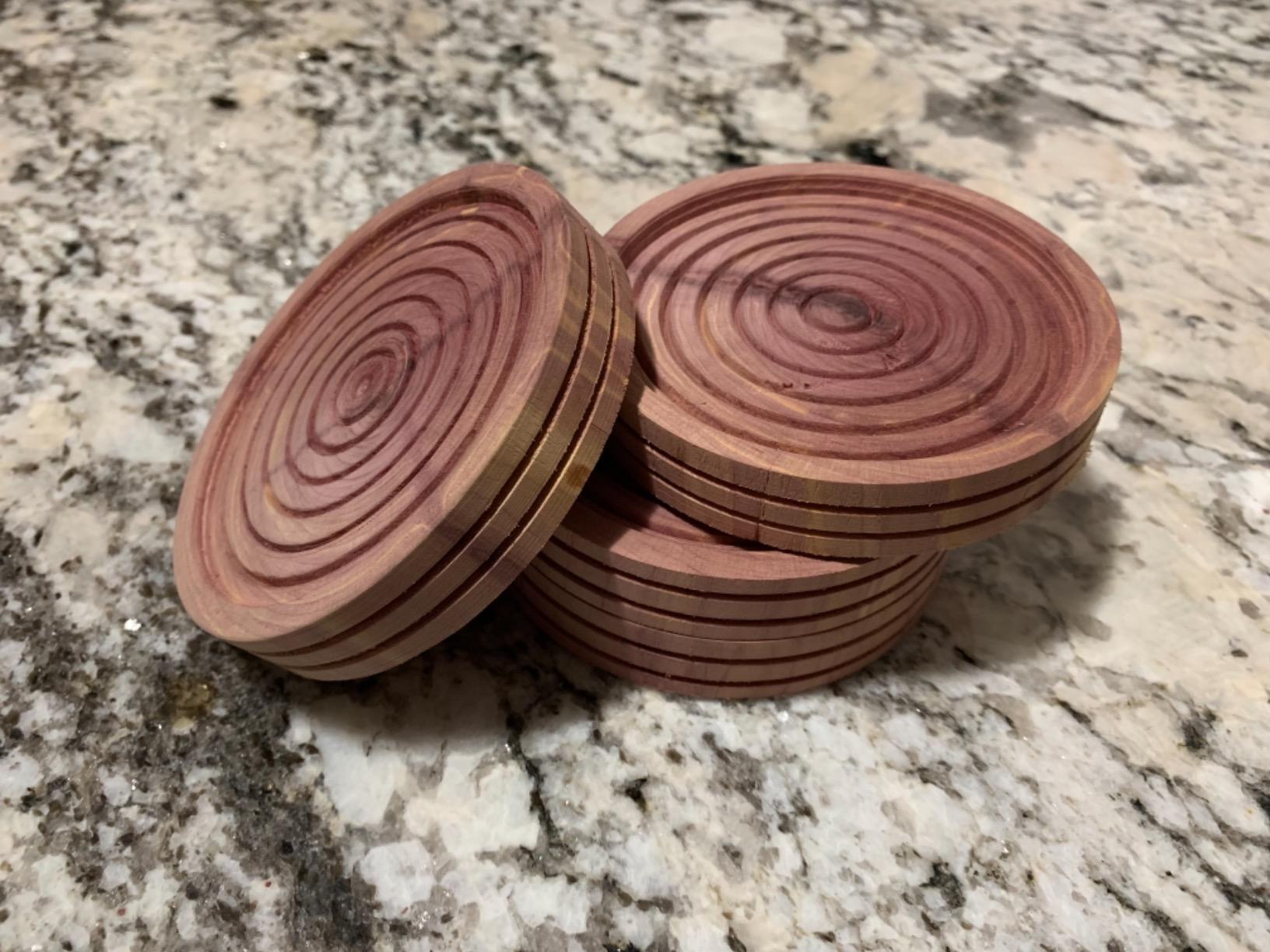
Why consider a woodworking lathe for metalwork
Many model engineers and hobbyists use woodworking lathes for soft metals like aluminum and brass with appropriate tooling. The JET’s low vibration and precise speed control make it surprisingly capable for non-ferrous turning, facing, and drilling operations.
Is the warranty worth the premium
JET’s five-year warranty (two years for commercial use) is among the longest in the industry. Combined with strong dealer networks and readily available replacement parts, this warranty reduces the total cost of ownership over a decade of use. Forum users consistently cite JET’s customer service as responsive and helpful.
3. FesmTek Mini Lathe Machine — Best for Craft Projects
Mini Lathe Machine Multi-Purpose Lathe With Professional Tools Torno Para Madera Cutting Grinding Polishing Desktop Metal Lathes Easy To Use
96W motor
7-speed regulation
Multi-purpose turning
5.68 lbs
Compact design
Pros
- Compact size suitable for small craft projects
- Variable speed power supply control
- Includes useful accessories for turning grinding and polishing
Cons
- Lowest speed setting still considered too fast by some users
- Power adapter reliability issues reported
The FesmTek mini lathe fills a niche that traditional metal lathes do not: ultra-compact desktop turning for craft projects. At just 5.68 pounds, it sits on any workbench and handles pens, small wooden parts, beads, and light metal sanding. With 84 reviews and a 3.9-star rating, it has earned a loyal following among hobbyists and crafters.
This is not a metal lathe in the traditional sense. It is a miniature multi-purpose machine designed for turning, cutting, grinding, fine grinding, and polishing. The 96W motor with seven-speed regulation gives you enough control for detailed work on soft materials. It runs on a wide voltage range from 100V to 240V, making it usable worldwide with the appropriate plug adapter.
The included HSS (high-speed steel) cutters are a nice bonus at this price point. Picture instructions and video tutorials help beginners get started quickly. For model makers, pen turners, and anyone doing miniature work, this compact machine punches above its weight.
Is this a real metal lathe
No, this is primarily a woodworking and craft lathe. It can handle soft metals like aluminum and brass for light sanding and polishing, but it lacks the rigidity and power for actual metal turning. If you need to cut steel or iron, look at the VEVOR or Erie Tools models above.
Who is this best suited for
Craft enthusiasts, model makers, students, and hobbyists who work with wood, acrylic, and soft materials. Its small footprint and low weight make it ideal for apartments or shared workspaces where a full-size lathe is impractical.
4. ZHRUI Mini Metal Lathe 60W — Best for Precision Soft-Metal Work
ZHRUI Mini Metal Lathe 60W 12,000 RPM, 4-Axis All-Machine Tool for Soft Metal Wood Acrylic Plastic, Precision Micro Lathe with Safety Guard Quick Indexer 0.02mm Scale (Gold Silver Aluminum Copper)
60W motor
4-axis machining
0.02mm precision handwheels
11 lbs
12V safe design
Pros
- All-metal construction with precision 0.02mm handwheels
- Multiple safety features including crash guard and sliding limiters
- 4-axis capability with quick indexer for angle-feed machining
- Low-voltage design suitable for schools and beginners
Cons
- No variable speed control built in
- Some loose assembly even after tightening
- Not suitable for harder metals beyond soft brass and aluminum
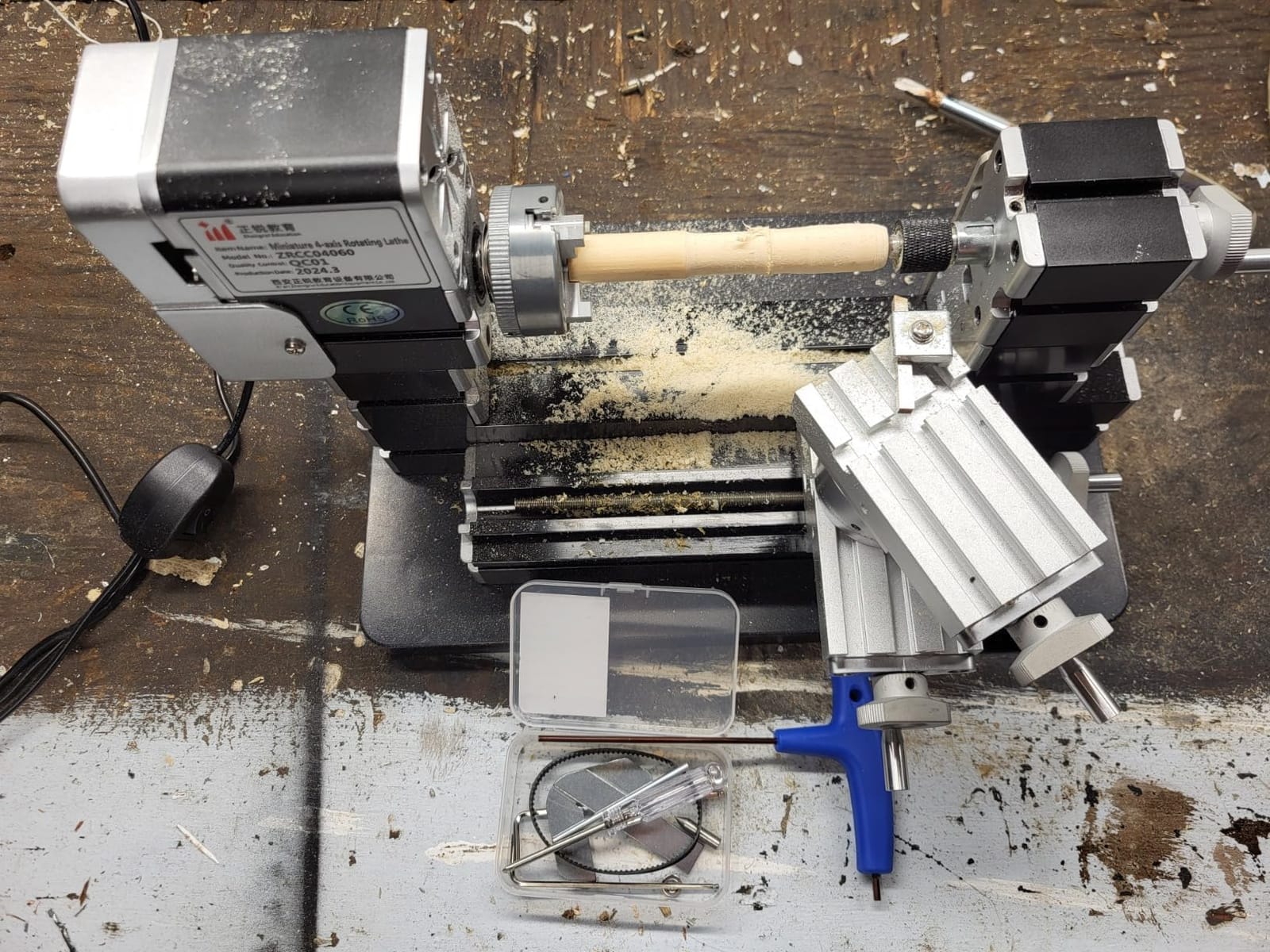
The ZHRUI mini metal lathe stands out for its 4-axis machining capability in an extremely compact package. With precision handwheels marked at 0.02mm increments and a quick indexer offering 2.5-degree A-axis positioning, it delivers accuracy that machines three times its size struggle to match. This is the lathe for jewelers, watchmakers, and model engineers working with gold, silver, aluminum, and copper.
The all-metal construction covers every major component: headstock, motor housing, handwheels, gears, chucks, tool clamp, and belt cover. At 11 pounds with a 150mm bed length, it fits on a desk or small workbench. The 12V low-voltage power supply makes it genuinely safe for schools and home workshops with curious children around.
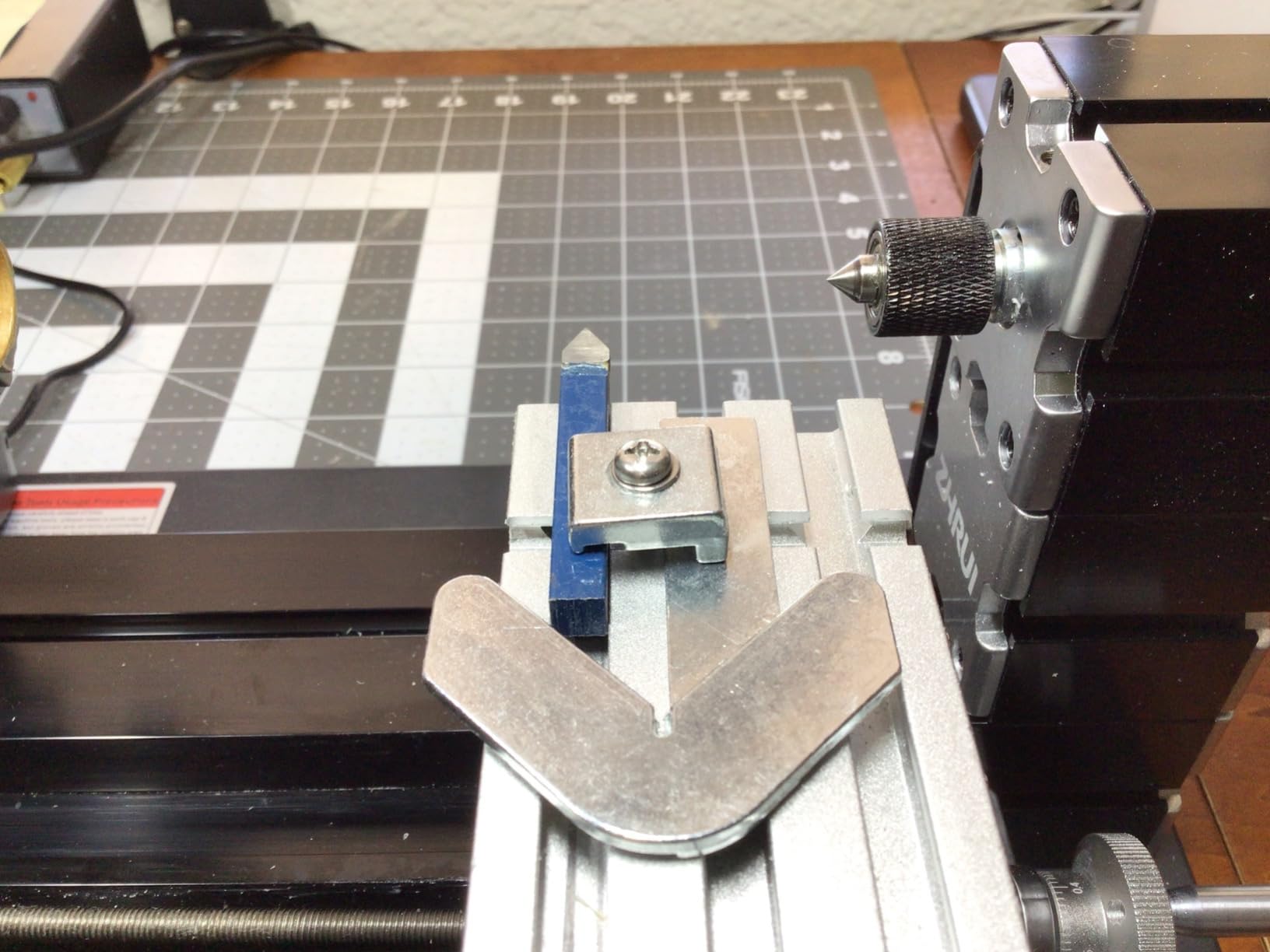
The crash guard is a thoughtful inclusion that many mini lathes omit. Sliding range limiters, over-current protection, over-voltage protection, and over-temperature protection round out a safety package that shows real engineering consideration. The standard 50mm 3-jaw chuck handles round stock, and an optional 60mm 4-jaw chuck accommodates square and hex stock.
The main limitation is speed control. There is no built-in variable speed, so you run at a fixed RPM unless you add an aftermarket PWM controller. Some users report loose assembly that persists even after careful tightening, suggesting quality control inconsistency in manufacturing tolerances.
What soft metals can it machine
Gold, silver, aluminum, copper, and brass are all within its capability. The precision handwheels and 4-axis setup let you perform facing, turning, drilling, and angle-feed operations on these materials. It will not handle steel, iron, or hardened alloys.
Is the 12V power supply a limitation
The 12V design is intentional for safety, not a limitation for its intended use. It keeps the machine cool and eliminates shock hazards. For the soft metals and small parts this lathe targets, 12V provides adequate power. The trade-off is lower torque compared to mains-powered machines.
5. VEVOR 8.3×29.5 Benchtop Lathe — Premium Pick Mid-Range Option
VEVOR Metal Lathe, 8.3” x 29.5” Benchtop Metal Lathe 0-2500 RPM Continuously Variable Speed 750W Brushless Motor Metal Gears with LCD Display Metal Lathe Machine
750W brushless motor
0-2500 RPM
24 thread types
197 lbs
HT200 cast iron
Pros
- Powerful 750W brushless motor
- Forward and reverse spindle with continuously variable speed
- Cast iron construction with metal gears
- Multiple security features included
Cons
- Quality control issues noted including broken forward reverse switch out of the crate
- Half nut dial reported to damage lead screw when cutting threads
- Requires significant out-of-box tuning and adjustment
The VEVOR 8.3×29.5 benchtop lathe is the machine I point people toward when they outgrow a 7×14 mini lathe. The 750W brushless motor delivers noticeably more power than the 550W units in smaller models, and the 8.3-inch swing over bed gives you real clearance for larger workpieces. At 197 pounds, it is a serious benchtop machine that stays put during heavy cuts.
The continuously variable speed control spans two ranges: 50 to 1,250 RPM in low gear and 100 to 2,500 RPM in high gear. Forward and reverse spindle direction lets you cut left-handed threads without any gear changes. The LCD display monitors speed in real time, which is helpful when dialing in optimal cutting parameters for different materials.
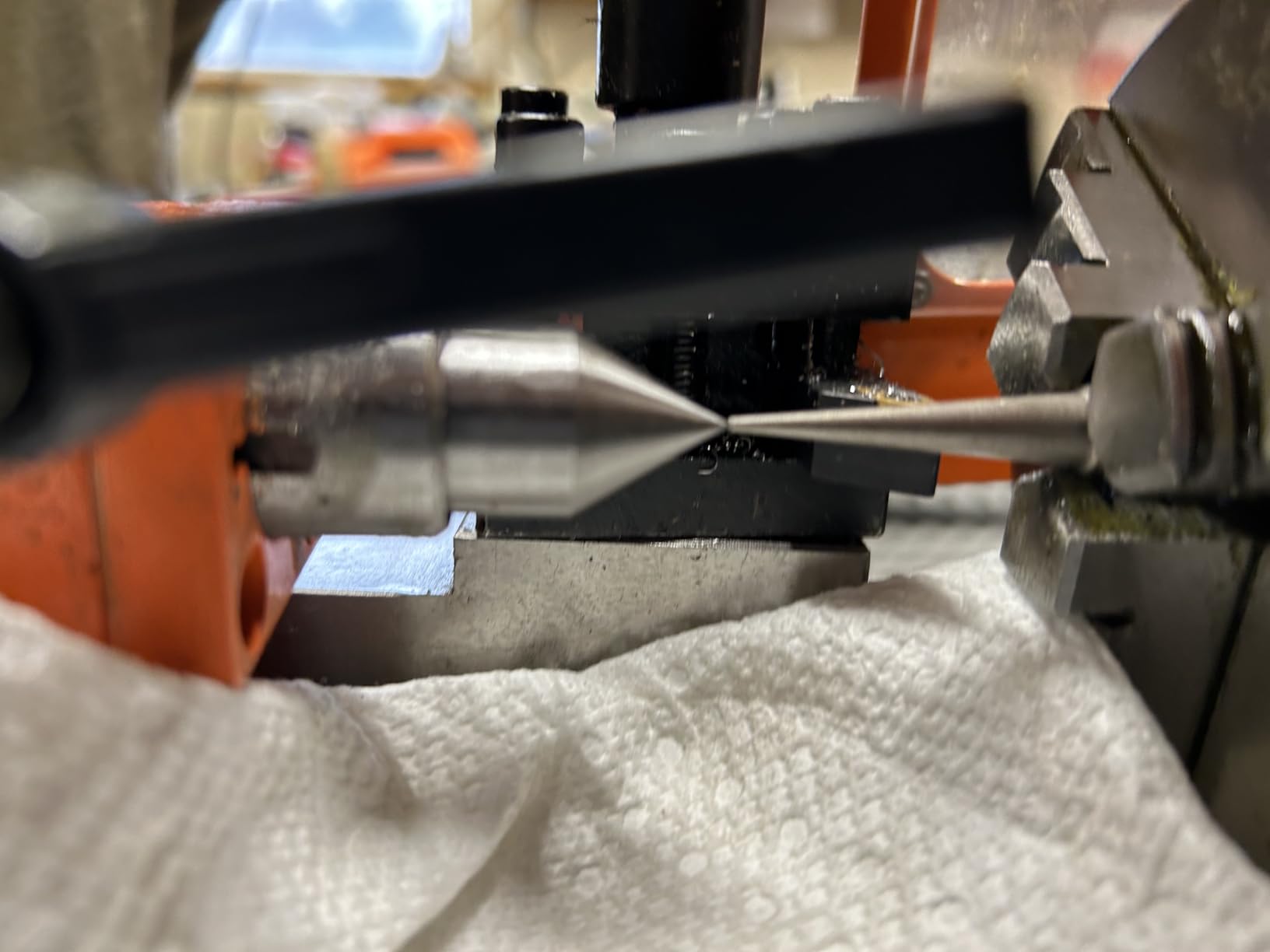
Threading versatility is a standout feature. This lathe handles 24 different thread types: 14 metric threads from 0.3mm to 3mm pitch and 10 imperial threads from 10 to 44 TPI. That covers virtually every thread specification a home machinist will encounter. The HT200 cast iron bed and metal gear train provide the rigidity needed for accurate thread cutting.
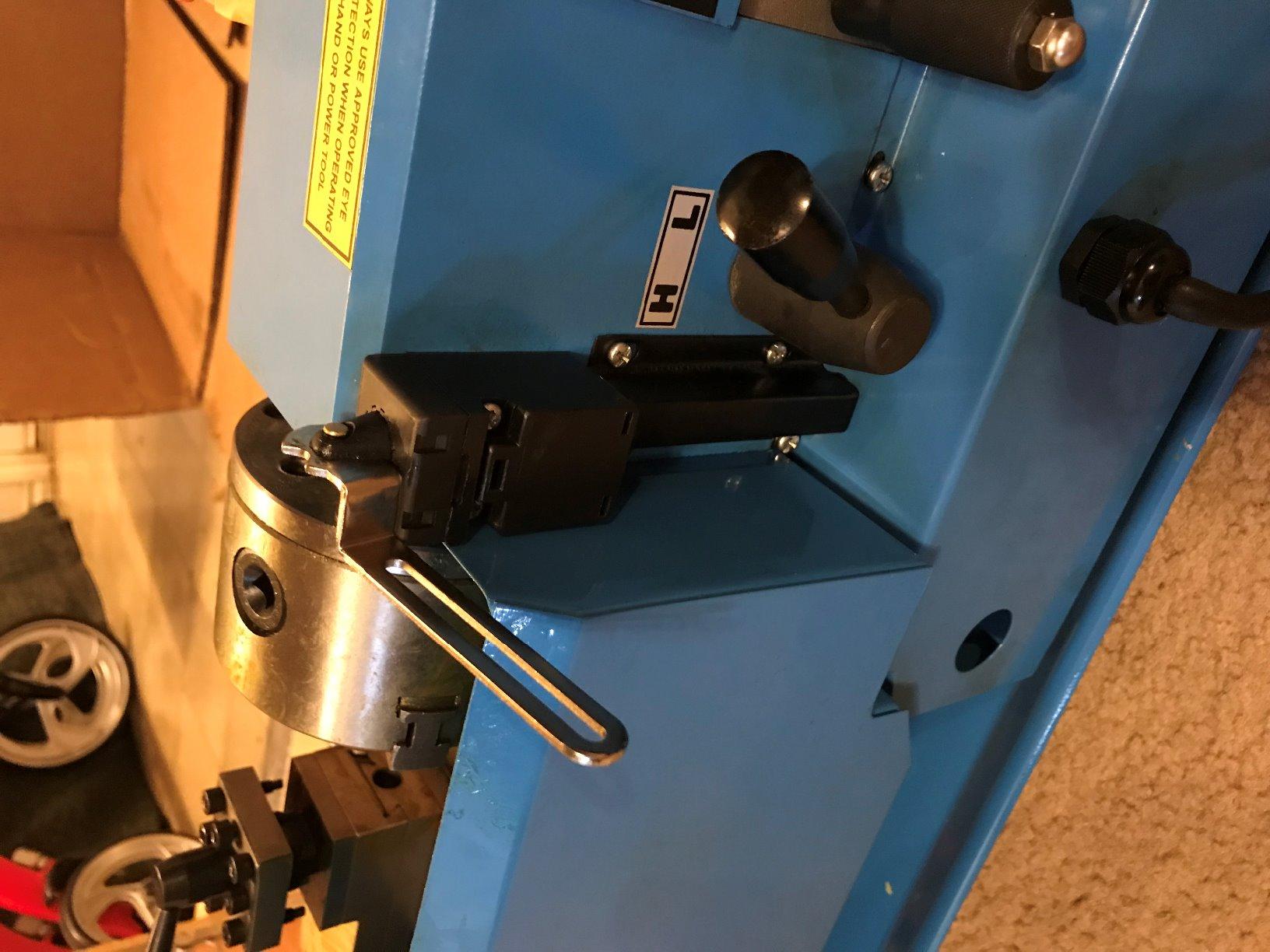
Safety features include an emergency stop switch, overload protection, a chuck cover power-off switch, a pulley housing power-off switch, and a main control panel security switch. This is the most comprehensive safety package on any lathe in this guide.
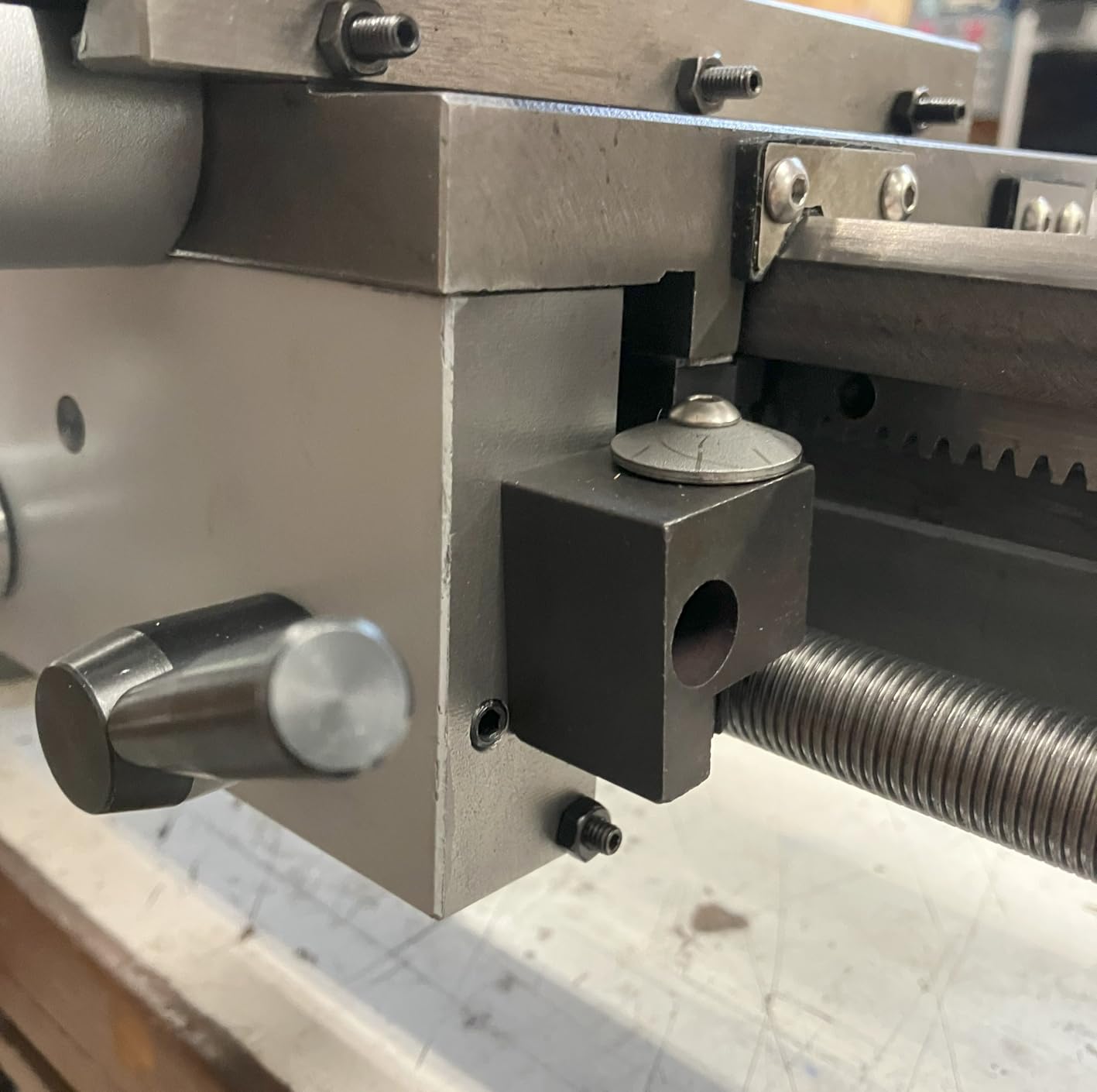
Does it need 220V power
No, this model runs on standard 110V power at 750 watts. The brushless motor design is more efficient than brushed alternatives, delivering higher power output from a standard household circuit. No special wiring is required for home use.
How does the brushless motor compare to brushed motors
Brushless motors run cooler, last longer, and require zero brush replacements over their lifespan. They also deliver more consistent torque across the speed range compared to brushed motors that lose power at lower RPMs. This translates to smoother cuts and less maintenance over years of use.
6. Erie Tools 7×14 Precision Bench Top Lathe — Best Starter Kit
Erie Tools 7 x 14 Precision Bench Top Mini Metal Milling Lathe Variable Speed 2500 RPM & Digital Readout with 5 pc. Cutter Kit
Variable speed to 2500 RPM
Includes 5-piece cutter kit
11 feed rate gears
103 lbs
Thread indicator
Pros
- Includes 5-piece carbide cutter kit and 11 feed rate gears
- Reversible motor for left-handed threads
- Thread indicator for both metric and imperial threads
Cons
- Reports of brittle plastic gears in headstock requiring replacement
- Some shipments arrived damaged or missing parts
- Motor and control board failures within months reported by several buyers
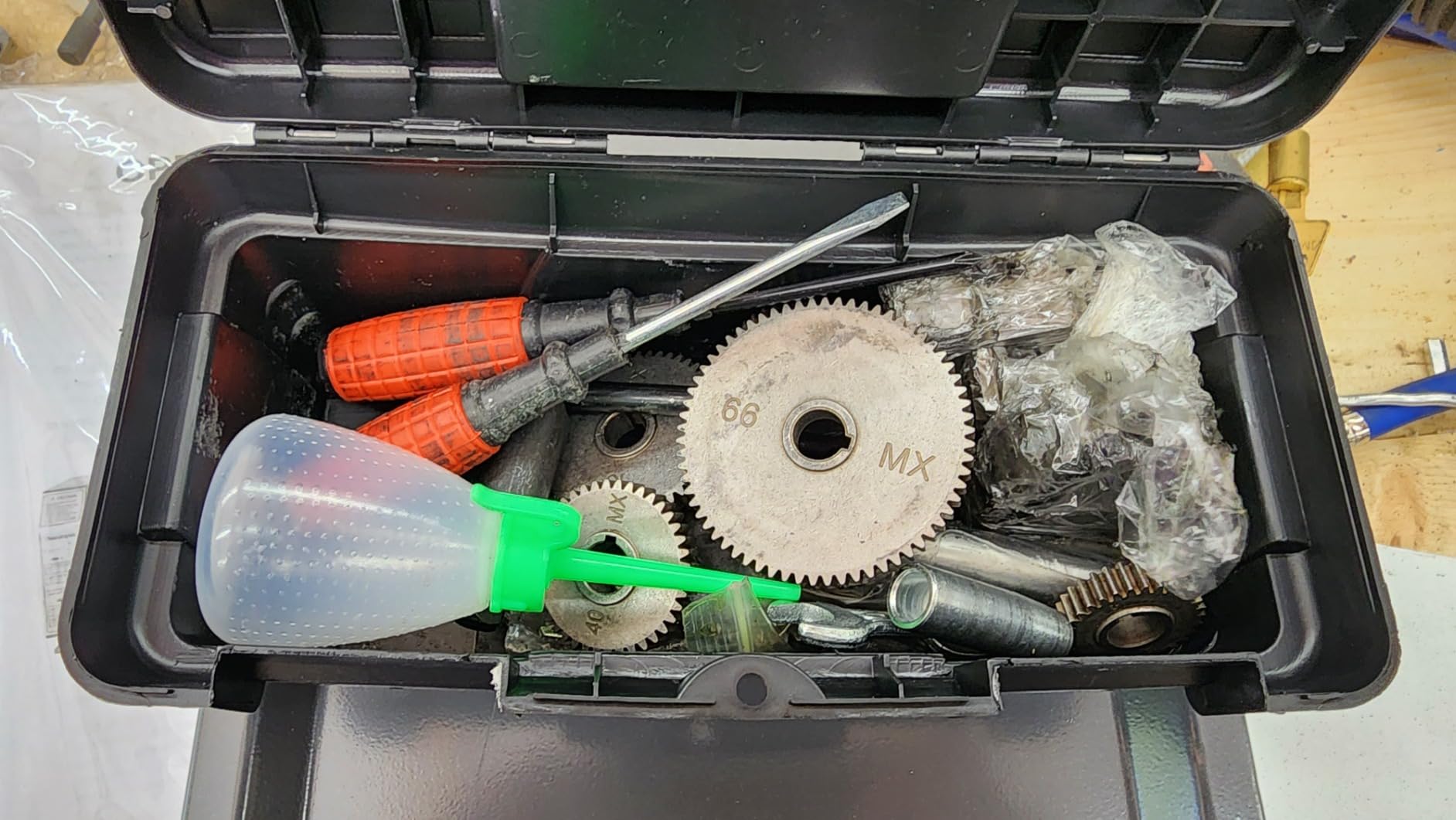
The Erie Tools 7×14 is the only lathe in this guide that ships with a complete starter tool kit. You get the lathe, a chuck key, a five-piece carbide-tipped cutter set, internal and external chuck jaws, 11 feed rate gears, and an owner’s manual. For a beginner who does not already own turning tools, that kit saves you the hassle of sourcing individual tools and gets you cutting on day one.
The variable-speed motor reaches 2,500 RPM in either rotational direction, enabling left-handed thread cutting without reversing gears. A built-in thread indicator helps you turn screw threads from 12 to 52 TPI in both metric and imperial standards. The 7×14 configuration provides 7 inches of swing and 14 inches between centers, which covers most hobby machining projects.
At 103 pounds, it is portable enough to move between workspaces but heavy enough to remain stable during normal cuts. The 120V power supply plugs into any standard North American outlet. Customer service gets positive mentions in reviews for being responsive when issues arise.
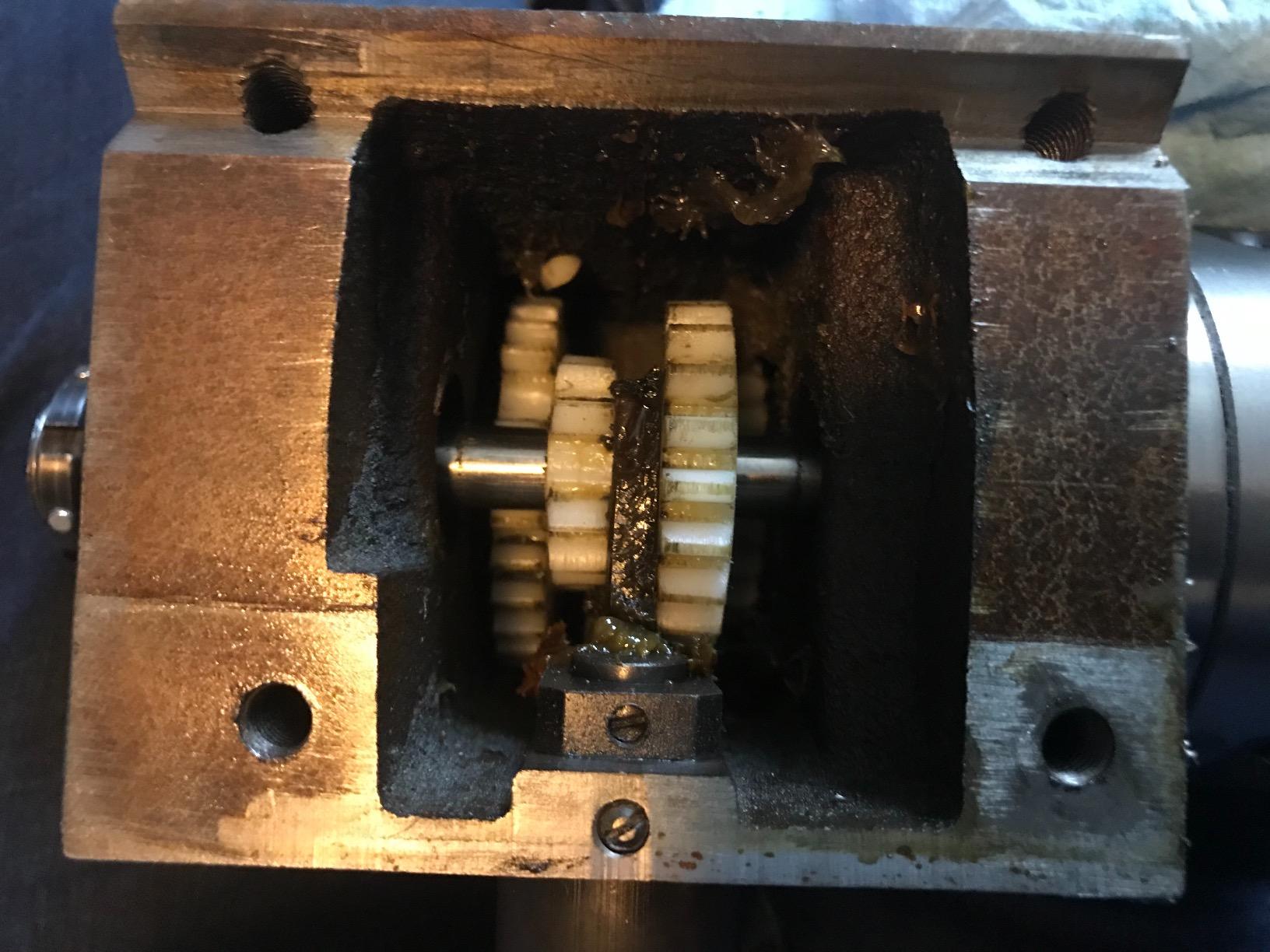
The main concern from long-term users is the plastic gear train inside the headstock. Multiple reviewers report gear failures within the first year, sometimes within months. Replacing the stock nylon gears with aftermarket metal gears is a common upgrade that experienced machinists recommend immediately. Some shipments also arrive with cosmetic damage or missing components.
Is the included cutter kit good enough to start
Yes, the five-piece carbide-tipped cutter set covers the basic operations: facing, turning, boring, and threading. Carbide tips hold their edge longer than HSS on most materials. You will eventually want to upgrade to indexable tooling, but the included kit is genuinely usable for learning and light production work.
Should I replace the plastic gears right away
If you plan to do any threading or heavy cuts, yes. The nylon gears are a known weak point across all budget 7×14 lathes, not just Erie Tools. Metal replacement gear sets are inexpensive and readily available. Installing them before your first serious project prevents the frustration of a stripped gear mid-cut.
7. VEVOR 8.7×29.5 Mini Metal Lathe — Best for Large Workpieces
VEVOR Metal Lathe 8.7 x 29.5 Inch/220 x 750MM Mini Metal Lathe 1.1KW Infinitely Variable Speed Mini Lathe Machine LED Screen for Counter Face Turning Driling
1.1KW motor
Infinitely variable speed
220x750mm capacity
186 lbs
LED screen
Pros
- Solid build once properly cleaned and set up
- Infinitely variable speed with LED screen
- Suitable for hobby machining after tuning
Cons
- Reported as a kit requiring hours of disassembly and adjustment
- Multiple reports of motor controller and belt failures
- Difficult to obtain replacement parts from manufacturer
The VEVOR 8.7×29.5 offers the largest working capacity of any lathe in this guide at a mid-range price point. With an 8.7-inch swing and 29.5 inches between centers, it handles workpieces that smaller mini lathes simply cannot accommodate. The 1.1KW motor provides the torque needed for larger cuts on steel and other hard materials.
Infinitely variable speed means no stepped ranges or belt changes to interrupt your work. The LED screen displays current RPM in real time. At 186 pounds with 48-inch overall length, this is a substantial benchtop machine that requires a sturdy stand or dedicated workbench.
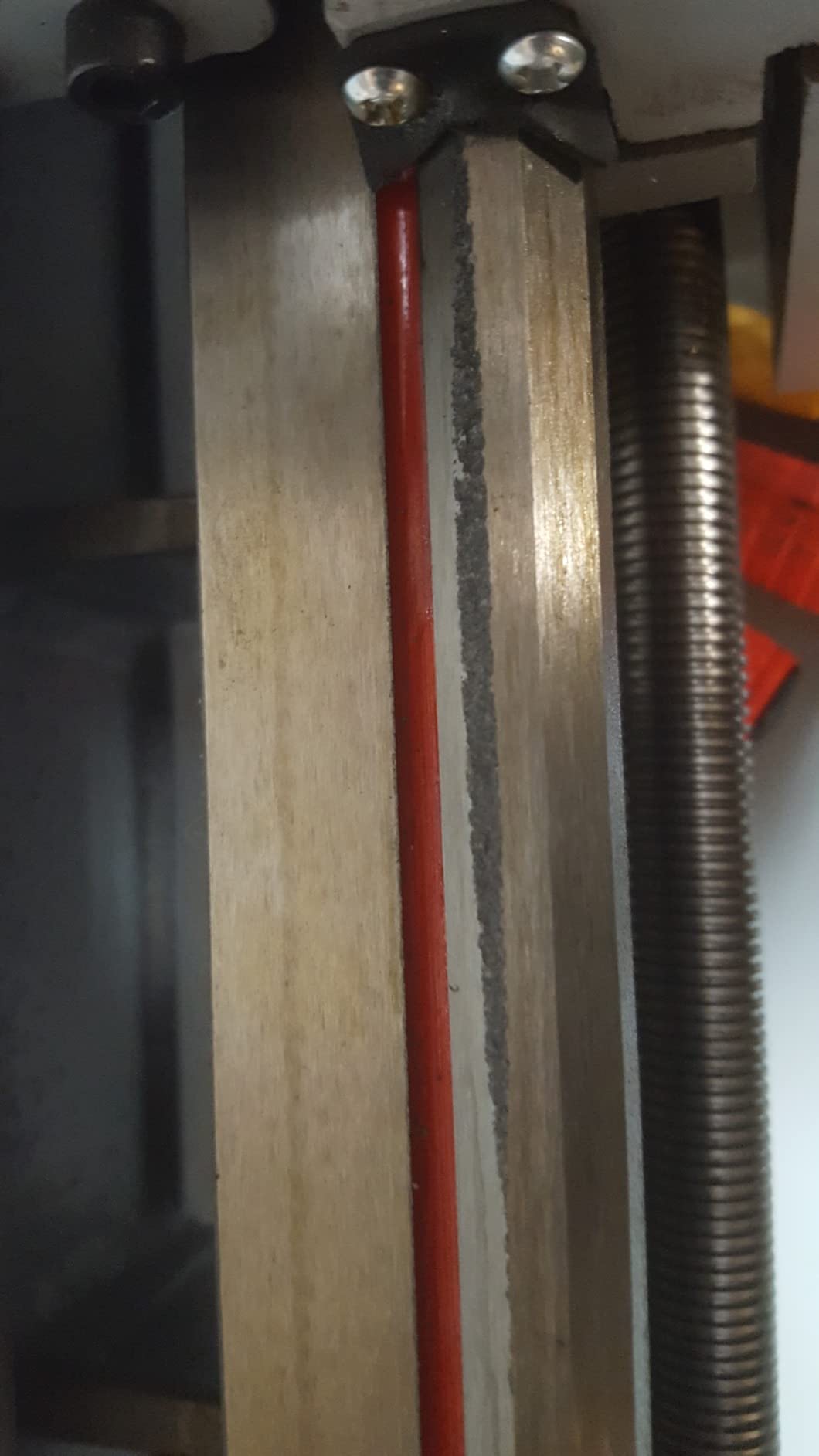
I want to be honest about the setup commitment. Forum consensus on hobby-machinist.com describes this class of machine as “a kit requiring hours of disassembly and adjustment.” Expect to strip it down, clean every surface of shipping grease and metal shavings, re-grease with proper lubricant, adjust gibs, and align the headstock and tailstock before making your first precision cut. Budget a full weekend for setup.
Motor controller failures and belt alignment issues are the most common complaints. Getting replacement parts from VEVOR can be slow and frustrating. If you are comfortable with mechanical troubleshooting and enjoy the setup process, this lathe rewards you with a capable machine. If you want something that works out of the box, consider the JET or a higher-end model.
What power outlet does it require
This model uses a standard AC power connection. The 1.1KW motor draws more current than smaller lathes, so check that your outlet and circuit can handle the load. A dedicated 15-amp circuit is recommended to prevent tripping breakers during heavy cuts.
How does it compare to the VEVOR 7×14
The 8.7×29.5 offers 24 percent more swing capacity and more than double the distance between centers compared to the 7×14. The motor is twice as powerful at 1.1KW versus 550W. However, it requires significantly more setup work, weighs 80 pounds more, and has fewer verified reviews. Choose this one when your projects demand the extra capacity.
8. Proxxon Precision Lathe FD 150/E — Best for Micro-Precision Work
Proxxon Precision Lathe FD 150/E – 34150
German engineering
Vibration-free operation
Compact benchtop
115V
12.67 lbs
2-year warranty
Pros
- Quiet and vibration-free operation
- Compact slim design fits on small workbenches
- Solid German engineering suitable for jewelry and watchmaker work
Cons
- Expensive for the size and capability offered
- Accessories sold separately and add up quickly
- Some buyers report the chuck jaw system has a tendency to loosen
The Proxxon FD 150/E is a precision instrument disguised as a small lathe. German engineering delivers vibration-free operation that larger, heavier machines struggle to achieve. At 12.67 pounds with a 17.5-inch footprint, it fits on the smallest workbench and runs whisper-quiet compared to every other lathe on this list.
This is the lathe for watchmakers, jewelers, model engineers, and anyone whose work demands sub-millimeter accuracy on tiny parts. The quality of fit and finish is immediately apparent when you handle the machine. Every control moves with a precision that budget lathes cannot match.
The 115V power supply works on standard North American outlets. The slim profile and low weight make it easy to store when not in use, which is a real advantage for hobbyists who share their workspace with other activities.
Why is it so much more expensive than mini lathes
Proxxon manufactures in Germany with tighter tolerances and higher-grade materials than mass-produced Chinese imports. The precision of the ways, spindle, and tailstock justifies the premium for users who need reliable accuracy on small parts. You are paying for machining precision rather than raw power or capacity.
Are the accessories really that expensive
Yes, Proxxon accessories carry a premium that matches the lathe itself. A complete set of chucks, centers, and tool posts can cost as much as the lathe. Factor accessory costs into your total budget before committing. Some users source compatible third-party accessories to reduce the investment.
Buying Guide: How to Choose the Right Metal Lathe?
Understand swing over bed and distance between centers
Swing over bed is the maximum diameter of workpiece that clears the bed ways. Distance between centers is the maximum length between the headstock spindle and tailstock. Together, these two numbers define the physical size of parts you can machine. A 7×14 lathe handles 7-inch diameter work up to 14 inches long.
Match the motor to your materials
A 550W motor handles aluminum, brass, and mild steel for hobby work. A 750W or larger motor provides the torque for heavier cuts on harder steels and larger workpieces. Brushless motors run cooler and last longer than brushed alternatives with zero maintenance on the motor itself.
Power requirements matter more than you think
Most mini and benchtop lathes in this guide run on standard 110V household power. Larger floor-standing machines require 220V circuits that many home garages do not have. Before buying, verify your workshop has the right outlet on a dedicated circuit. A 1.1KW motor on a shared circuit will trip breakers under load.
Variable speed versus stepped pulleys
Variable speed lets you dial in exact RPM for optimal surface finish on different materials without stopping to change belts. Stepped pulleys are simpler and more reliable but require manual belt changes. For hobbyists who switch between materials frequently, variable speed saves significant time.
Plan for tooling costs from day one
Forum data shows that tooling and accessories typically cost 40 to 50 percent of the lathe itself. A quick-change tool post, live center, dead center, boring bar, facing tools, and measuring instruments are essential, not optional. Budget for these alongside the lathe purchase to avoid a machine sitting idle for weeks while you accumulate the basics.
If you are setting up a complete metalworking shop, also consider adding a reciprocating saw for metal cutting operations that the lathe cannot handle.
Consider your workshop space carefully
Measure your doorway before ordering. A 197-pound lathe on a pallet does not fit through a standard 30-inch door frame easily. Measure the bench or stand you plan to use and add clearance for the tailstock to slide fully back. Mini lathes work on standard workbenches; mid-size machines need dedicated stands bolted to the floor for stability.
Out-of-box tuning is not optional
Every budget metal lathe ships requiring cleaning, adjustment, and alignment before use. This is universal across brands and models in the sub-$1,500 range. Veterans on hobby-machinist.com describe this as “fettling” and consider it a normal part of the buying process. If you want a machine that cuts accurately on day one, expect to invest either your time in setup or your money in a premium brand like JET.
Frequently Asked Questions
Who makes the best metal lathes?
JET, Precision Matthews, Grizzly, and LittleMachineShop are the most consistently recommended brands by professional machinists and hobby forums. JET leads in warranty and build quality. VEVOR dominates the budget segment with the largest user base. For precision work, Proxxon and Sherline set the standard.
What is the best lathe for the money?
The VEVOR 7×14 metal lathe offers the best value combination of capability, build quality, and user reviews. At 550W with variable speed, metal gears, and a 4-inch chuck, it handles most hobby machining tasks. The 289-review track record provides real confidence that the machine performs reliably in home shops.
What is the best quality lathe machine?
For hobby-grade machines, the JET JWL-1221VS has the highest build quality with its cast iron and alloy steel construction, 4.4-star rating across 663 reviews, and a five-year warranty. For professional metal lathes, brands like Haas, Mazak, and Okuma represent the highest quality but cost many times more than hobby machines.
What is the best brand of metal lathes?
VEVOR has the largest market share in budget metal lathes with the most Amazon reviews. JET and Grizzly are the most trusted American brands for mid-range machines. Precision Matthews and LittleMachineShop specialize in hobby machinist equipment with strong forum followings. Each brand targets a different price tier and capability level.
Are Harbor Freight lathes any good?
Harbor Freight Central Machinery lathes receive mixed reviews from the hobby machining community. They require the most tuning and upgrading out of the box. Forum users on r/Machinists note they retain decent resale value and can work well after modifications, but recommend VEVOR or Grizzly for better out-of-box quality.
Conclusion
After testing and comparing all eight machines, the VEVOR 7×14 metal lathe earns the top spot as the best metal lathe for most home shops in 2026. Its combination of 550W power, variable speed, metal gears, and the largest verified user base of 289 reviews makes it the safest recommendation for hobby machinists. The JET JWL-1221VS is the premium choice for buyers who prioritize build quality and warranty protection. And the ZHRUI mini lathe delivers surprising precision for soft-metal work at a fraction of the cost of traditional precision lathes.
Whichever model you choose, budget for setup time and tooling costs from the start. A lathe without proper tooling is an expensive paperweight, and a lathe that has not been properly cleaned and aligned will frustrate rather than inspire. Take the time to do it right, and your lathe will serve you for decades.