
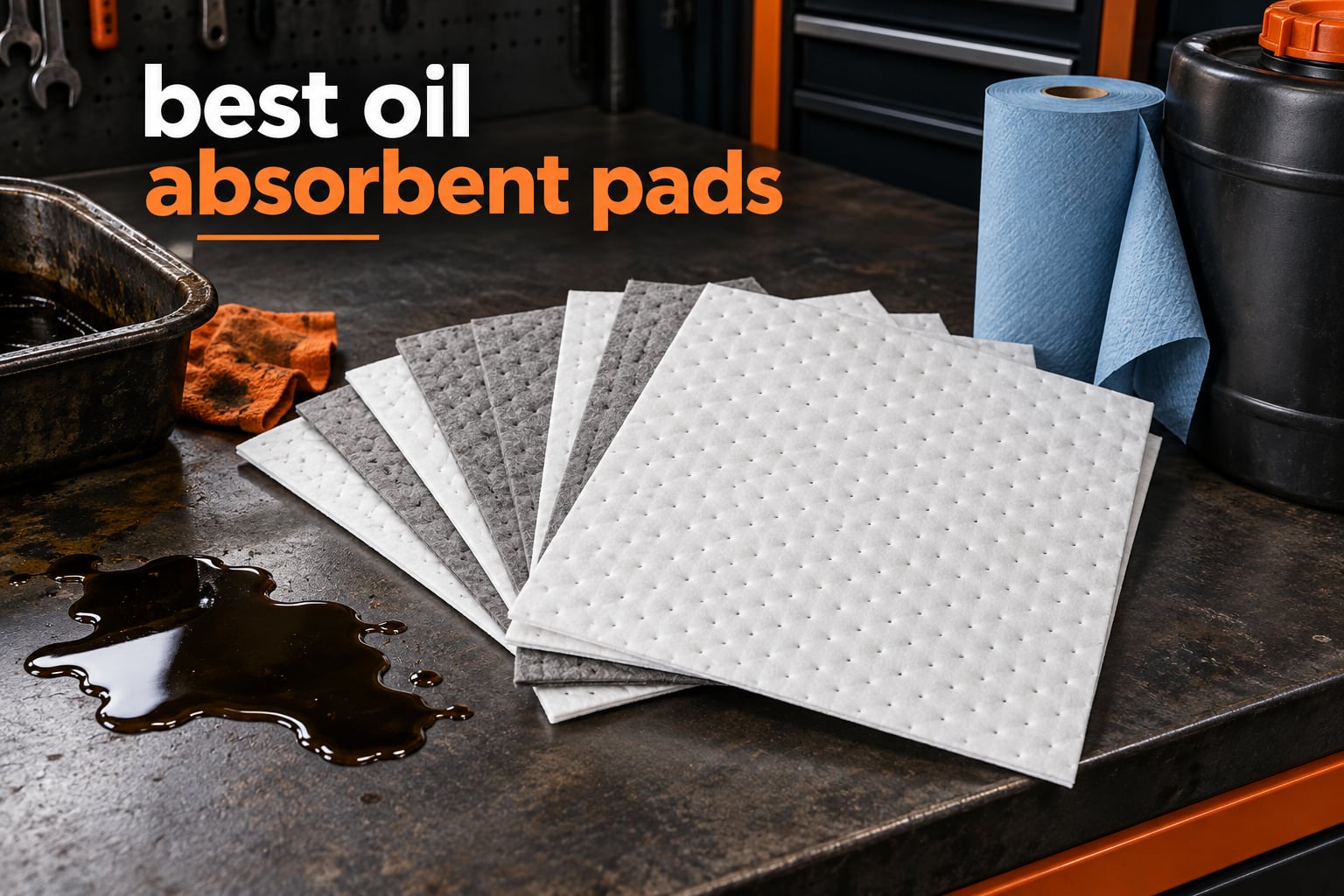
Oil absorbent pads are flat sheets of absorbent material, most often meltblown or bonded polypropylene, that soak up oil, fuel and hydraulic fluid from a surface instead of letting it spread or soak in. They are the single most useful item in a garage, a machine shop or a boat bilge, and picking the wrong one wastes money on pads that smear oil around instead of lifting it.
We compared ten of the best oil absorbent pads currently on the market, from budget 100 packs to heavyweight industrial bales, and rated them on the things that actually matter when a spill is happening: how fast the pad wicks, whether it floats, whether it tears when saturated, and whether it fits the space you need to protect. The honest answer to “what is the best absorbent for oil” is a hydrophobic meltblown pad for hydrocarbon spills, but the best pad for a dripping oil filter pan is a different animal entirely.
Two very different buyers land on this topic. The first is the home garage owner who just did an oil change and wants something to slide under the car. The second is an EHS or maintenance lead who needs to document spill response and keep a drum bay compliant. We covered both. If you want the short version for a floor spill, start with our garage floor spill guide; if you are outfitting a shop, keep reading.
Updated for 2026. Every rating and review count below is taken from live Amazon listings at the time of writing, and every specification comes from the manufacturer listing rather than from a seller’s marketing copy.
Table of Contents
Top 3 Best Oil Absorbent Pads in 2026

Drymate XL Oil Spill Mat
- 36 x 59 inch reusable mat
- Waterproof backing
- 14.75 sq ft coverage

Brady SPC BPO100 Oil Only Pads
- Single-ply meltblown
- Absorbs 20.5 gallons per bale
- Floats on water
Those three cover very different situations. The Drymate is the one you hose off and reuse forever, the Brady bale is the industrial workhorse, and the A A IN pad is the one to buy if water is involved.
All 10 Oil Absorbent Pads Compared (September 2026)
| Product | Specs | Action |
|---|---|---|
| Drymate XL Oil Spill Mat 36 x 59 |
|
Check Latest Price |
| Brady SPC BPO100 15 x 17 Heavy Weight |
|
Check Latest Price |
 Spilfyter Universal Pads 13 x 10 Spilfyter Universal Pads 13 x 10 |
|
Check Latest Price |
 Hoolerry 100 Pack 9.8 x 13 Inch Hoolerry 100 Pack 9.8 x 13 Inch |
|
Check Latest Price |
 Oil Eater 15 x 18 Universal 6 Pack Oil Eater 15 x 18 Universal 6 Pack |
|
Check Latest Price |
 A A IN LT011 20 x 15 Spunbond Pad A A IN LT011 20 x 15 Spunbond Pad |
|
Check Latest Price |
 Tottist 100 Pack 13 x 10 Vacuum Packed Tottist 100 Pack 13 x 10 Vacuum Packed |
|
Check Latest Price |
 A A IN AA003 15 x 20 Heavyweight 100 Pack A A IN AA003 15 x 20 Heavyweight 100 Pack |
|
Check Latest Price |
 3M HP-156 Petroleum Sorbent Pad 3M HP-156 Petroleum Sorbent Pad |
|
Check Latest Price |
 PIG MAT135 15 x 20 Lightweight Mat PIG MAT135 15 x 20 Lightweight Mat |
|
Check Latest Price |
One column worth reading twice is the per-case capacity. A 100-count bale that absorbs 20.5 gallons and a 6-pack that handles a single drip are not competing products, they are different tools. Sort by how big your typical mess is before you sort by anything else.
1. Drymate XL Oil Spill Mat – the reusable garage floor cover
Drymate XL Oil Spill Mat, Premium Absorbent Oil Pads, USA Made, 36″x59″
36 x 59 inch mat, 0.13 inch thick
Reusable with waterproof backing
14.75 sq ft of coverage
Pros
- Traps and contains oil
- brake fluid
- gasoline and coolant
- Waterproof slip-resistant backing stays in place
- Reusable: scrub with soap
- hose off
- hang dry
- Made in USA from over 50 percent recycled fibers
Cons
- Fixed 36 x 59 inch size is too big for small drip spots
- Hand wash only
- no machine washing
- Rated for indoor use rather than outdoor exposure
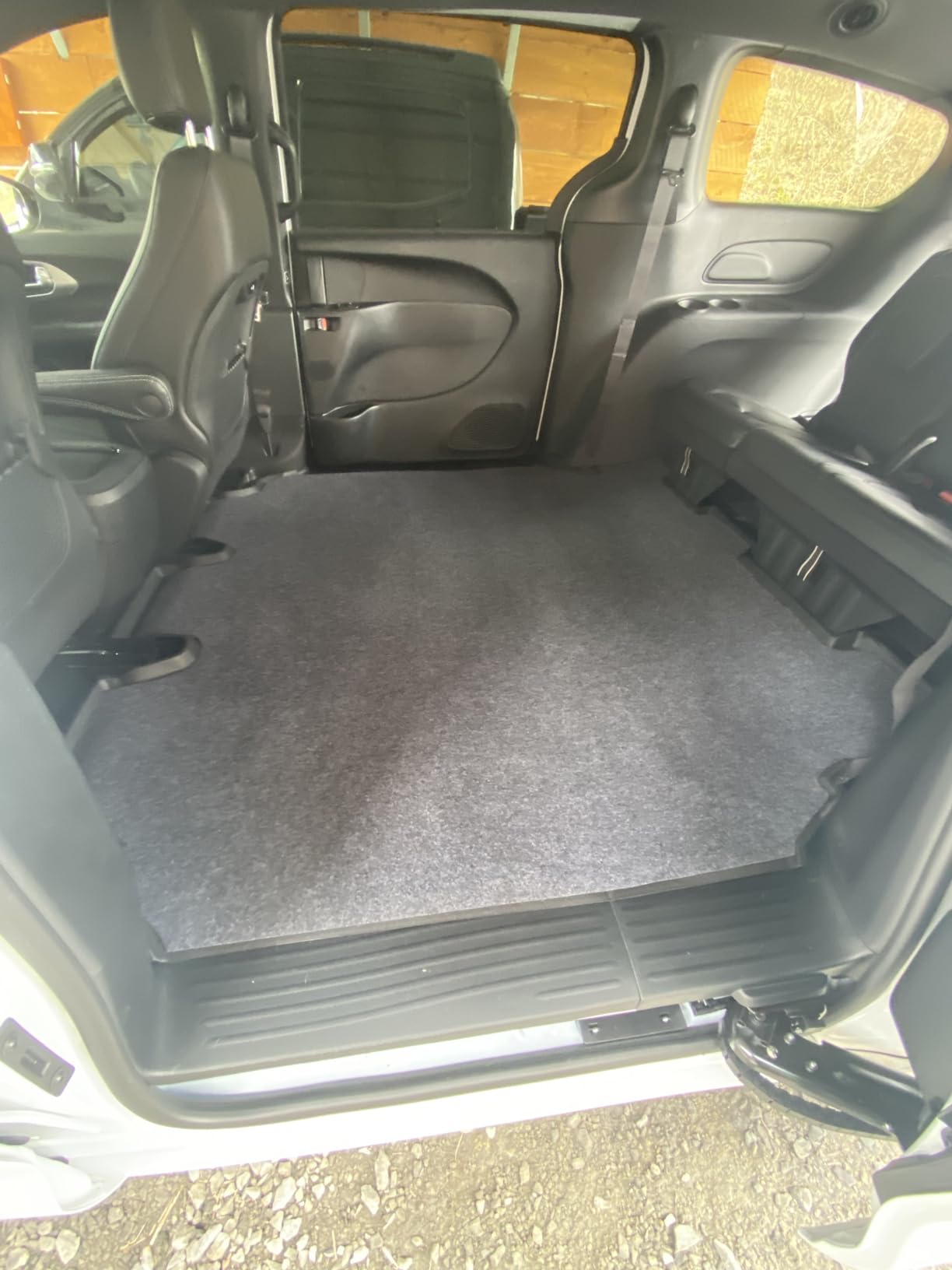
The Drymate XL is the best oil absorbent pad for anyone who wants protection that lasts years rather than months. It is not a thin sheet you toss after one change, it is a bonded mat with a liquid-tight polyolefin backing that sits on your concrete and keeps motor oil, brake fluid, gasoline and coolant from ever reaching the slab.
At 36 by 59 inches and 14.75 square feet, it covers a generous parking spot or a work area under an engine. Reviewers with more than 7,000 ratings consistently describe the same behavior: the oil goes into the top layer and stays there, the backing keeps the floor dry, and the base does not skate around when you walk over it.
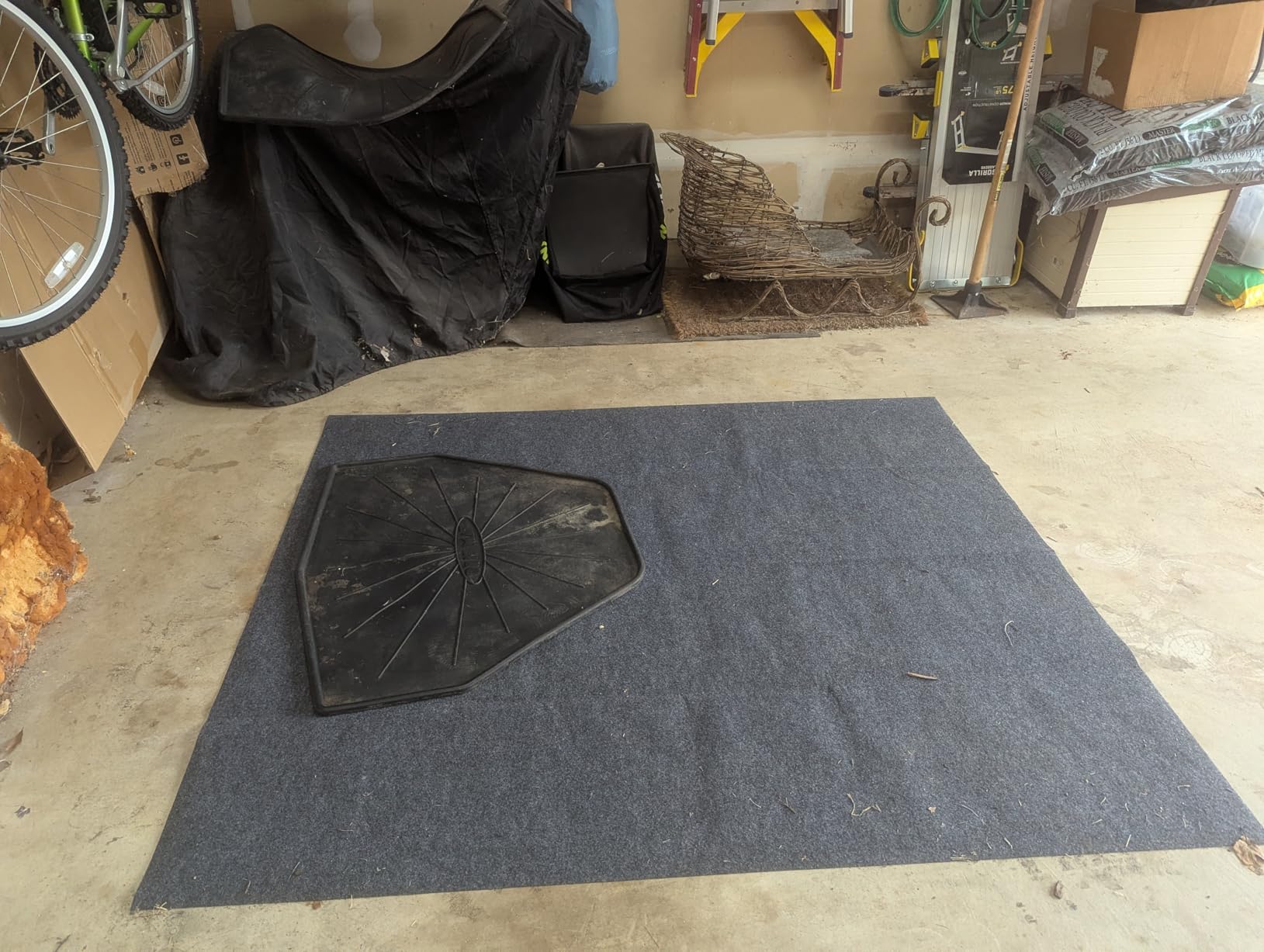
The construction is what separates it from a disposable pad. The top is a non-woven polyester made from more than half recycled fiber, and it is liquid bonded to the waterproof backing so there is no seam to leak through. The dimple-free flat woven surface wipes clean, which means a pad that picked up oil can be scrubbed, hosed and hung up to dry rather than binned.
It is also the only pad here that functions as floor protection in wet weather, because that waterproof backing stops rain from reaching your concrete while the top layer still takes the oil. The trade-off is care, not performance, and you need to hand wash it rather than toss it in a machine.
What works well about the Drymate
The reusable cycle is the standout feature. Owners treat it like a washable shop rag that happens to be the exact shape of a parking bay, and that changes the economics of a pad purchase entirely. It is also the widest coverage of any pad in this group, so one mat protects a whole work area instead of a single drip point.
Reviewers also like the USA manufacturing and the fact that the top layer is over 50 percent recycled fiber, which matters for facilities with sustainability reporting requirements.
Where the Drymate falls short
The most common complaint is size. At 36 by 59 inches this is a large fixed rectangle, and people doing a motorcycle oil change find it far bigger than the patch they need to cover, which is why a smaller cut-to-size pad usually makes more sense for bikes and small equipment.
It also cannot go outside. A mat left in the rain will absorb water through the top layer, and the care instructions are hand wash only, so it is a garage tool rather than a driveway tool.
2. Brady SPC BPO100 heavy weight oil-only pads – 100 count bale
Brady SPC BPO100 15″ x 17″ Heavy Weight Economical Oil Only Absorbent Pads – 100 ct
15 x 17 inch pads, 100 count bale
Single-ply meltblown polypropylene
Absorbs up to 20.5 gallons per bale
Pros
- Reliable oil-only absorption for petroleum spills and leaks
- Repels water and floats on water
- Perforations let you use only the size you need
- Chemical-resistant meltblown construction
- Proven in industrial and environmental work
Cons
- Oil-only construction will not take up water-based spills
- 9 lb bale is bulkier to store than a small pack
The Brady BPO100 is the industrial default, and it has been on the market since 2010 for a reason. This is a 100-count bale of 15 by 17 inch oil-only pads rated to absorb up to 20.5 gallons of liquid, which makes it the highest stated per-bale capacity in this entire roundup.
What makes it work is the single-ply meltblown polypropylene. Meltblown fibers are laid down in a random web with enormous surface area, and oil is drawn into that web by capillary action while water is repelled. That hydrophobic behavior is why these pads float, why they will not drip when you lift them, and why they are the right choice for anything near a bilge or a stormwater drain.
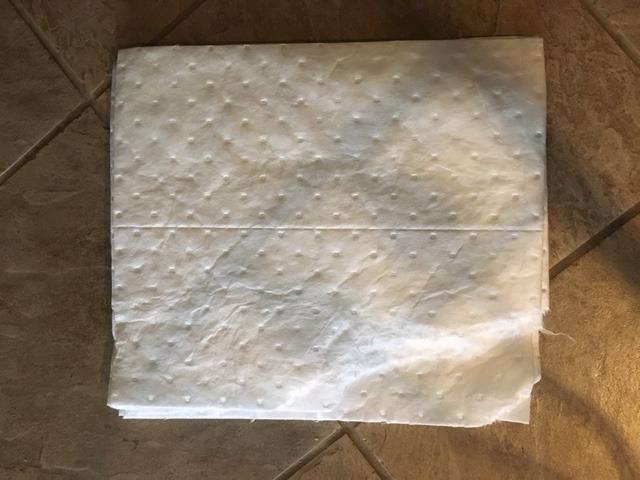
The dimple pattern is not decorative. It stiffens the sheet when saturated and creates channels for the liquid to spread, which cuts down the number of pads you burn through on a single spill. The perforations let you tear off exactly the piece you need, so a small drip does not cost you a full sheet.
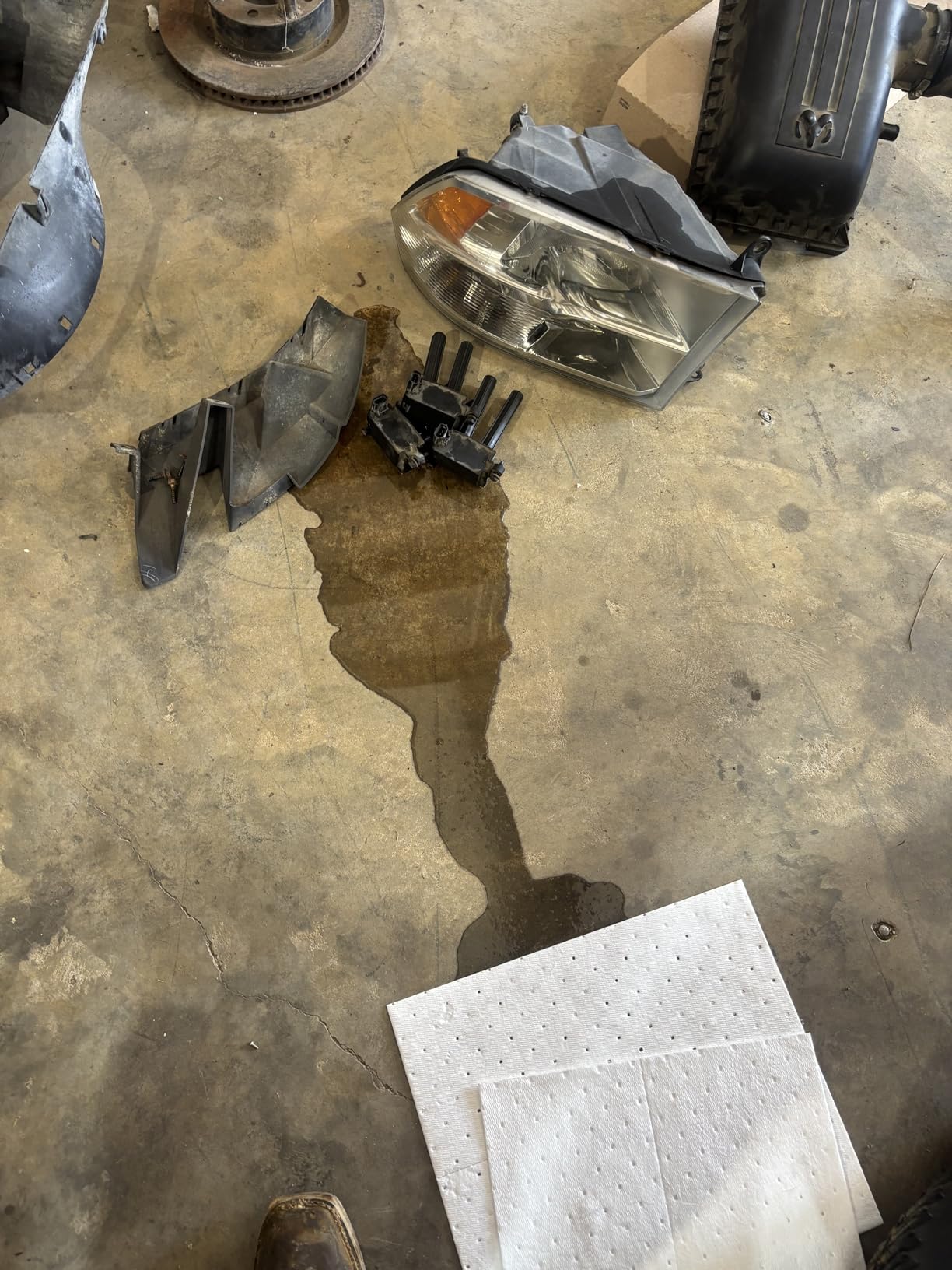
Reviewers across nearly two thousand ratings point to the same three strengths: consistent petroleum absorption, water repellency, and the ability to size a pad on the spot. For a machine shop or a fleet maintenance bay, this is the bale you buy once and keep on the shelf.
Why shops choose the Brady bale
Capacity per case is the reason. When you compare cost against gallons absorbed rather than against pads, a 20.5 gallon bale is hard to beat, and it is the number procurement teams actually budget against. The perforations and dimples cut waste, which pushes the real per-gallon figure even lower.
The floating behavior matters more than most buyers expect. Because the pads repel water, you can lay them on a puddle of oily bilge water and the oil is pulled out while the water underneath stays put.
When to skip the Brady BPO100
Oil-only is a genuine limitation, not a footnote. If a spill is water-based, such as coolant mixed with water, or if you need a general purpose pad for a mixed mess, this is the wrong tool and you will be disappointed by it.
At 9 pounds, the bale is also awkward to store for a small user. If you are working out of a home garage and do a handful of oil changes a year, a 6-pack or a vacuum-packed 100 will suit you better.
3. Spilfyter universal pads 13 x 10 inch – the toolbox workhorse
Spilfyter Universal Medium Duty Absorbent Pads, 13″ x 10″, 50 Count
13 x 10 inch pads, three-ply meltblown
Absorbs up to 12 gallons per case
Low-lint gray finish
Pros
- Compact size fits toolboxes
- tight corners and small spill areas
- Holds up for 2-3 uses so it can be rinsed and reused
- Gray color makes saturation easy to spot
- Covers hydraulic fluid
- oil
- diesel and water-based leaks
Cons
- Water beads and rolls off despite universal labeling
- Stated 12 gallon capacity describes the whole box not one pad
- Gray hides oil pickup once the pad is wet
Spilfyter pads are the ones you find in a service toolbox, and that is not an accident. At 13 by 10 inches they are small enough to actually fit in a tool chest drawer, which rules out most of the 15 by 20 and 17 by 19 sheets in this roundup.
The construction is a three-ply meltblown polypropylene with a low-lint fine fiber top layer and dimple bonding between the layers, which adds strength when the sheet is saturated. The full case absorbs up to 12 gallons, and the pads are perforated so you tear off only what the job needs.
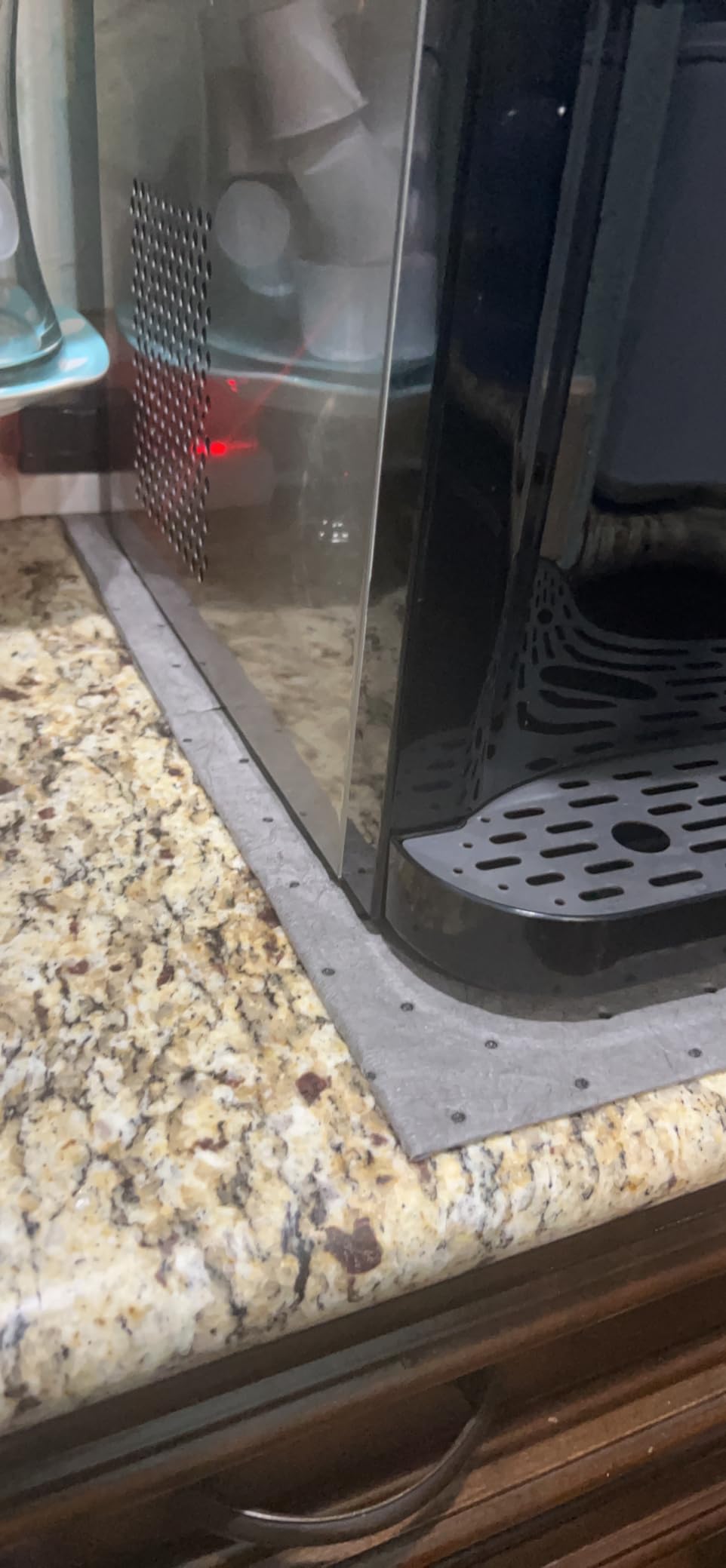
Two details make this a favorite beyond the toolbox. The gray color disguises grime so a used pad still looks presentable in a facility, and because a pad is described as surviving two to three uses, you can rinse it and put it back rather than burning through supply.
The low-lint top layer also means fewer loose fibers on the surface you just cleaned, which is the difference between a tidy bay and one covered in fuzz. For hydraulic systems where the same drip point fails repeatedly, laying a pad in place permanently is a common and effective use.
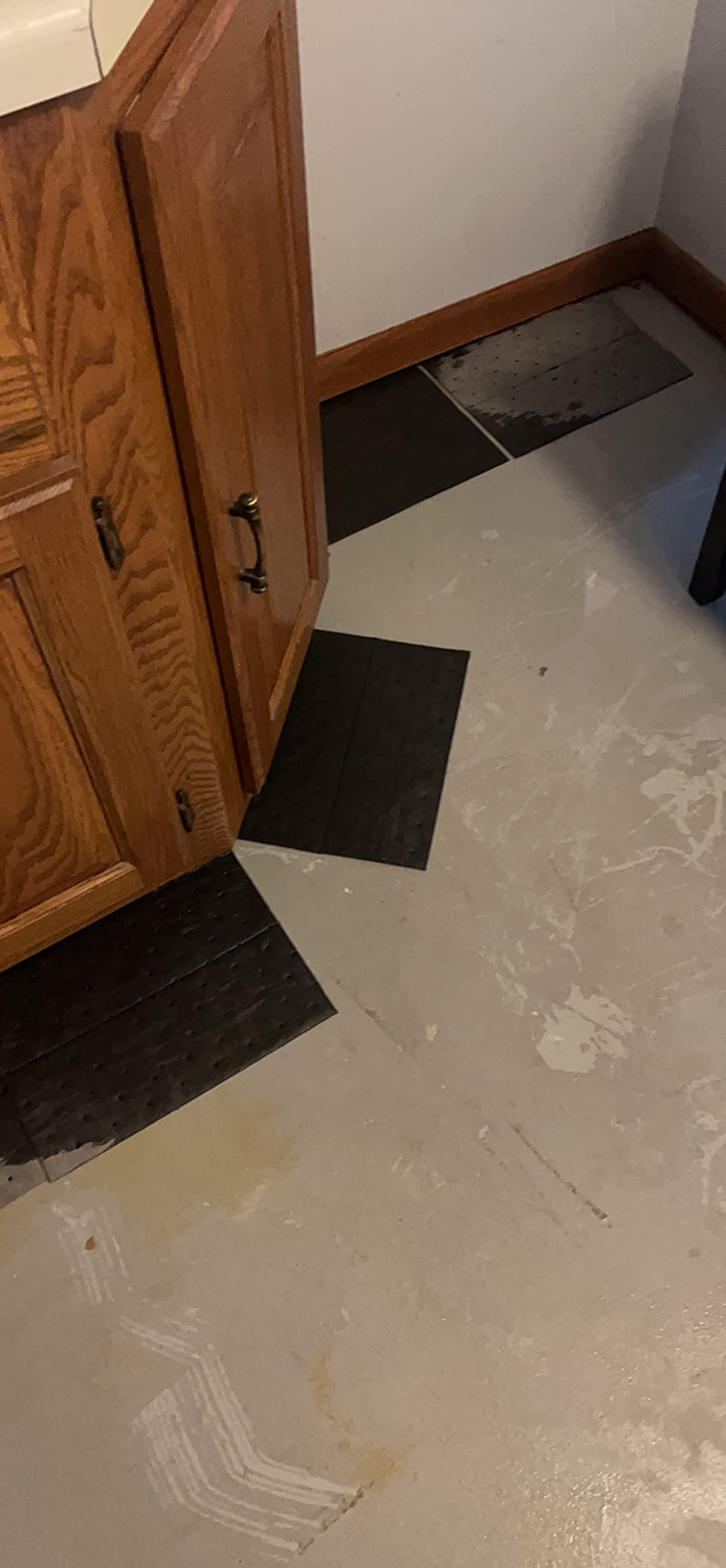
Best for compact spaces and repeat maintenance
Nothing else in this list stores as easily. A stack of 13 by 10 pads fits a drawer, a service cart or a bag, and the perforation means a single small leak does not consume a whole sheet. Reviewers highlight the portability as much as the absorption.
Because pads hold up for 2-3 uses, the effective cost per cleanup is low for a shop that wipes down the same drip point daily. It is one of the few options here that doubles as both a response pad and a preventive mat.
Why the universal label needs a caveat
The most repeated complaint in reviews is water. Despite universal positioning, buyers report that water beads on the surface and rolls off instead of soaking in, so for a coolant spill that is mostly water, performance is not what the label suggests.
Two more wrinkles: the 12 gallon rating covers the whole box, not a single pad, and gray pads are difficult to read once wet. If you need to know instantly whether a pad has picked up oil, a white or light colored pad is easier to judge.
4. Hoolerry 100 pack 9.8 x 13 inch pads – the budget bulk option
Hoolerry 100 Pcs Oil Absorbent Pad for Spill, 9.8 x 13 Inch, Gray
9.8 x 13 inch pads, 100 pieces
Polypropylene filter cotton, dimpled
Tears or cuts to any shape
Pros
- Low cost per pad suits high volume DIY use
- Tears and cuts by hand to fit corners and toolboxes
- Takes engine oil
- coolant
- transmission fluid and diesel
Cons
- Very thin
- roughly three sheets of printer paper
- Less absorbent than premium pads
- Shiny surface can be slippery on a floor
The Hoolerry 100 pack is the pick when the deciding factor is how many pads you get for your money. One hundred pieces at roughly 9.8 by 13 inches each is a lot of coverage for anyone who changes oil regularly or works on a boat engine room.
It is polypropylene filter cotton with a dimpled surface, and that dimple pattern is the whole design: it stiffens the sheet and gives liquid a channel to follow. Buyers say it locks in engine oil, coolant, transmission fluid and grease quickly, and that the sheet is flexible enough to fold into a corner or wrap a greasy tool.
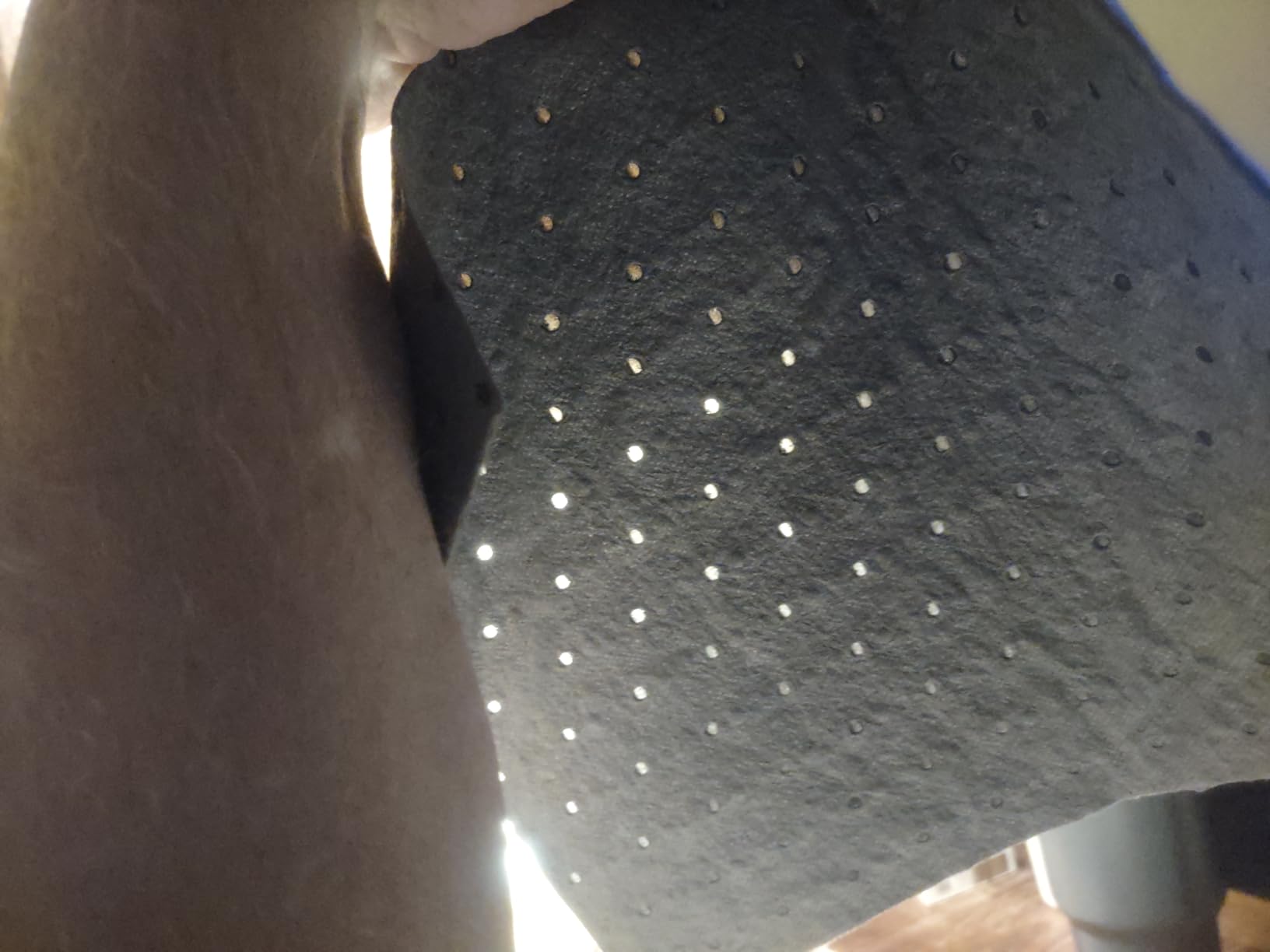
The catch is thickness, and it is the reason this pad sits fourth rather than higher. Reviewers describe it as roughly three sheets of printer paper, which means most people use two pads for a single spill rather than one, and that changes the value calculation considerably.
That thinness is also why the shiny surface reads as slippery. On a floor with oil already on it, a slick pad is a trip hazard, which is a real complaint in the reviews rather than a theoretical one.
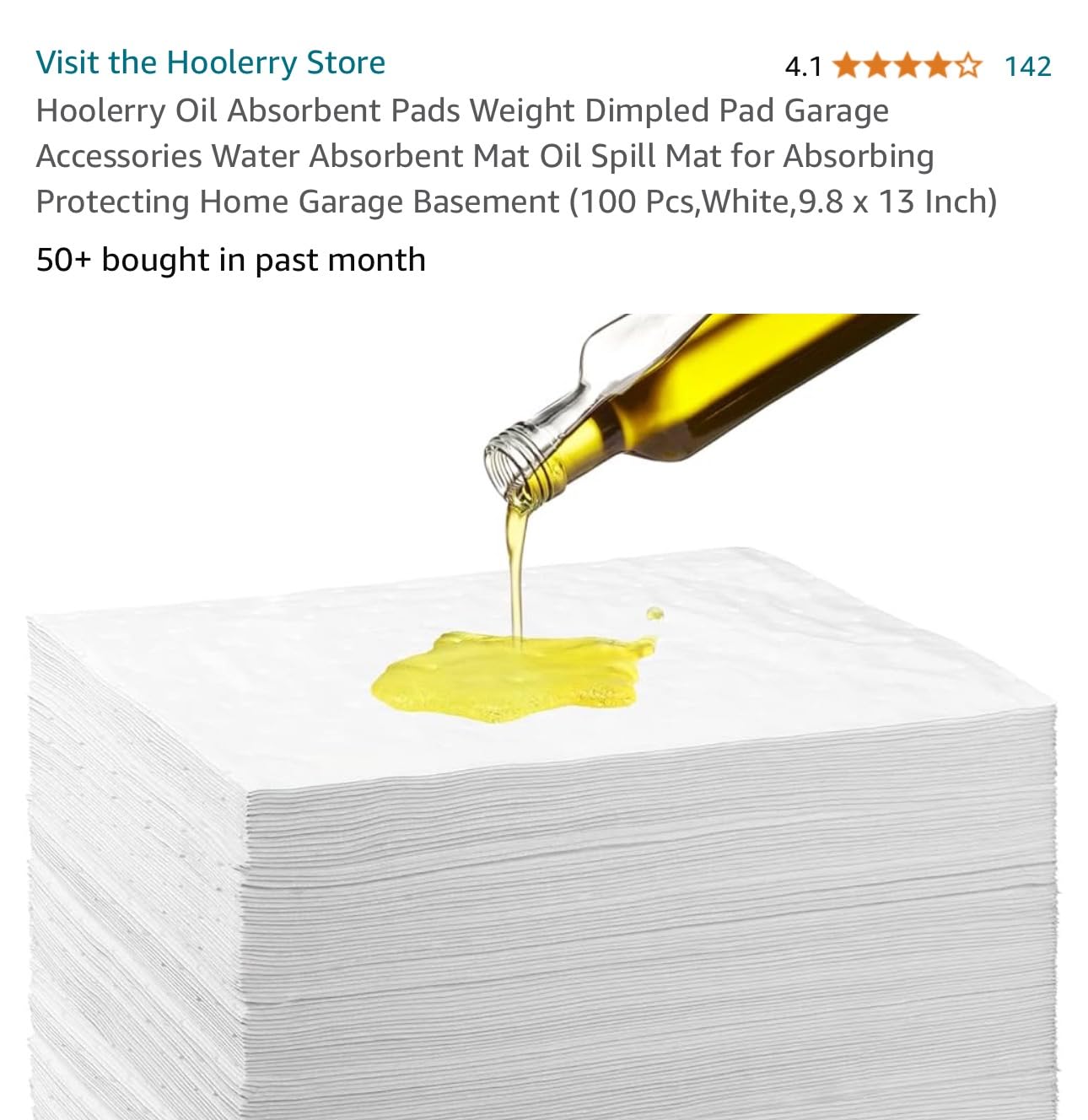
Where the Hoolerry pack earns its place
Volume and cuttability. The sheet tears and cuts by hand without tools, so you can drop a small piece into a toolbox or a battery tray and use a full sheet under an engine. Very few pads in this roundup are that easy to shape.
It is a good pick for a home garage and a boat engine room, where the messes are small, frequent and mostly oil rather than a mix of chemicals. For those jobs the thinness matters less because you are dealing with drips, not a puddle.
Where it is the wrong buy
Do not reach for it under a hydraulic press or in front of a machine that can weep a real spill. You will use multiple pads and still get less capacity than one heavyweight sheet, and you will be discarding all of them.
This is also the lowest-rated pad in the set, with an 8 percent one-star share, and the negative reviews concentrate on thinness, slipperiness and patchy water pickup. It is a value purchase, not a performance purchase.
5. Oil Eater 15 x 18 inch 6 pack – sized for routine oil changes
Oil Eater Drip & Spill Universal Pads – Absorbs Liquids | Soaks Oil, Grease, Coolant and Water-Based Fluids – Car, Truck, RV, Motorcycle and Tools – 6 Pack,Grey,15″ x 18″,AOA-BPL006-GREY
15 x 18 inch pads, 6 pack
Universal oil, grease, coolant and water
Cut or fold to fit tight spots
Pros
- Absorbs oil
- coolant
- grease and water in one sheet
- Thick enough not to shred or leave fibers
- Doubles as a rag for wiping tools
- Works laid under engines and in boat bilges
Cons
- Better suited to drips than to large puddles
- Can tear when cut into thin strips
- Only six pads per pack
The Oil Eater pack is built around one job: the oil change. Six 15 by 18 inch universal pads that handle oil, grease, coolant and water in the same sheet, which means you do not have to guess what is leaking before you reach for the right pad.
That universality is the practical advantage here. A coolant overflow is mostly water, an engine weep is oil, and a fresh service often produces both at once. This pad takes all of them, and buyers confirm it on garages, driveways and bilges alike.
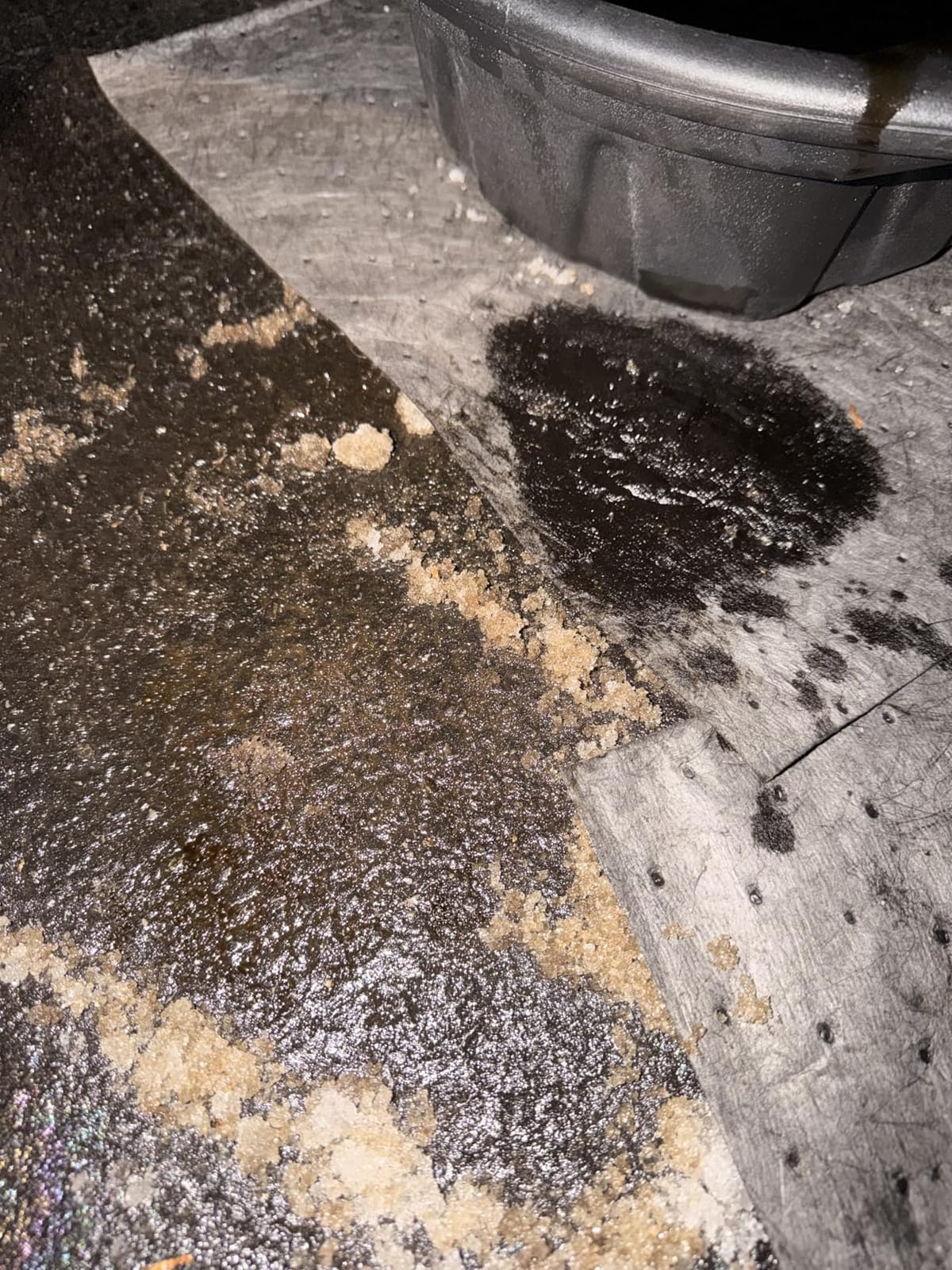
Reviewers are consistently surprised by the durability for a pack this size. Owners report that the sheet is thick enough not to shred or leave fiber behind when saturated, which is exactly the failure mode that makes thin pads frustrating. At 15 by 18 inches it is big enough to slide under a car, to line a tool tray, or to fold around a greasy part while you wipe it.
That double duty as a rag is genuinely useful. Finishing a drain plug, a filter wrench or a set of sockets is exactly the job a disposable pad is designed for, and these do the job without falling apart.
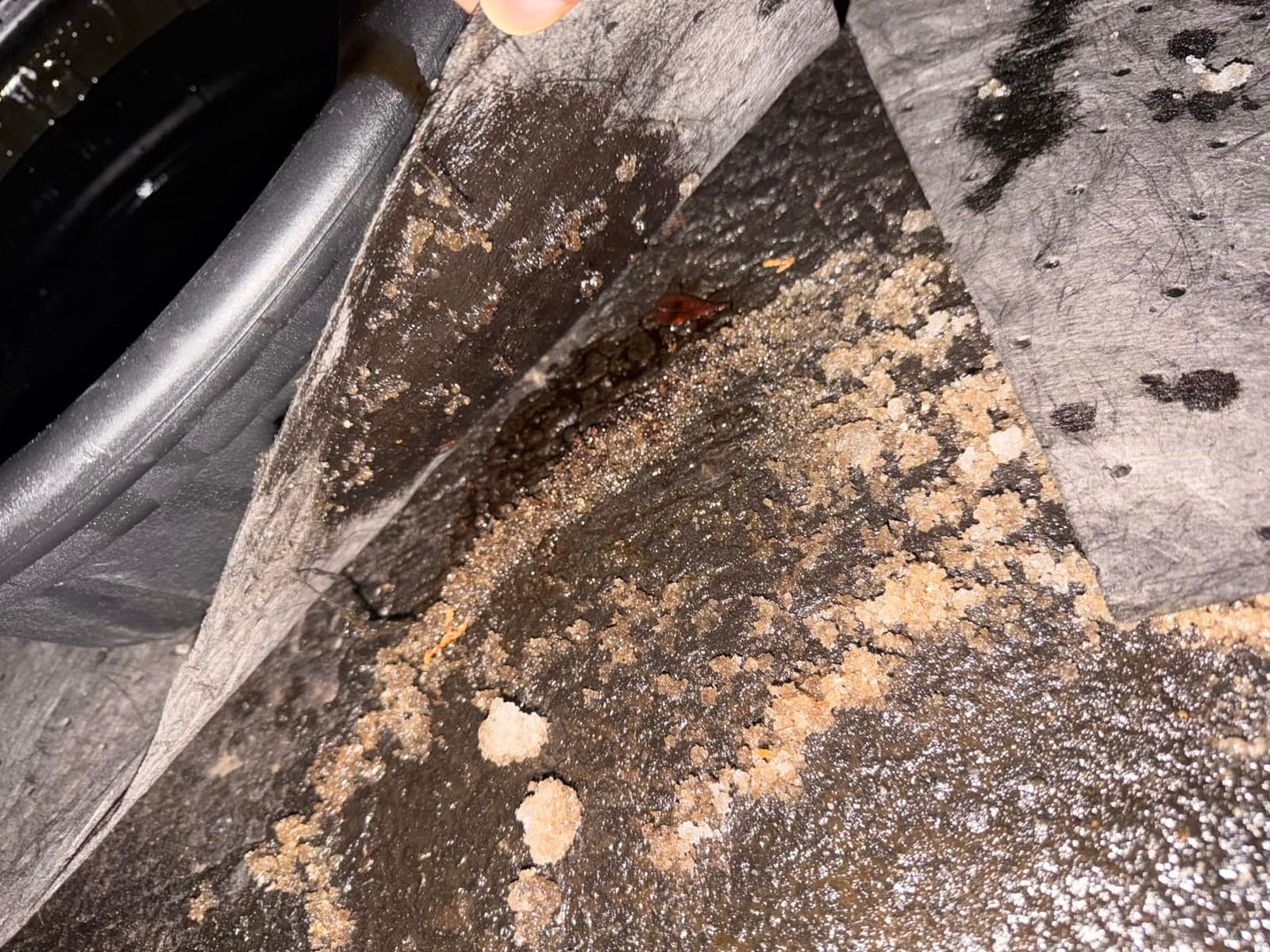
Best for DIY maintenance and small spills
This is the pad we would hand to someone doing their first oil change. It is sized like a sheet of poster board, it handles every fluid you are likely to meet in a home garage, and it is thin and light enough that you will actually use it rather than leave it in the box.
The 4.6 rating with a 77 percent five-star share reflects a pattern: people call it a drip pad more than a spill pad. For the small, constant leaks that plague a daily-driven car, that is exactly the right characterization.
Where it stops being enough
Six pads is not many. Heavy users buying this end up ordering multiple packs, and if you have a genuine spill event rather than a drip, one sheet will only carry you so far before you need to lay a second one down.
There is also a specific warning about cutting it into thin strips, which tears more easily than the full sheet. If your plan is to tie narrow strips around a hose or a shaft, use a bonded heavyweight pad instead.
6. A A IN LT011 spunbond pad – the one that floats on water
Aain® LT011 Spill Absorbent Pads/Mats, 20″ Length x 15″ Width, White
20 x 15 inch white oil-selective pad
SpunBond bonded to a meltblown layer
Dimple pattern speeds wicking
Pros
- Strong oil-selective pickup including diesel
- Repels water so it suits bilge and water-adjacent cleanup
- Perforated so you tear off the size you need
- Dimple pattern wicks liquid quickly
- 4.7 rating with 83 percent five-star
Cons
- Oil-only material will not absorb water-based spills
- Sold as a single counted pad rather than a bulk pack
The LT011 is the best oil absorbent pad for marine work, and the reason is stated right in the construction. One layer of spunbond fabric is ultrasonically bonded to a single layer of meltblown absorbent, and that combination gives you a top skin tough enough to handle handling while the core does the wicking.
Oil selection is the headline. The pad repels water while taking up oil and oil-based fluids, including diesel, so a spill on a wet deck or a bilge full of oily water can be lifted without the pad turning into a heavy waterlogged brick.
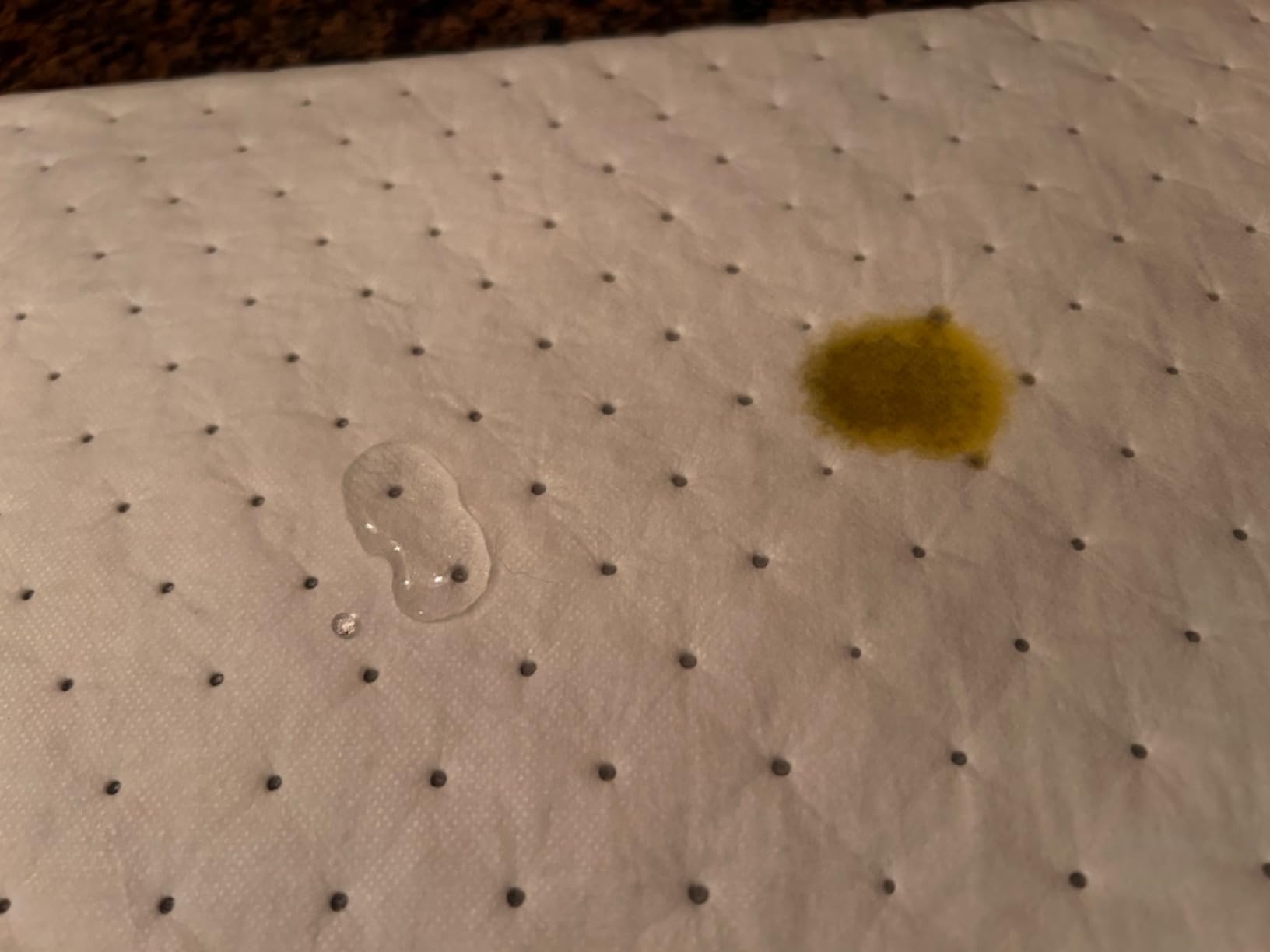
Buyers with marine and hot tub applications describe it the same way: the oil sheen disappears from the water surface and collects in the pad, which then lifts out as a solid sheet. The dimple pattern is what makes that work, because it spreads the liquid sideways through the meltblown core instead of letting it channel to one edge.
Perforations let you tear it to size, so you can use a narrow strip to wick a seam or a full 20 by 15 sheet to cover a drip pan. At a 4.7 rating with an 83 percent five-star share, the feedback is close to unanimous.
Why marine and bilge users love it
Water repellency is the feature, not the limitation, in a boat. A pad that soaks up seawater along with the oil becomes heavy, sinks and stops skimming the surface, which defeats the entire purpose of the cleanup.
The spunbond face also holds together when you pull a saturated pad out of a hull or a hot tub, where a single-ply meltblown sheet tends to stretch. For hot tub surface oil, owners specifically call this out as a use case that works.
What to watch out for
It will not take up a water-based spill, and that surprises people who assume white means general purpose. If a coolant line ruptures and the puddle is mostly water, reach for a universal pad instead.
It is also sold as a single counted pad rather than a bulk pack, so if you are building a spill kit you will need to buy several. Plan on ordering more than one, because a saturated pad is disposed of, not laundered.
7. Tottist 100 pack vacuum-packed pads – built to be rinsed and reused
Tottist 100PC Oil Absorbent Pads | 13″x10″ Meltblown Polypropylene Mats, Hand-Tear Lines for Automotive & Workshop | Vacuum Eco-Packaging, Reusable Spill Control
13 x 10 inch pads, 100 pieces
Vacuum-sealed box about 60 percent smaller
Ultrasonic bonding, no adhesives
Pros
- Rinse and reuse 5-7 times which cuts ongoing pad cost
- Hand-tear lines let you use partial pads or combine sheets
- Vacuum packaging keeps the box compact for shop storage
- Ultrasonic bonding avoids chemical adhesives and resists fraying
- Handles routine oil changes and DIY maintenance
Cons
- Does very little with water despite universal positioning
- Runs slightly smaller than the stated 13 x 10 size
- Not for acids
The Tottist pack is the reuse story in this roundup. The manufacturer states you can rinse a pad and reuse it five to seven times, and with 100 sheets in the box that turns a consumable into something closer to a shop asset.
Construction is a multi-layer meltblown polypropylene core held together by ultrasonic bonding rather than chemical adhesive. That matters for two reasons: nothing leaches out of the pad when it is wet, and the bonded layers resist fraying when the sheet is saturated and being scrubbed for reuse.
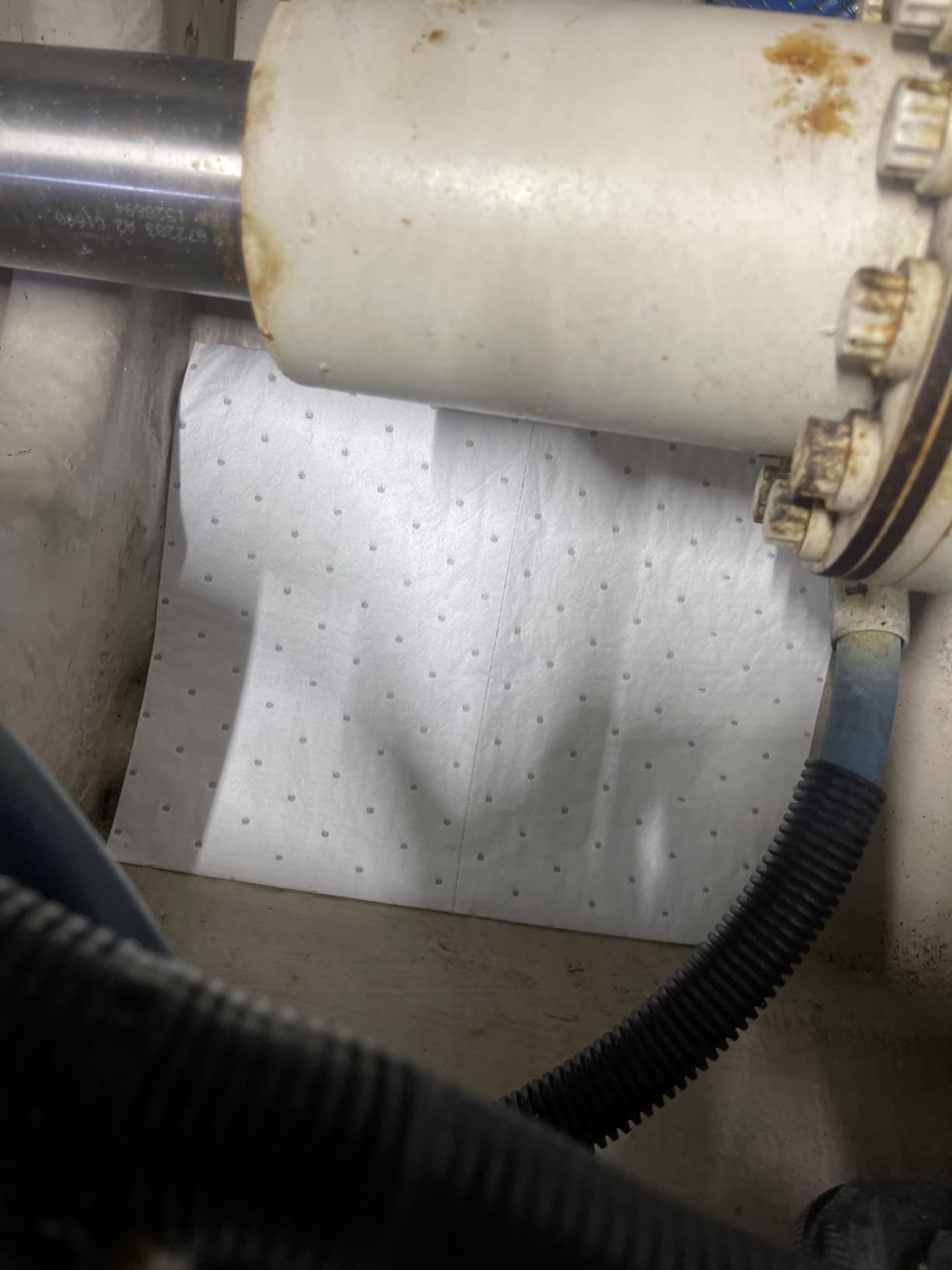
Hand-tear lines are the feature reviewers mention most. A single 13 by 10 sheet is sized for a small leak, and two together cover a bigger one, so you use a fraction of a pad rather than committing a whole sheet every time. Buyers also like that the vacuum-sealed box is roughly 60 percent smaller, which matters on a crowded shop shelf.
At 3.69 pounds, this is one of the lighter 100 packs, and owners generally consider it good value against the better known premium brands while still being oil-focused in performance.
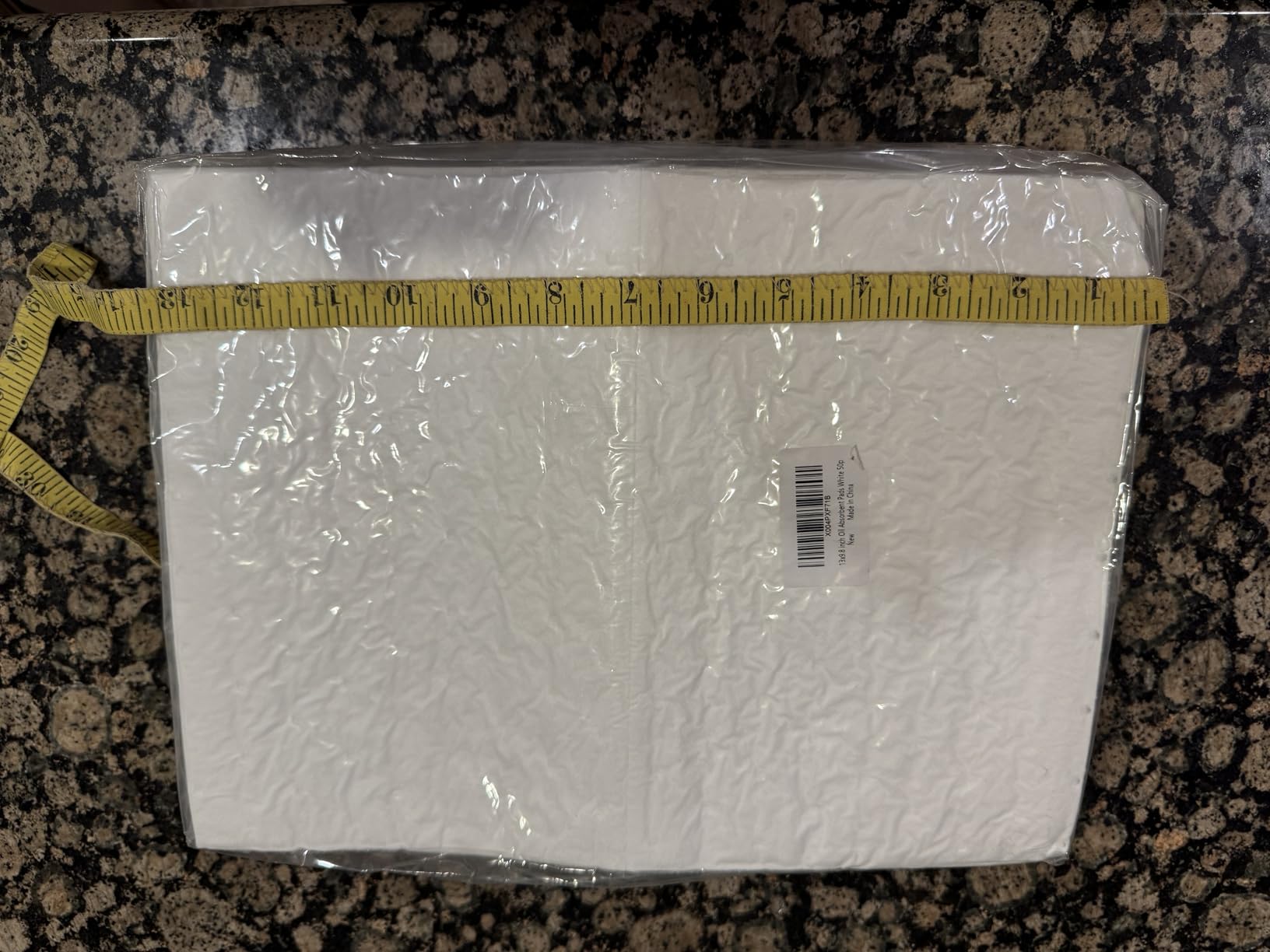
Why reusability changes the buying math
Five to seven uses turns the effective cost per cleanup down dramatically compared with a single-use pad of the same size. For a shop that wipes the same engine or the same hydraulic station every day, that is the difference between a recurring supply line item and a one-time purchase.
The vacuum packaging is a quiet advantage too. A box that is 60 percent smaller is easier to keep in a service van or a cabinet, and pads that come out of a compressed box do not arrive bent and creased.
Where the Tottist pack disappoints
Water, again. Despite the positioning, this is an oil-focused meltblown pad, and buyers report it does very little with water-based fluids. Also worth knowing: the pads run slightly smaller than the stated 13 by 10 inches, so measure your drip tray before committing.
Acids are explicitly out of scope. If you work around battery spill, caustic cleaners or solvents, choose a dedicated universal or hazmat pad instead and keep this one for lubricants.
8. A A IN AA003 15 x 20 heavyweight pads – recovers most of the oil
A A IN AA003 Absorbent Mat Pad Heavyweight Oil Absorbent Pads,15″ x 20″,White 100pcs
15 x 20 inch pads, 100 piece pack
100 percent thermally bonded polypropylene
Recovers roughly 80 percent of absorbed oil
Pros
- Absorbs oil fast without looking used
- Thermally bonded so it will not rip tear or fray when saturated
- Perforated center line tears in half for smaller jobs
- Recovers most of the oil so it can be reused
- Useful for wiping tools and skimming surface oil
Cons
- Oil-only so it will not absorb water
- 14.3 lb pack is heavy to carry and store
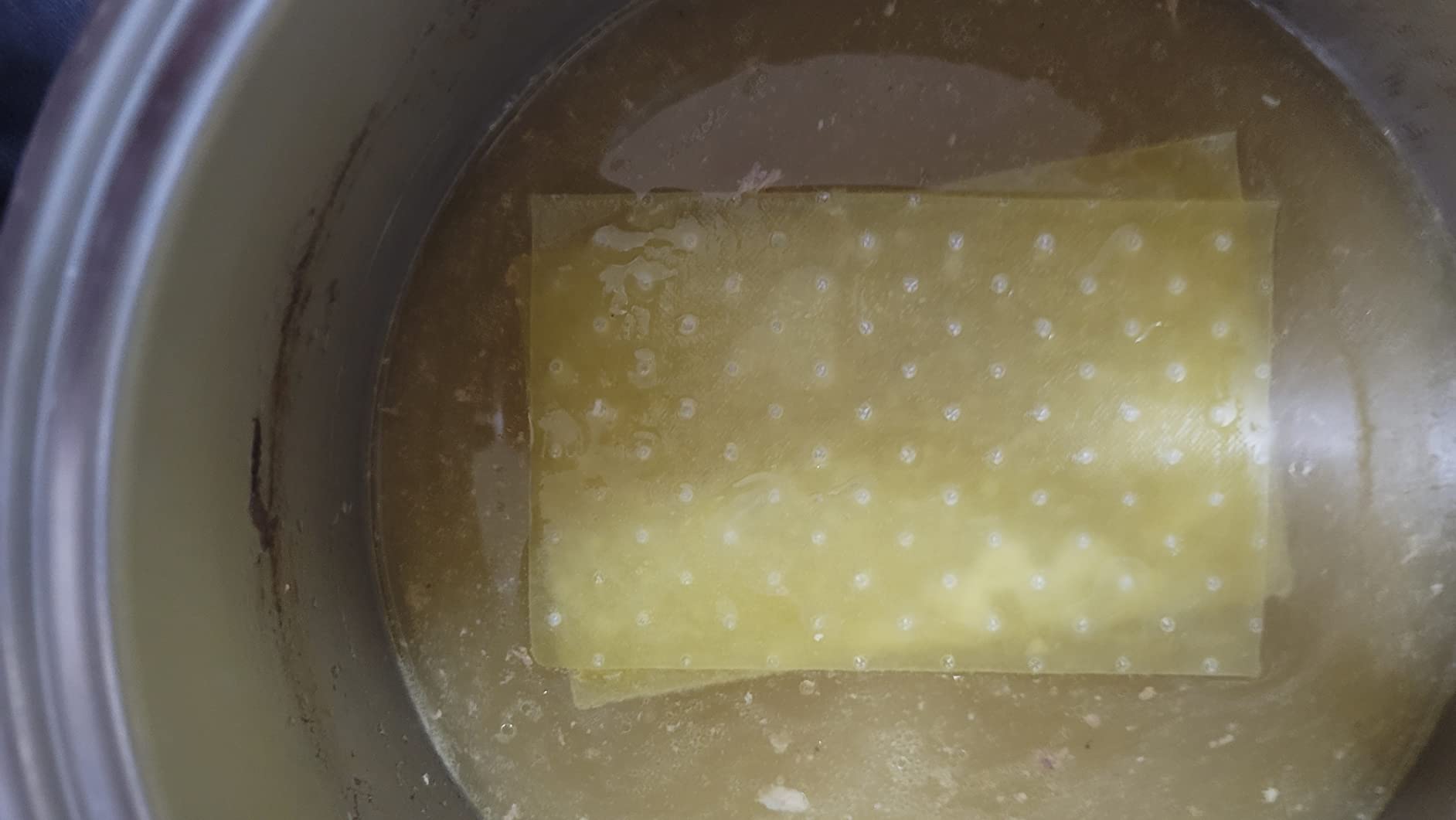
The AA003 is the heavyweight answer, and the technical claim that sets it apart is oil recovery. The manufacturer states the pad can recover roughly 80 percent of the oil it absorbed, which means you wring it out, decant the liquid back into a container, and reuse the sheet rather than throwing away a gallon of oil with the pad.
Everything is thermally bonded 100 percent polypropylene with no loose fibers, so the sheet will not rip, tear or fray even when it is fully saturated. That is what lets you squeeze it. The dimple pattern moves liquid through the mat fast, and the fine fiber construction is designed to leave no liquid or fiber residue on the surface underneath.
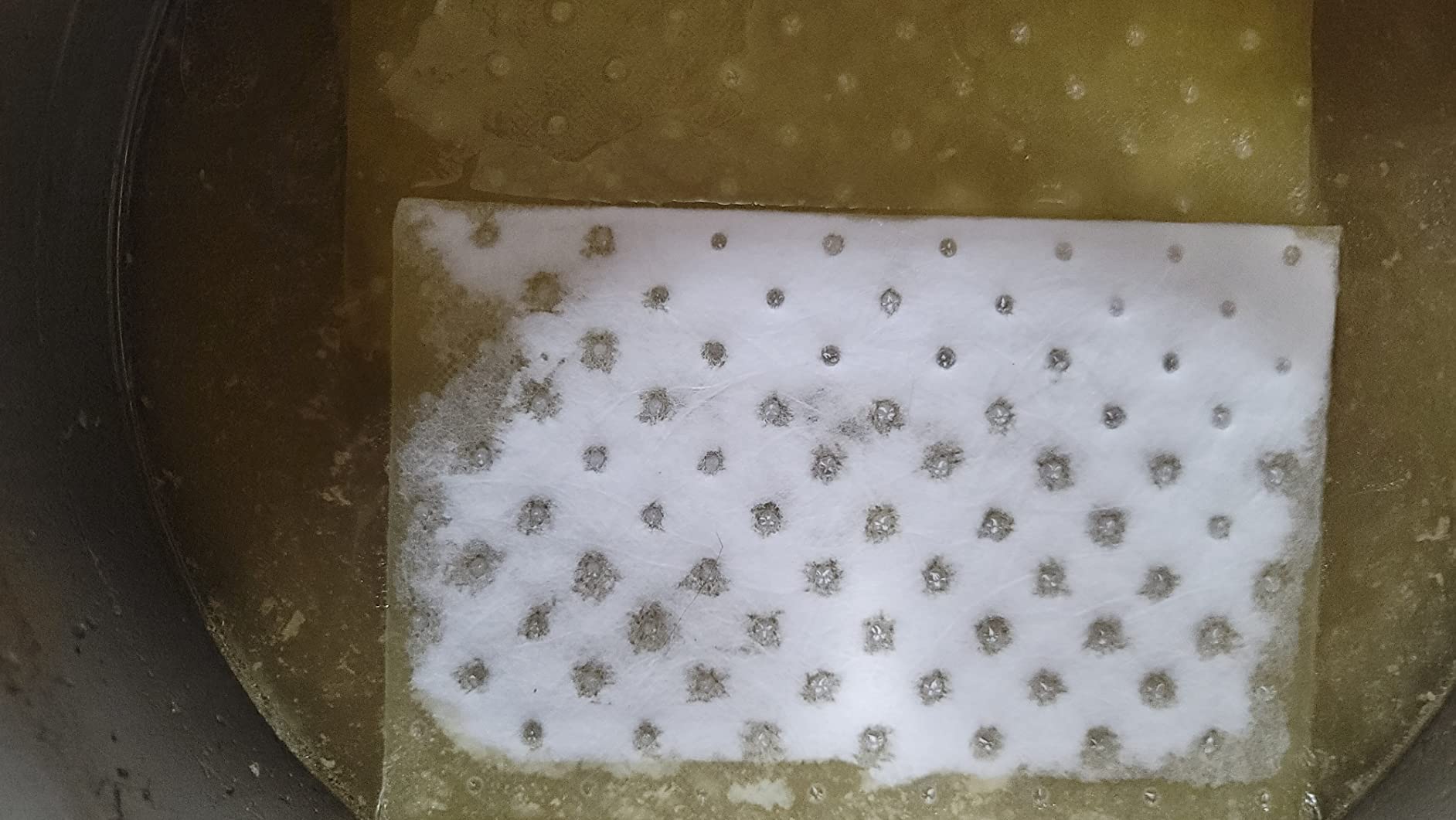
The perforated line down the center means you tear a full 15 by 20 sheet in half for a small job, which is a simple way to stop over-buying capacity. Buyers also use these well beyond spill response, wiping tools, protecting car floor liners and skimming surface oil off water.
At a 4.7 rating with an 86 percent five-star share, this pack draws comparisons to PIG, with reviewers generally favoring the value. The oil-only behavior is the only recurring caveat.
Best for a real spill in a workshop
Recovery is the reason to buy this one. If you routinely mop up hydraulic oil, cutting fluid or gear oil, you are currently throwing away the oil along with the pad. Recovering most of it cuts both your disposal burden and the amount of oil you pay to replace.
The bonded construction is the second reason. When a spill is large enough that you need a heavy pad, you will be handling it with gloves and you will be moving it while it is dripping. A sheet that holds together under that handling is worth more than a thinner one that absorbs marginally less.
Where it is overkill
A 14.3 pound pack is genuinely heavy to carry and awkward on a shelf, and if you only handle small drips you are buying capacity you will never saturate. For a home garage, a smaller 6-pack is a more comfortable fit.
It is also strictly oil-only. Water will not be absorbed at all, so keep it away from coolant and glycol mixes, and note that the 80 percent recovery figure applies to the oil it has already absorbed, not to water-based fluid.
9. 3M HP-156 petroleum sorbent pads – scrim reinforced and reusable
3M Petroleum Sorbent Pad HP-156, High Capacity, White (Case of 100)
17 x 19 inch pads, case of 100
Oil-only petroleum sorbent
Scrim reinforced on one side
Pros
- Highest rated pick here at 4.8 with 86 percent five-star reviews
- Pulls oil off water for boat bilges and marina work
- Reinforced scrim keeps pads from disintegrating when saturated
- Does not shed lint onto the cleaned surface
- Pads can be reused rather than discarded
Cons
- Premium cost per case versus generic pads
- Oil-only so it will not absorb water-based spills
- Less dense than some rivals so thin cut strips can tear when tied
The 3M HP-156 is the highest-rated pad in this roundup, sitting at 4.8 across more than 240 ratings with an 86 percent five-star share. Reviewers are unusually direct about it, frequently calling it the best on the market and better than the generic alternatives.
The design detail that matters is the scrim. One side carries a reinforcing scrim that adds strength and reduces linting, which is why a saturated 3M pad can be lifted, wrung and put back into service instead of disintegrating in your hands. The fine, non-shedding face also means the surface you cleaned stays clean.
At 17 by 19 inches it is a full-size sheet, and a case contains 100 of them. This is a petroleum sorbent, so it is built for hydrocarbon spills and is intended to sit on the surface of oily water and lift the oil off it.
Why boaters and shop owners keep reordering it
Oil off water is the core use, and reviewers in bilges and marina work describe exactly that: a sheet laid on an oily surface takes the oil out and leaves the water. Combined with the scrim, the pad stays intact while you pull it out of the water.
Reusability is the second draw. A pad that can be wrung out, dried and used again changes the economics, and the stated size is generous enough that you can trim it for a small job.
Where the 3M pad falls short
Cost is the dominant complaint, and reviewers say it plainly: a case of this pad costs noticeably more than the generic alternatives. For a home user doing four oil changes a year, that spend is hard to justify.
It is also less dense than some of the bonded competitors, which shows up in a specific use case: if you cut the pad into thin strips and tie them around a component, they can tear. Use a full sheet for strapping work and a bonded pad for ties. Like the rest of the oil-only options here, it will not absorb water-based spills.
10. PIG MAT135 lightweight pads – up to 14 oz absorbed per pad
PIG Mat | Oil Absorbent | 15″ W x 20″ L | Lightweight Pads | Absorbs Up to 14 Oz Per Pad | 200 | MAT135
15 x 20 inch pads, 200 count box
Multiple thermally bonded polypropylene layers
Absorbs up to 14 oz per pad
Pros
- Highest stated per-pad absorption in this group at 14 oz
- Will not rip
- tear or fray when fully saturated
- Handles oils
- coolants
- solvents and water
- Can be wrung out
- dried and reused
- Perforated so you use only what you need
Cons
- Highest price point in the group for 200 pads
- One buyer reported oil soaking through and spotting a driveway
- Lightweight build is not ideal for thin strips tied around components
The PIG MAT135 is the per-pad capacity leader here, absorbing up to 14 ounces in a single 15 by 20 sheet, and it is also the largest box in the roundup at 200 pads. The construction is multiple layers of 100 percent polypropylene that are thermally bonded, so there are no loose fibers to shed.
What sets it apart from most oil-only pads is the fluid range. PIG states it handles oils, coolants, solvents and water, so a mixed mess does not force you to choose between a white pad and a yellow one. That makes it the most versatile sheet on this list if you do not work in a purely hydrocarbon environment.
What buyers like about the PIG
Reviewers describe long-standing loyalty. Shops and manufacturing areas repurchase this year after year, and the reasons are consistent: high per-pad capacity, saturation durability and the ability to wring a pad out and reuse it.
The dimple pattern speeds wicking so the pad picks up liquid across its whole face rather than at the center, and the perforation means you tear off only the section you need. For a facility that reports usage, both of those translate directly into less waste.
Where the PIG is hard to justify
Cost is the reason. This is the most expensive option per pad in the group, and for a home garage that does a handful of changes a year, the payback is slow. The lightweight construction is also a drawback for one specific use: tying thin strips around a component, which the manufacturer does not recommend.
One recent review reports oil soaking through the mat and leaving a spot on a driveway, which is worth knowing if you plan to use it on porous concrete. If guaranteed containment matters more than capacity, choose a pad with a waterproof backing such as the Drymate at the top of this list.
How to Choose Oil Absorbent Pads
Pick the liquid type first, because everything else is secondary. The color convention is industry practice rather than regulation, but it is consistent enough that facilities rely on it: white pads are oil-only and hydrophobic, yellow pads are universal and take up both oil and water-based liquids, and pink or purple pads are hazmat or chemical absorbents for corrosive and aggressive fluids. A pad that will not take up water is not a defective pad, it is an oil-only pad doing exactly what it was built to do.
Oil-only, universal or hazmat
Oil-only meltblown polypropylene is the right answer for engine oil, hydraulic oil, diesel, gasoline, gear oil and lubricants. The polypropylene is hydrophobic, so the fiber network wicks oil in by capillary action while pushing water away, and that is what makes those pads float. Buy oil-only whenever the spill is a pure hydrocarbon, when water is present, or when you need to keep a stormwater drain clean.
Universal yellow pads soak up water-based liquids as well as hydrocarbons, so they are the right default for a mixed mess such as coolant with oil. They absorb less of the oil per pound of material because the same fiber space has to hold both, so for a large pure-oil spill they cost you more per gallon.
Hazmat pads are a different category entirely and only matter if you handle acids, caustics or solvents. None of the ten pads in this roundup is a chemical hazmat pad, and none should be used on a corrosive spill. If that is part of your work, buy a dedicated chemical absorbent and keep it separate from the oil pads.
Lightweight, medium or heavyweight
Weight class is the second decision and it is mostly about matching the pad to the volume of the mess. Lightweight pads, like the PIG MAT135 at roughly a tenth of an inch thick, suit drips, slow weeps and small spills, and they are the only ones we would recommend cutting into thin strips. Medium weight pads are the general maintenance workhorse for a service bay or a machine shop. Heavyweight bonded pads, like the Brady BPO100, are for spills you would otherwise be mopping up with a shop vac.
Thin pads fail in a specific and predictable way. Without enough loft in the fiber web they cannot hold much liquid, so they saturate almost immediately and start pushing oil across the floor rather than lifting it. Forum users describe thin dollar-store pads in exactly those terms, and it is the single most common reason a cheap pad seems ineffective. If oil is spreading instead of disappearing, the pad is too thin, not the wrong brand.
The counterweight to weight is disposal cost. A heavier pad holds more oil, and every ounce of that oil leaves the site with the pad, so a shop that over-specs for occasional small drips pays twice: once for the pad and again for the used absorbent handling. Match the class to the realistic worst case rather than to the worst case you can imagine.
Construction terms that actually matter
Meltblown describes fibers blown into a random web with very high surface area, which is what makes absorption fast. Single-ply meltblown is cheaper and thinner; three-ply, as on the Spilfyter pad, adds strength and low-lint surface. Thermally bonded means the layers are fused together rather than glued, which is why bonded pads will not rip or fray when saturated and why the AA003 can be wrung out. Spunbond laminated, as on the A A IN LT011, adds a tough nonwoven skin to the face so the pad can be handled without stretching. Sonic-bonded construction uses ultrasonic energy to fuse fibers with no adhesive at all, which is the approach behind the Tottist pack.
GSM, or grams per square meter, is the number behind the weight classes. It lets you compare pads from different brands honestly, which matters because thickness in inches is measured inconsistently between sellers. Natural fiber options such as wood fiber or cotton exist, and one forum thread about brooder boxes reports pads roughly an eighth of an inch thick working well to keep bedding dry, but none of the ten products here is a natural fiber pad.
Size, perforation and format
Size follows the mess. Sheets from 13 by 10 inches fit a toolbox and a small drip pan, 15 by 18 and 15 by 20 inch sheets cover an engine bay or a machine base, and anything larger is floor coverage rather than spill response. Perforation is a genuine saving: every pad in this roundup is perforated or center-perforated except the fixed-size Drymate, and tearing off what you need means a small leak does not cost you a whole sheet.
Format matters when a pad is the wrong shape for the job. A roll can be cut to any length for a spill of unknown size, a pillow or sock contains rather than absorbs and is better for containing a fast-flowing leak, and a boom is a barrier for a spill on water. Pads are the right tool for a surface spill you can reach, which is why they are the core of nearly every spill kit. If you are building one, our filter and maintenance guide covers the other consumables worth keeping alongside them.
How to use a pad in five steps
First, lay the pad flat on the spill, covering the center of the pool rather than the edges, because oil is drawn toward the middle of the pool fastest. Second, press down gently and leave it in place; capillary action does the work and pulling the pad up early means you go back with a second one. Third, check saturation by lifting a corner; if the underside is dripping, it is finished. Fourth, lift the pad from the edges, not the center, so you do not squeeze oil back onto the floor. Fifth, bag it and dispose of it according to your local rules.
For prevention rather than response, the same logic applies to drip pans and machine bases. A pad that sits under a seal and gets changed on a schedule saves a cleanup that would otherwise stain concrete permanently.
Storage and disposal
Store pads sealed, dry and off the floor, which is why vacuum packaging is a real advantage in a shop. Pads that sit open on a shelf pre-load with humidity, and pads stored near chemicals or on a dirty shelf are contaminated before they are ever used. Keep oil-only pads separate from universal pads in a labeled kit so nobody grabs the wrong one at the moment they need it.
Disposal follows the local rules and this is where over-specifying gets expensive. A pad loaded with used oil is usually handled as a contaminated absorbent, and the more oil your pad carried, the more waste stream you have paid to create. Confirm your local requirements before ordering, and never put a saturated pad into regular trash without checking. Related garage maintenance tasks are covered in our oil stabilizer guide.
Frequently Asked Questions
What is the best absorbent for oil?
Meltblown polypropylene oil-only pads are the best absorbent for oil. The hydrophobic polypropylene fiber wicks hydrocarbons in by capillary action while repelling water, so the pad absorbs engine oil, hydraulic oil, diesel and gasoline without becoming a heavy waterlogged sheet. Heavyweight bonded constructions hold the most, and perforated versions let you size each pad to the spill.
Are there oil absorbent pads that don’t absorb water?
Yes, that is exactly what oil-only pads are designed to do. White meltblown polypropylene pads are hydrophobic, so they absorb oil and other hydrocarbons while repelling water. That repellency is why they float on water, which makes them the right choice for bilge water, marina work and any spill near a stormwater drain.
What is the best oil spill absorbing mat?
The best oil spill absorbing mat for a garage floor is a reusable mat with a waterproof backing, such as the Drymate XL at 36 by 59 inches. For a response pad rather than floor protection, heavyweight bonded meltblown sheets like the Brady BPO100 absorb more per case. For water present, an oil-selective mat such as the A A IN LT011 floats and keeps working.
What are the best face oil absorbent pads?
This guide covers spill and garage oil absorbent pads, which are not the same product. For facial oil, you want cosmetic blotting paper or blotting sheets designed for skin, which are thin paper sheets sold in beauty stores. Absorbent pads made for engine oil are far too coarse and chemical-treated for use on skin.
How much oil can one absorbent pad absorb?
It depends on the pad. The PIG MAT135 in this roundup is rated at up to 14 ounces per pad, while a 100-count bale of heavyweight oil-only pads such as the Brady BPO100 is rated at up to 20.5 gallons for the full bale. Marketing figures also describe maximum capacity, so real results depend on the size of the spill and how quickly you catch it.
Can you reuse oil absorbent pads?
Some can. The 3M HP-156 is designed to be reused, the Tottist pack is rated for five to seven rinse cycles, and the AA003 is designed to recover roughly 80 percent of the oil it absorbed. The bonded heavyweight pads can be wrung out; thin meltblown sheets cannot, and once they are saturated they must be disposed of.
The Bottom Line on the Best Oil Absorbent Pads
Start with the Drymate XL if you want one piece of gear that protects a garage floor for years and washes clean, and start with the Brady BPO100 if you are outfitting a shop that generates real petroleum spills. For a home oil change, the Oil Eater 6 pack is the sensible, low-friction choice, and if water is part of the picture, the A A IN LT011 is the pad that floats and keeps working.
Whatever you buy, match the pad weight to the size of your typical mess and remember that the color code is convention, not law. Our garage floor spill guide goes deeper on placement and prevention for the home user.
Updated for 2026.