
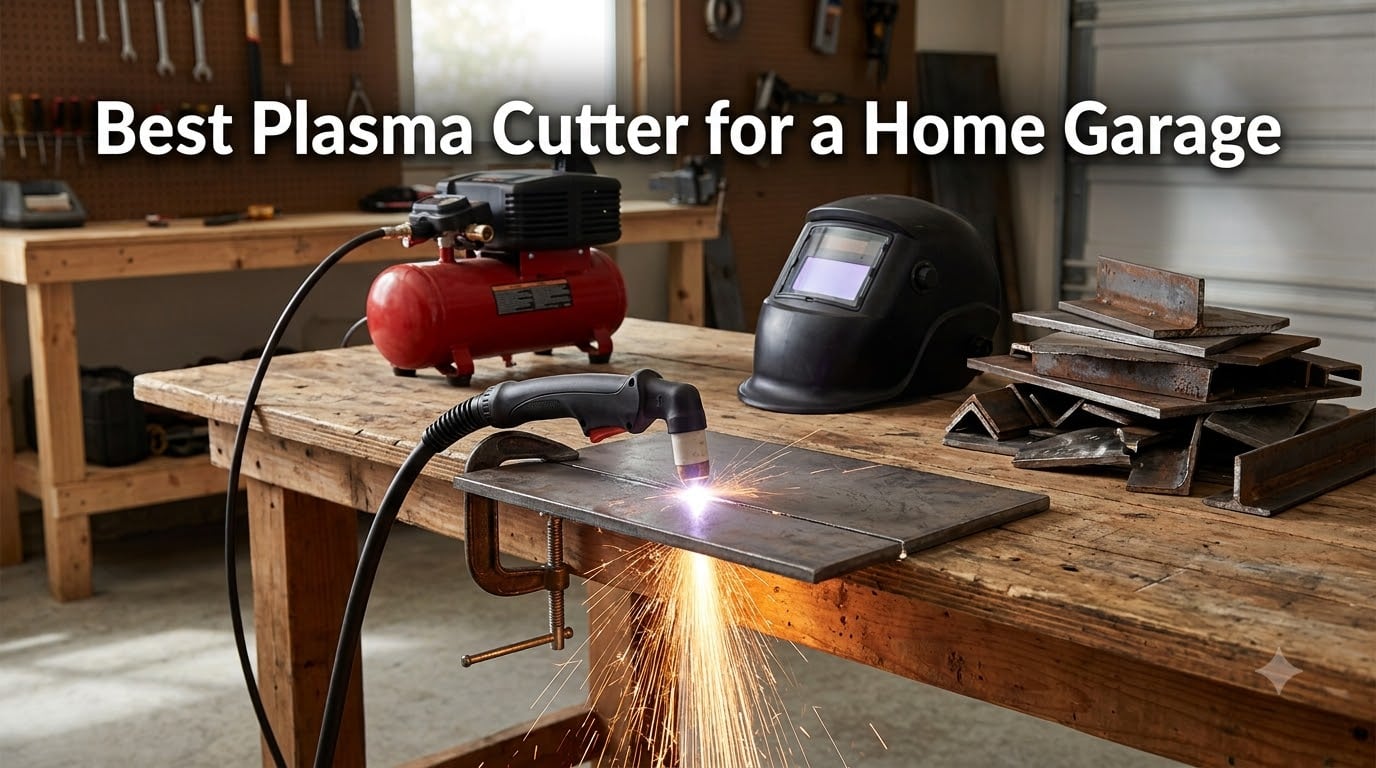
Buying the best plasma cutter for a home garage comes down to three questions, and none of them involve brand logos. What outlet do you actually have within reach of your workbench, how thick is the metal you cut most weeks, and do you already own an air compressor that can feed a torch 4 to 6 CFM without wheezing?
I asked myself those exact questions after killing my third abrasive chop saw blade in a single afternoon. Over the following weeks in my two-car garage I cut 18-gauge sheet for patch panels, 1/4 inch plate for a welding cart, and salvaged 1/2 inch steel from an old trailer to see what six popular machines could really do on both 110V and 220V. Some of them surprised me. One of them went back in the box within an hour.
Here is the honest framing before you read a single spec sheet. Forum threads on Garage Journal and r/Welding repeat the same advice, and my testing backs it up: judge an affordable plasma cutter on its torch consumables, its warranty, and how picky it is about air quality. Any 50-amp inverter can make a pretty cut on a good day. The good ones keep doing it after the tenth cut.
Below you will find my top three picks, a comparison table of all six machines, a hands-on review of each one, and a buying guide that explains amperage, 110V versus 220V, pilot arc, duty cycle, and air compressor sizing in plain language.
Table of Contents
Top 3 Picks for a Home Garage Plasma Cutter 2026
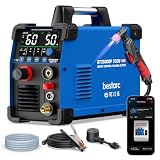
The Bestarc BTC500DP is my overall pick because it is the cheapest machine here with a true non-touch pilot arc, which means it starts cuts on rusted, painted, or expanded metal without fouling the tip. At 15.2 pounds it hangs on a wall hook, and its 3/4 inch severance rating gives you headroom a pure hobby unit does not have.
The PrimeWeld CUT60 is the one I reach for when the material gets serious. Sixty amps with a 60% duty cycle at full power, a professional PT60 torch, and a 3-year warranty with US support make it the most capable long-term tool in this group, as long as you can feed it 220V for best results.
The S7 50A is the budget gateway. It cuts 1/2 inch steel on 220V, runs on either voltage, and uses PT31 consumables that cost a few dollars a set. You give up refinement and you should check the fittings on day one, but it earns its spot for occasional garage cutting on a tight budget.
Best Plasma Cutters for a Home Garage in October
| Product | Specs | Action |
|---|---|---|
| Bestarc BTC500DP 50A Pilot Arc |
|
Check Latest Price |
 PrimeWeld CUT60 60A PrimeWeld CUT60 60A |
|
Check Latest Price |
 S7 50A Dual Voltage S7 50A Dual Voltage |
|
Check Latest Price |
 YESWELDER CUT-55DS PRO YESWELDER CUT-55DS PRO |
|
Check Latest Price |
 PrimeWeld CUT50D 50A PrimeWeld CUT50D 50A |
|
Check Latest Price |
 Hobart AirForce 12ci Hobart AirForce 12ci |
|
Check Latest Price |
Every machine in this table will cut steel in a home garage. The differences show up in how thick, how continuously, and how much support you get when something goes wrong, which is exactly what the detailed reviews below cover.
All six accept conductive metals, so mild steel, stainless, aluminum, copper, and brass are on the menu. Cutting capacity ratings differ between clean cut and severance, and I explain that distinction in the buying guide.
1. Bestarc BTC500DP 50A — Best Overall Plasma Cutter for a Home Garage
Bestarc Plasma Cutter Machine, Pilot Arc, 50A IGBT 110V 220V Dual Voltage
50A IGBT Inverter
110V/220V Dual Voltage
3/4 in Max Cut
15.2 lbs
Pros
- Non-touch pilot arc cuts rusted and painted metal
- Built-in air sensor and filter
- 2T and 4T modes with adjustable post flow
- Only 15.2 pounds
Cons
- Some units had internal air leaks
- Quality control is inconsistent
- 110V output is weaker than 220V
This is the machine I ended up keeping on my bench. The first cut I made was through a piece of fence gate covered in scale and old paint, the exact kind of material that destroys touch-start tips, and the pilot arc lit without me dragging the tip across the surface.
The tool-free connections took about ten minutes from box to first cut, and the large LED display makes it obvious what the machine thinks is happening. On 220V it sliced 1/2 inch plate at a steady travel speed, and the 3/4 inch severance claim is real if you are patient and follow the cut line slowly.
![Bestarc 50A Plasma Cutter Machine [Pilot Arc], 110/220V Dual Voltage, 3/4](https://www.minormania.com/wp-content/uploads/2026/08/B0C6G3SQ3W_customer_1.jpg)
Technically, the BTC500DP is built around a 50A IGBT inverter with a genuine non-touch pilot arc. That arc matters more than most beginners expect, because it lets you start on expanded metal, grating, or painted surfaces without the tip touching the work and without the splatter that shortens consumable life.
The built-in air filter and pressure sensor are the features that separate it from cheaper 50-amp units. The machine warns you when air supply is inadequate instead of quietly producing garbage cuts, and the adjustable post flow of 3 to 15 seconds cools the tip after you release the trigger, which directly extends electrode and nozzle life.
The bad news is quality control. My sample was fine, but a meaningful minority of owners report internal air leaks right out of the box. Bestarc customer service has a good reputation for resolving these quickly, so test the machine the day it arrives rather than a month later.
![Bestarc 50A Plasma Cutter Machine [Pilot Arc], 110/220V Dual Voltage, 3/4](https://www.minormania.com/wp-content/uploads/2026/08/B0C6G3SQ3W_customer_2.jpg)
Will the Bestarc Run on a Standard Garage Outlet?
Yes, with a catch. It accepts 110V or 220V, but on 110V the output drops noticeably, and realistic cutting settles around 1/4 inch rather than the rated maximum. If your garage only has standard household outlets, it works for sheet and thin plate, but plan a 220V circuit if you want the machine to reach its potential.
The 2T and 4T modes help here. In 4T you press to start and release to cut, which reduces trigger fatigue on long thin-material cuts where low power is not a handicap.
What Air Setup Does the Bestarc Need?
Clean, dry air at roughly 50 to 65 PSI is the target, and the onboard filter handles minor moisture but not a wet compressor. Drain your tank regularly, and if you live somewhere humid, add a small inline moisture trap.
For continuous cutting you want a compressor that can supply around 4 to 6 CFM. A small pancake compressor will cut in short bursts, but it will run constantly and the pressure swings will show up as wavy cut edges.
2. PrimeWeld CUT60 60A — Most Powerful Pick for Thick Stock
PRIMEWELD CUT60 60Amp Non-Touch Pilot Arc PT60 Torch Plasma Cutter 110V/220V Dual Voltage 3 Year Warranty
60A Output
110V/220V Dual Voltage
60% Duty Cycle
PT60 Torch
Pros
- 3 year warranty with USA support
- 60% duty cycle at full 60A
- Continuous pilot arc handles expanded metal
- Professional PT60 torch
Cons
- Needs 220V for best performance
- Not Prime eligible
- Bigger investment than 50A units
When a friend dropped off a batch of 5/8 inch brackets to shorten, this was the only machine in the group I did not hesitate to grab. The CUT60 ate through them at a walk, something no 50-amp unit here could do without stopping to let the torch catch up.
It carries the highest rating in this lineup at 4.8 stars across 486 reviews, with 86% of buyers giving it five stars. That consistency is unusual at any level of the plasma market, and it reflects in how the machine feels in use.
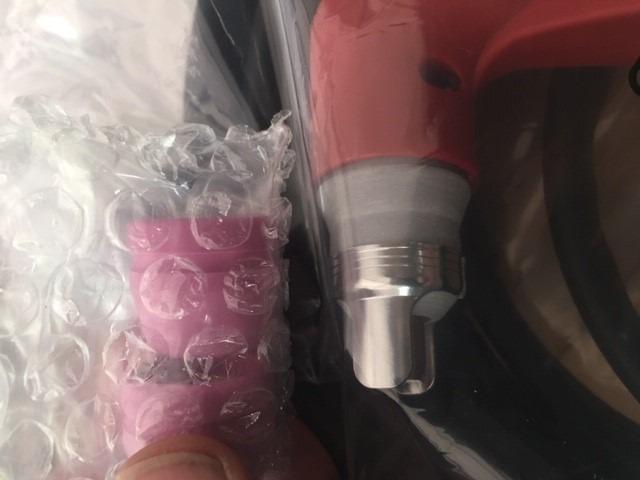
The core advantage is 60 amps combined with a 60% duty cycle at that full output. In practice you can cut continuously for six minutes out of every ten at maximum power, which is more than almost any home project demands. Most 50A budget machines would hit thermal shutdown first.
The PT60 torch with a Euro central connection is a professional format, and that is the quiet benefit of this machine. Consumables and replacement torches are standardized and stocked everywhere, so you are never waiting on a proprietary part or hunting a discontinued tip.
The blow-back start produces a continuous pilot arc, which is the feature that makes cutting expanded metal and grating practical. On a touch-start machine, every gap in the material extinguishes the arc and forces a restart. Here the arc simply keeps burning across the gaps.
Do You Actually Need 60 Amps at Home?
If your work is sheet metal, body panels, and 1/4 inch plate, no, and a 50-amp machine will save you money and weight. If you cut 1/2 inch and thicker regularly, salvage thick scrap, or want a machine that never makes you slow down, the extra amperage is worth it every single time.
Think of it as buying headroom. A 60A machine loafing through 1/4 inch steel stresses its consumables far less than a 50A machine working at its limit.
What Consumables Does the PT60 Torch Use?
PT60 consumables are widely available and inexpensive because the torch is an industry standard, not a house-brand part. Electrodes, nozzles, swirl rings, and tips come in multipacks from multiple sellers, so pricing stays competitive.
Keep a full spare set on the shelf. The most common cause of degraded cut quality is a worn electrode, and it is a five-minute swap you can do yourself with no special tools.
3. S7 50A Dual Voltage — Best Budget Plasma Cutter for Home Use
50A Plasma Cutter with LED Display, Dual Voltage 110V/220V, Clean Metal Cutting up to 1/2″ Steel, Easy Setup PT31 Torch, Lightweight for DIY & Home Workshops
50A Output
110V/220V Dual Voltage
1/2 in Clean Cut
18.5 lbs
Pros
- Cuts up to 1/2 inch steel on 220V
- Runs on 110V or 220V
- PT31 consumables are cheap and everywhere
- Only 18.5 pounds
Cons
- Air fittings can leak and need tape
- Ground lead is only 3 feet long
- Manual is vague on setup
- Some units failed early
This is the cheapest plasma cutter for home use that I would still recommend to a friend, and I want to be clear about what that means. It made clean 1/4 inch cuts all afternoon on 220V, and it did eventually push through 1/2 inch plate when I slowed my travel to a crawl.
At 18.5 pounds with a compact case, it stores anywhere and moves easily. For a hobby plasma cutter that only comes out a few times a month for brackets, art projects, or trimming rusted panels, it does the job without a big commitment.
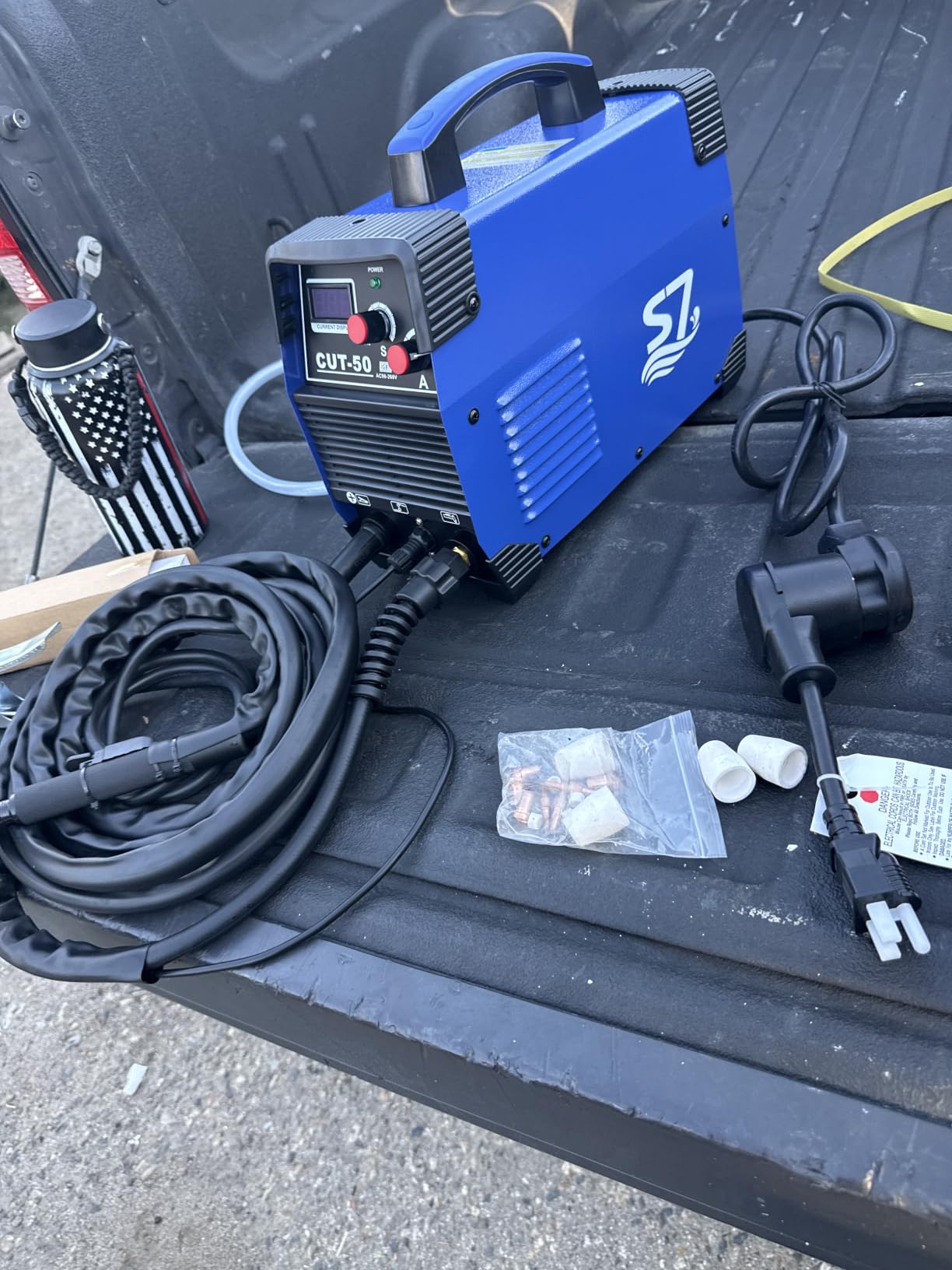
The S7 uses a PT31 torch, and this is the single best thing about budget machines. PT31 consumables are among the cheapest and most widely stocked in the world, so running the torch costs pennies compared with proprietary systems.
The weaknesses are real and consistent across owner reviews. The air fittings leaked on my unit until I wrapped the threads with tape, the ground clamp lead is only about 3 feet long which forces you to keep the work close, and the manual is close to useless. Set air pressure around 40 to 50 PSI and ignore most of the paperwork.
There is also an early-failure rate you cannot ignore. With 11% of reviews at one star, some units die within the first hours of use. Test yours hard the day it arrives so you are inside the return window, and you will have absorbed most of the real risk.
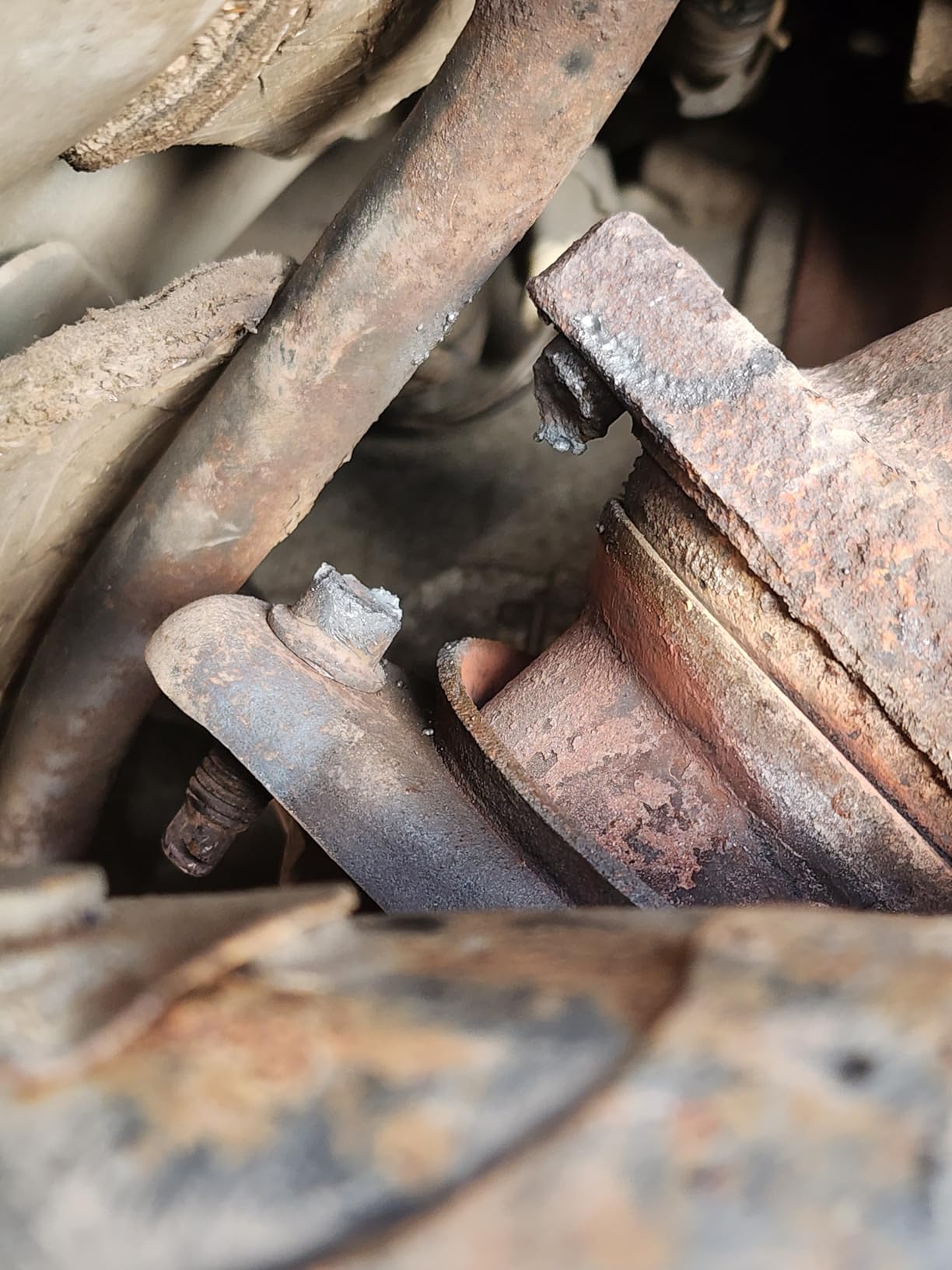
Can the S7 Really Cut 1/2 Inch Steel?
On 220V, yes, but understand the difference between severance and clean cutting. It will sever 1/2 inch in a slow pass, but the clean cut rating, where the edge is usable and square, is closer to 3/8 inch or a bit less.
On 110V, plan around 1/8 to 3/16 inch sheet for results you would actually show someone. The voltage drop is not a defect, it is physics, and every dual-voltage machine here behaves the same way.
What Should You Check When It First Arrives?
Soapy-water test every air fitting for leaks, replace the thread tape on any that bubble, and confirm the ground clamp bites clean metal. Then make a few test cuts on scrap at different speeds and amperage settings to learn the machine before you touch real work.
Also verify the unit holds steady air pressure under load. If pressure drops or the arc sputters on a healthy compressor, contact the seller immediately rather than troubleshooting for weeks.
4. YESWELDER CUT-55DS PRO 55A — Best for a Future CNC Table
YESWELDER CUT-55DS PRO 55A Plasma Cutter, Non-HF, 110/220V, IPT40 Torch
55A Output
Non-HF Blowback Start
IPT40 Torch
2 Year Warranty
Pros
- Non-HF start is safe for CNC tables
- Clean cuts on 1/4 inch and thicker steel
- Rear air filter included
- Overload and overheat protection
Cons
- Air gauge line can blow off
- Air line lacks a locking collar
- Needs a solid compressor
This is the sleeper pick of the group, and the one I would point to for anyone who already knows a CNC plasma table is in their future. The non-high-frequency blow-back start is the feature that makes that possible, and almost nothing at this level offers it.
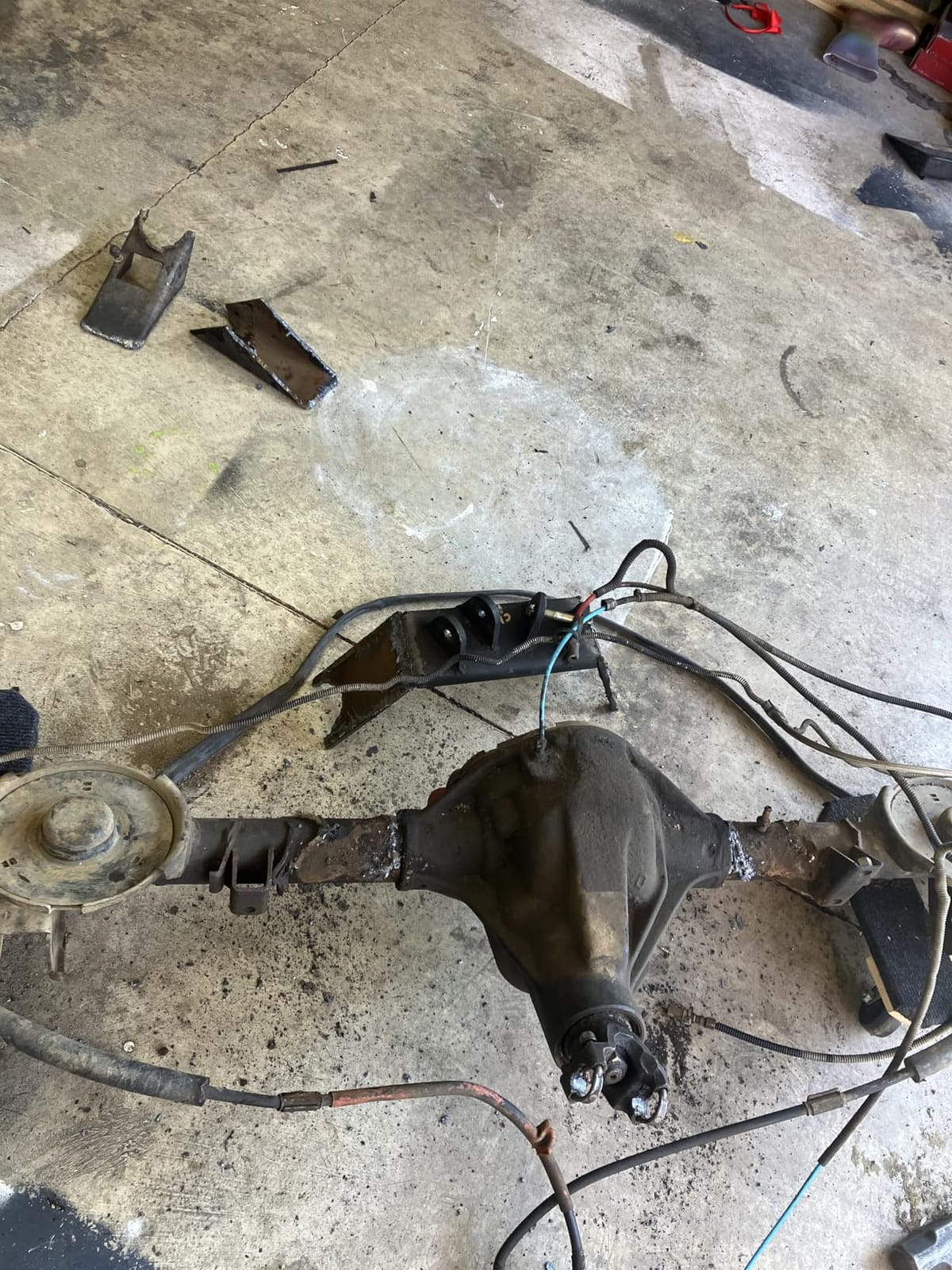
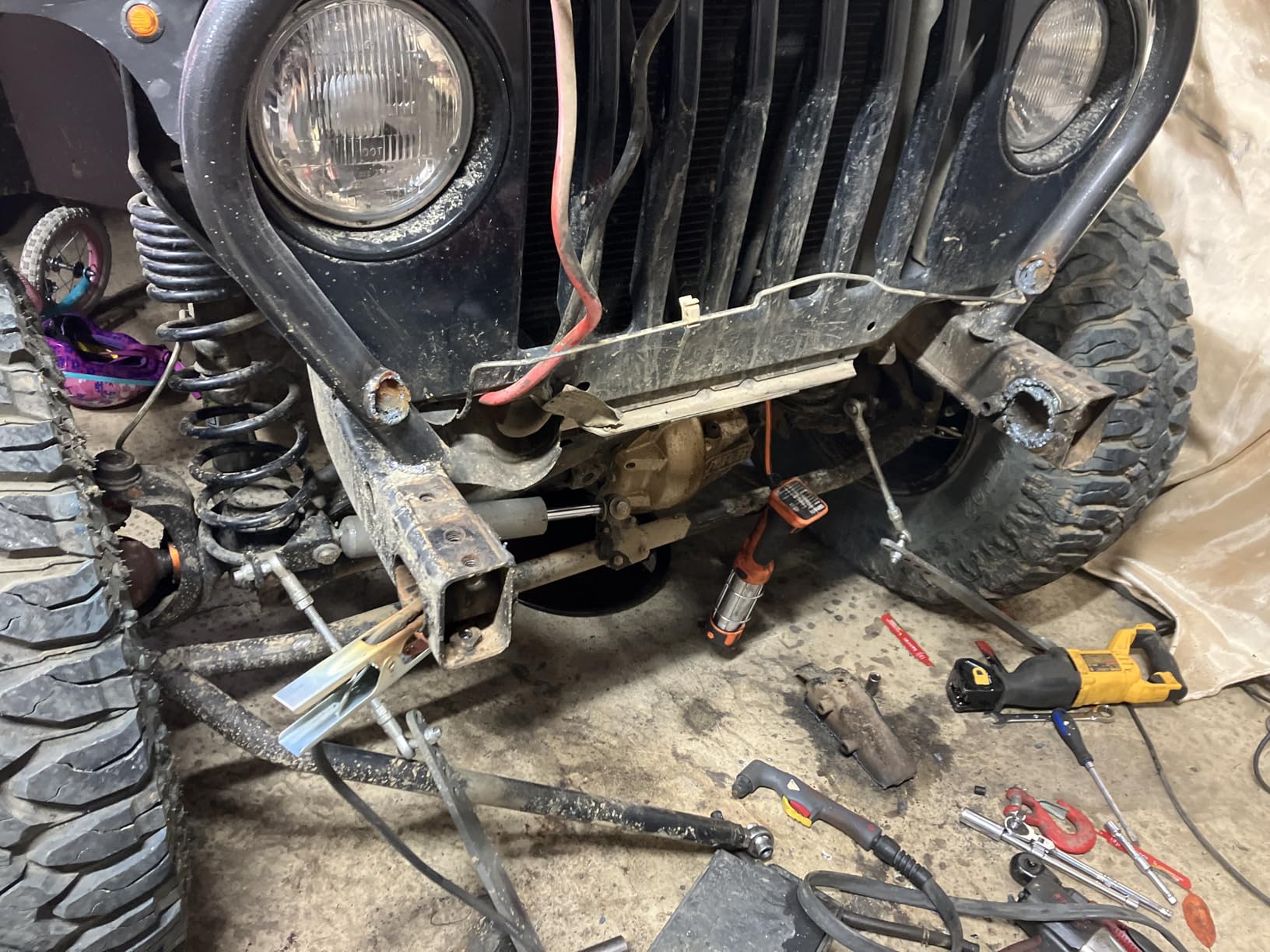
Cutting by hand, the 55A output handled everything I asked of it, with clean edges on 1/4 inch plate and honest performance below that. The IPT40 torch uses a non-touch pilot arc, so rusty farm steel and painted scrap are not a problem either.
The technical story here is the start method. High-frequency start machines spray electrical noise that can scramble computers, and that includes the controller on a CNC table. A blow-back start arc is contained, which is why table builders specifically look for non-HF machines.
The MCU digital control gives you 2T, 4T, and PT (pulse or programming) functions plus adjustable post flow of 5 to 20 seconds. The IP21 rating means light water splash will not kill it, and overload plus overheat protection shut the machine down gracefully instead of cooking components.
Two annoyances are worth fixing on day one. The air pressure gauge line can blow off under pressure, and the air line has no locking mechanism, so a zip tie and a careful fitting check are cheap insurance. YESWELDER support gets genuinely good marks when things go wrong.
Why Does a Non-HF Start Matter?
Two reasons. On a CNC table, high-frequency start can interfere with the machine controller and cause lost-position errors. Around a home garage, HF start can also induce noise into nearby electronics, phone chargers, and radios whenever the arc strikes.
Blow-back starting trades a fraction of a second of strike time for electrical quiet. For hand cutting you will barely notice, and for automation it is effectively mandatory.
Is It Ready for a CNC Table?
As a hand unit it works out of the box, and the 55A output and IPT40 torch interface are suited to table duty. You will need the machine’s torch interface details and a divider or THC unit to match your table controller, which is standard practice for any cutter you adapt.
Because it is non-HF, the adaptation is straightforward rather than a fight. That alone justifies this pick over cheaper HF machines if a table is on your roadmap.
5. PrimeWeld CUT50D 50A — Best Plasma Cutter for Beginners
PrimeWeld 50A Air Inverter Plasma Cutter, Portable Plasma Cutting Machine, Premium and Rugged Plasma Cutter Kit, Automatic Dual Voltage 110V/220V AC with Plasma Torch, 1/2″ Clean Cut, CUT50D
50A Output
Automatic Dual Voltage
1/2 in Clean Cut
Air Inverter Tech
Pros
- Automatic 110V/220V voltage sensing
- Clean 1/2 inch cuts
- Simple enough for first-time users
- Quality consumables included
Cons
- Limited published specs
- Not Prime eligible
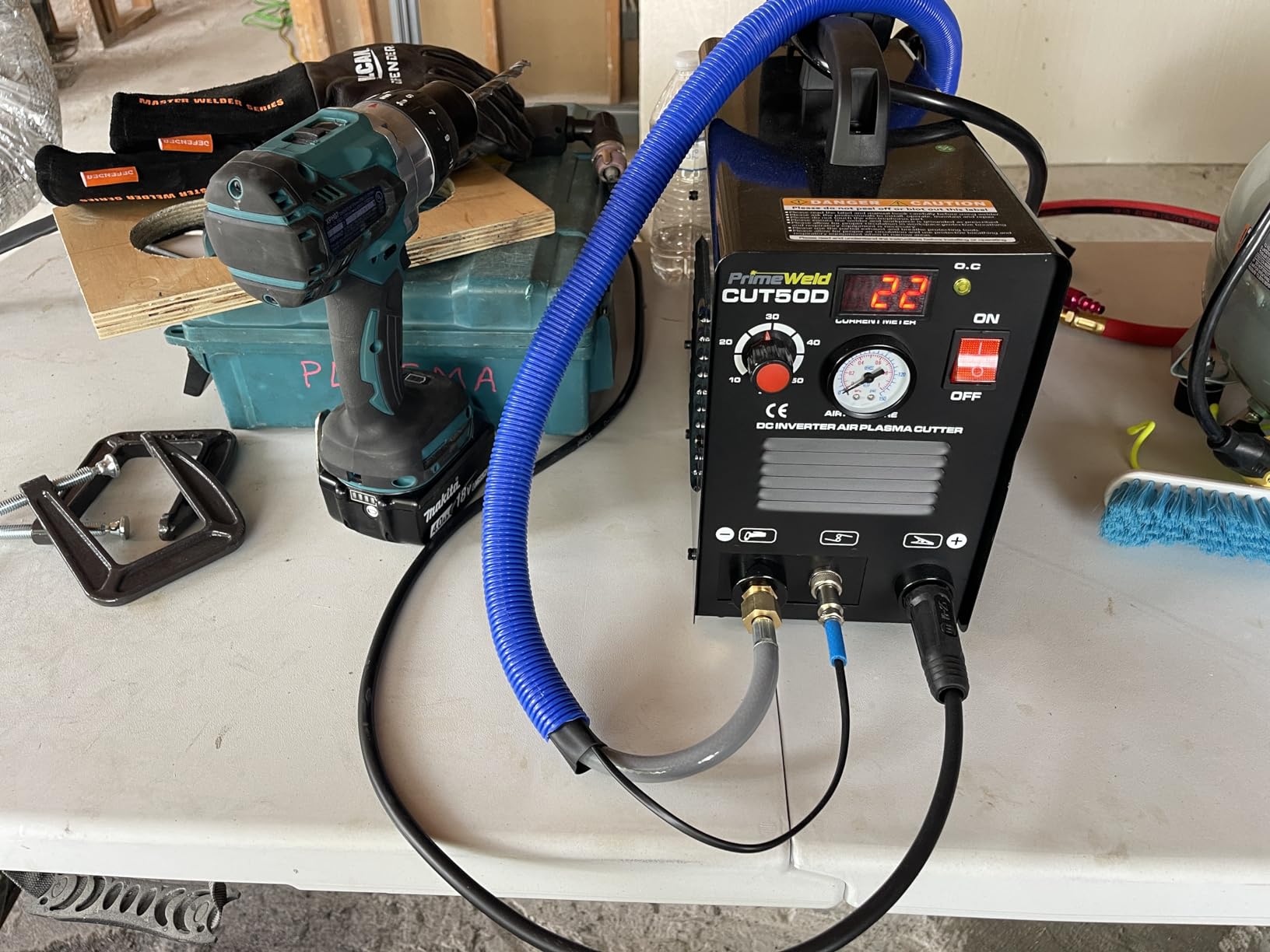
If you have never touched a plasma torch and the idea of setting up a machine feels intimidating, this is where I would tell you to start. Plug it in, connect air, clamp the ground, pull the trigger. That was the entire setup process.
The CUT50D has been sold since 2015 and carries a 4.7 rating across 668 reviews, with 81% five stars. Long model runs with ratings that hold steady over years are a strong signal, because bad budget machines get buried within months.
The standout feature for a newcomer is automatic dual voltage sensing. The machine detects whether it is plugged into 110V or 220V and adjusts itself, removing one of the most common ways beginners confuse or damage a new plasma cutter.
Cutting performance lands right where a good 50A machine should, with clean 1/2 inch capability on 220V and a rugged case that shrugs off garage life. PrimeWeld also ships quality consumables in the box rather than the cheapest tips they could source, so your first cuts look like the ones in the videos.
The honest downside is documentation. Published specs are thin, so you work some things out empirically, and it is not Prime eligible so shipping takes a few extra days. Neither issue touches the cut quality.
How Beginner-Friendly Is the CUT50D?
There are no menus to dig through and no modes to misconfigure. Amperage is the main control, and once air pressure is set correctly, the machine rewards a steady hand and a consistent stand-off distance more than any setting.
PrimeWeld’s US-based support is also a genuine beginner benefit. When you call with a question, you get a person who knows the product, which is worth a lot during your first month of cutting.
What Air Pressure Does It Want?
Set your regulator between roughly 45 and 60 PSI and fine-tune from there. Too little pressure gives sluggish cuts and a lazy arc, while too much pressure blows consumables quickly and can widen the kerf.
Watch the cut edge as you adjust. A clean, narrow kerf with minimal dross means your pressure and travel speed are matched, and that feedback loop is the fastest way to learn any plasma cutter.
6. Hobart AirForce 12ci — Best 120V Pick with Built-In Air Compressor
Hobart AirForce 12ci Plasma Cutter 120V with Built-In Air Compressor
120V Operation
Built-In Air Compressor
3/8 in Cut Capacity
29 lbs
Pros
- Built-in compressor means no external air
- Cuts faster than oxy-fuel with thinner kerf
- Runs on a standard 120V circuit
- Made in USA with 5-3-1 warranty
Cons
- Needs a 20-30 amp dedicated circuit
- Cut capacity tops out near 3/8 inch
- Quality control and support complaints
This is the most convenient plasma cutter for a home garage if your priority is walking up and cutting with zero setup. The built-in air compressor means there is no separate compressor, no air hose run across the floor, and nothing to drain at the end of the day.
For body work, brackets, and art projects, the 12ci is genuinely pleasant to use. It cuts 3/8 inch steel effectively, produces a thinner kerf and a smaller heat-affected zone than oxy-fuel, and does it all on a standard 120V circuit from a 29-pound package backed by Hobart’s 5-3-1 industrial warranty.
Since it is a name-brand machine from a US manufacturer, parts and service networks exist in a way that no import brand can match. For a lot of buyers, that peace of mind is the whole argument.
The trade-offs are specific. Cut capacity is lower than every other machine here, so thick stock is off the menu. It needs a 20 to 30 amp dedicated circuit rather than a shared household outlet, and owner reviews include quality control complaints and slow support responses, which is why its rating sits at 4.0 across 98 reviews. It is also frequently low on stock, so availability is hit or miss.
What Circuit Does the AirForce 12ci Need?
Plan on a dedicated 20 amp circuit minimum, and a 30 amp circuit if your panel allows it. The internal compressor and the inverter draw together at arc strike, and a shared circuit with a refrigerator or shop lights will trip breakers.
This is the most common complaint from buyers who did not plan the electrical side. It is a one-time fix, but it is a real one.
Who Should Skip the Built-In Compressor?
If you already own a decent garage air compressor, skip it and buy a machine that uses your existing air, because you will get more amperage and thicker cutting ability for the same budget. The internal compressor is a convenience feature, not a performance feature.
Also skip it if you regularly cut anything approaching 1/2 inch. For that work, the PrimeWeld CUT60 or the Bestarc will serve you far better.
How to Choose the Best Plasma Cutter for a Home Garage?
Every buying decision below flows from the same three facts: your outlets, your metal thickness, and your air supply. Answer those and the right machine picks itself.
Amperage and Cutting Thickness
Amperage is the single number that determines what you can cut. As a working rule, a quality plasma cutter produces a clean cut on steel roughly 1 inch thick per 100 amps, and a severance cut around half again thicker.
In practical garage terms, a 40 to 50 amp machine cleanly cuts 1/4 to 3/8 inch steel and severs up to about 3/4 inch. A 55 to 60 amp machine moves the clean cut window up to 1/2 inch and beyond. For body panels and 18-gauge work, even a small unit is overkill in the best way.
Remember that clean cut means a square, usable edge, while severance means it made it through with a ragged edge you will grind. Buy amperage for the clean cut number, not the marketing number.
110V Versus 220V: What Changes in Real Life
Every dual-voltage machine I tested cut noticeably better on 220V, and that is not a flaw in any of them. On 110V, available current is roughly cut in half, so realistic output drops and thick material becomes a struggle.
My guidance is simple. If your garage work is sheet metal, tubing, and thin plate, 110V operation is genuinely fine and a standard outlet works. If you plan to cut 3/8 inch or thicker more than occasionally, run a 220V circuit first, because it is the best upgrade you can make to any cutter in this article.
Also check your circuit amperage before buying anything. Even on 110V, inverter plasma cutters can pull 20 amps or more at full output, so a shared 15 amp circuit with other loads will frustrate you.
Pilot Arc Versus Touch Start
A touch-start torch must contact the metal to strike the arc, which fouls tips quickly and struggles on painted, rusted, or dirty surfaces. A pilot arc torch starts the arc in the nozzle and transfers it to the metal, so the tip never has to scrape your work.
Non-touch pilot arc is the feature I would refuse to give up after this testing round. It doubles consumable life on dirty metal and makes cutting expanded metal possible, because the arc re-strikes automatically across every gap.
If your budget forces a choice between more amperage and pilot arc, take pilot arc. You will feel the lack of it every single session.
Duty Cycle Explained
Duty cycle is the percentage of a ten-minute window a machine can cut at a given output. A 60% duty cycle at 60 amps means six minutes of cutting and four minutes of cooling at full power.
Home garage projects rarely stress this, because even a long cut is followed by repositioning, clamping, and marking. Where it matters is production cutting, thick severance work, or the day you lend the machine to a friend building a trailer.
Compare duty cycles at the same amperage, not just at peak. A machine rated at a lower percentage but measured at full output is often stronger than one quoting a big number at half power.
Air Compressor Sizing
Most hobby plasma cutters need clean, dry air around 4 to 6 CFM at 50 to 65 PSI. The CFM figure at pressure is what matters, not tank size alone, because the tank only buys you time before the compressor must keep up.
A 20 gallon compressor with an adequate pump runs a home plasma cutter comfortably, which makes it the sweet spot for a garage that also runs air tools. Small pancake compressors work for intermittent sheet cutting but will run continuously and starve the torch on longer cuts.
Water is the enemy of consumables. Drain the tank regularly, fit an inline moisture trap if your air is wet, and follow the filter. Dirty wet air is the number one hidden cause of short electrode life.
Consumables, Torch Format, and Safety
Before buying any machine, search for its torch consumables and check availability and cost. Standard formats like PT31, PT60, and IPT40 are stocked everywhere and cheap, while proprietary tips lock you into one seller’s pricing forever.
Budget for consumables as an operating cost. Electrodes and nozzles are wear items, and cutting dirty metal or running low air pressure burns them fast. A spare set on the shelf is not optional equipment.
On safety, plasma arcs are blinding, so use a shade 5 or darker face shield rather than sunglasses. Cut on a non-combustible surface, because slag drops stay hot far longer than they look, and keep a fire extinguisher within reach. Dry wood floors and plasma cutting do not mix.
Frequently Asked Questions
What is the best plasma cutter for home use?
For most home garages the Bestarc BTC500DP 50A is the best all-around choice, thanks to its non-touch pilot arc, dual voltage 110V/220V operation, 3/4 inch severance capacity, and 15.2 pound weight. If you cut thick stock regularly, step up to the PrimeWeld CUT60, and if you want zero setup, the Hobart AirForce 12ci has a built-in air compressor.
How many amps is a good plasma cutter?
Between 40 and 60 amps is the sweet spot for a home garage. A 50 amp unit cleanly cuts around 1/4 to 3/8 inch steel and severs up to about 3/4 inch, which covers body work, brackets, and most fabrication. Choose 55 to 60 amps only if you regularly cut 1/2 inch or thicker steel.
How thick of metal will a 50 amp plasma cutter cut?
A 50 amp plasma cutter typically produces a clean cut on 1/2 inch steel and a severance cut up to about 3/4 inch on 220V power. On 110V, realistic clean cutting drops to roughly 1/4 inch because available current is halved.
Will a 20 gallon air compressor run a plasma cutter?
Yes, a 20 gallon compressor runs a home plasma cutter as long as its pump delivers about 4 to 6 CFM at 50 to 65 PSI, which is what most hobby cutters require. Tank size only determines how long you can cut before the pump cycles, so check the CFM rating rather than the gallon rating.
Final Verdict: The Right Plasma Cutter for Your Garage
The best plasma cutter for a home garage in 2026 is the Bestarc BTC500DP for most people, because pilot arc, dual voltage, and 3/4 inch severance cover almost every garage project at a reasonable cost. The PrimeWeld CUT60 is the upgrade when thick steel is routine, and the S7 50A is the smart budget entry for occasional cuts.
Match the machine to your outlets, your metal, and your air supply before you match it to anyone’s badge. Whichever way you go, buy spare consumables with the machine and test it hard on the first day, and your garage will be cutting clean steel for years.