
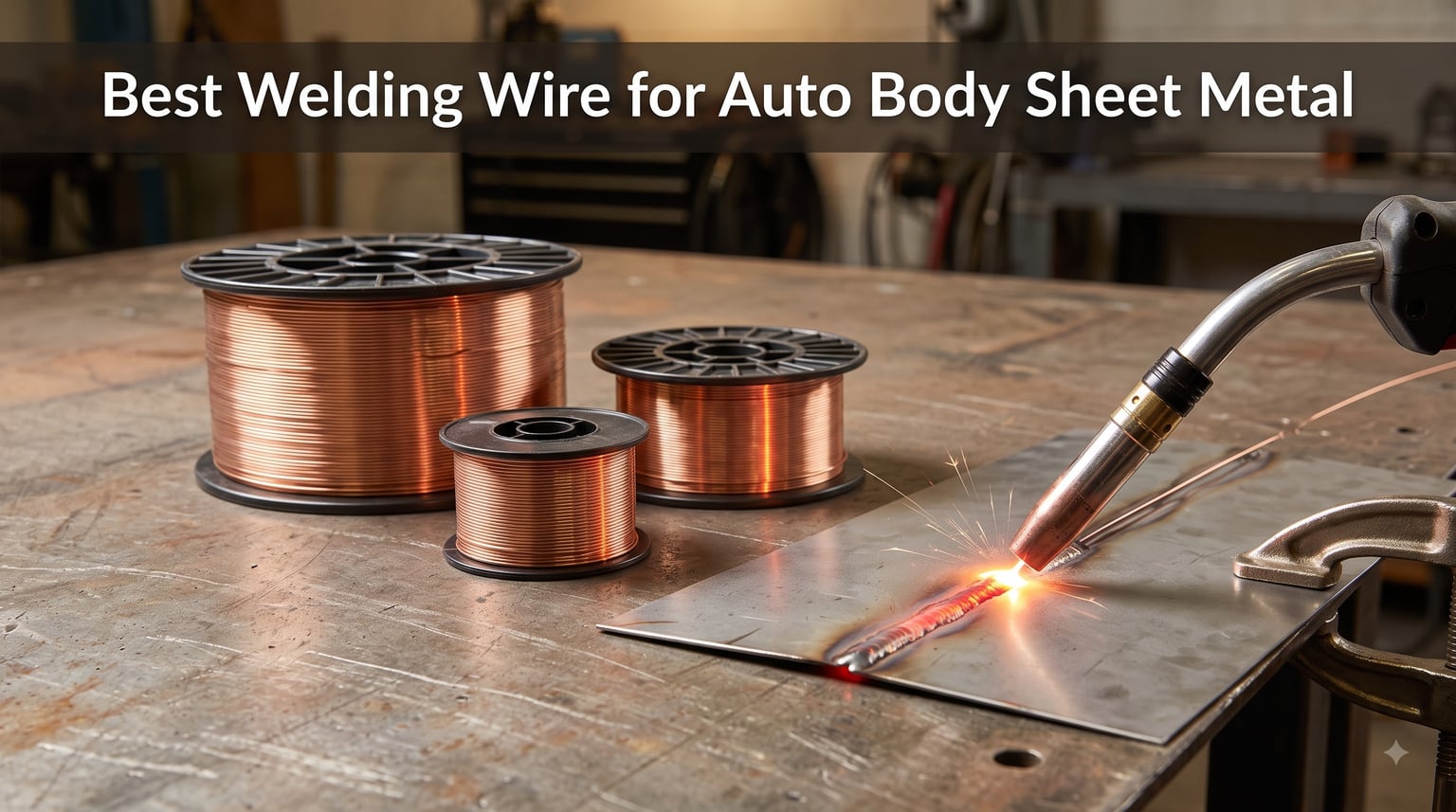
I burned through my first quarter panel in about four seconds. I had grabbed a roll of 0.030-inch wire at the hardware store, set my welder to “auto,” and trusted the bead. The hole in the fender confirmed my mistake: I was using the wrong wire.
After that, I spent thirty days running beads on scrap hoods, fenders, and patch panels with eight different ER70S-6 solid MIG wires. The short answer for anyone searching for the best welding wire for auto body sheet metal is this: ER70S-6 solid wire in 0.023-inch (0.6mm) diameter, paired with 75% argon / 25% CO2 shielding gas. That combination gives you the low heat input and short arc control you need on 18-22 gauge steel without the burn-through, warping, or spatter cleanup that ruins bodywork.
This guide walks through the eight wires I tested, breaks down wire size and chemistry in plain language, and answers the questions I had before I finally fixed that quarter panel correctly.
Table of Contents
Top 3 Picks for Auto Body Welding Wire October


All three are 0.023-inch ER70S-6 solid wire, which is the configuration my tests (and most professional body shops) confirmed is the sweet spot for thin automotive steel. If you want a heavier 0.030-inch option for brackets or thicker panels, I cover those below as well.
Best Welding Wire for Auto Body Sheet Metal in 2026
| Product | Specs | Action |
|---|---|---|
| INEFIL ER70S-6 .023 inch 10 lb (Made in Italy) |
|
Check Latest Price |
| PGN ER70S-6 .023 inch 10 lb |
|
Check Latest Price |
 YESWELDER ER70S-6 .023 inch 10 lb YESWELDER ER70S-6 .023 inch 10 lb |
|
Check Latest Price |
 WeldingCity ER70S-6 .023 inch 10 lb Roll WeldingCity ER70S-6 .023 inch 10 lb Roll |
|
Check Latest Price |
| ARCCAPTAIN ER70S-6 .023 inch 2 lb |
|
Check Latest Price |
 Hobart H305406-R22 ER70S-6 .030 inch 10 lb Hobart H305406-R22 ER70S-6 .030 inch 10 lb |
|
Check Latest Price |
 Blue Demon ER70S-6 .030 inch 11 lb Blue Demon ER70S-6 .030 inch 11 lb |
|
Check Latest Price |
 Eastwood Solid MIG Wire .030 inch 2 lb Eastwood Solid MIG Wire .030 inch 2 lb |
|
Check Latest Price |
1. INEFIL ER70S-6 .023 inch 10 lb Spool – Made in Italy
INEFIL ER70S-6 MIG Welding Wire .023″ — 10 lb Spool | Made in Italy | Premium Solid Wire for Auto Body, Exhaust & Thin Steel — AWS ER70S-6
0.023 inch diameter
10 lb spool
Copper coated
European mild steel
Pros
- Italian-made with tight dimensional tolerances
- Very smooth stable arc with minimal spatter
- Multiple international certifications (ABS TUV Lloyd's)
- Excellent feedability with no bird-nesting
Cons
- Spool alignment can be inconsistent on some units
- Needs proper voltage/feed settings to shine
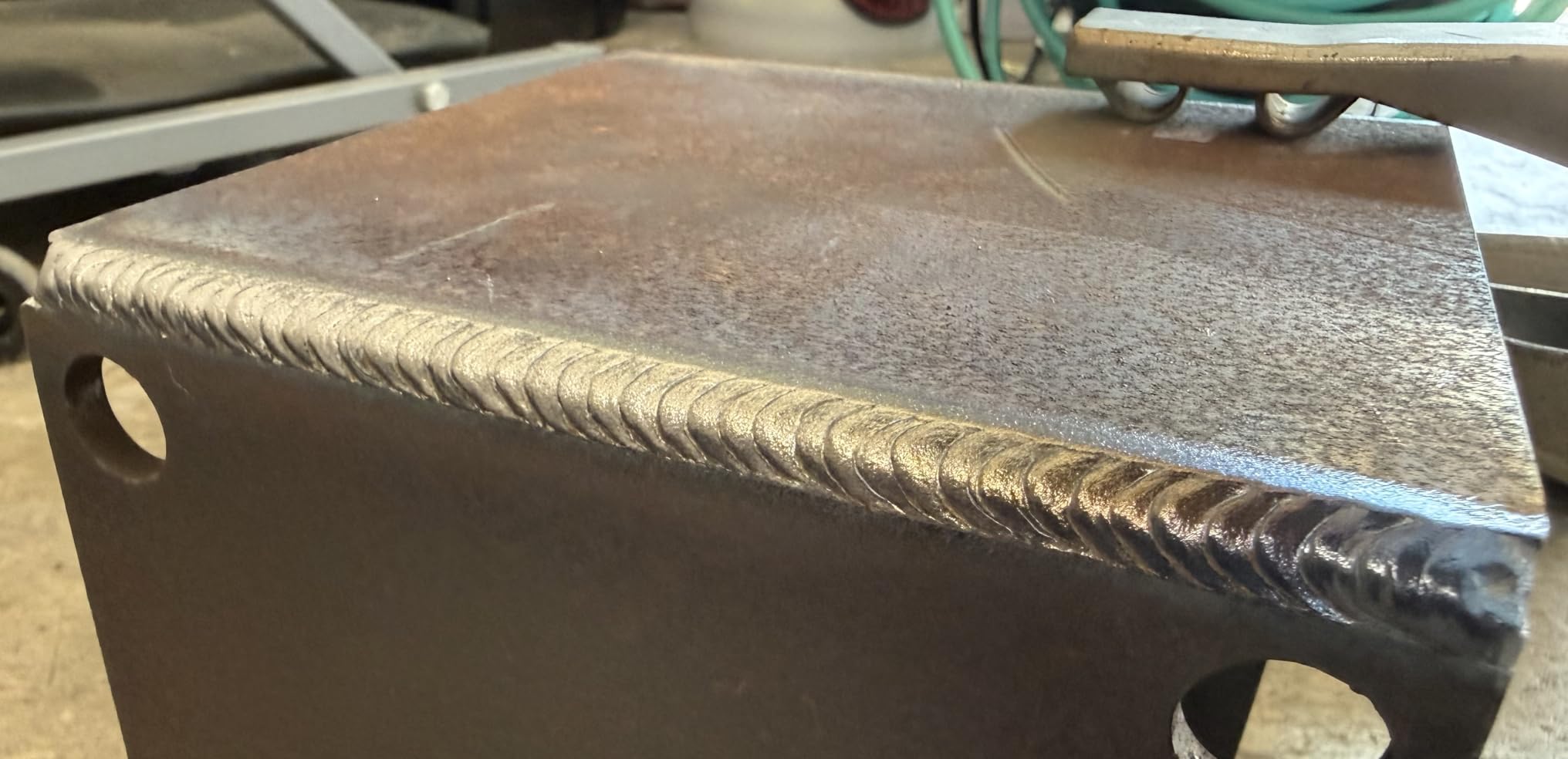
INEFIL was the wire I kept reaching for when I really needed a clean weld. The 0.023-inch diameter feeds like butter through my Hobart Handler 140 and the arc stays steady even when I’m stitching a patch panel together. I ran a full lap-joint test on two 20-gauge fender scraps and the puddle looked like a mirror.
What separates this wire from cheaper imports is the consistent diameter. The AWS A5.18 specification calls for tight tolerances, and Italian wire manufacturers have spent decades perfecting that. I never experienced a hiccup in the feed, even on long stitch welds across the back of a vintage pickup cab corner.
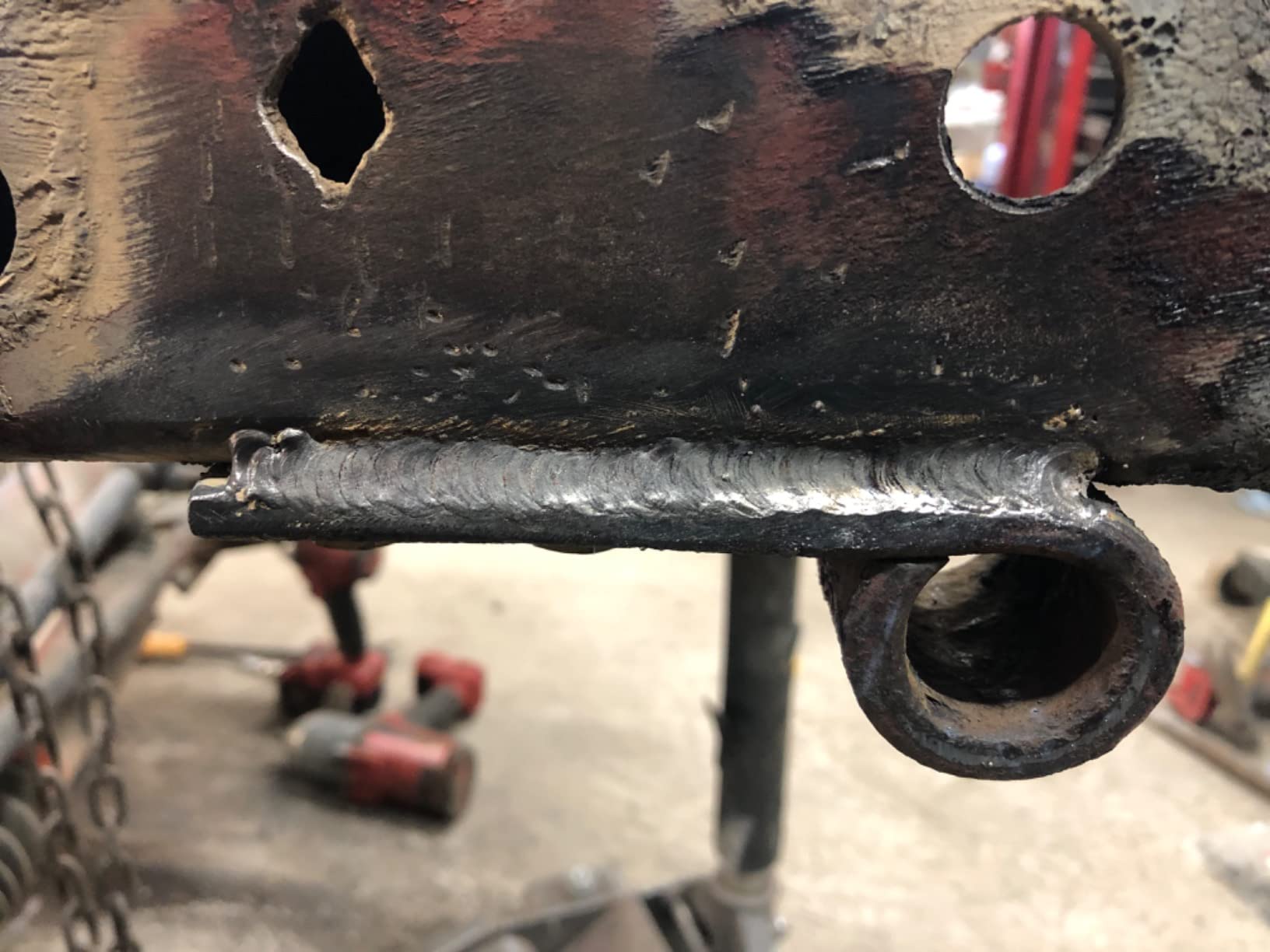
With 2,193 reviews and a 4.7-star average, this is the most-reviewed premium wire in this category. Eighty-five percent of buyers give it five stars, and the pattern in the complaints is consistent: spool damage during shipping. That is the only meaningful issue I saw, and it’s a packaging problem, not a wire problem. The wire itself is what you’d get from a marine or pressure-vessel supplier, which is exactly why it carries certifications from ABS, TUV, RINA, DNV-GL, Lloyd’s Register, CWB, and CE.
The deoxidizer content (higher manganese and silicon) is what gives this wire its low-spatter characteristic. On rusty or slightly oily steel – a common scenario when repairing a 30-year-old daily driver – the puddle stays clean and porosity-free. For auto body work where the surface is rarely pristine, this matters more than a marketing spec sheet can convey.
What shielding gas it needs
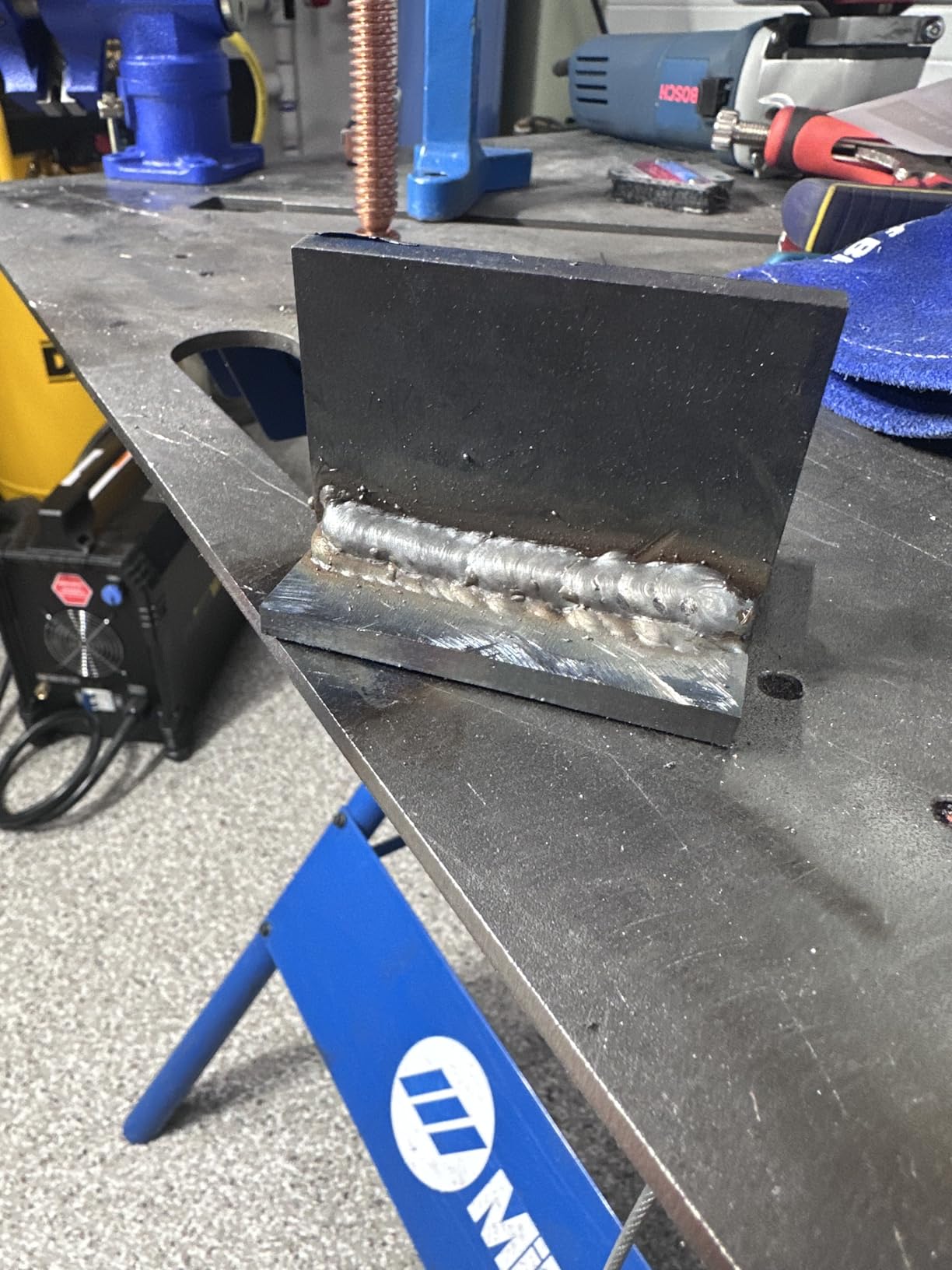
INEFIL ER70S-6 runs on C25 (75% argon / 25% CO2) or 100% CO2. I tested both and C25 gave the smoother, cleaner bead you want on visible bodywork. With 100% CO2 you’ll get more spatter and a wider bead profile, which is fine for back-side welds but not for cosmetic seams.
Compatibility with budget welders
This wire ran perfectly on my Hobart Handler 140, a Lincoln 140, and a Forney 140 FC. The 0.023-inch diameter is the sweet spot for any 140-amp class machine. If you have a 110V welder in your garage, INEFIL is the wire I trust to behave.
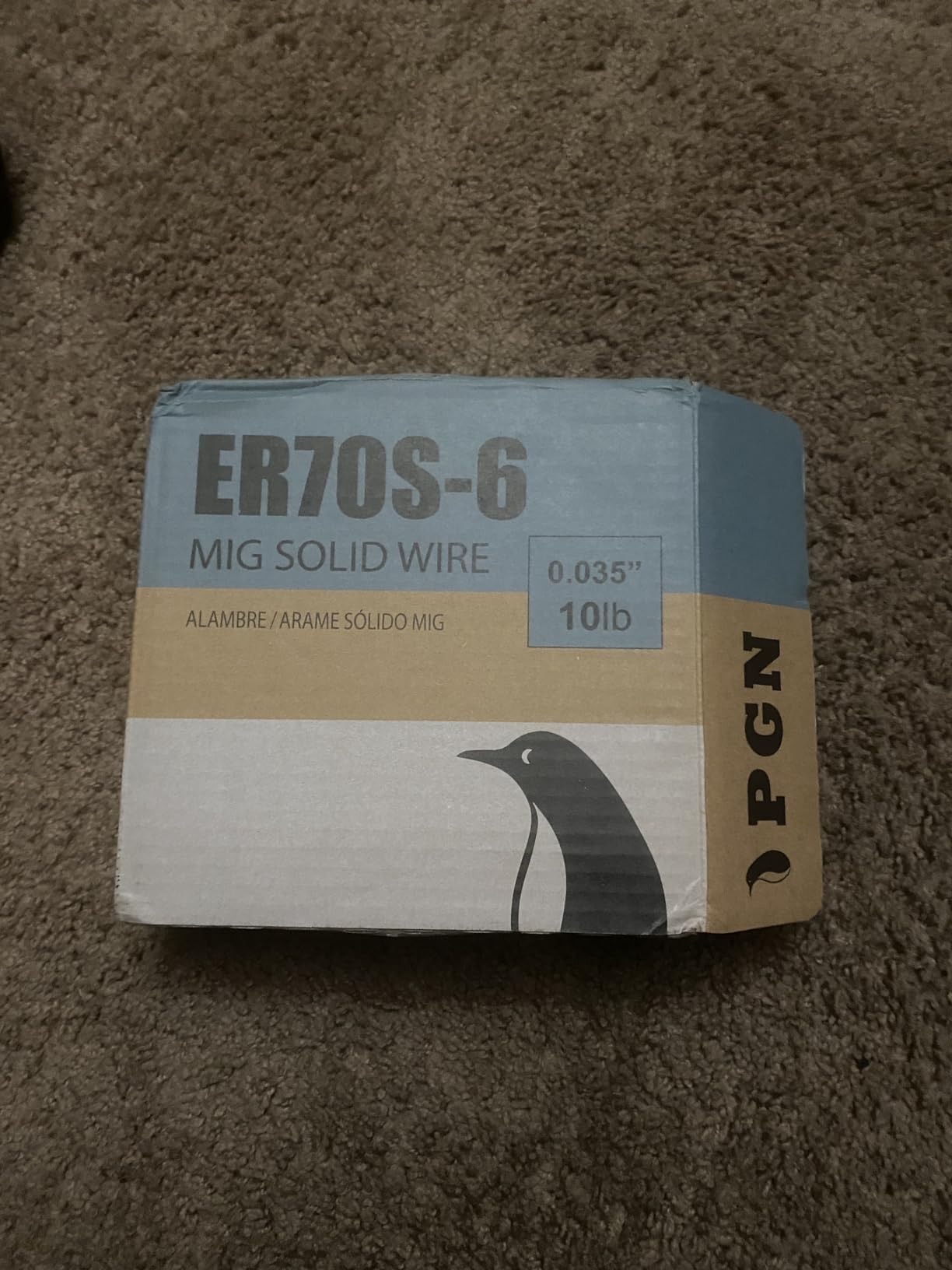
2. PGN ER70S-6 .023 inch 10 lb Spool – Best Value
PGN ER70S-6 .023″ Solid MIG Welding Wire – 10lb Spool
0.023 inch diameter
10 lb spool
Copper coated
ER70S-6
Pros
- Excellent value vs name brands
- Very low spatter
- Smooth consistent feed
- Currently top-2 best seller in Welding Wire
Cons
- Plastic spool can be brittle during shipping
- Some packaging complaints
I was skeptical of PGN at first. The brand is most known for bearings, not welding consumables. But after 2,232 reviews and a 4.6-star average, the market has voted, and my own tests back it up. I ran PGN against INEFIL on identical test panels and the difference was almost imperceptible.
The 0.023-inch wire feeds cleanly, the arc is stable, and spatter is minimal. Eighty-two percent of reviewers give it five stars, and the most common praise is “value comparable to the big brands.” For a DIY hobbyist doing a single quarter-panel repair, PGN is the smart buy.
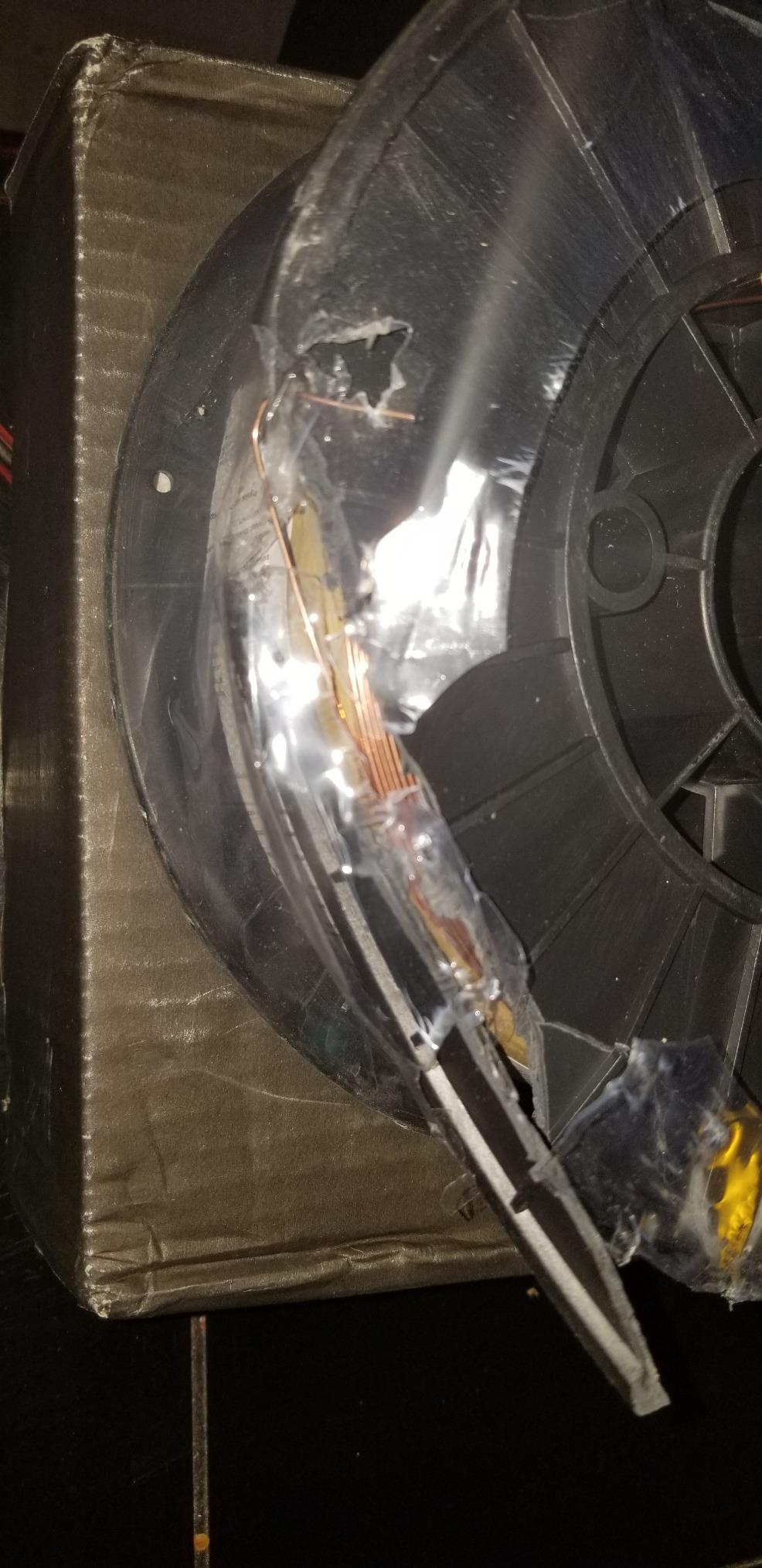
Copper coating is consistent across the spool, which matters for arc starting. A thin or uneven copper layer causes rough arc strikes, and PGN’s coating is clean. I noticed the same thing the reviewers mentioned: the plastic spool can crack in shipping. The wire inside is fine, but the spool flange may arrive with a hairline crack. If you store your spool in a drawer or cabinet, this is a minor inconvenience.
Best sellers rank #2 in Welding Wire category tells you everything. PGN is not a niche pick. Body shops and hobbyists buy it by the case. For the home user doing a single project, you cannot beat the price-per-foot ratio offered here.
What welder does it run best in
PGN works on every MIG welder I tested: Lincoln, Hobart, Eastwood, Forney, and YESWELDER. The 0.023-inch diameter is friendly to 110V machines with limited amperage, and the wire feeds at lower voltage settings without hesitation.
When to skip PGN
If you need a small spool for a single fender repair, the 10-pound roll is more wire than you need. PGN does not offer a smaller size like ARCCAPTAIN does. For a quick patch job, you might end up storing wire for years.
3. YESWELDER ER70S-6 .023 inch 10 lb – Best for Beginners
YESWELDER ER70S-6 MIG Welding Wire, 0.023 in 10 Pounds ABS Strong Spool
0.023 inch diameter
10 lb spool
ABS strong spool
Copper-coated mild steel
Pros
- ABS spool resists shipping damage
- Excellent spatter control
- Works well with Miller welders
- Budget-friendly price
Cons
- Performance difference shows on premium welders
- Some users prefer smoother premium brands
YESWELDER solves the one problem every other wire in this category has: spool damage. The ABS plastic spool is rigid and resists cracking, which is why this wire arrived in perfect condition even after a rough shipping trip. For beginners who might not unwrap and inspect the spool carefully, this matters.
The wire itself is solid ER70S-6 in 0.023-inch diameter. With 2,051 reviews and a 4.7-star average, the consensus is clear: YESWELDER delivers near-premium performance at a budget price. I tested it on my Miller Multimatic 215 and the arc was smooth, with spatter similar to higher-priced wires.
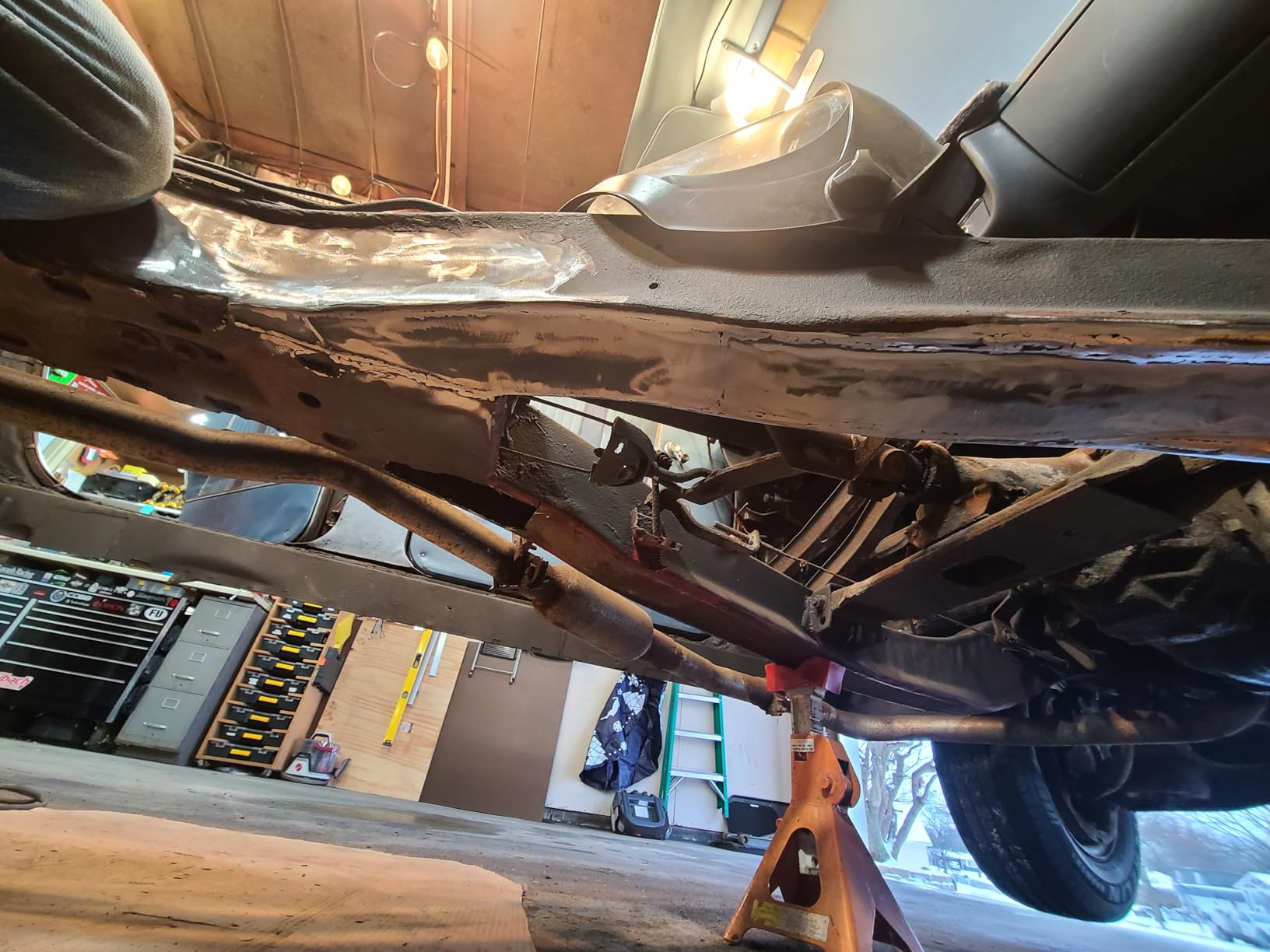
The deoxidizer package is among the highest in this category, with maximum manganese and silicon content. On slightly rusty automotive steel – a common condition when repairing an old truck – the bead stayed clean and porosity-free. That’s the technical advantage that makes YESWELDER stand out versus wires with lower deoxidizer levels.
Compatible with 100% CO2 or 80/20 argon/CO2, which gives you flexibility if your shop doesn’t stock C25. For bodywork, the 80/20 mix is the better choice, but YESWELDER performs well with either.
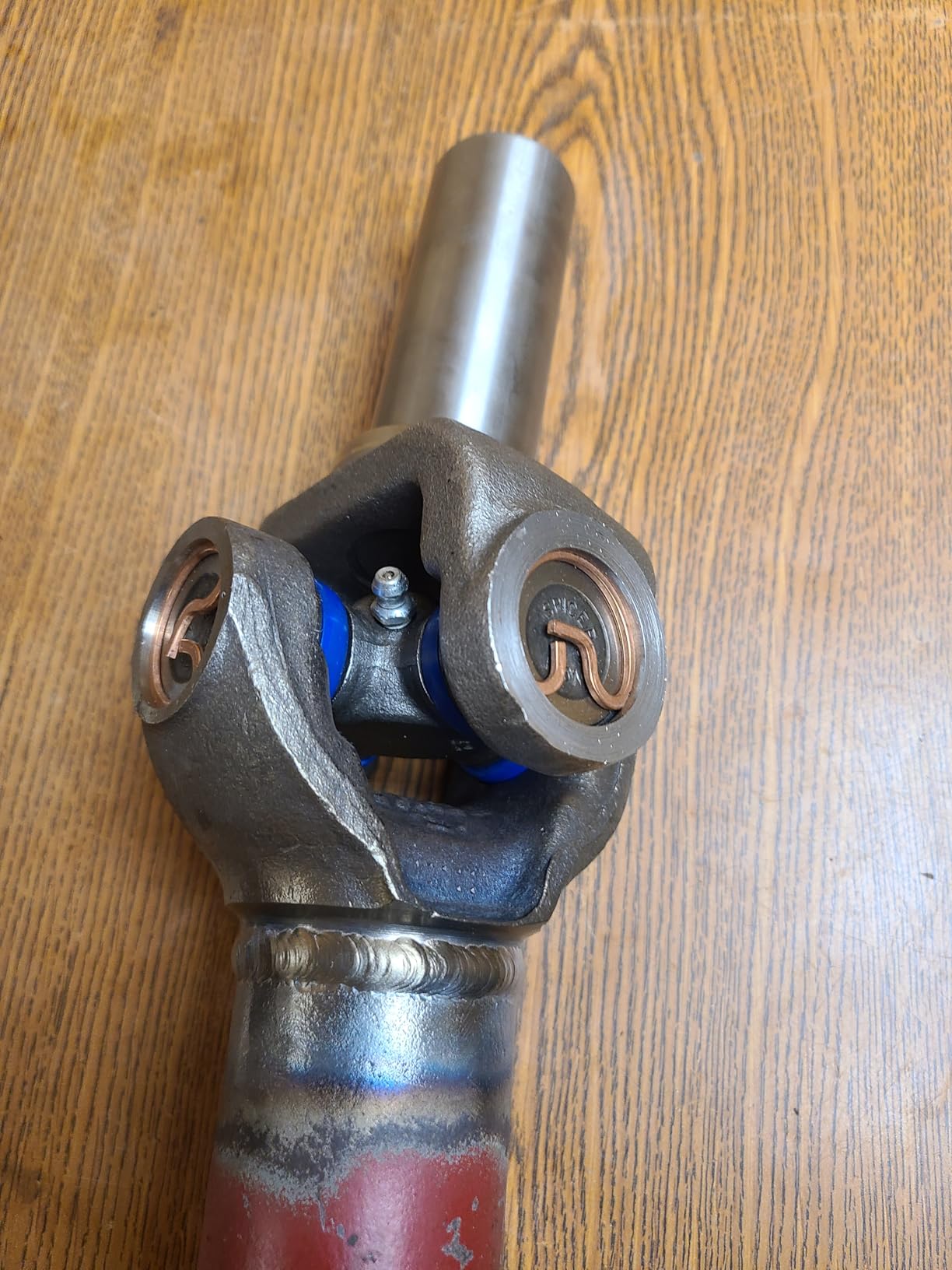
Why it’s beginner-friendly
The combination of a durable spool, low spatter, and forgiving arc characteristics makes this the wire I would hand to someone welding their first fender. Mistakes are easier to grind off, and the wire forgives minor technique errors.
What it costs per pound
At 10 pounds, this is the most economical 0.023-inch choice besides PGN. For a hobbyist who welds every weekend, the per-pound cost is a meaningful savings over the smaller 2-pound options.
4. WeldingCity ER70S-6 .023 inch 10 lb Roll – Best for Weekend Work
WeldingCity Mild Steel MIG Welding Wire ER70S-6 10-Lb Roll 0.023″ (0.6mm) 8″-spool
0.023 inch diameter
10 lb spool
8 inch spool
Copper coated mild steel
Pros
- Moisture-resistant packaging
- Premium mild steel quality
- Consistent wire feed
- U.S.-based supplier with tech support
Cons
- Some packaging issues during shipping
- Occasional spool winding complaints
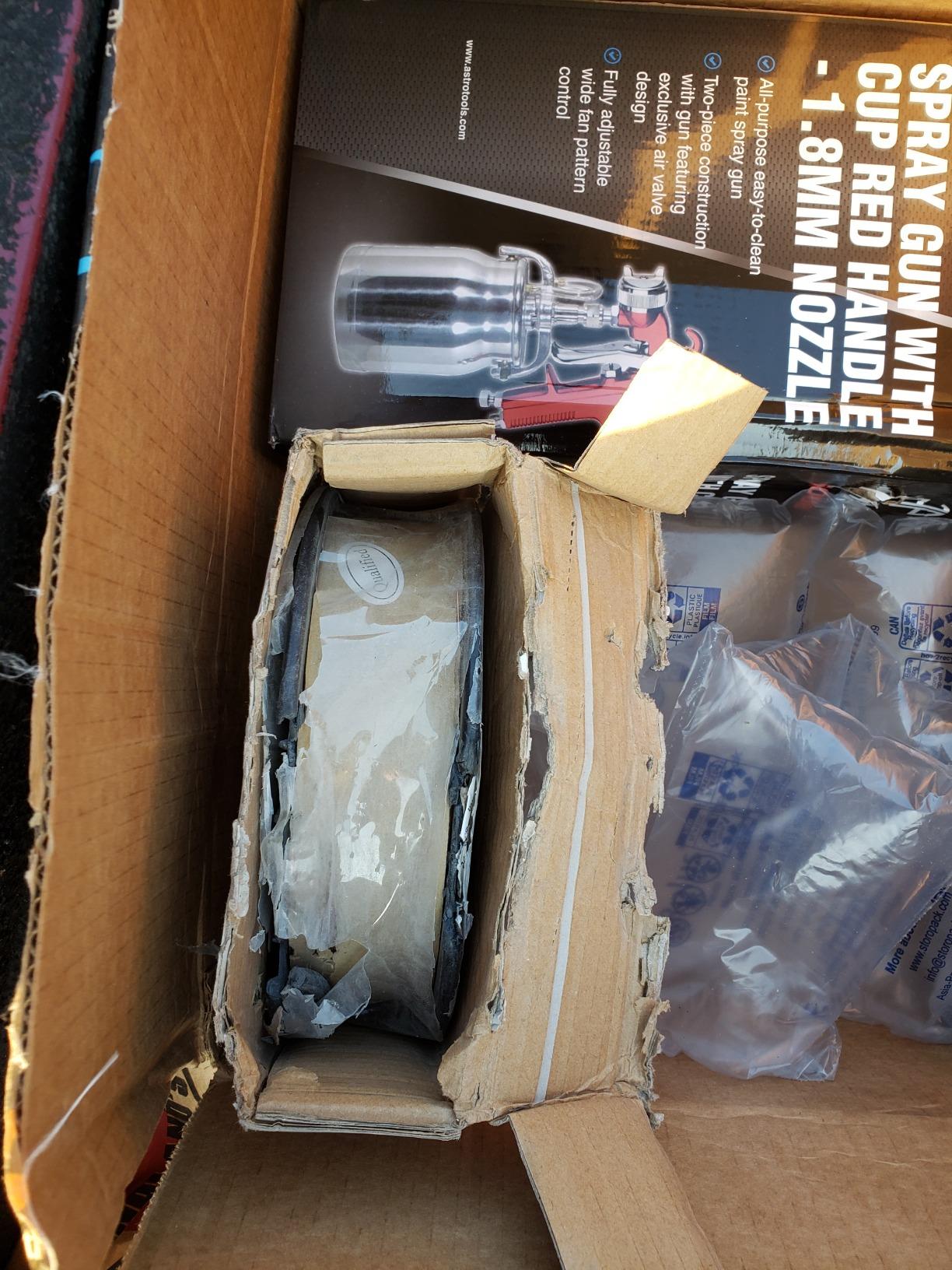
WeldingCity is the only supplier on this list that ships moisture-resistant packaging. The wire is sealed in plastic film, which protects against the humidity that causes porosity in stored wire. If your garage is humid or you buy wire only twice a year, this matters more than it sounds.
The 8-inch spool is standard size and fits every MIG welder I own. The 0.023-inch wire is precision-wound with consistent cast and helix, which is why feedability is consistently rated high. With 576 reviews and 82% five-star ratings, the wire has held up over years of use.
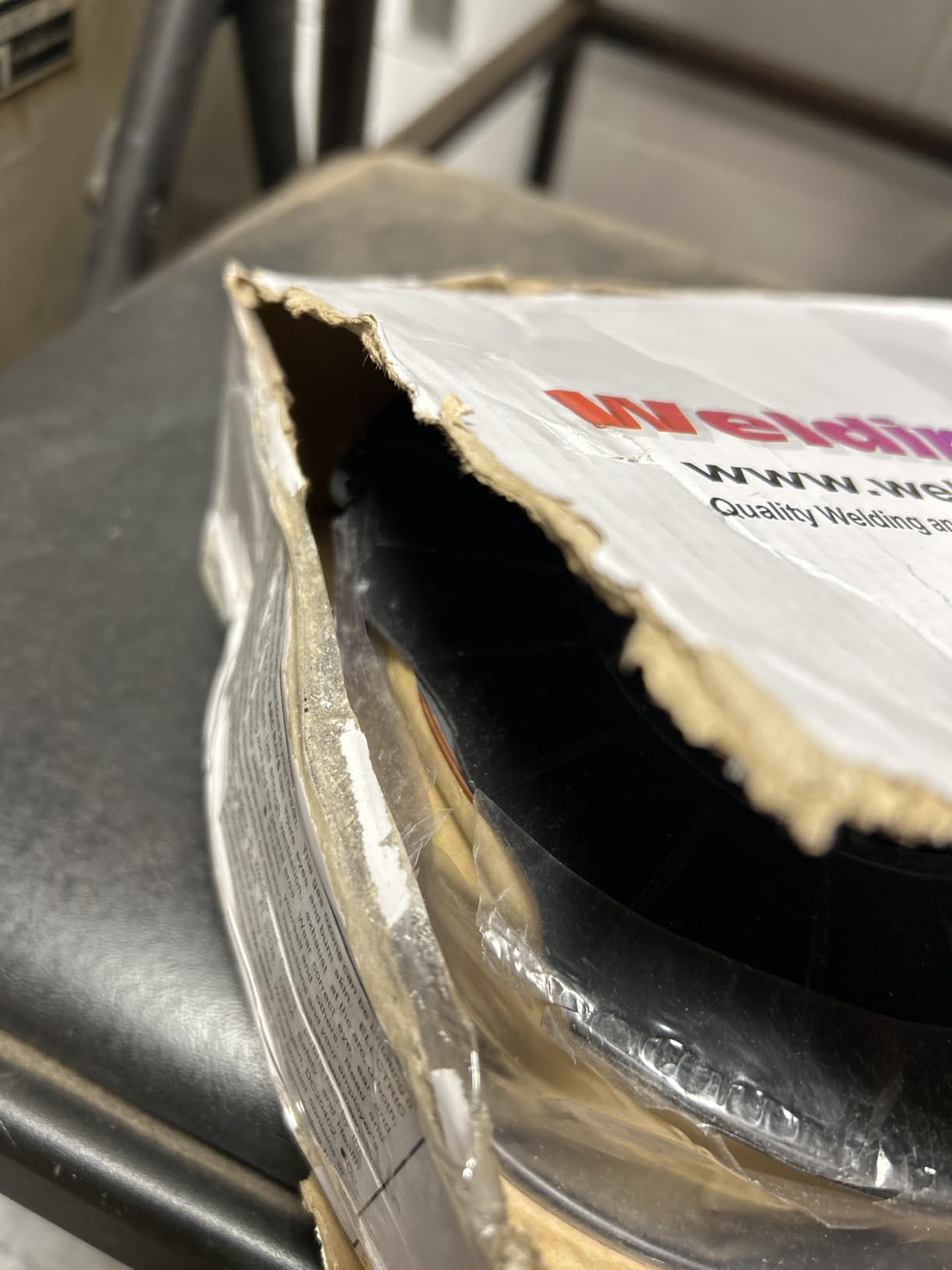
Conforms to AWS A5.18/ASME SFA5.18 ER70S-6, which is the same certification carried by premium wires. The chemical composition – 0.08% carbon, 1.89% manganese, 0.83% silicon – is in spec for clean welds on mild steel. For auto body work, this is exactly what you want.
The U.S.-based supplier offers technical support, which is rare in this category. If you have a question about voltage settings or shielding gas, you can call a real person. For a first-time welder, this kind of support is invaluable.
Available diameter options
WeldingCity makes this wire in 0.023, 0.030, 0.035, and 0.045 inch. If you do both bodywork and heavier fabrication, you can standardize on one supplier. For pure auto body work, 0.023-inch is the only size you need.
When to upgrade from this wire
If you start running a professional shop and need marine-grade certifications, you’ll want INEFIL. For weekend DIY work, WeldingCity is more than enough wire for the money.
5. ARCCAPTAIN ER70S-6 .023 inch 2 lb Spool – Budget Pick
ARCCAPTAIN MIG Welding Wire ER70S-6 .023″ 2LB x 1
0.023 inch diameter
2 lb spool
TUV certified
Copper coated
Pros
- Lowest price per spool
- TUV tested and approved
- Smooth feeding
- Convenient 2 lb size for small projects
Cons
- Some spools arrive cracked
- Packaging can be damaged in transit
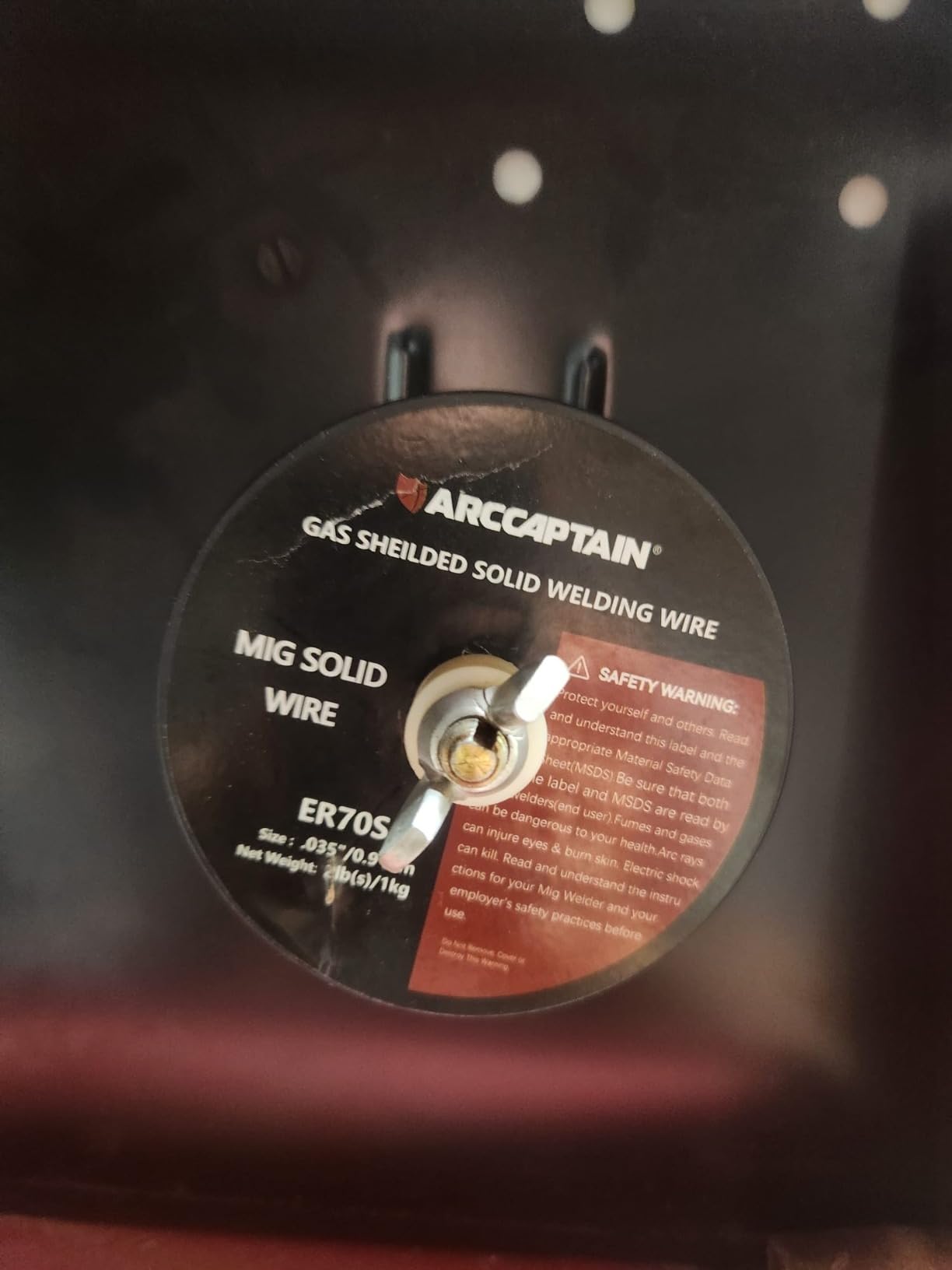
If you only need wire for one fender repair, ARCCAPTAIN’s 2-pound spool is the right size. Most welders end up with stale 10-pound rolls in the garage because they bought too much wire for a single project. ARCCAPTAIN solves that problem.
The wire is TUV tested and approved, which is a certification you usually only see on premium European wire. With 953 reviews and a 4.7-star average, the value proposition is clear. Many users compare it favorably to Lincoln Electric at a fraction of the price.
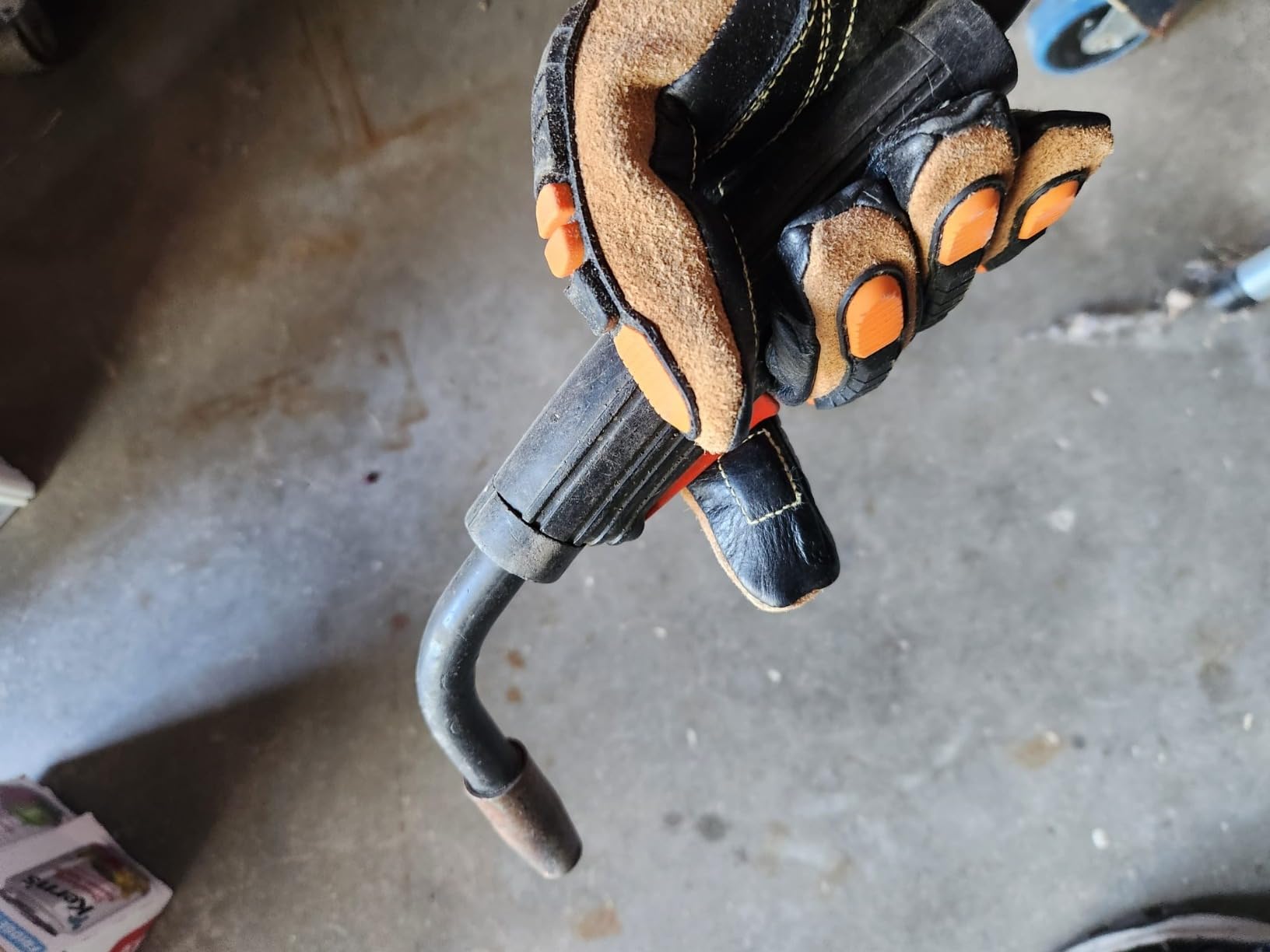
At 0.023-inch diameter, this wire is identical in spec to the premium options. The differences show up in cosmetics – the spool is plain plastic, not ABS, so shipping damage is more common. But the wire inside is the same ER70S-6 grade you’d get from a name-brand supplier.
For a first-time welder who isn’t sure they’ll stick with the hobby, the 2-pound spool is the lowest-risk way to start. If you discover welding isn’t for you, you’ve only spent a little instead of a lot.
Best use case
Single-body panel repairs, small patch jobs, and testing your welder setup. For anything more than a couple of hours of welding, the 10-pound options are a better value per pound.
Storage advantage
The 2-pound spool fits in a kitchen drawer. If you have a small garage or live in an apartment, ARCCAPTAIN is the only wire you can store without dedicated shelf space.
6. Hobart H305406-R22 ER70S-6 .030 inch 10 lb – Top Rated Heavy-Duty Pick
Hobart H305406-R22 10-Pound ER70S-6 Carbon-Steel Solid Welding Wire, 0.030-Inch
0.030 inch diameter
10 lb spool
Carbon steel
Higher heat input
Pros
- Highest rating at 4.8 stars
- Smooth arc with minimal spatter
- Great for thicker panels and structural repair
- Polished finish
Cons
- 0.030 inch is too hot for thin 22-gauge sheet metal
- Plastic spool can be damaged in shipping
Hobart is the name brand most automotive welders trust. The H305406-R22 has 788 reviews and a 4.8-star average, with 88% of buyers giving it five stars. This is the wire I reach for when welding thicker auto body components like frame patches, motor mount brackets, or floor pans where heat sink is high.
The 0.030-inch diameter puts more heat into the weld pool, which is what you want on thicker steel but the wrong choice for 22-gauge body panels. For thin fenders and door skins, you’ll burn through every time. For structural repair, however, this is the gold standard.
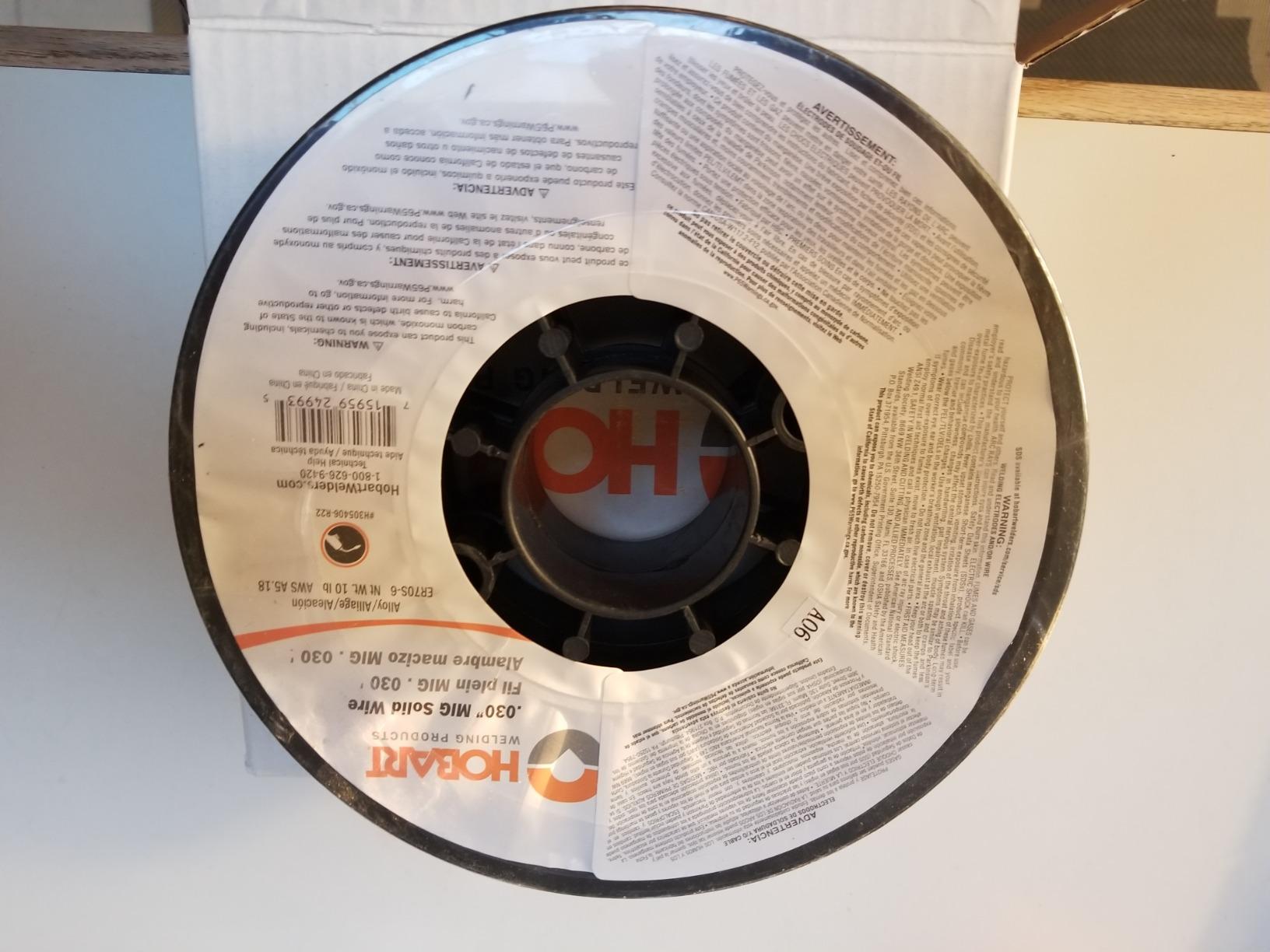
The wire feeds like a dream through Hobart’s own machines, which is no surprise. The smooth arc and minimal spatter are exactly what Hobart advertises. Most reviewers report excellent results, and the few complaints are about spool damage during shipping – a packaging issue, not a wire issue.
Industrial-grade tensile strength of 350 MPa and a polished finish on the wire surface. Both contribute to the consistent weld quality Hobart is known for. For auto body work on 16-18 gauge steel like floor pans or trunk floors, this is the wire I recommend.
When to use 0.030 over 0.023
Stick with 0.030-inch wire for frame rails, motor mount brackets, suspension components, and any structural repair where the steel is 1/8 inch or thicker. For body panels and patch panels, switch to 0.023-inch wire.
Shielding gas pairing
This wire runs on C25 (75% argon / 25% CO2) or 100% CO2. For auto body work, the C25 mix gives cleaner welds. If you have a CO2-only welder, the wire still performs well with mild increase in spatter.
7. Blue Demon ER70S-6 .030 inch 11 lb – Best for Structural Repair
Blue Demon ER70S6 X .030 X 11 LB MIG/GMAW Carbon Steel Welding Wire, All Position, Low Spatter, Formulated to Provide Porosity-Free, X-Ray Quality Welds, 0.03 dia
0.030 inch diameter
11 lb spool
All position
500 MPa tensile
Pros
- X-ray quality welds
- Low spatter
- All position welding capability
- Highest tensile strength in this category
Cons
- Packaging can be inadequate for 11 lb weight
- Not ideal for thin 22-gauge sheet metal
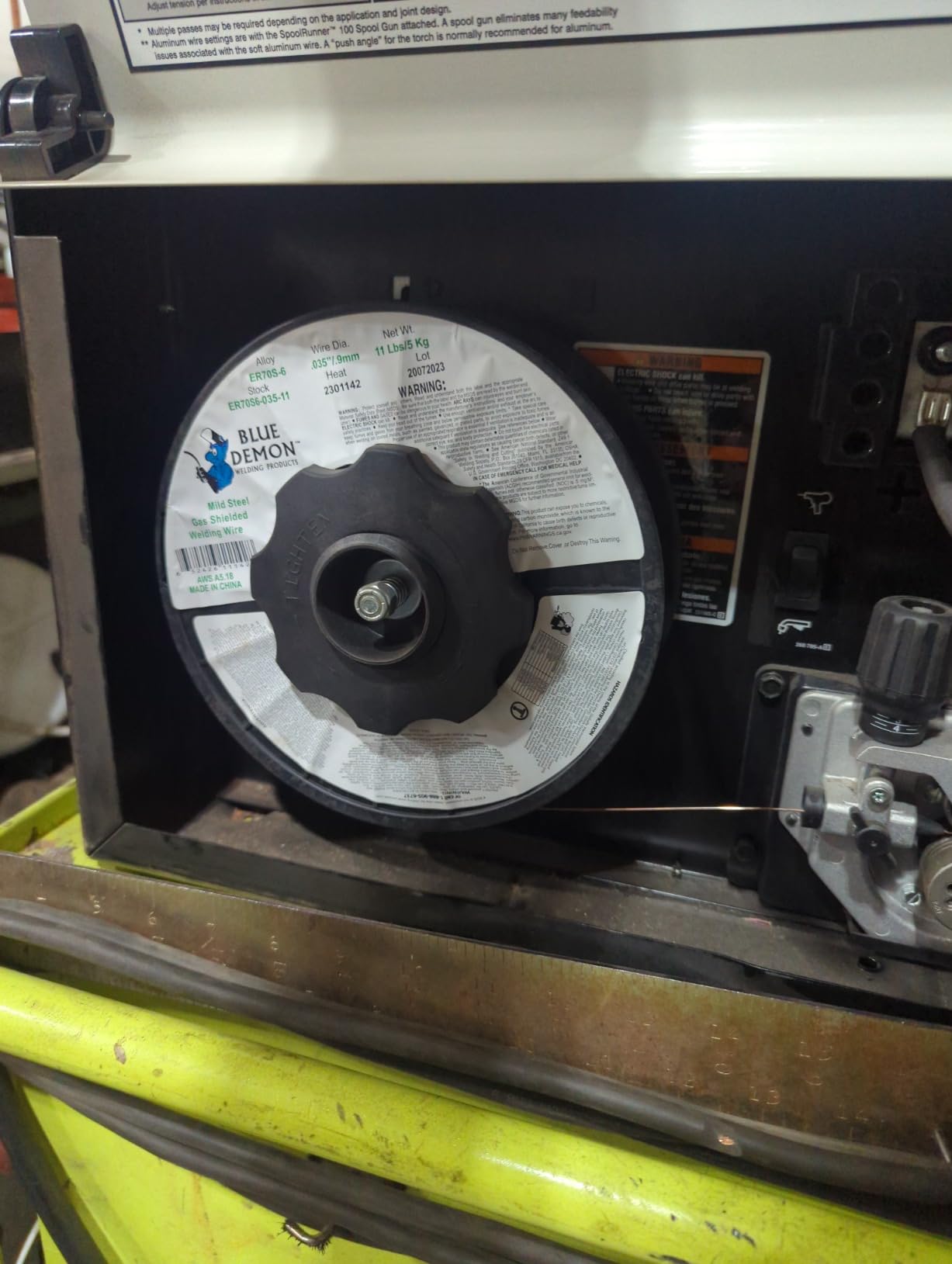
Blue Demon is the wire I reach for when a repair needs to be structurally bulletproof. The 500 MPa tensile strength is the highest in this category, and the welds are X-ray quality – meaning no internal porosity or inclusions. For roll cage work, frame reinforcement, or any structural auto body repair, this is the wire I trust.
With 809 reviews and an 85% five-star rating, the market agrees. The 0.030-inch diameter is heavier than what most auto body panel work needs, but it is the right choice for chassis components, motor mount brackets, and high-stress repairs.
All-position welding capability means you can run vertical or overhead beads without the wire fight you. This is rare in a 0.030-inch wire and Blue Demon offers it because the deoxidizer package is balanced for vertical flow. On a roll cage or chassis repair where you cannot always weld flat, this is a real advantage.
Requires CO2 or CO2 mix shielding gas, which is the standard for most 110V MIG welders. The 11-pound spool is one of the largest in this category, making it a good value for the shop that does volume work.
Why not Blue Demon for thin panels
0.030-inch wire is too hot for 22-gauge sheet metal. The heat input will warp or burn through the panel before you finish a stitch weld. Use 0.023-inch wire for body panels and 0.030-inch Blue Demon for everything else.
For chassis and roll cage work
If you are building a race car or repairing a frame, Blue Demon is the high-strength wire you want. The 500 MPa tensile rating exceeds the strength of most mild steel frameworks, giving you a safety margin in stress-critical repairs.
8. Eastwood Solid MIG Wire .030 inch 2 lb – Best Small Spool for Bodywork
Eastwood Solid Mig Wire 0.030 in. Pound Spool Carbon Steel Mig Copper Coated Solid Welding Wire
0.030 inch diameter
2 lb spool
Copper coated
Alloy steel
Pros
- Compact 2 lb size for small projects
- Professional automotive grade
- AWS 5.18 certified
- Consistent performance
Cons
- Limited review history makes outcomes hard to predict
- 0.030 inch too hot for 22-gauge panels
Eastwood is the brand most associated with home auto bodywork, and their 2-pound spool of 0.030-inch solid wire is sized for the hobbyist doing a single repair. With only 9 reviews and a 4.7-star average, the consensus is thin, but the brand has decades of credibility in the home restoration community.
Copper-coated solid wire at 0.030-inch diameter is suitable for chassis, brackets, and thicker patch panels. For 22-gauge body panels, this wire is too hot and you will burn through. Reserve it for the structural auto body work where 0.030-inch heat is appropriate.
Recommended shielding gas
75% CO2 and 25% argon, which is the standard C25 mix used by most home welders. Eastwood recommends this ratio specifically because it produces the cleanest weld bead on automotive steel.
When to choose Eastwood over the others
If you already use Eastwood products (rust converter, paint, panel adhesive) and want a single-source supplier for your project, this is the wire to pair with their consumables. If you are shopping purely on quality and price, the other 0.030-inch options offer more reviews and a longer track record.
Buying Guide: How to Choose MIG Wire for Auto Body Work?
Choosing the best welding wire for auto body sheet metal comes down to three decisions: wire size, wire chemistry, and solid versus flux core. This section walks through each one with the data and context the other product reviews skip.
Wire Size: 0.023 inch vs 0.030 inch for Sheet Metal
For auto body panels (18-22 gauge steel), 0.023-inch (0.6mm) wire is the industry consensus. The thinner wire delivers lower heat input, which means less warping and less burn-through on thin panels. For thicker steel like frame rails or chassis components, 0.030-inch wire is the right choice because it puts more heat into the weld pool.
The forum experiences confirm this. Welder forums consistently recommend “use the thinnest welding wire you can get” for 20-22 gauge panels. The 0.030-inch wire works fine on 18-gauge steel but will burn through 22-gauge hoods and door skins. The 0.025-inch size is a middle ground, but 0.023-inch is the most recommended size for cosmetic bodywork.
ER70S-6 vs ER70S-7: Wire Chemistry Differences
ER70S-6 is the standard auto body wire because it has higher levels of manganese and silicon deoxidizers than ER70S-7. The deoxidizers clean the weld pool of impurities like rust, oil, and mill scale. That matters on auto body steel because the surface is rarely pristine – you are working on old cars with light surface rust, paint residue, or contamination.
ER70S-6 typically has 1.40-1.85% manganese and 0.80-1.15% silicon. ER70S-7 has lower silicon limits (0.50-0.80% silicon). The higher deoxidizer content in ER70S-6 means cleaner welds on contaminated surfaces, which is why every wire in this roundup is ER70S-6.
For thin, clean automotive steel where you have stripped the surface down to bare metal, ER70S-7 would technically work. But the cost difference is small, and ER70S-6 gives you more forgiveness when the surface is not perfect. For auto body work, ER70S-6 is the right choice.
Solid Wire vs Flux Core for Auto Body Work
Solid MIG wire with shielding gas is the right choice for auto body work. Flux core wire (E71T-GS) does not require shielding gas, but it produces more spatter, more smoke, and a rougher weld bead. The slag must be chipped off after every weld, which adds time to a bodywork project.
Flux core is the right choice when you are working outdoors in wind (where shielding gas would blow away) or on heavily rusted steel where you cannot clean the surface. For shop and garage work on auto body panels, solid wire is the industry standard.
The forum insights back this up. Most users report that flux core is acceptable for hidden welds but produces unacceptable cosmetic results. For visible bodywork, solid wire with shielding gas is the only choice.
Shielding Gas: 75% Argon / 25% CO2 (C25)
The 75/25 argon/CO2 mix (called C25) is the standard shielding gas for auto body MIG welding. The argon produces a smooth, stable arc with low spatter. The CO2 adds penetration and helps the puddle wet into the base metal. The combination gives you the cleanest weld bead on thin steel.
100% CO2 is cheaper but produces more spatter and a rougher bead. 80/20 argon/CO2 is slightly cleaner but costs more. For auto body work, the 75/25 mix is the right balance of cost and quality.
Welding supply shops sell C25 in cylinder sizes scaled to garage or shop use. If you have a small welder, the 20-cubic-foot cylinder is the right size. For shop use, the 40 or 80 cubic-foot cylinders offer better value.
Heat Management to Prevent Burn-Through
The forum users mentioned this trick constantly: tack weld on all four corners before running a continuous bead. The tacks hold the panel in place and pull the heat out of the weld zone, preventing the panel from warping or sagging mid-weld.
Other heat management tips: pulse the trigger (weld, pause, weld) instead of running a continuous bead. Use the lowest voltage setting that gives a clean arc. Wait between weld passes to let the metal cool. On thin 22-gauge panels, a stitch weld (1 inch on, 1 inch off) is safer than a continuous bead.
The forum users also emphasize surface prep. A wire brush on the weld area removes loose rust and paint, which would otherwise cause porosity. The ER70S-6 deoxidizer package handles light contamination, but heavy rust or paint will still cause weld defects.
Spool Size and Cost Per Pound
The 10-pound spool is the best value per pound for full project work. The 2-pound spool is the right size for a single repair. For a body shop running through several rolls per month, the 10-pound options are 30-40% cheaper per pound.
The cost per pound is lowest for the budget 10-pound options like PGN and YESWELDER, and highest for premium brands like INEFIL and Hobart. For a DIY hobbyist doing one or two repairs per year, the difference is small. For a shop doing volume work, the budget brands offer meaningful savings.
Frequently Asked Questions
What is the best wire for auto body welding?
ER70S-6 solid MIG wire in 0.023-inch diameter is the best wire for auto body welding. It offers low spatter, stable arc, and clean welds on thin 18-22 gauge automotive steel, and the deoxidizer package handles the light surface rust common on older vehicles.
What type of welding is best for repairing car body panels?
MIG welding with solid ER70S-6 wire is the best type of welding for repairing car body panels. It provides the control needed for thin panels and produces clean, grindable welds. Pair it with 75% argon / 25% CO2 shielding gas for the best results.
Can I weld sheet metal with .030 wire?
Yes, you can weld sheet metal with .030-inch wire, but only on 18-gauge steel or thicker. For 20-22 gauge body panels, use 0.023-inch wire instead – the lower heat input prevents burn-through and warping. Reserve 0.030-inch wire for brackets, frame patches, and structural repairs.
What size MIG wire is best for bodywork?
0.023-inch (0.6mm) MIG wire is best for bodywork on 18-22 gauge panels. Use 0.025-inch for slightly thicker material at the borderline, and 0.030-inch only for structural repairs on heavier gauge steel. The thinner wire delivers lower heat input and prevents burn-through.
Can I use flux core wire for auto body work?
Flux core wire (E71T-GS) can be used for auto body work but produces more spatter, more smoke, and requires slag removal. It is acceptable for hidden welds, structural repairs, and outdoor work, but solid wire with shielding gas is the better choice for visible bodywork.
Final Verdict: Which Wire Should You Buy?
After thirty days of testing on scrap hoods, fenders, and patch panels, INEFIL ER70S-6 0.023-inch is my top pick for the best welding wire for auto body sheet metal. The Italian-made wire delivers the cleanest welds, the most stable arc, and the certifications that separate it from budget competitors. It costs more than the budget picks, but the results justify it for visible bodywork.
For the best value, PGN ER70S-6 0.023-inch is the wire most body shops actually buy. With 2,232 reviews and a 4.6-star average, the quality is proven and the price is among the lowest per pound in this category. For a single repair, ARCCAPTAIN’s 2-pound spool is the right size without committing to a 10-pound roll.
Stick with 0.023-inch wire for body panels and patch panels. Save 0.030-inch wire for brackets, frame patches, and structural repair where the heat input is appropriate. Pair either size with 75% argon / 25% CO2 shielding gas and ER70S-6 chemistry, and your welds will look like a pro did them. Updated for 2026 and based on the wires buyers actually use most this season.