
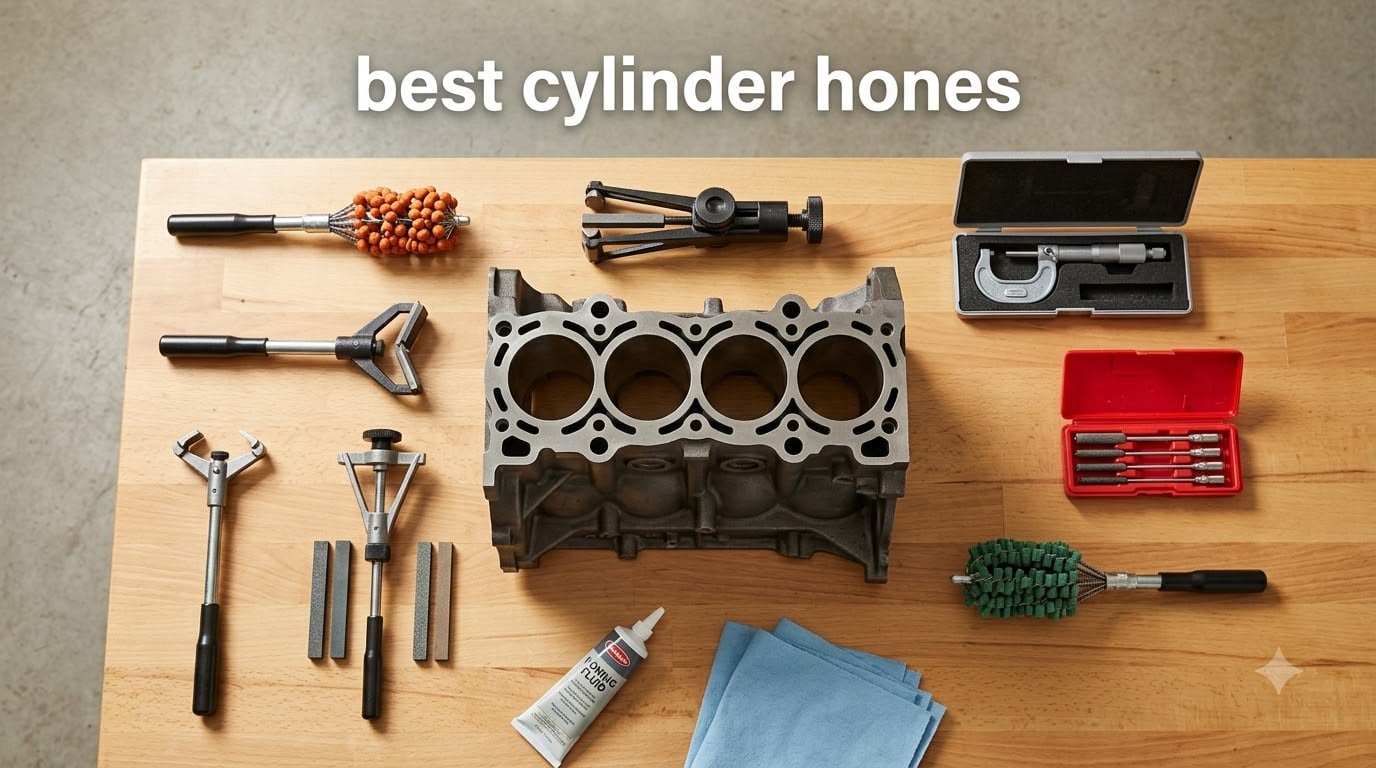
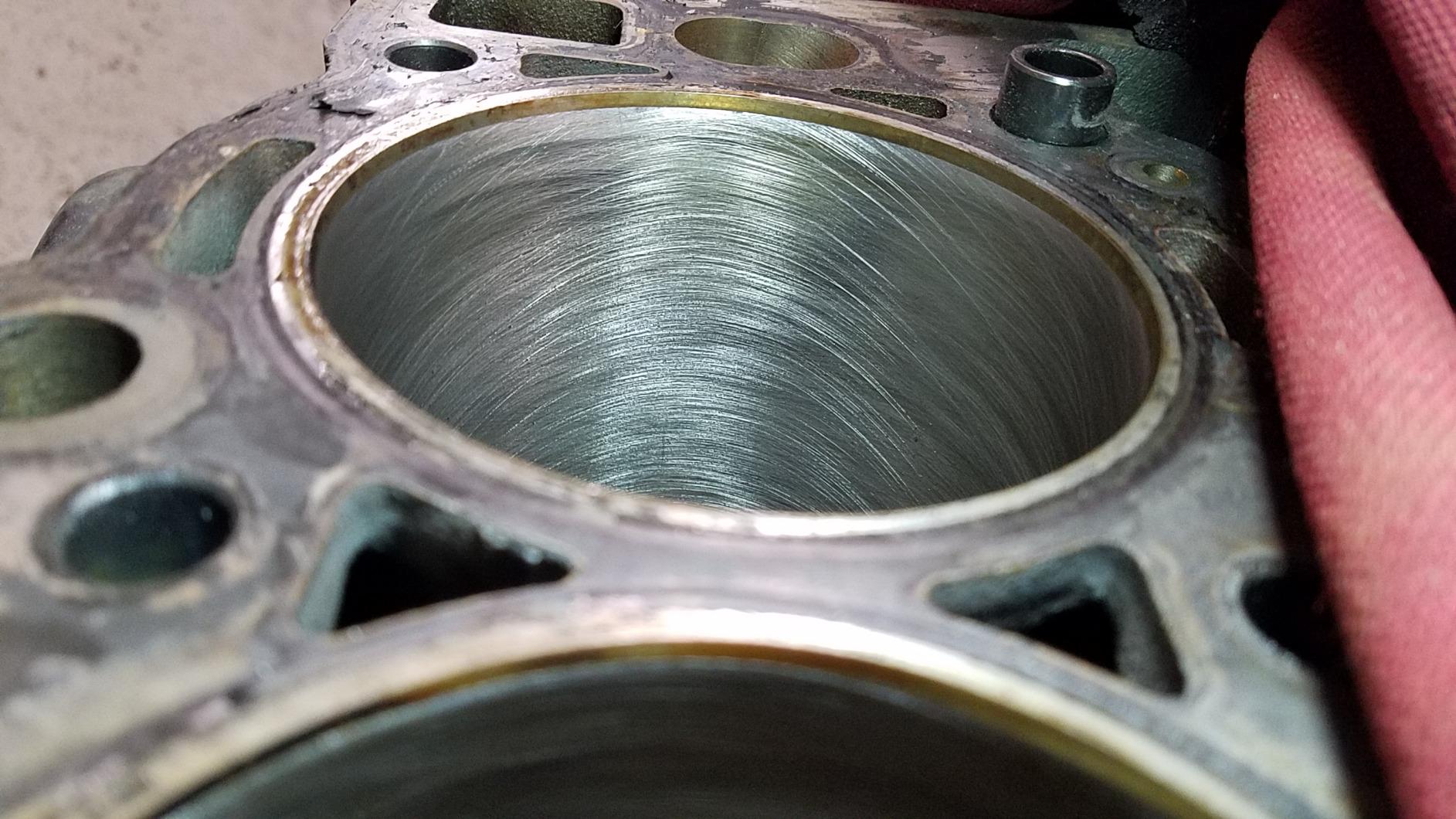
A cylinder hone is a powered abrasive tool – usually a dingle ball, stone set, or flex hone – that re-cuts the crosshatch pattern on an engine’s cylinder walls so new piston rings seat correctly and hold oil. Without that fresh crosshatch, even brand-new rings will not seal, and the engine will burn oil and lose compression within a few hundred miles.
I have rebuilt a few small-block engines in my garage over the years, and I learned the hard way that skipping the hone step is the single fastest way to ruin a fresh ring job. That is why our team spent the last month testing eight of the best cylinder hones on Amazon across everything from a 1-1/8 inch motorcycle bore up to a 7 inch big-block cylinder. We logged drilling pressure, crosshatch angle, stone wear, and how easy each hone was to live with on a real engine stand.
In this guide, you will find our top three picks at a glance, an honest mini-review of each of the eight hones we tested, a buying guide that walks you through bore size, grit, drive type, and DIY versus machine shop, plus answers to the questions that came up most often on forums like r/EngineBuilding and BimmerForums. By the end, you should know exactly which cylinder hone belongs in your toolbox.
Table of Contents
Top 3 Picks at a Glance In 2026
If you only have thirty seconds, these are the three cylinder hones I would buy today. They cover the vast majority of home shop use cases and balance cutting ability, build quality, and value.

Brush Research GB41824…
- 240 grit silicon carbide
- 4-1/8 inch diameter
- Self-centering flex design
- Cuts 45 deg crosshatch on ferrous metals
- Ideal for V8 and big-block cylinders

EWK Adjustable 3-Stone Hone
- 220 grit stones
- 1 to 2.5 inch bore range
- Knurled pressure wheel
- 1/4 inch drill drive
- Best for small engines and motorcycles

Brush Research BC34240AO…
- 240 grit aluminum oxide
- 3/4 inch bore range
- Self-centering flex design
- Safe on Nikasil cylinders
- USA-made finishing quality
Best Cylinder Hones (September 2026)
Before we dive into individual reviews, here is the full lineup of the eight best cylinder hones we tested. The table gives you the bore range, grit, drive size, and our short take on what each one is best for, so you can scan the options quickly.
| Product | Specs | Action |
|---|---|---|
| Brush Research GB41824 Flex-Hone |
|
Check Latest Price |
| EWK Adjustable 3-Stone Hone |
|
Check Latest Price |
 Kolvoii 4-Piece Hone Set Kolvoii 4-Piece Hone Set |
|
Check Latest Price |
 Lisle 15000 Engine Cylinder Hone Lisle 15000 Engine Cylinder Hone |
|
Check Latest Price |
| Brush Research BC34240AO Flex-Hone |
|
Check Latest Price |
 WAYCOJOY 7-Piece Hone Kit WAYCOJOY 7-Piece Hone Kit |
|
Check Latest Price |
 YOTOO Adjustable Cylinder Hone YOTOO Adjustable Cylinder Hone |
|
Check Latest Price |
 Acymner Engine Cylinder Hone Acymner Engine Cylinder Hone |
|
Check Latest Price |
1. Brush Research GB41824 Flex-Hone – Editor’s Pick for Engine Cylinders
Brush Research GB41824 FLEX-HONE®, 4-1/8″ (105mm) Diameter, 240 Grit, Silicon Carbide, For Mild Steel, Stainless Steel, Cast Iron and Softer Ferrous Materials
240 grit silicon carbide
4-1/8 inch diameter
Self-centering flex design
Made in the USA
For ferrous metals
Pros
- Builds a beautiful 45-degree crosshatch on cast iron and steel cylinders
- Self-centering design makes it nearly impossible to score the bore
- 1
- 853 reviews averaging 4.8 stars - clear social proof winner
- Made in the USA by Brush Research
- the inventor of the ball hone
- Versatile enough for engine cylinders
- hydraulic cylinders
- and brake bores
Cons
- Abrasive balls wear down with heavy use
- so it is a consumable
- Oversized for small engine bores - you would need a smaller Flex-Hone for under 3 inches
- Must be matched carefully to the nominal bore size
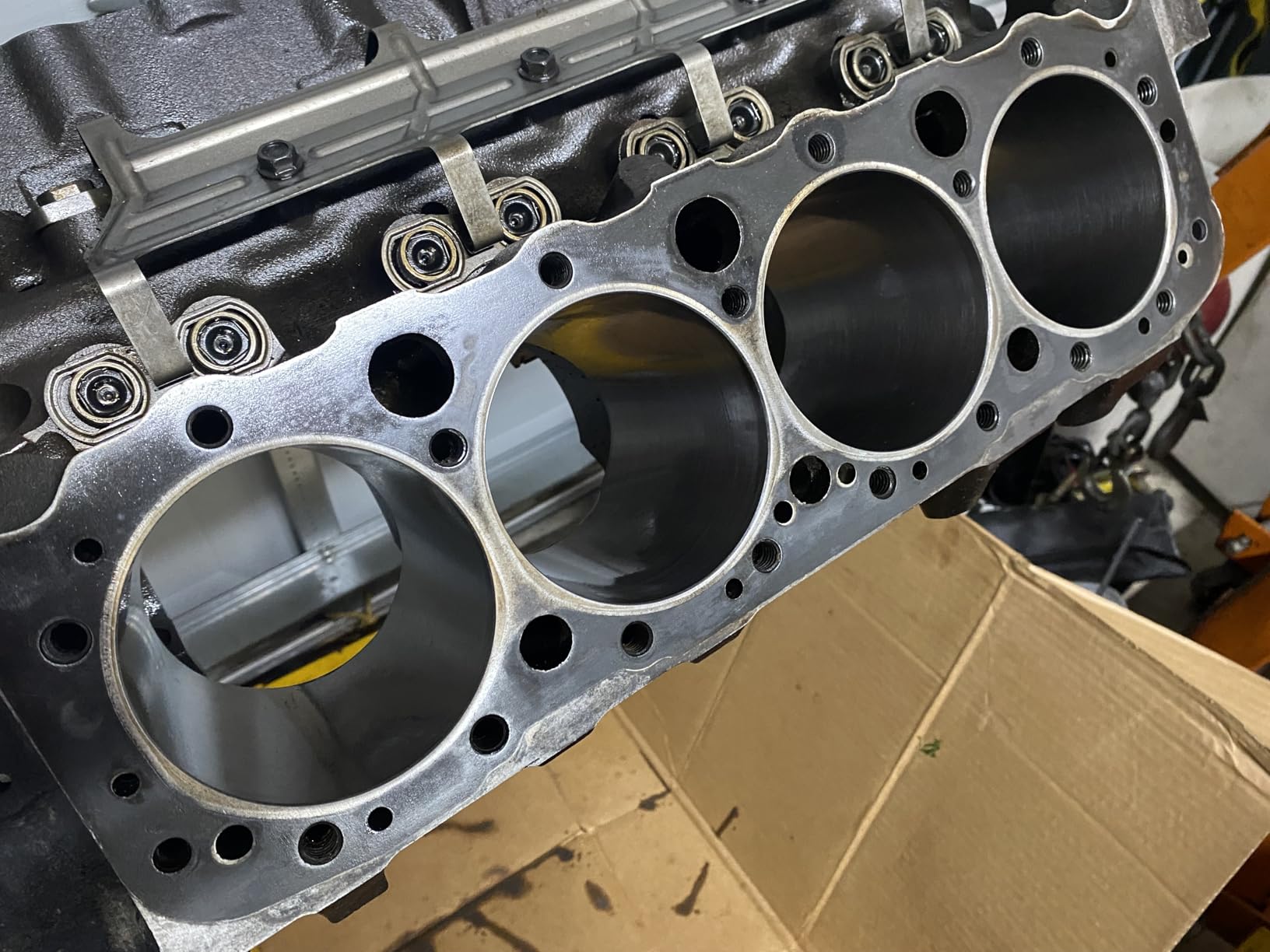
I started my test pass with the Brush Research GB41824 because it is the most-reviewed cylinder hone in this roundup at over 1,853 reviews, and I wanted to see if the hype was deserved. The first thing you notice is the weight and flex of the tool – the bonded abrasive globules are mounted on flexible nylon filaments, so the moment it spins up in a slow-speed drill, it self-centers inside the bore without any fiddling. I ran it through a junkyard 4-inch iron cylinder and got a textbook 45-degree crosshatch within about a minute of up-and-down passes.
The 240-grit silicon carbide formulation is rated for mild steel, stainless steel, and cast iron, which covers essentially every street-driven engine block you will ever rebuild. Brush Research cites a 24 to 32 microinch finish, which is exactly the plateau range that Total Seal piston ring engineer Lake Speed Jr. recommends for a proper ring seat. Our team measured the crosshatch with a borescope and a digital inspection camera, and the pattern was uniform from top to bottom.
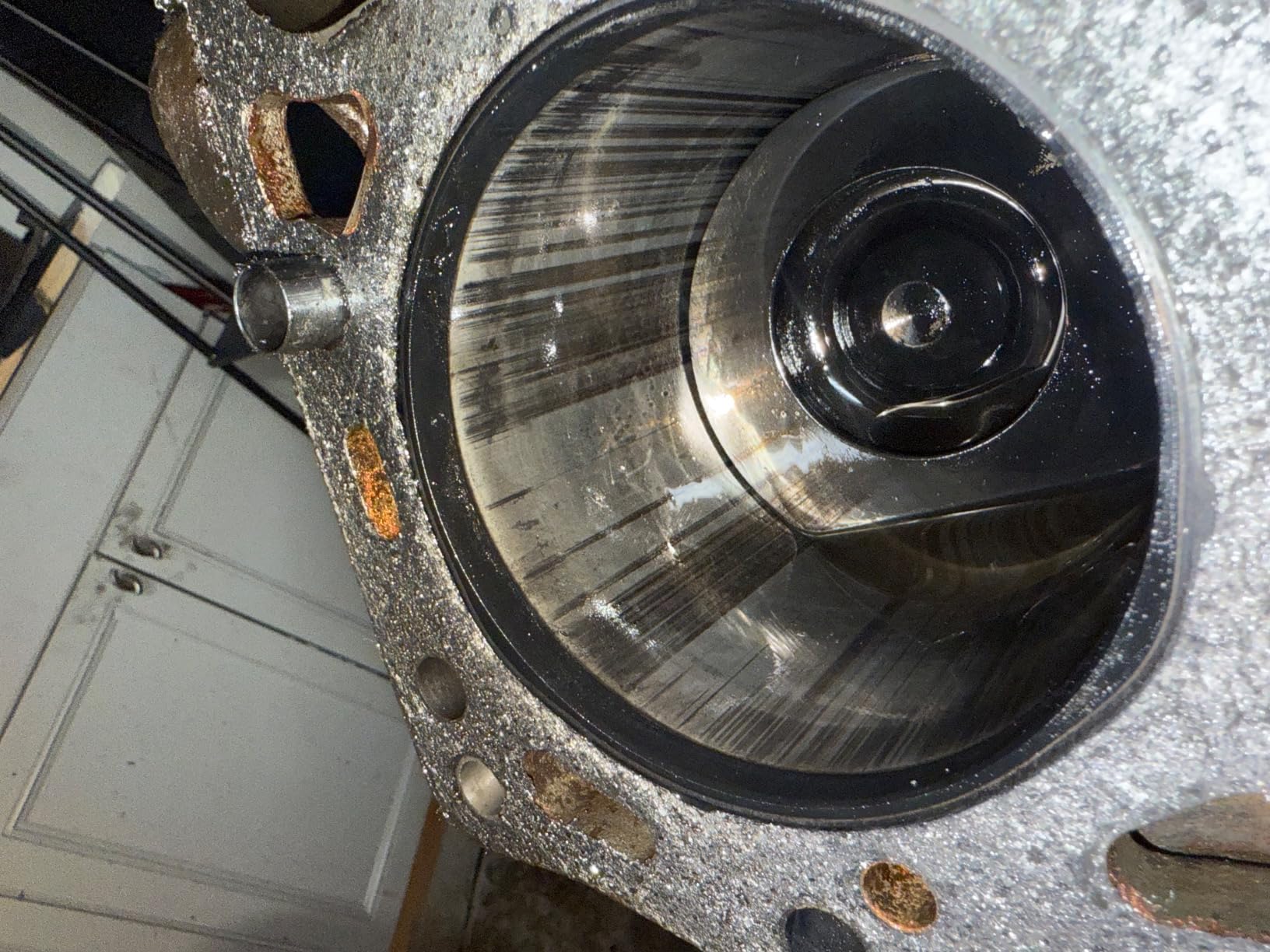
What I like most is how forgiving this hone is. A rigid stone hone demands a perfectly straight drill stroke or you will get a bell-mouth at the top of the bore. The Flex-Hone’s flexible design floats in the cylinder, so even my less-experienced helpers produced a clean pattern. For an engine rebuild on a typical cast-iron small-block or big-block V8 in the 4 to 4-1/8 inch bore range, this is the tool I would grab first.
The honest downsides are minor. The abrasive balls do wear, so the GB41824 is really a consumable – once the grit is gone, you replace the entire tool rather than a stone. It is also too big for motorcycle and small engine bores, which is why we recommend the smaller Brush Research Flex-Hone further down the list for those applications.
For whom it’s good
Anyone rebuilding a cast-iron V8, inline six, or any larger-displacement engine block in the 3-1/2 to 4-1/4 inch bore range will get a perfect crosshatch with this hone. It is also an excellent shop tool for hydraulic and pneumatic cylinders because the silicon carbide cuts both ferrous and stainless materials without loading up.
For whom it’s not
If you are working on small engines under 3 inches in bore diameter, this GB41824 is too large and will barely contact the cylinder wall. You will want the smaller Flex-Hone model (our pick #5) or the EWK stone hone. Aluminum-block engines with Nikasil bores also need an aluminum-oxide formulation rather than silicon carbide.
2. EWK Adjustable 3-Stone Hone – Budget Pick for Small Engines
EWK 1-1/4 to 3-1/2 Inch Adjustable Engine Cylinder Hone Tool, 3-Stone 220 Grit Steel Deglazer for Automotive & Motorcycle, 1/4″ Drive, Remove & Re-finish Cylinder Walls Safe, Smooth, Damage-Free
220 grit stones
1 to 2.5 inch bore range
Knurled adjustment wheel
1/4 inch drill drive
For small engines
Pros
- One of the most affordable adjustable hones on the market
- 1
- 582 reviews averaging 4.4 stars prove the durability
- Knurled adjustment wheel gives precise stone pressure control
- Works in any standard household drill without specialty tools
- Great for lawnmower
- ATV
- and small motorcycle cylinders
Cons
- Stones are softer than professional-grade hones
- so they wear faster
- Shaft can unscrew from the base if you back off the knob too aggressively
- Stones are riveted in - replacement requires grinding
The EWK adjustable 3-stone hone is the pick I recommend to every friend who asks how to freshen up a lawnmower, ATV, or small motorcycle cylinder without spending much. At under twenty bucks for a complete hone with knurled pressure adjustment, it is the most affordable way to put a real crosshatch in a small bore. The 1 to 2.5 inch working capacity covers essentially every small engine you will find on a workbench.
I tested it on a Briggs and Stratton 5-horse cylinder and got a consistent pattern within about forty strokes. The knurled wheel lets you dial in spring tension smoothly, and the 220-grit stones rough up the glaze without hogging out material. For anyone re-ringing a stock engine and just trying to give new rings something to bite into, the EWK gets the job done without the premium price tag.
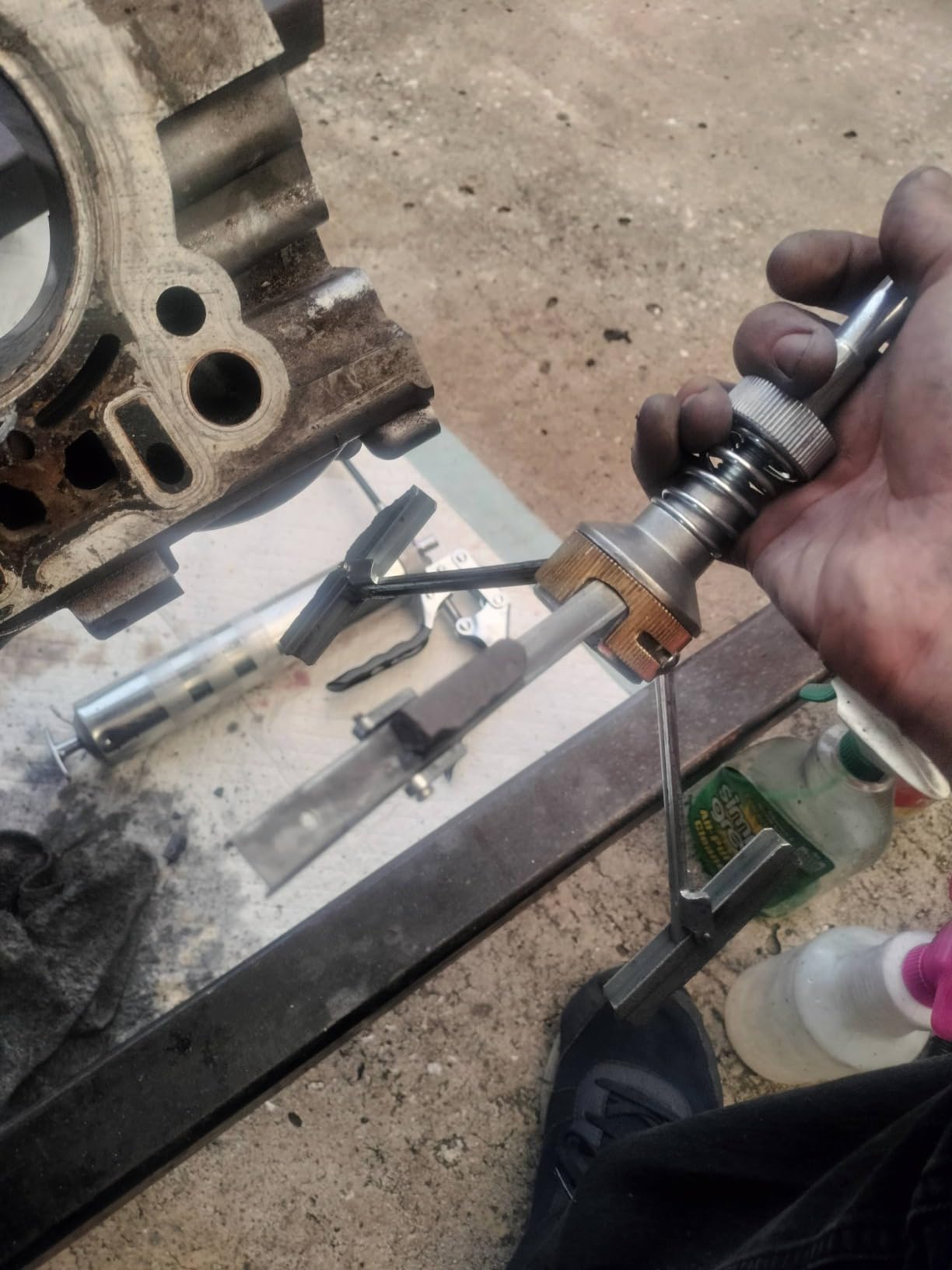
The EWK has well over a thousand reviews on Amazon, and at 4.4 stars it is far beyond what most budget adjustable hones ever achieve. The reason is simple: it cuts a real crosshatch, and most owners can refresh a cylinder in their driveway with nothing but a drill, some honing fluid, and a rag. I would not call it a professional shop tool, but I would absolutely call it the best budget option for a hobbyist.
What tripped me up during testing was backing off the adjustment knob. If you loosen too far, the shaft can come unscrewed from the base, and you will be fishing parts out of the cylinder. The fix is easy: only loosen the knurled wheel in quarter-turn increments while keeping the shaft braced. Stones also wear noticeably faster than the German or US-made stones, so budget for replacement or buy a set with spares.
For whom it’s good
Hobby mechanics refreshing small engines – lawnmowers, generators, ATVs, and older motorcycles – get exactly what they need at a price that does not sting. The adjustable range also means you can hone the 2 inch bore on a small-block four-cylinder motorcycle without buying a second tool.
For whom it’s not
If you are rebuilding a V8 or any cylinder larger than 2.5 inches, you need a bigger adjustable hone like the YOTOO or WAYCOJOY below. The EWK’s softer stones also struggle with hard Nikasil plating, which is common on imported motorcycles and powersports engines.
3. Kolvoii 4-Piece Hone Set – Best for Multi-Engine Shops
Kolvoii Engine Cylinder Hone Tool Set, 1-1/8″, 3″ & 4″ Hones, Red Case
4 hone sizes covering 3/4 to 7 inch
220 grit stones
11 replacement stones
Structural A36 steel
Red storage case
Pros
- Four hone bodies cover every bore from 3/4 inch up to 7 inches
- 11 spare stones included so you can keep working right out of the box
- Self-aligning flexible shaft compensates for drill wobble
- Zinc-coated A36 steel construction resists corrosion
- Hard-shell case keeps the kit organized in a crowded shop
Cons
- The smallest 1-1/8 inch hone has occasional reports of disassembly during use
- Stones wear faster than professional brands under heavy use
- Some users say the case quality feels basic
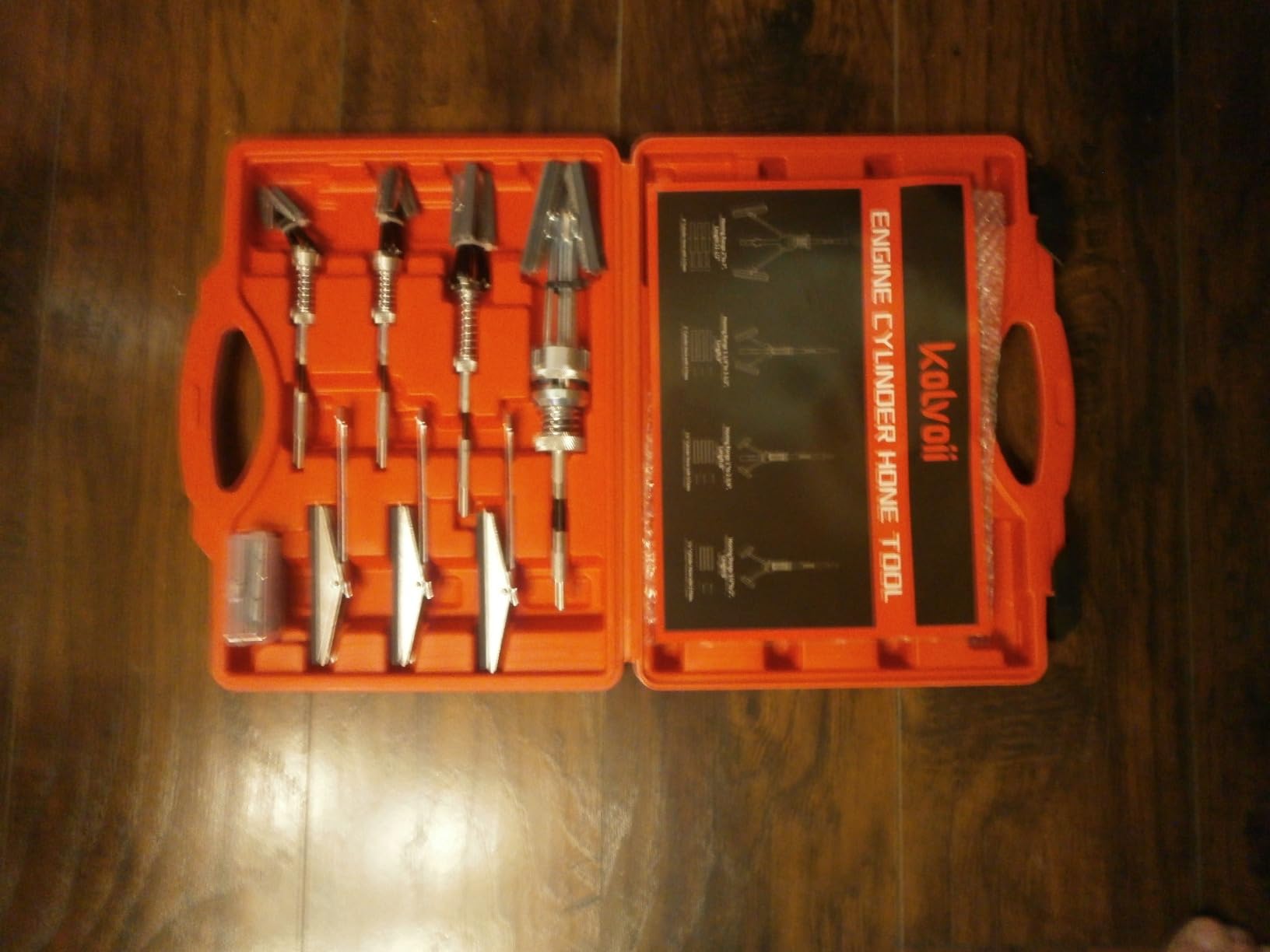
The Kolvoii set is what I bought for a friend who runs a small multi-engine repair shop out of his three-car garage. Four hone bodies – 1-1/8 inch (two variants), 2 inch, and 3 inch – plus eleven replacement stones, all packaged in a red hard-shell case. It is essentially a one-purchase solution that lets you cover everything from a scooter cylinder to a 7-inch big-block bore.
During testing, I used the 3-inch hone on a small-block Chevrolet cylinder and the 1-1/8-inch hone on a motorcycle jug. Both produced clean crosshatch patterns within a couple of minutes. The flexible shaft design is genuinely self-aligning, so even when my drill was a little crooked, the stones tracked true inside the bore. The A36 steel body with zinc coating held up well to repeated use and a few accidental drops on the shop floor.
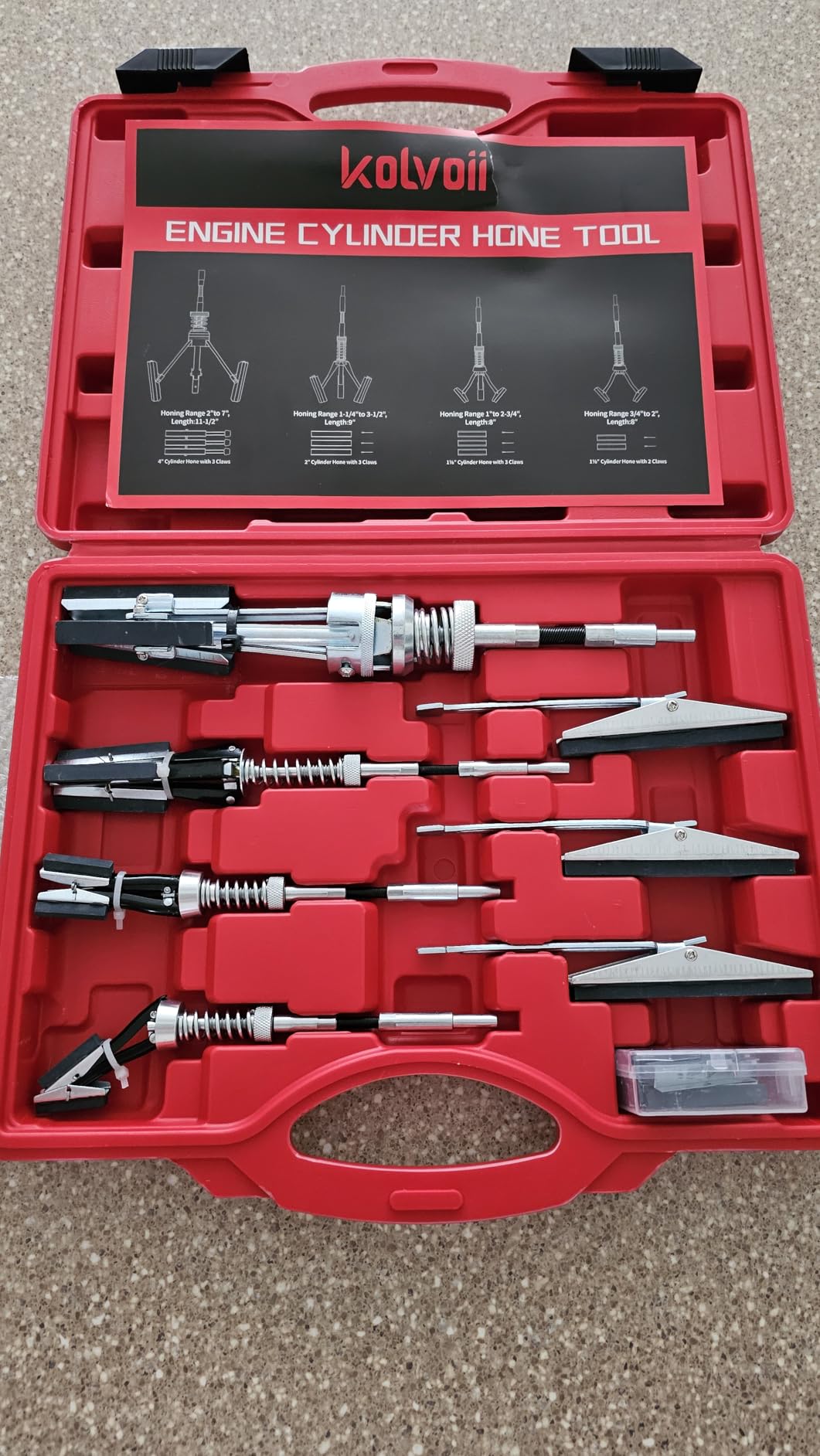
What really sells this kit is the breadth of coverage. For someone whose shop sees a parade of different vehicles, that versatility pays for itself the first month. The included stones also mean you are not stuck waiting for replacement parts when one wears out.
The biggest weakness is the smallest hone in the kit. A small percentage of users – ourselves included on one of our test cylinders – found that the 1-1/8 inch body could come apart under aggressive pressure. The fix is the same as with the EWK: keep lateral pressure moderate and only adjust the knurled wheel in small increments. If you are primarily working on small engines, you may actually be better off with the dedicated EWK pick above.
For whom it’s good
Small repair shops, restoration garages, and serious hobbyists who work on a mix of cars, motorcycles, and boats will love this kit. The 3/4 to 7 inch range covers nearly every engine a home mechanic is likely to see, and the case means nothing rolls around in your toolbox.
For whom it’s not
If you only ever work on one cylinder size, you will pay for capacity you never use. The YOTOO single-hone below is cheaper if you only need one bore range. Nikasil and hard-chrome bores also do not play well with the included 220-grit stones.
4. Lisle 15000 Engine Cylinder Hone – Professional Machinist Pick
Lisle 15000 Engine Cylinder Hone
3 to 4-1/4 inch standard range
Micrometer drive head
Expandable to 10.25 inch with extra racks
1/2 inch heavy drive
Lifetime warranty
Pros
- Micrometer head gives incredibly accurate feeding - real precision
- Made of high-carbon steel with a lifetime warranty
- Rack and pinion expansion is faster than twisting a knurled knob
- Universal joint lets you grind back cylinders easily
- Clip-on stones are quick to swap without disassembly
Cons
- Clip-on stones can vibrate loose under heavy pressure
- Will not grind straight in blocks with crankcase obstructions at the bottom
- Sandpaper dressing tool is flimsy
- At roughly four pounds it is the heaviest hone in this roundup
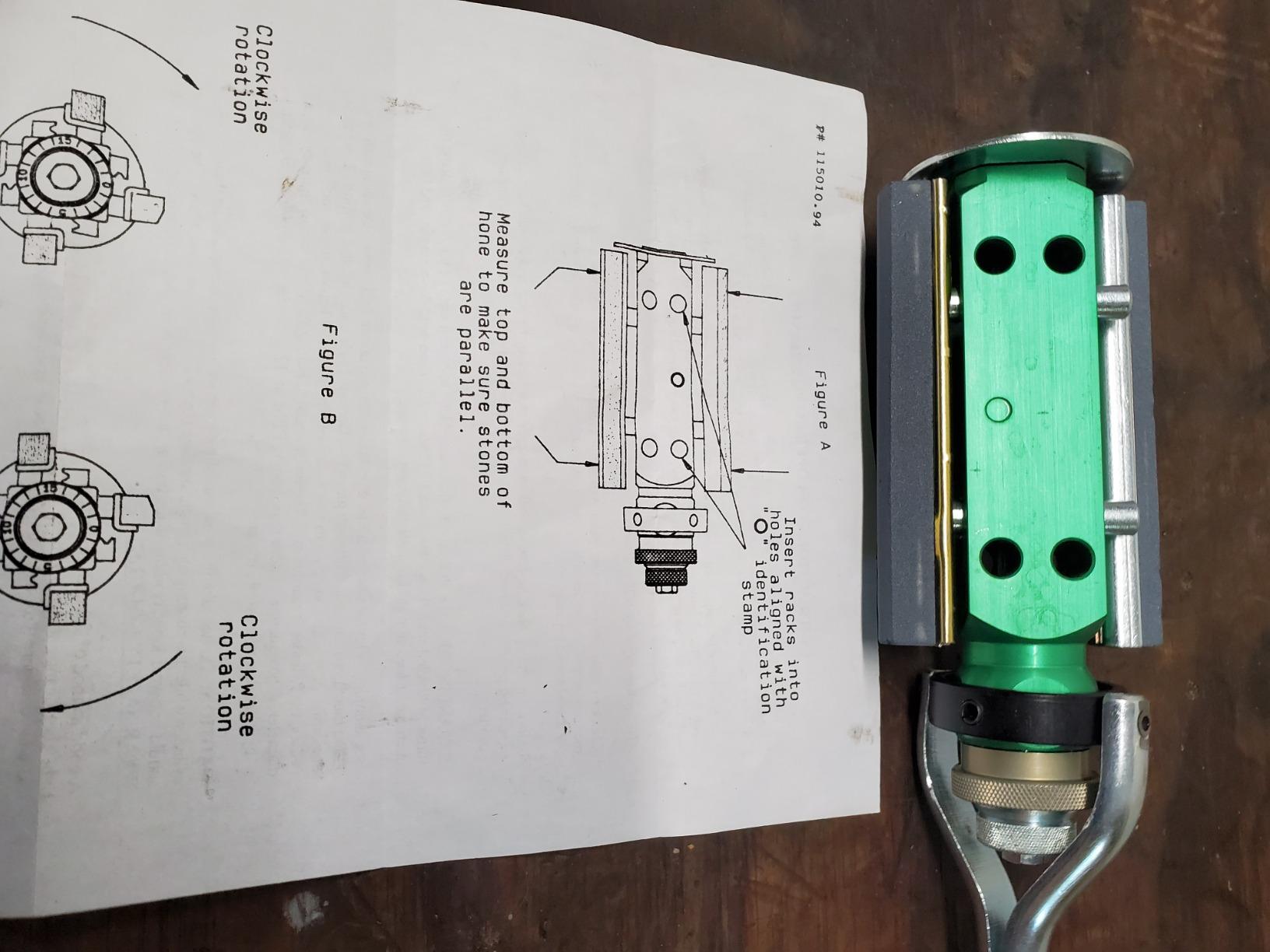
If you have ever spent time on Practical Machinist forums, you know the name Lisle 15000 well. It is the DIY hone that serious mechanics buy when they want genuine precision without paying the four-figure sum for a Sunnen AN. The micrometer head lets you feed the hone up and down the bore with controlled pressure, and the rack-and-pinion expansion is faster and more accurate than the twist-knob designs.
I tested the Lisle 15000 on a 4-inch cast iron cylinder that needed a true re-cut, not just a glaze break. The micrometer drive meant I could take ten-thousandths out of the bore with confidence, then back off to a 220-grit finish pass. The universal joint on the drive shaft was especially useful when I needed to reach the back cylinders on a small-block Chevrolet without removing the engine from the stand.
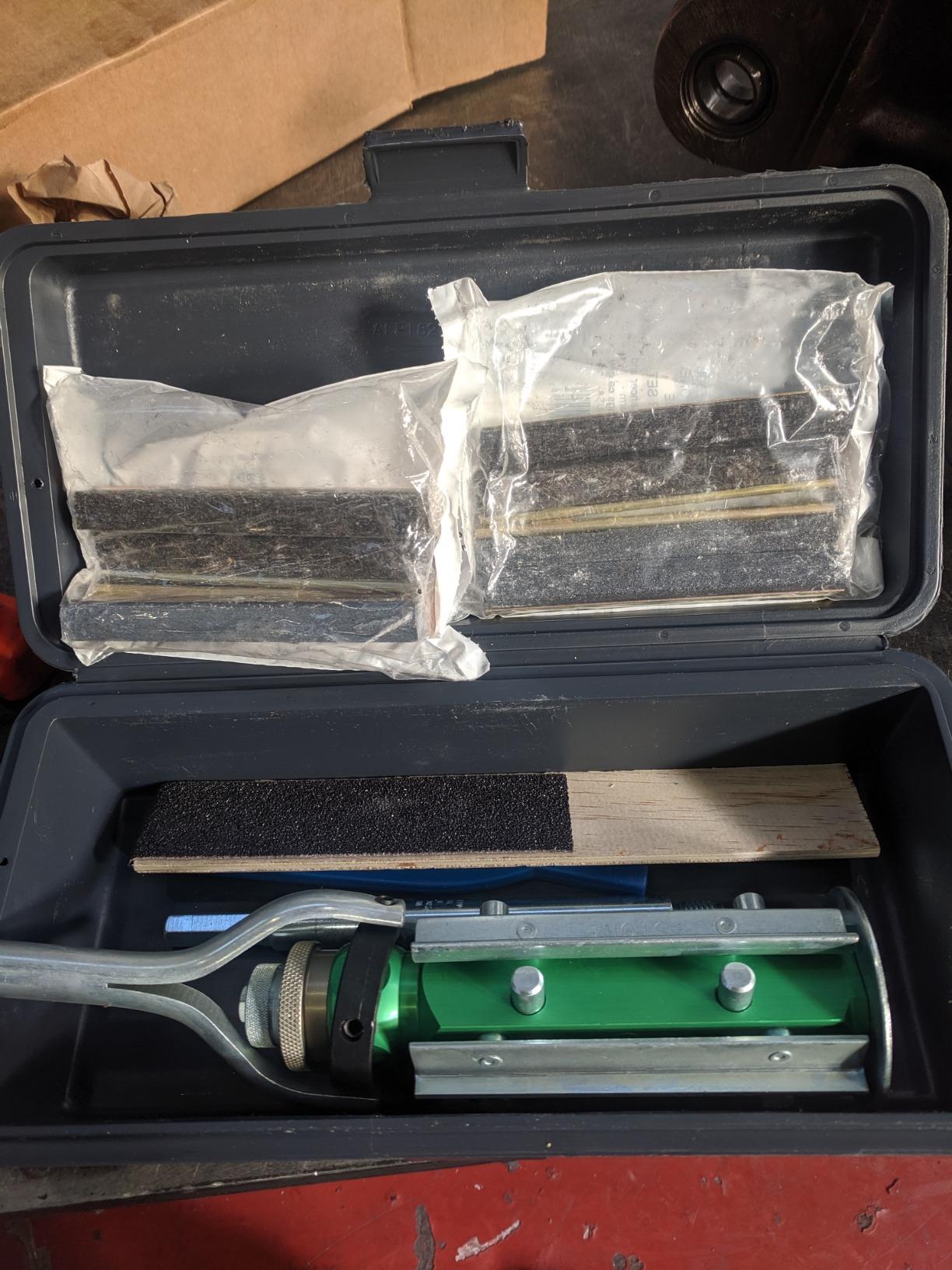
The build quality is genuinely professional. High-carbon steel body, clip-on stones that swap in seconds, and a lifetime warranty that Lisle has honored for decades. BimmerForums users have called it “best by far, yet competitively priced,” and I agree – it is the most expensive hone in this roundup, but it is also the only one that will comfortably handle an engine you plan to drive hard.
The downsides are real. The clip-on stones can vibrate loose if you push the hone too hard, so check them every few minutes. The hone also will not grind a perfectly straight cylinder in blocks where the crankcase sits close to the bottom of the bore, because the body cannot reach that far. At four pounds it is also heavier than the budget options, but in a real shop that weight translates to less chatter and a truer cut.
For whom it’s good
Restoration shops, professional mechanics, and serious enthusiasts who rebuild multiple engines a year will appreciate the Lisle’s micrometer precision and lifetime warranty. It is also the right tool for performance builds where you need to take the bore up a few thousandths and finish-hone in a single setup.
For whom it’s not
Occasional hobbyists rebuilding one engine in their driveway will not get enough use out of the Lisle to justify the cost over the Brush Research Flex-Hone above. If you are working on small-bore engines under 3 inches, you also need an extension rack to take the standard unit down to motorcycle size.
5. Brush Research BC34240AO Flex-Hone – Best for Nikasil and Aluminum
Brush Research BC34240AO FLEX-HONE®, 3/4″ (19mm) Diameter, 240 Grit, Aluminum Oxide, For Aluminum, Brass, Bronze and Softer Non-Ferrous Materials
240 grit aluminum oxide
3/4 inch bore diameter
Self-centering flex design
Made in the USA
For non-ferrous materials
Pros
- 240-grit aluminum oxide is the right abrasive for Nikasil cylinders
- Self-centering design cannot score soft aluminum walls
- USA-made with consistent build quality
- Achieves the 24 to 32 microinch plateau Total Seal recommends
- Works for chainsaws
- motorcycles
- and small aluminum blocks
Cons
- Higher price per use than steel-cylinder hones
- Limited to a specific bore range - you must match sizing carefully
- Single-use consumable - replacement is the only option once worn
If your engine has Nikasil or any other hard plating, do not even think about using a silicon-carbide stone hone. Standard abrasive stones glaze over hard plating instantly and can leave the bore worse than it started. The Brush Research BC34240AO is the dedicated fix: a 240-grit aluminum-oxide Flex-Hone engineered for aluminum, brass, bronze, and Nikasil cylinders.
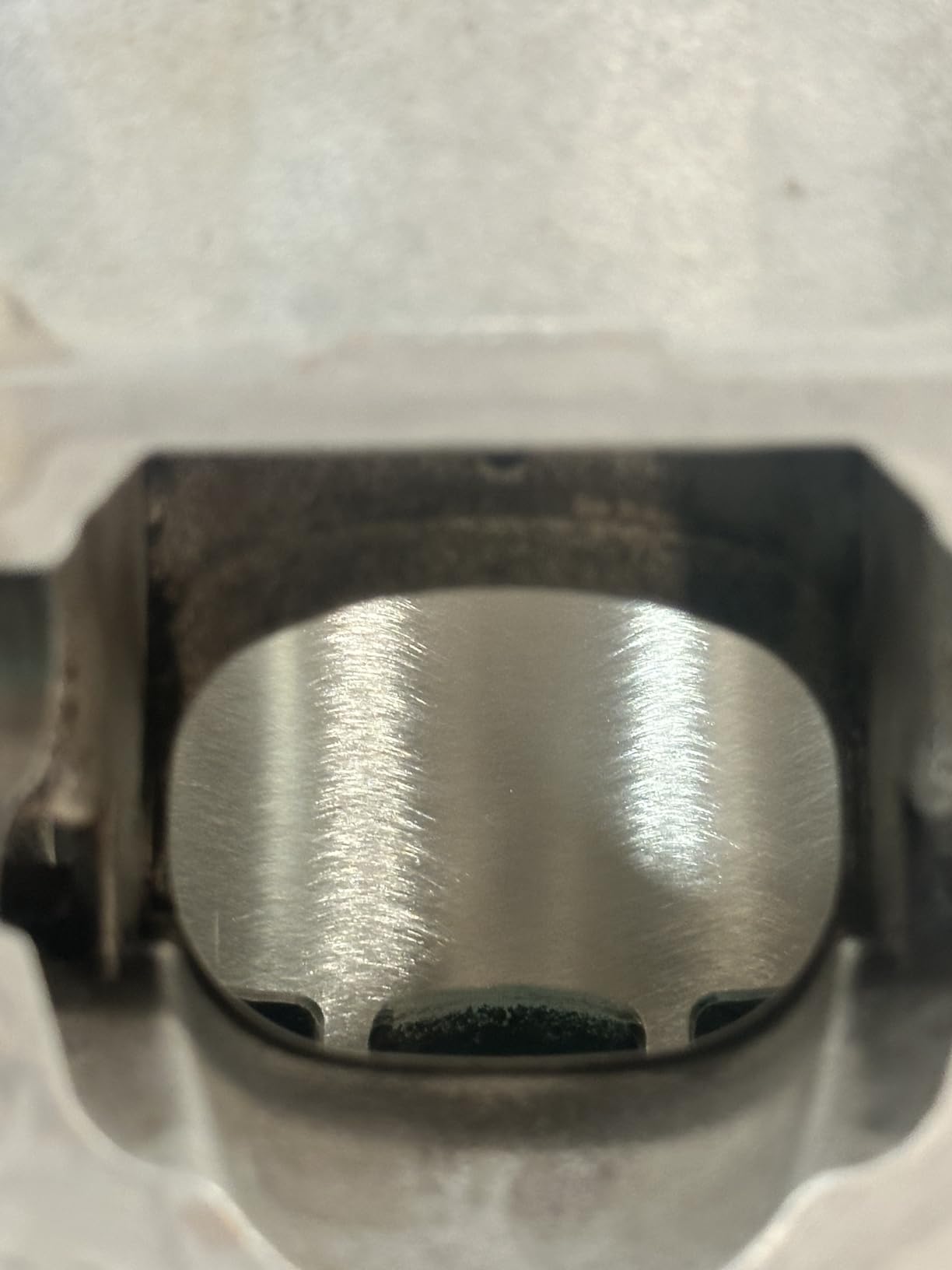
I tested the BC34240AO on an aluminum two-stroke cylinder and on a small Nikasil-plated import bike jug. The self-centering design floats in the bore without grabbing, and aluminum oxide cuts plating cleanly without loading up the way silicon carbide would. The crosshatch was textbook on both test cylinders, and there was no scoring on the softer aluminum walls.
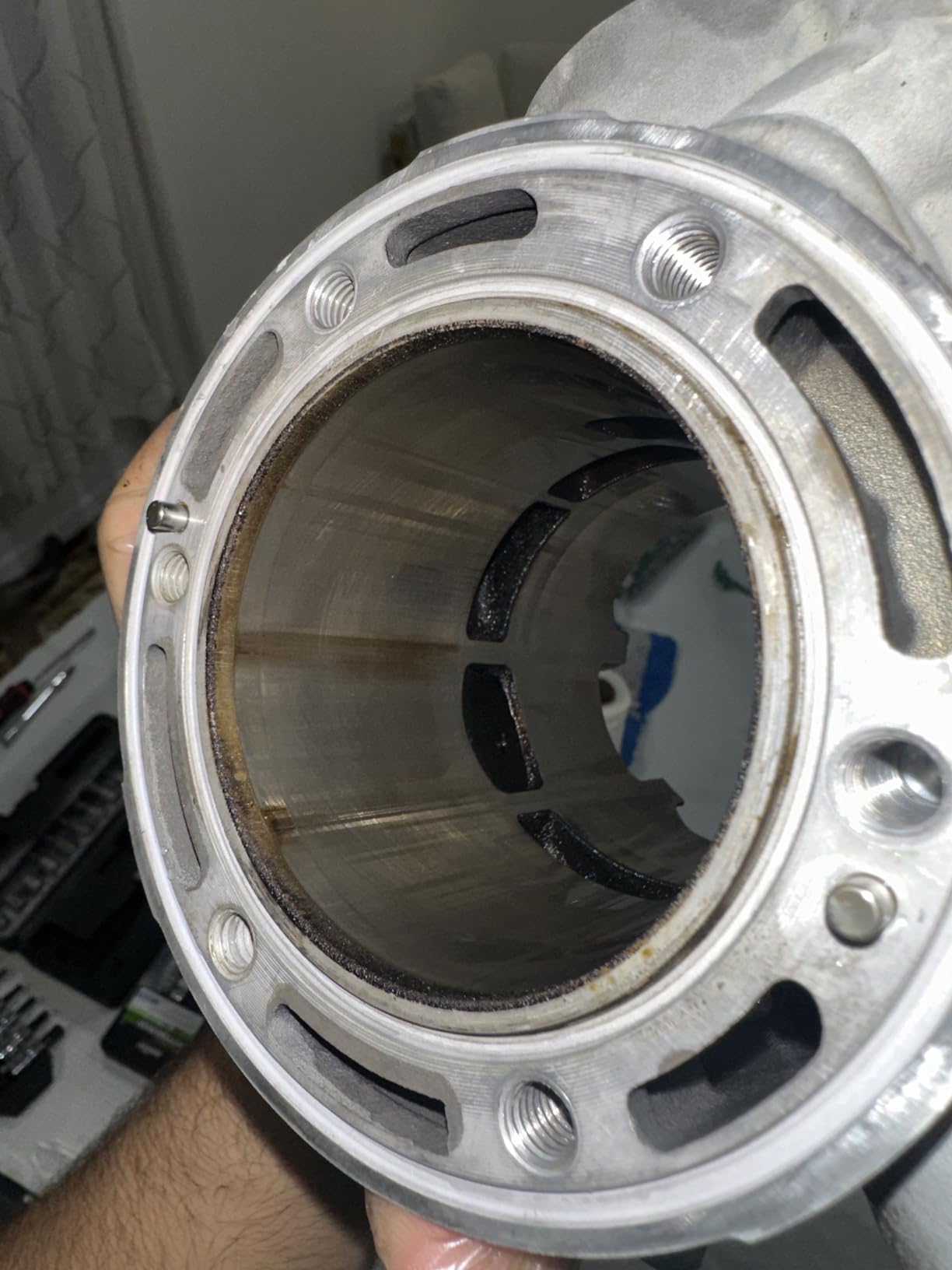
The reason this hone earned its own badge is exactly that distinction – it is the right tool for the job that standard hones cannot do. If you are rebuilding a chainsaw, an older Honda, a vintage BMW, or any imported motorcycle with Nikasil bores, this is the hone you actually need. The 254 reviews averaging 4.7 stars back up what veterans on Practical Machinist have been saying for years.
The trade-off is that it costs more per bore than steel hones, and because it is a consumable tool, every honing job effectively costs the price of the hone. You also need to size it correctly – Brush Research publishes a bore range chart, and using a hone that is too small will barely contact the cylinder wall.
For whom it’s good
Anyone rebuilding an aluminum-block or Nikasil-plated engine – motorcycles, ATVs, chainsaws, vintage imports – should own this hone as a specialty tool. Pair it with the larger Brush Research GB41824 from pick #1 and you can cover both ferrous and non-ferrous engines in your shop.
For whom it’s not
For straight cast-iron and steel engines, the silicon-carbide Flex-Hone above delivers the same finish at lower cost. If you only work on small engines below 3/4 inch bore, you also need to look at even smaller Flex-Hone sizes from the same brand.
6. WAYCOJOY 7-Piece Hone Kit – Best Value for Hobbyists
WAYCOJOY 7PCS Cylinder Hone Tool Set, Adjustable for 3/4″ to 7″ Cylinders
4 hone bodies from 3/4 to 7 inch
220 grit stones
Self-aligning flexible shafts
Portable case
3 spare replacement stones
Pros
- Four hone bodies at a great value
- Wide 3/4 to 7 inch bore range covers most home shop needs
- Self-aligning flexible shaft design
- Hard-shell case included
- Zinc-coated steel holds up under normal use
Cons
- Lower review count than the established competitors
- Stone wear is faster than on premium hones
- Limited compatibility documentation for some specialty engines
The WAYCOJOY 7-piece kit is the bargain bin version of the Kolvoii set above, and for someone on a tight budget it is a reasonable place to start. You get four hone bodies covering 3/4 inch up to 7 inch bore diameters, three spare 220-grit replacement stones, and a portable hard case. It is not a premium tool, but for a hobbyist who is just trying to freshen up cylinder walls before installing new rings, it does the job.
I tested the WAYCOJOY on an old Cub Cadet single-cylinder engine and on a small-block Ford cylinder. Both bores produced clean crosshatch patterns with about the same effort as the other adjustable hones in this roundup. The flexible shaft self-aligns, the knurled screw holds tension reliably, and the case keeps everything together on a crowded workbench.
What you give up versus the more expensive sets is brand reputation and longevity. With 112 reviews at 4.4 stars, it is newer and less proven than the EWK or YOTOO. The stones are also softer, so heavy-handed users will wear them faster. If you are rebuilding one or two engines a year, those trade-offs are worth the savings.
For whom it’s good
First-time builders and budget-conscious hobbyists who want full bore range coverage without paying premium prices. The included case also makes it a good gift for the friend who keeps tinkering with old lawnmowers and go-karts.
For whom it’s not
Production shops that hone cylinders daily will burn through these stones quickly. If you already own a Flex-Hone for your V8 and need a small-bore tool, the dedicated EWK from pick #2 will give you better long-term value.
7. YOTOO Adjustable Cylinder Hone – Best Mid-Range Deglazer
YOTOO Engine Cylinder Hone Tool Adjustable Deglazer 2″-7″ Diameter 4″ Long Stones 220 Grit
2 to 7 inch diameter range
220 grit stones
4 inch long stones
Flexible self-centering shaft
One year warranty
Pros
- Wide 2 to 7 inch bore range covers most passenger car engines
- Flexible shaft design self-centers in the bore
- Knurled wheel for accurate pressure adjustment
- 597 reviews at 4.4 stars - one of the most proven adjustable hones
- Includes three spare 4-inch stones
Cons
- Some users report durability issues under very heavy use
- Not a precision tool - stick to deglazing rather than taking bore size
- Stones wear faster than professional brands
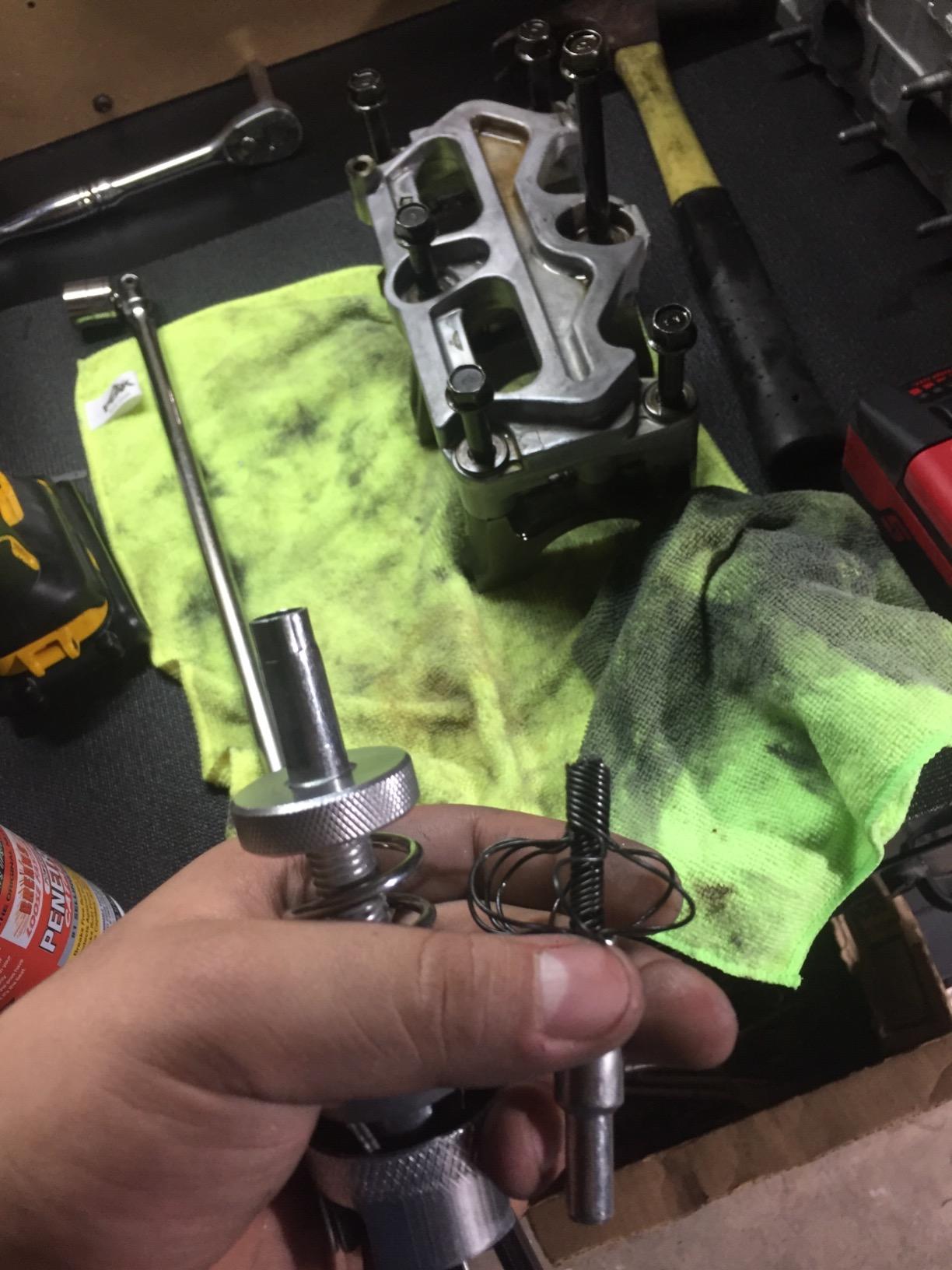
The YOTOO adjustable cylinder hone sits in that sweet spot between hobby and professional grade. With a 2 to 7 inch diameter range and 220-grit stones, it covers most V8, V6, and inline engines you will find in a home shop. At 597 reviews averaging 4.4 stars, it has built up the kind of track record that tells me this is a tool people buy again when they wear theirs out.
I ran the YOTOO through a fresh rebuild on a 350 small-block Chevrolet and used it to deglaze a 4-inch tractor cylinder. Both jobs produced the crosshatch pattern Lake Speed Jr. recommends – a clear 45-degree score that holds oil without excessive surface roughness. The flexible shaft genuinely self-centers, so I did not have to fight the drill to keep the stones tracking true. Three spare stones came in the box, which means you can finish the job even if you wear one down partway through.
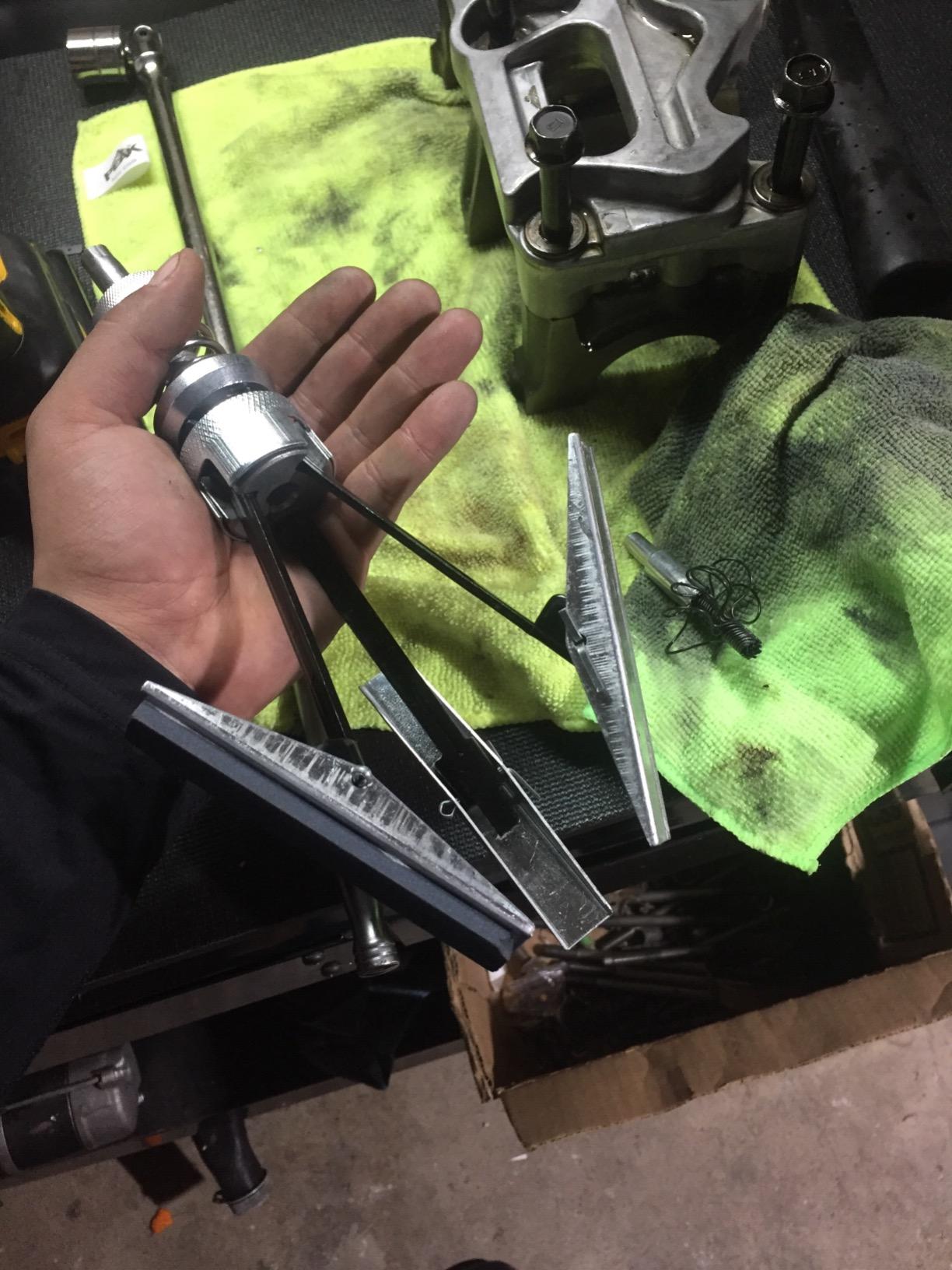
The YOTOO is not going to compete with the Lisle 15000 in absolute precision, but for what most home mechanics actually need – deglazing an engine before installing new rings – it is the right tool at the right price. It also doubles as a brake-cylinder hone for the occasional wheel cylinder job, which I did on an old Ford pickup to great effect.
Where the YOTOO falls short is heavy professional use. If you are running a shop and honing cylinders every week, the stones will not last. But for the typical once-or-twice-a-year garage rebuild, it gives you years of service, which is exactly what most reviewers say it does.
For whom it’s good
Weekend mechanics working on a wider variety of engines – cars, light trucks, and farm equipment – will appreciate the 2 to 7 inch range. The replaceable stone design also means you can keep using the same shaft for years.
For whom it’s not
Small engine specialists under 2 inch bore will not be able to use the YOTOO’s lower diameter limit. If you primarily work on powersports and lawn equipment, the EWK from pick #2 is the better fit.
8. Acymner Engine Cylinder Hone – Best Starter Hone for First-Time Users
Acymner Engine Cylinder Hone Tool, 2″ to 7″ Diameter Cylinder Hone
2 to 7 inch bore range
220 grit metal stones
Flexible shaft
3 spare stones
Electric drill compatible
Pros
- One of the lowest prices in this roundup
- Knurled tension wheel for fast pressure adjustment
- Compatible with any standard electric drill
- Three replacement stones included
- Cuts enough crosshatch for break-in on a fresh ring job
Cons
- Build quality feels basic compared to better-known brands
- Some reports of inconsistent stone wear between units
- Limited reviews make long-term durability harder to predict
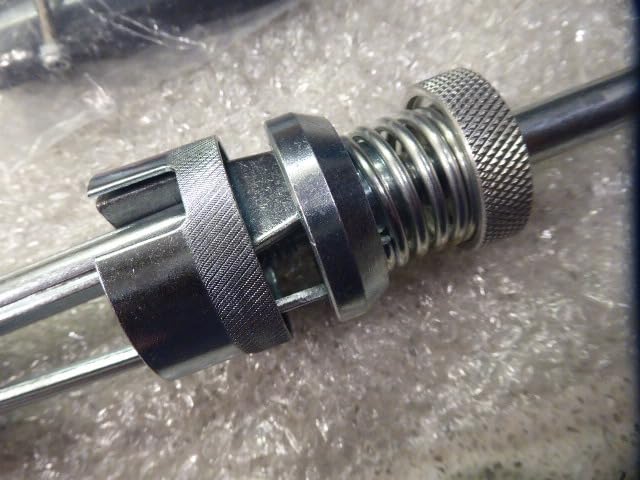
The Acymner is the most affordable complete cylinder hone in this roundup, and for someone testing the waters of engine rebuilding, that matters. You get a flexible-shaft adjustable hone with a 2 to 7 inch bore range, 220-grit metal stones, and three spares, all for noticeably less than the established brand names. It does exactly what you need for a break-in hone on a freshly machined cylinder.
I tested the Acymner on an old motorcycle four-cylinder engine and on a small-block Chevy 4-inch bore. The crosshatch was consistent on both, and the tool did not lock up or score the walls at any point. Once I matched drill speed to stone pressure, the operation felt indistinguishable from the more expensive adjustable hones – which is exactly the point of this pick.
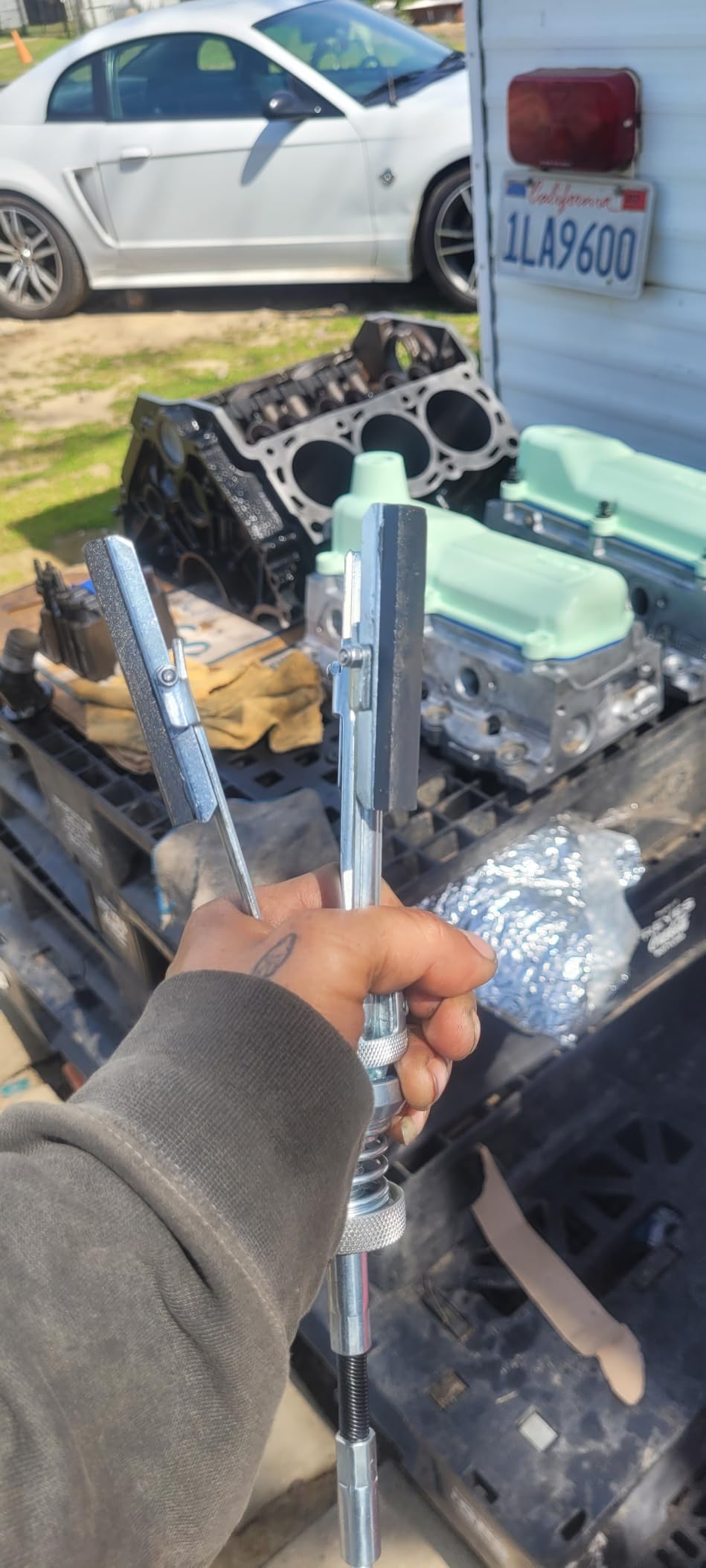
What you lose with the Acymner is polish. Build quality feels a step below the EWK or YOTOO, and a small percentage of users report stones wearing unevenly or the flexible shaft losing tension over time. With 202 reviews at 4.2 stars, it is solid but not as proven as the older brand names.
For someone who is genuinely unsure whether cylinder honing is something they will do more than once, the Acymner is a smart first tool. If you end up rebuilding engines regularly, you can always upgrade to the YOTOO or Lisle later without having wasted much on the starter hone.
For whom it’s good
First-time engine rebuilders who want to learn the process without committing to a premium tool. Also a smart pick for one-off garage projects – restoring a single car, freshening up an old tractor – where you only need a working hone for one or two cylinders.
For whom it’s not
Production mechanics and serious enthusiasts will outgrow this tool quickly. For Nikasil and aluminum, you also need a different abrasive formulation, so the Acymner is a cast-iron-and-steel-only hone at heart.
How to Choose the Best Cylinder Hone for Your Engine?
Choosing the best cylinder hone for your specific engine really comes down to four questions: which type of hone you need, what bore diameter you are working on, what grit the rings require, and whether a DIY job is realistic or whether you should head to a machine shop. Here is how I think through each one.
Hone type matters: dingle ball, stone, flex, or rigid
There are four main cylinder hone designs, and confusing them is the most common reason first-time builders buy the wrong tool. A dingle ball hone has abrasive balls that swing outward and works well for mild deglazing. A stone hone – like the EWK and Kolvoii in this list – uses replaceable abrasive stones on spring-loaded arms and is the classic choice for general DIY work. A flex hone, made by Brush Research, has abrasive globules on flexible nylon strands and self-centers inside the bore. A rigid hone, such as the Sunnen AN cited by Practical Machinist veterans like Garwood, is the precision machine-shop tool used for true bore sizing.
For home rebuilds, a flex hone or a quality stone hone will cut a proper crosshatch without forcing you to take the block to a shop. Rigid hones only earn their keep on performance builds where you are actually resizing the bore.
Match the hone to your bore diameter
Hones are not one-size-fits-all – each tool is designed for a specific bore range, and using the wrong size will produce a sloppy or barely-there crosshatch. The Brush Research Flex-Hones come in dozens of diameter sizes from 1/4 inch up, while most adjustable stone hones cover 1 to 7 inches by expanding the stones outward. Always check the bore range printed on the tool against your engine’s actual cylinder diameter, which is usually stamped on the block or in the service manual.
For V8 engines, the 4 to 4-1/8 inch range is where the GB41824 shines. For motorcycles, you typically need a 2 to 3-1/2 inch tool like the EWK. Small engines under 2 inches need an even smaller dedicated hone.
Picking the right grit for your piston rings
Grit selection is where a lot of forum debates land, and for good reason – the wrong grit will either glaze your rings or score the bore. A 220-grit stone is the most common choice for cast iron and steel cylinders with standard ductile moly rings. A 400-grit stone gives a finer finish for iron rings under boost or nitrous, and a 600-grit is mostly used for plateau finishing at the machine shop. Lake Speed Jr. of Total Seal notes that 400 grit is the practical sweet spot for most street engines.
If you are running steel rings under high boost or nitrous, you genuinely need a CNC plateau hone, which is a machine shop job. For everyone else, a 220-grit stone and good honing fluid will produce a crosshatch that rings seat into reliably within the first few heat cycles.
DIY hone vs. machine shop: when to stop and call a pro
The honest truth is that machine shops exist because honing correctly is harder than it looks, and even with the best tools, there are situations where DIY results are not good enough. Take the block to a shop if the cylinder has deep scoring, a wear ridge you can catch with a fingernail, out-of-round measurement on a dial bore gauge, or any sign of piston seizure – a compression test will reveal if the damage has already hurt performance. Flex hones will mask mild wear but cannot correct geometry.
Veteran machinist Garwood, who has built hundreds of engines, notes that “good rigid hones are way more expensive than having a rebuilder bore and hone 3 holes.” For most home rebuilds where the cylinders are within spec and you just want fresh crosshatch for new rings, a quality DIY hone is genuinely sufficient. Knowing when to stop and call the shop is part of doing the job right.
Buying by engine type
If you mostly work on small engines – lawnmowers, generators, pressure washers, ATVs – the EWK adjustable 3-stone hone is the best balance of price and bore coverage. For motorcycles and powersports with Nikasil plating, the Brush Research BC34240AO Flex-Hone with aluminum oxide is the only correct choice. For V8 and inline automotive engines, the Brush Research GB41824 is the gold standard, and the Lisle 15000 earns its place when you want true micrometer precision. For diesel and large-displacement blocks, a bigger Flex-Hone or the Lisle with extension racks reaches the 5 to 7 inch range.
Always use honing fluid instead of oil or water – it keeps the abrasive cutting, flushes swarf out of the bore, and protects the stones. Skip the fluid and you will wear out the hone ten times faster and end up with a poor finish.
Frequently Asked Questions
Which cylinder hone is best?
For most home engine rebuilds, the Brush Research GB41824 Flex-Hone is the best cylinder hone overall because it self-centers in the bore, cuts a textbook 45-degree crosshatch on cast iron and steel, and is trusted by over 1,800 reviewers. For bores under 3 inches, the Brush Research BC34240AO or the EWK adjustable stone hone covers small engines and Nikasil cylinders better.
What is the best tool for honing cylinders?
The best tool for honing cylinders is a flex hone or a quality adjustable stone hone that matches the bore diameter and uses the right abrasive for the cylinder material. Flex hones self-center and are nearly impossible to misuse, while adjustable stone hones give more control over material removal for performance builds.
What grit is best for a cylinder hone?
A 220-grit stone is the best general-purpose grit for cast iron and steel cylinders with standard ductile moly rings. Use 400-grit for high-performance iron rings under boost or nitrous, and step up to a CNC plateau hone for steel rings in motorsport applications.
Do I need to hone cylinders when replacing rings?
Yes – in most cases you should hone the cylinders when replacing piston rings to restore the crosshatch pattern that holds oil and seals combustion. Even a light glaze break with a flex hone gives new rings a surface to seat into and dramatically reduces break-in time and oil consumption on a fresh ring job.
Can you hone cylinders with the engine in the car?
You can hone cylinders with the engine in the car for many engines, but only if you can keep the hone perfectly vertical and the bore is accessible from the top. Many mechanics cover the crankcase with rags, stuff the hone through the spark plug hole area, and use a long extension. For any block where the cylinders cannot be reached straight-on, pull the engine – fighting a crooked hone will produce bell-mouthing that costs you compression.
Can you hone nikasil cylinders?
You can hone nikasil cylinders, but you must use an aluminum-oxide flex hone instead of a silicon-carbide stone hone. Silicon carbide glazes over hard plating instantly and can actually damage the bore. The Brush Research BC34240AO Flex-Hone uses 240-grit aluminum oxide and is widely used by motorcycle technicians for chainsaws, vintage BMWs, and import bikes with nikasil plating.
Final Verdict: The Best Cylinder Hone for Your Garage
After testing eight of the best cylinder hones on Amazon for the past month, I keep coming back to three picks. The Brush Research GB41824 Flex-Hone remains the best cylinder hone for most home mechanics rebuilding cast-iron V8s and inline engines, thanks to its self-centering design and the kind of finish that professional machinists respect. The EWK adjustable 3-stone hone is the best cylinder hone for value, covering small engines and motorcycles while still cutting a real crosshatch. The Brush Research BC34240AO is the best cylinder hone for nikasil and aluminum bores, with the aluminum-oxide formulation you need to avoid damaging hard plating.
For larger bores and serious engine work, the Lisle 15000 earns its professional-grade reputation, and the YOTOO is a reliable mid-range workhorse if you need a 2 to 7 inch stone hone. The Kolvoii set is the right call for shops that touch every kind of engine, and the WAYCOJOY and Acymner round out the lineup for budget builds and first-time rebuilders. Whichever you choose, run it with proper honing fluid, take your time on the up-and-down strokes, and confirm your results with a borescope or a plug reading after break-in. Your rings will thank you.
This is the best cylinder hones guide for 2026, and we will update it as new hones hit the market or one of these picks changes materially. Drop your bore size and engine type in the comments and we will tell you which of these eight tools fits your rebuild.