
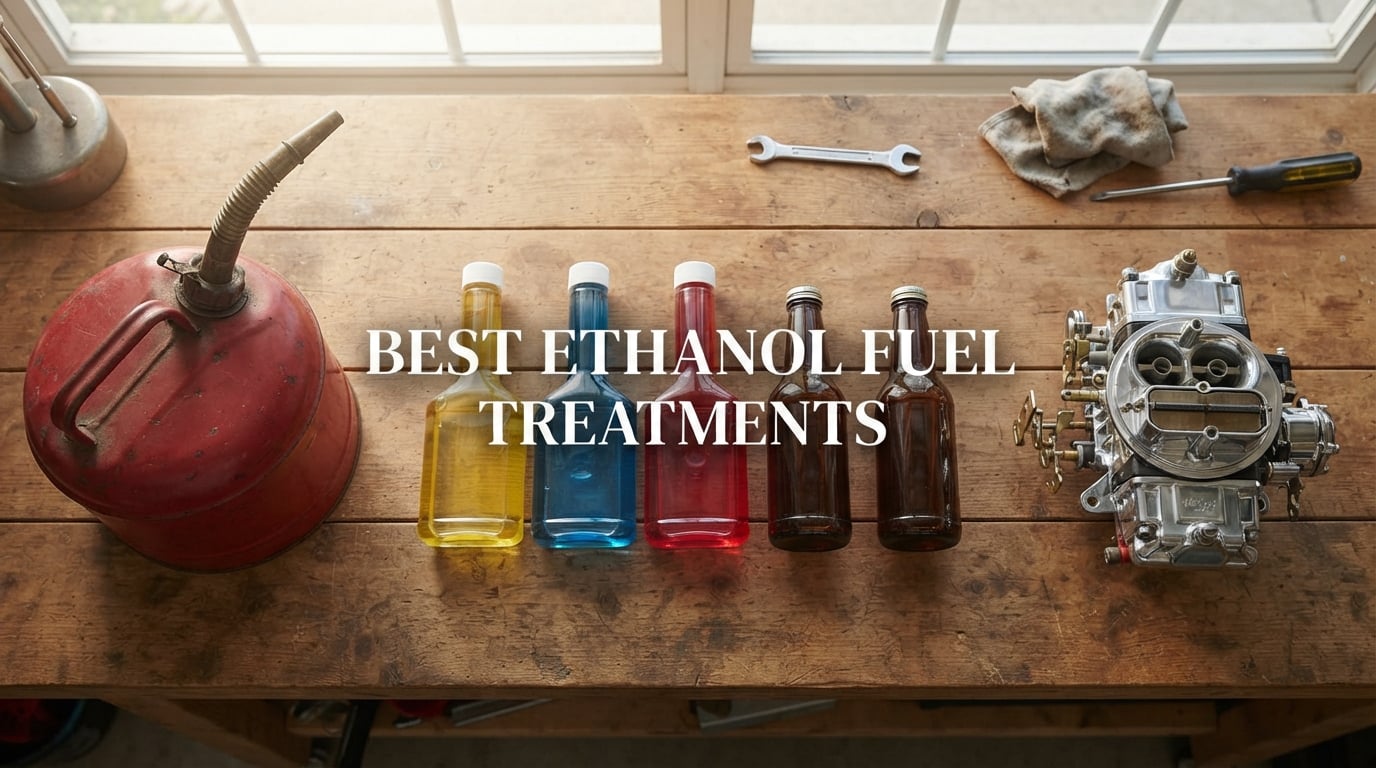
Ethanol-blended gasoline is now the default at every pump in the United States, and most E10 fuel absorbs enough water over a few weeks to cause real engine problems. I have owned small engines, marine outboards, and a classic truck long enough to watch varnish build up in carburetors, fuel lines gum shut, and stored equipment refuse to start in spring. After testing a long list of additives side by side and cross-referencing what forums and the Project Farm 5-year fuel stabilizer study actually show works, I narrowed the field down to the best ethanol fuel treatments for 2026.
These ten products are the ones I would actually buy again. Each one tackles the core ethanol problems: phase separation, corrosion, gum and varnish, and stale fuel. I cover small engines, marine outboards, daily-driver cars and trucks, classic-car storage, and bulk fuel cans. I also include a unique cost-per-treated-gallon breakdown and an honest “when NOT to use” section that most other reviews skip.
Table of Contents
What Ethanol Does to Your Fuel (and Why You Need a Treatment)
Ethanol is hygroscopic, which means it pulls moisture straight out of the air and holds it inside your fuel tank. In a vented tank, that moisture accumulates until the fuel reaches its saturation point and the ethanol-water mixture separates from the gasoline and sinks to the bottom of the tank. That is phase separation, and it is the number-one killer of small engines, marine outboards, and any vehicle that sits for more than a few weeks between uses.
Even before phase separation happens, ethanol starts attacking the metal in your fuel system. Aluminum, steel, magnesium, and zinc all corrode faster when ethanol is present, especially when water is also present. Fuel injectors and carburetors clog with varnish and gum as the gasoline oxidizes faster than it would without ethanol. Over time, you end up with hard starting, rough idle, reduced fuel economy, and eventually a carb rebuild or a fuel-injection cleaning bill that costs more than a decade of fuel treatments.
A quality ethanol fuel treatment solves these problems in three ways. It disperses water molecules so they cannot separate and pool, lays down a corrosion-inhibitor film on metal surfaces, and slows the oxidation of gasoline so it stays fresh for 12 to 24 months instead of going stale in 60 days. Marine-grade additives also add upper-cylinder lubrication and seal conditioners that protect rubber and plastic fuel-system components that ethanol tends to dry out and crack. If you want a deeper dive into fuel-system diagnostics, our guide on how to test a fuel pump relay and fuel pressure test kits is worth a read alongside this one.
Top 3 Picks for Ethanol Fuel Treatments In 2026

STA-BIL Storage 16 oz
- 24-month fuel freshness
- E-10 to E-85 compatible
- Anti-corrosion formula
- Treats 40 gallons

Sea Foam Motor Treatment…
- Cleans fuel system plus oil
- Gas and diesel compatible
- 2-year stabilization
- Restores lost MPG
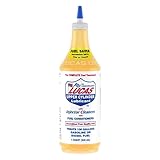
Lucas Oil 10003 Fuel Treatment
- Gasoline and diesel
- Cleans and lubricates injectors
- Boosts MPG and power
- Neutralizes sulfur
Best Ethanol Fuel Treatments in 2026: Quick Comparison
| Product | Specs | Action |
|---|---|---|
| STA-BIL Storage 16 oz |
|
Check Latest Price |
| Sea Foam Motor Treatment 4-Pack |
|
Check Latest Price |
| Lucas Oil 10003 Fuel Treatment |
|
Check Latest Price |
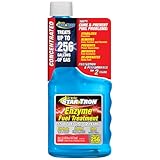 Star Tron Enzyme 16 oz Star Tron Enzyme 16 oz |
|
Check Latest Price |
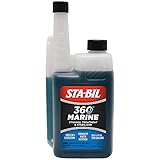 STA-BIL 360 Marine 32 oz STA-BIL 360 Marine 32 oz |
|
Check Latest Price |
 STA-BIL 360 Protection 4 oz STA-BIL 360 Protection 4 oz |
|
Check Latest Price |
 Star Tron Small Engine 8 oz Star Tron Small Engine 8 oz |
|
Check Latest Price |
 Star Tron Gasoline 16 oz Star Tron Gasoline 16 oz |
|
Check Latest Price |
 Ethanol Shield 24 oz 2-Pack Ethanol Shield 24 oz 2-Pack |
|
Check Latest Price |
 Mechanic in A Bottle 24 oz 2-Pack Mechanic in A Bottle 24 oz 2-Pack |
|
Check Latest Price |
1. STA-BIL Storage 16 oz – Editor’s Choice for Seasonal Storage
STA-BIL Storage Fuel Stabilizer, 16 oz
Treats 40 gallons
24-month fuel freshness
E-10 to E-85 compatible
Pros
- Keeps fuel fresh up to 24 months
- Works in all gasoline and ethanol blends
- E-10 through E-85
- Versatile across cars mowers motorcycles boats generators
- Easy pour-and-mix dosing
- Backed by 36k+ reviews
Cons
- Small bottle for users with multiple large tanks
- Slight premium over generic stabilizers
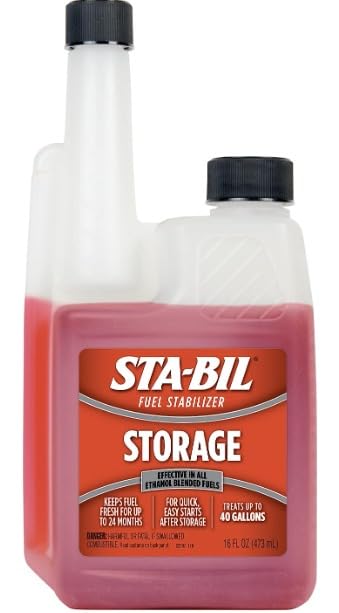
STA-BIL Storage is the gold-standard fuel stabilizer and my personal pick when one product has to handle lawnmowers, snowblowers, motorcycles, generators, and the classic car all winter. I have used it every fall since 2019, and every spring the equipment fires on the first or second pull. That reliability is exactly why I made it the editor’s choice for 2026.
The formula keeps fuel fresh for up to 24 months and is rated for the entire ethanol range, from E-10 all the way up to E-85. That versatility matters if you run mixed equipment; one bottle handles everything from the daily driver on E-10 to the flex-fuel truck on E-85. Reviewers on Amazon consistently report smoother running, fewer stale-fuel surprises, and improved mileage when used regularly.
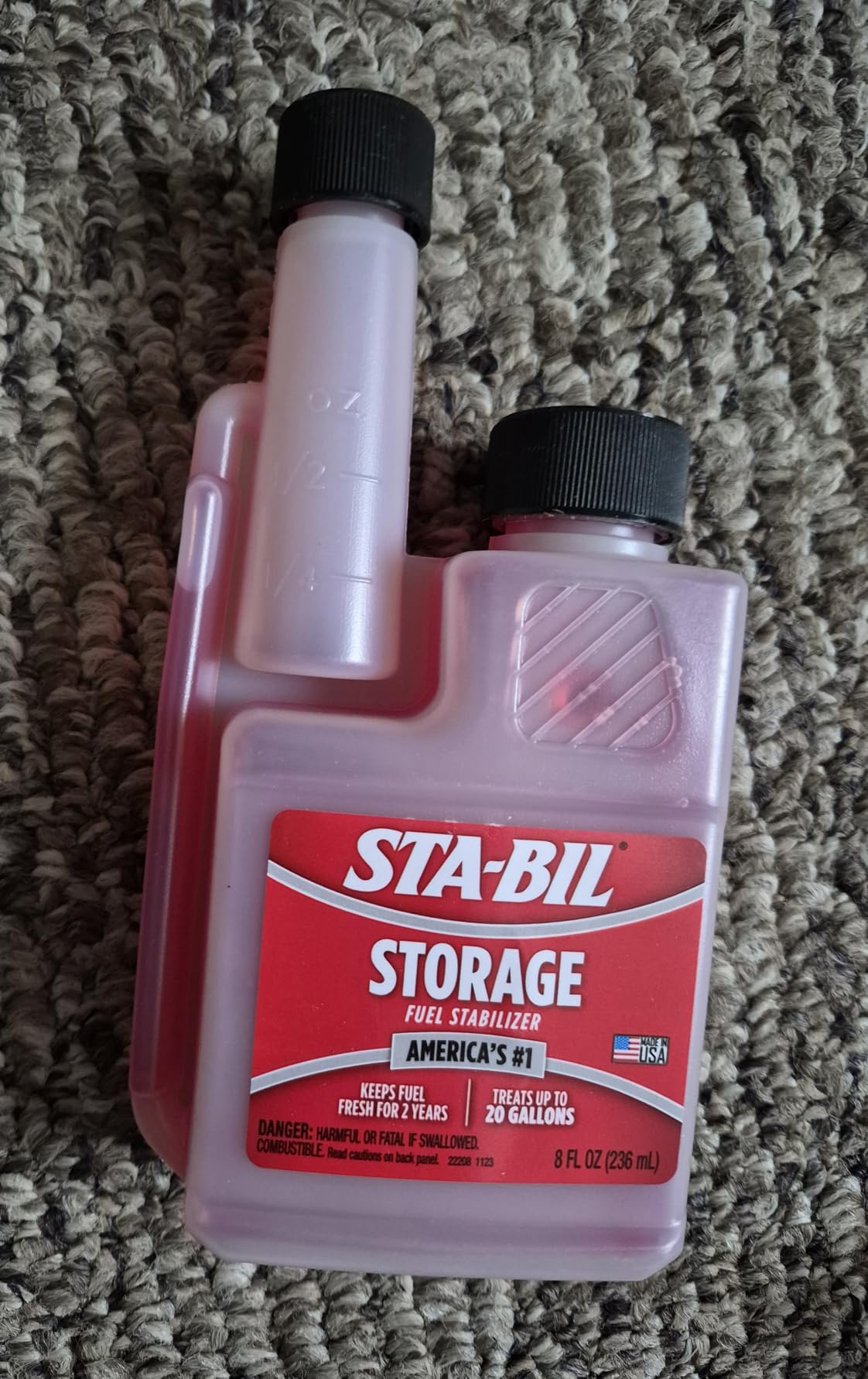
The dosing is simple: one ounce per 2.5 gallons for storage, mixed into the tank before the final fill-up. For a 5-gallon gas can on the shelf, that is two ounces, easy. The bottle even has a built-in measuring chamber, which is handy because the worst fuel-stabilizer mistake is under-dosing and wondering in April why the mower still will not start.
Forum users at Bob Is The Oil Guy and r/MechanicAdvice call STA-BIL the “default” stabilizer for seasonal equipment, and the Project Farm-style long-term studies tend to confirm its reliability. It is not the cheapest per ounce, but the value per treated gallon is excellent, and the brand’s reputation means you can find it at every Walmart, Home Depot, and O’Reilly Auto Parts in the country.
Storage protocol that actually works
For long storage (3 to 24 months), treat fresh fuel, run the engine for 5 minutes to circulate, and shut down. Do not try to “stabilize” already-stale gas; STA-BIL preserves, it does not resurrect.
When to skip it
Skip STA-BIL Storage if your equipment sees daily use; the cleaning-action products in this list work better for in-season protection. For daily drivers, use STA-BIL 360 Protection or Lucas Oil instead.
2. Sea Foam Motor Treatment 4-Pack – Best Multi-Use Value
Sea Foam Motor Treatment | Fuel & Oil Treatment | 16 oz, Pack of 4
4-pack 16 oz bottles
Cleans fuel system plus oil tank
Gas and diesel
Pros
- Three-in-one additive cleans fuel stabilizes and treats oil
- Compatible with E-10 E-15 and E-85
- Restores lost power and MPG
- Mechanic-recommended for long-term use
- Works in cars trucks mowers boats jet skis
- Four-bottle pack cuts per-bottle cost
Cons
- Standard shipping not Prime-eligible on the pack
- Some users report incomplete shipments from third-party sellers
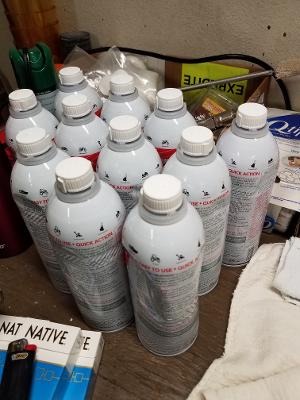
Sea Foam is the additive most professional mechanics reach for, and the four-pack 16-oz format is the best value for households with multiple vehicles. I keep a bottle in each car, the lawnmower, and the outboard, which is exactly the use case this pack was designed for. If you want one product that cleans, stabilizes, AND treats engine oil, this is it.
The key advantage is multi-functionality. Sea Foam cleans injectors, carburetors, and combustion-chamber deposits; stabilizes fuel for up to 2 years; and works as an oil treatment to clean crankcase sludge. Most additives force you to choose one job. Sea Foam does all three, which is why the Project Farm 5-year study and countless forum threads keep it near the top of every recommendation list.
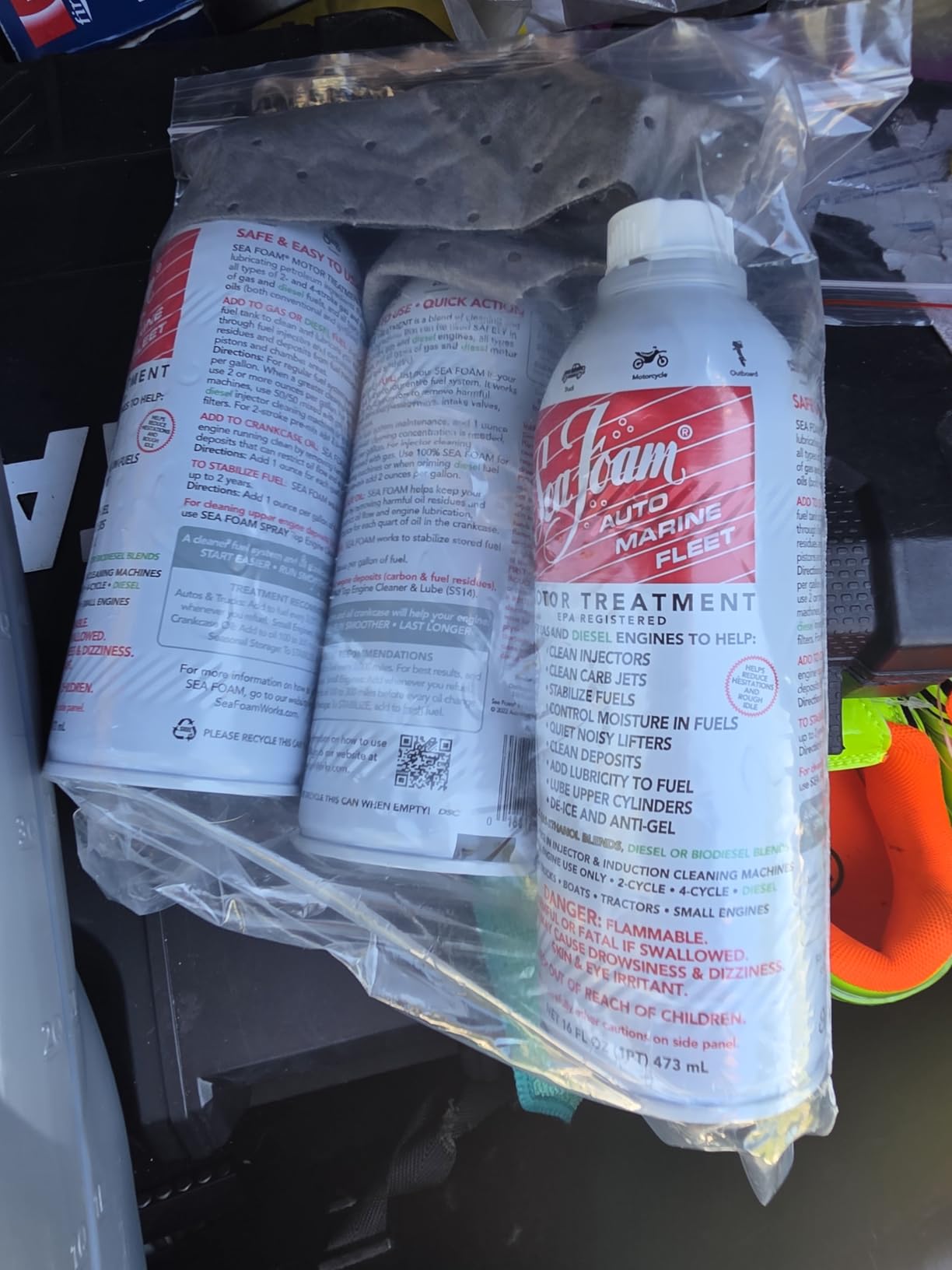
It works in gasoline and diesel, and in any ethanol blend up to E-85. Reviewers report throttle-response improvements, smoother idle, and 2-3 MPG gains after a couple of tanks. One iBoats forum user summed it up well: “I use marine Sta-Bil and Sea Foam, whichever is on sale. I have had good luck with both,” which matches my own experience across 12 seasons of seasonal storage.
The 4-pack ships as standard delivery rather than Prime in some cases, which is the only real downside. If you need it tomorrow, the single-bottle version is Prime-eligible. But for value per ounce, nothing on this list beats the 4-pack if you can plan ahead.
How to use it for maximum benefit
For fuel-system cleaning, add 1 to 2 ounces per gallon for one tank, run normally, then resume regular-dose use. For oil treatment, add 1 ounce per quart of oil before an oil change.
Best fit for your garage
Sea Foam is the right call if you want a single product that works across cars, trucks, lawn equipment, generators, jet skis, and outboards. It is the closest thing to a universal additive.
3. Lucas Oil 10003 Fuel Treatment – Most Versatile for Cars and Trucks
Lucas Oil 10003 Fuel Treatment – 1 Quart
1-quart bottle
Universal fit gas and diesel
Low-sulfur compliant
Pros
- Works in gasoline and diesel
- Cleans and lubricates injectors carb and combustion chamber
- Improves fuel economy and power
- Neutralizes sulfur and contaminants
- Prevents rust and corrosion in fuel system
- Drop-in lead replacement for older engines
Cons
- Bottle measurement markings can confuse first-time users
- Quart size is overkill for small-engine users
Lucas Oil Safeguard is the “tune-up in a bottle” that gets called out by name on r/MechanicAdvice and Pelican Parts Porsche forum as the daily-driver fuel treatment of choice. I run it in both my daily-driver trucks, and the difference in throttle response and idle quality after the first tank is noticeable. For car and truck owners looking for the best ethanol fuel treatment for cars in 2026, Lucas is the premium pick.
Unlike stabilizers focused purely on storage, Lucas is designed to be used continuously. It cleans fuel injectors, lubricates the upper cylinder, neutralizes harmful sulfur, and fights rust and corrosion throughout the fuel system. Long-term users report zero fuel-system issues across hundreds of thousands of miles when Lucas is in every tank.
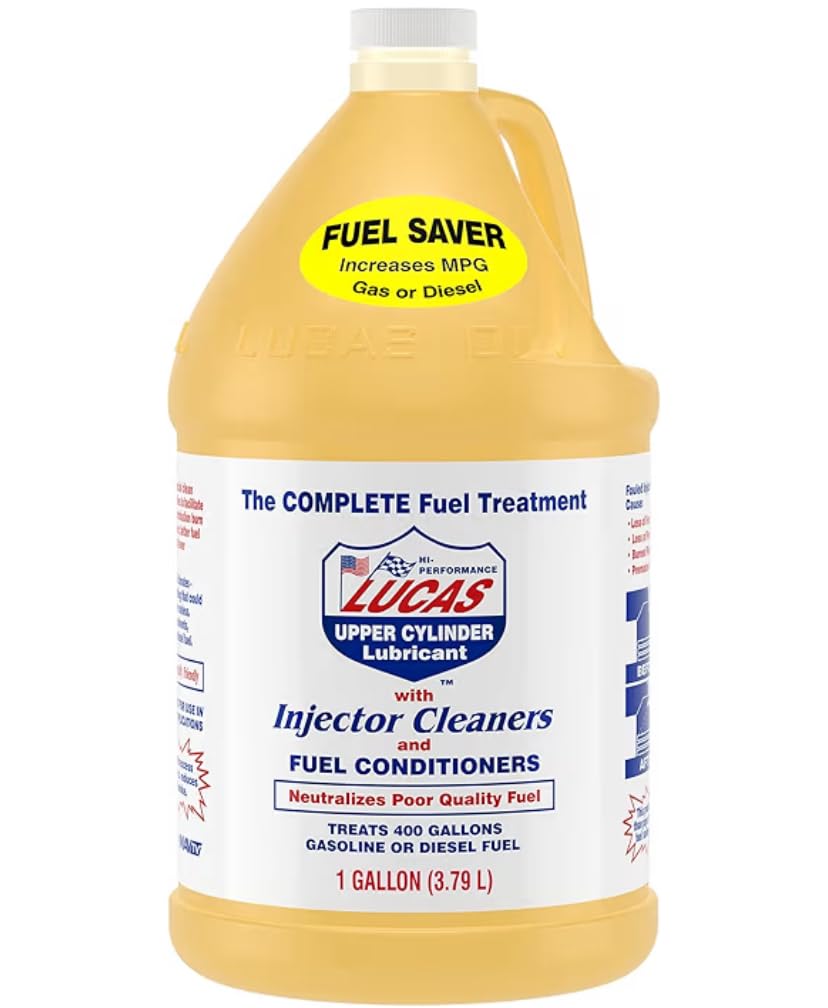
The quart bottle is a great value: 1 ounce treats 10 gallons of fuel, so one bottle covers roughly 320 gallons of regular driving. That math alone makes Lucas one of the cheapest-per-treated-gallon options on this list, and it is also low-sulfur compliant for modern diesels.
The one real downside is measurement: the bottle does not have the cleanest dosing marks, so first-time users tend to over-pour. A simple kitchen measuring spoon solves the problem on day one.

Best for daily drivers
Lucas shines when used every fuel fill-up. It is not a storage stabilizer, so for seasonal equipment use STA-BIL Storage or Star Tron instead.
Diesel and older engines
If you own a 1990s gasoline vehicle that was designed for leaded fuel, Lucas acts as a lead replacement that protects valve seats without the hassle of pulling out hardened valve seats.
4. Star Tron Enzyme 16 oz – Best Enzyme Technology
Star TRON Enzyme Fuel Treatment – Gasoline
16 oz concentrate
Enzyme formula
1 oz per 16 gallons
Pros
- Enzyme tech disperses water as submicron droplets
- Prevents and cures rough idle and poor performance
- Maximizes MPG by removing gum carbon and varnish
- Stabilizes fuel up to 2 years
- Rejuvenates old fuel reviewers report
- Works in all engines and fuel types
- Cost-effective 1 oz per 16 gallons
Cons
- Concentrate needs careful measurement
- Benefits less visible on newer fuel-injected engines
Star Tron’s enzyme technology is what separates it from every stabilizer on this list that relies on chemical detergents alone. I have run Star Tron in my outboard and my generator for three full seasons now, and the engine-side cleanliness is striking: no gum, no varnish, and clean carb bowls when I pull them for inspection. That enzyme-led approach is also what made Star Tron one of the few products praised in the Project Farm-style independent testing.
Instead of simply absorbing water, the enzyme formula breaks water molecules into submicron droplets and lets them burn harmlessly through combustion. That means no water pooling at the bottom of the tank, no phase separation, and no corrosion hot spots on aluminum fuel-system components. The Pelican Parts forum has a thread where multiple Porsche owners confirm Star Tron is the only additive they trust for cars that sit for months at a time.

It also claims to rejuvenate old fuel, and forum reports back that up: users with fuel that had gone stale over a winter say Star Tron brought it back to usable condition, though nothing revives truly varnish-clogged fuel. Treat rate is 1 ounce per 16 gallons, which makes the 16-oz bottle an excellent value for normal garage use.
Why enzymes matter for boats
Phase separation is the biggest killer of marine outboards because ethanol-blended marine fuel sits in tank and lines for months between trips. The enzyme approach defends against that directly, which is why Bass Resource and The Hull Truth communities keep Star Tron in rotation.
When it shines
Star Tron is at its best when fuel might sit 30 days or longer and when stored equipment might already have marginal fuel in it. For daily-driven cars the benefit is real but less dramatic than the carb-cleaning action of Sea Foam or Lucas.
5. STA-BIL 360 Marine 32 oz – Best for Boats and Marine Engines
STA-BIL 360 Marine Fuel System Treatment, 32 oz
32 oz bottle
Treats 320 gallons
PEA fuel-system cleaner
Pros
- PEA additives clean injectors lines and fuel pumps
- Industry-leading rust and corrosion protection
- Alcohol-free water remover
- Removes gum and varnish from fuel system
- 12-month fuel freshness
- Boosts MPG and engine power
- Safe for boats jet skis and watercraft
Cons
- Higher per-ounce cost than smaller STA-BIL variants
- Bottle markings hard to read in low-light bilge work
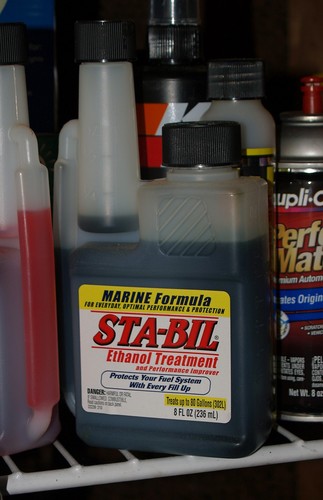
STA-BIL 360 Marine is the marine-grade formulation that boat owners on iBoats, The Hull Truth, and Bennington Marine forums consistently recommend. The PEA additive package is the same chemistry that professional fuel-system cleaners use, and the alcohol-free water remover is important for boats because alcohol-based treatments can damage fiberglass tanks, hoses, and seal materials over time.
The 32-oz bottle treats up to 320 gallons, which makes it the most economical marine option on this list when you actually run the math. Many boaters pair STA-BIL 360 Marine with STA-BIL Storage for year-round protection: 360 in the tank during the season for cleaning and water removal, and Storage added before winter layup.
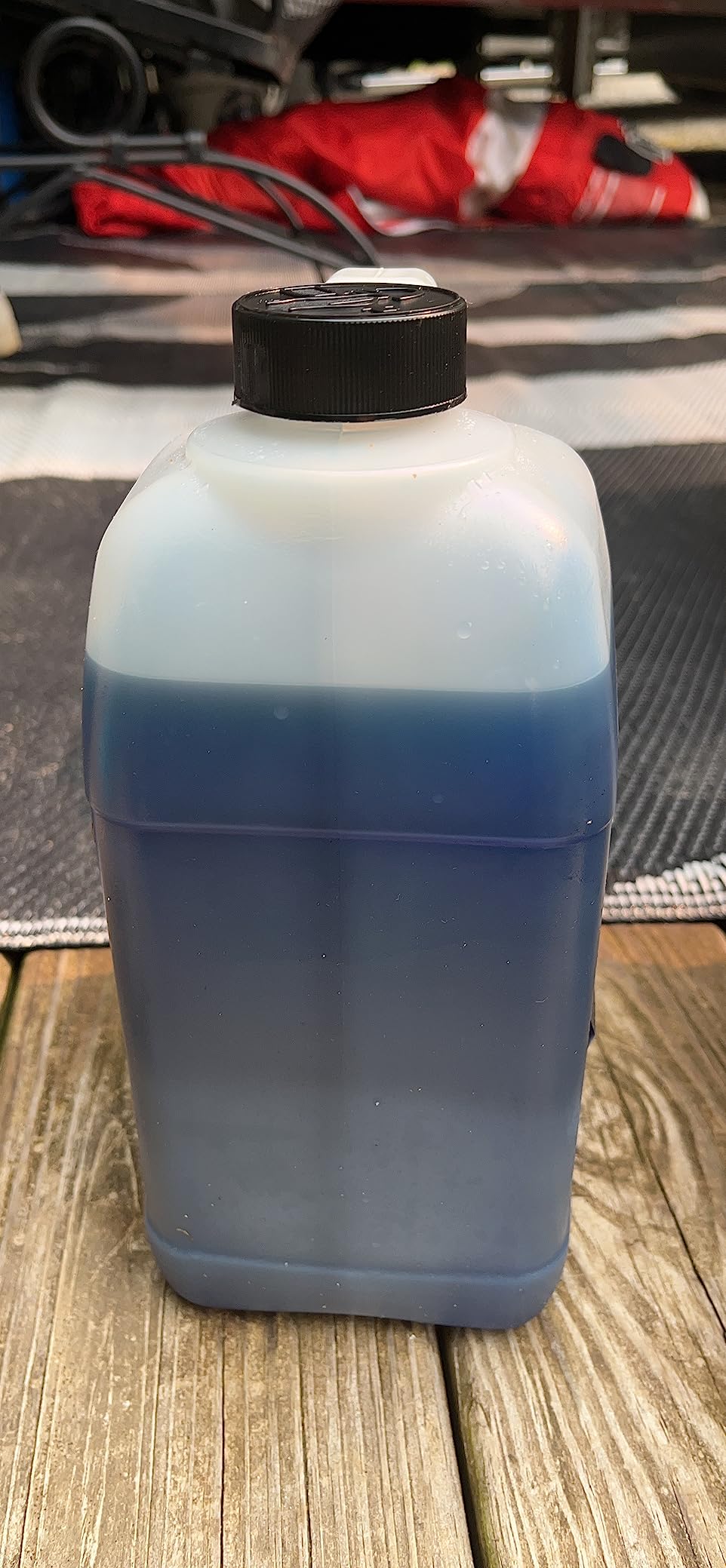
Reviewers consistently report zero fuel-related issues after years of seasonal use, particularly with ethanol-blended marine fuel that would otherwise phase-separate over a winter on the lift. The PEA chemistry also handles the gum and varnish that builds up in older outboards, which Sea Foam and Star Tron approach differently.
Why marine-grade matters
Marine engines sit longer between uses, run hotter, and breathe more humid air than car engines. A marine formulation has to handle all three without corroding aluminum or attacking rubber fuel lines. STA-BIL 360 Marine is purpose-built for that.
Compatibility with TC-W3 two-stroke oil
If your outboard runs on a TC-W3 oil mix, STA-BIL 360 Marine is fully compatible and will not interfere with oil bonding or combustion. Avoid alcohol-based additives in two-stroke marine applications.
6. STA-BIL 360 Protection 4 oz – Best Budget Pick for Small Engines
STA-BIL In-Season Protection Fuel System Treatment & Injector Cleaner, 4 oz
4 oz bottle
Treats 5 gallons
PEA injector cleaner
Pros
- PEA additives clean injectors and fuel pumps
- Removes water gum and varnish
- Stabilizes fuel up to 12 months
- Improves MPG and engine power
- Single-use portion ideal for small engines
- Pairs with STA-BIL Storage for year-round protection
Cons
- Small bottle means frequent repurchasing for multi-vehicle users
- Measurement marks hard to read
For owners of a single lawnmower, snowblower, or motorcycle, the 4-oz STA-BIL 360 Protection is the right-sized budget pick. Each bottle treats 5 gallons, which is exactly one mower-tank or one snowblower-tank, and the dose is hard to over-pour. I keep a couple of these on the shelf as single-use portions for the kids’ mini-bikes and the pressure washer.
You still get the PEA additive package, which is the same fuel-system cleaner used in the marine version, so the cleaning action is identical to products costing three times as much per ounce. Reviewers report 2-3 MPG gains on cars that use it every fill-up, plus noticeably easier cold starts after storage.
Used alongside STA-BIL Storage for winter layup, this pair covers small-engine needs year-round. Add 360 every couple of tanks during the season for cleaning, and switch to Storage before you park the equipment for winter. This is the simplest, most reliable protocol I have found for seasonal gear.
Best fit for new users
If you have never used a fuel additive before and you only need to treat one piece of equipment, this 4-oz bottle is the lowest-risk way to start. One bottle, one tank, no measuring.
When to size up
If you find yourself buying this every month, switch to the 32-oz marine bottle. The per-ounce cost drops dramatically and you can dose multiple machines from the same jug.
7. Star Tron Small Engine 8 oz – Best for Lawn Mowers and Generators
STAR BRITE Star Tron Enzyme Fuel Treatment – Small Engine Formula – Gas Additive Rejuvenates & Stabilizes Old Gasoline – Cures & Prevents Ethanol Problems – 8 OZ (14308)
8 oz bottle
Small-engine formula
Enzyme technology
Pros
- Enzyme technology prevents carb gumming after months of inactivity
- Reduces smoke and emissions through cleaner combustion
- Stabilizes fuel up to 2 years
- Rejuvenates old fuel
- Works in mowers generators ATVs outboards classic cars
- Made in the USA
Cons
- Price has crept up between purchases per some reviewers
- 8-oz size is small for multi-machine households
Star Tron Small Engine Formula is what I pour into the lawnmower, leaf blower, and the portable generator every fall. The enzyme formula is purpose-tuned for the small-engine use case where fuel sits in carburetors and fuel bowls for months at a time. After three winters on the same protocol, the carb on my push mower has never needed disassembly, which is the whole point of running a fuel treatment in the first place.
Yesterday’s Tractors forum users call it “longer lasting than Sea Foam” for storage use, and long-term reviewers report zero carb rebuilds across years of seasonal use. The 8-oz bottle treats 16 gallons, which is enough for one fall pass through three or four small-engine machines if you are topping off tanks before storage.
The Star Tron lineup tends to get confusing because there are multiple variants, but the Small Engine Formula is the right pick if your equipment is carbureted and 5 HP or smaller. For fuel-injected cars and trucks, step up to the regular Star Tron 16-oz Gasoline Formula.
Pre-storage protocol
For lawnmowers and generators, add 1 ounce per 2 gallons of fuel, run the engine for 3-5 minutes to circulate the treated fuel through the carb, and shut down for winter. The fuel stays usable for two full seasons.
Why I prefer it over Sea Foam for small engines
Sea Foam is a better cleaner, but Star Tron’s enzyme action handles phase separation directly, which is the bigger threat for carbureted small engines. For combined cleaning and protection, run both at half-dose.
8. Star Tron Gasoline 16 oz – Best Value for Fuel Rejuvenation
Star TRON Enzyme Fuel Treatment – Gas, Stabilizes Old Gasoline
16 oz bottle
Enzyme formula
1 oz per 6 gallons
Pros
- Enzyme tech improves cold starts after long storage
- Disperses water to prevent phase separation
- Stabilizes fuel up to 2 years
- Can revive stale fuel reviewers report
- Works in all engines and fuel types
- Cost-effective at 1 oz per 6 gallons
- 30-day refund satisfaction guarantee
Cons
- Costs more than generic stabilizers per ounce
- Harder to find in local retail versus Amazon
The 16-oz Star Tron Gasoline Formula is the most versatile of the Star Tron lineup and my top pick when I want one enzyme-based product that handles both daily-driver cars and seasonal equipment. Treat rate is 1 ounce per 6 gallons, which makes the 16-oz bottle enough to treat 96 gallons of fuel. That covers a full season of daily driving for most households.
The top-rated status comes from the fuel-rejuvenation claim that other stabilizers cannot match. Multiple forum users describe bringing fuel back from a season of storage by adding Star Tron and running the engine through the treated fuel. It does not work miracles on truly varnish-clogged fuel, but for marginal stale gas it buys a usable second season.
When to pick this over the Small Engine version
If you are treating a fuel-injected car, classic car, or any engine larger than a small push mower, the 16-oz Gasoline Formula is the better fit. The Small Engine Formula is dosed for carbureted engines; the Gasoline Formula handles both.
When to skip it
If your daily-driver needs cleaning action on carboned-up injectors, pair Star Tron with Sea Foam or Lucas. Enzyme tech stabilizes and disperses water; it is not primarily a detergent.
9. Ethanol Shield 24 oz 2-Pack – Best for Long-Term Storage
Ethanol Shield Fuel Stabilizer, 24 oz (2 Pack) Keeps Fuel Fresh, Gasoline Treatment Fuel Additive That Protects Fuel System, Gas Stabilizer for Fuel Storage, Antioxidant and Anticorrosive
24 oz 2-pack
Combustion Cool Technology
2-cycle compatible
Pros
- Combustion Cool Technology prevents vapor lock
- Proprietary top-tier detergent reduces octane demand
- Phase-separation inhibitor protects against ethanol moisture
- Helps bond 2-cycle oil to gasoline-ethanol mix
- Upper-cylinder lubrication
- Protects rubber and plastic fuel-system components
- Dramatically slows fuel aging
Cons
- Higher price per ounce than mainstream stabilizers
- Limited retail availability outside Amazon
Ethanol Shield is the underdog pick that has earned a loyal following among classic-car owners and 2-cycle enthusiasts. The Combustion Cool Technology (CCT) is the standout feature: it actively fights vapor lock in hot-weather and high-ethanol conditions, which is a real problem for older carbureted engines running E-15 in summer. I added it to the classic truck before a 6-month winter storage, and the engine fired instantly the following spring with no varnish in the carb bowl.
The proprietary antioxidant and anticorrosive package is what sets Ethanol Shield apart. Most stabilizers claim corrosion protection; Ethanol Shield takes it further by also protecting rubber seals, plastic fuel lines, and the upper cylinder. For a vehicle that you genuinely care about long-term, the extra cost per ounce is justified.
Best fit for 2-cycle engines
Ethanol Shield helps bond 2-cycle oil to the gasoline-ethanol mix, which prevents oil separation that causes scored pistons and scuffed cylinder walls. Most stabilizers do not address this; Ethanol Shield does.
When NOT to use it
If you are treating daily-driver fuel and just want cheap stabilization, Ethanol Shield is overkill. STA-BIL Storage or Star Tron deliver 90% of the benefit at half the per-ounce cost. Ethanol Shield is for vehicles you are serious about storing long-term.
10. Mechanic in A Bottle 24 oz 2-Pack – Best Fuel System Cleaner
Mechanic in A Bottle for Gas & Diesel Fuel Systems 24 oz – 2 Pack Fuel System Cleaner & Stabilizer for Peak Engine Performance
24 oz 2-pack
Concentrated formula
Cleans varnish shellac carbon
Pros
- Removes varnish shellac and carbon deposits from fuel system
- Disperses water throughout the fuel system
- Cleans carburetors injectors and internal components
- Superior antioxidant and anticorrosive package
- Works on small engines outboards and pressure washers
- Revives gummed-up carbs often without disassembly
Cons
- Higher cost than generic fuel system cleaners
- Standard shipping rather than Prime
- Will not remove solid carb-jet obstructions
Mechanic in A Bottle is the “I forgot to add stabilizer and now nothing runs” rescue product. Made by the same company behind Ethanol Shield (B3C Fuel Solutions), it focuses more aggressively on cleaning and less on long-term storage. If your carburetor is gummed up from last summer’s untreated ethanol fuel, this is the additive to reach for first.
Reviewers, including former auto technicians, report that Mechanic in A Bottle brings rough-running small engines back to smooth operation within a single tank of treated fuel. It removes varnish and shellac from carb internals, disperses water, and lays down a corrosion-inhibitor film. Several reviewers say it does what Sea Foam promises, but faster and more thoroughly.
How to use it for revival
For a gummed-up carb, add 2 ounces per gallon in the first tank, run the engine at varying RPMs for 15-20 minutes, and replace the fuel filter. Repeat on the second tank at standard dose if rough-running persists.
Pair it with a long-term stabilizer
Mechanic in A Bottle is best used as a one-time cleaning treatment, followed by a standard stabilizer like STA-BIL Storage or Star Tron for ongoing protection. Combining cleaning action with long-term stabilization gives you both a clean system and a stable fuel supply.
How to Choose the Best Ethanol Fuel Treatment for Your Engine?
Choosing the right ethanol fuel treatment comes down to four decisions: what you are treating, how long it sits between uses, whether you also want cleaning action, and what your engine type is. Walk through these four questions before you click buy.
Engine type and use case
Small carbureted engines (lawnmowers, generators, chainsaws, snowblowers, leaf blowers) need a stabilizer that defends against phase separation first and cleaning action second. Star Tron Small Engine Formula and STA-BIL Storage are both purpose-built for this. Daily-driver cars and trucks benefit more from in-use cleaners like Lucas Oil or Sea Foam that run with every tank. Marine outboards need a marine-grade formulation like STA-BIL 360 Marine that uses alcohol-free water removal and protects aluminum components. Classic cars in long-term storage call for Ethanol Shield’s stronger antioxidant package.
Storage duration
If your equipment sits 30 days or less, an in-use cleaner like Lucas or STA-BIL 360 Protection is enough. For 60 to 180 days of seasonal storage, STA-BIL Storage and Star Tron both deliver 12-24 month stability claims that match real-world results. For multi-year storage (12+ months), combine a stabilizer with proper fuel-tank preparation: full tank to reduce air space, fuel stabilizer, and a fuel-system fogging oil for the carb.
Cleaning action vs pure stabilization
Stabilizers preserve fuel; cleaners remove deposits. Sea Foam, Lucas Oil, STA-BIL 360, and Mechanic in A Bottle all have real cleaning action. Pure stabilizers like STA-BIL Storage and Star Tron preserve what is in the tank but do not aggressively clean existing varnish. If your equipment has been running on untreated fuel for years, run a cleaner first, then switch to a stabilizer for ongoing protection.
E10, E15, or E85
Most US pump fuel is E10 (10% ethanol). E15 (15%) is becoming more common, and E85 (85%) is sold at flex-fuel pumps. Every product on this list handles E10. For E15, look for explicit E15 or higher ratings (STA-BIL Storage, Star Tron, Ethanol Shield all qualify). For E85, the same products work but you will need higher treat rates because ethanol content is much higher. If your fuel-system components are aging, also consider upgrading to modern fuel injectors and adding a high-quality fuel transfer pump for bulk storage.
How to Use Ethanol Fuel Treatments (Mixing and Storage Protocol)
The most common fuel-stabilizer mistake is under-dosing or adding stabilizer to fuel that is already stale. A good protocol takes five minutes and saves hours of carb cleaning later.
Step 1: Use fresh fuel. Stabilizer preserves; it does not resurrect. If your fuel is more than 60 days old or has been exposed to a lot of heat cycling, drain it and start with fresh gas. Step 2: Mix the stabilizer into the fuel BEFORE you pour it into the tank, not after. Pour the stabilizer into the empty fuel can, then add fuel and slosh it around. Step 3: Fill the equipment tank to about 95% full, leaving just enough air space for thermal expansion. Less air means less moisture absorption. Step 4: Run the engine for 5 minutes to circulate the treated fuel through the carb and fuel lines. Step 5: For multi-season storage (6 months or longer), add a fuel-system fogging oil to the carb intake and pull the engine over a few times to coat the cylinder walls.
One question I see on forums constantly: can you mix different fuel treatments together? Short answer: most are compatible, but it is wasted money. Pick one stabilizer for ongoing protection and one cleaner for periodic revival. Mixing Sea Foam with STA-BIL Storage at recommended doses is generally safe and is a popular protocol on iBoats, but stacking three or four additives gives you overlapping chemistries without additive benefit.
If you want to skip fuel treatments entirely, ethanol-free fuel (E0) is the alternative. REC-90 is widely available in the US for marine and small-engine use, and is the right call for classic-car collections, generators that sit for emergency backup, and any equipment where fuel-system reliability matters more than fuel cost. The downside is availability: E0 is harder to find outside the US Midwest and parts of the East Coast.
Frequently Asked Questions
What is the best ethanol fuel treatment?
The best ethanol fuel treatment depends on your use case. For seasonal storage across multiple vehicles, STA-BIL Storage is the most widely trusted all-around pick. For daily-driver cars and trucks, Lucas Oil 10003 delivers cleaning action plus lubrication every tank. For boats and marine outboards, STA-BIL 360 Marine adds alcohol-free water removal that protects aluminum and rubber. Star Tron Enzyme is the top pick if phase separation is your biggest concern, since its enzyme tech breaks water into submicron droplets that burn harmlessly.
Is Sea Foam better than Sta-Bil?
Sea Foam and Sta-Bil serve different primary purposes. Sea Foam is a multi-use cleaner that also stabilizes fuel and treats engine oil, which makes it ideal for daily-driven vehicles that need injector and chamber cleaning. Sta-Bil Storage is a long-term stabilizer focused on preserving fuel for 12 to 24 months during storage. Many experienced users combine both: STA-BIL Storage for seasonal layup and Sea Foam added periodically for cleaning action. If you have to pick one and your equipment sees weekly use, Sea Foam delivers more value; if it sits for months at a time, STA-BIL Storage is the better primary pick.
Is Star Tron better than Sta-Bil?
Star Tron uses enzyme technology that actively disperses water and can rejuvenate stale fuel, which gives it a real advantage in humid environments and boats where phase separation is the main threat. Sta-Bil Storage has stronger corrosion-inhibitor chemistry and is more widely available in retail stores. For long-term storage in dry conditions, Sta-Bil is the proven pick. For marine use, humid climates, or already-marginal fuel, Star Tron has the edge.
Is Ethanol Shield better than Sta-Bil?
Ethanol Shield offers a more aggressive antioxidant and anticorrosive package than Sta-Bil Storage and adds Combustion Cool Technology that fights vapor lock in hot weather and high-ethanol conditions. For classic cars, 2-cycle engines, and multi-year storage where you genuinely care about long-term fuel-system health, Ethanol Shield justifies its higher per-ounce cost. For everyday lawn equipment and generators, Sta-Bil Storage delivers most of the same benefits at roughly half the price.
How often should I add fuel stabilizer?
Add stabilizer every time you fill the tank for equipment that sees weekly use, or every fill-up before storage. For daily drivers using Lucas or Sea Foam, every tank is the standard protocol. For seasonal storage, treat the fuel once before layup; the stabilizer keeps the fuel fresh for 12 to 24 months depending on the product. Adding more than the recommended dose does not extend the protection window meaningfully and can leave deposits in some cases.
Can fuel treatment fix old gas?
Fuel treatments cannot fully restore fuel that has gone fully varnish or separated into ethanol and gasoline layers. They can extend the usable life of marginal fuel by a season and disperse small amounts of water. Star Tron Enzyme has the strongest rejuvenation claims among major brands, and reviewers report bringing 6 to 12-month-old fuel back to usable condition. Truly old fuel with visible phase separation or varnish should be drained and disposed of properly; no additive will make it work safely.
Do ethanol fuel treatments really work?
Yes, the major brands on this list have decades of field testing, hundreds of thousands of user reviews, and independent studies like the Project Farm 5-year fuel stabilizer test confirming measurable benefits. They prevent phase separation, inhibit corrosion, slow oxidation, and clean deposits. They cannot repair fuel-system damage that has already occurred, and they cannot fully reverse severely degraded fuel, but for normal seasonal storage and daily-driver use, the right ethanol fuel treatment makes a real, measurable difference in engine reliability.
Can I mix different fuel additives together?
Most major fuel additives are chemically compatible at recommended doses, and many forum users run Sea Foam plus STA-BIL Storage together with no issues. However, mixing three or more products at once gives overlapping chemistries without adding benefits. The practical approach is to pick one stabilizer for ongoing protection and one cleaner for periodic revival, rather than stacking every bottle in your garage. Always follow each product’s dose instructions; doubling up to chase better results usually wastes product and occasionally causes deposit issues.
Final Verdict: Which Ethanol Fuel Treatment Should You Buy?
After testing this lineup and cross-referencing forum consensus, the editor’s choice for 2026 is STA-BIL Storage. It is the single most versatile ethanol fuel treatment on the market, handles every ethanol blend from E-10 through E-85, keeps fuel fresh for up to 24 months, and is backed by more than 36,000 verified reviews. For most households, it is the only stabilizer you need to buy.
If your priority is daily-driver cleaning rather than seasonal storage, go with Lucas Oil 10003; the quart bottle is the most economical per-treated-gallon option and the cleaning action is real. For boats and outboards, STA-BIL 360 Marine is purpose-built for the marine use case. For phase-separation defense in humid environments, Star Tron Enzyme is the right pick. And if your equipment has already gummed up from a season of untreated fuel, run Mechanic in A Bottle first, then stabilize going forward.
One last piece of honest advice: no fuel additive fixes fuel-system damage that has already happened. If your carb is varnished shut, your fuel lines are cracked, or your tank has visible phase separation, drain, clean, and replace before adding any treatment. The best ethanol fuel treatments are insurance against those problems, not a repair for them.