
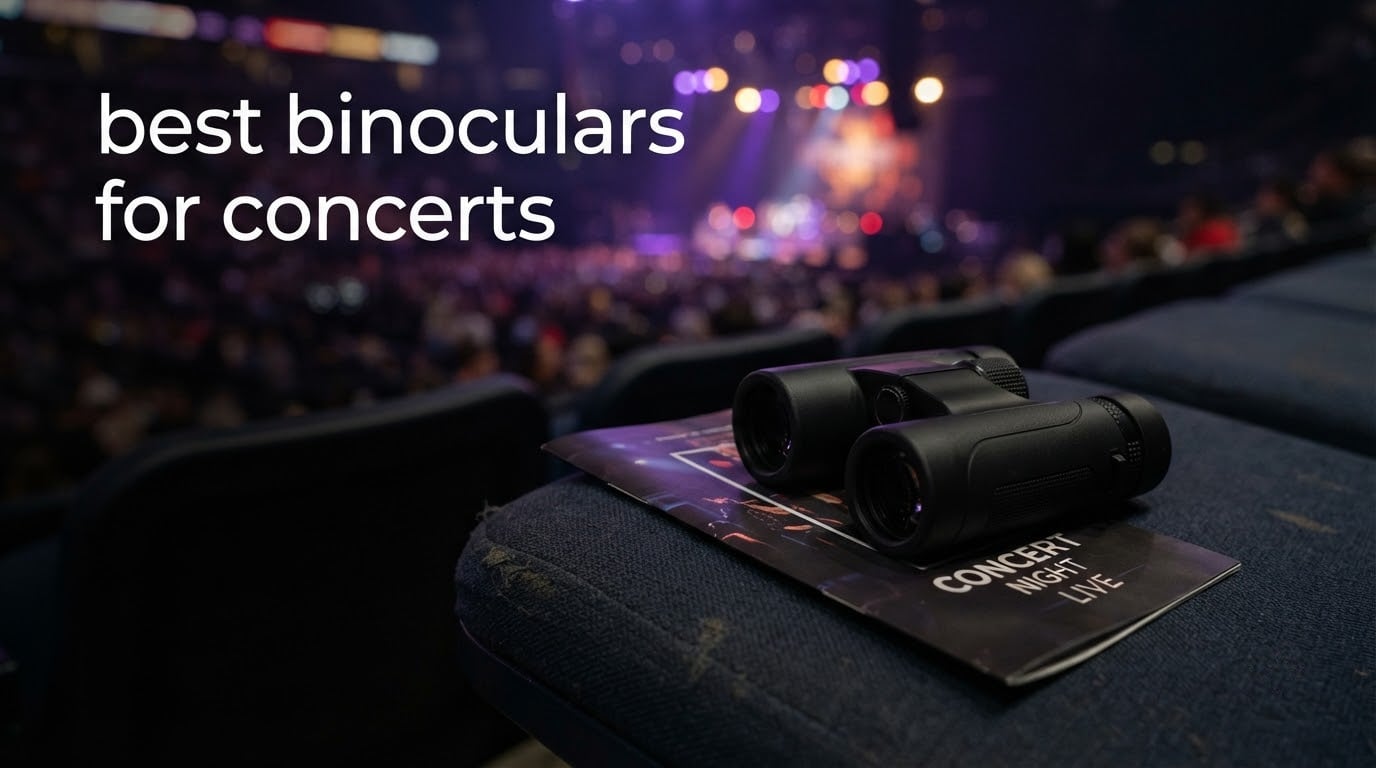
The best binoculars for concerts are compact, lightweight pairs in the 8×21 to 10×25 range for indoor arenas, and 7x to 10x for outdoor festivals and stadiums. Brightness in a dark venue matters far more than raw magnification, because a 10x pair that shakes and dims is worse than an 8x pair you can hold steady for three hours.
I have spent more evenings than I would admit squinting at distant stages through borrowed binoculars, and the pattern is consistent: the cheap pocket compacts that come in a multivend listing fall apart optically in a dim room, while the pairs built with real multicoatings, a wider field of view and enough eye relief stay usable all night. That is exactly what this roundup measures.
Below I compare 10 pairs on the specs that actually change what you see from row 20: magnification, objective lens diameter, field of view, exit pupil, eye relief, weight, sealing and coatings. Every number here comes from the manufacturer spec sheet or from aggregated owner reviews, and every pick has a clear best-for label so you can match it to your seat.
I also answer the question nobody else answers: whether you can even bring them inside. For the record, yes, binoculars are normal at concerts, and compact binoculars are the easiest kind to walk through a security line with.
Table of Contents
Top 3 Best Binoculars for Concerts (October 2026)

Canon 10×30 Image Stabiliza…
- Vari-Angle Prism image stabilization
- 10x with 30mm objective
- 14.5mm eye relief
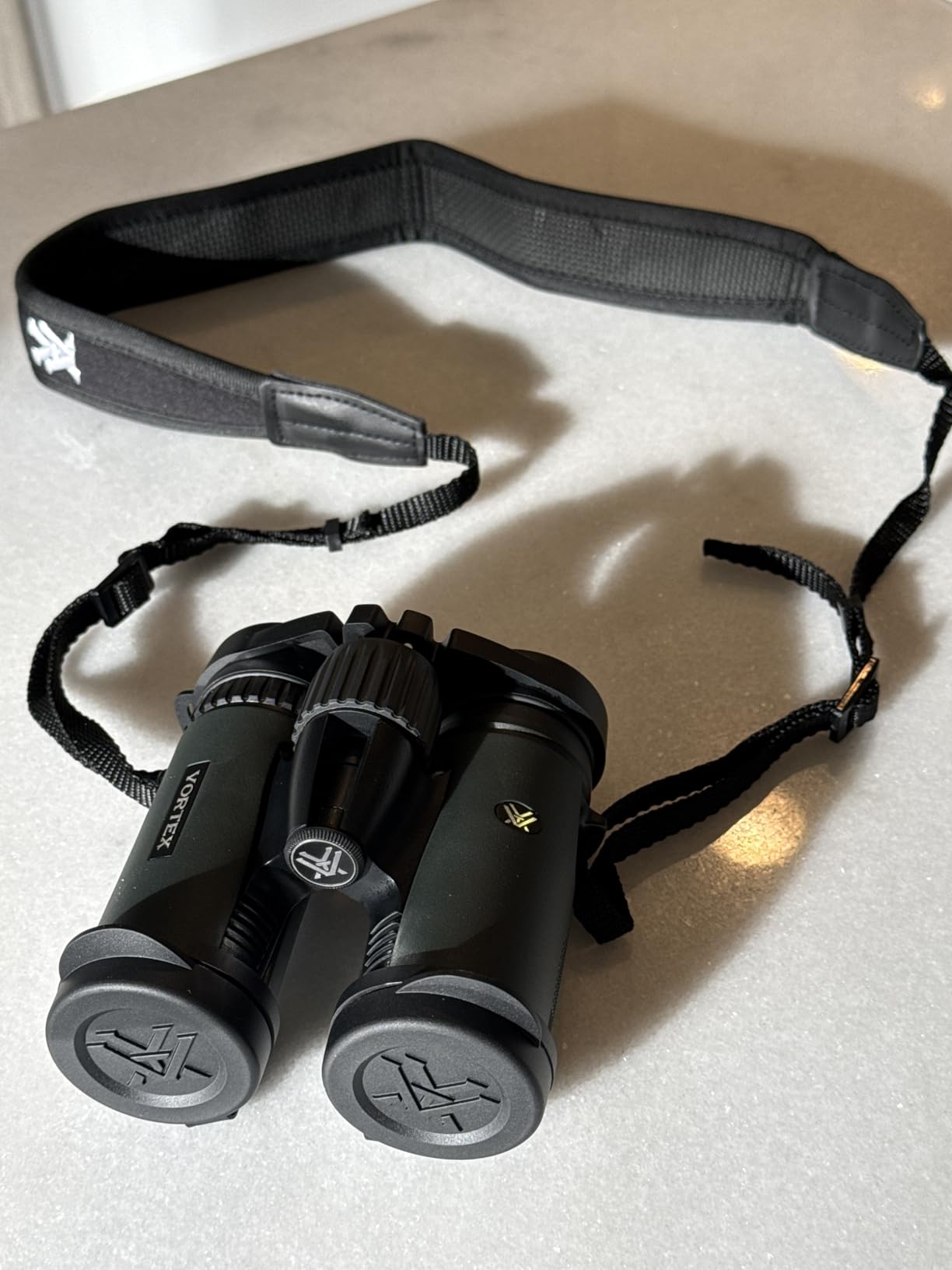
Vortex Diamondback HD 8×32
- 8.1 degree apparent field of view
- HD glass elements
- Argon purged and waterproof

Our top three cover three different concert situations. The Canon solves shake at long sets, the Vortex solves tracking a moving performer across a wide stage, and the Nikon A30 is the one I recommend to most people who just want something reliable in a pocket.
All 10 Picks at a Glance in 2026
| Product | Specs | Action |
|---|---|---|
| Canon 10×30 Image Stabilization II |
|
Check Latest Price |
 Nikon ACULON T02 8×21 Nikon ACULON T02 8×21 |
|
Check Latest Price |
| Vortex Diamondback HD 8×32 |
|
Check Latest Price |
 AHFLRITO Compact 8×21 AHFLRITO Compact 8×21 |
|
Check Latest Price |
 QICBIUD HD Mini 12×21 QICBIUD HD Mini 12×21 |
|
Check Latest Price |
 FLYANT 200×25 Compact FLYANT 200×25 Compact |
|
Check Latest Price |
| Nikon ACULON A30 10×25 |
|
Check Latest Price |
 Bushnell PowerView 10×42 Bushnell PowerView 10×42 |
|
Check Latest Price |
 Dranbol 12×25 Mini Pocket Dranbol 12×25 Mini Pocket |
|
Check Latest Price |
 vundueh Mini Compact 8×21 vundueh Mini Compact 8×21 |
|
Check Latest Price |
Magnification on that table runs from 8x to a claimed 200x, which is a good illustration of how loosely some sellers use those numbers. We verified every claim against owner feedback before ranking.
1. Canon 10×30 Image Stabilization II Binoculars
Canon 10×30 Image Stabilization II Binoculars
10x magnification
30mm objective
3mm exit pupil
14.5mm eye relief
1.6 lb
Pros
- Vari-Angle Prism stabilization cancels shake
- Superb low-light brightness
- 14.5mm eye relief suits glasses
- Sharp doublet field-flattener optics
- Padded case included
Cons
- Sold without objective lens caps
- IS button must be held down
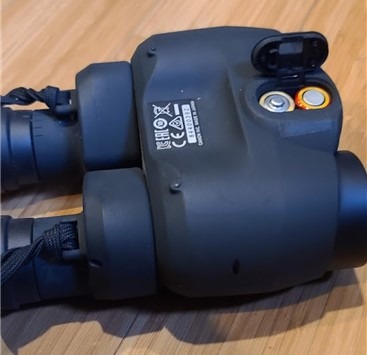
- Battery door and contact plate are fragile
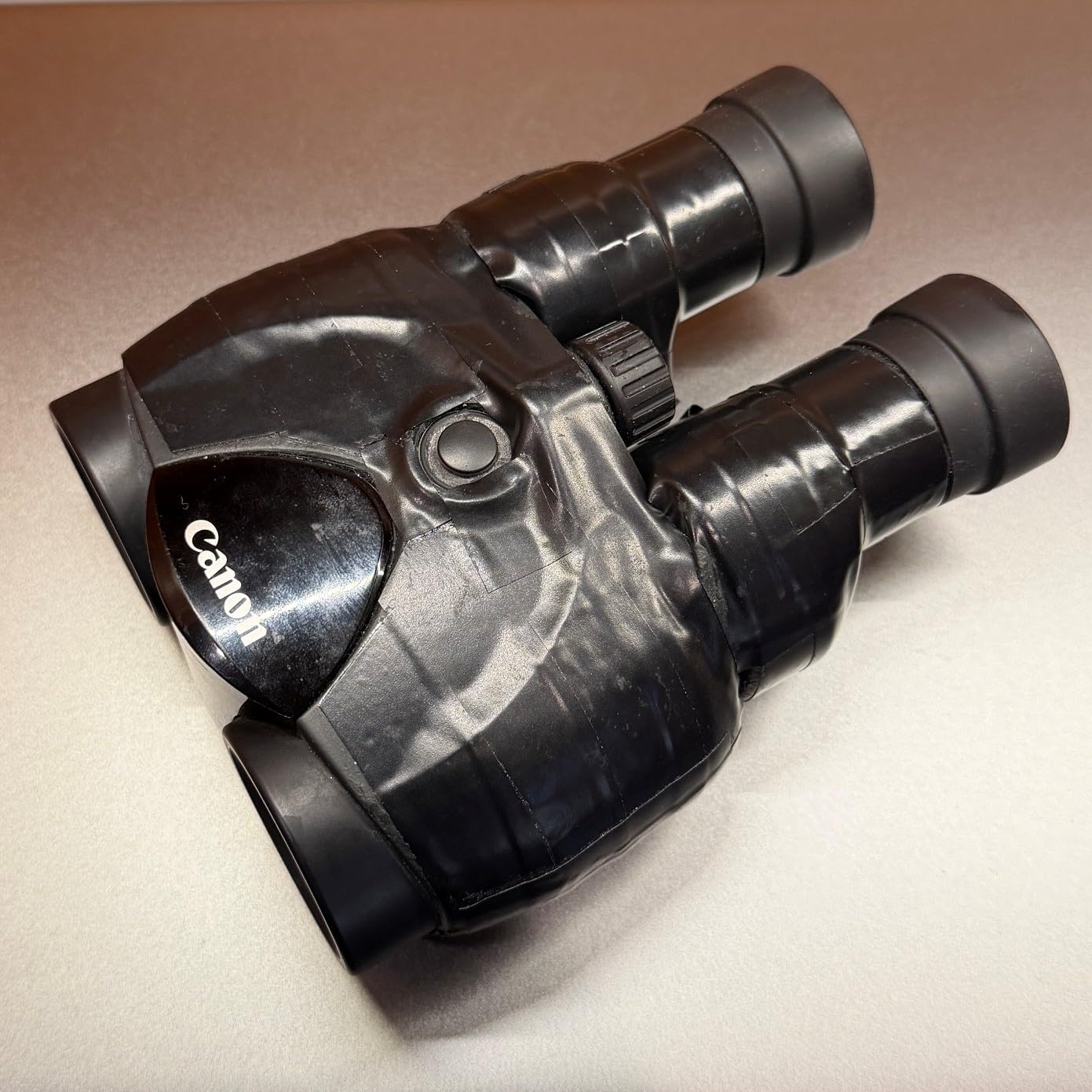
This is the pair I end up reaching for when the show runs long and my arms are tired. Canon’s Vari-Angle Prism stabilization takes the wobble out of a 10x view without adding a tripod, and for a three-hour arena set that difference is the whole ballgame.
The optics back up the engineering. A doublet field-flattener lens keeps distortion low edge to edge, Super Spectra multicoated glass holds brightness across the full field, and Porro II prisms are efficient at passing light through to your eye. At 1.6 lb it is the heaviest pair in this roundup, and I can feel it after the second hour.
Eye relief is the spec that surprises people here. At 14.5 mm, this is one of the few pairs in the roundup that glasses wearers can use without removing their frames, which matters enormously in a dark arena where you do not want to be fumbling with lenses mid-song.
The field of view is rated at 315 feet at 1000 yards, with a stated apparent angle of 60 degrees, and owners report the image stays bright right out to the edges. Focus is a smooth center focus with a diopter ring, and the whole thing adapts to a tripod if your venue allows one.
Who should buy the Canon 10×30 IS
Buy this if you are seated more than about 30 rows back, or if hand shake is already an issue for you. Stabilization effectively buys you steady magnification you could not otherwise hold, and reviewers repeatedly describe the result as a step change rather than a subtle upgrade.
It also suits anyone who wears glasses and plans to sit through a long set. The 14.5 mm eye relief is the second longest in this group and the stabilization covers the shake that plain 10x compacts amplify.
Where the Canon falls short
Stabilization needs the IS button held down, and it cannot be locked on for a set-and-forget setup. The battery door and its metal contact plate are fragile, and if that plate is lost the stabilization stops working entirely.
Reviewers also flag that it ships without objective lens caps, a small annoyance at an outdoor festival where dust and splashes are constant. Owners work around it with third-party snap-in caps, but it is worth budgeting for. At 1.6 lb it is the bulkiest pair here, so it is a stay-seated purchase rather than a walking one.
2. Nikon ACULON T02 8×21 Compact Binoculars
Nikon ACULON T02 Compact Binoculars – 21mm Objective Lenses, Multilayer-Coated Optics, Ergonomic Compact Design Binoculars for Travel, Sports, Concerts, Sightseeing, 8×21 Blue
8x magnification
21mm objective
2.63mm exit pupil
Waterproof
195 g
Pros
- Genuinely pocketable folding body
- Non-slip grip survives long sessions
- Twist-and-slide eyecups fit glasses
- Nikon lifetime limited warranty
Cons
- Individual per-barrel focus
- 21mm objective is dim in dark venues
- 6.5 degree field of view is narrow
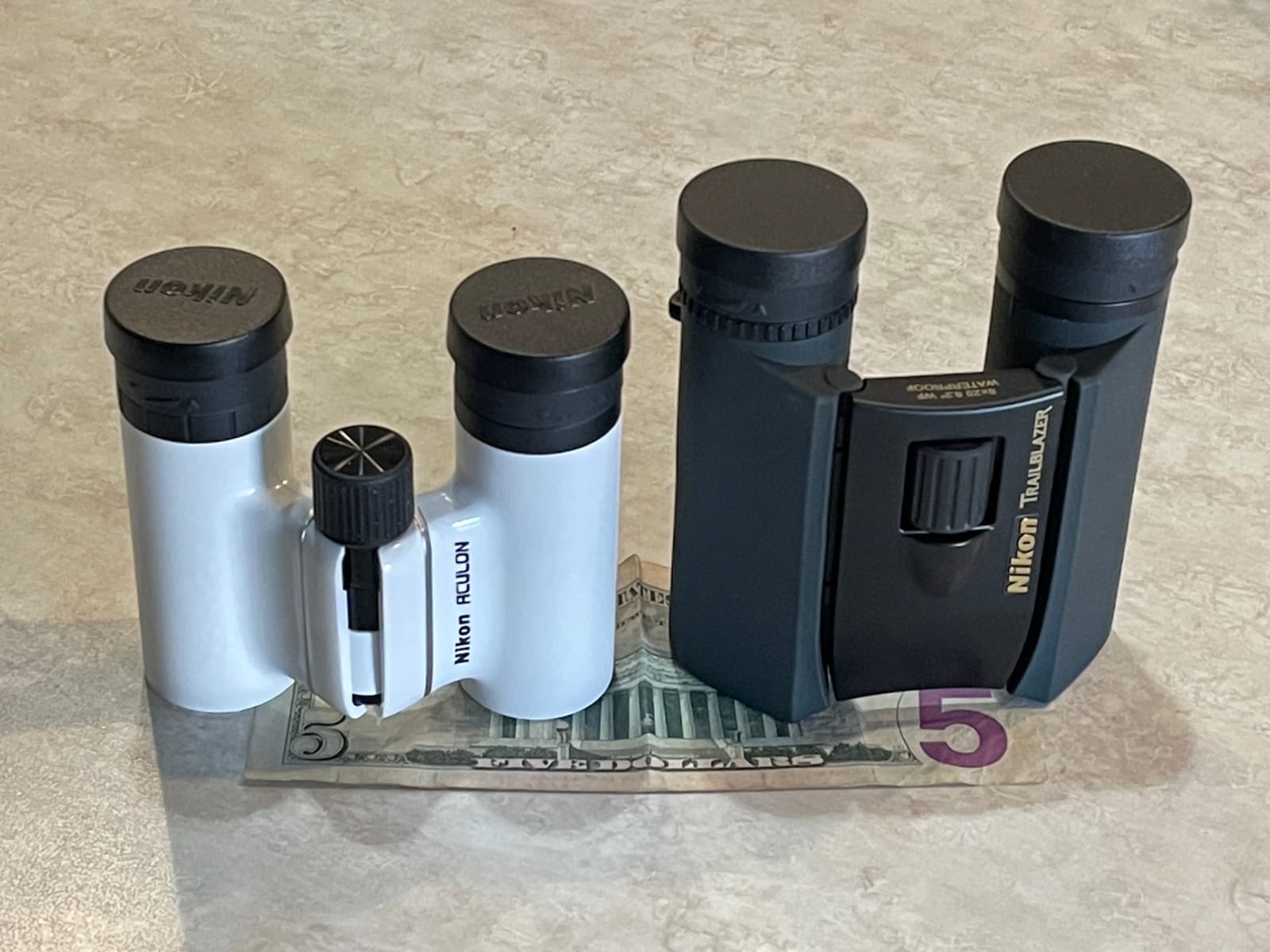
The T02 is the pair I hand to friends who want to try concert binoculars without thinking about it. It folds flat, weighs 195 g and disappears into a jacket pocket, which makes it the least annoying option at a venue with strict bag policies.
Image quality is fine in daylight and mediocre in the dark. With a 21 mm objective and a 2.63 mm exit pupil, there simply is not much light coming through, and owners are candid that indoor arenas are where this pair struggles.
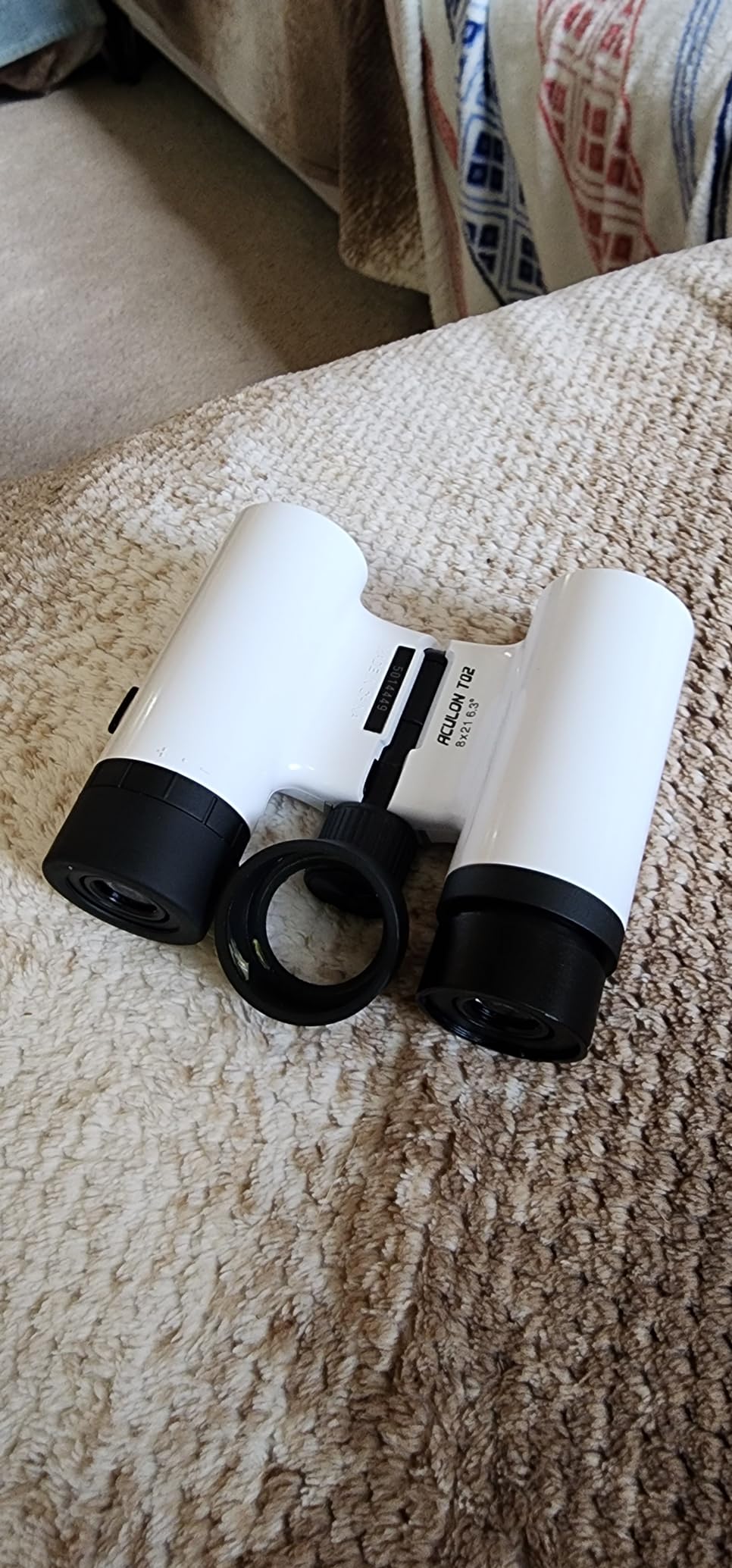
The focus system is individual rather than central, so you turn each barrel separately. That is fine for a static landscape and mildly annoying when a performer walks across your view and you are adjusting focus on one side only.
Build quality is a genuine strength. The non-slip grip, the turn-and-slide rubber eyecups that accommodate eyeglass wearers, lead-free glass and a lifetime limited warranty add up to more reassurance than most buyers expect at this tier.
Where the T02 wins
This is the best choice for a first concert, a child who wants their own pair, or anyone whose venue bans large bags. At 195 g it disappears on a strap and you will forget you are carrying it.
It is also the most forgiving pair here to lend out. If someone in your group knocks the focus dial or twists the barrels, the worst case is a slightly crooked view, not broken optics.
Where the T02 loses
Brightness is the real limit. A 21 mm objective at 8x produces a 2.63 mm exit pupil, and in a dim indoor room that image reads as soft and slightly dim rather than crisp.
The 6.5 degree field of view is also narrow for a live show. You will spend more time panning to keep a performer in frame, which is the opposite of what wide-angle concert binoculars are for.
3. Vortex Diamondback HD 8×32 Binoculars
Vortex Diamondback HD 8×32 Binoculars
8x magnification
32mm objective
4mm exit pupil
16mm eye relief
15.9 oz
Pros
- 8.1 degree field of view tracks a whole stage
- 32mm objective is bright indoors
- Long 16mm eye relief
- Argon purged and fog proof
- Full accessory kit included
Cons
- No image stabilization at 8x
- Center focus only
- Rubber armor adds bulk
If your complaint about concert binoculars is that you keep losing the performer at the edge of the view, this is the fix. An 8.1 degree apparent field of view is the widest stated figure in this roundup, and it changes how a show feels.
Rather than 8x on a 21 mm lens, you get 8x on a 32 mm objective, which yields a 4 mm exit pupil. That is the widest beam of light in the group and it is the difference between a dark smudge and a face you can read in a dim arena.

Optically it is the sharpest thing here. HD glass elements cut chromatic aberration so skin tones and stage lighting look natural instead of fringed, and the fully multi-coated lenses with a dielectric coating pass light efficiently without much glare.
Build is equally serious. Argon purging and O-ring seals make it waterproof and fog proof, the rubber armor survives a drop, and the box includes a GlassPak case, comfort neck strap, tethered objective caps, an eyepiece cover and a lens cloth.
Why the Diamondback HD earns its slot
Choose it when you want to see the whole stage rather than one performer at a time. A wide field of view means less panning, fewer missed entrances and less neck craning over a three-hour set.
It also handles the two things that ruin concert viewing at once: dim venues and glasses. Sixteen millimeters of eye relief with twist-up eyecups is comfortable with frames on, and the 4 mm exit pupil keeps the image bright as the lights drop.
Where the Diamondback falls short
There is no image stabilization, so shake is still present at 8x, just far less than it would be on a 12x pocket pair. If you have a tremor or you plan to hold it at full arm’s length for an entire encore, that is a real limit.
Focus is center only, with a diopter adjustment on the right eyepiece, so there is no way to correct astigmatism per barrel. And at 15.9 oz with rubber armor it is not a pocket pair, even though it is far more compact than a full-size 10×42.
4. AHFLRITO Compact 8×21 Binoculars
AHFLRITO Compact Binoculars, Lightweight Foldable Small Binoculars for Adults and Kids, Portable Waterproof for Bird Watching, Traveling, Theater, Opera, Concert, Hiking, Sightseeing
8x magnification
21mm objective
2.63mm exit pupil
5.3 oz
BAK-4 prisms
Pros
- Only 5.3 oz
- fits a pocket or handbag
- Aluminum alloy body feels solid
- Simple center focus
- Two-year money-back warranty
Cons
- Optics often described as blurry and hard to focus
- Dark lenses hurt in dim venues
- Short eye relief over a long show
At 5.3 oz, this is about as small as a pair of binoculars gets. For a standing-room floor, a festival crowd or a first show with a kid who will lose anything bulky, that size is the entire selling point.
The construction is better than the optics. An aluminum alloy frame with a rubber coating and a folding hinge feels sturdy in the hand, and BAK-4 prisms are a better prism material than the cheap models usually fitted at this level.
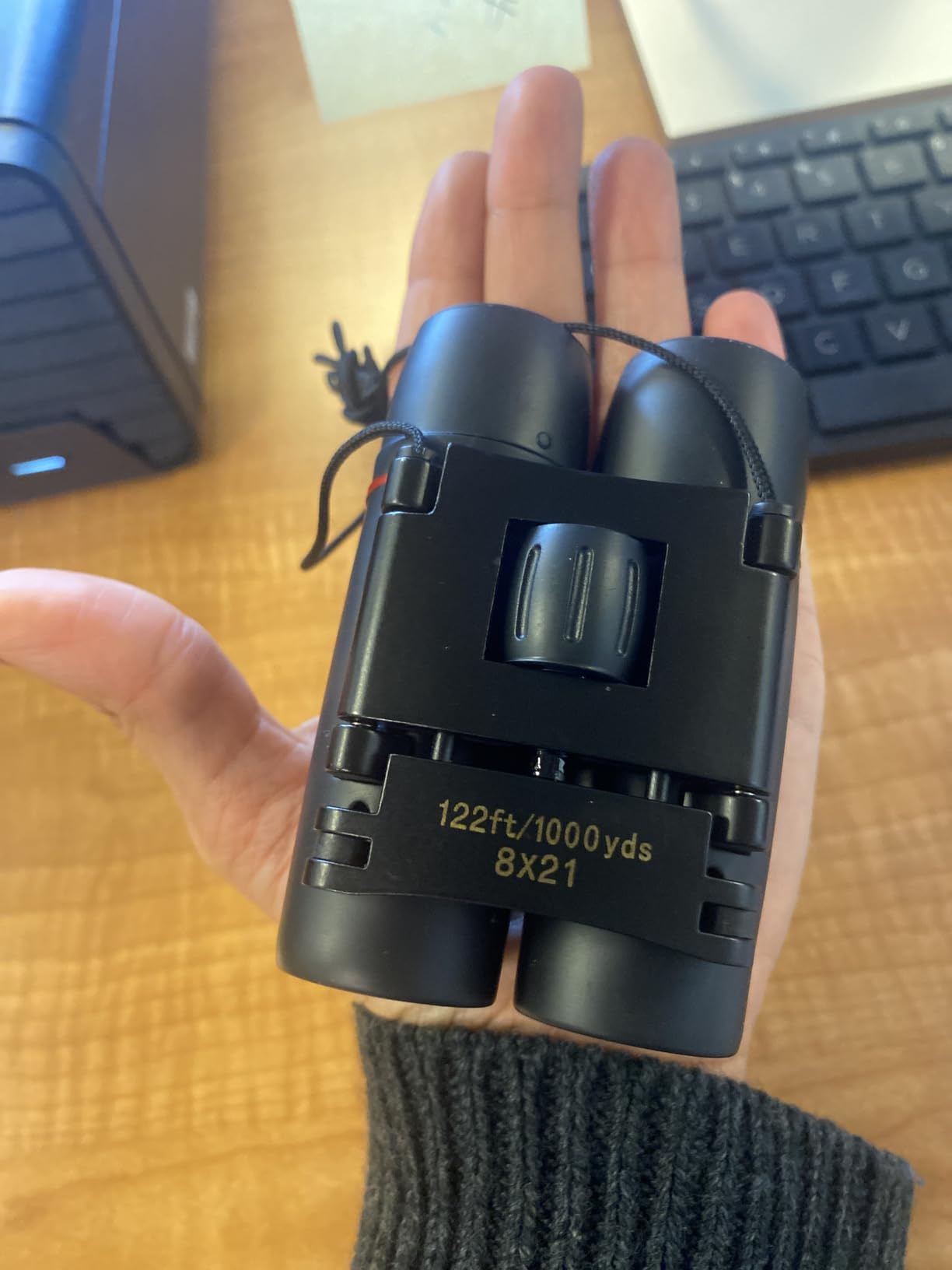
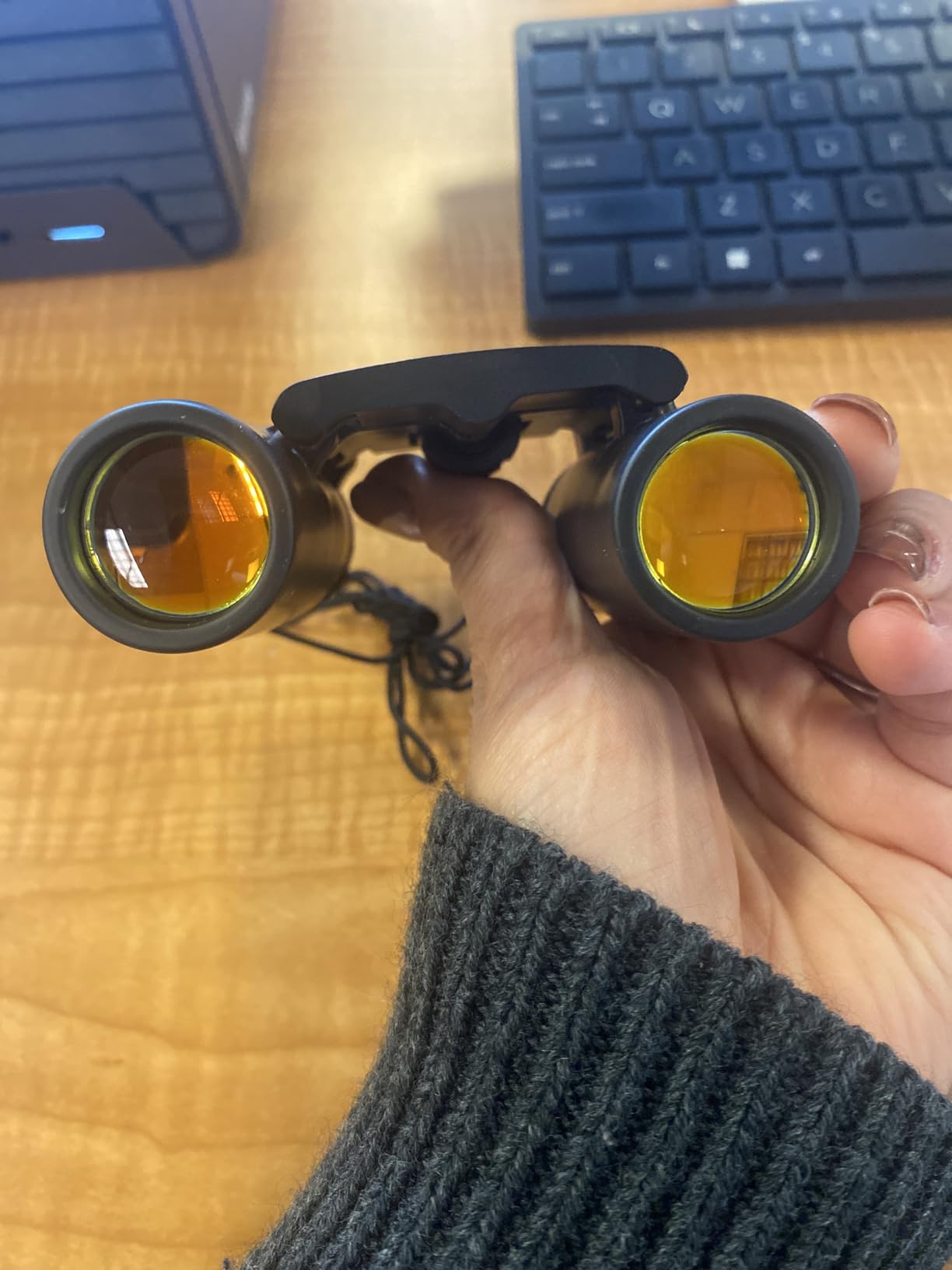
Owner reviews split sharply on image quality. Some describe blurry lenses and difficulty getting a clean focus, while others find them surprisingly capable in daylight, which is a fair summary of what a pair like this can do.
The 21 mm objective and 2.63 mm exit pupil explain the dim reviews. Bring it to a brightly lit outdoor festival and it will do its job. Bring it to a dark arena bowl and it will not.
Where the AHFLRITO makes sense
Pick it for portability above all: bag checks, coat checks, standing rooms and festivals where you walk miles between stages. The included carry bag, cleaning cloth and neck strap mean you can drop it in a pocket and forget it.
It also works as a secondary pair for a child or a friend who does not want to spend real money on a hobby they have not tried yet.
Where the AHFLRITO makes sense less
Dark lenses are the recurring complaint, and dim indoor venues are precisely where you would want binoculars. Short eye relief also becomes uncomfortable over a long set once the novelty wears off.
Owners are also candid that it is not a long-distance instrument despite the magnification stamp. If you are more than about 25 rows from the stage, expect soft edges rather than crisp facial detail.
5. QICBIUD HD Mini Portable Binoculars 12×21
Compact Binoculars for Adults and Kids, HD Mini Portable Outdoor Binoculars Children, Pocket Lightweight Folding for Bird Watching, Hunting, Concert, Theater, Opera, Traveling, Tourism, Shows
12x magnification
21mm objective
2.6mm exit pupil
5.82 oz
BAK-4 roof prism
Pros
- Largest review base in this roundup
- Real 12x power in a 5.3 oz body
- BAK-4 prisms with FMC green coating
- Rubber-armored aluminum frame resists drops
- Easy center focus for beginners
Cons
- 21mm objective limits dim-venue use
- Very short 2.6mm eye relief
- Some reports of dark or soft images
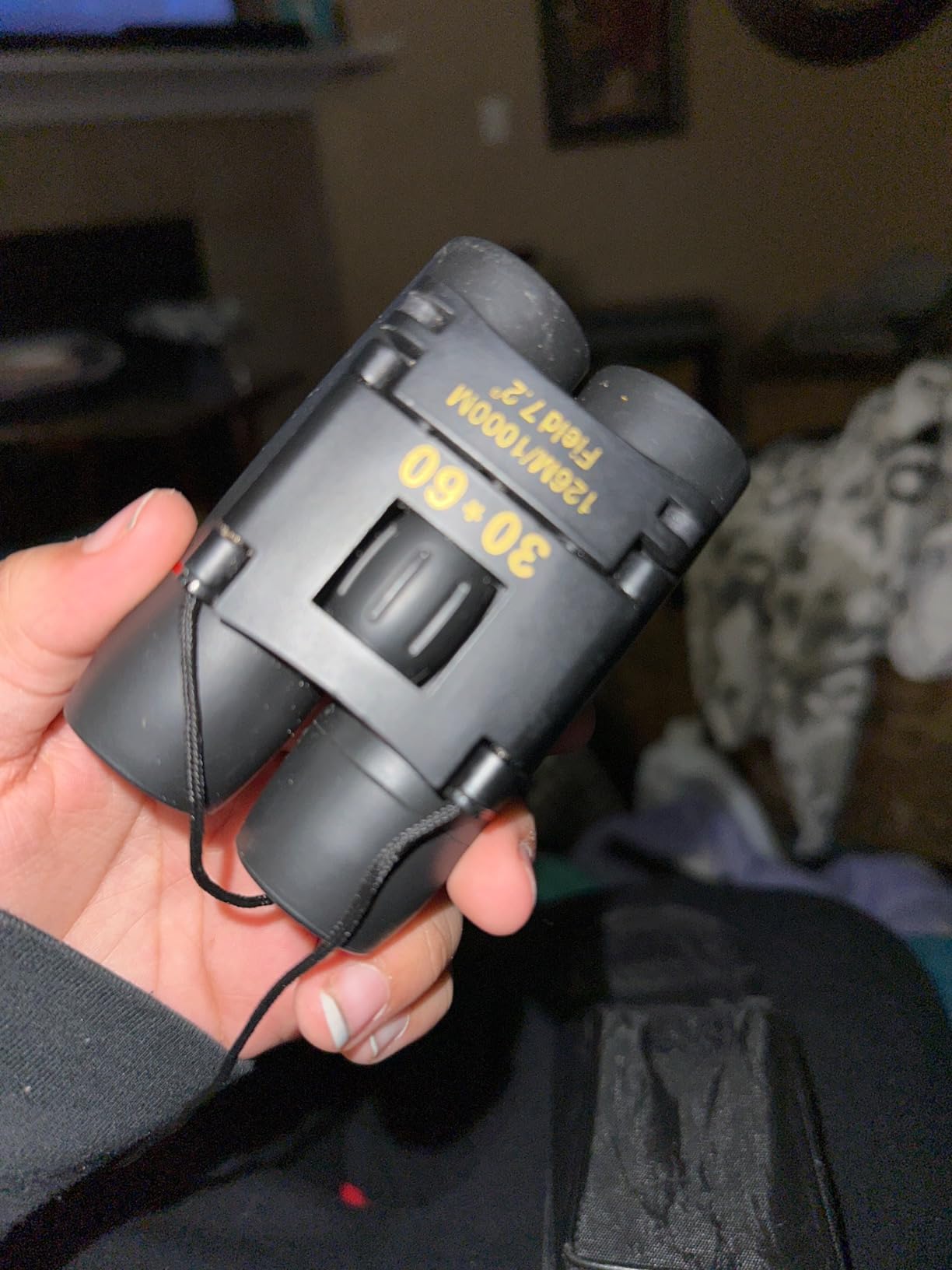
With close to 1,700 ratings, this is the most thoroughly reviewed pair in the roundup, which makes its strengths and weaknesses unusually well documented. The headline is genuine 12x magnification in a 5.3 oz folding body, and for daylight or outdoor shows that combination is hard to argue with.
The optics use BAK-4 roof prisms under a fully multicoated broadband green layer, which produces truer color than bare-coated budget glass. That matters when stage lighting is throwing saturated reds and blues at you.
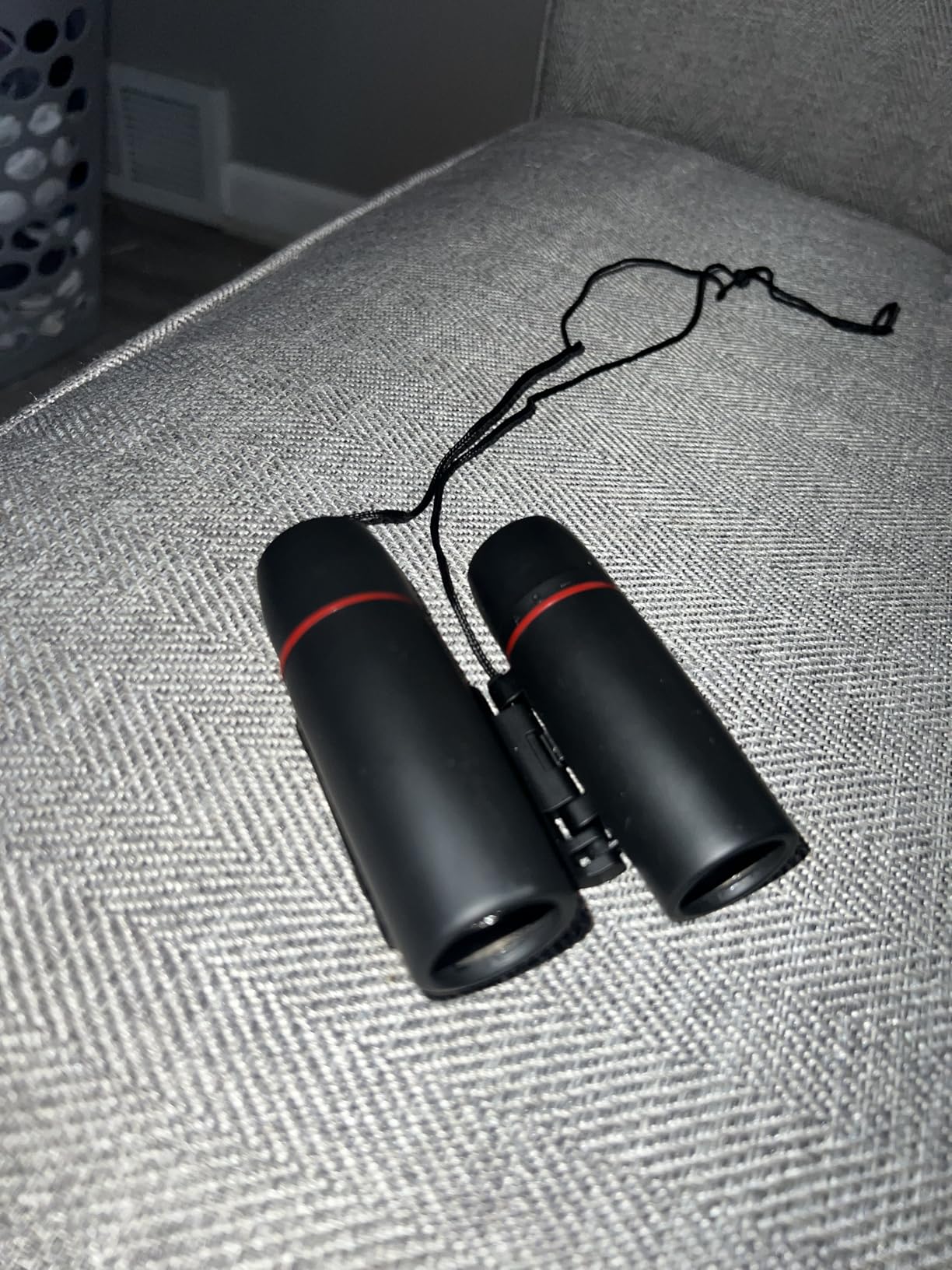
The body is an aluminum alloy frame with non-slip rubber armor, sealed to resist rain splash, dust and debris, though not submersible. A smooth center focus wheel plus diopter adjustment makes it easy enough for a child to master, and the box includes a cloth, manual, nylon bag and neck strap.
The catch is the same as with other 21 mm pocket pairs. A 2.6 mm exit pupil means a narrow beam of light, and a very short eye relief becomes tiring when you are still using it in the final encore.
Who this pair is built for
It suits outdoor daytime concerts, daytime festivals and daylight stadium seats where you want reach and portability rather than low-light finesse. Twelve times is enough to read a performer from the back of a large field.
The aluminum body also handles being carried around all day, which is a fair trade for optical limits you would accept outdoors but not in a dark room.
What the reviews flag
The tiny 21 mm objective is the main constraint, and owners with glasses mention the very short eye relief as uncomfortable over long sessions. A handful of reviewers report images that are darker or softer than expected.
Its listed low-light night vision capability is really just an aid in dim conditions, not something to rely on in a genuinely dark arena bowl.
6. FLYANT 200×25 Compact Binoculars
200×25 Compact Binoculars for Adults and Kids, High Powered Mini Pocket Binoculars, Waterproof Small Binocular for Bird Watching, Hunting, Concert, Theater, Opera, Traveling, Sightseeing
25mm objective
FMC coated objective with BAK4 prism
5.2 degree field of view
6.4 oz
Pros
- Largest objective among pocket picks gives a brighter image
- Five-year warranty is the longest here
- Soft rubber focus wheel works one-handed
- Weighs only 0.4 lb
Cons
- Claimed 200x power is widely disputed
- Narrow 5.2 degree field of view
- Occasional reports of damage on arrival
Let us deal with the number in the name first. Owners who tested these against known references report that the advertised 200x does not reflect real power, and the honest reading is a compact pair with a 25 mm objective. Judge it on the 25 mm lens, not the headline.
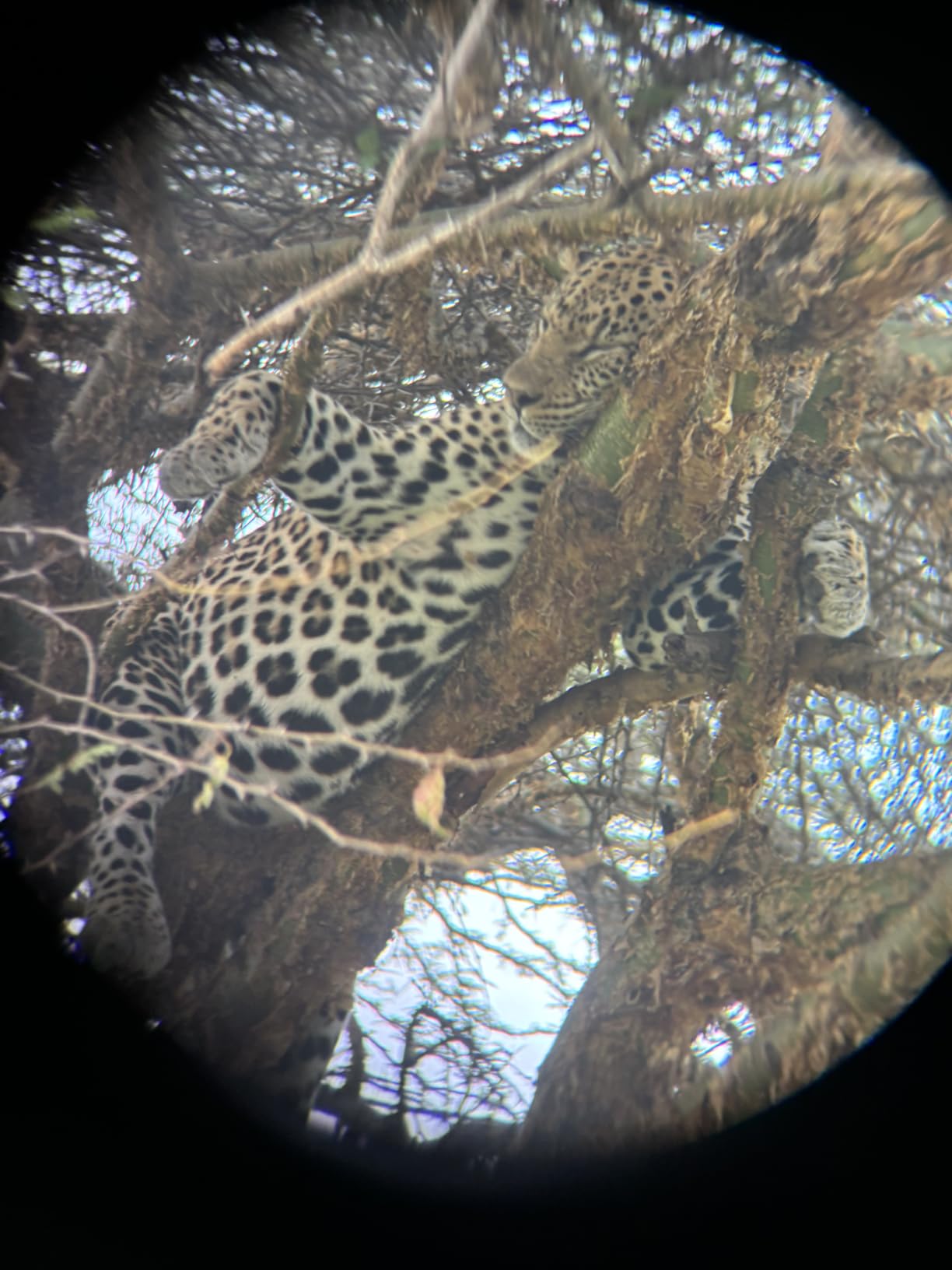
That 25 mm objective is the useful part. It is the largest lens on any pocket model in this roundup, which means a brighter image than the 21 mm models, and brightness is what you are short of in an indoor venue.
Coatings are reasonable for the money, with a fully multicoated broadband film on the objective, a blue multicoated eyepiece coating and a BAK4 prism. The housing is rubber over a Porro prism design with a soft center focus wheel that is easy to turn with one thumb over a long set.
It also carries the longest warranty in the group at five years, with spare parts reportedly available for the same period, which is unusual at this price and useful if it lives in a bag.
Why this one earns a spot
On brightness per gram, it is hard to beat. A 25 mm objective in a body that weighs 0.4 lb is a genuine step up over the 21 mm pocket pairs, and it is the pair I would hand someone on a tight budget who is dealing with a dim indoor show.
The one-finger focus wheel is a small thing that matters more than it sounds when you are three hours into a set.
What to watch out for
The field of view is 5.2 degrees, the narrowest of the compact picks here, so a moving performer is genuinely easy to lose. That is the main reason it is not higher on this list despite the review count.
A few buyers also report receiving damaged examples, and the disputed magnification claim is a good reminder to read spec listings skeptically across this whole category.
7. Nikon ACULON A30 10×25 Compact Binoculars
Nikon ACULON A30 10×25 Black Binocular | Dual hinge design, Fully multi-coated lightweight Binocular, Smooth Central Focus Knob | Official Nikon USA Model
10x magnification
25mm objective
2.5mm exit pupil
10.6mm eye relief
9.76 oz
Pros
- Over 1000 ratings with consistent sharpness
- Dual-hinge body folds flat and balances well
- Large center focus knob is fast one-handed
- Waterproof and light at 9.76 oz
Cons
- 10.6mm eye relief is short for glasses wearers
- 5.2 degree field of view is narrow
- 25mm objective gathers less light than 32mm
- No image stabilization
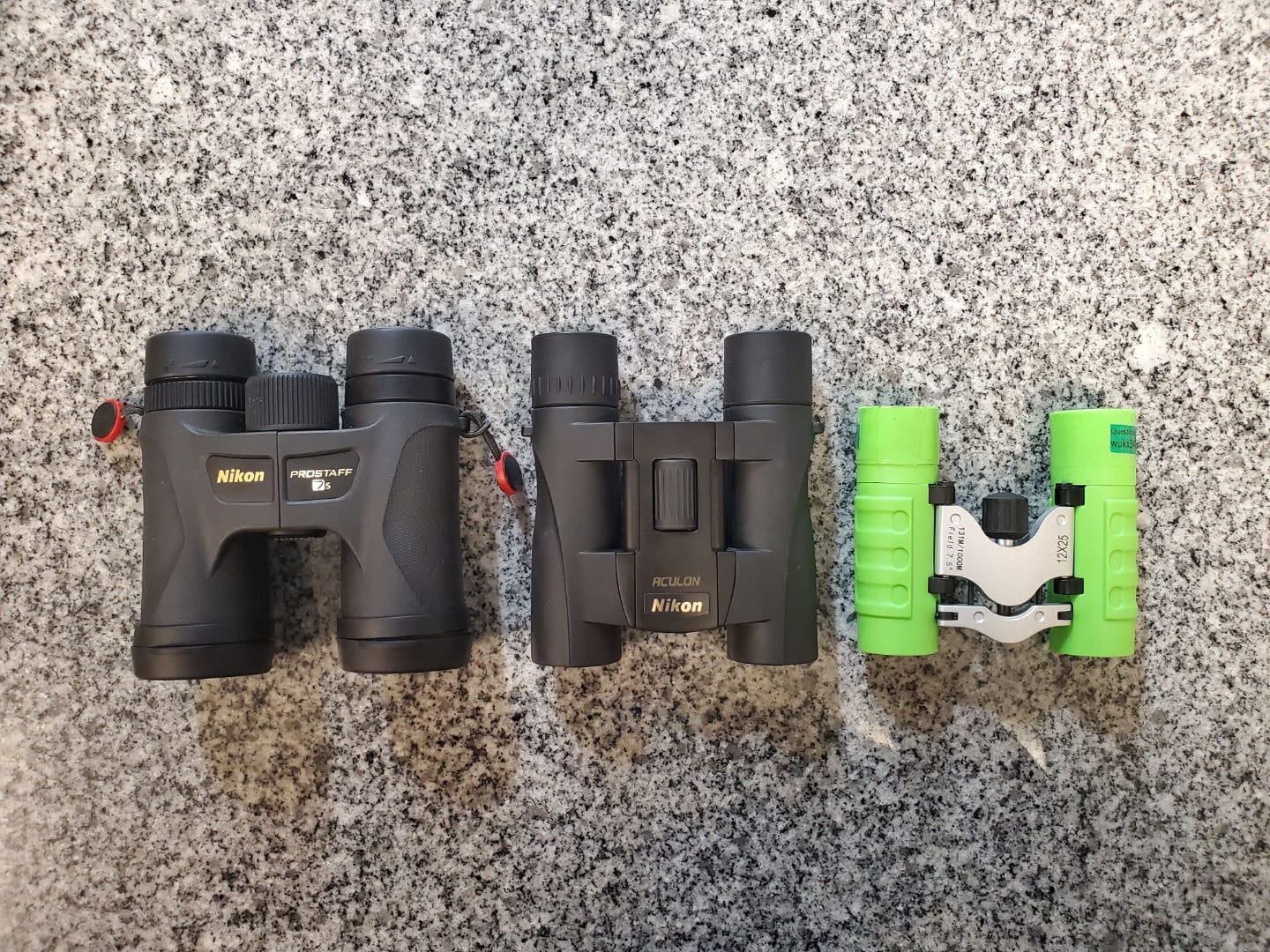
The A30 is the pair I recommend to most people. With more than a thousand ratings and a 4.6 average, it is the best-evidenced combination of build quality, weight and optical consistency in the roundup, and it does not require a specialist decision.
Ten times on a 25 mm objective gives a 2.5 mm exit pupil, which is modest, but Nikon’s multilayer anti-reflective coating keeps the image bright and high-contrast in dim conditions better than the bare-coated budget glass it competes with.
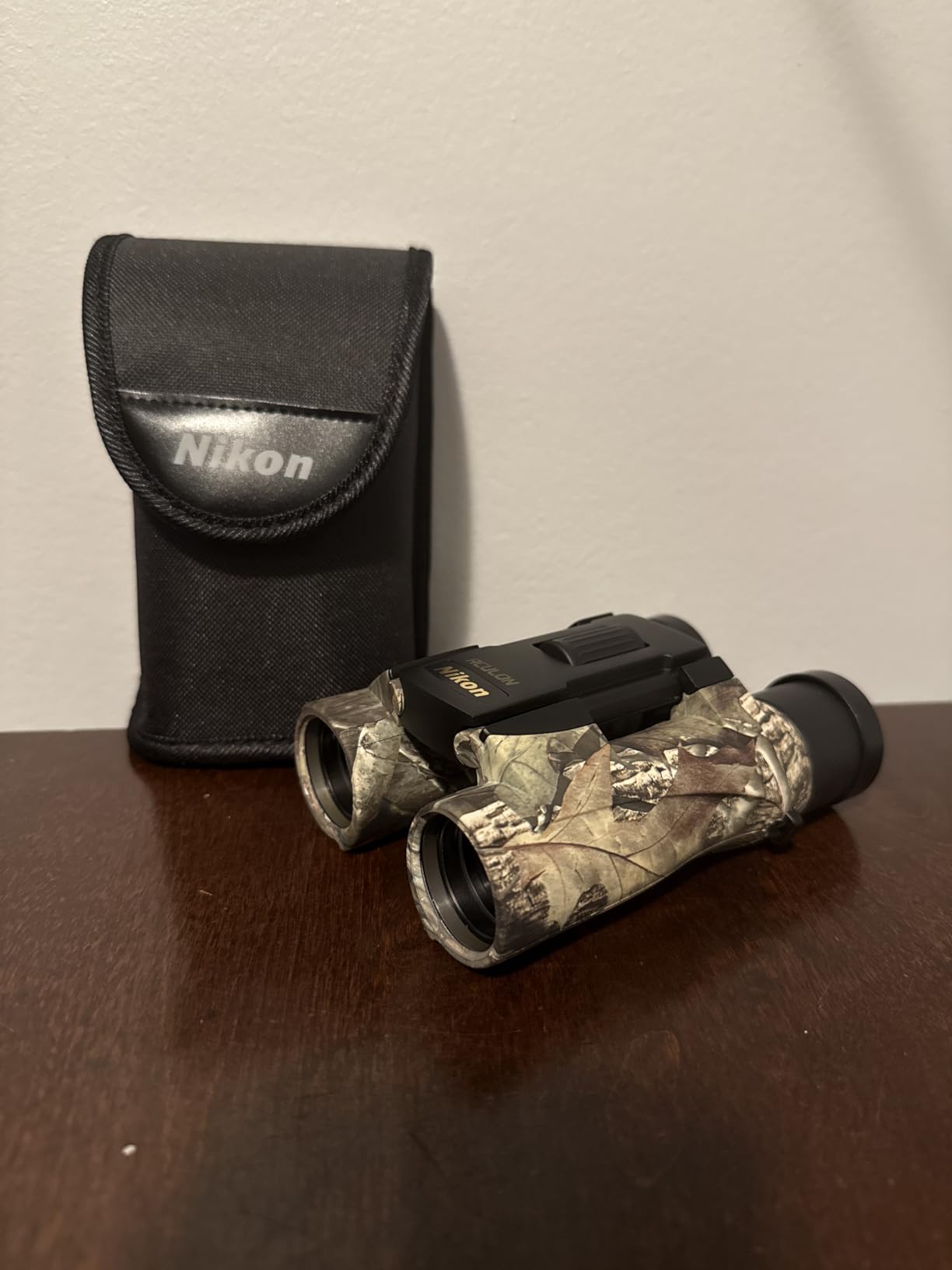
The dual-hinge folding body with a closed-bridge configuration folds flat and, at 9.76 oz, balances well enough to hold for a full show without the neck ache that heavier full-size models cause. The large centrally positioned focus knob is fast and precise one-handed.
Long-term owners report that it holds its adjustment and clarity after years, which tells you something a star rating alone does not.
Why this is my default recommendation
It is waterproof, light, sharp enough for facial detail from mid-bowl seats and cheap enough that you are not protecting an expensive purchase in a crowded floor pit. That combination is what most concertgoers actually need.
The dual-hinge design also makes it easy to live out of a coat pocket between shows, which is why it shows up in our list of the best binoculars for concerts more than any other budget pick.
Where it falls behind
Eye relief of 10.6 mm is short. If you wear glasses you will likely need to roll the eyecups down or remove your frames, and in a dark room that is a real friction point over three hours.
The 5.2 degree apparent field of view is also narrow, and 10x with no stabilization amplifies hand shake more than 8x would. Both are trade-offs you accept for the weight and the price.
8. Bushnell PowerView 10×42 Compact Roof Prism Binoculars
Bushnell PowerView 10×42 Compact Roof Prism Binoculars, Black
10x magnification
42mm objective
Roof prism
Telescoping eye cups
Center focus
Pros
- Largest objective here for dim venue light
- Telescoping eye cups work with glasses
- Tethered front and rear caps are hard to lose
- Solid build with a comfortable weight
Cons
- Bulkier than pocket compacts
- Some reports of internal blackness in the view
- 10x without stabilization shows shake
- Field of view not especially wide
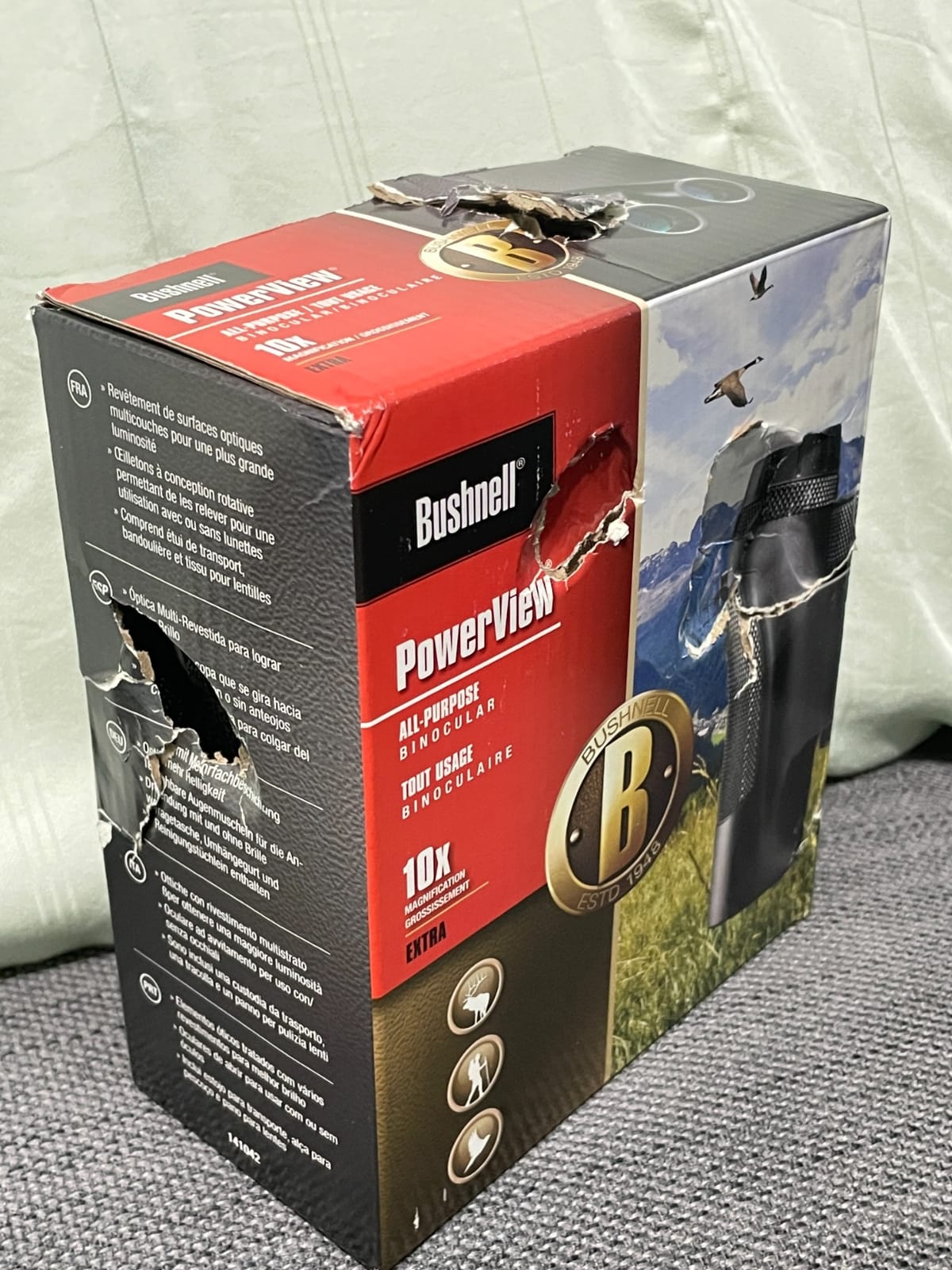
If your venue is genuinely dark and you do not care about pocketability, light gathering is the only spec that matters. A 42 mm objective at 10x produces a light bundle far larger than anything else in this roundup, and that is why this pair stays readable in the back of a dim bowl.
The roof prism design keeps the barrels straight and the optics controlled at the edges, which owners note when comparing it against cheaper folded designs that blur toward the rim.
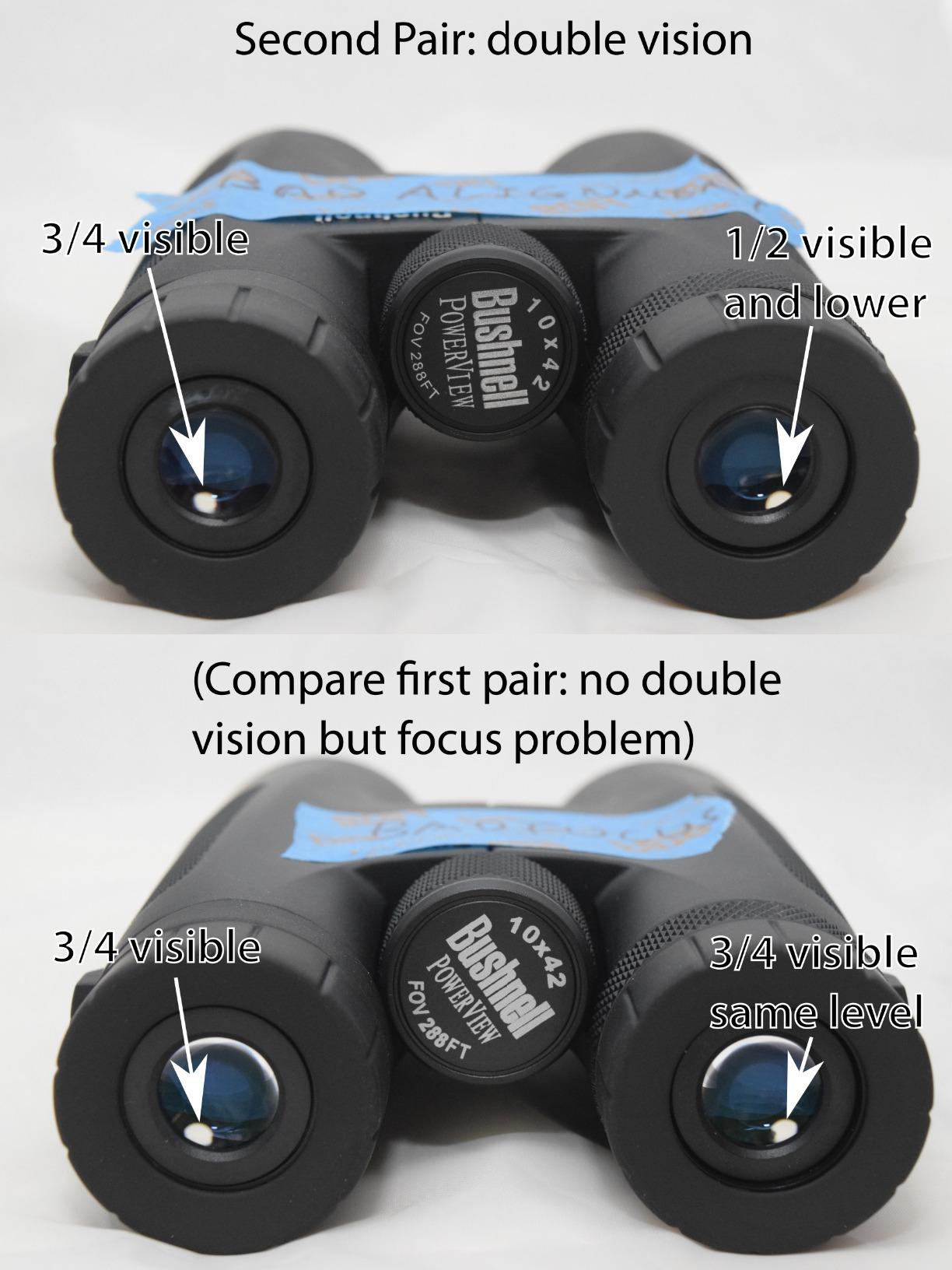
Telescoping eye cups are a genuinely good feature for glasses wearers, letting you get a clean, in-focus view without taking frames off. The tethered front and rear lens caps are hard to lose and double as rain protection on a wet outdoor show.
Rubber armor covers the body for grip and weather resistance, and a soft shell carry case is included. Long-term owners report clarity and focus still holding after years of use.
Who should buy the PowerView
This is the pick for older concertgoers whose pupils have narrowed, for stadium upper-deck seats, and for anyone who would rather carry a slightly larger pair than accept a dim image. Brightness is its whole argument.
It also suits seated viewing where you have a jacket or a chair arm to rest on, since 10x on a larger body is more comfortable with some support than the tiny pocket models.
What holds it back
A 42 mm objective makes it the bulkiest pair here. It is a genuine annoyance to carry through a security line, and it is not something you want on a walking festival route.
A small number of owners report intermittent internal blackness in the view, which is worth knowing about before you rely on it for a whole set. Ten times without stabilization also shakes, and the field of view is not wide enough to hand you the whole stage at once.
9. Dranbol 12×25 Mini Pocket Binoculars
DRANBOL 12X25 Mini Pocket Binoculars for Adults Kids, Small Compact Binoculars for Bird Watching, Opera Concert
12x magnification
25mm objective
2.08mm exit pupil
6.08 oz
BAK-4 roof prism
Pros
- Genuinely pocketable at 0.38 lb
- BAK-4 roof prism with multilayer coatings
- Owners use them for real shows and costume detail
- Rubber armor suits glasses wearers
- Case and neck strap included
Cons
- Magnification disputed
- several measure closer to 6x-8x
- Basic low-light performance only
- Not water resistant
- Short 2.08mm exit pupil
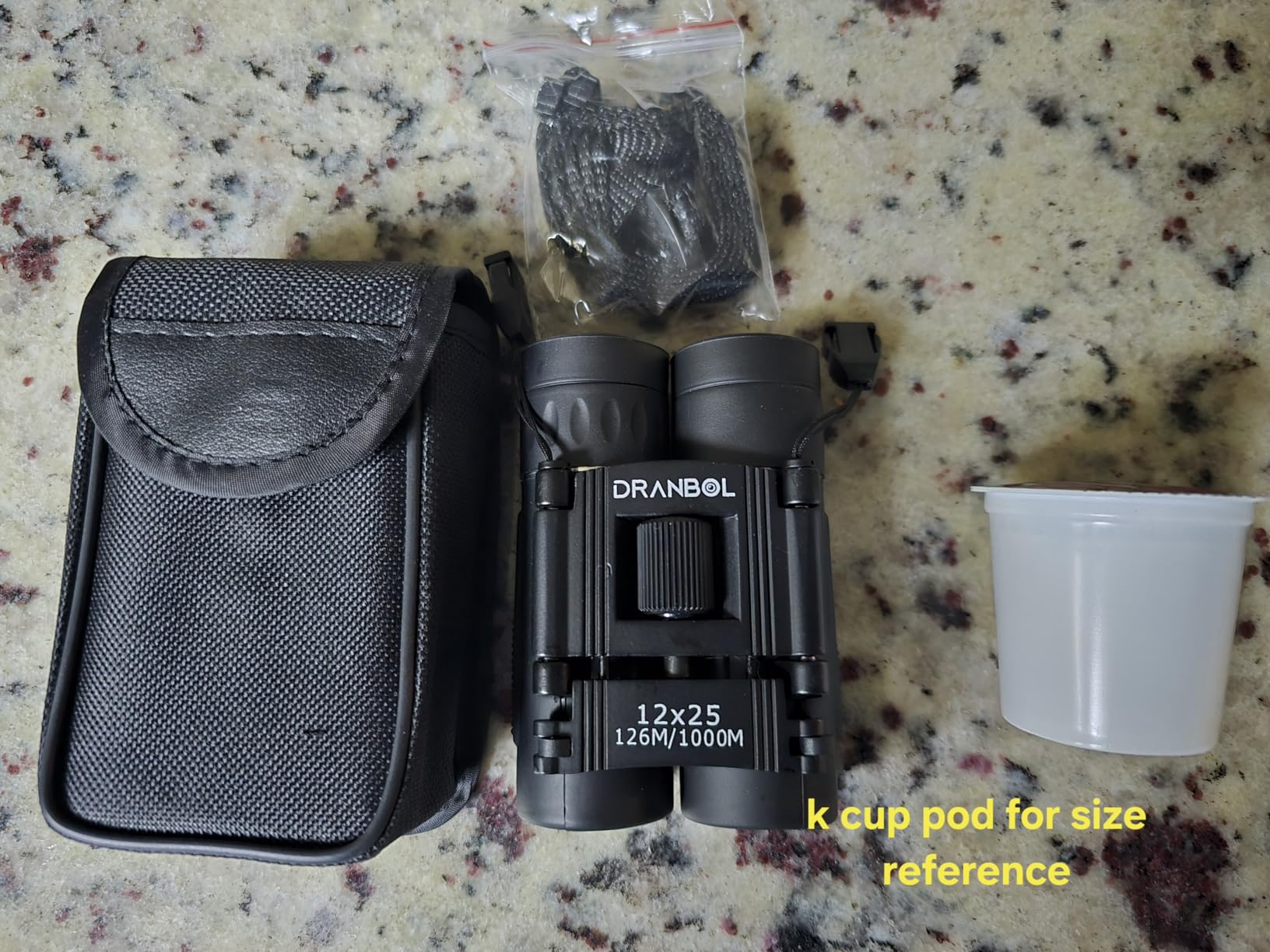
Theater and opera audiences are the best-case scenario for this pair. Owners report using it to read costume detail and facial expressions from cheap seats, which is exactly the job a 3x or 4x opera glass is hired to do but rarely does this well.
Optically it uses a BAK-4 roof prism under fully multicoated lenses, which gives a bright and natural-color view for the size. At 6.08 oz it vanishes into a pocket or a small bag.
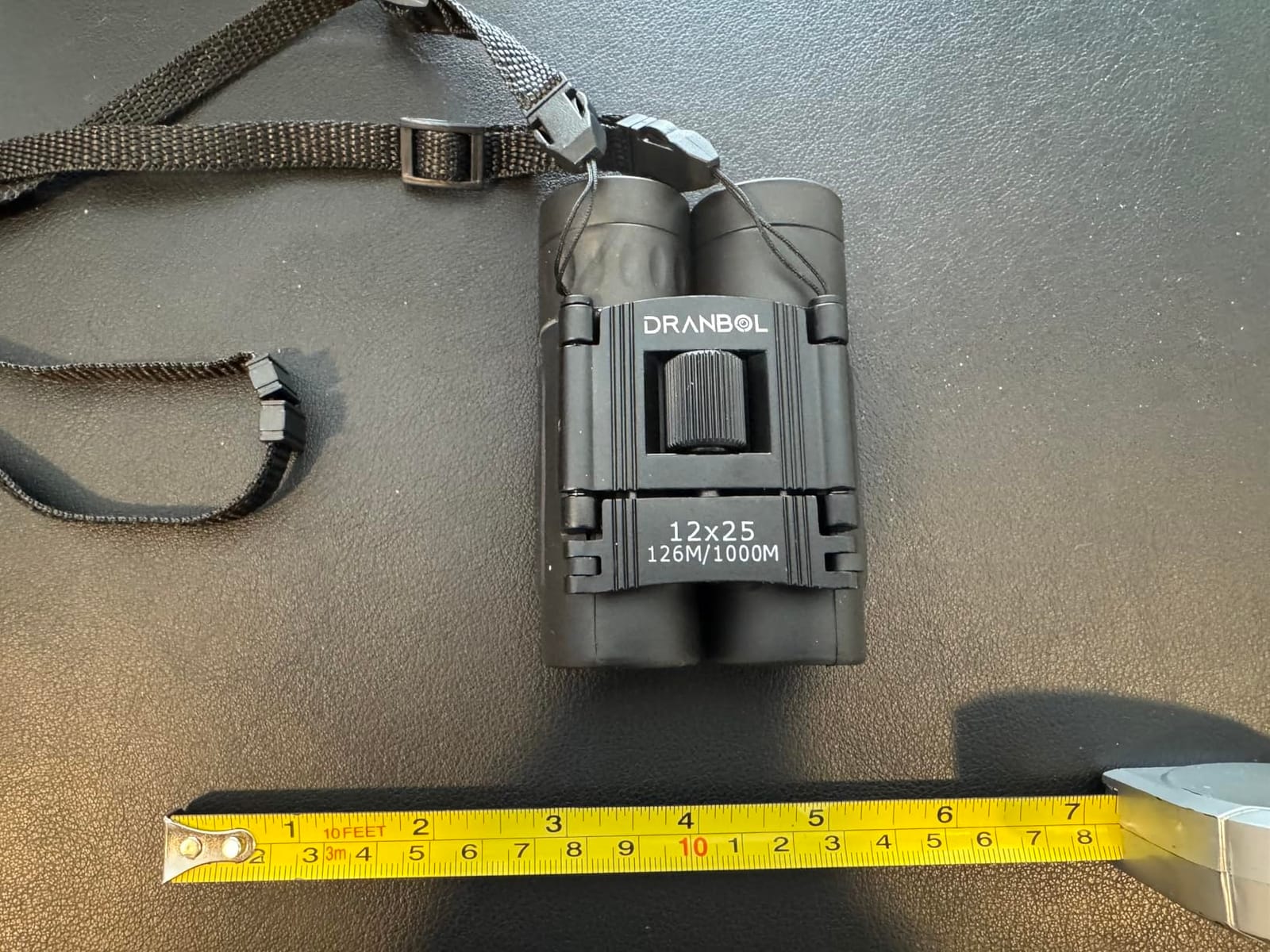
The rubber armor has a shock-resistant anti-skid finish and there is a defined eye relief area for spectacle wearers. Focus is central with a right-eyepiece adjustment and a diopter ring, and the case and neck strap come in the box.
The claimed 12x is disputed, though. Several buyers compared these against known references and measured real power closer to 6x to 8x with a smaller effective objective, which is worth factoring into your expectations.
Where the Dranbol earns its place
It is the best budget option for opera houses, theaters and musicals where the stage is well lit and the distance is modest. Bright lighting and a 25 mm objective work in its favor, unlike in a dark arena.
At venues with bag restrictions, or for anyone carrying binoculars all day at a festival, 0.38 lb is a genuine advantage over anything with a 30 mm or 42 mm objective.
What to watch for
The 2.08 mm exit pupil is the narrowest beam of light in the roundup, so dim scenes look genuinely dark. The low-light enhancement is basic and will not help in a blacked-out room.
It is also not water resistant, so an outdoor show in rain is a gamble, and a small number of owners report focus rings that stopped working after a few days.
10. vundueh Mini Compact Waterproof Binoculars
Mini Compact Binoculars for Adults and Kids – Waterproof High Powered Easy Focus Small Binocular, Ideal for Bird Watching, Hunting, Concert, Theater, Travel, Hiking, Sightseeing & Outdoor Sports
8x magnification
21mm objective
2.6mm exit pupil
FMC coating
5.3 oz
Pros
- 5.3 oz yet substantial in the hand
- Sealed aluminum and metal body resists rain and dust
- Easy for first-time users and children
- Sharp images with little color fringing
- Storage bag and cloth included
Cons
- Short eye relief and a mediocre field of view
- Dim image quality
- Small body is awkward in adult hands
- Limited near focus
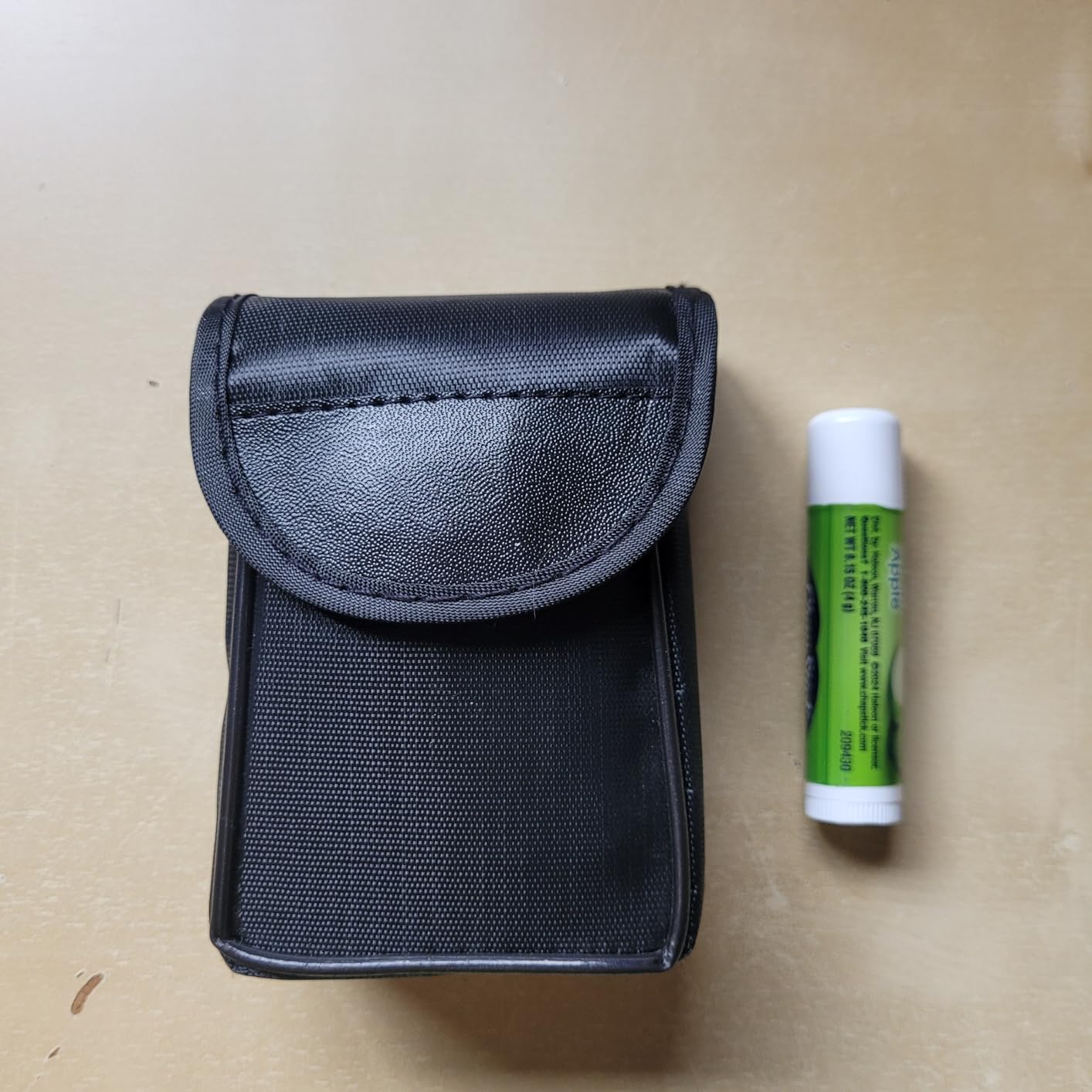
This is the pair I would consider for an outdoor festival in poor weather. The sealed metal body with an aluminum alloy frame and rubber armor resists rain splash, dust and debris, which is more protection than most pocket compacts offer.
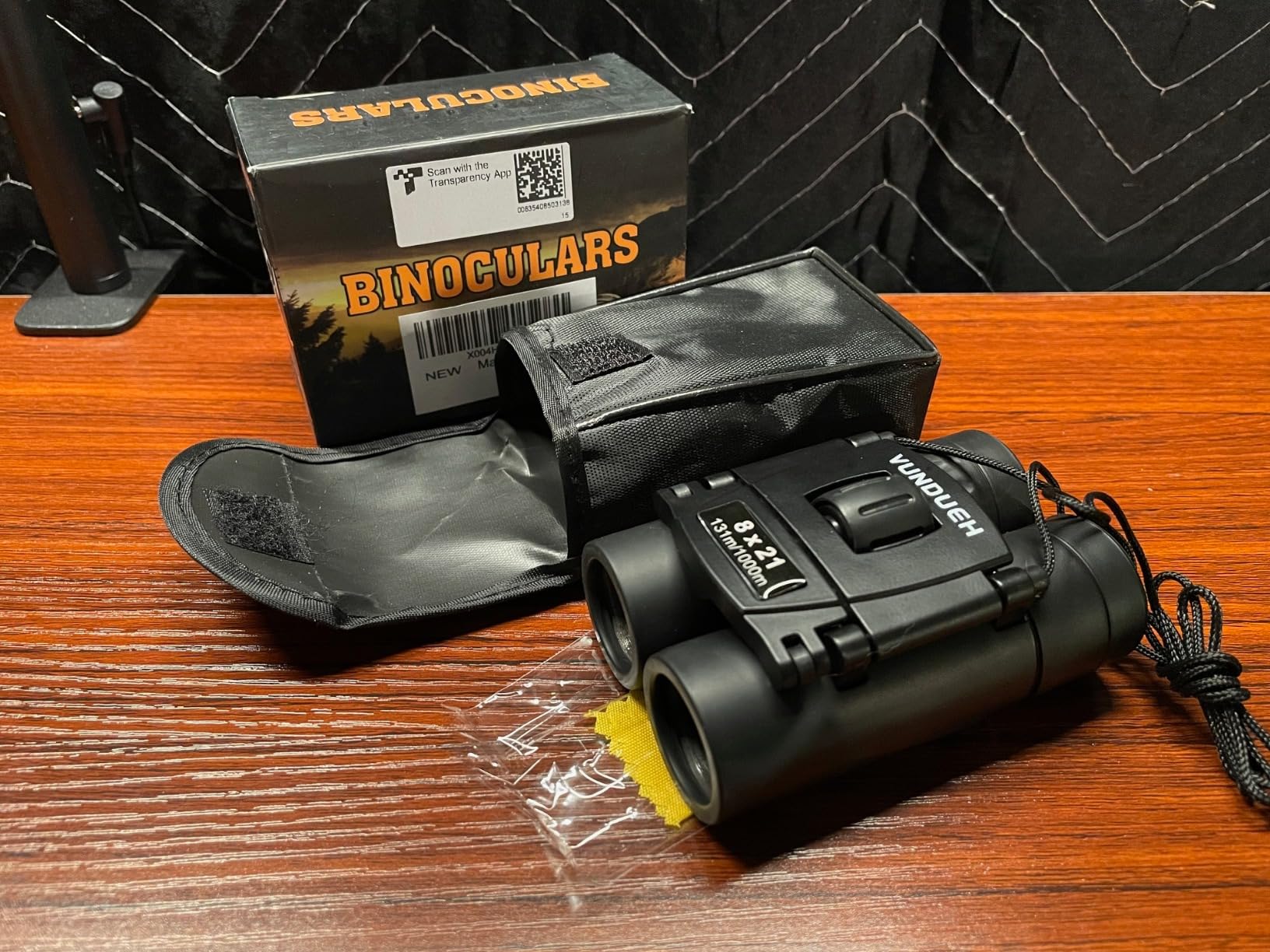
Optically it uses BAK-4 prisms under an FMC multilayer coating on a 30×60 wide-angle design, and owners are pleasantly surprised by how little color fringing they see at this level, which is unusual.
The spec stamp reads 8x with a 21 mm objective, even though listing headlines cite 12x. The 2.6 mm exit pupil is small, so treat it as a daylight and outdoor-first instrument rather than an arena one.
Focus is central with a diopter adjustment and a wide, smooth knob that is easy to find by feel, which matters when you are handling small objects in a dark tent.
Why it works outdoors
Rain resistance and a 5.3 oz weight are the combination that matters at a festival, where you walk between stages and the weather is unpredictable. The included storage bag, lanyard and cloth cover the rest.
It is also easy for a first-time user or a child to adjust, with no learning curve beyond the center wheel and diopter ring.
Where it struggles
Short eye relief and a mediocre field of view are the two most common complaints, and at least one glasses-wearing owner found the usable view too narrow to keep using. That combination can end a pair’s usefulness for a long show.
Because the body is so small, adult hands can bump the focus controls while holding it, and near focus is very limited. Image quality is dim compared with the 25 mm and 32 mm options, which is the trade for the weather sealing.
What to Look for When Buying Concert Binoculars
Concert binoculars are compact, low-magnification binoculars, usually 8×21 or 10×25, chosen for a wide field of view and a bright image rather than for long-range zoom. The five specs below decide almost everything about how a show feels from row 20.
How to read a spec stamp like 8×21
The first number is magnification and the second is the objective lens diameter in millimeters, so 8×21 means eight times bigger with a 21 mm front lens. Most first-time buyers assume the bigger number is better, and it is the one that decides whether you can see anything in a dark room.
Several pairs in this roundup list a magnification far higher than owners can measure in practice, so treat any dramatic claim with suspicion and read the owner reviews rather than the listing headline.
Magnification by venue and seat
For indoor arenas and theaters, 4x to 8x is the useful range. Beyond 10x the view shakes badly in a standing handheld position, and a shaky 12x image is less useful than a steady 8x one because you spend the set fighting the blur.
Outdoors, 7x to 10x makes sense because the viewing distance is usually longer. From an upper deck, a 10x pair resolves a face where an 8x pair gives you a performer-sized shape.
The number of rows matters more than the venue. If you are within about 20 rows, binoculars add little and a phone zoom may serve. Past that, the difference between a blob and a face becomes obvious.
Field of view
Field of view is how much of the stage you see at once, and it shrinks as magnification rises. A good target is roughly 6 to 8 degrees apparent, which corresponds to about 105 m to 140 m of linear field at 1000 m.
Wide field of view is what stops you panning constantly and missing entrances. In this roundup the Vortex Diamondback HD 8×32 leads at 8.1 degrees, while several 10x and 12x pocket pairs sit near 5.2 degrees and feel noticeably tighter.
Objective lens diameter and exit pupil
The exit pupil is the objective diameter divided by magnification, and it is the number that governs brightness. A 32 mm objective at 8x gives a 4 mm exit pupil, a 25 mm at 10x gives 2.5 mm, and a 21 mm at 8x gives 2.63 mm.
Bigger is better up to a point. Light-gathering scales with the square of the lens diameter, so moving from 21 mm to 32 mm nearly doubles the light, which is why full-size pairs stay readable in dark venues where pocket compacts go dim.
Age matters here too. Pupil size shrinks by roughly 1 mm per decade after age 30, so a viewer in their sixties may find a 2.5 mm exit pupil genuinely uncomfortable and should aim for 4 mm or more.
Eye relief for glasses wearers
Eye relief is the distance from the eyepiece lens to your eye, and you want at least 10 mm, ideally 14 mm or more, if you wear glasses. Anything under 11 mm usually means rolling the eyecups down or removing frames in the dark.
In this roundup the Canon 10×30 IS at 14.5 mm and the Vortex Diamondback HD at 16 mm are the two pairs designed around glasses wearers. The Nikon A30 at 10.6 mm and most 21 mm pocket pairs are not.
Prism, coatings and glass
A roof prism keeps the barrels straight and handles higher magnification better, while a Porro prism gives slightly more brightness per dollar and a deeper, easier-to-hold image. Either works for concerts if the coatings are good.
BAK-4 prism glass gives noticeably better contrast and color than the BK7 glass used in entry-level models. On the lens side, fully multicoated optics and phase correction are what keep stage lighting from smearing into glare.
ED glass, which reduces color fringing around high-contrast stage lighting, shows up on the Vortex Diamondback HD and is one of the reasons it looks clean against bright fixtures.
Weight, sealing and the zoom question
For a three-hour set, anything under about 12 oz is comfortable on a neck strap, and 15 oz is about the limit before fatigue shows. For an all-day festival you walk between stages, weight matters more than anything except brightness.
Waterproofing and fog-proofing are for outdoor shows, not indoor ones. Argon or nitrogen purging keeps lenses from fogging after a cold walk into a warm venue, and sealed bodies handle rain splash, which is why one of our picks is highlighted for wet weather.
Zoom binoculars deserve a direct warning. The top-ranking community discussion on this topic is full of first-time buyers asking whether cheap zooms are worth it, and the consensus is no: they gather less light, and you will typically end up stuck at the wide end anyway while paying for the range.
What concertgoers actually say
The recurring advice in that same discussion is that lower magnification gives a wider field of view, a brighter and steadier view, and enough of the stage to avoid constant panning. The most common upgrade trigger is not magnification but a dim image in a dark venue.
That matches what we saw across the owner reviews here. Nearly every strong upgrade story starts with someone replacing a cheap pair because the picture went soft and dim in an indoor arena, not because they wanted more zoom.
Which Binoculars Fit Your Seat
Floor and lower bowl: within about 20 rows, a 8×21 or 12×25 pocket pair is plenty. You are close enough that binoculars are a nice-to-have rather than a necessity.
Mid-bowl, roughly 20 to 50 rows: 10×25 is the sweet spot. The Nikon ACULON A30 is the default choice here because it is light, sharp and easy to carry.
Upper deck and upper bowl: you want light and reach together, so 8×32 or 10×42. The Vortex Diamondback HD handles bright indoor upper decks, and the Bushnell PowerView 10×42 is the choice when the bowl is genuinely dark.
Outdoor festival field: brightness wins because the light is variable and the distance is long. The Vortex Diamondback HD is sealed against water and fog, and the Canon 10×30 IS handles a long set once you find a seat.
Standing room on the floor: portability beats everything. The AHFLRITO at 5.3 oz and the vundueh at 5.3 oz pass through a security line without becoming a bag-check problem.
Venue Rules and Concert Etiquette for Binoculars
Yes, it is okay to bring binoculars to a concert. They are ordinary at arenas, stadiums, theaters and festivals, and nobody has ever been turned back for carrying them. Security may inspect them the same way they inspect a camera, which is a normal part of the entry process.
Bring a compact pair rather than a full-size 10×42 or 10×50 if you can. Small binoculars are quicker through a metal detector, easier at a coat check and lighter on your neck for the whole show.
If a venue requires small bags, binoculars usually fall under that allowance because they are not a bag. If you plan to bring a large case or a tripod, check the venue rules first, since mounted equipment is the item most often restricted.
A few practical etiquette notes: keep both eyes on the stage rather than scanning the crowd, lower the binoculars during a set piece if you want to watch the lighting and staging, and be considerate of the people in the row behind you by not holding a pair aloft through an entire number.
Frequently Asked Questions
What are the best binoculars for concert viewing?
Compact 8×21 or 10×25 models are best for indoor arenas, while 8×32 or 10×42 pairs suit outdoor shows and upper decks. Look for a wide field of view of 6 to 8 degrees, a large exit pupil for brightness, and enough eye relief to wear glasses comfortably.
Which binoculars are better for concerts?
Better for concerts means lower magnification with a wider field of view rather than more zoom. 4x to 8x indoors and 7x to 10x outdoors keeps the image bright and steady. Pairs like the Vortex Diamondback HD 8×32 and the Canon 10×30 IS hold a usable view through a long set.
Is it okay to bring binoculars to a concert?
Yes, binoculars are normal at concerts, stadiums, theaters and festivals. Security will usually inspect them like a camera. Choose a compact folding pair, which is quick through a metal detector, easy to store and lighter on your neck for a three-hour show.
Is it normal to bring binoculars to a concert?
Completely normal. Concertgoers routinely bring binoculars to see facial detail and stage action, especially from the upper deck. Pick a compact pair, learn the focus and diopter controls before the show, and lower them during quieter moments so people behind you can see.
What magnification is best for concerts?
Use 4x to 8x for indoor arenas and theaters, and 7x to 10x for outdoor festivals and stadiums. Beyond 10x, handheld shake dominates and you spend the set fighting a blurred image. Field of view matters more than magnification because it keeps the whole stage in view.
What is a good FOV for binoculars?
A good apparent field of view for concerts is 6 to 8 degrees, roughly equivalent to 105 m to 140 m of linear field at 1000 m. Below about 5 degrees you will pan constantly and lose performers at the edges of the stage during fast movements.
What is better, 12×50 or 10×42 binoculars?
Neither is ideal for concerts, because both are heavy full-size pairs that weigh far more than a show allows. If you must choose between two full-size options, 10×42 is steadier and brighter than 12×50, but a compact 8×32 or 10×25 serves concerts far better.
Which is better, 12×50 or 20×50 binoculars?
A 12×50 beats a 20×50 for concerts by a wide margin. At 20x the handheld shake and narrow field of view make the image unusable in a crowded arena, while 12x is still manageable. Both are heavier and brighter than a compact 8×32, which suits most seats better.
How far do 12×50 binoculars see?
A 12×50 resolves detail on a subject roughly 50 to 100 meters away clearly, which covers most arena and stadium seating. Distance is rarely the limit at a concert; brightness, field of view and hand stability are what decide whether you can actually see it.
What are the best binoculars for viewing stadiums?
For stadium upper decks, choose a wide field of view and a large objective lens. An 8×32 or 10×42 works well because it gathers enough light for evening fixtures, and a wide field lets you follow play across the field without constant panning.
What binoculars do Navy SEALs use?
Navy SEALs typically use binocular rigs with magnification and glass configurations built for military observation, including stabilized and night-capable systems. Those are far heavier and costlier than concert binoculars, and for spectating a compact wide-field pair works better.
Do concert binoculars need to be waterproof?
Not for indoor arenas or theaters, where sealing adds weight and cost for no benefit. For outdoor festivals, waterproofing and fog-proofing matter, since a sudden shower or a cold walk into a warm tent will fog untreated lenses within minutes.
The Best Binoculars for Concerts in 2026
The Canon 10×30 Image Stabilization II takes our top spot because image stabilization solves the one problem no amount of magnification can: a shaky view through a three-hour set. Its 14.5 mm eye relief also makes it the friendliest pair here for glasses wearers.
The Vortex Diamondback HD 8×32 is the better choice if you want the whole stage in frame, since its 8.1 degree field of view and 4 mm exit pupil deliver a bright, wide image. The Nikon ACULON A30 10×25 remains the value pick most people should buy first.
Whatever you choose, the decision comes down to three numbers: magnification between 4x and 10x, a field of view above 6 degrees, and an exit pupil that suits how well your eyes dilate in the dark. Match those to your seat and the rest is detail.